29 Prisons With Escape Records That Read Like Thriller Plots
There’s something about a prison break that short-circuits rational thought. Not because escaping is admirable — it isn’t, usually — but because the human capacity for obsession, ingenuity, and sheer stubborn will tends to reveal itself most clearly when someone has nothing left to lose and a wall standing between them and everything else.
These aren’t just stories about missing inmates. They’re case studies in desperation, architecture, complicity, and occasionally genius. Some of the facilities on this list have long since cleaned up their records. Others are still sorting through the embarrassment. Either way, the escapes happened, the files exist, and the details are stranger than most fiction writers would dare to invent.
Alcatraz Federal Penitentiary
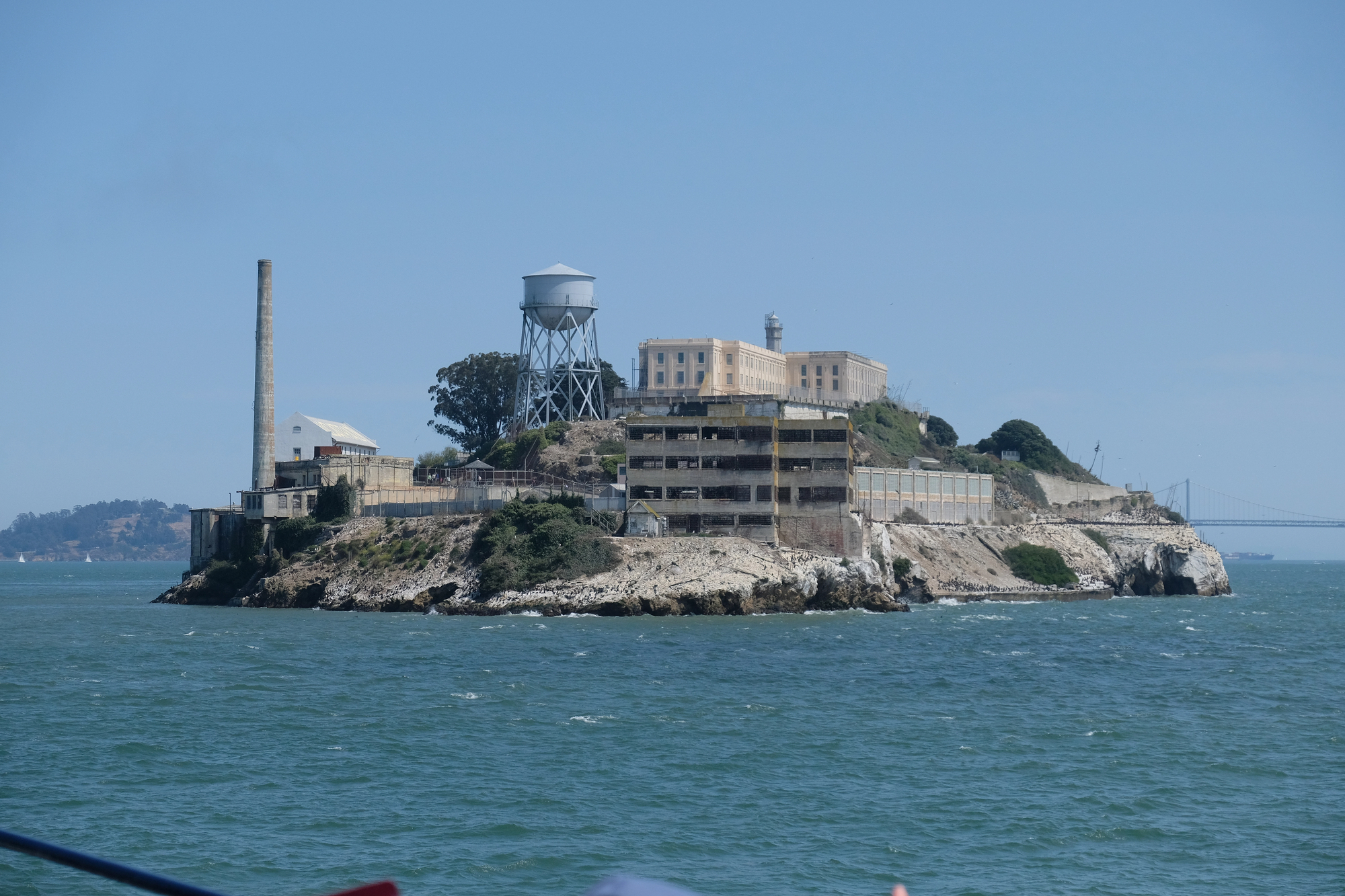
No list of prison escapes survives without Alcatraz, and that’s entirely earned. The June 1962 escape by Frank Morris and the Anglin brothers — papier-mâché dummy heads left in the beds, a raft fashioned from more than 50 stolen raincoats, a ventilation shaft widened with a spoon over months — remains one of the most meticulously planned vanishing acts in American correctional history.
The FBI officially closed the case in 1979, declaring the men most likely drowned, though a 2015 letter purportedly from John Anglin suggested otherwise. The island still draws over a million visitors a year, many of whom are more interested in the escape route than the cells.
Maze Prison
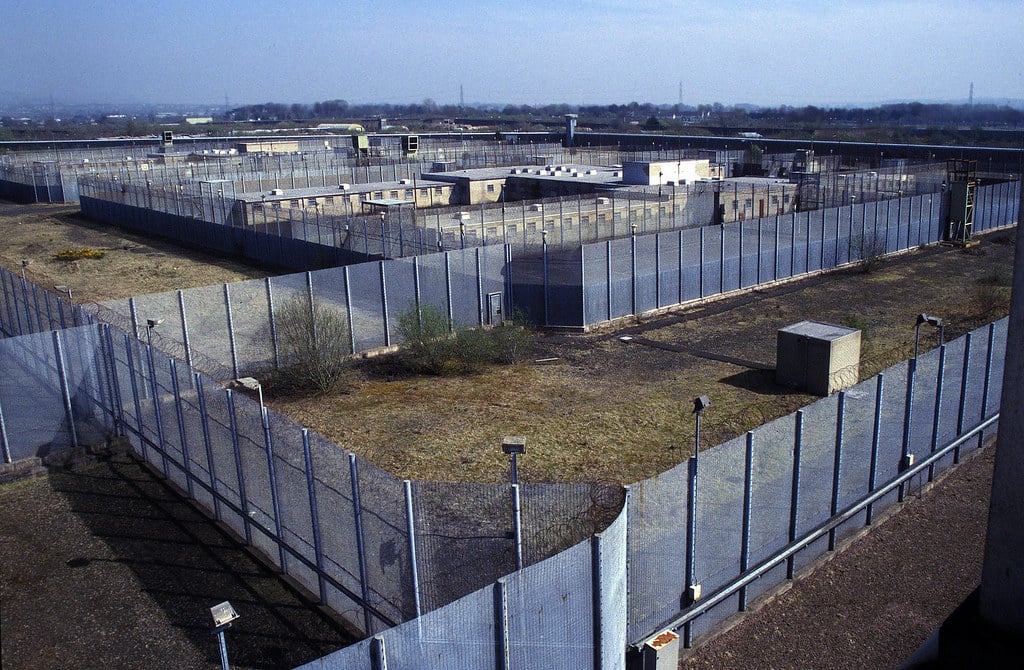
Maze Prison, outside Belfast in Northern Ireland, is the site of the largest prison break in British history, and nothing about the 1983 escape was improvised. Thirty-eight IRA prisoners took prison officers hostage using smuggled firearms, commandeered a food delivery lorry, and drove straight out the front gate — an exit so audacious it almost reads as a dare rather than a plan.
Twenty-one were recaptured that same day, but seventeen made it out permanently, several of them vanishing into the Republic of Ireland. The prison was decommissioned in 2000, and the escape remains a source of political tension that no amount of time has fully dissolved.
Dannemora Clinton Correctional Facility
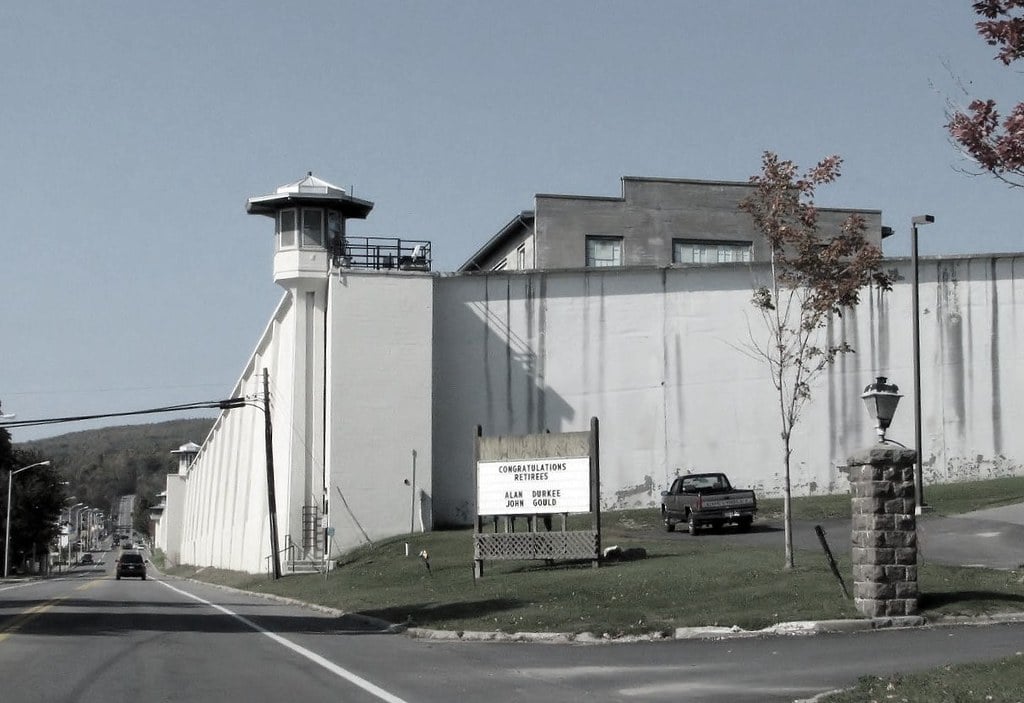
Two convicted murderers, a prison worker who supplied them with tools, and an escape route through steam pipes and sewer tunnels — the 2015 breakout from Clinton Correctional Facility in Dannemora, New York felt like it had been written by someone who’d read too many heist novels and decided to test the concept. Richard Matt and David Sweat spent months cutting through their cell walls, navigating a labyrinth of underground passages, and emerging through a manhole cover into a quiet street near the prison perimeter.
Matt was shot dead by law enforcement 22 days later; Sweat was captured two days after that. The story became a Showtime limited series, which somehow undersells how strange it actually was.
Luynes Prison
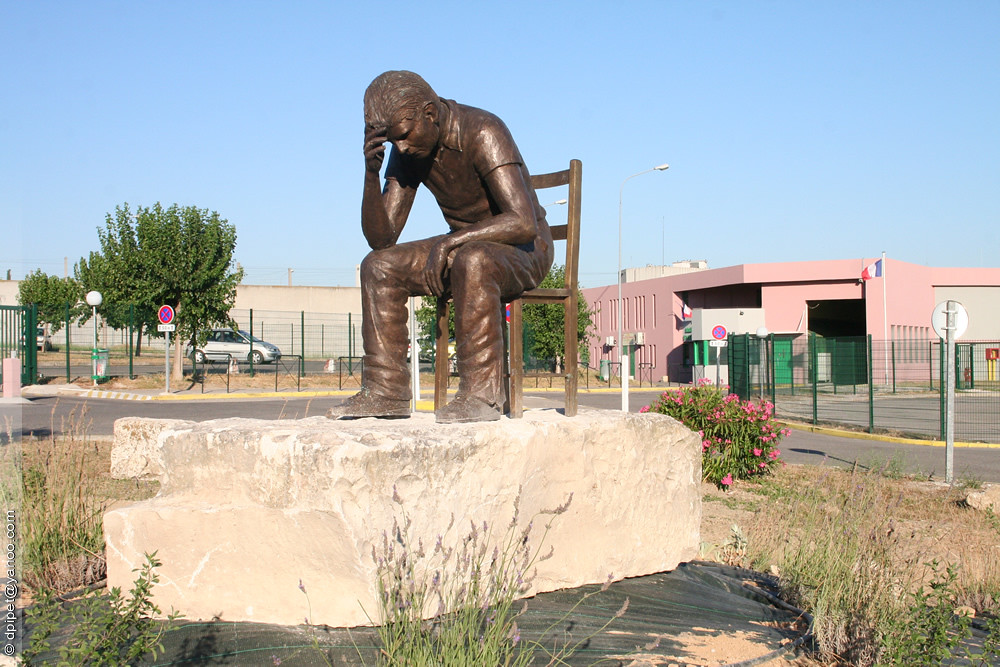
Inside Luynes Prison in southern France, the summer of 2018 delivered something genuinely difficult to explain away. Redoine Faïd, a convicted armed robber with a documented habit of making institutions regret his presence, was airlifted out of the prison’s visiting area by armed accomplices who arrived in a helicopter, neutralized the guards, and departed in roughly ten minutes.
It was Faïd’s second escape from French custody — his first, in 2013, involved disguises and hostages taken from a jail in Sequedin. Three months after the helicopter escape, he was recaptured in a suburb of Paris, asleep in a safe house.
Pentridge Prison
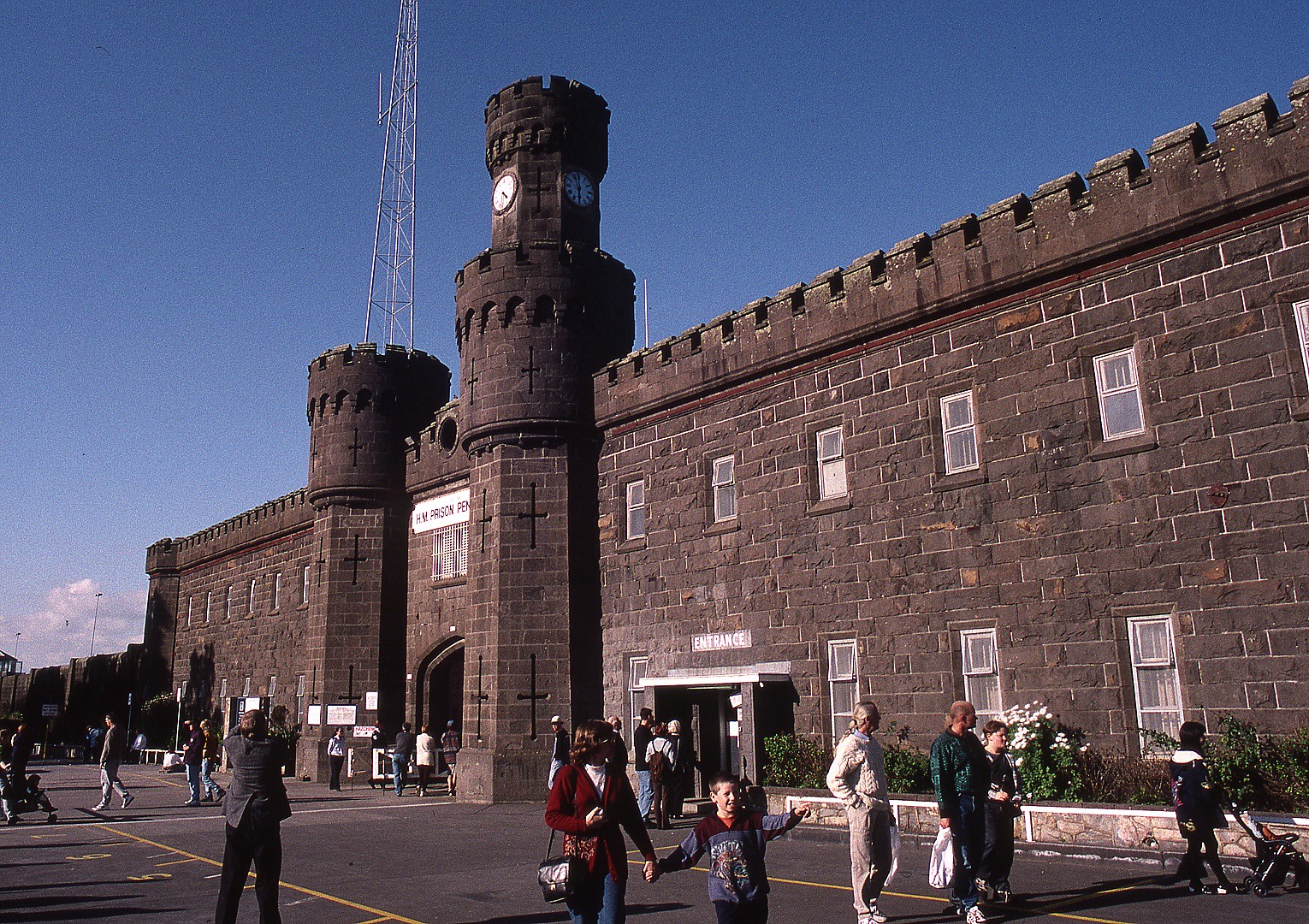
Pentridge Prison in Melbourne, Australia operated for over a century before closing in 1997, and in that time it accumulated an escape record with a particular flavor: audacious, theatrical, and occasionally darkly comic. The most famous escape attempt came from Ronald Ryan in 1965, who went over the wall with another inmate and was eventually recaptured after a manhunt that consumed the country’s attention.
Ryan was later executed — the last person to be hanged in Australia — and the episode became a flashpoint in the national debate over capital punishment. The prison itself has since been converted into apartments, which is either poetic or unsettling depending on your tolerance for real estate irony.
Fuchu Prison

Fuchu Prison in Tokyo doesn’t have a long list of successful escapes, but the case of Yoshie Shiratori — who escaped from four different Japanese prisons across his lifetime, including Fuchu — belongs in a category of its own. Shiratori picked locks with wire he pulled from his own cell, dislocated his joints to slip through restraints, and on one occasion dug through a concrete floor over a period of months.
What’s genuinely strange is that after his final recapture, prison officials spent time actually talking to him, addressing his grievances, and the escapes stopped. Sometimes the answer really was just to listen.
Bogotá La Picota Prison

La Picota Prison in Bogotá, Colombia has a complicated relationship with the concept of containment, partly because the drug trade that drove its population also funded extraordinary measures to undermine it. The facility has seen escape attempts involving tunnels, corrupt guards, and — on at least one documented occasion — entire sections of the institution operating under criminal rather than governmental authority.
The Colombian government has repeatedly restructured the prison’s security protocols in response to these failures. It remains a facility where the gap between “incarcerated” and “operational” is narrower than most governments would publicly admit.
Broadmoor Hospital
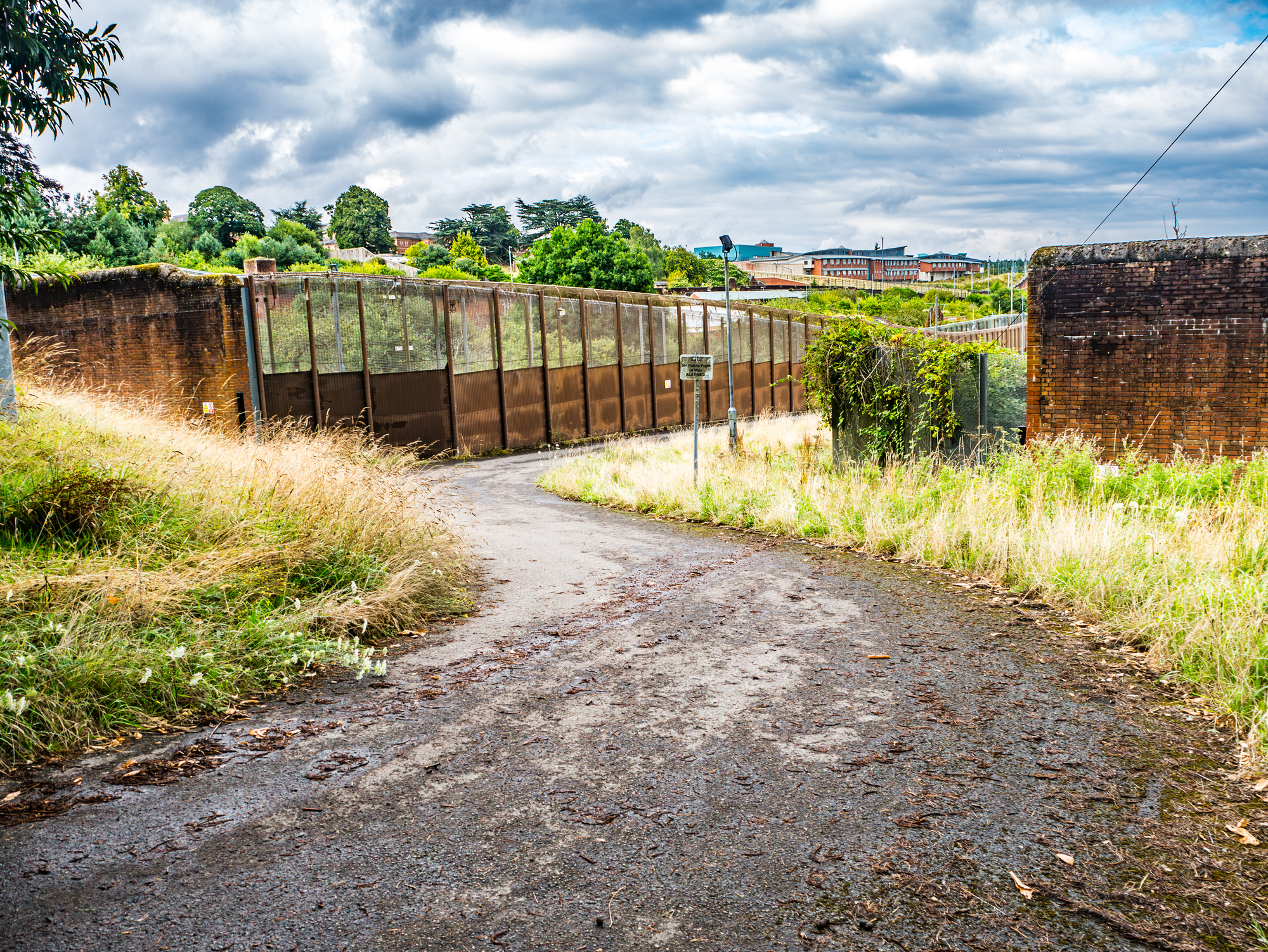
Broadmoor is technically a high-security psychiatric hospital rather than a conventional prison, but its escape history is too relevant to ignore. John Straffen escaped in 1952, having been committed after strangling two young girls, and during the four hours he was free he killed a third child before recapture — a sequence of events that prompted a complete overhaul of the institution’s perimeter security.
The facility has recorded multiple escapes over its history, some involving patients simply walking away during supervised periods, others involving more deliberate planning. Each time, the response has been institutional reform.
Each time, the reforms have eventually been tested again.
HM Prison Wormwood Scrubs
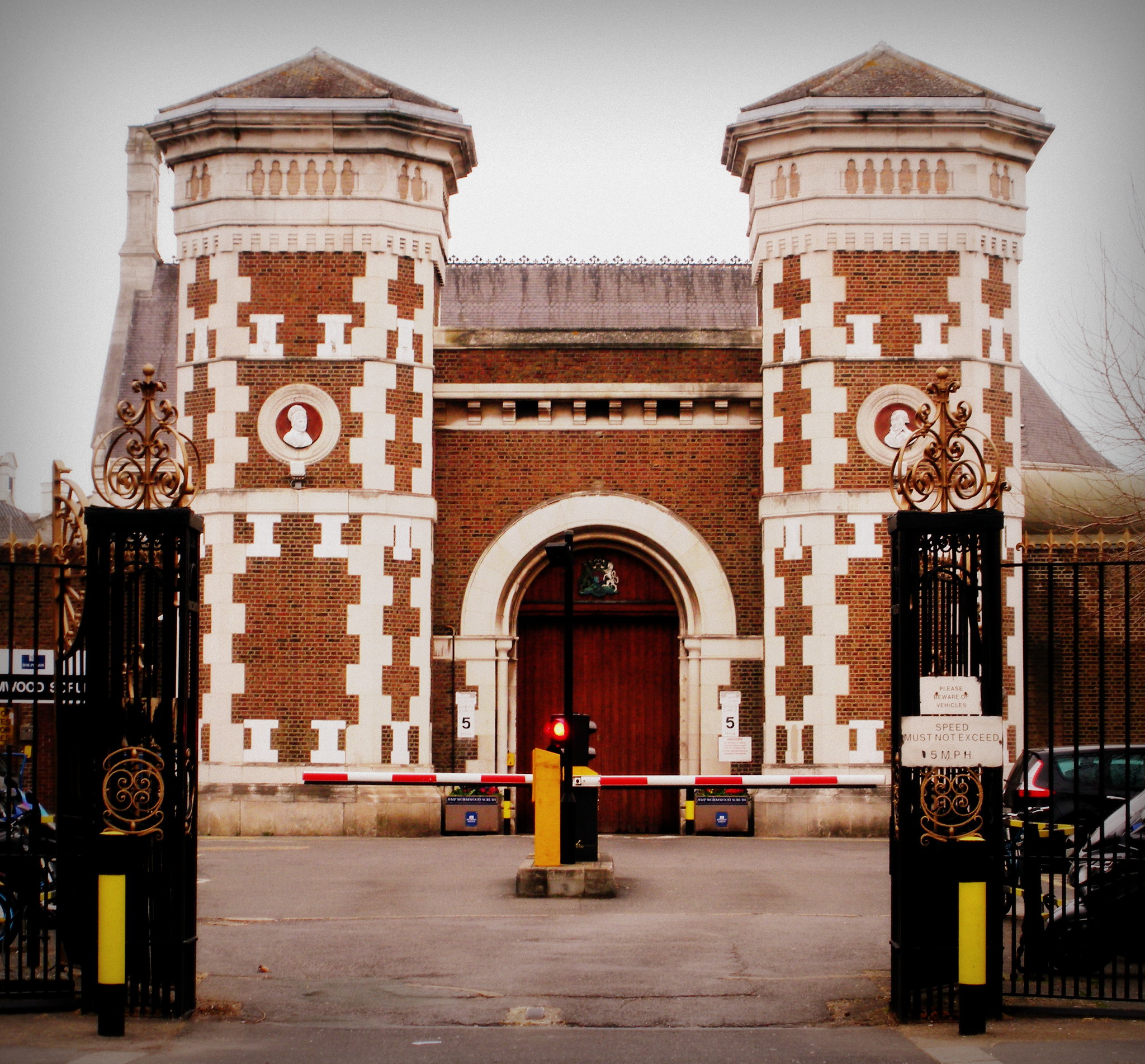
George Blake, a British intelligence officer convicted of spying for the Soviet Union and serving a 42-year sentence, went over the wall of Wormwood Scrubs in October 1966 using a rope ladder whose rungs were fashioned from knitting needles — thrown by Sean Bourke, a fellow former prisoner who had befriended Blake inside. The escape was organized not by Soviet intelligence, as was long assumed, but by two libertarian peace activists, Michael Randle and Pat Pottle, who had served time alongside Blake and came to see his sentence as inhumane.
They later smuggled him across the Channel in a campervan and drove him to East Germany. Blake reached Moscow, lived there until his death in 2020 at age 98, and never faced further consequences.
Randle and Pottle admitted their role publicly in 1988 and were acquitted at trial in 1991 — a verdict that itself says something complicated about the jury’s sympathies.
Arthur Road Jail
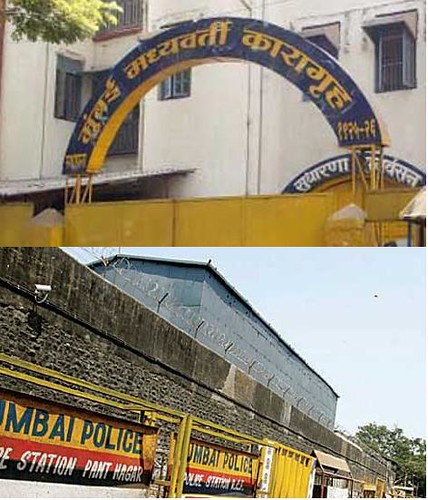
Arthur Road Jail in Mumbai, India is overcrowded by any reasonable standard — consistently housing far more inmates than its infrastructure was built to handle — and the resulting chaos has made it fertile ground for escape attempts over the decades. The most notable involved a coordinated exit by multiple prisoners who exploited a shift change, a distraction, and a section of the perimeter wall that had been quietly compromised over weeks.
Indian prison officials have since cited Arthur Road as a case study in what under-resourcing a correctional facility actually produces: not just poor conditions, but genuine security collapse.
Wandsworth Prison
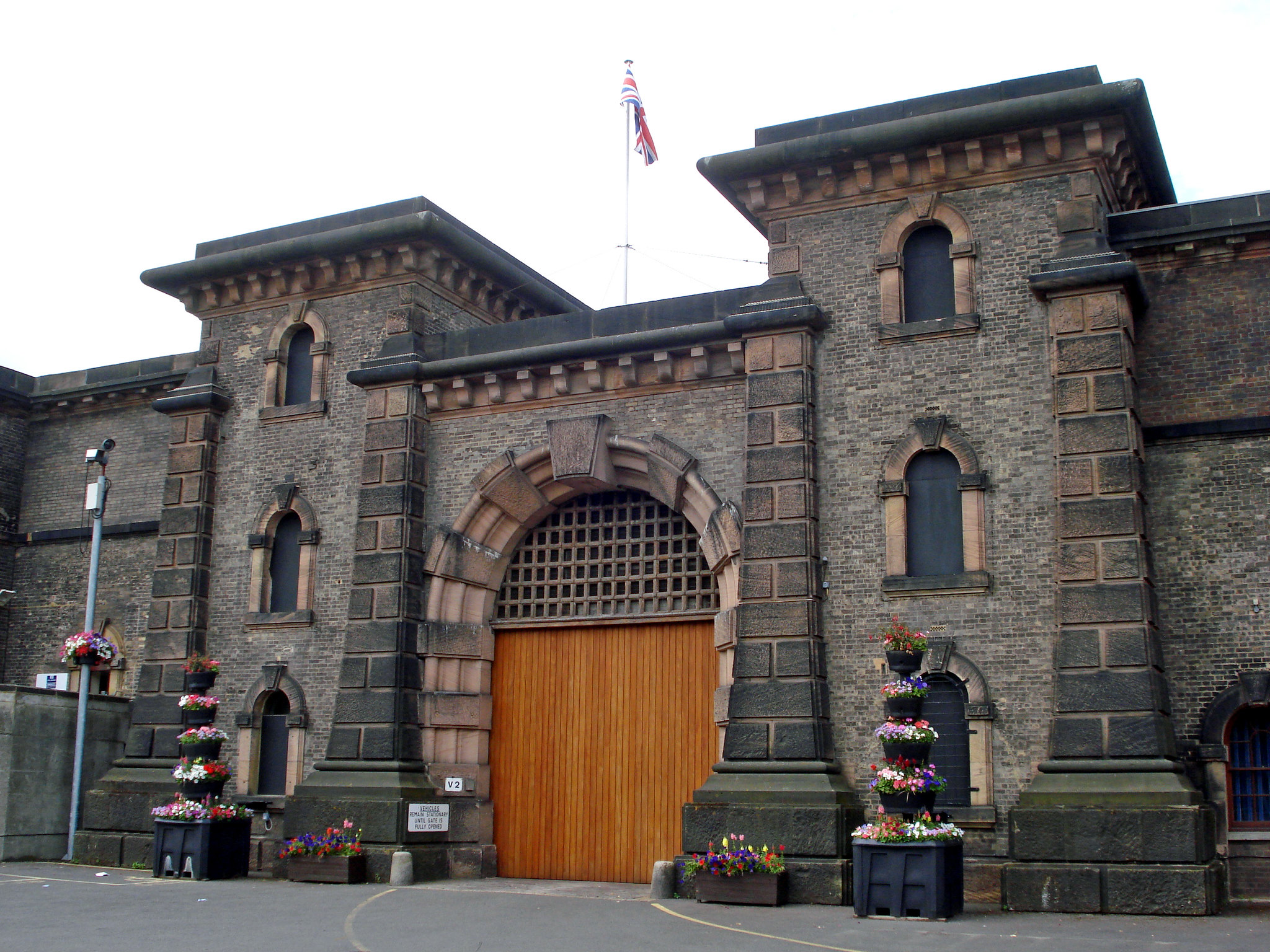
Wandsworth Prison in London once held more people than any other prison in England, and its Victorian-era infrastructure — built in 1851 — has been gamed by inmates with a patience that the original architects clearly didn’t account for. The 1966 escape of Frank Mitchell, organized from outside by the Kray twins, involved prison officers being essentially overpowered while Mitchell was on a work party in Hampstead Heath.
Mitchell was never recaptured; the general assumption, never proven in court, is that he was murdered by the same organization that freed him. The Krays were acquitted of his murder. The case remains open.
São Paulo Carandiru Prison
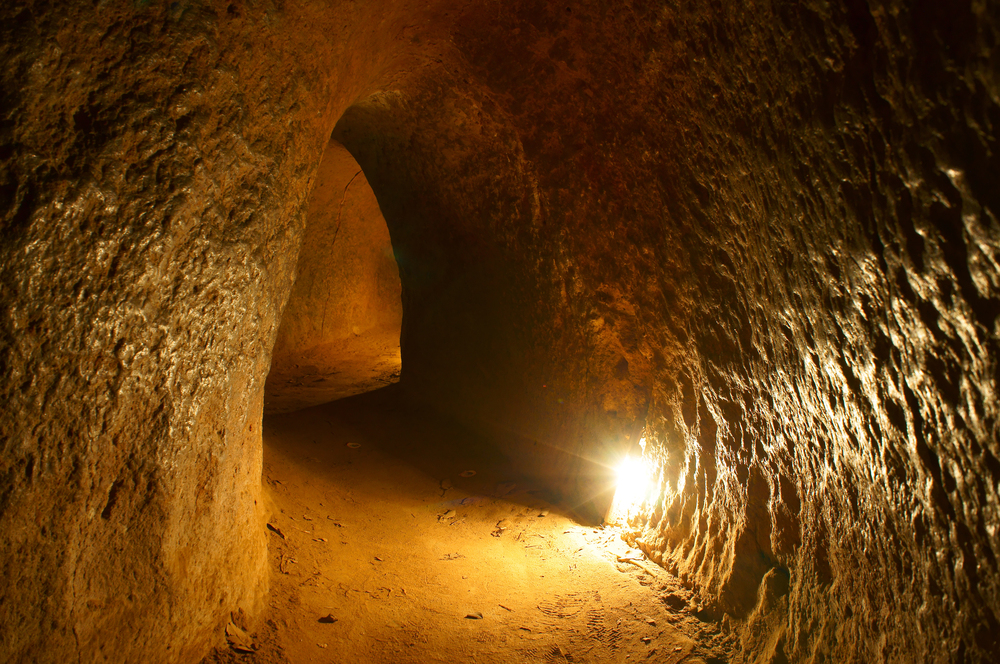
Carandiru in São Paulo was already one of the most violent prisons in the Western Hemisphere before a 1992 massacre claimed 111 lives during a police intervention — but the facility’s escape history predates and postdates that event by decades. In a population that at its peak exceeded 7,000 in a facility built for fewer than 4,000, coordinated gang activity — primarily by the Primeiro Comando da Capital, which essentially formed inside Carandiru — included systematic planning of escapes, outside communication, and the movement of contraband that rendered the prison’s nominal authority largely ceremonial.
The facility was demolished in 2002.
Kinross Prison
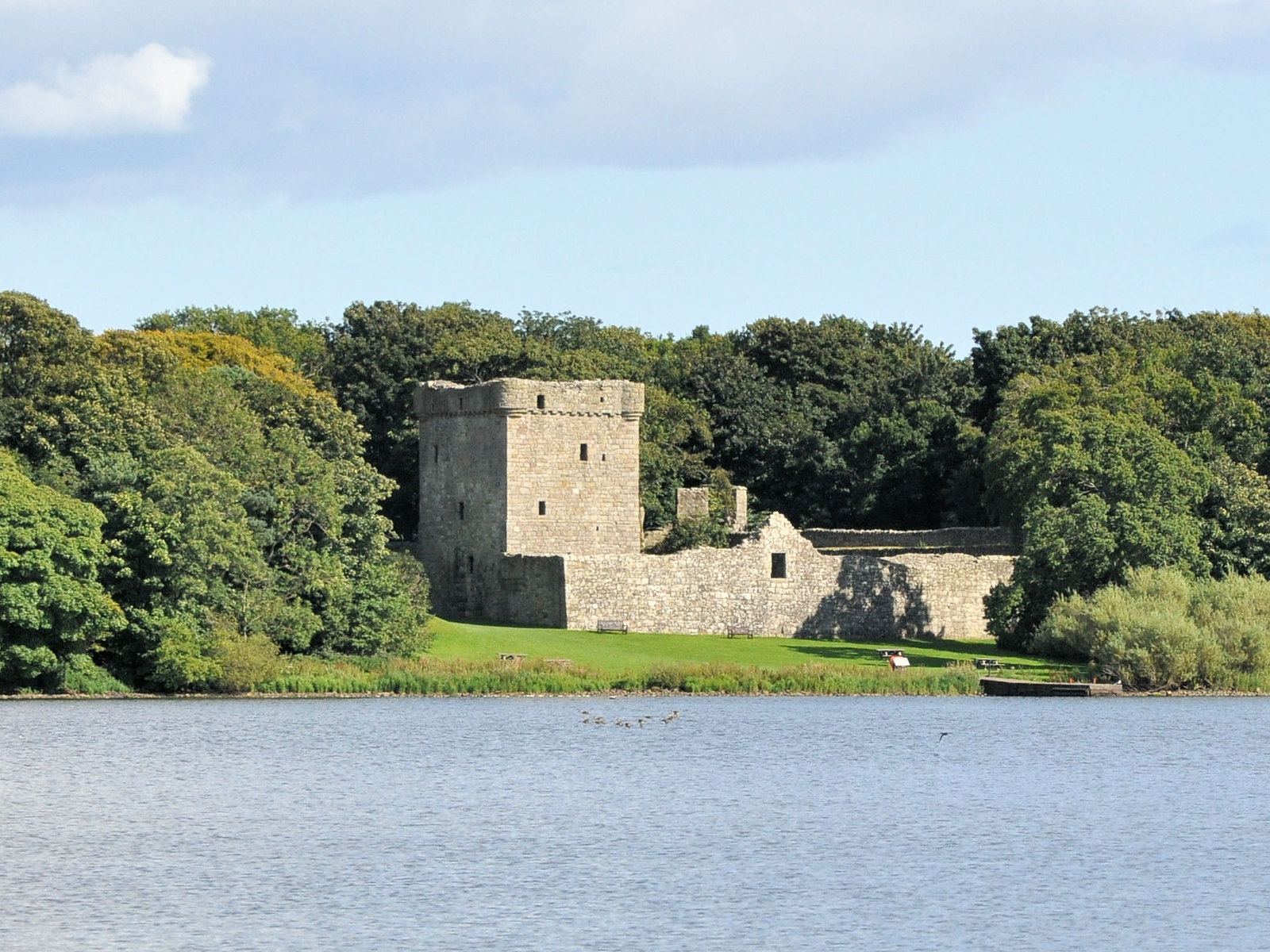
Kinross Prison in Scotland is a lower-security facility by design, which makes its escape record feel almost inevitable in retrospect. Several Kinross escapes involved inmates simply not returning from approved work placements or temporary release, a method so undramatic it barely registers as “escape” until the paperwork catches up.
The prison system calls these “absconds.” The inmates presumably call them something else.
La Santé Prison

La Santé Prison in Paris — whose name translates, with aggressive irony, to “health” — has a documented escape history stretching back over a century. Michel Vaujour’s 1986 escape involved his wife hovering a helicopter over the prison’s rooftop exercise yard and lowering a rope; Vaujour climbed it while prison guards watched, apparently uncertain how to respond to an aerial extraction.
He was recaptured months later after being shot during a robbery. La Santé has since been renovated, though the rooftop exercise yard presumably gets more scrutiny than it used to.
Dhaka Central Jail

Dhaka Central Jail in Bangladesh has struggled with overcrowding so severe that it functions less as a correctional institution and more as a compressed environment where institutional rules lose traction. Escapes from the facility — some violent, some opportunistic, some clearly aided from inside — have occurred during periods of political unrest, when the administrative structure of the prison buckles under external pressure and internal population surges simultaneously.
The 1971 Liberation War period in particular saw mass flight from the facility, a historical episode so tangled with larger events that separating the “escape” from the “collapse” becomes genuinely difficult.
Fleury-Mérogis Prison
Fleury-Mérogis, outside Paris, holds the distinction of being the largest prison in Europe by capacity, which sounds like an achievement until you consider that scale creates its own vulnerabilities. One 2009 incident involved attackers ramming a car into the prison’s entrance and attempting to extract a specific inmate under armed cover — a method that suggests whoever planned it had done a reconnaissance visit and wasn’t particularly intimidated by what they saw.
The attempt failed, but the audacity of it forced a significant security review.
Robben Island Prison
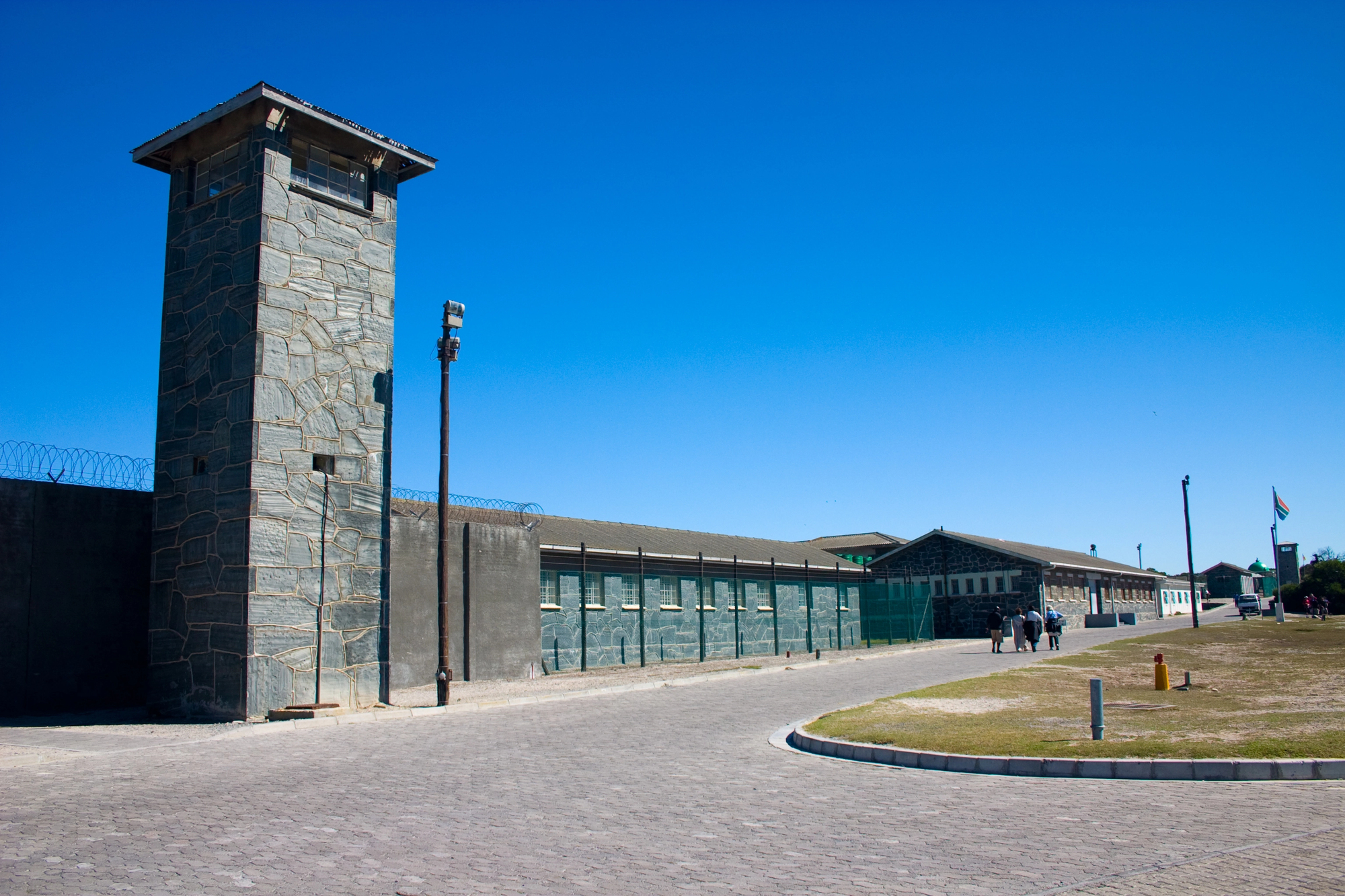
Robben Island off Cape Town is known primarily as the place Nelson Mandela spent 18 of his 27 years of imprisonment, but its escape record is shaped less by dramatic breakouts and more by the island’s geography doing the work the guards didn’t need to do. The cold waters of the South Atlantic, the strong currents, and the distance to the mainland — roughly 4.5 miles — made the island a natural containment device.
And yet there were attempts: a 1981 escape attempt by ANC prisoners involved a boat that was intercepted before it cleared the island’s perimeter. The island became a museum in 1997, now a UNESCO World Heritage Site, where the bars are kept intact for reasons both educational and visceral.
USP Atlanta
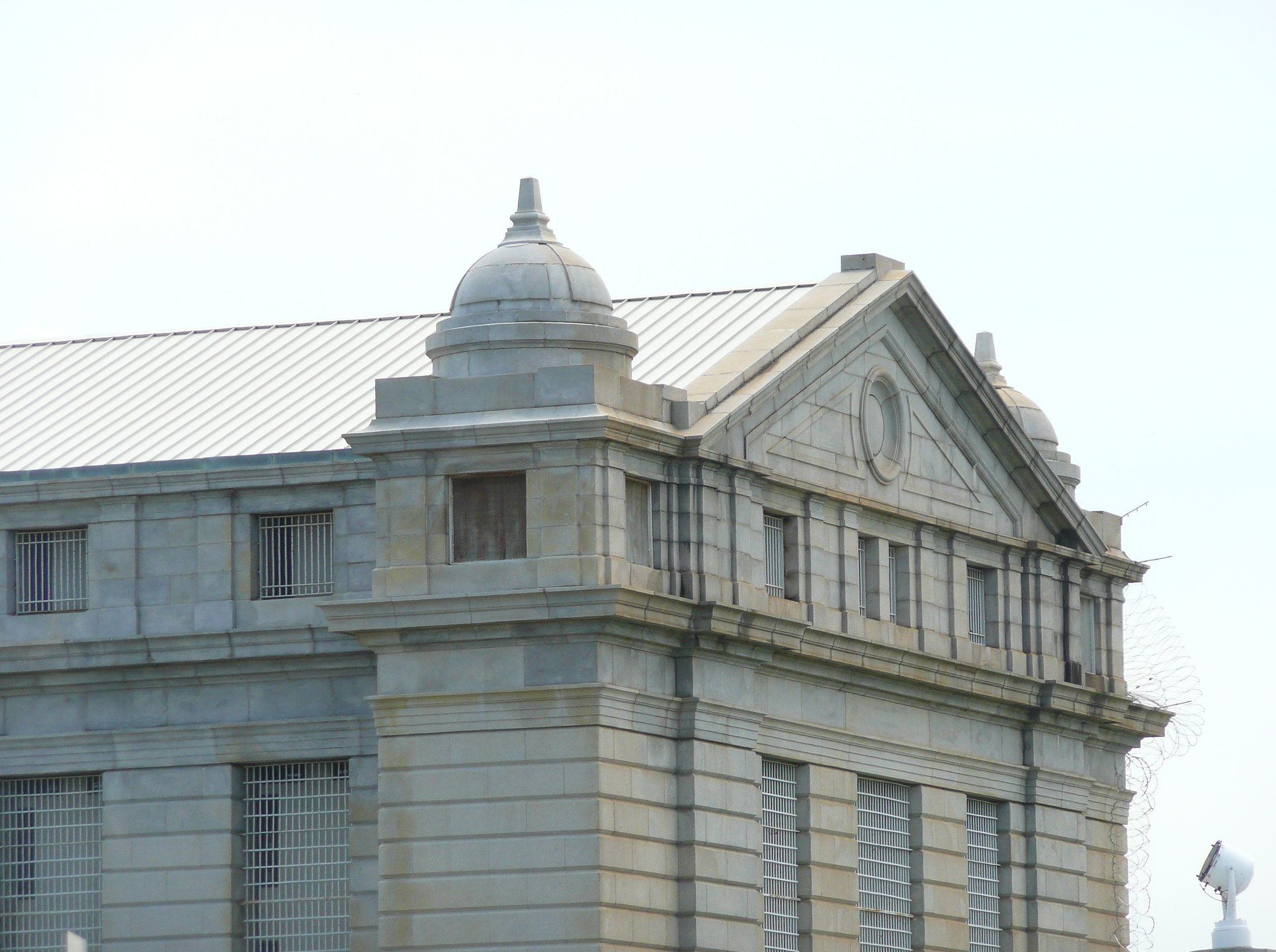
The United States Penitentiary in Atlanta has a peculiar place in American escape history — not because of famous individual breakouts, but because of the 1987 riots involving Cuban detainees who took over significant portions of the facility and held hostages for eleven days. During the chaos, a number of detainees escaped into the surrounding area before being recaptured.
The context matters: these were individuals held not because they’d been convicted of crimes in the US, but because Cuba had refused to take them back under a repatriation agreement that had collapsed. The riots were as much a political event as a security failure.
Pul-e-Charkhi Prison
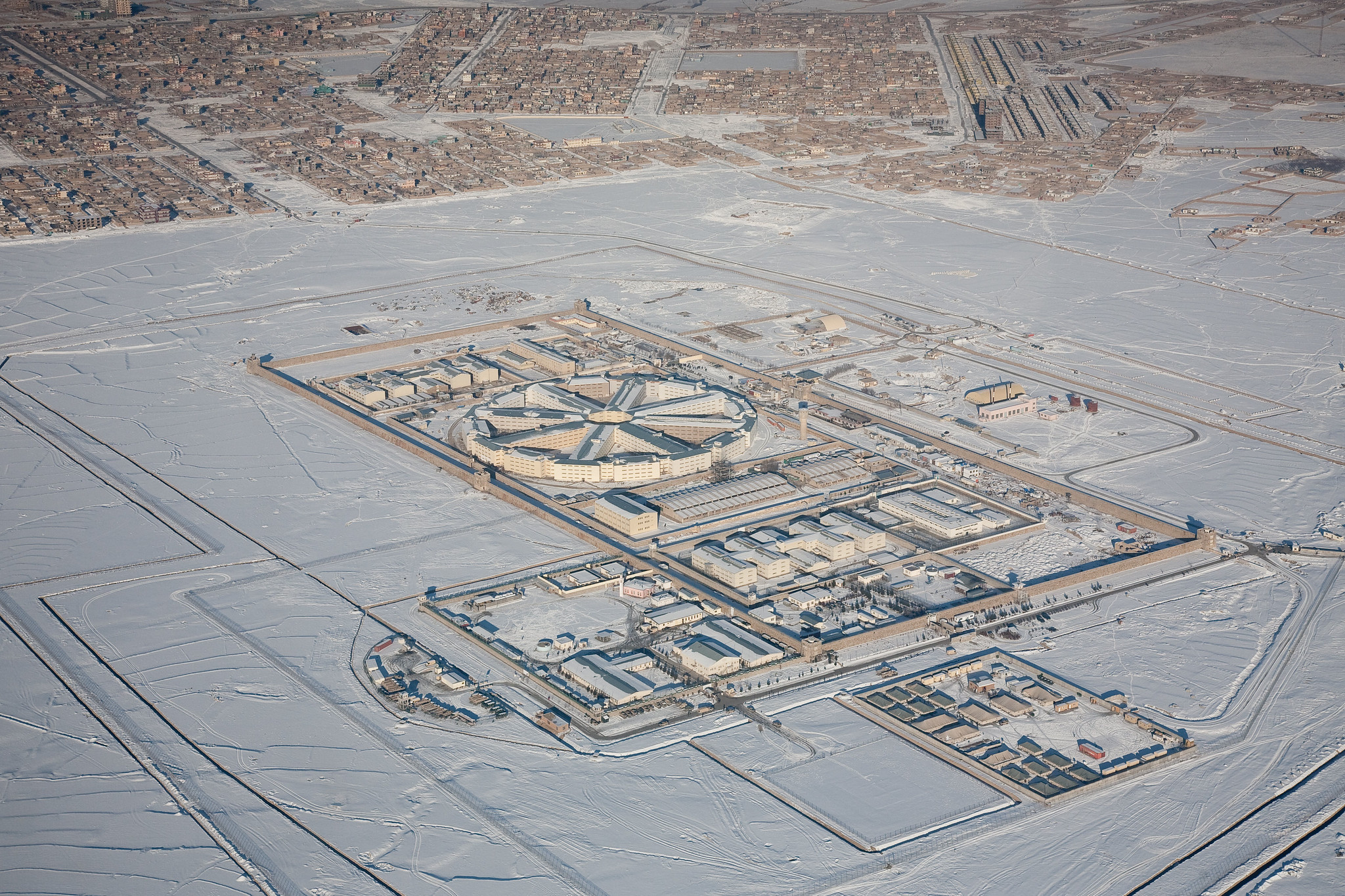
Pul-e-Charkhi, outside Kabul in Afghanistan, has operated under at least four different governments since it was built in the 1970s, and each transition has involved periods where the prison’s administrative authority essentially dissolved entirely. The Taliban’s return to power in 2021 resulted in mass releases that functioned as state-sanctioned escapes for thousands of inmates, including those convicted of terrorism-related offenses.
The building itself is still standing. What it represents shifts depending on which year you’re asking about.
Hollesley Bay Colony
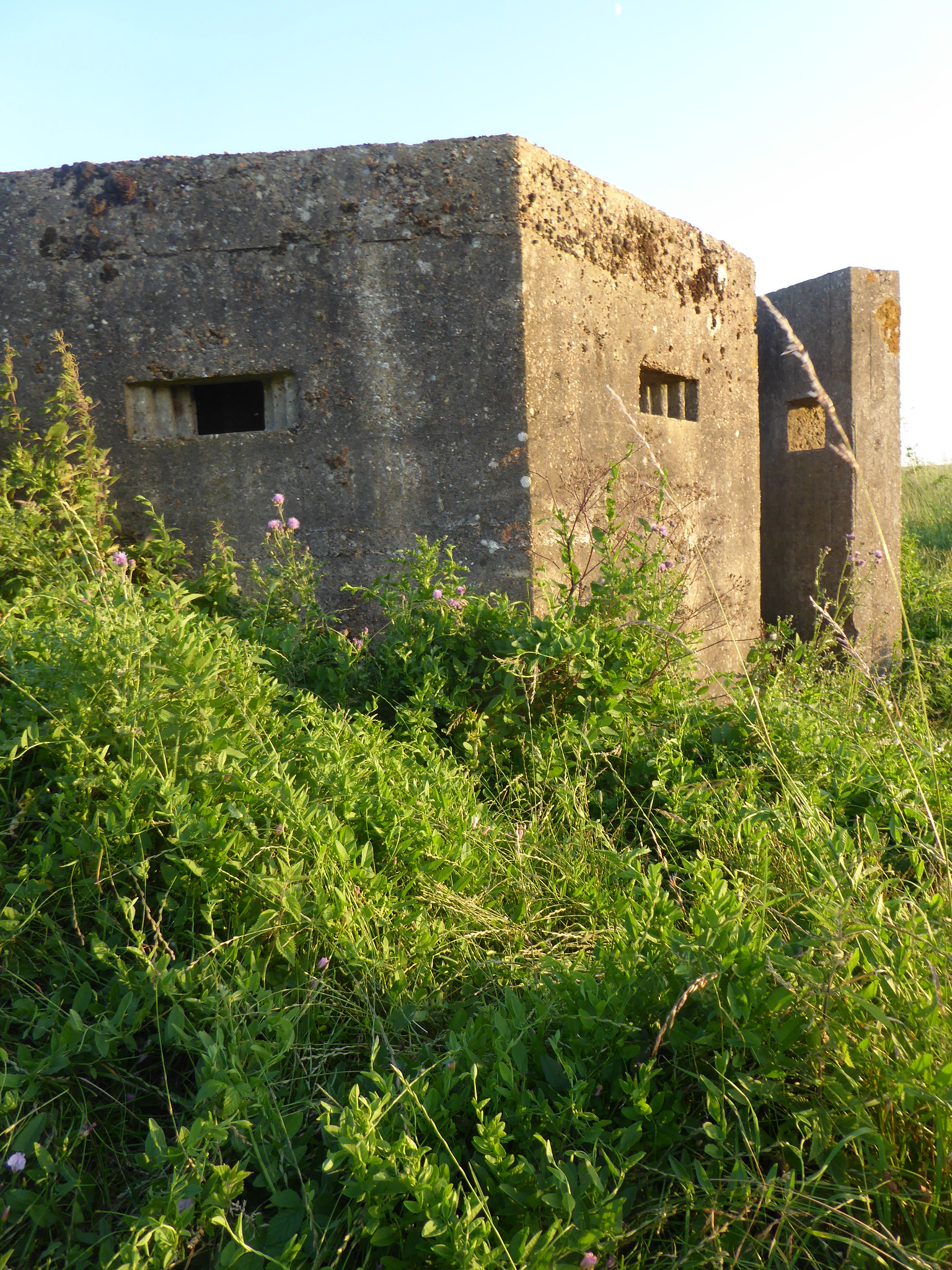
Hollesley Bay Colony in Suffolk, England is an open prison — meaning minimal physical security by design — and its escape record reflects the structural tension inherent in that model, where security depends on inmate compliance rather than physical barriers. The facility has one of the higher “abscond” rates in the British system, a fact that periodically resurfaces in parliamentary debates about what open prisons are actually for.
The question never quite gets answered to everyone’s satisfaction.
Alcoy Prison
Alcoy Prison in Spain holds a modest place in history for a 1970 escape that became something of a folk legend in the region: a group of inmates built a tunnel over a period of months, emerging in a neighboring property whose owner had apparently noticed some unusual soil disturbances but had not reported them, for reasons that were never fully established.
Eleven inmates made it out before the tunnel was discovered. Spanish prison infrastructure of the Franco era was, generously speaking, designed more for punishment than security, and the Alcoy escape became one of several events that prompted post-Franco penal reform in the 1980s.
Rikers Island
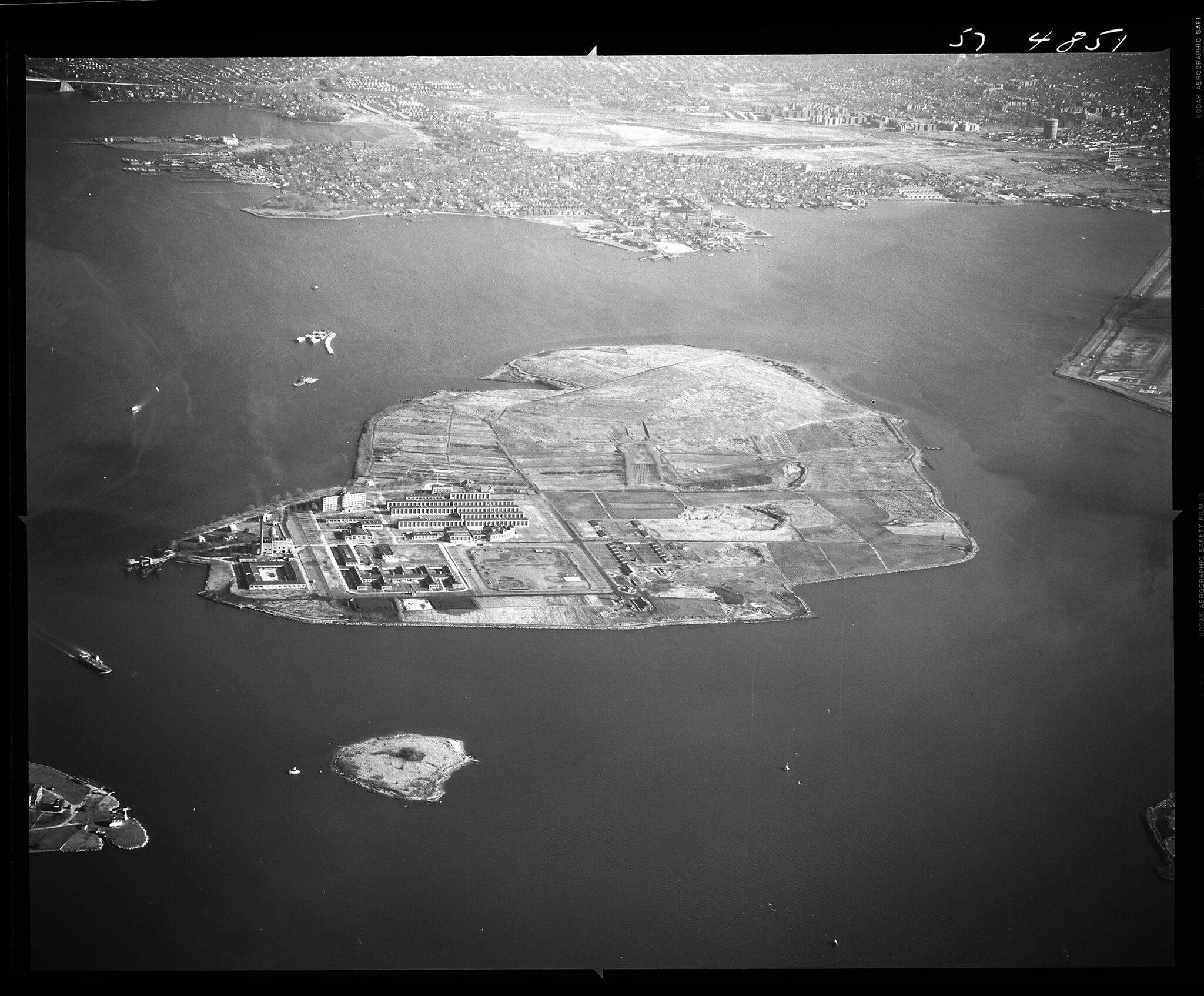
Rikers Island sits in the East River between Queens and the Bronx, and its combination of chronic understaffing, high violence rates, and institutional dysfunction has produced an escape record that tends to involve internal failures rather than Hollywood ingenuity. In 1990, a corrections officer was found to have helped an inmate escape in exchange for payment — a transaction that led to federal investigations into corruption across the facility.
The island’s physical isolation makes successful escapes rare, but the documented cases of guard complicity suggest that when someone does leave Rikers without permission, the perimeter isn’t usually where the failure happened.
Evin Prison
Evin Prison in Tehran operates as both a conventional detention facility and a political prison, and its escape history is complicated by the fact that the Iranian government does not publicize security failures with any consistency. At least one detainee in the 1980s period managed to exit the facility using a forged medical transfer order — a detail that emerged in exile memoirs decades later rather than official reporting.
The documented cases say less about the facility’s physical security than about the administrative brittleness that political prisons tend to produce when the people running them are managing secrets rather than inmates.
Pretoria Local Prison
Pretoria Local Prison in South Africa held political prisoners during the apartheid era alongside criminal inmates, and the escape of Tim Jenkin and Stephen Lee in 1979 is one of the more extraordinary stories of that period. Jenkin, convicted under the Suppression of Communism Act, spent two years carving wooden keys from observation of the guards’ actual keys — a process that required sustained attention, patience, and a tolerance for the possibility of failure that most people would find paralyzing.
On the night of the escape, he and Lee used thirteen different wooden keys to pass through a series of locked doors and walk out of the prison. He later wrote a book about it. The film came out in 2019.
Santa Martha Acatitla
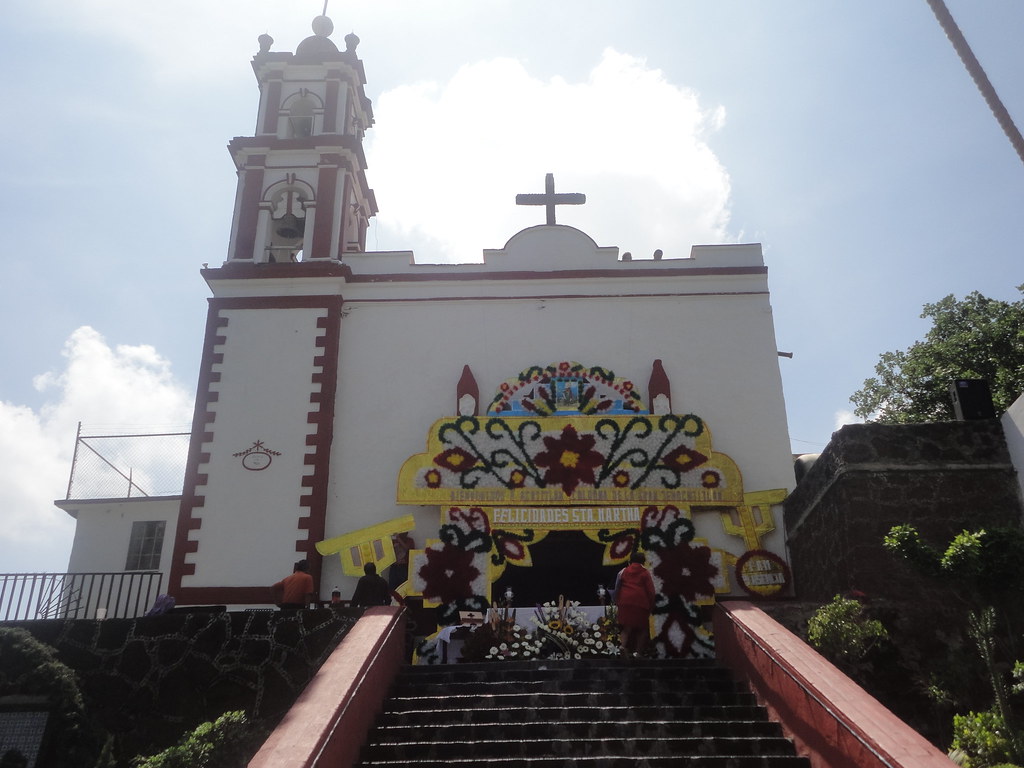
Santa Martha Acatitla in Mexico City has the kind of escape record that reflects less on individual ingenuity and more on systemic corruption operating at every level of the institution simultaneously. In documented cases from the 1990s and 2000s, inmates with sufficient resources essentially purchased their way out — not dramatically, not with tunnels, but through a network of guards, administrators, and external contacts who treated the prison’s authority as a negotiable concept.
The Mexican government’s efforts to address this involved transfers, restructuring, and periodic purges of prison staff, none of which produced a clean record.
Khiam Detention Center
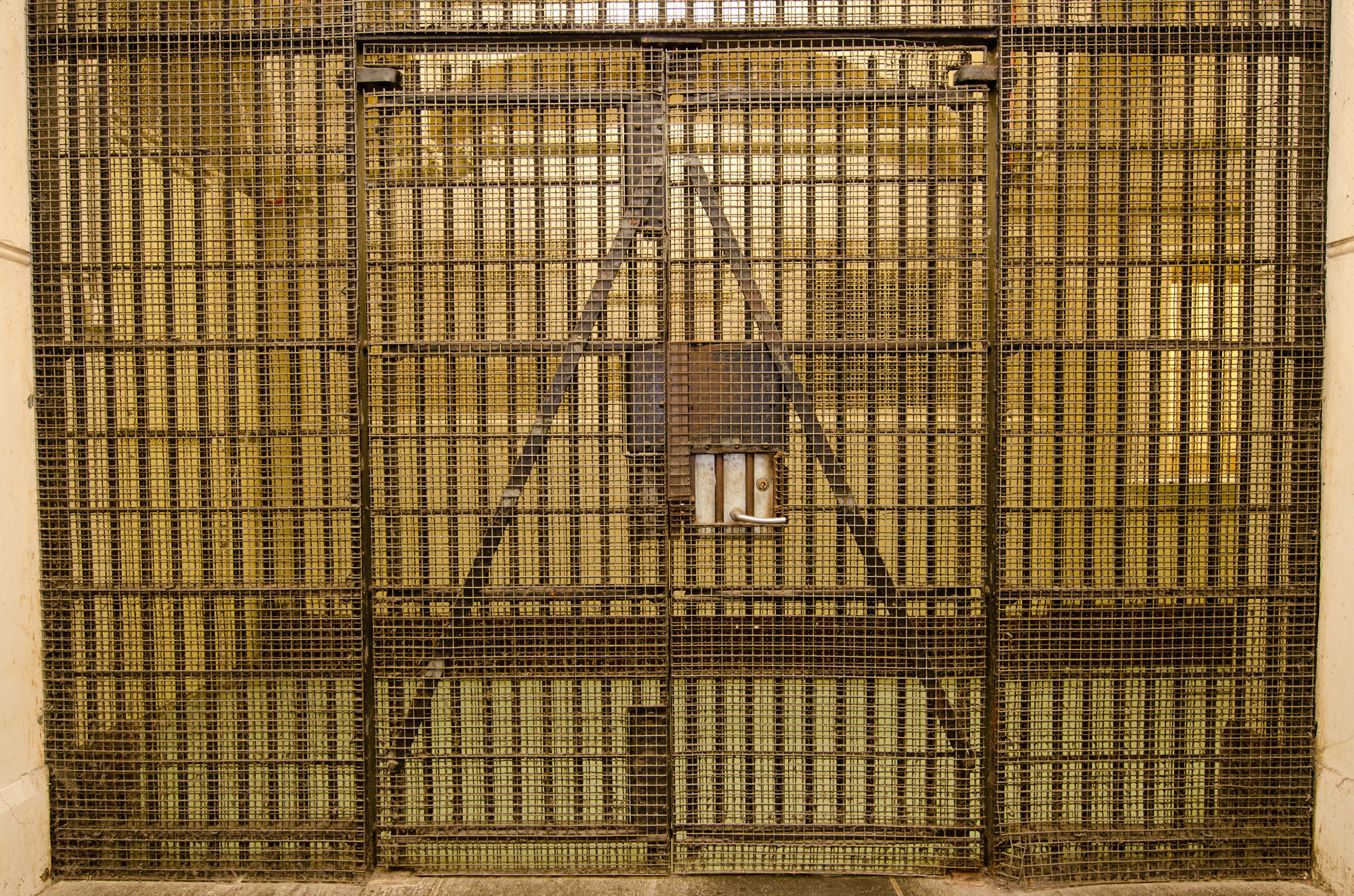
Khiam Detention Center in southern Lebanon was operated by the South Lebanon Army, an Israeli-allied militia, from 1985 until 2000, and its escape history is inseparable from the political circumstances that created it. The facility held prisoners without charge or trial, many for years, under conditions that international human rights organizations repeatedly condemned.
When Israeli forces withdrew from southern Lebanon in May 2000, the SLA guards abandoned their posts abruptly, and Khiam’s population simply walked out — not through any planned escape, but because the political architecture that had kept them inside collapsed overnight. The prisoners walked into the southern Lebanese sun.
Carabanchel Prison
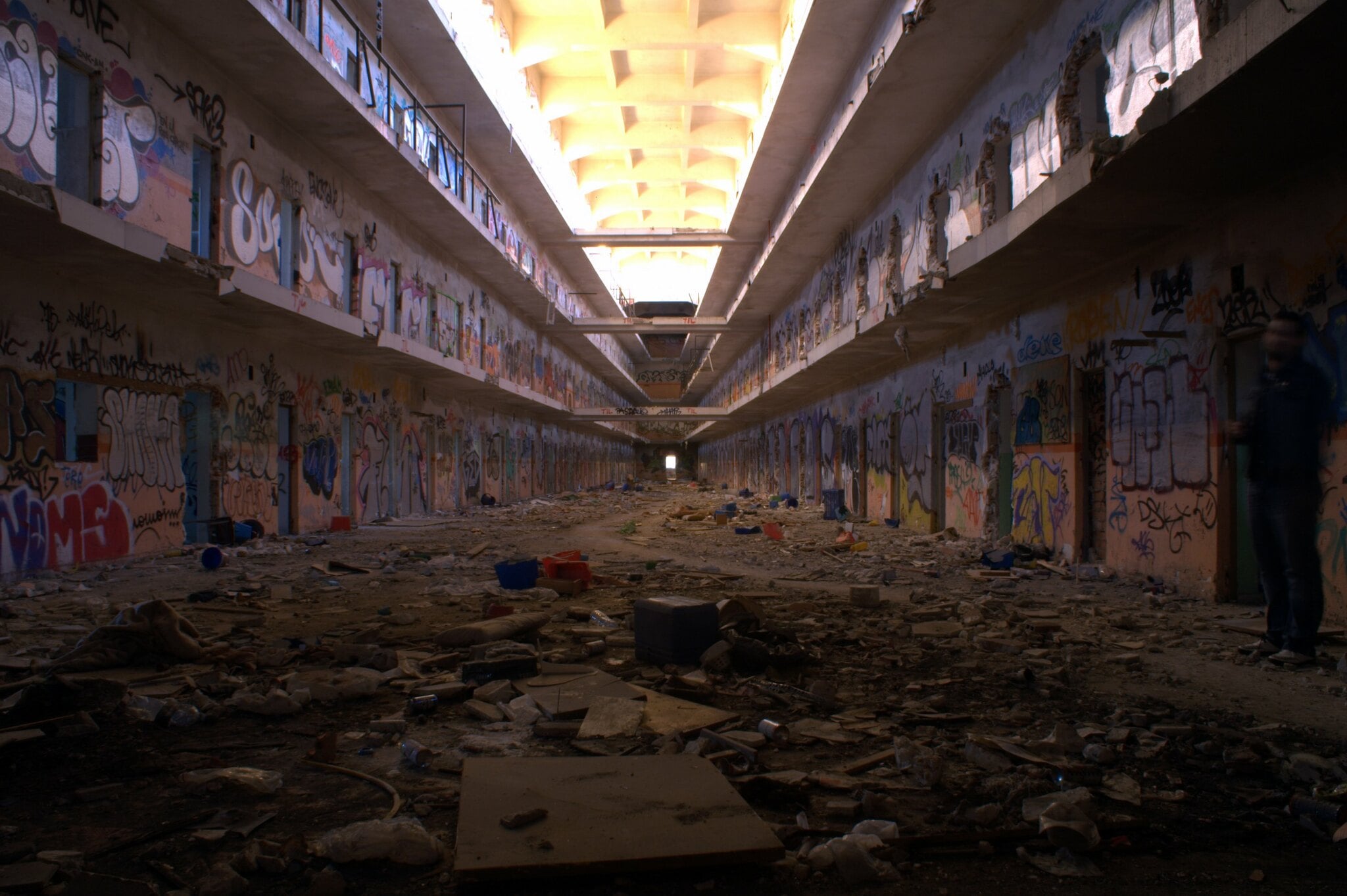
Carabanchel Prison in Madrid operated under Franco as one of Spain’s largest and most feared detention facilities, housing political prisoners alongside criminal inmates in conditions that were deliberately harsh. After Franco’s death in 1975 and the transition to democracy, the prison became a symbol of the old regime — and the escape attempts and riots that characterized its final decades reflected an institution whose internal authority had become contested from every direction simultaneously.
Carabanchel was finally demolished in 1998 after years of deterioration, and the debate over whether to preserve it as a historical site or erase it entirely revealed precisely the kind of unresolved reckoning that Spain was still navigating about its recent past. The wrecking ball won, which is its own kind of verdict.
Camp 17, North Korea
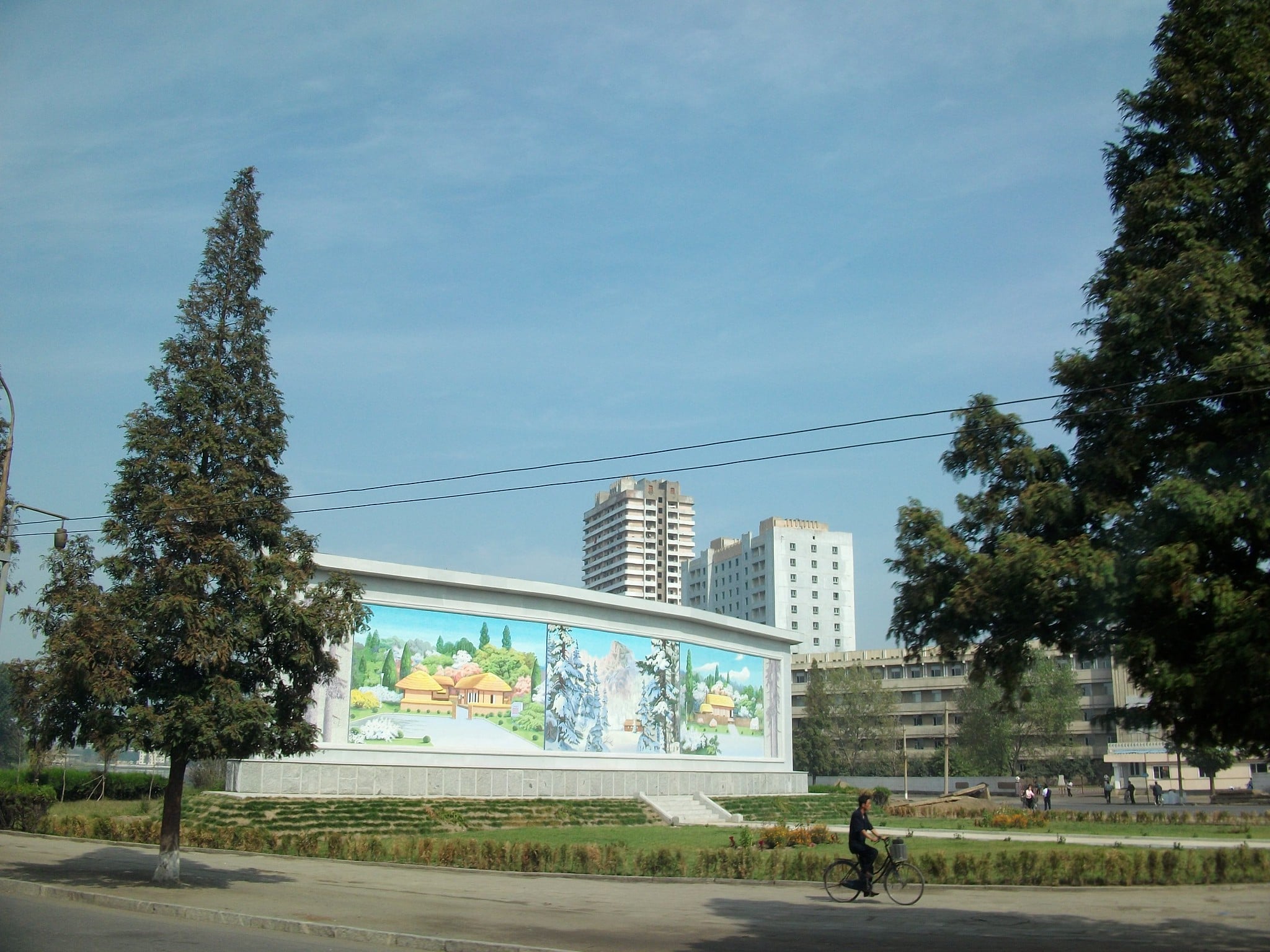
Camp 17 is one of North Korea’s largest political prison camps, and what makes it relevant here is the escape of Shin Dong-hyuk in 2005 — the only known person to have been born inside one of North Korea’s political prison camps and successfully escaped both the camp and the country. Shin crawled under an electric fence over the body of a fellow prisoner who died making contact with the wire, walked through China and Southeast Asia, and eventually reached South Korea.
His account, documented in the book Escape from Camp 14, is so extreme in its details that portions of it were later revised — but the core fact of his escape, and the system he escaped from, has been independently corroborated. The camp itself continues to operate.
The Maze Within the Maze
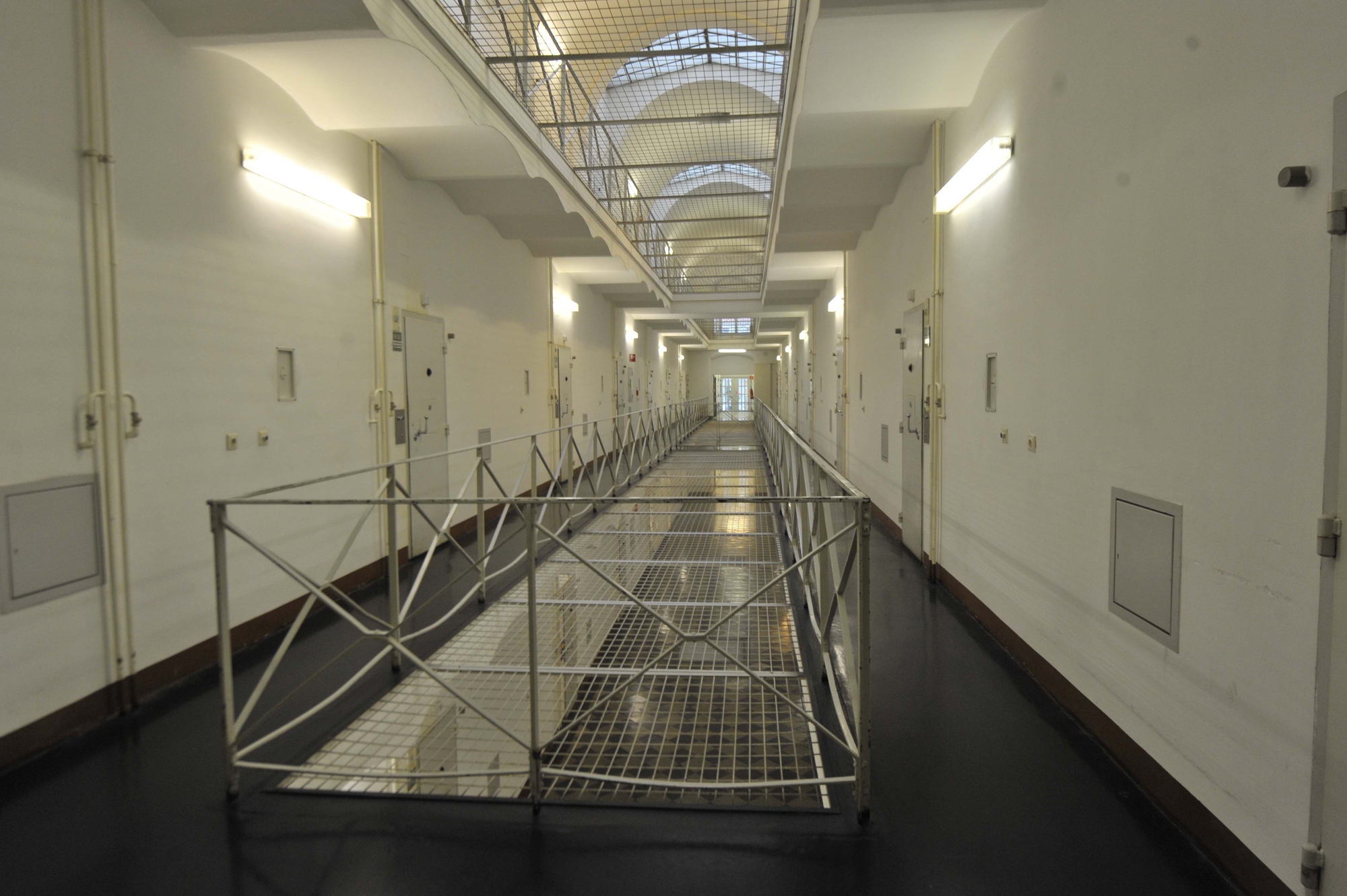
What the facilities on this list share isn’t poor construction or inadequate staffing, though both appear frequently enough. The deeper pattern is human: every escape that succeeded did so because someone, somewhere, was paying closer attention than the institution expected. The inmate counting steps and timing patrols, the sympathizer on the outside marking a spot on a hand-drawn map, the official who looked the other way because they were afraid or bought or simply tired — the architecture of escape is always partly social, and no perimeter wall has ever been built tall enough to account for that.
The institutions that reformed after embarrassing escapes tended to do so by addressing the physical breach that allowed each specific departure, rarely by addressing whatever created the desperation that drove the planning. Which is why the records persist, and why the files keep growing, and why every facility on this list has more paperwork in its cabinets than its architects ever intended to generate.
More from Go2Tutors!

- The Romanov Crown Jewels and Their Tragic Fate
- 13 Historical Mysteries That Science Still Can’t Solve
- Famous Hoaxes That Fooled the World for Years
- 15 Child Stars with Tragic Adult Lives
- 16 Famous Jewelry Pieces in History
Like Go2Tutors’s content? Follow us on MSN.