34 Old Military Medals and Patches That Carry Surprising Value at Auction
Military medals and insignia have a way of ending up in shoeboxes, desk drawers, and glass-fronted cabinets without anyone in the household understanding what they represent or what they might be worth. They get inherited along with furniture and photographs, passed down from veterans who rarely spoke about their service and left no documentation behind.
The result is that some of the most historically significant pieces of military material culture sit unexamined in houses across the country, recognized as “grandad’s old medals” and left at that. The value of any given piece depends on a tight cluster of factors: the award category, the conflict, the specific nation of issue, the condition, and — most critically — whether the recipient can be identified and the piece documented to them.
A named, documented, well-conditioned medal from a significant action can be worth hundreds of times more than an anonymous example of the same award. Here is the range of what turns up, and what it commands.
The Victoria Cross (United Kingdom)
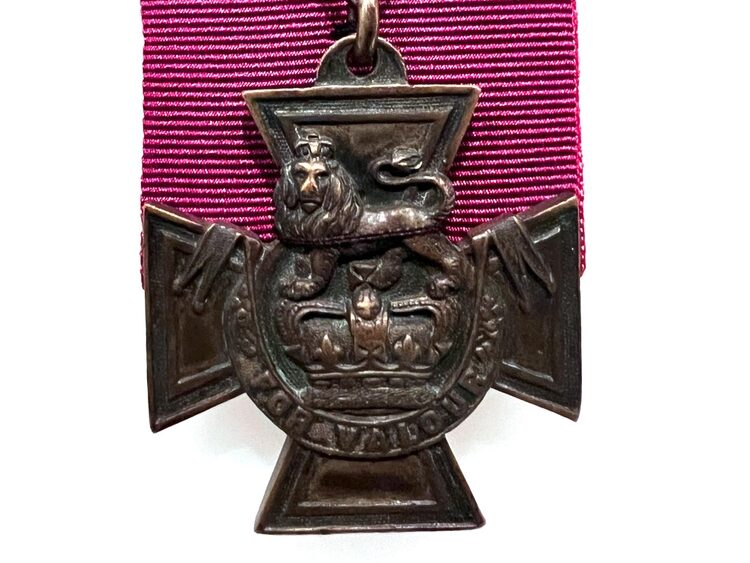
The Victoria Cross is the United Kingdom’s highest military honor and one of the most actively collected medals in the world. Only 1,364 have ever been awarded since its introduction in 1856 — to 1,361 individuals, three of whom received it twice — and a significant number are now in museum collections, permanently removing them from the market. A Victoria Cross awarded to Irishman Thomas Kavanagh in 1857 — the first ever awarded to a civilian — sold at Noonan’s in 2022 for a world record £930,000.
The first Naval VC of World War I sold in 2024 for £240,000. The highest recorded price for any VC at auction was £1.5 million in 2017.
Condition of the reverse engraving and accompanying documentation directly affects final sale price.
The Victoria Cross and Bar (Double Award)
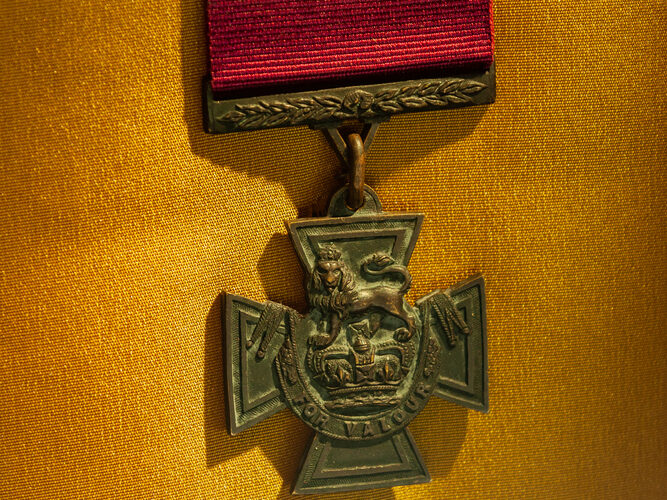
Captain Noel Chavasse is one of only three people ever to receive the Victoria Cross and Bar — meaning he was awarded the VC twice for separate acts of extraordinary bravery during World War I. His medals, preserved with official documentation and provenance tied to his actions during the Battle of Passchendaele in 1917, sold at auction in 2009 for $2 million.
The double award represents a category of singular rarity within the most collected medal category in British military history.
The Congressional Medal of Honor (United States)
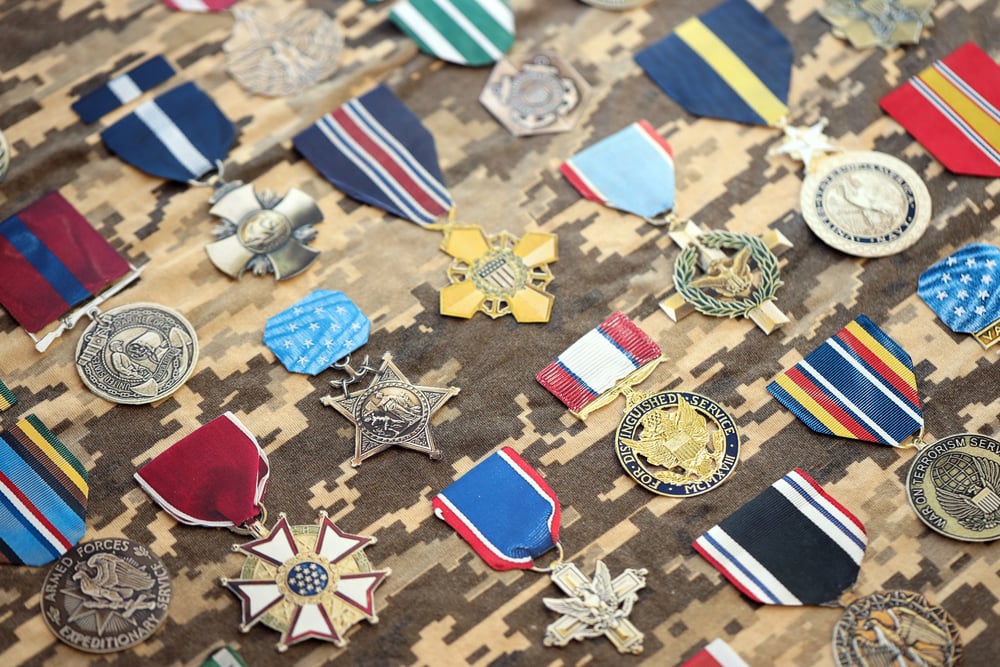
The Congressional Medal of Honor is the United States’ highest military decoration and sits in a complicated legal category for collectors. Federal law passed in 2014 makes it illegal to buy or sell Medals of Honor, though pre-existing antique examples occasionally circulate through private transactions where legal opinions vary on applicability.
The medal’s prohibition from commercial sale effectively makes documented examples priceless in the collector sense — the market cannot set a price because the market has been removed by statute.
The Knight’s Cross of the Iron Cross (Germany, 1939–1945)
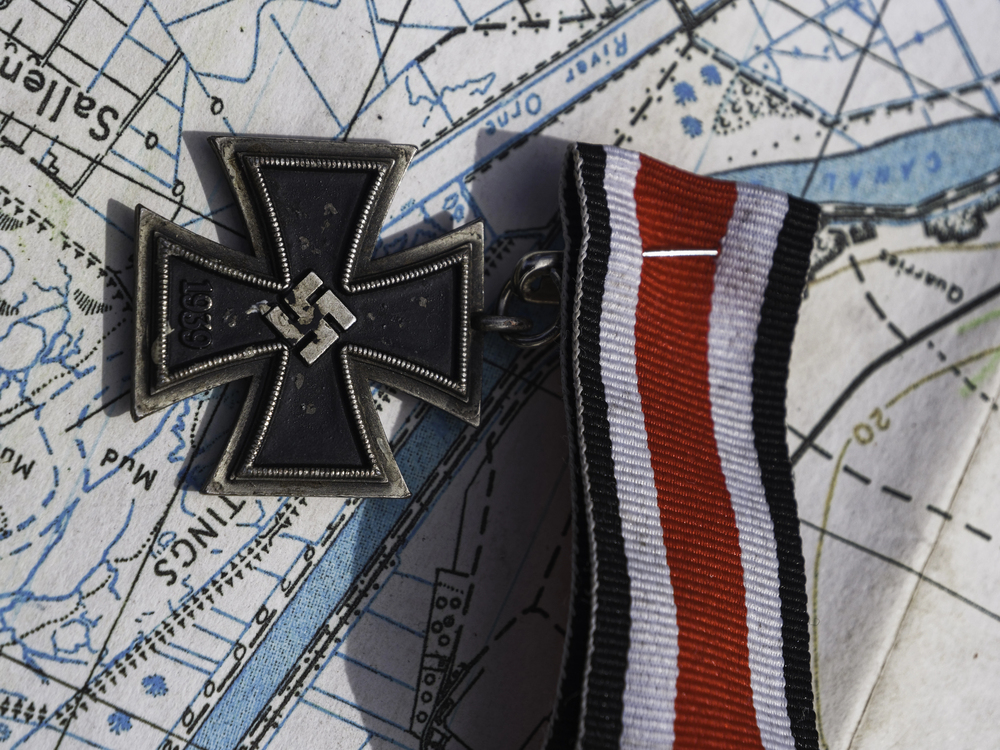
The Knight’s Cross — the highest level of the Iron Cross decoration system in World War II Germany — is one of the most actively traded pieces of wartime German militaria at specialist auction. Only 7,321 were awarded, and surviving original examples with verifiable provenance command $5,000 to over $30,000 depending on the grade, the maker’s marks, and the documentation accompanying the award.
The highest grades — Oak Leaves, Swords, and Diamonds — are dramatically rarer and can command six-figure sums at specialist militaria auctions when authenticated originals with named recipients surface.
The Iron Cross, 1st Class (Germany, WWI)
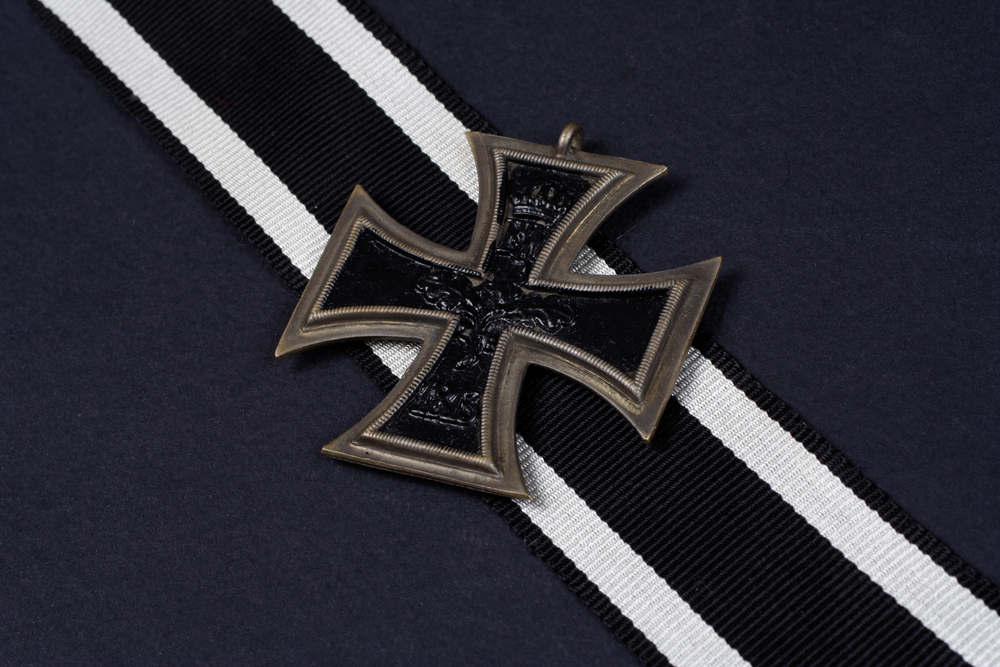
The World War I Iron Cross 1st Class is one of the most commonly collected pieces of German Imperial militaria. Authentic examples typically sell for $150 to $400 depending on maker, condition, and whether the pin mechanism is intact.
The distinction between WWI and WWII examples matters to collectors — the 1914 crosses are distinct in manufacturing detail — and maker-marked examples carry premiums. The Iron Cross was also awarded in the Franco-Prussian War of 1870, and those earlier examples command higher prices still.
The Pour le Mérite (“Blue Max”) (Germany, WWI)
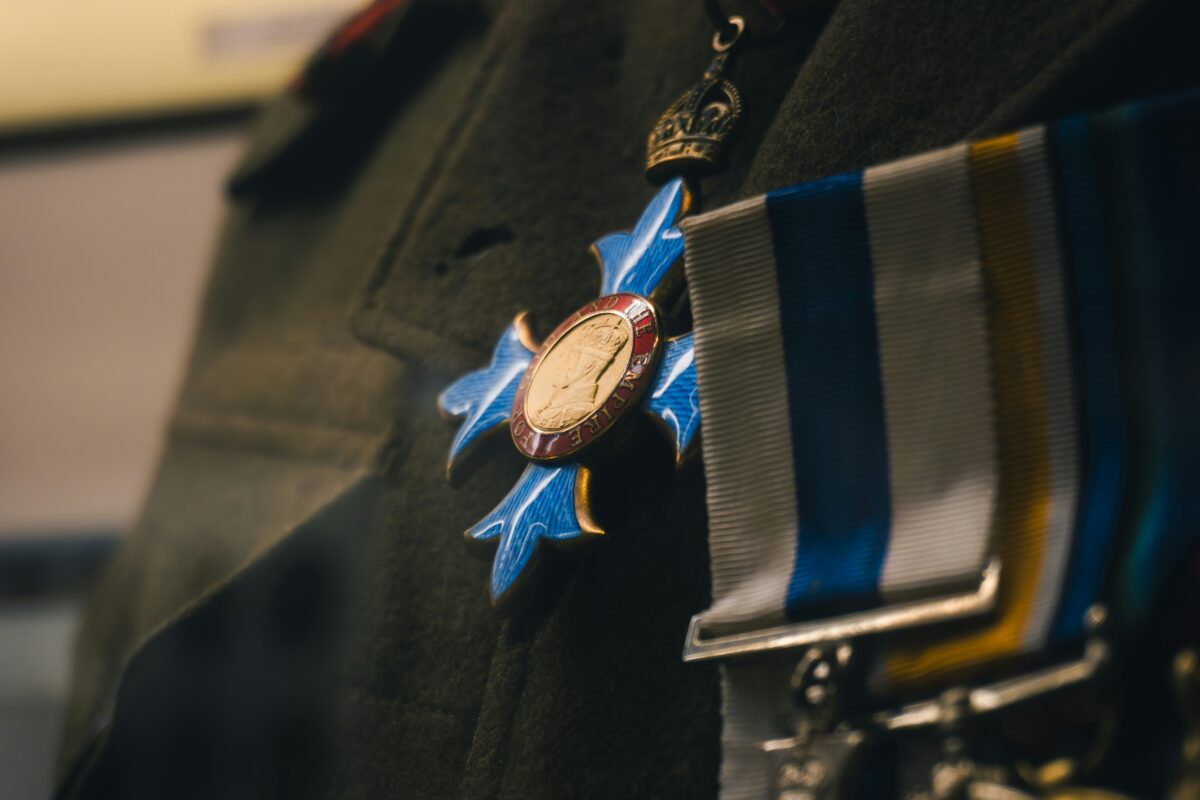
The Pour le Mérite was Imperial Germany’s highest military honor and was awarded to fewer than 700 individuals during World War I, predominantly to officers who demonstrated exceptional valor in combat. The blue enamel Maltese cross shape makes it visually distinctive, and its association with the war’s most celebrated pilots — Manfred von Richthofen received one — gives it extraordinary collector cachet.
Authenticated original examples with documented provenance to named recipients represent some of the most valuable pieces of WWI German militaria that exist.
The Distinguished Service Cross (United States)
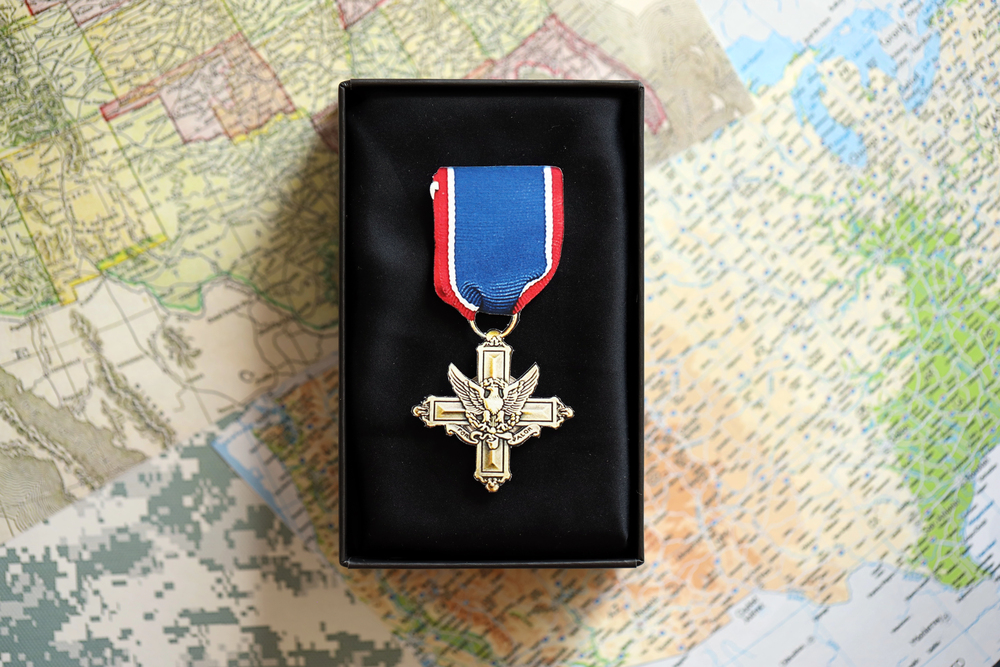
The Distinguished Service Cross is the second-highest military decoration awarded by the United States Army, ranking directly below the Medal of Honor. Antiques Roadshow appraisers have noted that the DSC, while less famous than the Medal of Honor, is “fairly rare” and carries significant value at specialist military auctions — particularly examples from WWI with documentation.
Named and documented examples attract collectors who research the specific acts of valor cited in the accompanying citations.
The Medal of Honor (Civil War Era)
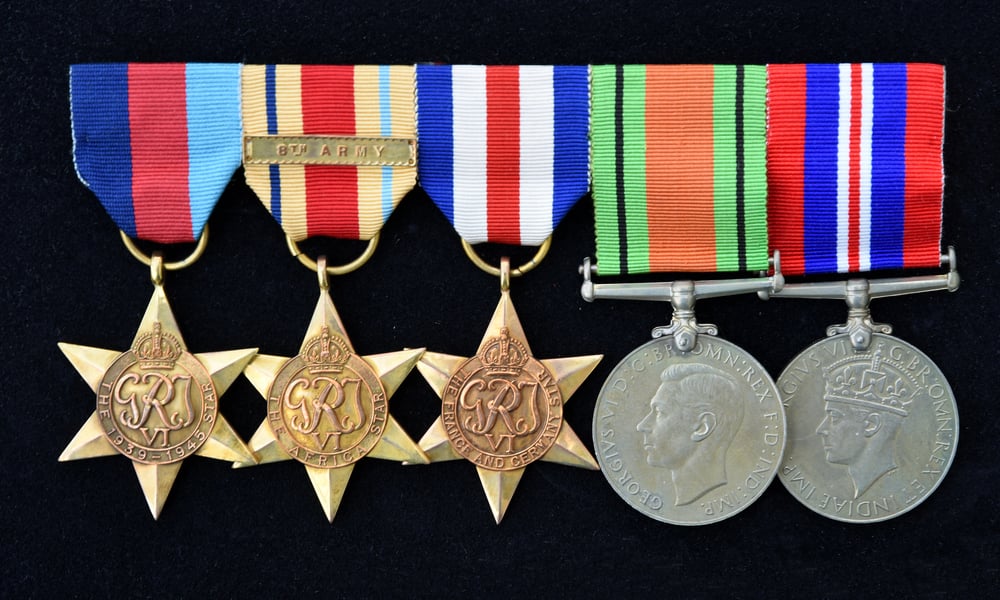
Civil War-era Medals of Honor occupy a different legal and collecting position from modern examples. The earliest Medals of Honor were authorized in 1861, and many Civil War examples — some issued years after the war’s end in the 1907 retroactive campaign — have circulated historically through collector channels.
A well-documented named example with accompanying paperwork from the original issuance represents both a piece of American history and a legal complexity that requires specialist legal and auction house guidance before sale.
The Air Force Cross and Distinguished Flying Cross
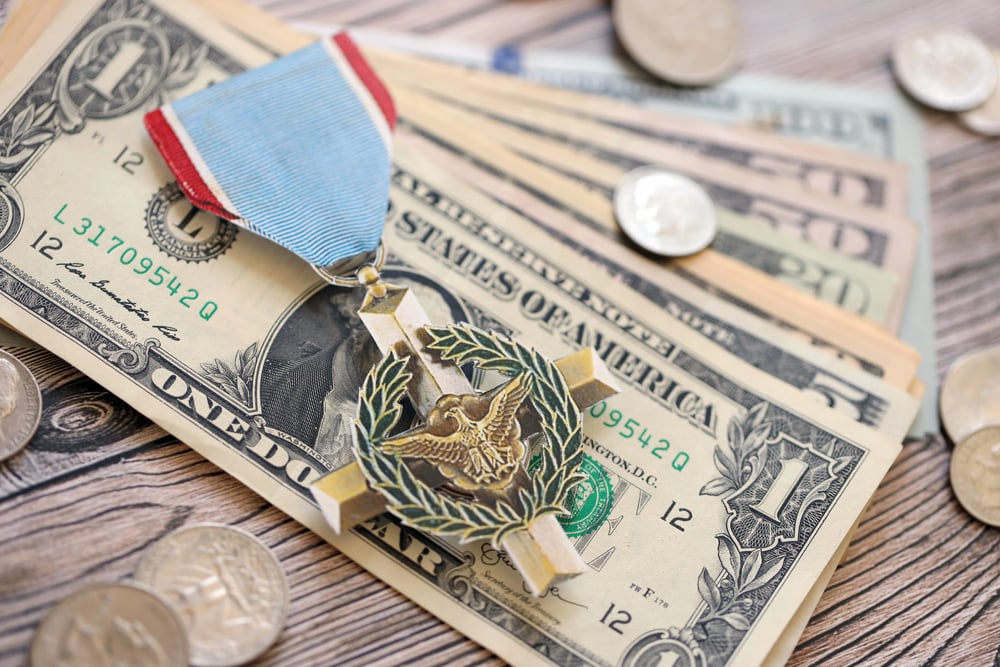
Distinguished Flying Crosses awarded for specific named aerial operations — particularly those from World War II Pacific Theater operations or the Battle of Britain — attract strong collector interest when accompanied by the original citation. George H.W. Bush received the Distinguished Flying Cross for gallantry during WWII Pacific service.
Named, documented DFCs from significant operations have sold at specialist militaria auctions for $1,000 to $5,000 and higher depending on the specificity of the action documented.
The Purple Heart (Named Examples)
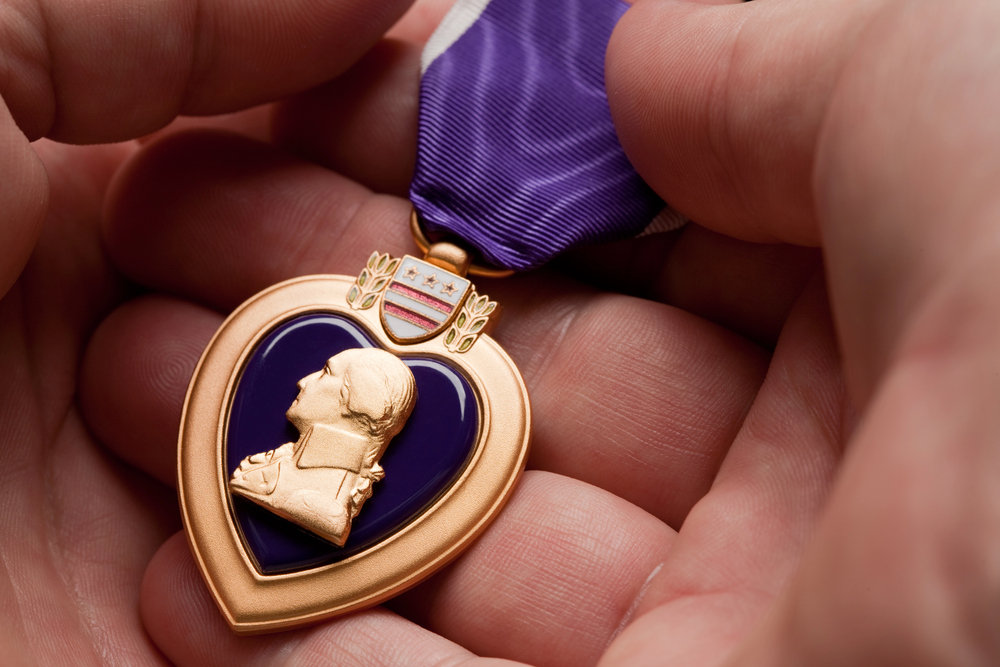
Named Purple Heart medals — those engraved with the recipient’s name on the reverse, which was standard practice from the award’s establishment in 1932 through the 1970s — are significantly more collectible than unnamed examples because they can be researched back to the specific individual. The ability to trace a medal to a named recipient and the action in which they were wounded creates the documentation that drives value.
A WWII Purple Heart with original case and ribbons in good condition sells for $100 to $500; examples with exceptional provenance or connection to notable operations reach higher.
The Victoria Cross (Australia and Canada)
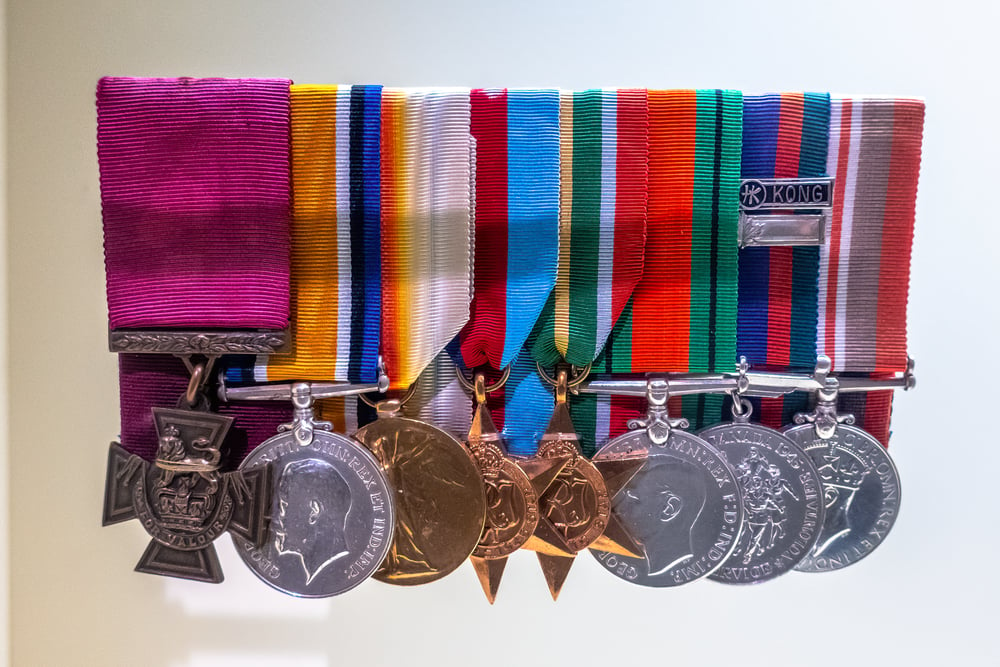
Commonwealth Victoria Crosses — awarded to Australian, Canadian, New Zealand, and South African soldiers through both World Wars — attract significant nationalist interest from institutional and private collectors in their countries of origin. A Saskatchewan soldier’s Victoria Cross awarded to Lieutenant Colonel David Currie during the 1944 Normandy campaign sold at Dix Noonan Webb in London for $550,000 Canadian.
Canadian and Australian war museums have been active in attempting to acquire Commonwealth VCs before they leave their national custody.
WWI Campaign Medals (Named British Pair or Trio)
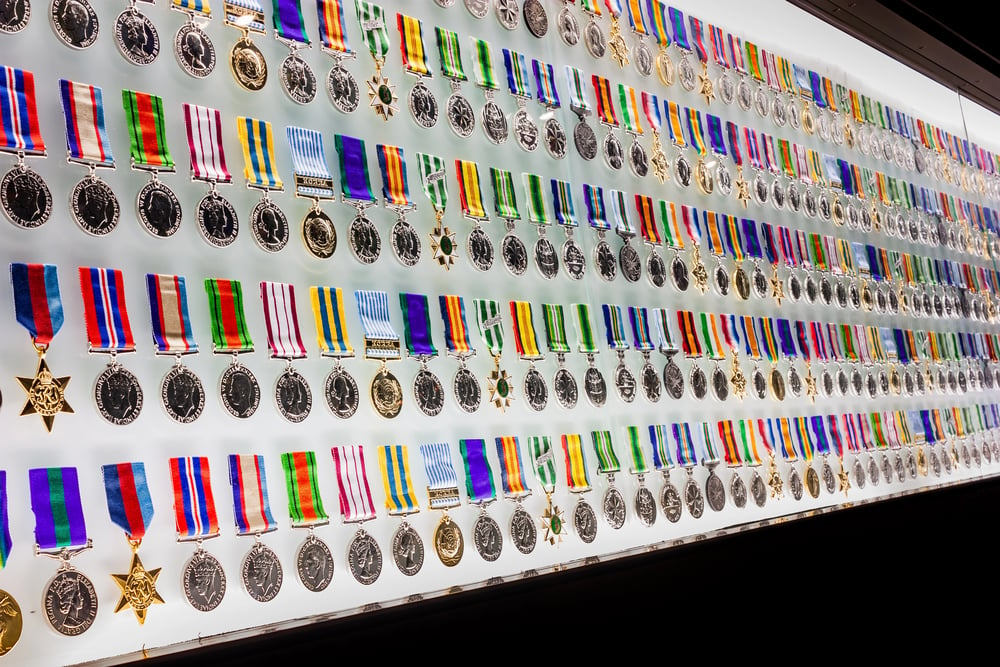
British WWI service medals — the 1914 Star, British War Medal, and Victory Medal — were issued in matched named groups and are collected both individually and as pairs or trios. A named trio attributable to a specific soldier whose service record can be verified carries a premium over anonymous examples.
The 1914 Star (awarded only to those who served in France or Belgium before November 22, 1914) is the rarest of the group and commands higher prices even unnamed — approximately £100 to £300 in good condition.
The Knight’s Cross With Oak Leaves and Swords (Germany, WWII)
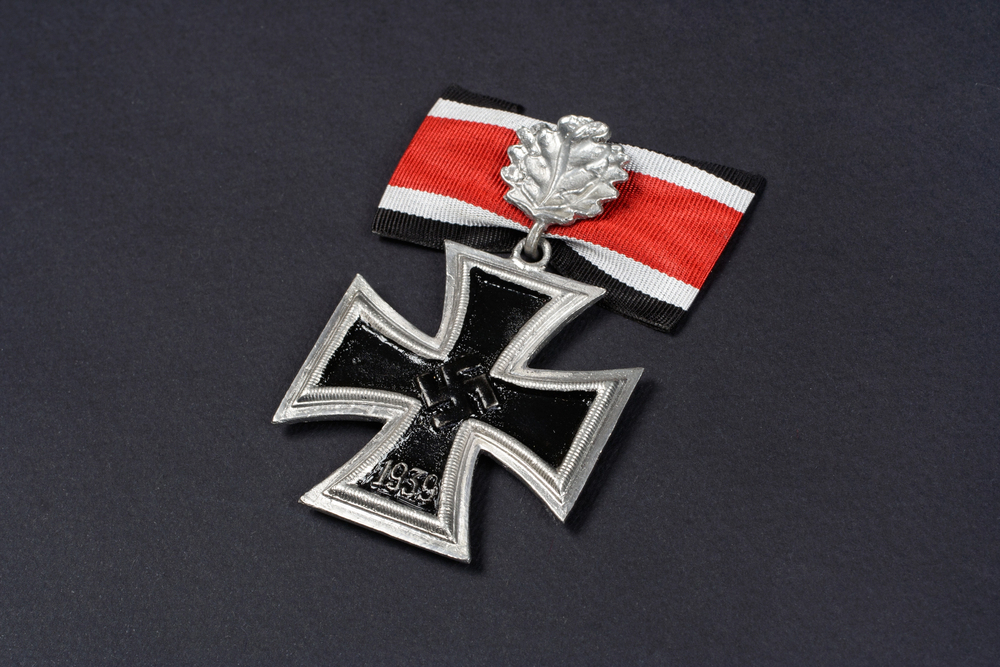
The Oak Leaves and Swords grade of the Knight’s Cross represents an even higher tier of award rarity. Only 160 were awarded during World War II, making documented originals genuinely extraordinary finds at specialist auctions.
The problem with this category is its exceptional vulnerability to sophisticated reproduction — the combination of high value and widespread reproduction manufacture makes authentication by a recognized specialist an absolute requirement before any transaction.
The Grand Cross of the Iron Cross (Germany, WWI)
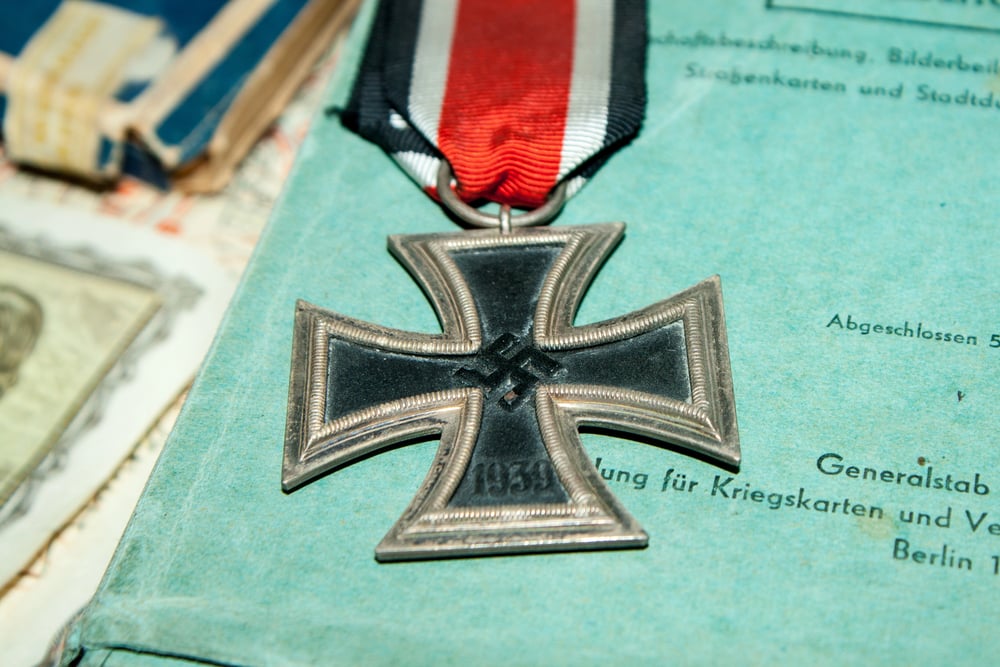
The Grand Cross of the Iron Cross was awarded only five times during World War I — to Paul von Hindenburg, Erich Ludendorff, Prince Leopold of Bavaria, Duke Albrecht of Württemberg, and August von Mackensen. As a category, it represents one of the rarest and most historically significant decorations from the entire conflict.
Any claimed example would require multiple layers of specialist authentication.
The Croix de Guerre (France, WWI and WWII)
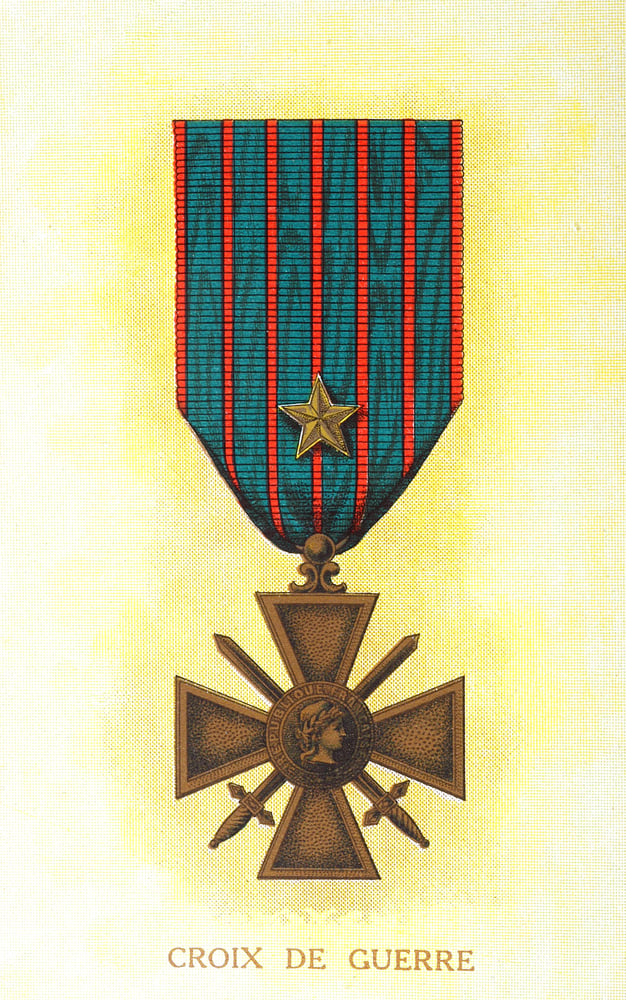
The French Croix de Guerre is one of the more accessible entry points into WWI and WWII Allied medal collecting. French examples with palms, stars, or bronze citations — indicating the level of the commendation — sell for $50 to $300 depending on condition and whether the accompanying paperwork can be traced.
American soldiers who were awarded the French Croix de Guerre in addition to their US decorations often kept the medal with their personal effects, and such groupings appear regularly in estate sales.
The Afrika Korps Campaign Cuff Title (Germany, WWII)
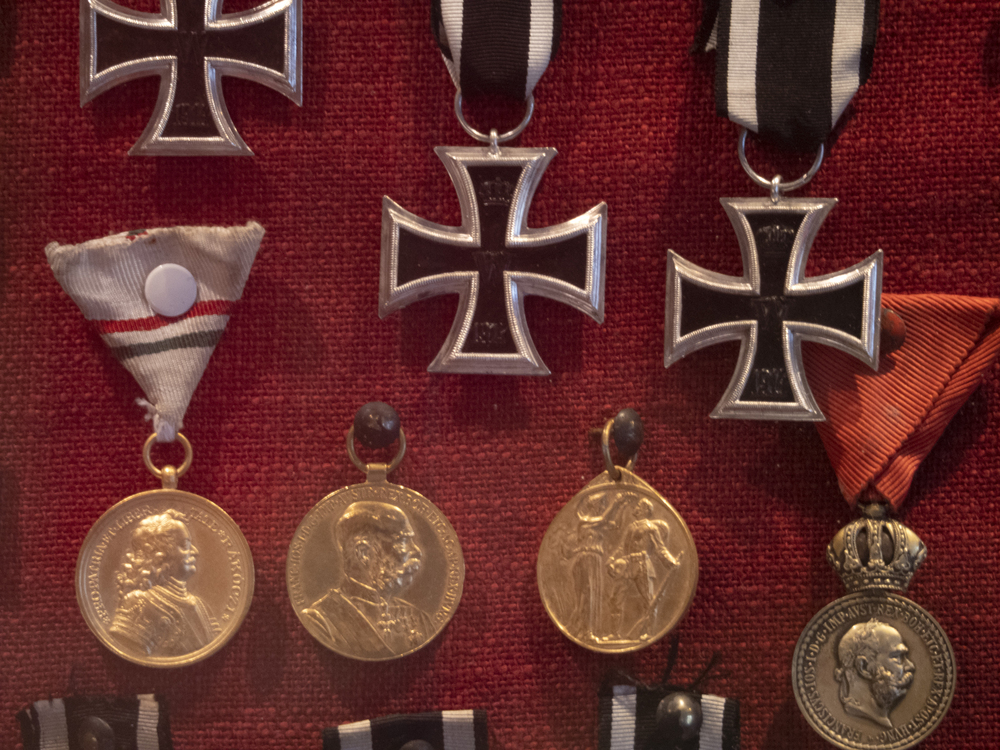
Cloth insignia from the German military — including the woven Afrikakorps cuff title awarded to those who served in the North Africa campaign — is one of the more actively traded categories in cloth militaria. Authentic WWII-period cuff titles in wearable condition sell for $200 to $800 at specialist auction and on the secondary market, with exceptional examples in museum-quality condition reaching higher.
The category is severely compromised by reproduction manufacture, and the distinction between original and reproduction requires experienced examination.
The Combat Infantryman Badge (United States, Named)
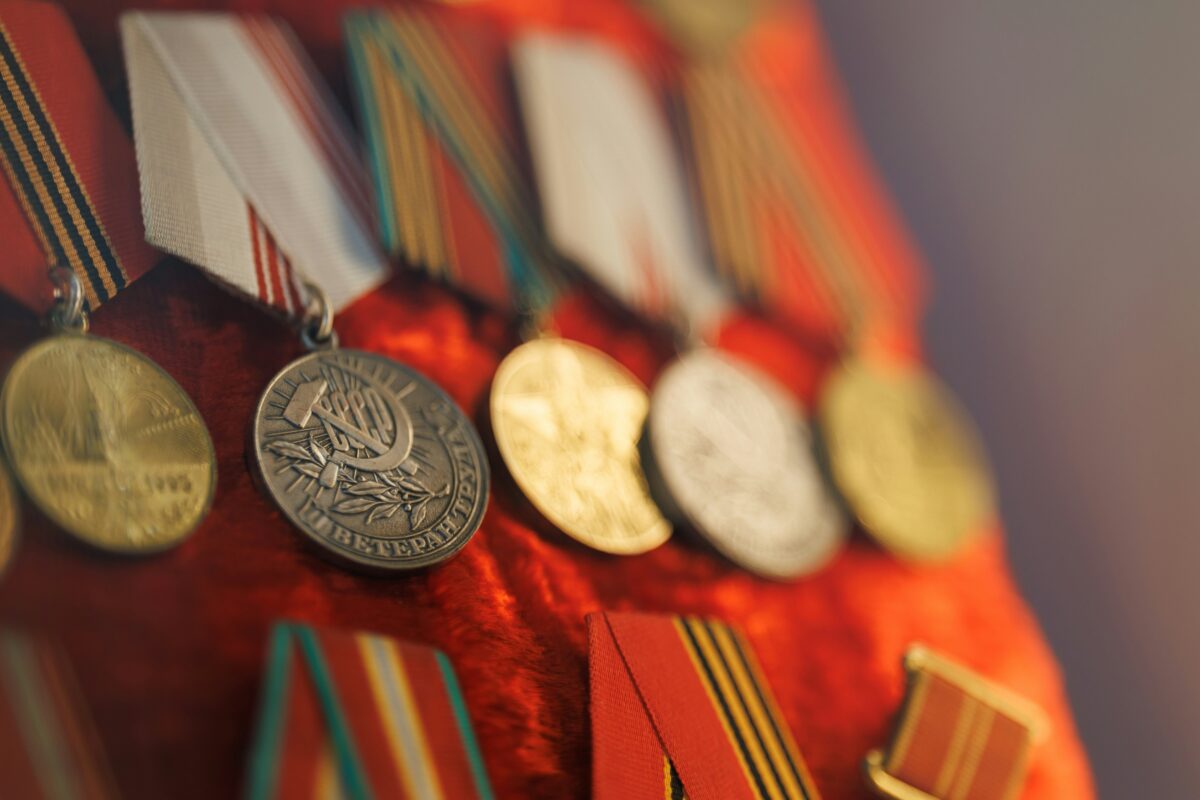
The Combat Infantryman Badge, introduced in 1943 as recognition of front-line infantry service, is collected as part of named groupings rather than as individual pieces. A complete WWII grouping — CIB, European Theater ribbons, campaign stars, and any valor awards — attributed to a named individual with military service records creates a documentable set that appeals to researchers and collectors simultaneously.
Complete, named groups from significant operations sell for $300 to $1,500 or more depending on the battle record of the named soldier.
The Medal of the Order of the British Empire (OBE/MBE) With Original Citation
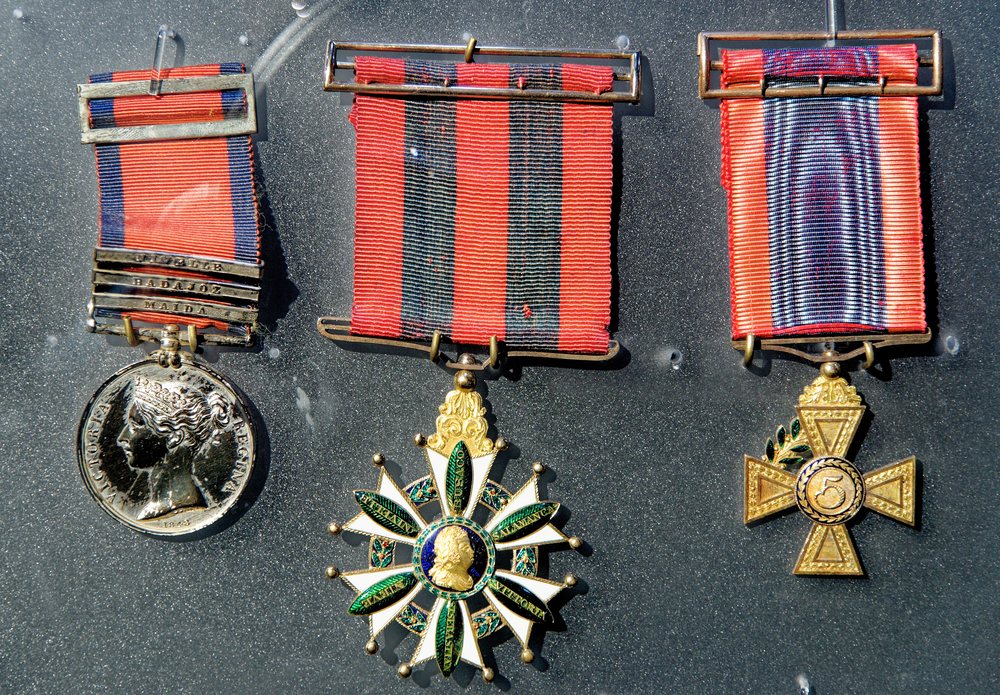
British Empire Medals and Orders of the British Empire with their original warrants and citations are a consistently traded category at UK militaria specialist auctions. Named civilian OBEs awarded for wartime service — particularly those tied to specific programs at Bletchley Park, the SOE, or scientific war work — carry historical interest beyond their standard collector value.
A well-documented named group with the original royal warrant sells for £200 to £800 or more depending on the recipient’s significance.
D-Day Medals and Maps Group
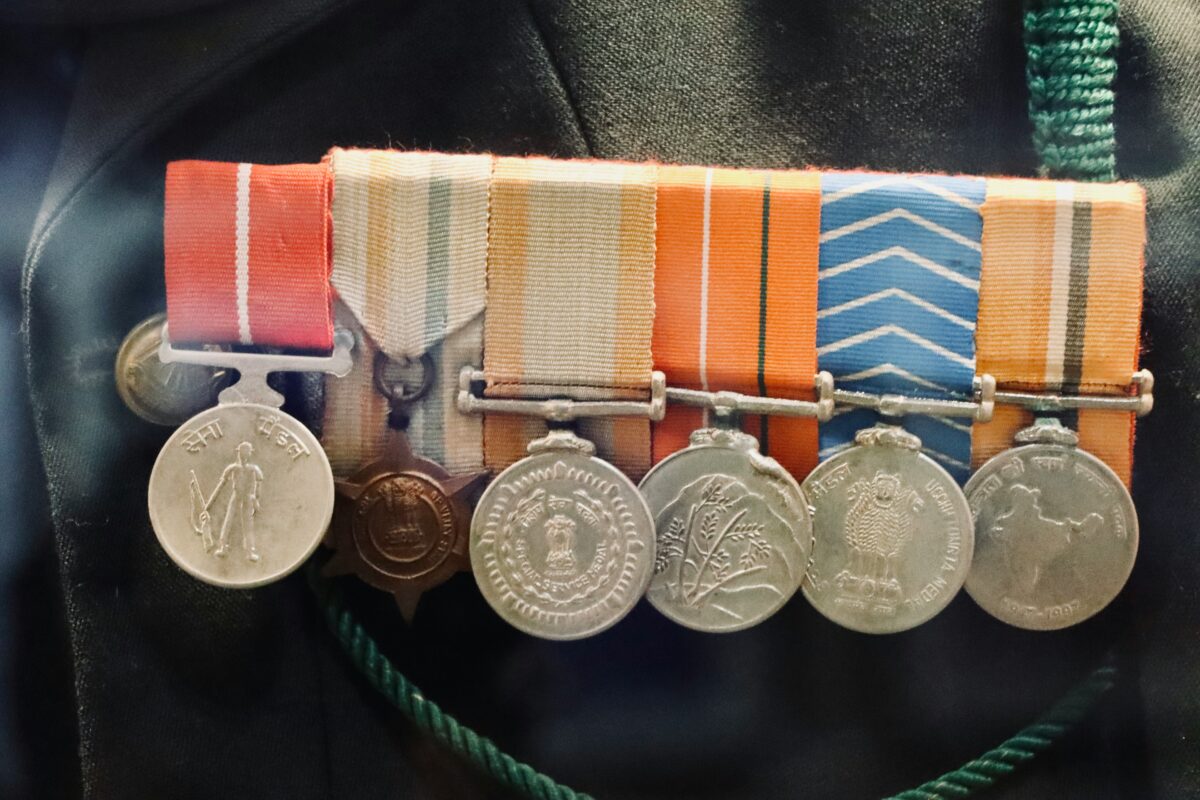
A combined group of D-Day medals and operational maps sold at Bonhams in 2024 for £16,640 (approximately $20,000). D-Day-specific groupings — medals with original citations tied to specific units that landed at the beaches on June 6, 1944, accompanied by maps, photographs, or correspondence from the period — are among the most aggressively sought WWII groupings at specialist auctions because of the singular historical moment they document.
Grand Army of the Republic (GAR) Badges
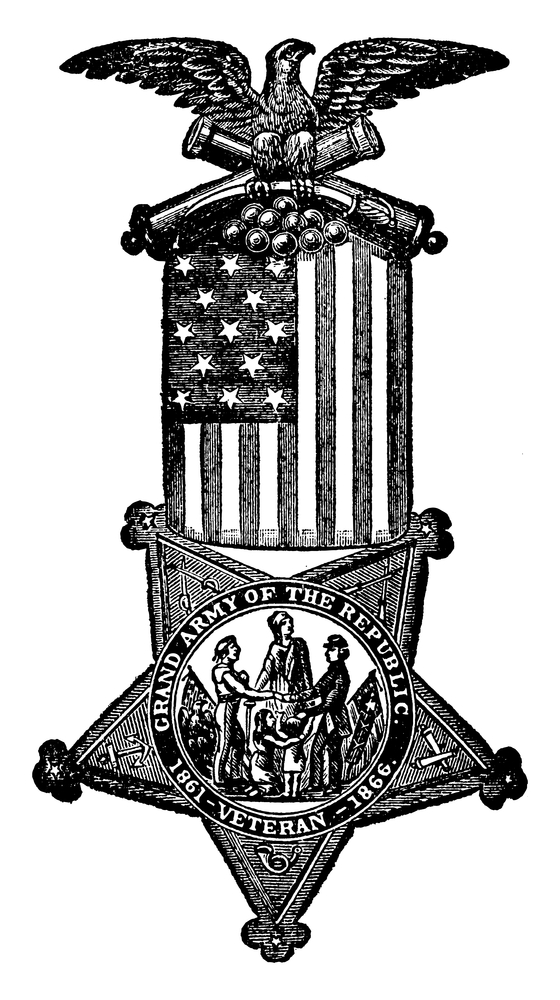
The Grand Army of the Republic was the organization of Union veterans of the Civil War, and their membership badges — made in various metals and designs by chapter — are collected as pieces of post-war American material culture. Complete GAR badge groupings with ribbons, meeting pins, and membership documents from the late 19th century sell for $100 to $600, with elaborate enameled examples from commemorative encampments reaching higher.
The Antiques Roadshow has specifically noted the increased collector interest in Civil War campaign medals and GAR items.
WWII Paratrooper Jump Wings and Equipment (Named)
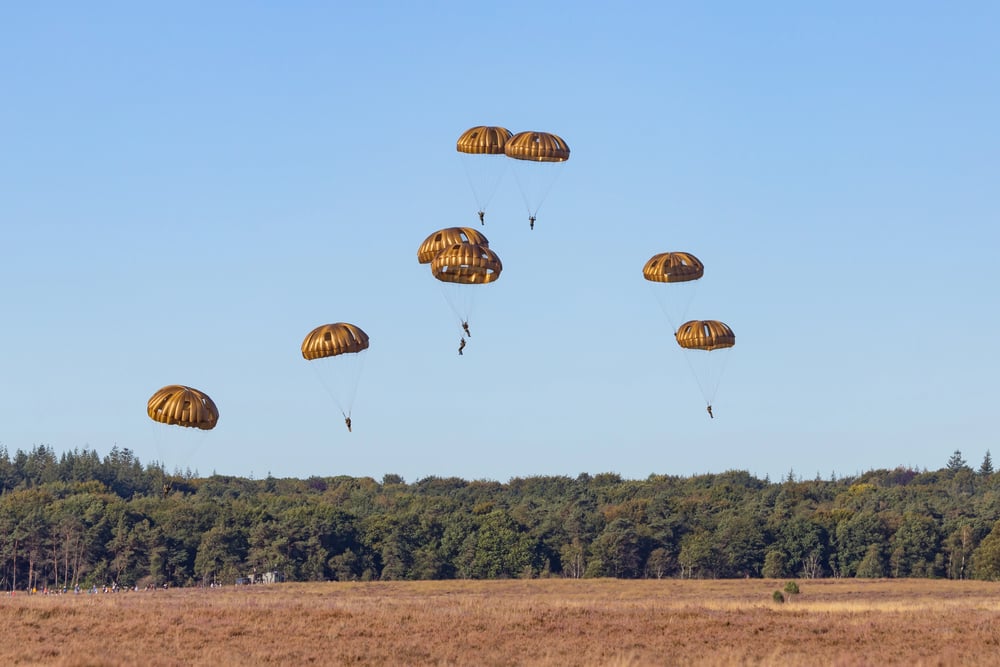
Original WWII paratrooper equipment — jump wings, helmets, and components attributed to the 101st and 82nd Airborne Divisions — commands significant premiums over standard infantry collectibles. A complete paratrooper group attributable through documentation to a soldier who participated in Operation Overlord or Operation Market Garden attracts specialist military historians as well as collectors.
Named groupings with orders, morning reports, or unit photographs sell for $1,000 to $5,000 and above at specialist auction.
The Nazi Gold Party Badge (Germany)
A Nazi Gold Party Badge once belonging to Adolf Hitler sold at auction in 2019 for $100,000. The Gold Party Badge was awarded to the first 100,000 Nazi Party members — a group known as the “Alte Kämpfer” or “old fighters” — and holds historical significance as a piece of Third Reich political history that is tracked by both militaria collectors and historians.
As with all pieces of this category, the market requires specialist authentication and provokes ongoing ethical debate about the appropriate context for trade in such material.
The George Cross (United Kingdom)
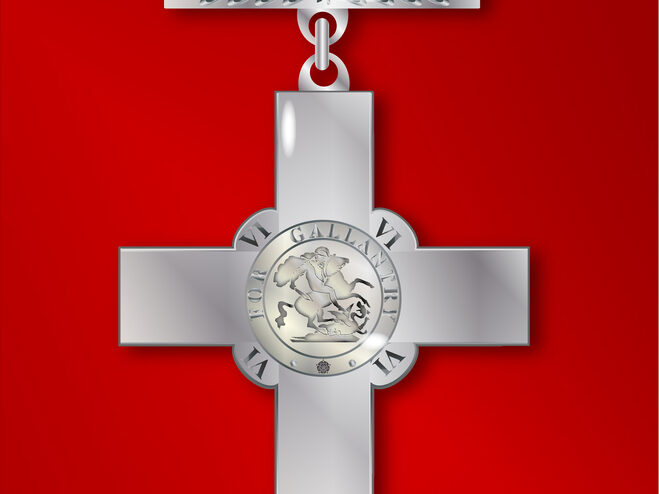
The George Cross, established by King George VI in 1940, is the second-highest civilian decoration in the United Kingdom and the equivalent of the Victoria Cross for non-combat gallantry. It is also far less well-known than the VC, meaning examples have sometimes passed through estate sales without recognition.
Named George Crosses with original warrant and citation sell for £3,000 to £20,000 at specialist auction, with exceptional examples from Blitz-era gallantry or SOE service reaching higher.
WWII German Enigma Machine
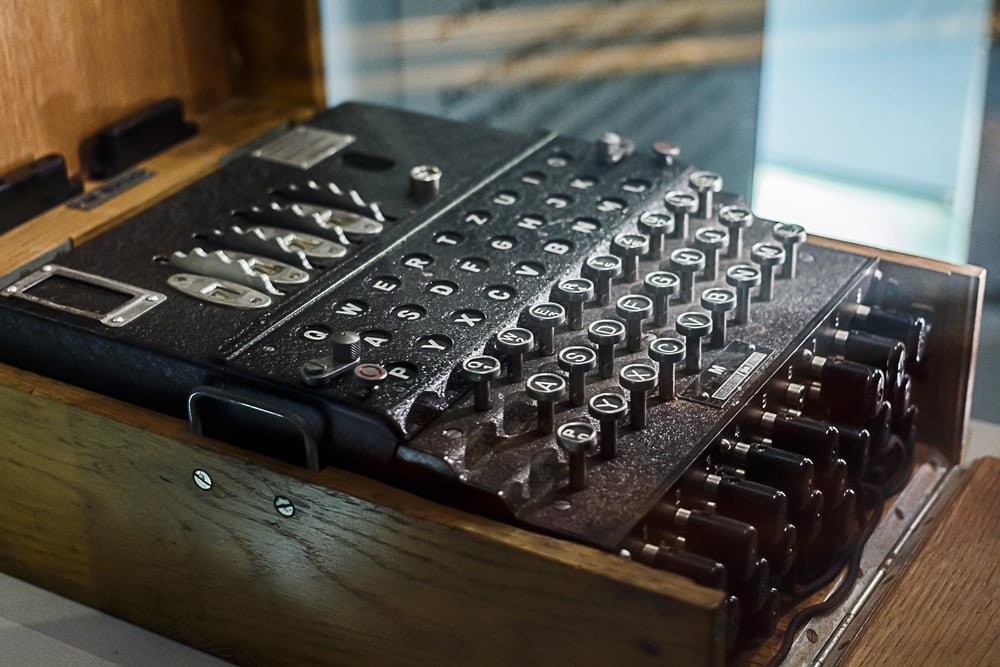
Not a medal, but the piece of German military equipment that has generated the highest recent auction result in the WWII militaria category: a fully functional Enigma cipher machine sold for $206,253 in 2023. The machines are extraordinarily rare in functional condition, and their association with the Bletchley Park codebreaking operation — one of the most significant intelligence operations in military history — makes them objects of both technical and historical fascination.
The Distinguished Service Cross (Australia, WWII)
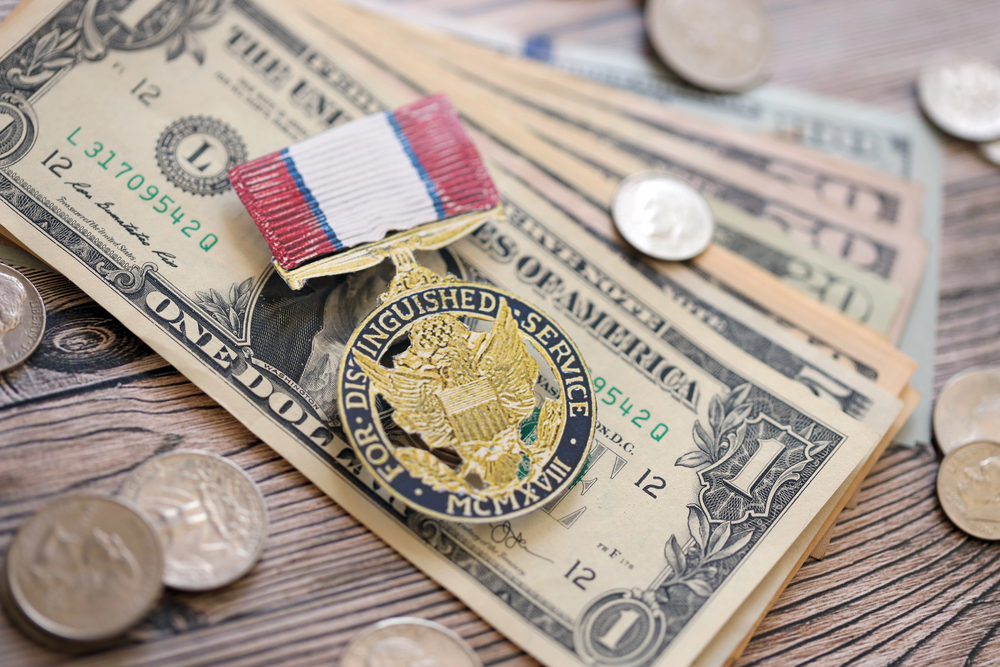
Australian campaign awards from the WWI and WWII periods are aggressively acquired by Australian institutional collectors and their country’s war museums, which have pursued named examples at international auction to bring them home. A George Mawby Ingram Victoria Cross from 1918 with citation and other medals was estimated at $400,000 to $600,000 AUD at Sotheby’s.
Named Australian WWII DCMs, MM groups, and other high-value awards trend toward the same institutional competition for acquisition.
WWI Red Baron-Era German Aviator Badges
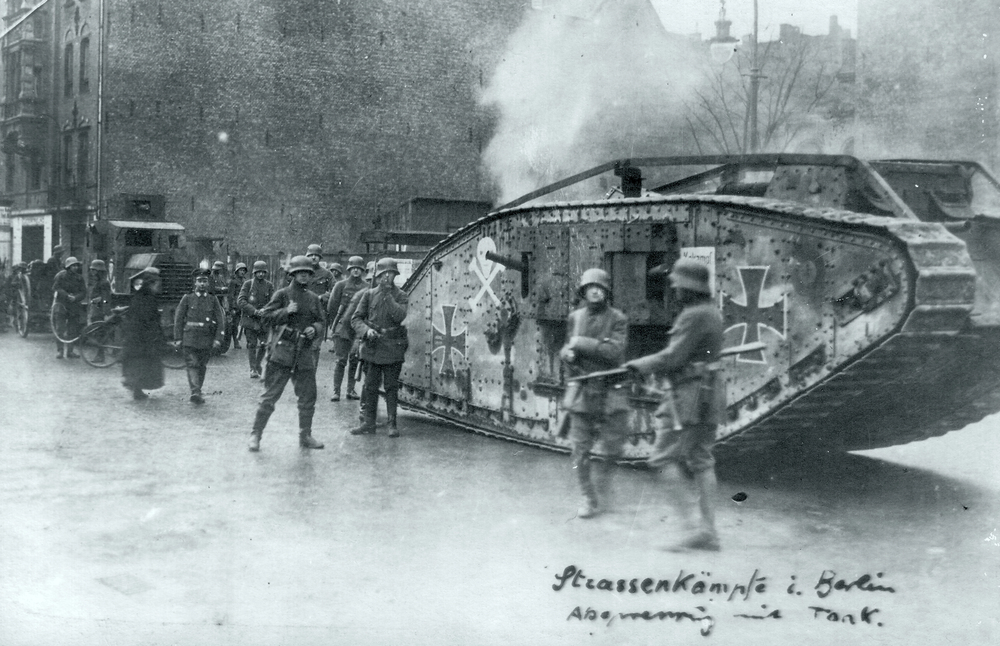
Fighter pilot identity badges, pour le mérite groupings, and pilot qualification wings from WWI German aviation — connected by documentation or attribution to any of the famous jagdstaffel aces — represent some of the most sought-after pieces of early aviation militaria. The combination of the war’s popular mythology around air combat, the extreme rarity of documented items, and the specific appeal of early aviation history to collectors beyond the pure militaria category creates a layered market with strong demand.
The Order of the White Eagle (Named Example)
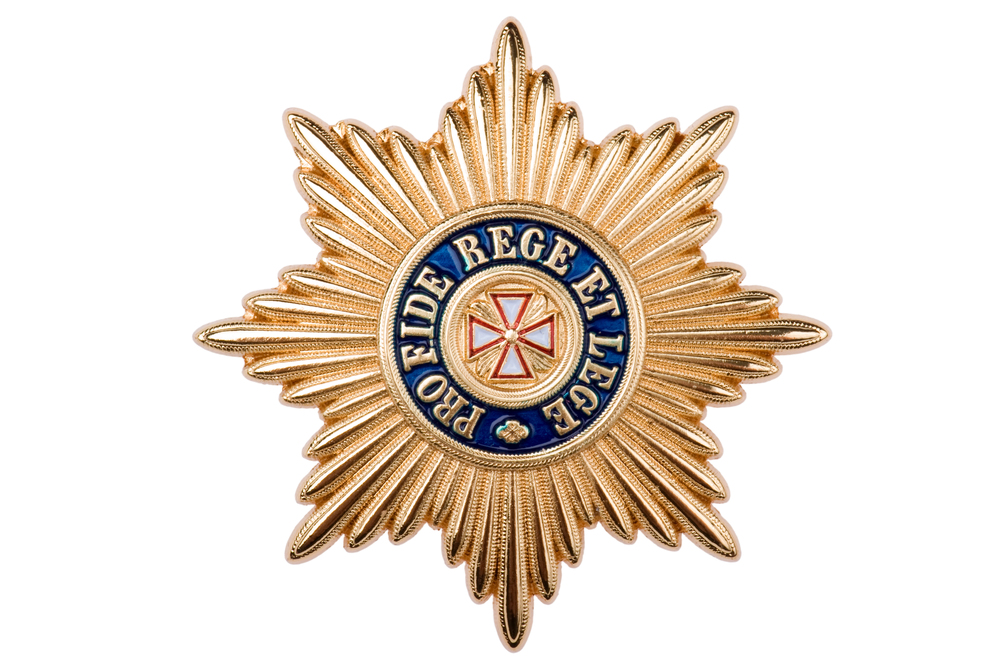
A set of the Polish Order of the White Eagle belonging to Tsar Nicholas II, awarded during his reign, sold for over $200,000 at a specialist auction. Imperial Russian decorations — particularly those with direct royal provenance — occupy a market where provenance documentation is as valuable as the physical object.
Named sets with unbroken documented custody from original recipient to auction sale command the highest prices.
Campaign Medals From the Second Anglo-Boer War (1899–1902)
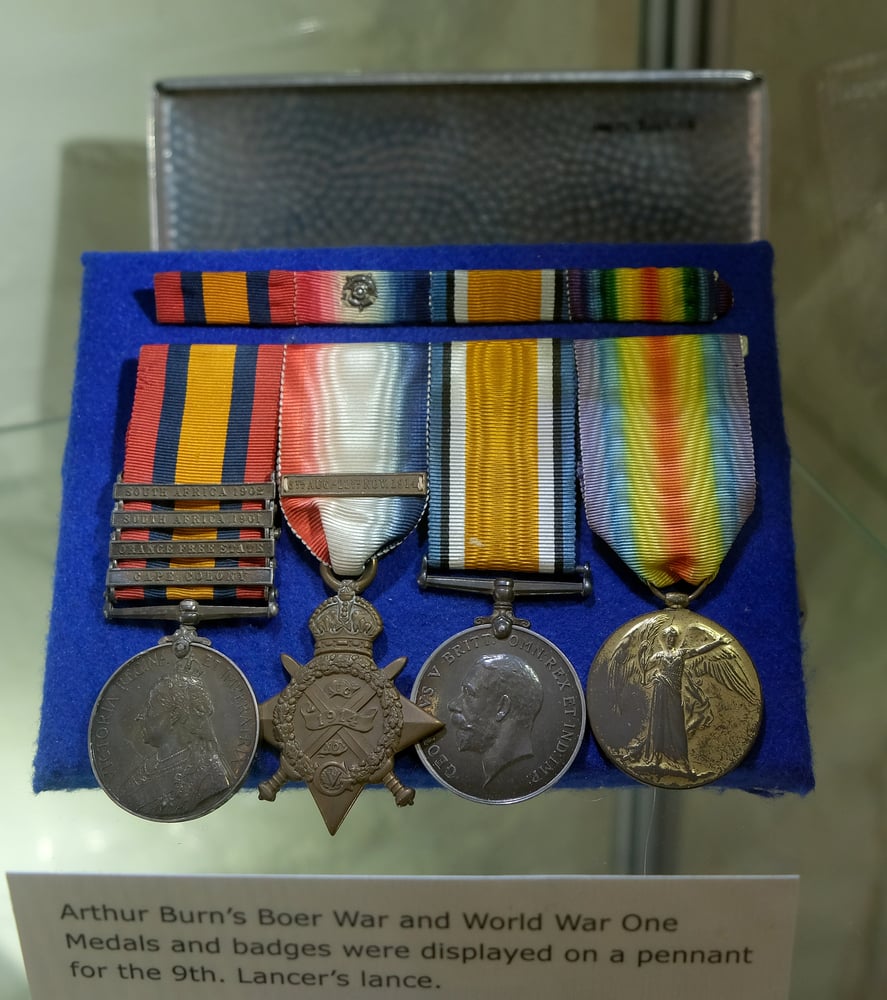
Boer War campaign medals attract dedicated specialist collectors, particularly those with clasps indicating participation in specific engagements. A Lieutenant Colonel John Gough Victoria Cross awarded for bravery in the Second Boer War sold for £500,000 in 2012.
Standard campaign medals without valor awards sell for £50 to £300 depending on the number and rarity of clasps; named examples with documented service records reach considerably higher.
WWII Pilot Flight Logs With Campaign Awards

Original flight logs — daily records of sorties flown, targets attacked, aircraft type, and hours — are military documents that carry historical significance independent of any medal grouping. A flight log from a named pilot whose awards can be cross-referenced against his sorties recorded in the log creates an object that is simultaneously a primary historical document and a piece of collectible militaria.
Battle of Britain pilot flight logs paired with DFC or DFM awards are among the most actively bid pieces in UK specialist militaria auctions.
Civil War Confederate Davis Guard Medal
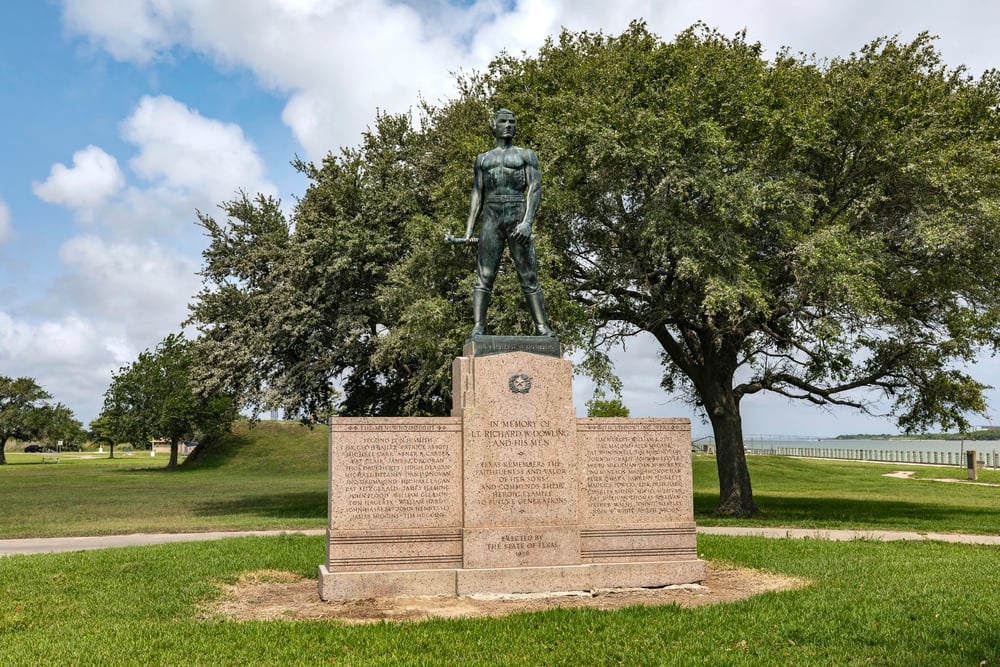
The Davis Guard Medal is the only combat medal issued by the Confederacy during the Civil War, awarded to troops who fought in the Battle of Sabine Pass in September 1863. Because Confederate military production was limited and the war ended before any broader decoration system could be established, the Davis Guard Medal stands alone as a Confederate valor award.
Authentic examples — which were minted by residents of Galveston rather than by a government mint — are extremely rare and command significant prices when they surface at auction with provenance.
WWI American Expeditionary Forces Groupings
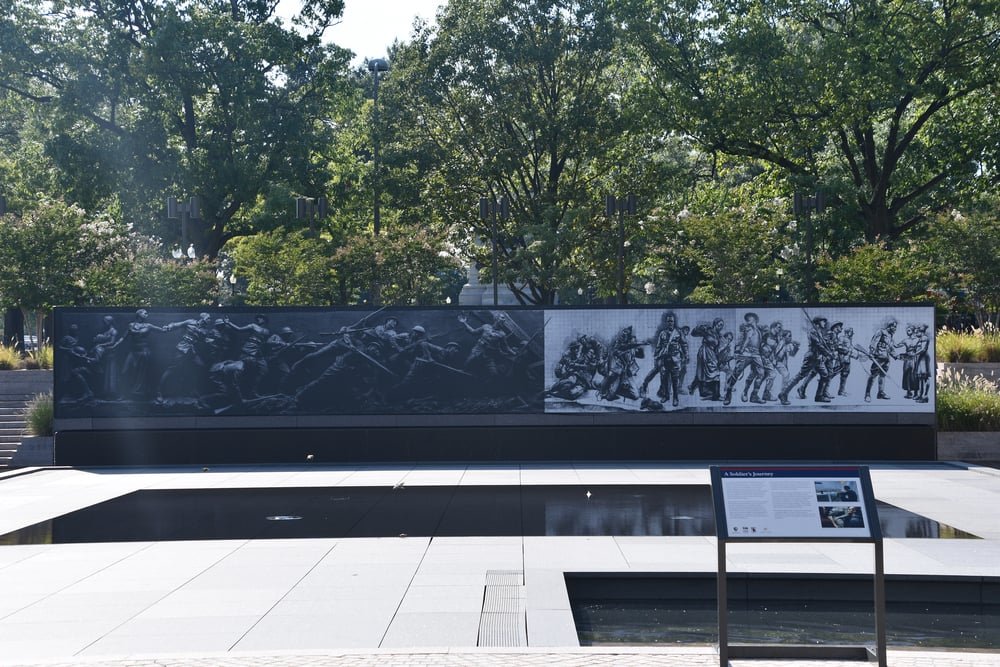
Complete American AEF groupings from named soldiers — Victory Medal with clasps indicating participation in specific operations like the Meuse-Argonne Offensive, paired with Purple Heart, DSC, or Silver Star — create documentable sets that appeal to researchers of the Great War as much as to conventional collectors. The Meuse-Argonne Offensive of 1918 was the largest single operation in American military history, involving 1.2 million US troops, and medals documenting individual participation in it carry weight proportional to that historical significance.
The Order of Lenin (Soviet Union)
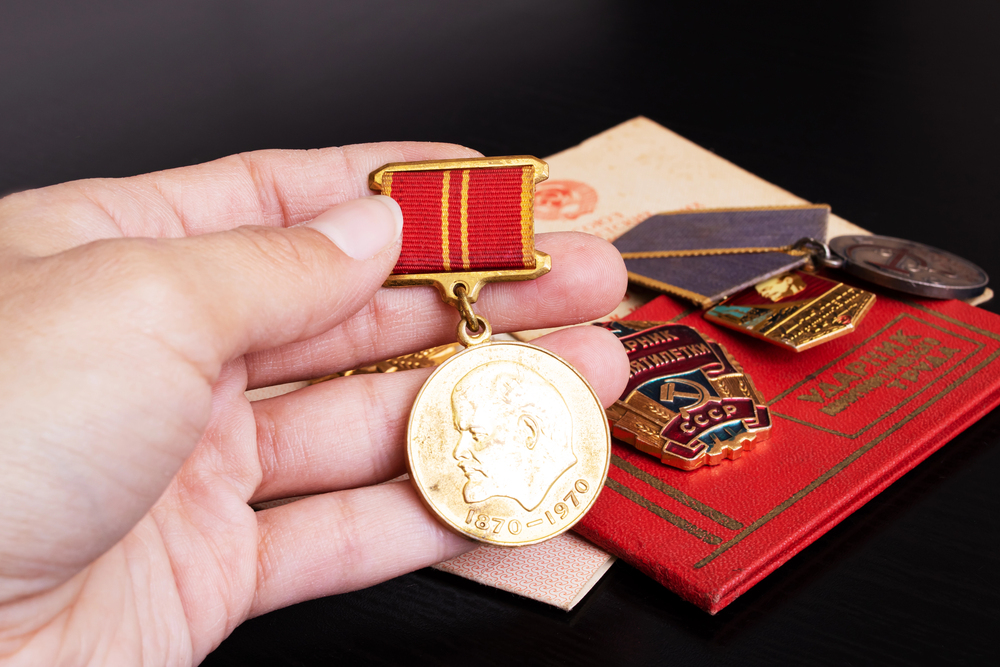
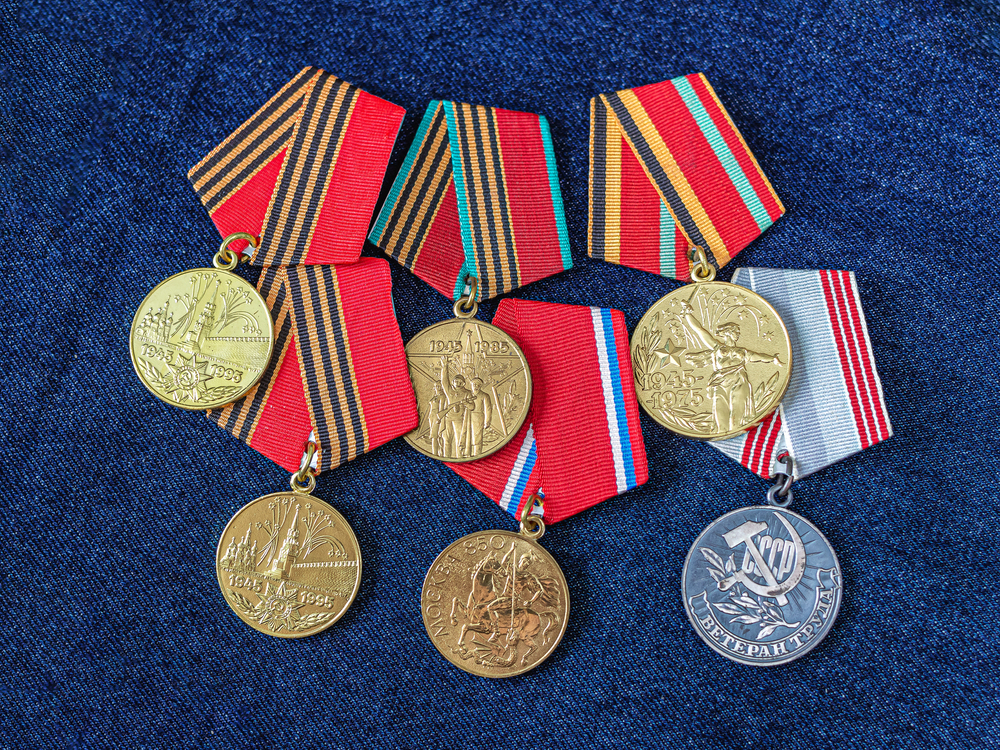
Soviet decorations — particularly high-order pieces like the Order of Lenin, the Order of Victory, and the Hero of the Soviet Union medal — attract both Russian émigré collectors and Western specialist militaria buyers. The Order of Lenin was the Soviet Union’s highest distinction for civilian and military achievement and was awarded approximately 431,000 times between 1930 and 1991.
Named examples with documentation and original case sell for $300 to $3,000 depending on the grade and the recipient’s documented significance.
WWI German Fighter Ace Documentation and Medals
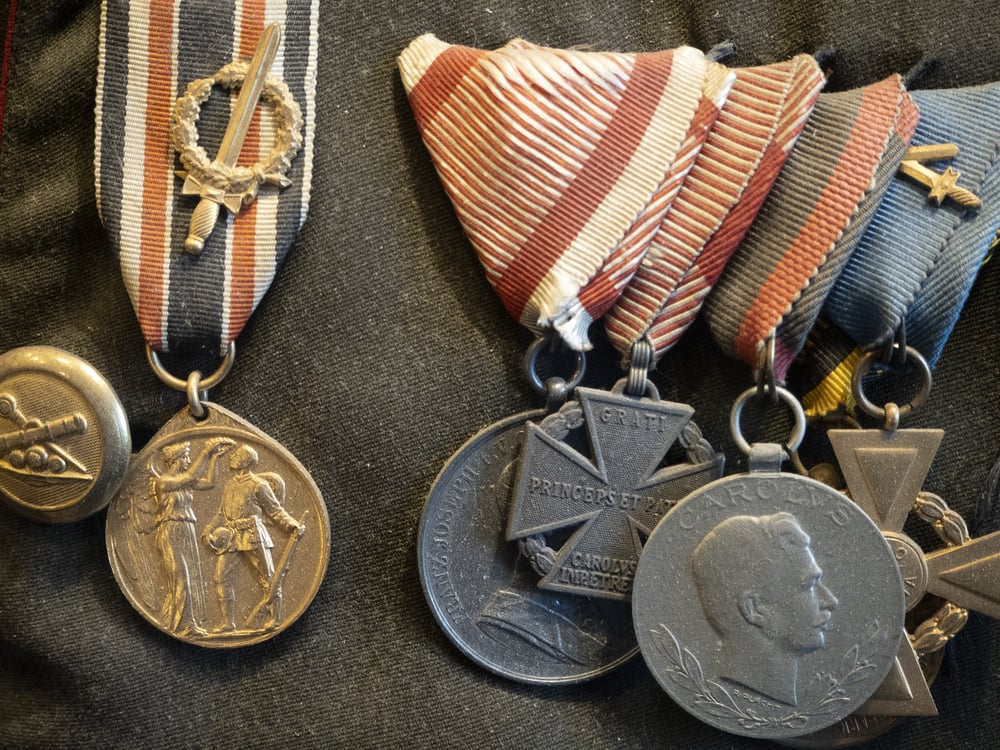
Documentation tied to named WWI German aces — kill claims, unit orders, correspondence, and associated medals — represents a collecting category that bridges militaria and aviation history. Any piece that can be traced through specialist authentication to a named pilot who achieved five or more confirmed victories commands premium interest from both categories of collector simultaneously.
WWII Airborne D-Day Jump Smock With Unit Identification
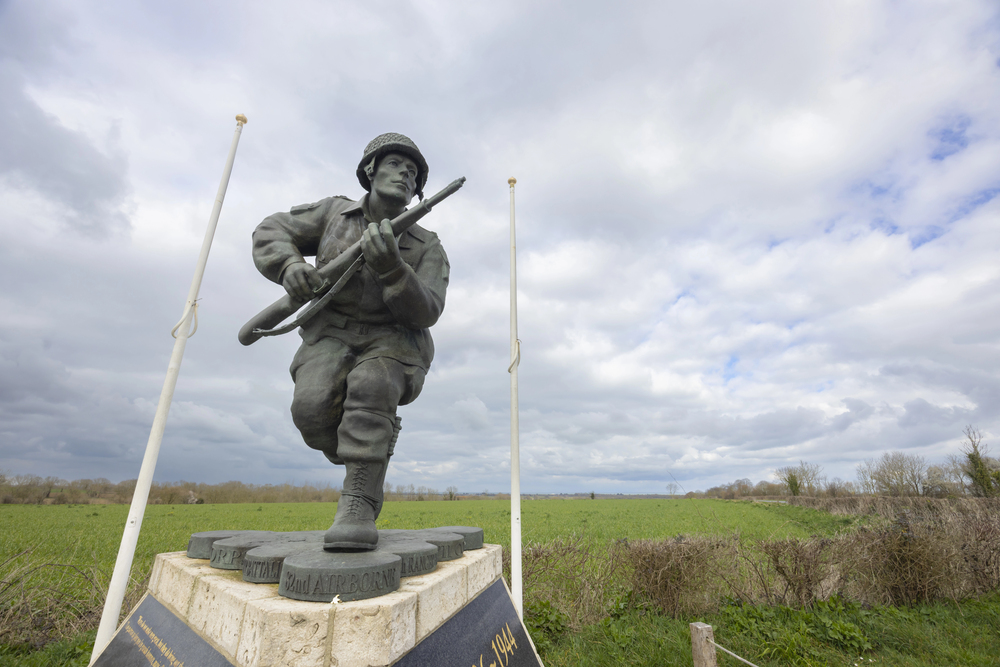
Original WWII airborne jump smocks — the Denison smock for British paratroopers, the M-1942 for American paratroopers — in documented original condition with unit patches or insignia attached represent some of the highest-value cloth militaria in the WWII category. A well-documented paratrooper’s uniform from 1944 with unit insignia, jump wings, and campaign documentation has sold for over a thousand dollars at specialist auction, with exceptional examples reaching considerably higher.
What Documentation Actually Does to Value
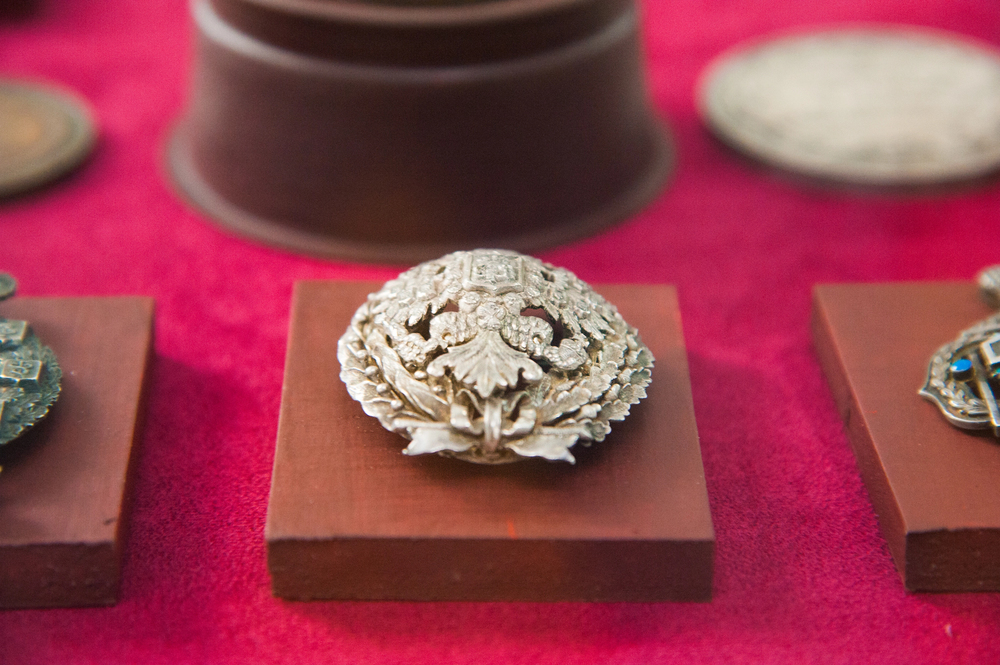
The single most important lesson in military medal collecting is that the same physical object — the same weight, the same metal, the same design — can be worth $50 or $50,000 depending on whether anyone wrote anything down at the time it was awarded. A Victoria Cross without a name engraved on the reverse and without archival documentation of its recipient is worth a fraction of what the same medal commands with provenance.
An unnamed Purple Heart is worth $30. A Purple Heart from a soldier whose service records can be traced through the National Archives is worth ten times that and sometimes more.
The boxes of medals left in drawers across the country contain almost everything: common campaign medals with no specific value, exceptional valor awards whose recipients are no longer known, and occasionally something that a militaria specialist would recognize immediately as requiring urgent professional attention. The difference between those categories is almost invisible to the untrained eye — which is precisely why a quick conversation with a specialist before any disposal decision is the most reliable protection against a mistake that can’t be undone.
More from Go2Tutors!

- The Romanov Crown Jewels and Their Tragic Fate
- 13 Historical Mysteries That Science Still Can’t Solve
- Famous Hoaxes That Fooled the World for Years
- 15 Child Stars with Tragic Adult Lives
- 16 Famous Jewelry Pieces in History
Like Go2Tutors’s content? Follow us on MSN.



