17 Times One Decision Saved Thousands of Lives
History is full of moments where everything hangs on a single choice. Sometimes these decisions happen in the heat of battle, other times in quiet laboratories or government offices. The people making these choices often don’t realize the enormous impact their actions will have on thousands, sometimes millions of lives.
These split-second judgments and carefully considered choices changed the course of human history in ways both dramatic and subtle. Here is a list of 17 times one decision saved thousands of lives.
Stanislav Petrov Refuses to Report Missile Attack

On September 26, 1983, Soviet officer Stanislav Petrov was monitoring early warning systems when computers showed five incoming American missiles. Protocol demanded he immediately report this to his superiors, which would have triggered nuclear retaliation and likely started World War III. Instead, Petrov decided the reading was a false alarm and chose not to report it. His gut instinct and refusal to follow procedure potentially saved millions of lives from nuclear war.
John Snow Removes the Water Pump Handle

During the 1854 cholera outbreak in London, Dr. John Snow traced the source of the disease to a contaminated water pump on Broad Street. Despite fierce opposition from local authorities who didn’t believe his theory, Snow convinced officials to remove the pump handle. This single action stopped the outbreak in its tracks and saved thousands of Londoners from a horrible death while establishing the foundation of modern epidemiology.
Witold Pilecki Volunteers for Auschwitz
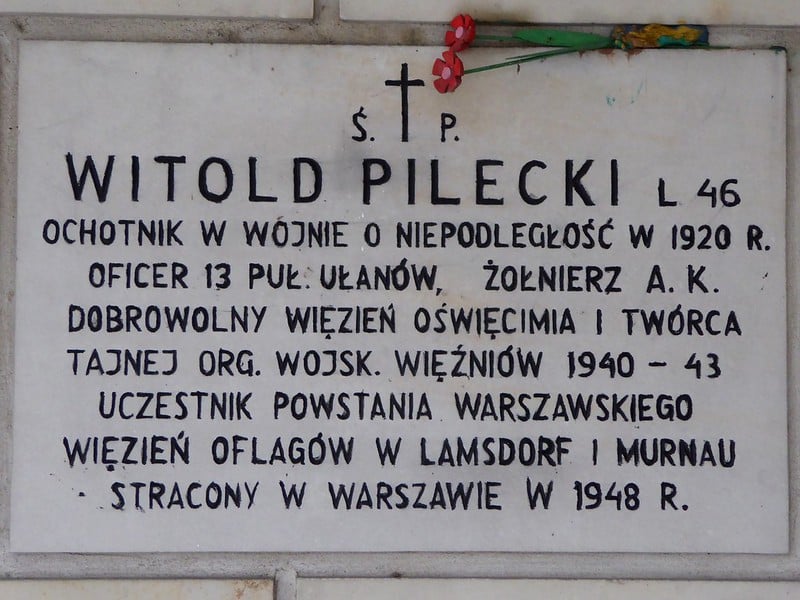
Polish officer Witold Pilecki made the extraordinary decision to get himself arrested and sent to Auschwitz concentration camp in 1940. His mission was to gather intelligence and organize resistance from within the camp. Pilecki’s reports provided the first detailed accounts of the Holocaust to the outside world, and his organized resistance network saved hundreds of prisoners and helped many escape.
Vasily Arkhipov Prevents Nuclear Launch

During the Cuban Missile Crisis in 1962, Soviet submarine B-59 was detected by American forces and came under attack. The submarine’s captain wanted to launch a nuclear torpedo, but the decision required unanimous consent from three officers. Deputy Brigade Commander Vasily Arkhipov refused to agree, preventing what could have escalated into nuclear war. His lone dissenting vote potentially saved millions of lives during one of the Cold War’s most dangerous moments.
Irena Sendler Smuggles Children from Warsaw Ghetto
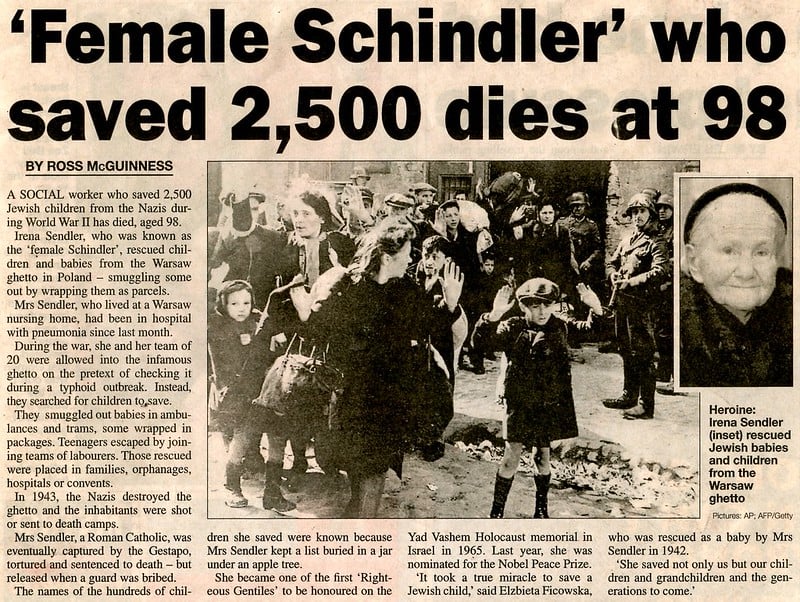
Polish nurse Irena Sendler made the dangerous decision to smuggle Jewish children out of the Warsaw Ghetto starting in 1940. Using her position as a health worker, she created elaborate schemes to hide children in coffins, suitcases, and sewage pipes. Sendler saved approximately 2,500 children from certain death, keeping detailed records of their identities hidden in jars buried in her garden so families could be reunited later.
Alexander Fleming Doesn’t Clean His Petri Dishes
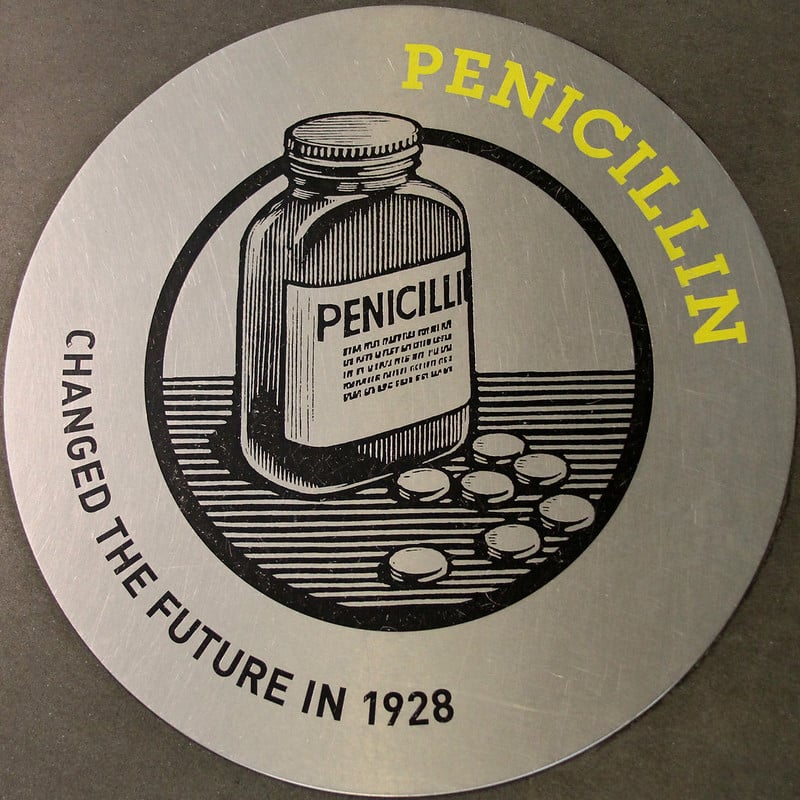
In 1928, bacteriologist Alexander Fleming made what seemed like a lazy decision not to clean up his laboratory before going on vacation. When he returned, he noticed that mold had contaminated some of his bacterial cultures, but instead of throwing them away, he decided to examine them closely. This decision led to the discovery of penicillin, which has saved millions of lives since becoming widely available during World War II.
Maurice Hilleman Develops Mumps Vaccine in Record Time
When Dr. Maurice Hilleman’s five-year-old daughter came down with the mumps in 1963, he made the bold decision to immediately begin developing a vaccine using samples from her throat. Working around the clock, Hilleman created a vaccine in just four years instead of the typical decade-long process. His quick action prevented a potential epidemic and has saved countless children from serious complications including deafness and brain damage.
Chiune Sugihara Issues Thousands of Visas
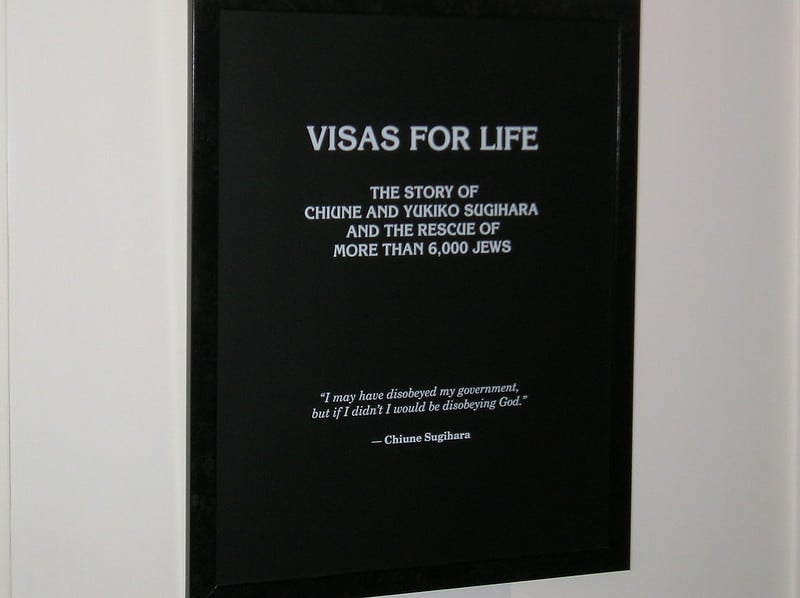
Japanese diplomat Chiune Sugihara faced an impossible choice in 1940 when thousands of Jewish refugees gathered outside his consulate in Lithuania seeking visas to escape Nazi persecution. Despite explicit orders from Tokyo not to issue visas, Sugihara decided to follow his conscience instead of his government’s instructions. He hand-wrote over 2,100 visas, saving an estimated 6,000 lives as each visa often covered entire families.
James Harrison Donates Rare Blood for 60 Years
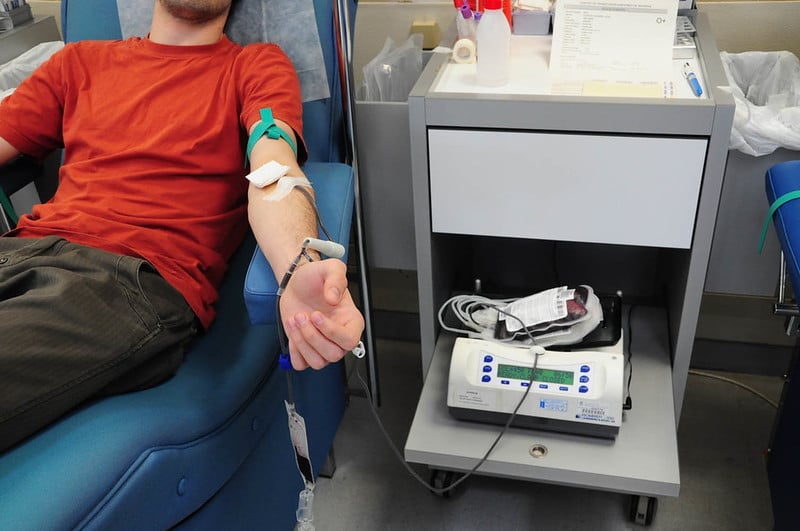
Australian James Harrison discovered his blood contained rare antibodies that could prevent Rhesus disease in newborns, a condition that was causing thousands of infant deaths and disabilities each year. Harrison decided to donate blood regularly for over 60 years, ultimately making more than 1,000 donations. His rare plasma was used to create Anti-D immunoglobulin, which has saved the lives of more than 2.5 million babies, including his own grandchild.
Norman Borlaug Develops High-Yield Wheat
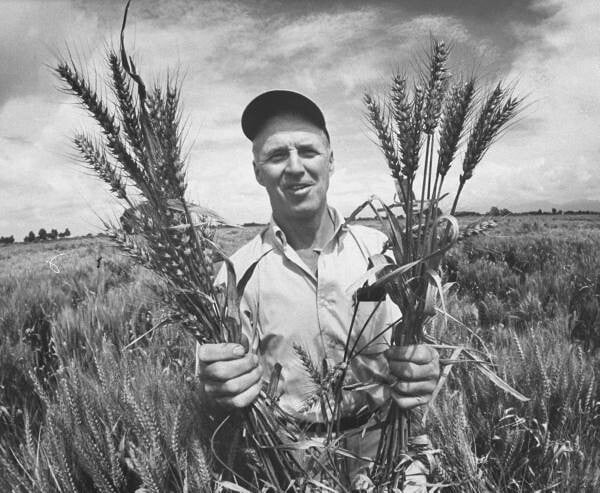
Agronomist Norman Borlaug made the career-defining decision to focus on developing disease-resistant, high-yield wheat varieties in the 1940s and 1950s. His work required him to move to Mexico and dedicate decades to painstaking agricultural research. The wheat varieties he developed sparked the Green Revolution, dramatically increasing food production worldwide and preventing the famines that experts predicted would kill millions as the global population grew.
Raoul Wallenberg Creates Protective Passports
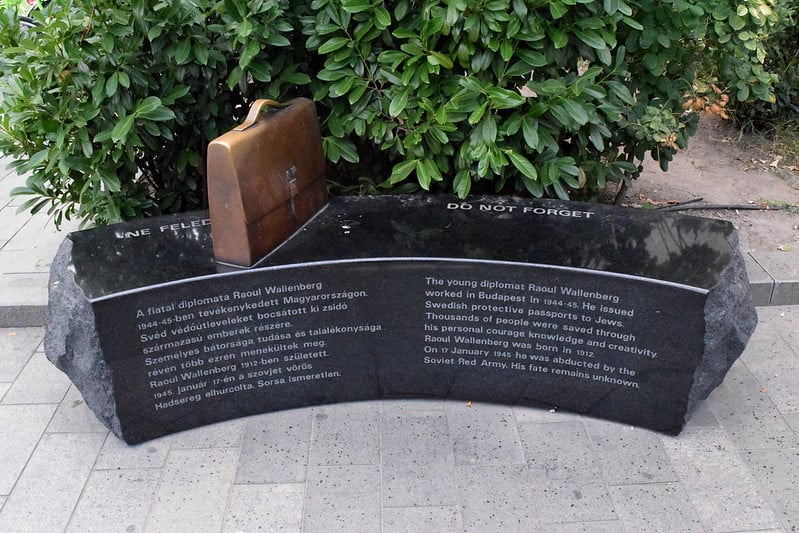
Swedish diplomat Raoul Wallenberg made the innovative decision to create official-looking but legally meaningless ‘protective passports’ for Hungarian Jews in 1944. These documents had no real diplomatic value, but their impressive appearance convinced Nazi officials to honor them. Wallenberg’s creative bureaucratic solution saved approximately 100,000 Hungarian Jews from deportation to concentration camps during the final months of World War II.
Edward Jenner Tests Smallpox Inoculation
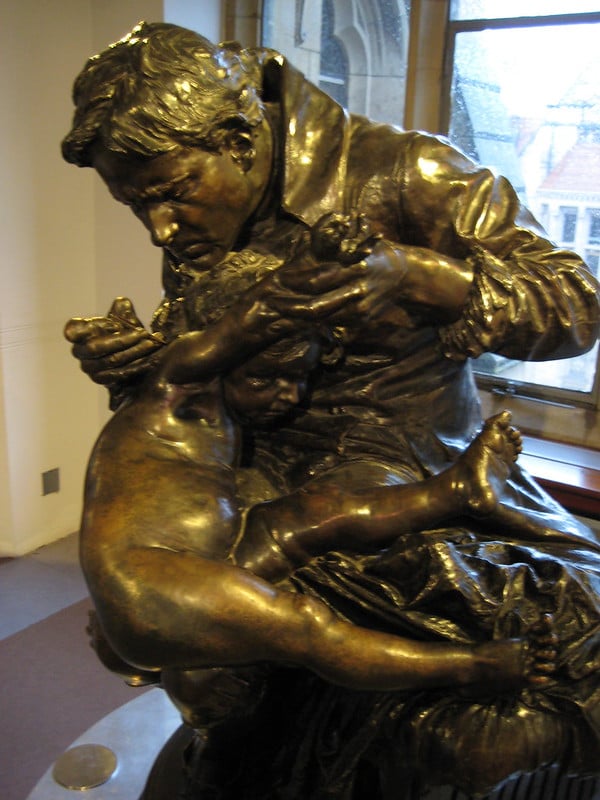
In 1796, country doctor Edward Jenner made a risky decision to test his theory that cowpox could protect against smallpox by deliberately infecting eight-year-old James Phipps with cowpox, then later exposing him to smallpox. The boy remained healthy, proving Jenner’s vaccination theory worked. This dangerous experiment launched the age of vaccination and eventually led to smallpox becoming the first disease completely eradicated from Earth, saving millions of future lives.
Jonas Salk Refuses to Patent Polio Vaccine
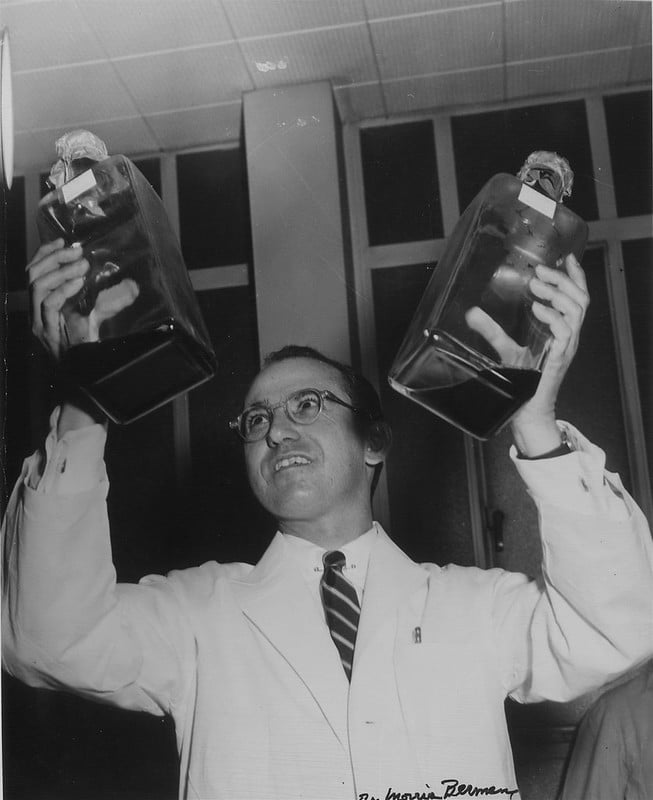
When Dr. Jonas Salk successfully developed a polio vaccine in 1955, he made the extraordinary decision not to patent his discovery. This choice meant giving up potential profits of billions of dollars, but it allowed the vaccine to be produced cheaply and distributed worldwide. Salk’s decision to prioritize public health over personal wealth has prevented millions of cases of paralysis and death from polio across the globe.
Oskar Schindler Saves His Workers
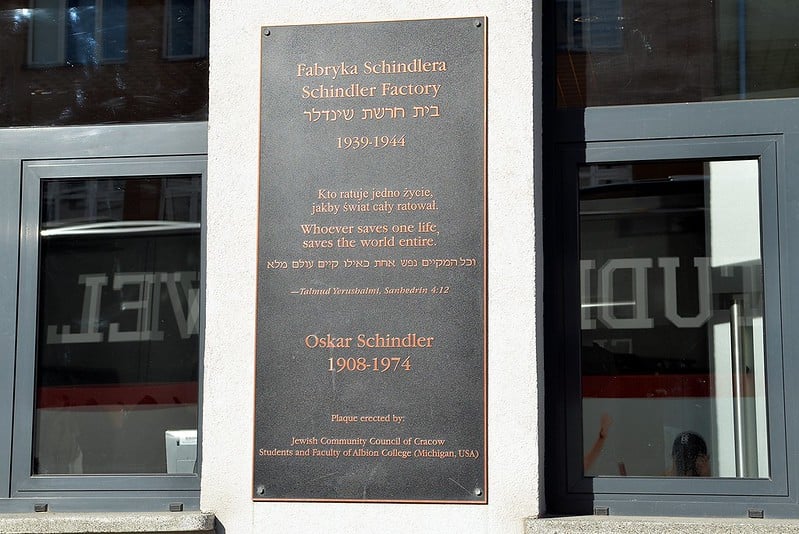
German industrialist Oskar Schindler made the costly decision to protect his Jewish workers by bribing Nazi officials and declaring them essential to his factory operations. As the Holocaust intensified, Schindler spent his entire fortune on bribes and even moved his factory to keep his workers safe. His famous list included 1,200 names, representing people whose lives he saved through his courageous and expensive choices.
Ralph Bunche Mediates Middle East Peace
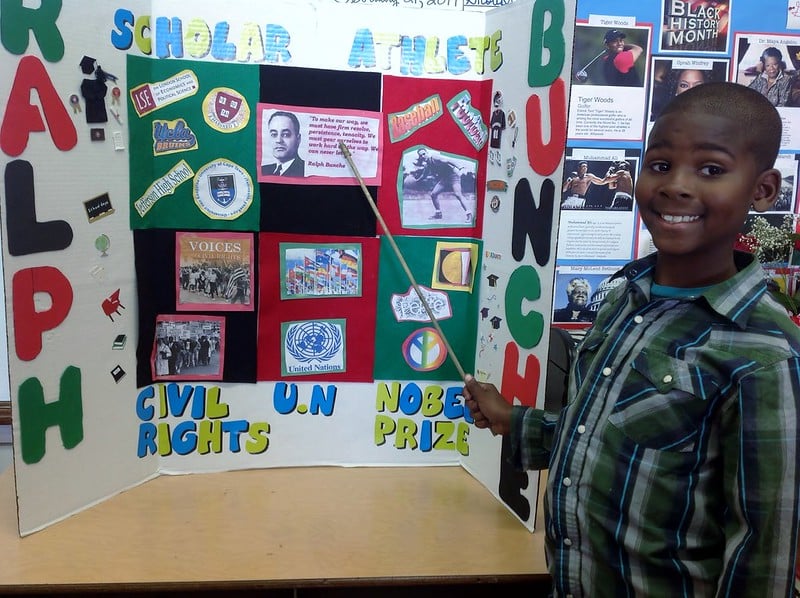
UN mediator Ralph Bunche made the patient decision to spend months in marathon negotiation sessions between Arab and Israeli representatives in 1949. When talks seemed hopeless, Bunche refused to give up and continued working tirelessly to find common ground. His persistence led to armistice agreements that ended the first Arab-Israeli war and saved thousands of lives that would have been lost in continued fighting.
Witold Pilecki Organizes Auschwitz Resistance
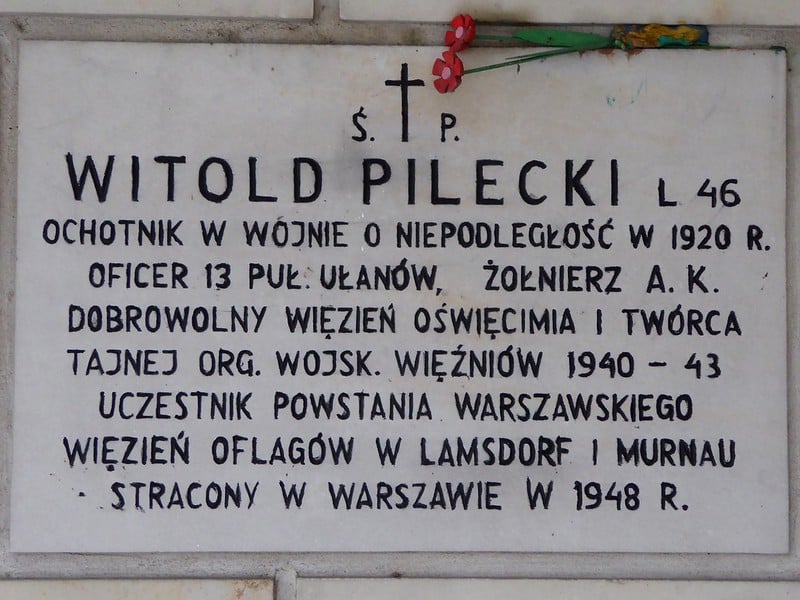
Captain Witold Pilecki made the incredible decision to deliberately get himself arrested and sent to Auschwitz in 1940 to organize resistance from within the camp. He spent two and a half years building networks, gathering intelligence, and helping prisoners escape. Pilecki’s organized resistance saved hundreds of lives directly and provided crucial information about the Holocaust to the outside world, enabling broader rescue efforts.
John Rabe Protects Civilians in Nanking
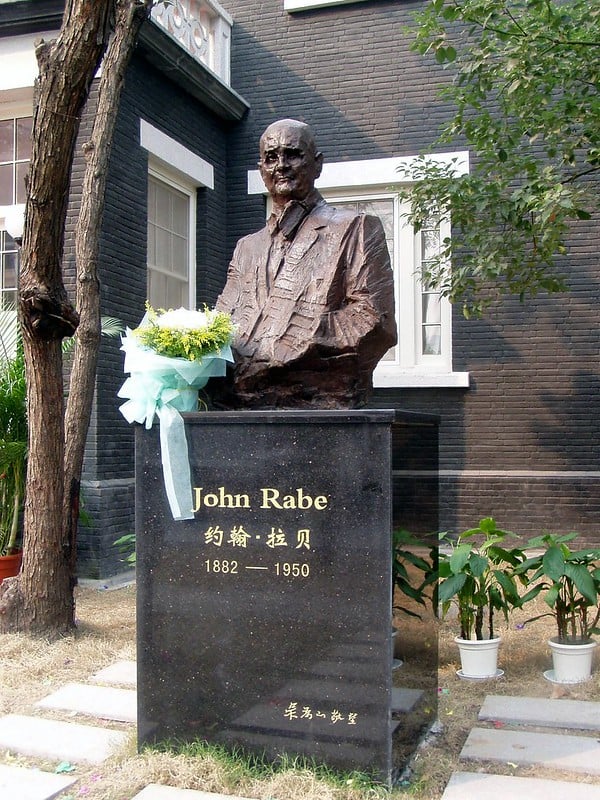
German businessman John Rabe made the brave decision to stay in Nanking when Japanese forces approached in 1937, establishing a safety zone to protect Chinese civilians. Using his Nazi party membership and German flag to intimidate Japanese soldiers, Rabe sheltered approximately 200,000 Chinese civilians in his makeshift safe zone. His quick thinking and willingness to risk his own safety saved countless lives during one of World War II’s most brutal massacres.
Heroes in Hindsight
These decisions remind us that ordinary people often hold extraordinary power to change history’s course. Many of these heroes didn’t set out to save thousands of lives – they simply made choices based on conscience, scientific curiosity, or human decency in crucial moments. Their stories show that individual actions matter tremendously, and that standing up for what’s right can have impacts far beyond what anyone imagines at the time. The ripple effects of their courage continue to save lives today.
More from Go2Tutors!

- The Romanov Crown Jewels and Their Tragic Fate
- 13 Historical Mysteries That Science Still Can’t Solve
- Famous Hoaxes That Fooled the World for Years
- 15 Child Stars with Tragic Adult Lives
- 16 Famous Jewelry Pieces in History
Like Go2Tutors’s content? Follow us on MSN.