15 Famous Museum Artifacts That Turned Out to Be Fake
Museums are supposed to be temples of truth, places where we go to connect with authentic pieces of human history. We trust that the artifacts behind those glass cases are genuine windows into our past. But sometimes, even the most prestigious institutions get fooled by clever forgeries, misattributions, or outright hoaxes.
The world of museum authentication is more complex than most people realize, and even experts with decades of experience can be deceived by skilled forgers or misleading provenance stories. Here is a list of 15 famous museum artifacts that shocked the art and archaeology worlds when they were revealed to be fake.
The Piltdown Man
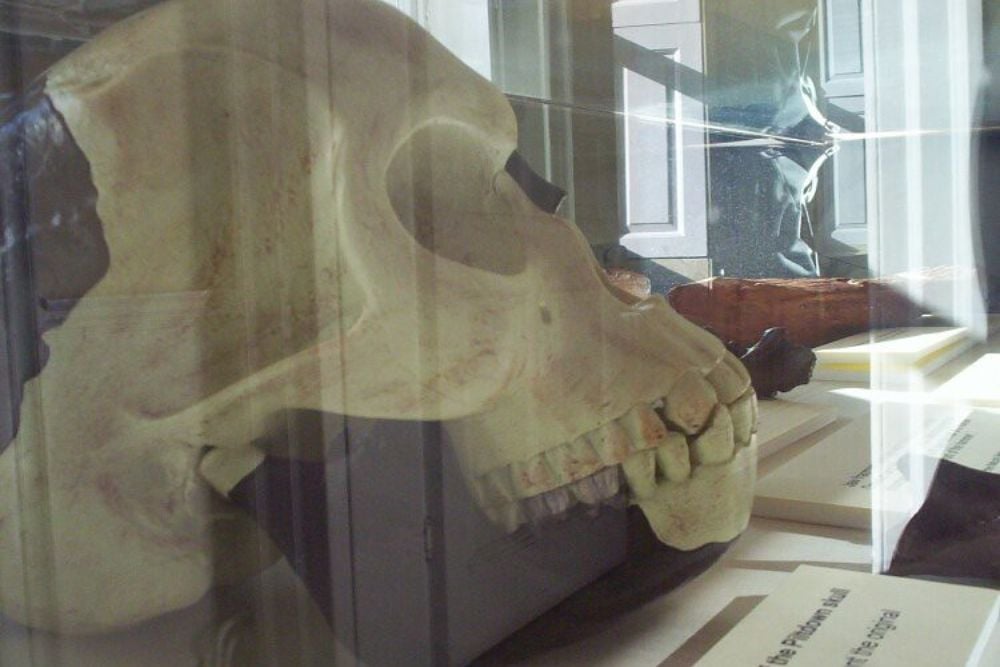
The British Museum fell victim to one of archaeology’s most infamous hoaxes when they displayed remains supposedly representing the ‘missing link’ between apes and humans. For over 40 years, scientists believed these skull fragments from Piltdown, England, represented a crucial evolutionary discovery.
Advanced dating techniques in the 1950s revealed the truth: someone had cleverly combined a medieval human skull with an orangutan jaw, artificially aging the bones with chemicals and filing down the teeth to make them appear more human-like.
The Getty Kouros

— Photo by f11photo
The J. Paul Getty Museum paid $7 million in 1985 for what they believed was an ancient Greek statue from the 6th century BCE. This marble kouros (young male figure) seemed too perfect to some experts from the start, but the museum’s initial authentication process gave it the green light.
Years of scientific analysis and scholarly debate followed, with evidence mounting that the statue was a modern creation using ancient marble, likely crafted in the 1980s using power tools that left telltale marks invisible to the unaided eye.
The Tiara of Saitaphernes
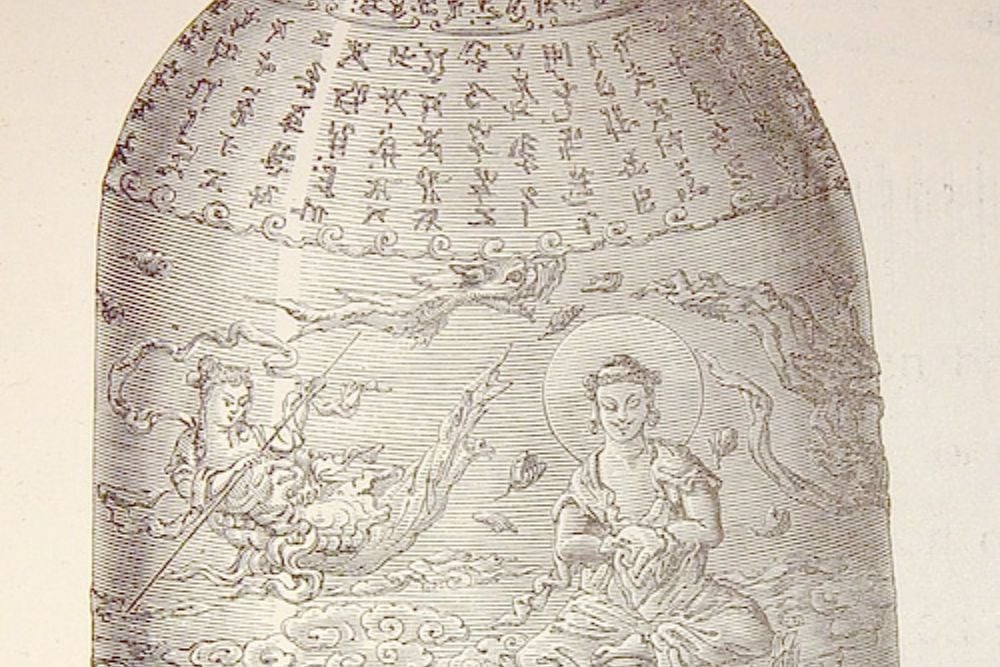
The Louvre’s embarrassing acquisition of this elaborate golden headdress in 1896 became a cautionary tale about the dangers of rushed authentication. Museum officials believed they had purchased a priceless Scythian artifact dating to the 3rd century BCE, supposedly worn by an ancient king.
The ornate tiara featured detailed scenes of Scythian life and seemed to fill a significant gap in their collection, but experts soon noticed stylistic inconsistencies that didn’t match known Scythian art, leading to the discovery that it was created by a talented Russian goldsmith.
The Etruscan Warriors
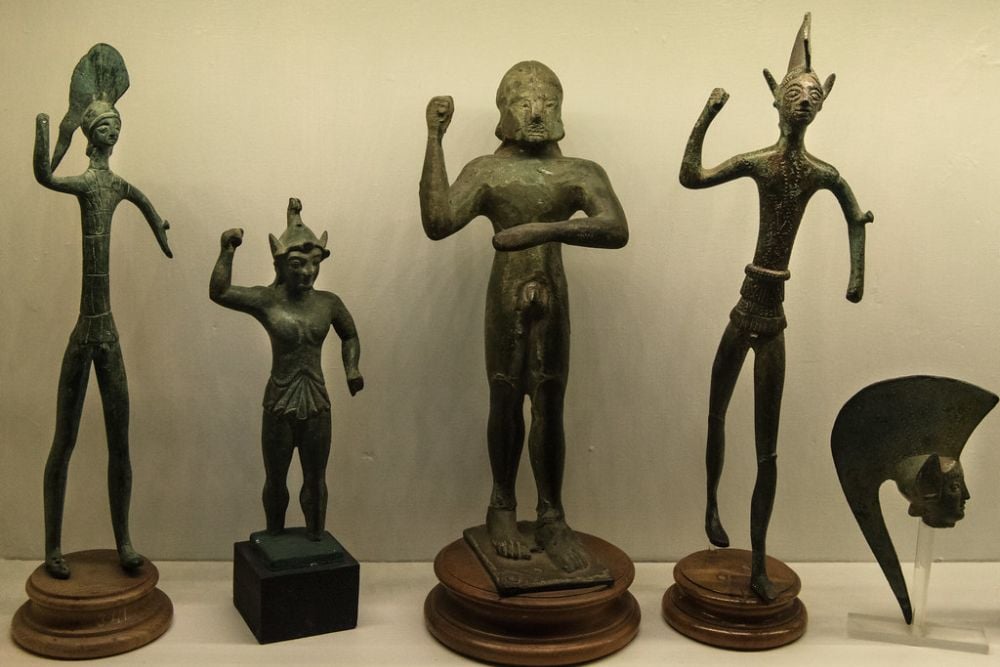
The Metropolitan Museum of Art proudly displayed three monumental Etruscan terracotta warriors for decades, believing them to be masterpieces from ancient Italy. These imposing figures, standing over six feet tall, were purchased between 1915 and 1921 and became some of the museum’s most celebrated pieces.
Scientific analysis in the 1960s revealed that the clay contained modern materials and that the sculptures had been created by skilled Italian forgers who had fooled even seasoned antiquities experts with their attention to historical detail.
The Crystal Skulls
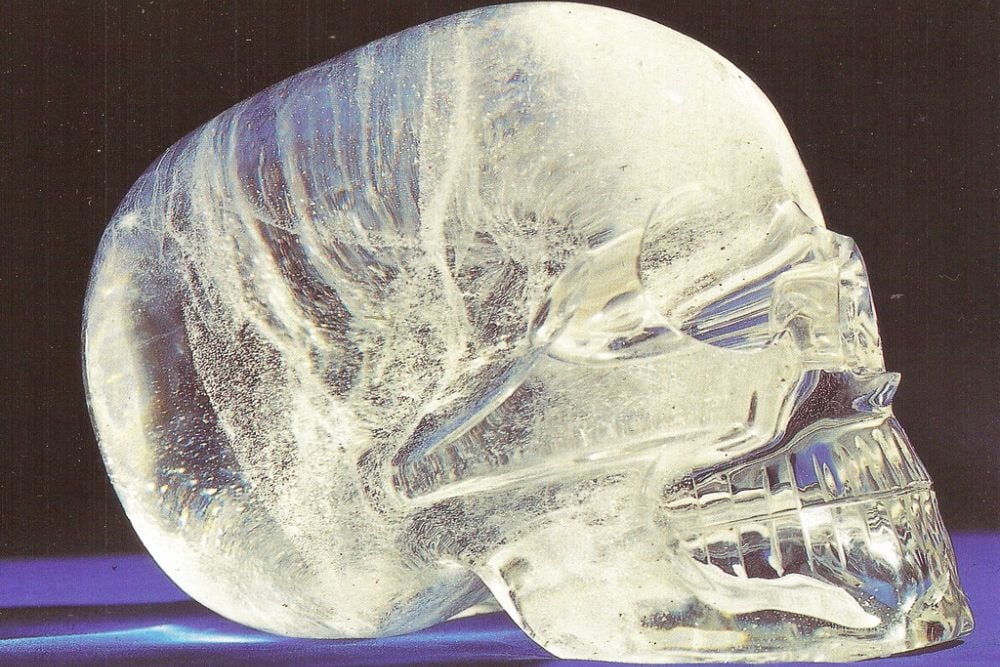
Multiple museums, including the British Museum and the Smithsonian, once displayed crystal skulls believed to be pre-Columbian Aztec or Maya artifacts with mystical properties. These intricately carved quartz skulls captured public imagination and seemed to represent sophisticated ancient craftsmanship.
Modern analysis using electron microscopy revealed tool marks consistent with 19th-century European lapidary equipment, proving these ‘ancient’ artifacts were actually Victorian-era creations, likely made in Germany using modern rotary tools.
The Amarna Princess
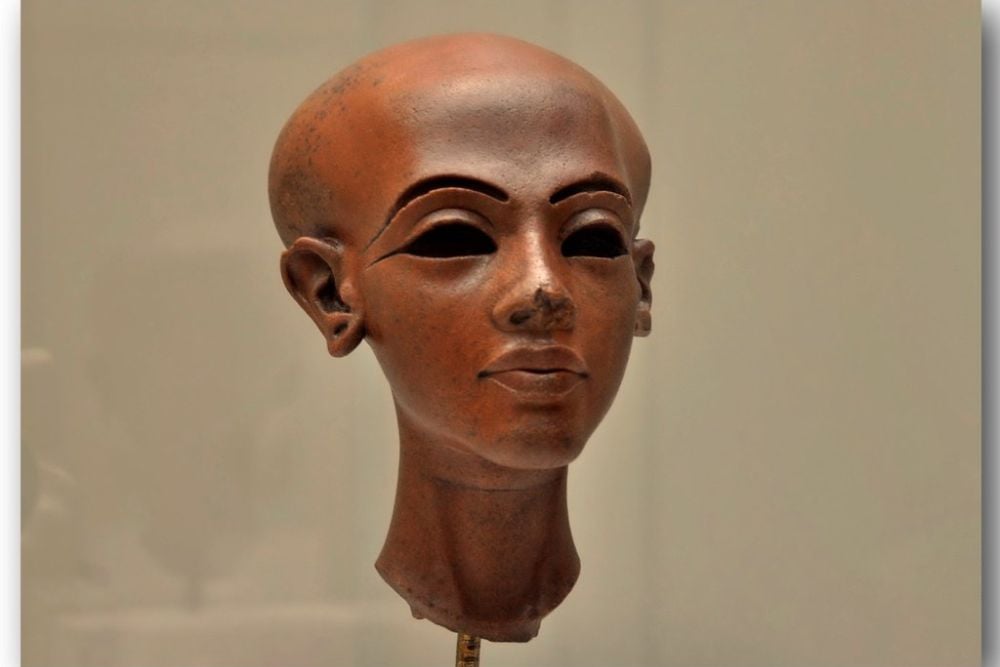
The Bolton Museum in England acquired what they believed was a 3,000-year-old limestone sculpture of an Egyptian princess from the Amarna period. The delicate carving seemed to capture the distinctive artistic style of Akhenaten’s reign, with its elongated features and flowing lines.
Chemical analysis of the limestone and examination of the carving techniques eventually revealed that this ‘ancient’ sculpture was actually created in the 1920s or 1930s, possibly as part of the wave of Egyptian revival art following the discovery of Tutankhamun’s tomb.
The Drake Plate
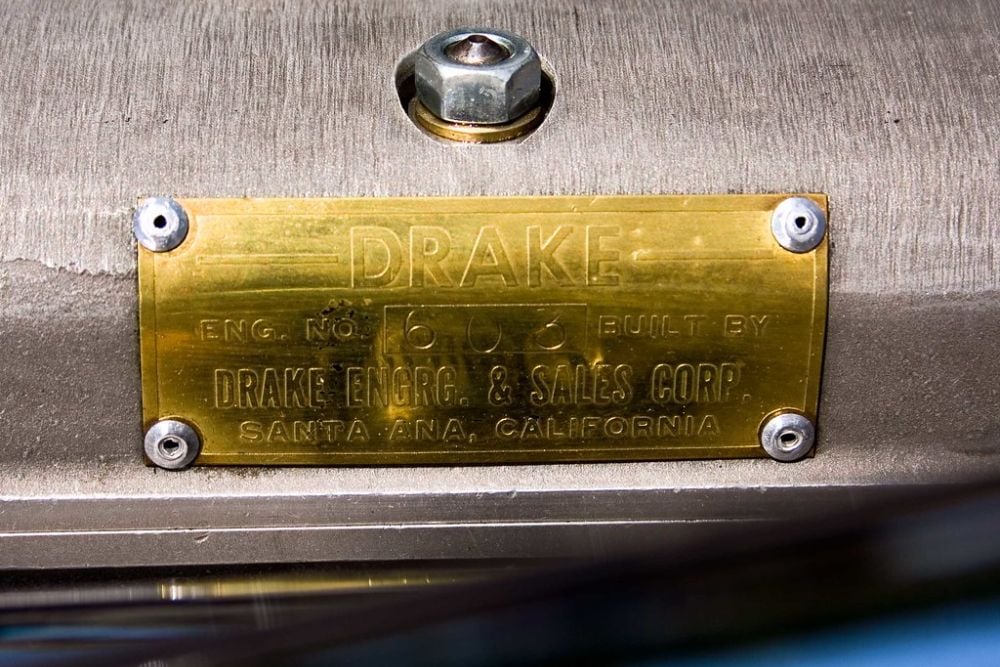
The Bancroft Library at UC Berkeley displayed a brass plate for decades, believing it to be left by Sir Francis Drake during his 1579 landing in California. The plate bore an inscription claiming the land for Queen Elizabeth I and seemed to provide physical evidence of this historic moment.
Metallurgical analysis in the 1970s showed that the brass contained modern alloys not available in the 16th century, revealing that the plate was actually created as part of an elaborate prank by Berkeley students in the 1930s.
The Vinland Map
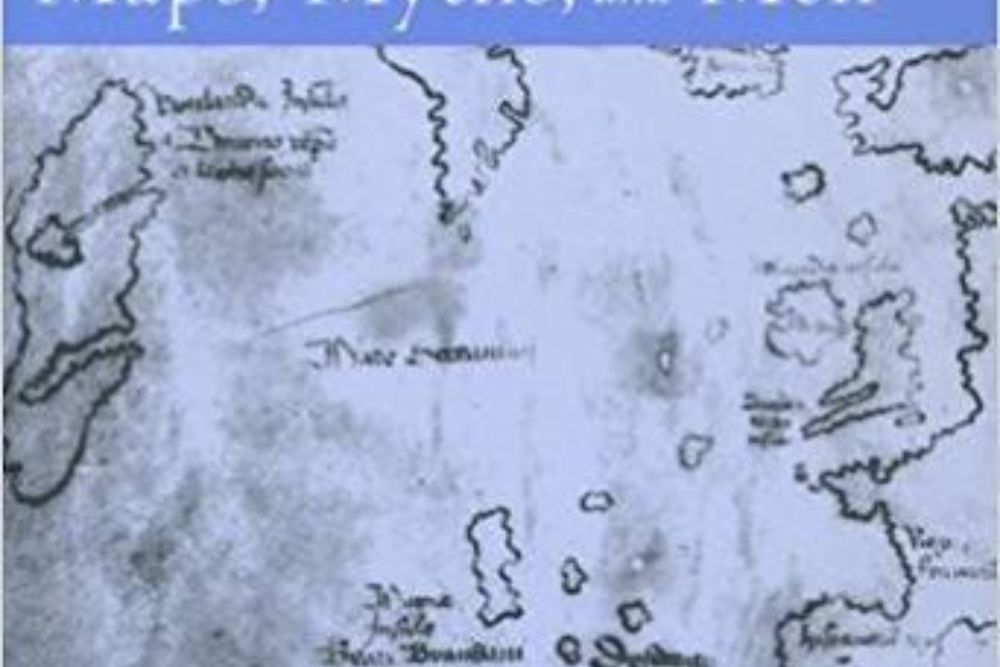
Yale University’s Beinecke Rare Book Library once proudly displayed what appeared to be a 15th-century map showing Viking exploration of North America, predating Columbus by decades. The map seemed to provide cartographic evidence that Norse explorers had reached the New World much earlier than previously documented.
Ink analysis revealed the presence of anatase, a form of titanium dioxide not used in medieval inks, proving the map was a 20th-century forgery designed to rewrite the history of American exploration.
The Donation of Constantine
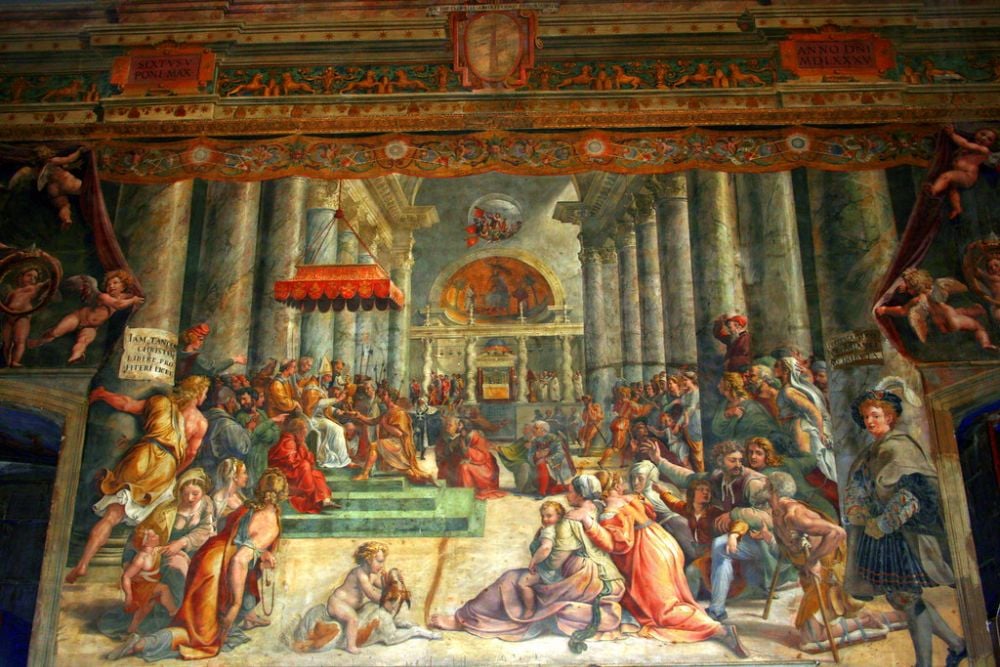
The Vatican Museums long displayed what they believed to be the original 4th-century document in which Emperor Constantine supposedly gave the Pope temporal authority over Western Europe. This document had been used for centuries to justify papal political power and seemed to be a cornerstone of Church history.
Renaissance scholars like Lorenzo Valla proved through linguistic analysis that the Latin used in the document was from a much later period, revealing it as an 8th-century forgery created to bolster papal claims to political authority.
The Kensington Runestone
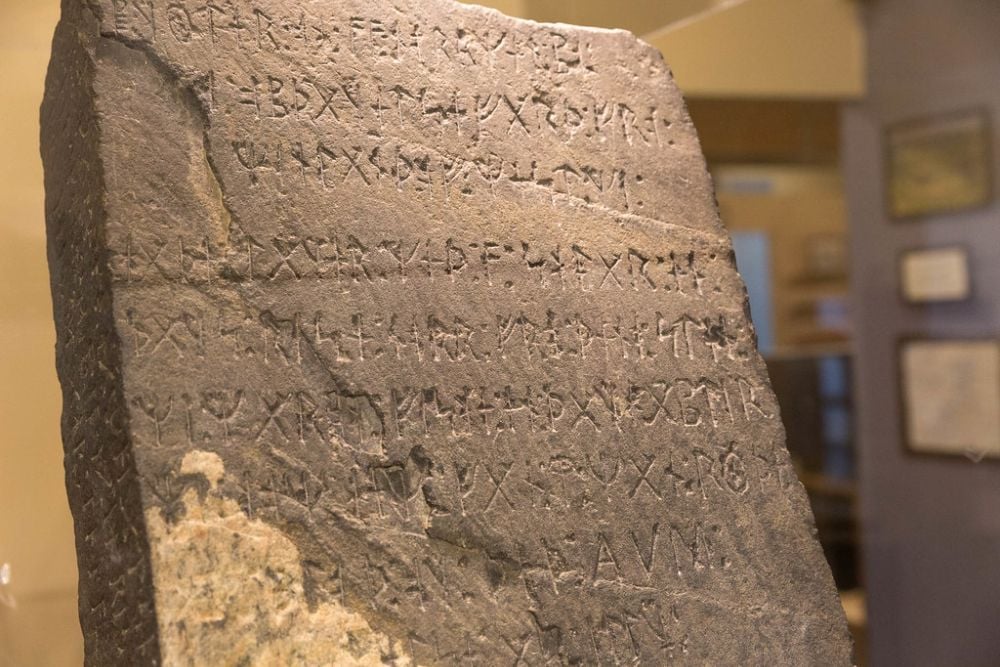
The Smithsonian Institution once considered this carved stone as potential evidence of pre-Columbian Scandinavian presence in Minnesota. The stone bore runic inscriptions supposedly left by Norse explorers in 1362, suggesting Viking penetration deep into North America.
Linguistic experts analyzing the runes found that they contained modern Swedish words and grammatical constructions that didn’t exist in medieval times, proving the stone was carved by Scandinavian immigrants in the 19th century, possibly as a local hoax or cultural expression.
The Beringer Lying Stones

These carved limestone ‘fossils’ fooled Johann Bartholomew Adam Beringer, a respected 18th-century professor, who proudly displayed them as evidence of divine creation. The stones featured elaborate carvings of plants, animals, and even Hebrew letters, seeming to support religious interpretations of natural history.
Beringer’s academic rivals had actually created these fake fossils to embarrass him, carving the designs themselves and planting them where he would find them during his geological expeditions.
The Calaveras Skull
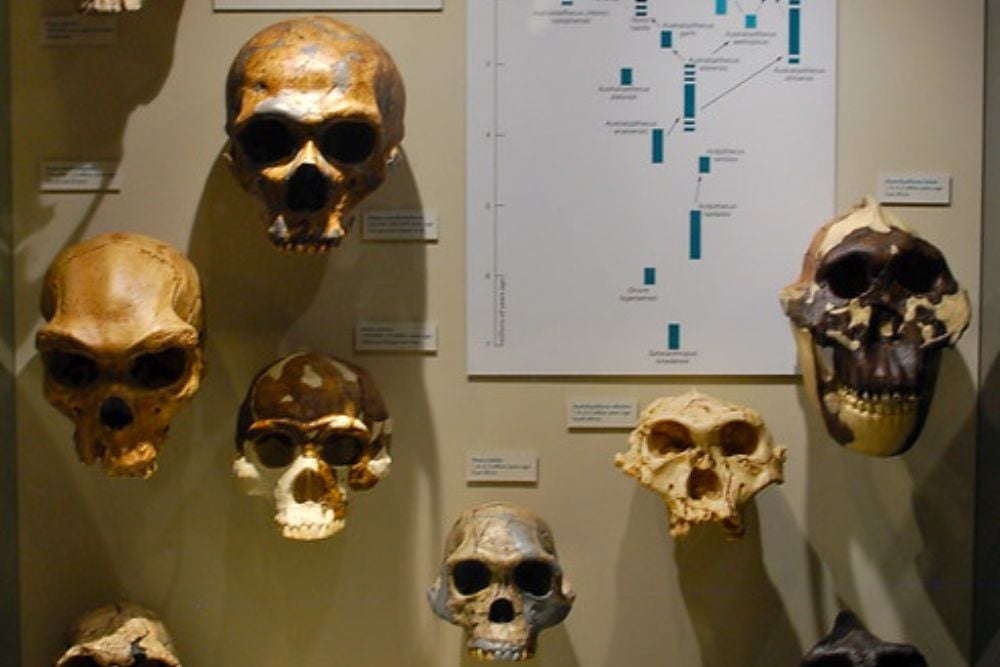
The Peabody Museum at Harvard displayed this human skull for years as potential evidence of ancient human presence in California, supposedly found in gold rush era mining operations. The skull seemed to suggest that humans had lived in North America much earlier than anthropologists believed at the time.
Later investigation revealed that miners had planted the skull as a practical joke, taking a relatively recent Native American skull and placing it in ancient geological layers to fool visiting scientists.
The Archaeoraptor
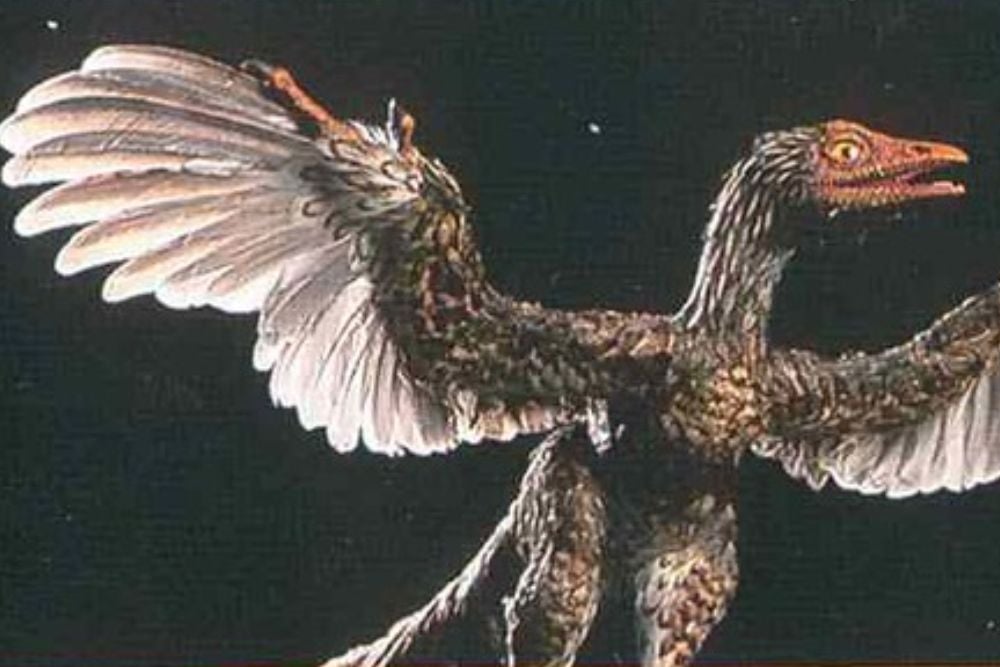
The National Geographic Society and several museums initially celebrated this fossil as the missing link between dinosaurs and birds, seemingly showing a creature with both dinosaur and bird characteristics. The fossil appeared to provide crucial evidence for the evolution of flight and was hailed as one of the most important paleontological discoveries of the 20th century.
Detailed CT scans revealed that clever forgers had combined parts from two different fossils – a bird and a dinosaur – creating a composite creature that never actually existed.
The James Ossuary
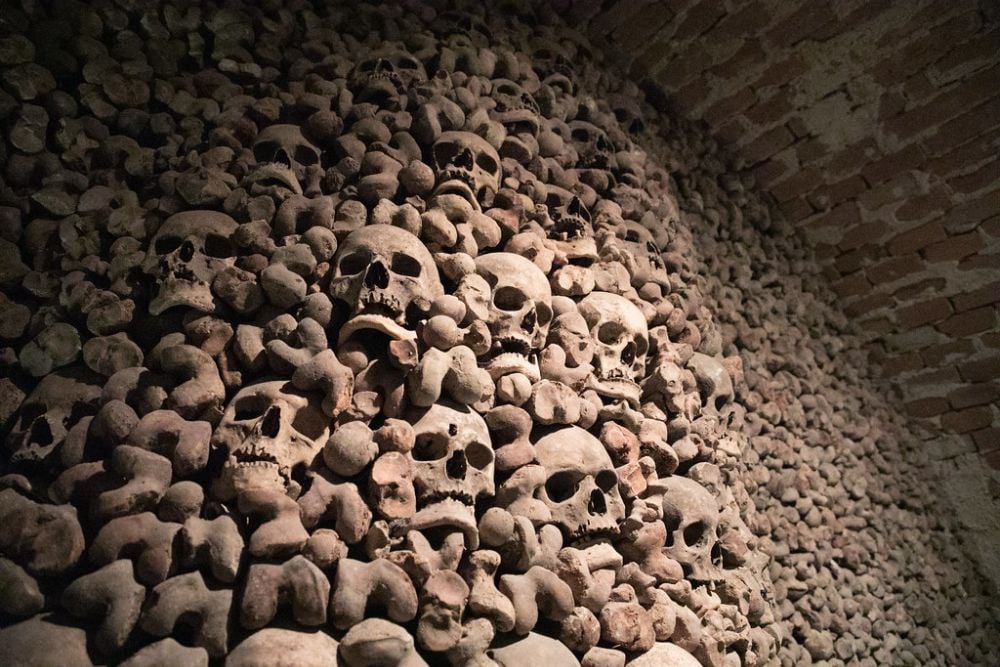
Several museums considered displaying this limestone box, inscribed ‘James, son of Joseph, brother of Jesus,’ as potential archaeological evidence related to early Christianity. The ossuary seemed to provide physical proof of Jesus’s family and represented what could have been one of the most significant biblical archaeology discoveries.
Analysis of the inscription revealed that while the box itself was ancient, the crucial phrase ‘brother of Jesus’ had been added in modern times using different tools and techniques than the original carving.
The Horn Papers
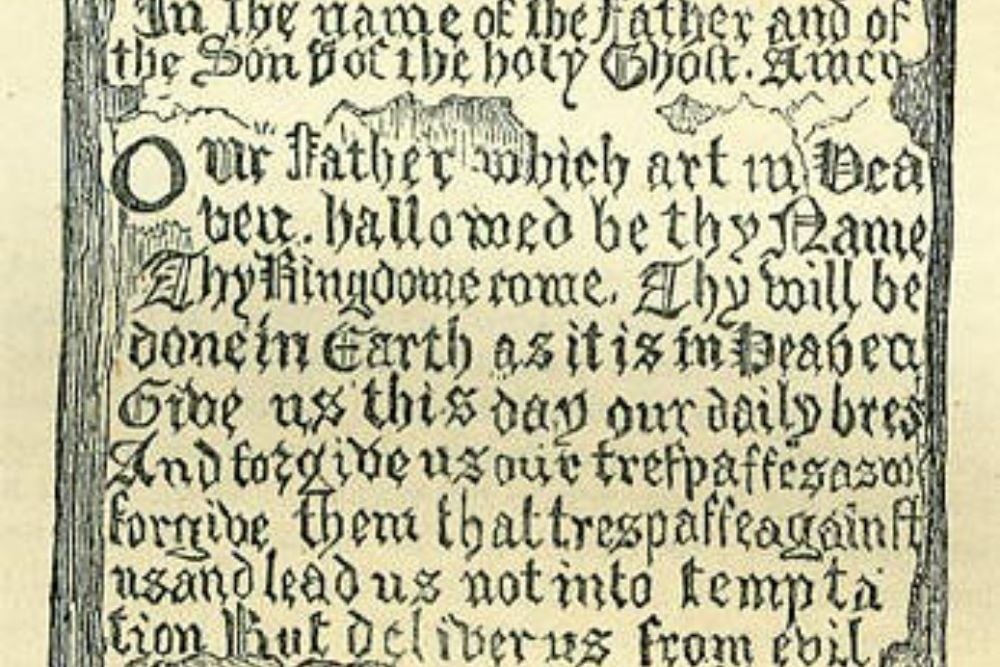
The Darlington Library and several Pennsylvania historical societies displayed these documents as authentic 18th-century records of early American frontier life. The papers seemed to provide detailed accounts of colonial interactions with Native Americans and pioneer experiences in western Pennsylvania.
Experts examining the paper, ink, and writing style discovered numerous anachronisms and modern elements, revealing that these ‘historical documents’ were actually created in the 20th century by someone with a good knowledge of local history but little understanding of period writing conventions.
When Truth Emerges from Deception
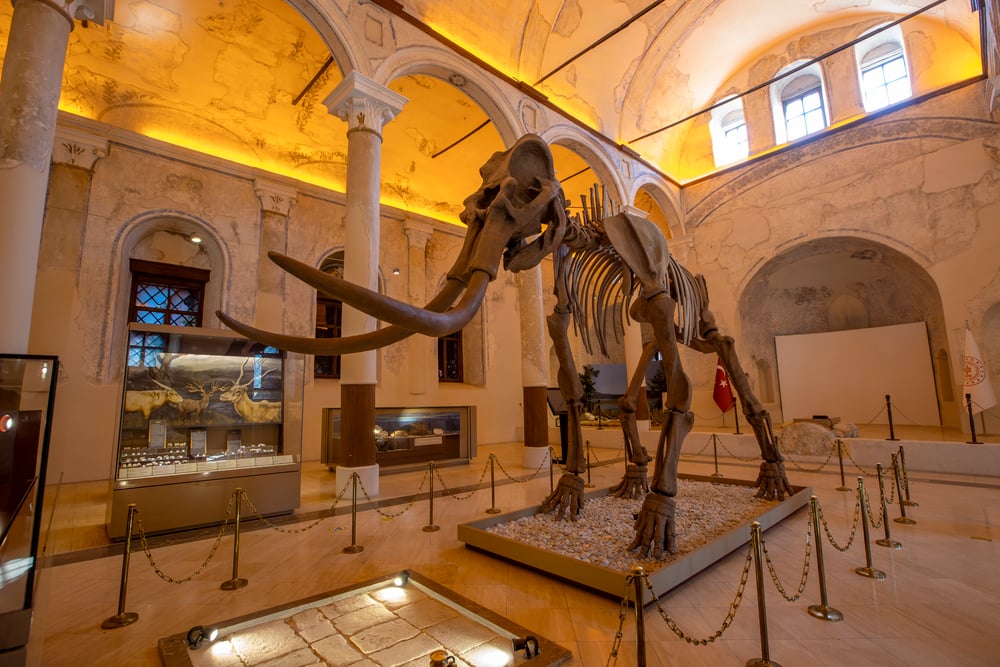
These famous forgeries remind us that even the most respected institutions can fall victim to skilled deception or wishful thinking. The stories behind these fake artifacts often prove more fascinating than the genuine articles they were meant to replace, revealing the complex interplay between human ambition, scholarly pride, and our deep desire to connect with the past.
While these discoveries initially embarrassed the museums involved, they ultimately strengthened the field by improving authentication techniques and reminding everyone that healthy skepticism is just as valuable as expertise. The ongoing development of scientific analysis methods means that artifacts once considered genuine continue to be reevaluated, ensuring that future generations will have access to increasingly accurate historical records.
More from Go2Tutors!

- The Romanov Crown Jewels and Their Tragic Fate
- 13 Historical Mysteries That Science Still Can’t Solve
- Famous Hoaxes That Fooled the World for Years
- 15 Child Stars with Tragic Adult Lives
- 16 Famous Jewelry Pieces in History
Like Go2Tutors’s content? Follow us on MSN.