17 Architectural Oddities That Turned Into Landmarks
Architecture follows rules until it doesn’t. Some of the most memorable buildings in the world exist precisely because they broke every sensible principle their creators knew.
These structures started as experiments, accidents, or pure stubborn vision — and somehow became the places everyone wants to visit.
Guggenheim Museum Bilbao
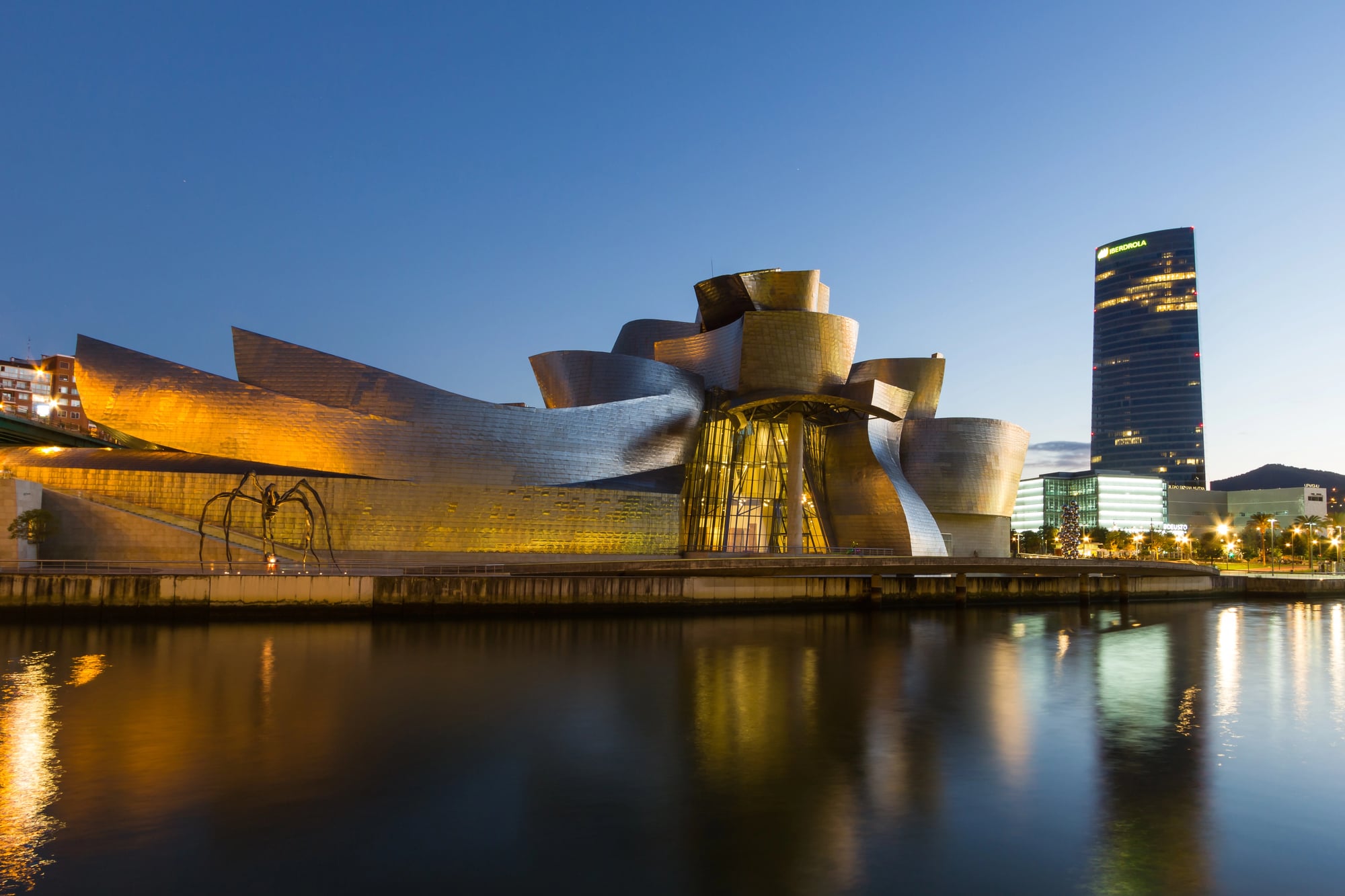
The building looks like someone crumpled up a metallic flower and forgot to smooth it out. Frank Gehry’s titanium-wrapped museum opened in 1997 to immediate confusion and eventual worship.
No two angles match, no surface lies flat, and somehow it all works.
Critics called it everything from “architectural masturbation” to “a miracle.” But here’s what matters: it saved a dying industrial city.
Bilbao was rust and unemployment until this gleaming oddity landed on the riverbank. Now tourism brings in over $100 million annually.
Architecture as economic resurrection.
Dancing House Prague
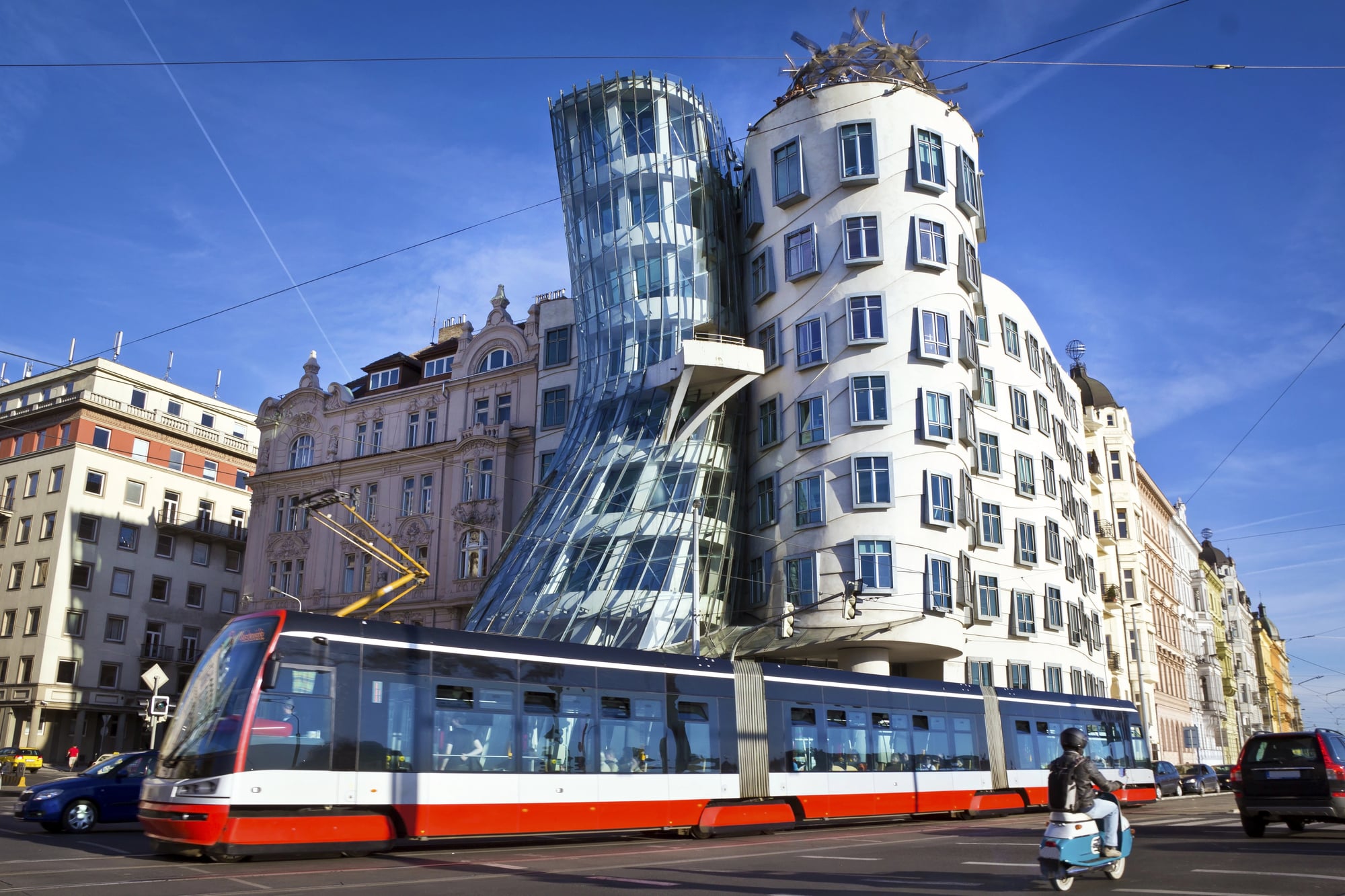
This building refuses to stand still, though of course it never moves. Architects Vlado Milunić and Jean Nouvel designed what locals call “Fred and Ginger” — a concrete tower that appears to be waltzing with its glass partner, their forms twisting together in perpetual motion, or at least the illusion of it, since buildings (thankfully) don’t actually dance, though this one makes you wonder if maybe they should.
The curves feel impossible. And yet there it stands, defying the straight-lined baroque neighborhood around it, looking like it fell from a different century entirely — which, in a way, it did.
The Czech Republic in the 1990s was still shaking off decades of architectural conformity, and here comes this undulating celebration of creative freedom. So it became more than a building: it became a symbol.
And symbols, as it turns out, are excellent for tourism revenue.
The Crooked House
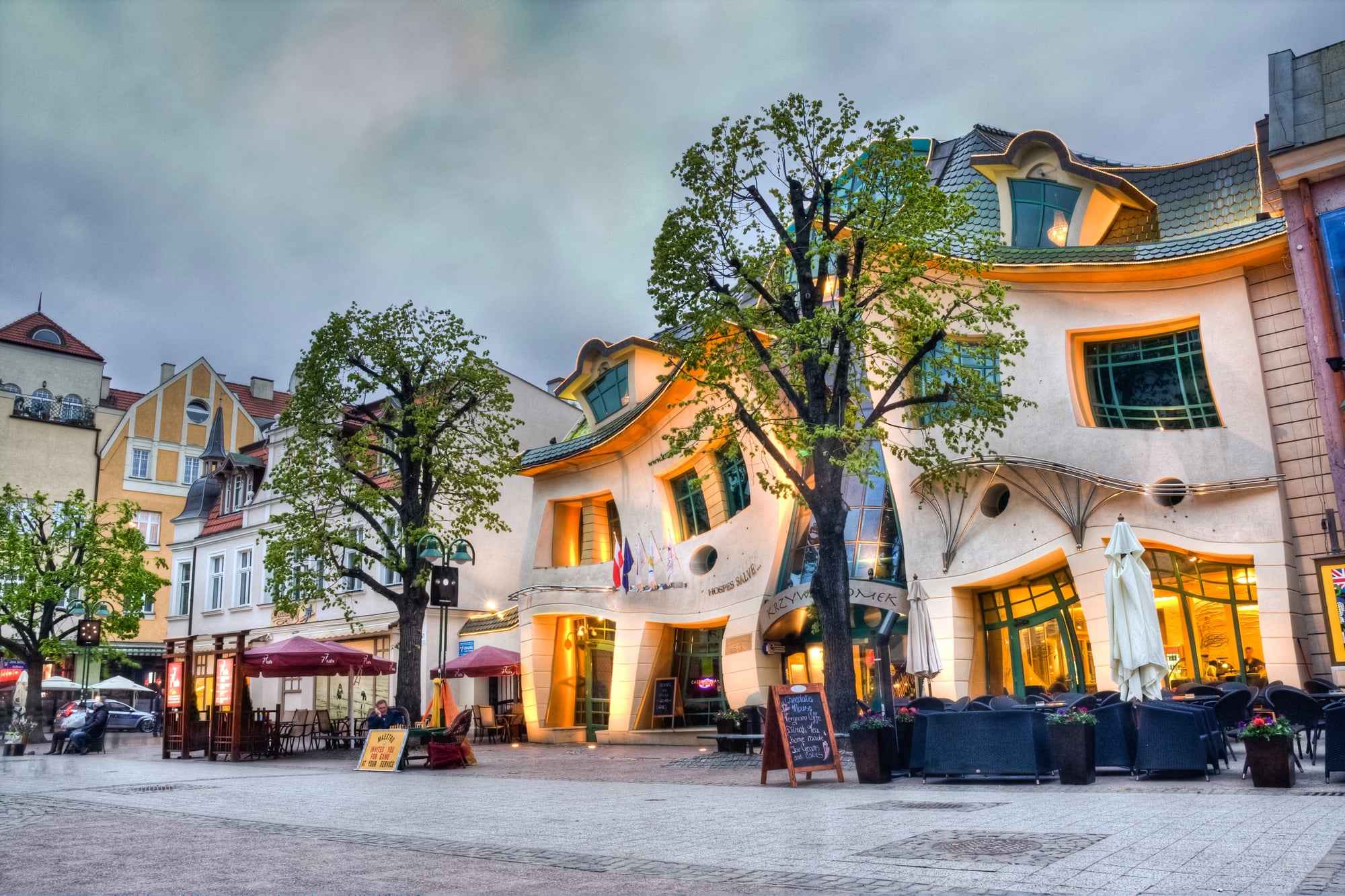
Looking at this building feels like staring too long at a funhouse mirror. The Crooked House in Sopot, Poland, appears to melt under its own weight — walls bulge outward, the roof undulates like ocean waves, windows stretch and compress as if reality decided to take a coffee break.
It’s architecture filtered through a Salvador Dalí fever dream.
The architects drew inspiration from fairy tale illustrations, which explains why walking past it feels like stumbling into a children’s book where the laws of physics are merely suggestions.
Children press their faces to car windows as families drive by. Adults pull out phones compulsively.
That response — the inability to look away — transforms novelty into landmark status.
Upside Down House
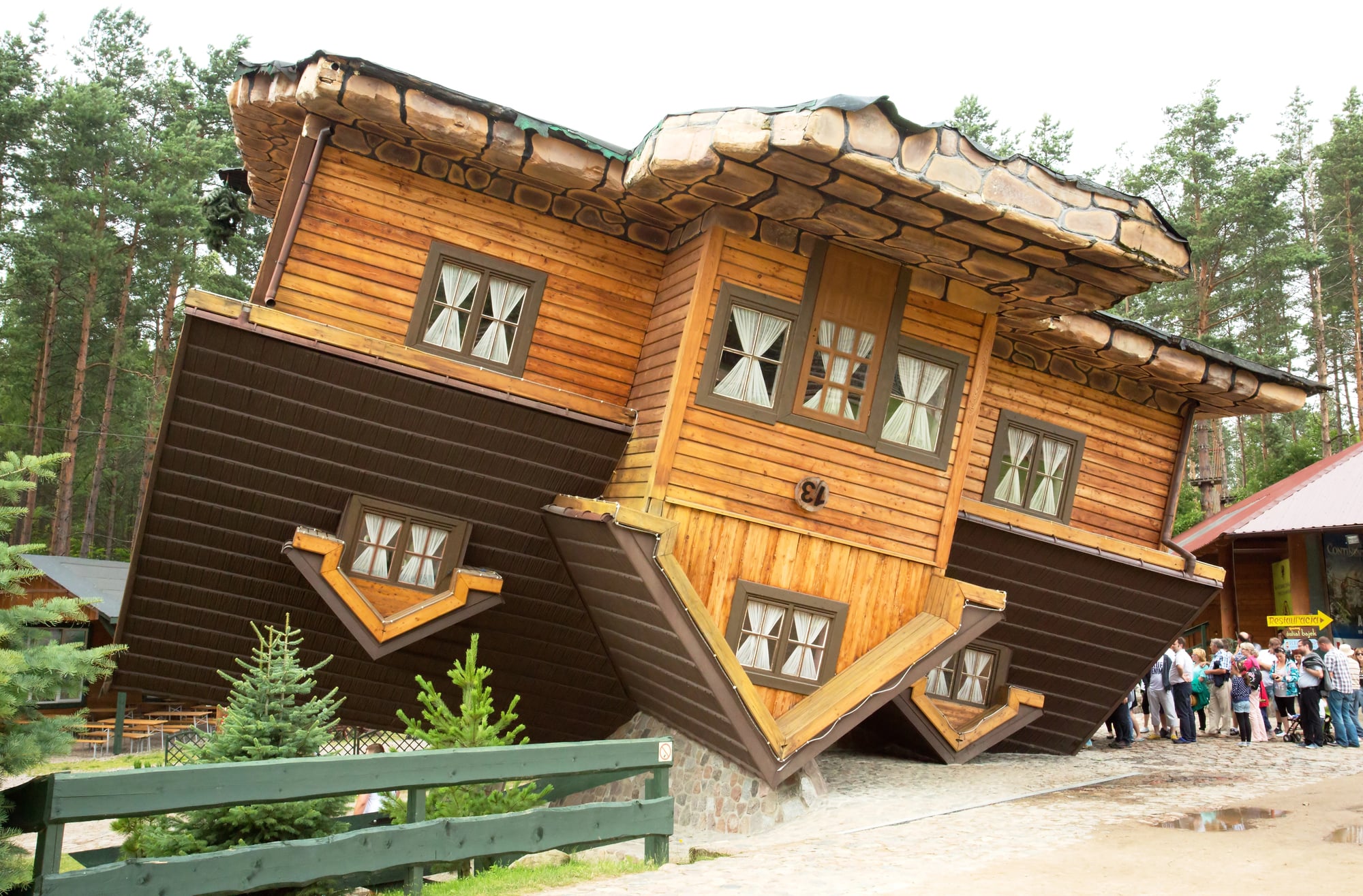
Gravity works one way, except at this house in Szymbark, Poland. The entire structure sits inverted — roof planted in the ground, foundation reaching toward the sky, furniture hanging from what used to be floors.
Walking through it produces genuine vertigo, even though you’re technically right-side up.
The architect built it as commentary on the Communist era and modern life’s disorientation. Fair enough.
But visitors don’t come for political metaphors — they come because human brains struggle with spatial impossibility.
The house attracts 200,000 visitors annually, which proves people will pay money to feel confused.
Habitat 67
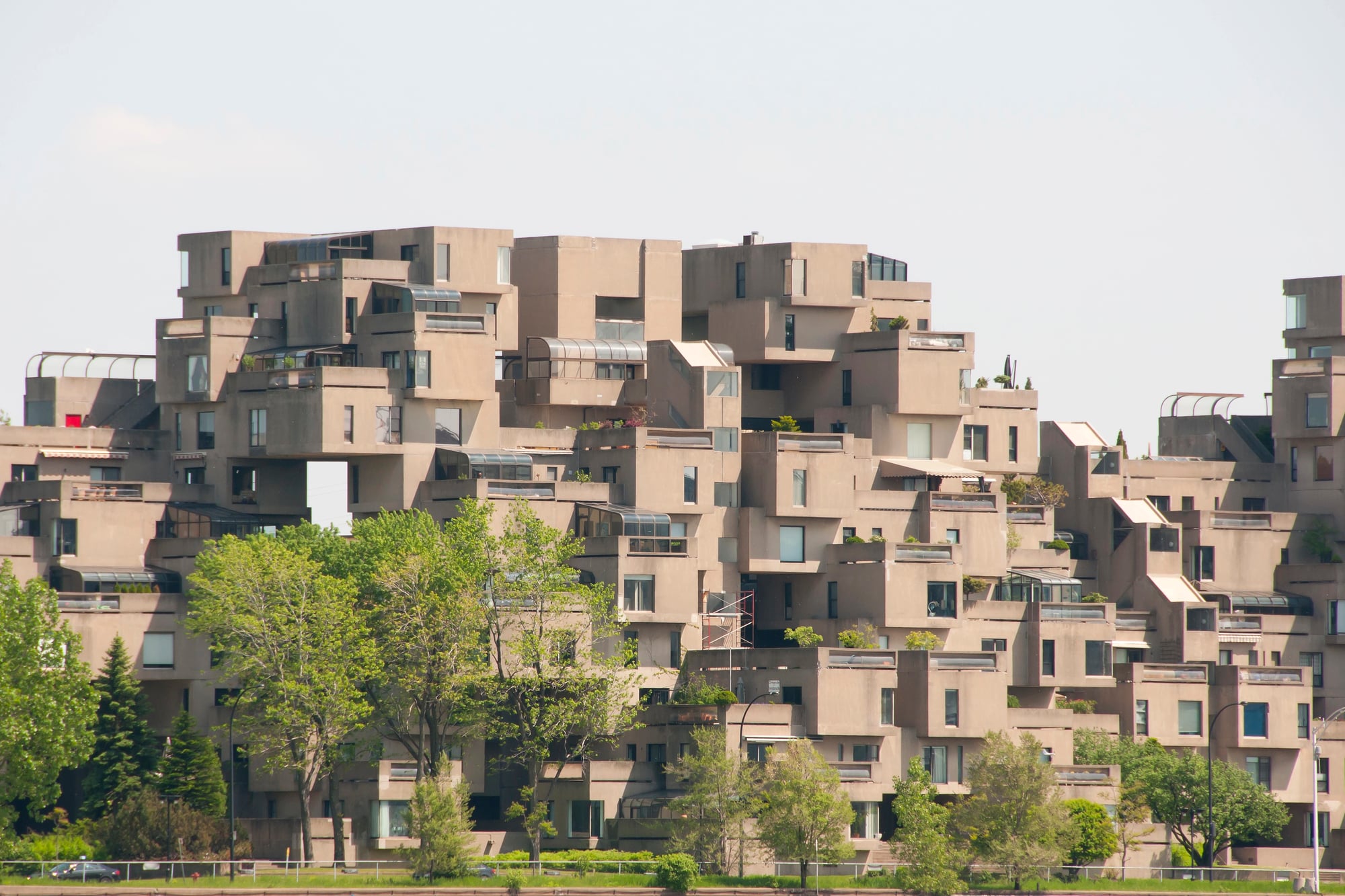
This building looks like someone played Jenga with concrete blocks and forgot to stop. Moshe Safdie designed Habitat 67 for Montreal’s Expo 67 as experimental housing — 354 identical concrete cubes stacked in seemingly random configurations, each cube a separate apartment, the whole assemblage climbing skyward like an architectural coral reef.
The project was meant to demonstrate high-density living without sacrificing individual space or natural light (each unit gets both privacy and a garden terrace, which sounds impossible until you see how the cubes nestle together, leaving gaps that become outdoor space).
What emerged was something between utopian housing project and Brutalist sculpture — raw concrete softened by the organic way the units cluster and separate.
And the thing about experiments: sometimes they become icons purely because no one else dared to try them.
The Basket Building
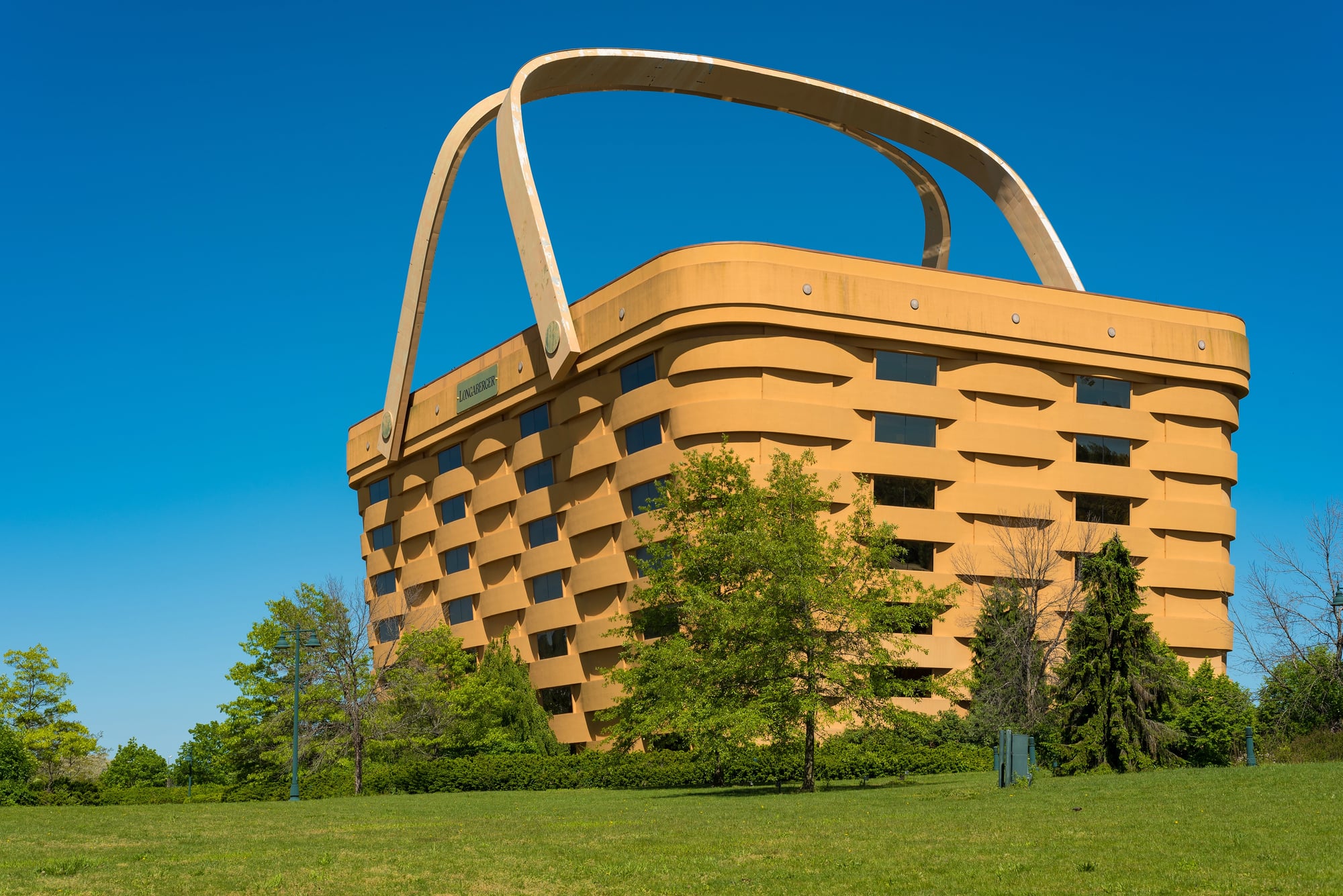
The headquarters of the Longaberger Company in Ohio takes corporate branding to its logical extreme. The building is a 160,000-square-foot replica of the company’s Medium Market Basket, complete with oversized handles rising from the roof.
Every detail matches — the weave pattern, the proportions, even the brand stamp.
It’s absurd, and it works precisely because it commits fully to the absurdity. Half-measures produce forgettable buildings.
Complete commitment to a ridiculous idea produces roadside legend status.
The company has since moved, but the basket remains, proving that architectural oddity outlasts the businesses that create it.
Kansas City Public Library
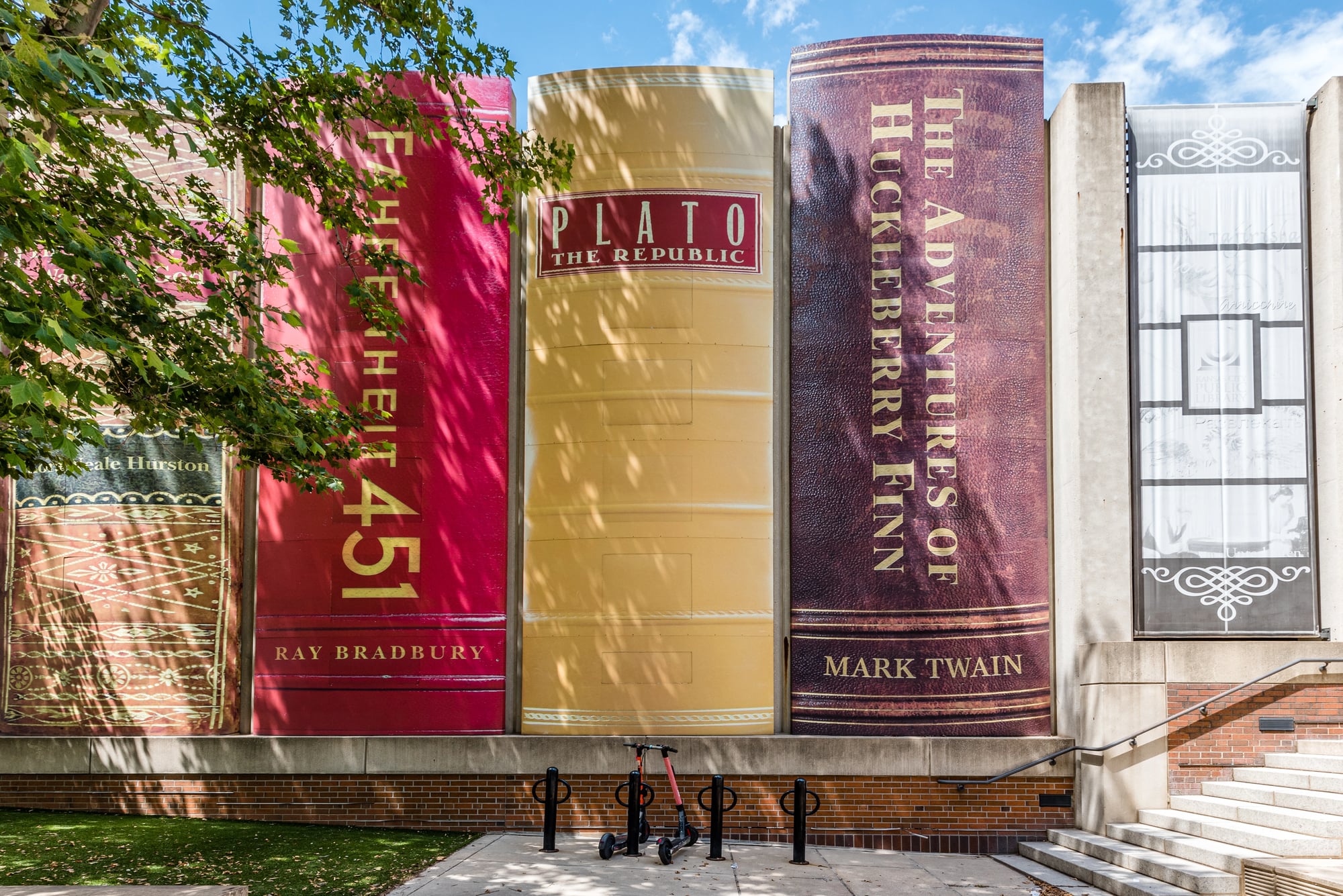
The library’s parking garage wears a disguise — 22 giant book spines spanning the building’s facade. Each spine represents a book suggested by Kansas City readers, from “Romeo and Juliet” to “The Lord of the Rings.”
The titles stretch 25 feet tall and look exactly like books on a massive bookshelf.
It’s a simple trick executed flawlessly. The building solves the fundamental problem of parking garages — they’re ugly and everyone knows it — by pretending to be something else entirely.
Literature becomes architecture becomes tourist attraction. The approach works because it respects both books and the people who love them.
The Leaning Tower Of Pisa
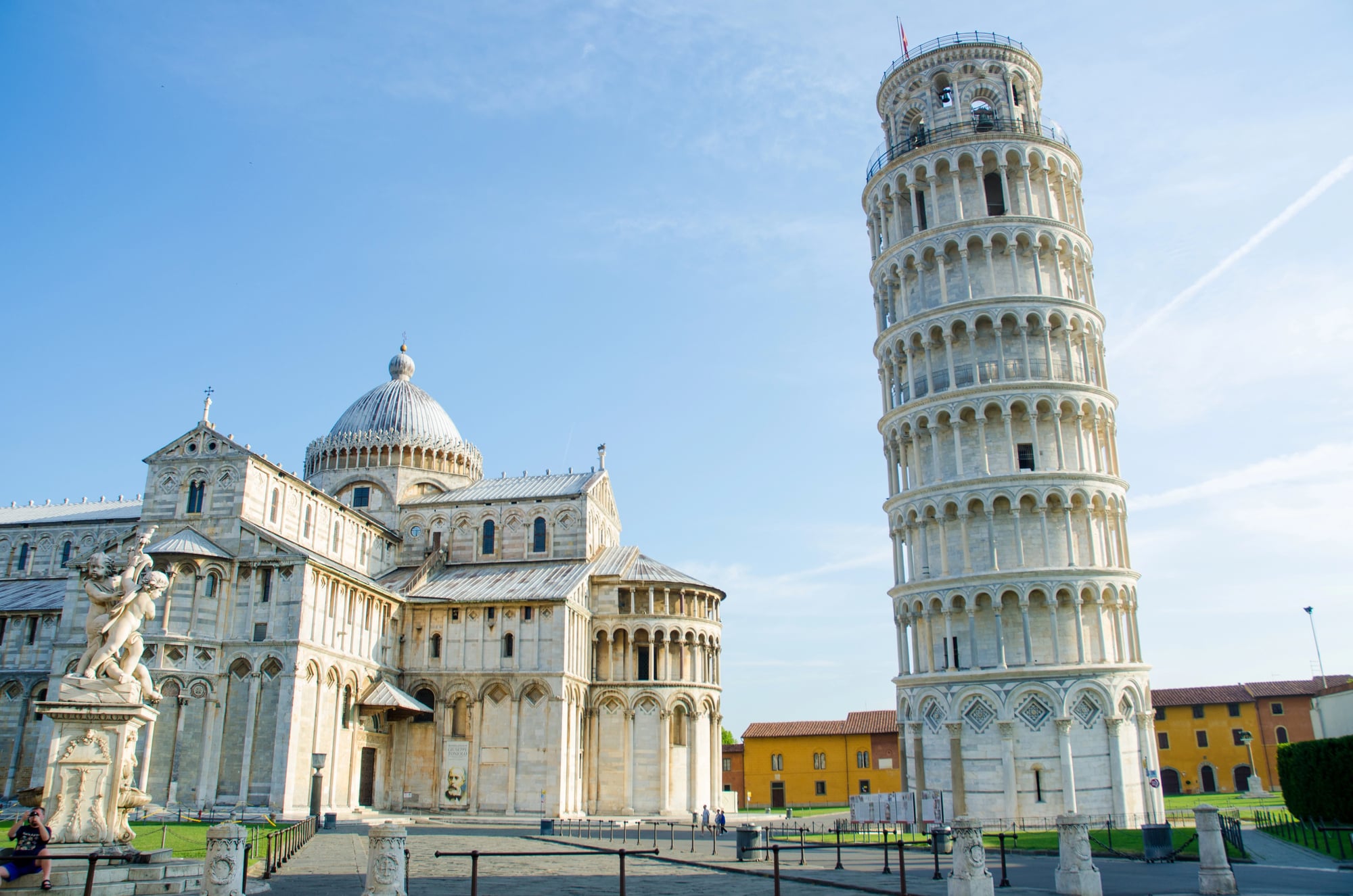
This tower leans because medieval engineers miscalculated the foundation on soft ground — what started as architectural failure became the world’s most famous mistake, drawing millions of visitors who could easily visit dozens of perfectly vertical towers that nobody bothers to photograph.
The lean increases by about one millimeter annually, despite engineering efforts to stabilize it (which creates the peculiar situation of a landmark that requires constant intervention to preserve its famous flaw).
The irony runs deep: the tower’s imperfection made it immortal.
Tourists pose for the same photo — arms extended, pretending to hold up the tower — which suggests something about human nature and our relationship with beautiful disasters.
So the accident became an icon, and the icon became irreplaceable.
Hundertwasserhaus Vienna
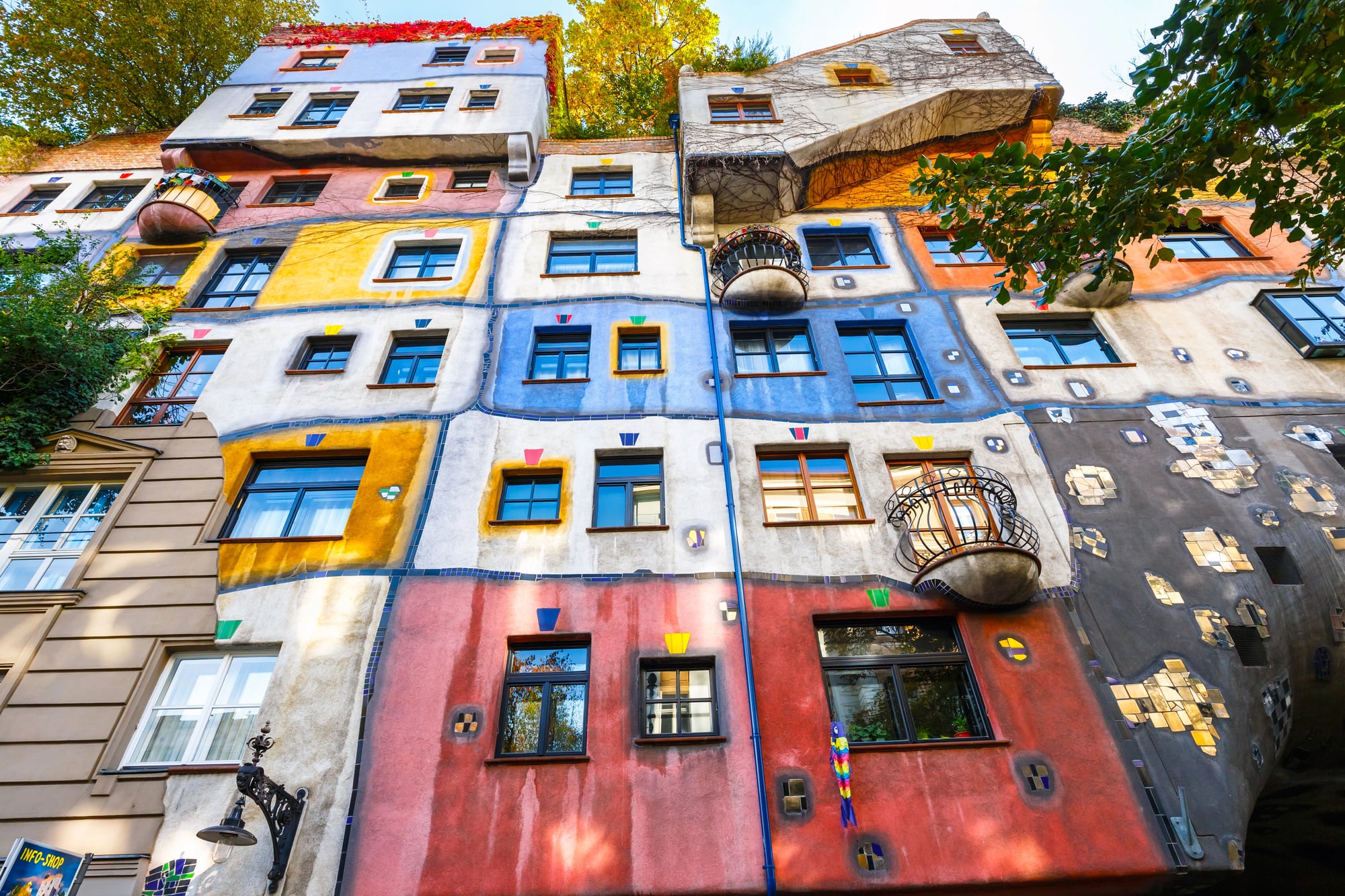
Friedensreich Hundertwasser believed straight lines were evil and right angles were the devil’s work. His apartment building in Vienna accordingly contains neither — floors undulate, walls bulge in organic curves, each window differs from its neighbors, and trees grow from interior rooms, their branches extending through windows and balconies.
The facade looks like a living thing that happens to provide housing.
Hundertwasser designed it as rebellion against sterile modernist housing projects. Residents either love the artistic irregularity or find it deeply impractical — uneven floors make furniture placement challenging, and those interior trees require constant care.
But the building has become Vienna’s most photographed residential structure, which proves aesthetic impact can override practical concerns.
Casa Batlló
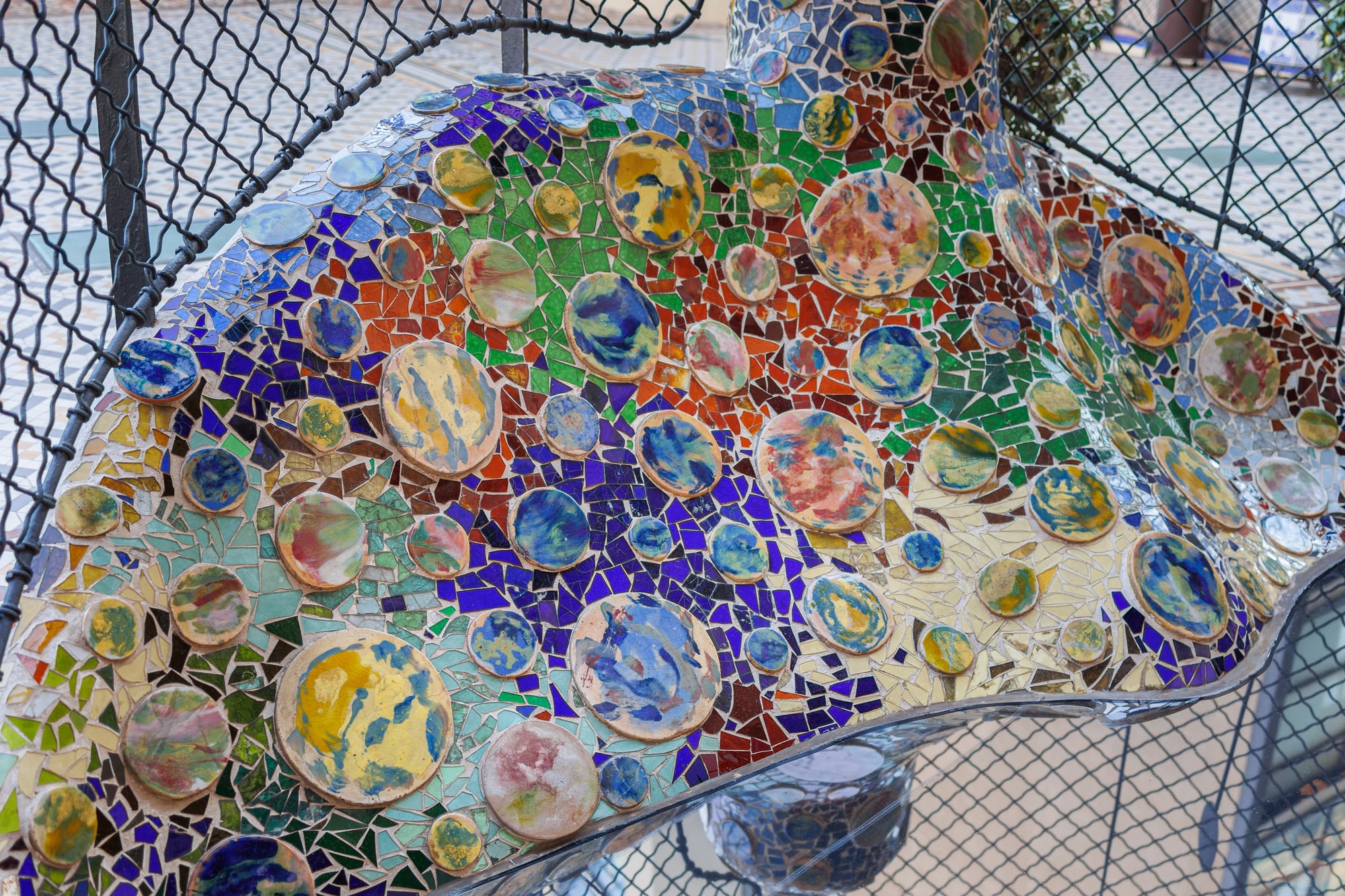
Antoni Gaudí took a conventional Barcelona townhouse and transformed it into something that appears to breathe. The facade undulates like ocean waves, balconies curve like skeletal remains, and the roof tiles shimmer in blues and greens like dragon scales.
No surface remains flat, no line stays straight — the entire building flows.
Gaudí worked without detailed plans, adjusting the design as construction progressed. The approach produced organic architecture that feels grown rather than built.
Critics initially dismissed it as excessive fantasy. Time proved them wrong — the building now attracts over a million visitors annually and defines Barcelona’s architectural identity.
The Experience Music Project
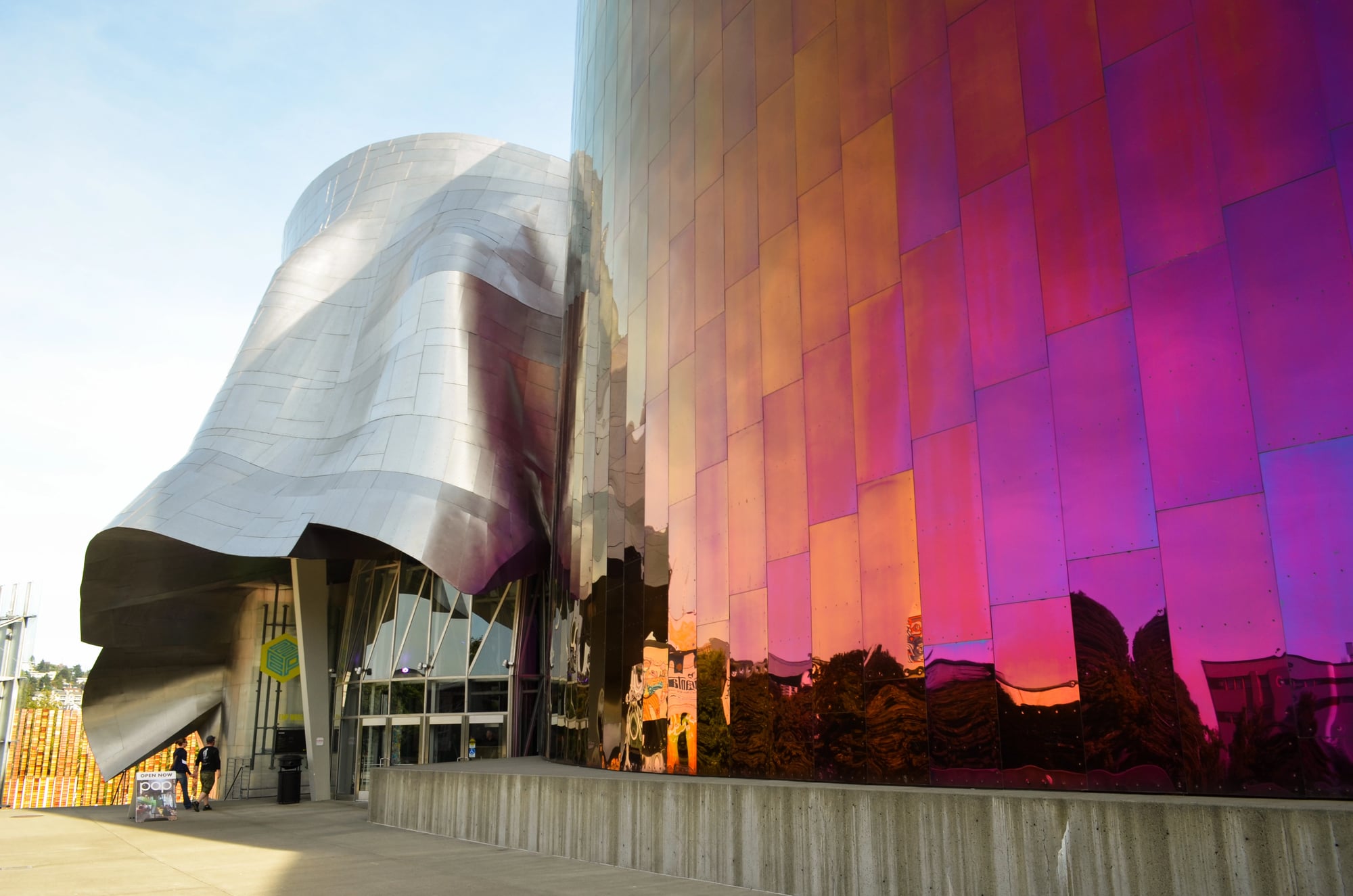
Frank Gehry (third appearance — the man has a thing for impossible shapes) wrapped this Seattle museum in crumpled metal that looks like a crushed guitar. The building’s surface consists of 21,000 individually cut aluminum and stainless steel shingles, no two identical, creating a structure that appears simultaneously fluid and fractured, like frozen music made visible.
The interior spaces flow without right angles, galleries connecting through curved passages that feel more organic than architectural.
Paul Allen commissioned it as a monument to Jimi Hendrix and rock music generally. And while the building houses exhibits about musical innovation, it functions equally as a giant sculpture — something beautiful and strange enough to justify its own existence.
Atomium Brussels
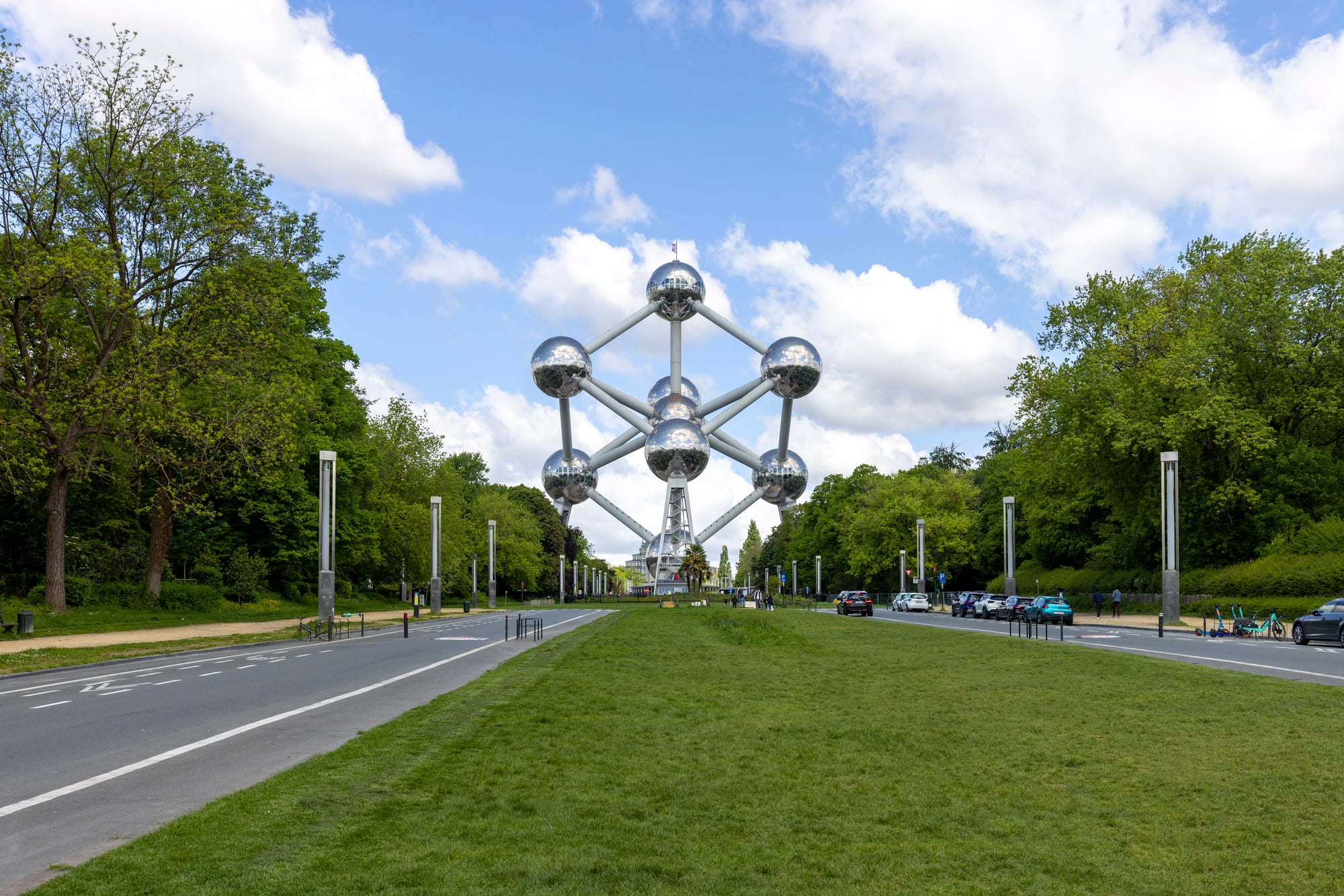
This building is a iron crystal magnified 165 billion times. The nine spheres connected by tubes represent an iron atom’s atomic structure — each sphere 60 feet in diameter, the whole assemblage standing 335 feet tall.
Built for the 1958 World’s Fair, it was meant to demonstrate atomic age optimism and scientific progress.
The structure serves no practical function beyond being spectacular, which turns out to be function enough. Visitors ride escalators through the connecting tubes and enjoy panoramic views from the spheres.
It’s architecture as pure symbol — and symbols, when executed with sufficient boldness, become indispensable.
Lotus Temple New Delhi
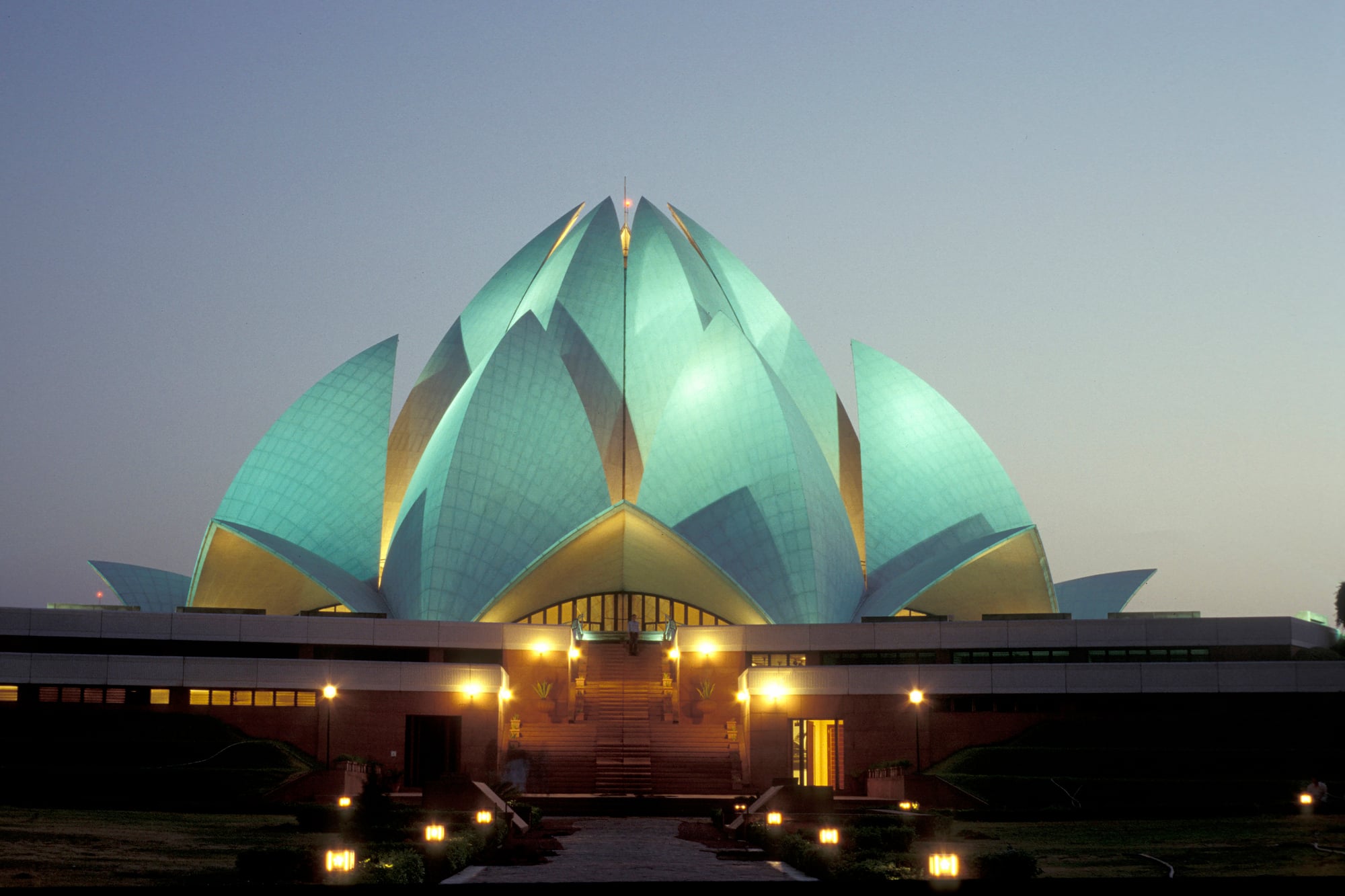
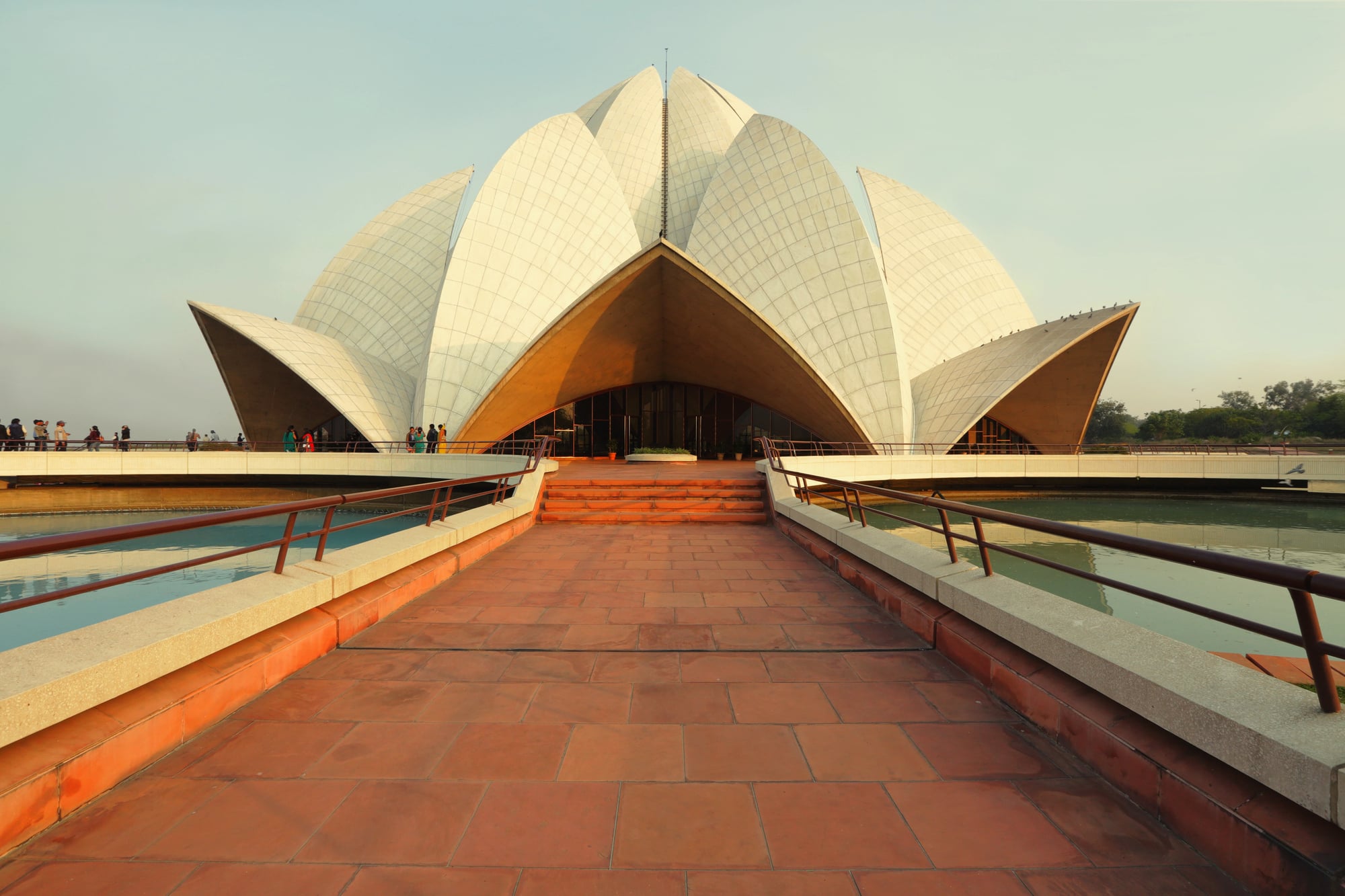
The building blooms from the earth like a massive concrete flower — 27 marble petals arranged in clusters of three, creating a structure that appears both architectural and botanical. The Baháʼí House of Worship serves all religions, and its form reflects that universality — no specifically religious symbols, just pure geometric harmony that feels sacred without declaring specific allegiance.
The petals curve inward to create a central prayer hall that seats 2,500 beneath a dome that seems to float.
Natural light filters through the petals, creating interior illumination that changes throughout the day.
Form and function unite so completely that the building feels inevitable rather than designed.
Turning Torso Malmö
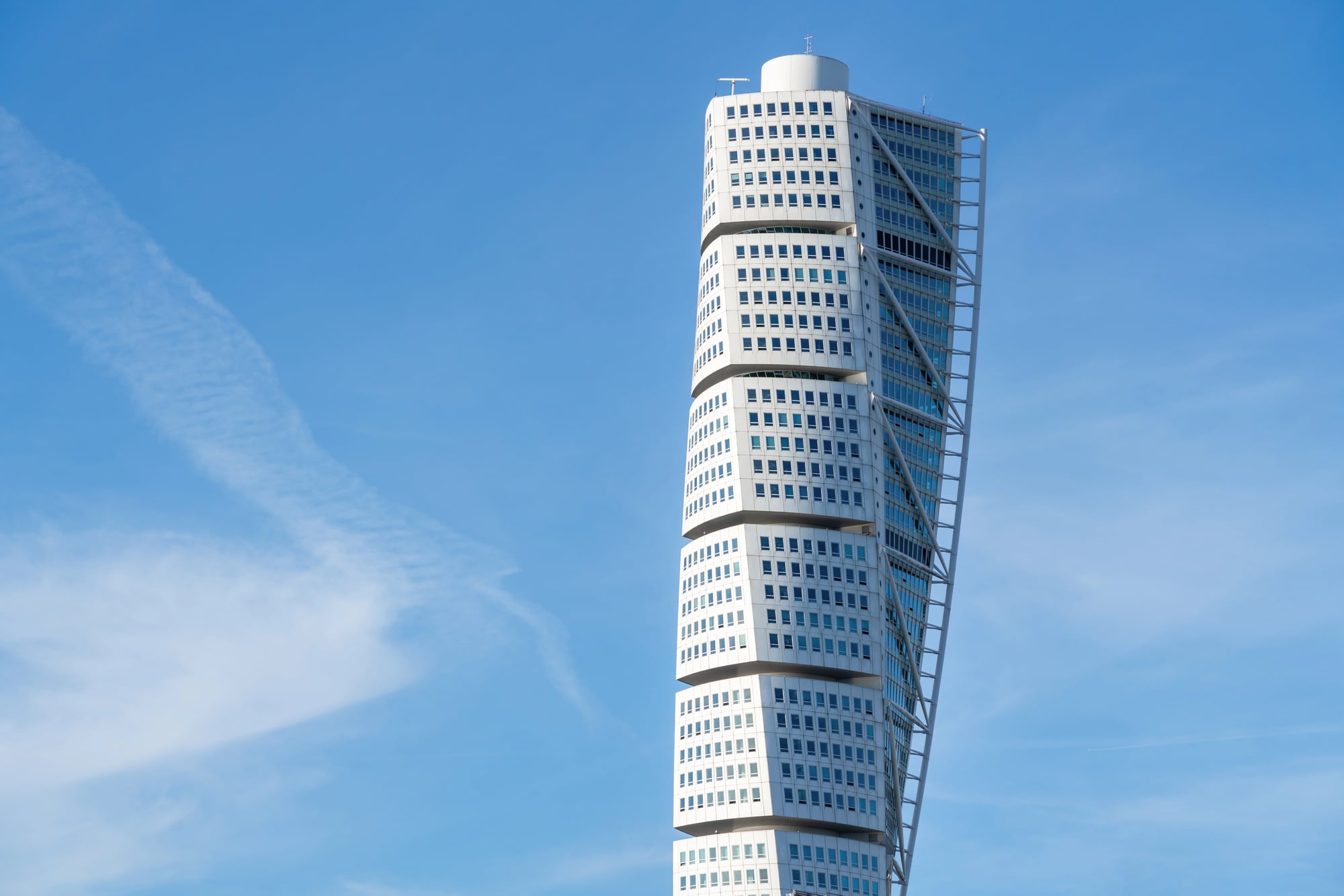
This residential tower twists 90 degrees from base to top — each floor rotated slightly from the one below, creating a building that appears to spiral into the sky. Santiago Calatrava based the design on his sculpture of a twisting human torso, which explains both the name and the organic movement of the structure.
The twist serves no structural purpose — it’s pure aesthetic gesture, a demonstration that residential towers don’t have to be boring rectangular slabs.
Each of the 54 floors enjoys unique views as the building slowly rotates, making every apartment different from its neighbors.
The engineering required to achieve this twist cost enormous sums, but the result redefined Malmö’s skyline and proved that housing can be sculpture.
The Gherkin London
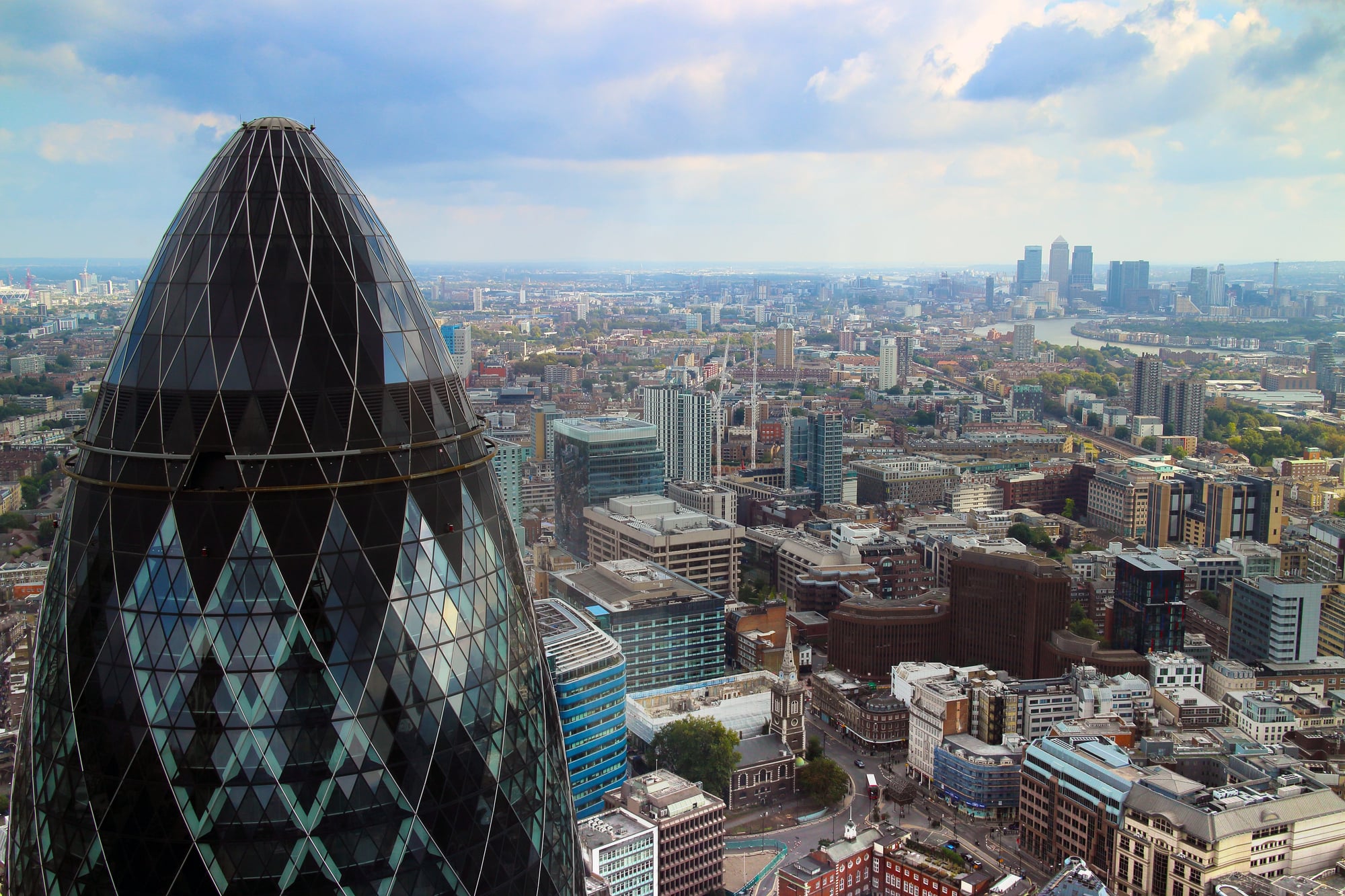
This skyscraper looks like a giant pickle inserted into the London skyline — 40 floors of curved glass and steel that bulges in the middle and tapers at both ends. Norman Foster designed it to be aerodynamically efficient, reducing wind pressure at ground level while maximizing interior space.
The curved surface deflects wind upward rather than creating downdrafts.
Londoners initially resisted the intrusion of such an unconventional form among their more traditional towers. But the building’s environmental efficiency and distinctive silhouette won converts.
It now appears on postcards and tourist materials as frequently as Big Ben, proving that cities eventually embrace their architectural eccentricities.
Sagrada Família
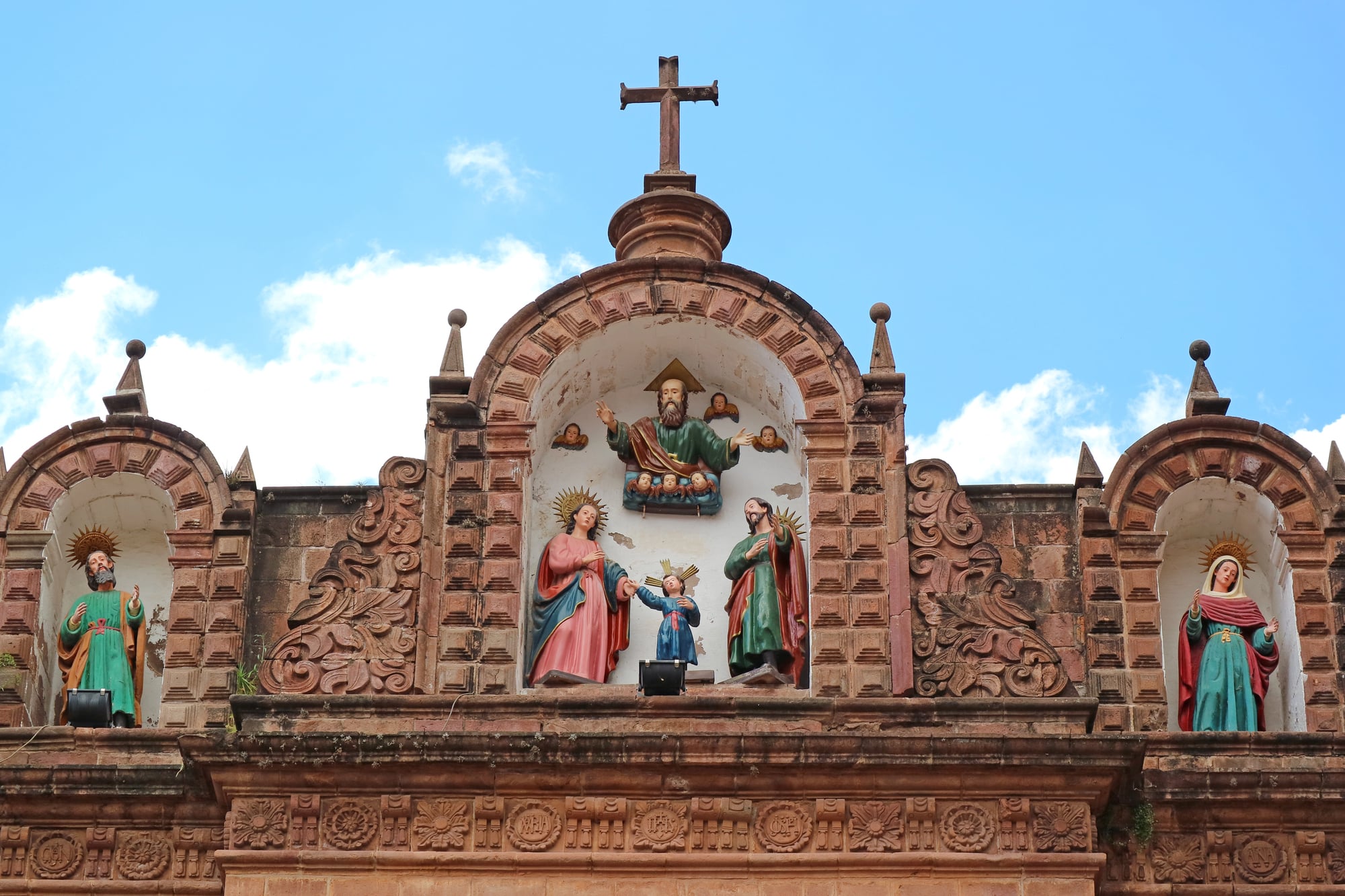
Gaudí began this basilica in 1882 and it remains unfinished 140 years later. The structure grows slowly — each facade tells different biblical stories through stone sculpture, towers rise like organic formations rather than geometric constructions, and the interior forest of columns branches toward a ceiling that mimics tree canopies.
No element follows conventional church architecture.
The building exists in permanent construction, cranes and scaffolding as much a part of its identity as the completed portions.
Visitors come to witness both the finished beauty and the ongoing creation — architecture as living process rather than static achievement.
Completion is scheduled for 2026, which seems almost beside the point.
Marina Bay Sands Singapore
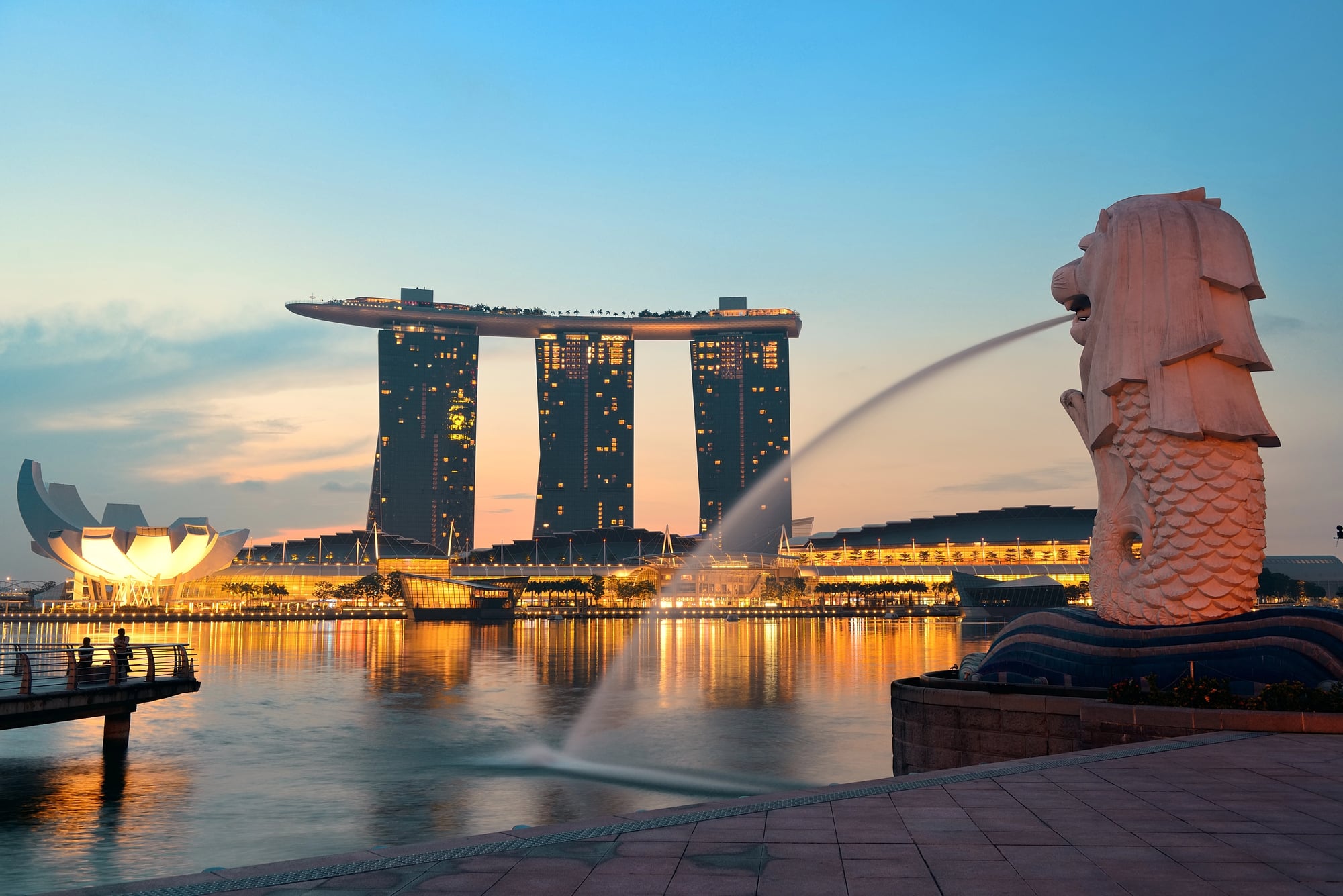
Three towers support 1,150 feet long and are suspended at approximately 220 meters (720 feet) above ground level. The SkyPark contains restaurants, gardens, and an infinity pool that appears to spill over the building’s edge.
From below, the structure looks precarious — those three slender towers seemingly inadequate to support such an enormous horizontal load.
The engineering required to cantilever that rooftop platform pushed structural limits and cost accordingly. But the visual impact justified the expense — the building instantly became Singapore’s most recognizable landmark and appears in virtually every photograph of the city’s skyline.
Sometimes architectural audacity simply works.
When Strange Becomes Essential
These buildings started as experiments in pushing boundaries — what happens when architects ignore conventional wisdom about how structures should look and behave. Some succeeded because they solved problems in unexpected ways, others because they created beauty from pure creative stubbornness.
The lesson might be that landmarks aren’t born from playing it safe. The most memorable architecture emerges when someone decides that straight lines, right angles, and structural predictability are less important than creating something no one has seen before.
Cities eventually embrace their strangest buildings because those oddities become irreplaceable — try to imagine London without the Gherkin or Bilbao without its Guggenheim.
The experiments become essential, and the essential becomes beloved.
More from Go2Tutors!

- The Romanov Crown Jewels and Their Tragic Fate
- 13 Historical Mysteries That Science Still Can’t Solve
- Famous Hoaxes That Fooled the World for Years
- 15 Child Stars with Tragic Adult Lives
- 16 Famous Jewelry Pieces in History
Like Go2Tutors’s content? Follow us on MSN.


