Highest Paid Actors of the 2000s
The 2000s were a strange and wonderful decade for Hollywood. Blockbuster franchises were taking over multiplexes, DVDs were printing money, and studios were writing checks with a lot of zeros on them.
A handful of actors managed to position themselves at the exact right place at the exact right time — landing franchise deals, backend profit agreements, and endorsement stacks that made them genuinely rich, not just famous. Here’s a look at the actors who cashed in most during that era.
Tom Hanks: The Reliable Moneymaker

Tom Hanks entered the 2000s with two Oscars already on the shelf and a reputation as one of the safest bets in Hollywood. Films like Cast Away and The Da Vinci Code kept his earnings consistently high throughout the decade.
He wasn’t the flashiest earner, but studios paid a premium for his name because he reliably drew audiences. His deal structure often included backend participation — meaning he earned a percentage of profits on top of his upfront fee.
Will Smith: Summer Blockbuster King
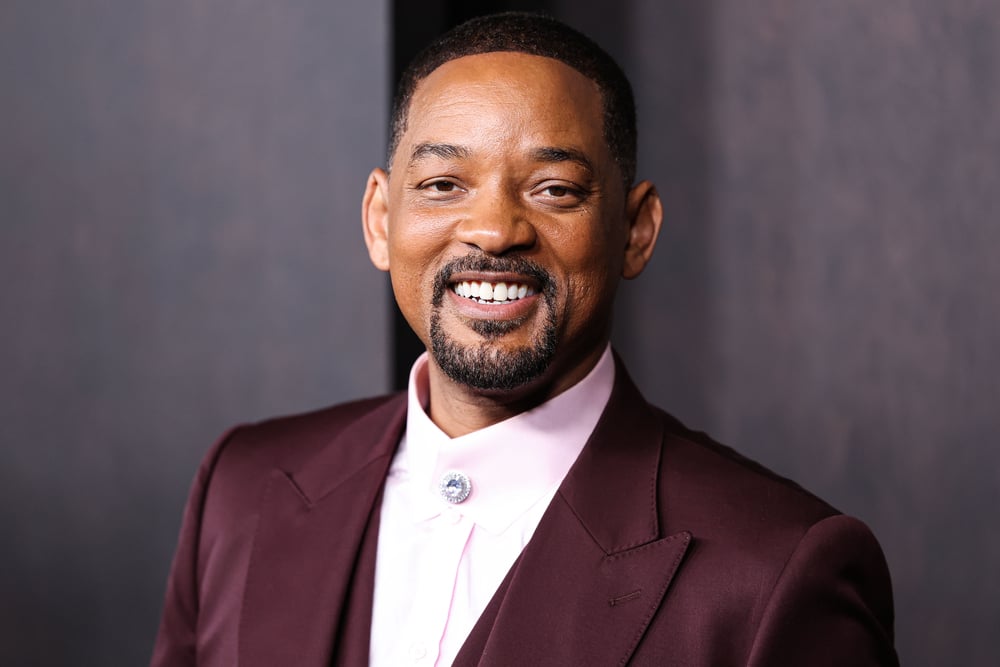
Few actors understood the summer box office the way Will Smith did. Ali, Bad Boys II, Hitch, I, Robot, The Pursuit of Happyness, Hancock — the list goes on.
He headlined at least one major film almost every year of the decade, and his upfront fees climbed accordingly. By the mid-2000s, Smith was reportedly commanding $20 million or more per picture, which put him among the very highest earners in the industry.
Johnny Depp: The Franchise Windfall

Johnny Depp spent most of the 1990s playing quirky, mid-budget fare. Then Pirates of the Caribbean happened in 2003, and everything changed.
The original film was a massive hit, and Depp’s eccentric performance as Captain Jack Sparrow became a pop culture phenomenon. By the time sequels Dead Man’s Chest and At World’s End arrived in 2006 and 2007, Depp was pulling in reported earnings of $55 to $70 million per film when backend deals were factored in.
Harrison Ford: Still Commanding Top Dollar

Harrison Ford was well into his career by the 2000s, but he still commanded serious money. Even when his films underperformed critically, studios continued to pay him because of his established star power.
What Lies Beneath and other projects kept him on the high-earner list in the early part of the decade. His return as Indiana Jones in Kingdom of the Crystal Skull in 2008 brought another major payday, reportedly in the range of $65 million once backend participation was included.
Tom Cruise: Running at Full Speed
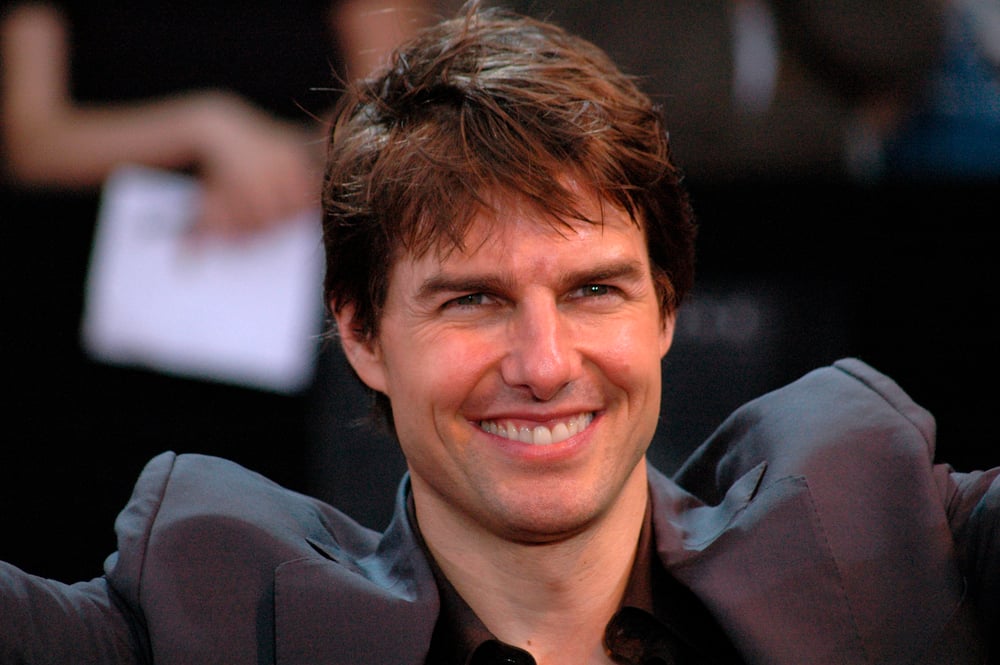
Tom Cruise spent the 2000s defying anyone who thought his peak was behind him. The Mission: Impossible franchise continued to perform, and War of the Worlds (2005) was one of the biggest films of that year.
His deals typically included significant profit participation, which meant his earnings could balloon well past whatever upfront fee he negotiated. Reports placed his total earnings for certain years in the $60–70 million range.
Adam Sandler: Comedy Dollars Add Up Fast
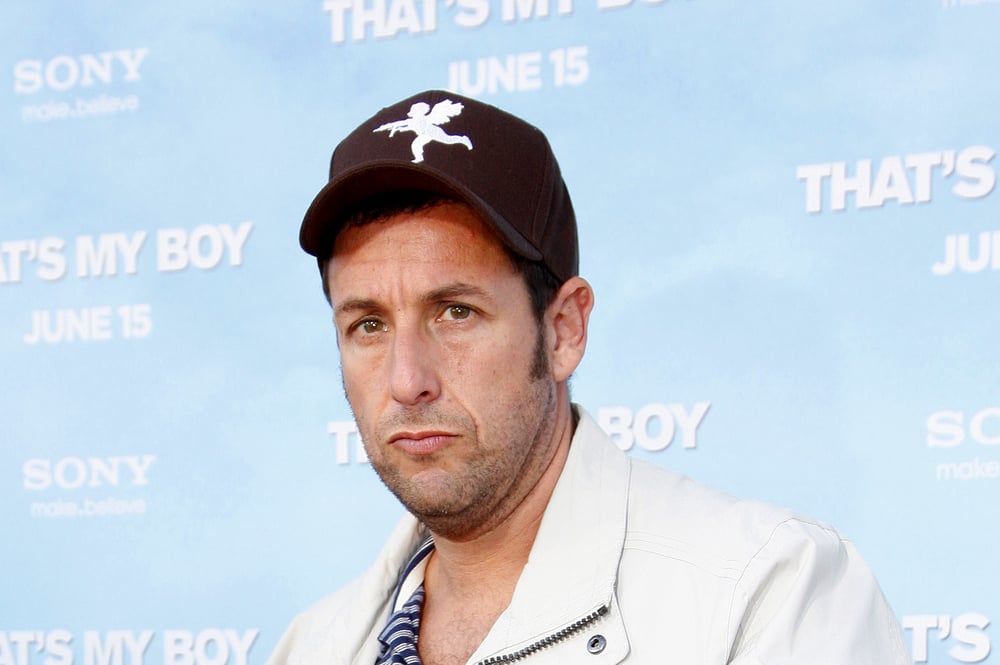
While critical darlings were collecting awards, Adam Sandler was quietly becoming one of the highest-grossing comedic forces in Hollywood. Big Daddy, Little Nicky, Mr. Deeds, 50 First Dates, Click, I Now Pronounce You Chuck & Larry — his output was relentless, and audiences kept showing up.
Sandler’s production company, Happy Madison, meant he was earning both as an actor and as a producer. That dual revenue stream made him far wealthier than his per-film fee alone would suggest.
Bruce Willis: Action Staple

Bruce Willis remained one of Hollywood’s most bankable action stars throughout the 2000s. The Die Hard franchise brought him back with Live Free or Die Hard in 2007, and he stayed busy with supporting and leading roles across a mix of genres.
Willis was also known for taking backend deals in lieu of larger upfront fees. His arrangement on The Sixth Sense in 1999 reportedly paid out well into the 2000s as the film continued to generate revenue.
Jack Nicholson: Playing the Long Game

Jack Nicholson didn’t appear in many films during the 2000s, but the ones he did were enormous earners — for him personally. His deal on As Good as It Gets included backend provisions that continued paying, and his role in Something’s Gotta Give reportedly earned him close to $50 million once the film’s strong box office was factored in.
Nicholson was known for negotiating some of the most favorable backend deals in Hollywood history. Batman in 1989 reportedly made tens of millions in residuals alone, and those structures carried forward into how he negotiated throughout the 2000s.
Leonardo DiCaprio: Climbing the Ladder

DiCaprio entered the 2000s still riding the Titanic wave but eager to prove himself as a serious actor rather than a teen idol. Films like Gangs of New York, Catch Me If You Can, The Aviator, Blood Diamond, and The Departed showed he had range.
By the late 2000s, DiCaprio was among the top earners in Hollywood, reportedly pulling in $20 million or more per film for major productions. His career arc during this decade set the stage for his eventual status as one of the most powerful actors in the industry.
Denzel Washington: Consistent, Commanding, Costly

Denzel Washington was one of the most consistent performers of the decade both critically and commercially. Training Day, Man on Fire, The Manchurian Candidate, Inside Man, American Gangster — he delivered film after film that studios could count on to perform.
His reputation as an actor who could anchor prestige films and genre pictures alike gave him leverage to demand top-tier fees. By mid-decade, he was regularly earning in the $20 million range per film.
Eddie Murphy: The Animation Bonus
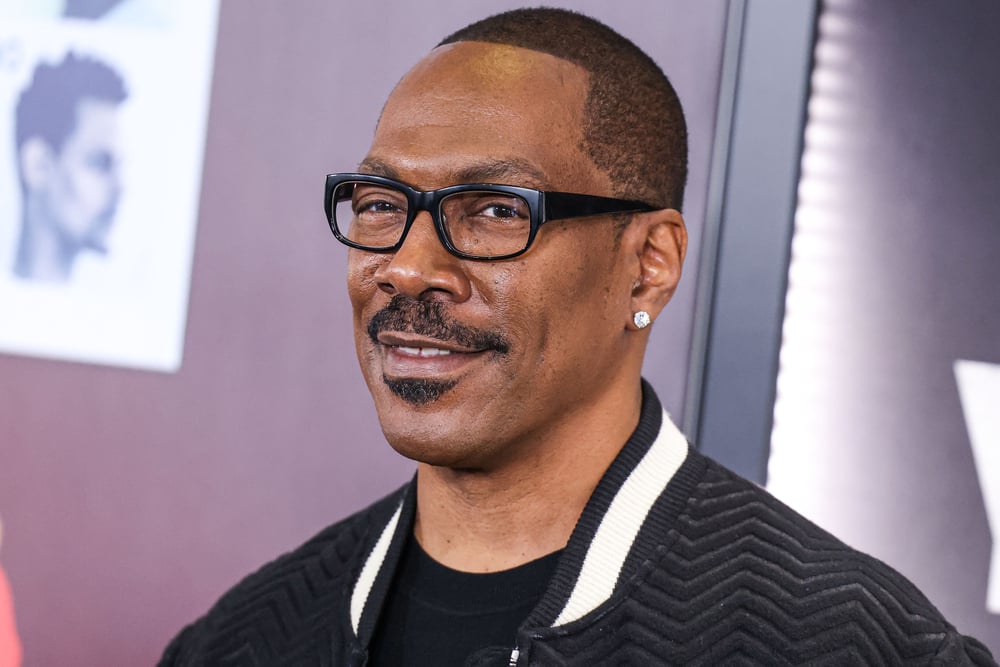
Eddie Murphy’s live-action career had its ups and downs in the 2000s, but the Shrek franchise turned into one of the most lucrative runs of his career. The animated sequel Shrek 2 (2004) became the highest-grossing animated film of all time at that point, and Murphy’s Donkey was central to its appeal.
Voice acting for a major animated franchise carries its own deal structures, including royalties, licensing fees, and sequel participation. Between Shrek 2 and Shrek the Third, Murphy’s earnings from a single franchise were substantial.
Nicolas Cage: Volume as a Strategy
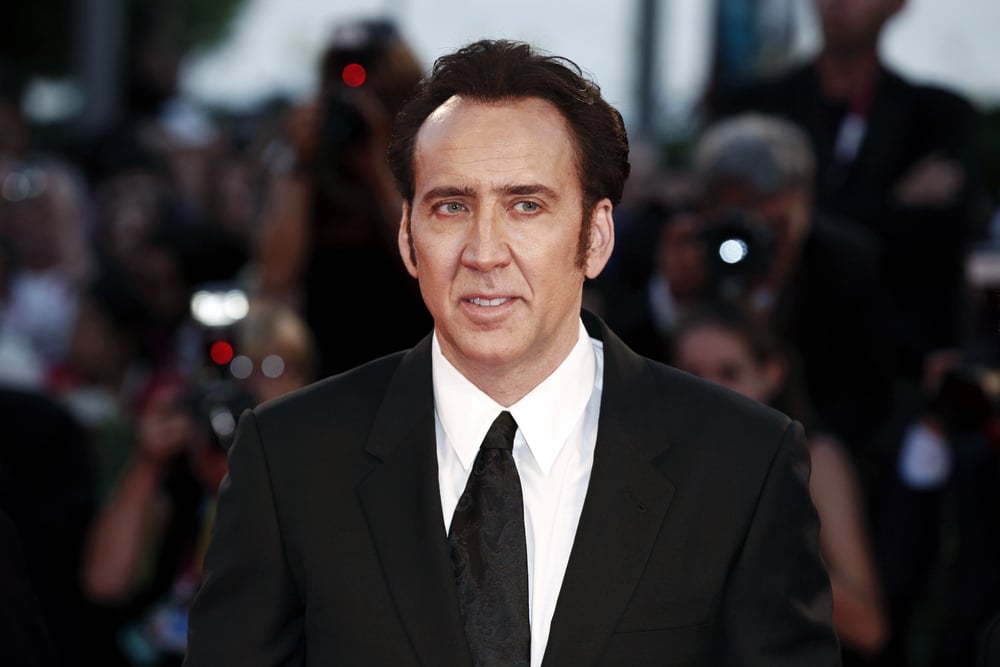
Not many followed the path Nicolas Cage walked. Where others picked just a couple roles yearly, he stepped into one after another without pause.
A stretch of those roles came from real money pressure – Cage lived fast, needed paychecks just to keep up – yet it turned him into a constant screen presence through the 2000s. At his highest point, each movie supposedly paid him twenty million dollars.
The Franchise Factor

Franchise roles defined paychecks more than any other factor during the 2000s. Those tied to ongoing films – like the man behind Jack Sparrow or the one dodging impossible missions – pulled ahead fast.
Shared profits changed everything; a second film often paid better than ten stand-alones. One-off leads rarely matched that climb, no matter how strong the opening weekend looked.
What Those Paychecks Really Meant

Picture this: top actors in the 2000s pulling in eye-watering paychecks. Think Johnny Depp or Tom Cruise raking in $50 to $70 million for one movie.
That kind of money? Far beyond a paycheck. More like proof – proof of power held by real box office giants.
More from Go2Tutors!

- The Romanov Crown Jewels and Their Tragic Fate
- 13 Historical Mysteries That Science Still Can’t Solve
- Famous Hoaxes That Fooled the World for Years
- 15 Child Stars with Tragic Adult Lives
- 16 Famous Jewelry Pieces in History
Like Go2Tutors’s content? Follow us on MSN.