27 Childhood Snacks That Tasted Better Than Anything Available Today
ood scientists have a term for it — “hedonic memory” — the way taste and emotion fuse together so completely that what you’re really remembering is the feeling, not the flavour. That’s one explanation for why childhood snacks seem so much better in retrospect.
The other explanation is simpler: some of them actually were.
Companies change recipes. Ingredient costs go up.
The Great White shark piece gets quietly removed from the Shark Bites packet. Something that was exactly right becomes subtly wrong, and you only notice years later because you haven’t had it in so long that the memory has stayed perfect.
Jell-O Pudding Pops
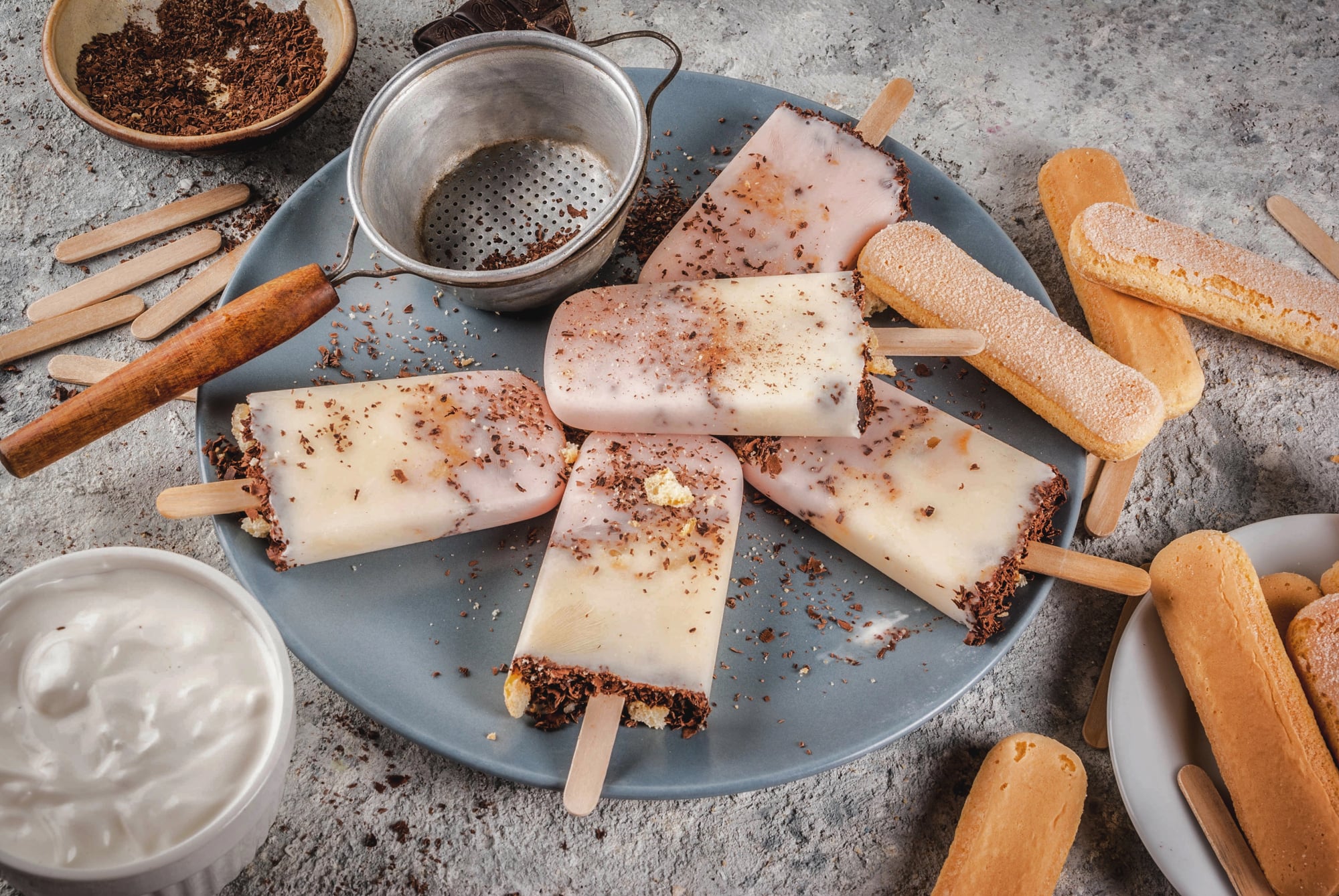
Jell-O Pudding Pops were a Bill Cosby-era staple that defined 1980s freezer culture before being discontinued and half-heartedly reimagined as a packaged product that missed the point entirely. The original had a specific creamy-yet-icy texture that landed somewhere between ice cream and frozen mousse — smooth enough to feel indulgent but light enough to eat three in an afternoon without thinking twice.
Home cooks have been recreating them with instant pudding mix for decades, which tells you everything about how much they’re missed.
Gushers
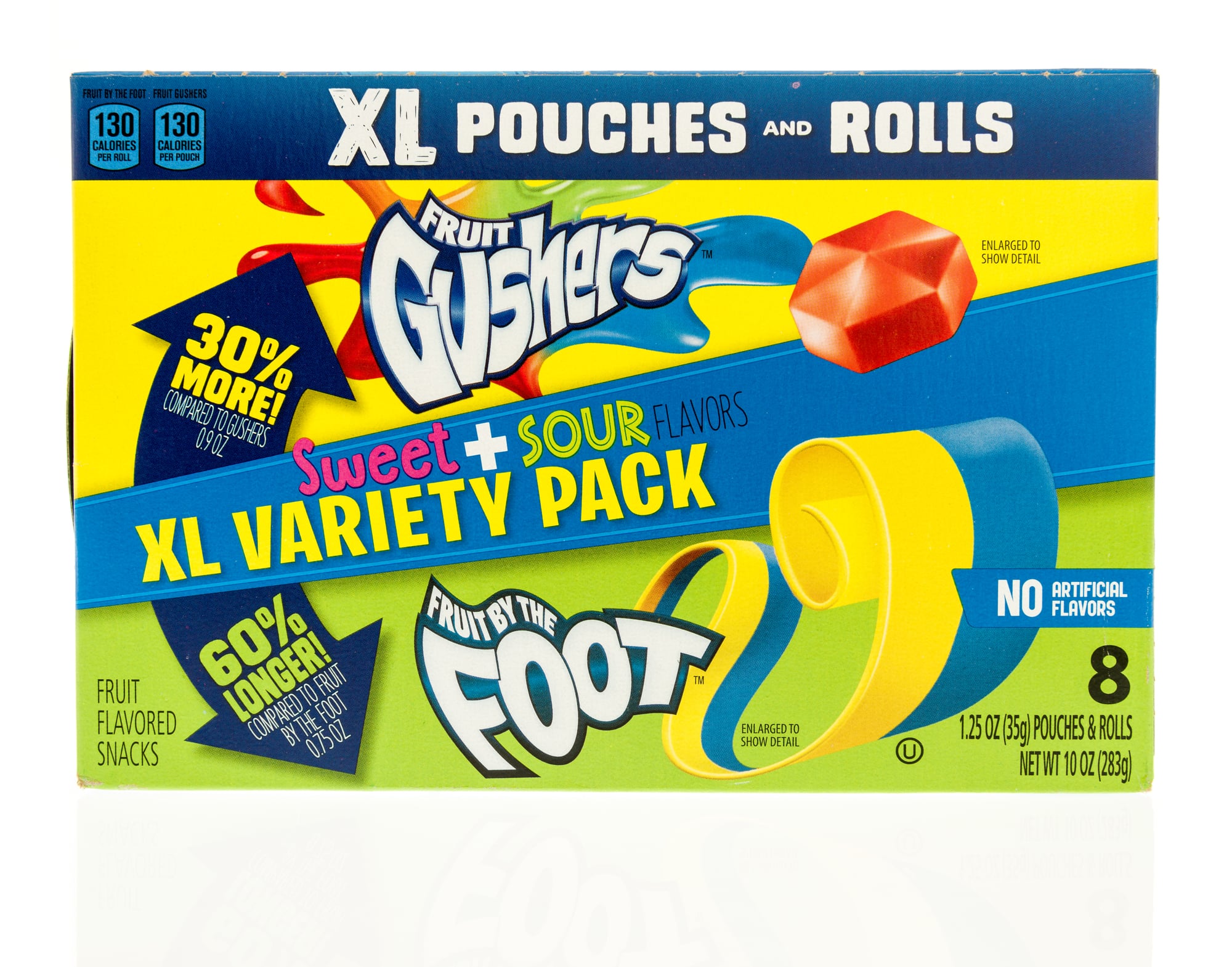
Gushers are technically still available, but the original experience had a wild-fruit-burst quality that current formulations don’t quite replicate. Biting through the thin casing and hitting the liquid centre was a sensory event that required no context or occasion — it was just good, every single time.
Dunkaroos
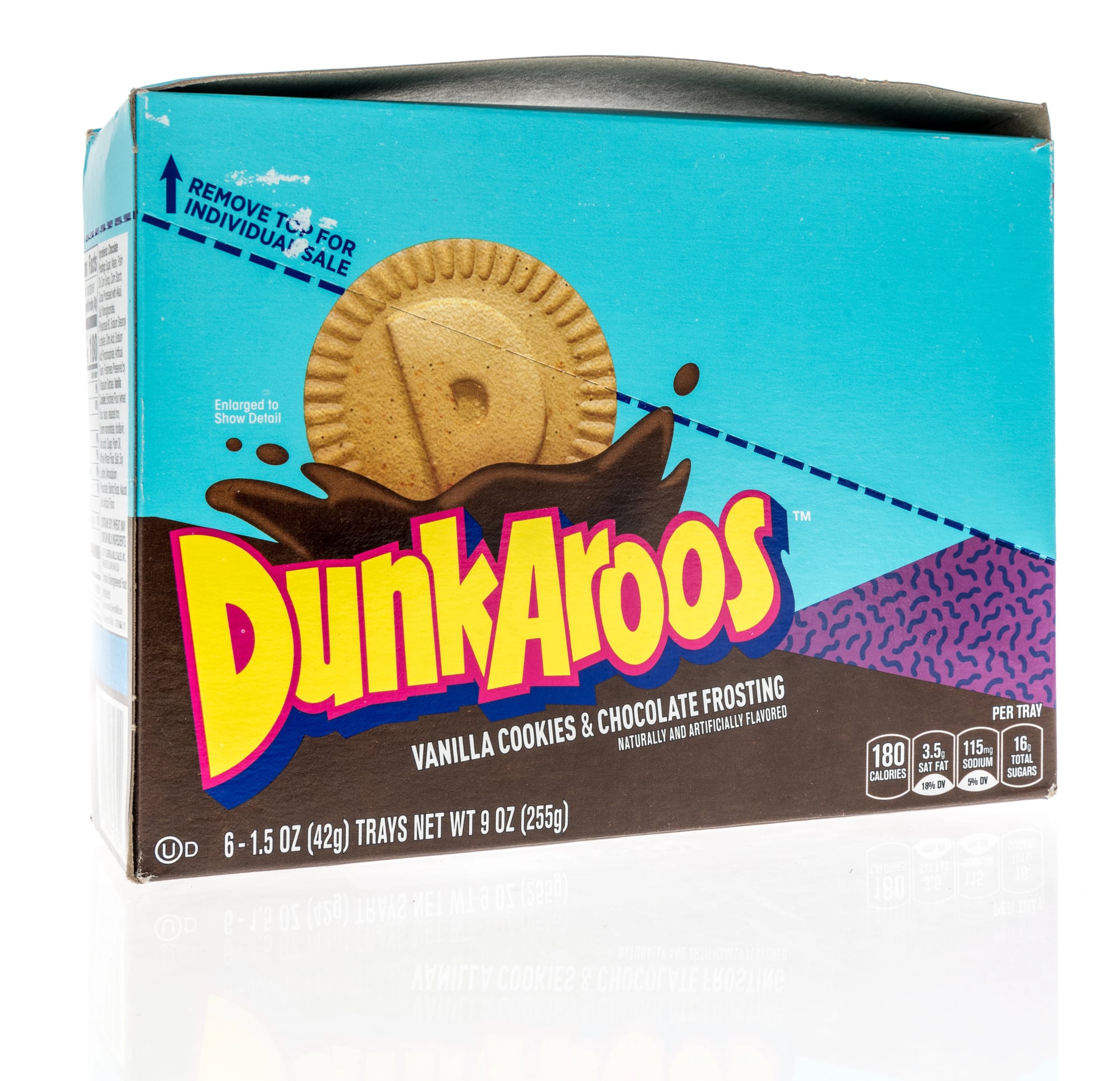
Dunkaroos — the little tray of vanilla cookies with a separate compartment of frosting for dipping — returned to shelves in 2020 after years of Canadian-market exclusivity. But the return exposed something awkward: either the recipe had changed, or the memory had been more important than the food itself.
The original 1990s version carried the weight of every lunchbox it had ever been packed into, which is a lot of weight for a cookie to bear.
Surge Soda
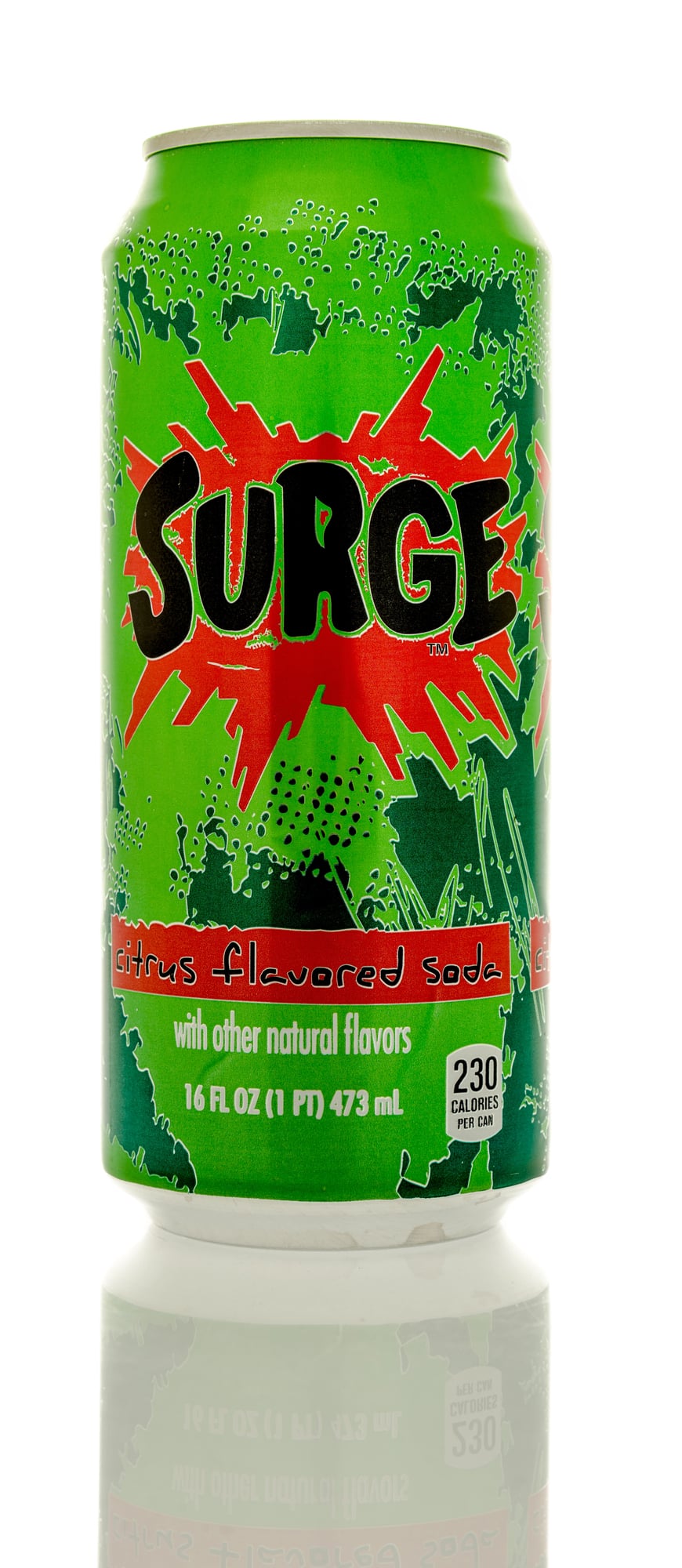
Surge was Coca-Cola’s answer to Mountain Dew, launched in 1996 with an aggressively citrus-forward flavour and a bright green colour that suggested it was less a soft drink and more a substance. It was discontinued in 2003, returned briefly in 2014 through an Amazon campaign driven by a 160,000-person Facebook group that had been lobbying for it for years, then was relaunched more broadly.
The devoted following it retained across decades of absence is the most effective argument that something real was lost.
Planters PB Crisps
Launched in 1992 and discontinued in the mid-1990s, PB Crisps were peanut-shaped biscuits with a crunchy shell and a thick, creamy peanut butter centre. They filled a gap between cookie and snack that nothing has satisfactorily occupied since.
There is a website dedicated entirely to lobbying for their return — something that doesn’t exist for many globally significant political causes.
Shark Bites Fruit Snacks
Shark Bites came in a packet of opaque fruit-flavoured gummies, but the real prize was the translucent white Great White shark piece, which appeared rarely enough to feel genuinely lucky. Betty Crocker later removed the Great White when reformulating the product to eliminate artificial colours, which the company may have considered a health improvement and which children across America considered a cultural loss.
Butterfinger BBs
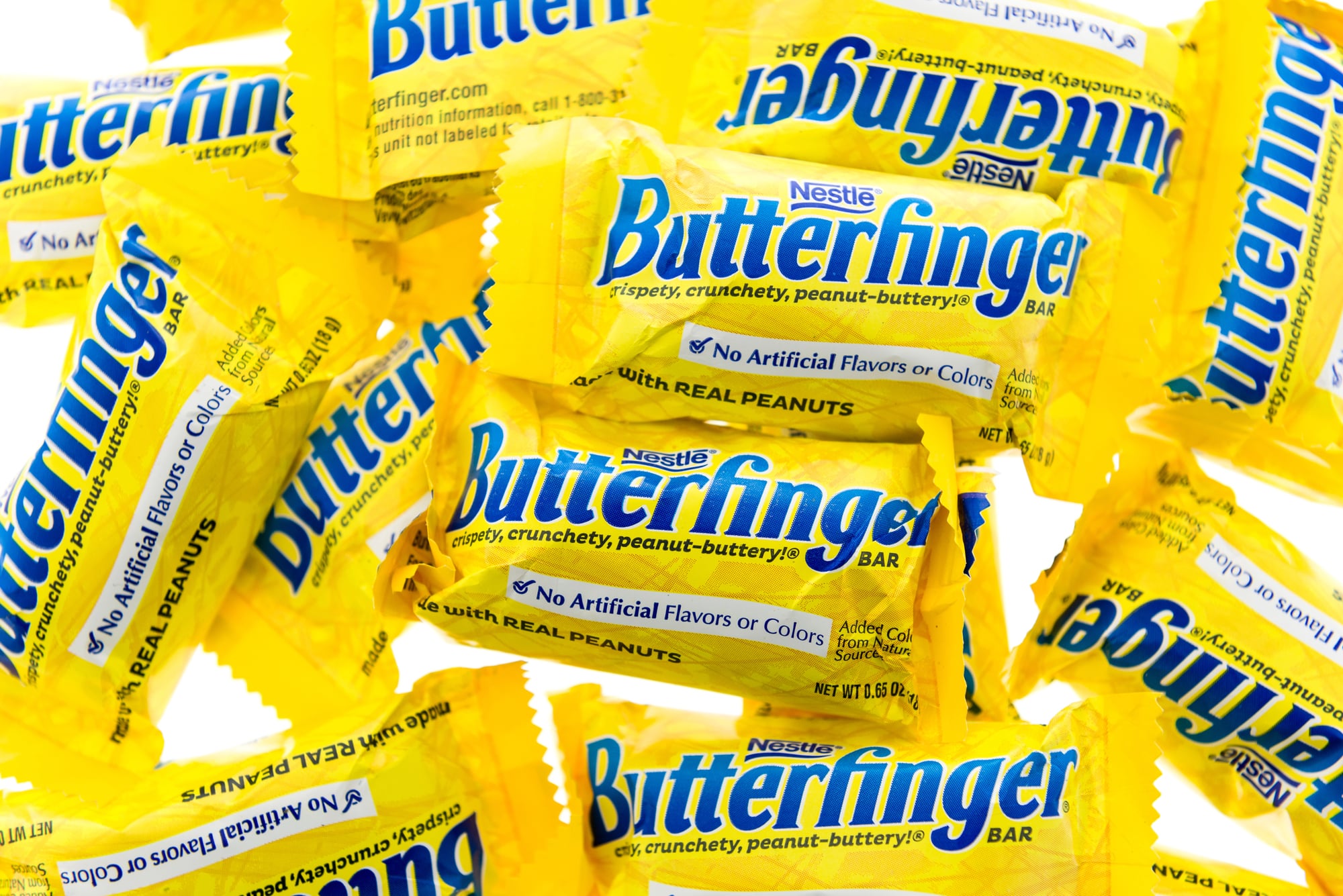
Before they were replaced by Butterfinger Bites, the original BBs were marble-sized spheres of the classic Butterfinger filling — that flaky, peanut-buttery interior — coated in milk chocolate. An online petition for their return cites the specific texture of the original as irreproducible by any current product, which is a reasonable complaint because it’s true.
Heinz Tomato Ketchup Chips
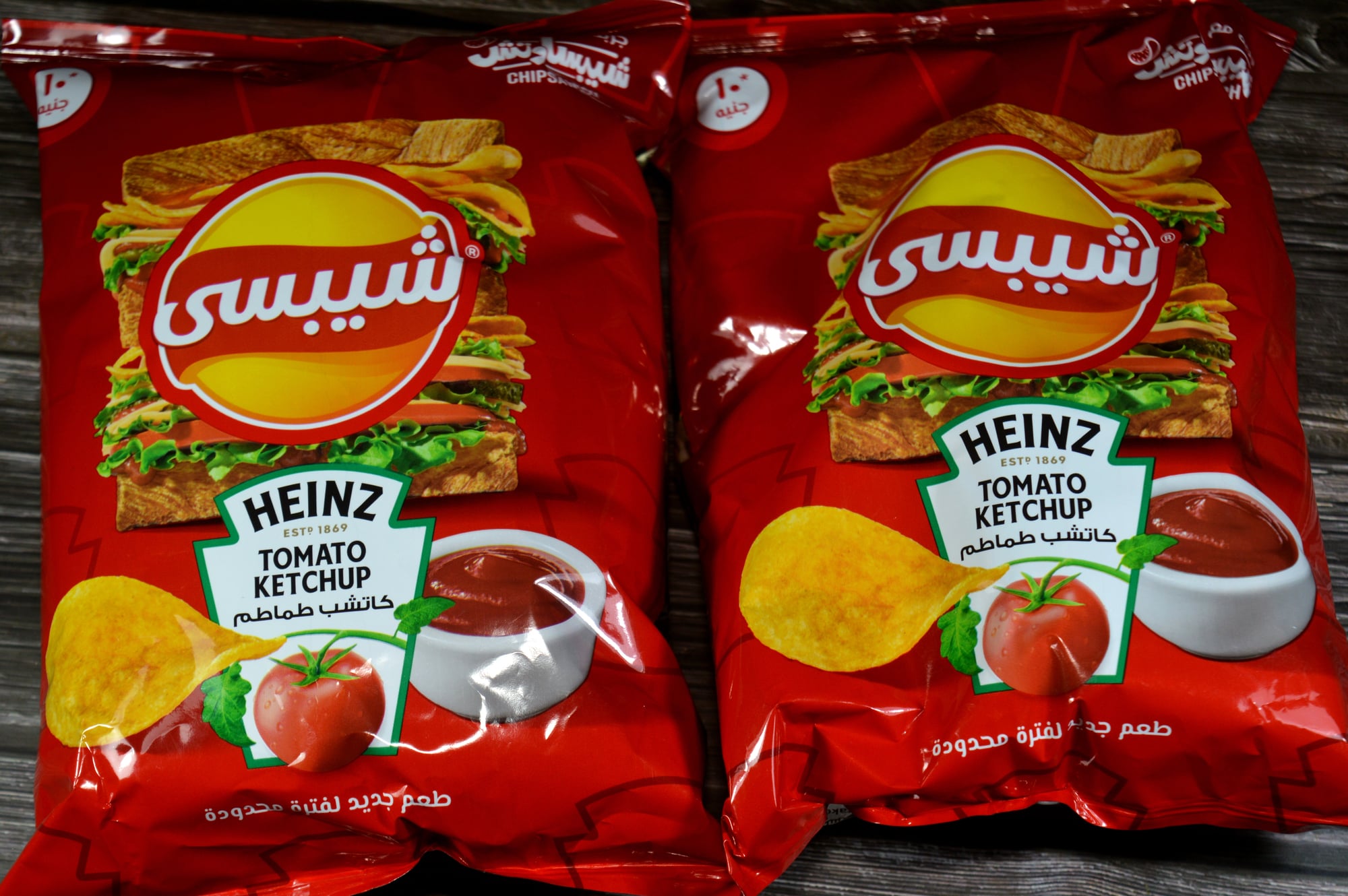
These were the kind of product that made no logical sense outside of a very specific cultural context — Canada, primarily, where ketchup-flavoured crisps were a mainstream snack food rather than a novelty. For anyone who grew up with them, no other flavour has ever adequately replaced the particular tang of vinegar and sweetened tomato on a thin, crispy base.
They still exist in limited distribution, but the formula is contested.
Dunk-a-Roos
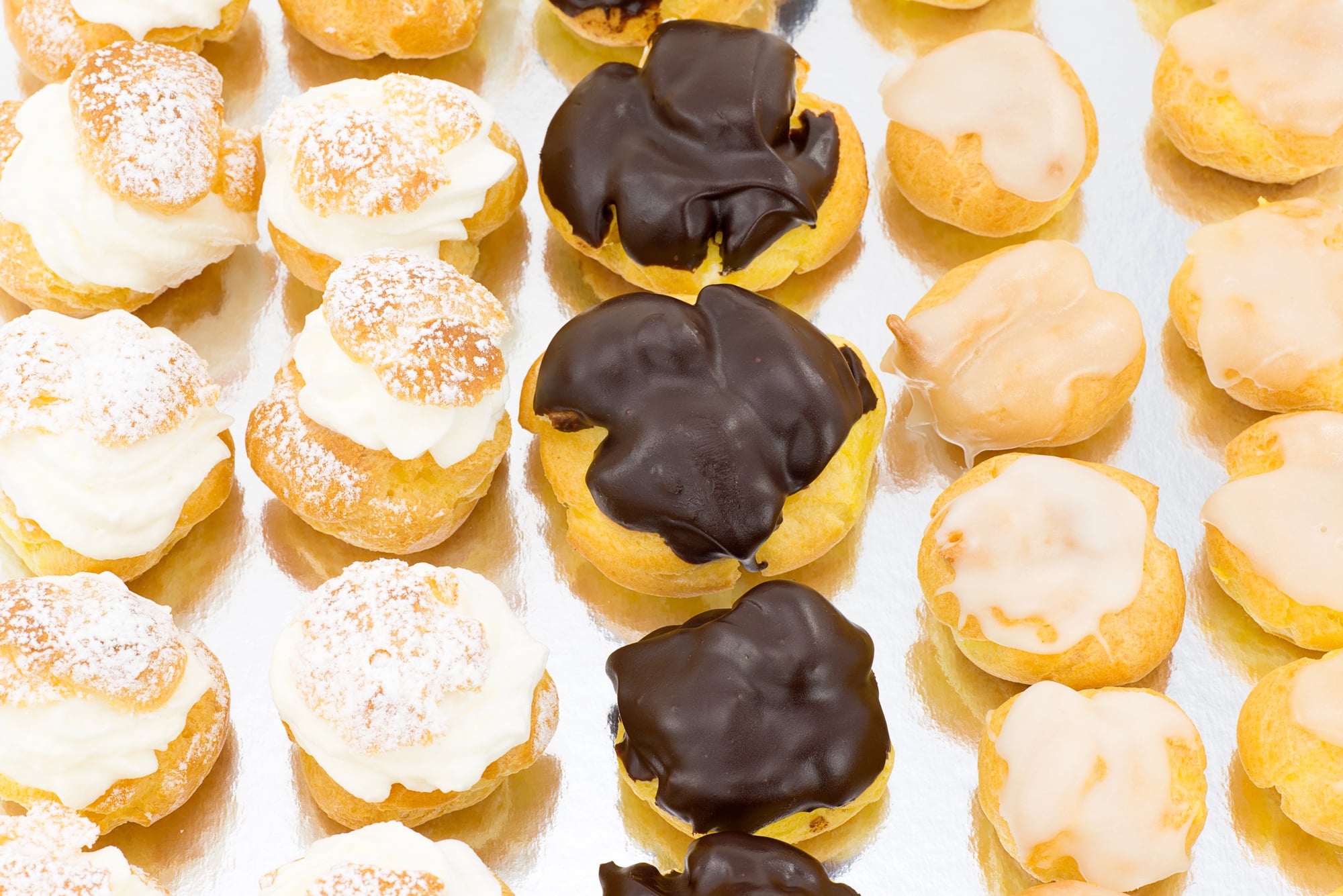
Often confused with Dunkaroos (they were the same product under different regional names), these were wildly popular in the 1990s and genuinely succeeded at making frosting feel like an activity rather than just a topping. The action of dipping was the point.
The snack understood something important: food is more enjoyable when you participate in assembling it.
Crispy M&Ms
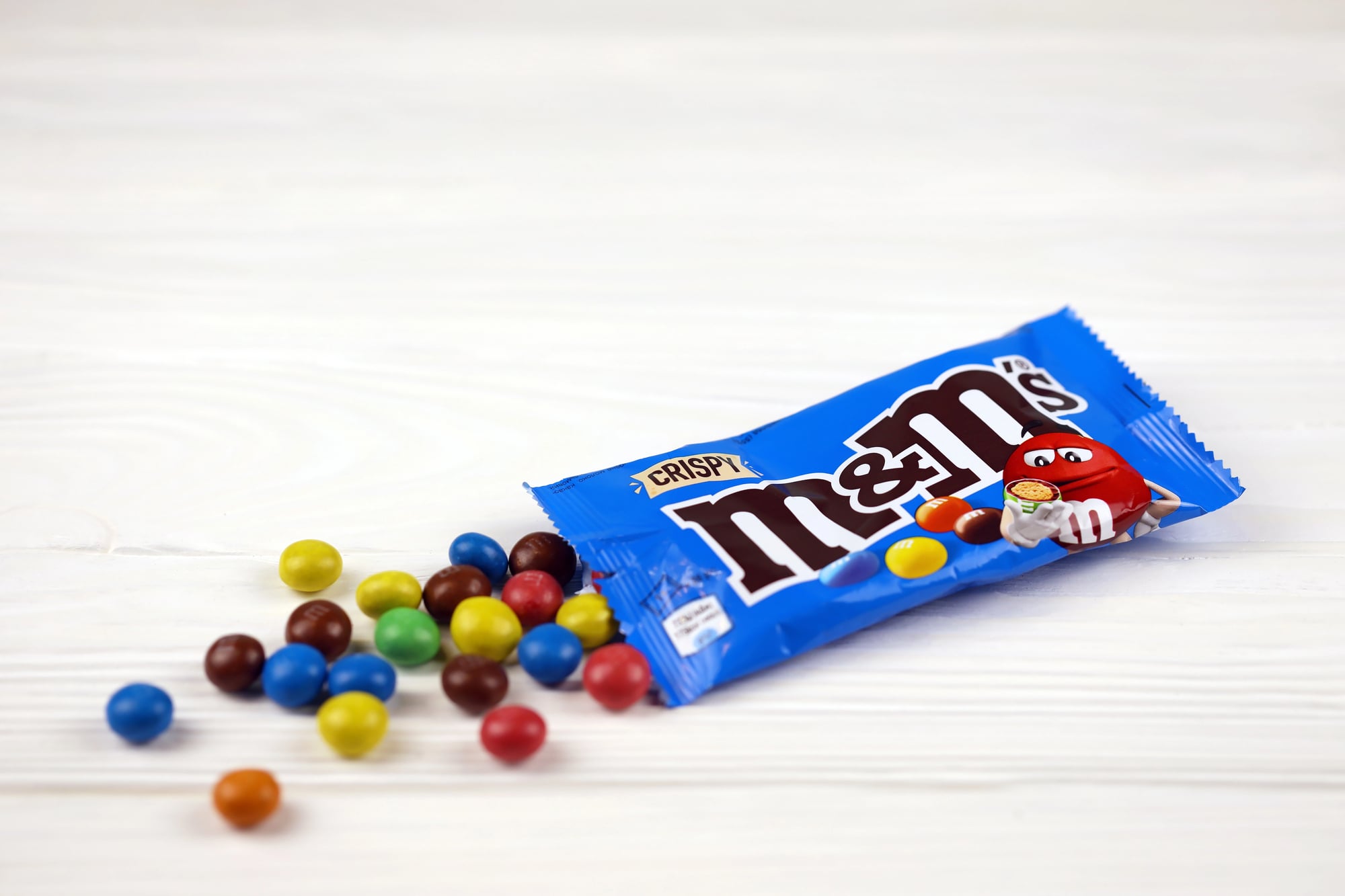
The original Crispy M&Ms, launched in 1999 and discontinued in the US in 2005, were re-released in 2015 and have been in permanent rotation since — which would seem to resolve the nostalgia. But there are die-hard fans who maintain that the original formulation had a lighter, crispier shell that current versions haven’t matched, and tasting notes on confectionery forums support the distinction.
Keebler Magic Middles
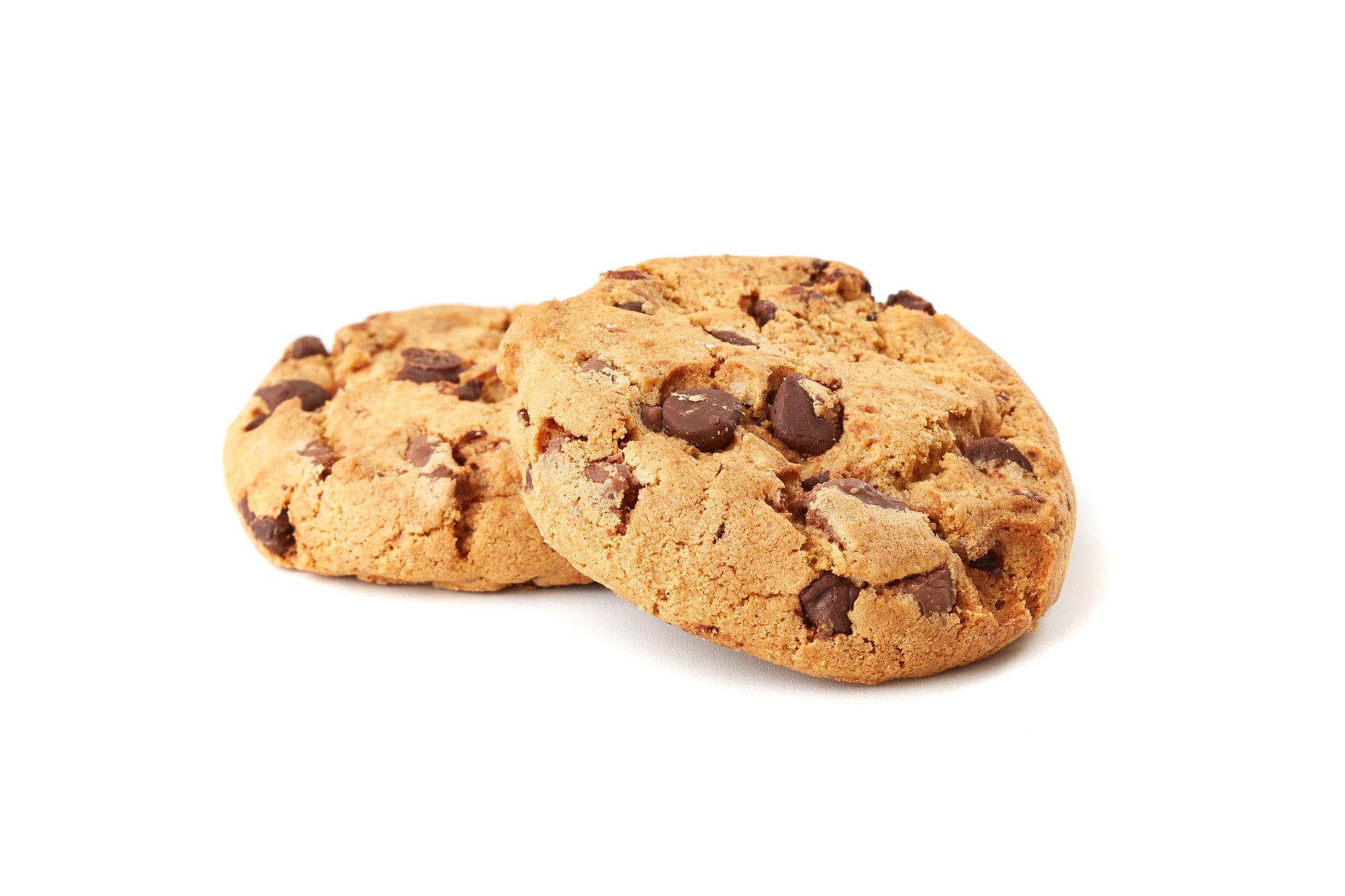
Magic Middles were shortbread biscuits with a hidden filling of either fudge or peanut butter — a structural concept so obviously excellent that it’s surprising more manufacturers didn’t replicate it. They appeared in the late 1980s and disappeared without fanfare, leaving behind a generation of biscuit-eaters who still describe the interior texture with unnecessary precision.
Crystal Pepsi
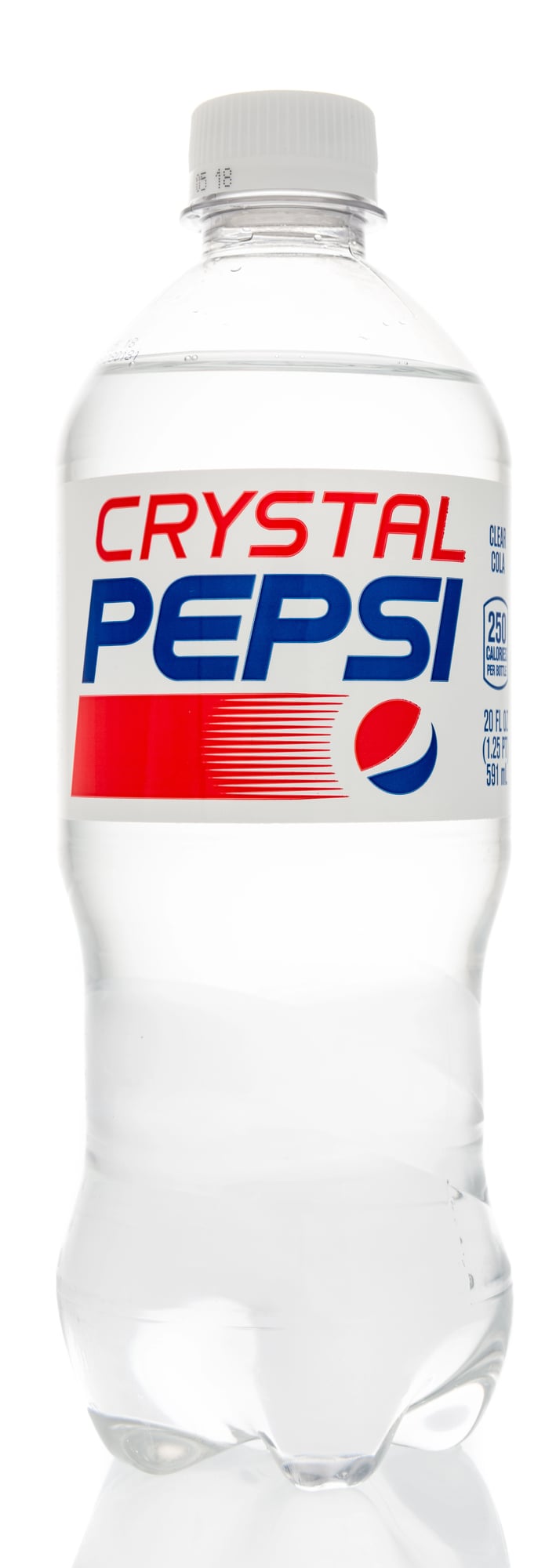
Crystal Pepsi was a transparent, caffeine-free cola launched by PepsiCo in 1992 as a response to the “clear” trend sweeping American consumer culture. It tasted like Pepsi without caramel colouring, which sounds unremarkable and somehow wasn’t — the lightness gave it a different sensory quality that people found more refreshing.
Saturday Night Live parodied it with a clear gravy sketch. It has returned in limited runs several times, which proves both that the demand is real and that nothing satisfies it permanently.
Pizza Lunchables
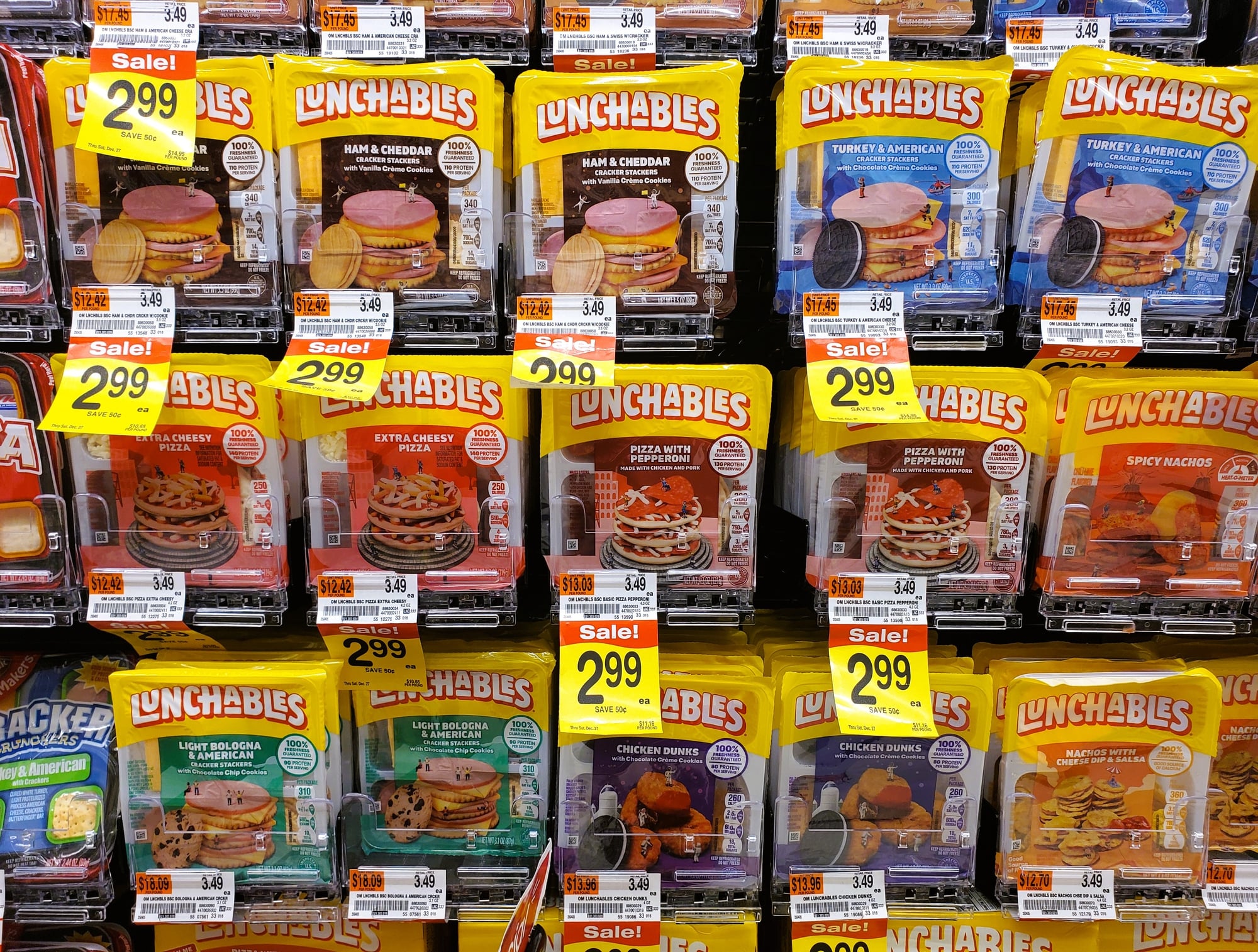
The pizza Lunchable — three small crackers, a tiny container of pizza sauce, a portion of shredded mozzarella — was objectively not a meal. The pizza it assembled bore no nutritional or structural resemblance to actual pizza.
And yet assembling it at a school lunch table, carefully rationing the sauce and cheese across three rounds, was one of the more satisfying eating experiences of the 1990s.
Ring Pops

Ring Pops still exist. But they existed better in the 1990s, when the act of wearing your candy on your finger and eating it off your hand in public was considered a perfectly normal thing to do.
The flavour profile hasn’t changed much. The social permission has.
Fruit by the Foot

Fruit by the Foot also still exists, but the ritual of unrolling three feet of fruit-flavoured tape and eating it in one continuous strip down your arm was a pursuit that felt more elevated in primary school than it does as an adult recollection. The product is the same.
The age has changed everything.
Squeezit
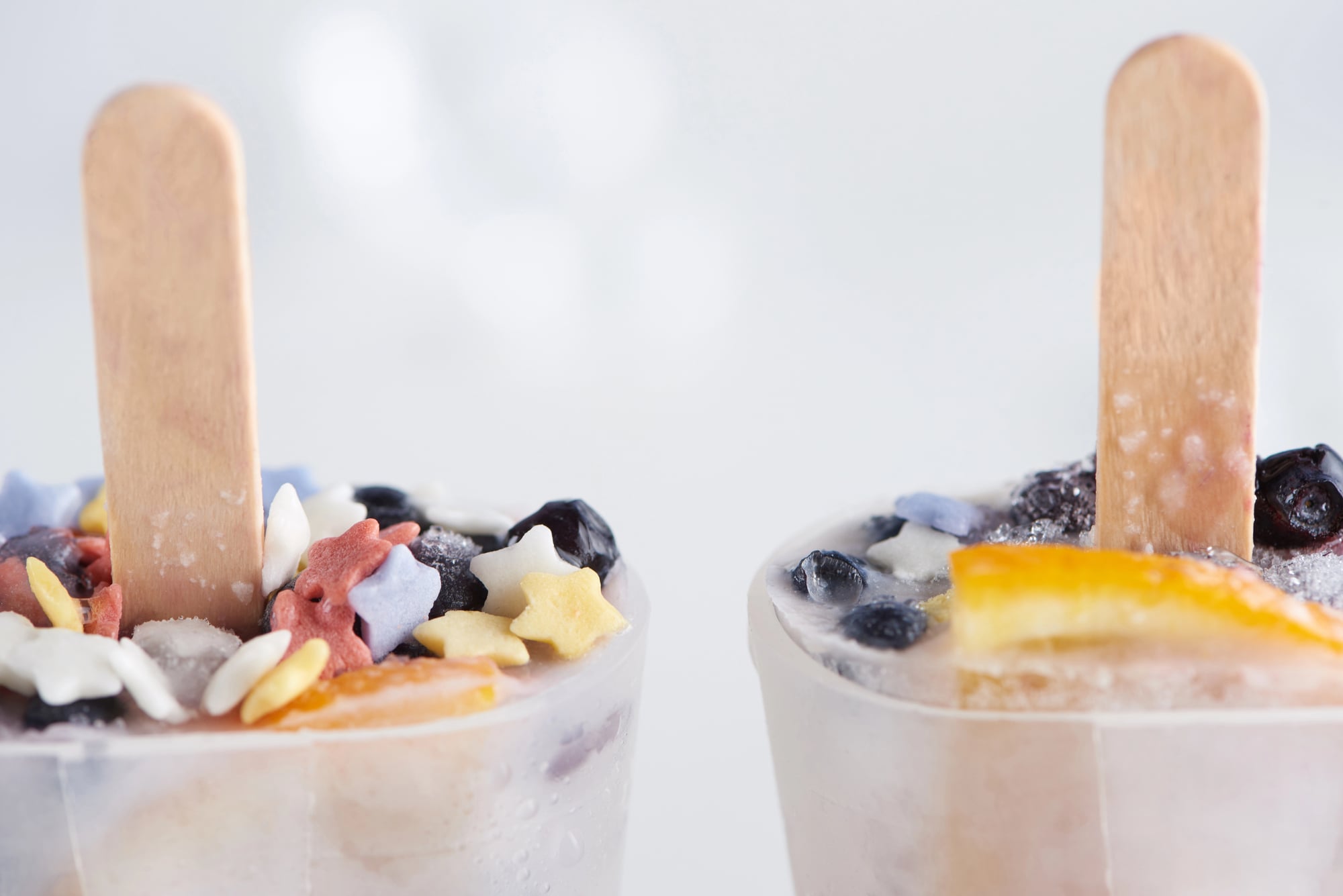
General Mills launched the Squeezit in 1985 — a squeezable plastic bottle of flavoured fruit drink that required you to bite off the plastic tip before drinking. The act of opening it was half the appeal.
The flavours included red punch, orange, grape, and cherry, and the bottles were brightly coloured in a way that made the contents look radioactive in the best possible sense.
Pop Rocks
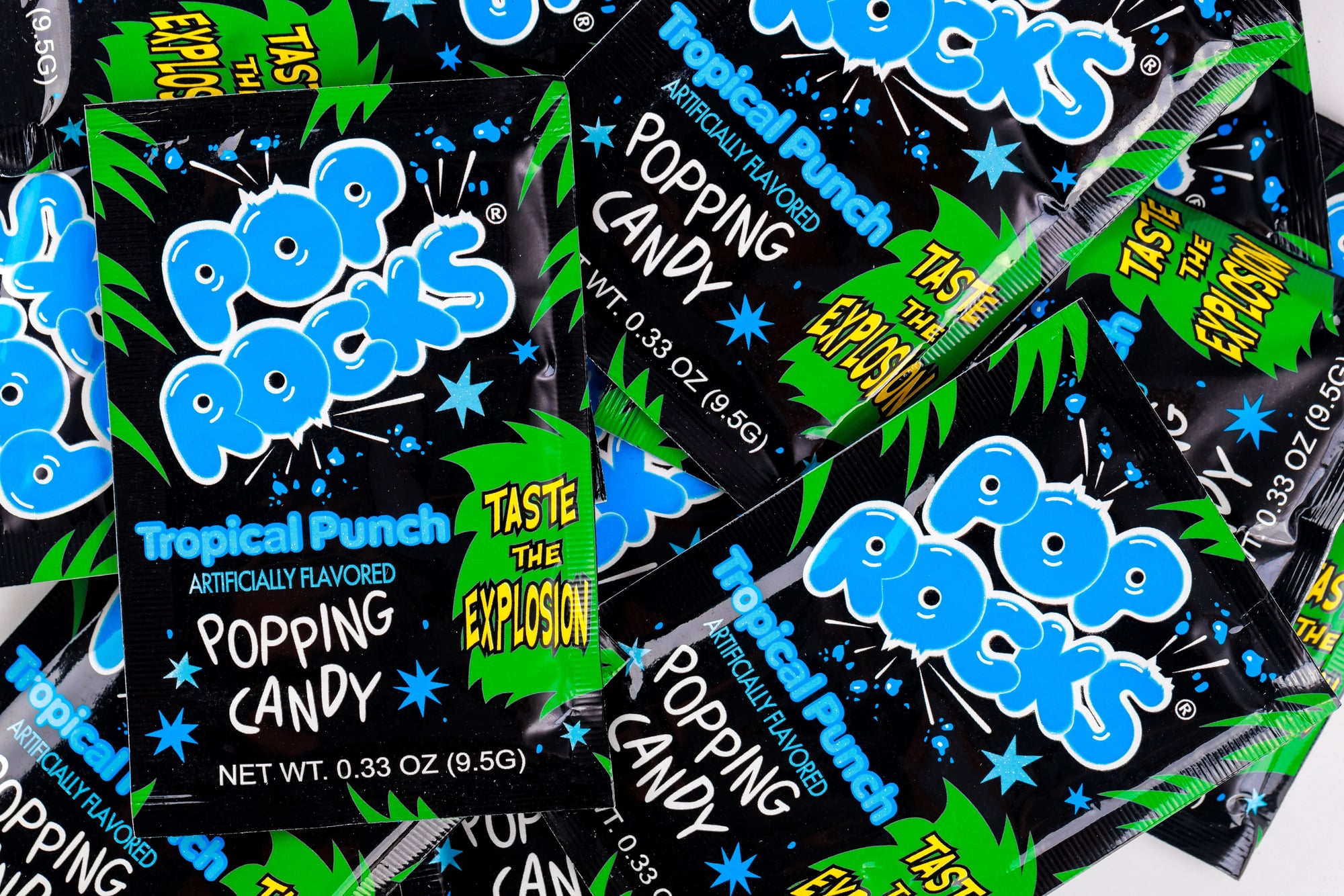
Pop Rocks are still sold, but their reputation in the 1980s was extraordinary — the urban legend that mixing them with cola would cause your stomach to explode circulated through every primary school in America with the seriousness of an official warning. The actual experience of putting a packet on your tongue and waiting for the crackling to start was one of the more remarkable things you could do with sugar.
Choco Taco
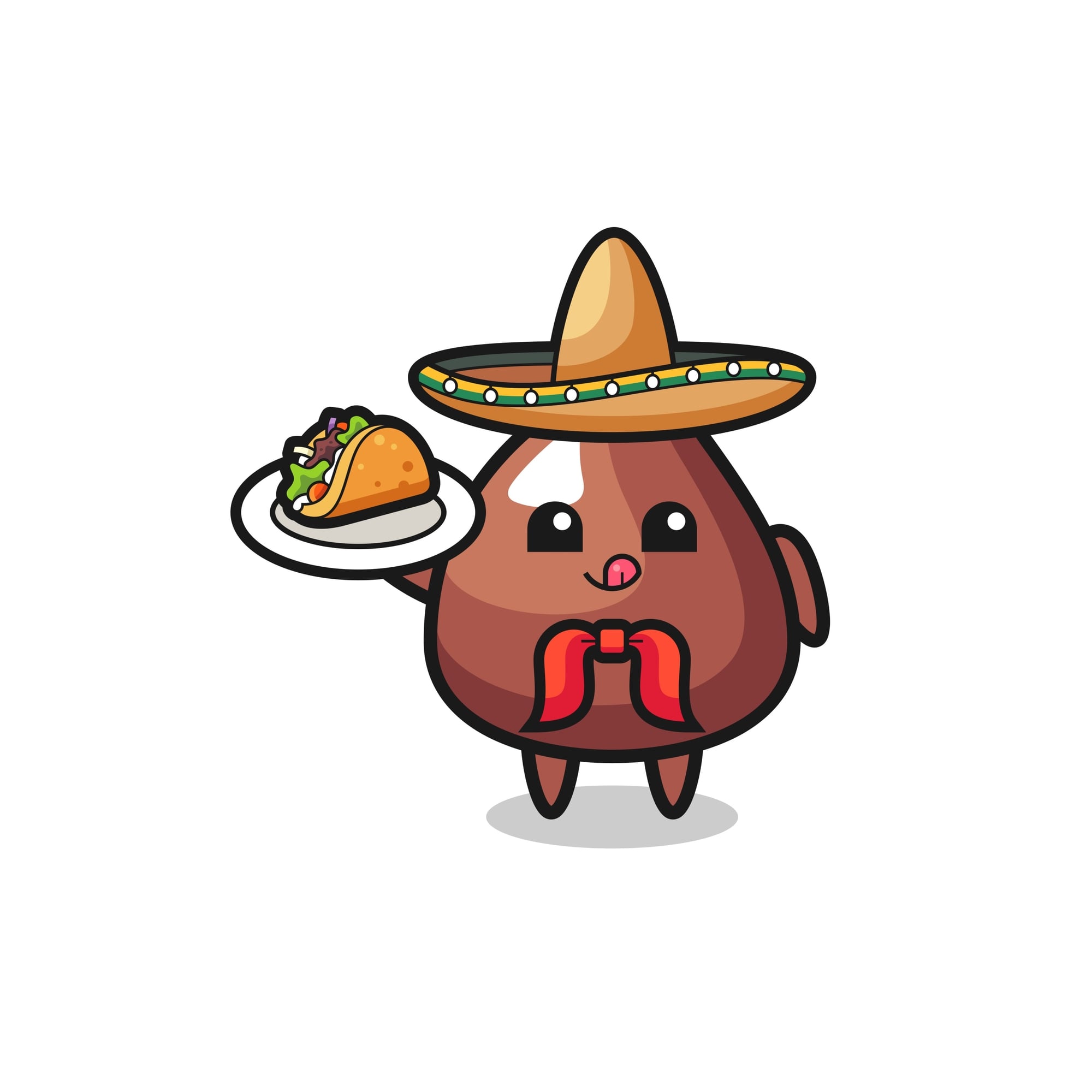
The Choco Taco was a novelty ice cream product shaped like a taco shell — a waffle cone base filled with fudge-swirled vanilla ice cream, dipped in chocolate, and covered in peanuts. It was sold primarily from ice cream trucks and was discontinued by Klondike in 2022, which prompted a response from consumers that was notably louder than many public health announcements that year.
Fun Dip
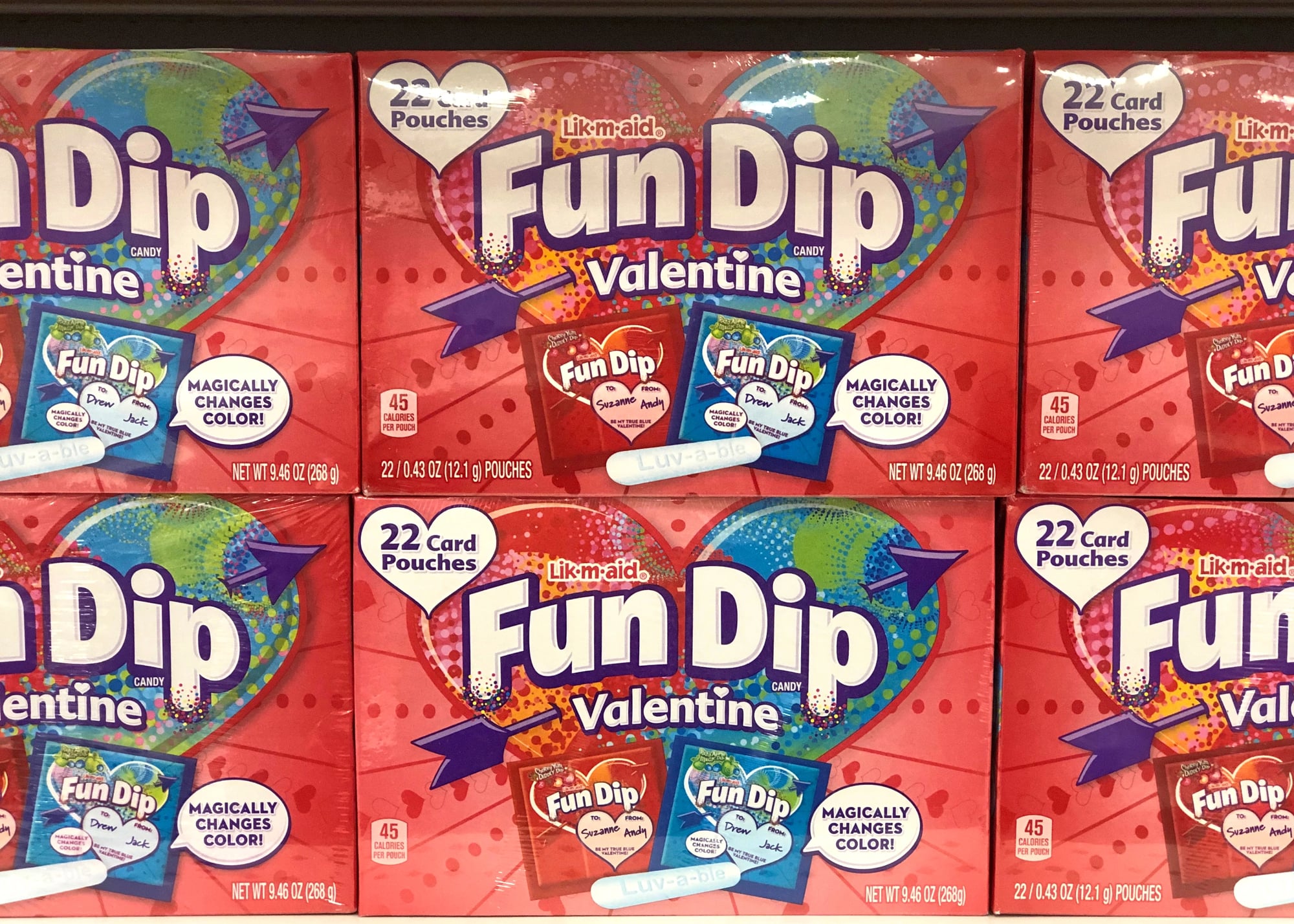
Fun Dip was essentially a packet of flavoured sugar with a candy stick for dipping. The candy stick was purely a delivery mechanism — the real goal was the powder.
When the stick ran out, you just used your finger or poured the rest directly into your mouth, which was the logical endpoint the product had always been pointing toward.
Bagel Bites
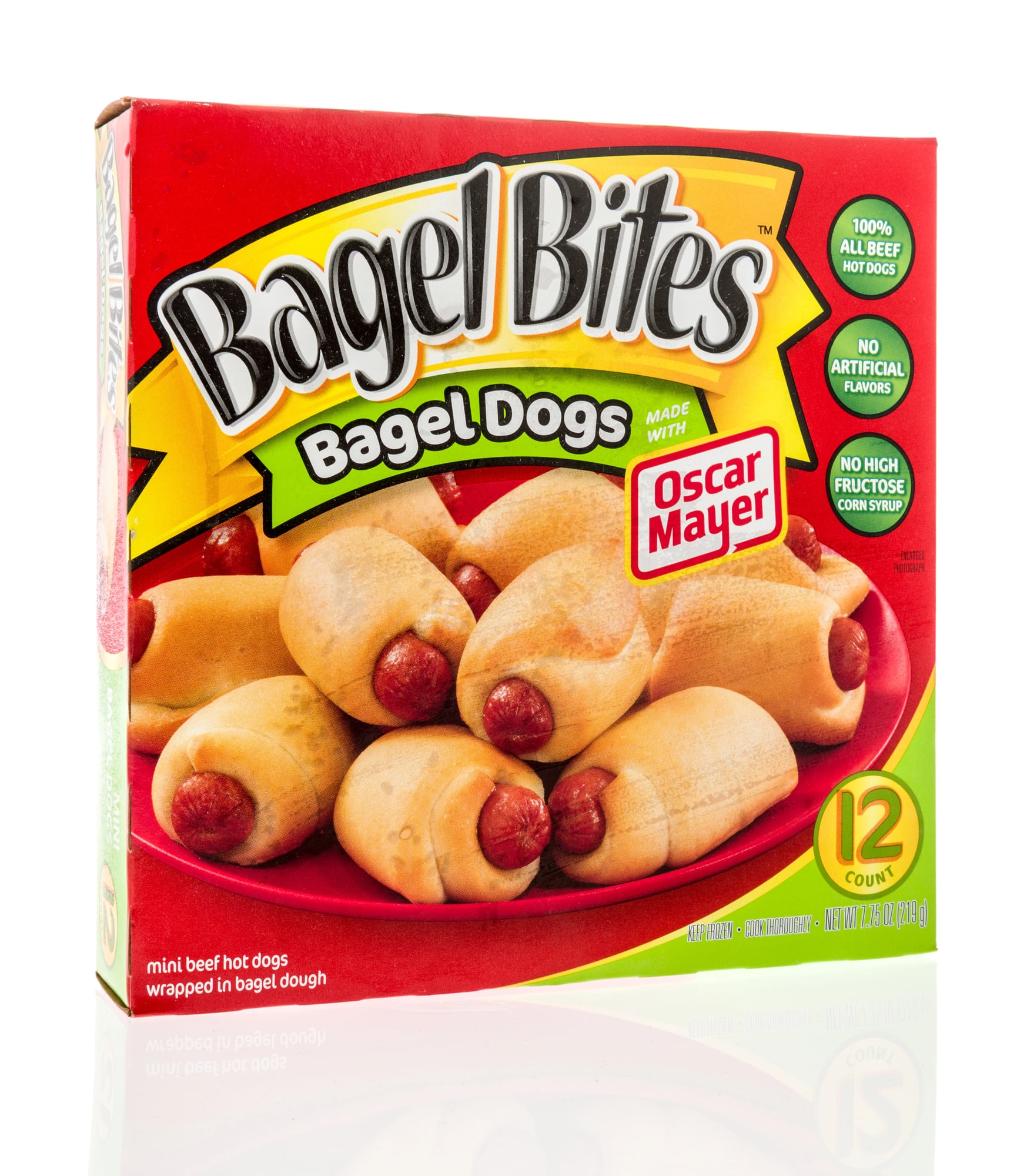
Bagel Bites are technically still available, but they occupy a different place in culture than they did in the 1990s, when microwaving a tray of them on a Saturday afternoon while your parents were out constituted a full expression of personal independence. The snack and the freedom were inseparable.
Handi-Snacks Crackers n’ Cheese
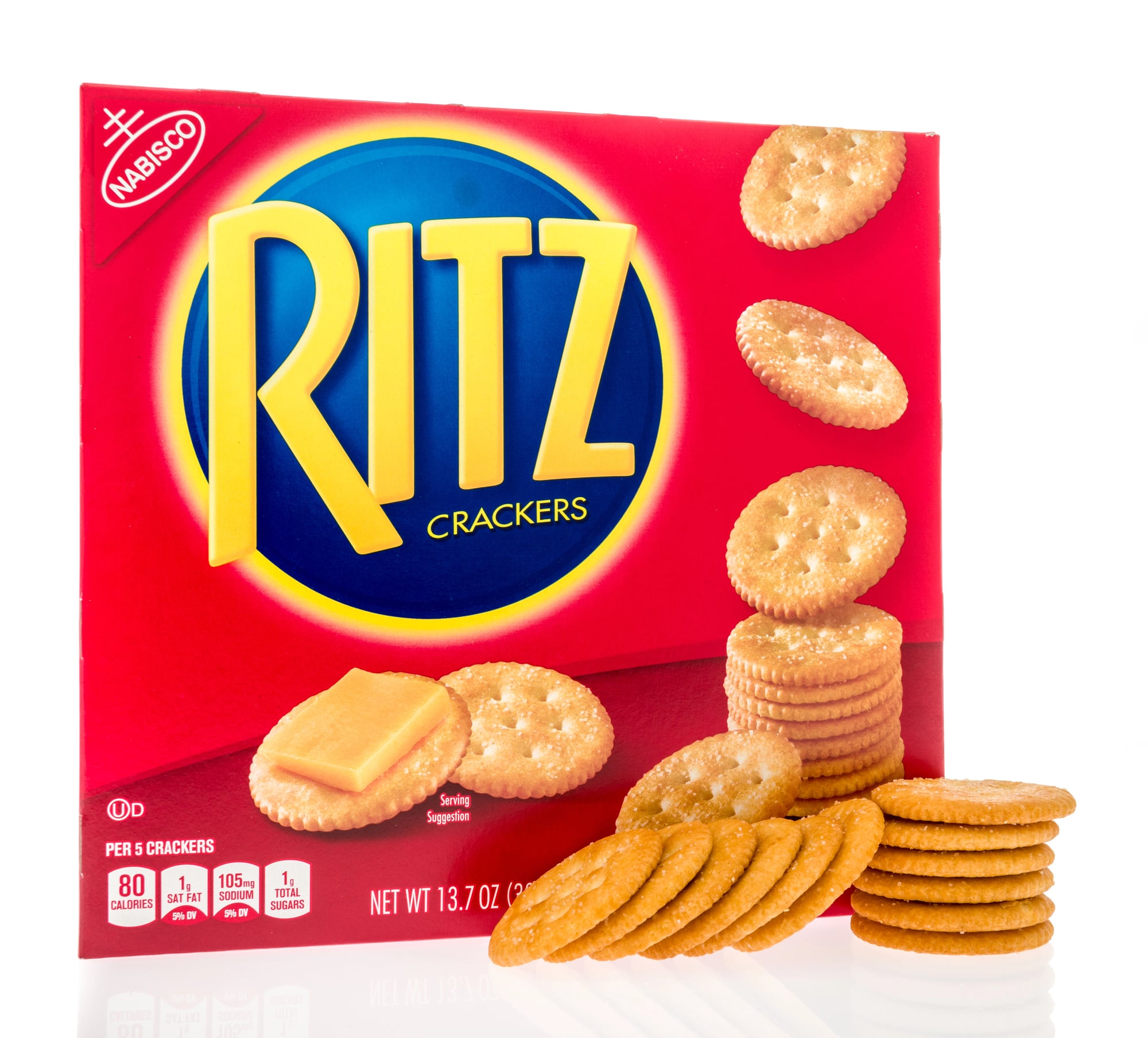
Handi-Snacks were a Kraft product — a tray of plain crackers with a small red plastic spreader and a compartment of processed cheese product. The cheese was vivid orange, spreadable, and not especially similar to actual cheese.
None of this was a problem. Spreading it onto a cracker with a small red stick was satisfying in a way that seems hard to explain to anyone who didn’t do it.
Hi-C Ecto Cooler
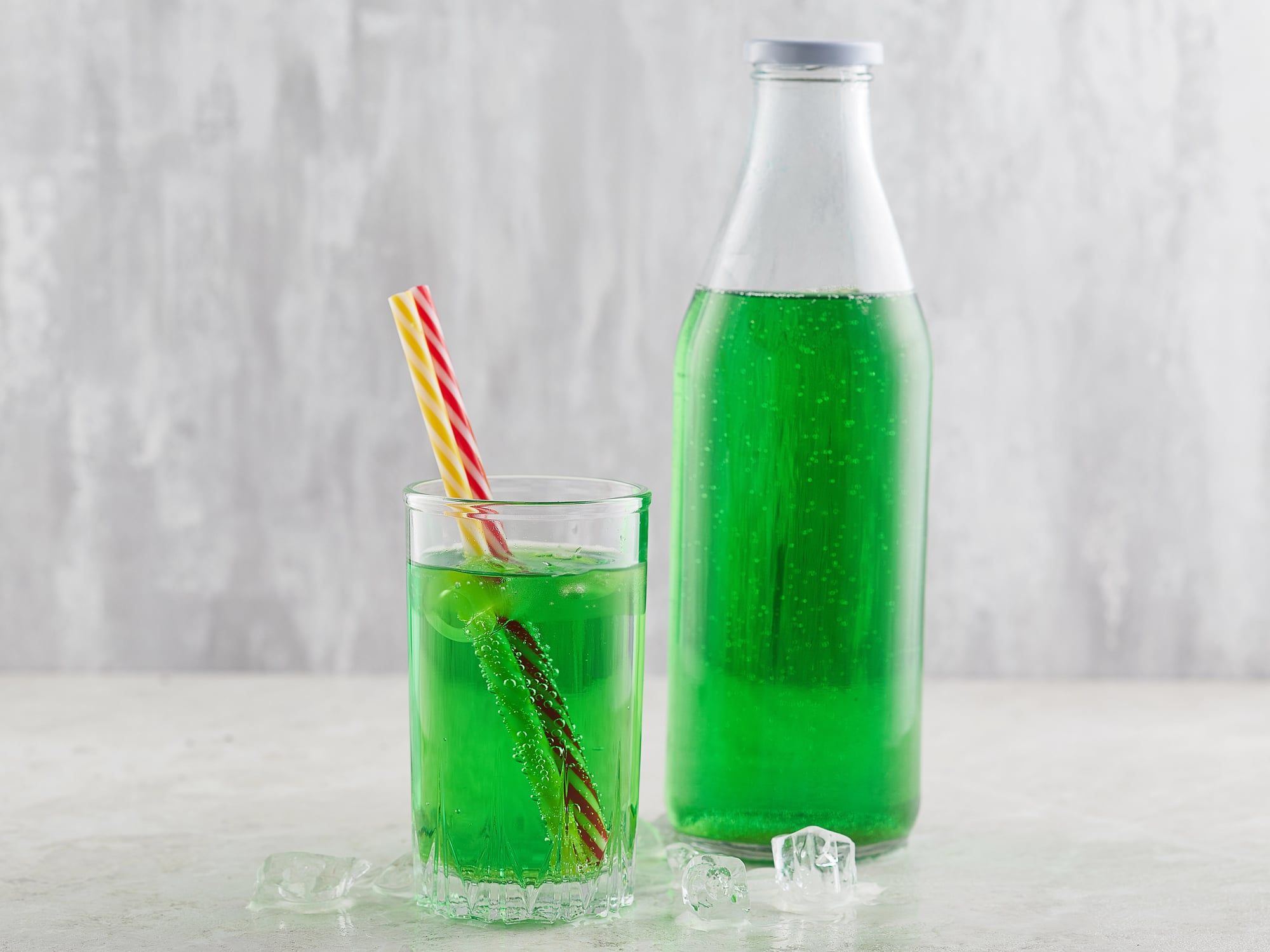
Hi-C Ecto Cooler was a Ghostbusters-branded tangerine-citrus drink launched in 1987 that outlasted the marketing partnership by nearly a decade, finally being discontinued in 1997. It returned briefly in 2016 for the Ghostbusters reboot.
The green colour was specific and bright, the flavour was sharp and slightly artificial, and its connection to a beloved franchise gave it a cultural permanence that pure flavour alone wouldn’t have earned.
Airheads
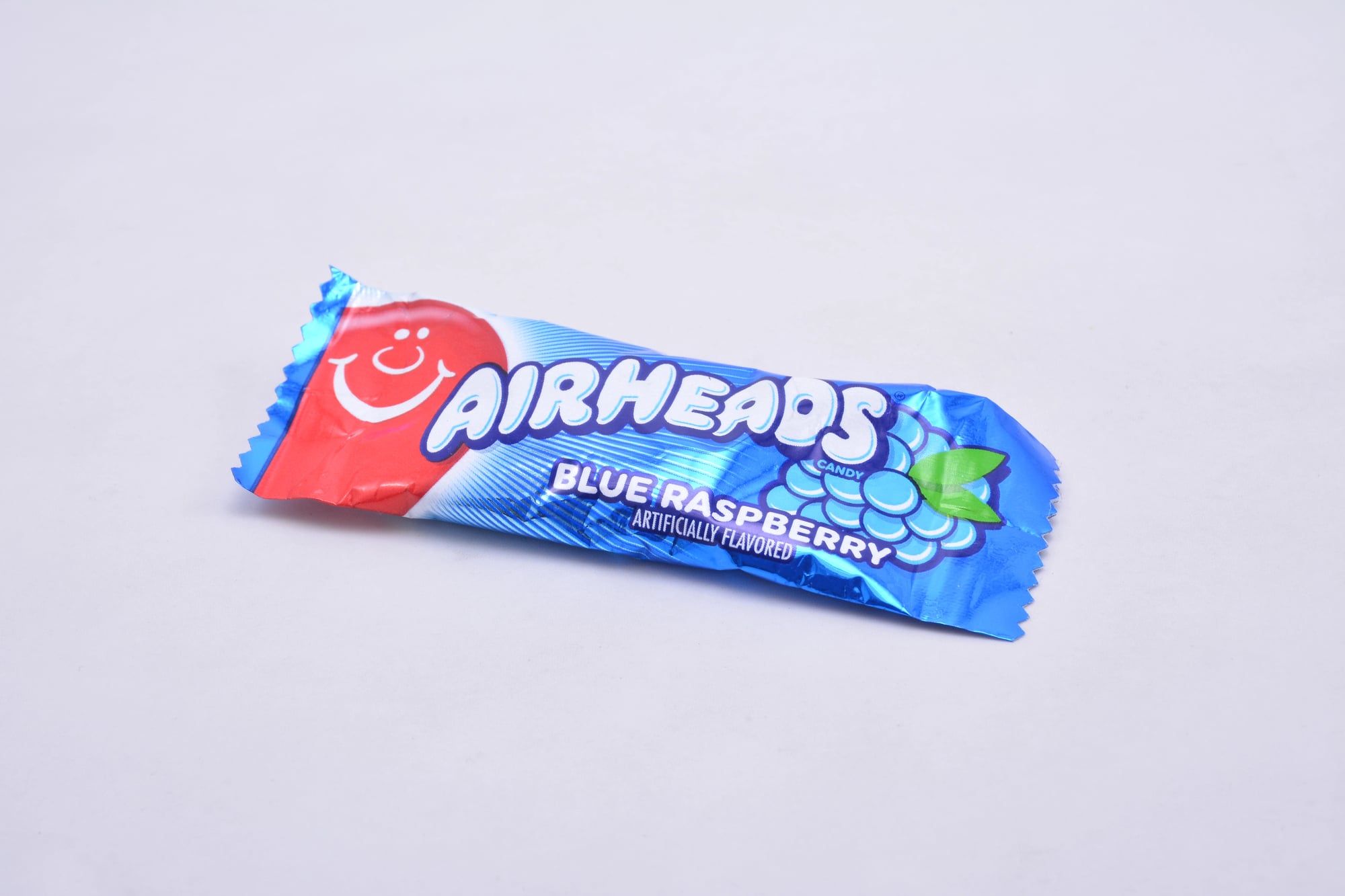
Airheads still exist, but their particular standing in 1990s lunchroom culture as a low-cost, highly tradeable currency of school friendship deserves its own acknowledgement. A white mystery-flavour Airhead was worth more in goodwill than its retail price suggested, and children understood this implicitly without anyone explaining it.
Surge Xtra
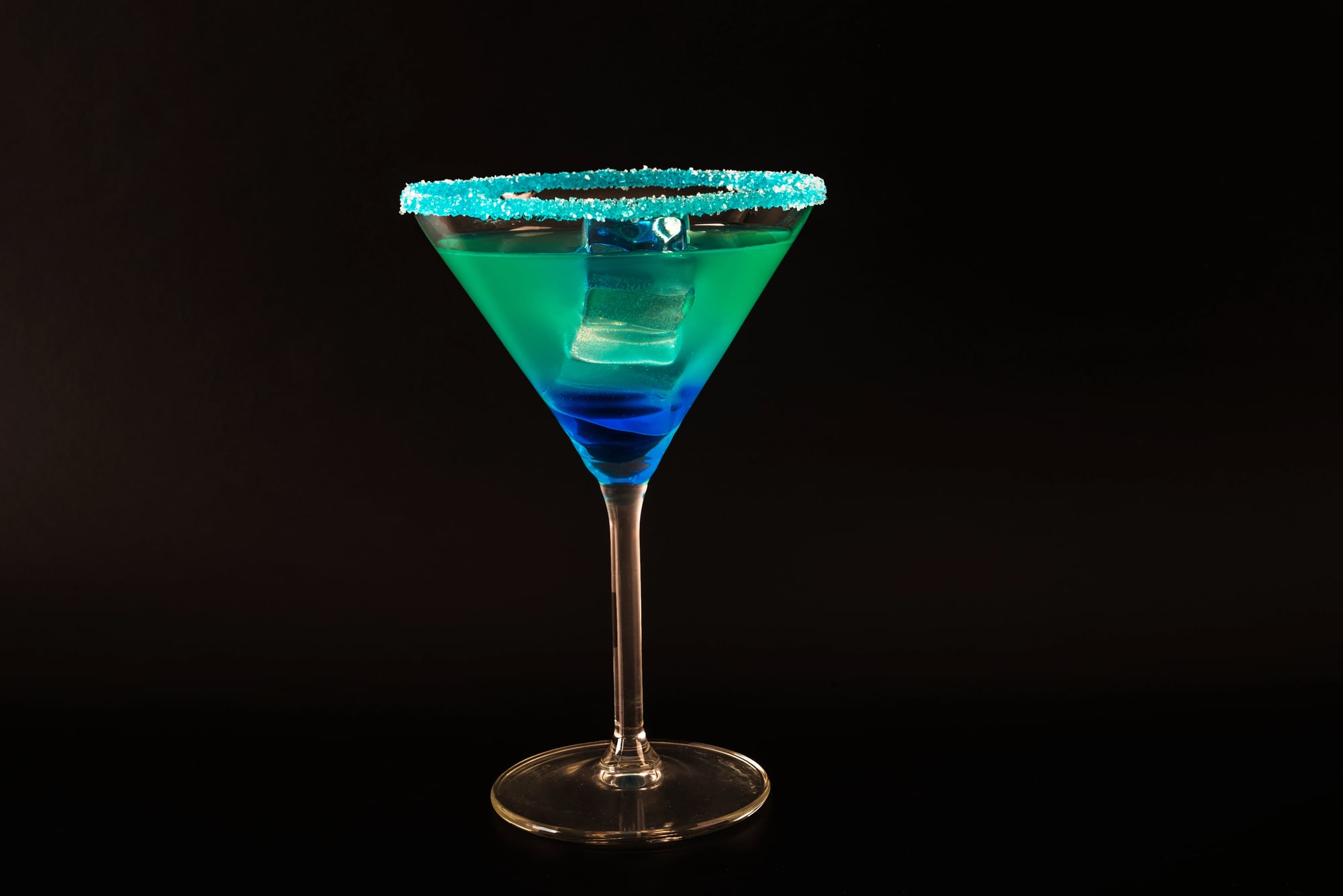
Separate from original Surge, Surge Xtra was a reformulation with additional caffeine and a slightly different flavour profile — discontinued almost immediately. Its disappearance was mourned by a subset of people who had very specific opinions about the original being too mild, which is an extraordinary level of brand loyalty for a lime-green soda.
PB Max
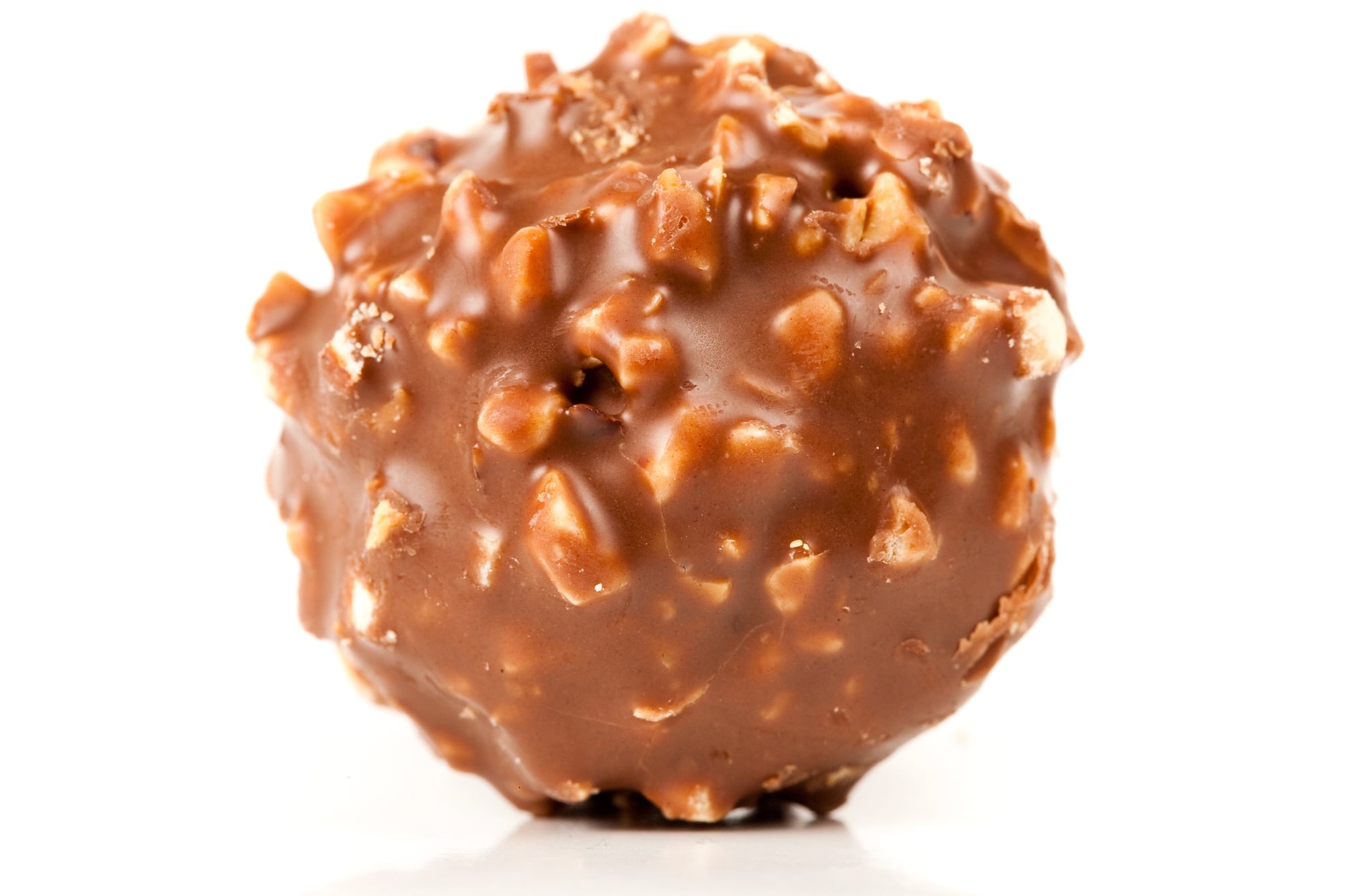
PB Max was a Mars product — a whole-grain cookie base topped with peanut butter and coated in milk chocolate — that was discontinued in 1994 despite strong sales, reportedly because the Mars family themselves disliked peanut butter as a flavour. It remains one of the more unusual product discontinuation decisions in confectionery history, and among the most-cited examples of a product being pulled at the height of its popularity.
Jolt Cola
Jolt Cola launched in 1985 with the slogan “All the sugar and twice the caffeine,” which was either a warning or a promise depending on your perspective. It was a precursor to the energy drink era — a product that said out loud what other sodas had always implied.
Kids weren’t supposed to drink it, which ensured that every kid who got access to one did.
Chex Mix Before the Recipe Changed
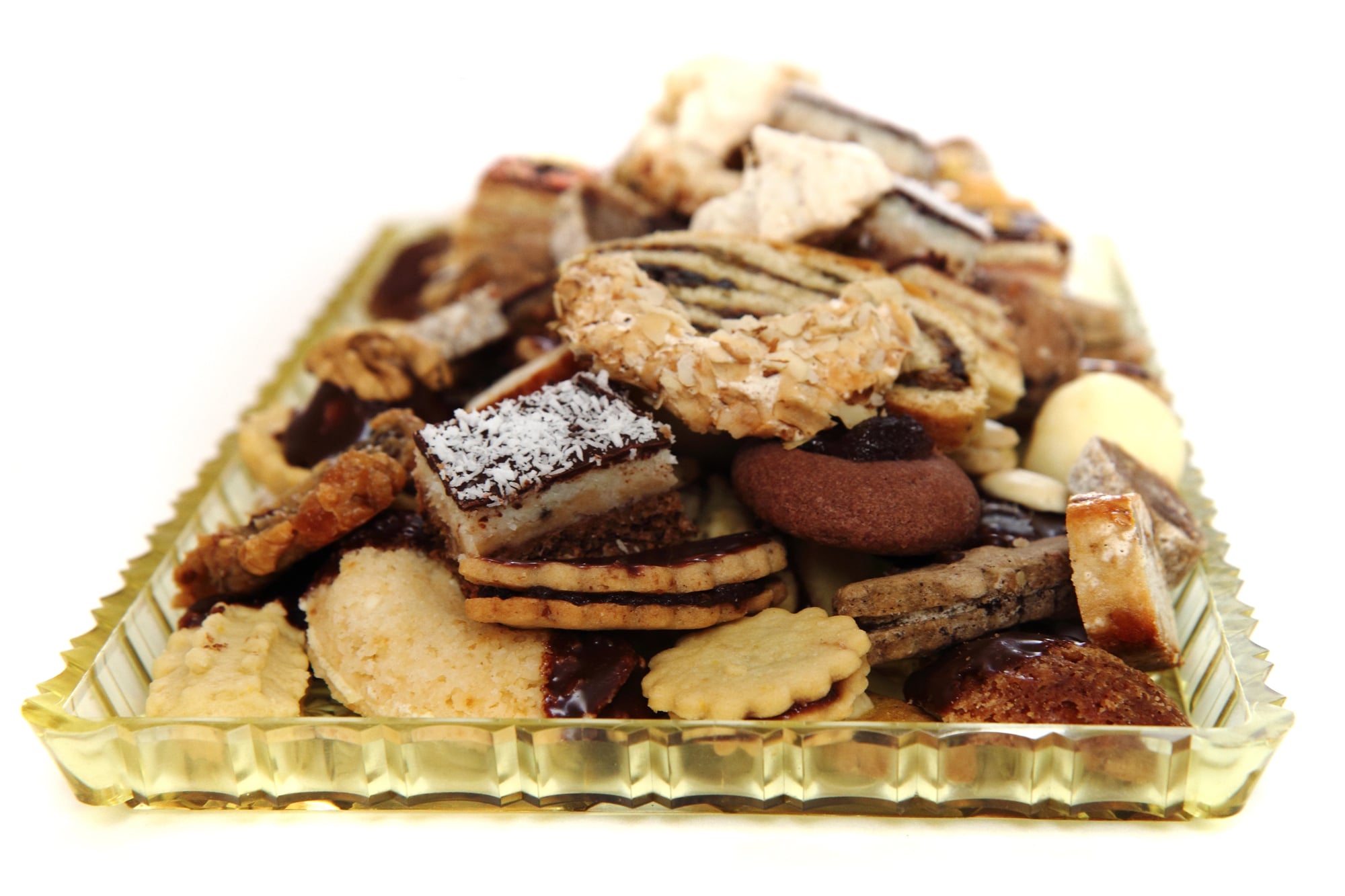
Chex Mix still exists, but anyone who grew up eating the homemade version — baked slowly in the oven with butter, Worcestershire sauce, and garlic salt — will tell you that the factory-made modern version is a reasonable approximation that misses the point. The smell of it baking was part of the experience.
You can’t bag that.
The Version of Everything in Your Head

The honest accounting of childhood snacks includes the uncomfortable truth that memory is not a neutral archive. Nostalgia adds about thirty percent more flavour to everything it touches.
The Original Crispy M&M probably wasn’t better. The Dunkaroo frosting was processed sugar.
The Jolt Cola was largely caffeine and colouring. But memory has always had a generous editorial policy, and on this particular subject, most people are fine with that.
More from Go2Tutors!

- The Romanov Crown Jewels and Their Tragic Fate
- 13 Historical Mysteries That Science Still Can’t Solve
- Famous Hoaxes That Fooled the World for Years
- 15 Child Stars with Tragic Adult Lives
- 16 Famous Jewelry Pieces in History
Like Go2Tutors’s content? Follow us on MSN.