Famous Trials in History Where the Verdict Still Feels Wrong
Some verdicts sit wrong even decades later. Not because the law failed, but because justice feels incomplete.
These trials remind us that legal guilt and moral truth don’t always align, leaving questions that courtroom procedure can never fully answer.
The Trial of Socrates
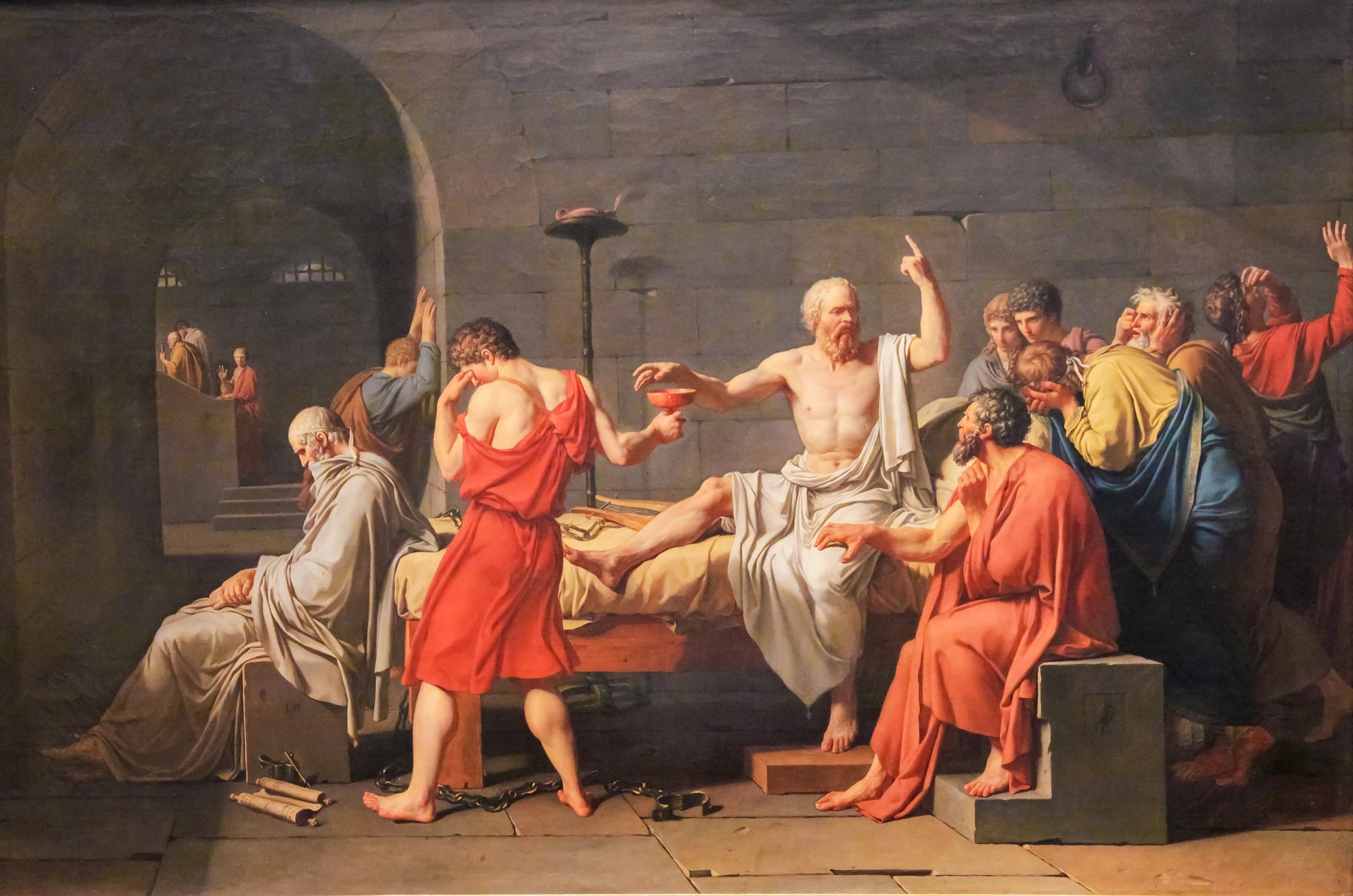
The charges were vague: corrupting youth and impiety toward the gods. Athens in 399 BCE wasn’t interested in philosophical nuance.
They wanted someone to blame for their recent military defeats and political chaos.
Socrates could have escaped. His friends arranged it.
Instead, he stayed and drank the hemlock because fleeing would have contradicted everything he taught about integrity. The city killed its greatest thinker for asking uncomfortable questions.
Joan of Arc’s Ecclesiastical Trial
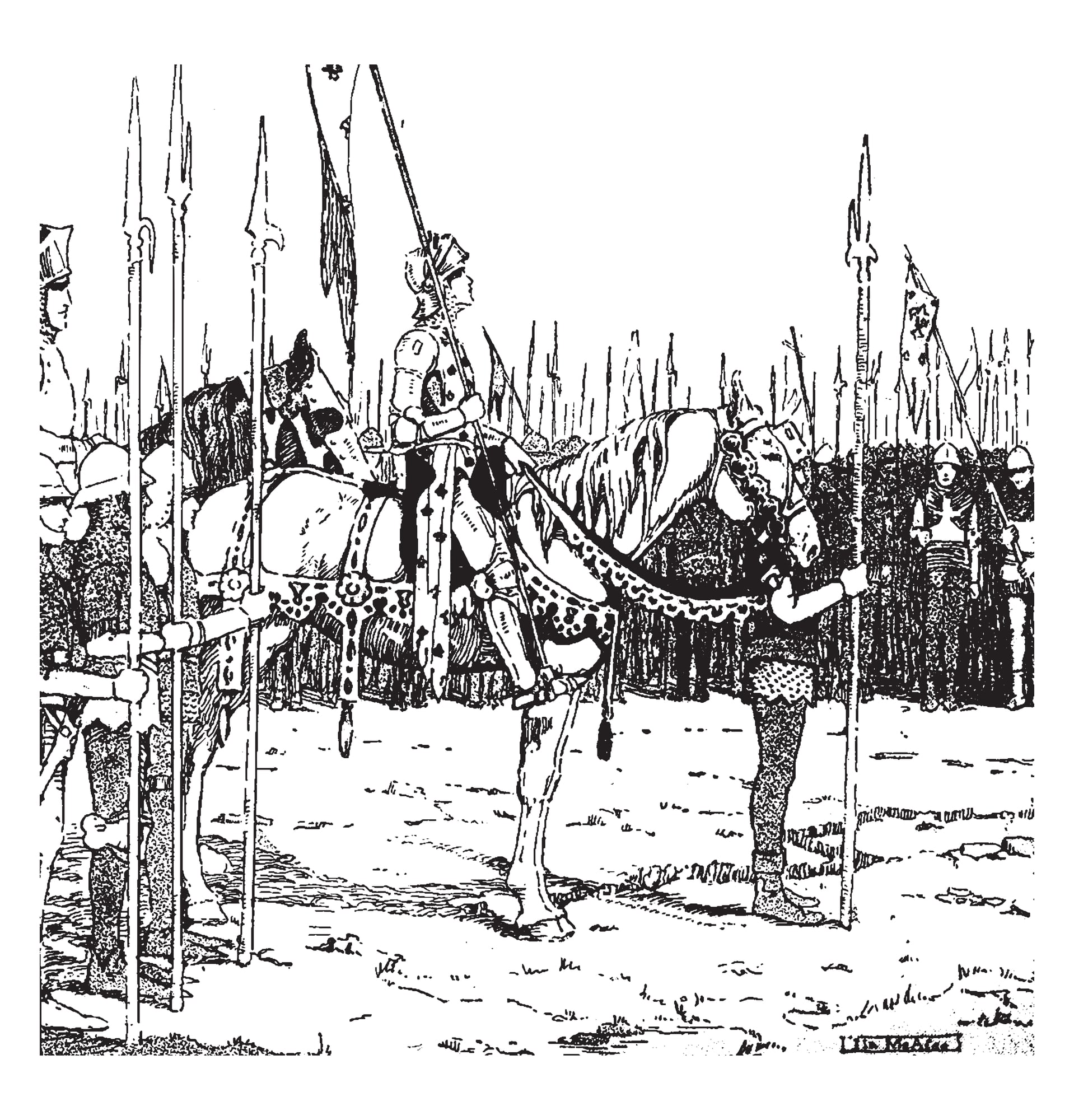
This wasn’t really about heresy (though that’s what the English claimed when they burned her in 1431). It was about ending French resistance by destroying its most powerful symbol.
The trial lasted months, but the outcome was decided before it began.
The questions they asked revealed the trap: Was her divine guidance real? If she said yes, she was delusional or lying.
If she said no, she admitted to fraud. Either way, she would burn.
And when the political winds shifted twenty-five years later — surprise — the Church declared the whole trial invalid and made her a martyr. Too late by then, of course, but it confirmed what everyone already knew: this was politics wearing religious robes, and the verdict had nothing to do with God or justice or anything resembling truth.
The Scottsboro Boys
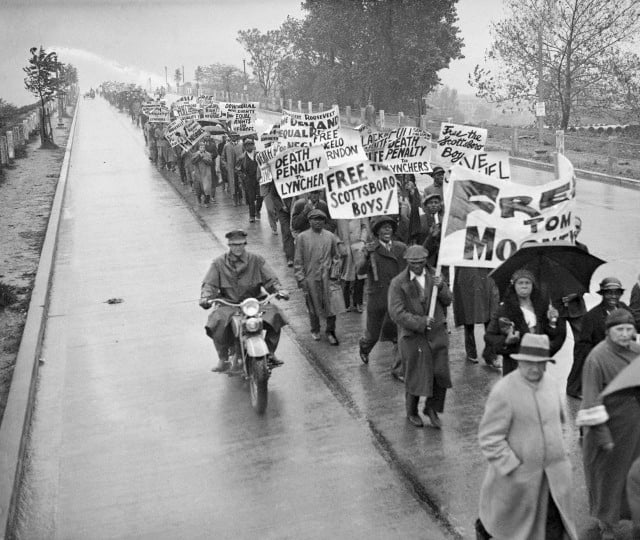
Nine Black teenagers accused of assault on a freight train in Alabama in 1931. The evidence was thin, the testimonies contradictory, and one of the accusers later recanted entirely.
None of that mattered in a segregated courtroom where the outcome was predetermined by skin color.
It’s like watching someone try to solve a puzzle with half the pieces thrown away before they start. The legal system went through all the motions — trials, appeals, retrials — but the fundamental equation never changed.
Justice requires the possibility of acquittal, and that possibility never existed here.
The Dreyfus Affair
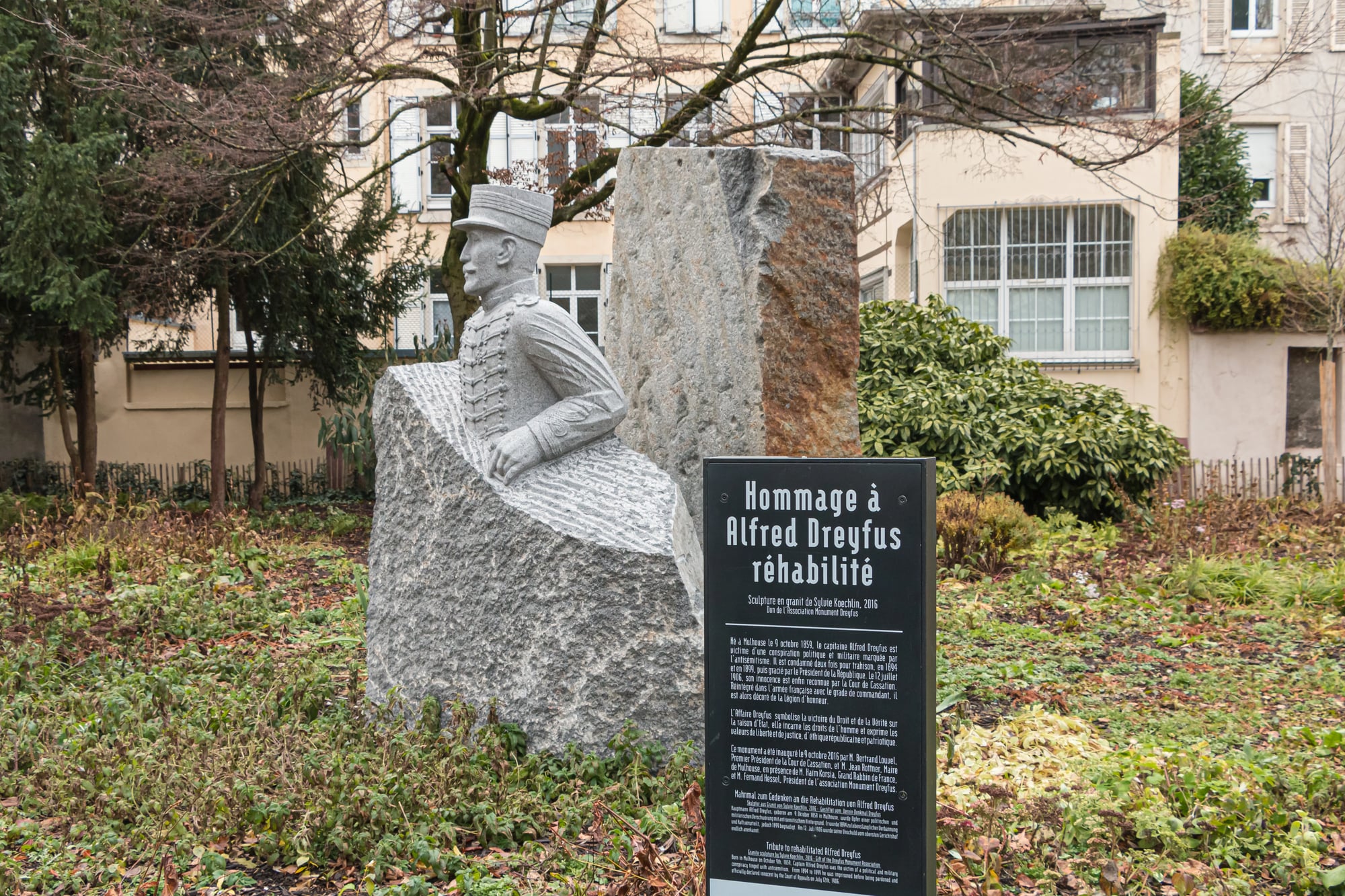
Captain Alfred Dreyfus was convicted of treason in 1894 based on a single piece of evidence: handwriting that didn’t match his own. The French military knew this.
They convicted him anyway because admitting error felt worse than destroying an innocent man.
The case split France down the middle. Writers, intellectuals, and eventually the public demanded justice, while the military and conservative press doubled down on the lie.
It took twelve years and multiple retrials before Dreyfus was fully exonerated. By then, everyone understood the trial had never been about espionage — it was about whether a Jewish officer could receive justice in a system built to exclude him.
Sacco and Vanzetti
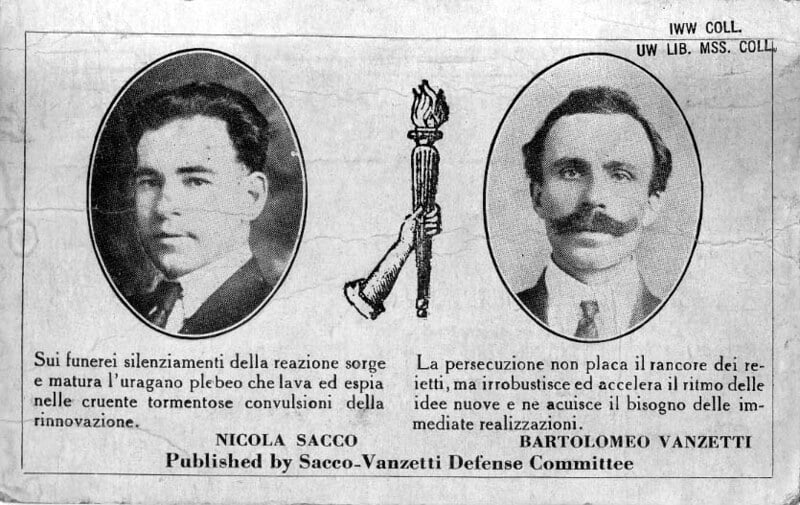
Two Italian immigrants, anarchists, accused of robbery and murder in Massachusetts in 1920. The evidence against them was circumstantial at best.
What wasn’t circumstantial was the anti-immigrant hysteria and Red Scare paranoia that poisoned every aspect of their trial.
The judge called them “anarchistic bastards” before sentencing. Defense witnesses who provided alibis were dismissed as fellow radicals whose word meant nothing.
Even the prosecutor later expressed private doubts about their guilt. They were executed in 1927, and fifty years later the governor of Massachusetts issued a proclamation acknowledging that the trial had been fundamentally unfair.
The Trial of Galileo
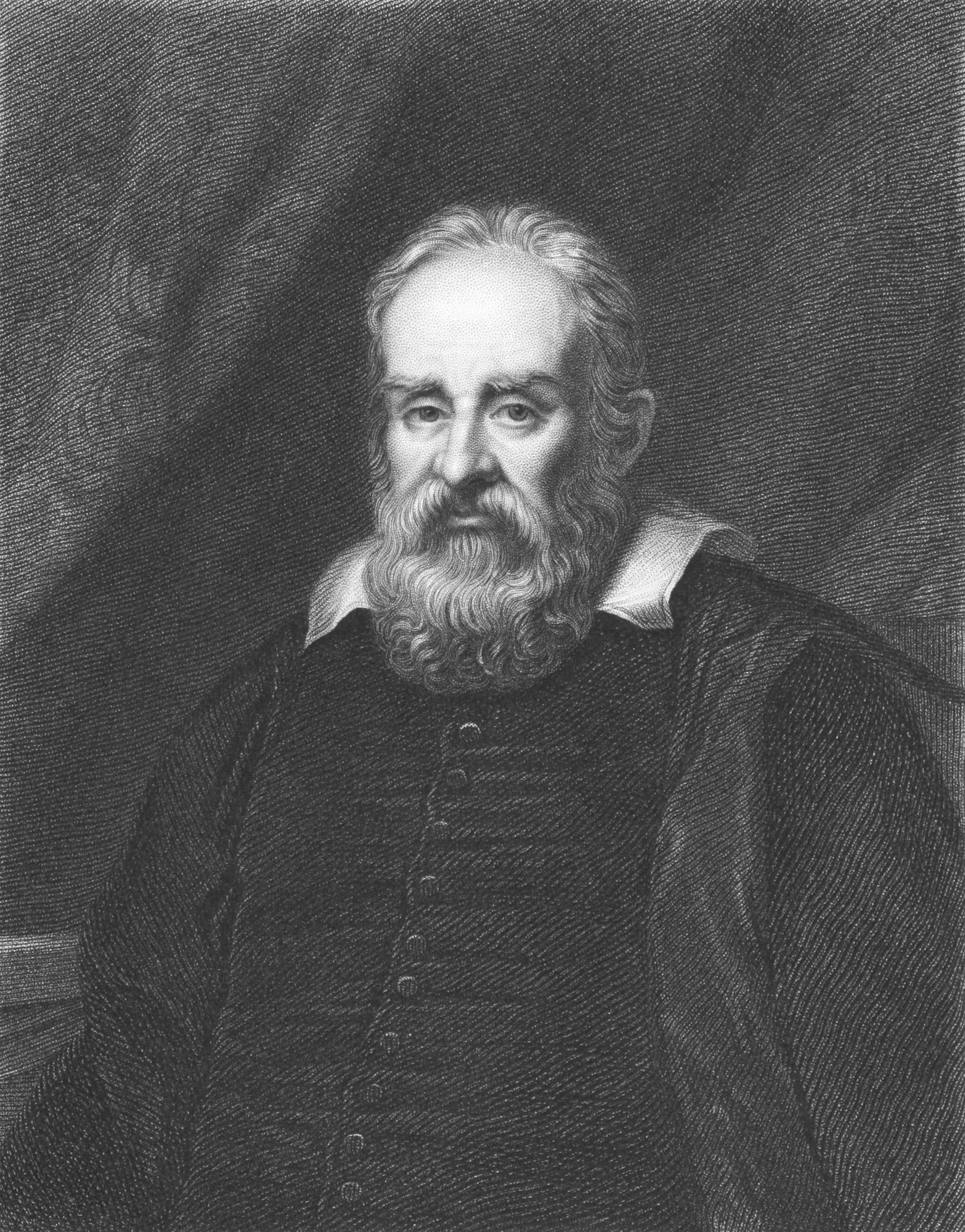
The Catholic Church put Galileo on trial in 1633 for teaching that the Earth orbits the sun. This wasn’t really about astronomy — it was about authority.
The Church couldn’t allow a scientist to contradict official doctrine, even when the science was correct.
Galileo recanted to save his life, but the damage was done. The trial became a symbol of institutional power crushing scientific truth.
The Church didn’t formally admit its error until 1992. That’s 359 years to acknowledge what the evidence had shown all along.
The Rosenberg Trial
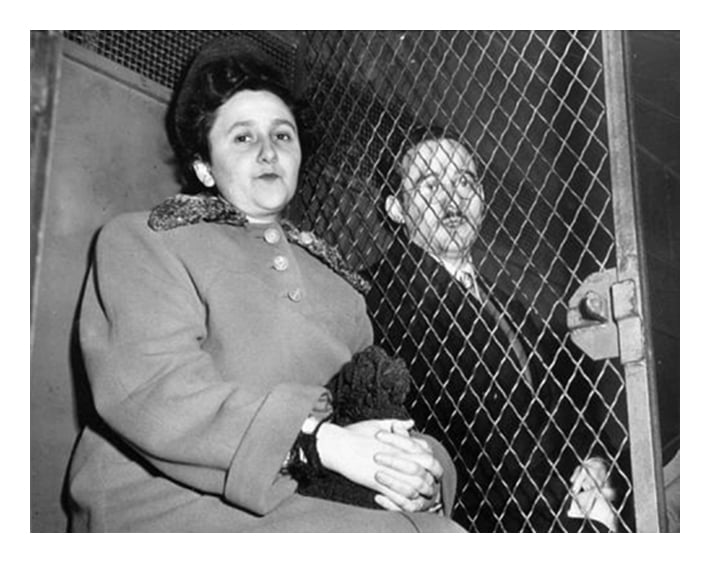
Julius and Ethel Rosenberg were executed in 1953 for allegedly passing atomic secrets to the Soviet Union. Julius probably was involved in espionage, though not necessarily the atomic kind.
Ethel’s involvement was minimal at best — she was likely prosecuted to pressure her husband into confessing.
The death sentences were extreme even by Cold War standards (similar cases resulted in prison terms), and the evidence against Ethel was particularly weak. But the political climate demanded harsh punishment for Communist sympathizers, and nuance doesn’t survive hysteria.
Even the prosecutor later said Ethel shouldn’t have been executed. The admission came decades too late, but it confirmed what many suspected: fear had corrupted justice.
The Trial of Bruno Hauptmann

Hauptmann was executed in 1936 for kidnapping and murdering the Lindbergh baby. The case against him rested heavily on handwriting analysis and wood evidence that modern forensics would likely reject.
But America needed someone to pay for killing the child of its most famous aviator.
The evidence had problems. Witnesses changed their stories.
The timeline didn’t quite work. But the public pressure for a conviction was enormous, and reasonable doubt got lost in the desire for closure.
Hauptmann maintained his innocence until the end, and later investigations raised serious questions about the forensic evidence that condemned him.
The Salem Witch Trials
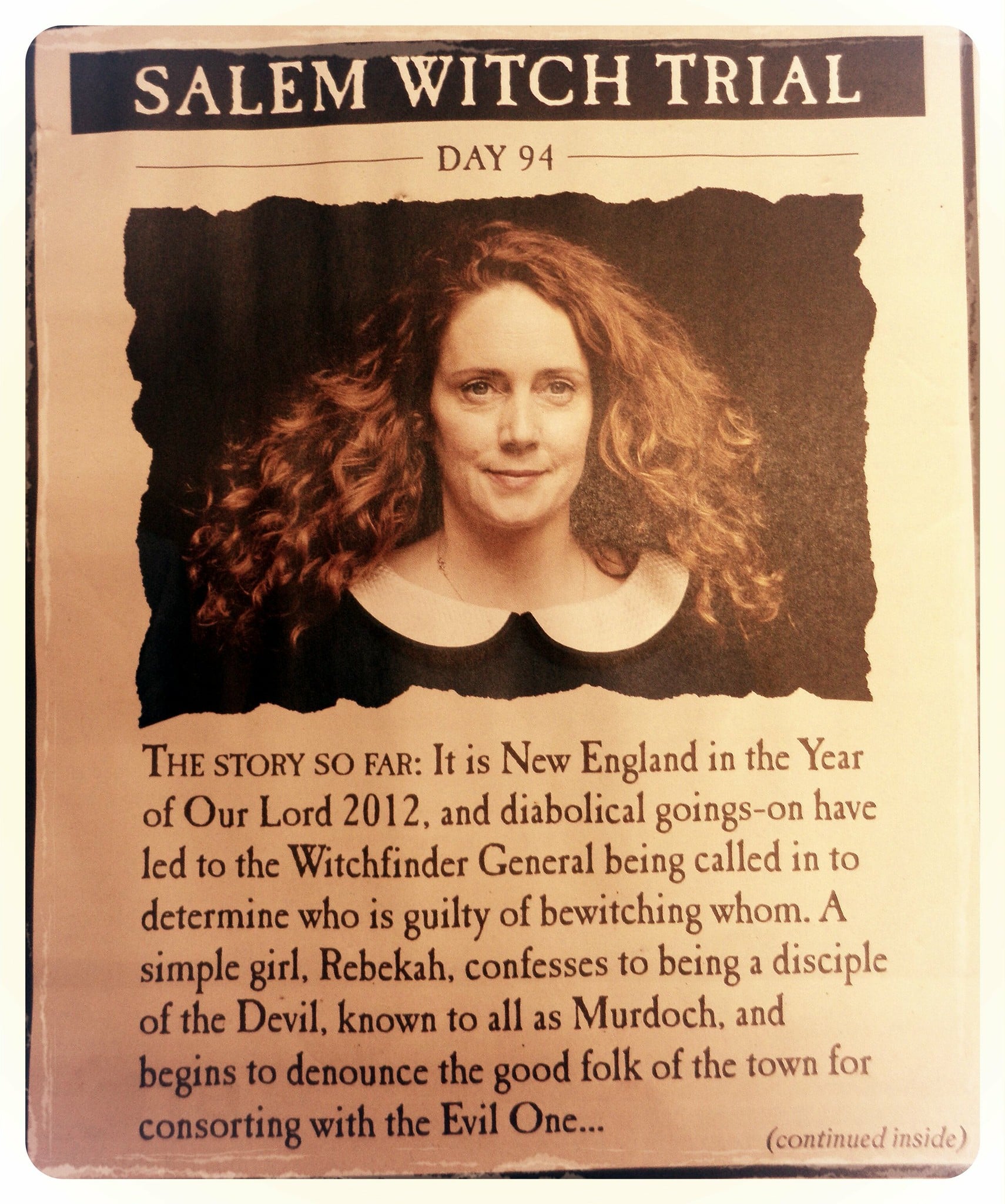
Twenty people were executed in Salem in 1692 based on testimony from teenage girls who claimed to be bewitched. The trials accepted “spectral evidence” — dreams and visions — as proof of guilt.
By those standards, anyone could be convicted of anything.
The madness ended when accusations reached too high into the social hierarchy. Once the governor’s wife was accused, suddenly the court developed skepticism about spectral evidence.
The trials stopped, but not before demonstrating how quickly legal proceedings can become indistinguishable from mob justice.
The Leo Frank Case
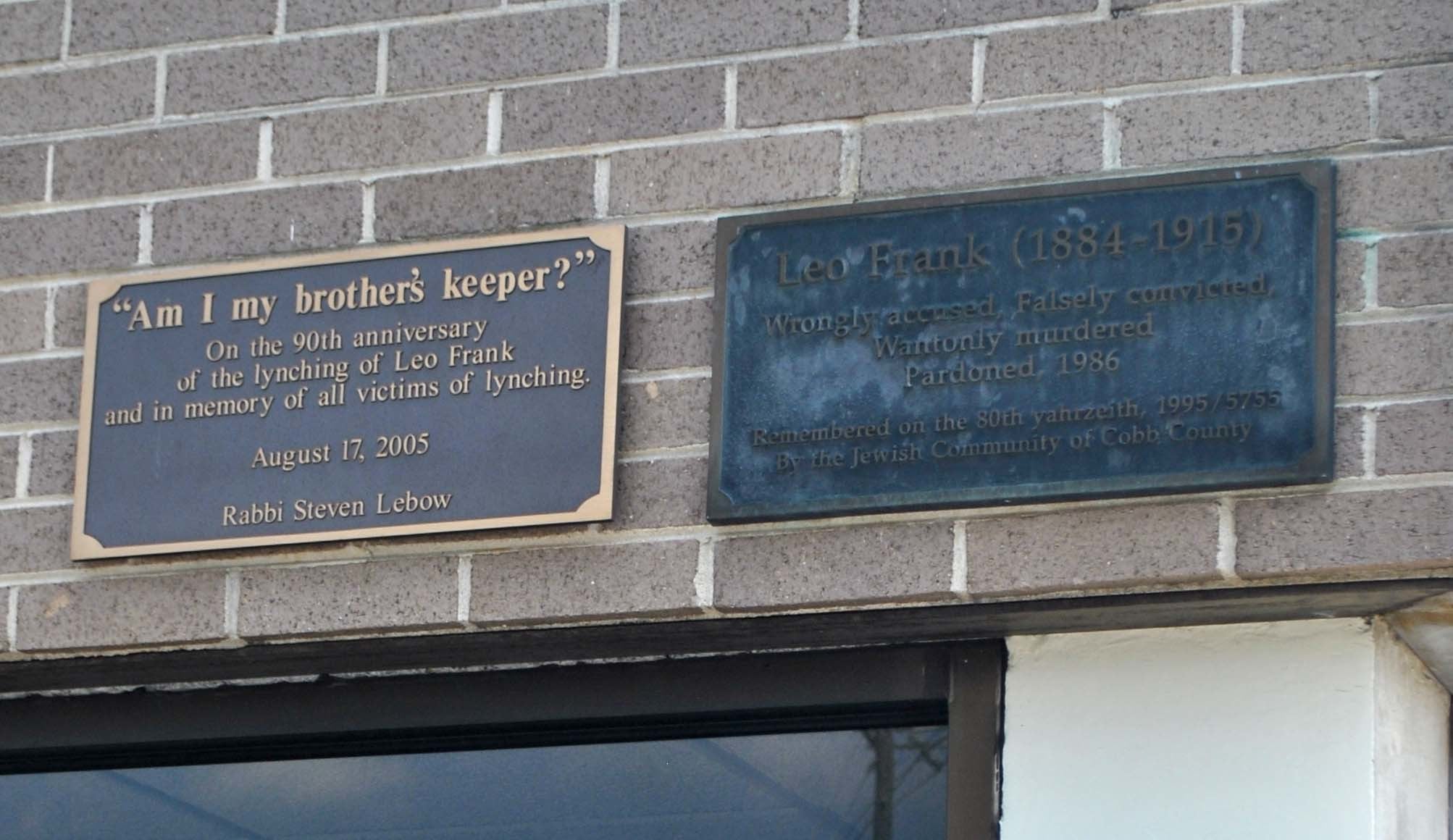
Frank was convicted of murdering 13-year-old Mary Phagan in Atlanta in 1913. The case became a lightning rod for antisemitism, class resentment, and regional tensions.
The evidence against Frank was weak, but the atmosphere around the trial was poisonous.
After his death sentence was commuted to life imprisonment, a mob kidnapped Frank from prison and lynched him. The crowd included prominent citizens and was photographed like a social event.
In 1986, Georgia issued a posthumous pardon, acknowledging that Frank had been denied a fair trial. The admission came 70 years late, but it confirmed what the evidence had suggested all along.
The Chicago Seven Trial
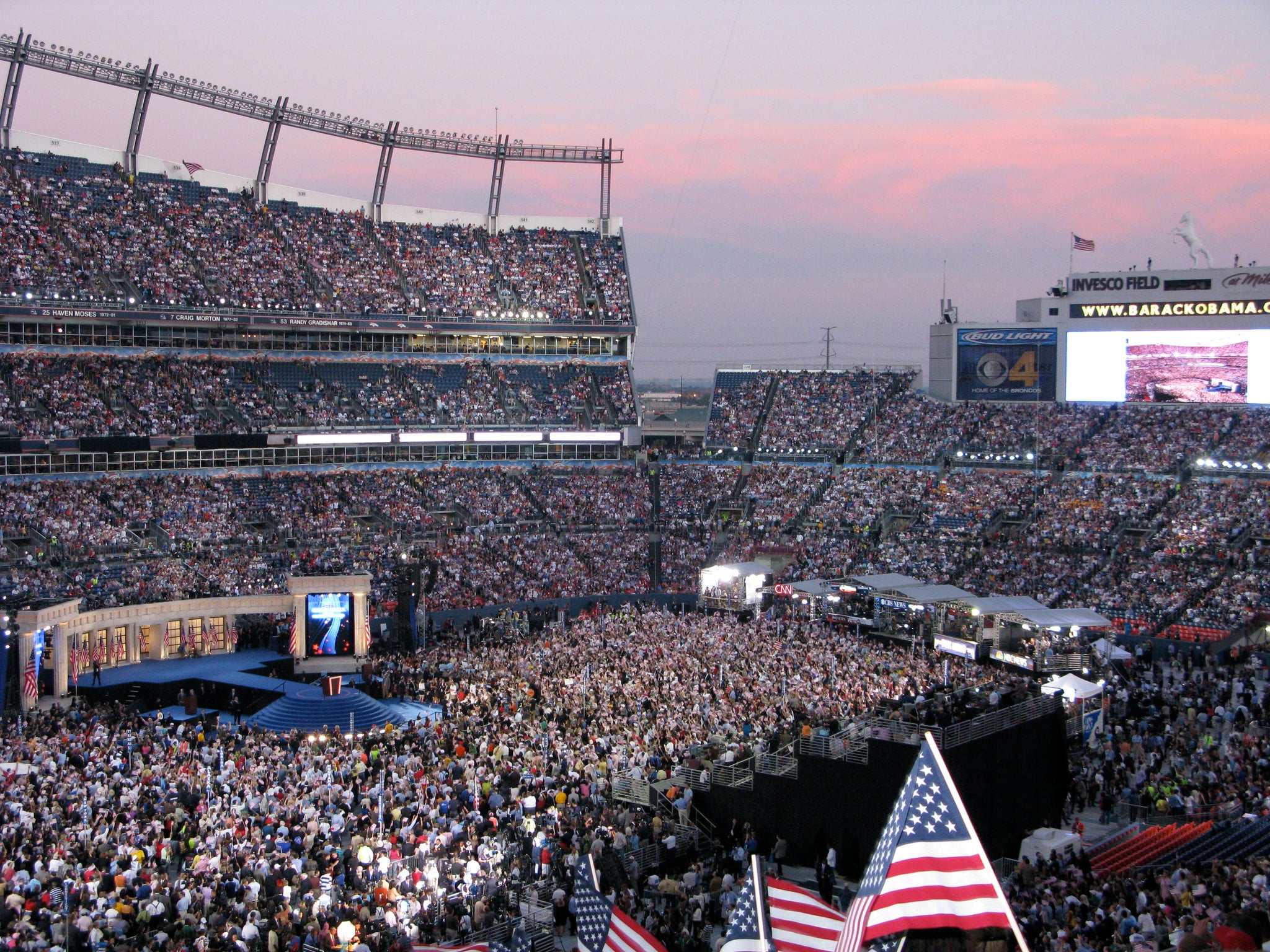
Eight anti-war activists were charged with conspiracy and inciting riots during the 1968 Democratic National Convention. The trial became a circus, with defendants bound and gagged in the courtroom and a judge who seemed determined to convict regardless of evidence.
The conspiracy charges were particularly absurd — most of the defendants barely knew each other before the convention. But the Nixon administration wanted to send a message about protest movements, and the trial was more about politics than justice.
Most of the convictions were overturned on appeal, but the damage to faith in the legal system lingered.
The West Memphis Three
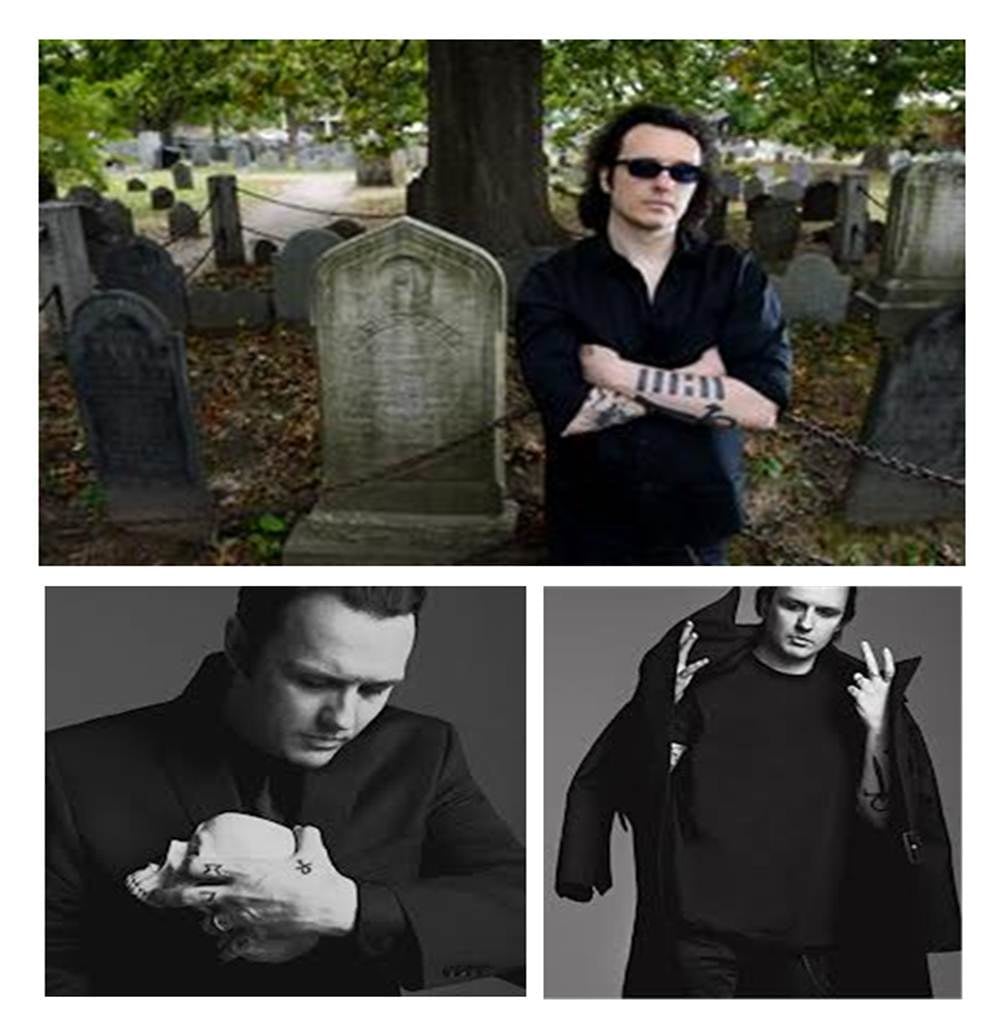
Three teenagers were convicted of murdering three children in West Memphis, Arkansas, in 1993. The case was built largely on a coerced confession from Jessie Misskelley Jr., who had an IQ of 72 and was interrogated for hours without a lawyer present.
The prosecution relied heavily on the defendants’ interest in heavy metal music and black clothing as evidence of satanic ritual murder. The forensic evidence was thin, and the investigation was bungled from the start.
After 18 years in prison, the three were released in 2011 through an unusual plea deal that maintained their guilt while acknowledging the state likely couldn’t win a retrial. Justice would have been a full exoneration, but political realities made that impossible.
The Trial of Rubin Carter
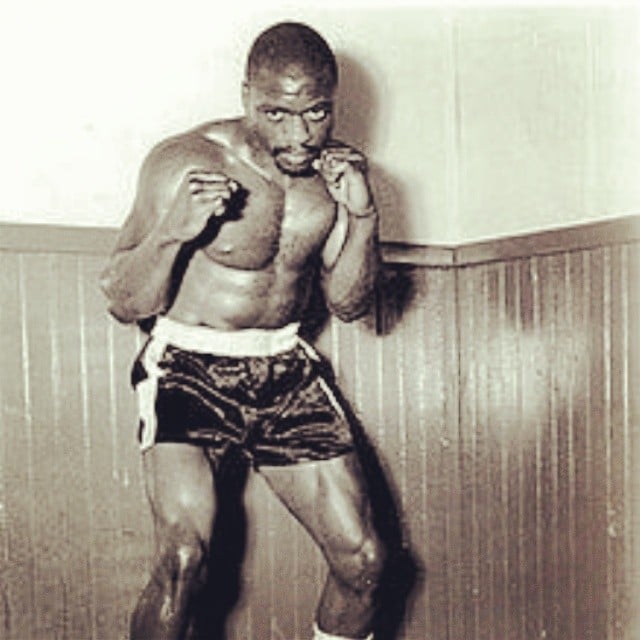
Carter, a middleweight boxer, was convicted of triple murder in New Jersey in 1966. The case was built on questionable eyewitness testimony and was tainted by racial bias from the start.
The prosecution’s key witnesses were criminals seeking reduced sentences.
The case inspired Bob Dylan’s song “Hurricane” and became a symbol of racial injustice in the American legal system. Carter spent 19 years in prison before his conviction was overturned in 1985.
By then, everyone understood the original trial had been fundamentally flawed, but nearly two decades of his life were gone.
When Justice Feels Incomplete
These trials share a common thread: the legal system went through its prescribed motions while missing the larger point entirely. Verdicts were rendered, sentences carried out, appeals exhausted.
But justice — that harder-to-define sense that truth has been served — remained elusive.
The law is a human institution, which means it carries all our biases, fears, and limitations into the courtroom. Some verdicts feel wrong because they were wrong, shaped more by the prejudices of their time than by evidence or fairness.
They remind us that legal procedure, however carefully designed, can never be a perfect substitute for wisdom, courage, and the simple recognition that getting it right matters more than getting it over with.
More from Go2Tutors!

- The Romanov Crown Jewels and Their Tragic Fate
- 13 Historical Mysteries That Science Still Can’t Solve
- Famous Hoaxes That Fooled the World for Years
- 15 Child Stars with Tragic Adult Lives
- 16 Famous Jewelry Pieces in History
Like Go2Tutors’s content? Follow us on MSN.