Rare Cruise Ship Souvenirs Worth A Fortune Now
Most people think cruise souvenirs are overpriced trinkets destined for junk drawers. They’re not wrong — cruise ship shops overflow with generic keychains and mass-produced t-shirts that lose their charm before you reach home port.
But tucked between the tourist traps were genuine treasures that savvy collectors now recognize as goldmines. The cruise industry has changed dramatically over decades, and so have the items sold onboard.
What seemed like expensive impulse purchases in the 1970s and 80s now command serious money at auction houses and specialty collectors’ markets. These aren’t your typical vacation mementos — they’re pieces of maritime history that happened to be sold alongside postcards and sunscreen.
Vintage Cruise Line China And Dinnerware
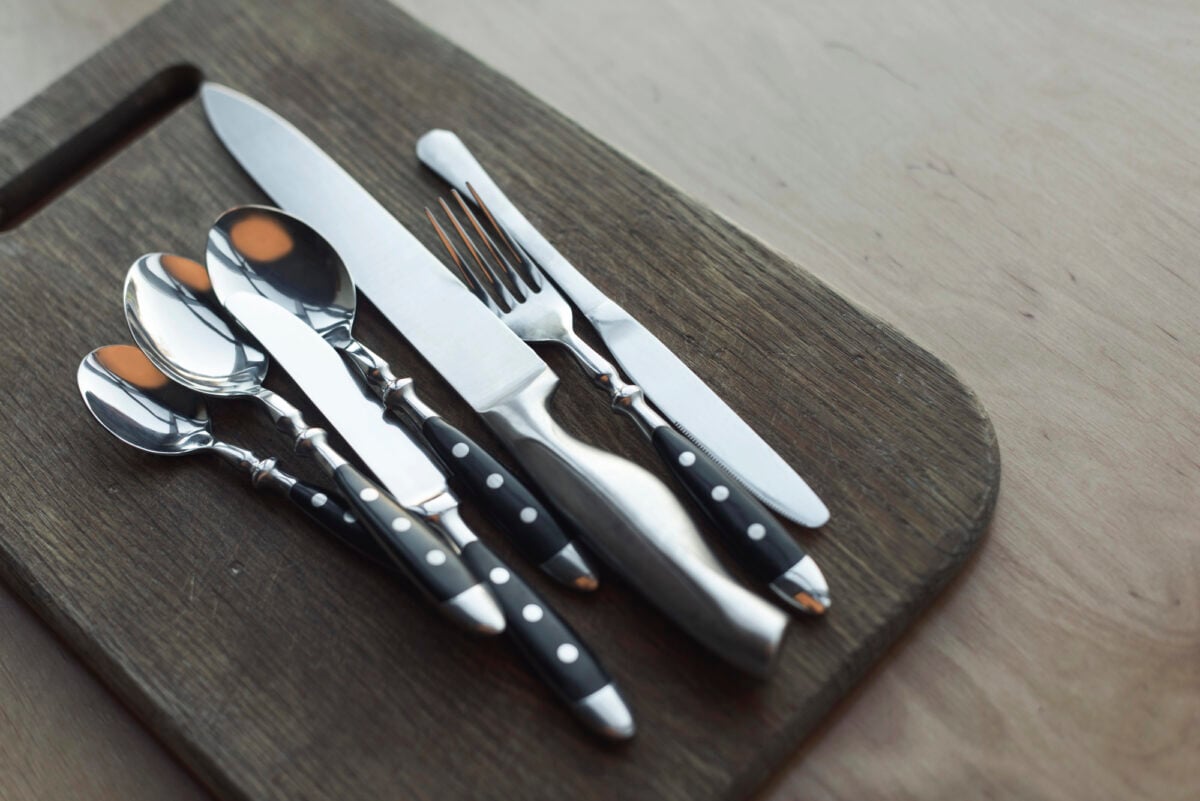
Ocean liners treated dining like theater, and the china told the story. Companies like Cunard, Holland America, and Norwegian Caribbean Lines commissioned custom dinnerware from prestigious manufacturers — Spode, Royal Crown Derby, and Noritake among them.
These weren’t disposable plates. They were crafted to withstand ocean voyages while maintaining the elegance expected in first-class dining rooms.
The rarity comes from practicality. Ships replaced dinnerware regularly, and most pieces ended up at the bottom of the ocean (literally, in some cases) or were destroyed when vessels were decommissioned.
What survived often found its way into crew quarters or gift shops, where passengers could purchase complete place settings or individual pieces as souvenirs. A complete Holland America dinner set from the 1960s recently sold for $3,200 at maritime auction.
Even single plates from defunct cruise lines fetch $150-400, depending on the manufacturer and condition.
Original Ship Blueprints And Deck Plans
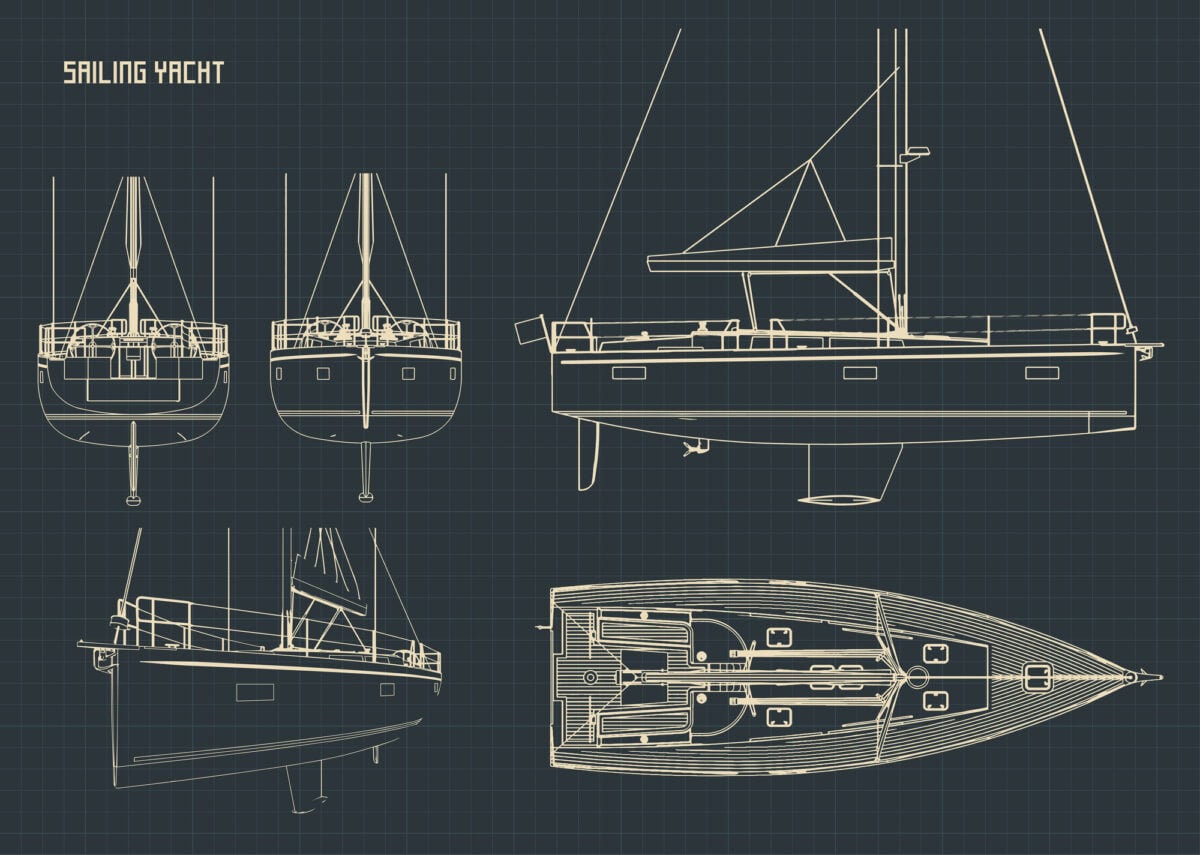
These weren’t meant to be souvenirs at all, which makes them incredibly valuable now. Before digital archives, cruise ships carried physical copies of blueprints, deck plans, and technical drawings that were occasionally sold to passengers fascinated by the engineering behind their floating hotels.
Some purser’s offices would part with older plans when ships underwent renovations, treating them as interesting maritime memorabilia rather than future collector’s items. Ship enthusiasts and maritime museums now compete for these documents because they represent the only surviving records of vessels that no longer exist.
The 1973 SS Norway deck plans (originally the SS France, which was converted and eventually scrapped) sold for $5,800 in 2019. But here’s what makes them truly special: many contain handwritten notations from actual crew members who used them during operations, turning technical drawings into historical artifacts that tell human stories about life at sea (stories that would otherwise be lost to time).
And those stories, it turns out, matter to collectors who understand that maritime history isn’t just about the ships themselves.
Hand-Carved Ship Models Made By Crew
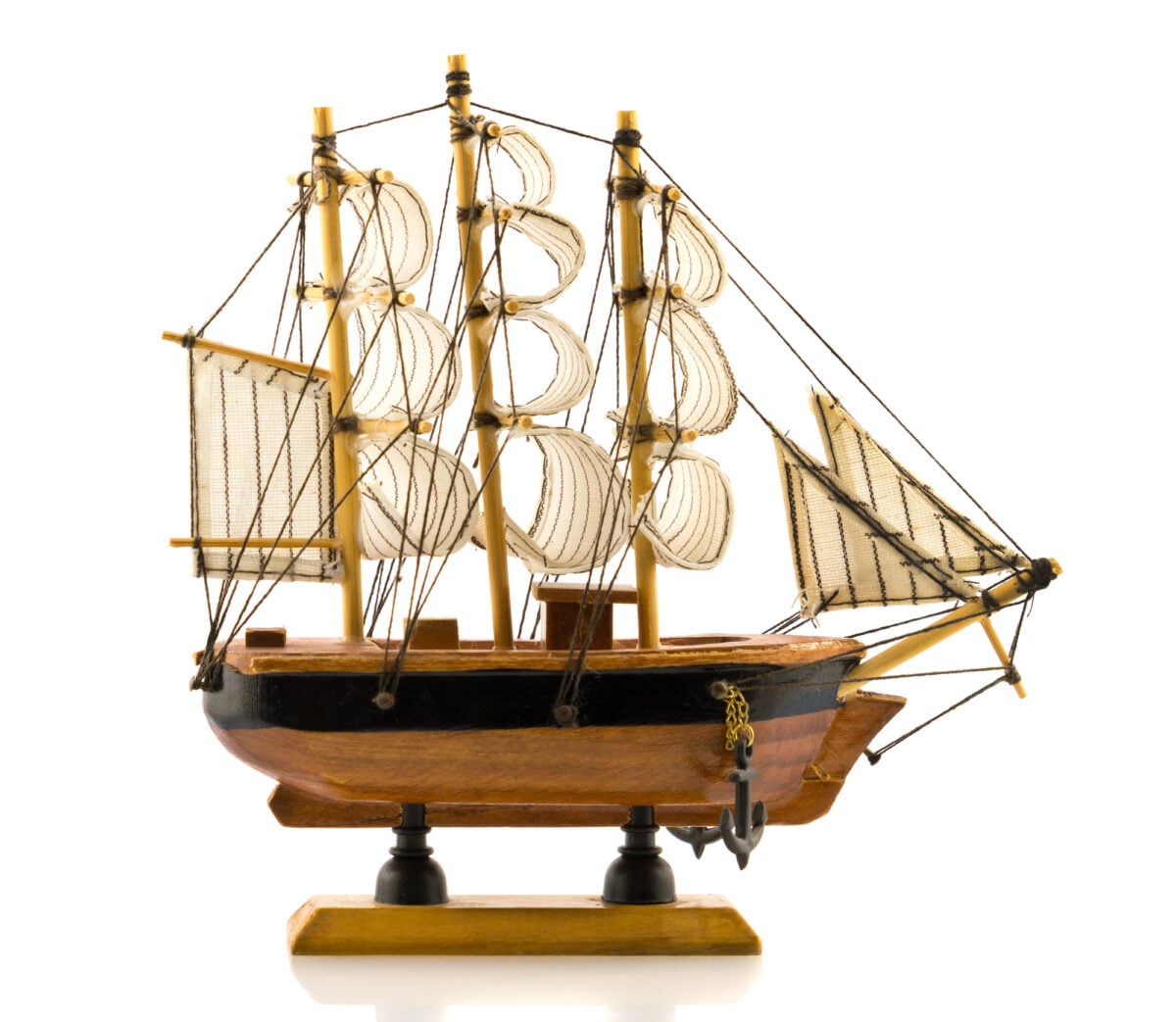
Picture this: you’re three weeks into a transatlantic crossing, off-duty, and the ocean stretches endlessly in every direction. Crew members — particularly those with woodworking skills — carved detailed ship models during their downtime, not as mass-produced trinkets but as genuine folk art born from intimate knowledge of the vessels they called home for months at a time.
These models weren’t sold in gift shops alongside the usual cruise merchandise. They changed hands through word of mouth, often commissioned directly from the artisan or discovered by passengers who befriended crew members during longer voyages.
The carving captured details that only someone living and working on the ship would notice — the exact curve of a smokestack, the precise arrangement of lifeboats, the way certain decks caught afternoon light. A hand-carved model of the original Queen Elizabeth, made by a crew member in the 1950s, sold for $7,400 last year.
The craftsmanship tells a story that factory-made models never could.
Cruise Line Officer Uniforms And Insignia
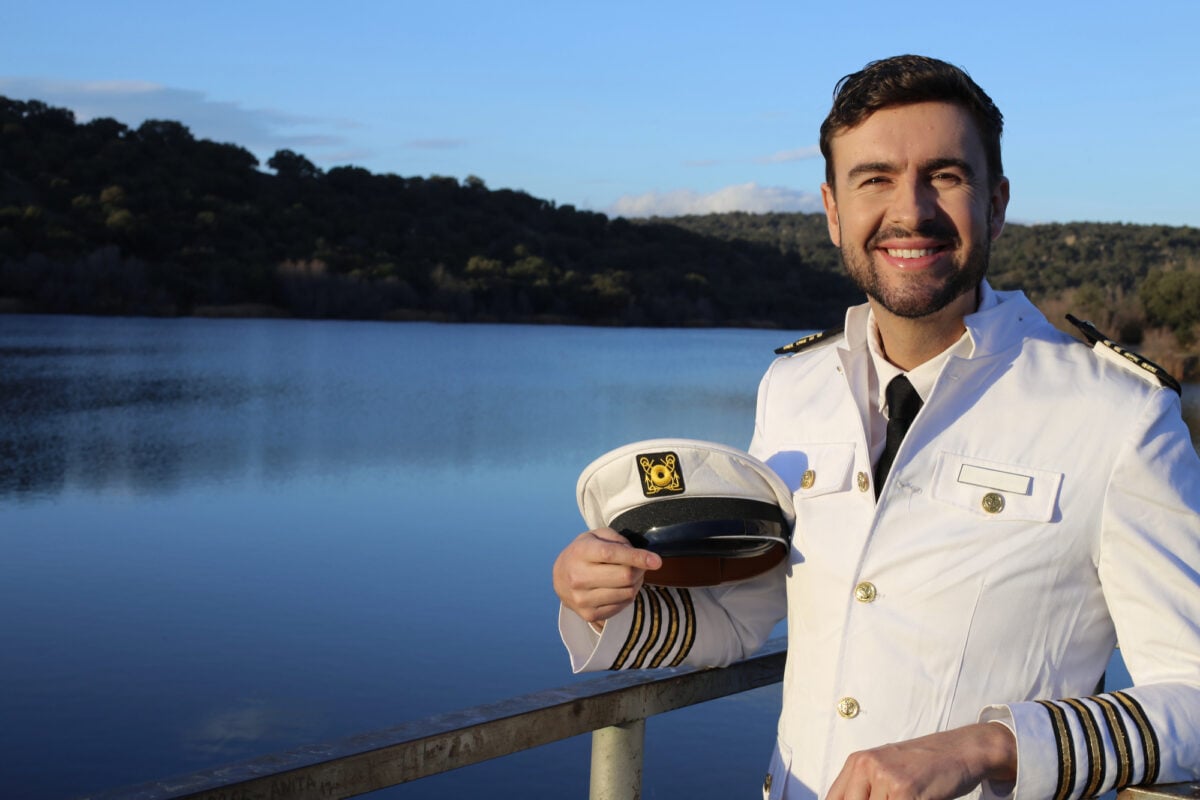
Ship officers occupied a unique position in maritime culture — they were working professionals, but passengers saw them as romantic figures straight from maritime novels. Officers occasionally sold retired uniform pieces to passengers who requested them, particularly during farewell dinners on the final night of longer cruises.
The market for these items is surprisingly strong because authentic maritime uniforms have become increasingly rare as the cruise industry modernized and security protocols tightened. Modern cruise lines don’t allow uniform pieces to leave ships, making vintage items the only option for collectors.
Captain’s stripes and officer insignia from major cruise lines now sell for $400-1,200, depending on the rank and cruise line prestige. Complete officer uniforms from defunct companies like Home Lines or Italian Line command $2,000-5,000.
Limited Edition Ship Commissioning Items
When cruise lines launched new vessels, they created limited commemorative items that were sold exclusively during inaugural cruises or the first season of operation. These weren’t typical tourist souvenirs — they were meant to mark historic moments in maritime history, produced in small quantities and sold to passengers who understood they were witnessing something special.
The commissioning of major vessels like the original Love Boat (Pacific Princess) or groundbreaking ships like Royal Caribbean’s first mega-cruise ships produced items that now serve as time capsules of cruise industry evolution. Passengers bought them as expensive keepsakes, not realizing they were investing in maritime history.
A commissioning plate from the 1971 debut of the Sun Princess sold for $1,800 in 2020. Inaugural cruise programs, champagne flutes, and ceremonial items from ship christenings regularly fetch $300-900 at specialized auctions.
Authentic Ship’s Telegraph And Navigational Equipment
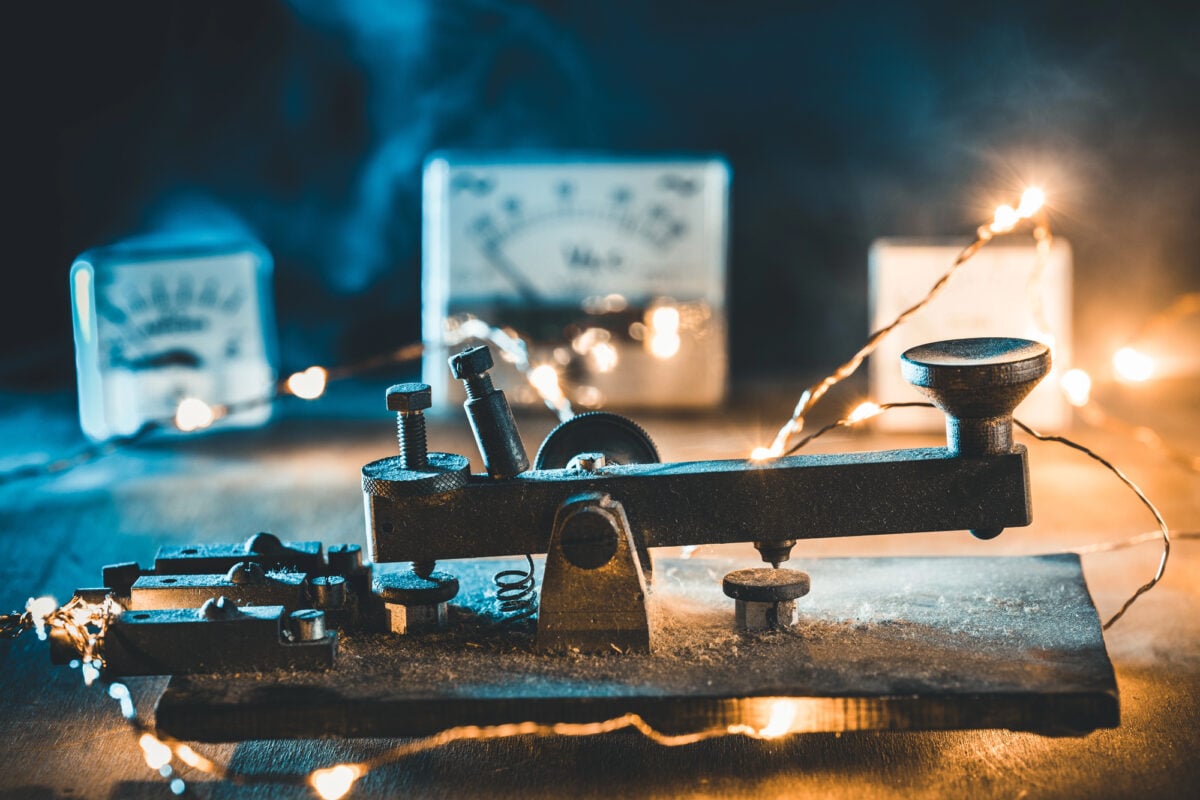
The bridge was off-limits to passengers, but retiring equipment sometimes made its way to gift shops when ships underwent major renovations or technological upgrades. Engine order telegraphs, compass binnacles, and other brass navigational instruments were sold as expensive decorator pieces to passengers who wanted authentic maritime artifacts rather than mass-produced replicas.
These items appeal to collectors because they represent the romance of traditional ocean navigation before GPS and computer systems took over. Each piece carries the patina of actual use aboard working vessels, something that reproduction pieces can never replicate.
Ship’s telegraphs from major cruise lines sell for $3,000-8,000, depending on size and provenance. Smaller items like brass compasses or barometers range from $500-2,000.
Vintage Cruise Line Promotional Materials
Marketing materials might seem like throwaway items, but cruise lines in the 1960s and 70s produced promotional materials with the same attention to detail they brought to every aspect of passenger experience. Brochures were printed on heavy paper stock with elaborate illustrations, deck plans were works of graphic art, and even simple flyers carried the sophisticated design sensibilities of an era when cruise travel remained exclusive and glamorous.
These materials documented cruise itineraries, ship amenities, and pricing from an era when cruise travel bore little resemblance to today’s floating cities. They’re historical documents that show how the industry marketed itself before mass tourism changed everything.
Complete sets of promotional materials from defunct cruise lines like Eastern Steamship Lines or Moore-McCormack Lines sell for $400-1,200. Individual brochures from famous ships range from $75-300, depending on age and rarity.
Ship’s Bell Replicas And Maritime Instruments
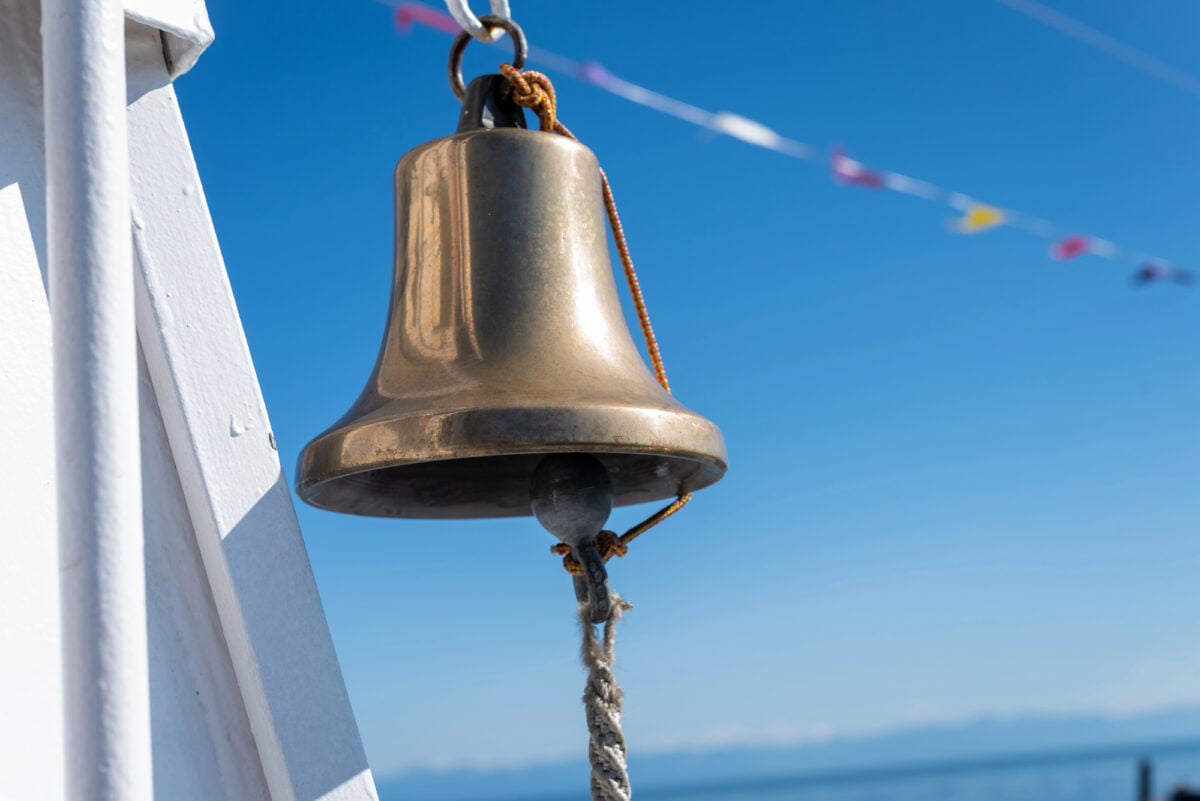
Every ship needs a bell, and cruise lines often commissioned elaborate bronze bells that served both practical and ceremonial purposes. When vessels were retired or underwent major renovations, smaller replica bells were sometimes created and sold to passengers as high-end souvenirs.
These weren’t cheap trinkets — they were substantial bronze pieces that required significant investment from buyers who understood their significance. Maritime instrument replicas followed the same pattern.
Sextants, chronometers, and other navigational tools were crafted as functional replicas and sold to passengers fascinated by traditional seamanship. The quality was exceptional because cruise lines understood that their passengers expected authenticity, even in their souvenirs.
Replica ship’s bells from major cruise lines sell for $800-2,500. Functional maritime instrument replicas range from $400-1,800, depending on complexity and manufacturer.
Crew-Signed Photographs And Maritime Artwork
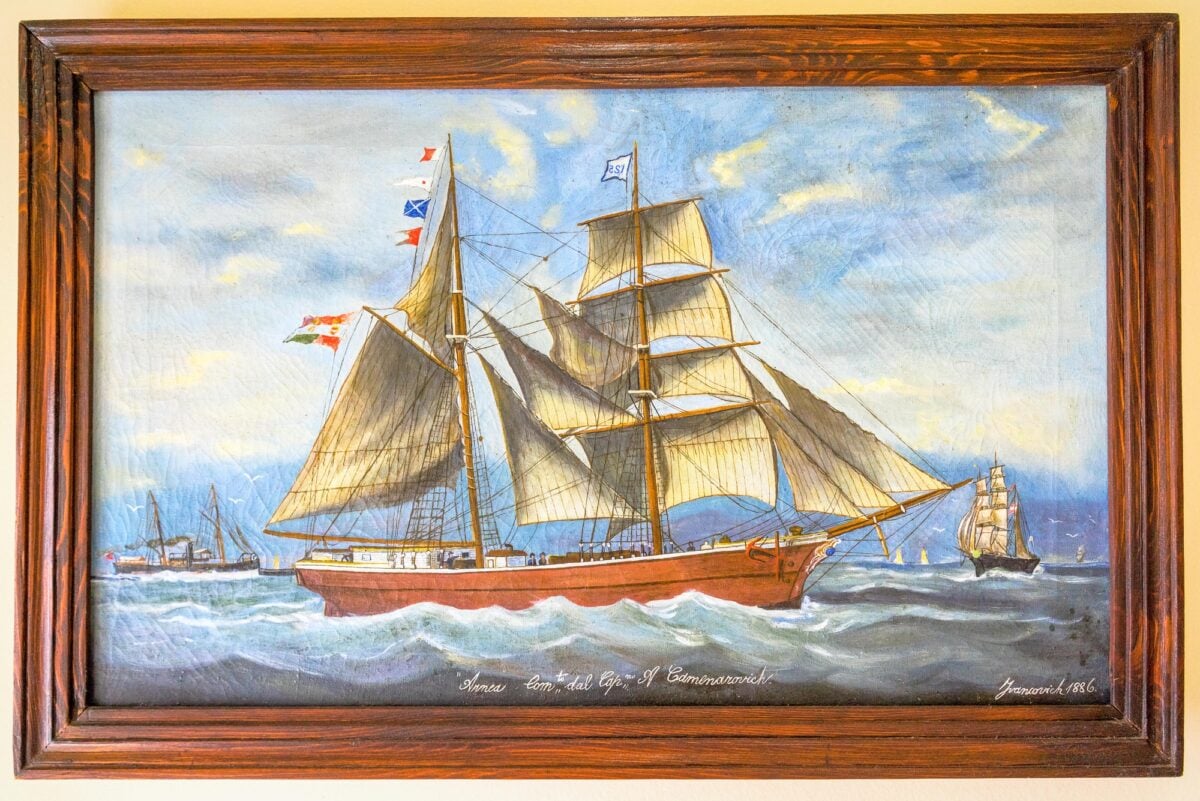
Professional maritime photographers documented cruise ship operations, but the most valuable images came from crew members who captured behind-the-scenes moments that passengers never saw. Engine rooms, crew quarters, navigation procedures, and port operations were photographed by crew members who understood the significance of what they were documenting.
These photographs, often signed by officers or crew members who worked on the vessels, provide intimate glimpses into cruise ship operations from an era when photography was still a specialized skill. They weren’t sold in gift shops — they were personal projects that occasionally found their way to passengers who expressed genuine interest in maritime life.
Signed maritime photographs from the golden age of cruising sell for $200-800, depending on subject matter and historical significance. Original maritime artwork by crew members ranges from $300-1,500.
Limited Edition Ship Model Kits And Parts
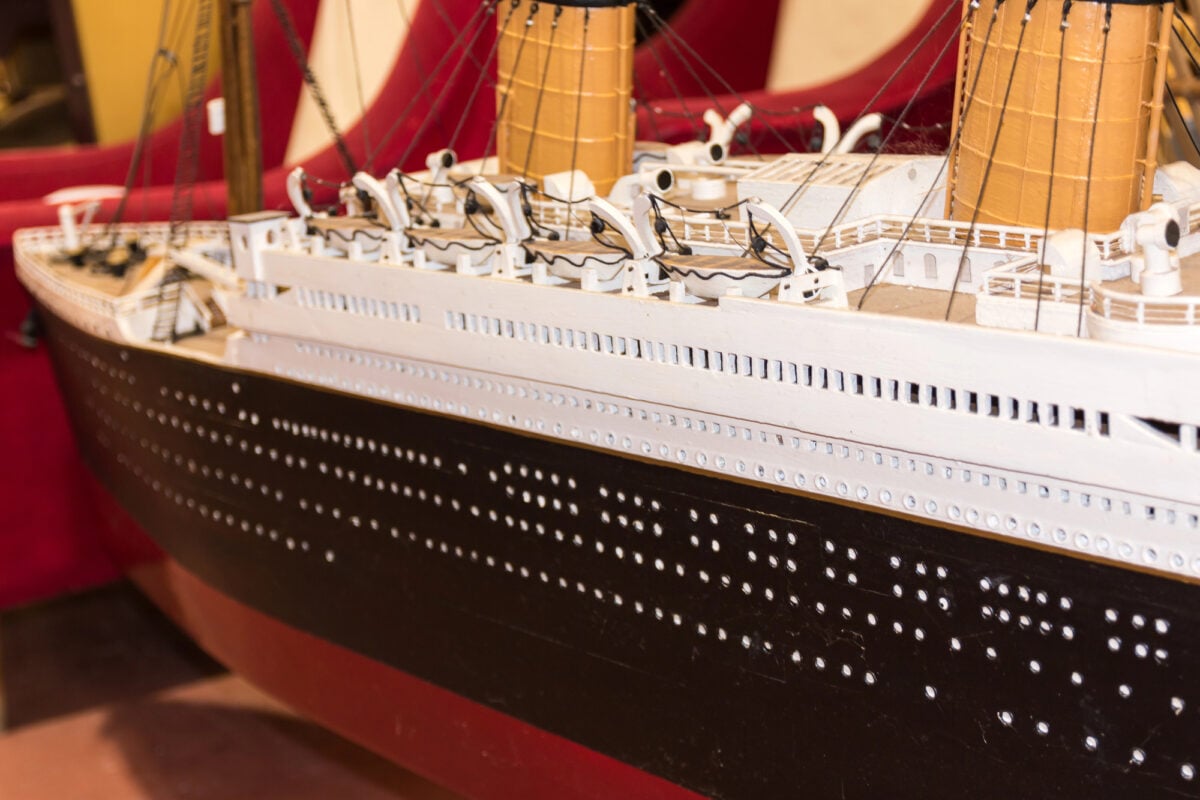
Before cruise ships became floating cities, they were engineering marvels that inspired detailed scale models. Cruise lines occasionally commissioned limited-edition model kits that were far more sophisticated than typical hobby shop offerings — these were precise scale replicas with custom parts, detailed instructions, and authentic paint schemes that matched the actual vessels.
Some passengers bought these kits and never assembled them, preserving them in original packaging that now commands premium prices among model collectors. Others purchased individual parts or components as display pieces, creating a secondary market for authentic ship model elements.
Unopened cruise ship model kits from the 1970s and 80s sell for $400-1,200. Individual components like custom brass fittings or hand-carved hull sections range from $50-300.
Vintage Cruise Line Luggage And Travel Accessories

Cruise lines provided luggage tags, but affluent passengers often purchased branded leather goods and travel accessories that bore the cruise line’s emblem and met the standards expected by first-class travelers. These weren’t cheaply made promotional items — they were genuine leather goods manufactured to withstand multiple voyages while advertising the owner’s preferred cruise line.
Travel accessories like leather passport holders, document cases, and jewelry boxes carried the same attention to quality that cruise lines brought to every aspect of passenger experience. They were expensive when new and have retained their value as functional vintage pieces that represent an era when cruise travel remained exclusive.
Vintage cruise line leather goods sell for $200-600, depending on condition and cruise line prestige. Complete luggage sets range from $800-2,200.
Historical Cruise Ticket Stubs And Passenger Documents
Every cruise generates paperwork, but the most valuable documents come from cruises that made history — inaugural voyages, final cruises before ship retirement, or cruises that encountered significant events. Passengers kept these documents as personal mementos, not realizing they were preserving maritime history.
Ticket stubs, boarding passes, and passenger manifests from significant cruises now serve as historical documentation of an industry that has changed beyond recognition. They’re primary source materials that researchers and museums use to study the evolution of cruise travel.
Ticket stubs from historically significant cruises sell for $100-500. Complete passenger document sets from inaugural or final voyages range from $300-1,000.
Original Ship Furniture And Fixtures
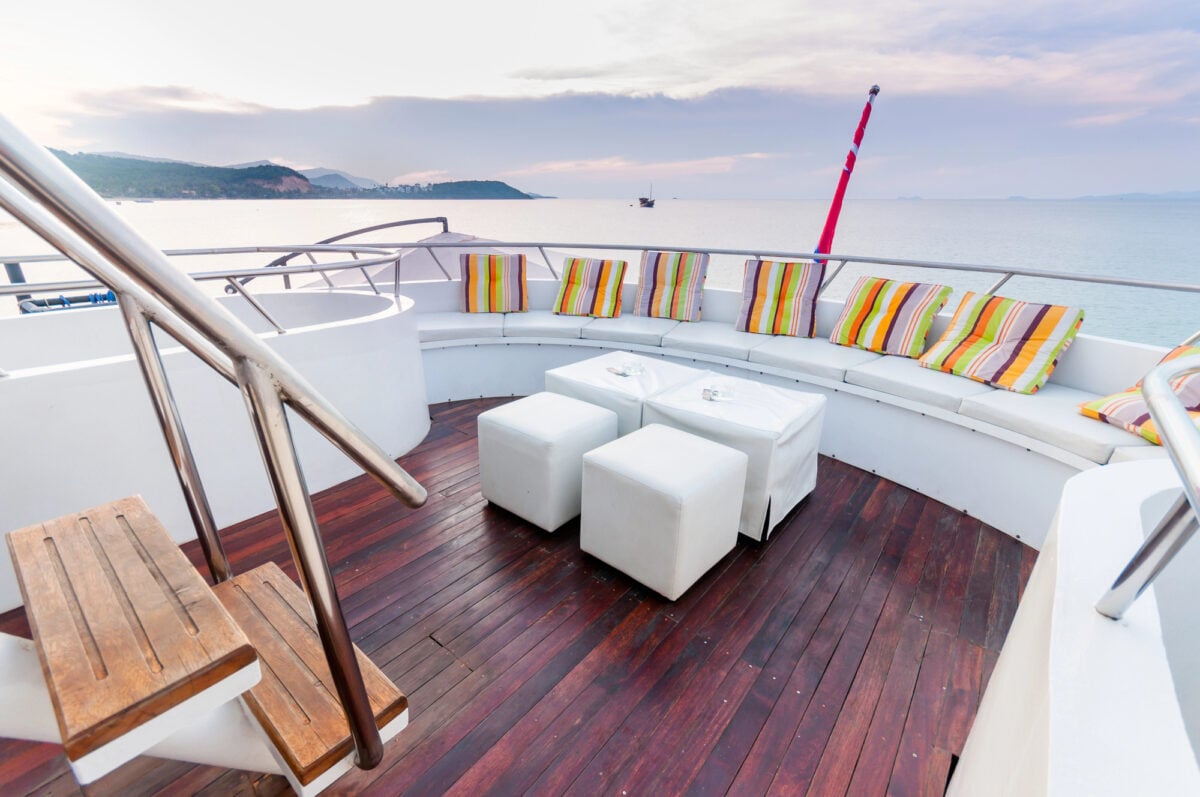
When cruise ships underwent major renovations or were retired from service, furniture and fixtures occasionally made their way to passengers through informal sales or crew connections. These weren’t official gift shop items — they were authentic pieces of shipboard life that required significant effort and expense to transport home.
Ship furniture was built to maritime standards, designed to withstand ocean conditions while maintaining the comfort expected by paying passengers. Tables, chairs, and decorative fixtures from famous cruise ships now serve as conversation pieces that carry genuine maritime provenance.
Original cruise ship furniture pieces sell for $500-3,000, depending on size and ship significance. Smaller fixtures like cabin lights or bathroom accessories range from $150-800.
Treasures Hiding In Plain Sight
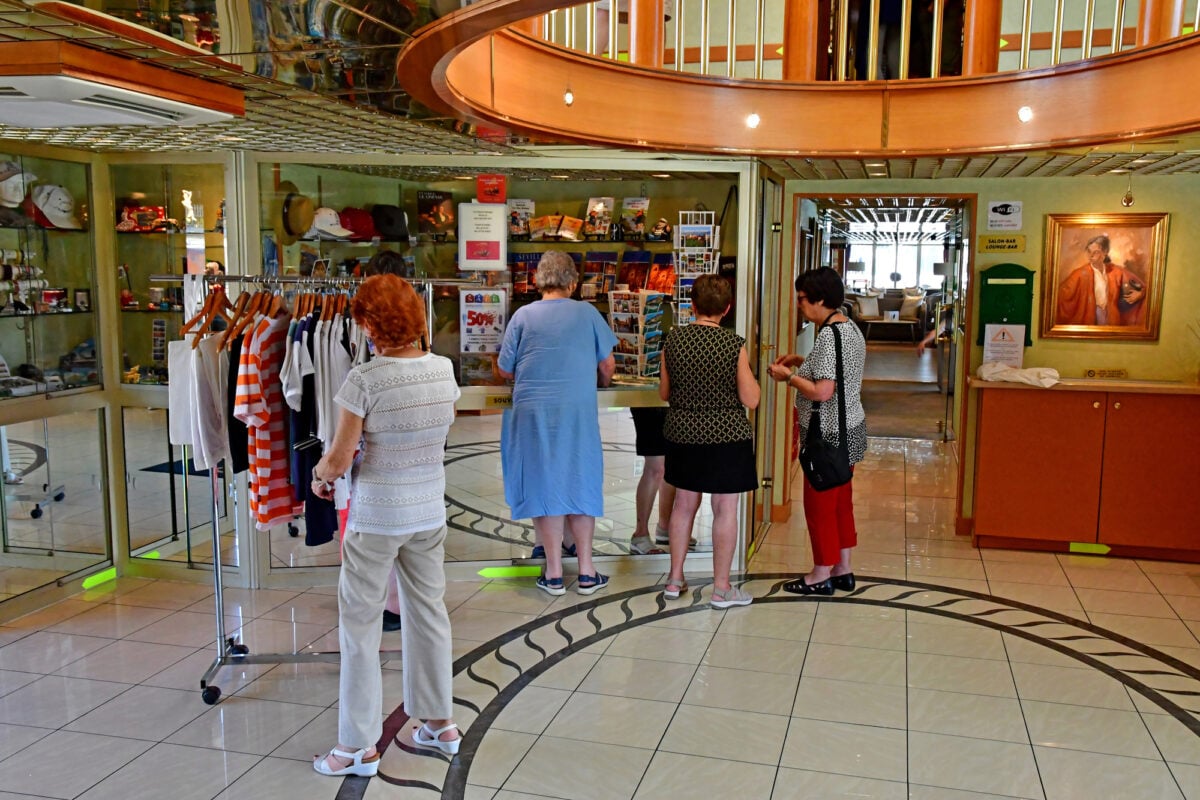
The cruise souvenir market operates on a simple principle that many collectors learned too late: what seems overpriced today becomes invaluable tomorrow when the source disappears forever. Those expensive trinkets gathering dust in attics and estate sales aren’t just vacation mementos — they’re fragments of maritime history from an era when cruise travel meant something entirely different than it does now.
The next time you encounter vintage cruise memorabilia, remember that someone once paid premium prices for items that seemed like expensive impulse purchases. They were investing in memories, but they accidentally created a collectors’ market that rewards those patient enough to recognize value hiding in plain sight.
More from Go2Tutors!

- The Romanov Crown Jewels and Their Tragic Fate
- 13 Historical Mysteries That Science Still Can’t Solve
- Famous Hoaxes That Fooled the World for Years
- 15 Child Stars with Tragic Adult Lives
- 16 Famous Jewelry Pieces in History
Like Go2Tutors’s content? Follow us on MSN.