18 Strange Facts About the Mary Celeste Ghost Ship
In December 1872, a merchant brigantine named Mary Celeste was discovered drifting in the Atlantic Ocean with no one aboard. The ship was seaworthy.
Its cargo was largely intact. Personal belongings were undisturbed.
Yet every crew member had vanished without a trace. Here’s a closer look at the strange facts surrounding one of the most enduring maritime mysteries in history.
The Ship Was Originally Named Amazon
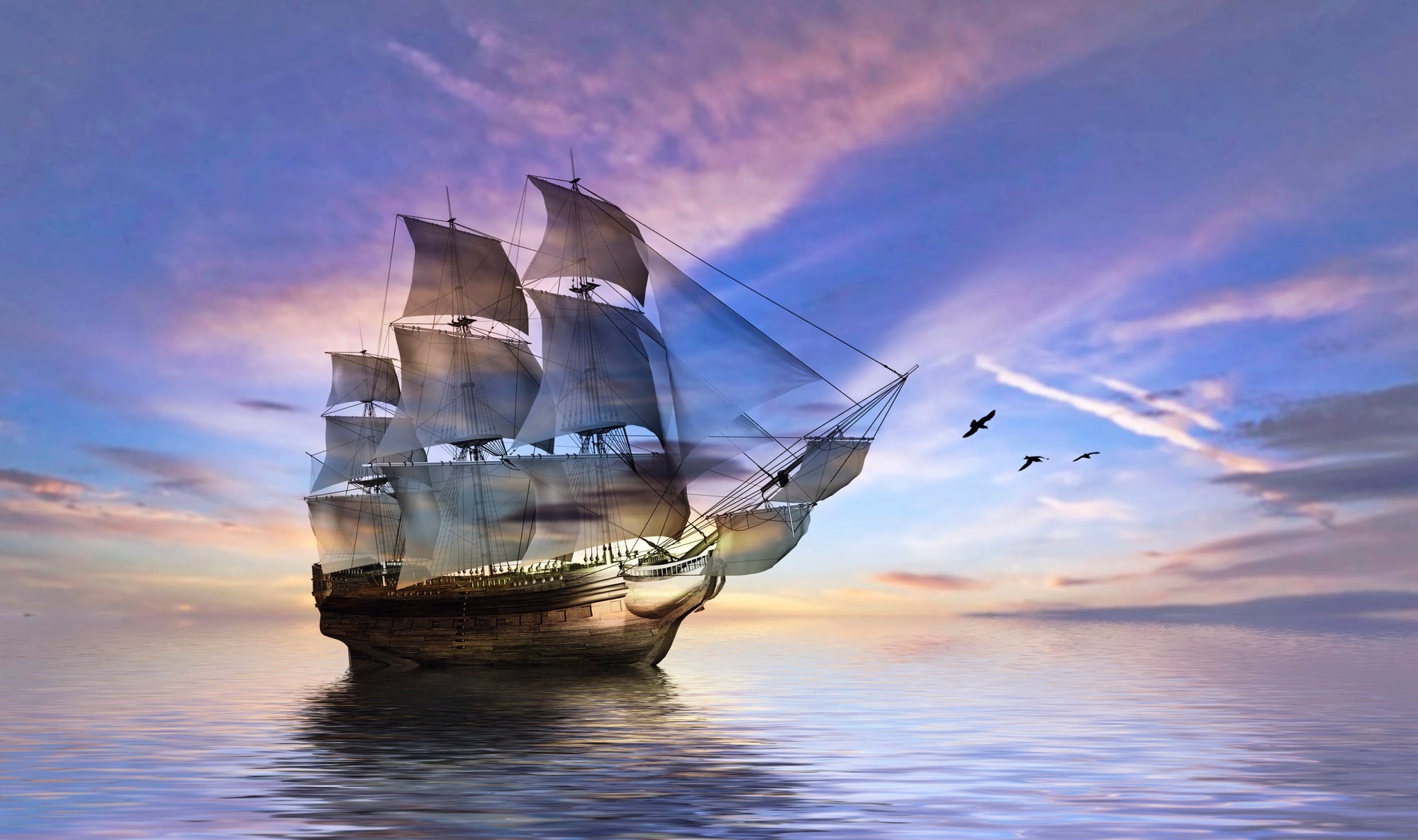
Before it became Mary Celeste, the vessel was launched in 1861 in Nova Scotia under the name Amazon. Early in its career, the ship experienced a series of misfortunes, including the death of its first captain shortly after launch.
Ownership changed hands several times in the following years. Although such transitions were not unusual for merchant vessels, the early setbacks contributed to the ship’s later reputation for bad luck.
It Was Found Adrift In 1872
On December 4, 1872, the British ship Dei Gratia spotted the Mary Celeste sailing erratically between the Azores and the coast of Portugal. Upon boarding, crew members discovered the vessel completely abandoned.
There were no signs of a struggle. The ship appeared capable of continuing its voyage.
The absence of any distress signals added to the confusion.
The Lifeboat Was Missing
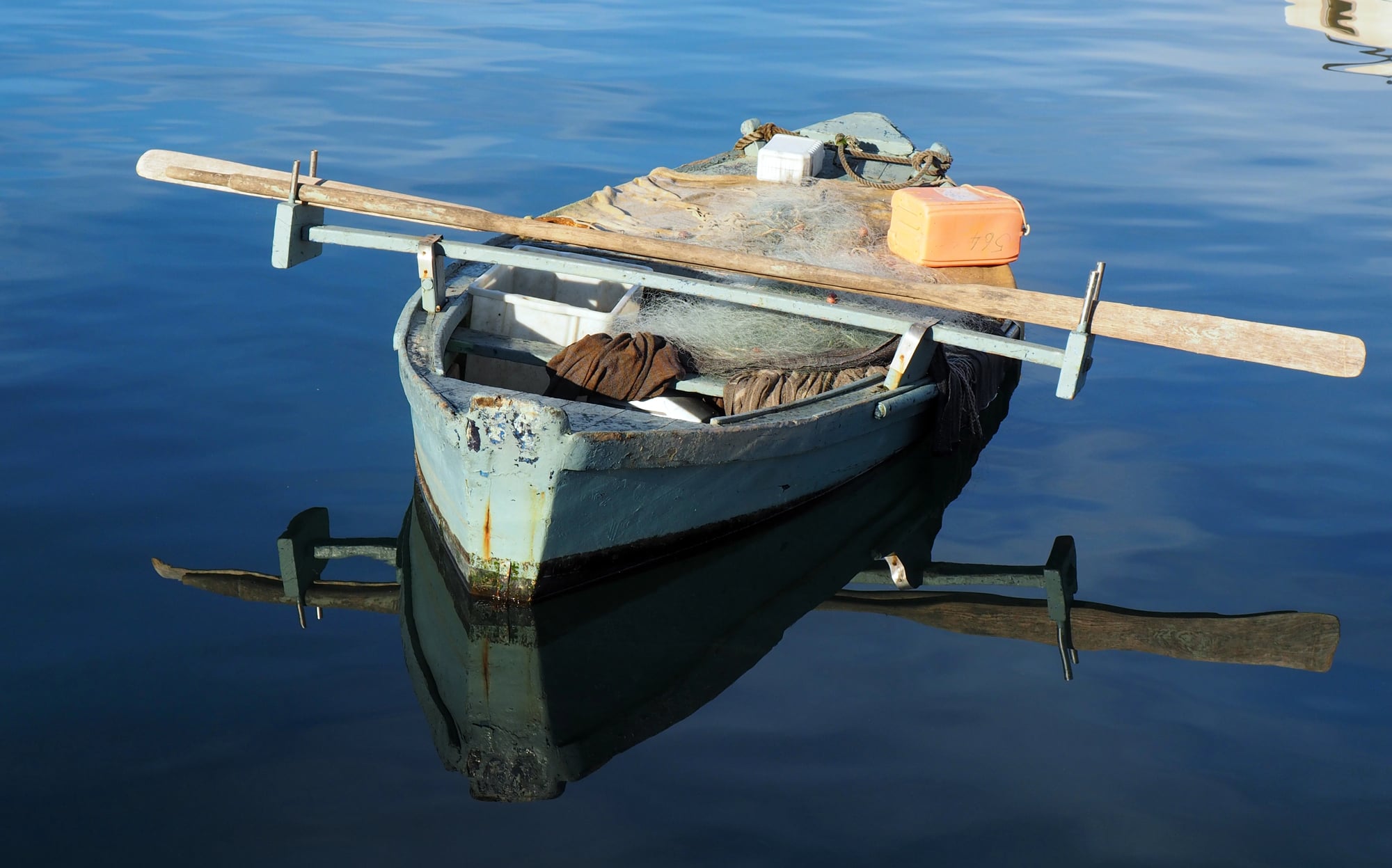
One of the most significant details was the absence of the ship’s lifeboat. Its davits were empty, suggesting that the crew may have deliberately left the vessel rather than being forcibly removed.
Even so, no wreckage or remains from the lifeboat were ever found. That missing boat remains central to nearly every theory about the crew’s disappearance.
The Cargo Was Intact

Mary Celeste was carrying more than 1,700 barrels of industrial alcohol bound for Italy. When discovered, the cargo was largely untouched, though nine barrels were later found to be empty.
Importantly, nothing indicated piracy. Valuables, navigational instruments, and personal belongings remained onboard.
This detail quickly ruled out simple theft as an explanation.
The Last Log Entry Was Days Earlier
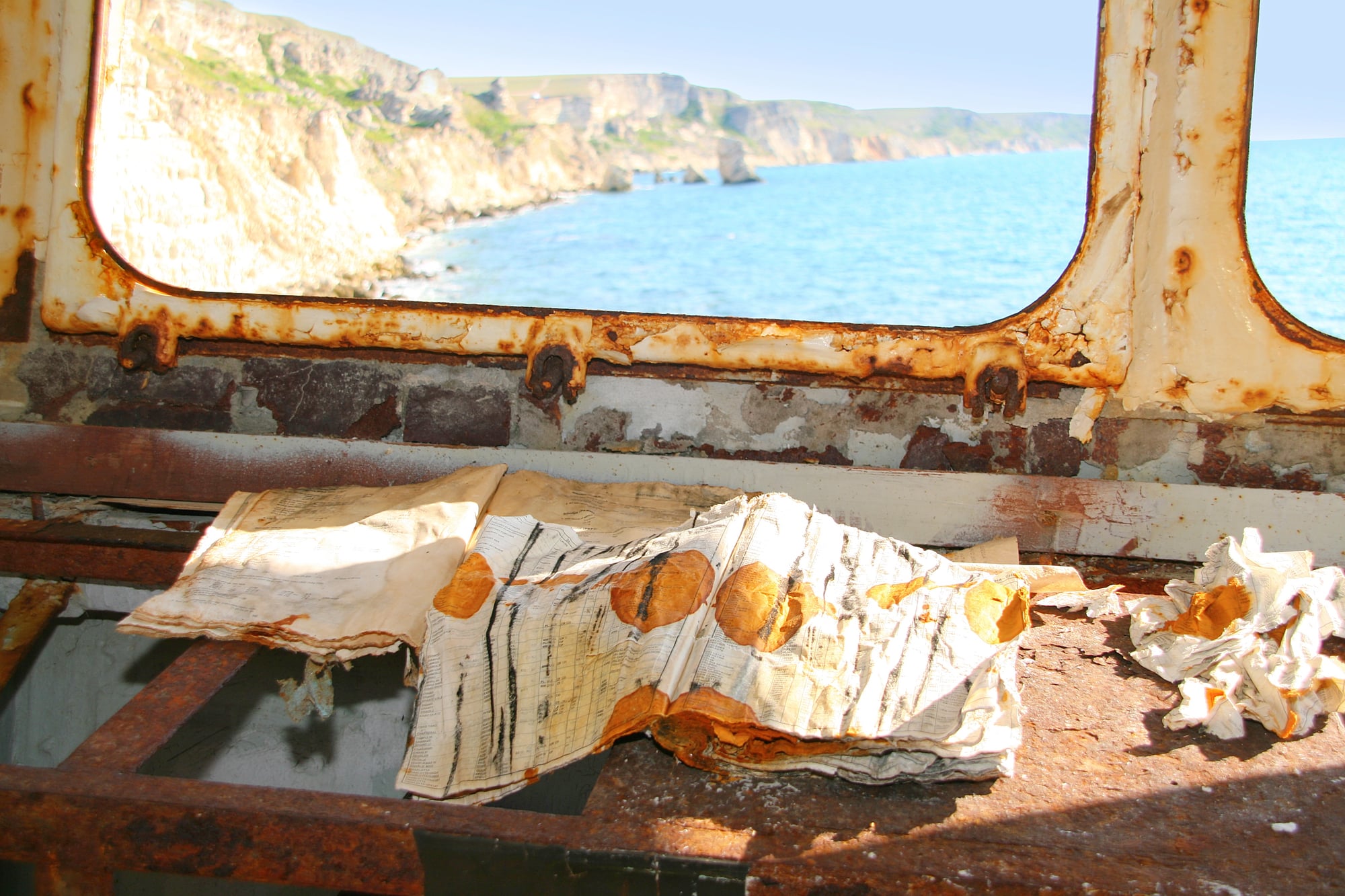
The ship’s logbook was recovered and showed its last entry dated November 25, 1872, placing it near the Azores. When found, the ship had drifted approximately 400 miles from that recorded position.
That gap of several days is one of the mystery’s key puzzles. It suggests the crew abandoned the vessel sometime after that final entry, but without leaving any written explanation.
The Captain Was Experienced
Captain Benjamin Briggs was not an inexperienced sailor. He had spent years at sea and was known for his steady reputation.
He was traveling with his wife and young daughter, which suggests he did not expect danger. The presence of his family makes the idea of a rash or reckless decision less likely.
Briggs had every reason to protect those closest to him.
The Ship Was Seaworthy
Although some water was found in the hold, it was not considered excessive for a vessel of that era. The ship’s sails were partially set, and it remained structurally sound.
Investigators at the time concluded that Mary Celeste was not in immediate danger of sinking. That assessment deepened the mystery rather than clarifying it.
There Were No Signs Of Violence
Reports from those who boarded the ship described an orderly scene. Furniture was in place.
The galley showed no evidence of panic. Personal effects were undisturbed.
The absence of visible chaos complicates theories involving mutiny or confrontation. If conflict occurred, it left no obvious trace.
A Salvage Hearing Raised Suspicions
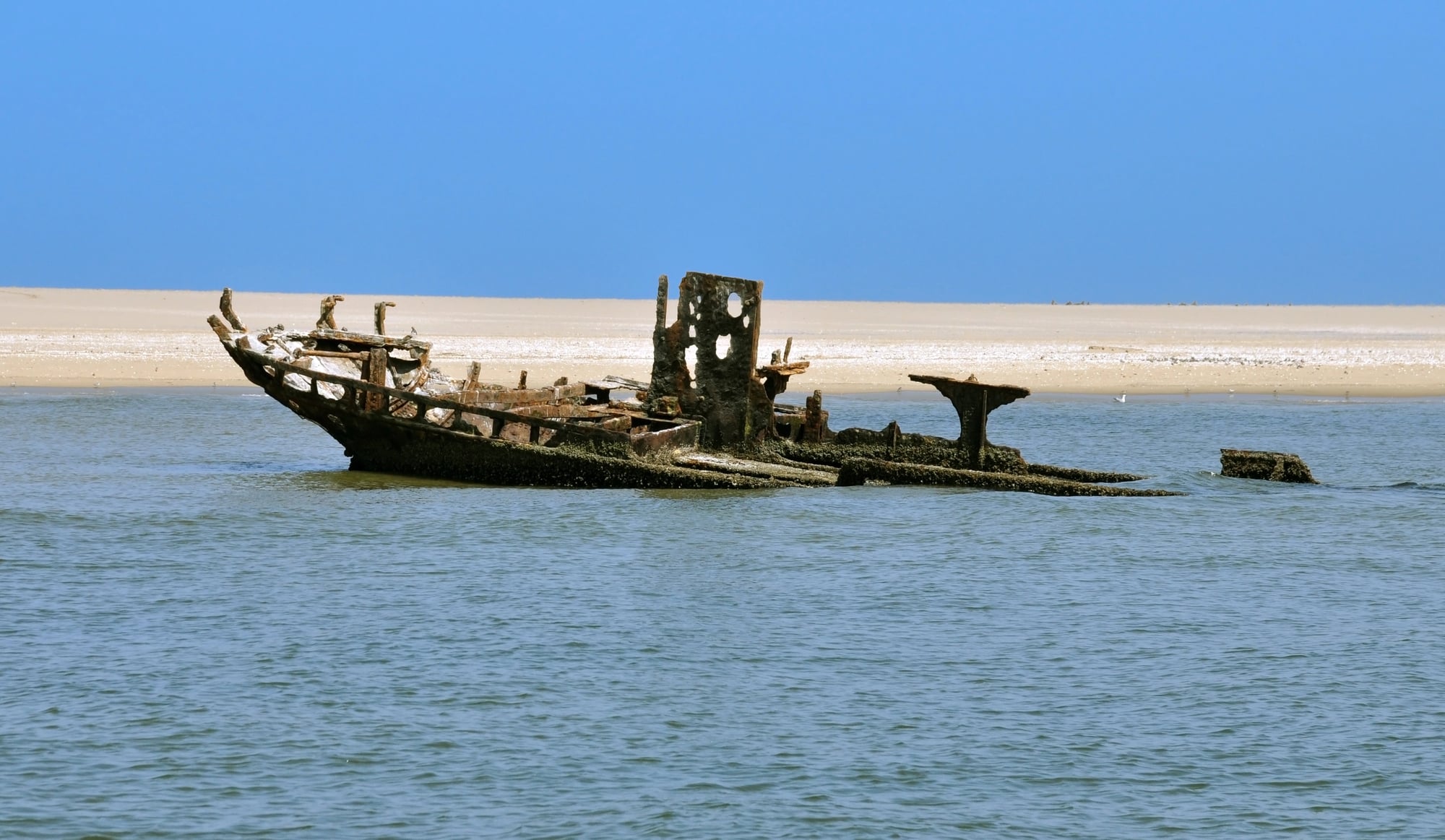
After the ship was brought to Gibraltar, a formal salvage hearing was conducted. Authorities briefly considered whether the crew of Dei Gratia might have been involved in wrongdoing.
However, insufficient evidence supported that suspicion. The salvagers were eventually awarded compensation, though less than they had hoped.
Insurance Fraud Was Considered

Some investigators speculated about possible insurance fraud involving the ship’s owners or captain. Such schemes were not unheard of in the nineteenth century.
Still, no concrete proof emerged linking the disappearance to deliberate deception. The intact cargo made large-scale fraud less convincing.
Mutiny Theories Persisted

Mutiny theories suggested that crew members turned against Captain Briggs. Yet the lack of violence and the disappearance of everyone aboard weakened that argument.
A mutiny without survivors, evidence, or theft strains plausibility. Even so, the idea has endured in popular retellings.
Alcohol Vapor May Have Played A Role

One modern theory proposes that alcohol fumes from leaking barrels could have created pressure in the hold. Fearing an explosion, the captain may have ordered a temporary evacuation.
Experiments conducted in recent years have shown that alcohol vapor can ignite without leaving scorch marks. If the crew believed the ship might explode, abandoning it briefly in a lifeboat could explain their departure.
The Ship’s Chronometer Was Missing

Among the few absent items was the chronometer, an essential navigational instrument. Its removal suggests the crew intended to navigate from the lifeboat rather than flee randomly.
That detail points toward a planned, if temporary, departure rather than panic-driven chaos.
Weather Conditions Were Not Extreme
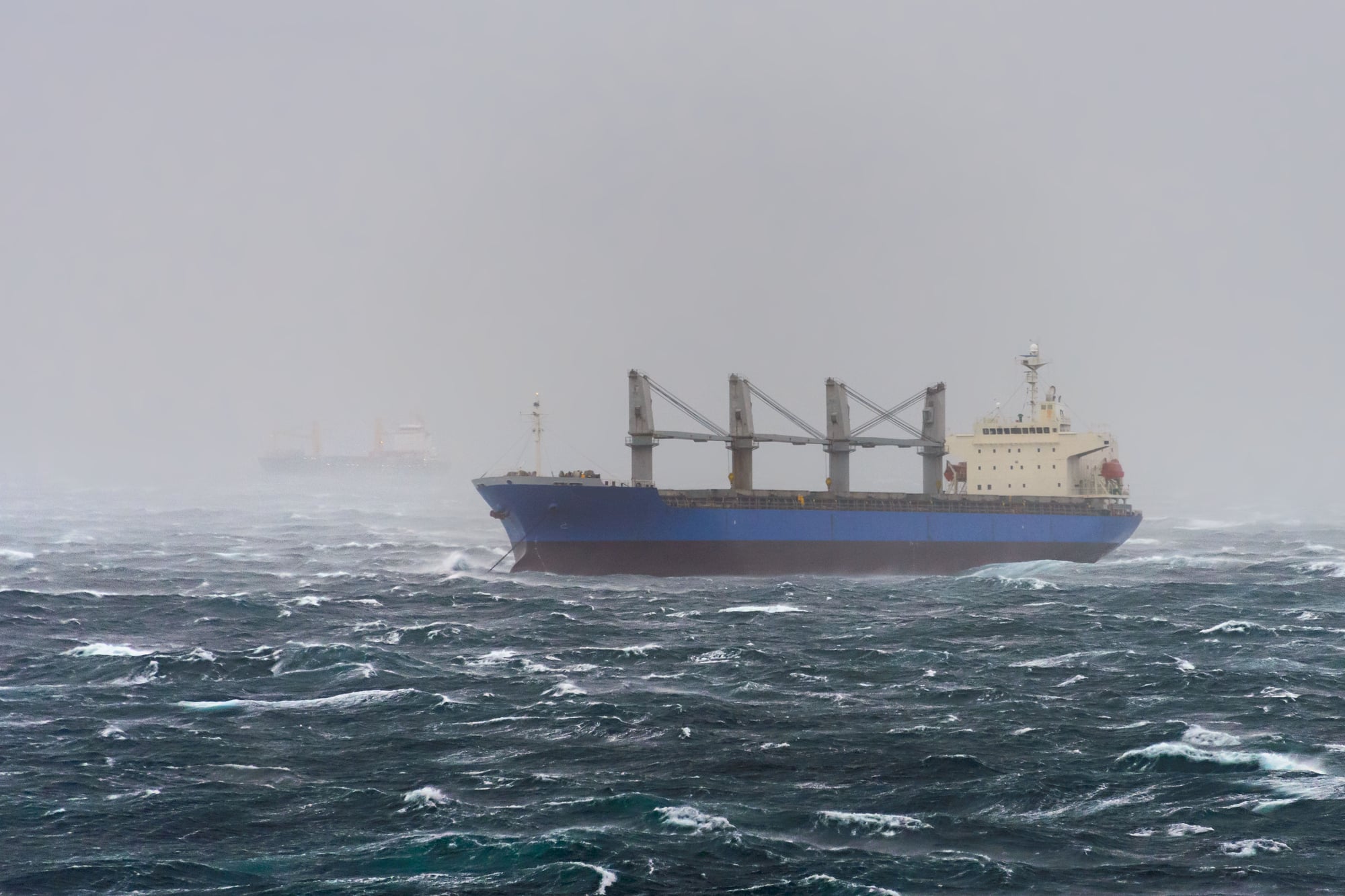
Historical weather records indicate that conditions in the region were not unusually severe at the time. There were no confirmed reports of major storms coinciding with the ship’s disappearance.
The absence of extreme weather removes one of the simplest explanations. The sea was capable of danger, but it was not demonstrably violent that week.
Arthur Conan Doyle Fueled The Legend

In 1884, Arthur Conan Doyle published a fictional account inspired by the Mary Celeste. His version embellished details, including dramatic violence and conspiracy.
Although the story was fiction, many readers assumed it reflected fact. Doyle’s narrative blurred the line between documented history and imaginative storytelling.
The Ship Continued Sailing Afterward
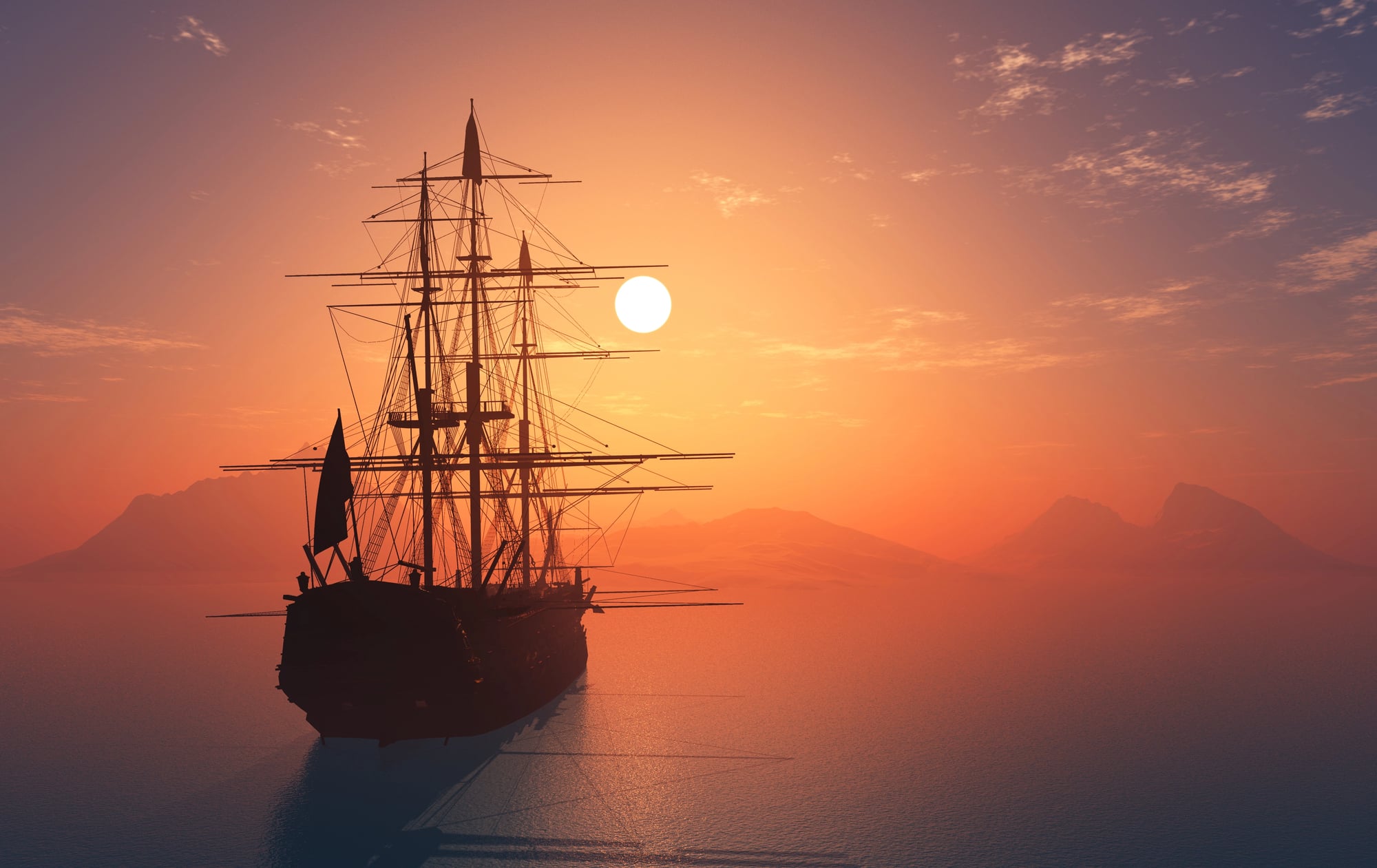
Mary Celeste did not vanish immediately after the 1872 incident. It returned to service under new ownership and continued operating for over a decade.
That detail often surprises those who assume the ship disappeared permanently. Its later voyages, however, were uneventful compared to the infamous episode.
It Ultimately Wrecked In 1885
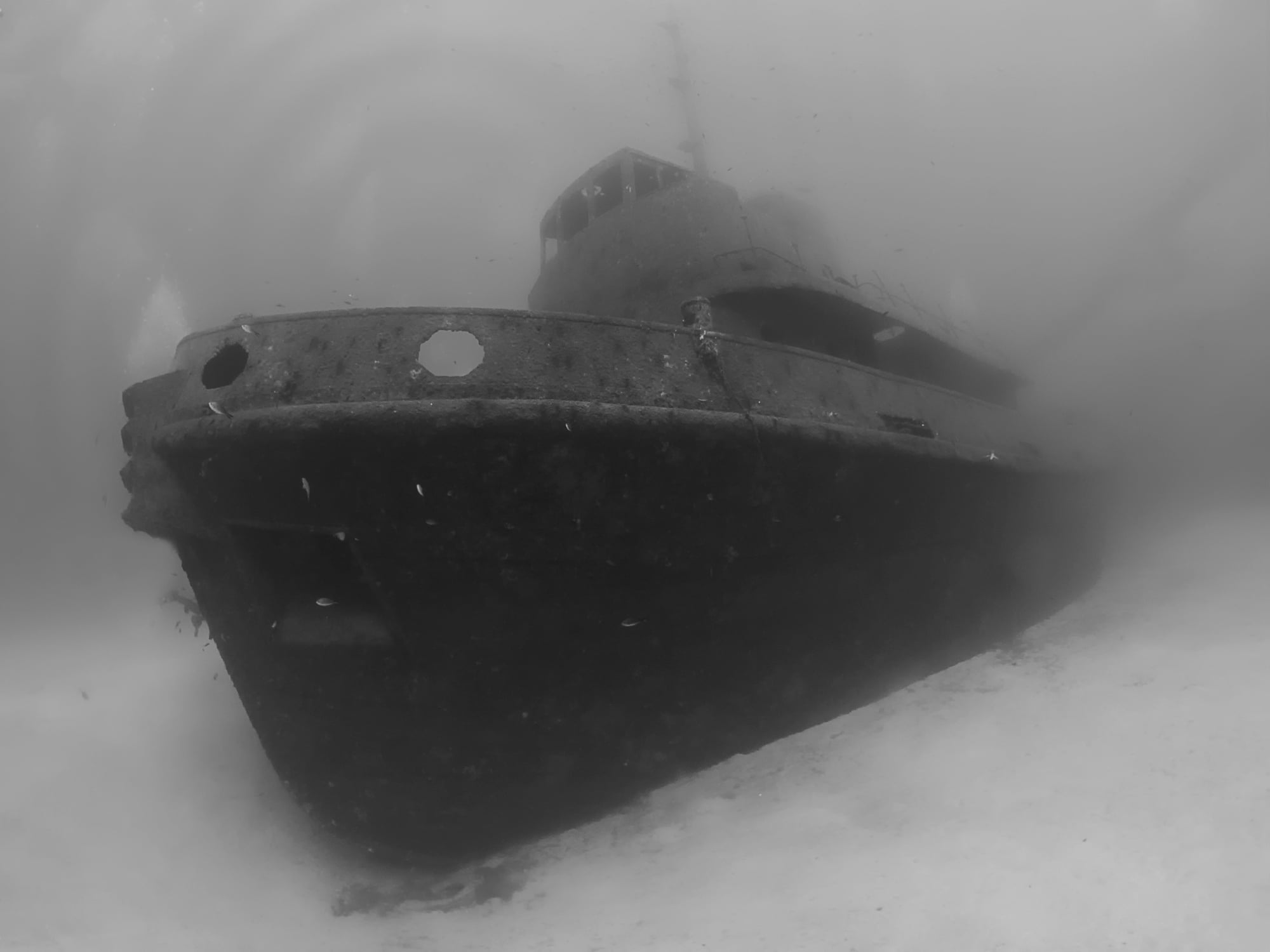
In 1885, the ship ran aground near Haiti under suspicious circumstances involving its final captain. Investigations later suggested possible insurance fraud.
The ship’s eventual destruction added another chapter to its turbulent history, reinforcing its reputation for misfortune.
The Mystery Endures Despite Modern Analysis
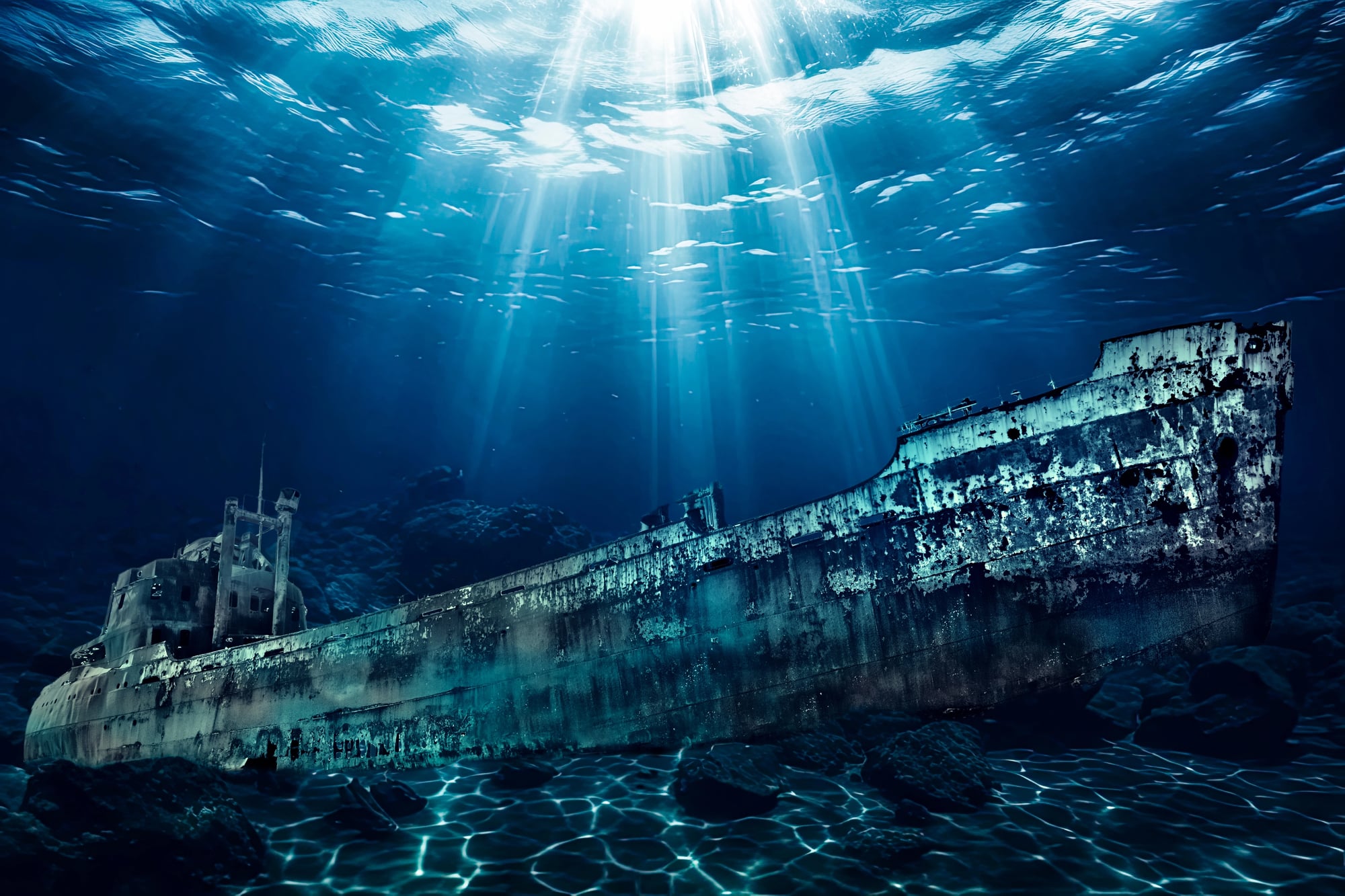
Despite extensive research, no single explanation fully satisfies historians. The alcohol vapor theory is widely regarded as plausible, but definitive proof remains elusive.
Time complicates certainty. Physical evidence has long since disappeared, leaving only logs, testimonies, and speculation.
Why The Mary Celeste Still Haunts The Imagination

The Mary Celeste endures because it sits in the space between rational explanation and unanswered question. The facts suggest a hurried but deliberate departure.
The absence of survivors leaves only inference. In an era before instant communication, a ship could drift into legend simply by remaining silent.
Today, the story continues to circulate because it captures a universal unease: the idea that something ordinary can become inexplicable without warning. The Mary Celeste remains less a ghost ship than a reminder of how quickly certainty can vanish at sea.
More from Go2Tutors!

- The Romanov Crown Jewels and Their Tragic Fate
- 13 Historical Mysteries That Science Still Can’t Solve
- Famous Hoaxes That Fooled the World for Years
- 15 Child Stars with Tragic Adult Lives
- 16 Famous Jewelry Pieces in History
Like Go2Tutors’s content? Follow us on MSN.