Iconic Watches and Their Tales
Some watches don’t just tell time—they tell stories. From the bottom of the ocean to the surface of the moon, from wartime trenches to Hollywood wrists, certain timepieces have earned their place in history through a combination of brilliant design, technical innovation, and sheer good fortune.
These watches became more than accessories; they became legends. Here is a list of iconic watches that changed how we think about timekeeping and style.
Rolex Submariner
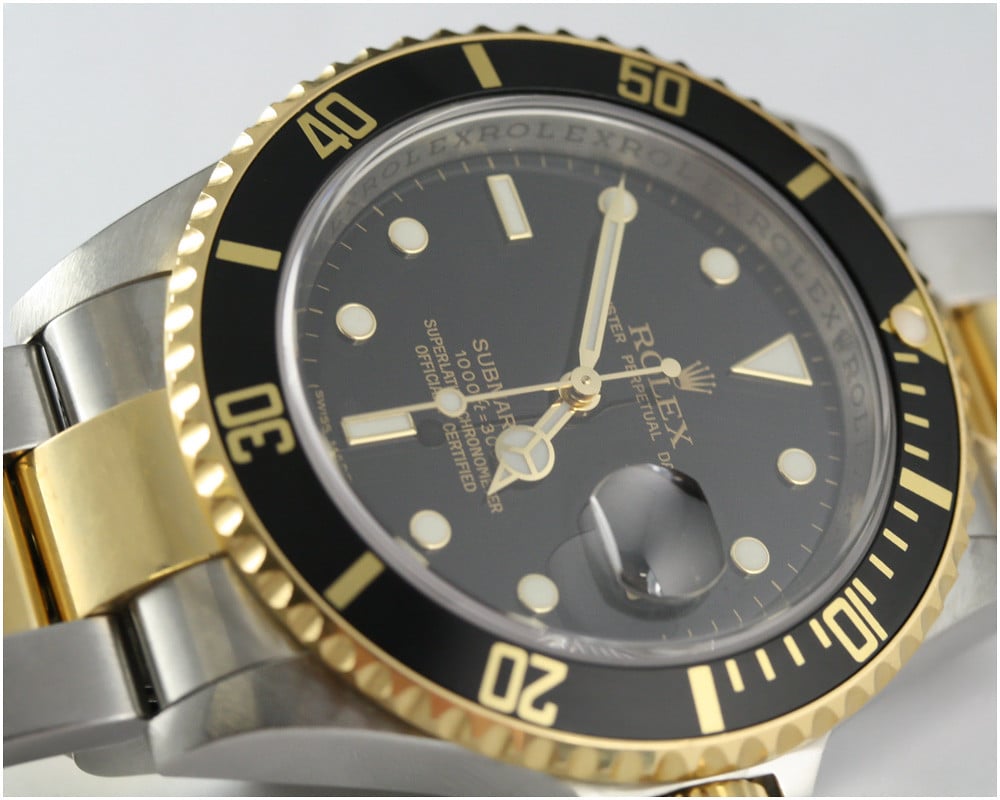
When Rolex introduced the Submariner in 1953, nobody quite knew what to make of it. The watch was originally built for serious divers, featuring water resistance to 330 feet and a rotating bezel to track dive time.
But here’s where things get interesting: the Submariner became a cultural phenomenon not because of divers, but because of a fictional spy. When Sean Connery strapped one to his wrist as James Bond in the 1960s, the Submariner transformed from professional tool into the ultimate gentleman’s watch.
The design has barely changed in seven decades, which says everything about how right Rolex got it the first time.
Omega Speedmaster

The Speedmaster wasn’t meant for space. Omega created it in 1957 as a racing chronograph with a tachymeter bezel for calculating speeds on the track. Then NASA came calling, looking for a watch that could survive the punishment of space travel.
After brutal testing that destroyed every other candidate, the Speedmaster passed and became flight-qualified in 1965. Four years later, Buzz Aldrin wore one when he stepped onto the lunar surface, making the Speedmaster the first watch on the moon.
Neil Armstrong’s identical watch stayed in the lunar module as a backup timer, which means technically it was the first watch to reach the moon, just not the first to take a moonwalk.
Cartier Tank
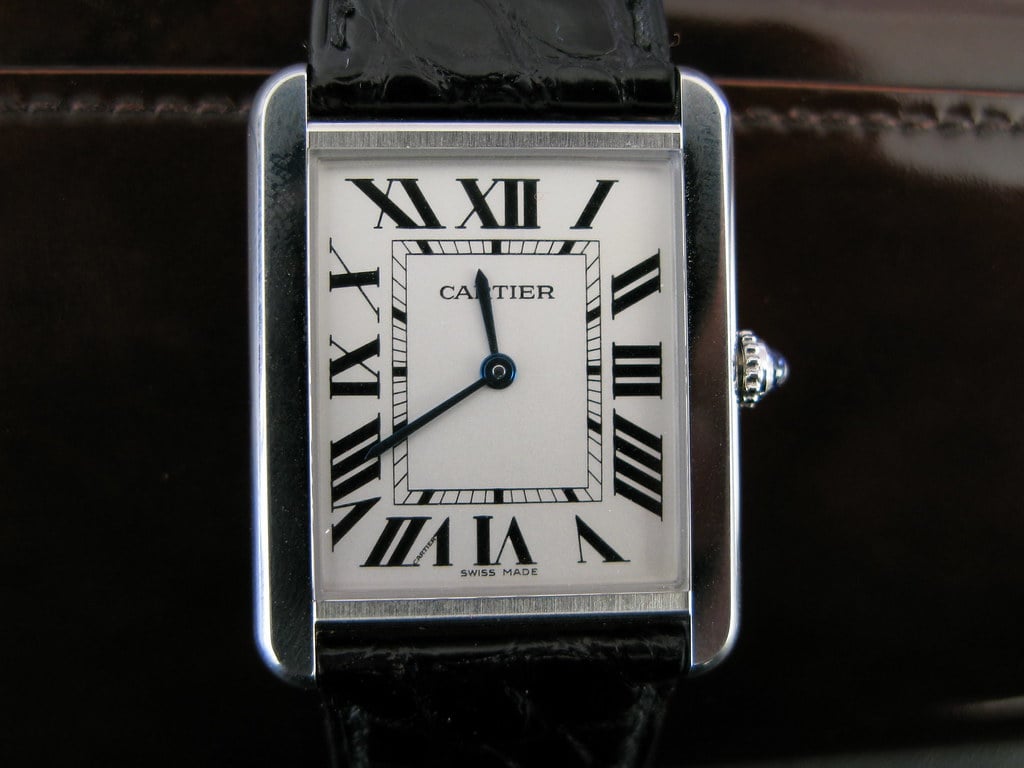
Louis Cartier looked at the Renault tanks rolling through World War I battlefields and saw elegance. In 1917, he designed a watch whose rectangular case mimicked the overhead view of those armored vehicles, with vertical bars representing tank treads.
The first prototype went to American General John Pershing in 1918 as a gift. When production began in 1919, Cartier made just six pieces, and they sold out immediately.
The Tank went on to grace the wrists of everyone from Jackie Kennedy to Andy Warhol, who famously admitted he never even wounded him because he wore it for style, not function.
Audemars Piguet Royal Oak

In 1972, designer Gerald Genta had one night to sketch a luxury sports watch for Audemars Piguet. He drew inspiration from old-fashioned diving helmets, creating an octagonal bezel with eight hexagonal screws and an integrated bracelet.
The audacity wasn’t just the design but the price—this steel watch cost more than gold models from other brands. The watch world thought AP had lost its mind. Initial sales crawled along at a snail’s pace.
But gradually, people realized Genta had invented an entirely new category: the luxury sports watch. Today, the Royal Oak is AP’s bread and butter, accounting for most of the brand’s revenue.
Patek Philippe Nautilus

After the Royal Oak became a hit, Patek Philippe wanted their own luxury sports watch. They called Genta, who reportedly sketched the Nautilus design on a napkin in about five minutes while watching Patek employees eat lunch.
Inspired by ship portholes, the Nautilus launched in 1976 with softer curves than the angular Royal Oak. At 42 millimeters, it was massive for the era.
Critics called it too big, too expensive, too everything. Patek kept making it anyway, and the Nautilus eventually became one of the most sought-after watches in the world, with waiting lists stretching years long.
Rolex Daytona

The Daytona struggled for years after its 1963 debut. Designed for race car drivers with chronograph pushers and a tachymeter bezel, it languished in Rolex’s catalog while other models flew off shelves.
Then Paul Newman started wearing one, a gift from his wife Joanne Woodward engraved with the words ‘Drive Carefully Me.’ Newman wore that watch nearly every day for 35 years.
When his daughter Clea auctioned it in 2017, the bidding opened at one million and hammered down at 17.8 million, making it the most expensive wristwatch ever sold. The Daytona went from wallflower to absolute king of the auction block.
Rolex GMT-Master
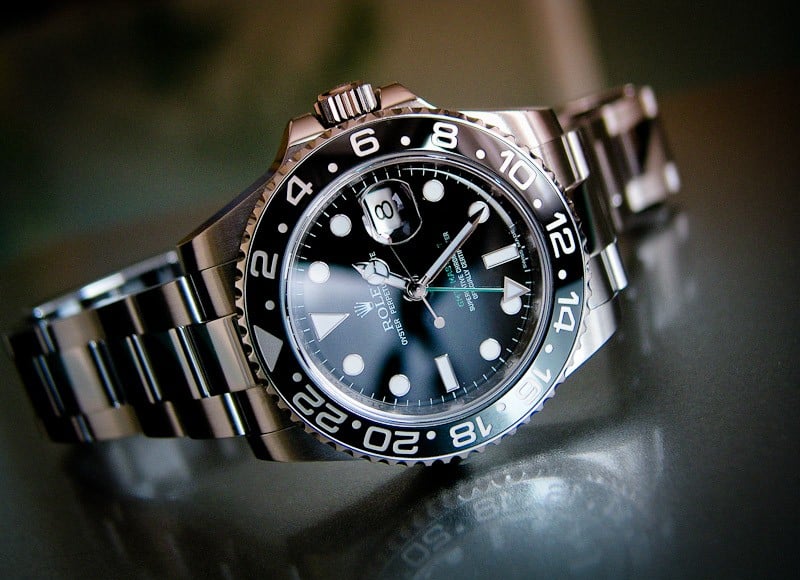
Pan American Airways needed a watch for their pilots who were suddenly crossing multiple time zones on intercontinental flights. Rolex delivered the GMT-Master in 1954, featuring a fourth hand and a rotating 24-hour bezel that could track two time zones simultaneously.
The original ‘Pepsi’ bezel with its red and blue coloring indicated day and night hours at a glance. The GMT became standard issue for Pan Am crews and later caught fire with travelers and collectors.
Marlon Brando famously wore one in ‘Apocalypse Now,’ though director Francis Ford Coppola made him remove the bezel because he thought it looked too flashy for a rogue military commander.
Breitling Navitimer
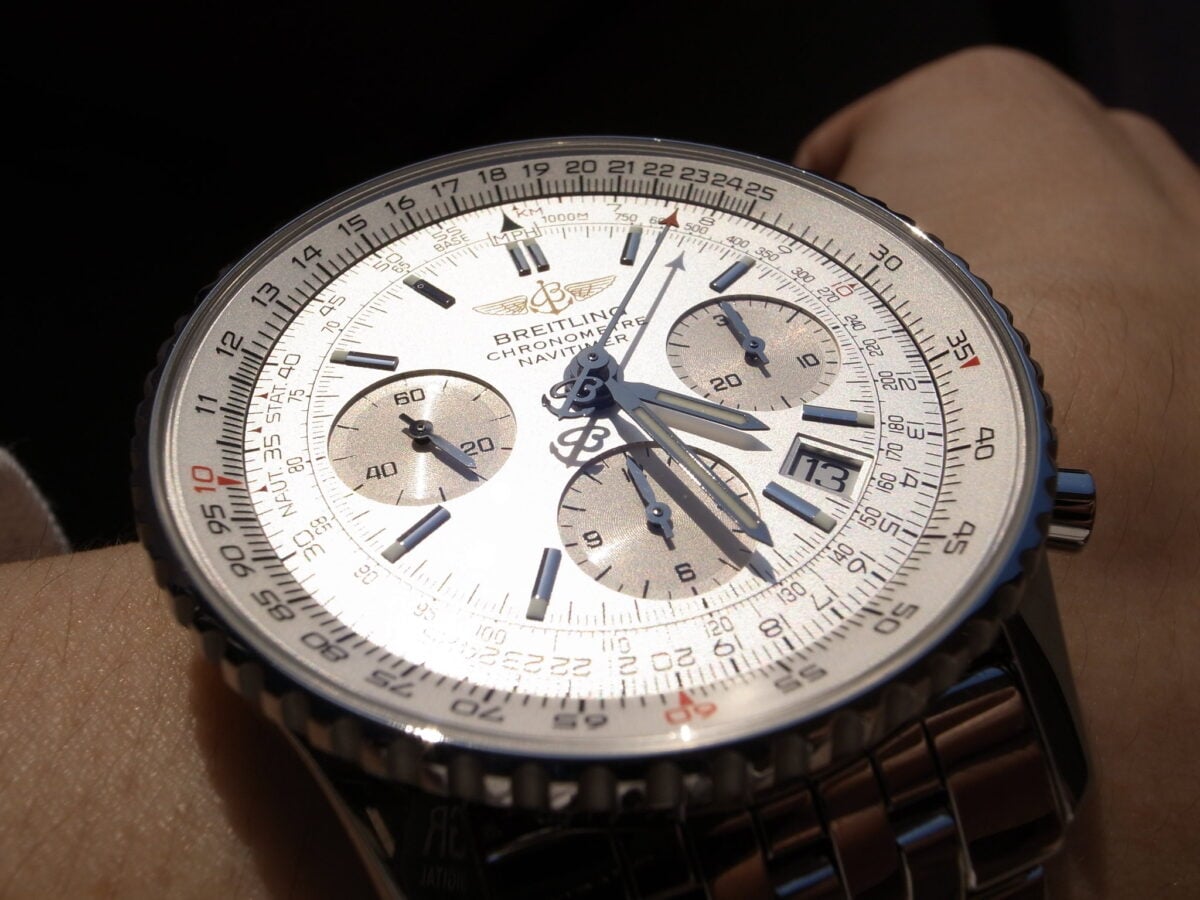
Pilots in the 1950s needed to make constant calculations for fuel consumption, distance, and climb rates. Breitling answered with the Navitimer in 1952, featuring a circular slide rule on the bezel that could handle all those conversions without needing a separate calculator.
The watch became so essential for pilots that the Aircraft Owners and Pilots Association adopted it as their official timepiece. With its busy dial packed with information and its distinctive beaded bezel, the Navitimer remains one of the most recognizable aviation watches ever made.
Blancpain Fifty Fathoms

Before the Rolex Submariner grabbed headlines, Blancpain created the Fifty Fathoms in 1953 for French combat divers. It introduced the lockable rotating bezel that only turned in one direction, preventing divers from accidentally miscalculating their remaining oxygen.
Jacques Cousteau wore one in his documentary ‘The Silent World,’ giving the watch serious underwater credibility. Despite arriving before the Submariner, the Fifty Fathoms eventually disappeared from production for years, only to be revived decades later when collectors rediscovered its historical significance.
IWC Big Pilot

Luftwaffe pilots in World War II needed watches they could read at a glance while wearing thick gloves in freezing cockpits. IWC delivered the original Big Pilot in the 1940s with its massive 55-millimeter case, enormous crown for easy grip, and ultra-legible dial.
After the war, IWC refined the design for civilian use, shrinking it slightly but keeping the oversized crown and clean dial layout. The modern Big Pilot continues that tradition with a 46-millimeter case that makes no apologies for its size—this watch was built for function first, and the bold aesthetics followed naturally.
Cartier Crash
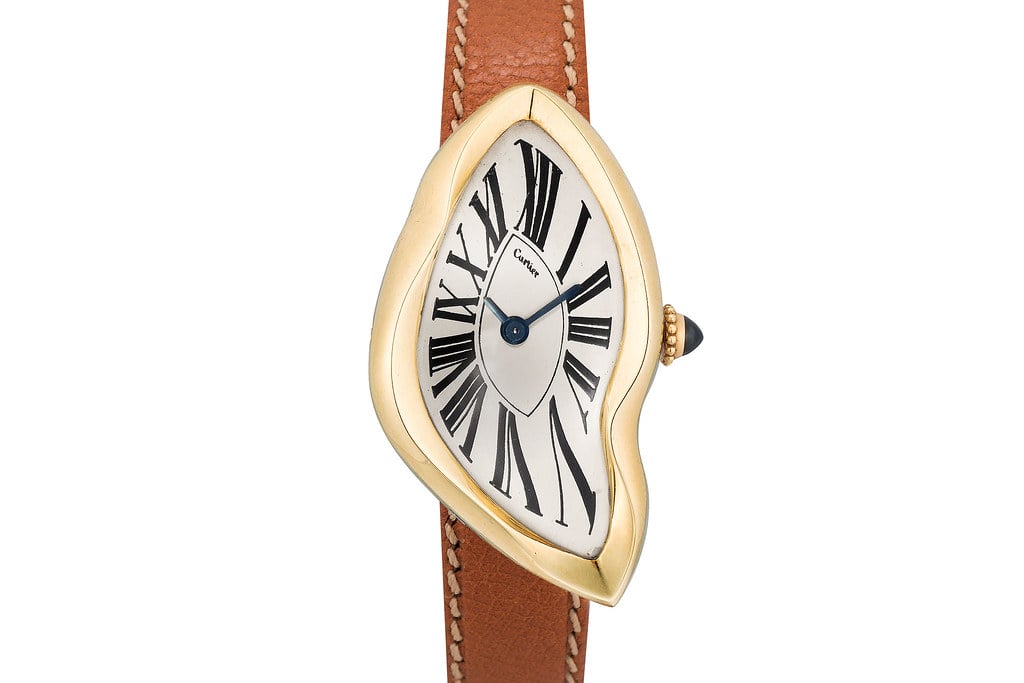
The story behind the Crash sounds too wild to be true, but it is. In 1967, a client brought his damaged Cartier watch to the London boutique after a car accident.
The heat from the crash had warped the case into an asymmetrical, melted shape. Designer Rupert Emmerson and Jean-Jacques Cartier saw beauty in that distortion and created the Crash, inspired by that damaged timepiece and Salvador Dali’s surrealist art.
Production remained tiny, making the Crash incredibly rare. In 2022, an early model sold for 1.5 million, proving that sometimes the most unconventional designs become the most valuable.
Rolex Datejust
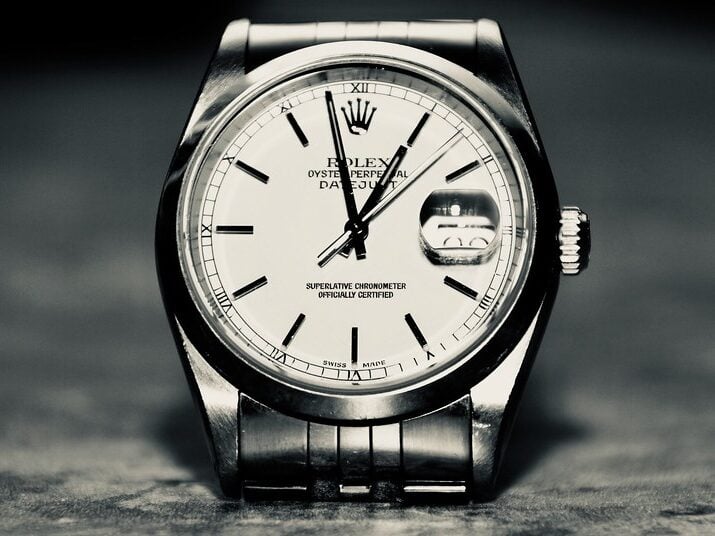
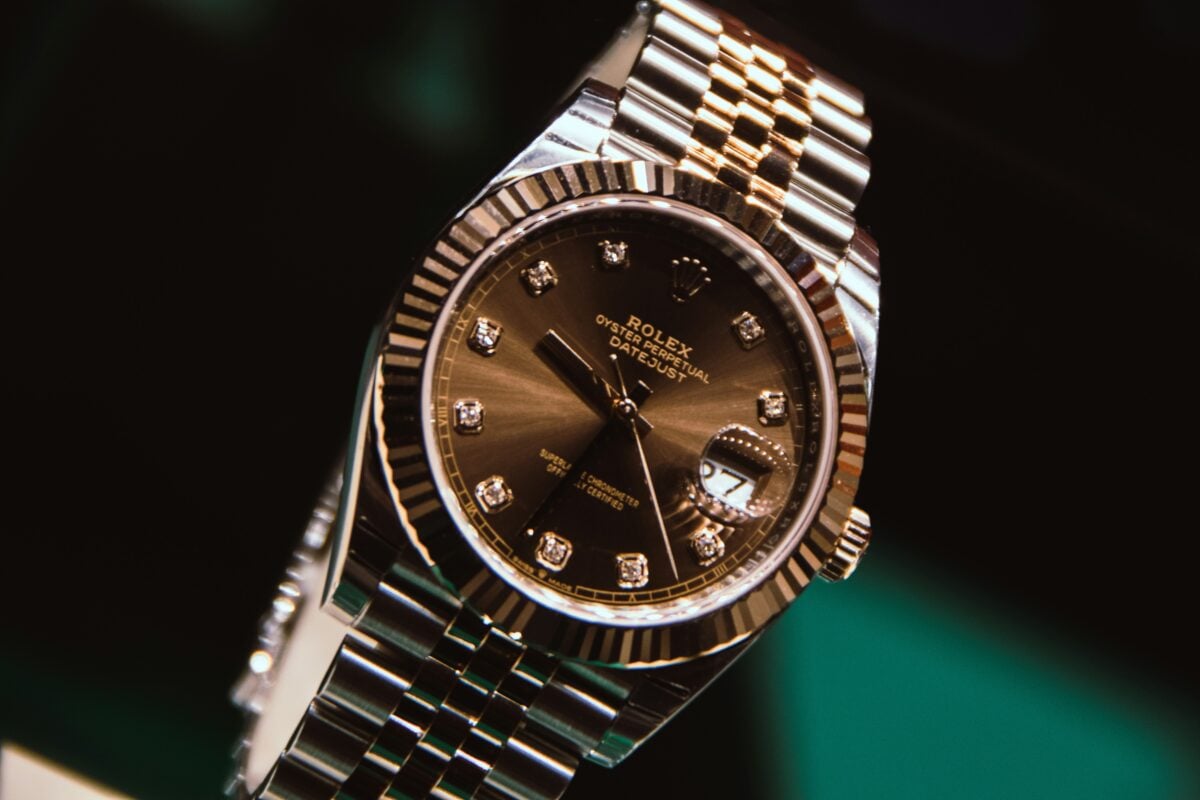
The Datejust arrived in 1945 as the first wristwatch with a date window that changed exactly at midnight rather than gradually over several hours. The innovation gave the watch its name—the date was always ‘just.’
Rolex added the Cyclops lens over the date window in later versions, magnifying it 2.5 times for easier reading. With its fluted bezel, Jubilee bracelet, and versatile sizing, the Datejust became Rolex’s most quintessential design, bridging the gap between dressy and sporty better than almost anything else in the catalog.
Patek Philippe Calatrava
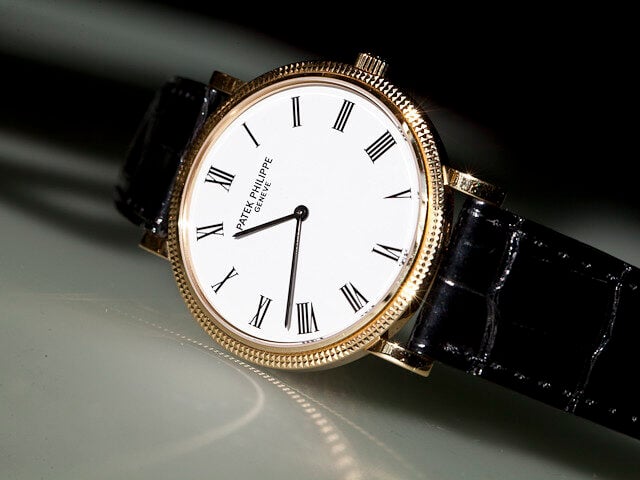
Patek Philippe’s response to the Great Depression was the Calatrava, introduced in 1932 as a relatively affordable dress watch for the emerging middle class. Its genius lay in simplicity—a clean round case with minimalist dial, elegant hands, and no complications to distract from pure design.
The Calatrava pioneered integrated lugs cut from a single piece of metal, a construction method so common now that it’s hard to imagine watches were made any other way. This watch defined what an elegant timepiece should look like and influenced nearly every dress watch that came after.
Zenith El Primero

When Zenith, Rolex, and several other brands raced to create the first automatic chronograph in 1969, Zenith won by a hair. The El Primero—Spanish for ‘the first’—beat at an unprecedented 36,000 vibrations per hour, delivering accuracy that left competitors in the dust.
That same movement later powered the Rolex Daytona for years. The El Primero proved that automatic chronographs weren’t just possible but could be more precise than anyone imagined, changing chronograph watchmaking forever.
TAG Heuer Monaco
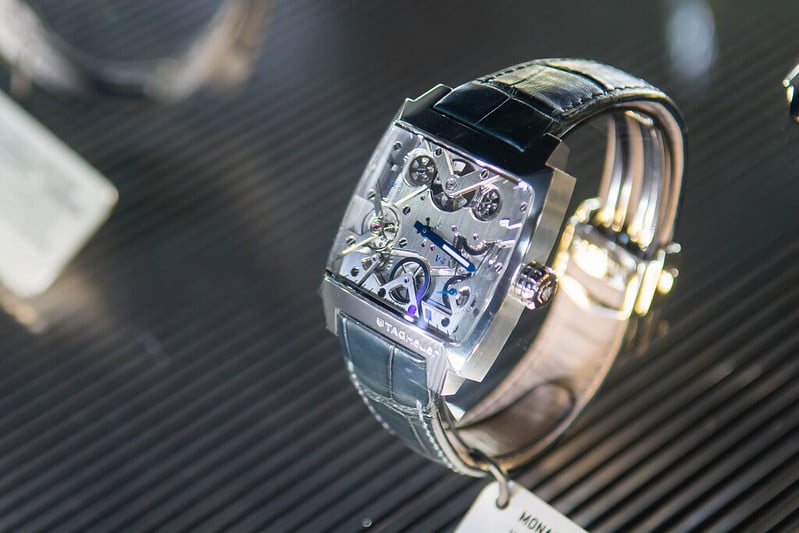
Released in 1969, the Monaco made waves with its square case—a radical departure when round cases dominated. The watch was cool but not particularly famous until Steve McQueen wore one in the 1971 film ‘Le Mans.’ McQueen’s endorsement turned Monaco into a motorsport icon practically overnight.
That distinctive square case with its blue dial and red accents became synonymous with racing culture and remains one of the most instantly recognizable chronographs ever made.
Jaeger-LeCoultre Reverso
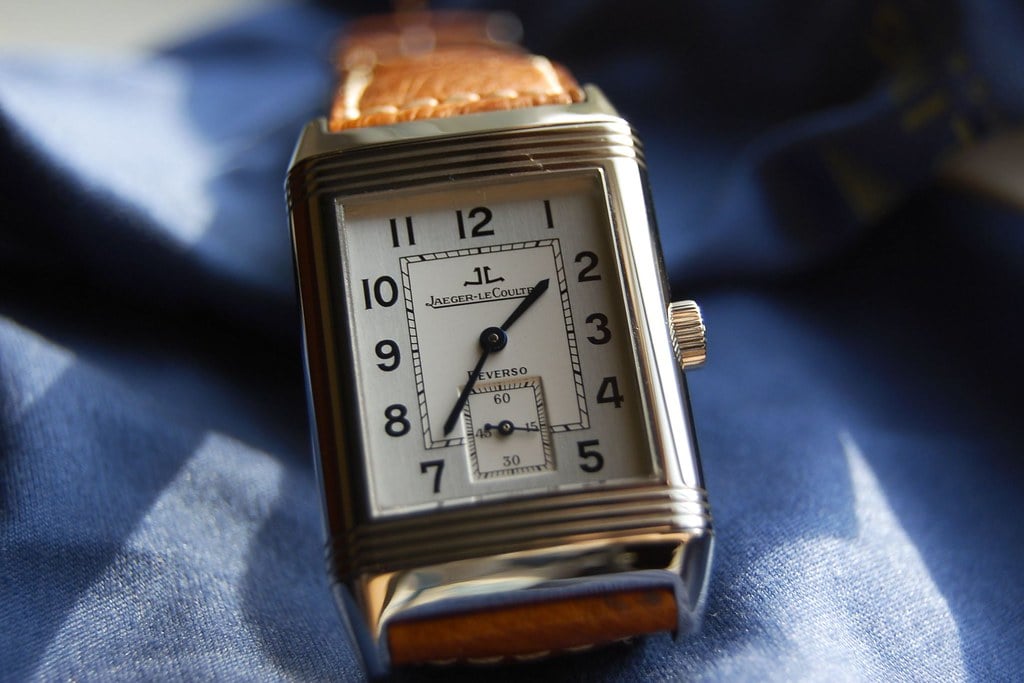
In 1931, British polo players in India had a problem—they kept smashing their watch crystals during matches. Jaeger-LeCoultre designed a watch with a case that flipped over completely, hiding the dial against the wrist during play.
The Art Deco-inspired rectangular case with its sliding mechanism was elegant and practical. Players could even engrave the solid caseback with personal designs or messages.
The Reverso survived when most other rectangular watches faded away, becoming one of the few true icons in the dress watch category.
Seiko Astron

When Seiko released the Astron in 1969, it cost the same as a Toyota Corolla. This was the first quartz watch available to consumers, and it nearly destroyed Swiss mechanical watchmaking overnight.
The Astron kept time to within five seconds per month—accuracy that mechanical watches couldn’t approach. The quartz crisis that followed forced Swiss brands to reinvent themselves completely.
Without the Astron, the watch industry would look entirely different today, making this one of the most historically significant watches ever produced regardless of its humble appearance.
Beyond the Dial
These watches share something beyond technical specs or precious metals. Each one marked a turning point, whether through innovation, cultural impact, or sheer persistence in the face of skepticism.
Some were instant hits, others took decades to find their audience, but all of them proved that great design combined with the right story creates something that transcends mere timekeeping. They remind us that watches, at their best, carry history on our wrists.
More from Go2Tutors!

- The Romanov Crown Jewels and Their Tragic Fate
- 13 Historical Mysteries That Science Still Can’t Solve
- Famous Hoaxes That Fooled the World for Years
- 15 Child Stars with Tragic Adult Lives
- 16 Famous Jewelry Pieces in History
Like Go2Tutors’s content? Follow us on MSN.