Stories Of Estate Sale Jewelry Finds Worth A Fortune
Estate sales hold secrets behind velvet boxes and tangled chains. Most people walk past the jewelry tables, assuming everything valuable has already been claimed.
They’re wrong. Hidden among costume pieces and outdated settings sit treasures that could change someone’s financial future — if they know what to look for.
The Cartier Tank Watch Discovery

A retired teacher from Ohio thought she was buying a broken vintage watch for $25. The leather strap was cracked, the face was yellowed, and the seller mentioned it hadn’t worked in years.
She liked the simple rectangular design and figured it would make a nice conversation piece. Turns out, the conversation was worth having.
The watch was a 1960s Cartier Tank, and once restored, it appraised for $8,500. Not bad for a Saturday morning impulse buy.
Victorian Mourning Jewelry Treasure
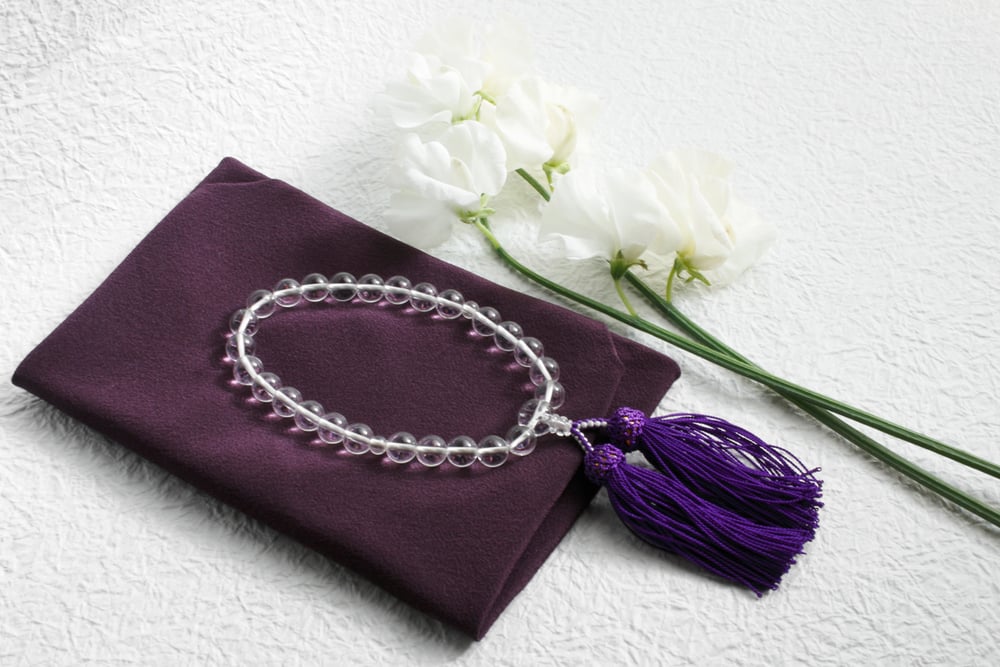
Here’s something most people don’t expect: mourning jewelry from the Victorian era has become incredibly collectible, and (perhaps because death makes people uncomfortable) it often gets overlooked at estate sales, priced as if it were any other old brooch or pendant. But collectors know better — they know that the elaborate metalwork, the intricate braided hair details, and the sheer craftsmanship of these pieces make them worth far more than their morbid associations might suggest.
And yet buyers keep finding them tucked away in corners of estate sale jewelry displays, tagged with prices that reflect the seller’s discomfort rather than the market’s appetite. One collector found an entire set — brooch, earrings, and bracelet — made with jet and featuring an elaborate hair weaving technique that had been popular in the 1870s.
Total cost at the estate sale: $45. The set sold at auction three months later for $2,100, which is saying something about how much people will pay for things once they’re properly presented and contextualized.
Hidden Tiffany Sterling Silver

Estate sale jewelry is like rummaging through someone else’s memory drawer. The good pieces hide between high school class rings and souvenir charms from vacations nobody remembers.
Sometimes the most valuable items are the ones that look the least impressive — blackened silver that needs polishing, settings that seem too simple to matter. A college student found this out when she bought what looked like a plain silver bracelet for $12.
The links were heavy, substantial in a way that felt different from the other pieces on the table. She almost didn’t buy it.
Almost walked away because it seemed too ordinary, too understated to be worth the trouble. The “ordinary” bracelet carried a tiny Tiffany & Co. stamp.
After cleaning and research, it dated to the 1940s and was worth $850. Sometimes the best finds are the ones that whisper instead of shout.
The Overlooked Cameo Collection
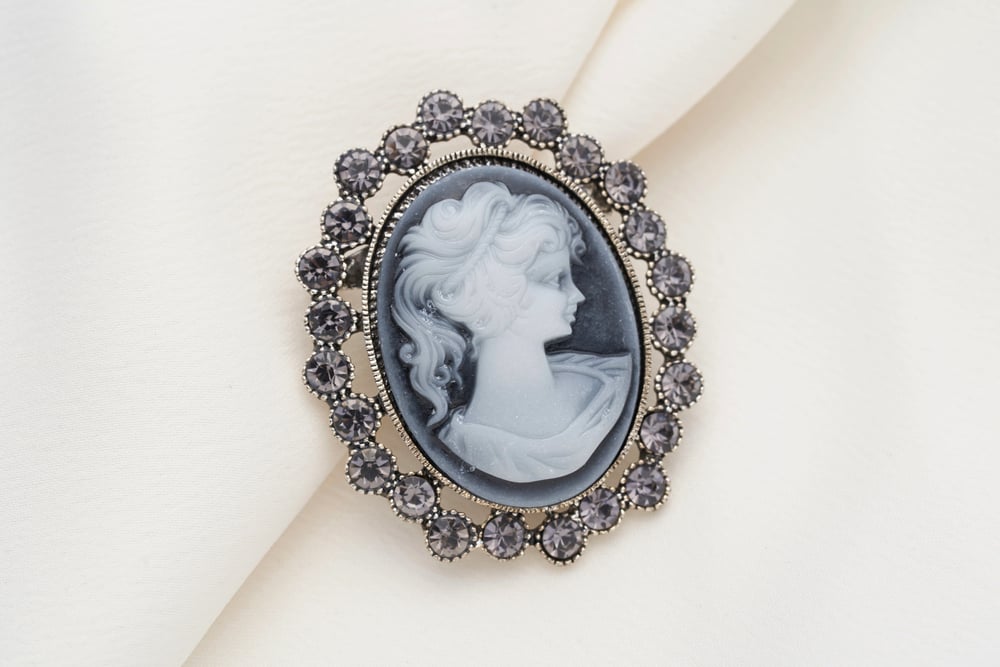
Cameos are misunderstood. People see them as old-fashioned, something their grandmother might have worn to church.
This dismissive attitude creates opportunities for buyers who know the difference between a plastic tourist cameo and hand-carved shell or stone. A woman in Portland found a shoebox containing twelve cameos at an estate sale.
The family was selling them for $3 each, clearly wanting to clear them out quickly. She bought all twelve for $36.
Six of them turned out to be hand-carved Italian pieces from the early 1900s, worth between $200 and $450 each.
Art Deco Diamond Ring Find
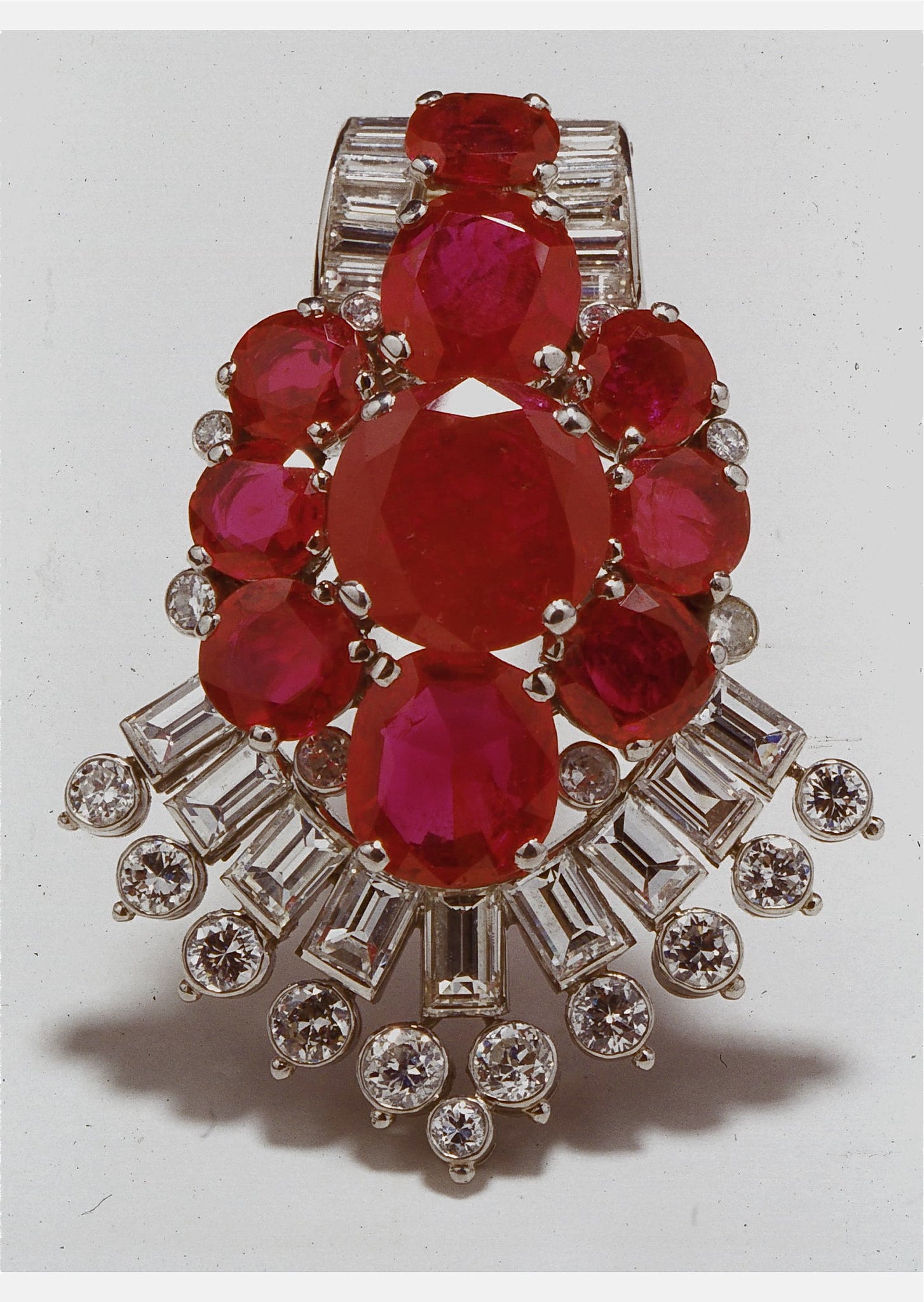
The ring was sitting in a small plastic bag with other “costume jewelry” — quotation marks intentional, because whoever sorted the estate clearly didn’t know what they were looking at. The geometric design screamed Art Deco, but the diamonds (and they were real diamonds, not rhinestones) were small enough that casual observers might have missed their quality.
The platinum setting had that unmistakable weight and patina that only comes with age and quality craftsmanship, but it was mixed in with pieces that were obviously mass-produced and worthless. So there it sat, priced at $35, waiting for someone who understood that Art Deco jewelry represents one of the most sought-after periods in jewelry design, and that even modest examples from that era command serious money from collectors.
The buyer who eventually spotted it knew enough to recognize the period, the quality of the stones, and the significance of the platinum setting. But the real surprise came at appraisal: $4,200.
The diamonds were higher quality than expected, and the design was attributed to a known Art Deco jewelry maker whose pieces rarely appear at estate sales.
Mexican Silver Jewelry Haul
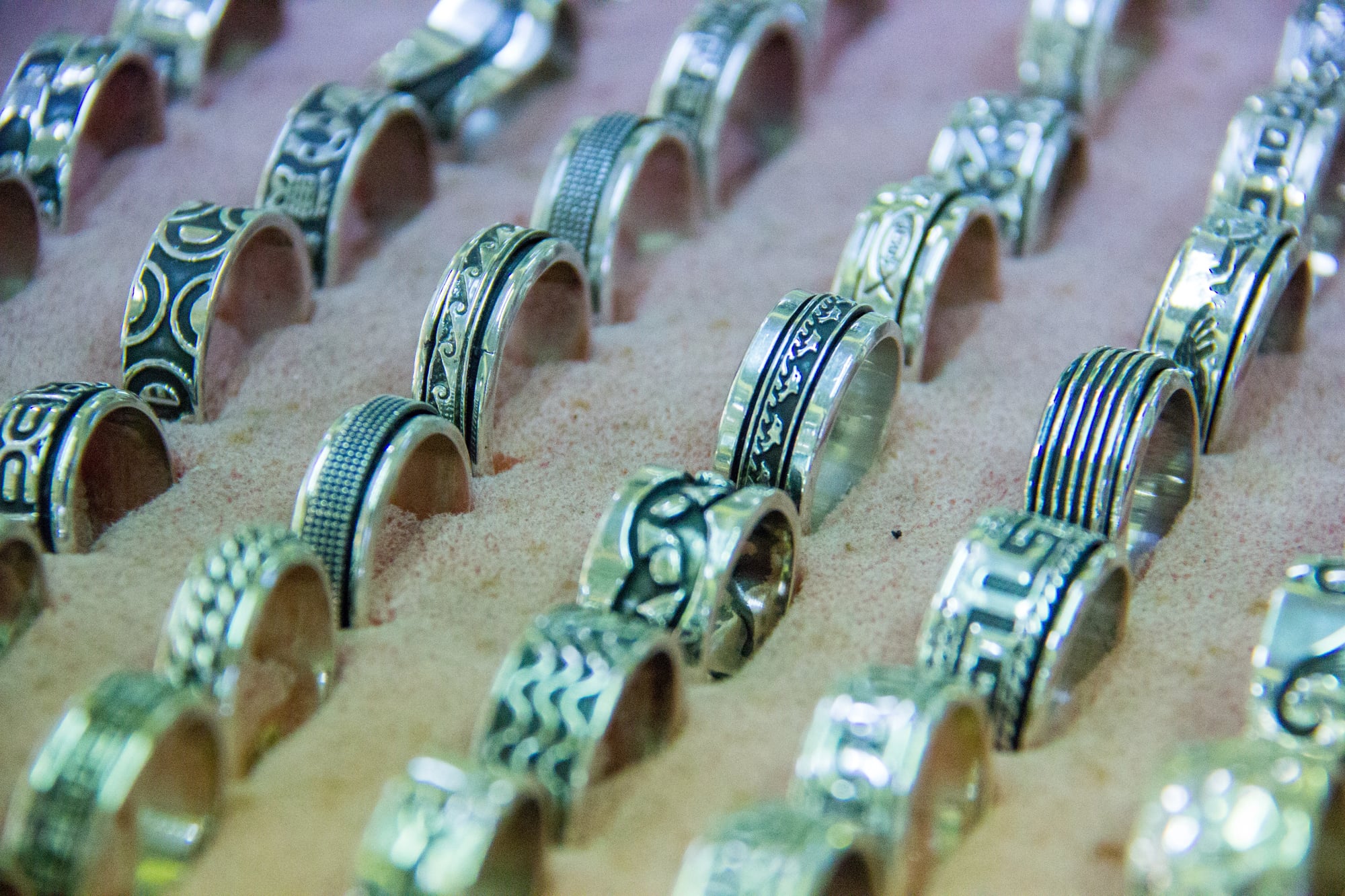
Mexican silver from the mid-20th century gets no respect at estate sales. People see “Mexico” stamped on the back and assume it’s tourist jewelry.
They’re missing pieces made by master silversmiths who created some of the most innovative jewelry designs of their era. A dealer found an entire collection — necklace, bracelet, earrings, and two rings — all marked with the signature of renowned Mexican silversmith Antonio Pineda.
The estate sale price for the entire set was $60. Pineda’s work sells for serious money among collectors who appreciate mid-century Mexican silver artistry.
The set appraised for $3,800, proving that geographic prejudices can create profitable opportunities.
Cultured Pearl Strand Discovery
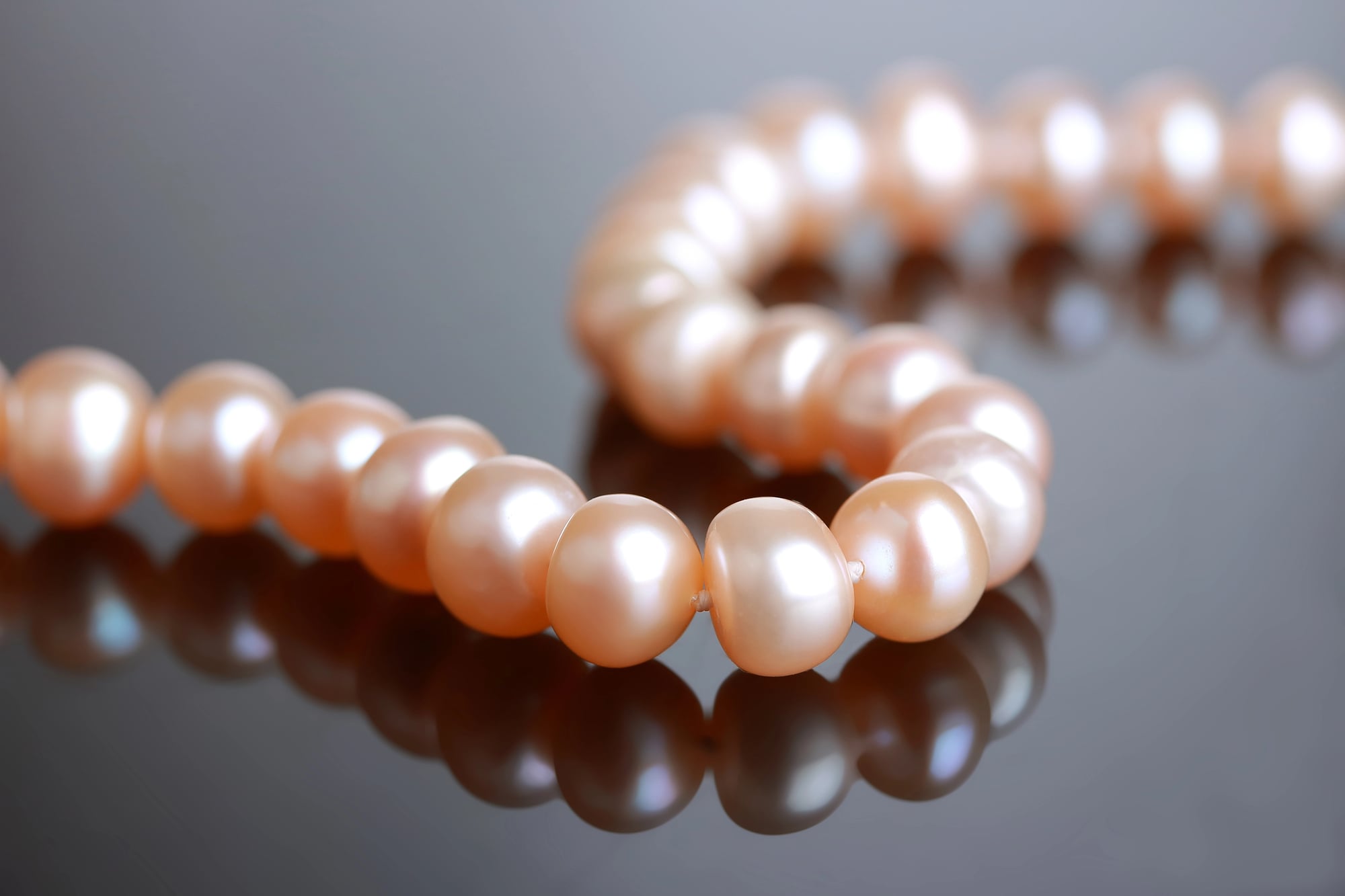
Not all pearls look like pearls, especially when they’ve been stored improperly for years (which happens more often than people realize, since pearls require specific care that most people don’t know about or simply forget to maintain over time). The strand looked dull, almost chalky, with a clasp that had clearly seen better days — the kind of piece that gets passed over because it doesn’t have that lustrous, jewelry-store shine that people associate with valuable pearls.
The seller had it priced at $15, probably figuring it was costume jewelry that had lost whatever appeal it might have once had. And yet the buyer recognized something in the shape and size of the pearls, something about their irregularity that suggested they were real rather than manufactured.
Real cultured pearls, it turns out, can be restored to their original luster with proper cleaning and restringing — a process that costs around $100 but can reveal thousands of dollars in value. These particular pearls were high-quality Mikimoto cultured pearls from the 1950s.
After restoration, they appraised for $2,900. Sometimes the best finds are hiding under decades of neglect.
Vintage Rolex Discovery
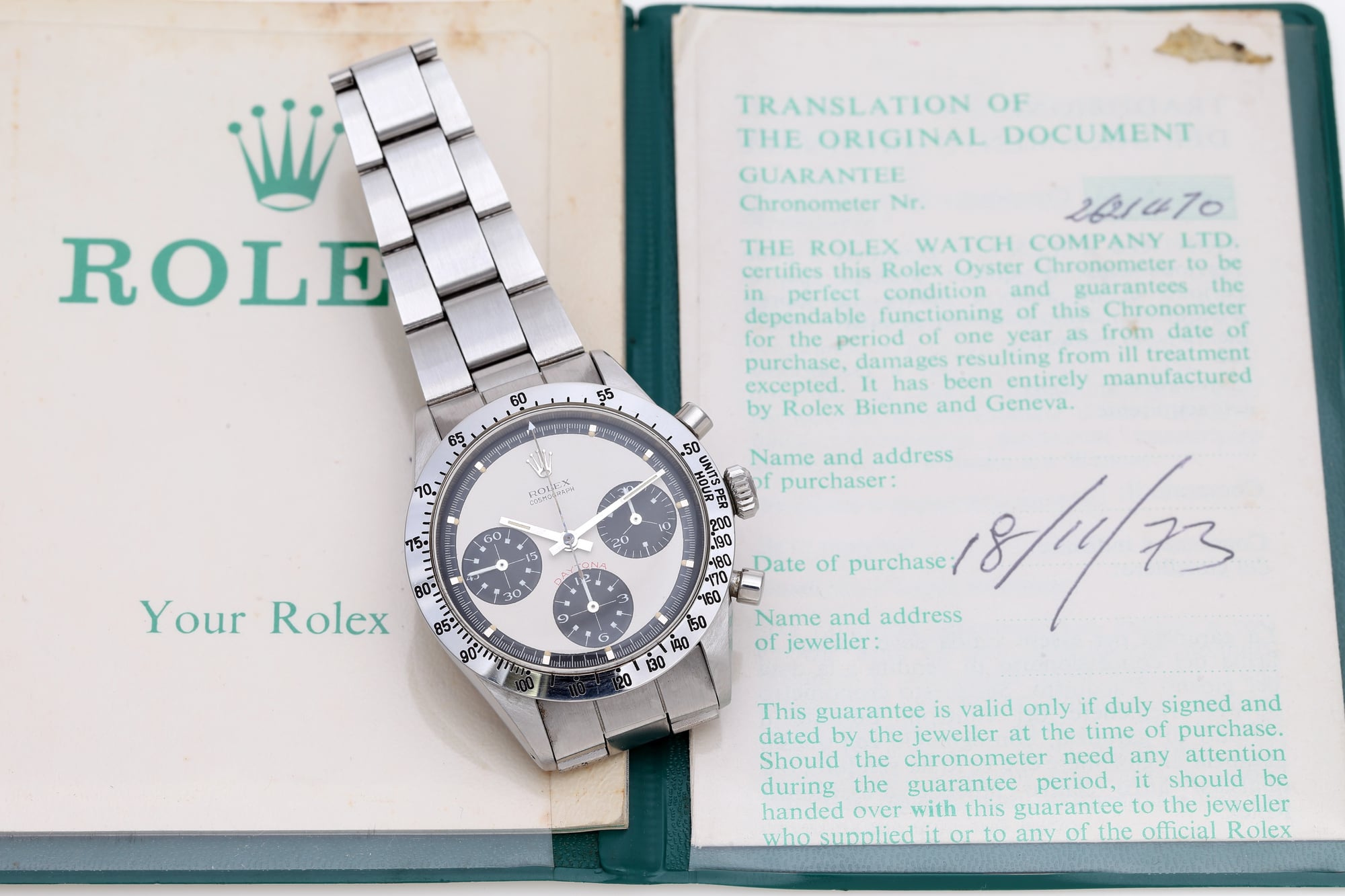
The watch looked rough. Really rough.
The face was discolored, the band was aftermarket leather, and the crystal was so scratched it was hard to read the dial. Most people would have walked past it without a second glance.
But vintage Rolex collectors know that condition issues can be fixed, and what matters is the movement inside. This particular watch — a 1960s Submariner — was priced at $150.
After restoration, it was worth $12,000. The buyer recognized the model despite its poor condition and understood that vintage Rolex values are based on rarity and provenance, not appearance.
Native American Turquoise Jewelry
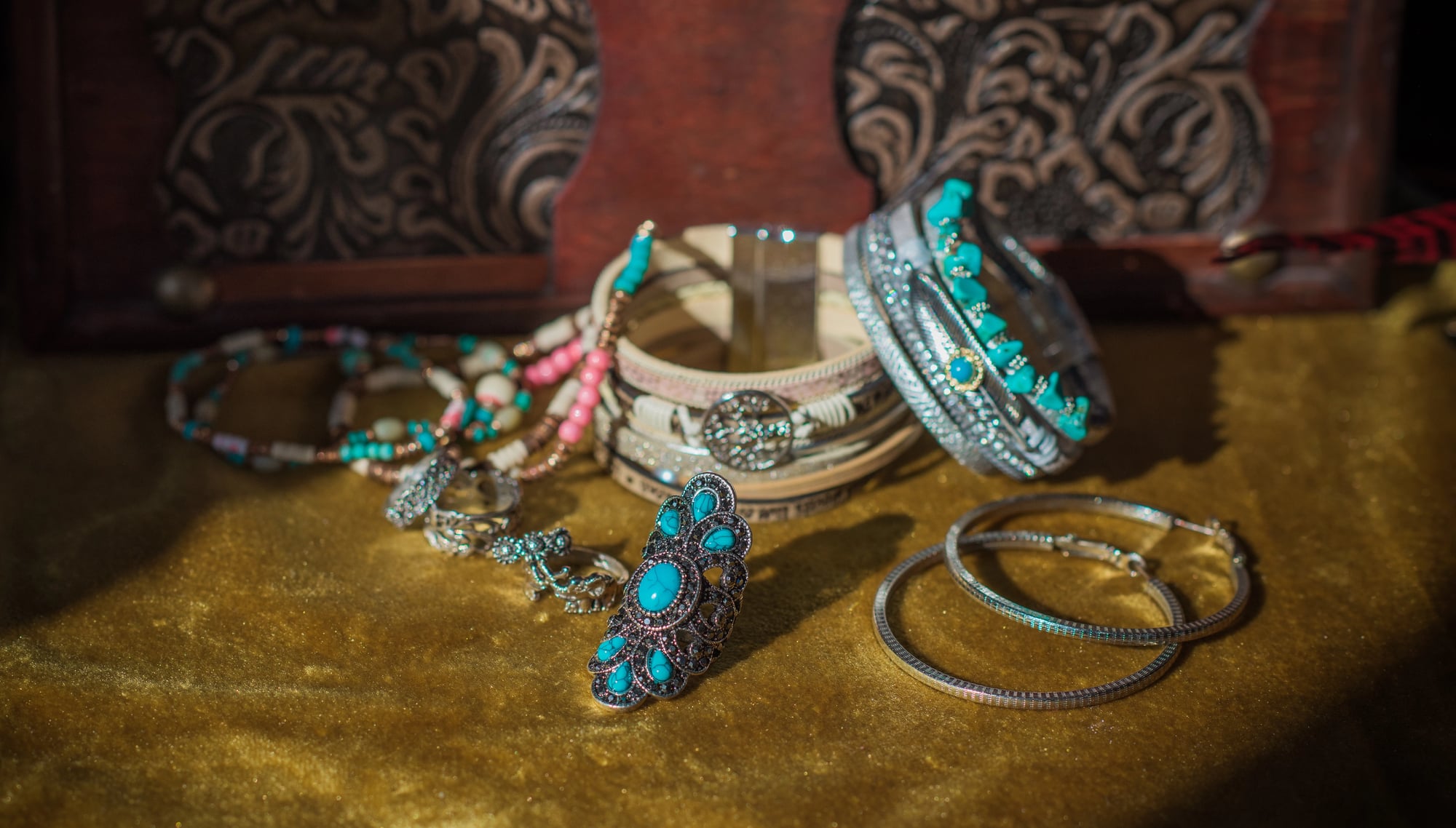
Estate sales in the Southwest often feature Native American jewelry, but most buyers can’t tell the difference between authentic pieces and mass-produced imitations. The real pieces carry hallmarks, use genuine stones, and show craftsmanship techniques that take years to master.
A collector found a squash blossom necklace at a Phoenix estate sale, priced at $85. The turquoise was genuine Sleeping Beauty turquoise, and the silver work bore the signature of a well-known Navajo jeweler.
Authentic pieces from recognized Native American artisans sell for significant money in the right markets. This necklace appraised for $2,400, reflecting both the quality of materials and the reputation of its maker.
Georgian Era Mourning Ring
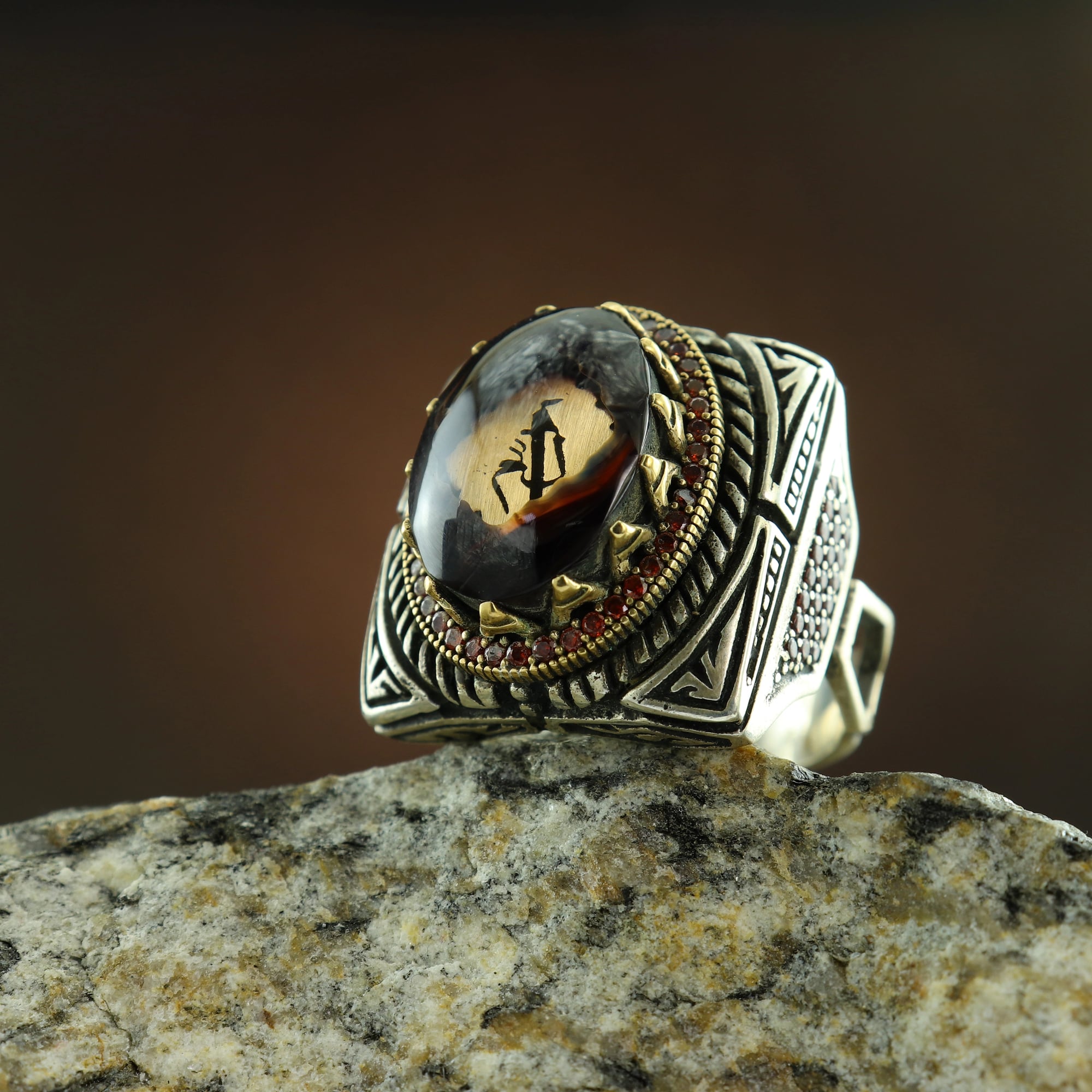
Mourning rings from the Georgian era are incredibly rare, partly because so few survive and partly because people don’t recognize their historical significance. This particular ring was hiding among other antique pieces, its black enamel band and small compartment for hair marking it as a mourning piece from the early 1800s.
The ring was priced at $40. Georgian mourning jewelry is highly collectible among serious antique jewelry collectors, and pieces in good condition command premium prices.
This ring appraised for $1,800, its value lying in both its rarity and its connection to historical mourning customs that are now considered fascinating rather than morbid.
Sterling Silver Tea Service Components
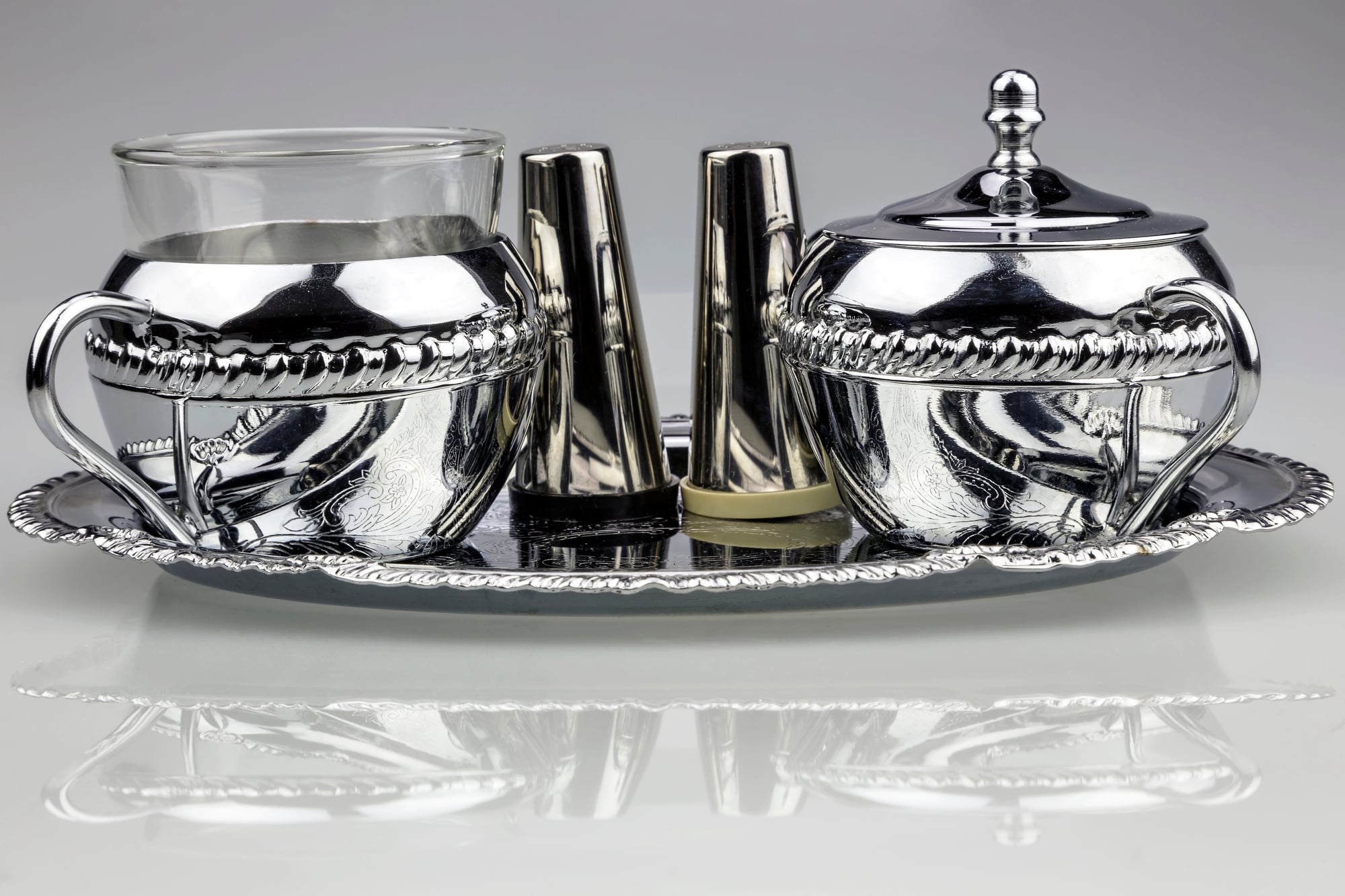
Sometimes jewelry finds aren’t technically jewelry at all. A buyer found what appeared to be decorative silver pieces — small bowls, tiny spoons, miniature serving pieces — mixed in with estate jewelry.
They were actually components from a sterling silver tea service, separated from their original set. The pieces were hallmarked sterling and showed excellent craftsmanship.
While incomplete sets are worth less than complete ones, quality sterling silver maintains strong value based on weight and craftsmanship. The buyer paid $45 for pieces that contained over $400 worth of sterling silver, not counting the additional collector value for the specific pattern and maker.
Vintage Designer Costume Jewelry
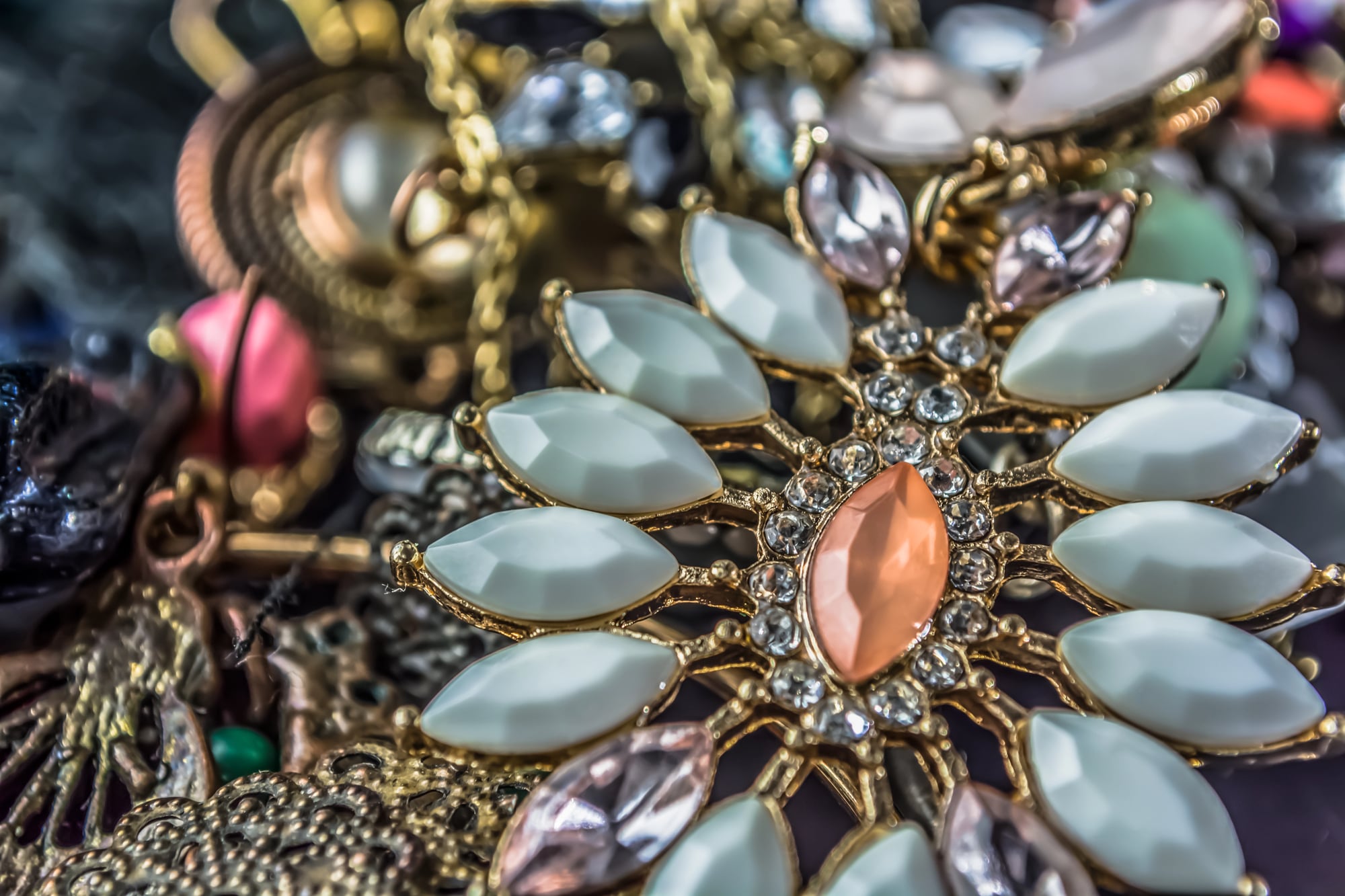
The phrase “costume jewelry” makes people think cheap, but vintage designer costume jewelry from makers like Schiaparelli, Miriam Haskell, or Kenneth Jay Lane commands serious money among collectors. These pieces were never meant to fool anyone into thinking they were real gems — they were art pieces, designed by artists who happened to work in non-precious materials.
A buyer found a Schiaparelli necklace and earring set at an estate sale, recognizing the distinctive design style and checking for the maker’s mark. The set was priced at $25, but vintage Schiaparelli pieces sell for hundreds or thousands of dollars, depending on the design and condition.
This particular set appraised for $850, proving that “costume” doesn’t always mean “worthless.”
Antique Pocket Watch Collection

Pocket watches get overlooked because people don’t carry them anymore. They seem obsolete, relegated to grandfather’s drawer rather than recognized as collectible timepieces.
This creates opportunities for buyers who understand that vintage pocket watches, especially those from respected makers, maintain strong collector value. One buyer found a small collection of pocket watches at an estate sale — five watches total, none of them running, all priced together for $60.
Three of the watches were high-quality American-made pieces from the early 1900s, and one was a railroad-grade watch that had been used by someone who worked for the Pennsylvania Railroad. After cleaning and minor repairs, the collection appraised for $2,100, with the railroad watch alone worth $800.
Hidden Gemstone Discovery
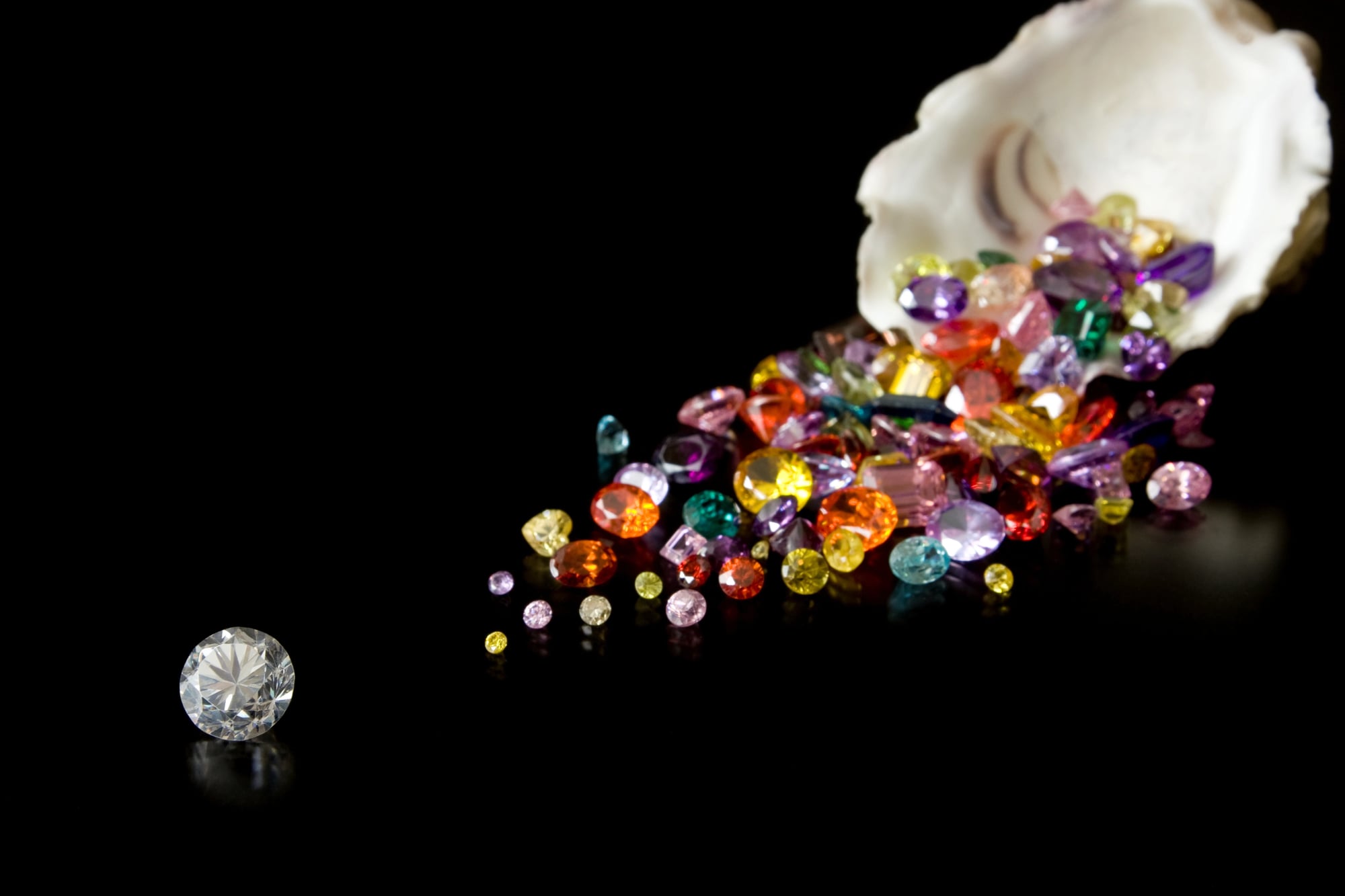
The brooch looked unremarkable — an ornate Victorian setting with what appeared to be colored glass stones. The metalwork was detailed enough to be interesting, but the stones seemed dull and lifeless under the estate sale lighting.
Most buyers would have dismissed it as typical Victorian costume jewelry. But gemstones can look deceptive when they’re dirty or poorly lit.
The buyer paid $30 for the brooch and had it professionally cleaned and examined. The “colored glass” turned out to be genuine sapphires and garnets, set in 14-karat gold.
The piece appraised for $1,400, demonstrating why it pays to look beyond surface appearances when evaluating estate sale jewelry.
When Treasure Hides In Plain Sight
Estate sale jewelry hunting requires patience, knowledge, and a willingness to see potential where others see problems. The most valuable finds often look the least impressive — tarnished silver that needs polishing, watches that need repair, settings that seem too simple to be valuable.
But for those who know what to look for, these sales offer genuine opportunities to find pieces worth far more than their asking prices. The key is learning to recognize quality, understanding maker’s marks, and trusting your instincts when something feels substantial even if it doesn’t look perfect.
More from Go2Tutors!

- The Romanov Crown Jewels and Their Tragic Fate
- 13 Historical Mysteries That Science Still Can’t Solve
- Famous Hoaxes That Fooled the World for Years
- 15 Child Stars with Tragic Adult Lives
- 16 Famous Jewelry Pieces in History
Like Go2Tutors’s content? Follow us on MSN.