Former War Zones Now Welcoming Visitors
The world carries its scars quietly, but some places have learned to transform them into something unexpected. Cities that once echoed with conflict now hum with the sounds of tourism.
Countries that appeared only in news reports about violence now appear in travel guides. These transformations don’t erase the past — they offer a different way to understand it.
Bosnia And Herzegovina
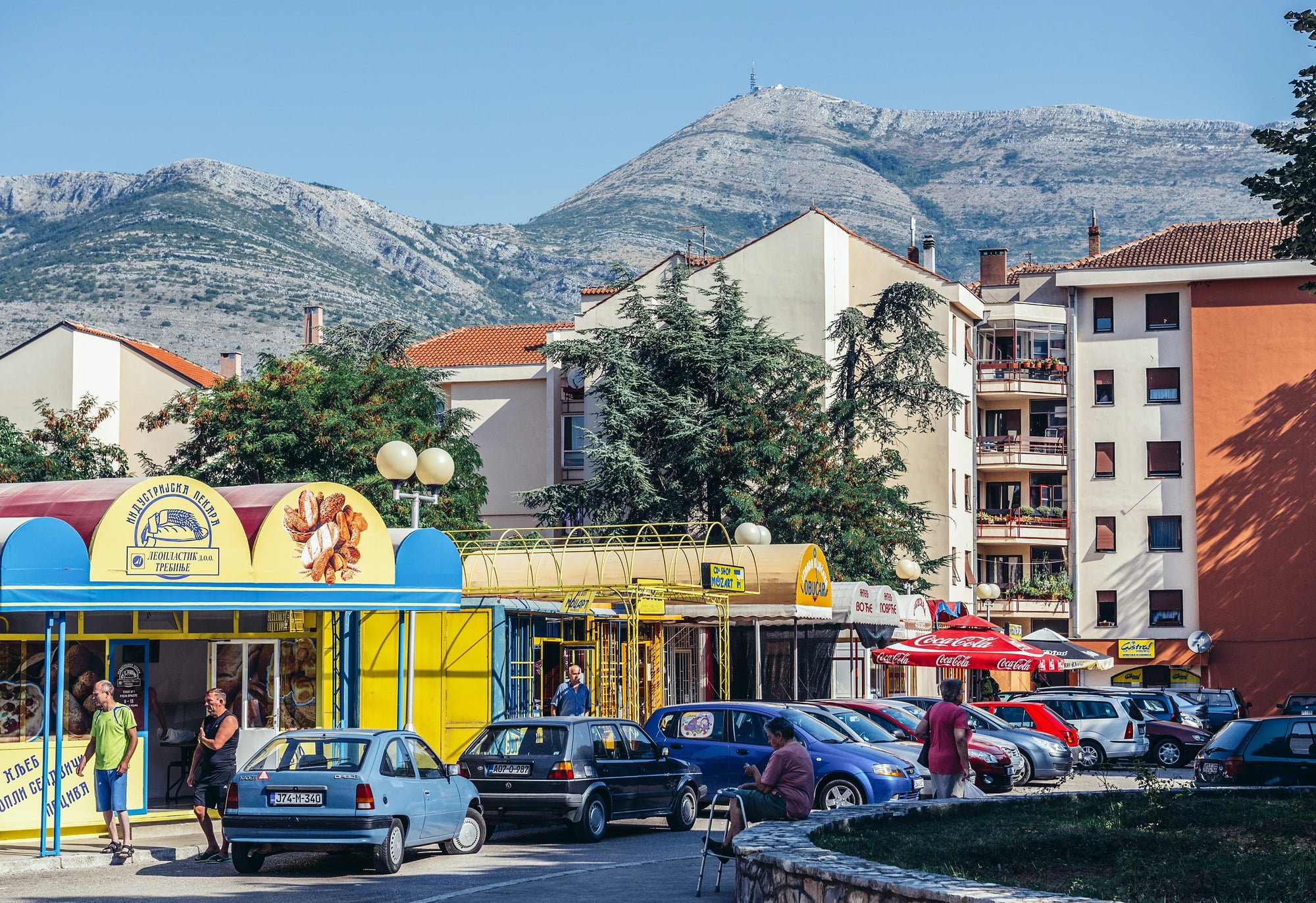
Sarajevo doesn’t hide from its history. The city wears its bullet marks like badges, but the cafes are full and the streets pulse with life.
Tourists walk the same bridges where snipers once took aim, now lined with art installations and flower vendors.
Vietnam
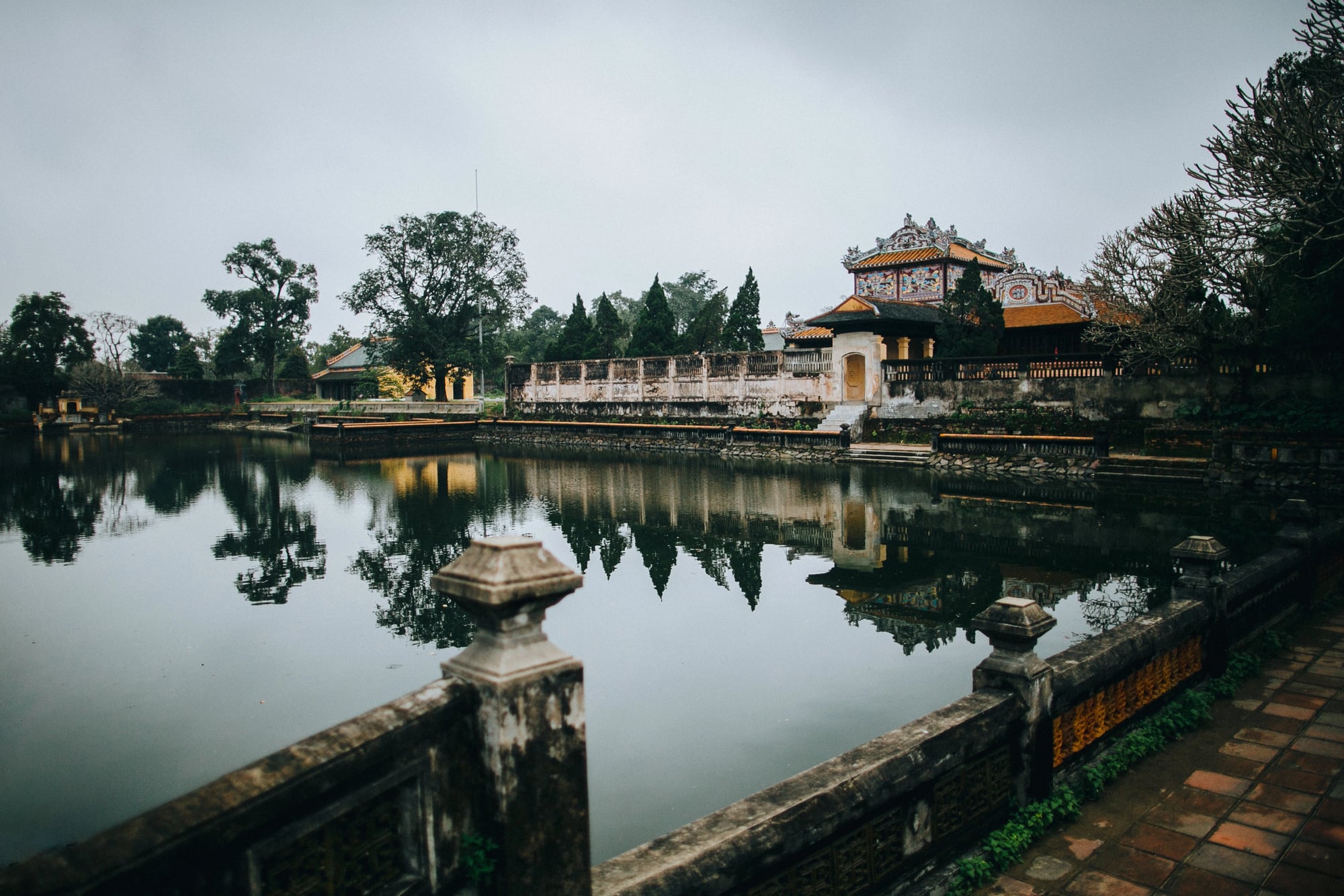
The Cu Chi Tunnels draw crowds who crawl through the same passages where guerrilla fighters once hid. Ho Chi Minh City buzzes with motorbikes and street food vendors, while Hanoi’s old quarter feels like a living museum.
The war ended decades ago, but the stories it left behind have become the foundation for a thriving tourism industry.
Rwanda
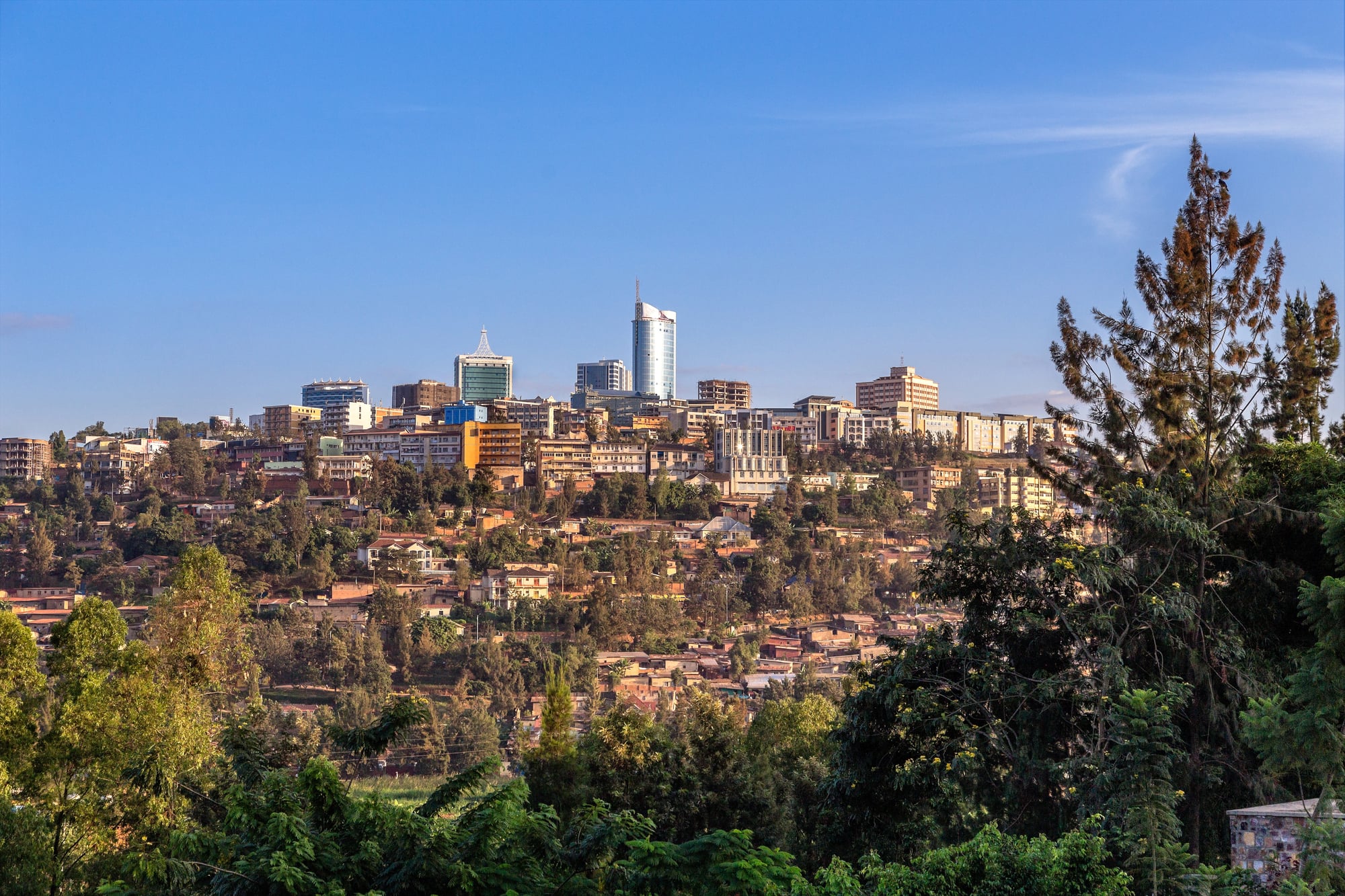
Kigali has become something nobody expected after 1994 (and for good reason — the genocide left the country in ruins, its people scattered, its future seemingly impossible to imagine). The capital city now ranks among Africa’s cleanest and safest, with memorial sites that don’t sensationalize tragedy but instead create space for reflection.
And the mountain gorillas in Volcanoes National Park draw visitors who contribute directly to conservation efforts — which means tourism here serves a purpose beyond simple sightseeing, though the sightseeing itself turns out to be extraordinary. But it’s complicated.
The transformation feels both complete and fragile.
Northern Ireland
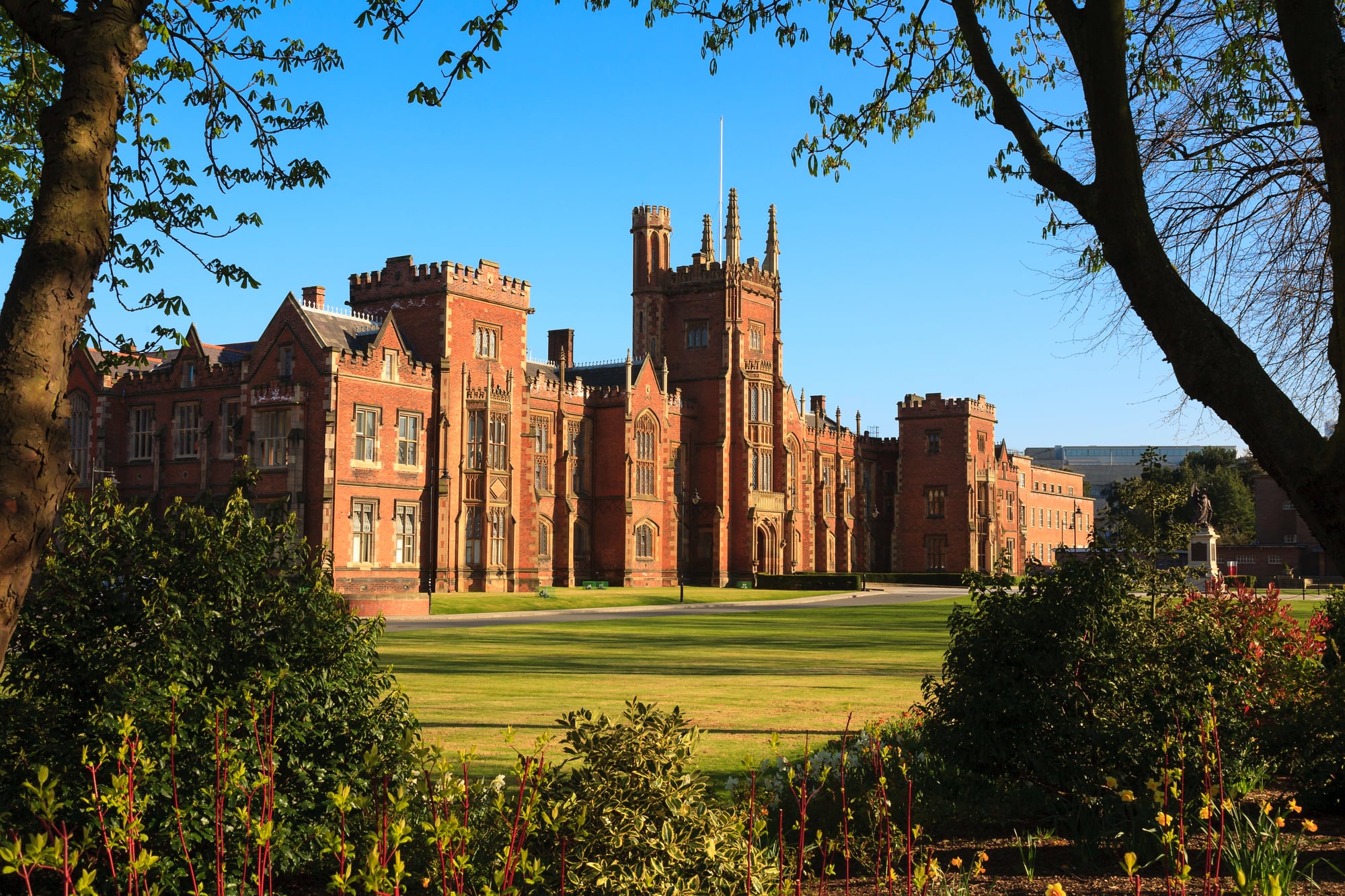
Belfast’s peace walls still divide neighborhoods, but they’ve become canvases for murals that tell the story of conflict and reconciliation. The city offers walking tours that don’t romanticize the Troubles but don’t shy away from them either.
Derry’s walls now host art festivals instead of military patrols.
Sri Lanka
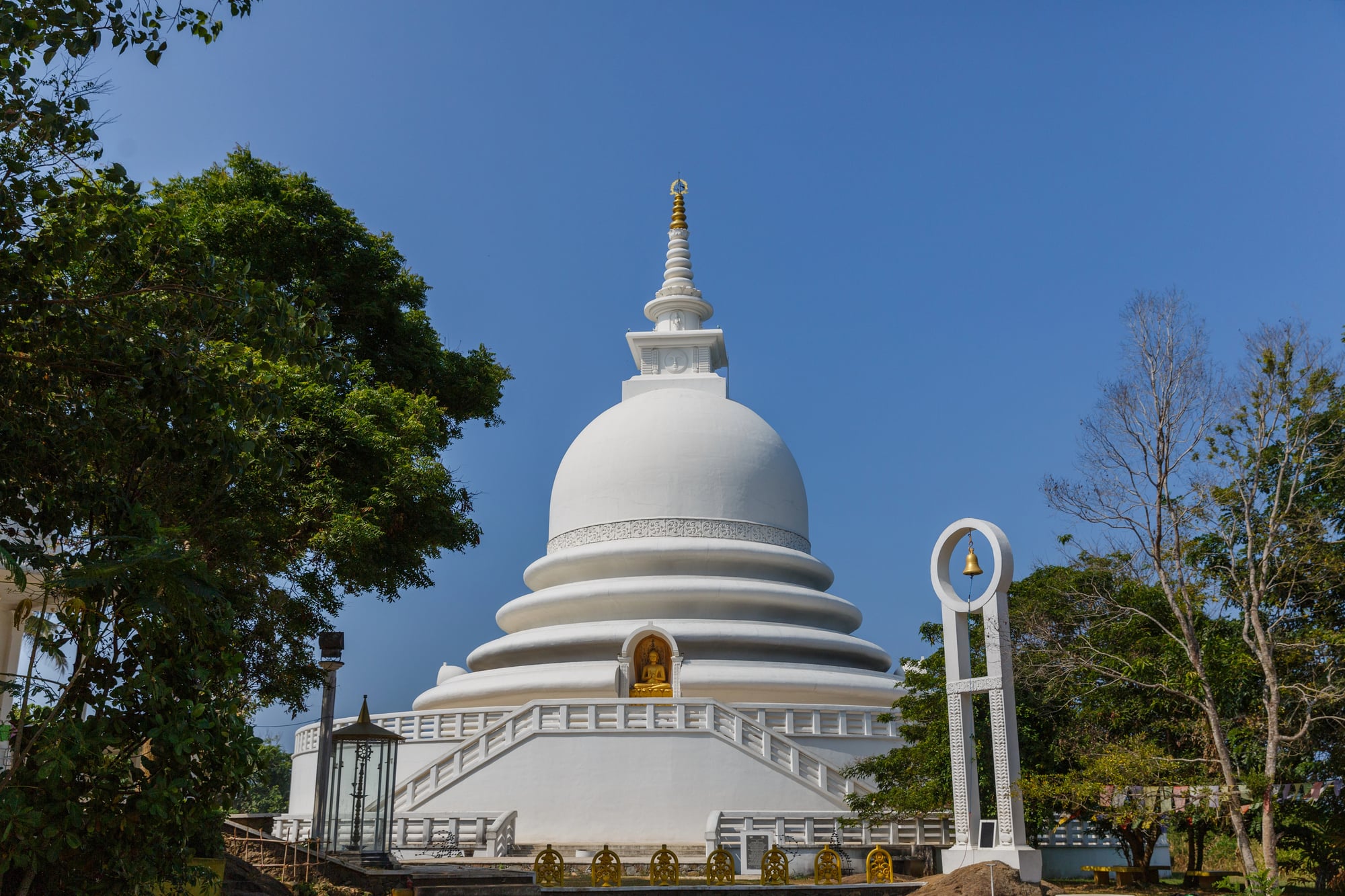
Twenty-six years of civil war ended in 2009, leaving behind a country that tourists had forgotten existed. The northern regions, once completely off-limits, now welcome visitors to pristine beaches and ancient temples.
Jaffna’s library, destroyed during the conflict, has been rebuilt as a symbol of cultural renewal.
Colombia
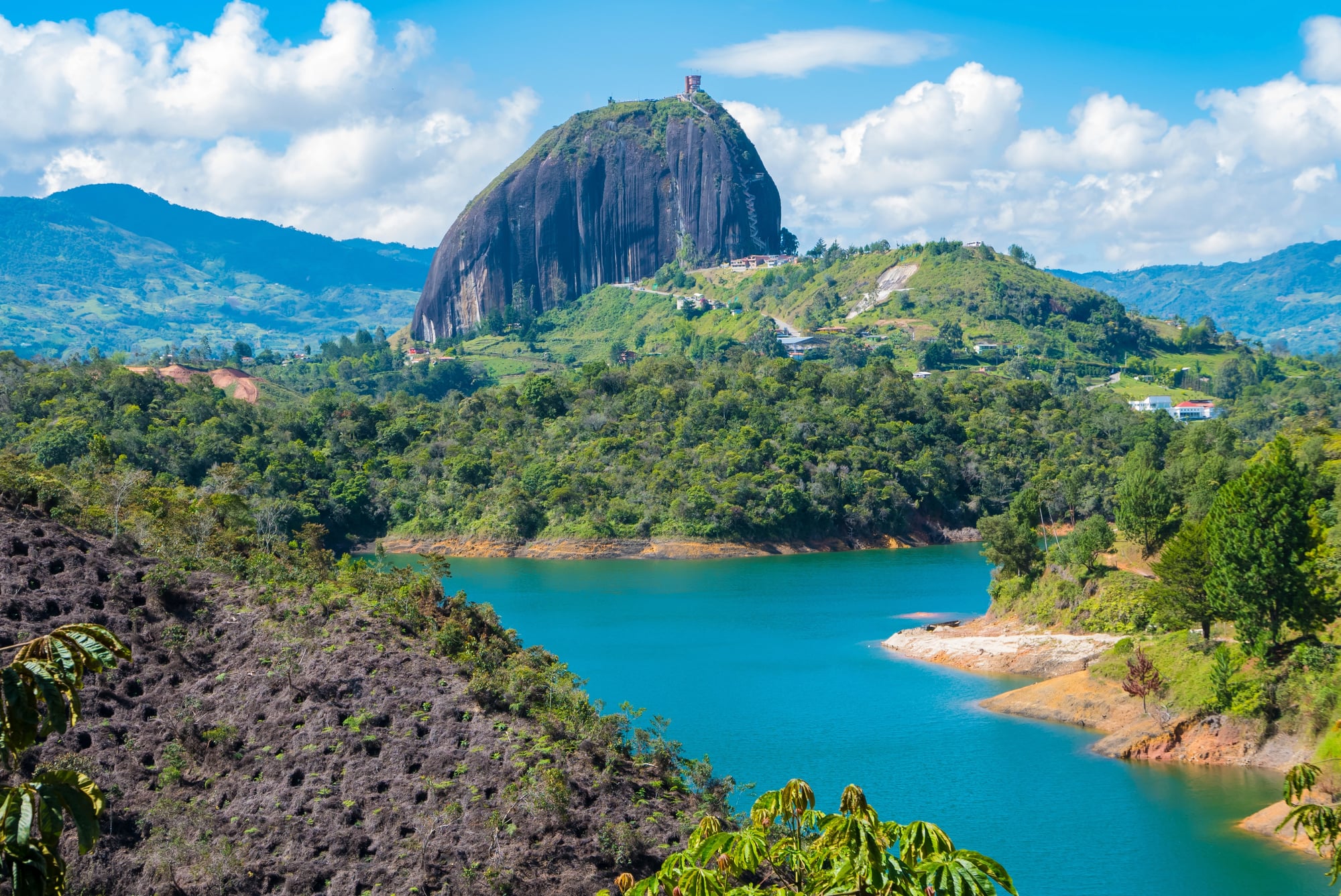
Medellín sheds its reputation one metro stop at a time. The city that once symbolized cartel violence now showcases urban innovation and year-round spring weather.
Coffee farms in regions that were no-go zones for decades now offer tours where visitors can trace their morning cup from bean to brew — and the farmers who host these tours often have stories that span both the violent years and the peaceful ones that followed. Even Bogotá feels different now, though it was never as dangerous as outsiders believed.
So the transformation isn’t just real; it’s accelerating.
Lebanon
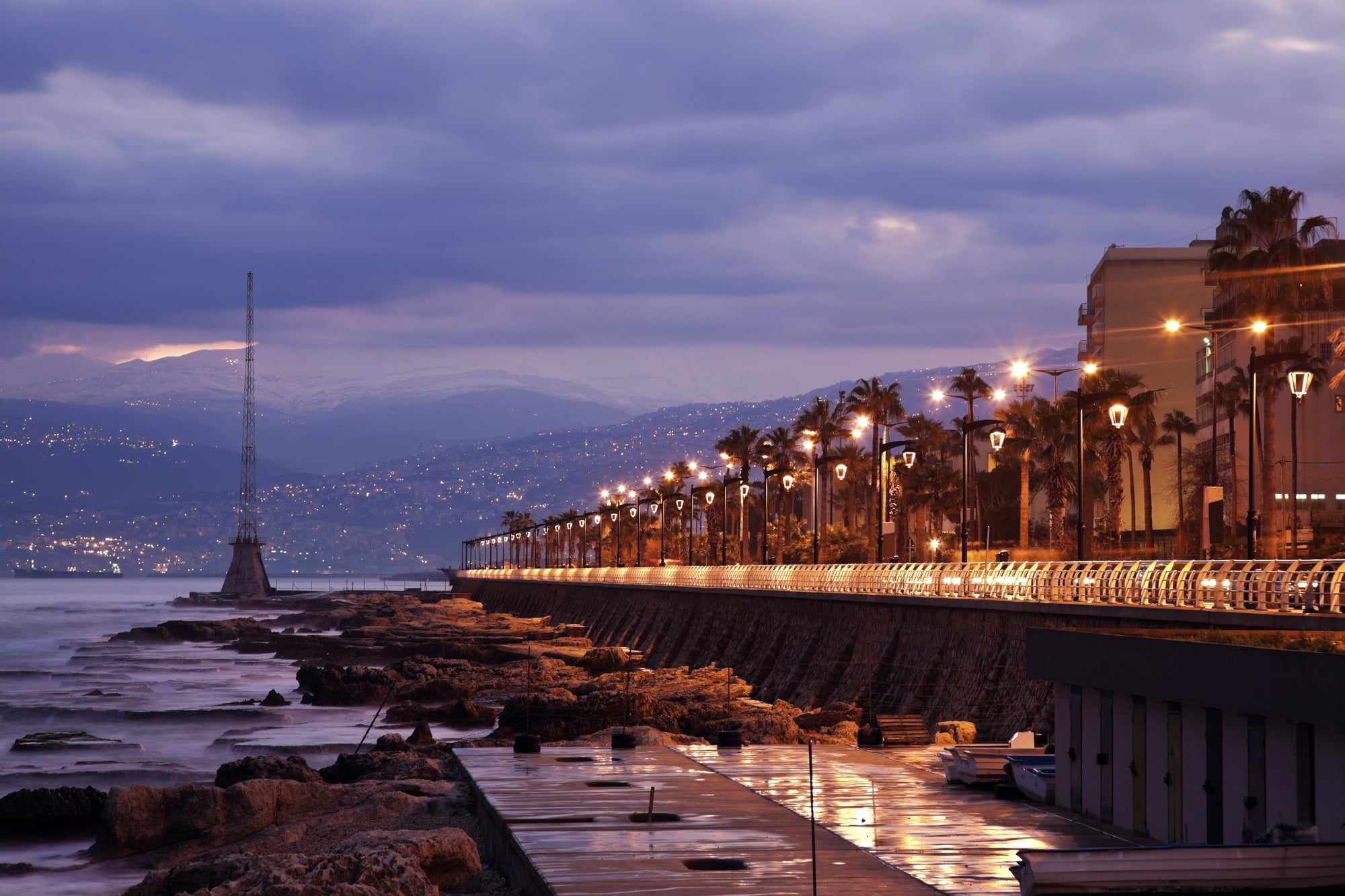
Beirut rebuilds itself with the persistence of a plant growing through concrete. The downtown area, once reduced to rubble, now hosts festivals and fashion weeks.
Lebanese hospitality has always been legendary, but visitors can experience it firsthand now without dodging checkpoints.
Cambodia
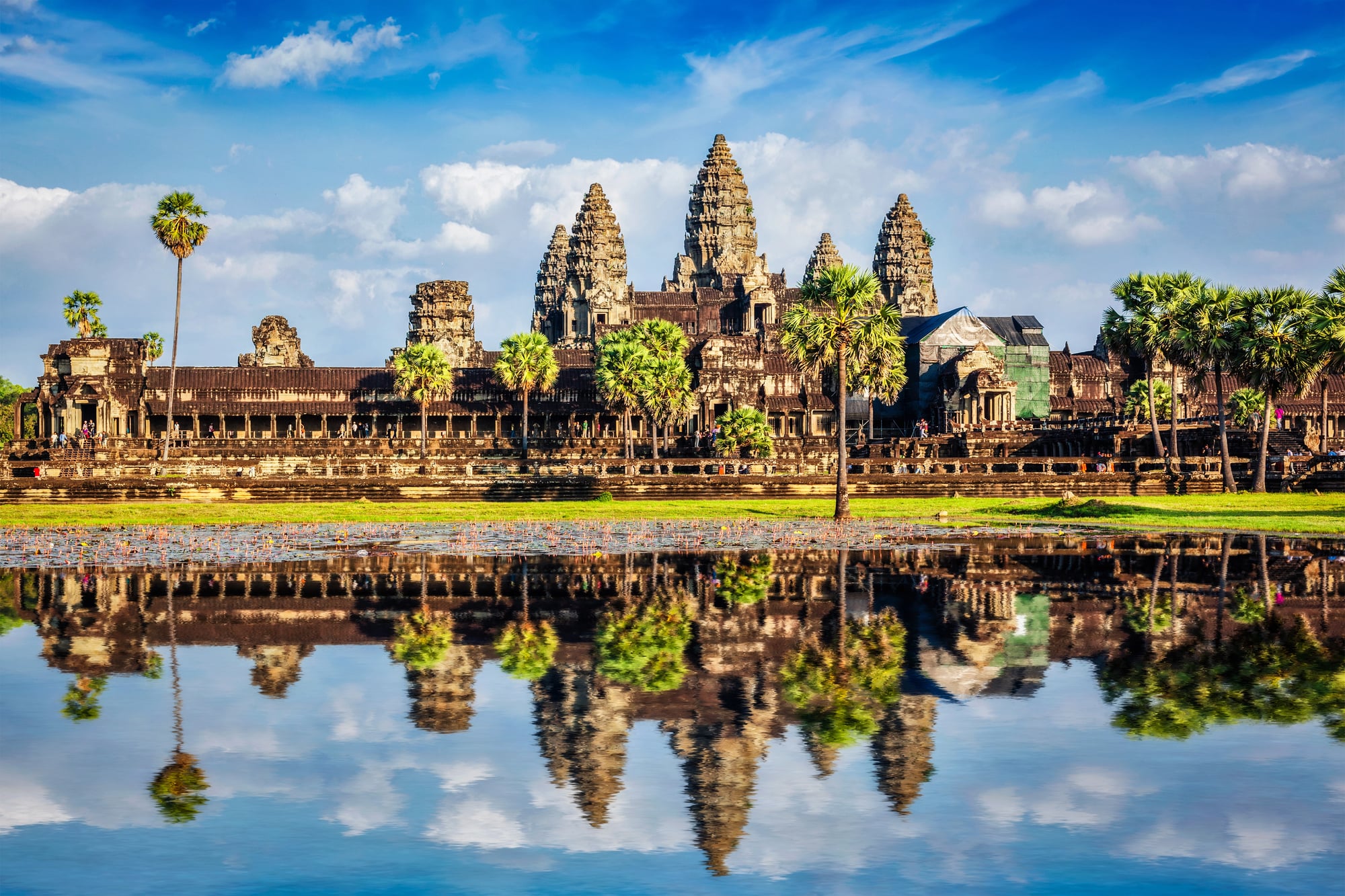
The Khmer Rouge left Cambodia broken, but Angkor Wat was always going to draw people back. Siem Reap transformed from a sleepy town into a tourist hub, while Phnom Penh balances its role as a memorial site with its identity as a living capital.
The killing fields aren’t hidden — they’re preserved as reminders.
Guatemala
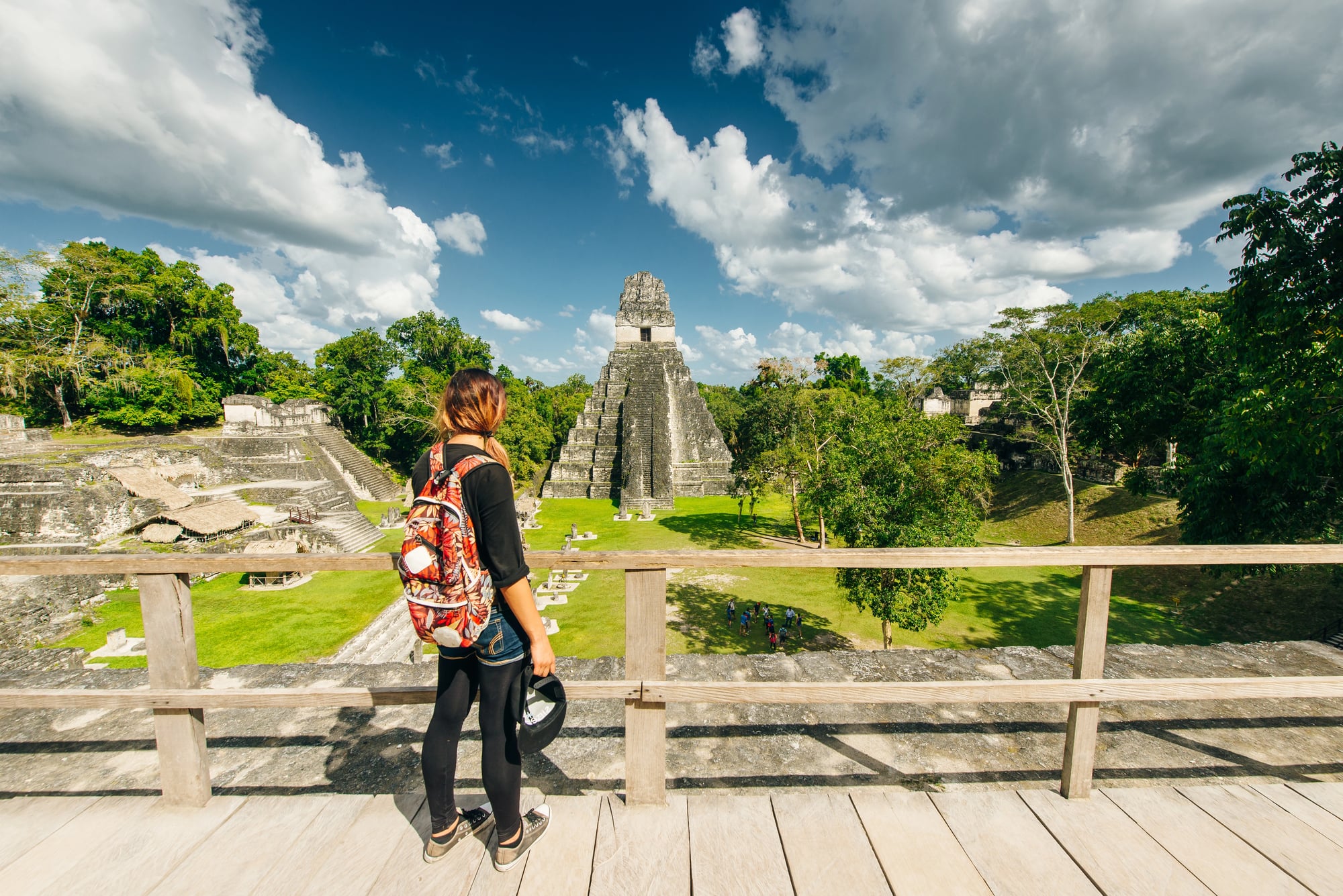
Decades of civil war ended in 1996, but tourism took longer to follow. Now visitors trek through rainforests that were once battlegrounds, climb pyramids that guerrilla fighters used as hideouts, and stay in towns where indigenous communities share traditions that survived the conflict.
Lake Atitlán draws backpackers and luxury travelers alike.
East Timor
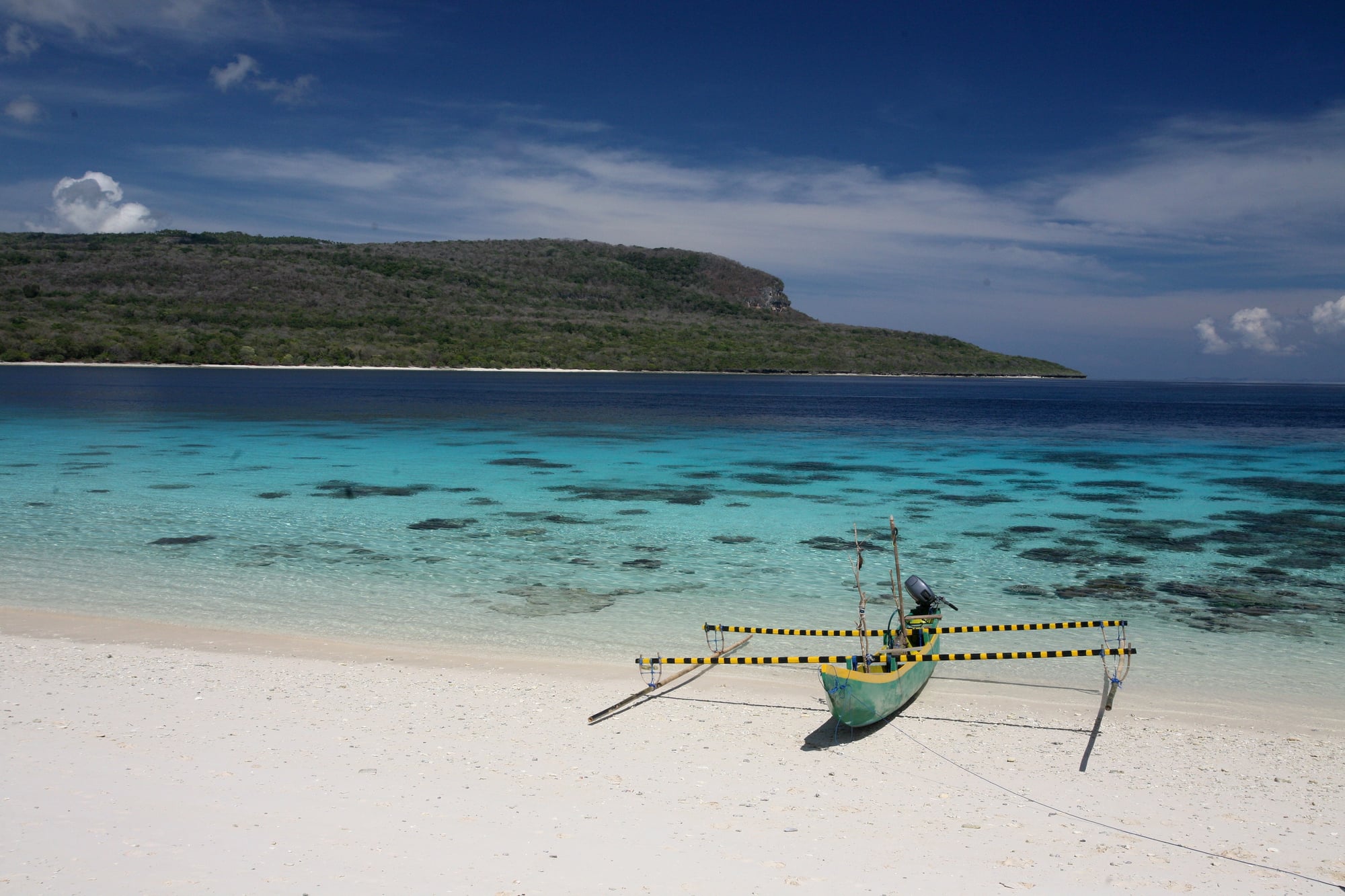
East Timor doesn’t appear on many bucket lists yet, but that’s changing. East Timor offers diving that rivals anywhere in Southeast Asia, mountains perfect for trekking, and Portuguese colonial architecture mixed with traditional culture.
Independence came in 2002 after years of occupation and conflict.
Iraq
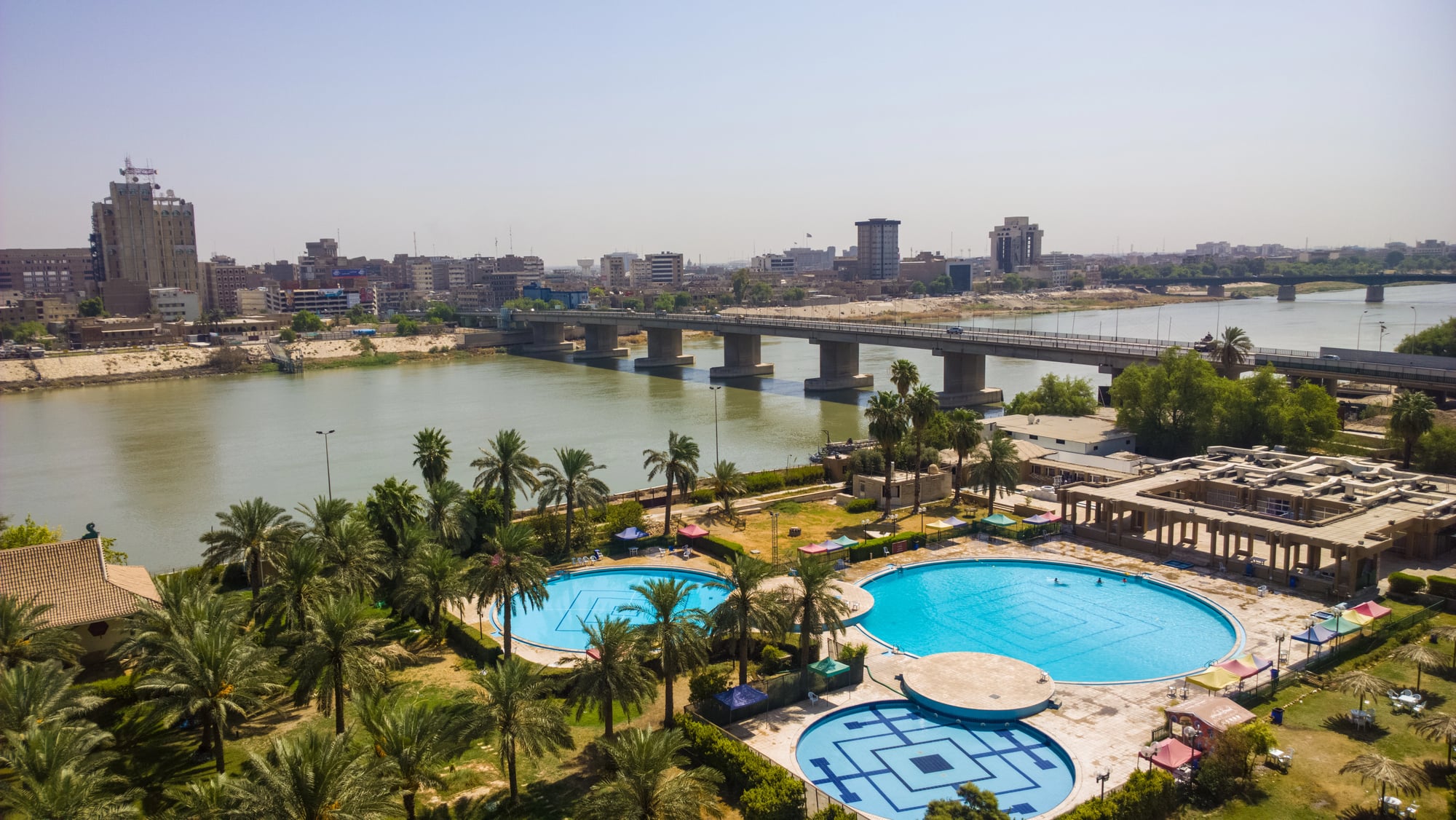
Kurdistan draws the brave and the curious. Erbil claims to be the world’s oldest continuously inhabited city, and its ancient citadel overlooks a region that has found relative stability.
The capital’s bazaars sell everything from spices to smartphones, while the mountains offer hiking trails and cooler temperatures.
El Salvador
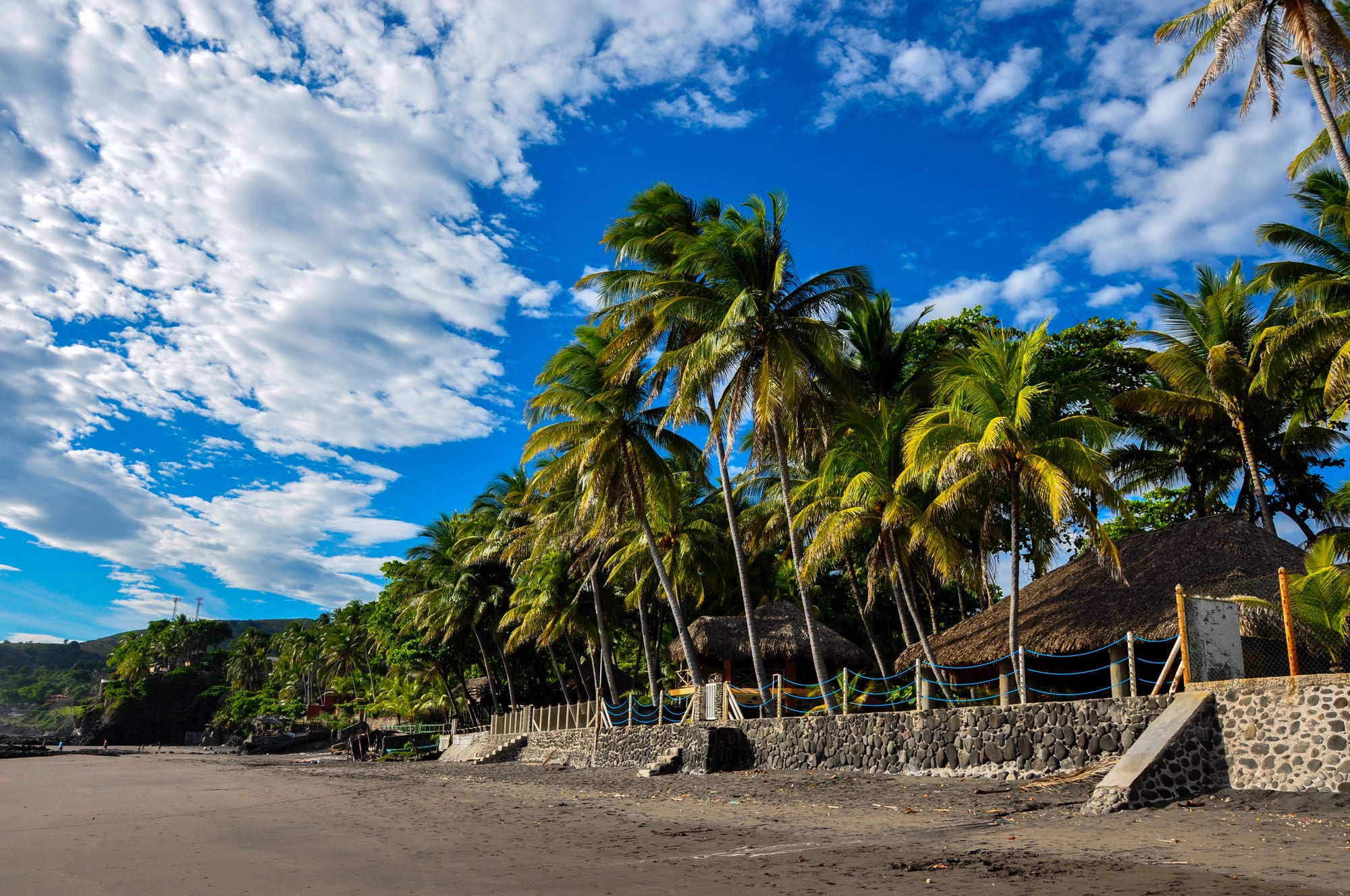
Gang violence dominated headlines for years, but El Salvador has been quietly rebuilding its reputation. Surf breaks along the Pacific coast rival those in Costa Rica, without the crowds.
Colonial towns like Suchitoto offer cobblestone streets and lakeside views. The government has made tourism a priority, and the infrastructure improvements show.
Nepal
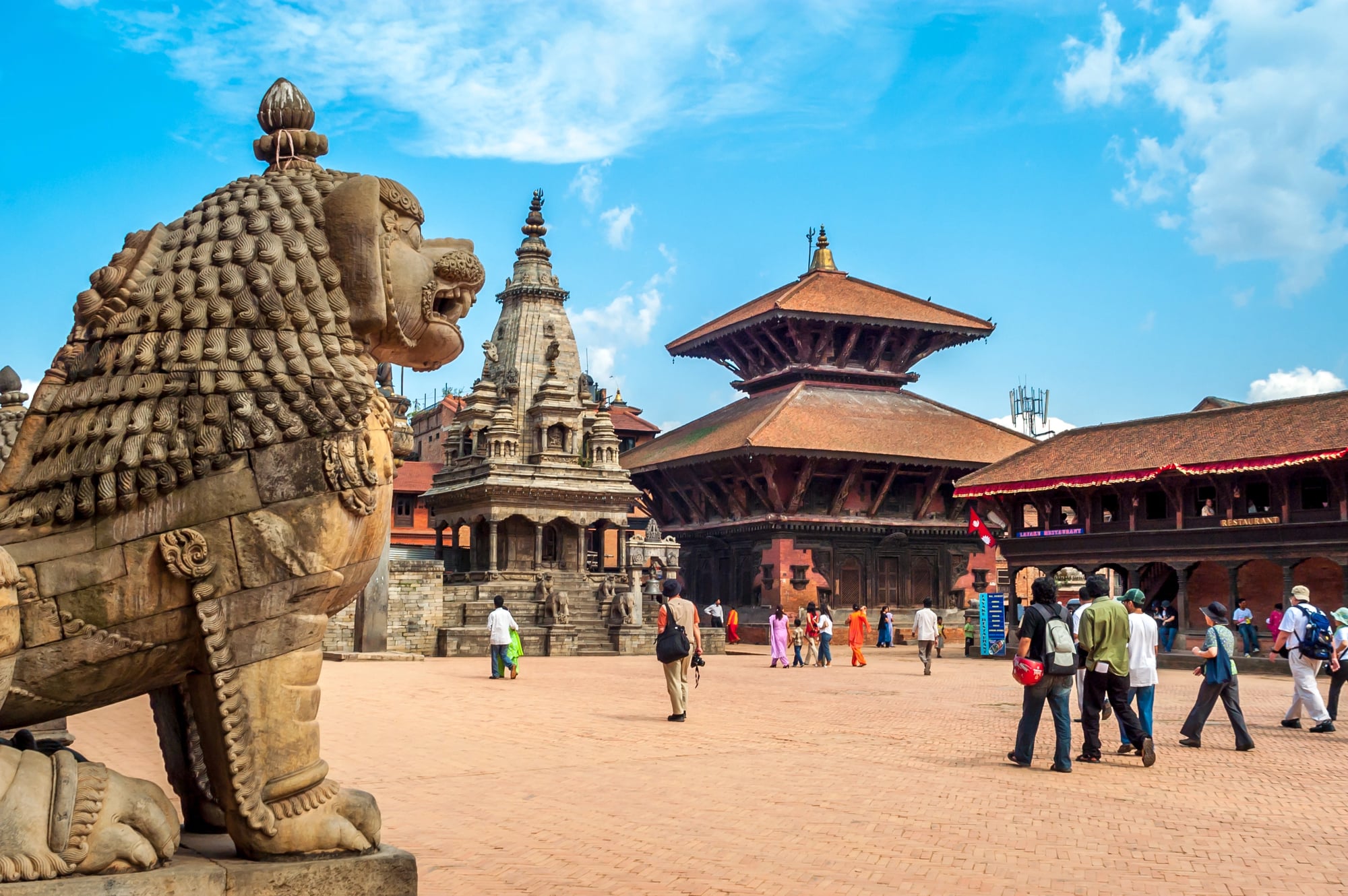
The Maoist insurgency ended in 2006, but visitors kept coming anyway — mountains don’t take political sides. Now the trekking routes through former conflict zones offer both natural beauty and cultural encounters with communities that weathered the war.
Kathmandu’s temples survived both conflict and earthquakes, and the city’s chaos feels more charming than threatening.
Where Peace Creates Possibility
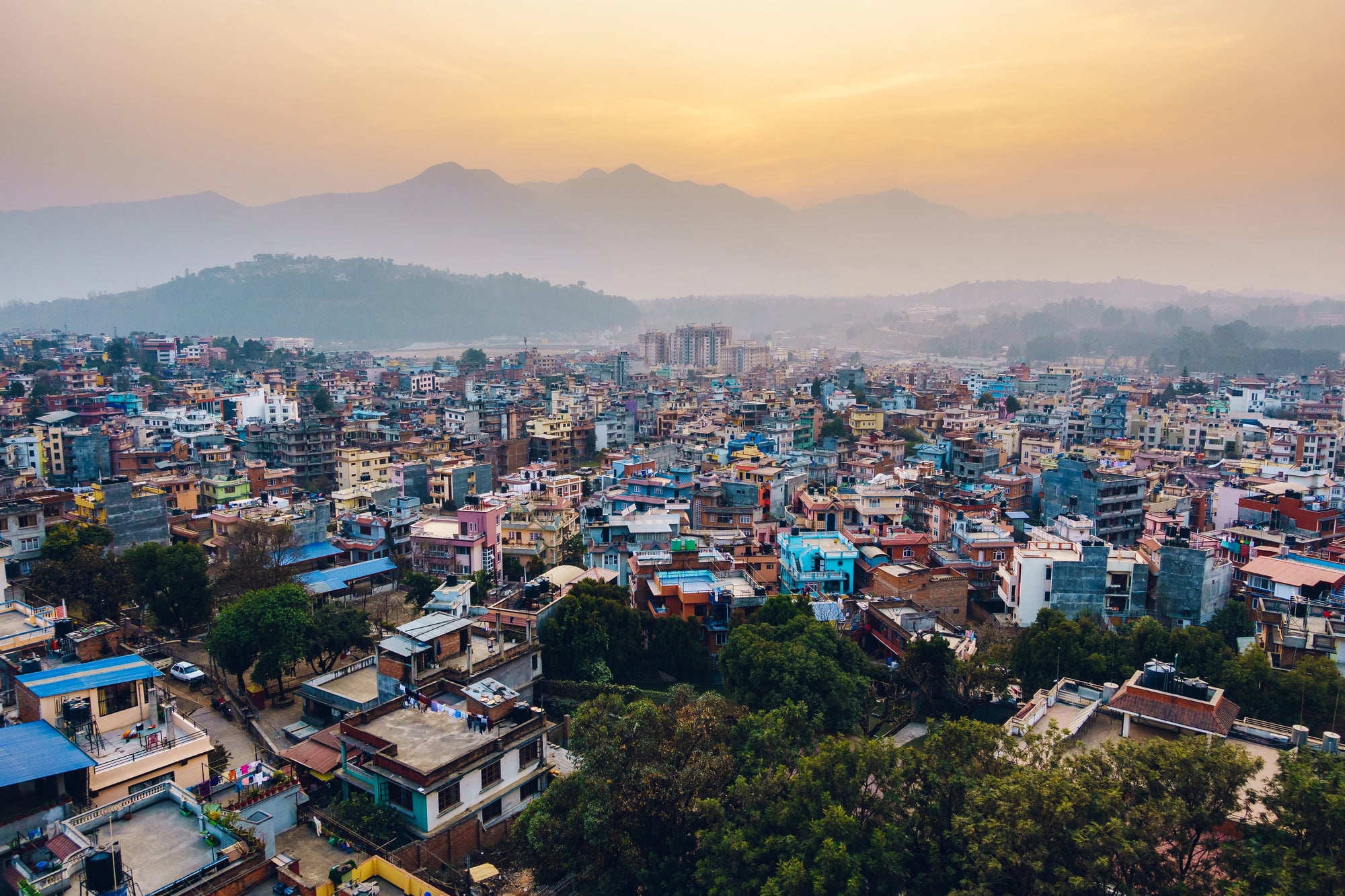
These destinations prove that resilience runs deeper than conflict. The scars remain visible, but they’ve become part of a larger story about recovery and reinvention.
Travelers aren’t just visiting these places despite their histories — they’re visiting because of them, drawn by the human capacity to build something better from the ruins of something terrible.
More from Go2Tutors!

- The Romanov Crown Jewels and Their Tragic Fate
- 13 Historical Mysteries That Science Still Can’t Solve
- Famous Hoaxes That Fooled the World for Years
- 15 Child Stars with Tragic Adult Lives
- 16 Famous Jewelry Pieces in History
Like Go2Tutors’s content? Follow us on MSN.