Laws You Break Every Day
You probably consider yourself a law-abiding citizen. You pay your taxes, you stop at red lights, and you’ve never stolen anything from a store.
But the truth is more complicated than that. The legal code has grown so vast and specific that breaking the law has become almost unavoidable.
Most of these violations never land anyone in trouble, but they’re still technically illegal. Some of these laws made sense when they were written.
Others seem outdated or overly specific. But they all remain on the books, turning ordinary behavior into minor infractions that everyone commits without thinking twice.
That Rolling Stop at the Stop Sign
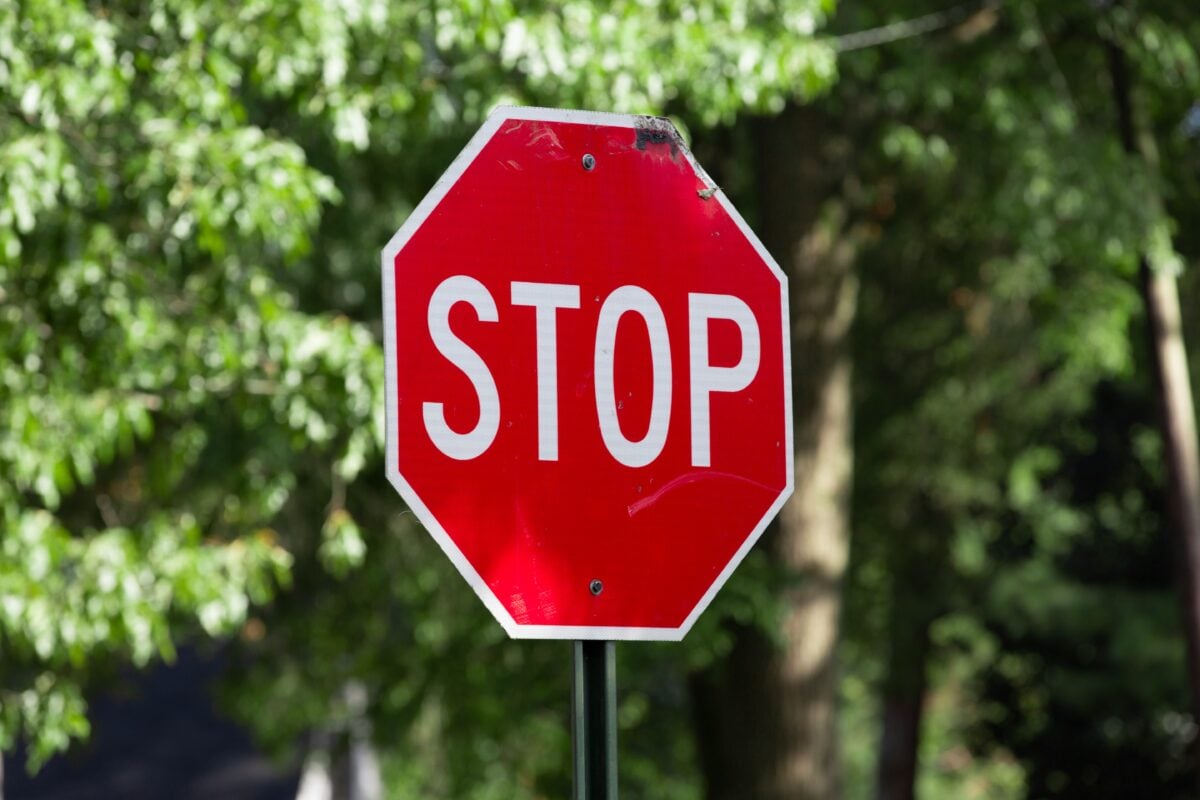
You slow down at the stop sign. You check for traffic.
You keep rolling through at maybe 5 miles per hour. This happens all the time, especially in residential neighborhoods where you can see clearly in all directions.
The law requires a complete stop. Your wheels need to stop moving entirely, even for just a second. But most drivers treat stop signs as yield signs when the intersection looks clear.
Traffic officers know this and usually don’t care unless you’re being reckless or they need a reason to pull you over.
Speeding by Just a Few Miles Per Hour

The speed limit is 65. You’re going 72.
Everyone around you is going about the same speed. You feel safe, the traffic is flowing smoothly, and you’re definitely not the fastest car on the road.
But you’re still speeding. The law doesn’t have a built-in buffer.
Going even one mile over the limit is technically a violation. Police often won’t pull you over for minor speeding, but they can.
And if they want to stop you for another reason, that small speed violation gives them the legal justification to do it.
Crossing the Street Wherever You Want

The crosswalk is 50 feet away. You’re in a hurry.
The street is empty. So you cross right where you’re standing.
Jaywalking laws vary by location, but most cities prohibit crossing the street outside of designated crosswalks or against traffic signals. The enforcement is spotty—some cities ticket aggressively, others ignore it completely.
But the law exists, and you’re breaking it every time you cross mid-block or against the light.
Using Streaming Service Passwords That Aren’t Yours

Your sister gave you her Netflix password. Your friend shares their Spotify account with you.
You logged into your parents’ Amazon Prime. This feels normal—even generous and family-oriented.
According to the Computer Fraud and Abuse Act, using someone else’s password to access an account you’re not authorized to use could technically be illegal. The streaming services know this happens and mostly ignore it, though they’re starting to crack down.
But legally speaking, account sharing that violates the terms of service puts you in murky territory.
Taking Photos You Find Online
You need an image for a presentation. You search online, find something perfect, and download it. You’re not selling it or claiming you made it.
You just need it for a school project or work presentation. Most images online are copyrighted.
Using them without permission violates copyright law, even if you’re not making money from them. Stock photo sites exist for this exact reason.
But people grab images from search results constantly, assuming that because something is publicly visible, it’s free to use. It’s not.
The Inbox Full of Work Emails on Your Personal Phone
You check your work email on your phone. You text your boss about a project.
You use public WiFi at a coffee shop to download company files. Many companies have policies about data security and using personal devices for work.
Depending on your industry and the sensitivity of the data, you might be violating regulations like HIPAA or GDPR without realizing it. These laws require specific security measures, and your personal phone at Starbucks probably doesn’t meet them.
Throwing Small Things Out the Car Window

A cig butt. An apple core. A tiny piece of paper.
It’s small, it’s biodegradable (well, maybe), and it seems harmless. Littering is illegal in every state.
The fines vary, but they exist. People rationalize small items differently than they would a bag of trash, but the law doesn’t make that distinction.
That apple core might be organic, but tossing it out the window still counts as littering.
Singing Happy Birthday at a Restaurant
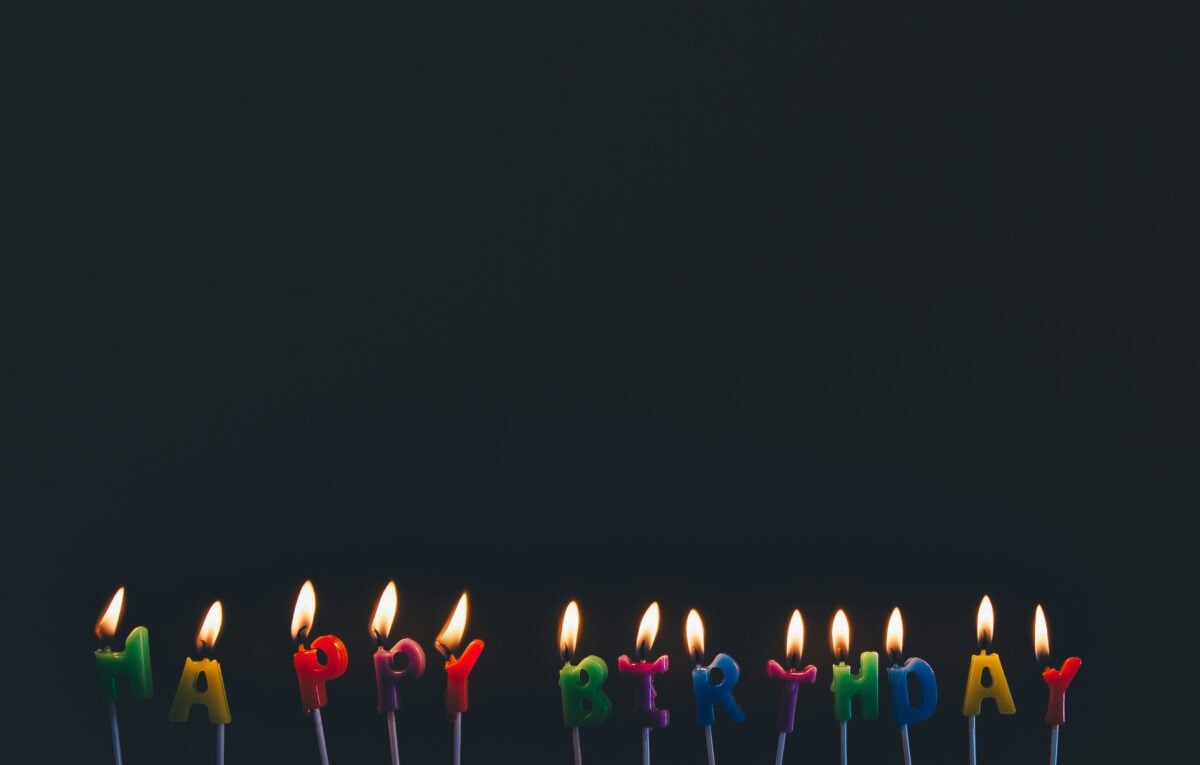
For years, this was genuinely a copyright violation. The song “Happy Birthday to You” was under copyright protection, and technically, public performances required licensing.
Restaurants and venues were supposed to pay for the right to let their staff sing it to customers. The copyright finally entered the public domain in 2016 after a legal battle, but before that, you were technically breaking the law every time you sang it in public.
Most people never knew, and enforcement was virtually nonexistent. Still, it’s a reminder of how absurdly specific copyright law can get.
Connecting to WiFi Networks Without Reading the Terms
You click “I agree” without reading anything. You connect to airport WiFi, hotel internet, or the network at a coffee shop.
You scroll past pages of terms and conditions to get online faster. Some of these terms of service have legally binding conditions.
Violating them can technically be a breach of contract or even a violation of the Computer Fraud and Abuse Act in extreme cases. You’re agreeing to rules you don’t know, and then probably breaking some of them by doing things like using a VPN or accessing certain types of content.
Parking Jobs That Are Almost Right

You’re a few inches over the line. Your car is sticking out slightly into the no-parking zone. The meter ran out while you were gone longer than expected.
Parking violations are laws, even if they feel minor. Cities generate significant revenue from parking tickets, and the rules are specific.
Being close doesn’t count. Those painted lines and posted signs have legal weight, and parking enforcement officers have quotas to meet.
Making Copies of Things You Legally Own
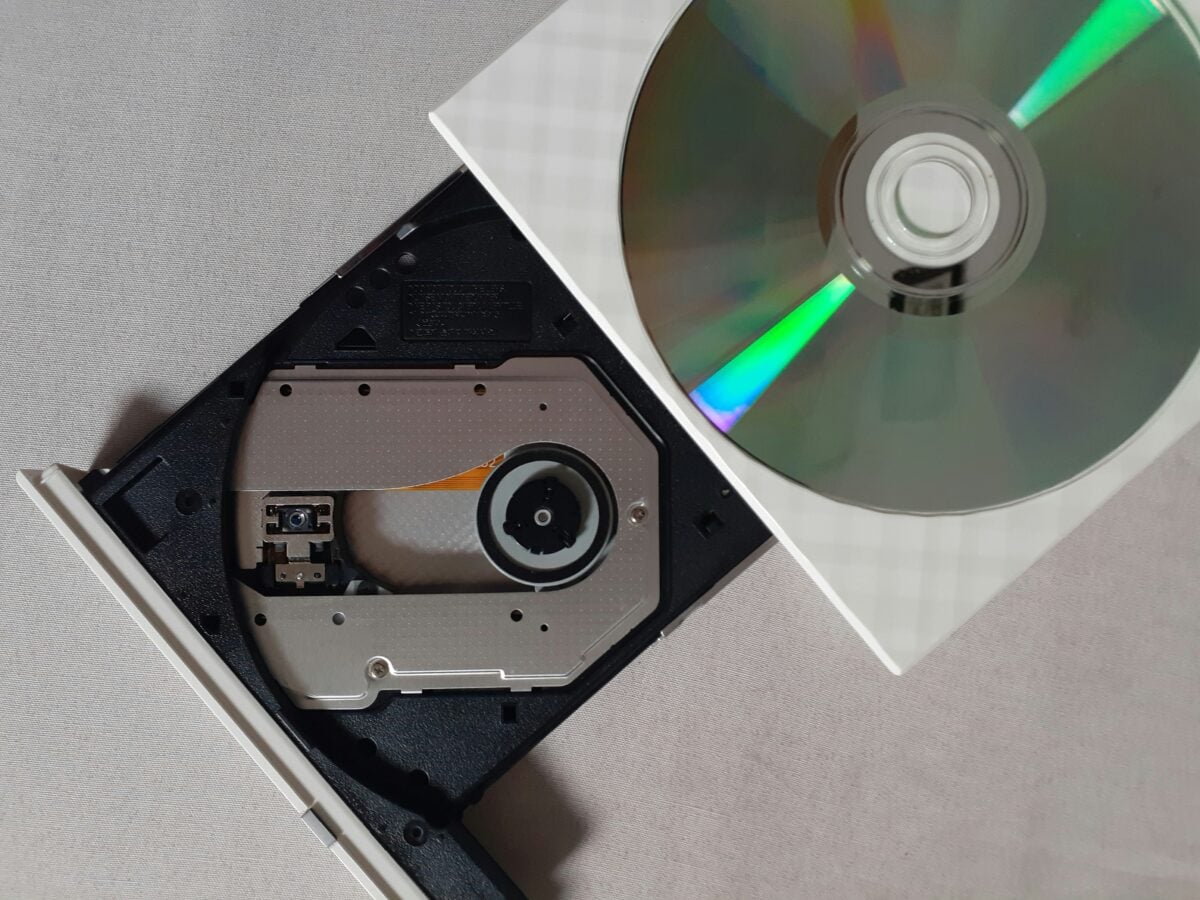
You bought a DVD. You rip it to your computer so you can watch it more conveniently.
You bought a CD and copied it to your phone. You own the physical media, so this should be fine, right?
The Digital Millennium Copyright Act makes it illegal to circumvent copy protection, even on media you own. Technically, ripping a DVD or breaking DRM (digital rights management) to transfer content you purchased is a violation.
The entertainment industry rarely goes after individuals for this, but the law is clear.
Talking on the Phone While Your Car Is Running

You’re sitting in a parking lot. The car is on, but you’re not moving.
You pick up your phone to make a call. Many states have laws about phone use in vehicles that apply whenever the engine is running, not just when you’re actively driving.
The specifics vary—some states allow hands-free calls, others are stricter. But if your car is on and you’re holding your phone, you might be breaking a law designed to prevent distracted driving, even if you’re completely stationary.
Ignoring Those Mattress Tags

You’ve heard the warnings on mattress tags: “Do not remove under penalty of law.”
So you leave them on for a while, then eventually tear them off because they’re annoying. This one is actually legal for consumers.
The warning is meant for manufacturers and retailers, not the person who buys the mattress. But the wording confuses people, and many genuinely believe they’re breaking the law when they remove the tag after purchase.
You’re not—but the myth persists.
Using Someone Else’s WiFi, Even When It’s Unsecured
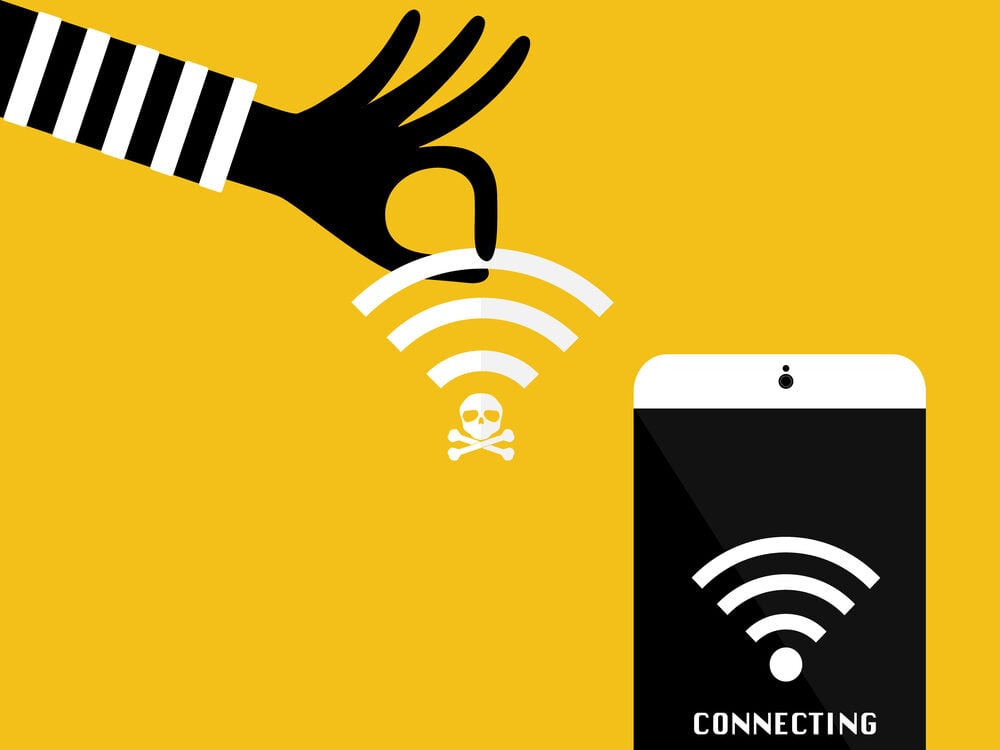
Your neighbour’s Wi-Fi isn’t locked with a password. Since your own connection dropped, you hop on theirs instead.
The signal’s open – so logging in feels okay. Getting into another person’s Wi-Fi without approval could still count as trespassing, thanks to federal rules like the CFAA – no matter if it’s locked or not.
Certain areas have their own laws on snooping around online networks. Just because a signal is wide open doesn’t mean you’re free to hop on – it might only reflect laziness or kindness from the user.
Sure, they left the door unlocked, but that doesn’t equal an invitation.
When Following the Rules Becomes Impossible

The way things work affects regular routines more than most think. Some slip-ups pop up since guidelines are overly tangled to stick with exactly.
A few mistakes show up when unwritten social habits clash with official rules. Sticking strictly to every rule at all times isn’t doable without turning everyday living into a hassle.
Most small rule-breaking moments don’t lead to trouble. Cops and legal teams go after serious issues, not tiny slipups we all make daily.
Yet those rules haven’t gone away – they can still be used. Chances are, you’re violating a few right now, will add more by tomorrow.
That’s simply how it plays out these days
More from Go2Tutors!

- The Romanov Crown Jewels and Their Tragic Fate
- 13 Historical Mysteries That Science Still Can’t Solve
- Famous Hoaxes That Fooled the World for Years
- 15 Child Stars with Tragic Adult Lives
- 16 Famous Jewelry Pieces in History
Like Go2Tutors’s content? Follow us on MSN.



