Secrets Of The World’s Oldest Prison Cells
There’s something haunting about walking through ancient stone corridors where countless prisoners once lived their final days. These aren’t just historical curiosities — they’re windows into humanity’s darkest impulses and our evolving understanding of justice itself.
The world’s oldest prison cells tell stories that official histories often leave out, revealing truths about power, punishment, and the thin line between civilization and brutality.
Mamertine Prison, Rome
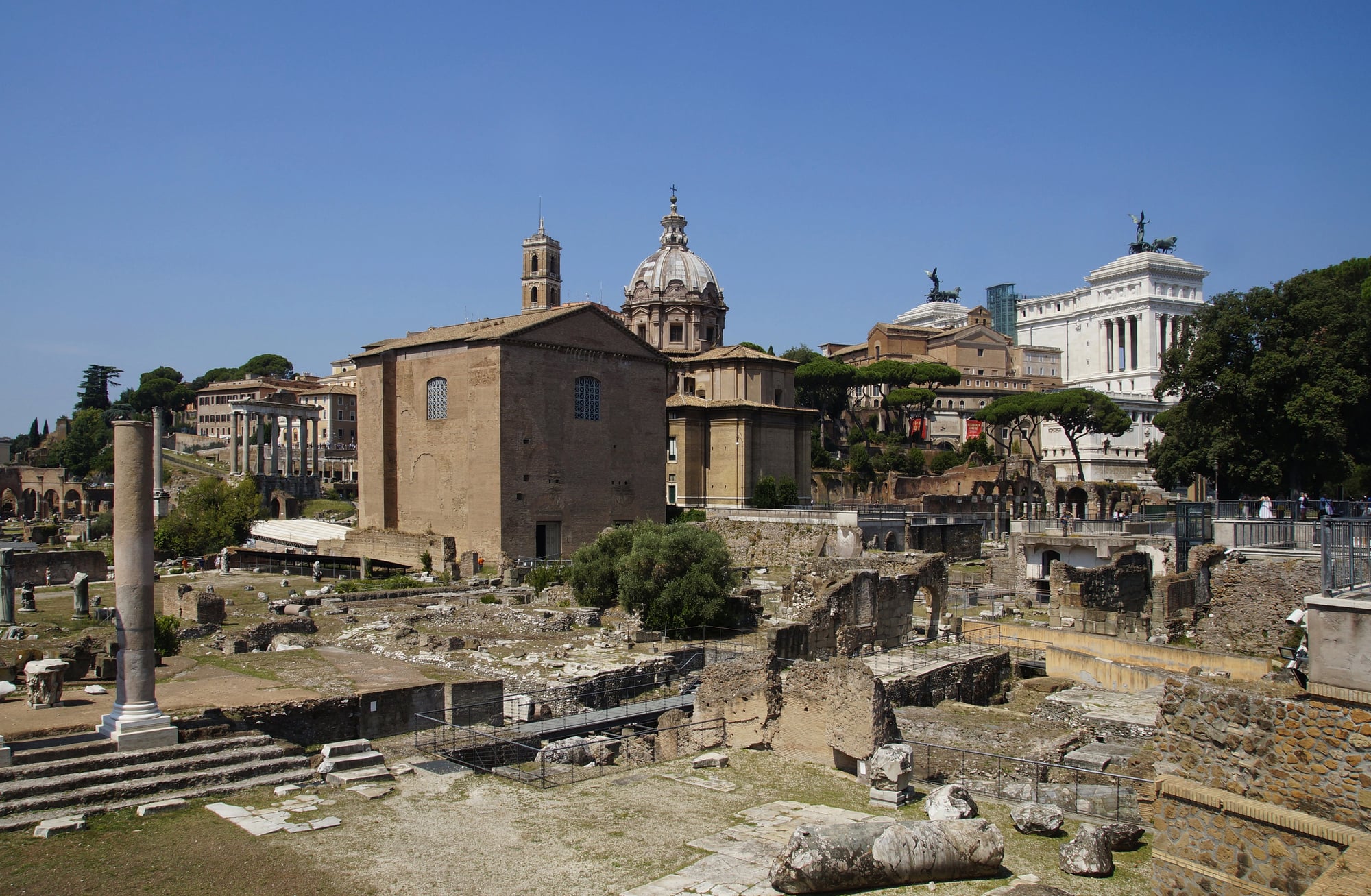
The Mamertine Prison makes most medieval dungeons look like luxury accommodations. Built around 640 BCE beneath the Roman Forum, this underground chamber held enemies of the state until their public executions.
No windows. No beds.
Just cold stone and the certainty that nobody leaves alive.
Tower Of London’s Bloody Tower
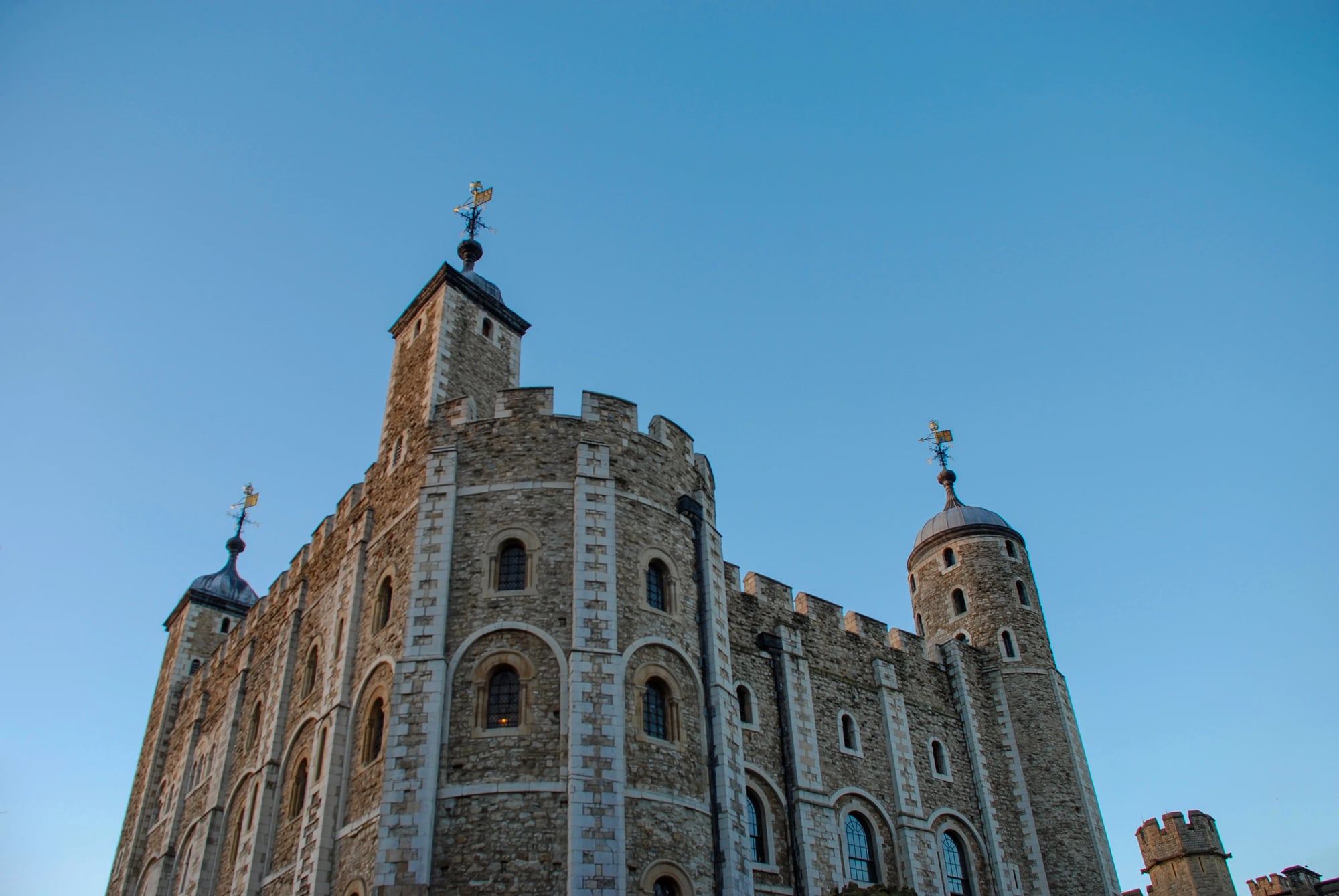
The Bloody Tower earned its name through centuries of high-profile imprisonments and executions. Two young princes disappeared here in 1483, their fate still debated among historians.
The thick walls absorbed countless final words that no one bothered recording.
Château d’If, France
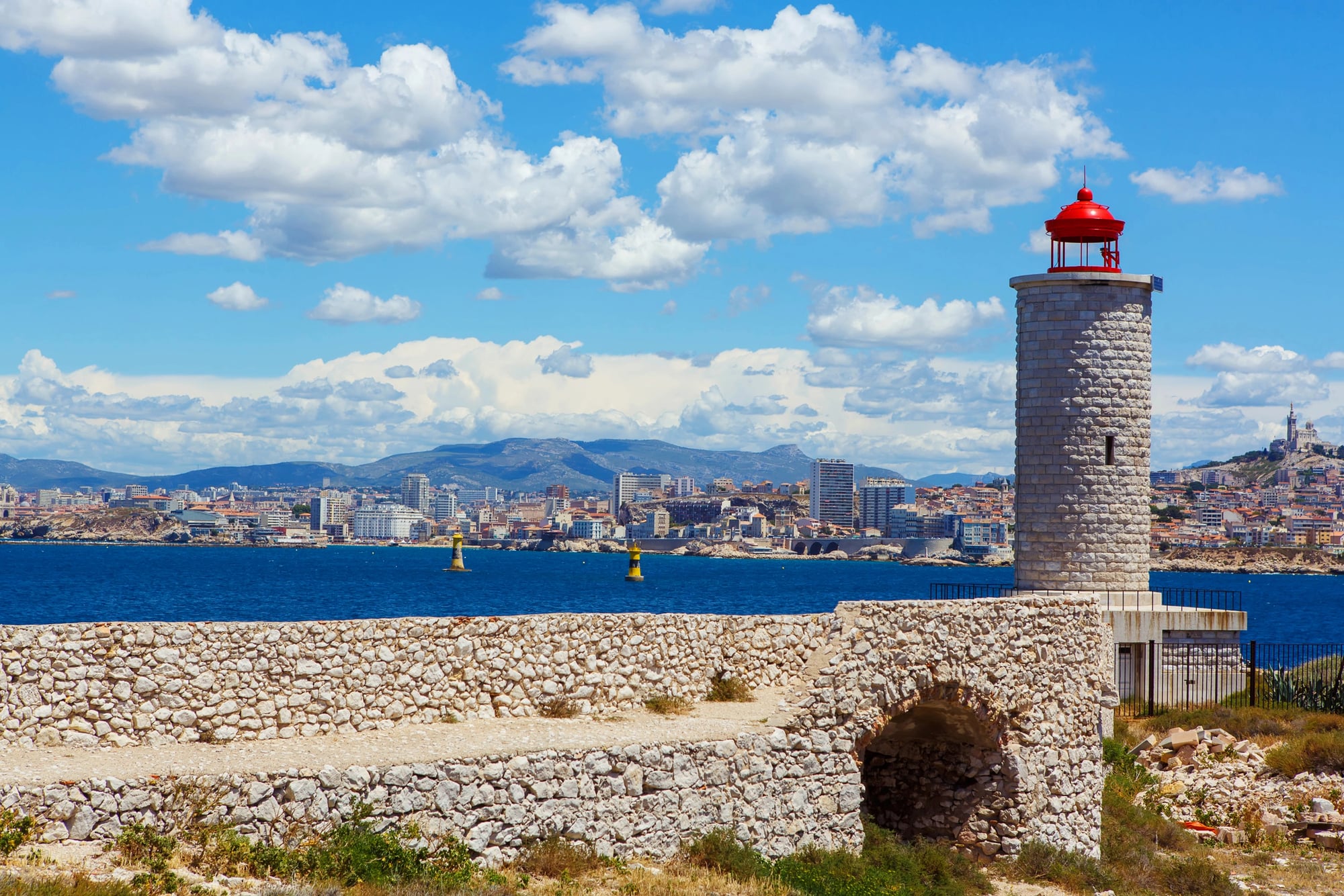
Dumas made this fortress famous in “The Count of Monte Cristo,” but the real Château d’If was far grimmer than fiction suggested. Political prisoners and religious dissidents spent decades in cells carved directly from the island’s limestone (and many went mad staring at the Mediterranean they could never reach).
The isolation was methodical, designed to break minds before bodies gave out. So was the dampness that seeped through every surface, turning winter months into extended torture sessions that required no active participation from guards.
The fortress sits on a tiny island just far enough from Marseille’s harbor that escape attempts were mathematical exercises in futility — the currents alone guaranteed that anyone reaching the water wouldn’t reach the shore. And yet prisoners kept trying, because hope turns stubborn when it’s all you have left.
Kilmainham Gaol, Dublin
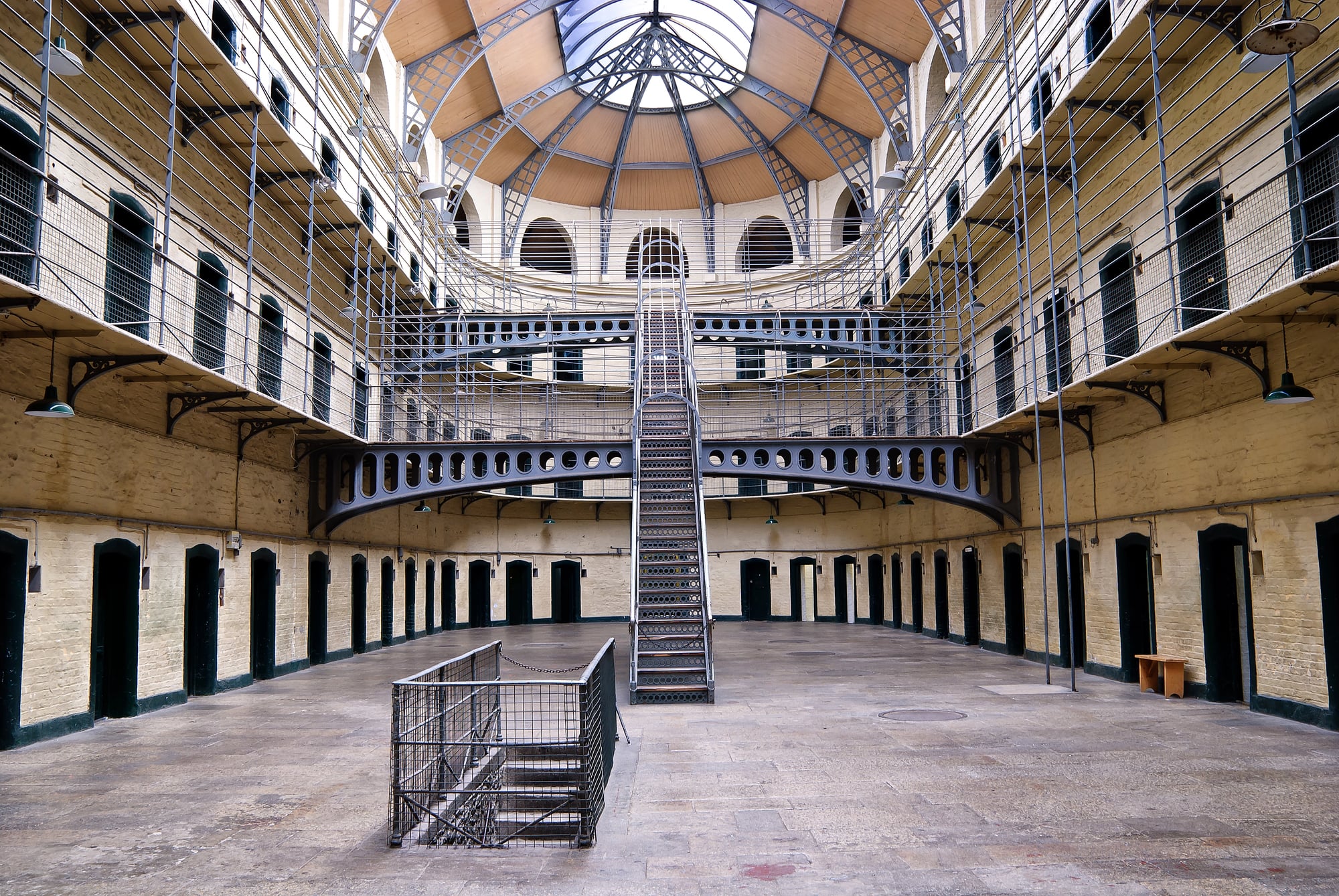
Walking through Kilmainham feels like stepping inside Ireland’s struggle for independence. The architecture itself was a form of psychological warfare — designed so that prisoners could see each other’s cells but never communicate, creating isolation within proximity.
Every Irish revolutionary worth remembering spent time here.
The 1916 Easter Rising leaders were executed in the stone breaker’s yard, their deaths transforming them from rebels into martyrs. History pivoted on those executions.
The British thought they were ending a rebellion, but they were actually guaranteeing it would succeed.
Eastern State Penitentiary, Philadelphia
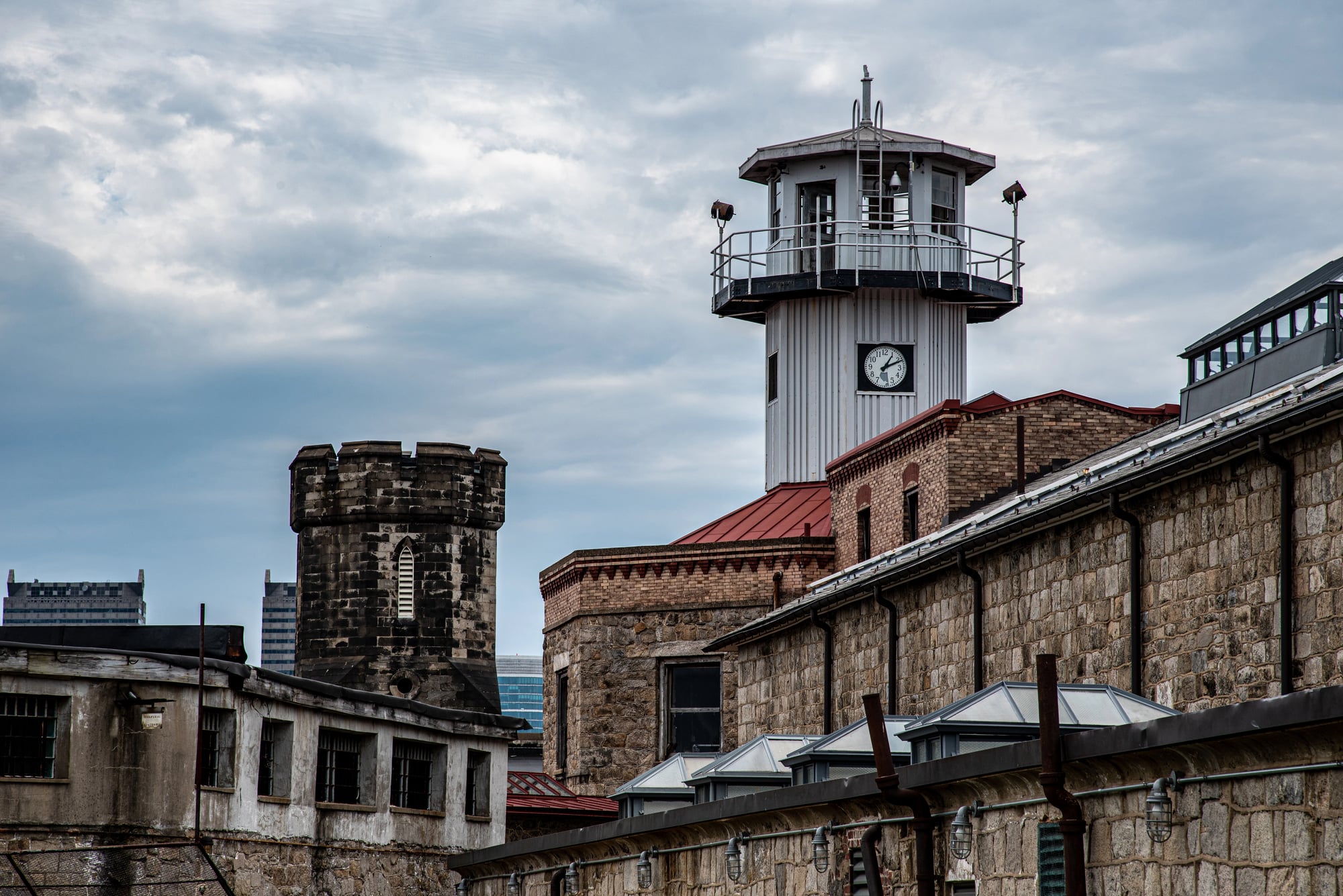
Eastern State pioneered solitary confinement as rehabilitation, which sounds progressive until you realize what it actually meant. Prisoners wore hoods whenever they left their cells, couldn’t speak to guards, and spent years without human contact.
The theory was that isolation would inspire reflection and repentance.
Charles Dickens visited in 1842 and called the system cruel beyond description. He wasn’t wrong.
The self-harm rate told the real story about how well this “humane” approach worked in practice.
Alcatraz Federal Penitentiary
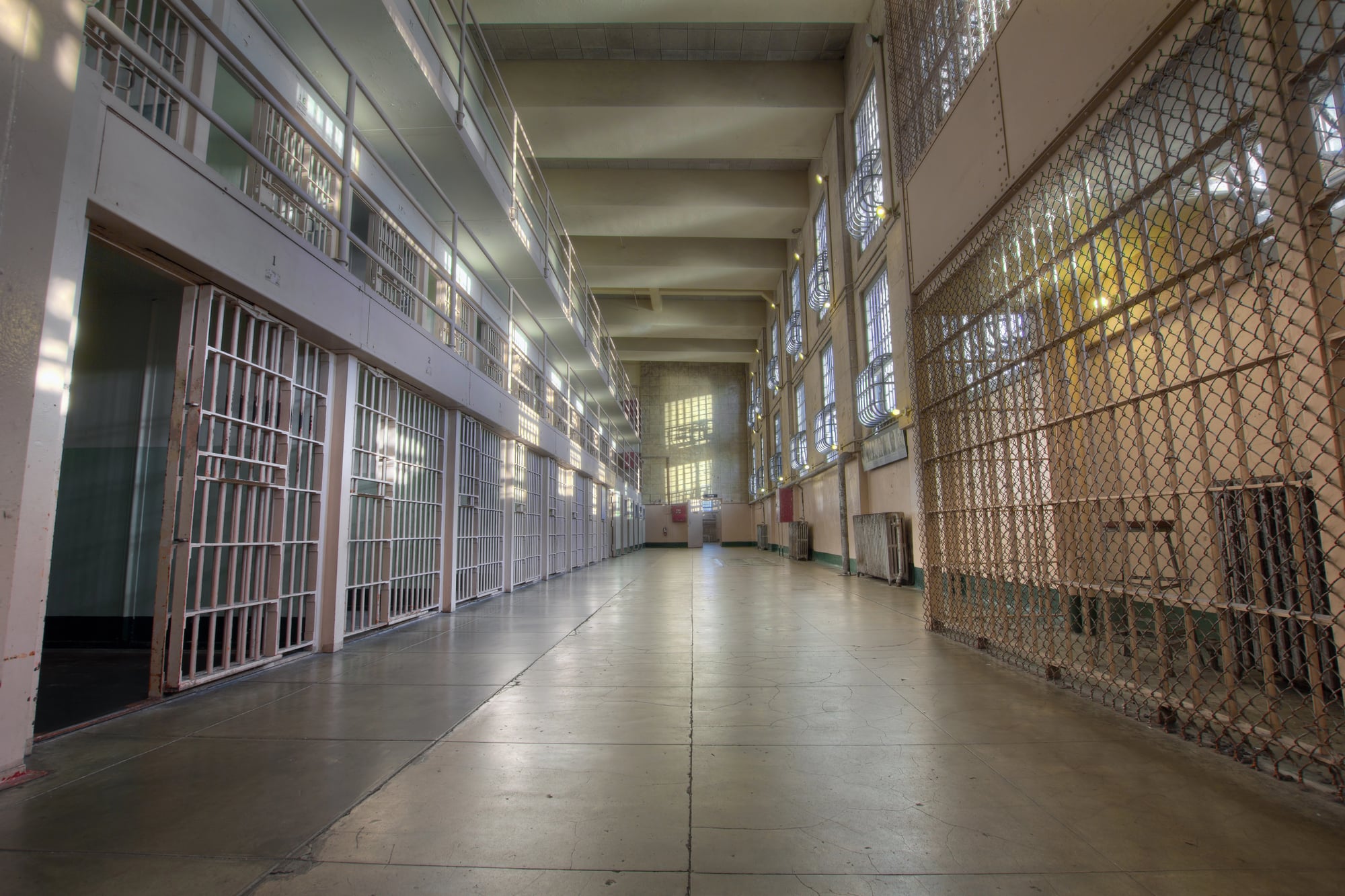
Alcatraz was less about punishment than containment. The federal government needed somewhere to put criminals who’d proven that regular prisons couldn’t hold them.
The Rock became America’s answer to that problem — not rehabilitation, just storage until natural death solved the issue permanently.
The cells were small even by prison standards, but most inmates spent their time plotting escapes that geography made nearly impossible (the water temperature alone killed more escape attempts than the guards ever did). Every prisoner knew the odds, but desperation makes mathematicians of us all.
Three inmates made it off the island in 1962 and were never found — dead or free, they’d beaten the system that was built to be unbeatable.
Newgate Prison, London
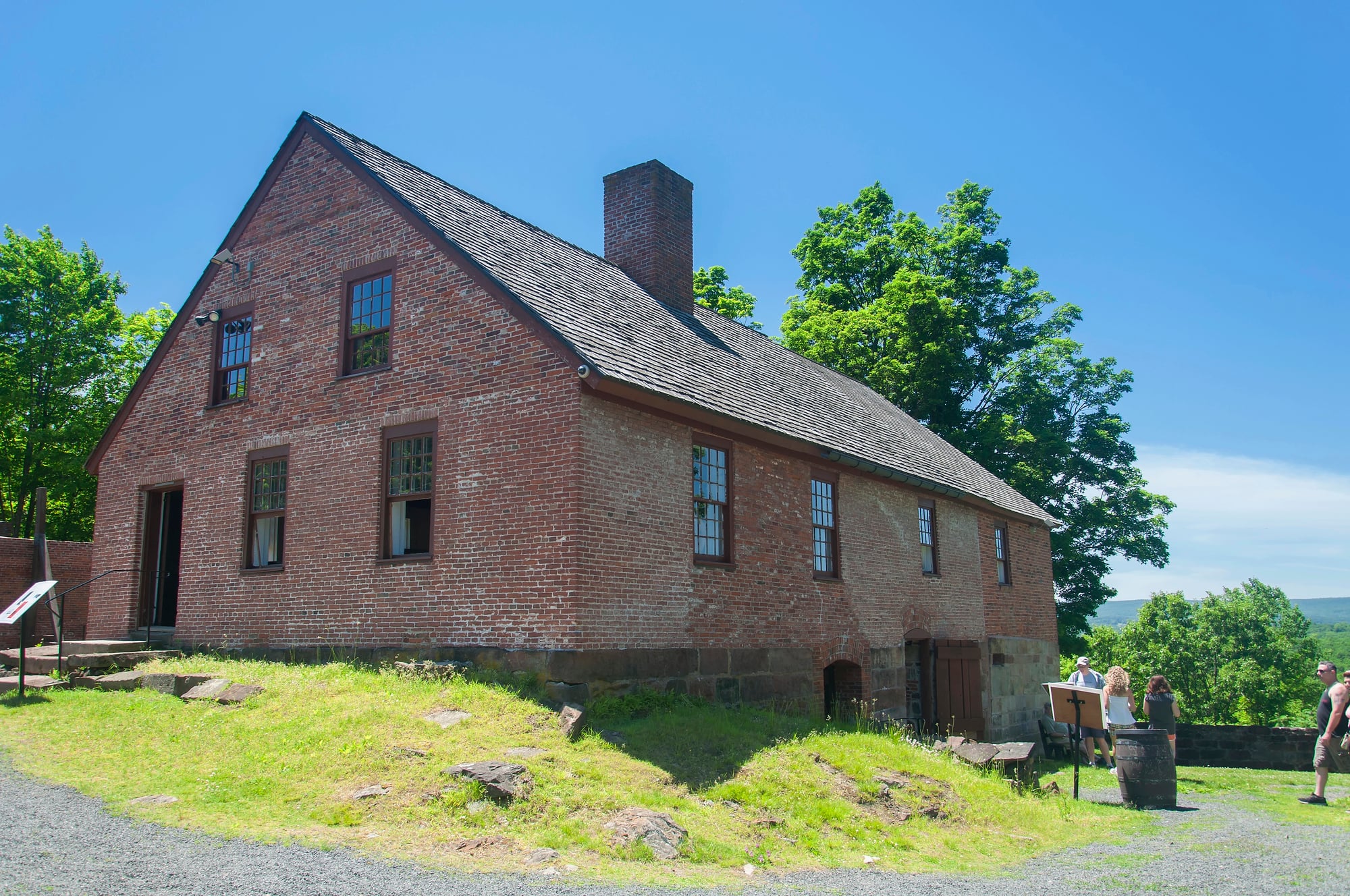
Newgate operated for over 700 years, which tells you something about humanity’s capacity for institutionalized misery. The prison became synonymous with squalor, disease, and public executions that drew crowds like sporting events.
Wealthy prisoners could buy better cells and food, while the poor rotted in basement dungeons.
Public hangings outside Newgate’s walls were London’s most popular entertainment until 1868. Families brought picnics.
Children got lifted onto shoulders for better views. The condemned became performers in a show they never auditioned for.
La Santé Prison, Paris
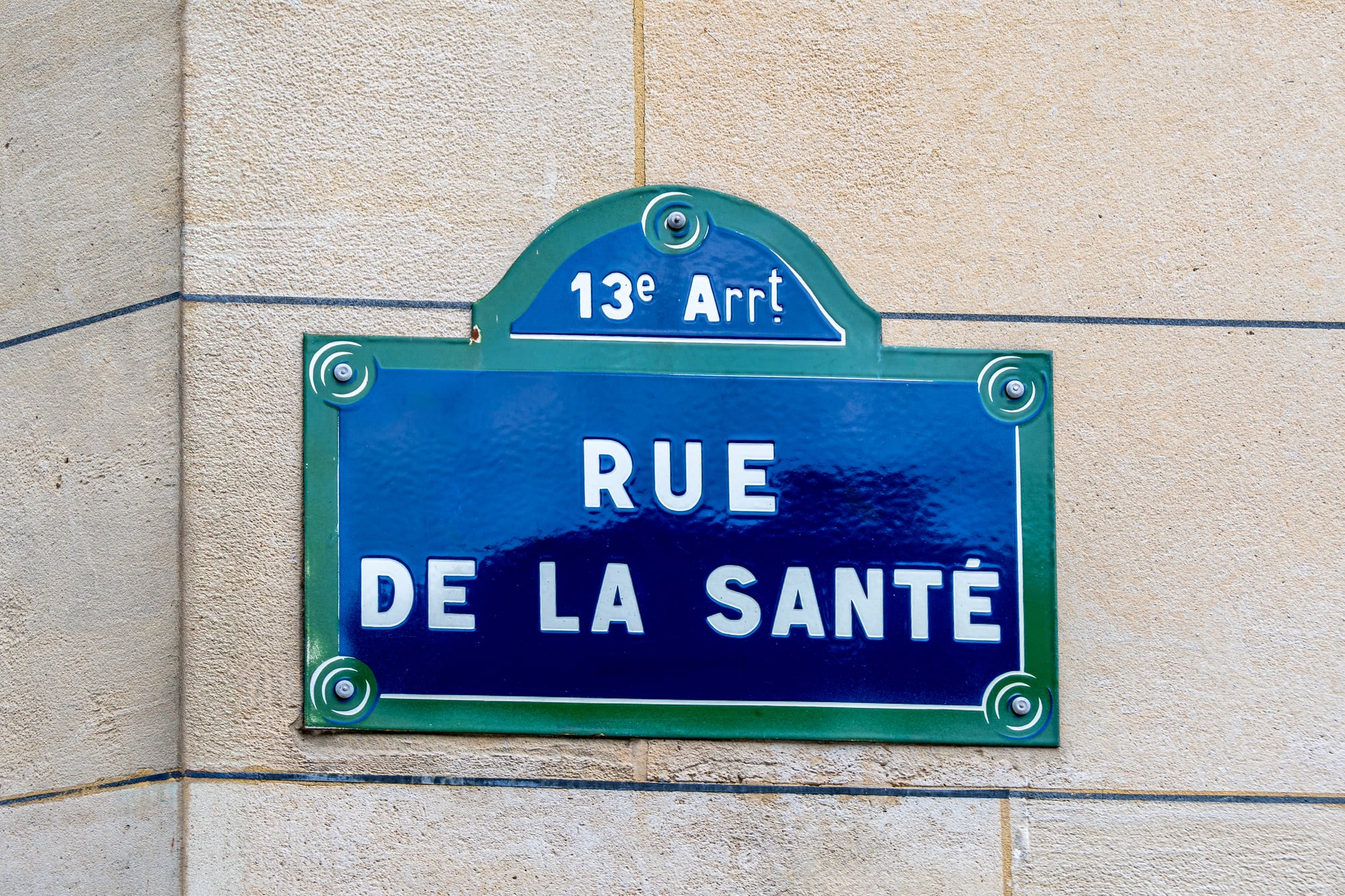
La Santé’s name means “health,” which ranks among history’s more ironic prison names. Built in 1867, it quickly became notorious for overcrowding, violence, and self-harm rates that prison officials seemed to consider acceptable losses rather than problems requiring solutions.
The cellular isolation system imported from American prisons proved just as destructive in Paris as it had in Philadelphia — turns out that driving people insane doesn’t actually reduce crime rates, no matter what the reformers promised.
But bureaucratic momentum is harder to stop than bad policy, so the system persisted for decades after its failures became obvious.
Old Melbourne Gaol, Australia
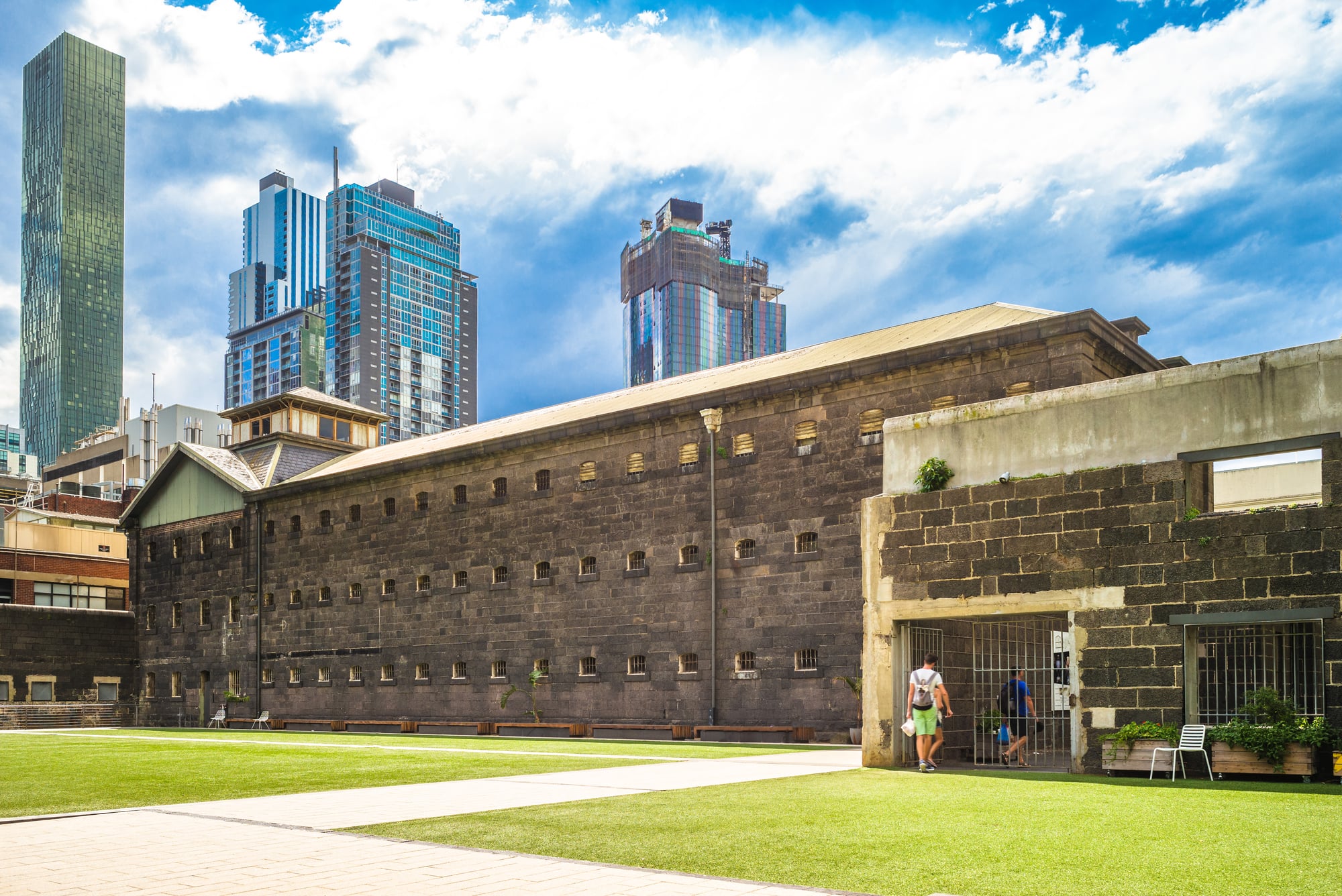
Australia was already a prison continent, but Melbourne Gaol represented punishment within punishment — the place where convicts who’d committed crimes after transportation faced their final justice. The bluestone walls absorbed decades of desperation from prisoners who’d already lost everything once and were about to lose it again.
Ned Kelly spent his final days here before his execution in 1880, becoming Australia’s most famous outlaw in the process.
The death mask they made of his face became more famous than most living politicians. Sometimes martyrdom chooses you rather than the other way around.
Bastille, Paris
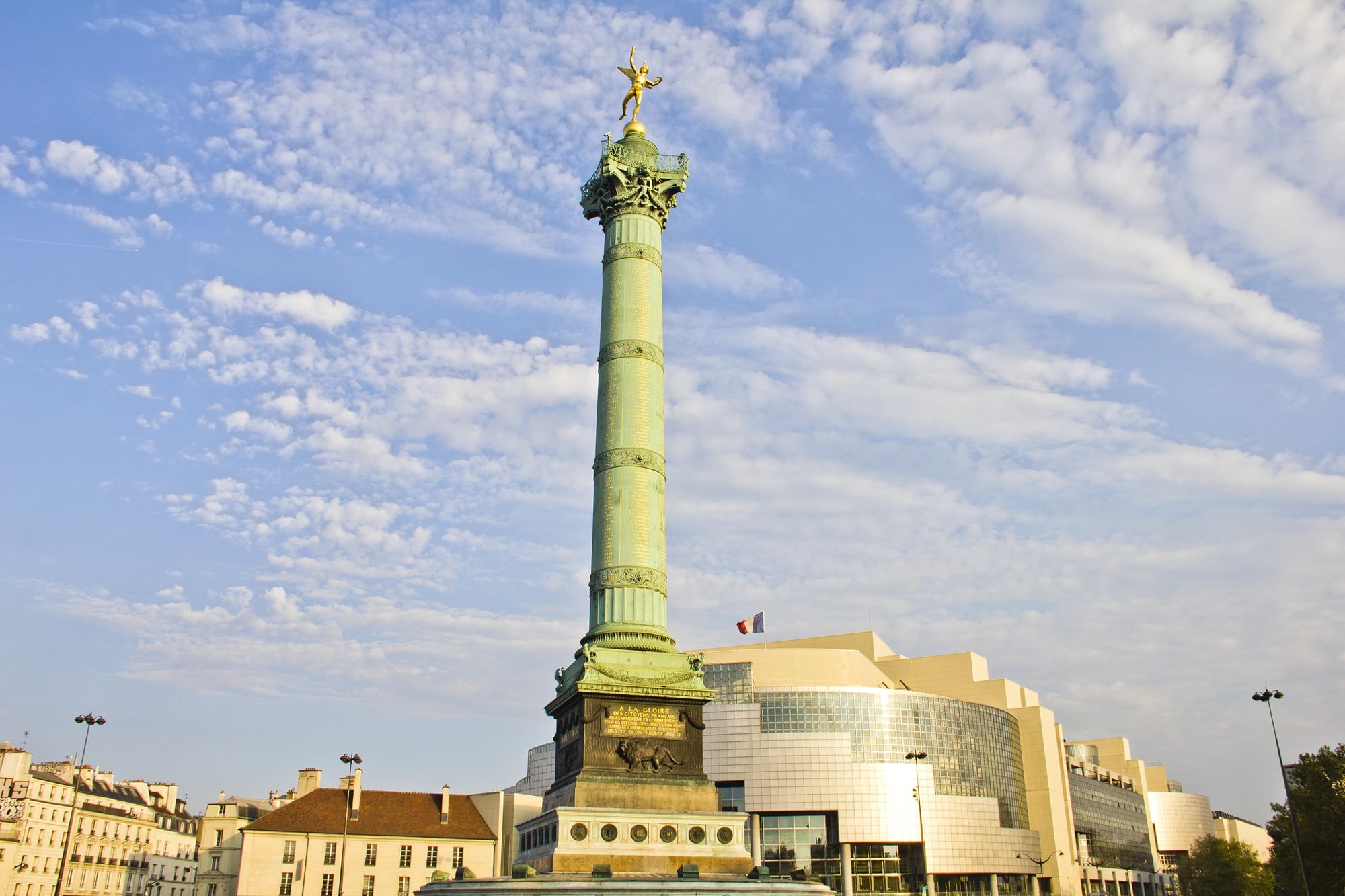
The Bastille’s destruction in 1789 marked the beginning of the French Revolution, but its significance lay more in what it represented than what it actually was by then. Originally built as a fortress in the 1300s, it evolved into a prison for political enemies — mostly nobles who’d fallen from royal favor rather than common criminals.
The irony wasn’t lost on revolutionaries who stormed it expecting to free hundreds of political prisoners and found only seven inmates, none particularly political.
But symbols matter more than facts during revolutions, and the Bastille’s stones were distributed across France as relics of tyranny defeated.
Devil’s Island, French Guiana
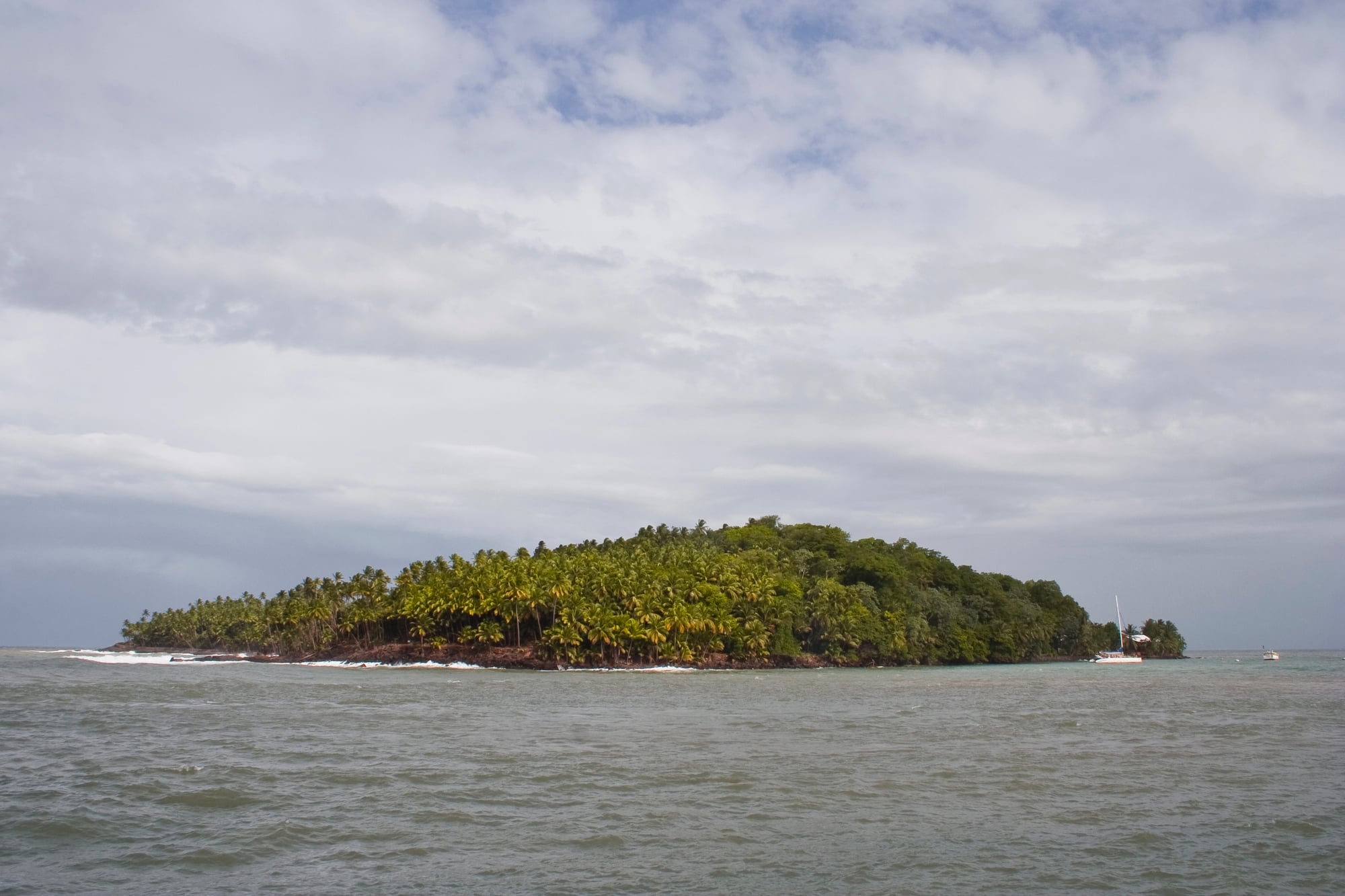
Devil’s Island was France’s solution to what they considered the English problem — instead of hanging criminals, ship them somewhere tropical and let nature handle the execution. The penal colony operated from 1852 to 1953, and survival rates suggest it was more efficient than the guillotine.
Alfred Dreyfus spent four years here for treason he didn’t commit, his case becoming the Dreyfus Affair that divided French society for decades.
Solitary confinement on a tropical island sounds almost pleasant until you factor in the heat, humidity, disease, and complete absence of hope that defined daily existence there.
Sing Sing Correctional Facility, New York

Sing Sing gave America its most famous electric chair and the phrase “sent up the river,” since prisoners traveled north on the Hudson River to reach it. Built by inmate labor in the 1820s, it perfected the assembly-line approach to incarceration that other states copied.
The prison’s proximity to New York City made it a favorite subject for journalists and reformers, which meant conditions there stayed slightly more humane than facilities that operated without public scrutiny.
Public attention, even negative attention, turned out to be prisoners’ most reliable protection against systematic abuse.
The Weight Of Stone And Time
These ancient cells share something beyond their age — they were built by societies convinced their approach to justice was enlightened, progressive, and morally superior to what came before. Every generation believes it has figured out the right way to handle crime and punishment, and every generation leaves behind stone evidence of how wrong certainty can be.
The secrets these cells hold aren’t really about the prisoners who suffered inside them, but about the people who built them and walked away satisfied with their work.
More from Go2Tutors!

- The Romanov Crown Jewels and Their Tragic Fate
- 13 Historical Mysteries That Science Still Can’t Solve
- Famous Hoaxes That Fooled the World for Years
- 15 Child Stars with Tragic Adult Lives
- 16 Famous Jewelry Pieces in History
Like Go2Tutors’s content? Follow us on MSN.


