33 Summer Jobs That Teenagers Used to Fight Over Before They Quietly Disappeared
For a long stretch of the twentieth century, the summer job was a teenage rite of passage as reliable as the season itself. You turned fourteen or fifteen, and suddenly there was an expectation — informal, family-generated, sometimes neighborhood-enforced — that you would find something to do with your summer that included getting paid for it.
The jobs available were specific to their era: physically demanding, face-to-face with strangers, low on supervision, and often teaching things no school class had time for. Many of them no longer exist.
Some were replaced by machines. Some were made illegal. Some just faded as the industries around them changed shape.
Bowling Alley Pin Setter

Before AMF introduced the automatic pinspotter in the early 1950s, teenage boys perched above bowling lanes and reset the pins by hand after each roll. It was genuinely physical — leaping down to clear pins, stacking them in formation, then retreating before the next ball arrived.
The pay came mostly from tips and was tied directly to your speed and reliability. By the mid-1950s the machine had arrived in most American alleys and the job essentially vanished within a decade.
Paper Route

The newspaper route in its classic form was among the earliest teenage jobs and remained common through the 1970s and into the early 1980s. You rose before dawn, collected the papers, folded them into bags or rubber-banded them, and delivered them to houses on your assigned route — by bicycle, by wagon, or on foot.
On Saturdays you collected payment from subscribers. The route gave you a territory you knew intimately and a customer base who expected you specifically.
By the mid-1990s, evening newspapers — which had provided after-school delivery windows — were disappearing, and adult carriers on motor routes were replacing young people on bicycles.
Soda Jerk at a Fountain Counter

The soda fountain was a genuine institution. Behind the marble or laminate counter, a teenager mixed phosphates, built sundaes, operated the seltzer tap, and maintained ongoing conversation with whoever sat down on the spinning stools.
The job required speed and a light social touch — a particular kind of casual performance that fast-food counter work didn’t replicate. When chain fast food and packaged soft drinks eliminated the independent soda fountain, the job went with it.
Drive-In Theater Carhop
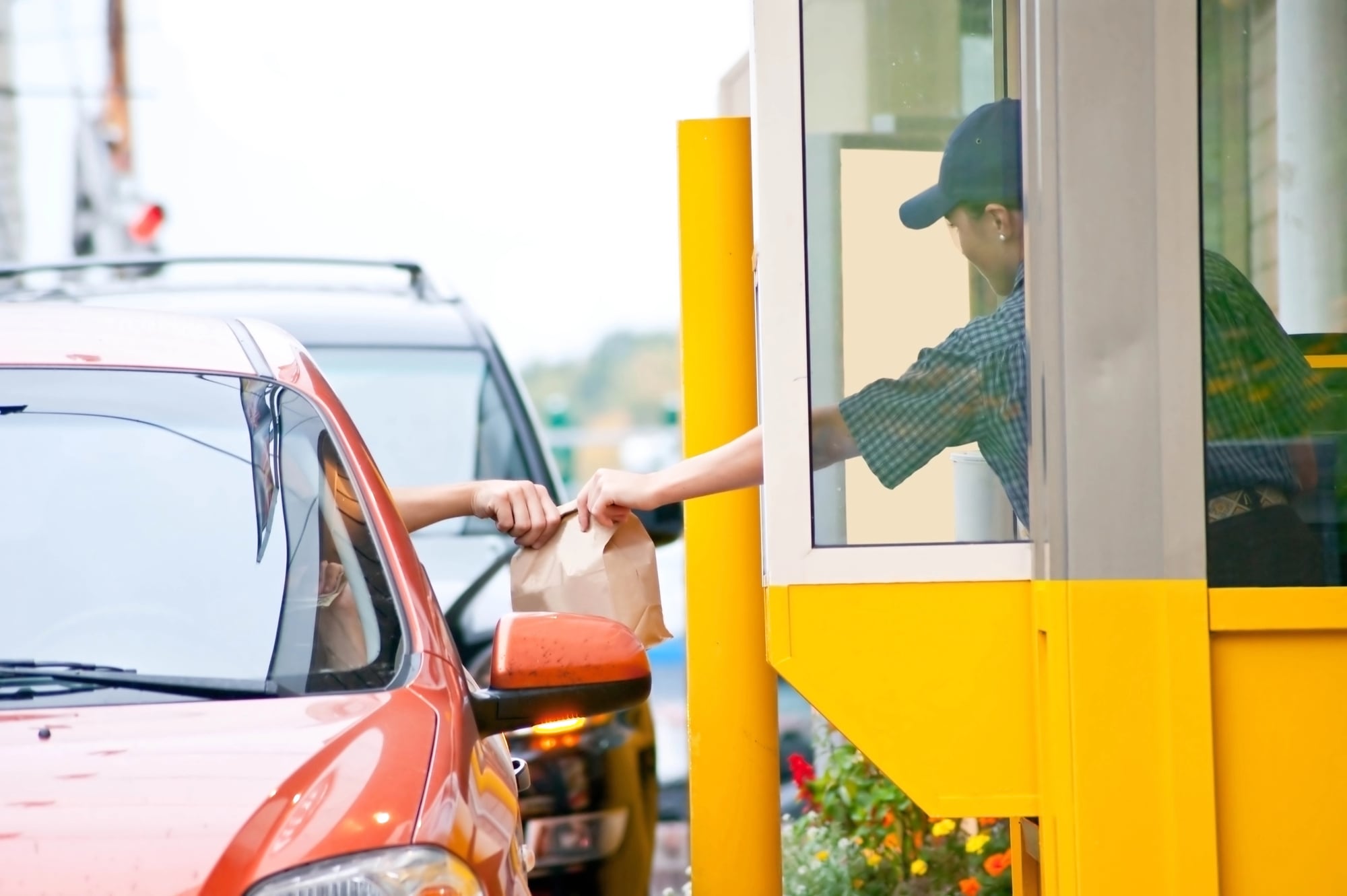
At the peak of the drive-in era in the 1950s and 1960s, carhops — often on roller skates — took orders at car windows and returned with trays of food that hooked onto the side of the door. The job required skating backward, balancing loaded trays, and managing a large number of cars simultaneously on busy Friday nights.
The drive-in’s decline through the 1970s and 1980s took most of these positions with it. A handful of carhop jobs survive at drive-in restaurants like Sonic, but the scale is different.
Blockbuster Video Clerk

Working at a video rental store in the late 1980s and 1990s was the culturally aspirational teenage job for anyone interested in movies. Blockbuster clerks organized rows of VHS tapes, used physical rewinding machines to check returned videos for compliance with the “Be Kind, Rewind” policy, and, crucially, made recommendations.
The job gave you expertise and a platform. When streaming services ended the rental model, Blockbuster’s last store closed in Bend, Oregon, in 2019.
Golf Course Caddie

Carrying a golfer’s bag across eighteen holes was summer employment that paid in cash and tips and required a teenager to spend an entire morning or afternoon paying close attention to someone else’s preferences and moods. A good caddie read the course and the golfer simultaneously.
The job still technically exists at higher-end courses, but motorized golf carts replaced caddies at the majority of public and mid-range courses starting in the 1950s. The caddie job that once sustained thousands of young people now serves a significantly smaller niche.
Film Projectionist
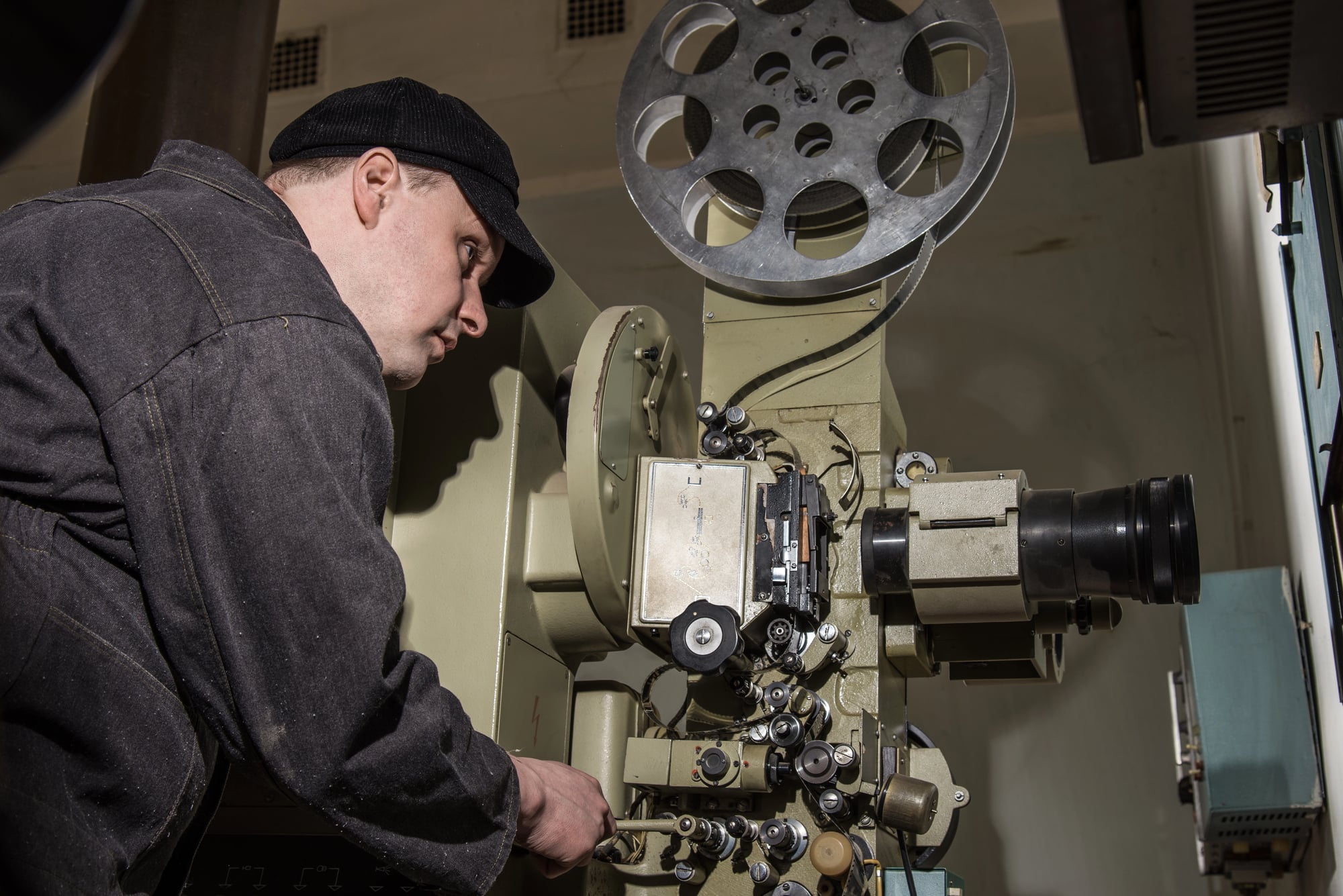
Threading a film reel correctly — knowing how to lace the film, manage the changeover between reels without the audience noticing, and handle equipment that could overheat or jam — was a genuine skill. Teenage projectionists, often starting as assistants, learned the mechanics of the machine and the responsibility of running the show.
Digital cinema projection systems, which became widespread in the 2000s and 2010s, eliminated the need for manual threading and most of the positions that went with it.
Lifeguard at a Community Pool
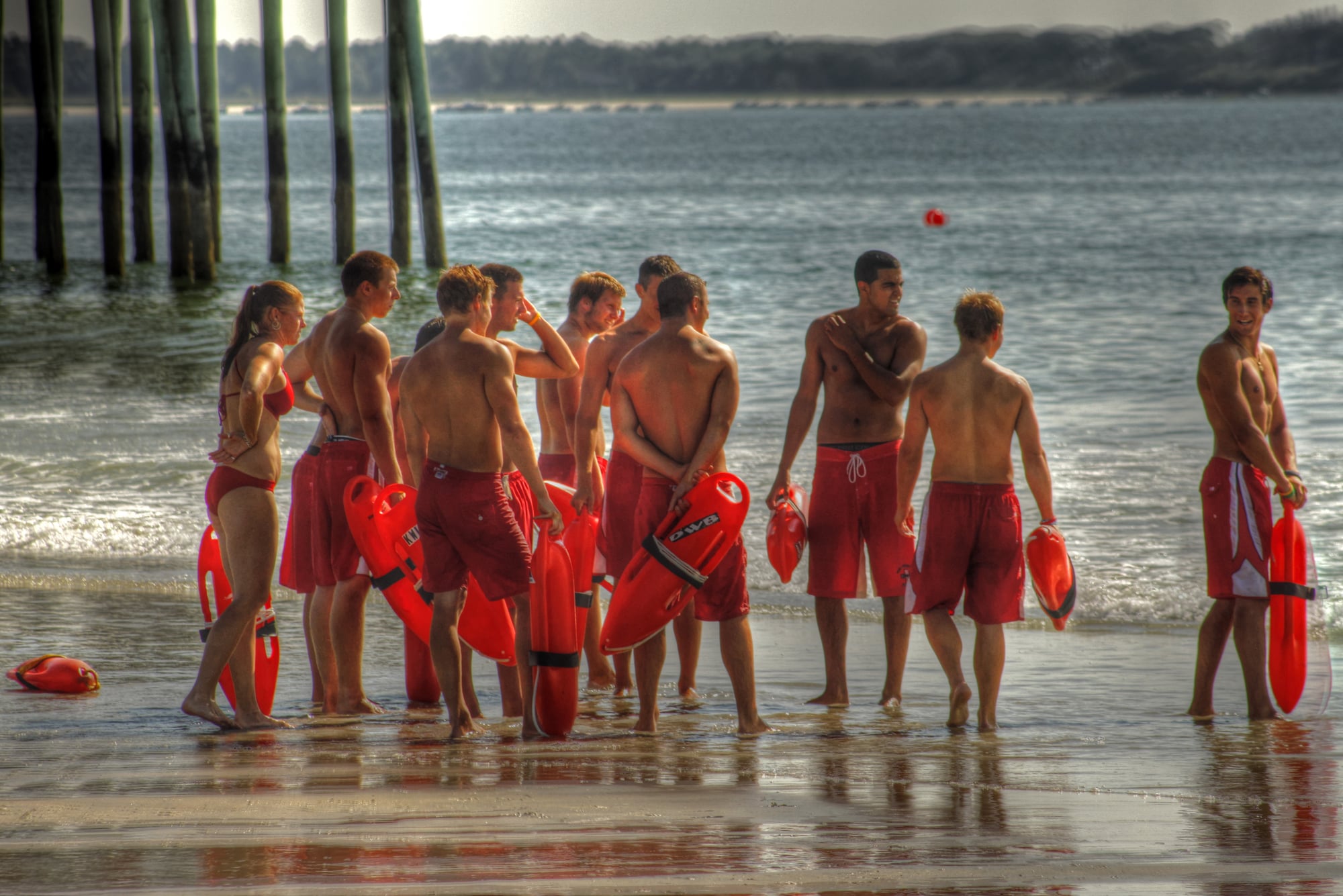
Lifeguarding still exists, but the community municipal pool that employed teenagers at scale is much rarer than it was in the 1950s through the 1980s. Towns with public pools staffed by local teenagers represented a particular model of summer employment: a visible, trusted role in the community, modest pay, a strong tan, and the authority to whistle at people for running.
Budget cuts and the insurance-driven closure of many municipal pools reduced the scale of the opportunity considerably.
Telephone Operator

Placing a long-distance call through a live operator required a real person on the other end of the line — someone to connect the call, manage billing, and route the connection through a switchboard. Young women took these positions in large numbers through the mid-twentieth century.
Automation in telephone switching began in the 1920s but accelerated rapidly in the postwar era, and by the 1970s and 1980s the live telephone operator had become a specialty service rather than an everyday necessity.
Farm Hand (Seasonal Harvest Work)
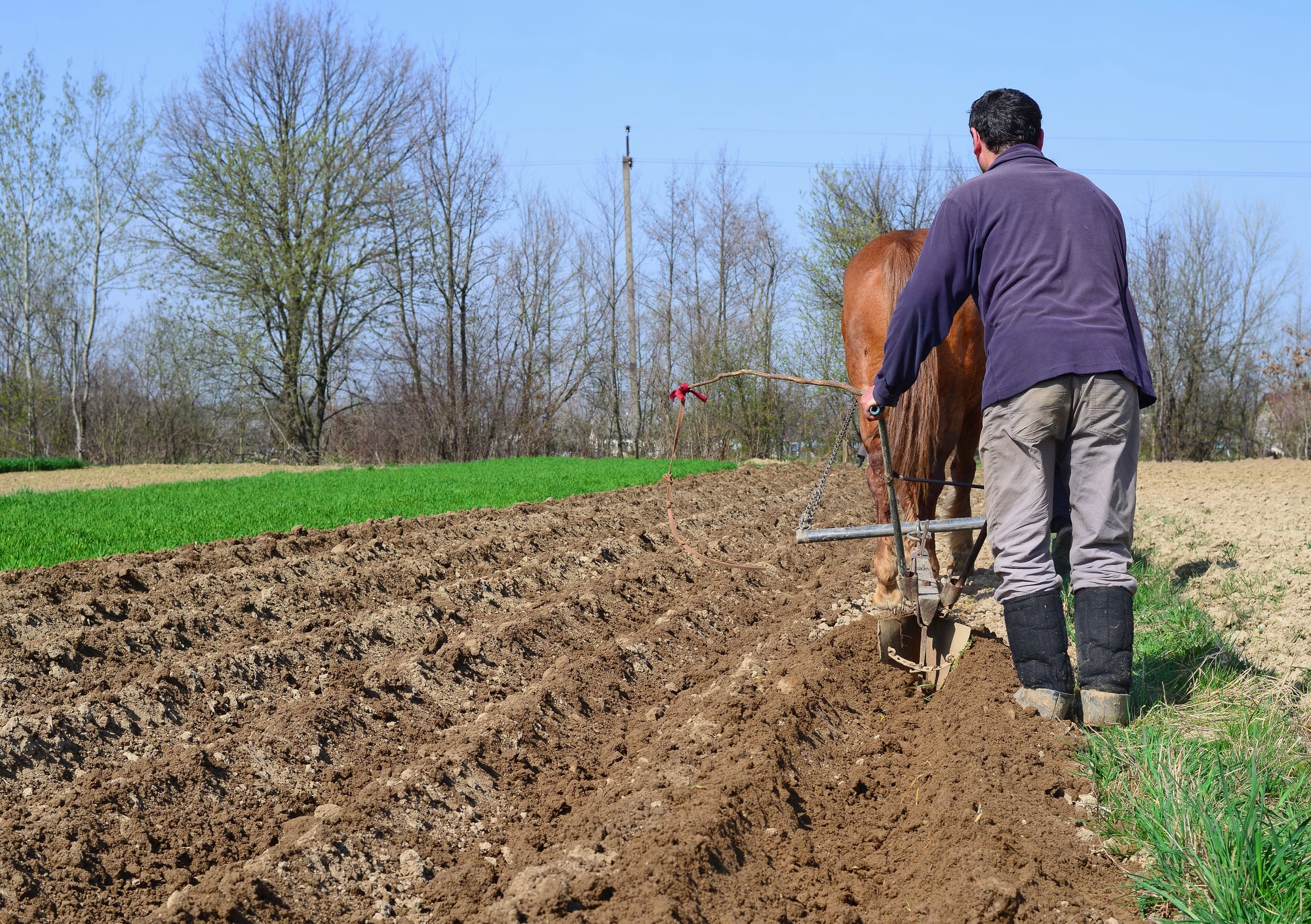
Picking fruit, detasseling corn, harvesting tobacco, and working on harvest crews were among the most demanding and widespread summer jobs for teenagers in agricultural regions through much of the twentieth century. The work was physically brutal, paid by the piece or by the day, and required early starts.
Agricultural mechanization — and in many regions, changes in immigration policy that reshaped who performed the work — reduced the pool of young people employed in seasonal harvest work substantially from the 1960s onward.
Movie Theater Concession and Usher
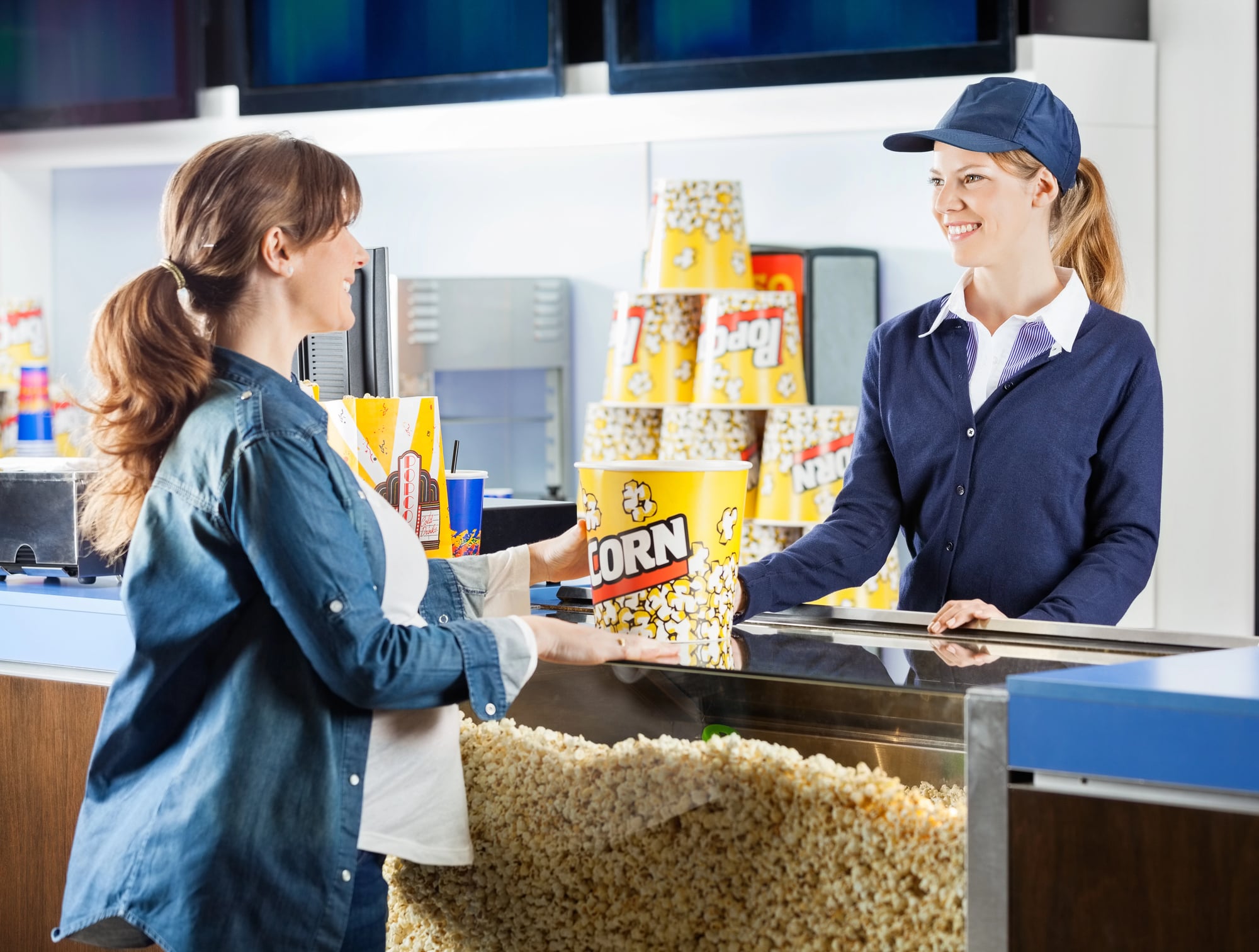
Being an usher at a movie theater — with a small flashlight, uniform, and authority over seating — was a summer job that involved managing people in a dark space and knowing every movie playing well enough to answer questions. The concession stand was a related position.
Both still exist but at reduced scale as multiplexes consolidated and ticketing technology reduced the need for the human infrastructure that earlier theaters required.
Ice Cream Truck Driver

Acquiring the route, driving the truck, managing the inventory, keeping the freezer stocked, and running the speakers — the ice cream truck operation gave entrepreneurially-minded teenagers a near-independent business during the summer months. In many markets, young people operated routes on consignment or leased trucks.
Regulations, liability concerns, and the economics of the route changed the business enough that it’s no longer the accessible teenage enterprise it once was.
Telegram Delivery
Western Union employed young people — mostly boys on bicycles — to deliver telegram messages door to door through the first half of the twentieth century. A telegram arrival was significant: it meant news important enough to come in writing and fast enough to not wait for the post.
Western Union stopped delivering telegrams in 2006. At the peak of the service, thousands of young people worked as messengers in American cities.
Gas Station Attendant

Full-service gas stations required someone to pump the gas, check the oil, clean the windshield, and collect payment. These were often teenage positions that built a loose understanding of basic automotive function and a lot of practice talking to strangers through car windows.
The self-service model — permitted in most U.S. states by the 1970s and 1980s — eliminated most of these positions. New Jersey remained a notable exception, requiring attendants by law until 2022.
Department Store Elevator Operator
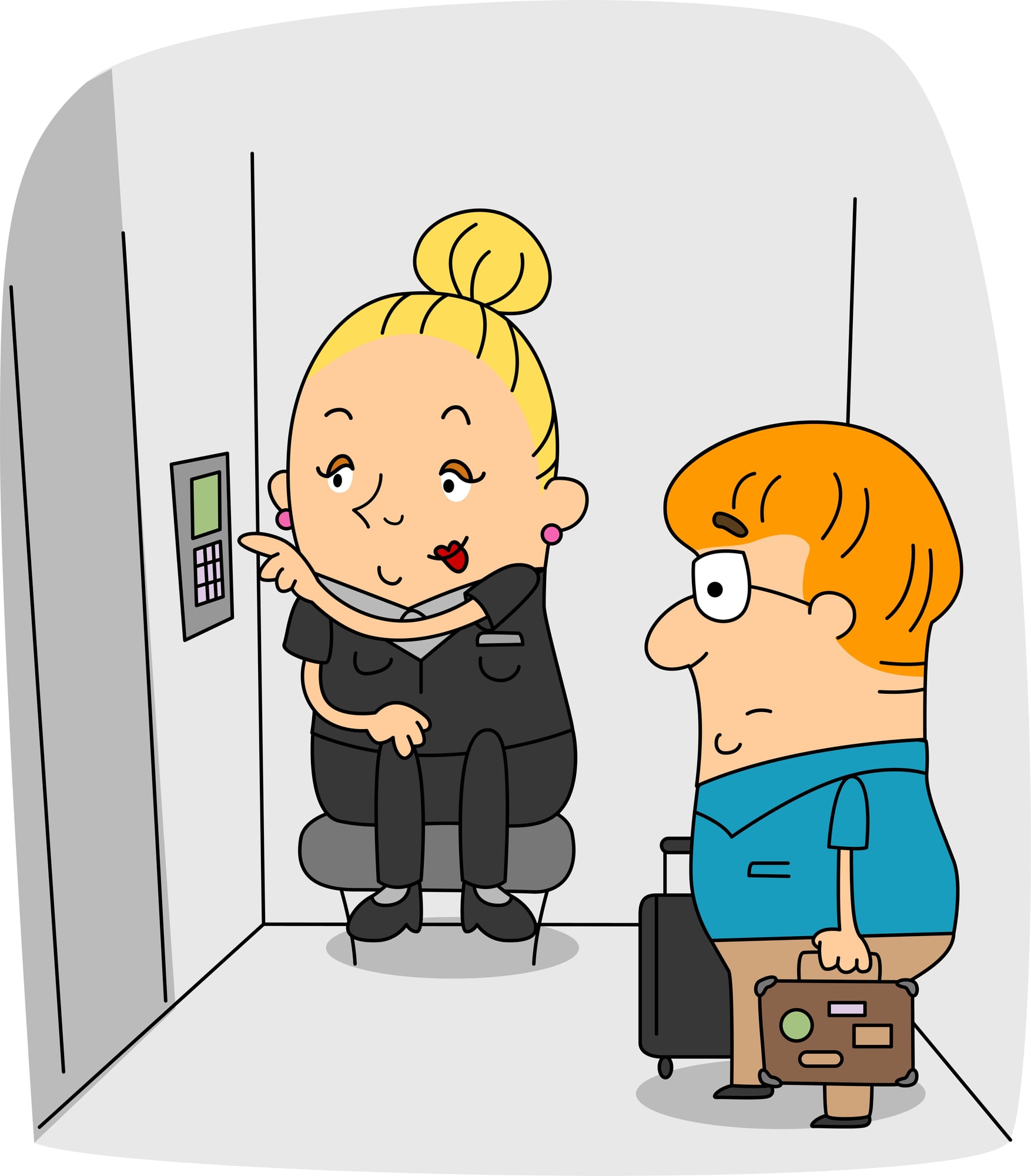
Operating a manual elevator in a department store required genuine skill: managing the level alignment, controlling the speed, and calling out floors and departments. In larger stores, elevator operators worked all day in a box, greeting every customer who stepped on and telling them what they’d find when the doors opened.
Automatic elevators made the role obsolete by the 1960s in most commercial buildings, though some high-end hotels retained operators for atmosphere longer than that.
Drive-In Movie Box Office

Before the cashless ticket terminal and the smartphone app, the drive-in movie theater had a staffed box office at the entrance, typically operated by teenagers who collected cash, made change, counted cars, and managed the line during peak periods on Friday and Saturday nights.
The role is largely gone along with most of the drive-in theaters themselves, which declined from over four thousand venues in the 1950s to fewer than three hundred operating today.
Grocery Store Bag Packer

Packing bags at a grocery store checkout — paper or plastic, fragile on top, heavy items on the bottom, bread never underneath anything — was a distinct role from the cashier. In larger supermarkets it was a separate position, often held by teenagers who were also expected to carry bags to cars.
The role still exists in some stores but has been significantly reduced by self-checkout lanes and the consolidation of checkout functions.
Bicycle Messenger
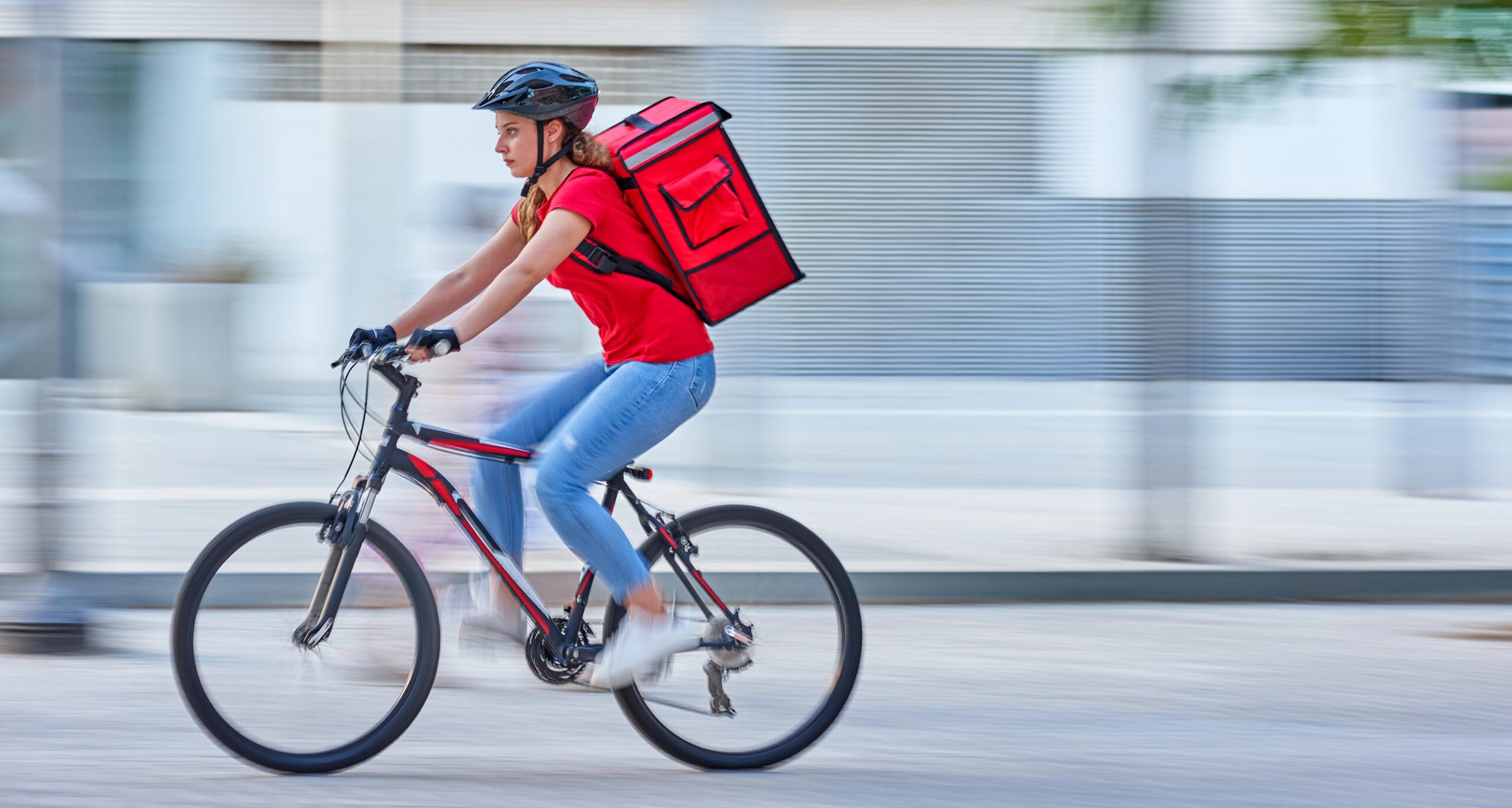
In dense city environments, bicycle messengers carried documents, packages, and film between offices before the fax machine, email, and digital file transfer made same-hour physical delivery less critical. The job required stamina, navigation skill, and the ability to weave through traffic with a bag full of things other people needed urgently.
Courier work still exists, but the original bicycle messenger culture that supported large numbers of young city workers in the 1970s and 1980s is significantly diminished.
Carnival or County Fair Worker

Traveling with a carnival or working as seasonal staff at a county fair was summer employment that had its own culture, its own social ecosystem, and an unusual amount of independence for a teenager. Running a game booth, operating a ride, or working a food stand at a county fair required you to understand crowd behavior and transaction speed simultaneously.
The summer fair circuit still exists, but the landscape of traveling carnivals has contracted.
Swimming Pool Concession

The concession stand at a public pool — selling frozen treats, chips, and drinks through a small window — was an institution in communities with large outdoor municipal pools. The job was warm, loud, and constant during peak summer hours.
As municipal pools declined, so did the small commercial ecosystems that supported them.
Door-to-Door Sales

Selling products door-to-door was a summer job that required self-motivation, since your income depended entirely on how many doors you knocked on and how many people answered willingly. Teenagers sold everything from encyclopedias to cleaning supplies to magazine subscriptions.
The social and legal environment around door-to-door solicitation changed substantially across the 1990s and 2000s, and the opportunity largely closed.
Diner Busboy or Table Runner

The mid-century diner and family restaurant employed teenagers as busboys — clearing and resetting tables between customers at a pace that kept the dining room turning over. The job existed separately from waiting tables and was compensated partly through tip sharing.
Chain restaurants and fast-casual dining formats reduced the complexity of table service and, with it, the need for the intermediate position.
Newspaper Typesetter

In local newspaper printing operations before digital layout software, typesetters arranged physical type or managed the hot-metal Linotype machines that set text line by line. Teenagers often worked in the production side of small-town newspaper operations through the 1960s.
The transition to desktop publishing in the 1980s made the physical typesetting role obsolete.
Milk Delivery Route Assistant

Before supermarket refrigeration made doorstep delivery unnecessary, the milkman’s route was a significant local institution. Teenagers sometimes worked as helpers on the truck, carrying bottles to doorsteps before dawn and collecting empties.
The home milk delivery model had largely collapsed by the late 1970s as refrigerators improved and supermarket pricing undercut the convenience premium.
Arcade Attendant
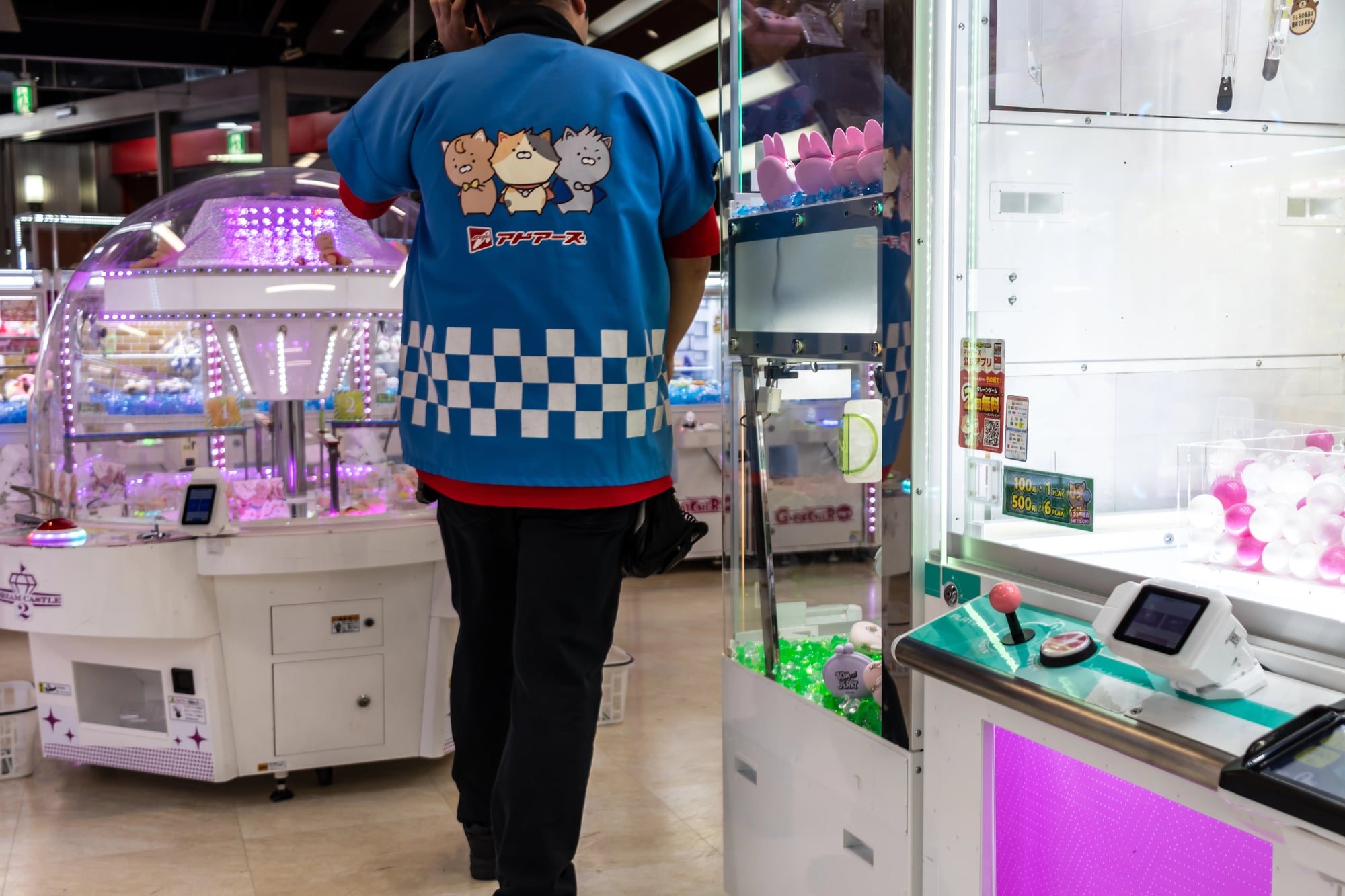
The video arcade was at its commercial peak between roughly 1978 and 1985. Arcades employed teenage staff to make change, maintain machines, and manage the floor during busy periods.
The attendant had informal authority, knew every machine in the building, and often played well enough to know when a machine was behaving strangely. The home console revolution and the subsequent decline of the physical arcade reduced these positions along with the arcades themselves.
Caddie Master’s Assistant at a Golf Club

Below the head caddie master, clubs often employed teenagers to manage the caddie yard — tracking which caddies were available, assigning loops, managing equipment storage, and generally keeping the operation organized. It was an apprentice role inside an already-apprentice ecosystem, and as motorized carts eliminated caddie positions, the infrastructure around them contracted accordingly.
Record Store Clerk

Working at an independent record store in the 1970s through the 1990s required genuine music knowledge, since customers came in asking for recommendations and the job was partly curatorial. A good record store clerk was a resource, not just a cashier.
The combination of big-box music retailers and then digital downloads and streaming ended most independent music retail, and the job — which had sustained some of the most earnest teenage music education available — went with it.
Community Pool Snack Bar

The pool snack bar, usually a small window operation serving the captive audience of families spending the day at the municipal pool, was a summer job that involved short-order cooking, ice cream service, and the management of a large number of children with money.
The position depended on the existence of the municipal pool itself, and its fate followed accordingly.
Drive-Through Bank Teller
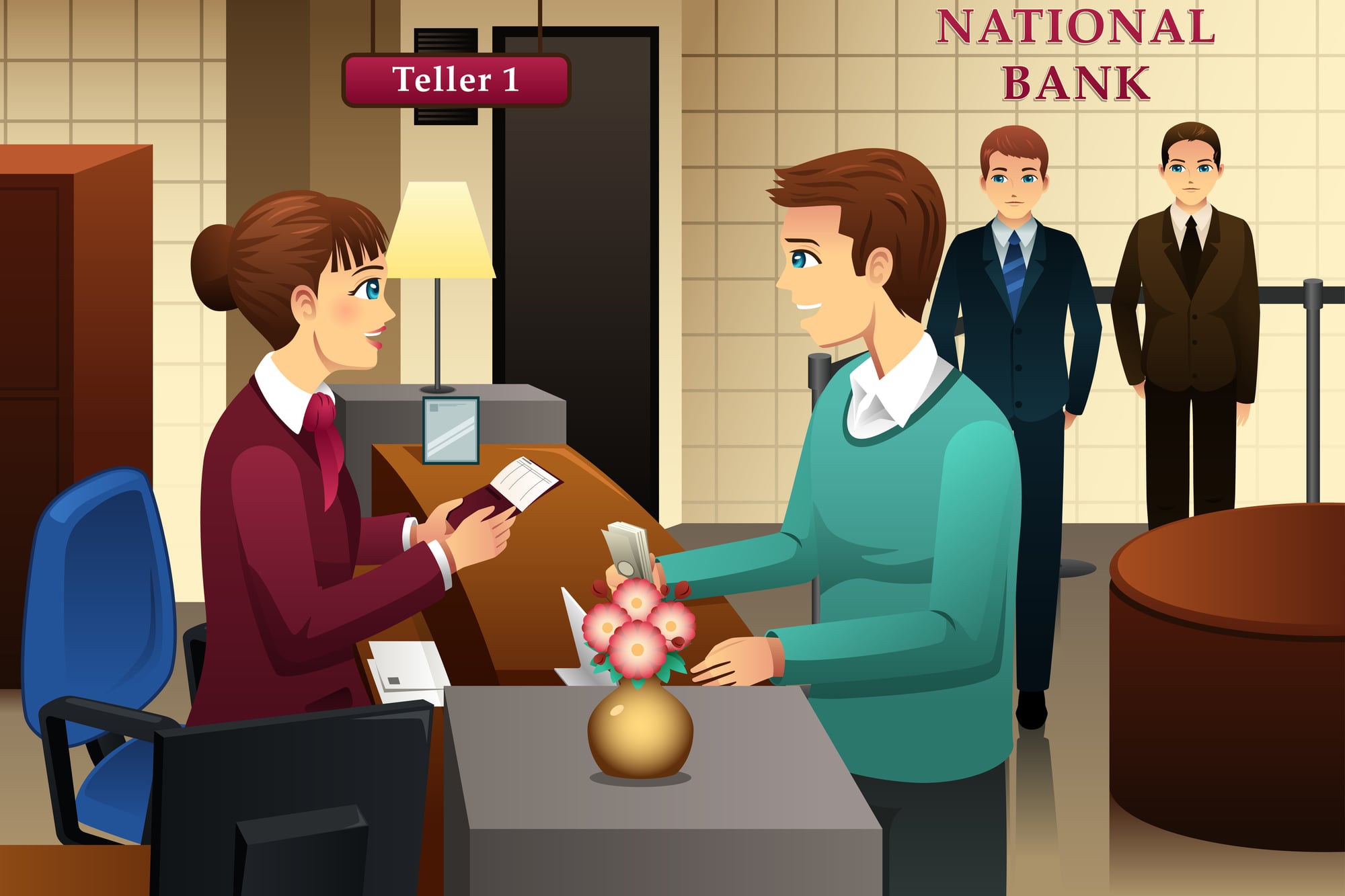
Before ATMs became the default interface for simple transactions, drive-through bank tellers handled deposits, withdrawals, and change through pneumatic tubes and direct windows. Banks employed teenagers in teller roles more readily before technology-driven staffing reductions changed the economics of branch banking.
Roadside Produce Stand
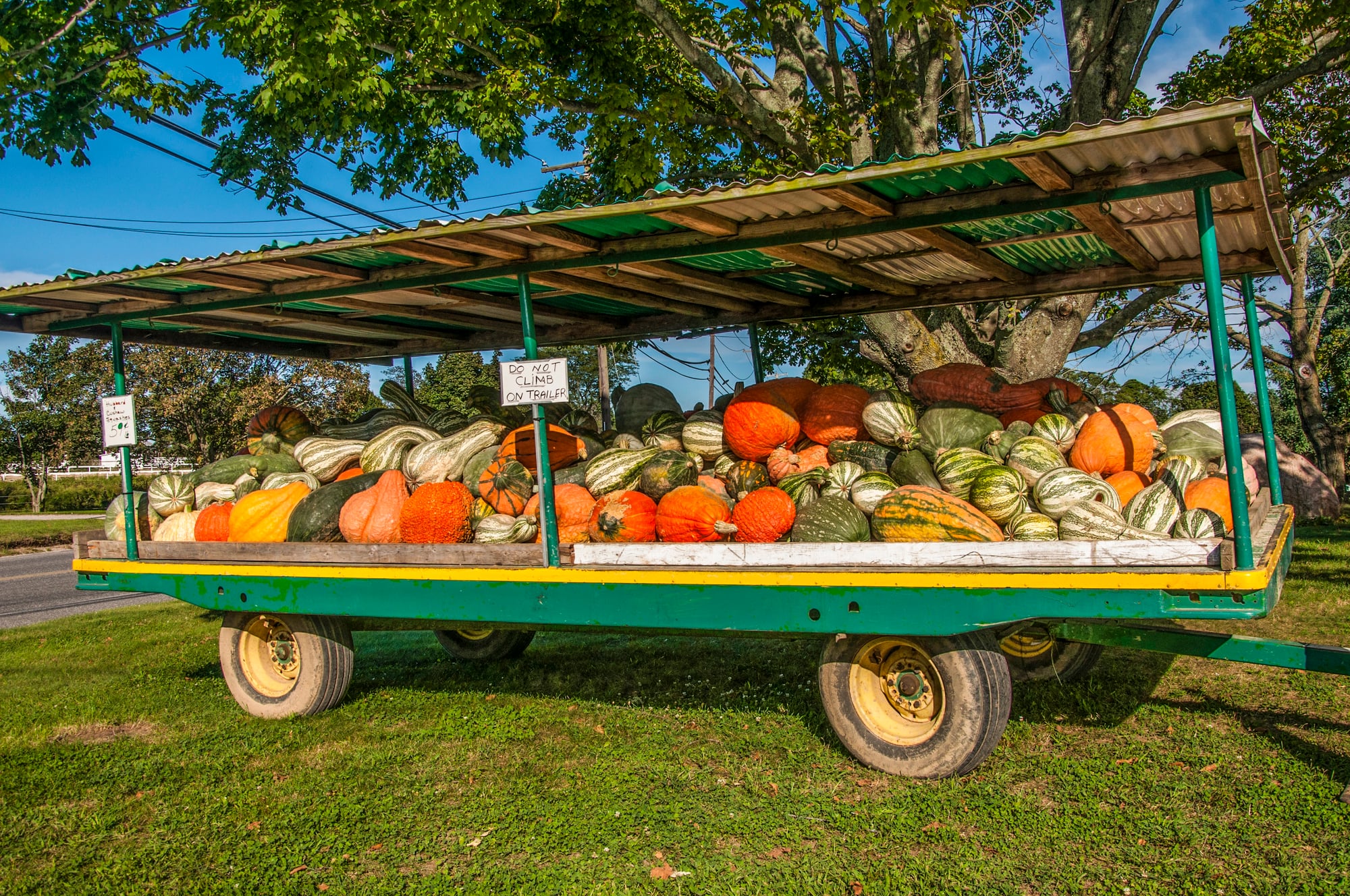
Family-operated produce stands along rural routes employed teenage children of farming families and, sometimes, neighbors’ children as well. The work involved handling cash, making change, managing inventory, and operating in the sun for long periods.
The shift toward supermarket consolidation and the decline of small family farms reduced the number of roadside stands, and with them a form of summer employment that gave teenagers basic commercial experience without a formal employer.
Amusement Park Ride Operator

Operating carnival rides at regional amusement parks — not the large destination parks but the smaller regional ones that once dotted suburban America — was a summer job that involved mechanical responsibility, crowd management, and repeated transactions at speed.
Many of the regional parks that supported these jobs have closed, consolidating the amusement park industry into fewer, larger destination venues that staff differently.
Photo Lab Technician

Before digital cameras eliminated the film processing market, one-hour photo labs in malls and pharmacies employed teenagers to run the developing machines, print photographs, organize envelopes, and manage customer pickups. The job required enough chemical and equipment knowledge to avoid ruining rolls of film that represented irreplaceable moments for customers.
Digital photography made the consumer film processing industry obsolete in roughly a decade.
Skating Rink Concessions and Floor Guard

Indoor roller skating rinks were community social institutions in the 1970s and 1980s, and they employed teenagers in the concession stand, at the skate rental counter, and as floor guards who managed traffic, enforced direction rules during couple-skate, and generally maintained order at an event that was fundamentally about teenagers moving fast in a dark space.
The roller rink’s sharp decline across the 1990s closed most of these positions.
What These Jobs Had in Common

Strip away the specific industry and what remains is a pattern: most of these jobs put a teenager somewhere public, gave them a defined responsibility, and then largely left them to manage it. The bowling alley pin setter worked fast because the bowlers were already approaching the lane.
The paper route ran whether or not you felt like getting up. The soda fountain carhop had no script for the customer who was rude.
These jobs shared an impatience with hesitation, a dependence on speed and social reading, and an immediacy that office internships and screen-mediated gig work often don’t replicate. Whether or not the jobs should come back is a separate question.
What they produced in the people who held them was a particular form of competence — unsentimental, face-to-face, and acquired quickly because the situation required it.
More from Go2Tutors!

- The Romanov Crown Jewels and Their Tragic Fate
- 13 Historical Mysteries That Science Still Can’t Solve
- Famous Hoaxes That Fooled the World for Years
- 15 Child Stars with Tragic Adult Lives
- 16 Famous Jewelry Pieces in History
Like Go2Tutors’s content? Follow us on MSN.



