Incredible Survival Stories from the Arctic Tundra
The Arctic doesn’t forgive mistakes. One wrong turn, one piece of failed equipment, one moment of poor judgment, and the vast white expanse transforms from beautiful to deadly in minutes.
Yet somehow, against impossible odds, people have walked away from situations that should have killed them. These aren’t Hollywood heroes or trained survivalists — they’re ordinary people who found themselves trapped in one of Earth’s most unforgiving environments and lived to tell about it.
The stories that emerge from these encounters feel almost mythical in their scope. Temperatures that drop to minus-60 degrees Fahrenheit.
Blizzards that last for days. Ice that shifts without warning, separating travelers from safety. But within each tale of survival lies something deeper than just luck or determination — a glimpse into what humans are capable of when everything else falls away.
Ada Blackjack
Ada Blackjack never intended to become a legend. She signed up for the 1921 Wrangel Island expedition as a cook and seamstress, needing money to care for her sick son back in Alaska.
The plan seemed straightforward enough — spend a year on the remote Arctic island with four men, establish a territorial claim for Britain, then return home with her wages. The island had other plans.
When supply ships failed to arrive and food ran dangerously low, three of the men left on foot across the sea ice, hoping to reach Siberia and send help. They were never seen again.
The fourth man, Lorne Knight, fell seriously ill with scurvy. For months, Ada nursed him while teaching herself to hunt and trap in conditions that regularly dropped below minus-40 degrees.
After Knight died, Ada spent six months completely alone on Wrangel Island. She learned to shoot polar bears that threatened her shelter.
She caught foxes in traps she built from salvaged materials. When rescue finally arrived in August 1923, they found her alive, healthy, and keeping meticulous records of weather and wildlife — the only survivor of the expedition.
The Karluk Survivors
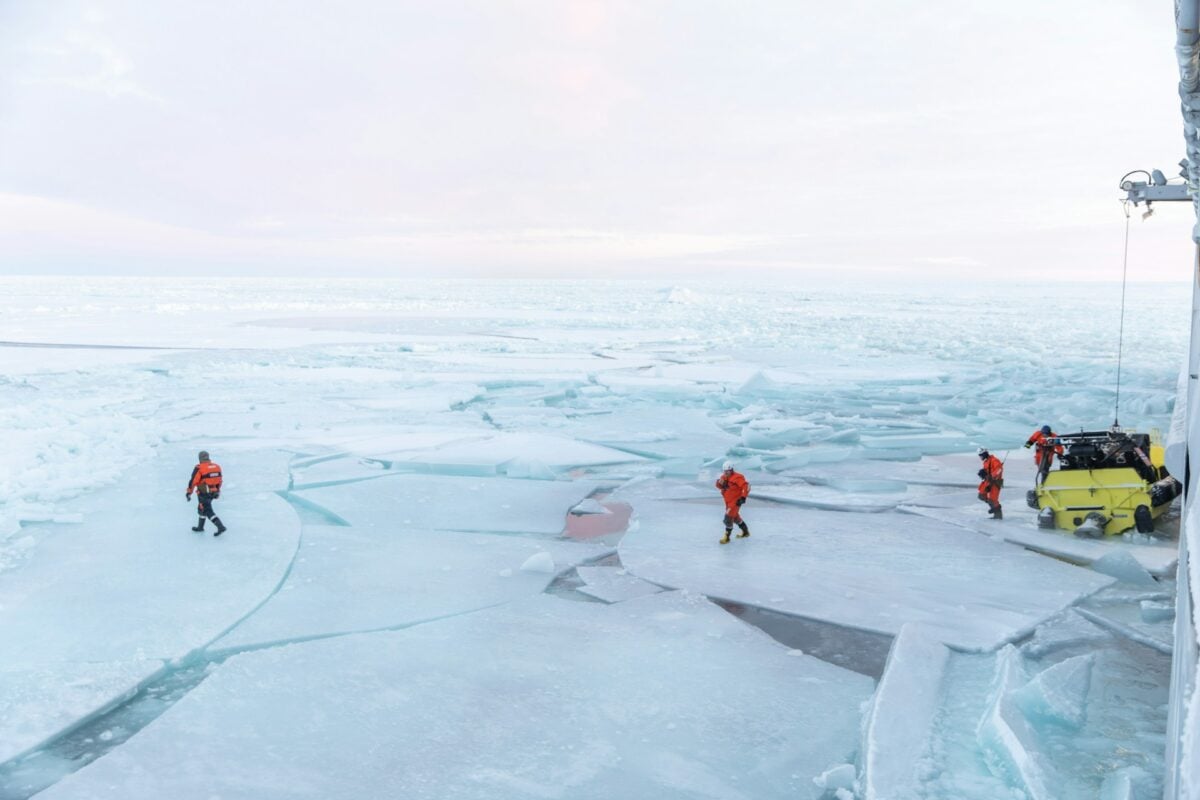
But sometimes survival becomes a group effort, and the story of the Karluk feels like watching a slow-motion disaster unfold over months (because that’s exactly what it was, stretched across the brutal Arctic winter of 1913-1914). The ship, carrying members of the Canadian Arctic Expedition, became trapped in pack ice north of Alaska and drifted for months before the ice finally crushed the hull — which left 25 people stranded on the shifting ice floes with limited supplies and no clear path to safety.
Captain Robert Bartlett made a decision that seemed impossible: he would walk across 700 miles of unstable sea ice to reach Siberia and organize a rescue. And he did exactly that.
Meanwhile, the remaining survivors established camps on Wrangel Island, rationing food and fuel through temperatures that regularly hit minus-50 degrees. Some didn’t make it through the wait, but when Bartlett returned with rescue ships months later, he found 14 survivors still alive — a testament to both his leadership and their collective will to endure what the Arctic threw at them.
Ernest Shackleton and the Endurance Crew
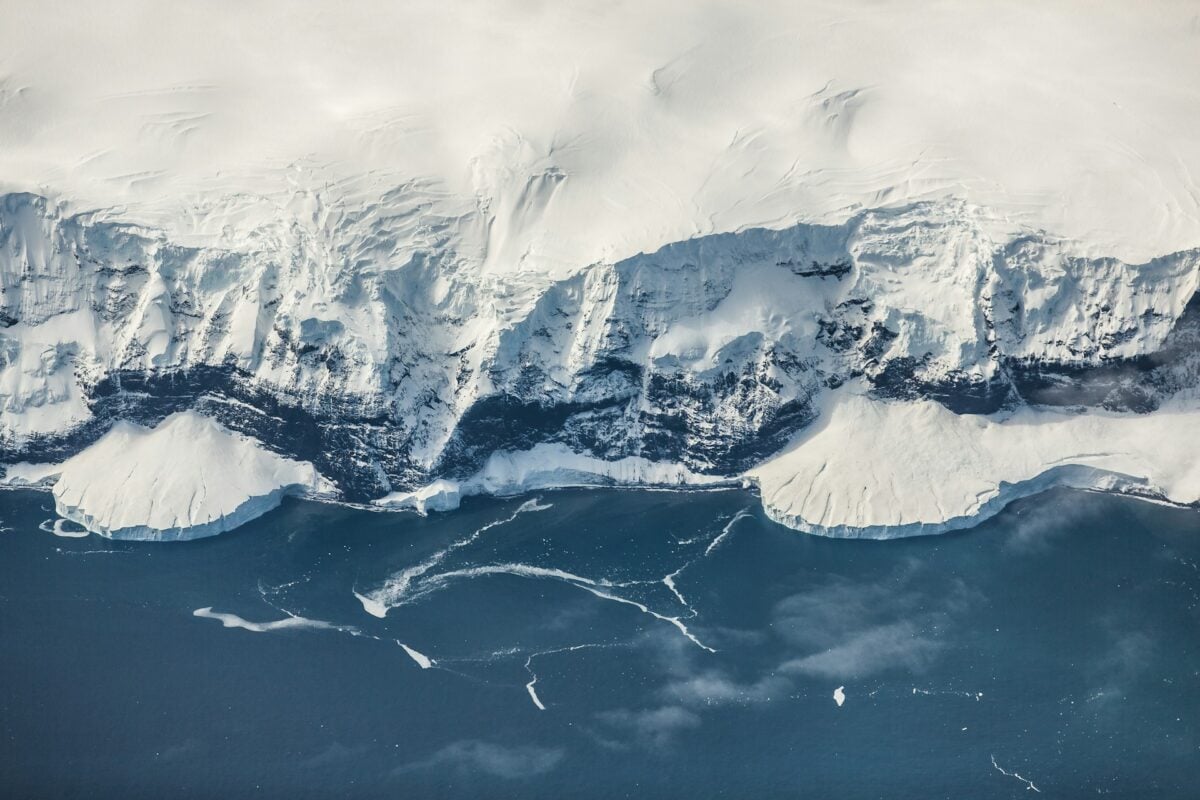
There’s a photograph of the Endurance being slowly crushed by Antarctic ice that captures something essential about survival — the moment when all your plans become irrelevant and staying alive becomes the only plan that matters. Shackleton and his 27-man crew watched their ship die over the course of months, the wooden hull groaning and splintering under pressures no ship was ever designed to withstand.
What followed was 22 months of survival that reads like fiction. The crew lived on ice floes that drifted hundreds of miles from their original position.
When the ice finally broke up, they sailed three small lifeboats through some of the roughest seas on Earth to reach the desolate Elephant Island. Then Shackleton and five others took one of those boats on an 800-mile journey across the Southern Ocean to South Georgia Island — a journey so dangerous that experienced sailors still regard it as nearly impossible.
The rescue took multiple attempts. When Shackleton finally returned to Elephant Island, he found his remaining crew members alive but barely recognizable after months of exposure and malnutrition. Remarkably, every single member of the expedition survived.
Ralph Flores and Helen Klaben
Most people assume that surviving a plane crash is the hardest part. Ralph Flores and Helen Klaben discovered that walking away from the wreckage was just the beginning of their ordeal. Their small charter plane went down in the Yukon wilderness in February 1963, leaving them stranded in temperatures that dropped to minus-48 degrees. Flores, a 42-year-old pilot, had a broken jaw and ribs.
Klaben, a 21-year-old magazine writer, had never spent a night outdoors in her life. They had no winter clothing designed for Arctic conditions and virtually no food.
For 49 days, they survived in a makeshift shelter built from aircraft parts and pine boughs. The hunger became so severe that they chewed on leather and ate pine needles for what little nutrition they provided.
Klaben lost 55 pounds during the ordeal. Flores used his belt as a snare to catch the occasional rabbit or ptarmigan, but game was scarce in the deep winter.
When rescue helicopters finally spotted their signal fire in March, both survivors were within days of death from starvation.
The Crew of the Jeannette
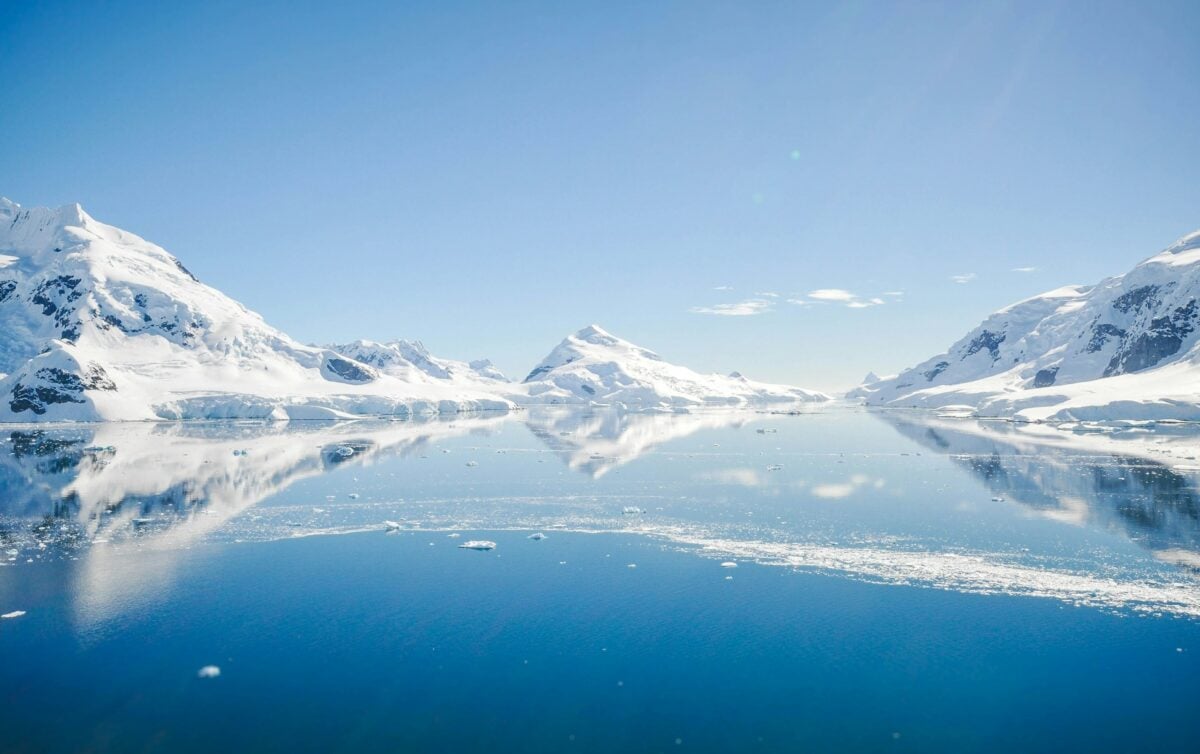
Sometimes survival stories emerge from expeditions that were doomed from their very conception, and the USS Jeannette expedition of 1879 stands as a monument to both human ambition and the Arctic’s complete indifference to that ambition. The ship, commanded by George Washington De Long, was supposed to reach the North Pole by sailing through the Bering Strait — based on the faulty theory that warm Pacific currents would keep the northern seas ice-free.
Instead, the Jeannette became trapped in pack ice north of Siberia and drifted for nearly two years before the ice crushed the hull. The 33-man crew was forced to abandon ship and attempt a 500-mile journey across shifting ice and open water to reach the Siberian coast.
They had three boats and dwindling supplies. The journey became a nightmare of separated crews, failed equipment, and slowly failing health.
De Long and 11 others died of exposure and starvation on the Lena Delta. But the crew of one boat, led by Chief Engineer George Melville, managed to reach safety and later organized search parties that found some survivors from the other boats.
Thirteen men ultimately survived an ordeal that lasted nearly three years from start to finish.
Andrée’s Arctic Balloon Expedition Survivors
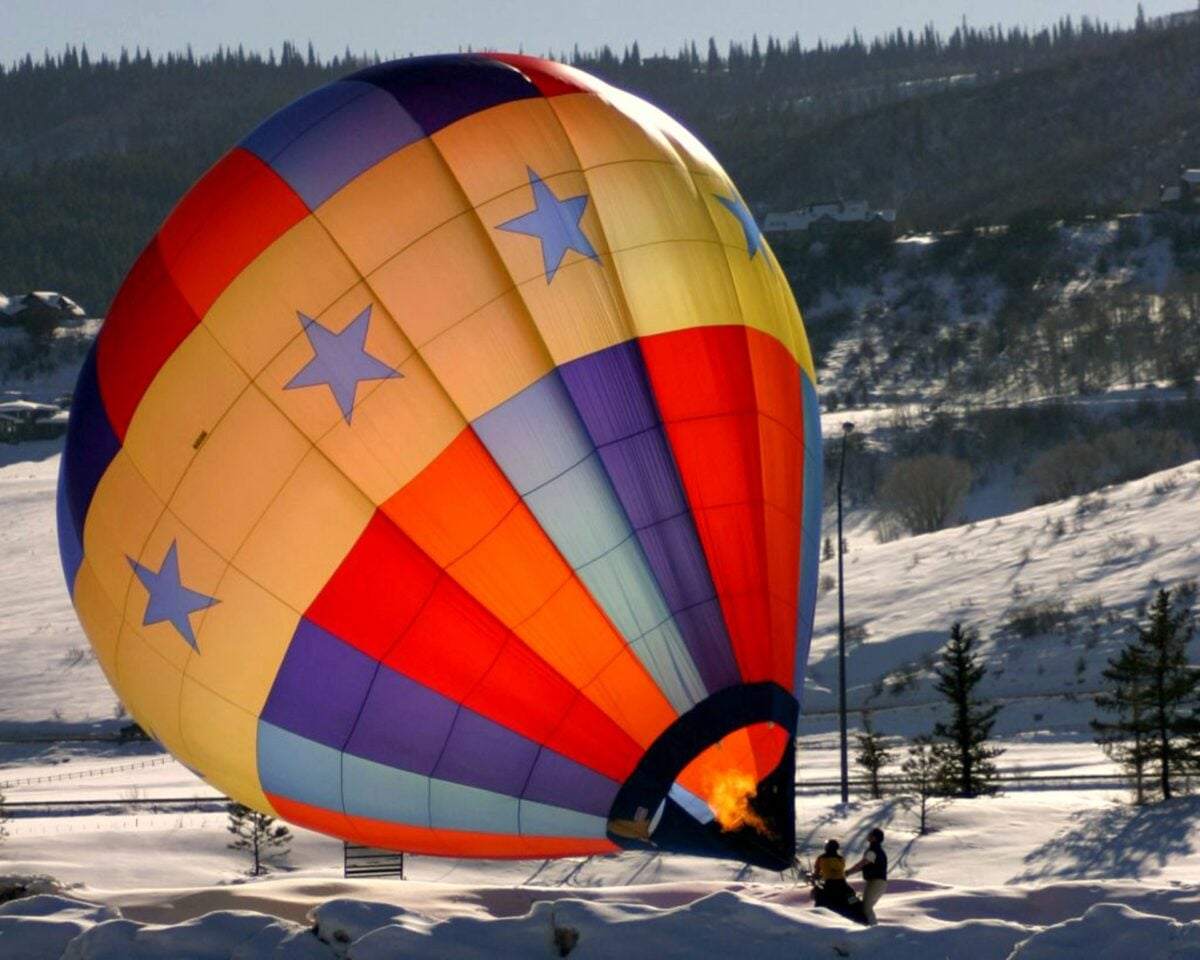
The plan seemed elegant in its simplicity: travel to the North Pole by hydrogen balloon, make scientific observations, then land safely somewhere in the Canadian Arctic. Swedish explorer Salomon August Andrée launched his balloon expedition in July 1897 with two companions, fully expecting to be home within a few months.
They crashed on the pack ice after just 65 hours of flight. What followed was a three-month trek across shifting ice floes toward Franz Josef Land, dragging sleds loaded with scientific equipment and supplies.
The physical toll was enormous — hauling heavy loads across broken ice while fighting off polar bears and dealing with equipment failures. The irony is devastating: they actually made it.
The three men reached Kvitøya island in October and established a winter camp. But they died there, probably from trichinosis contracted from eating undercooked polar bear meat, just as rescue became a real possibility.
Their remains and detailed journals weren’t discovered until 1930, revealing a story of survival that lasted months longer than anyone thought possible.
Vilhjalmur Stefansson’s Ice Island Experience
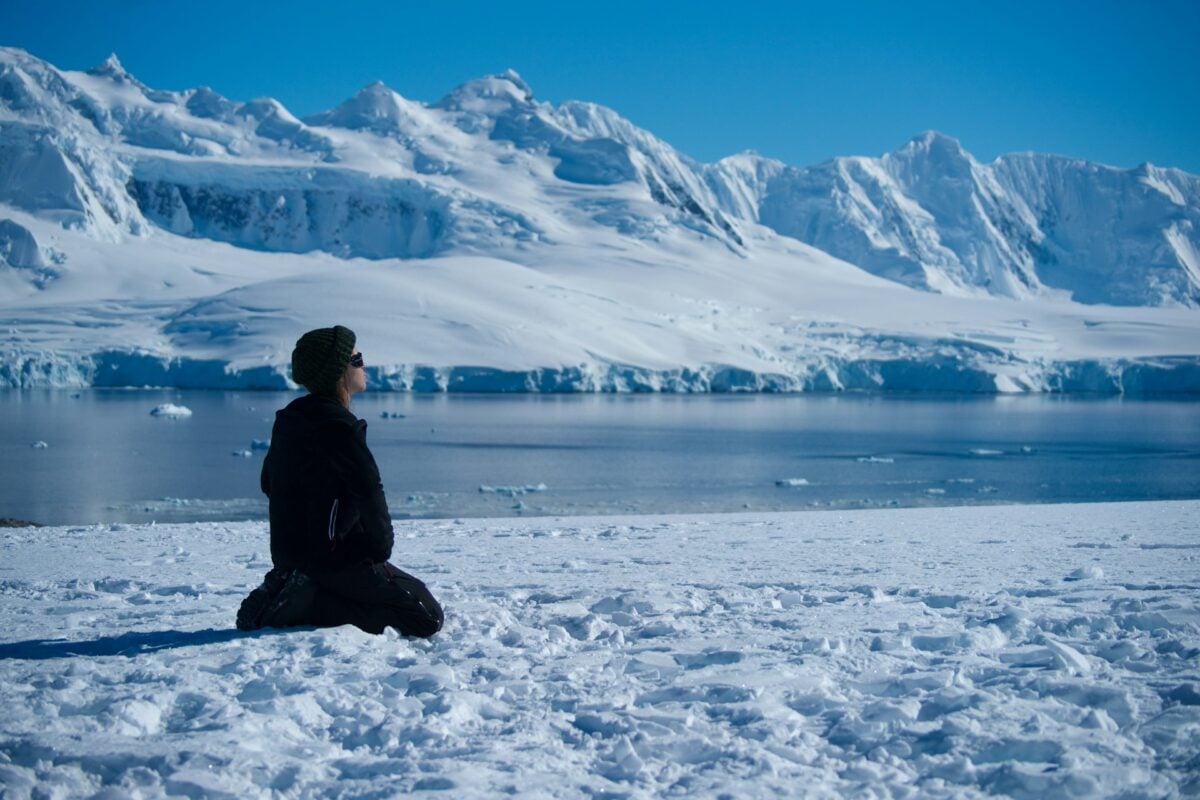
Stefansson approached Arctic survival with the confidence of someone who had already spent years learning from Inuit techniques, which served him well when he became stranded on an ice floe in 1914 with two companions during his Canadian Arctic Expedition (though his confidence sometimes bordered on recklessness, which nearly got them killed several times). Their ice island was roughly 100 miles from the nearest land, and it was drifting steadily away from safety.
For five months, they lived entirely off what they could hunt — seals, polar bears, and the occasional Arctic fox. Stefansson had learned to build proper snow shelters and understood how to find seals at their breathing openings, skills that proved essential when their supplies ran low.
But even with his experience, the constant threat of their ice platform breaking apart or colliding with other floes made sleep nearly impossible. The rescue came through pure persistence rather than luck: they spotted a ship in the distance and managed to signal it successfully.
By the time they reached safety, all three men had lost significant weight, but Stefansson’s Arctic experience had kept them alive through conditions that would have killed most people within weeks.
The Forgotten Heroes of the Greely Expedition
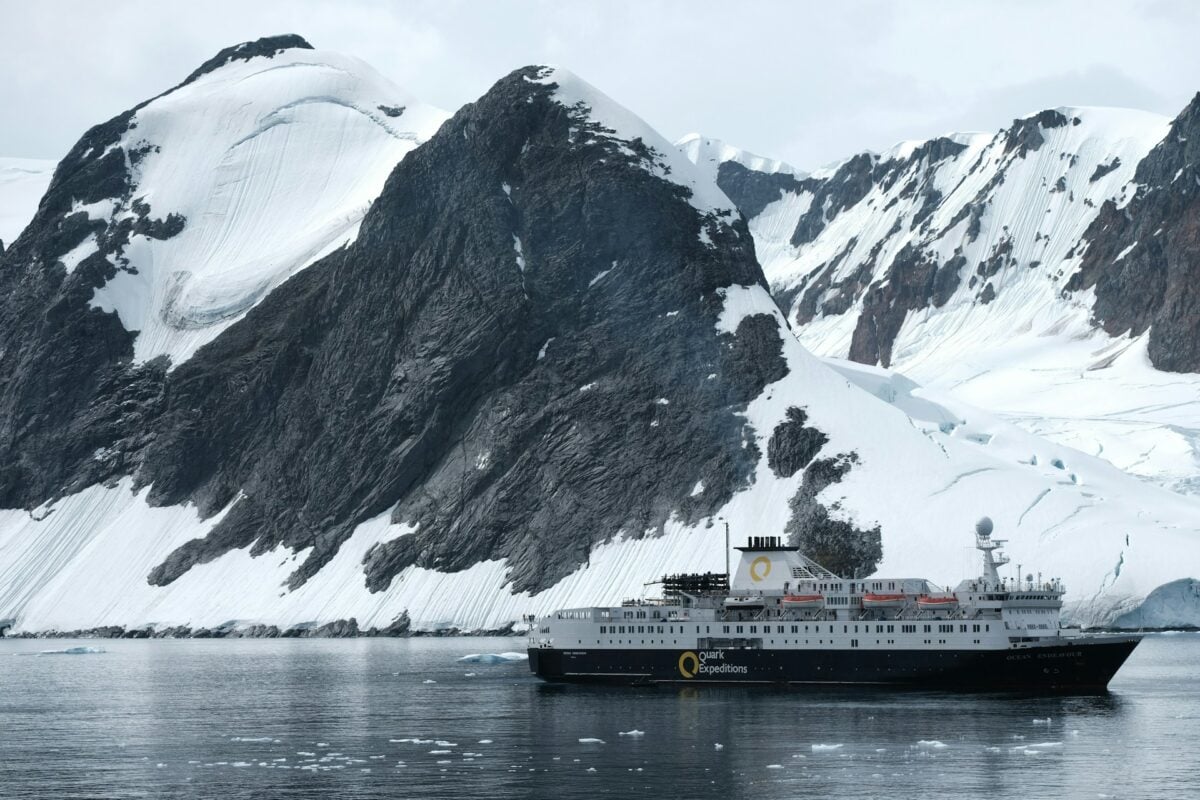
Adolphus Greely’s Lady Franklin Bay Expedition started as a routine scientific mission in 1881. Twenty-five men established a research station in the Canadian Arctic to collect meteorological and magnetic data.
When supply ships failed to reach them for two consecutive years due to heavy ice conditions, routine became survival. The men spent their final winter at Cape Sabine, surviving on a starvation diet supplemented by anything they could find — leather, lichens, and the occasional piece of driftwood they could burn for heat.
Some resorted to eating their sealskin boots. Several men died of hypothermia and malnutrition as the months dragged on.
When rescue finally arrived in June 1884, only six men were still alive. Greely himself was barely conscious and weighed less than 120 pounds.
The rescue party found detailed scientific records that the men had maintained throughout their ordeal — they had continued their scientific work even while dying of starvation. Their meteorological data proved invaluable for understanding Arctic weather patterns.
Knud Rasmussen’s Emergency Crossing
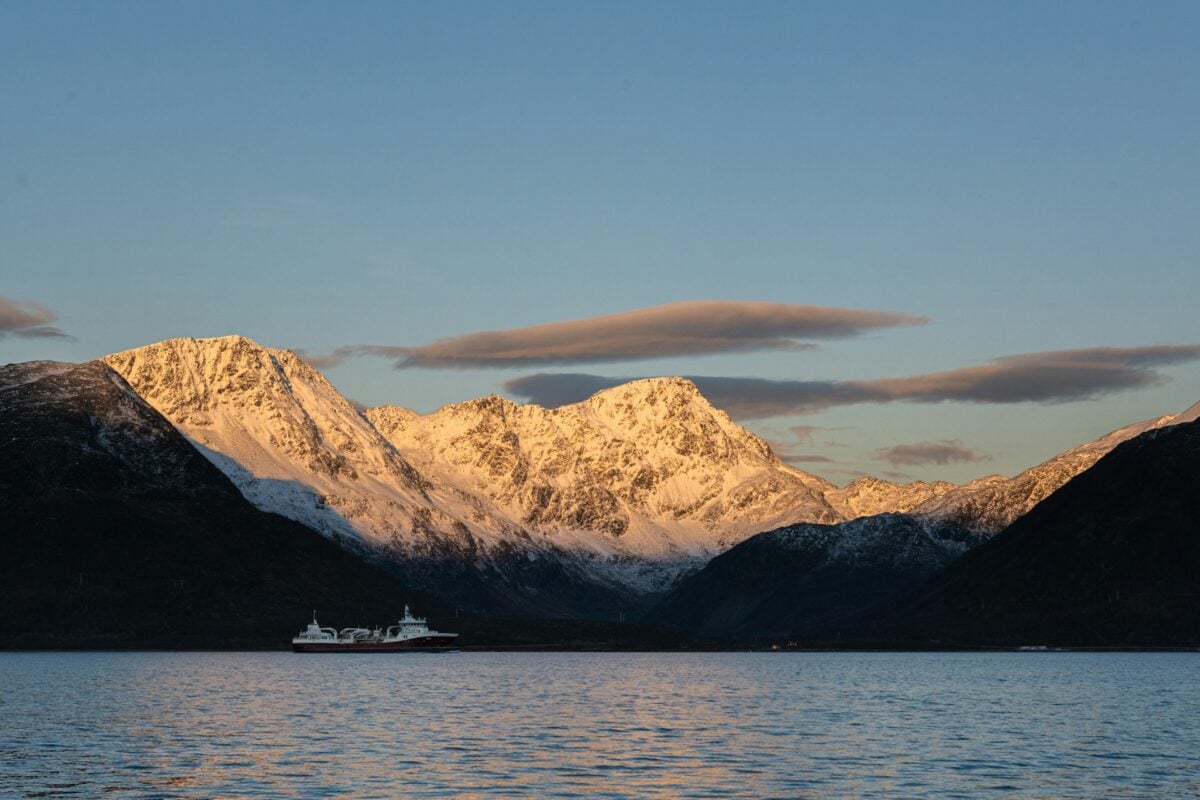
The Fifth Thule Expedition was supposed to be a triumph of Arctic exploration — a comprehensive study of Inuit culture across the entire North American Arctic. Instead, it became a masterclass in emergency survival when Knud Rasmussen and his team found themselves cut off from their supply base in 1924 with winter approaching and no clear route home.
Rasmussen made a decision that his companions thought was suicidal: they would travel 1,000 miles across unknown territory during the worst months of Arctic winter. They had dog teams, but limited food for both the animals and themselves.
The route took them across sea ice that could shift without warning and through mountain passes where temperatures dropped below minus-60 degrees. The journey took four months.
They survived by hunting when possible and eating their weaker dogs when hunting failed. Rasmussen’s deep knowledge of Inuit survival techniques — particularly his ability to read weather patterns and find shelter in seemingly impossible terrain — kept the team moving when stopping would have meant death.
They reached safety in early spring, having completed one of the longest unsupported Arctic journeys on record.
The Survivors of the Polaris Expedition
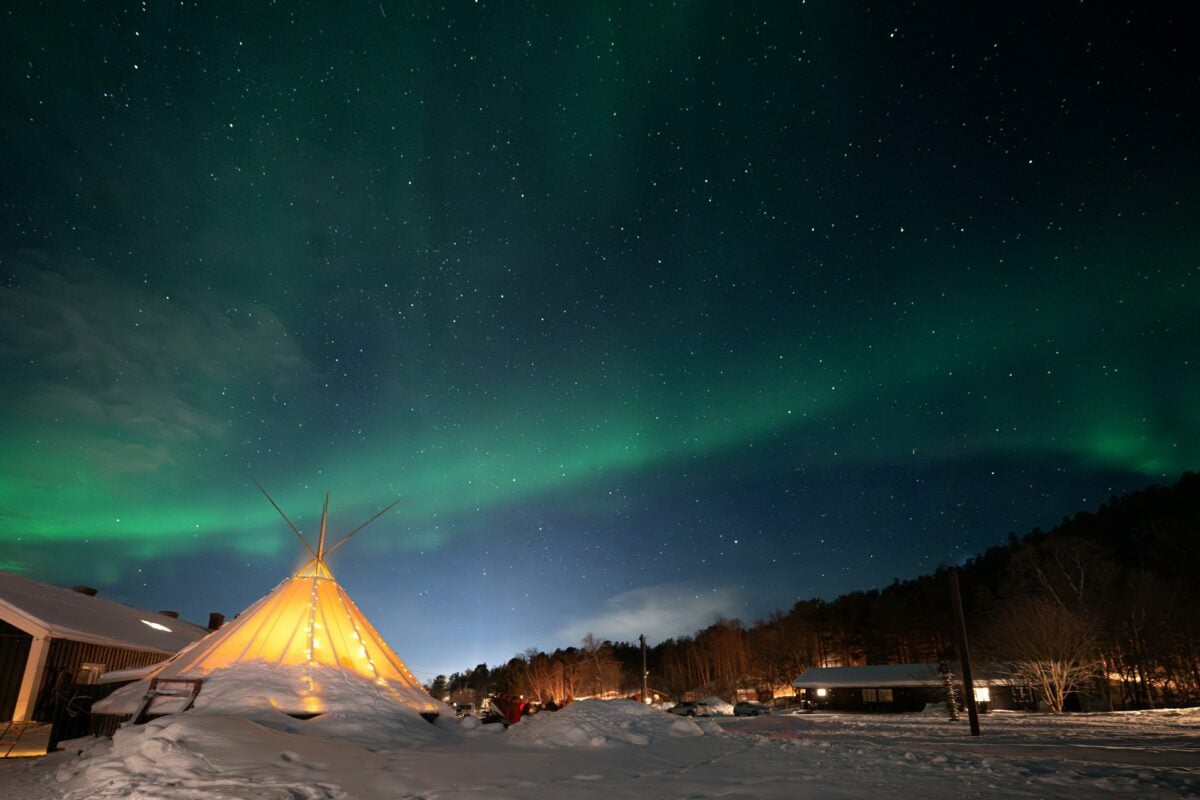
When the USS Polaris broke apart in a storm near Greenland in 1872, 19 members of Charles Francis Hall’s North Pole expedition found themselves stranded on an ice floe with almost no supplies. The group included several women and children — passengers who had never expected to face Arctic survival conditions.
They drifted on their ice platform for six months, traveling over 1,800 miles at the mercy of Arctic currents. The floe periodically cracked and reformed, forcing them to abandon camp and rebuild their shelter on increasingly smaller pieces of ice.
They survived primarily on seal meat when they could catch seals, and went without food for days when hunting failed. The psychological stress was as dangerous as the physical conditions.
Arguments over food rationing nearly led to violence several times. But the presence of the children seemed to keep the adults focused on survival rather than despair.
When a sealing ship finally spotted them off the coast of Labrador, the entire group was still alive — a remarkable outcome given the length of their ordeal.
Matt Henson’s Arctic Mastery
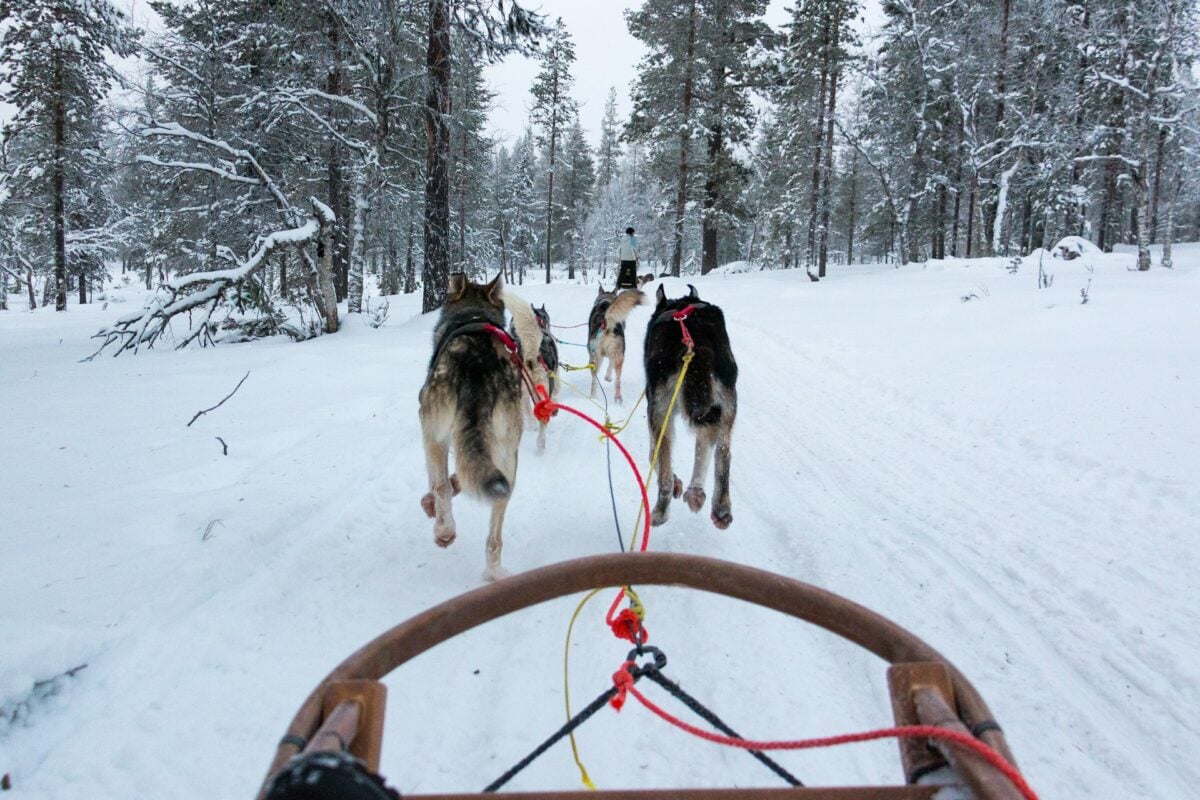
Most people remember Robert Peary as the man who reached the North Pole, but his companion Matthew Henson developed survival skills that surpassed even Peary’s during their multiple Arctic expeditions between 1891 and 1909. Henson learned to speak Inuktitut fluently, mastered the construction of igloos and ice shelters, and became expert at handling dog teams in extreme conditions.
During their 1906 expedition, Henson and Peary became separated from their support team during a blizzard that lasted three days. Temperatures dropped to minus-50 degrees, and their shelter was repeatedly buried by drifting snow.
Henson kept them alive by building a series of connected snow caves that provided both insulation and ventilation — a technique he had learned from watching Inuit hunters. When the storm cleared, they were more than 100 miles from their planned route with limited food and exhausted dog teams.
Henson navigated them back to safety using his understanding of ice patterns and weather signs — knowledge that took years of Arctic experience to develop. His survival skills were so respected that Inuit guides often deferred to his judgment over Peary’s during their later expeditions.
The Enduring Power of Human Persistence
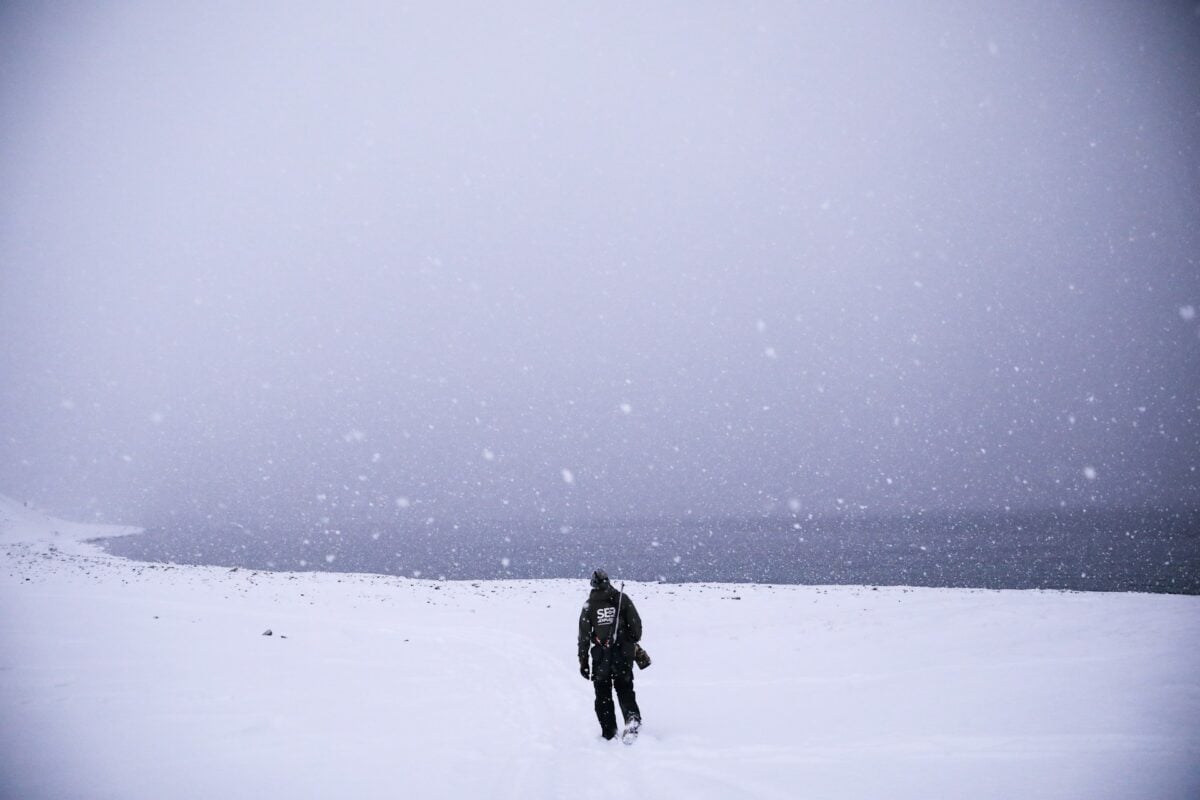
These stories share a common thread that has nothing to do with luck or special equipment. Each survival tale emerges from ordinary people who refused to accept death as inevitable, even when the Arctic offered them every reasonable excuse to give up.
What strikes you most about these accounts isn’t the dramatic moments — the polar bear encounters or the ship getting crushed by ice. Instead, it’s the quiet persistence: Ada Blackjack learning to hunt alone on Wrangel Island, the Endurance crew maintaining morale through 22 months of uncertainty, Matthew Henson perfecting survival techniques over decades of Arctic travel.
Survival in the tundra comes down to the accumulated weight of small decisions made correctly, day after day, when making any decision at all requires enormous effort. The Arctic remains as dangerous now as it was a century ago.
But these stories remind us that humans possess a capacity for endurance that even the tundra’s endless winter cannot extinguish — provided we’re stubborn enough to keep moving when everything reasonable tells us to stop.
More from Go2Tutors!

- The Romanov Crown Jewels and Their Tragic Fate
- 13 Historical Mysteries That Science Still Can’t Solve
- Famous Hoaxes That Fooled the World for Years
- 15 Child Stars with Tragic Adult Lives
- 16 Famous Jewelry Pieces in History
Like Go2Tutors’s content? Follow us on MSN.