Cities That Used to be National Capitals
Walking through certain cities feels different. The architecture seems grander than necessary.
The museums hold more treasures than you’d expect. The streets carry names that echo through history books.
These places once commanded entire nations, and that past still shows in every corner.
Philadelphia

The United States had its first true capital in Philadelphia, where the founding fathers gathered to argue, compromise, and eventually build a new country. Independence Hall still stands where the Declaration of Independence was signed, and the Liberty Bell sits in its glass pavilion, that famous crack a reminder that even symbols of freedom are imperfect.
The city served as the capital from 1790 to 1800, when the government packed up and moved to the swamps of Washington. Philadelphia was simply too established, too comfortable, too much of an existing power center.
The founders wanted a fresh start on neutral ground.
Kyoto
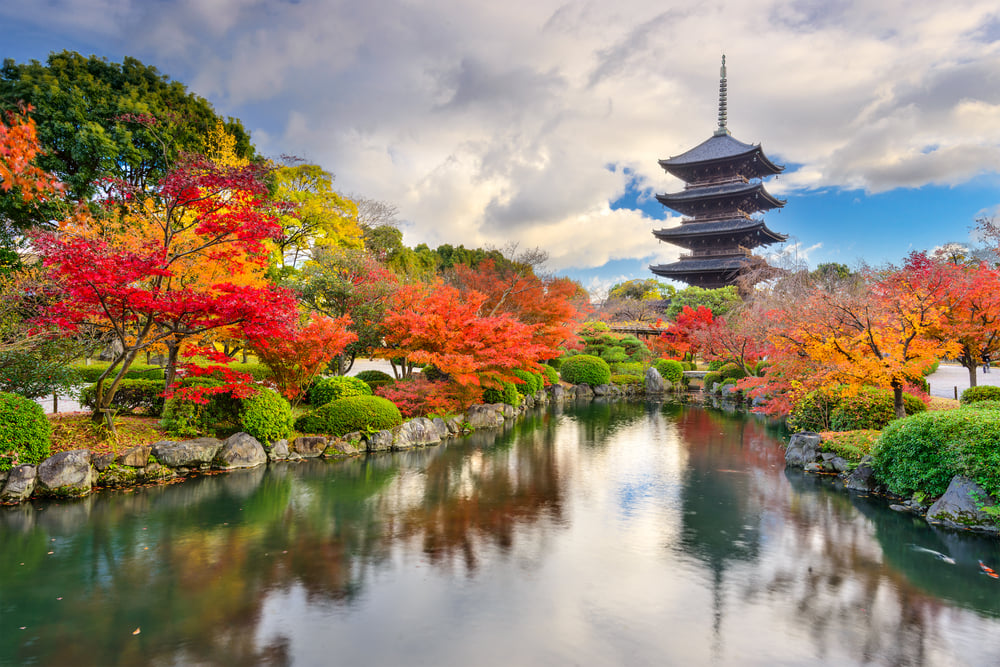
For over a thousand years, Kyoto held the imperial throne of Japan. The city became the capital in 794 and remained so until 1868, when the emperor moved to Tokyo during the Meiji Restoration.
But unlike many former capitals, Kyoto never faded. The city preserved its temples, gardens, and traditional wooden architecture better than almost anywhere in Japan.
You can still walk through neighborhoods where geisha entertain in teahouses, past shrines that predate most European nations. The emperor left, but Kyoto kept its soul.
Rio de Janeiro

Brazil moved its capital from Rio to Brasília in 1960, and Rio never quite recovered from the rejection. The city had been the capital for nearly two centuries, first as the seat of the Portuguese colony, then as the capital of independent Brazil.
Politicians decided the country needed an inland capital, something that looked toward the interior rather than out to sea. They built Brasília from scratch in the middle of nowhere, all modernist architecture and planned neighborhoods.
Rio kept its beaches and carnival and favelas, but it lost the gravitational pull that comes with being the center of power.
Istanbul
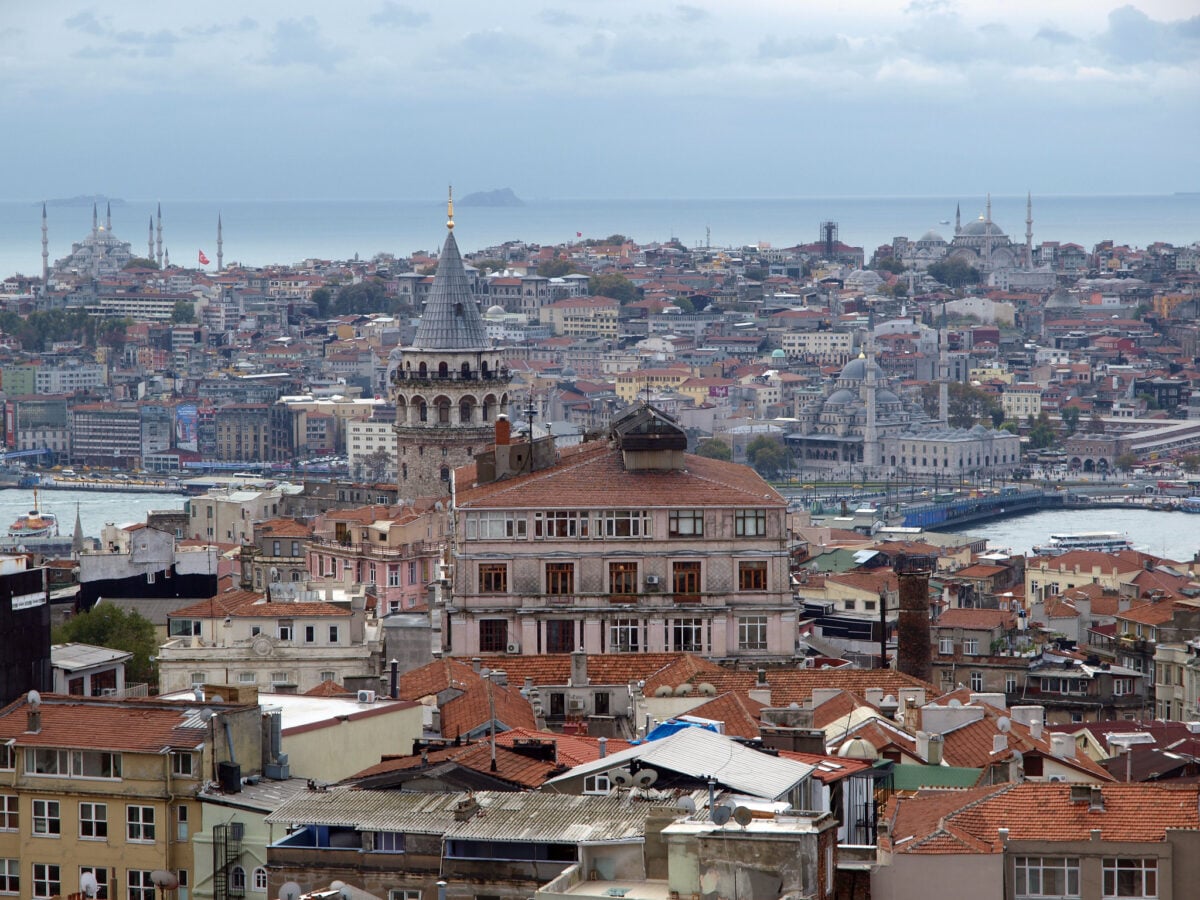
Constantinople stood as the capital of the Byzantine Empire for over a thousand years, then became the capital of the Ottoman Empire for nearly five hundred more. When Turkey emerged from the ruins of the Ottoman Empire after World War I, Mustafa Kemal Atatürk moved the capital to Ankara in 1923.
The reasoning was strategic and symbolic—Ankara sat in the heart of Anatolia, safely inland, while Istanbul remained vulnerable at the edge of Europe. The city had been conquered too many times, carried too much imperial baggage.
Turkey needed a fresh start, and Istanbul became a city living on memories.
Kraków

Poland’s medieval capital sits in the south, far from the flat plains where most of the country’s population lives. Kraków served as the capital until 1596, when King Sigismund III moved the court to Warsaw.
The official reason was that Warsaw occupied a more central location. The real reason was probably that Kraków’s powerful nobles and clergy made life difficult for any king trying to actually rule.
The move worked out for Kraków in unexpected ways—being off to the side meant the city escaped much of the destruction that flattened Warsaw during World War II. The old town remains remarkably intact, its medieval market square still the heart of city life.
Bonn

West Germany needed a capital after World War II split the country in two. Berlin was deep in East Germany, out of reach, so the western government chose Bonn, a sleepy university town on the Rhine.
The choice was meant to be temporary, a placeholder until reunification. But Bonn served as the capital from 1949 to 1990, and the provisional arrangement lasted four decades.
When the wall came down and Germany reunified, the government moved back to Berlin. Bonn tried to hold on to relevance, and it still hosts several federal ministries, but it went from being the center of a nation to being a pleasant place most Germans don’t think about much.
Karachi

Pakistan chose Karachi as its capital when the country gained independence in 1947. The city was the largest, most developed urban center in the new nation, the obvious choice for a capital.
But being on the coast made it vulnerable, and its distance from the disputed Kashmir region meant the military couldn’t respond quickly to threats. In 1960, Pakistan began building a new capital, Islamabad, in the north near the military headquarters.
The move took years to complete, but Karachi lost its status as the political center. The city remained the economic heart of Pakistan, but that’s not quite the same thing.
Lagos
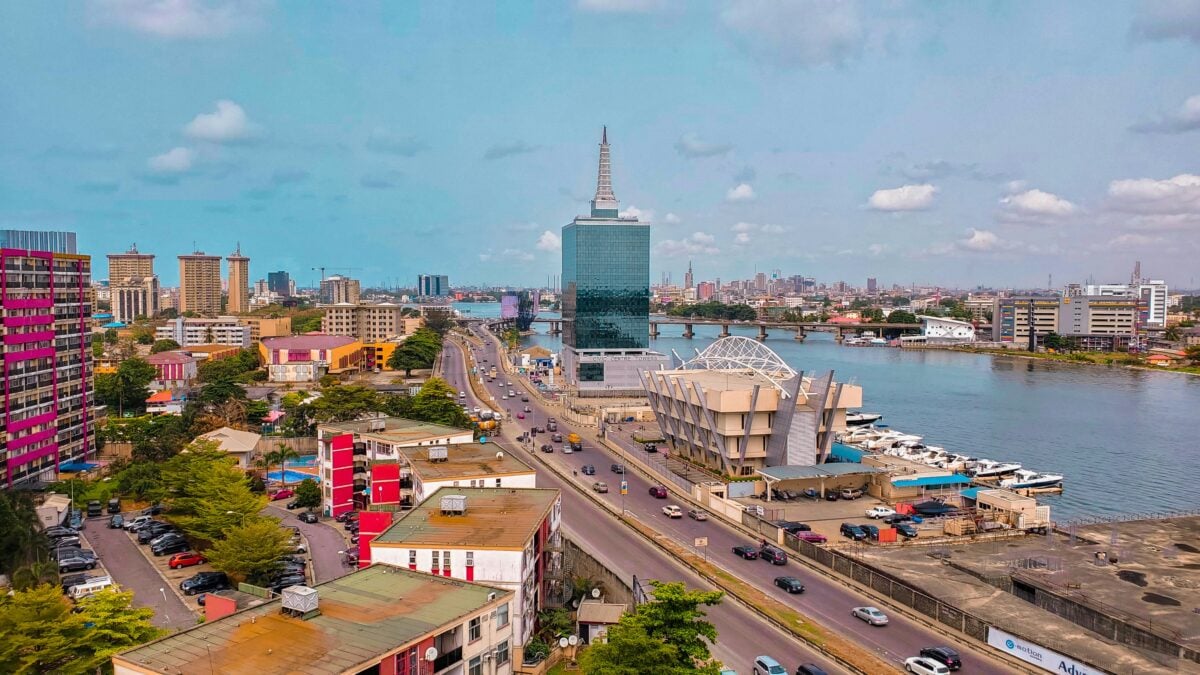
Nigeria made Lagos its capital when it gained independence from Britain in 1960. The city sat on the coast, where colonial powers had built their trading posts and administrative centers.
But Lagos grew too fast, became too crowded, and too difficult to govern. In 1991, the government officially moved the capital to Abuja, a planned city in the center of the country.
The move was supposed to create a neutral capital, accessible from all regions, free from the ethnic and religious tensions that plagued the south. Lagos didn’t slow down after losing capital status—it just kept growing, kept sprawling, kept being the impossible megacity it had always been.
Almaty

Kazakhstan used Almaty as its capital from independence in 1991 until 1997, when President Nursultan Nazarbayev moved everything to Astana (later renamed Nur-Sultan, then back to Astana). Almaty sits in the far southeast, hemmed in by mountains, close to the Chinese border.
The official reasons for the move included concerns about earthquakes and lack of room for expansion. The real reasons probably had more to do with Nazarbayev wanting a capital he could build from scratch, a city that would be his legacy.
Almaty remained the cultural and economic center, but the power moved north to the steppes.
Yangon
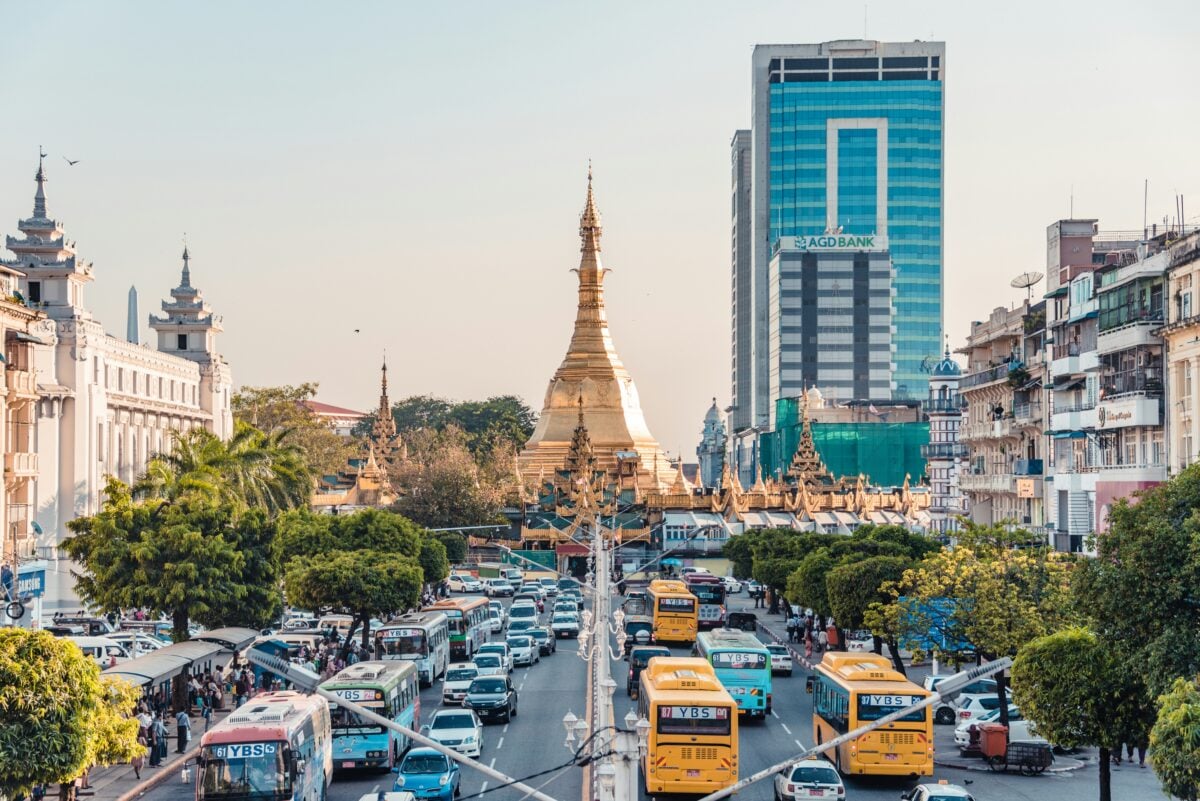
Burma, now Myanmar, had its capital in Yangon (then called Rangoon) for over a century. The city served as the colonial capital under British rule and remained the capital after independence.
Then, in 2006, the military government suddenly announced it was moving the capital to Naypyidaw, a city most people had never heard of. The new capital sits in the middle of the country, far from the coast, far from potential invasion.
Or maybe the generals just wanted a capital they could control, away from the protests and resistance movements that filled Yangon’s streets. The new capital has wide boulevards, government buildings, and almost no people.
Kolkata

The British East India Company made Kolkata (then Calcutta) the capital of British India in 1772. The city remained the capital for over a century and a half, growing into one of the largest cities in the British Empire.
But in 1911, King George V announced the capital would move to Delhi, a city with deeper historical roots in Indian imperial tradition. Delhi had been the seat of Mughal power, and the British wanted to connect themselves to that legacy.
Kolkata kept its intellectual and cultural life, its coffee houses and bookstores, its fierce political debates. But the center of gravity shifted west.
St. Petersburg

Peter the Great built St. Petersburg from scratch to be his new capital, dragging Russia out of its medieval isolation and toward Europe. The city served as the imperial capital from 1712 until 1918, when the Bolsheviks moved the government back to Moscow.
St. Petersburg was too exposed, too close to hostile powers, too associated with the tsars. Moscow was older, more Russian, more defensible. The move was supposed to be temporary, but the Soviet Union made it permanent. St. Petersburg remained beautiful, artistic, European, but it never got its power back.
Nanjing
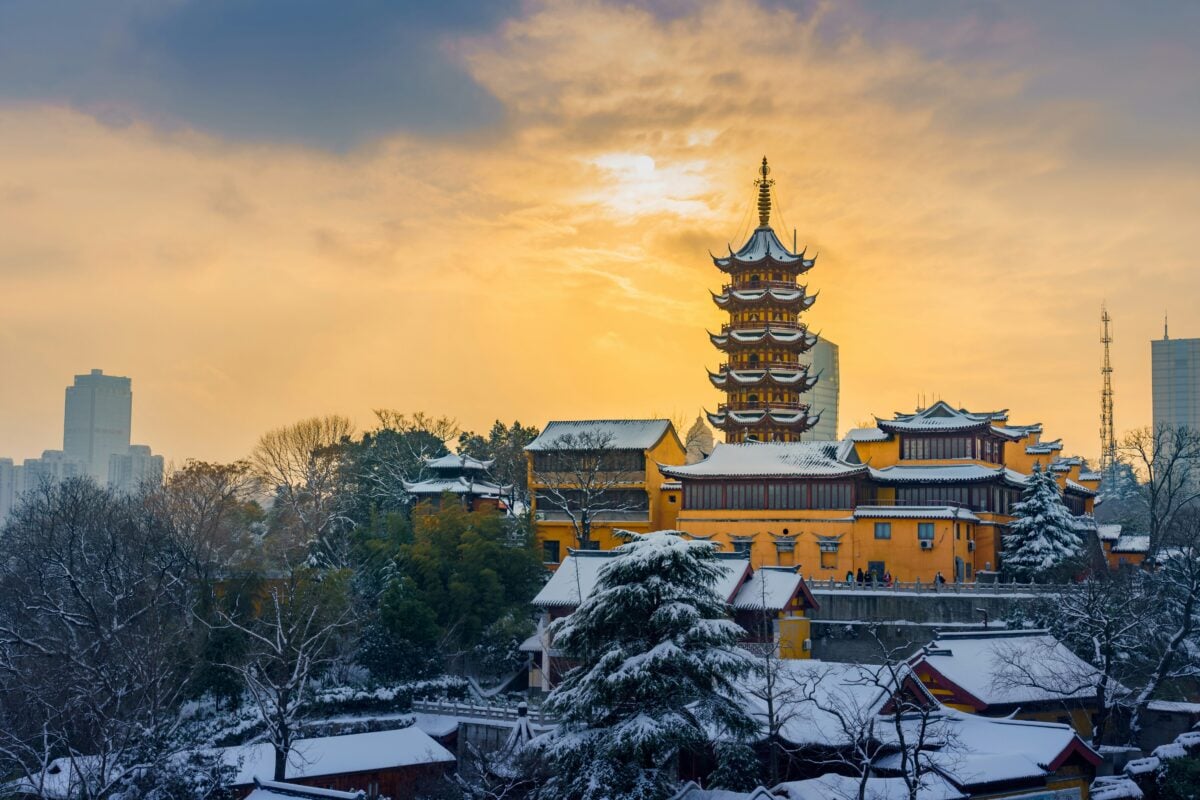
China has moved its capital around for thousands of years, but Nanjing held the title several times, most recently as the capital of the Republic of China from 1927 to 1949. When the Chinese Civil War ended with a Communist victory, the new government chose Beijing as its capital, and the defeated Nationalists fled to Taiwan, taking the Republic of China with them.
Nanjing became just another large Chinese city, its monuments to the republican era standing awkwardly alongside the rapid development of modern China.
Toronto

Biggest city in Canada, yet Toronto never became the national capital. Back when there was still Upper Canada, that role belonged to Toronto for a time.
Later, during the Canada West period, it held status again. Come 1867, unity changed things entirely. A new decision placed the capital not in Toronto but in Ottawa.
Size did not matter much then. More significant was location – right where English and French regions meet.
Power in one place made Toronto feel distant to many. Though built on English roots and Protestant ideals, its influence stretched beyond fairness.
A deal took shape – wealth stayed here, control went elsewhere. Surprisingly, that separation gave the city room to grow stronger over time.
What Remains After

Once power leaves, old capitals feel different. Even with grand halls standing tall, even with guides leading tours through quiet galleries, a hush settles in.
Where once every street corner hummed with influence, now fewer key voices echo down the avenues. Important choices – those steering the country forward – are shaped far beyond these streets.
Attention drifts elsewhere, slowly pulling life from the center. Every city deals differently.
Not far behind, Kyoto held tight to tradition. Meanwhile, Istanbul stayed central in every way. Philadelphia welcomed what came before.
Some, though – Rio among them – can’t quite carry the weight anymore. Then there’s Bonn, slowly settling into quiet relevance.
All of them know one truth deep down: they used to stand at the center of things, where decisions shaped nations, where life pulsed strongest – even if just for a season. Walls hold stories long after voices fall silent.
More from Go2Tutors!

- 16 Historical Figures Who Were Nothing Like You Think
- 12 Things Sold in the 80s That Are Now Illegal
- 15 VHS Tapes That Could Be Worth Thousands
- 17 Historical “What Ifs” That Would Have Changed Everything
- 18 TV Shows That Vanished Without a Finale
Like Go2Tutors’s content? Follow us on MSN.



