Wars That Were Started Over the Most Absurd Reasons in History
Throughout human history, nations have gone to war over territory, resources, ideology, and survival. But some conflicts erupted for reasons so bizarre, so trivial, or so utterly ridiculous that they make you wonder if diplomats had simply given up trying.
These wars remind us that pride, stubbornness, and sheer human pettiness can escalate into bloodshed faster than any rational person would expect.
The War of Jenkins’ Ear
— Photo by WHPics
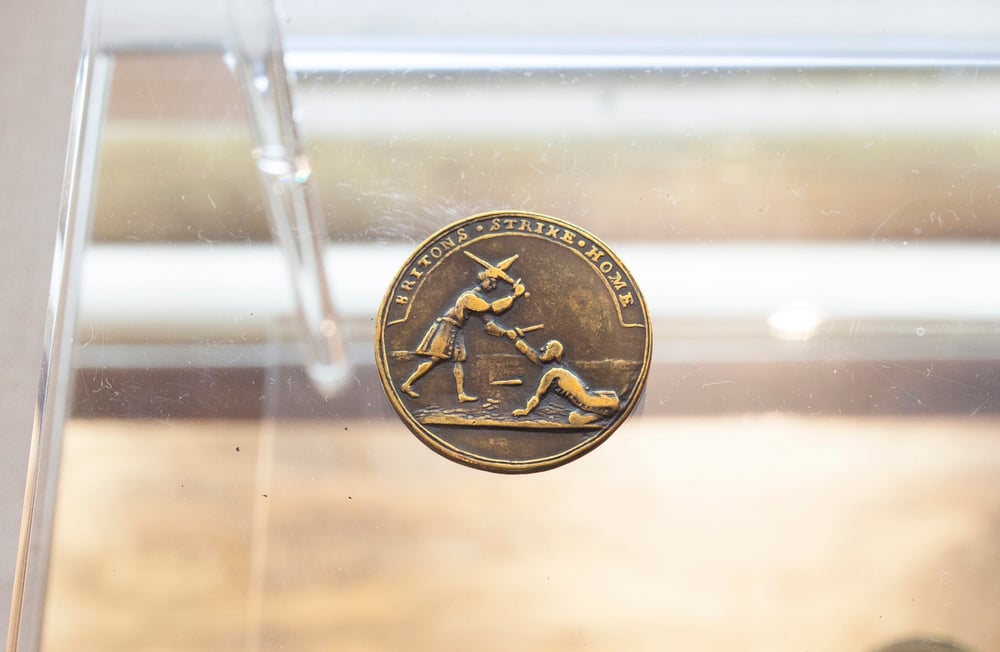
Captain Robert Jenkins walked into the British Parliament in 1738 carrying a jar. Inside was his own severed ear, pickled and preserved for seven years. Spanish coast guards had sliced it off during a boarding incident in 1731, and Jenkins had been waiting for the right moment to make his case.
That moment launched a war between Britain and Spain that lasted nine years and killed thousands of people—all because Parliament decided one man’s ear was worth fighting for. The conflict had deeper roots (trade disputes in the Caribbean, territorial tensions), but it’s telling that the British public rallied around a pickled body part rather than complex economic policy.
Jenkins became a folk hero. Spain became the enemy. And two empires spent nearly a decade shooting at each other because someone couldn’t let an ear thing go.
The Football War

El Salvador and Honduras went to war in 1969 after a soccer match, which sounds like the setup to the world’s most depressing joke. But here’s what actually happened (and it gets stranger the deeper you dig): tensions had been building over immigration, with hundreds of thousands of Salvadorans living in Honduras, and the World Cup qualifying matches became the spark that lit a fuse nobody realized was already burning.
The first match in Honduras saw Salvadoran fans pelted with stones and worse—much worse. The second match in El Salvador turned into a revenge scenario, with Honduran fans getting similar treatment, except this time governments got involved instead of walking away like reasonable people would.
So what started as sports rivalry became a four-day war with actual air raids, actual casualties, and actual consequences that lasted for years. And the most absurd part isn’t that it happened—it’s that both countries kept calling it the Football War afterward, as if they’d embraced the ridiculousness of it all.
The War of the Bucket

There’s something deeply human about the way small objects can carry enormous symbolic weight, the way a child’s blanket becomes irreplaceable or a wedding ring holds more value than its gold content. The War of the Bucket understood this principle and then twisted it into something approaching madness.
When soldiers from Modena raided Bologna in 1325 and made off with a wooden bucket from a city well, they probably thought they were just being petty—a little insult to cap off their military adventure. Bologna saw it differently.
The bucket represented civic pride, municipal dignity, the kind of thing you don’t let slide when your reputation is at stake. And so two Italian city-states marshaled armies, called in allies, and spent months fighting over what was essentially a piece of plumbing equipment.
Thousands died. The bucket, meanwhile, still sits in Modena today, a monument to the human capacity for turning nothing into everything.
The Pig War
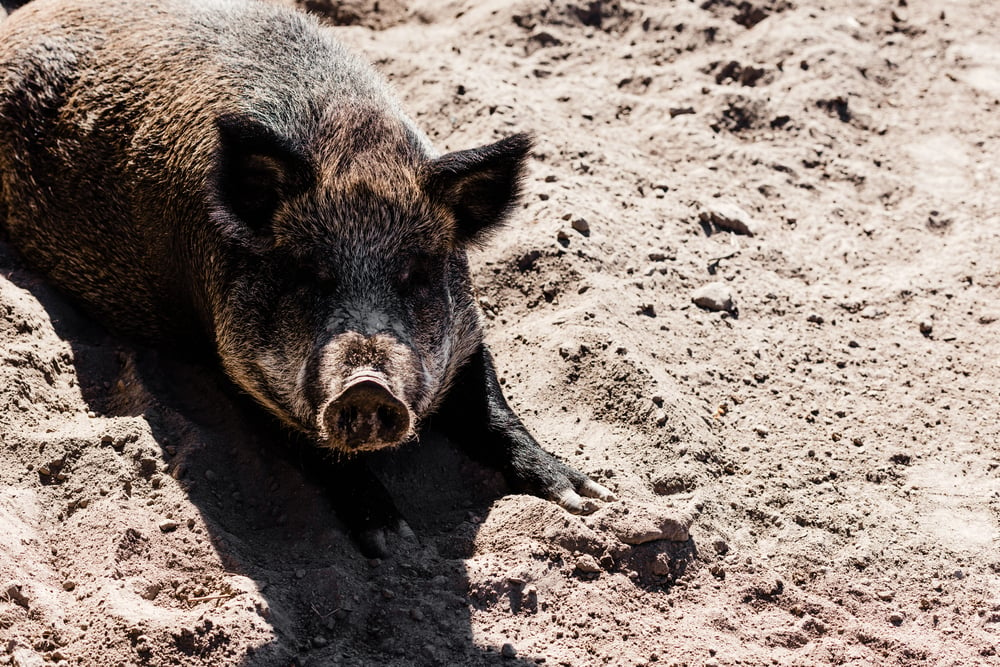
Americans and British forces nearly went to war in 1859 because an American farmer shot a pig that belonged to a British citizen. The pig was eating the farmer’s potatoes on San Juan Island, which was disputed territory between the United States and Britain at the time.
One dead pig later, both sides were mobilizing troops and warships for what could have been a devastating conflict between two major powers. The whole thing was ridiculous from start to finish.
British officials wanted the farmer arrested. American settlers demanded protection.
Military commanders on both sides kept escalating instead of de-escalating, and soon there were 461 American troops facing off against 2,140 British soldiers and marines. All over a pig that probably wasn’t worth more than a few dollars.
Cooler heads eventually prevailed, but not before both nations came dangerously close to fighting a war that would have made the Revolution look rational by comparison.
The War of the Stray Dog
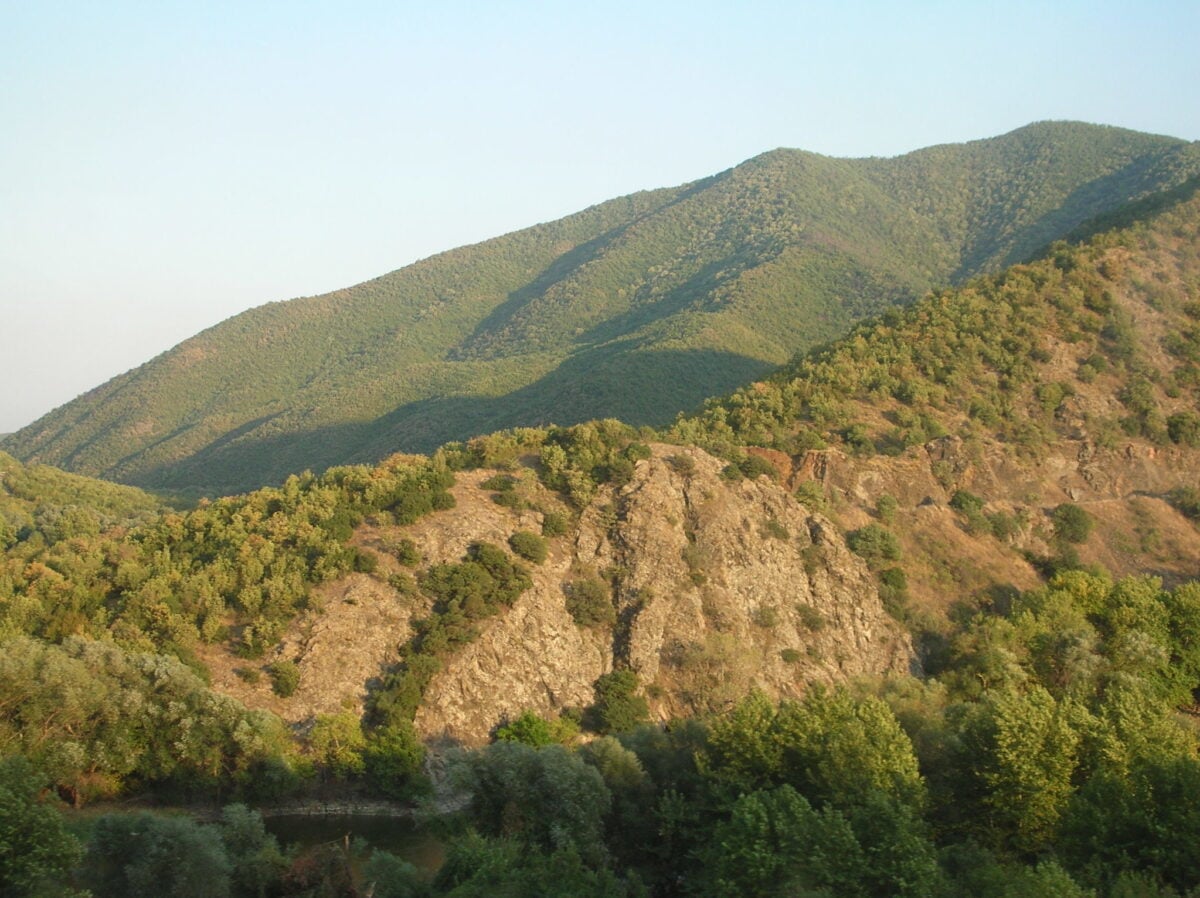
Bulgaria and Greece went to war in 1925 because a Greek soldier chased his runaway dog across the Bulgarian border and got shot by a Bulgarian sentry. It sounds like the kind of misunderstanding that should end with apologies and maybe some paperwork, but Greece decided to invade Bulgaria instead, apparently operating under the principle that dead soldiers require military responses regardless of how stupid the circumstances were.
The League of Nations had to step in to stop what was becoming a genuine international incident. A dog wandered off, a soldier followed, shots were fired, and suddenly two countries were mobilizing armies and threatening a broader European conflict.
The dog, presumably, just wanted to explore new territory and had no idea it was about to start a war. Sometimes the most innocent actions have the most catastrophic consequences.
The Toledo War

Michigan and Ohio nearly came to blows in 1835 over a strip of land that included the city of Toledo. Both states claimed the territory based on conflicting interpretations of their founding documents, and instead of settling the matter in court like civilized people, they decided to settle it with militias and threats of violence.
Michigan was particularly aggressive about the whole thing, probably because it was still a territory trying to achieve statehood and needed to prove it could handle its own affairs. The federal government eventually stepped in with a compromise that gave Toledo to Ohio and offered Michigan statehood plus a chunk of wilderness that would later become the Upper Peninsula.
Michigan initially rejected the deal, considering the Upper Peninsula worthless swampland. Turns out the swampland contained massive iron and copper deposits that made Michigan far wealthier than Toledo ever could have.
Sometimes the best outcomes emerge from the most irrational conflicts.
The Pastry War
France invaded Mexico in 1838 because a French pastry chef claimed Mexican soldiers had damaged his bakery during a riot and demanded compensation from the Mexican government. When Mexico refused to pay, France blockaded Mexican ports and eventually landed troops to collect what they considered a legitimate debt.
The whole conflict became known as the Pastry War, which sounds charming until you remember that people actually died fighting over cake and bread money. The deeper issue was debt—Mexico owed money to various European creditors and had been defaulting on payments—but the immediate trigger really was a baker who wanted his shop repairs paid for by the government.
France used the incident as justification for a much larger military action designed to force Mexico to honor all its foreign debts. The absurdity isn’t that France wanted Mexico to pay what it owed; the absurdity is that a pastry shop became the flashpoint for an international war.
The War of the Grand Alliance

Sometimes the most absurd wars are the ones that spiral completely out of control over something that seemed manageable at the start, like a kitchen fire that burns down the whole neighborhood because nobody called the fire department soon enough. The War of the Grand Alliance began in 1688 when William of Orange invaded England to claim the throne from James II—which sounds reasonable enough until you realize that this single act of royal ambition pulled virtually every major European power into a conflict that lasted nine years and killed hundreds of thousands of people across multiple continents.
And the truly maddening part is how preventable it all was: James II was already deeply unpopular in England, his policies were alienating his own supporters, and he probably would have lost power through normal political processes within a few years anyway. But William couldn’t wait, Europe couldn’t stay neutral, and what should have been a domestic British political crisis became a world war that accomplished very little except proving that patience is apparently the rarest virtue in international relations.
The Emu War
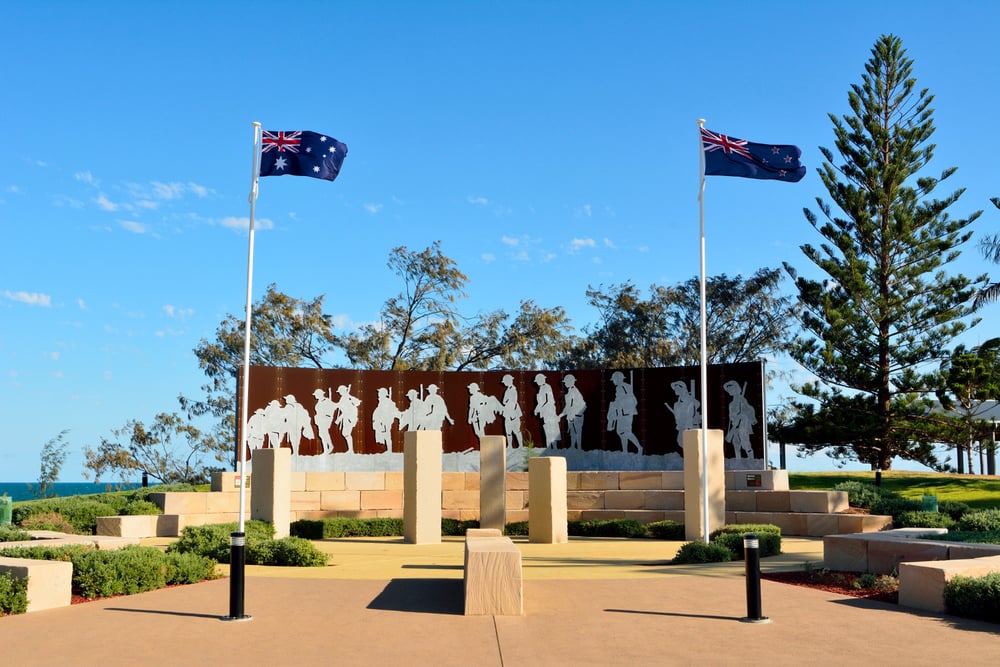
Australia declared war on emus in 1932. This is not a metaphor or an exaggeration—the Australian military literally mobilized soldiers with machine guns to fight large flightless birds that were destroying crops in Western Australia.
The emus were winning, which tells you everything you need to know about how seriously to take human military superiority over nature. Major G.P.W. Meredith led the operation with two soldiers and two Lewis guns, expecting to make quick work of the emu problem.
Instead, the birds proved surprisingly difficult to kill, surprisingly fast to escape, and surprisingly smart about avoiding areas where humans were shooting at them. After several weeks of combat, the military withdrew having killed only a fraction of the emu population.
The farmers eventually solved the problem by building better fences, which raises the question of why they didn’t try that approach first.
The War of the Spanish Succession
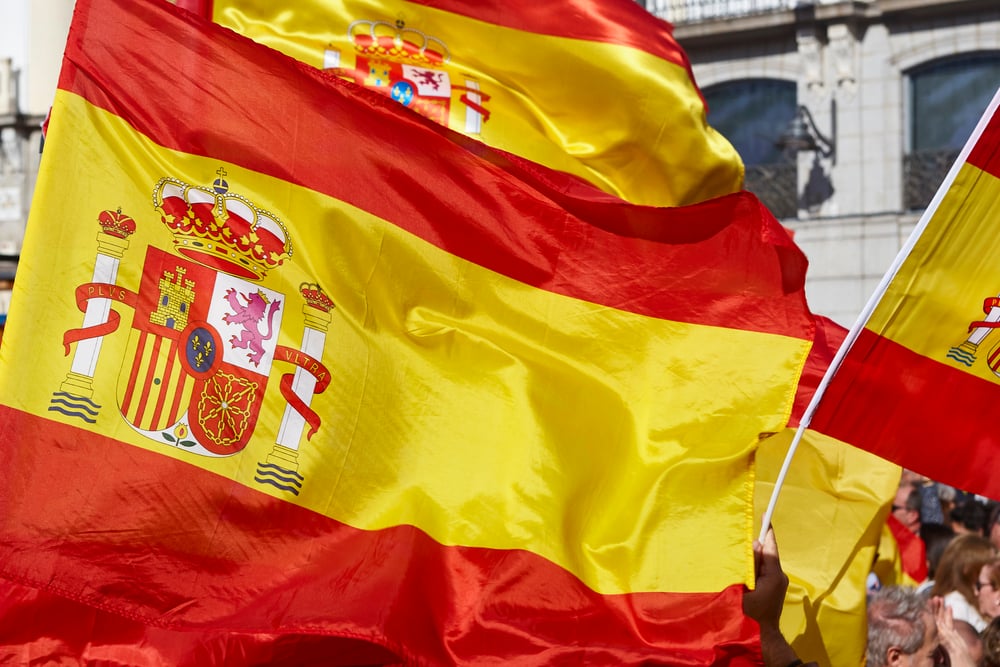
The death of Charles II of Spain in 1700 triggered a thirteen-year war that engulfed Europe, primarily because nobody could agree on who should inherit the Spanish throne and everyone was too proud to accept a compromise solution. Charles had named Philip of Anjou (grandson of Louis XIV of France) as his successor, but other European powers worried this would give France too much influence over Spanish territories and trade routes.
So instead of working out a diplomatic solution or accepting the will of the deceased king, Europe decided to fight about it for more than a decade. The War of the Spanish Succession killed over a million people and bankrupted multiple nations, all to determine whether Philip V or Archduke Charles would sit on a throne in Madrid.
Both men were qualified. Both had legitimate claims.
Both would have been perfectly adequate kings. But pride and power politics turned a succession dispute into one of the deadliest conflicts in European history.
The Aroostook War
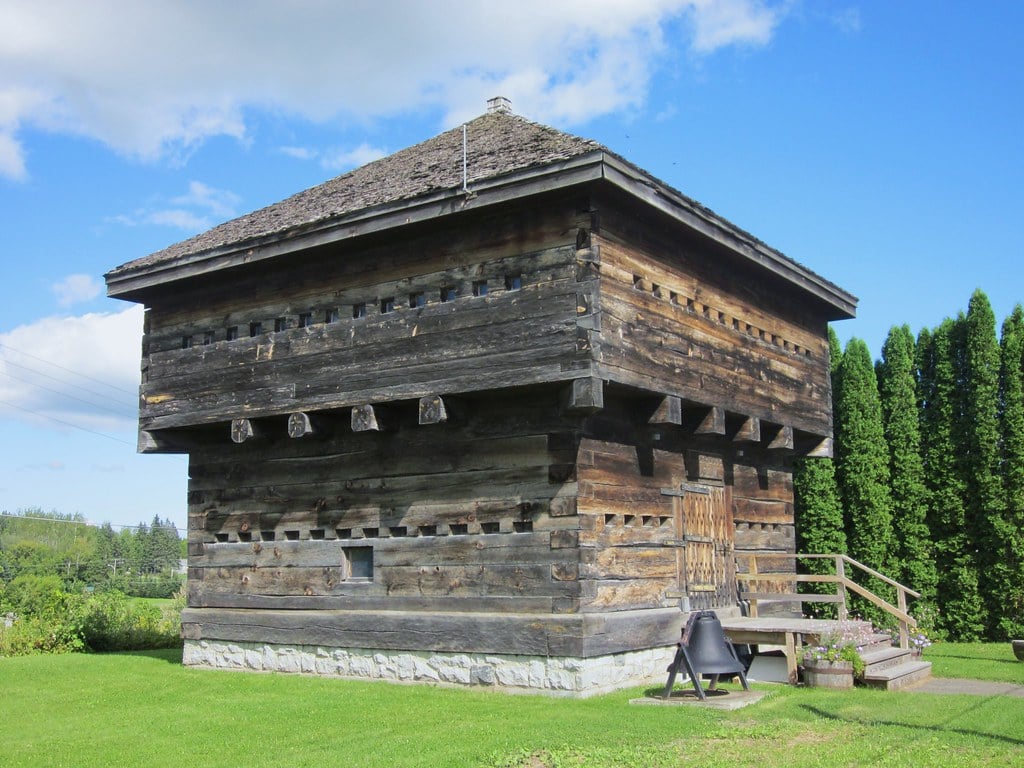
Maine and New Brunswick nearly went to war in 1838-39 over the location of their mutual border, specifically a dispute about timber rights in the Aroostook River valley. Both sides mobilized thousands of troops, built forts, and prepared for a genuine military conflict over trees and survey lines.
The only casualty was a Maine sheriff who was shot in the leg during a confrontation with New Brunswick lumberjacks, but that was enough to escalate tensions to the point where President Martin Van Buren had to send federal troops to prevent an international incident. The whole thing was resolved through negotiation and the Webster-Ashburton Treaty of 1842, which split the disputed territory between the United States and Britain.
Both sides got some of what they wanted, nobody else got killed, and the Aroostook Valley continued producing lumber regardless of which flag flew over it. The lesson here is that most border disputes can be solved without mobilizing armies, but apparently that lesson has to be relearned every generation or so.
The War of the Pacific
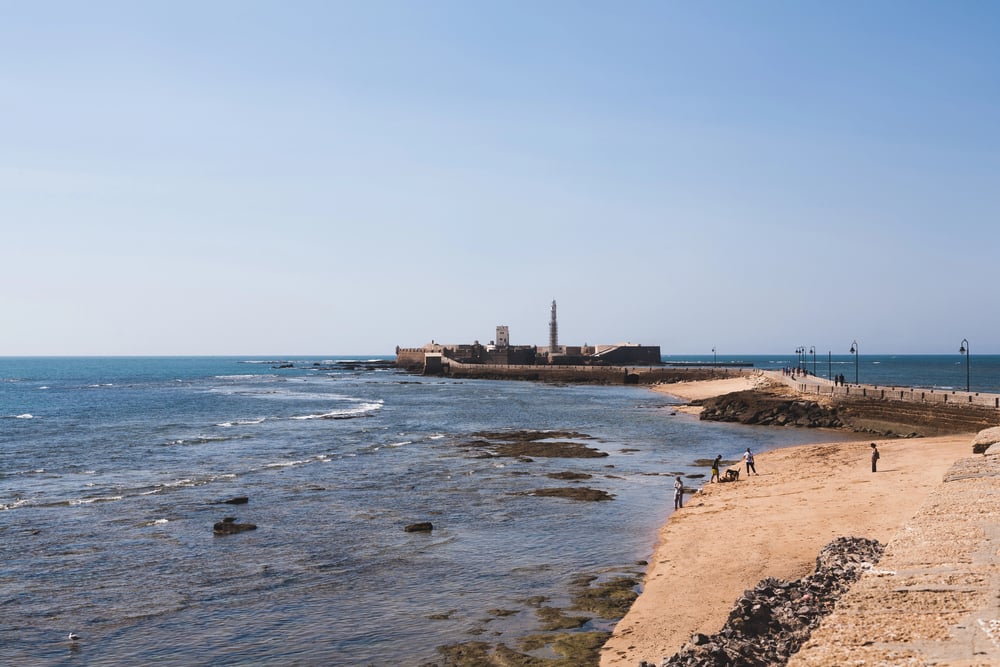
Chile, Peru, and Bolivia fought a devastating war from 1879 to 1884 over control of the Atacama Desert, which sounds insane until you learn that the desert contained massive deposits of guano and sodium nitrate that were worth enormous amounts of money. Guano, for those who don’t know, is bird droppings that had accumulated over centuries into thick deposits that made excellent fertilizer.
So three South American nations spent five years killing each other over bird waste and salt. The economic stakes were actually quite high—guano was incredibly valuable as fertilizer before the development of synthetic alternatives—but there’s still something surreal about reading casualty reports from battles fought over seabird excrement.
Chile won the war and gained control of the nitrate-rich territories, which made the country wealthy until synthetic fertilizers destroyed the market a few decades later. Bolivia lost its access to the sea and has never forgiven Chile for it.
Peru lost significant territory and population. All for bird droppings that eventually became economically worthless anyway.
When Pride Costs More Than Peace

History teaches the same lesson over and over, yet each generation seems determined to ignore it: the smallest slights often carry the highest prices, and the most avoidable wars leave the deepest scars. Whether it’s a pickled ear, a stolen bucket, or a wandering pig, these conflicts remind us that human beings have an almost supernatural ability to turn minor disagreements into major catastrophes.
The real tragedy isn’t that these wars happened—it’s that they keep happening, just with different excuses and more sophisticated weapons.
More from Go2Tutors!

- The Romanov Crown Jewels and Their Tragic Fate
- 13 Historical Mysteries That Science Still Can’t Solve
- Famous Hoaxes That Fooled the World for Years
- 15 Child Stars with Tragic Adult Lives
- 16 Famous Jewelry Pieces in History
Like Go2Tutors’s content? Follow us on MSN.