Iconic Athletes Who Nearly Chose Other Careers
Most professional athletes spend their entire lives focused on one goal. They train from childhood, sacrifice everything else, and commit fully to their sport.
But some of the biggest names in athletics actually stood at crossroads where a completely different life path seemed just as appealing. These are the athletes who had genuine alternatives waiting for them, careers that would have taken them in wildly different directions.
Here is a list of iconic athletes who nearly chose other careers.
John Urschel
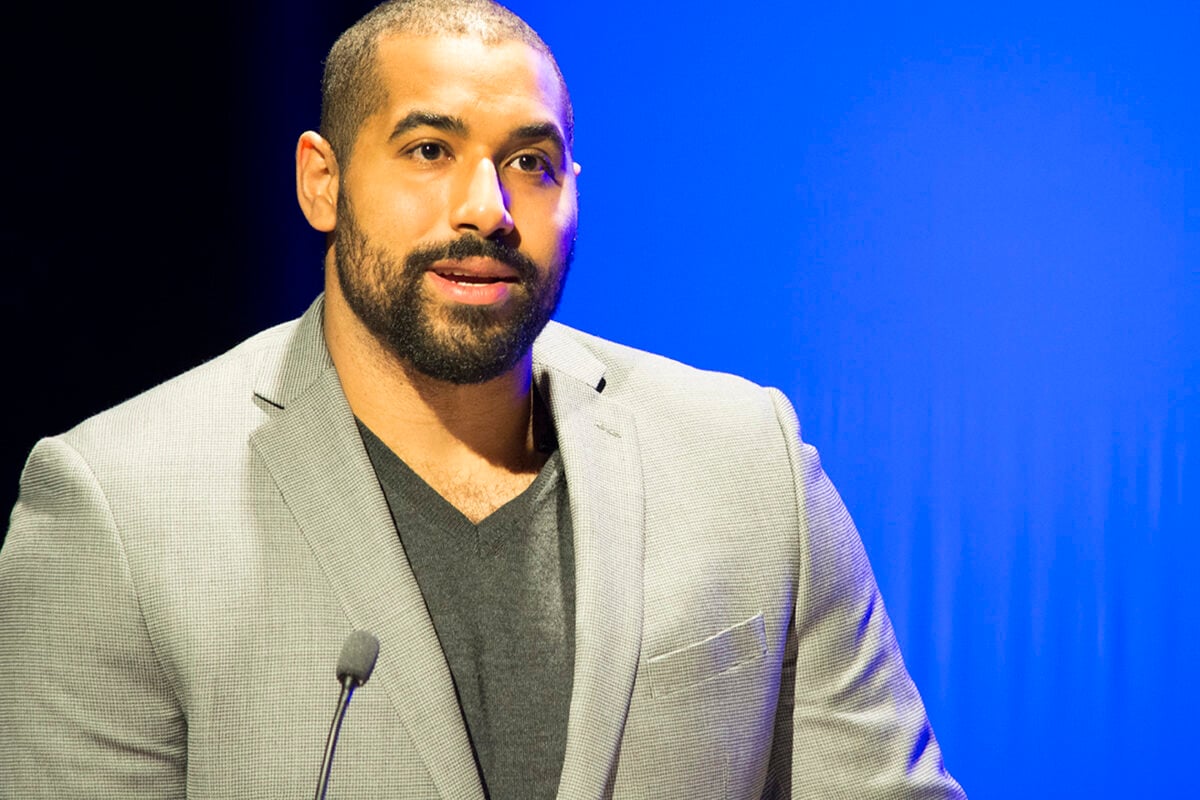
The NFL offensive lineman didn’t just dabble in mathematics on the side. While playing for the Baltimore Ravens, Urschel was simultaneously pursuing his PhD at MIT, one of the most demanding academic programs in the world.
He’d spend his offseason taking advanced mathematics courses and published peer-reviewed papers in academic journals. After three seasons in the league, Urschel walked away from football at age 26 to become a full-time mathematician.
Today he’s an assistant professor at MIT’s math department, teaching and researching topics in graph theory and numerical analysis. The concussion studies that came out in 2017 influenced his decision, but Urschel had always planned for a career beyond the gridiron.
His parents were a surgeon and an attorney, and from childhood he loved solving complex mathematical problems just as much as he loved blocking defenders.
Tom Brady

The greatest quarterback of all time was drafted by the Montreal Expos in the 18th round of the 1995 MLB Draft as a catcher. Brady had serious talent behind the plate and scouts took notice of his arm strength and baseball IQ.
He attended the University of Michigan planning to play both sports, but ultimately chose to focus on football. His decision worked out pretty well, considering he went on to win seven Super Bowls and become the most successful quarterback in NFL history.
But baseball remained a real option for Brady, and some scouts believed he had legitimate potential to reach the majors. The Expos were willing to invest in him, and had he chosen that path, football fans would never have witnessed his legendary career in New England and Tampa Bay.
Russell Wilson

Before becoming a Super Bowl-winning quarterback, Wilson was a legitimate two-sport athlete who played minor league baseball for the Colorado Rockies. He was drafted by the Baltimore Orioles out of high school in 2007 and later by the Rockies in 2010.
Wilson spent two summers playing second base in the Rockies’ farm system while also starring as a quarterback at NC State. His coach at NC State actually told him he’d have to pick one sport, which led Wilson to transfer to Wisconsin for his graduate year to continue pursuing both dreams.
When the Seattle Seahawks drafted him in 2012, Wilson finally chose football full-time, but his baseball career wasn’t just a side hobby. He posted decent numbers as a minor league player and genuinely wrestled with which sport to pursue professionally.
Myron Rolle
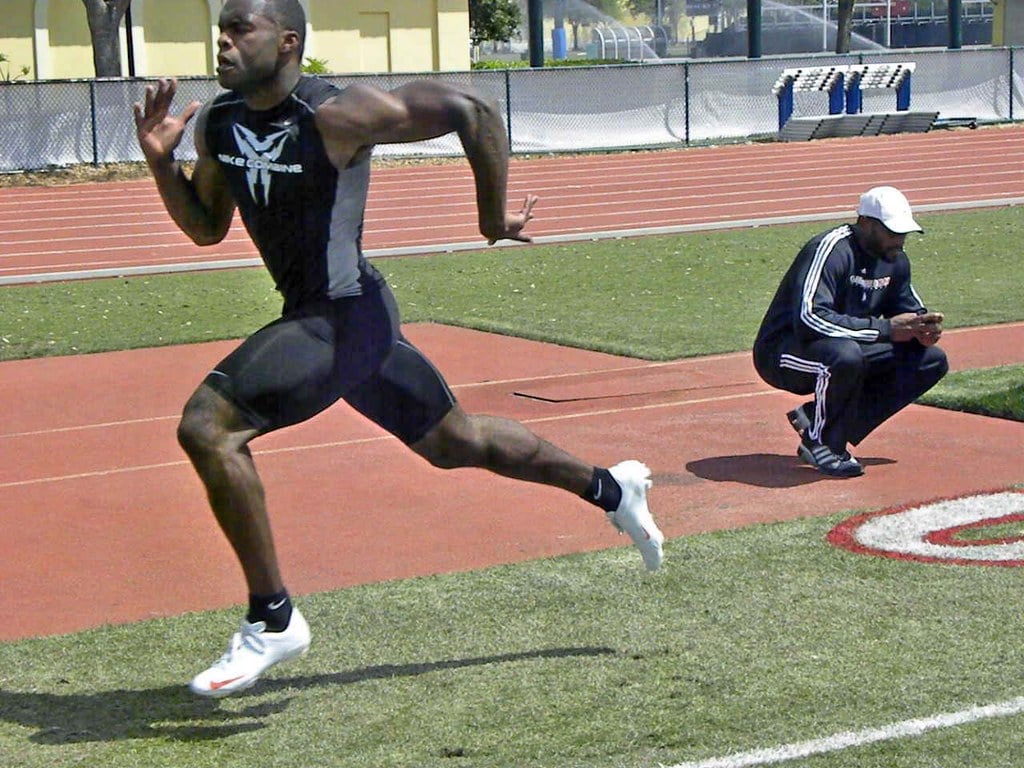
The Florida State safety had his entire life mapped out before college even began. He told head coach Bobby Bowden during his recruitment that he planned to become an NFL player, a Rhodes Scholar, and a neurosurgeon.
Most people would have laughed at such ambitious goals, but Rolle achieved all three. He won the Rhodes Scholarship in 2008 and postponed his NFL career for a year to study medical anthropology at Oxford.
The Tennessee Titans drafted him in 2010, and he played briefly for both the Titans and Pittsburgh Steelers before retiring to attend medical school. Today, Rolle is a pediatric neurosurgery fellow at Johns Hopkins, having completed his residency at Harvard Medical School and Massachusetts General Hospital.
His decision to leave football for medicine wasn’t about failure in sports but about pursuing his true calling to help others through surgery.
Pat Tillman
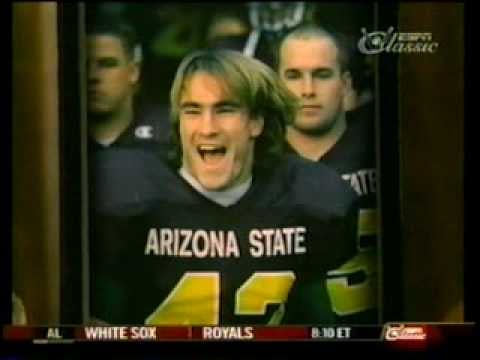
The Arizona Cardinals safety walked away from a three-year contract worth $3.6 million to enlist in the U.S. Army after the September 11 attacks. Tillman’s decision shocked the sports world because he was at the peak of his NFL career, having just finished the 2000 season as an All-Pro with 155 tackles.
He and his brother Kevin both joined the Army Rangers together in May 2002, completing some of the most grueling military training in the world. Tillman served tours in Iraq and Afghanistan before being killed in action in Afghanistan in April 2004.
His choice to leave professional football for military service remains one of the most profound career decisions in sports history. Tillman saw something bigger than football calling him, and he answered that call despite having every reason to stay in the comfortable, lucrative world of professional athletics.
Danny Ainge

The only high school athlete ever named first-team All-American in football, basketball, and baseball faced a unique dilemma. Ainge was drafted by the Toronto Blue Jays in 1977 and actually played three seasons of Major League Baseball while also playing basketball at Brigham Young University.
He made his MLB debut in 1979 and appeared in 211 games as an infielder, hitting .220 with two home runs. After winning the John Wooden Award as college basketball’s top player in 1981, Ainge had to choose between continuing his baseball career or joining the NBA.
The Boston Celtics drafted him, leading to a legal battle between the two teams over his services. Ainge ultimately chose basketball, won two NBA championships with the Celtics, and later became a successful executive.
But for three years, he genuinely lived both careers simultaneously.
Michael Jordan
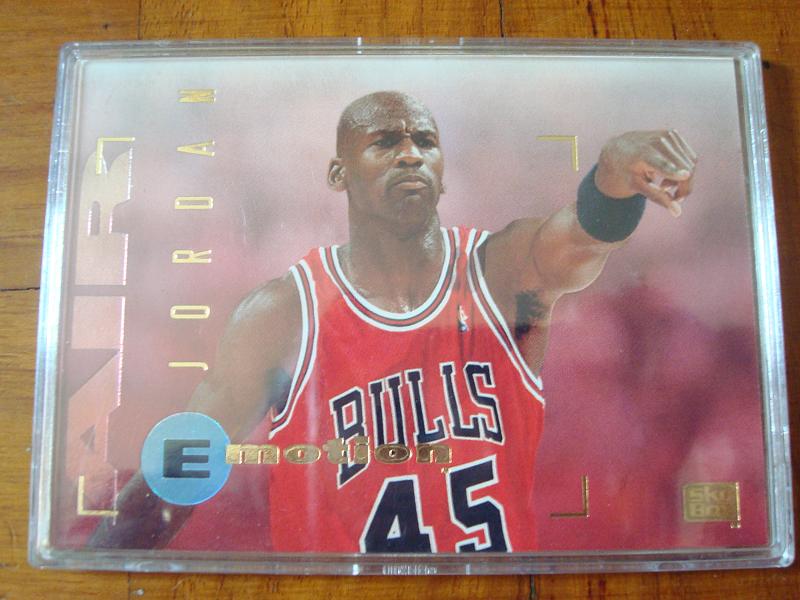
After winning three straight NBA championships with the Chicago Bulls, Jordan shocked the world by retiring from basketball in 1993 to pursue professional baseball. His father had always believed Michael could succeed in baseball, and after his father’s passing, Jordan felt compelled to honor that dream.
He signed with the Chicago White Sox minor league affiliate and spent the 1994 season playing outfield for the Birmingham Barons. Jordan hit .202 with three homers and 51 RBIs, showing flashes of his athletic brilliance but struggling with the nuances of hitting a curveball.
He returned to basketball in 1995 and won three more championships, but his baseball interlude proved he was willing to risk everything to chase a different dream. Some baseball people believe that if Jordan had focused on the sport from a young age, his athletic gifts might have carried him to the majors.
Laurent Duvernay-Tardif
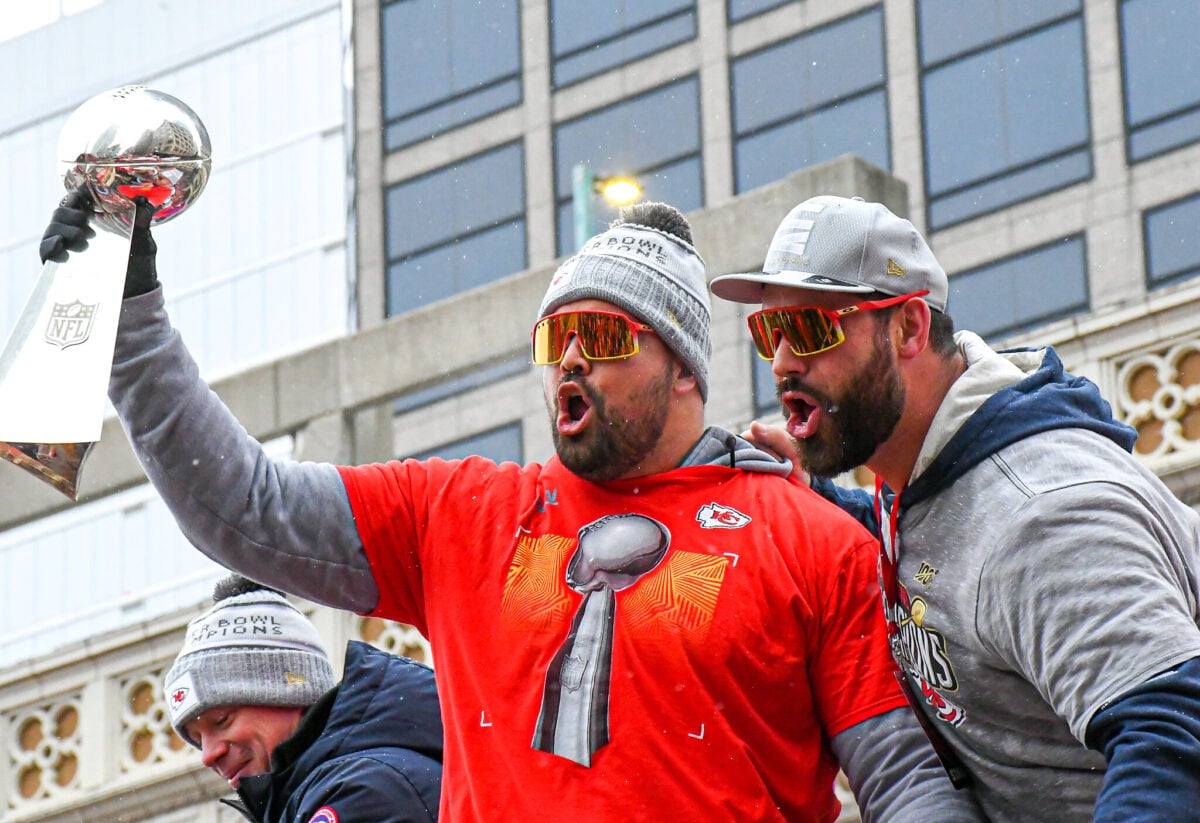
Ryan Hunter (left) and Dr. Laurent Duvernay-Tardif (right)
The Kansas City Chiefs offensive lineman is also a licensed medical doctor, making him one of the few athletes to practice medicine while playing professional football. Duvernay-Tardif was nearly finished with his medical degree at McGill University when the Chiefs drafted him in 2014.
He continued his medical studies during the offseason and graduated with his doctorate in medicine in 2018. When COVID-19 hit in 2020, Duvernay-Tardif opted out of the NFL season to work on the front lines at a long-term care facility in Quebec.
He chose to help coronavirus patients instead of defending his Super Bowl championship. His decision illustrated a commitment to medicine that went beyond just earning a degree.
Today, Duvernay-Tardif balances both careers, though he’s indicated that medicine will be his long-term path once football ends.
Gerald Ford
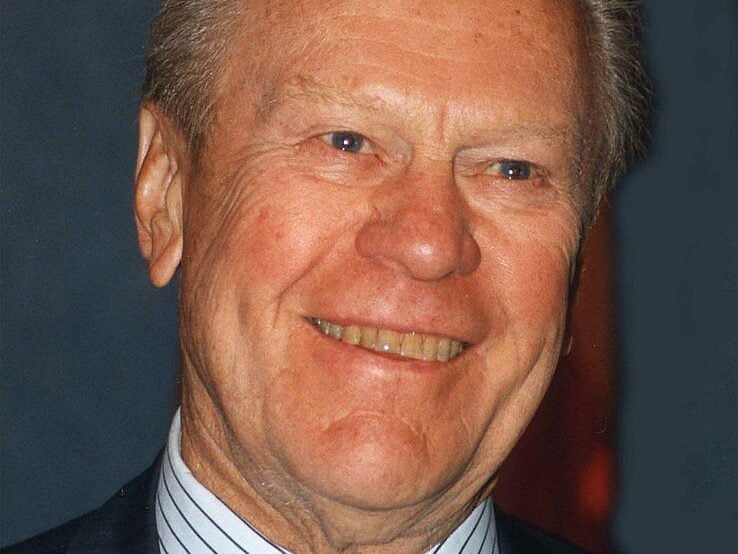
The 38th President of the United States was a standout center and linebacker for the University of Michigan, helping the team win back-to-back national championships in 1932 and 1933. Ford received contract offers from both the Detroit Lions and Green Bay Packers to play professional football after graduating.
The offers were legitimate, and Ford could have pursued a career in the early NFL. Instead, he chose to attend Yale Law School and eventually entered politics. His decision to prioritize education over athletics set him on a path that would lead to the White House.
Ford remains the only president to have received offers to play professional football, and his athletic background influenced his leadership style and approach to public service throughout his political career.
Alan Page
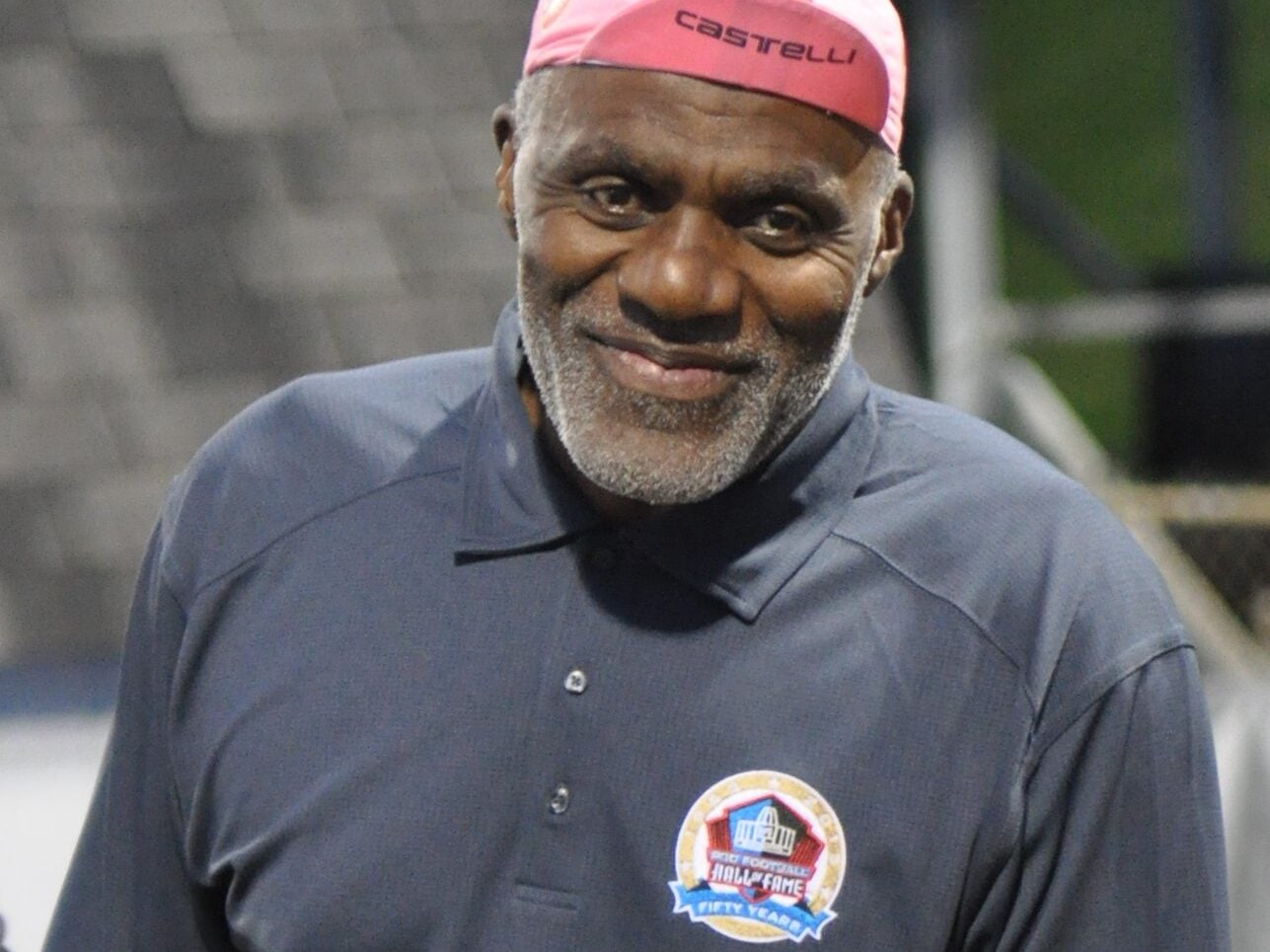
The Minnesota Vikings defensive tackle didn’t wait until retirement to pursue his legal education. While playing in the NFL, Page attended the University of Minnesota Law School at night, earning his law degree in 1978.
He continued playing football through the 1981 season, all while preparing for his second career. After retiring from the NFL, Page practiced law and eventually became an Associate Justice on the Minnesota Supreme Court, serving from 1993 to 2015.
His transition from Pro Football Hall of Famer to state Supreme Court justice is one of the most impressive career pivots in sports history. Page proved that athletic excellence and intellectual achievement aren’t mutually exclusive, and his work on the bench earned him respect that matched his football accomplishments.
Steve Young
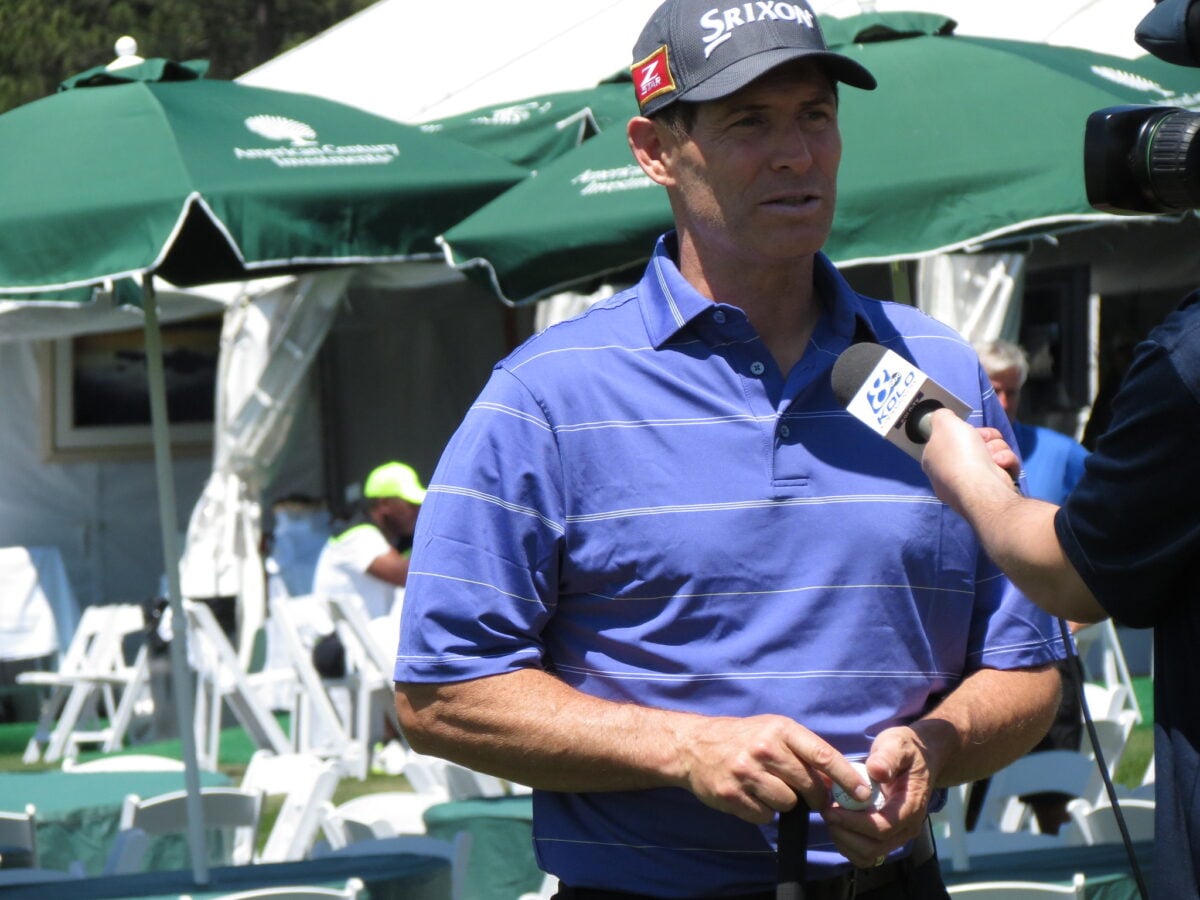
The Hall of Fame quarterback earned his law degree from Brigham Young University’s J. Reuben Clark Law School after retiring from the NFL. Young had considered pursuing law while still playing but waited until his football career ended to fully commit to legal studies.
He passed the bar exam and has since worked in various business ventures that draw on his legal education. Young’s decision to pursue law wasn’t about abandoning football but about preparing for life after sports.
He recognized that his playing career would eventually end and wanted credentials that would serve him in business and other endeavors. The law degree has proven valuable in his post-football career, particularly in evaluating contracts and business opportunities.
Bo Jackson

The Heisman Trophy winner faced a genuine choice between professional football and baseball. The Tampa Bay Buccaneers selected Jackson first overall in the 1986 NFL Draft, but he refused to sign after the team misled him about his college eligibility.
Instead, Jackson played baseball for the Kansas City Royals in 1986. The Oakland Raiders drafted him in the seventh round the following year and allowed him to play both sports.
For five years, Jackson split his time between the NFL and MLB, becoming an All-Star in baseball and making the Pro Bowl in football. A devastating hip injury in 1991 effectively ended his football career, though he continued playing baseball.
Jackson remains the only athlete to be named an All-Star in both sports, and his dual-sport success showed what was possible when athletic gifts met fierce determination.
Deion Sanders

Prime Time didn’t just dabble in two sports. He played nine seasons of Major League Baseball while simultaneously starring in the NFL for 14 years.
Sanders played for four MLB teams, hitting .263 with 186 stolen bases. He won two Super Bowls and made eight Pro Bowls in football while also competing in the 1992 World Series with the Atlanta Braves.
On October 11, 1992, Sanders did something no other athlete has accomplished: he played in both an NFL game and an MLB playoff game on the same day. He flew from Miami to Pittsburgh between games, though he didn’t get into the baseball game.
Sanders proved that elite athletes could compete at the highest level in multiple sports, though the schedule eventually forced him to focus primarily on football in his later years.
Kyler Murray
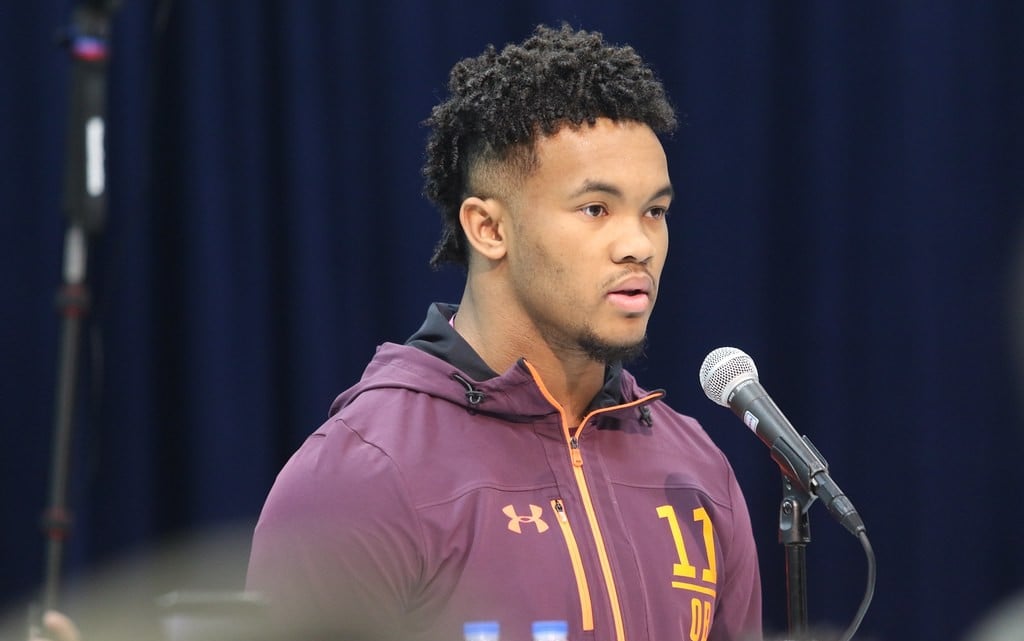
The Oklahoma quarterback won the Heisman Trophy in 2018 and was also the ninth overall pick in the 2018 MLB Draft by the Oakland Athletics. Murray signed with the A’s for $4.66 million and agreed to report to spring training in 2019.
He had genuine baseball talent and was considered one of the top prospects in the A’s system. But his success as a quarterback changed everything.
The Arizona Cardinals selected Murray first overall in the 2019 NFL Draft, forcing him to choose between the two sports. Murray picked football and has since become a Pro Bowl quarterback, but he’s admitted he still misses baseball.
His decision came down to which sport he loved more and where he believed he could have the greatest impact. The Cardinals gave him that opportunity, though baseball fans will always wonder what might have been.
Tony La Russa

The legendary baseball manager earned his law degree from Florida State University College of Law in 1978 and passed the Florida Bar in 1980. La Russa attended law school at night while managing in the minor leagues, a grueling schedule that required dedication to both pursuits.
When asked why he chose to continue managing instead of practicing law, La Russa reportedly said he’d rather ride the buses in the minor leagues than practice law for a living. He went on to become one of the most successful managers in baseball history, winning three World Series championships and earning a spot in the Hall of Fame.
His law degree remains a backup plan he never needed to use, though the analytical skills he developed in law school likely helped him become a better strategist on the baseball field.
Jim Morris
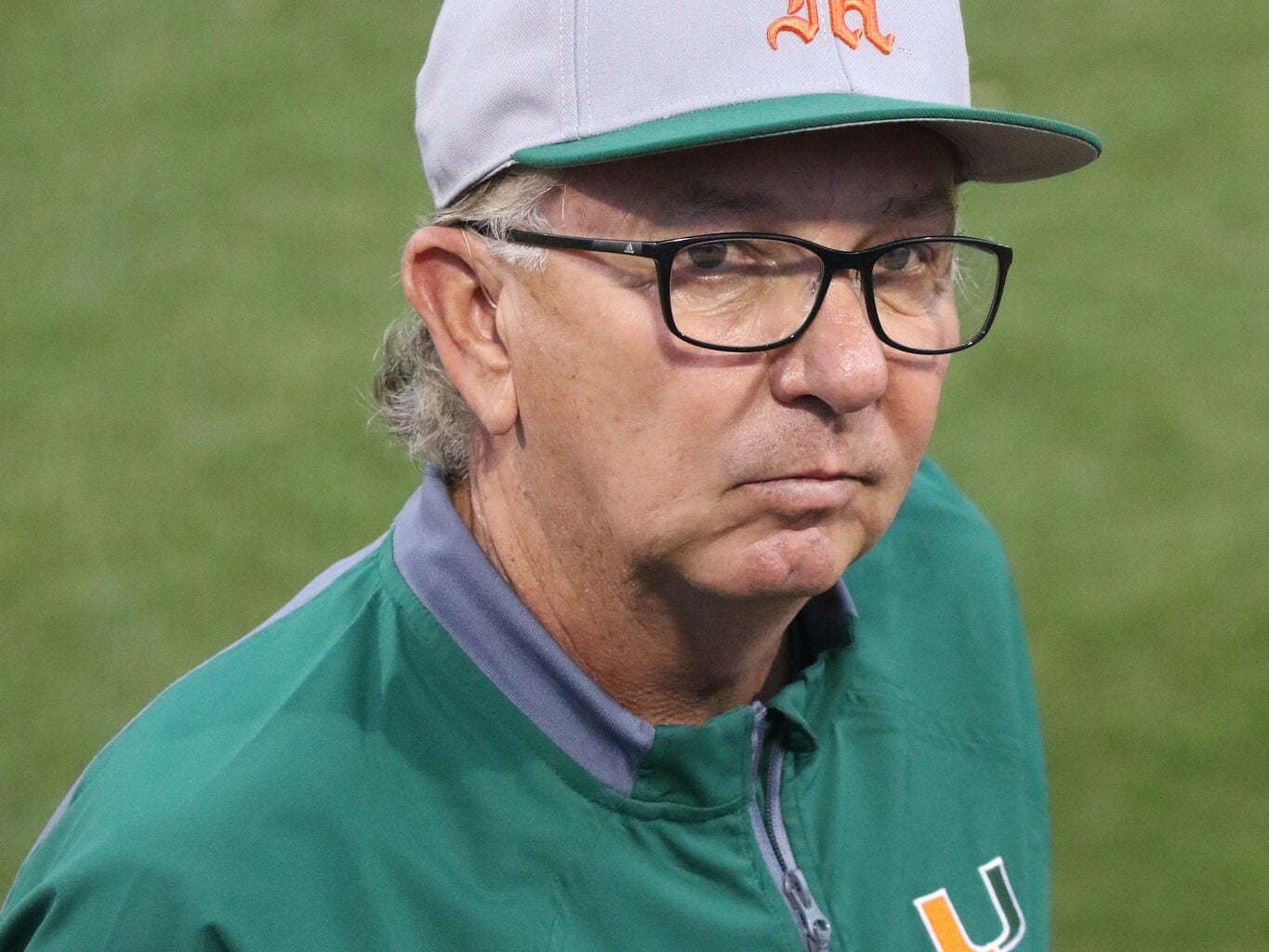
The high school science teacher from Texas was already 35 years old with a wife and kids when he got his shot at professional baseball. Morris had pitched in the minors years earlier before a shoulder injury ended his career.
He became a teacher and coach, thinking his baseball days were over. But after a bet with his high school team, Morris attended a tryout and threw 98 miles per hour, catching the attention of scouts.
The Tampa Bay Devil Rays signed him, and Morris made his MLB debut at age 35. He pitched in 21 major league games before injuries forced his retirement.
Disney made a movie about his story called ‘The Rookie,’ starring Dennis Quaid. Morris proved that it’s never too late to chase a dream, even when you’ve already settled into a different career.
Kurt Warner

Before becoming a Super Bowl MVP and Hall of Fame quarterback, Warner stocked shelves at a grocery store for $5.50 an hour. He went undrafted out of Northern Iowa and was cut by the Green Bay Packers during training camp.
Warner spent three years playing in the Arena Football League for the Iowa Barnstormers, throwing 79 touchdown passes while working odd jobs to pay the bills. He signed with the St. Louis Rams in 1998 as a backup and got his chance when starter Trent Green suffered a season-ending injury.
Warner led the Rams to a Super Bowl championship in his first season as a starter, earning Super Bowl MVP honors. His journey from grocery store worker to NFL star remains one of the most inspiring stories in sports.
Warner never gave up on his football dream, even when it seemed like professional football had given up on him.
The Choice That Defines Them

These athletes remind us that sports careers hang on moments of decision, on crossroads where one path leads to fame and another to something completely different. Some chose athletics over medicine, law, or military service.
Others walked away from sports to pursue those callings. What connects them all is the courage to face a genuine choice rather than simply following the expected path.
Their stories matter because they show athletes as complete human beings with interests and abilities that extend far beyond the playing field. The next time you watch a game, remember that some of the players you’re watching might have become doctors, lawyers, or soldiers in an alternate timeline.
They chose sports, but the choice wasn’t always easy.
More from Go2Tutors!

- The Romanov Crown Jewels and Their Tragic Fate
- 13 Historical Mysteries That Science Still Can’t Solve
- Famous Hoaxes That Fooled the World for Years
- 15 Child Stars with Tragic Adult Lives
- 16 Famous Jewelry Pieces in History
Like Go2Tutors’s content? Follow us on MSN.