15 Things Every Kid in the ’80s Had in Their Bedroom
The ’80s bedroom was a universe unto itself — a carefully curated space where neon met wood paneling, where technology lived alongside stuffed animals, and where every surface told the story of who you were trying to become. These weren’t just rooms.
They were launching pads for imagination, sanctuaries from the adult world, and museums of everything that mattered when you were ten years old and convinced the decade would never end.
Walk into any kid’s room in 1985, and certain things were guaranteed to be there. Not because parents mandated them or because stores pushed them, but because childhood in the ’80s had its own gravity — pulling the same objects, the same colors, the same dreams into every bedroom across America.
Rubik’s Cube

Every nightstand had one. Solved or unsolved didn’t matter — ownership was the point.
Most kids peeled the stickers off and rearranged them at least once.
The cube sat there like a tiny, colorful monument to ambition. Everyone knew someone who could solve it in under two minutes, though that someone was never actually present when the solving needed to happen.
Boom Box
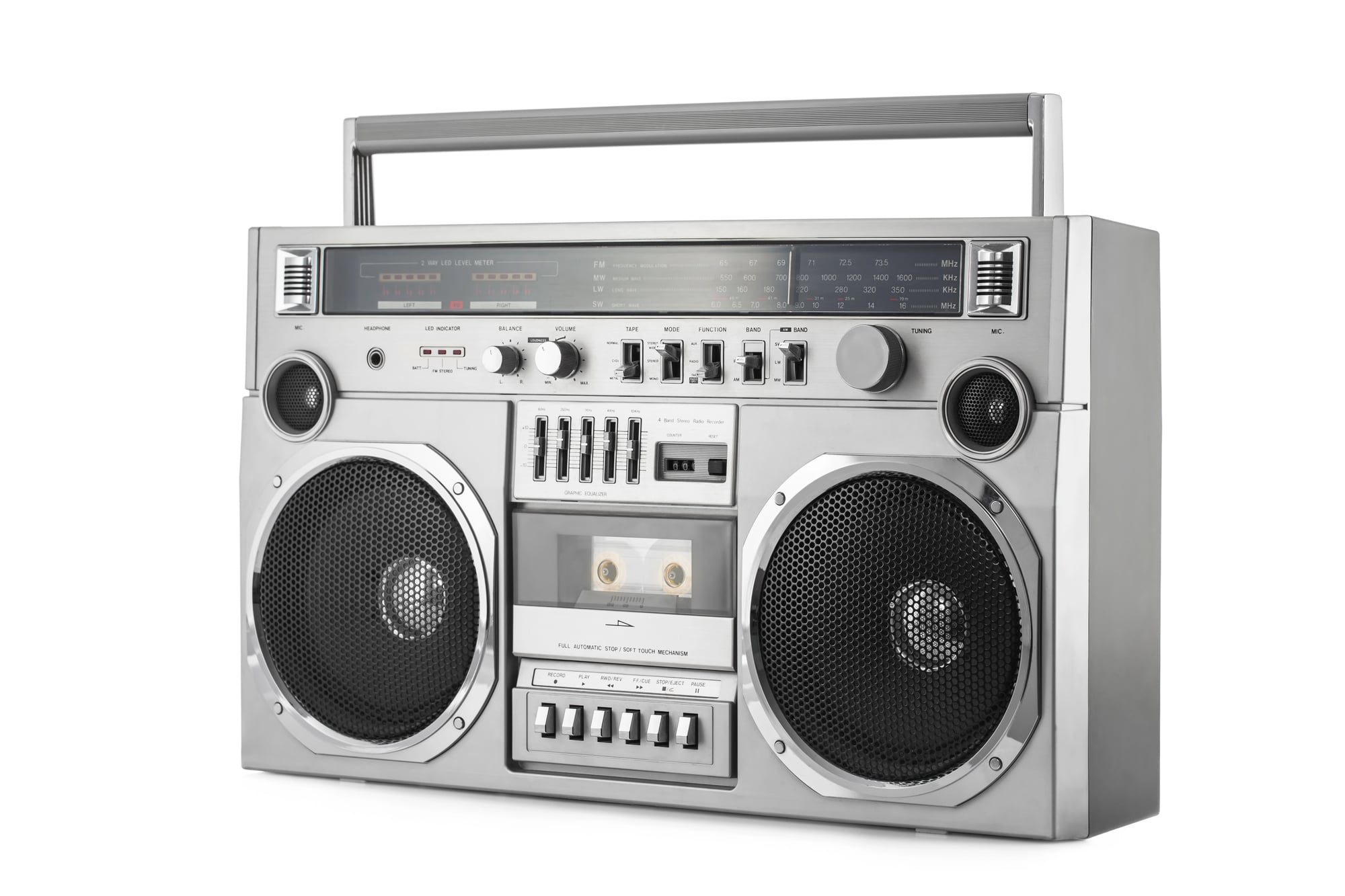
The boom box claimed an entire corner and deserved every inch of it. This wasn’t just a radio — this was your personal command center for capturing songs off the air, playing tapes until they warped, and making sure the whole neighborhood knew your musical preferences (though that part was usually accidental, because volume control was more suggestion than science).
And yet the relationship with the boom box was complicated in ways that only made sense then: you’d spend twenty minutes with your finger hovering over the record button, waiting for your favorite song to come on the radio, only to have the DJ talk over the first ten seconds.
But when you finally got a clean recording? (The kind where the song started exactly when you hit play, no static, no interruptions.)
That felt like winning something important.
Posters Of Movies And Bands
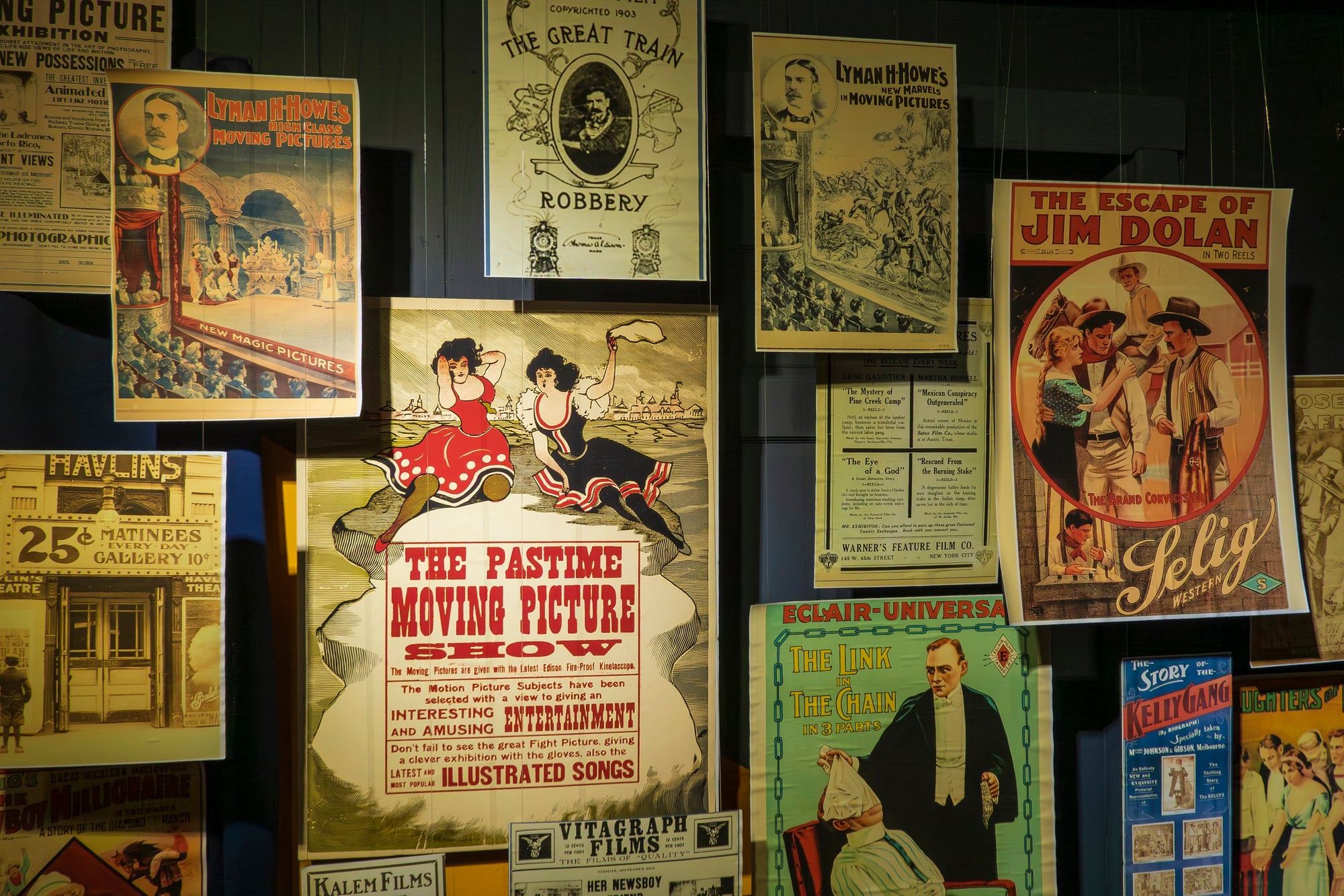
Wall space in the ’80s wasn’t wasted on paint. Every available inch got covered with posters — usually a mix of whatever movie had just blown your mind and whichever bands your older sibling had declared cool enough to survive middle school scrutiny.
The adhesive situation was always precarious. Thumbtacks left marks, tape pulled off paint, and those poster putty dots had a shelf life of approximately six weeks before they stopped caring about gravity.
But bare walls weren’t an option. Bare walls meant you hadn’t figured out who you were yet.
Trapper Keeper
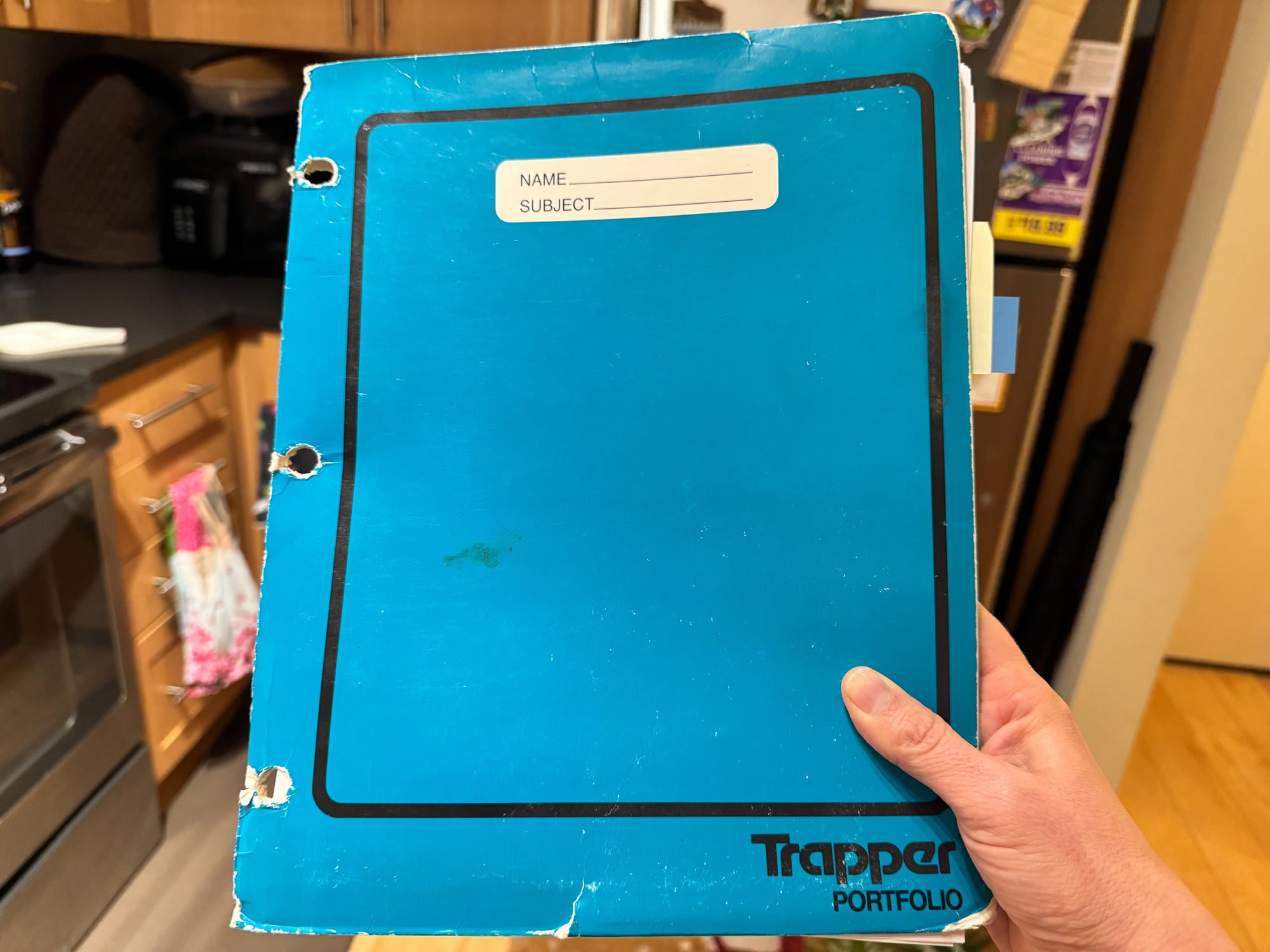
School supplies in the ’80s meant one thing: the Trapper Keeper. Not just any binder would do — it had to be the one with the satisfying velcro closure and those plastic folders that made everything feel organized, even when it wasn’t.
The design on the front mattered more than anything inside. Abstract geometric patterns, sports cars that looked like they belonged in space, or landscapes that seemed lifted from science fiction movies — these weren’t school supplies, they were statements.
Fair enough, since you’d be carrying the thing everywhere for nine months.
Stuffed Animals
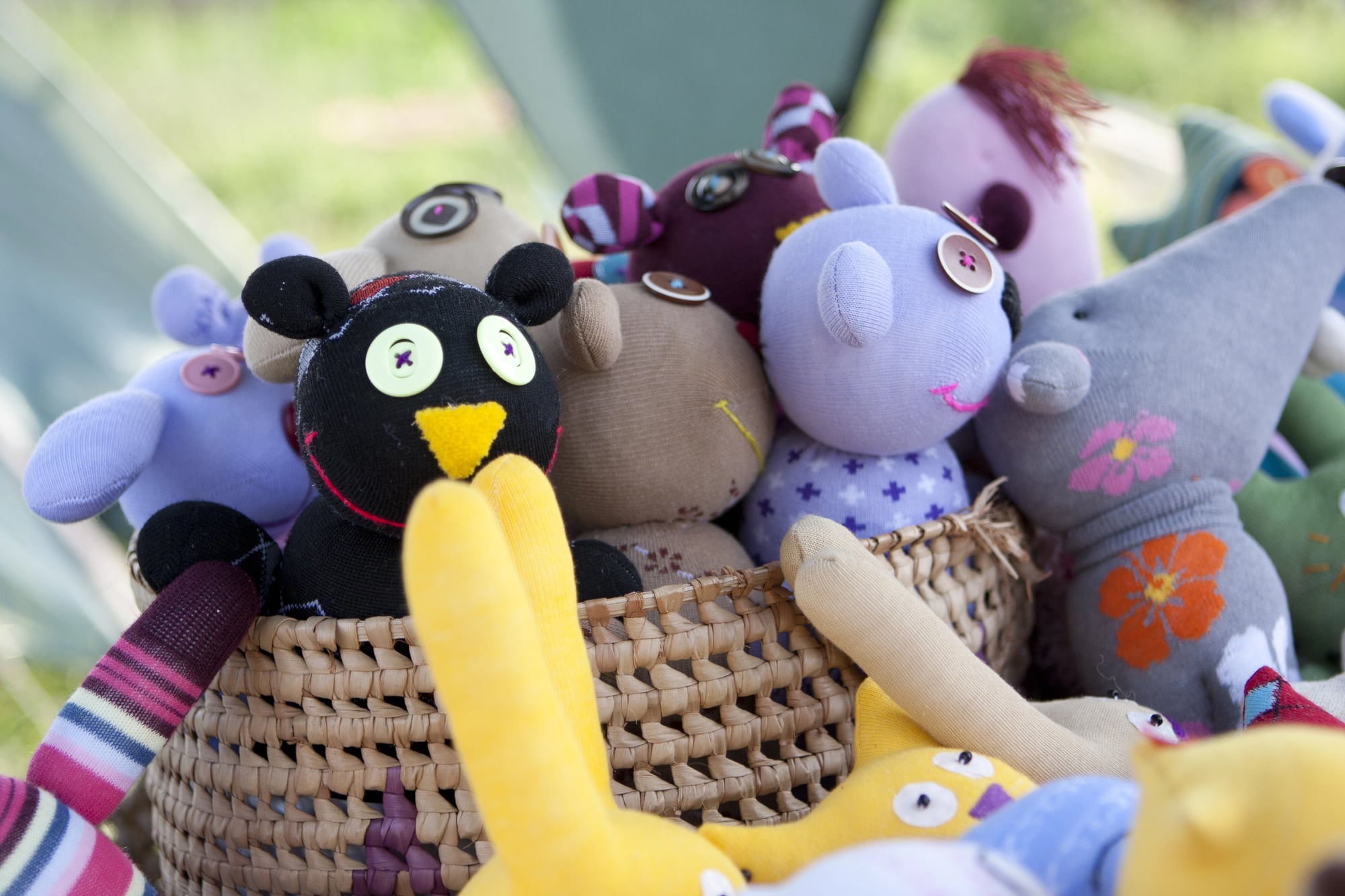
Childhood is the time when logic bends to accommodate love, and nothing proved this better than the stuffed animal collection that sprawled across every bed. These weren’t toys in any conventional sense — they were confidants, protectors, and silent witnesses to the kind of conversations you couldn’t have with actual humans.
The relationship with stuffed animals in the ’80s carried its own peculiar weight. You were getting too old for them, everyone said so, but there they remained — a carefully arranged audience of button eyes and synthetic fur.
And somehow they knew things. Which one you’d grab during thunderstorms, which one got the best spot against the pillow, which one you’d never admit to talking to but definitely did.
They were keepers of secrets that didn’t quite have words yet.
Nintendo Entertainment System

The NES changed everything. Before it arrived, video games were something you did at the arcade with quarters burning tears in your pocket.
After it showed up in bedrooms across America, gaming became a private obsession.
The ritual mattered as much as the playing. Blowing into cartridges that wouldn’t load properly, the particular way you had to insert them — not too hard, not too soft — and that moment when the screen finally flickered to life.
These weren’t just games. They were proof that the future lived in your bedroom.
Records And Cassette Tapes

Music in the ’80s required physical commitment. Albums meant something when you had to bike to the record store, count your allowance money, and choose carefully because this purchase would live in your room for months.
Cassettes were smaller but no less significant — especially the ones you made yourself, with song lists written in careful block letters on the insert cards.
But (and this was the thing about music then) ownership felt different when you could hold it. The album cover wasn’t just artwork — it was furniture.
The back of the record jacket wasn’t just credits — it was reading material you’d memorize during long afternoons when there wasn’t anything else to do but listen.
And every scratch on a record, every place where a tape got tangled and you had to wind it back with a pencil: those became part of the song itself.
Lava Lamp
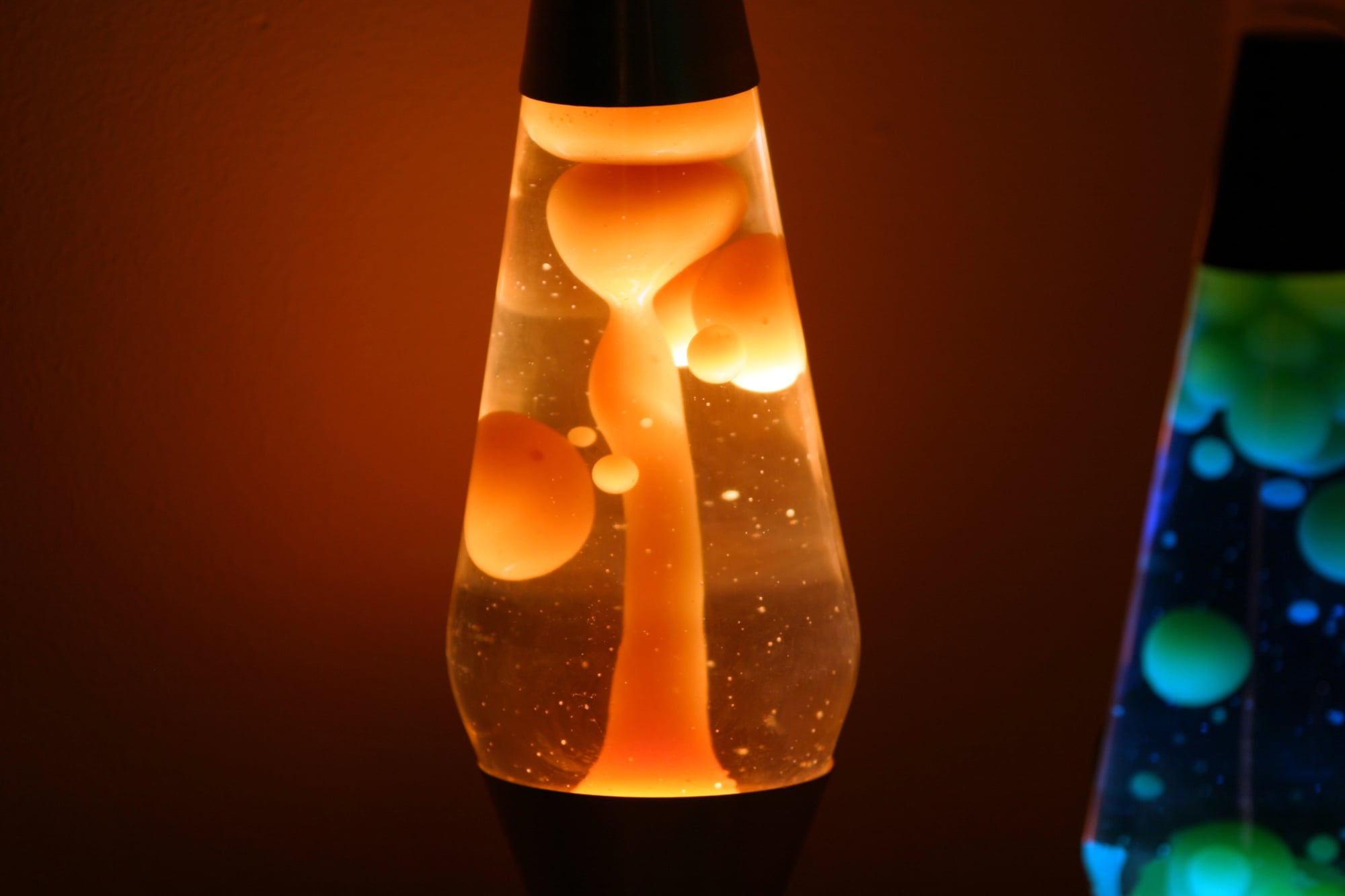
The lava lamp served no practical purpose, which was exactly why it belonged in every bedroom. This wasn’t lighting — this was ambiance, atmosphere, proof that your room was more than just a place to sleep.
Watching those waxy blobs rise and fall never got old. The lamp generated just enough heat to keep the process going, just enough light to make everything look slightly otherworldly after dark.
It was hypnotic in the best way, the kind of pointless beauty that made perfect sense when you were young enough to appreciate things that didn’t need to justify their existence.
Star Wars Action Figures
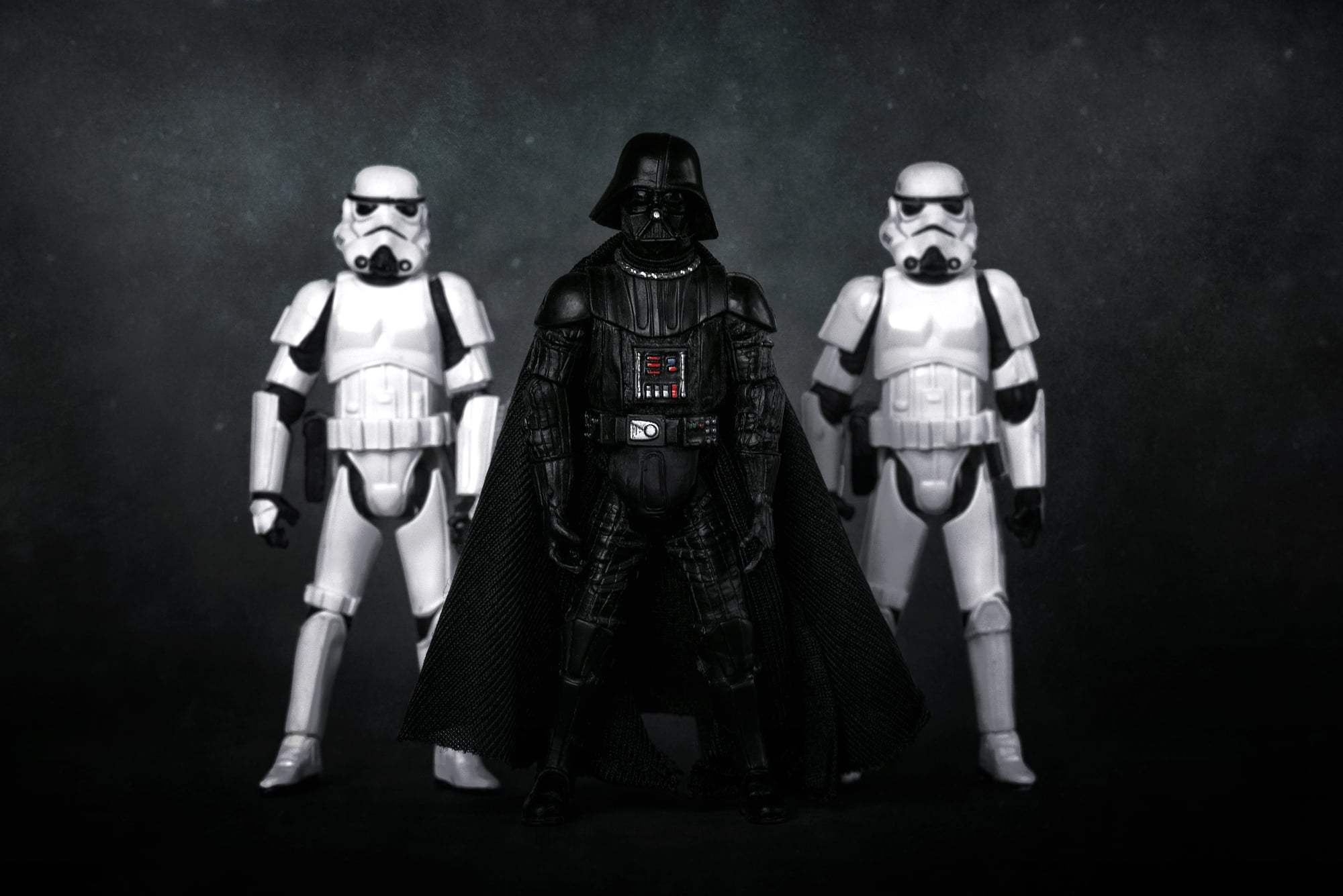
Star Wars figures weren’t toys — they were a belief system. Every kid had them, every kid knew their names, and every kid understood the sacred difference between original trilogy characters and whatever else happened to be on the shelf that week.
The figures lived in shoeboxes, in desk drawers, in elaborate dioramas constructed from cardboard and imagination. They got carried to friends’ houses for epic crossover adventures and brought back home for private stories that made sense only in the quiet of your own room.
These weren’t collectibles yet. They were just small plastic proof that adventure existed somewhere, even when it felt very far away.
Glow-In-The-Dark Stars On The Ceiling

Every bedroom ceiling in the ’80s got the same treatment: plastic stars arranged in patterns that bore no resemblance to actual constellations but felt more important than astronomy anyway. The stars charged up during the day and released their green glow gradually after lights-out, creating a private planetarium that lasted just long enough to help you fall asleep.
The ritual was always the same. You’d lie on your back, counting the stars you could still see, watching them fade one by one until only the brightest remained.
And then, just before sleep took over completely, even those would disappear — but (and this was the magic part) you knew they were still there, invisible but faithful, waiting for tomorrow’s light to charge them up again.
It was the perfect metaphor for something, though you wouldn’t figure out what until much later.
Diary With A Lock

The diary with the tiny lock wasn’t about security — those locks couldn’t keep out anyone with a bobby pin and thirty seconds. It was about intention.
The ritual of finding the miniature key, opening the cover, and writing something meant for absolutely no one else’s eyes.
Most entries were mundane. School complaints, friend drama, random observations about nothing in particular.
But the diary held space for the thoughts that felt too big or too small for regular conversation, the kind of ideas that only made sense when written down in careful cursive on lined paper.
TV In The Bedroom

Having your own television was the ultimate luxury, even if it was a hand-me-down with questionable color balance and rabbit ears that required constant adjustment. This wasn’t about watching better shows — this was about watching shows on your own terms, in your own space, without negotiating with parents or siblings about channel selection.
The TV usually perched on a dresser or desk, antenna positioned at whatever impossible angle finally brought in a clear picture. Saturday morning cartoons became a private ritual.
After-school reruns played to an audience of one. And late at night, when you were supposed to be asleep, the volume stayed low enough to avoid detection but loud enough to make you feel like you were getting away with something important.
Choose Your Own Adventure Books

The Choose Your Own Adventure series turned reading into a game where every decision mattered and every ending felt earned. These weren’t just stories — they were proof that choices had consequences, that different paths led to different places, and that sometimes you had to fail spectacularly before you figured out how to win.
Everyone had a system. Some kids read straight through, making instinctive choices and living with the results.
Others kept careful track of page numbers, marking their place with fingers so they could backtrack if things went wrong.
And the books showed their age: pages soft from repeated reading, certain sections more worn than others because everyone eventually figured out which choices led to the good endings.
But the journey mattered more than the destination, and these books understood that better than most.
Hair Crimping Iron Or Styling Products

The ’80s demanded commitment to hair, and every bedroom contained the tools necessary for that commitment. Hair crimping irons, hot rollers, and enough aerosol hairspray to damage the ozone single-handedly.
The bathroom might be shared, but serious hair construction happened in the privacy of your own room.
The process took time. Real time.
The kind of time that required planning, preparation, and a tolerance for the smell of heated hair products that lingered long after the styling was complete.
But when you got it right — when your hair achieved the exact combination of height and texture that matched whatever magazine cover you’d been studying — it felt like transformation.
Like becoming the person you were supposed to be all along.
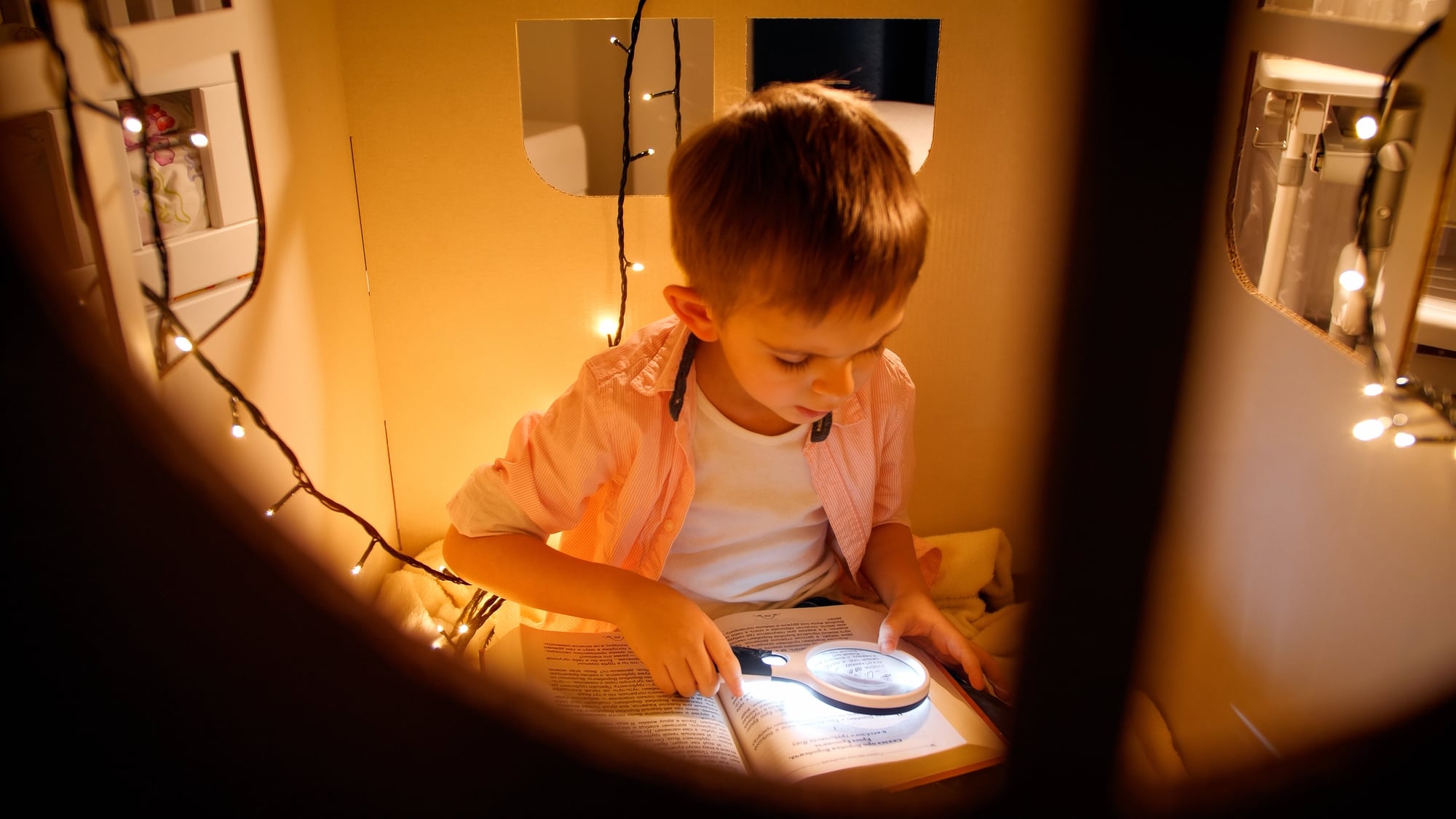
Flashlight For Reading Under Covers

The flashlight wasn’t stored in the bedroom officially. Officially, it lived in the kitchen drawer with the batteries and the twist ties and the other practical household items.
But every kid knew exactly where to find it when reading time extended past bedtime, when the story was too good to abandon just because someone said lights out.
The flashlight created a private world under the blankets — a warm tent of yellow light where adventure continued despite parental rules about sleep schedules. Your arm would get tired from holding the light steady.
The batteries would dim gradually until the words became harder to make out. But surrender wasn’t an option when you were three chapters from finding out how everything ended.
So you adjusted your position, shook the flashlight back to life, and kept reading until either the book ended or you fell asleep with the story still glowing in your hands.
Looking Back At Our Private Worlds
Those bedrooms were more than just places to sleep. They were laboratories for identity, archives of obsession, and safe houses for the kind of dreaming that only happens when you’re young enough to believe the whole world is still available to you.
Every object told a story. Every poster marked a phase.
Every collection represented some attempt to make sense of what mattered and why.
The remarkable thing wasn’t what we had in those rooms — it was how those ordinary objects became extraordinary simply because they were ours. A boom box wasn’t just a radio; it was the curator of your personal soundtrack.
A diary wasn’t just a notebook; it was proof that your thoughts were worth preserving. And somehow, in the accumulation of all these things, we built something that felt permanent even though nothing about childhood actually was.
More from Go2Tutors!

- The Romanov Crown Jewels and Their Tragic Fate
- 13 Historical Mysteries That Science Still Can’t Solve
- Famous Hoaxes That Fooled the World for Years
- 15 Child Stars with Tragic Adult Lives
- 16 Famous Jewelry Pieces in History
Like Go2Tutors’s content? Follow us on MSN.