Haunted Places You Should Never Dare to Step Inside
Some places carry darkness so thick you can feel it pressing against your chest before you even cross the threshold. They’re not just abandoned buildings or forgotten rooms — they’re locations where something fundamental went wrong, where the boundary between our world and whatever lies beyond has worn dangerously thin.
These aren’t tourist attractions with gift shops and guided tours. They’re places that actively push back against human presence, where the very air seems to whisper warnings.
Eastern State Penitentiary
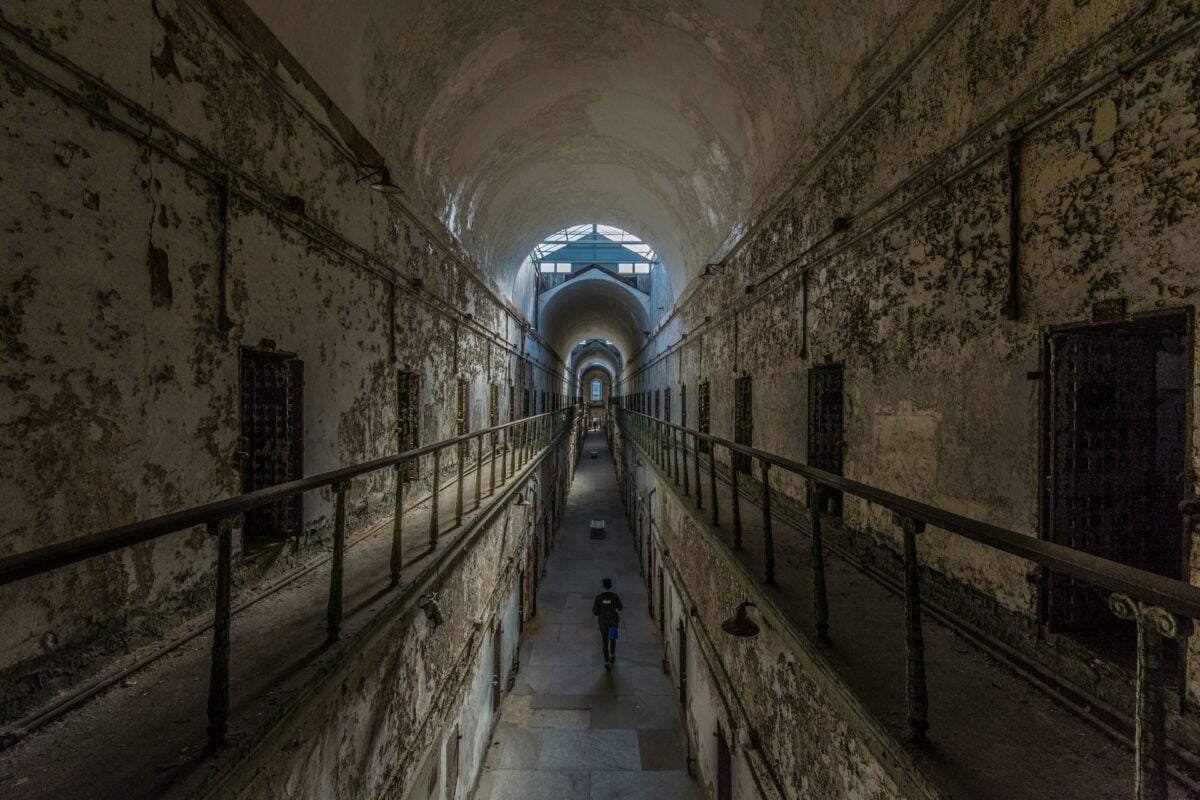
The silence hits first. Eastern State Penitentiary in Philadelphia perfected solitary confinement long before anyone understood what complete isolation does to the human mind.
Twenty-three hours a day in stone cells. No conversation.
No contact. Just walls and madness.
The crumbling cellblocks stretch into shadow now. Visitors report voices calling from empty cells and shadows moving where no person stands.
Poveglia Island
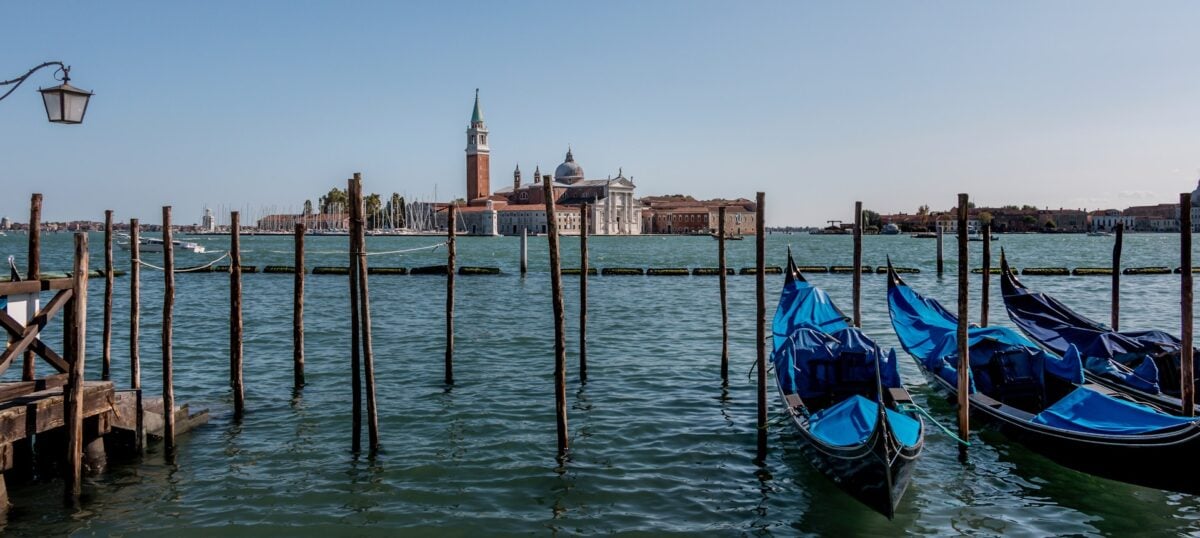
Italy keeps this small island locked away for good reason (though the official explanation involves soil contamination, not the supernatural). Poveglia served as a plague quarantine station where over 100,000 people died in agony, their bodies burned in massive pyres that turned the soil a ashy gray that persists centuries later.
And yet, the island’s most disturbing chapter came later — when it housed a mental hospital where a sadistic doctor performed gruesome experiments on patients before allegedly throwing himself from the bell tower. So the land itself carries this weight: not just death, but suffering stretched across generations, layer upon layer of human misery soaked into ground that still refuses to grow normal vegetation.
The Italian government prohibits public access. The few researchers who’ve been granted permission describe an overwhelming sense of being watched and a persistent feeling that the island itself wants them gone.
Humberstone and Santa Laura Saltpeter Works
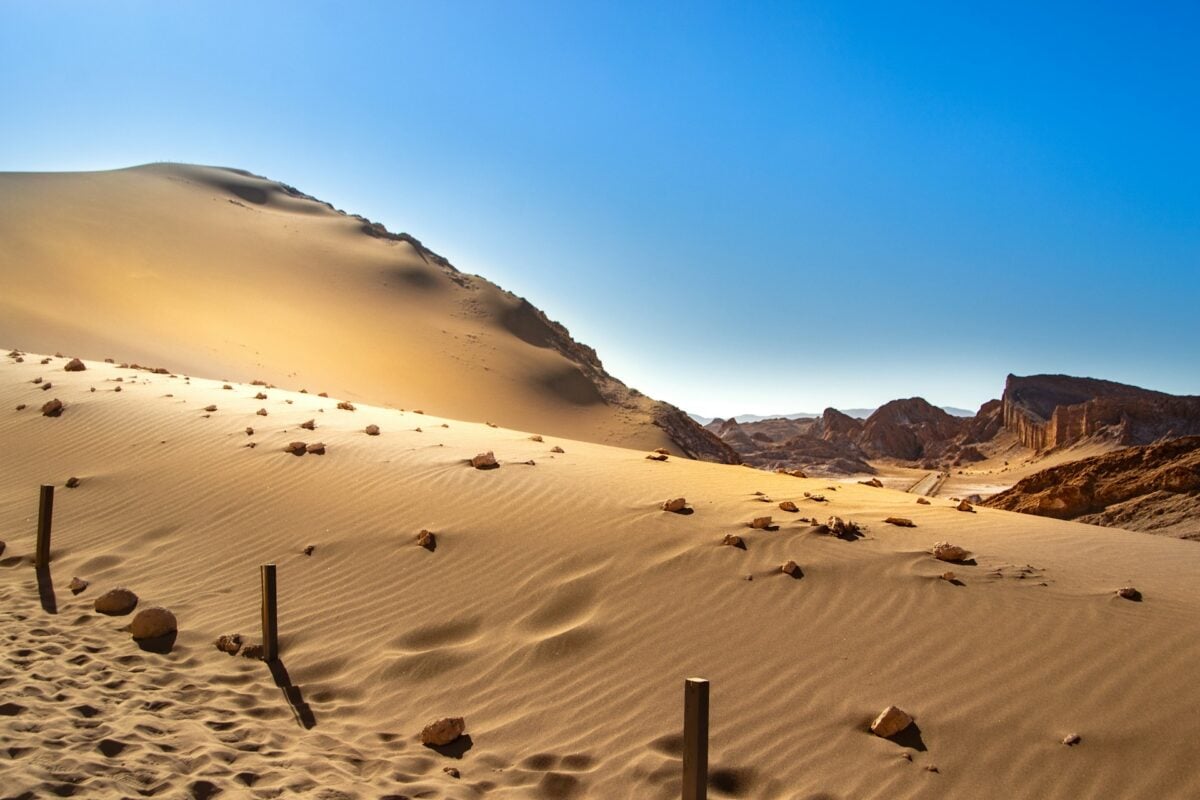
The Chilean desert preserved these mining towns exactly as they were abandoned in 1960. Time stopped.
Rust spreads across machinery like infection. Personal belongings sit undisturbed on tables as if families stepped out for an hour and never returned.
Workers died from chemical exposure and cave-ins. Their presence lingers in the preserved buildings where shadows move independently of any light source.
Château de Brissac
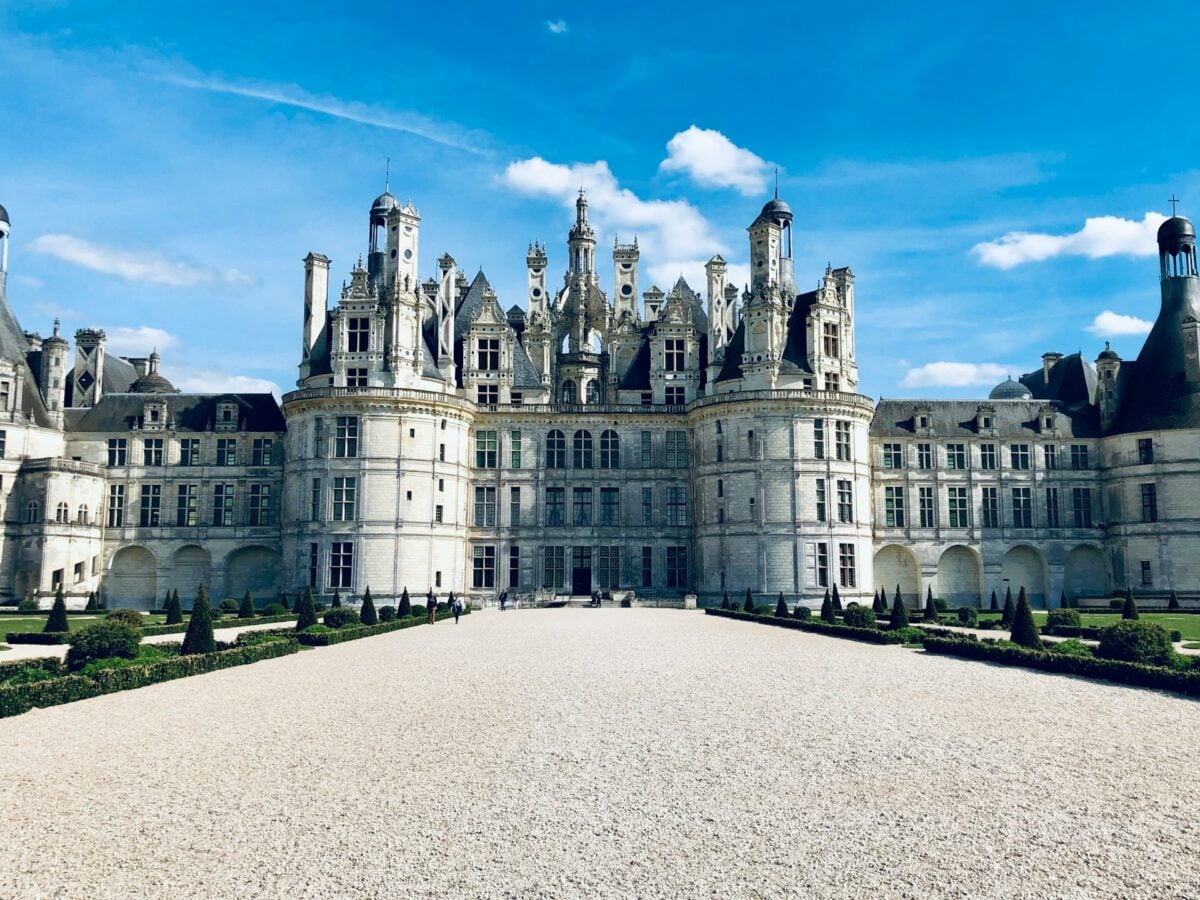
Seven floors of French aristocracy and one uninvited guest who refuses to leave. The Green Lady of Brissac appears in photographs as a woman in a green dress with openings where her eyes should be.
She’s been seen by guests for over two centuries, standing in doorways and walking halls that echo with footsteps when no one else is present. The current Duke still lives in the castle — he just accepts that he shares it with something that died long ago but hasn’t moved on.
Bhangarh Fort
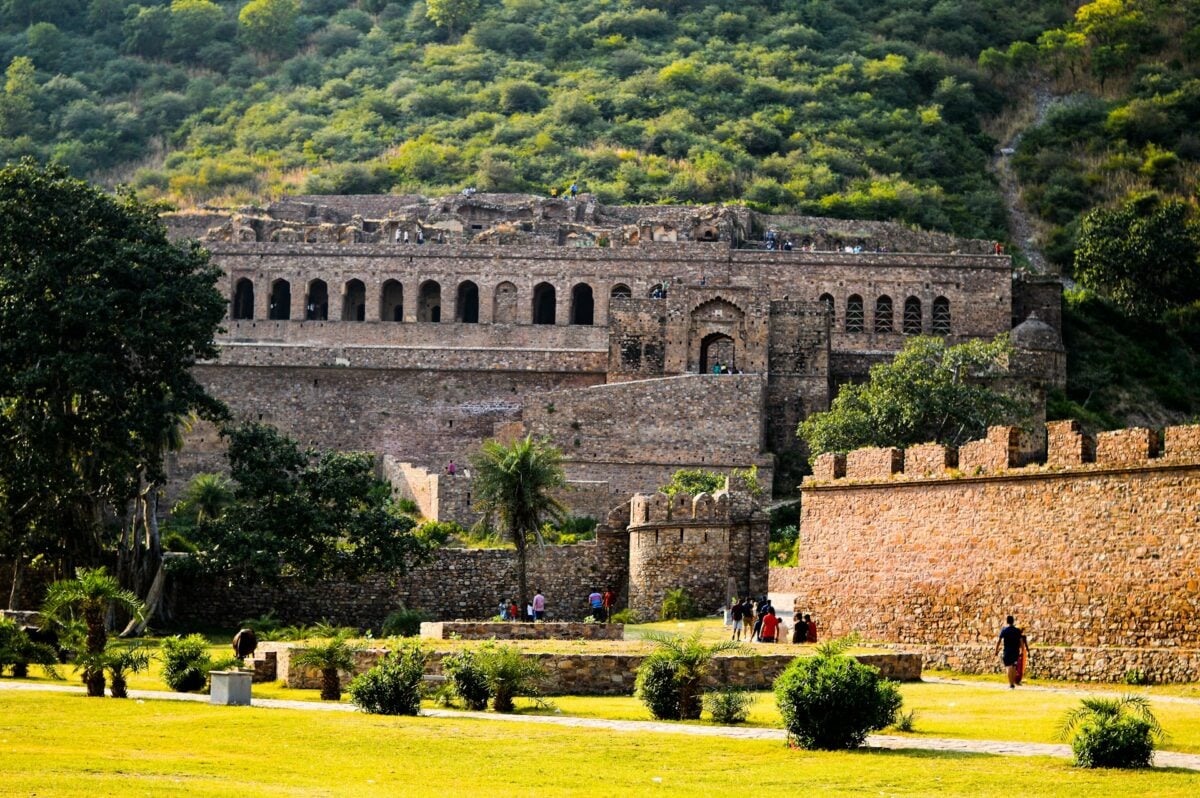
The Archaeological Survey of India does something unusual here: they legally prohibit entry between sunset and sunrise. Official government signs warn that staying overnight is illegal — ostensibly for safety reasons, but locals know better.
This 17th-century fort in Rajasthan carries a curse that allegedly doomed everyone who lived there to die without the possibility of reincarnation. The ruins sit empty now.
Birds won’t nest in the structures. Animals avoid the area entirely.
Even in daylight, visitors describe a crushing sense of dread that intensifies as the sun sets.
The Tower of London
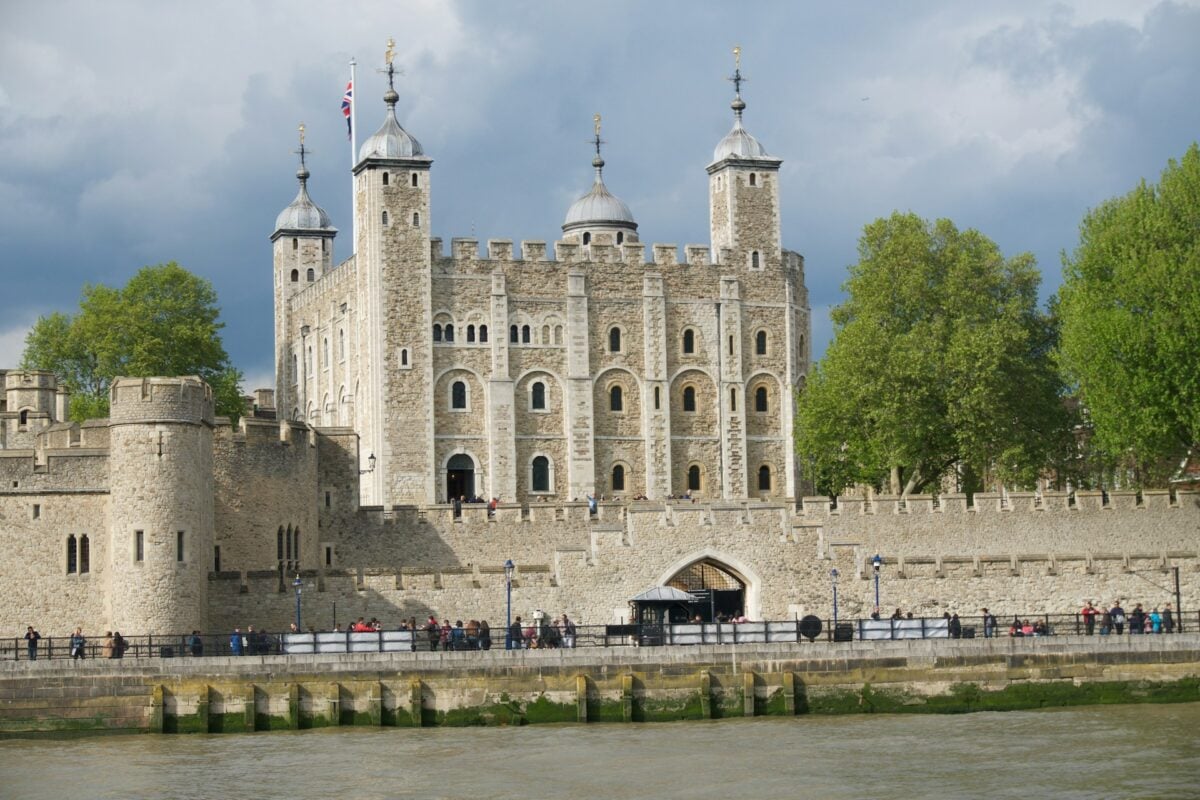
Nearly a thousand years of executions, torture, and political murder have soaked into these stone walls. Anne Boleyn still walks the grounds where she was beheaded, sometimes carrying her head under her arm — which sounds like dark comedy until you’re alone in the White Tower after closing time and hear footsteps that stop when you turn around.
The Yeoman Warders who live on the grounds treat these encounters as part of the job. They’ve learned which areas to avoid after dark and which sounds to ignore.
Aokigahara Forest
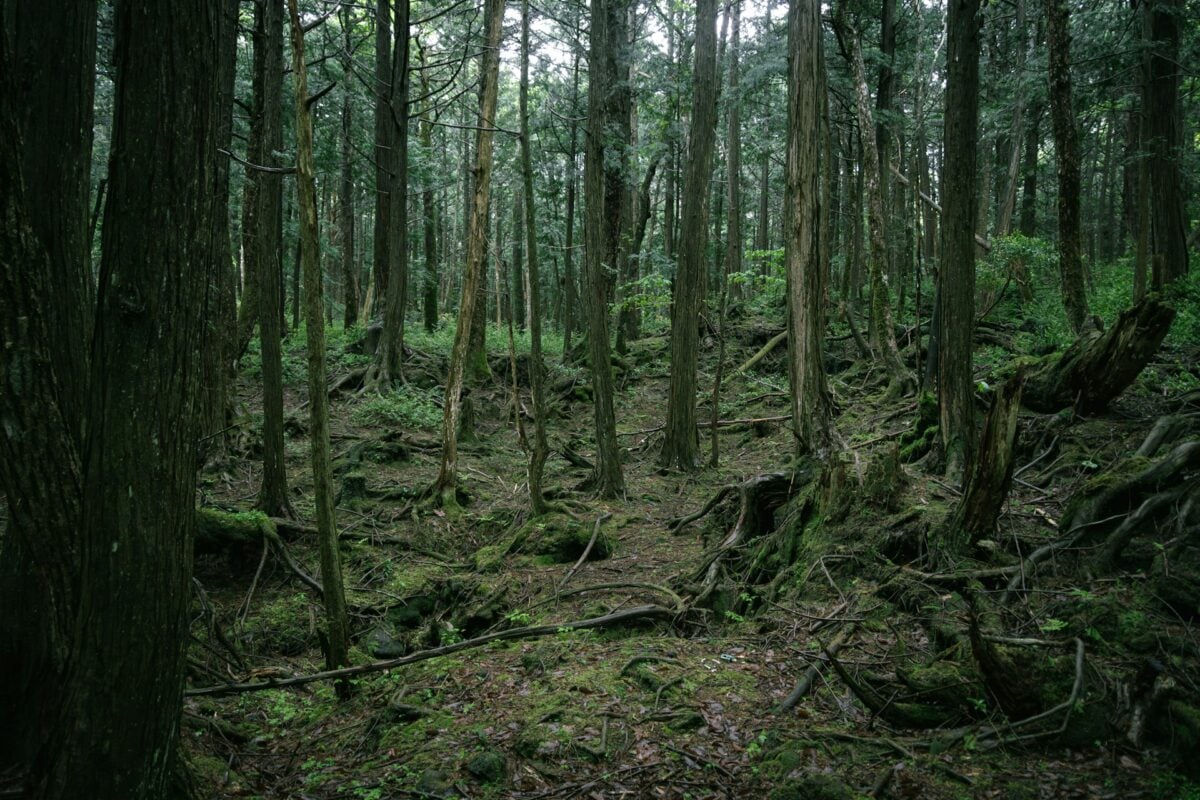
Japan’s famous forest sits at the base of Mount Fuji, where the trees grow so thick that sound disappears entirely. Compasses spin uselessly.
GPS fails. The forest floor spreads thick with volcanic rock that muffles footsteps and creates an unnatural silence that presses against your eardrums.
Recovery teams work year-round here. They’ve developed protocols for what they find among the trees — and for the overwhelming sense that something watches from just beyond sight.
Leap Castle
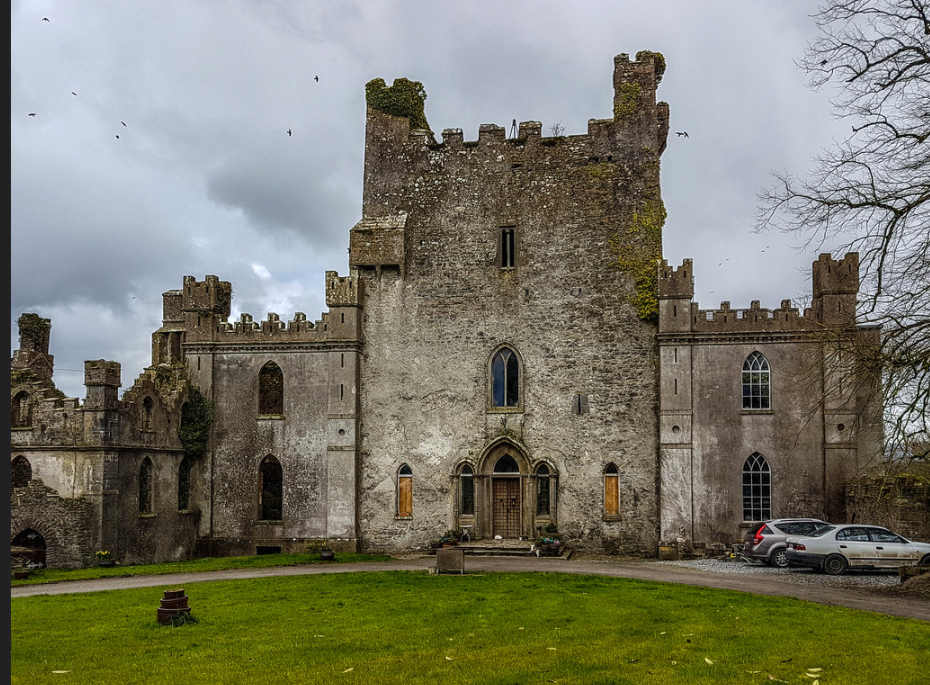
Ireland’s most haunted castle earned its reputation through centuries of family murder, betrayal, and a hidden room called the “bloody chapel” where bodies were dropped onto wooden spikes and left to rot. The smell of decay and sulfur still rises from the stones on humid days.
Visitors encounter the Elemental — a presence so malevolent that even experienced paranormal investigators refuse to stay overnight. It appears as a smell first, then as something dark and ancient that seems genuinely angry at human intrusion.
Trans-Allegheny Lunatic Asylum
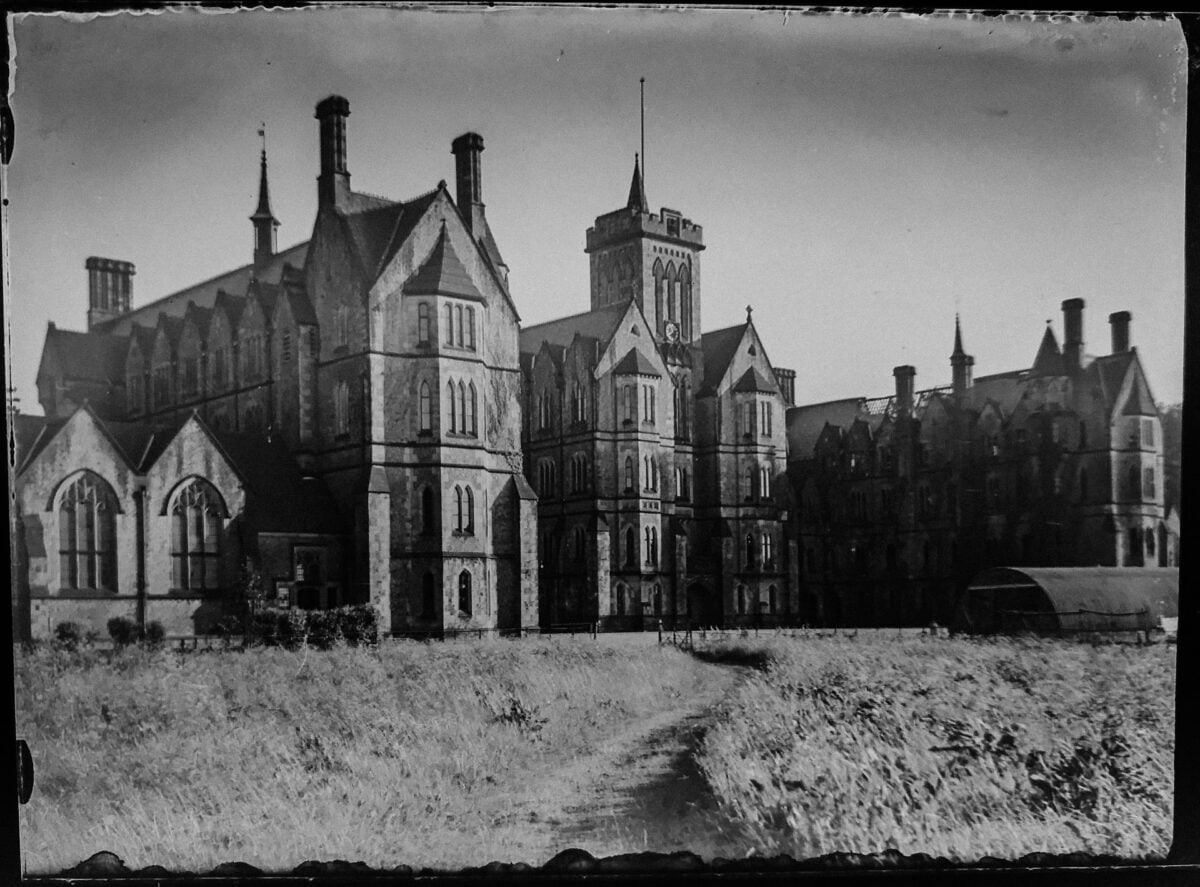
West Virginia built this asylum in 1864 for 250 patients. By the 1950s, it housed 2,400 people in conditions that defied basic humanity.
Lobotomies were performed without anesthesia. Patients were chained to walls and forgotten for months. The building stands empty now, but former staff report that certain rooms maintain the sounds of screaming even years after closure.
Some areas remain too disturbing for even urban explorers.
Myrtles Plantation
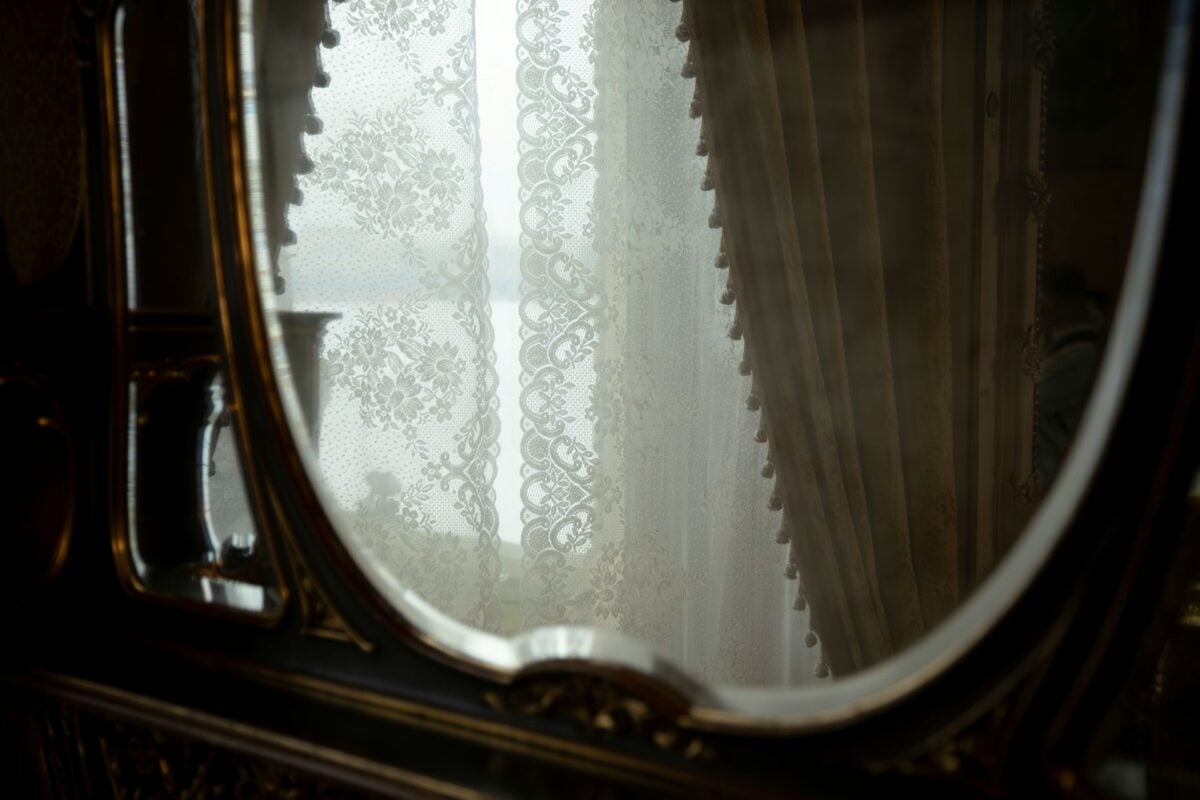
Louisiana’s most haunted house sits on land where a slave named Chloe was allegedly hanged for poisoning the family she served. The plantation’s mirrors refuse to reflect clearly — photographs show figures that weren’t visible to the unaided eye when the pictures were taken.
Current owners operate it as a bed and breakfast, though guests frequently check out early after encounters with something that walks the halls and watches from windows.
Beechworth Lunatic Asylum

This Australian asylum recorded over 9,000 deaths during its 128-year operation. Patients died from experimental treatments, neglect, and conditions that amounted to systematic abuse.
Many were buried in unmarked graves in what’s now called the Ovens and Murray Hospital. Staff who work in the converted buildings report elevator buttons pressing themselves, doors slamming shut, and the persistent sound of screaming from empty rooms.
Château Miranda
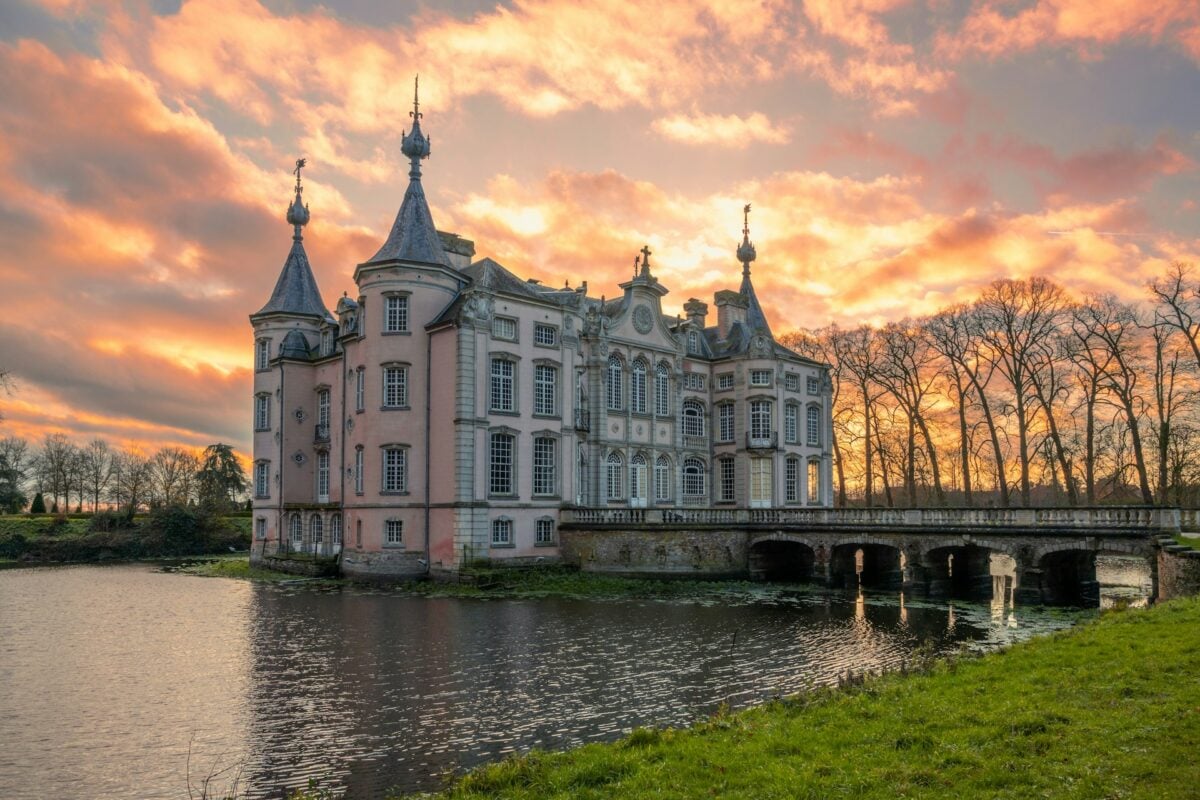
This Belgian castle was abandoned by its aristocratic owners during World War II and later served as an orphanage where children died under mysterious circumstances. The building deteriorated slowly over decades, creating a structure that’s both architecturally unstable and spiritually hostile.
Urban explorers describe an immediate sense of being watched and an overwhelming urge to leave as quickly as possible. Photographs taken inside often reveal figures in windows that were empty moments before.
Helltown, Ohio
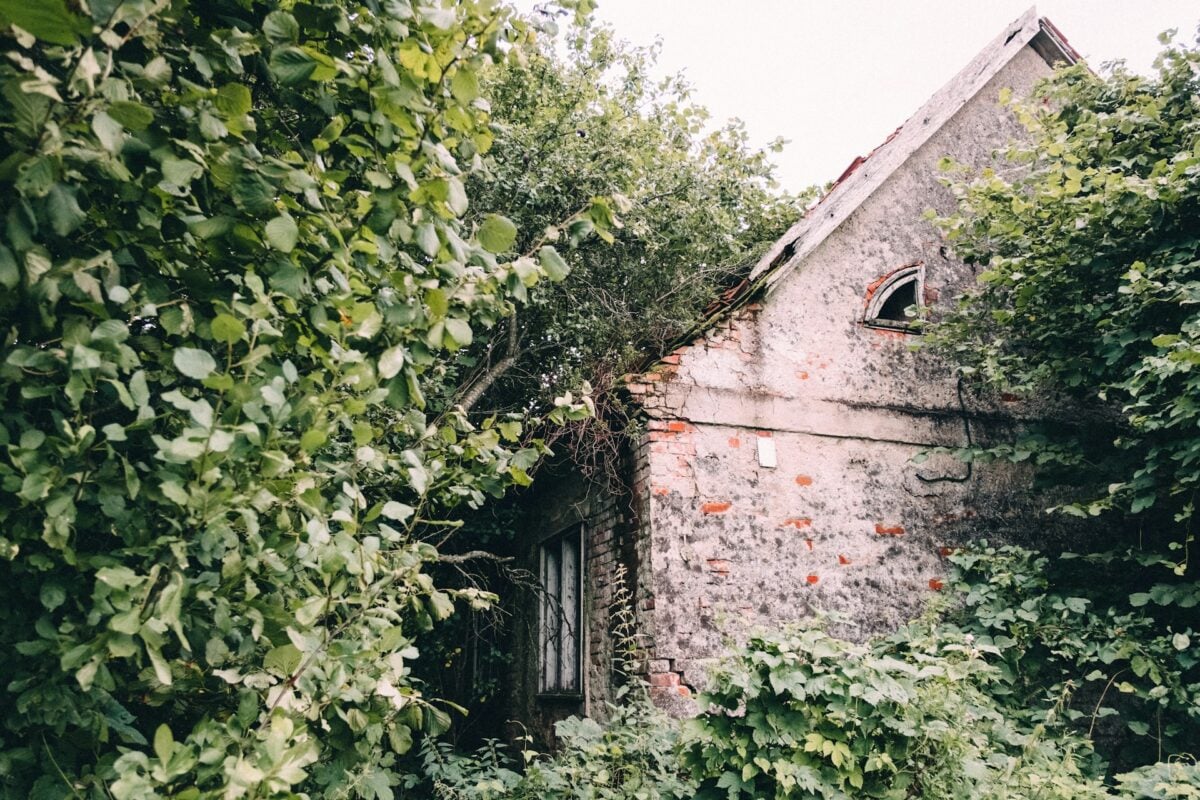
The government bought out this entire town in the 1970s for a national park that was never completed. Residents were forced to leave their homes, which were then boarded up and left to decay.
What remains is a ghost town where abandoned houses sit frozen in time. Visitors report car engines dying without explanation, electronic equipment failing, and the persistent feeling that they’re trespassing somewhere they’re not wanted by forces more powerful than property law.
Where darkness refuses to lift
These places exist as reminders that some boundaries shouldn’t be crossed, some doors shouldn’t be opened, and some invitations should never be accepted. They’re not adventure destinations or thrill-seeking opportunities — they’re locations where human suffering has fundamentally altered the landscape itself, creating spaces that actively resist the living.
The warnings aren’t folklore or marketing gimmicks. They’re practical advice from people who’ve learned that some places are better left undisturbed.
More from Go2Tutors!

- The Romanov Crown Jewels and Their Tragic Fate
- 13 Historical Mysteries That Science Still Can’t Solve
- Famous Hoaxes That Fooled the World for Years
- 15 Child Stars with Tragic Adult Lives
- 16 Famous Jewelry Pieces in History
Like Go2Tutors’s content? Follow us on MSN.