Romantic Traditions Tied To Valentine’s Day
February 14th comes around every year, and with it comes a wave of red roses, heart-shaped boxes, and dinner reservations that book up weeks in advance. Some people love the day, others roll their eyes at it, but the traditions keep showing up year after year.
They’ve evolved over centuries, picking up new customs while keeping old ones alive. Whether you participate fully or just observe from the sidelines, these traditions shape how millions of people express affection on this particular day.
Exchanging Handwritten Love Letters
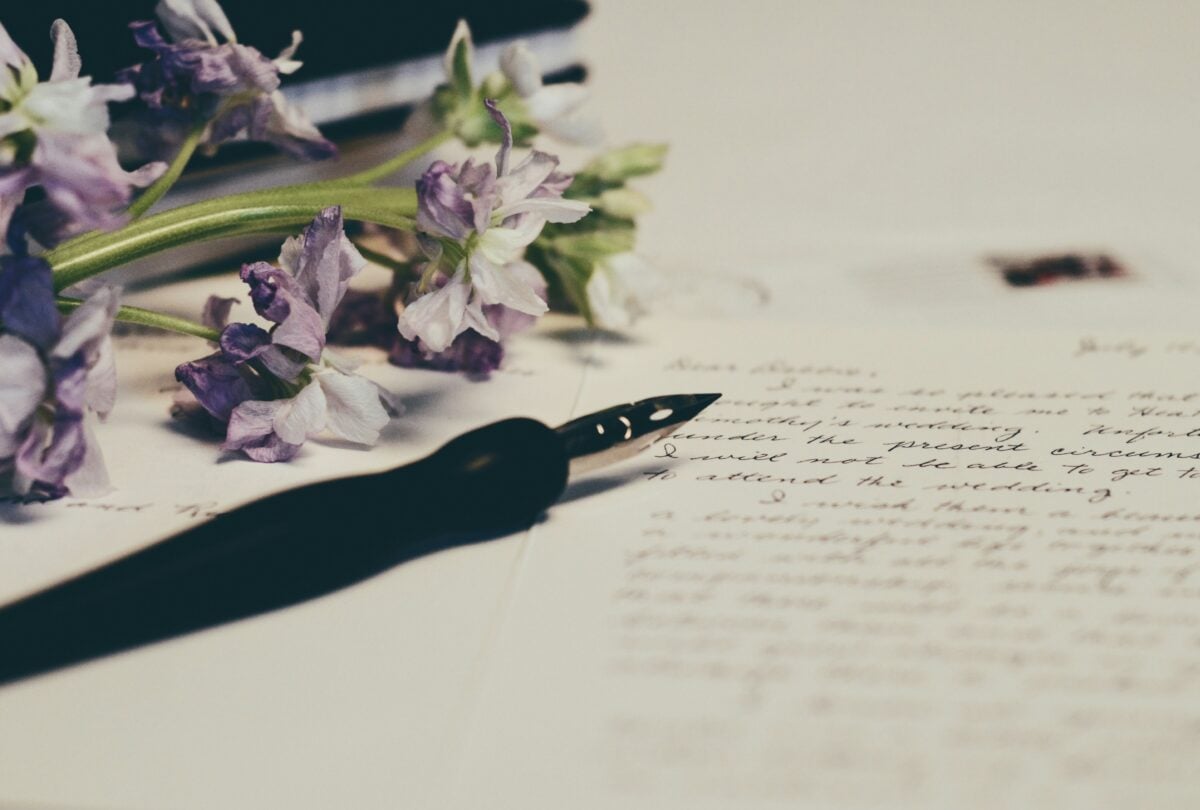
Before text messages and emails took over, people poured their feelings onto paper. The tradition of writing love letters on Valentine’s Day goes back centuries, and somehow it hasn’t completely died out.
There’s something different about seeing words written by hand. The crossed-out mistakes, the effort it takes to actually sit down and write—it all adds weight to the message.
Many couples still write letters to each other on Valentine’s Day, even if they live together and could just say the words out loud. The physical letter becomes something you can keep, something you can pull out years later and remember exactly how you felt in that moment.
Red Roses by the Dozen
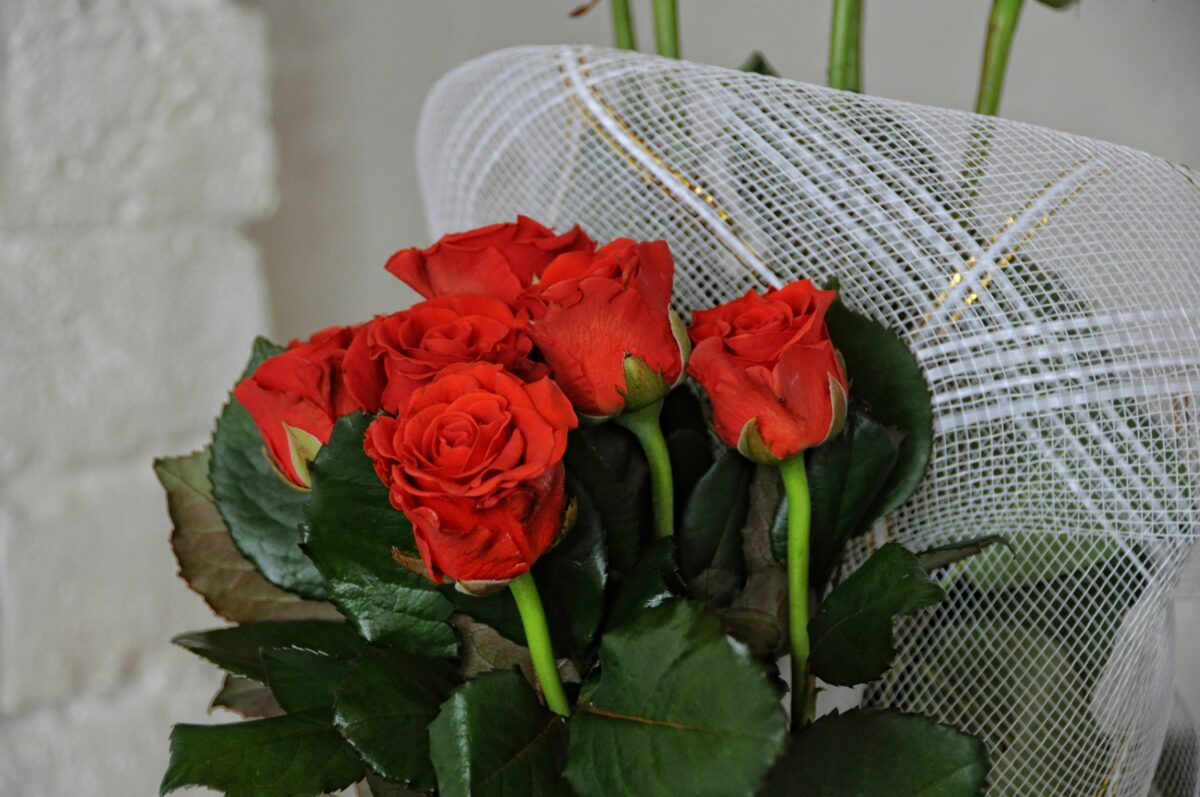
Walk into any flower shop in early February and you’ll see roses everywhere. Red ones specifically.
The tradition of giving red roses on Valentine’s Day dominates the flower industry so completely that prices spike every year around this time. The symbolism goes back to Victorian times when different flowers carried different meanings.
Red roses meant passionate love. That association stuck, and now giving your partner red roses on Valentine’s Day has become almost automatic for many people.
Some choose different flowers to stand out, but the red rose remains the default choice.
Heart-Shaped Boxes of Chocolate
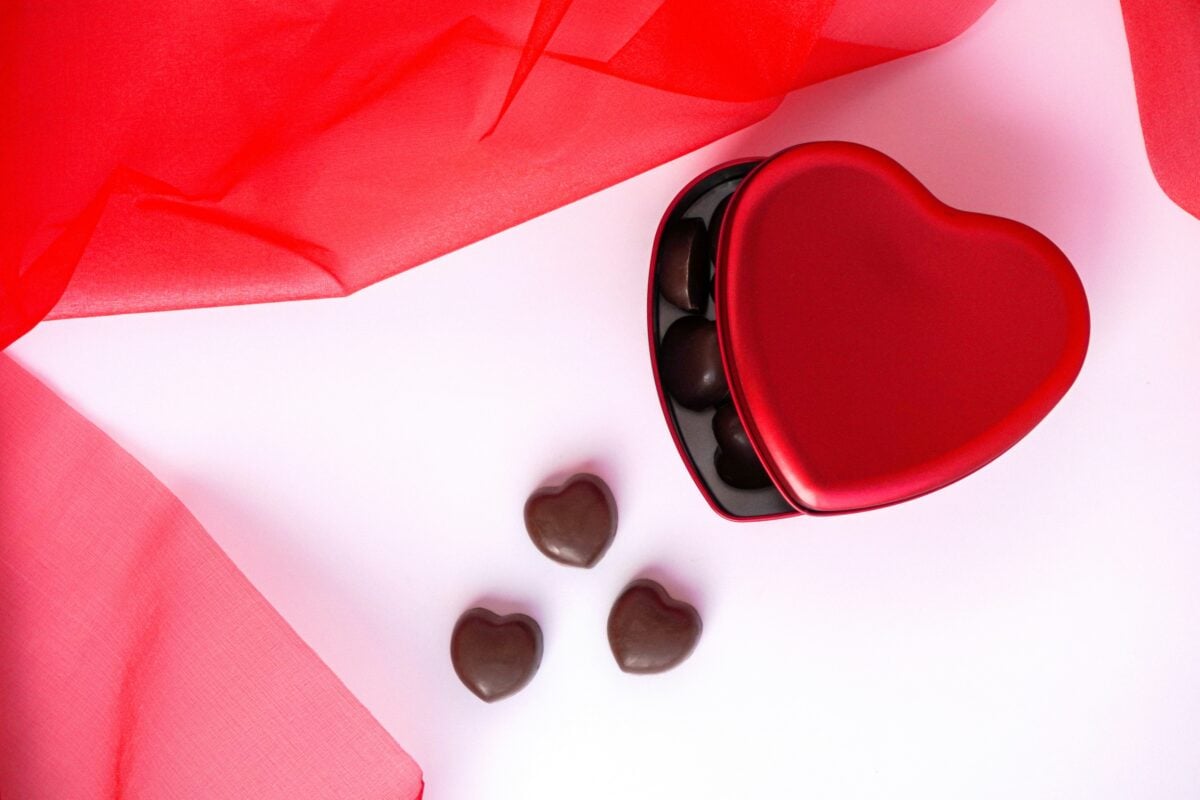
Richard Cadbury figured out in the 1860s that fancy boxes could make chocolate seem more special. He started selling chocolates in decorative boxes, and eventually someone shaped one like a heart and attached it to Valentine’s Day.
The combination worked. Chocolate itself already had romantic associations.
The Aztecs considered it an aphrodisiac, and European aristocrats served it at parties. Add a heart-shaped box and a holiday about love, and you have a tradition that chocolate companies depend on for a significant portion of their annual revenue.
The boxes themselves often matter as much as what’s inside. People keep them, use them for storage, or save them as mementos.
You can usually tell when someone received theirs based on how faded the box looks.
Valentine’s Day Cards for Everyone
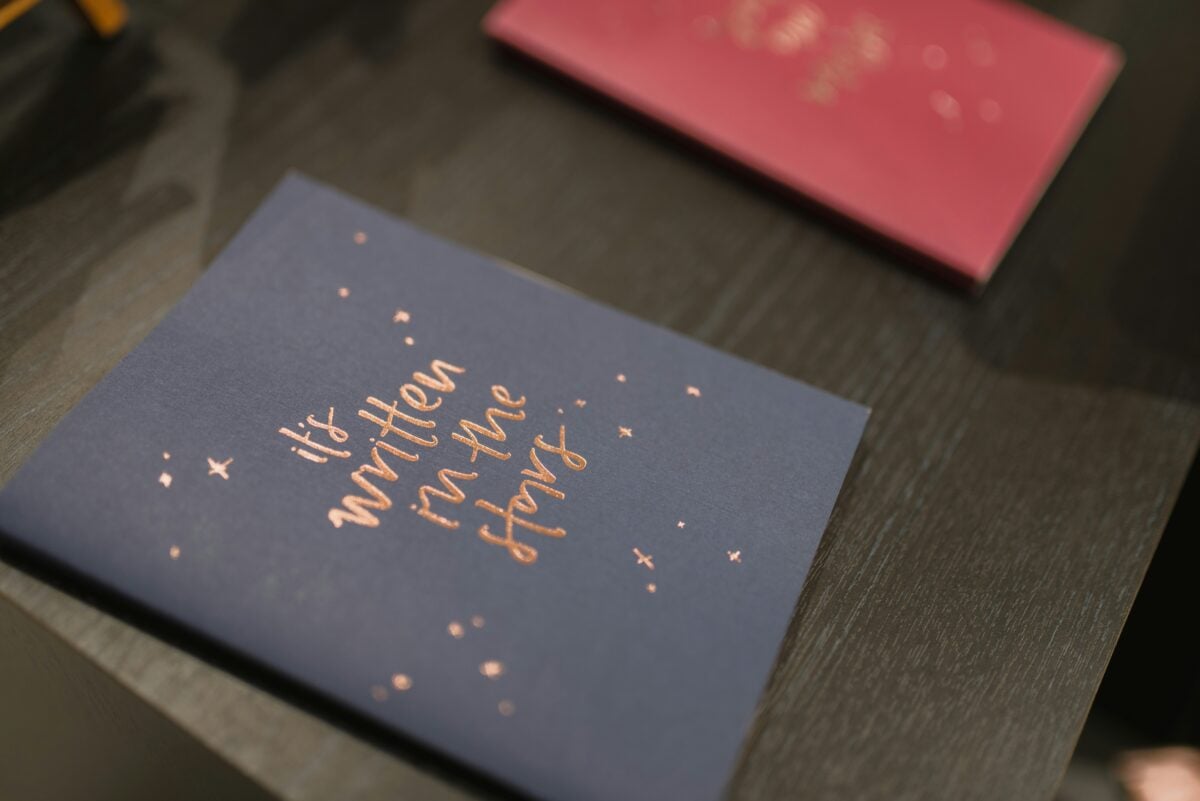
Kids in elementary school exchange valentines with their entire class. Adults send cards to romantic partners, friends, or family members.
The tradition of giving Valentine’s Day cards spread widely in the 19th century when mass-produced cards became affordable. Before that, people made their own cards, decorating them with lace, ribbons, and hand-drawn images.
The handmade tradition still exists, but most people buy their cards now. Hallmark and other companies offer hundreds of options, from funny to sentimental to explicitly romantic.
The cards themselves create a paper trail of relationships. Many people save Valentine’s Day cards from significant relationships, tucking them away in drawers or boxes along with other memories.
Candlelit Dinners at Home or Out
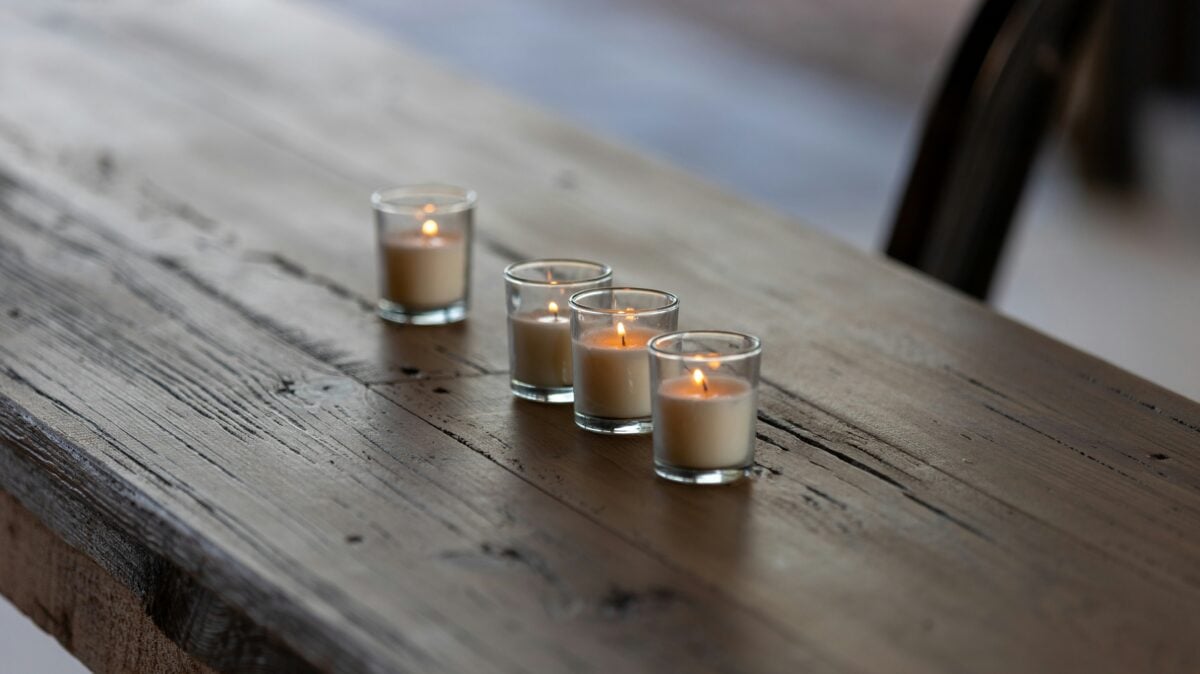
Restaurants fill up on Valentine’s Day. Many offer special menus with higher prices than usual.
Despite the crowds and the expense, millions of couples still choose to dine out on February 14th. The tradition of a romantic dinner doesn’t require going out, though.
Many people cook elaborate meals at home, setting the table with candles and trying to recreate restaurant ambiance. The candles matter—they’ve been associated with romance for so long that a dinner without them feels incomplete to many people.
Either way, the meal itself becomes secondary to the atmosphere. The point isn’t just eating food together.
It’s creating a moment that feels separate from ordinary dinners, marking the day as different.
Valentine’s Day Proposals
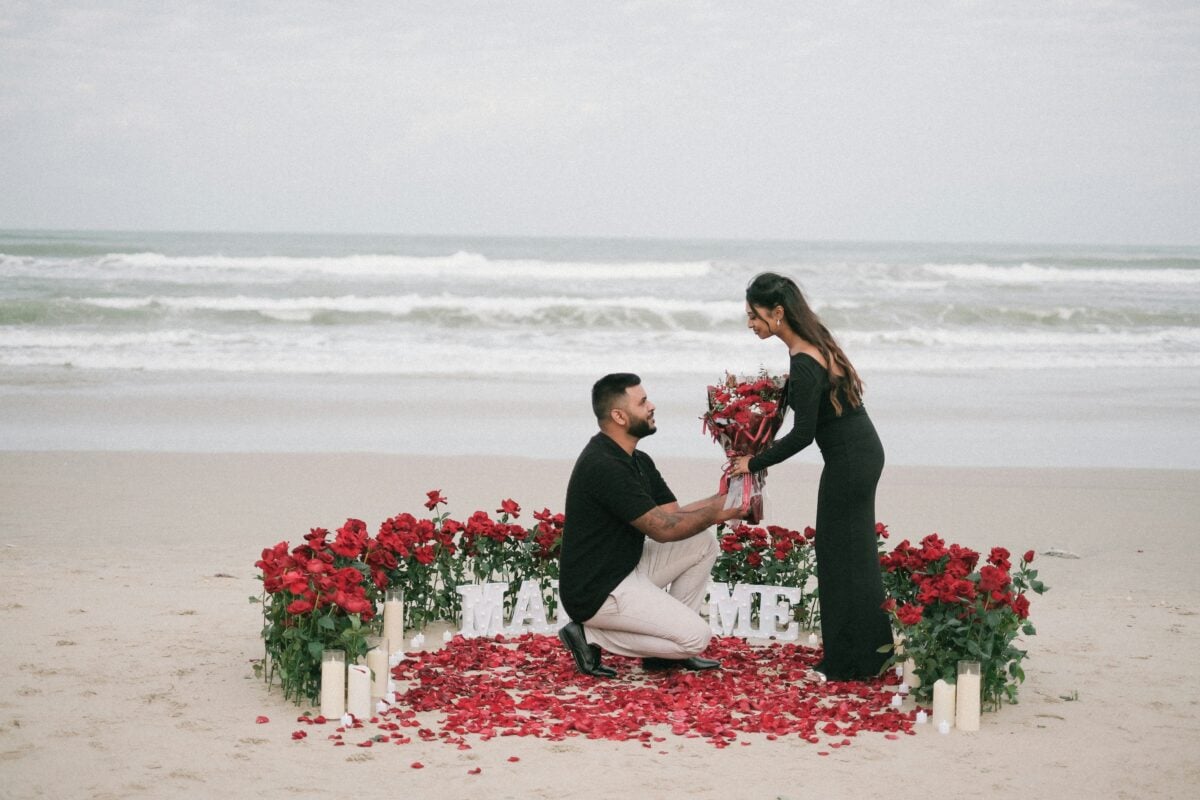
Jewelry stores know that Valentine’s Day brings a surge of engagement ring purchases. Some people plan their proposals for February 14th specifically, tying the start of their engagement to a day already associated with love.
The tradition makes practical sense in some ways. If you were already planning to propose, picking a day that’s already romantic saves you from having to create a special occasion from scratch.
But it also comes with pressure. A Valentine’s Day proposal needs to live up to the expectations that the day itself creates.
Some couples love having their engagement anniversary fall on Valentine’s Day. Others prefer keeping the days separate, giving them two occasions to celebrate instead of one.
Love Locks on Bridges
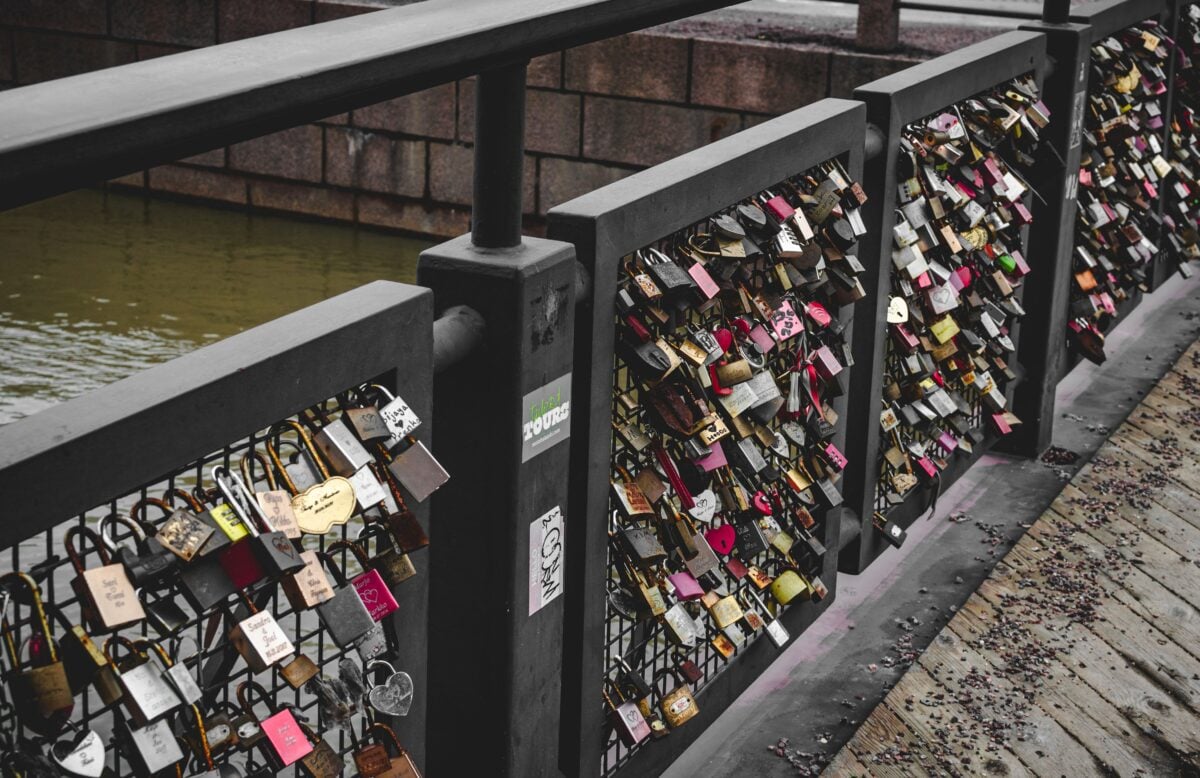
In the early 2000s, couples started attaching padlocks to bridges in Paris, writing their names on the locks and throwing the keys into the river below. The tradition spread to other cities around the world.
The symbolism seems obvious—locking your love in place forever. But the practice created problems.
The Pont des Arts in Paris accumulated so many locks that sections of the bridge’s railing collapsed under the weight. City officials eventually removed the locks and installed glass panels to prevent new ones.
Despite the backlash, the tradition continues in other locations. Some cities designate specific structures for love locks, accepting the practice rather than fighting it.
The locks rust and weather over time, but they stay attached until someone removes them.
Galentine’s Day Celebrations
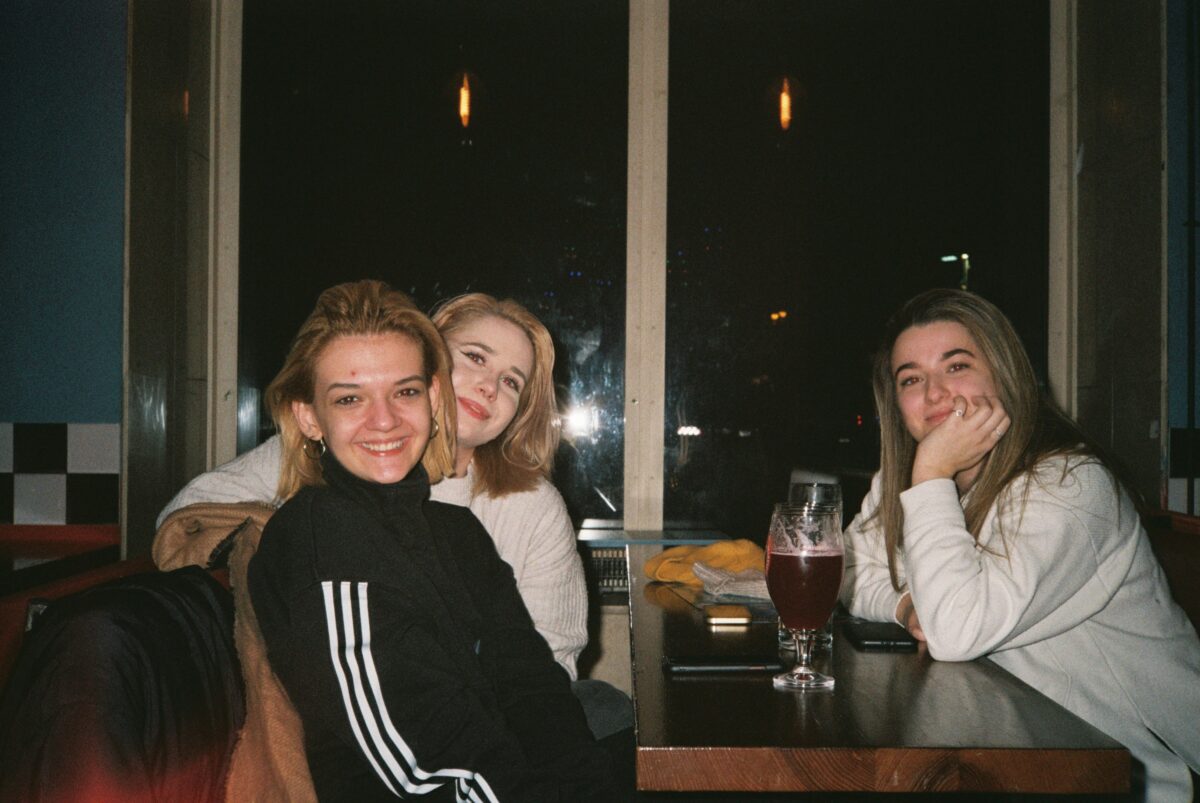
Not everyone celebrates Valentine’s Day with a romantic partner. The tradition of Galentine’s Day—February 13th—emerged from the TV show “Parks and Recreation” and became a real phenomenon.
Women gather with their friends for brunch, exchange gifts, and celebrate their friendships. The tradition acknowledges that romantic love isn’t the only type worth celebrating.
Platonic relationships matter too, and having a specific day to recognize them resonates with people who feel left out of traditional Valentine’s Day celebrations. Some people prefer Galentine’s Day to Valentine’s Day.
It removes the pressure of romance and focuses on relationships that often last longer than romantic partnerships.
Anonymous Admirers and Secret Valentines
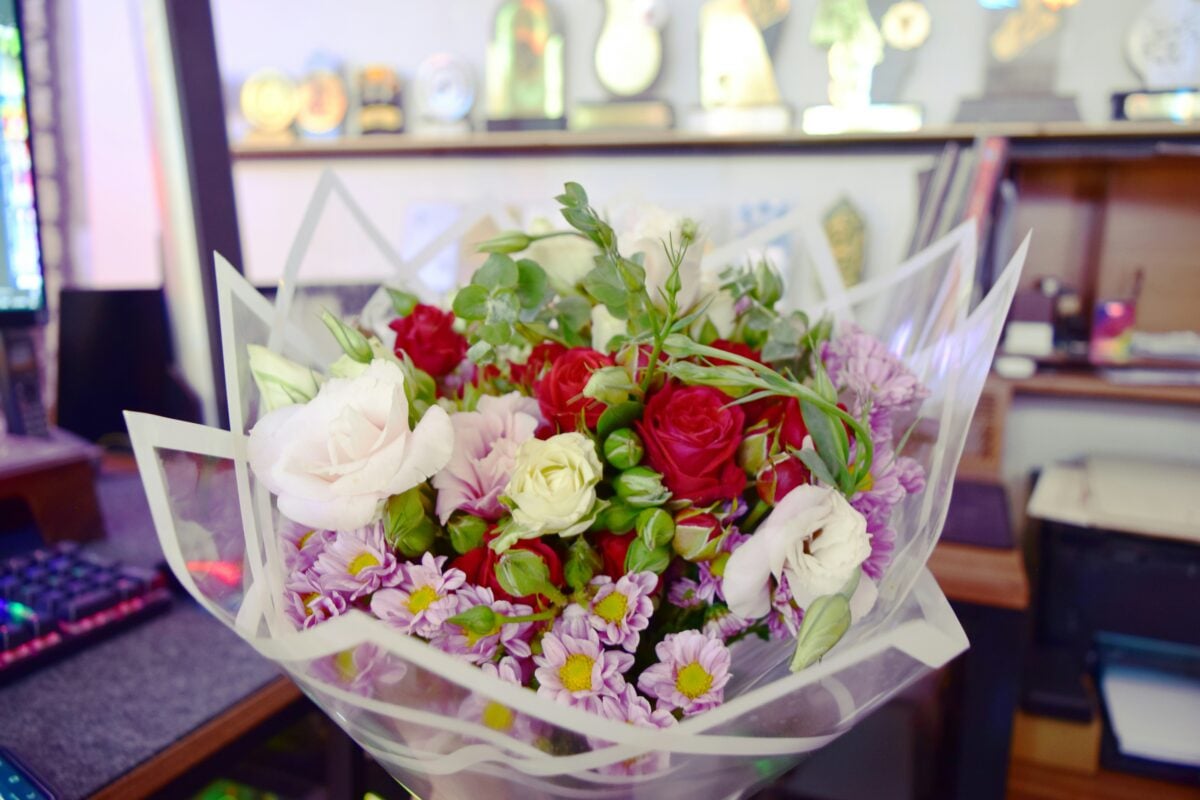
The tradition of secret valentines goes back decades. Someone leaves a card, gift, or flowers without identifying themselves.
The recipient spends time trying to figure out who sent it. Schools sometimes organize secret valentine exchanges where students draw names and give gifts anonymously.
Adults occasionally revive the tradition, leaving gifts for crushes or long-term partners while pretending they don’t know who sent them. The anonymity adds an element of mystery that regular gift-giving lacks.
Even when the recipient figures out who sent the gift, the initial uncertainty creates excitement that straightforward declarations of affection don’t always produce.
Weekend Getaways for Two
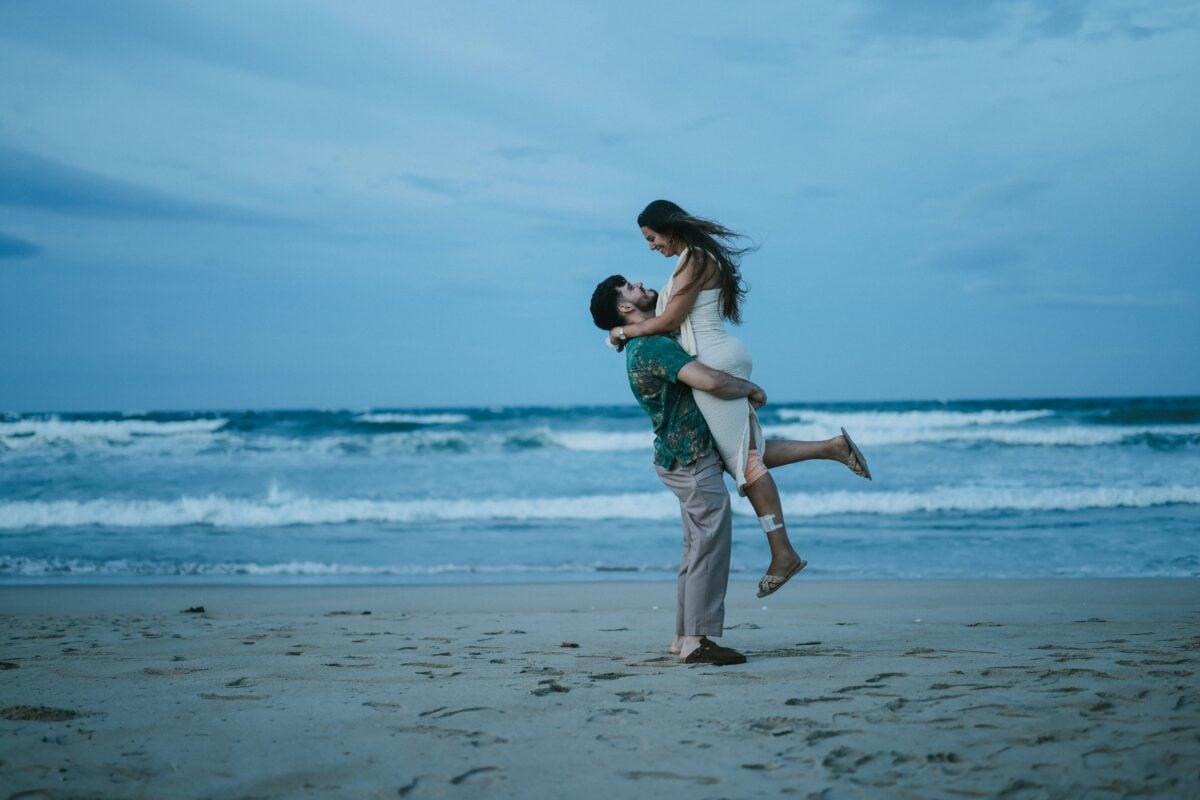
Hotels and resorts offer Valentine’s Day packages with champagne, rose petals, and couple’s massages. Many people book weekend trips around February 14th, turning the single day into an extended celebration.
The getaway tradition removes couples from their daily routines. You’re not just having a romantic evening—you’re temporarily escaping everything else.
No dishes to wash, no work emails to check, no regular responsibilities. The destinations vary widely.
Some couples prefer luxury resorts, others choose cozy bed and breakfasts, and some just pick a city they’ve never visited. The location matters less than the change of scenery and the dedicated time together.
Dressing in Red and Pink

Wearing red or pink on Valentine’s Day isn’t required, but many people do it anyway. The tradition extends beyond clothing to decorations, food, and even lighting.
Entire environments turn red and pink for the day. The color choices have deep historical roots.
Red symbolizes passion and desire. Pink represents affection and tenderness.
Together, they cover the spectrum of romantic feeling, from intense to gentle. You can usually spot Valentine’s Day observers by their color choices, even in contexts that have nothing to do with romance.
The colors become a shorthand for participation in the holiday itself.
Heart Shapes Everywhere
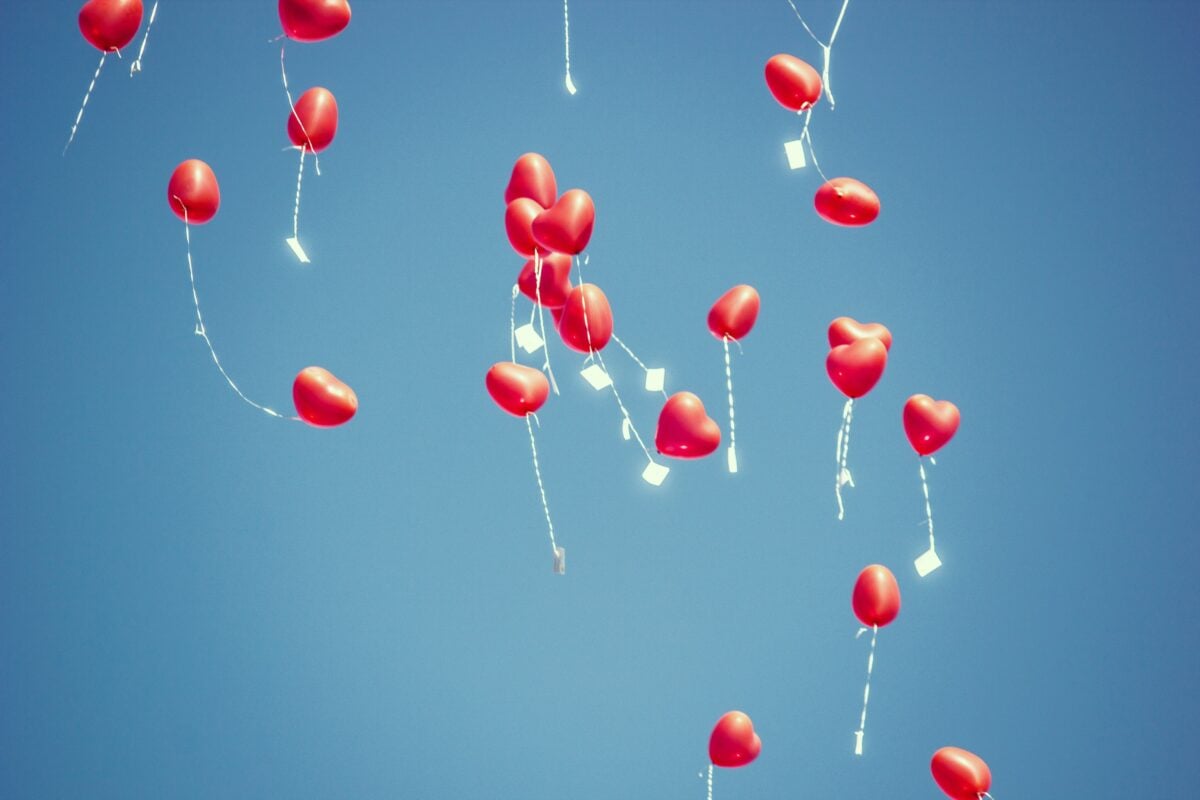
Hearts show up on Valentine’s Day cards, balloons, jewelry, cakes, and basically any surface that can hold a design. The symbol doesn’t actually look like a human heart, but it represents love so universally that its anatomical inaccuracy doesn’t matter.
The heart shape became associated with love in the Middle Ages, possibly derived from the shape of ivy leaves or the silphium seed. Regardless of origin, it stuck.
Now you can find heart-shaped everything during Valentine’s season—from pasta to sunglasses to pizza. The overuse of the symbol sometimes feels excessive, but its effectiveness can’t be denied.
You see a heart in February and immediately think of Valentine’s Day, no explanation needed.
Poetry Recitals and Love Songs

For ages, folks have poured feelings into verses about love. One day each year – Valentine’s – shines a light on those words, making them feel just right for someone special.
A few pairs share verses they crafted on their own. Still others pull lines from well-known poets, reshaping them to fit the moment.
It isn’t about fresh wording – just honesty where speech often falls short. February fourteenth often brings melodies that echo affection.
While many pairings favor tunes tied to romance, some save a special track just for moments like these. A favorite might play during quiet evenings indoors, setting a mood without needing words.
Live shows also draw pairs who link music with shared memories. Not everyone follows trends – some skip the usual picks entirely.
When the Day Feels Just Right

Out of nowhere, a small change takes hold once Valentine’s Day lines up right. Not until then do routines turn into real moments instead of chores.
Suddenly, bouquets carry warmth rather than habit. A shared meal pulls thoughts forward that usually stay hidden.
Words on paper reach ears they were meant for only now. Perhaps it’s those moments that carry the ritual forward, even when boxed in by ads, demands, or doubters shaking their heads.
Once in a while, the occasion actually lives up to the idea. Love lands – either you sense it given to you, manage to send it out, or suddenly recall exactly what drew you here at the start.
Tools, really – that’s what traditions are. Speaking without words, saying “You’re on my mind” through gestures passed down and reshaped over ages.
Certain seasons pull them closer; they fit like an old coat. Other times, they land just where needed, quiet and true.
More from Go2Tutors!

- The Romanov Crown Jewels and Their Tragic Fate
- 13 Historical Mysteries That Science Still Can’t Solve
- Famous Hoaxes That Fooled the World for Years
- 15 Child Stars with Tragic Adult Lives
- 16 Famous Jewelry Pieces in History
Like Go2Tutors’s content? Follow us on MSN.