16 Household Products That Were Pulled from Shelves for Dangerous Reasons
Walking through the aisles of any grocery store or pharmacy, you naturally assume that everything on the shelves has been thoroughly tested and deemed safe for home use. The bright packaging, cheerful marketing, and familiar brand names create a sense of trust that these products belong in your daily routine.
Yet that trust has been shaken more times than most people realize, as dozens of seemingly innocent household items have been yanked from stores after causing serious harm to unsuspecting families.
Aqua Dots

These colorful craft beads looked harmless enough. Kids could arrange them into patterns, spray them with water, and watch them stick together like magic.
The problem emerged when children inevitably put the beads in their mouths—a predictable behavior that somehow escaped proper consideration during product development. The beads contained a chemical that converted to GHB (the date rape drug) when digested.
Multiple children fell into comas after swallowing just a few beads. The recall was swift and absolute.
Chinese Drywall

Between 2001 and 2009, thousands of American homes were built using drywall imported from China, and homeowners began noticing strange problems almost immediately. The wallboard emitted sulfur compounds that corroded copper wiring, blackened silver jewelry, and caused air conditioning systems to fail within months of installation.
But the real concern wasn’t property damage (though replacing entire electrical systems proved expensive enough)—it was what those same sulfur compounds were doing to the people living inside these homes, who reported persistent headaches, respiratory problems, and nosebleeds that doctors initially couldn’t explain. The scope of the problem became clear when entire subdivisions in Florida, Louisiana, and other Gulf Coast states (areas rebuilding after hurricanes) showed identical patterns of electrical failures and health complaints.
And the timing wasn’t coincidental—these were the regions that had been in desperate need of building materials during the reconstruction boom, making them more likely to accept imported alternatives without the usual scrutiny. So hundreds of homes had to be gutted down to the studs, their drywall stripped out and replaced, while families temporarily relocated and wondered what long-term damage might have already been done.
Magnetix Building Sets
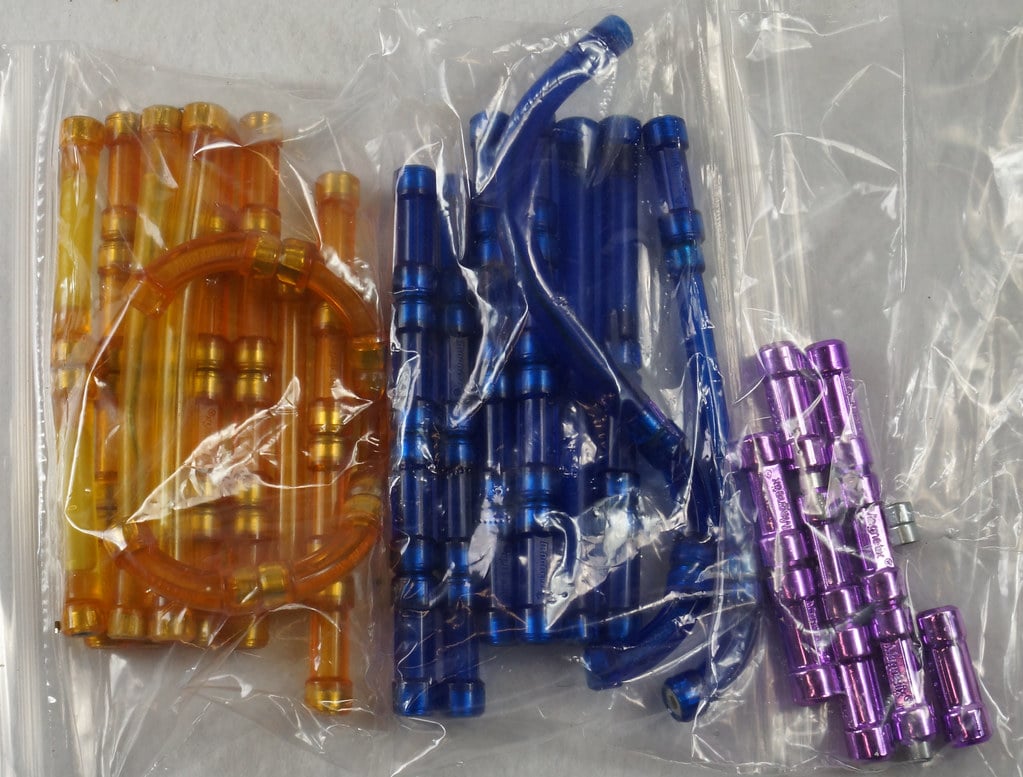
These construction toys used powerful rare earth magnets to hold pieces together, creating structures that stayed put better than traditional snap-together blocks. The engineering was clever—too clever, as it turned out.
The magnets were strong enough to cause serious internal injuries when swallowed. When a 20-month-old boy died after the magnets perforated his intestines, the toy was immediately banned.
No amount of engineering elegance could justify that risk.
Lead Paint

Lead paint represents one of the most systematic failures in household product safety—a decades-long blind spot that affected millions of homes and children. The paint industry knew about lead’s toxicity as early as the 1920s, yet continued marketing lead-based paints for interior residential use until they were finally banned in 1978.
The sweet taste of lead paint chips made them particularly appealing to teething children, creating a generation of kids with elevated lead levels and the cognitive damage that followed. What makes this case particularly frustrating is how preventable it was.
European countries began restricting lead paint much earlier, and the evidence of neurological harm was mounting throughout the mid-20th century.
Zicam Cold Remedy
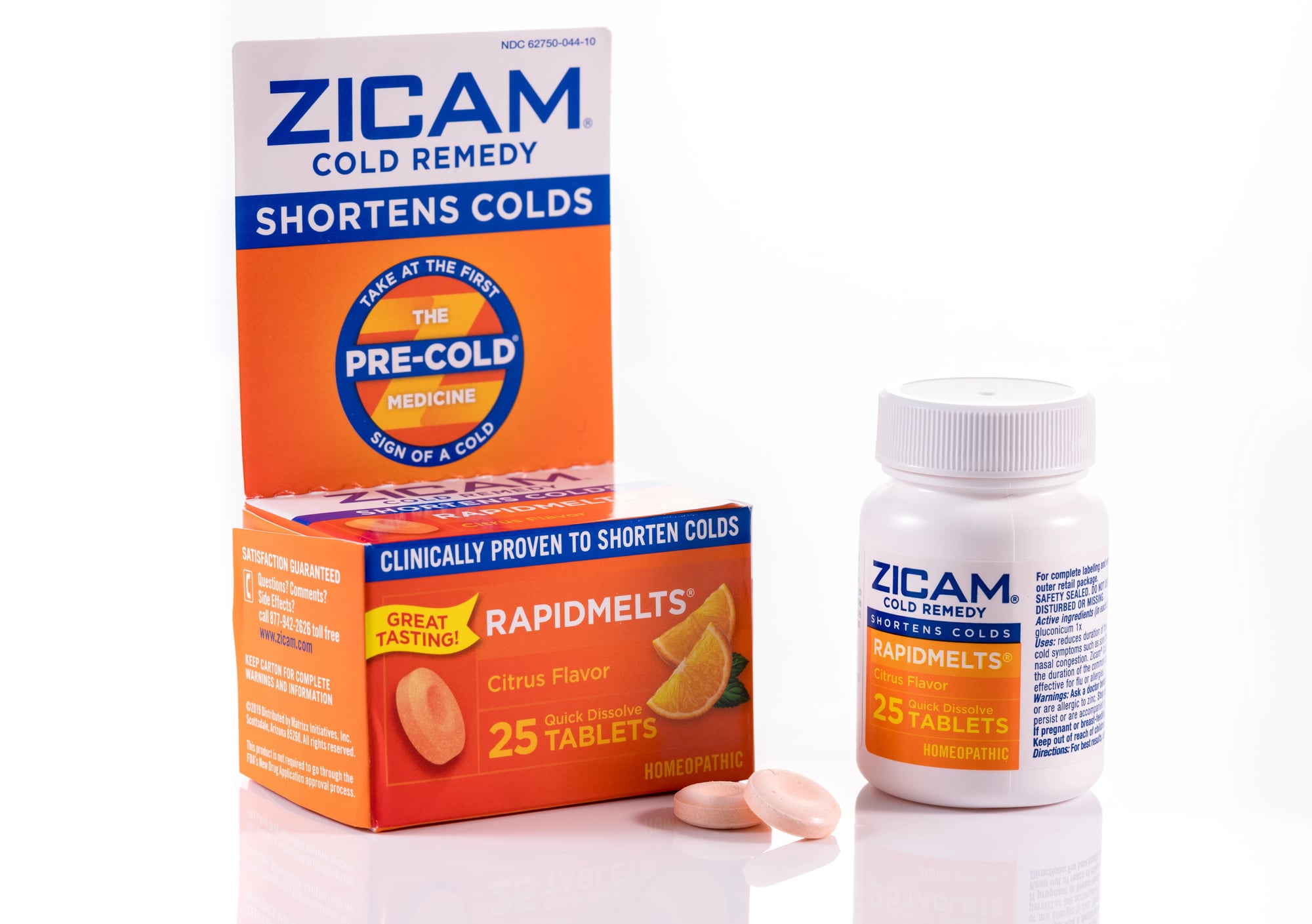
Zinc-based nasal sprays and gels promised to shorten the duration of colds, and for a while, they seemed to deliver on that promise. Users reported feeling better faster after using the products.
The issue was what happened to their sense of smell—many lost it permanently. The FDA received over 130 reports of anosmia (loss of smell) linked to Zicam products.
For many people, food lost its appeal entirely. The manufacturer eventually stopped selling the zinc-based formulations.
Chinese Pet Food
The 2007 pet food recalls started with scattered reports of cats and dogs becoming sick after eating their regular meals, but the pattern that emerged revealed something far more disturbing: a deliberate contamination scheme designed to boost apparent protein content in imported ingredients. Chinese suppliers had been adding melamine (a chemical used in plastics and fertilizers) to wheat gluten and rice protein concentrates, knowing that standard protein tests would register higher readings even though the melamine provided no nutritional value.
The results were devastating—thousands of pets developed kidney failure, and many died, while their owners watched helplessly as their healthy animals deteriorated within days of eating contaminated food. The recall eventually expanded to over 100 brands and forced a complete overhaul of pet food sourcing and testing protocols.
But not before exposing how easily the food supply chain could be manipulated by suppliers prioritizing profit over safety (which, given the lack of oversight at the time, turned out to be disturbingly easy to accomplish).
Buckyballs And Buckycubes
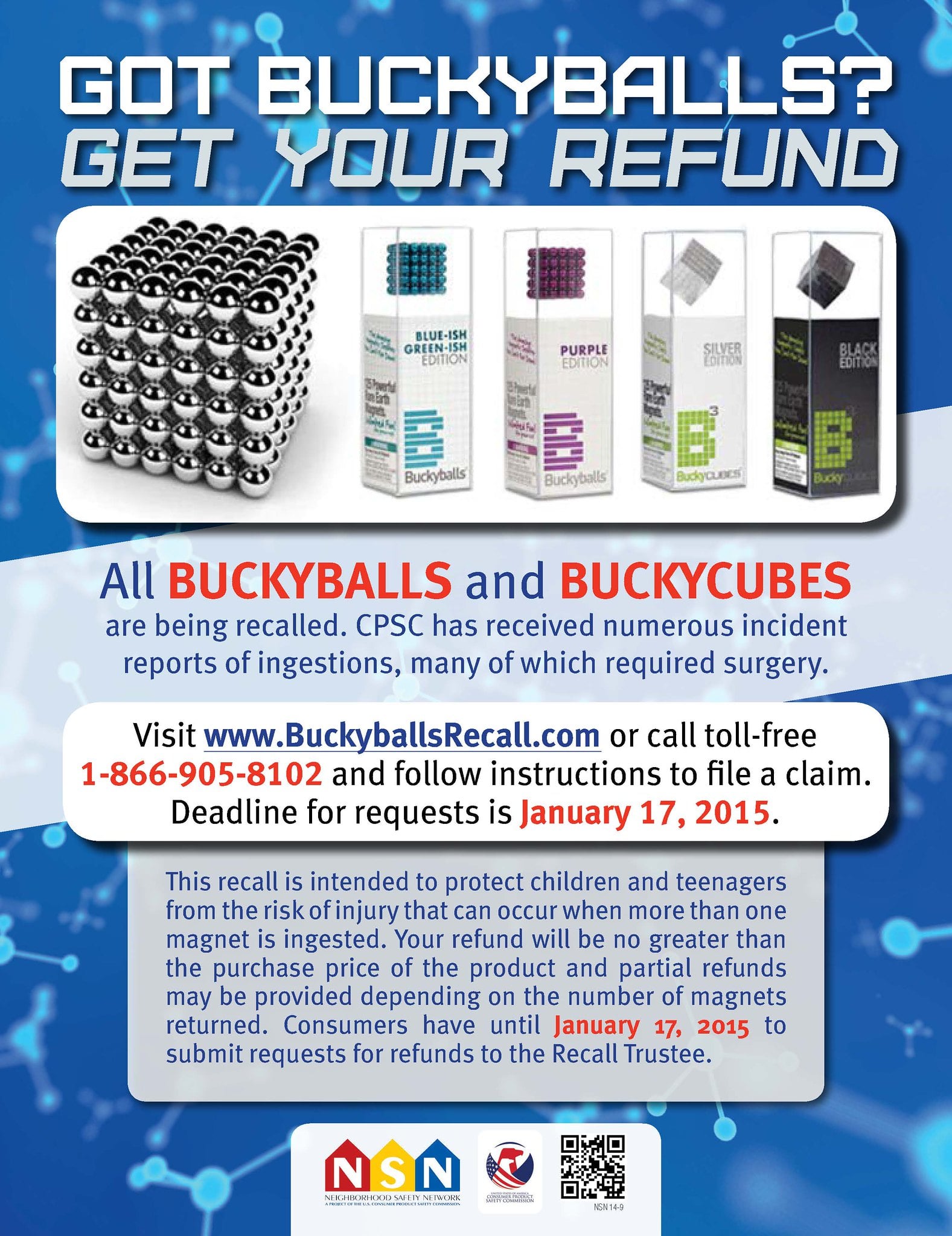
High-powered magnetic desk toys marketed to adults inevitably ended up in households with children. The tiny spheres and cubes could be arranged into endless configurations, providing a satisfying fidget experience for stressed office workers.
The magnets were incredibly strong—stronger than most people realized. When swallowed, multiple magnets would find each other through intestinal walls, pinching tissue between them and causing perforations.
Emergency surgeries became common enough that the Consumer Product Safety Commission banned the products outright.
Flame Retardant Pajamas
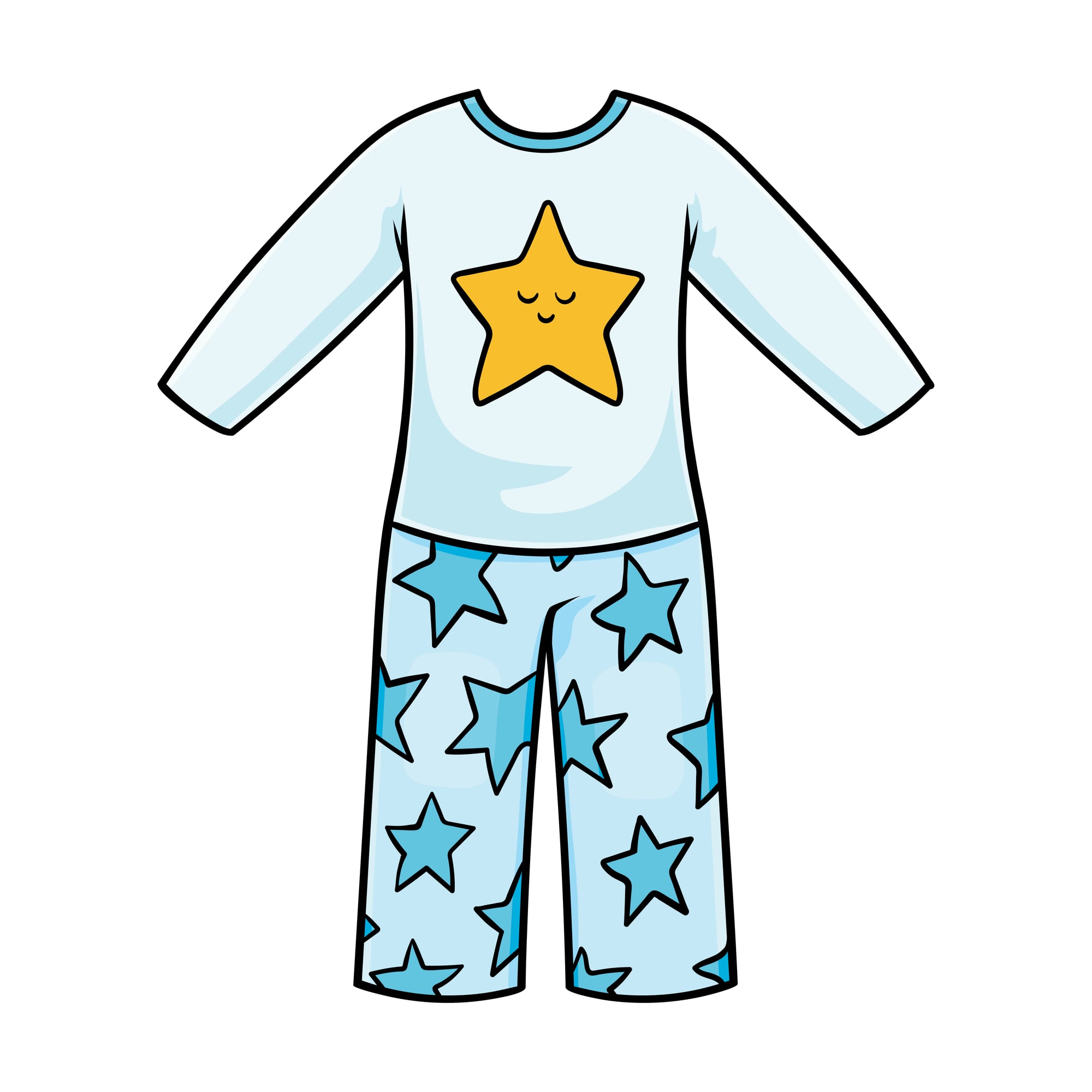
Children’s sleepwear treated with flame retardant chemicals seemed like an obvious safety improvement—pajamas that wouldn’t catch fire as easily would protect kids from burns in house fires or accidents near heating sources. The logic was sound enough that flame retardant requirements became standard for children’s nightwear throughout the 1970s and early 1980s.
With manufacturers dutifully treating fabrics with TRIS and other chemical compounds designed to slow combustion. But the chemicals that prevented fires turned out to create their own health risks: TRIS was eventually identified as a carcinogen, and parents realized they’d been dressing their children in chemically-treated clothing every single night for years.
The flame retardants didn’t just sit passively in the fabric—they migrated out over time, especially with washing and wearing. Meaning children were getting low-level exposure to potentially cancer-causing chemicals through their skin and by inhaling particles from the treated clothing.
Oreo Fun Barbie
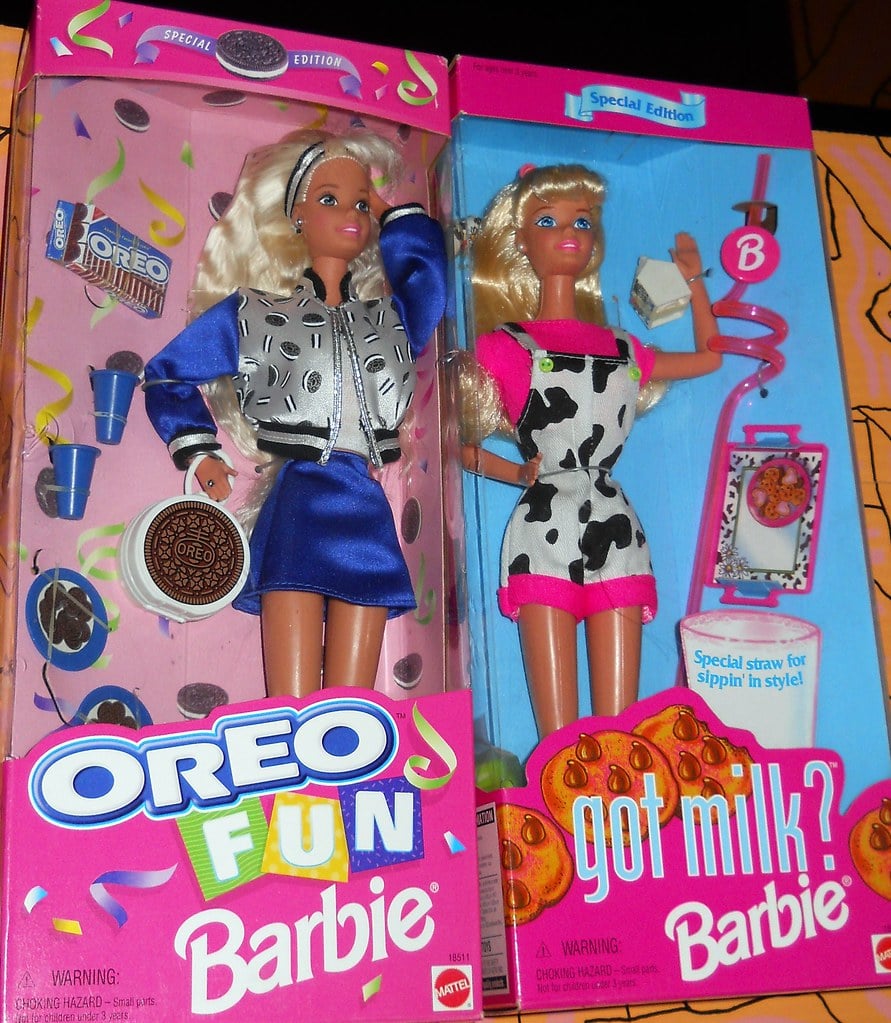
This particular Barbie came with tiny Oreo cookies as accessories—plastic miniatures small enough to pose realistic feeding scenarios during play. The cookies were also small enough to present a serious choking hazard to children under three, despite the doll being marketed to kids well below that age range.
The recall notice was straightforward: the plastic cookies could block airways. Sometimes the most obvious dangers are the ones that slip through multiple levels of product review.
Easy-Bake Ovens (2006 Model)
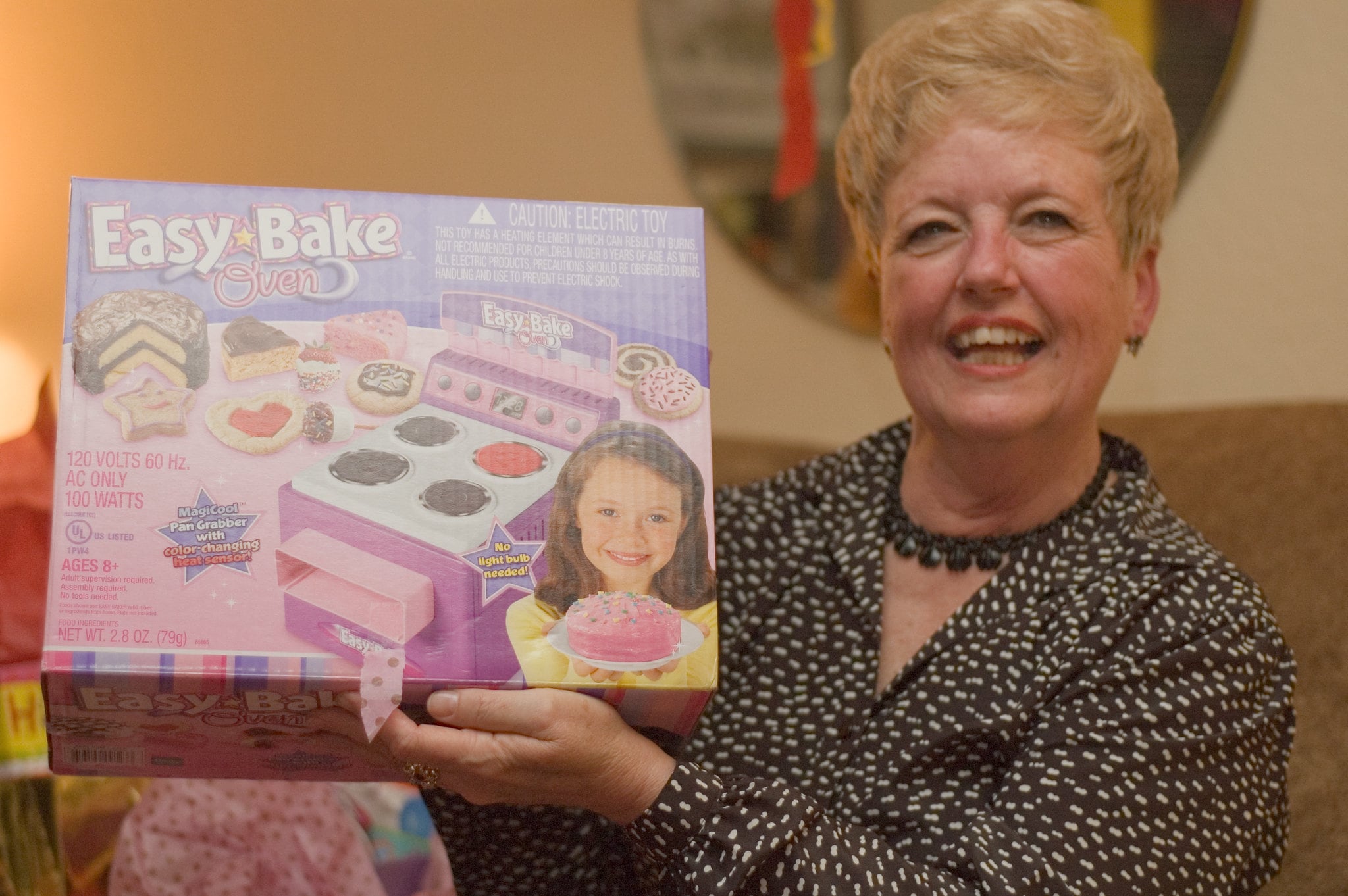
The beloved toy oven that let children bake real miniature cakes had been a staple for decades without major incident, but the 2006 redesign created a trap that previous versions had avoided. The new front-loading design featured an opening just large enough for small hands and fingers to slip inside—and once in, they could easily get caught against the heating element, which reached temperatures of 400 degrees Fahrenheit during normal operation.
Reports started coming in of children suffering second and third-degree burns, with some cases requiring partial finger amputations when kids couldn’t pull their hands back out quickly enough. Nearly a million units were recalled after the injuries mounted.
And Hasbro had to redesign the oven with a more restrictive opening (a solution so obvious it raised questions about how the dangerous version had made it to market in the first place).
Thomas & Friends Wooden Railway Toys
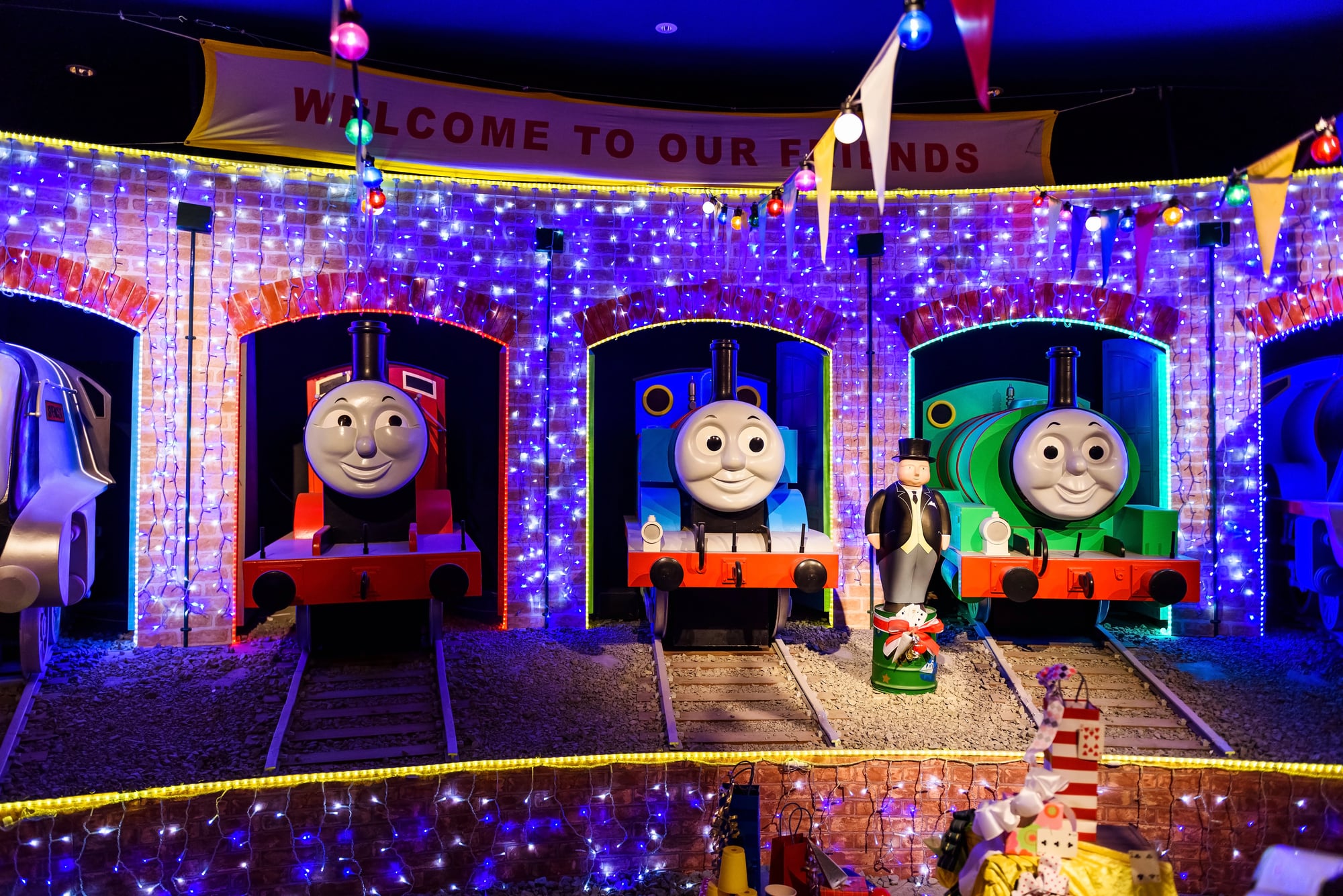
These wooden train sets, painted with cheerful reds and yellows to match the beloved children’s characters, contained dangerous levels of lead paint—a particularly cruel irony for toys specifically designed for toddlers who were likely to put them in their mouths. The recall affected 1.5 million units and forced parents to immediately remove toys their children had been playing with for months.
The manufacturer issued replacement sets with lead-free paint. The damage to trust, however, proved harder to repair than the contaminated toys.
Drop-Side Cribs

For decades, drop-side cribs seemed like a practical innovation—one side of the crib could be lowered to make it easier for parents to lift babies in and out, reducing back strain and making nighttime feedings more manageable. The mechanism typically involved a sliding rail system with springs or latches that allowed the side to drop down smoothly when activated by an adult.
But those same mechanisms were prone to failure, and when they broke, the consequences were often fatal: the dropped side would create gaps large enough for infants to slip through or get trapped, leading to suffocation and strangulation deaths that occurred while babies were supposed to be safely sleeping in their cribs (the very place parents believed was most secure). The number of deaths and injuries linked to drop-side cribs eventually reached into the hundreds.
And in 2011, the Consumer Product Safety Commission banned the manufacture and sale of drop-side cribs entirely, effectively ending a product category that had been a nursery standard for generations—though by then, the damage had been done to countless families who had trusted that a crib was simply a crib, without realizing that some cribs were inherently more dangerous than others.
Lawn Darts
Heavy metal-tipped darts designed to be thrown across yards at plastic rings created exactly the kind of high-speed projectile accidents you’d expect. Players would stand at opposite ends of a lawn and hurl the weighted darts toward targets, hoping for accuracy but often achieving something closer to random trajectory.
The darts didn’t discriminate between targets and bystanders. A seven-year-old girl was killed when a dart pierced her skull, leading to a complete ban on lawn darts in 1988.
The game was inherently flawed from a safety perspective.
Johnson’s Baby Powder (Talc-Based)
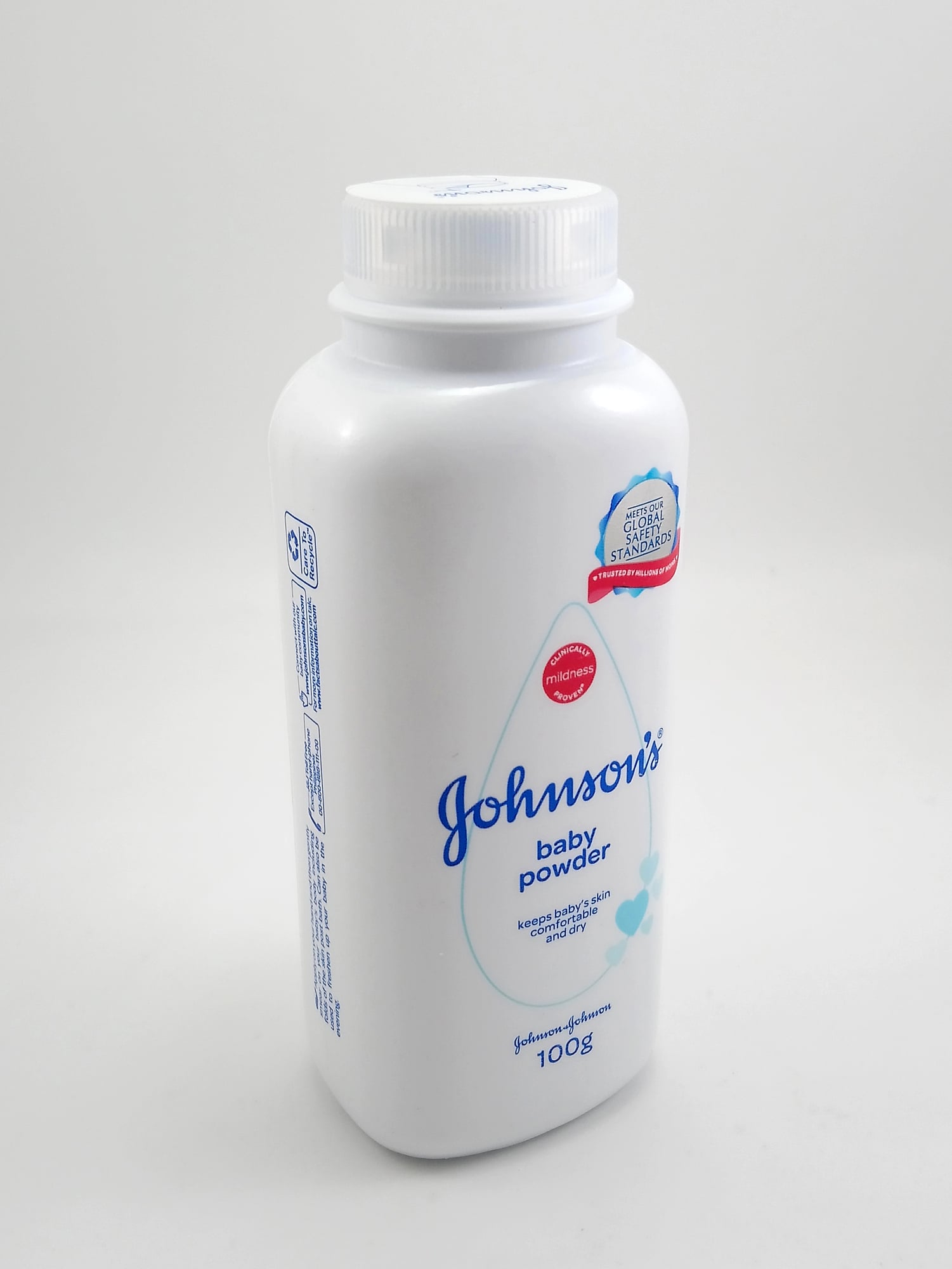
Talc-based baby powder was a nursery staple for generations, dusted onto infants after diaper changes and baths to prevent rashes and absorb moisture—a routine so common that the distinctive scent became synonymous with baby care itself. But talc, in its natural form, can contain asbestos fibers, and even purified talc raised concerns about respiratory health when the fine particles became airborne during application.
The real legal reckoning came when thousands of women filed lawsuits claiming that decades of using talc-based baby powder for feminine hygiene had caused ovarian cancer, arguing that Johnson & Johnson had known about potential cancer risks but failed to warn consumers adequately. Courts awarded massive damages in several high-profile cases (some in the hundreds of millions of dollars).
And the mounting legal pressure eventually forced the company to discontinue talc-based baby powder in North America, replacing it with cornstarch-based formulations that carried none of the same health concerns (though the company maintained that its talc products were safe, the switch suggested otherwise).
Three-Wheeled All-Terrain Vehicles

The three-wheeled ATV seemed like a reasonable compromise between the stability of four wheels and the maneuverability of a motorcycle, but the physics worked against riders in ways that became obvious only after thousands of accidents. The design created a tendency to flip forward during sudden stops or when climbing hills, throwing riders off the front and often crushing them under the vehicle’s weight.
By 1988, manufacturers agreed to stop producing three-wheeled ATVs and focused exclusively on four-wheeled designs. The death toll had simply become unacceptable for what was supposed to be recreational equipment.
Rejuvenique Facial Toning System

This electrical face mask promised to tone facial muscles using mild electrical stimulation—a home version of treatments that were becoming popular in high-end spas and dermatology offices. Users would strap on the plastic mask, which was lined with metal conductors, and let electrical pulses exercise their facial muscles for firmer, more youthful-looking skin.
The concept wasn’t entirely without merit (electrical muscle stimulation is used in physical therapy), but the execution proved problematic when the masks began causing electrical burns, eye injuries, and other facial trauma in users who were simply following the provided instructions. The electrical current was inconsistent and sometimes much stronger than intended.
Turning what was supposed to be a gentle beauty treatment into a potentially disfiguring experience. The FDA eventually classified the device as dangerous, and it was pulled from the market after numerous injury reports.
Leaving behind a trail of users with permanent facial scarring and a renewed skepticism about electrical beauty devices in general.
Fire-Safe Cigs
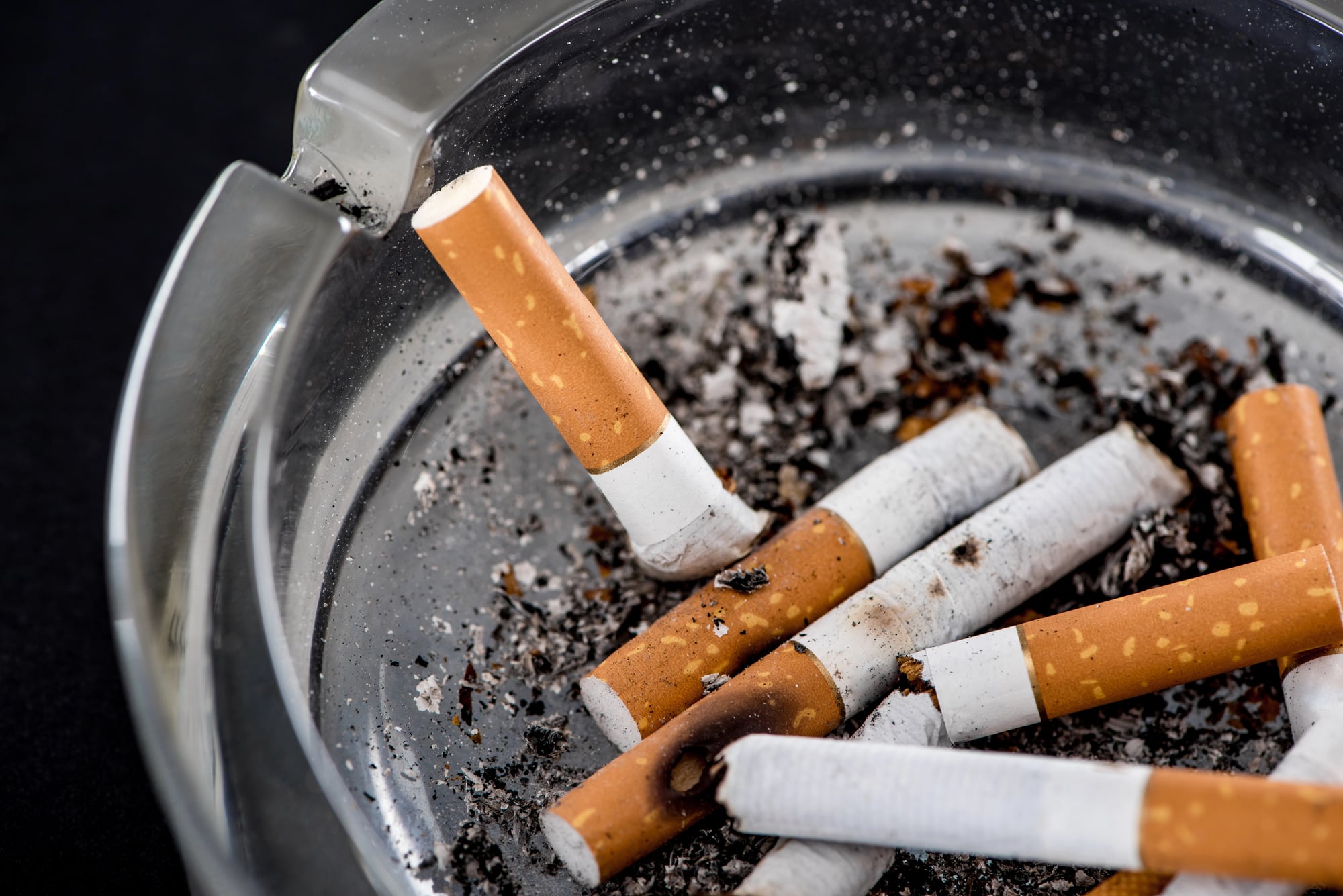
While not exactly a household product in the traditional sense, fire-safe cigs were mandated in homes across America as a safety measure—cigs designed to self-extinguish when not being actively smoked, reducing the risk of house fires caused by forgotten or improperly disposed cigs. The modification involved adding chemical bands to the cig paper that would stop the burn if the cig wasn’t drawing air regularly.
The problem emerged gradually: the chemicals used to create the fire-safe properties were potentially more toxic than traditional cig additives, and the cigs had to be puffed more frequently to stay lit, potentially increasing exposure to harmful substances. Some users also reported that the modified cig produced more side effects and tasted worse.
Leading to complaints that the safety measure had created new health risks while solving the fire problem.
When Safety Becomes An Afterthought
These recalls share a troubling pattern: products that reached store shelves despite warning signs that should have been impossible to ignore. Whether through inadequate testing, cost-cutting measures, or simple oversight, each represents a failure in the systems designed to protect families from unnecessary risk.
The real lesson isn’t that household products are inherently dangerous—most aren’t—but that the assumption of safety can be more fragile than anyone wants to believe.
More from Go2Tutors!

- The Romanov Crown Jewels and Their Tragic Fate
- 13 Historical Mysteries That Science Still Can’t Solve
- Famous Hoaxes That Fooled the World for Years
- 15 Child Stars with Tragic Adult Lives
- 16 Famous Jewelry Pieces in History
Like Go2Tutors’s content? Follow us on MSN.