Old-School Video Game Myths That Were True
Back in the playground days before the internet, video game rumors spread like wildfire. Kids would swear they knew secret codes, hidden characters, or ways to break games wide open.
Most of these stories were complete garbage, passed around by that one kid who claimed his uncle worked at Nintendo. But here’s the thing: some of those wild tales actually turned out to be real.
Years later, when people could finally verify these claims, the gaming world realized that certain myths weren’t myths at all. Let’s look at the legendary rumors that sounded too crazy to believe but were actually legit the whole time.
Missingno in Pokemon Red and Blue

This glitchy mess of pixels showed up when players performed a specific sequence on Cinnabar Island. The rumor claimed you could encounter a broken Pokemon that would duplicate items in your bag, which sounded way too good to be true.
Kids passed around the exact steps like it was some kind of sacred ritual, usually scribbled on notebook paper during math class. Turns out the glitch was absolutely real and worked exactly as described.
Missingno became famous for breaking the game in helpful ways, though using it could also corrupt your save file if you weren’t careful. Plenty of kids learned that lesson the hard way after losing 80 hours of progress.
The cow level in Diablo

Players insisted for years that Diablo had a secret level full of weapon-wielding cows. The rumor started as a joke after someone made a fake screenshot, but people kept searching anyway because it sounded too ridiculous not to be real.
Blizzard thought the whole thing was funny, so when Diablo II came out, they actually added the Secret Cow Level as an Easter egg. Players had to complete specific steps to open a red portal that led to an army of angry cows saying ‘moo’ while trying to kill you.
The myth became real simply because gamers refused to stop believing in it, which is kind of beautiful in a weird way.
Lara Croft code in Tomb Raider

This rumor plagued the Tomb Raider games for years, with countless kids trying random button combinations they heard from their older brother’s friend. Gaming magazines even ran fake codes as April Fools’ jokes, which only made the legend stronger and more confusing.
The truth is there was never an official code in the original games, no matter how many times you pressed triangle at the title screen. However, modders eventually created unofficial patches for PC versions that did exactly what the rumor promised.
So while the original myth was false, determined fans made it true after the fact, which somehow feels appropriate.
Aerith revival in Final Fantasy VII

When Aerith died in Final Fantasy VII, players around the world refused to accept it. Rumors exploded about secret ways to bring her back, involving complex item combinations, hidden material, and visiting specific locations at exact times.
Kids spent hundreds of hours trying every possible method they heard about in the cafeteria. Square eventually confirmed there was never any way to revive her, crushing dreams everywhere and making people actually sad about a video game character.
The myth persisted so strongly that it influenced how the company handled character deaths in future games, proving that sometimes lies can change reality.
Playing as Sheng Long in Street Fighter II
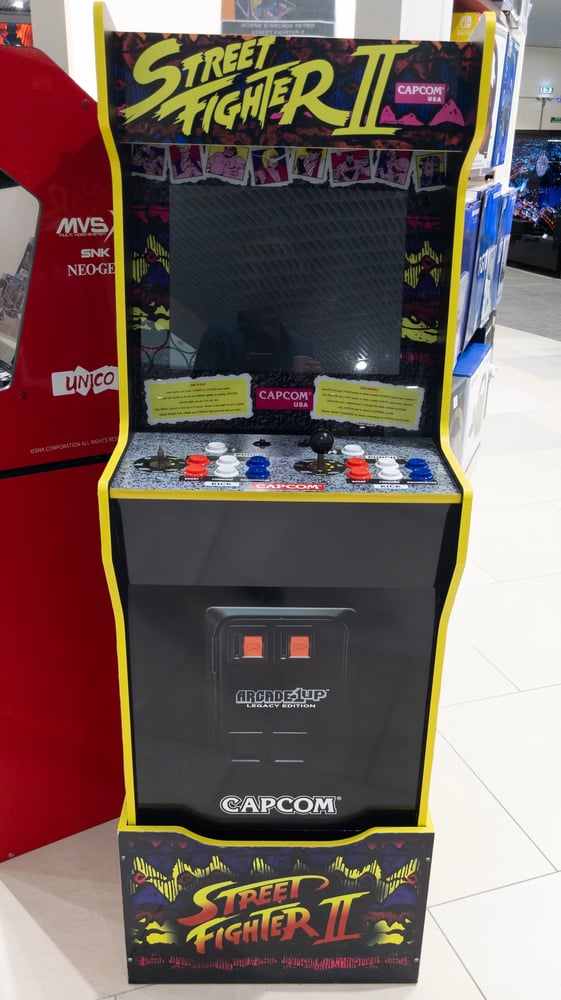
A 1992 April Fools’ joke in Electronic Gaming Monthly claimed players could fight a secret character named Sheng Long if they followed elaborate instructions. The article gave detailed steps involving not taking damage for rounds and waiting at specific screens until time ran out.
Thousands of kids wasted hours trying to make this work, convinced it was real because the magazine looked so official. Years later, Capcom actually added a similar character named Akuma to later versions of the game.
The fake rumor essentially bullied a game company into making it real, which is probably the most successful April Fools’ prank in history.
Bigfoot roaming around San Andreas

Grand Theft Auto: San Andreas players swore they’d spotted a sasquatch creature lurking in the woods of Back O’ Beyond. The myth grew so big that people created entire websites dedicated to Bigfoot hunting, complete with blurry screenshots that proved nothing.
Rockstar Games stayed quiet about it for years, letting the mystery simmer while players drove around the forests at 2 a.m. looking for a cryptid. When they released the remastered version, they finally confirmed Bigfoot wasn’t in the original game at all.
However, they added an actual Bigfoot encounter in the Undead Nightmare expansion for Red Dead Redemption, finally giving conspiracy theorists what they wanted all along.
The Minus World in Super Mario Bros

Players discovered that breaking through a specific wall in World 1-2 could warp Mario to a glitched level labeled ‘World -1’. The rumor spread through schools despite sounding completely ridiculous because negative worlds shouldn’t exist.
This one was actually true and remains one of the most famous glitches in gaming history. The Minus World was an endless underwater level that looped forever with no way to escape except turning off your Nintendo.
Nintendo never intended for players to reach it, but the glitch was easy enough that anyone with decent timing could do it. It was like accidentally finding a secret room in your house that led to nowhere.
Stopping the train in GTA San Andreas

The myth claimed you could somehow stop or derail the freight train that runs through San Andreas if you just tried hard enough. Players spent years ramming it with tanks, blocking the tracks with buses, and trying every trick imaginable.
The train was programmed to be completely unstoppable, moving through anything in its path like it was made of air or fueled by pure spite. Rockstar confirmed the train was invincible by design, probably just to mess with people.
But modders eventually created patches that made the train stoppable, turning the myth into reality for PC players who refused to give up.
Unlock Luigi in Super Mario 64

The ‘L is real 2401’ plaque in the castle courtyard sparked decades of speculation about Luigi being hidden somewhere in the game. Kids tried every possible combination of moves, jumps, and secret areas to find Mario’s brother who was clearly missing.
Nintendo repeatedly said Luigi wasn’t in the game, but nobody believed them because why would they put that weird plaque there otherwise. In 2020, the Nintendo Gigaleak confirmed that Luigi was actually planned for the game but cut before release due to hardware limitations.
The myth was kind of true, just not in the way anyone expected, which somehow makes it worse.
The Konami Code giving you extra lives

Up, up, down, down, left, right, left, right, B, A, Start became the most famous cheat code in gaming history and every kid knew it by heart. The rumor claimed this sequence worked in tons of different games, which seemed too convenient to be real.
Turns out the code was deliberately included in multiple Konami games as a developer shortcut that programmers forgot to remove before shipping. It worked in Contra, Gradius, and dozens of other titles, saving countless kids from actually having to get good at hard games.
The myth was true and became such a cultural phenomenon that companies still reference it in movies and TV shows today.
Polybius arcade machine causing illness

This urban legend claimed a government experiment arcade game appeared in Portland arcades in 1981 for a few weeks. The story said kids who played it got sick, had nightmares, and developed amnesia like something out of a conspiracy movie.
Men in black supposedly collected data from the machines before they mysteriously disappeared overnight. For years, this was dismissed as complete fiction made up by someone with too much imagination.
However, researchers later found that a game called Tempest caused similar symptoms in some players due to its flashing graphics and intense visuals. The core myth was false, but the idea of games causing physical problems turned out to be based on something real.
Ermac in Mortal Kombat
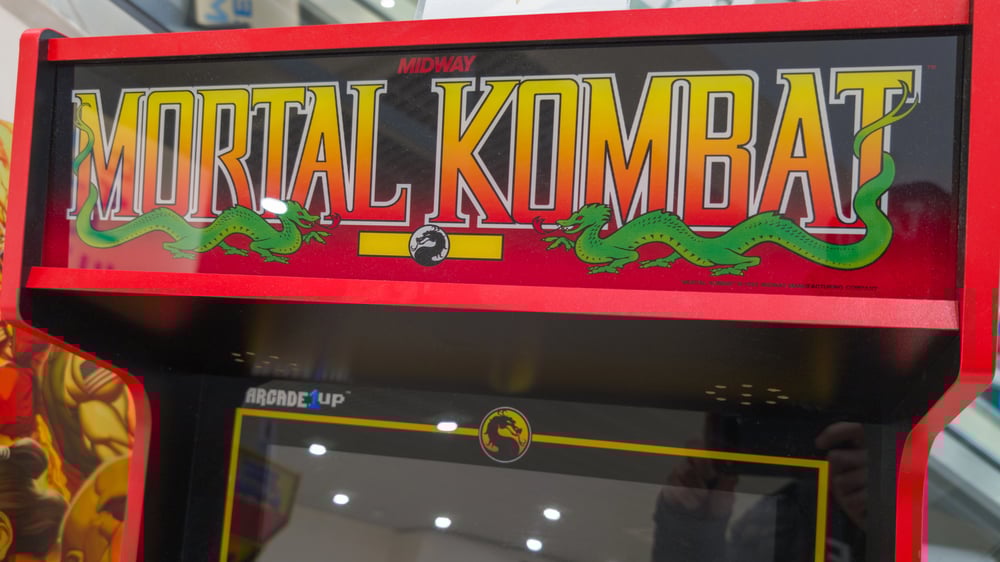
Players spotted the word ‘ERMAC’ in the game’s code and assumed it was a hidden character waiting to be unlocked. The rumor described him as a red ninja with telekinetic powers who was super hard to fight against.
Ed Boon and the Mortal Kombat team insisted Ermac didn’t exist and the text was just an error macro for debugging. But fan demand was so intense and persistent that they eventually added Ermac as an actual character in Ultimate Mortal Kombat 3.
The myth literally willed a character into existence through sheer persistence and thousands of kids refusing to accept ‘no’ for an answer.
Getting Mew through the truck in Pokemon

Kids swore you could move a truck near the S.S. Anne uses Strength to find Mew underneath, which would complete your Pokedex. The rumor was elaborate and specific, requiring you to restart your game, avoid certain trainers, and use Surf in precise locations.
This particular method was completely false and wasted a lot of people’s time. However, players later discovered a legitimate glitch involving the Nugget Bridge trainer and specific movement patterns that actually let you catch Mew.
So while the truck myth was wrong, the idea that you could get Mew through weird glitchy methods turned out to be totally accurate.
Sonic and Tails in Super Smash Bros Melee

Before Sonic officially joined the Smash series in Brawl, rumors claimed he was secretly in Melee already. Players shared elaborate unlock requirements involving playing thousands of matches, completing impossible challenges, and probably sacrificing a controller.
Nintendo said these rumors were false and people needed to stop asking about it. But data miners eventually discovered that Sonic and other characters were actually considered during development, with some files still in the code.
The myth was technically true, just not in a playable form, which is the most frustrating kind of true.
The Triforce in Ocarina of Time

Players became obsessed with obtaining the Triforce in Ocarina of Time despite it only appearing in cutscenes and never in gameplay. Rumors described complex sequences of events, specific items you needed, and hidden locations you had to visit in exact order.
Nintendo stated the Triforce wasn’t obtainable in the game no matter what you did. Years later, beta footage and developer interviews revealed that collecting the Triforce was part of the original game design before they changed directions.
The feature was removed before release, making the myth partially true in the saddest way possible.
Debug mode in Sonic the Hedgehog

Rumors circulated about a secret mode that let you place objects anywhere, fly around freely, and basically become a god. The supposed code seemed too complicated to be real, requiring precise button presses on the title screen that felt random.
This one was completely true and blew everyone’s mind when they finally got it to work. The debug mode was a leftover developer tool that Sega forgot to remove from the final game, which was a pretty big oversight.
Players could transform Sonic into any object, create platforms in midair, and break the game in creative ways that probably weren’t intended for kids to discover.
Goldeneye’s secret island level
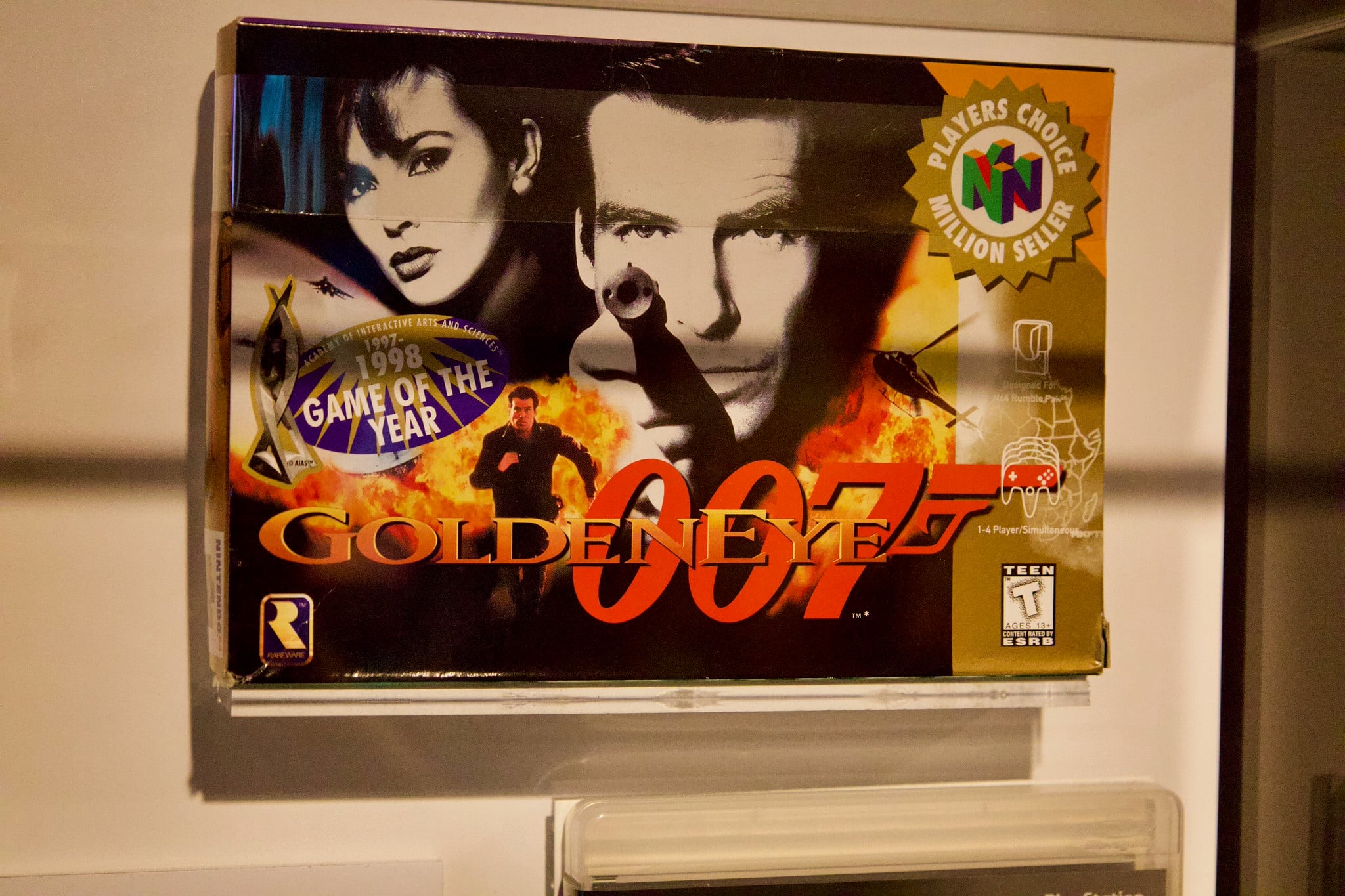
Players noticed a small island visible in the distance on the Dam level of Goldeneye 007 and immediately wanted to go there. Rumors claimed you could reach it through complicated jumping sequences, secret paths, or by shooting specific things in the right order.
Most people assumed it was just background scenery that developers added to make the level look bigger. But dedicated players eventually found ways to get there through precise aiming, weird physics exploits, and probably way too much free time.
The island had collision detection and everything, suggesting developers knew people would try to reach it and wanted to reward them for being stubborn.
When playground rumors became legend
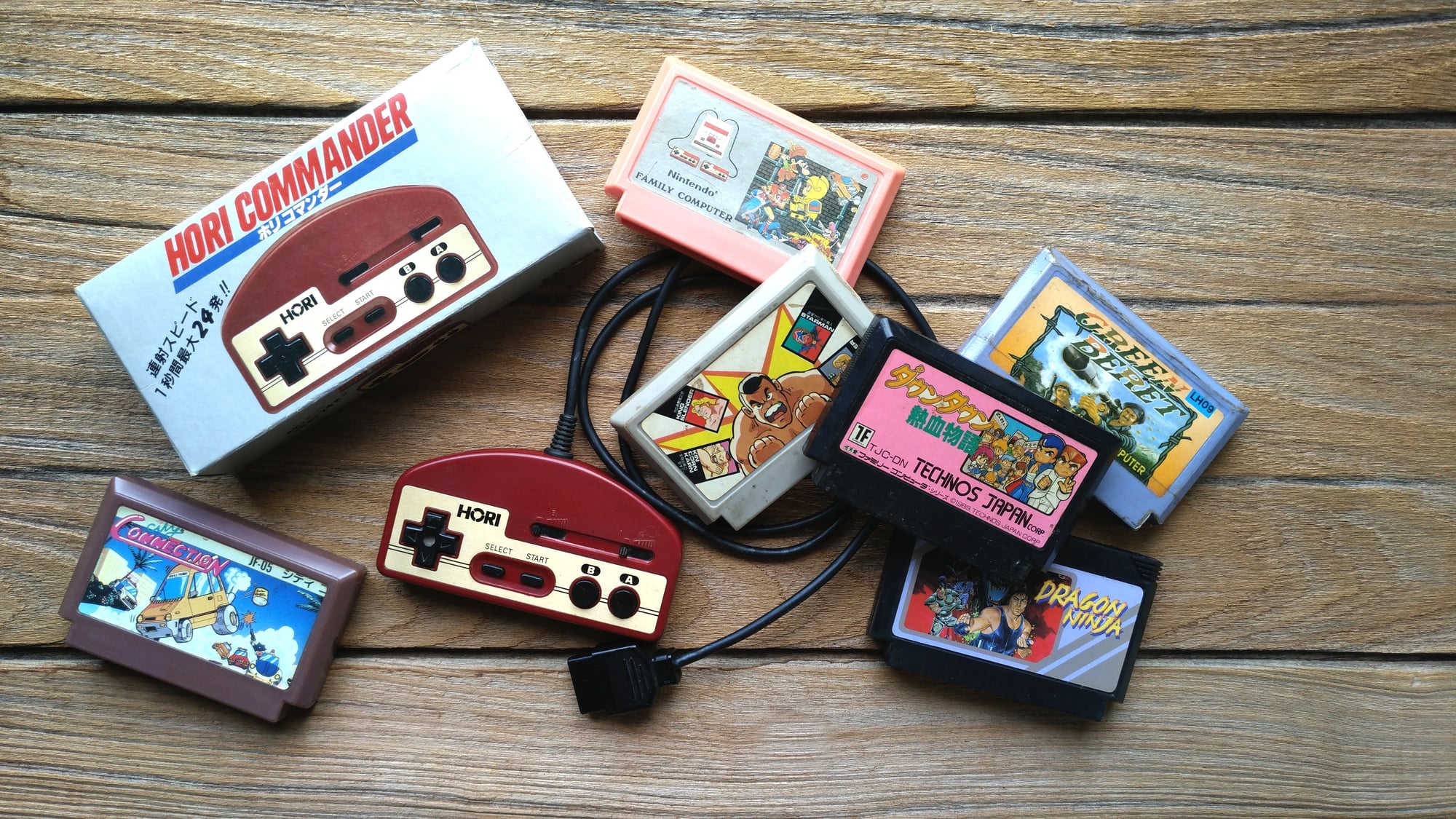
These myths show how gaming culture worked before everyone could just Google the answer in two seconds. Kids had to trust their friends, try things themselves, and sometimes just believe in the impossible because it was more fun that way.
Some rumors were completely made up by kids who wanted attention, but others contained kernels of truth that took years to verify. The wild thing is how many myths actually influenced game developers to add features in later versions because fans wouldn’t shut up about them.
Those playground conversations helped shape gaming in ways nobody expected, turning lies into truth through pure determination and way too many hours mashing random buttons hoping something would happen.
More from Go2Tutors!

- The Romanov Crown Jewels and Their Tragic Fate
- 13 Historical Mysteries That Science Still Can’t Solve
- Famous Hoaxes That Fooled the World for Years
- 15 Child Stars with Tragic Adult Lives
- 16 Famous Jewelry Pieces in History
Like Go2Tutors’s content? Follow us on MSN.