Islands Overrun by Specific Animals
Something strange happens when animals find themselves isolated on islands without natural predators. The usual rules stop applying.
Populations explode. Species that would barely survive on the mainland suddenly dominate every square foot of available land.
These islands exist all over the world, and each one tells its own peculiar story about what happens when nature gets a little too enthusiastic.
Okunoshima: Japan’s Rabbit Paradise

Okunoshima sits off the coast of Hiroshima, and you can’t walk ten feet without encountering a rabbit. Hundreds of them hop freely across the island, approaching visitors without fear. The rabbit population traces back to a handful of animals released in the 1970s, and they’ve since multiplied into an overwhelming presence.
The island was once home to a poison gas facility during World War II, though the rabbits have nothing to do with that dark history. Today, tourists arrive by ferry specifically to feed and photograph the bunnies.
The animals have grown so accustomed to human interaction that they’ll follow you around like puppies, expecting treats at every turn.
Christmas Island and Its Red Crab Migration

Every year, somewhere between 40 and 50 million red crabs emerge from Christmas Island’s forests and march toward the ocean. The migration happens during the rainy season when conditions are right for breeding.
Roads close. Residents stay indoors. The entire island becomes a moving carpet of red.
The crabs spend most of their lives in the forest, but when it’s time to mate, instinct drives them to the sea. They travel in such massive numbers that special bridges have been built over roads to help them cross safely.
Even with these precautions, millions still get crushed by vehicles or die from dehydration during the journey.
Big Major Cay: Swimming Pigs in the Bahamas

The pigs of Big Major Cay have become Instagram famous. They live on an uninhabited island in the Exumas and spend their days swimming out to boats, hoping for food.
Nobody knows exactly how they got there. Some say sailors left them centuries ago.
Others claim they swam from a nearby shipwreck. These aren’t wild boars adapted to island life.
They’re domestic pigs that have figured out how to survive in tropical conditions. They drink from a freshwater spring and eat whatever tourists bring them.
The swimming behavior started when they realized boats meant food, and now it’s part of their daily routine. Tour operators visit multiple times a day, and the pigs have learned to recognize the sound of approaching engines.
They paddle out eagerly, snorting and splashing. The whole scene feels surreal—watching full-grown pigs doggy-paddle through turquoise water like it’s the most natural thing in the world.
Seal Island: Where Great Whites Hunt

Seal Island sits near False Bay in South Africa, and it’s home to roughly 64,000 Cape fur seals. That massive population has attracted great white sharks, which patrol the surrounding waters and launch spectacular breaching attacks on seals trying to reach the safety of the island.
The seals pack together on every available rock surface, creating a deafening chorus of barks and bellows. When they need to feed, they have no choice but to enter the water and run the gauntlet past waiting predators.
The sharks have learned to time their attacks for dawn and dusk when visibility is poor and seals are most vulnerable. Young seals face the highest risk.
They lack the experience to recognize danger and often swim in patterns that attract shark attention. The attacks happen so quickly that researchers use high-speed cameras to study the predatory behavior.
The sharks can launch themselves completely out of the water, seals clamped in their jaws.
Monkeys Take Over Lopburi
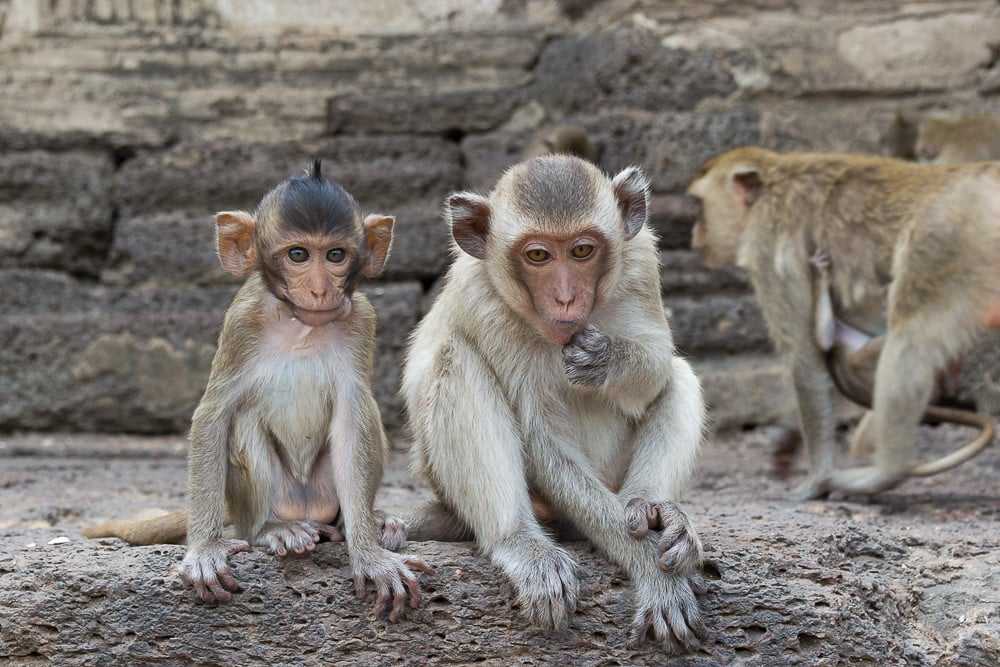
Lopburi, Thailand, has surrendered to macaques. Thousands of them roam the streets, climb buildings, and raid shops.
The city built a shrine to honor them centuries ago, and locals believe the monkeys bring good luck. That belief has allowed the population to spiral out of control. The monkeys fear nothing. They’ll snatch food from your hands, tear open bags, and break into homes.
Residents have reinforced their windows with bars and learned to keep doors locked at all times. During mating season, the males become aggressive and territorial, making some streets effectively impassable.
The local government tried culling programs, but religious objections shut them down. Now they’re attempting mass sterilization, though catching and processing thousands of monkeys presents its own challenges.
Meanwhile, tourists still visit to photograph the chaos, which only encourages the animals to stick around.
Iceland’s Puffin Colonies

Puffins descend on Iceland every summer in numbers that boggle the mind. Eight to ten million of them nest on coastal cliffs and small islands, making Iceland home to more than half the Atlantic puffin population.
The island of Lundey literally means “Puffin Island” in Icelandic. These birds spend most of their lives at sea, but during breeding season they return to the same burrows year after year.
The colonies create a constant din of calls and flapping wings. The puffins nest so densely that you can barely see the ground beneath them.
Young puffins, called pufflings, make their first flight to the sea at night. In coastal towns, the baby birds sometimes get confused by street lights and crash-land in urban areas.
Local children have made a tradition of rescuing the disoriented pufflings and releasing them properly at the shore the next morning.
Pig Beach Meets Its Challenges
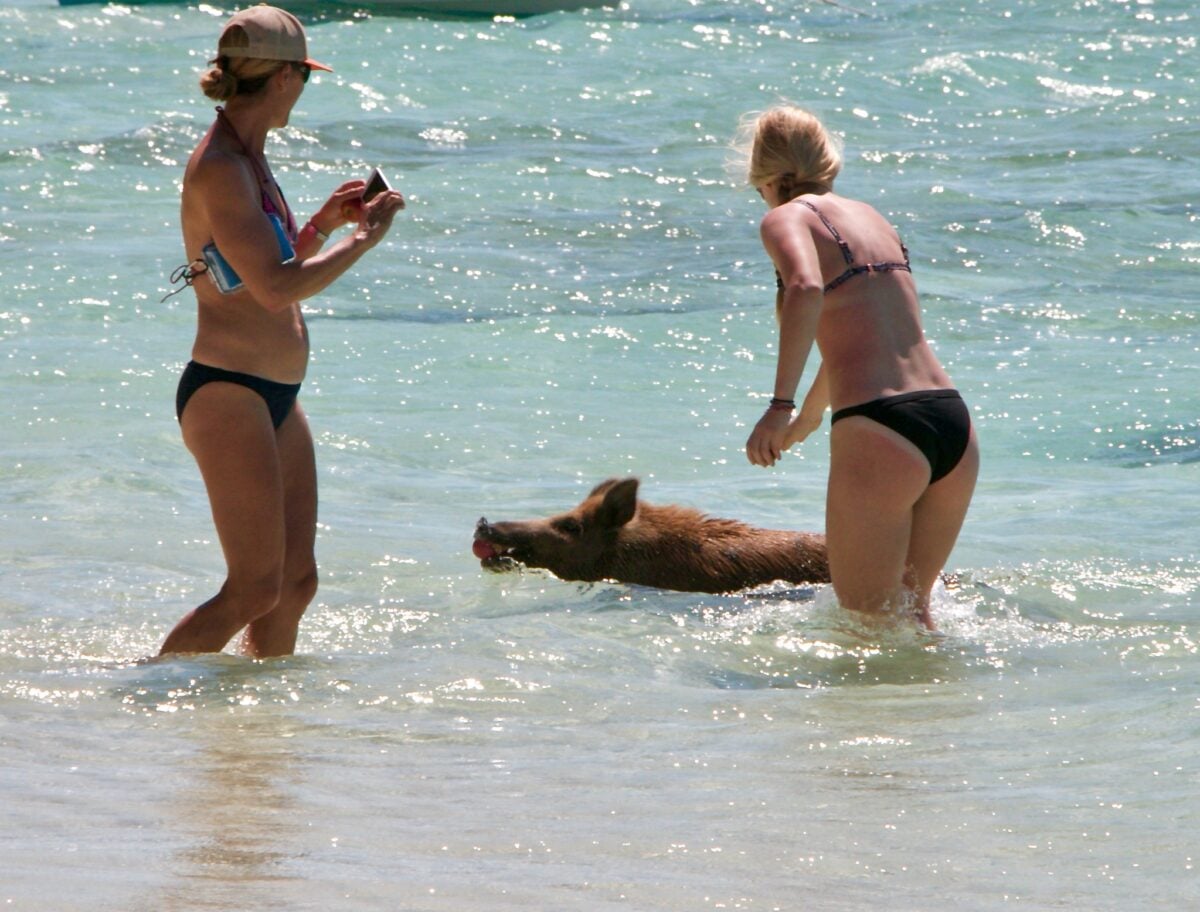
While swimming pigs draw crowds, they’ve also created problems that nobody anticipated. The animals have no natural food source on the island, making them completely dependent on tourist handouts.
When visitor numbers fluctuate, the pigs suffer. In 2017, several pigs died, possibly from eating food that had gone bad or from drinking rum given by tourists trying to get funny photos.
The deaths sparked debates about animal welfare and whether these attractions should be regulated more strictly. The remaining pigs continue to swim and beg, but caretakers now monitor their health more carefully.
Fresh water gets delivered regularly, and signs warn against feeding them inappropriate items. The balance between tourist attraction and animal welfare remains delicate.
Cat Island’s Feline Population

Aoshima in Japan has earned the nickname “Cat Island” through sheer numbers. The feline population outnumbers human residents by approximately six to one.
The cats originally arrived to control rodents that plagued fishing boats, but with no predators and plenty of food, they multiplied wildly. The human population has steadily declined as elderly residents pass away and young people move to the mainland.
The cats remain, fed by the handful of people still living there and by tourists who visit specifically to see them. The animals have grown bold, approaching anyone who looks like they might have food.
Unlike the rabbits on Okunoshima, these cats haven’t been spayed or neutered in significant numbers. The population continues to grow while the human presence shrinks.
Eventually, the island may belong entirely to the cats, with only occasional visitors to ensure they don’t starve.
Komodo Dragons Rule Their Islands

The Komodo dragon exists nowhere else in the wild except on a handful of Indonesian islands, and on those islands, they reign as apex predators. Growing up to ten feet long and weighing over 150 pounds, these giant lizards hunt deer, wild pigs, and water buffalo.
Komodo Island and nearby Rinca Island host the largest populations. The dragons patrol the beaches, lurk near watering spots, and scavenge along the shoreline.
They can smell carrion from miles away and will gather in groups around a carcass, competing aggressively for the best position. Park rangers warn visitors to stay in groups and maintain a safe distance.
The dragons look slow and lazy, but they can run surprisingly fast in short bursts. Their bite delivers venom that prevents blood clotting, causing prey to slowly weaken and die even if it initially escapes.
The islands’ harsh, dry climate suits the dragons perfectly. Few other large predators can survive here, giving the Komodos free rein.
They’ve shaped the entire ecosystem around their presence. Deer have grown warier.
Wild pigs stick to thick brush. Everything on these islands revolves around avoiding the dragons or becoming their next meal.
Macquarie Island’s Penguin Problem

Macquarie Island sits in the Southern Ocean between New Zealand and Antarctica, home to vast colonies of royal and king penguins. Millions of them pack the beaches during breeding season, creating a smell you can detect from miles away.
The penguins share the island with elephant seals, who also use the beaches for breeding. The two species largely ignore each other, though seals occasionally crush penguin nests when flopping around their territory.
The penguins simply rebuild and lay new eggs. Introduced rabbits once threatened to destroy the island’s ecosystem by overgrazing vegetation.
An eradication program removed them, but that created a new problem. Without rabbits to eat it, vegetation exploded, changing drainage patterns and flooding some penguin colonies.
Managing island ecosystems turns out to be incredibly complicated.
Snake Island’s Deadly Residents

Ilha da Queimada Grande off the Brazilian coast has earned its nickname through sheer concentration of venomous snakes. The island hosts thousands of golden lancehead vipers, one of the deadliest snake species on Earth.
Their venom can kill a human in under an hour. The Brazilian navy has forbidden civilians from visiting.
Only researchers with special permits can land there, and they take extreme precautions. The snakes exist in such high density—estimates suggest one snake per square meter in some areas—that simply walking around poses serious danger.
These vipers evolved to hunt birds, since the island lacks ground-dwelling prey. They’ve developed more potent venom than their mainland relatives because they need to kill birds quickly before they fly away.
The snakes hang from trees, waiting to strike passing migrants. The isolation has created a unique subspecies found nowhere else.
Scientists study them to understand evolution and venom adaptation, but every research trip risks a fatal bite. The island remains one of the most dangerous places on Earth, dominated entirely by its serpentine residents.
Gough Island and Mice That Hunt Seabirds

Gough Island in the South Atlantic has a mouse problem unlike anywhere else. House mice arrived on ships sometime in the 19th century, and with no predators to control them, they’ve grown abnormally large.
More disturbing, they’ve learned to hunt seabird chicks. These mice attack albatross chicks that weigh hundreds of times more than they do.
They gnaw on the living birds, which can’t defend themselves effectively. A single chick might be attacked by multiple mice over several nights until it dies from its wounds.
The mouse population has exploded into the millions, and they’re decimating seabird colonies that have existed for thousands of years. Conservation groups have proposed eradication programs, but the island’s remoteness makes intervention incredibly difficult and expensive.
The situation represents ecological disaster in slow motion. Every breeding season, fewer chicks survive. Some species may soon abandon the island entirely, unable to raise young successfully.
The mice will then face starvation themselves, having destroyed their own food source.
A World Shaped by Isolation

These islands reveal how things change once nature’s balance fades. Creatures grow too many to survive long-term. Hunters wipe out their targets fast.
Foreign animals wreck local habitats slowly. Every island turns into a test – what if one creature gets way ahead.
Some islands draw visitors, yet their creatures are watched closely to keep things looking good. Other places stay risky or off-limits, with nature falling apart slowly.
A handful hold steady now – not like they did before people began shifting wildlife worldwide. The tales from these islands don’t always feel good.
Yet they show how nature isn’t self-correcting – populations might boom or vanish overnight. Bringing in one new creature can change entire landscapes, while stopping such shifts demands huge time and energy.
Though astonishing, these overwhelmed places are full of lessons – proof of animal resilience but also signs of delicate webs we rarely notice until they’re broken.
More from Go2Tutors!

- 16 Historical Figures Who Were Nothing Like You Think
- 12 Things Sold in the 80s That Are Now Illegal
- 15 VHS Tapes That Could Be Worth Thousands
- 17 Historical “What Ifs” That Would Have Changed Everything
- 18 TV Shows That Vanished Without a Finale
Like Go2Tutors’s content? Follow us on MSN.