Famous Photographs That Turned Out to Tell a Very Different Story
Photography has always carried the weight of truth. We see a captured moment and accept it as reality, trusting that the camera doesn’t lie.
But sometimes the story behind the lens reveals something entirely different from what appears in the frame. The context that gets lost, the moments before and after the shutter clicked, the staging that happened behind the scenes — these elements can completely transform what a photograph actually means.
Some of the most iconic images in history carry secrets that change everything about how they should be understood.
The Afghan Girl
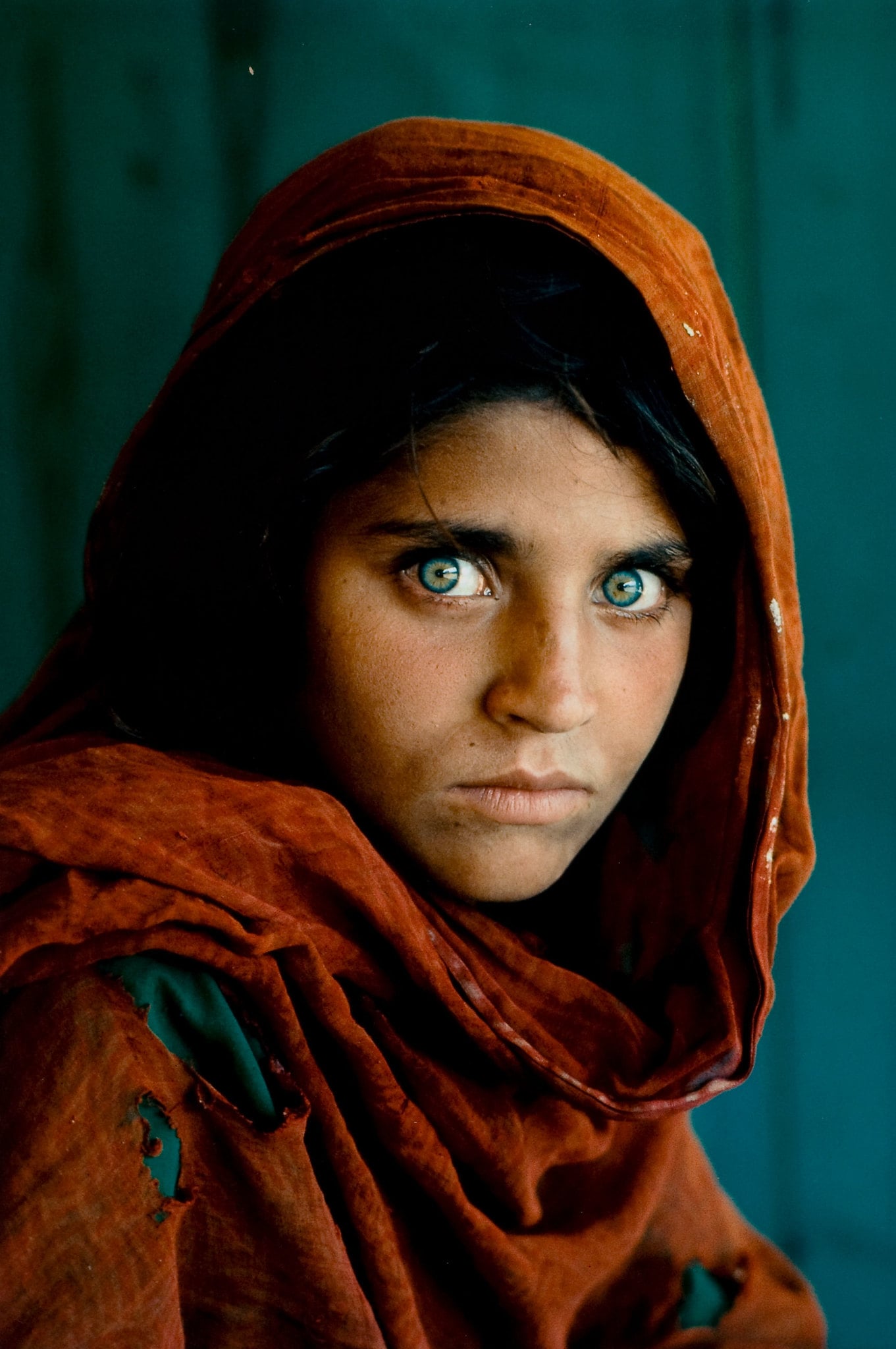
Steve McCurry’s piercing portrait of a green-eyed Afghan refugee became one of National Geographic’s most famous covers. Sharbat Gula’s intense gaze seemed to capture the suffering of an entire nation torn apart by war.
The reality was far more complex. When McCurry found Gula again decades later, she revealed she had been afraid and angry during the photo session, not displaying the noble resilience many viewers interpreted.
More troubling, she had never given permission for the image to be used commercially, and her culture considered photographing women inappropriate.
The photograph made McCurry famous and earned National Geographic millions, while Gula remained in poverty. The “authentic” moment of human connection was actually a violation of consent that benefited everyone except its subject.
Migrant Mother
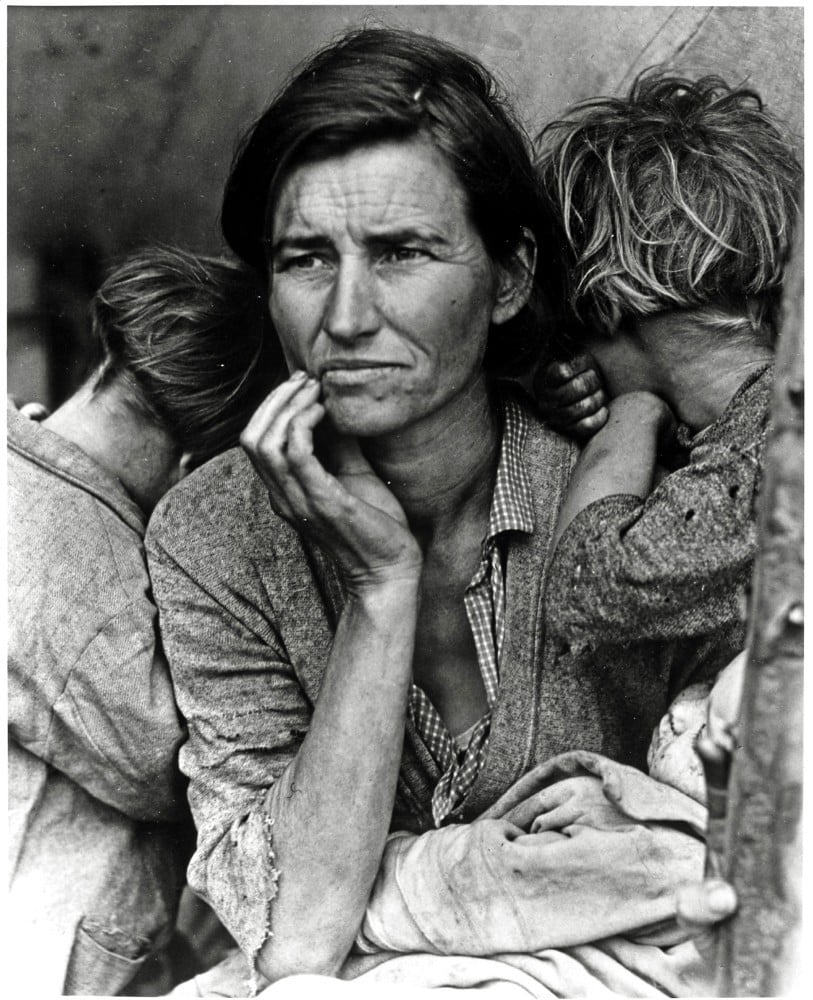
Dorothea Lange’s Depression-era photograph of Florence Owens Thompson and her children became the face of American hardship. The desperate mother seemed to embody the struggle of an entire generation.
Florence Owens Thompson was a migrant farm worker (though the photograph’s composition, with its careful framing and the way the children’s faces are turned away, creates an almost biblical scene of suffering that feels both specific and universal — the kind of image that lets viewers project their own fears about poverty and survival onto a stranger’s face). She was a Cherokee woman whose husband had died, leaving her to raise seven children alone, and she happened to be at the pea-picker camp selling car tires when Lange arrived with her camera.
Lange promised the photos would help bring aid to the camp. They didn’t.
And Thompson never received any compensation, even as the image became one of the most reproduced photographs in American history, used to sell everything from books to political campaigns — which, when you think about it, turned her private moment of vulnerability into a public commodity she never agreed to create.
The Hooded Man

The photograph of a hooded Iraqi prisoner standing on a box with wires attached to his hands became the defining image of Abu Ghraib prison abuse. It seemed to capture the systematic torture happening inside.
The man in the photograph, Ali Shallal al-Qaisi, wasn’t actually being electrocuted. The wires weren’t connected to anything — it was psychological torture, not physical.
But this distinction hardly lessened the horror of what happened to him.
What changed everything was learning that al-Qaisi was an innocent man, swept up in random raids and held without charges. The image that was supposed to represent justice being served on dangerous terrorists actually showed the abuse of a blameless person who happened to be in the wrong place when American forces arrived.
Tank Man
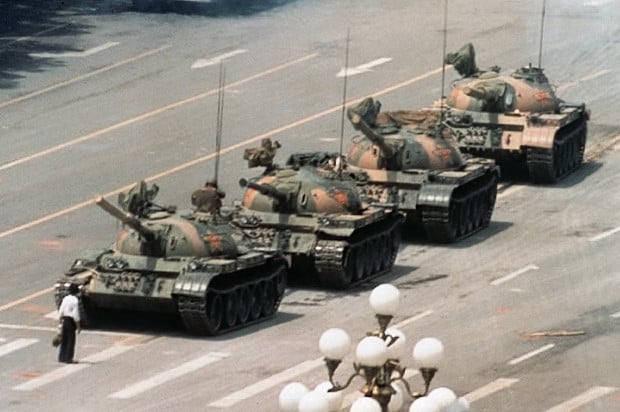
The lone figure standing in front of tanks in Tiananmen Square captured what seemed like the ultimate act of defiance against oppression. The photograph suggested individual courage could stop institutional power.
Nobody knows what happened to the man after the cameras stopped rolling. He wasn’t crushed by tanks, contrary to what many assume when they see the image.
The tank driver actually tried to maneuver around him, and eventually the protester climbed onto the tank to speak with the crew before being pulled away by bystanders.
The photograph’s power comes from a moment that lasted only minutes and ended ambiguously, not with the martyrdom many viewers imagine. The real story isn’t about a heroic sacrifice but about a brief, strange interaction between ordinary people caught in extraordinary circumstances.
Raising the Flag on Iwo Jima
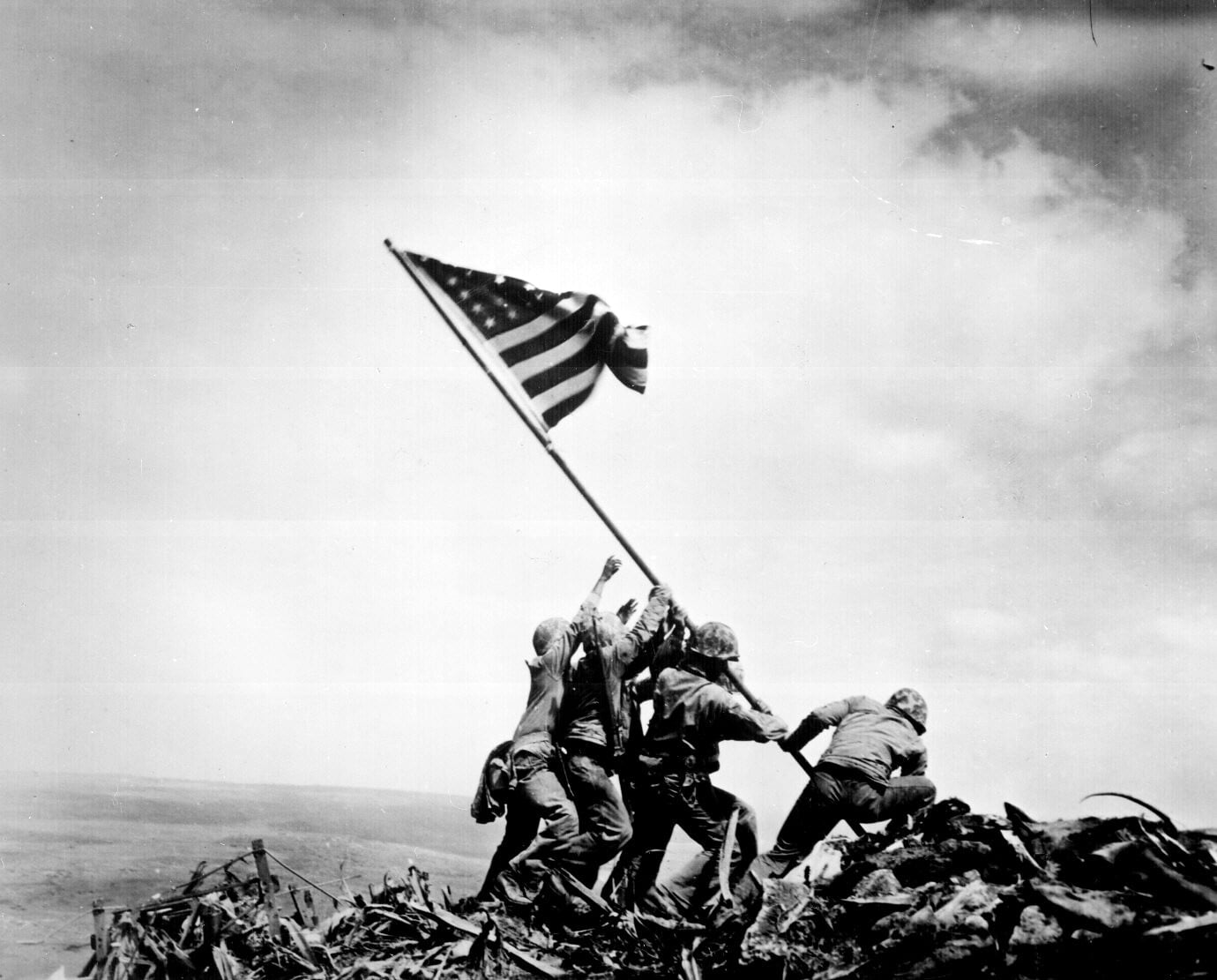
Joe Rosenthal’s photograph of American soldiers raising the flag on Mount Suribachi looked like the moment of victory in one of World War II’s bloodiest battles.
Actually, it was the second flag raising of the day (and the careful choreography shows — the way six men are positioned just so, creating perfect visual balance, with the flag catching the wind at exactly the right angle to suggest triumph rather than the grim exhaustion that had defined the previous weeks of fighting, makes it feel less like spontaneous celebration and more like the photo opportunity it actually was). The first flag was smaller and deemed insufficient for the photograph military officials wanted.
So they brought a bigger flag and restaged the moment.
Three of the men in the photo would be dead within days, never seeing how their staged performance became a symbol of American victory.
The photograph was authentic in the sense that these were real soldiers who had fought real battles, but the moment itself was theater.
V-J Day in Times Square
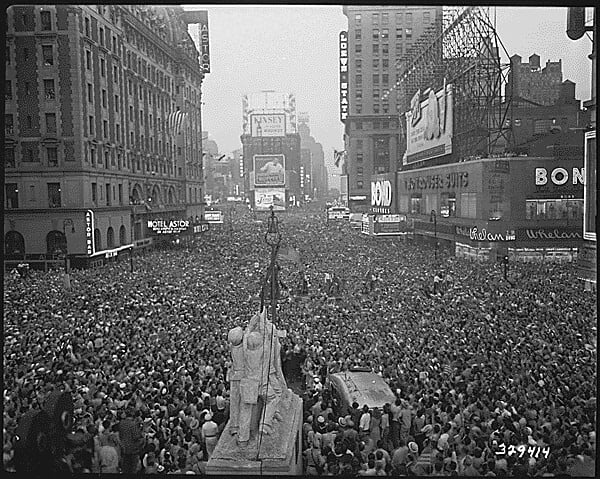
Alfred Eisenstaedt’s photograph of a sailor kissing a nurse in Times Square seemed to capture the pure joy of World War II ending. It became an icon of celebration and romance.
The kiss wasn’t consensual. Greta Zimmer Friedman, the woman in the photograph, consistently stated that she didn’t know the sailor and that he grabbed her without permission.
She wasn’t celebrating — she was startled and uncomfortable.
For decades, the image was sold as a symbol of happiness and spontaneous romance. But it actually documented what would now be recognized as public assault.
The sailor, drunk on victory and alcohol, forced himself on a stranger. That the moment happened to be photogenic doesn’t change what actually occurred.
Lunch Atop a Skyscraper
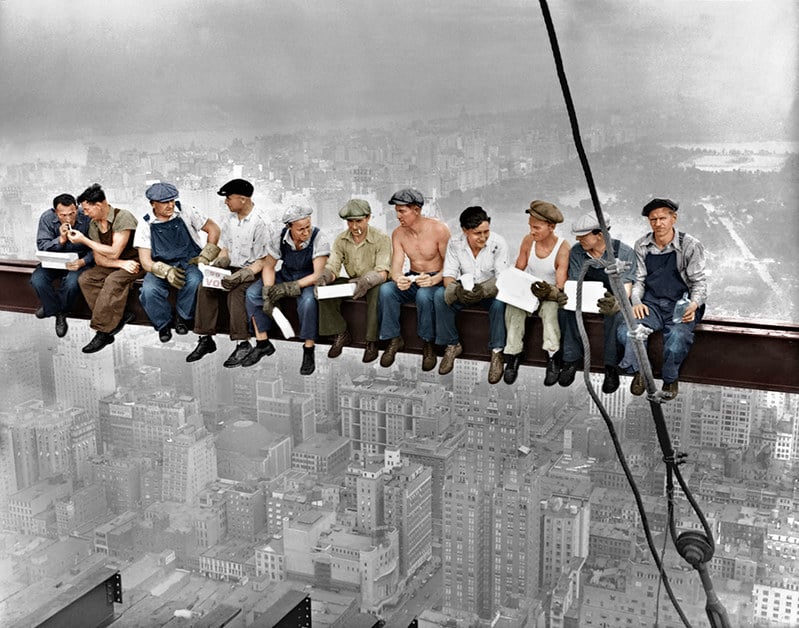
The photograph of eleven construction workers casually eating lunch while sitting on a steel beam high above New York City seemed to show the fearless attitude of Depression-era workers.
The entire scene was staged as a publicity stunt for Rockefeller Center. The workers were real, but they weren’t on a lunch break — they were posing for photographers to generate interest in the building project.
More importantly, safety equipment did exist at the time. The workers weren’t casually risking their lives because that’s how construction worked in 1932.
They were temporarily ignoring safety protocols to create a dramatic photograph that would suggest American workers were so confident and capable that they didn’t fear anything, not even death.
The Burning Monk
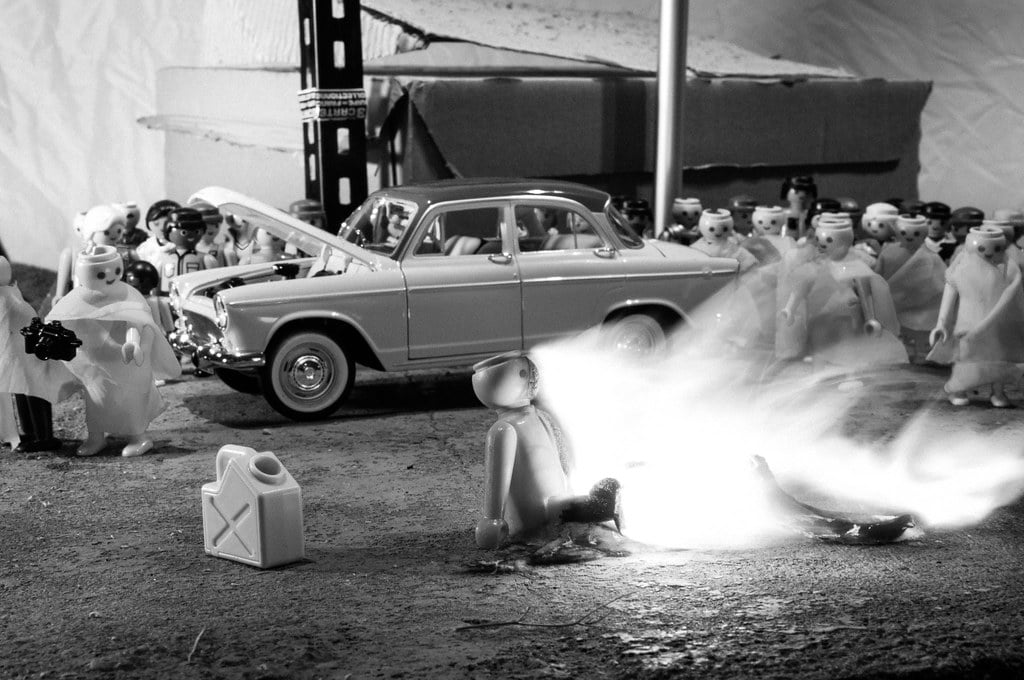
Malcolm Browne’s photograph of Thích Quảng Đức setting himself on fire in protest became one of the most powerful images of the Vietnam War. It seemed to show ultimate sacrifice for political principle.
What the photograph doesn’t show is that the entire event was planned and staged for maximum media impact (because the Buddhist leaders who organized the protest understood that a single shocking image would accomplish more than months of peaceful demonstrations that American newspapers ignored, which makes the photograph both more calculating and more desperate than it appears — a religious leader turned himself into a media event because nothing else had worked to draw attention to the persecution his community faced). Western photographers were notified in advance and positioned for the best shots.
The monk’s fellow protesters had surrounded him to ensure the cameras could capture the scene clearly.
The spontaneous act of spiritual protest was actually a carefully orchestrated media event designed to shock American audiences into paying attention to Buddhist persecution in South Vietnam.
Hurricane Katrina Flag
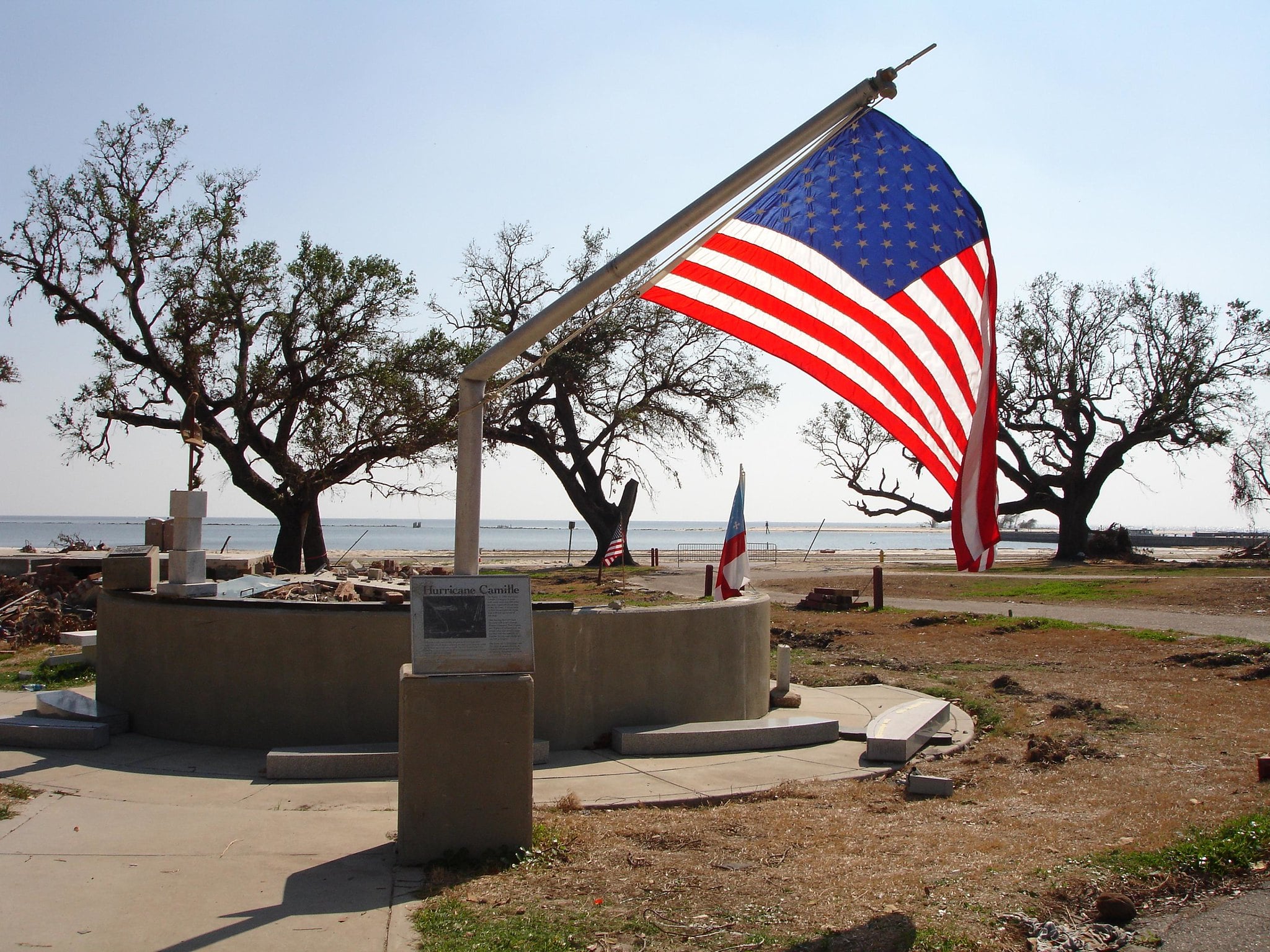
The photograph of an American flag waving over floodwaters in New Orleans became a symbol of resilience during Hurricane Katrina. It suggested the city’s spirit remained unbroken.
The flag was placed there by photographers looking for a compelling image. The area had been abandoned, and no resident or rescue worker had put up the flag as an act of defiance or hope.
Even worse, the photograph was taken in a neighborhood where rescue efforts had been abandoned, not because the situation was hopeless but because the residents were predominantly Black and poor. The flag waving over the floodwaters wasn’t a symbol of American resilience — it was a prop placed in a community that America had decided not to rescue.
Children Fleeing Napalm
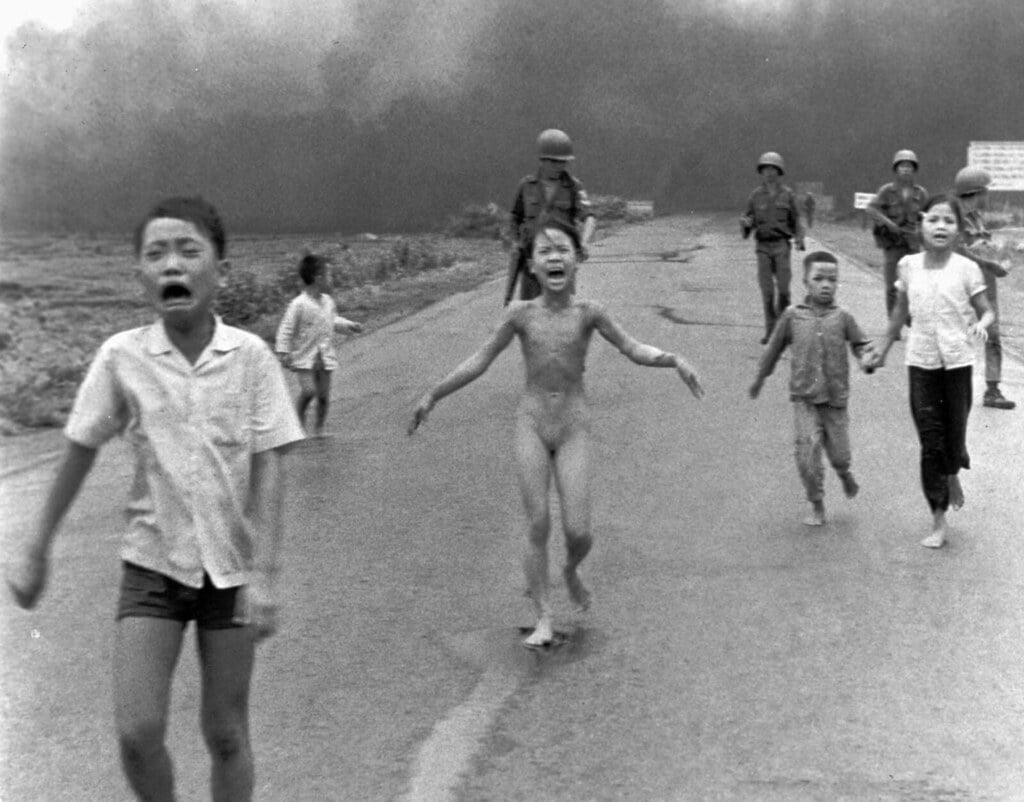
Nick Ut’s photograph of nine-year-old Phan Thi Kim Phuc running unclothed down a road after a napalm attack became the image that turned American opinion against the Vietnam War.
The napalm strike was actually called in by South Vietnamese forces, not Americans, though American planes delivered it. The photograph was used to criticize American involvement in Vietnam, but it documented a mistake by America’s ally, not deliberate American brutality.
This distinction mattered less than the larger truth the image revealed about what American support for South Vietnam actually meant. Whether Americans dropped the napalm directly or simply provided it to forces who used it incorrectly, the result was the same.
The photograph’s power came from showing the reality of a war Americans were supporting from a distance.
Falling Man
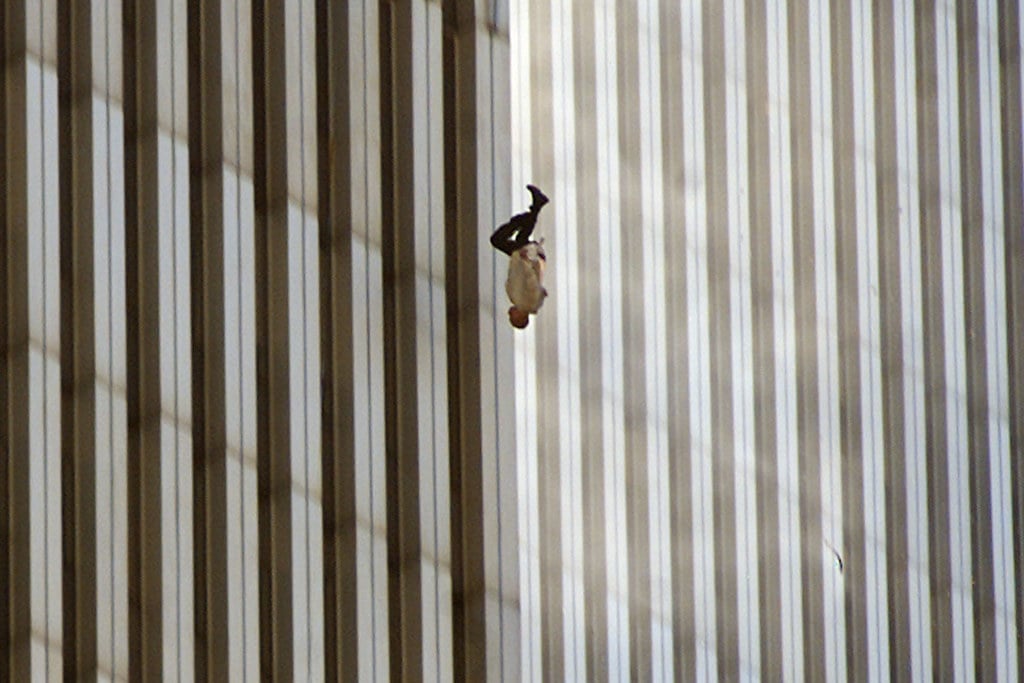
Richard Drew’s photograph of a man falling from the World Trade Center became one of the most controversial images of September 11th. It seemed to capture the impossible choice faced by people trapped in the towers.
The photograph was barely published in American newspapers because editors considered it too disturbing and disrespectful to victims’ families. But international newspapers ran it widely, seeing it as a necessary documentation of the attack’s human cost.
The controversy revealed more about American attitudes toward death and suffering than about the photograph itself. The image was accurate and newsworthy, but Americans preferred sanitized coverage that didn’t force them to confront the specific horror of what happened.
The falling man told the truth, which was exactly why many people didn’t want to see it.
Breonna Taylor Protest
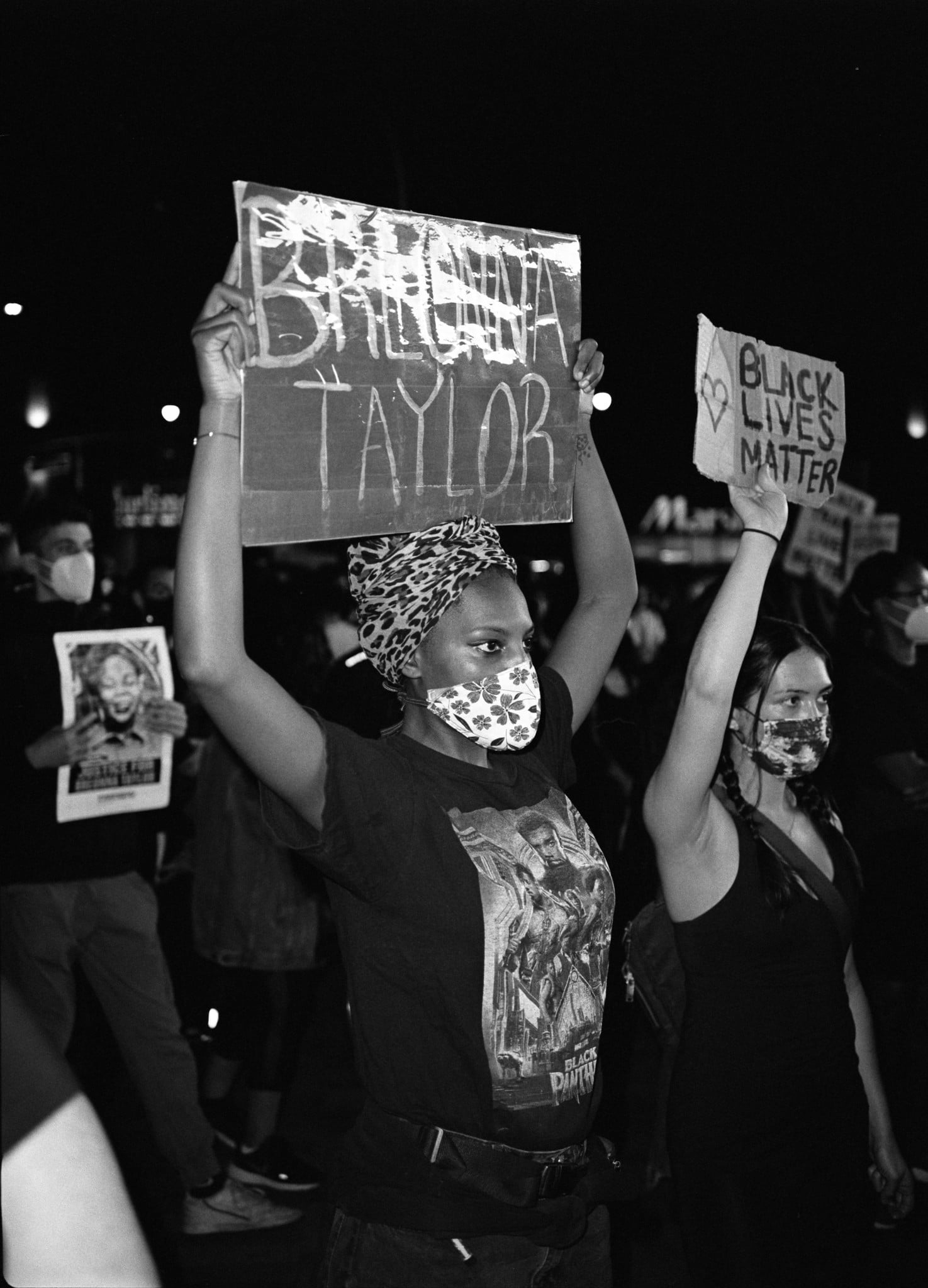
Photographs of protesters holding Breonna Taylor’s image seemed to show a unified movement demanding justice for police brutality. The signs and chants suggested clear moral authority.
Many of the most widely circulated images were taken at protests that occurred after prosecutors had already announced they wouldn’t charge the officers who killed Taylor with her death. The photographs showed people demanding something that had already been denied.
The images captured real grief and real demands for justice, but they also documented the failure of those demands. The protests looked like the beginning of a movement when they were actually responses to its defeat.
The photographs were accurate but incomplete — they showed the anger without showing that the anger had already proven insufficient.
Moon Landing
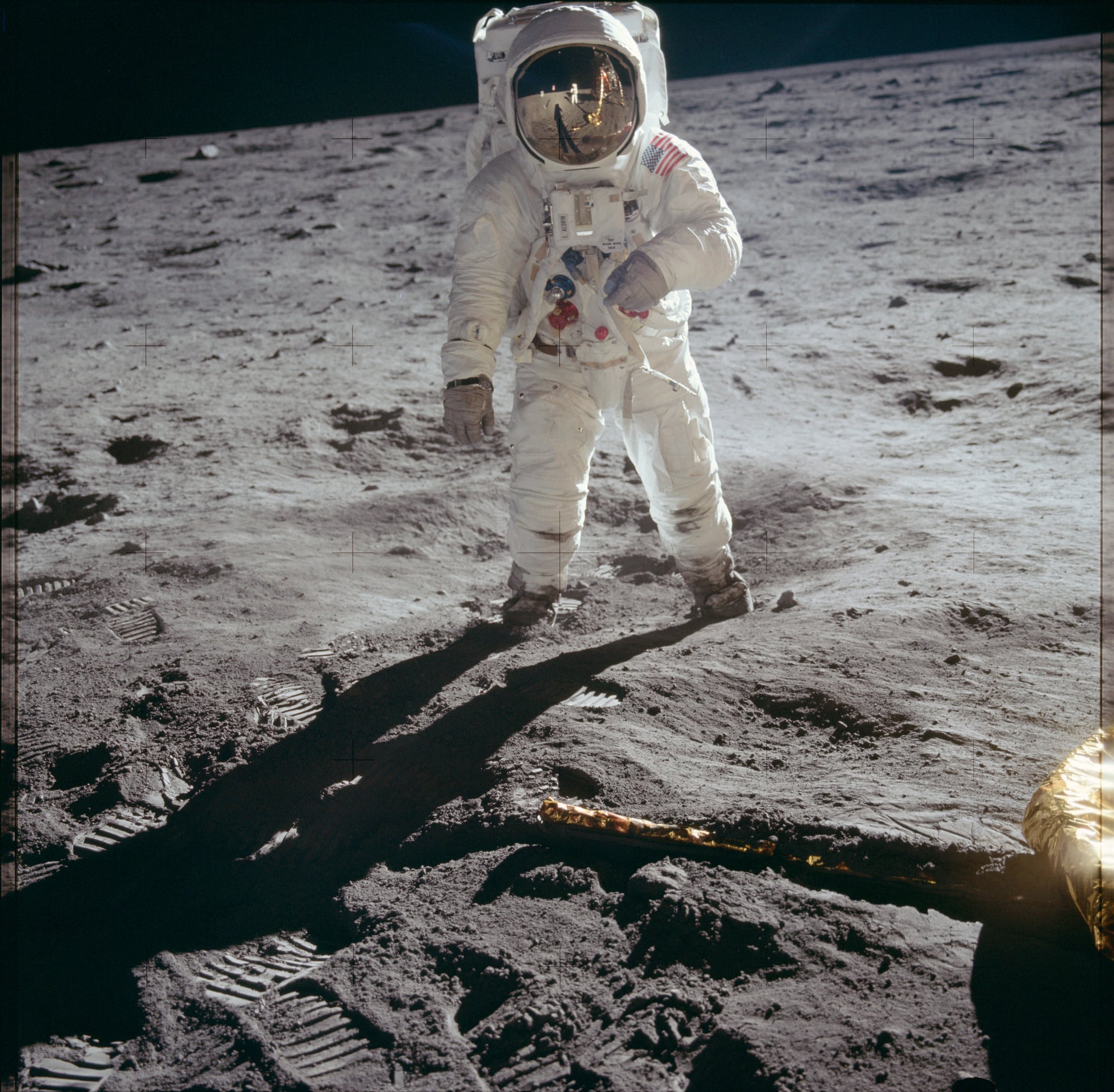
NASA’s photographs of Neil Armstrong and Buzz Aldrin on the lunar surface seemed to document humanity’s greatest achievement. They showed American astronauts conquering space.
The photographs were real, but they were also carefully staged propaganda designed to justify the enormous expense of the space program. NASA selected the best images and suppressed others that showed the astronauts struggling with equipment or looking less heroic.
More significantly, the moon landing happened because America was competing with the Soviet Union, not because of scientific curiosity or human achievement. The photographs documented a military victory in the Cold War, not a peaceful exploration of space.
They were genuine records of a real accomplishment that happened for reasons entirely different from what the images suggested.
Syrian Refugee Child
The photograph of three-year-old Alan Kurdi’s body washed up on a Turkish beach became the image that finally drew global attention to the Syrian refugee crisis. It seemed to show the human cost of international inaction.
The photograph was taken and distributed by Turkish authorities specifically to pressure European countries into accepting more refugees. It wasn’t a spontaneous documentation of tragedy — it was a calculated use of a child’s death for political leverage.
The image succeeded in its goal of generating international concern, but it also reduced a complex political crisis to a simple emotional appeal. The photograph created sympathy without creating understanding, and the brief surge in support for refugees quickly faded when the emotional impact wore off.
The Moment Everything Changed
These photographs remind anyone who looks closely enough that images are never just neutral records of what happened. Behind every famous photograph lies a human decision about what to show, how to frame it, and what story to tell.
The most powerful images often succeed because they confirm what people already want to believe about the world, not because they reveal uncomfortable truths. And sometimes the most important part of the story is exactly what gets left outside the frame.
More from Go2Tutors!

- The Romanov Crown Jewels and Their Tragic Fate
- 13 Historical Mysteries That Science Still Can’t Solve
- Famous Hoaxes That Fooled the World for Years
- 15 Child Stars with Tragic Adult Lives
- 16 Famous Jewelry Pieces in History
Like Go2Tutors’s content? Follow us on MSN.