Most Isolated Tribes Found
Distance often tells an old story. Not every secluded tribe chose solitude by chance.
Their ancestors learned through pain that outsiders carried danger. Separation grew out of survival, shaped by time and memory.
Illness, conflict, and sorrow followed past encounters. So staying apart turned into a quiet defense.
Knowledge about them emerges slowly – through care, patience, history, and images from above. The ground stays untouched while eyes watch from far away.
Time has not stopped for these people. They know about life beyond their borders.
Often, staying apart comes from past lessons, from what keeps them safe. What little we know exists because they choose silence – a quiet backed by those meant to guard their space.
A few tribes live far from everyone else. Some were spotted only recently.
Staying hidden helps them survive. Not being found matters more than anything.
Who they are ties directly to avoiding contact.
North Sentinel Island — The Sentinelese
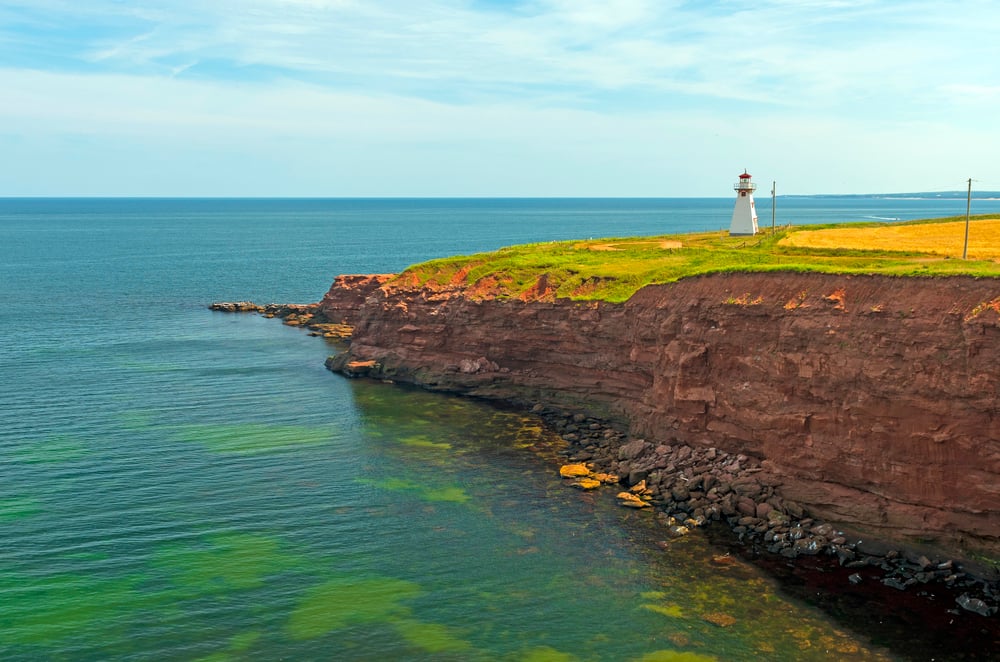
Few know much about them, yet they remain one of Earth’s last uncontacted groups. On a small island in the Bay of Bengal, life continues without permission from visitors.
Arrows fly when boats come near – no confusion there. Their message stays strong through silence mixed with resistance.
From afar, we gather clues. Built structures, crafted objects, ways of moving through the world – these point to people living fully on their own terms.
Officials keep others away by law, aware that sickness might follow if strangers get close. What stands clear is this: staying apart is their choice, one that demands care, not curiosity.
Amazon Rainforest — Uncontacted Amazonian Tribes

The Amazon is home to the largest number of isolated tribes in the world. Many live in remote regions of Brazil, Peru, and neighboring countries, far from roads and settlements.
These groups are usually identified through aerial surveys, satellite images, or fleeting encounters reported by nearby communities.
Isolation here is often a response to historical trauma. Past contact brought devastating disease outbreaks and violence, prompting survivors to retreat deeper into the forest.
Governments now maintain protected territories and follow non-contact policies. What remains known is intentionally limited, focused on ensuring these groups remain undisturbed rather than understood in detail.
West Papua — The Korowai (Isolated Clans)

The Korowai are sometimes misunderstood as entirely isolated, but the reality is more complex. While some Korowai communities have interacted with the outside world, isolated clans still live deep within forested regions of West Papua with minimal contact.
These groups are known primarily through indirect reports and limited expeditions conducted decades ago. Their isolation reflects geographic difficulty as much as choice.
Dense forests and swampy terrain create natural barriers, allowing certain clans to maintain distance. Modern protections aim to prevent forced contact, recognizing that integration is neither simple nor universally desired.
Congo Basin — Isolated Forest Communities

In parts of the Congo Basin, small groups continue to live with very limited interaction beyond their immediate environment. Dense forests, limited infrastructure, and political instability have kept some communities largely separate from modern society.
Information about these groups is fragmented. Occasional sightings, oral histories from neighboring peoples, and ecological studies provide clues.
Unlike island-based isolation, this form of separation is porous and shifting. Even so, many communities retain traditional lifestyles that depend on deep environmental knowledge rather than external systems.
New Guinea Highlands — Highland Groups

The highlands of New Guinea were among the last regions on Earth to experience sustained outside contact. Rugged mountains and deep valleys kept communities separated not only from the outside world, but from each other.
Some groups remained unknown beyond their immediate neighbors until the twentieth century.
While many highland societies now engage with broader national life, pockets of extreme isolation persisted well into recent history. Early encounters revealed sophisticated social systems shaped entirely by local conditions.
The legacy of isolation remains visible in cultural diversity unmatched almost anywhere else.
Arunachal Pradesh — Isolated Himalayan Communities

In the eastern Himalayas, geography has long dictated isolation. Steep terrain, dense forests, and seasonal weather patterns limited travel and communication for centuries.
Some communities in this region had minimal contact until modern infrastructure slowly reached them.
Knowledge about these groups often comes from regional records rather than direct observation. Even today, certain villages maintain limited interaction beyond their immediate area.
Isolation here reflects both environmental challenge and deliberate preservation of local identity.
Great Nicobar Island — The Shompen
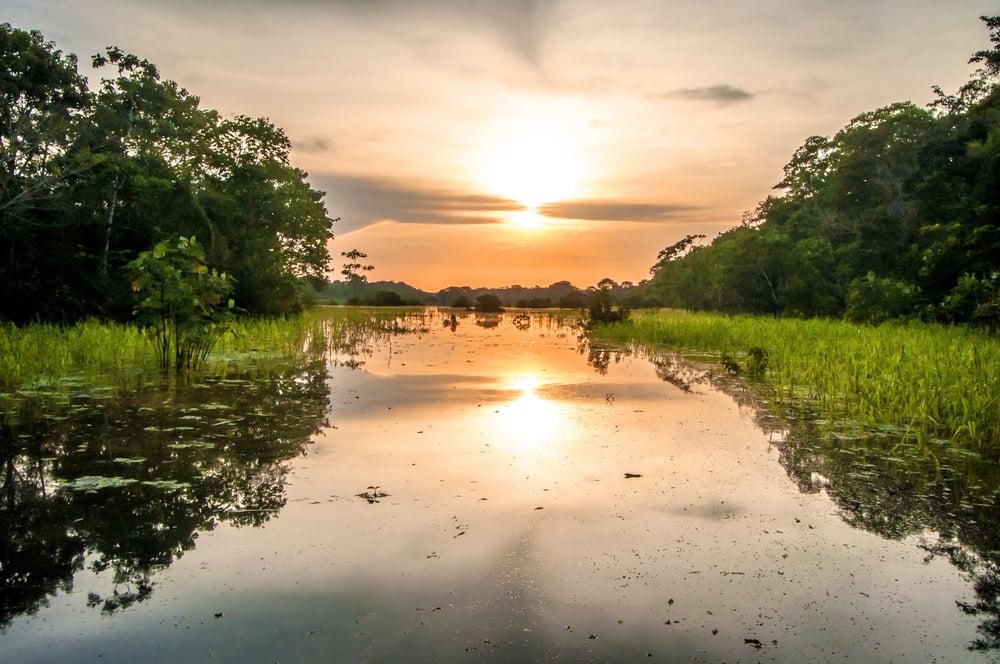
The Shompen live in the interior forests of Great Nicobar Island and have historically avoided extensive contact. Compared to the Sentinelese, they have had some interaction with neighboring groups, but large portions of their community remain isolated.
Their environment shapes their lifestyle, with dense forests offering both resources and protection. Modern policies restrict access to their territories, aiming to prevent disruption.
What little is known comes from careful observation and limited historical encounters, always shaped by the priority of non-interference.
Venezuela Amazon — Yanomami Isolated Groups
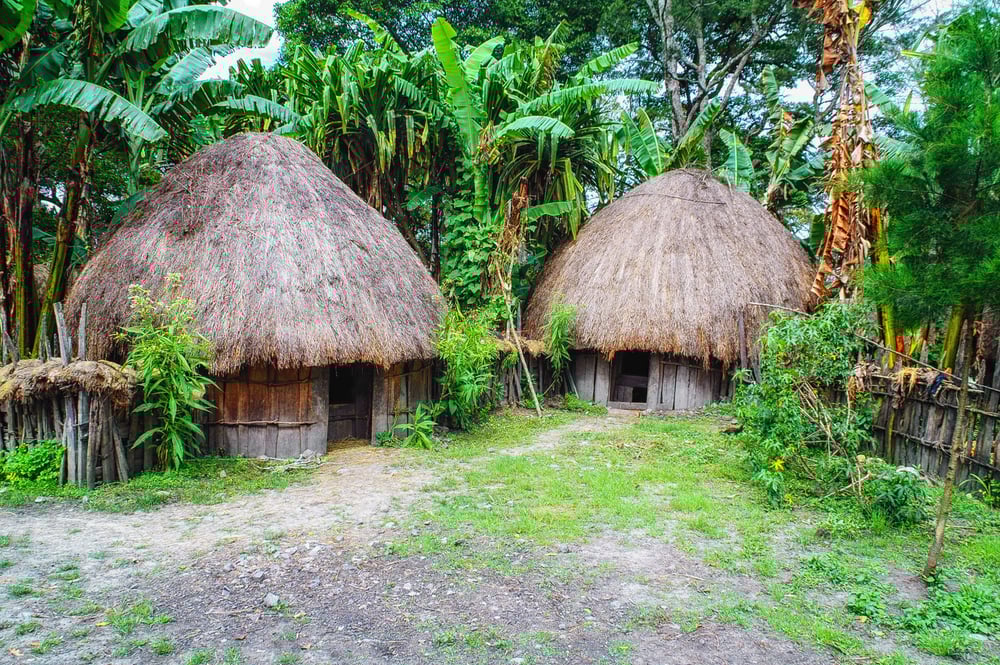
The Yanomami are one of the largest Indigenous populations in the Amazon, yet some of their subgroups remain isolated. These communities live in remote forest areas, intentionally distancing themselves from both settlers and contacted Yanomami villages.
Satellite imagery and overflights have identified clearings and settlements without physical contact. Their isolation reflects both geography and choice, shaped by experiences of conflict and disease.
Protection efforts focus on securing land rights and limiting illegal activity that threatens their environment.
Andaman Islands — The Jarawa

The Jarawa maintained near-total isolation until the late twentieth century, when roads and development brought unwanted encounters. Despite increased exposure, they continue to resist assimilation and maintain traditional practices.
Their situation highlights how isolation can be disrupted unintentionally. Encroachment rather than curiosity often becomes the greatest threat.
Current policies aim to reduce intrusion and restore protective buffers, acknowledging that isolation once lost cannot easily be reclaimed.
Why Isolation Persists

Isolation is not rooted in ignorance. It is a response to risk.
Disease, land loss, and violence have historically followed contact, making distance a rational strategy. For many tribes, remaining unseen is the safest way to preserve health, culture, and autonomy.
Geography plays a role, but memory is just as powerful. Stories of past encounters shape decisions long after the original events fade from recorded history.
Isolation becomes a form of collective knowledge, reinforced with each generation.
Why ‘Found’ Is a Misleading Word

These tribes were not discovered in the traditional sense. They were always there.
What changed was outside awareness, driven by exploration, mapping, and technology. The term ‘found’ reflects an external perspective rather than a meaningful shift in the lives of the people themselves.
Modern understanding emphasizes restraint. Knowing of a tribe’s existence does not justify intrusion.
In many cases, protection depends on distance, not engagement.
Why Protection Matters Now

Few realize how quietly danger approaches remote tribes. Pushed by greed, loggers and miners inch toward lands set aside long ago.
Trees vanish one stretch at a time, rivers thicken with silt. When forests thin, food grows scarce, water turns foul.
Roads slice through old growth, bringing strangers who carry unseen sickness. Life frays slowly, far from view.
Still, laws stretch across borders and within nations – yet how they’re followed changes from place to place. Staying cut off isn’t fixed by rules alone – it needs steady effort, day after day.
Choosing not to know certain things becomes part of the balance.
What These Tribes Teach Us

Far from roads and signals, some groups live untouched by cities or screens. Not needing banks or borders, they stay alive through rhythm with seasons.
Knowledge passes hand to hand, never written down. What works grows slowly, shaped by land and weather.
Modern life assumes constant growth, yet here stillness is strength. Staying alive like this isn’t some puzzle to solve – more like a duty we carry forward.
When everything revolves around being seen and reached, stepping back speaks louder than words. What they teach us might just sit in how we honor their space, quietly.
More from Go2Tutors!

- The Romanov Crown Jewels and Their Tragic Fate
- 13 Historical Mysteries That Science Still Can’t Solve
- Famous Hoaxes That Fooled the World for Years
- 15 Child Stars with Tragic Adult Lives
- 16 Famous Jewelry Pieces in History
Like Go2Tutors’s content? Follow us on MSN.