15 Photos from History That Were Censored for Decades Before Being Released
Photographs have an uncomfortable power. They freeze moments that governments, institutions, and powerful people would prefer to forget or control.
Throughout history, countless images have been locked away, deemed too dangerous, too revealing, or too embarrassing for public consumption. Some were classified for national security reasons, others were suppressed to protect reputations or maintain political narratives.
The journey of these hidden photographs from classified vaults to public view tells a fascinating story about power, truth, and the gradual shift toward transparency. When these images finally surface — sometimes after decades of secrecy — they often reshape our understanding of pivotal moments in history.
They reveal the human faces behind political decisions, expose cover-ups that seemed permanent, and remind us that someone, somewhere, was always watching.
The Tiananmen Square Tank Man’s Final Moments
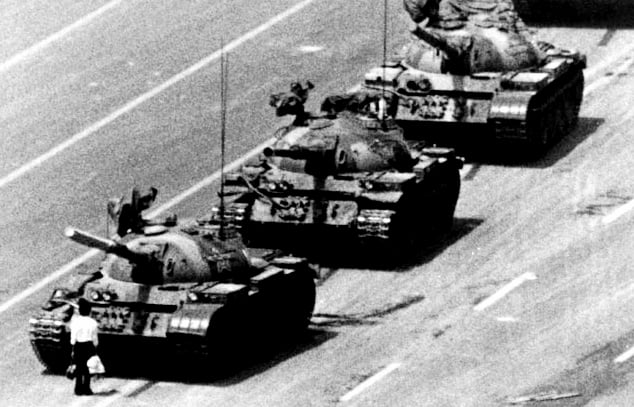
The world knows the image of the lone protester standing before a column of tanks in Beijing’s Tiananmen Square. But the photographs that remained censored for years showed what happened after that iconic moment — how bystanders rushed to pull the man away from the tanks, likely saving his life.
The Chinese government buried these follow-up shots, understanding that the complete sequence told a story of both individual courage and collective action they couldn’t control.
J. Edgar Hoover’s Secret Surveillance Photos
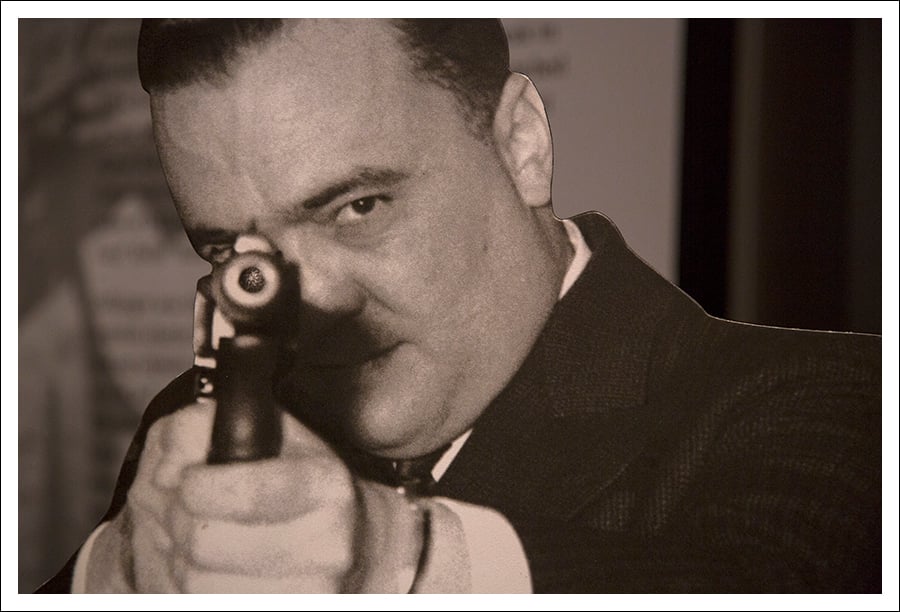
The FBI director (and his rumored connections to organized crime figures, which is saying something when you’re supposedly fighting crime) spent decades photographing political leaders, civil rights activists, and celebrities in compromising situations. When Congress finally forced the release of these images in the 1990s, they revealed the extent to which Hoover had turned the FBI into his personal blackmail operation.
The photos weren’t just evidence — they were weapons.
Nuclear Test Footage from the Pacific
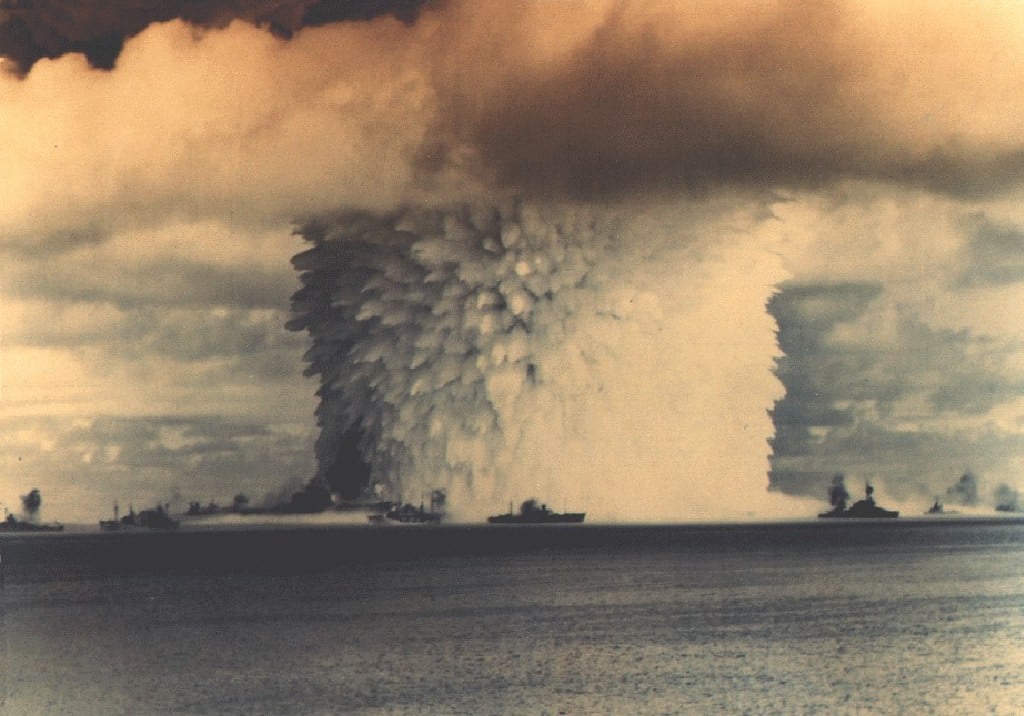
Between 1946 and 1958, the United States conducted 67 nuclear tests in the Marshall Islands, and photographers documented every blast from multiple angles. The military classified these images immediately, not just for security reasons but because they showed the devastating effects on local populations who had been told the tests were safe.
When the photos finally emerged decades later, they became crucial evidence in lawsuits filed by Pacific islanders seeking compensation for radiation exposure.
The Real Chernobyl Disaster Scene
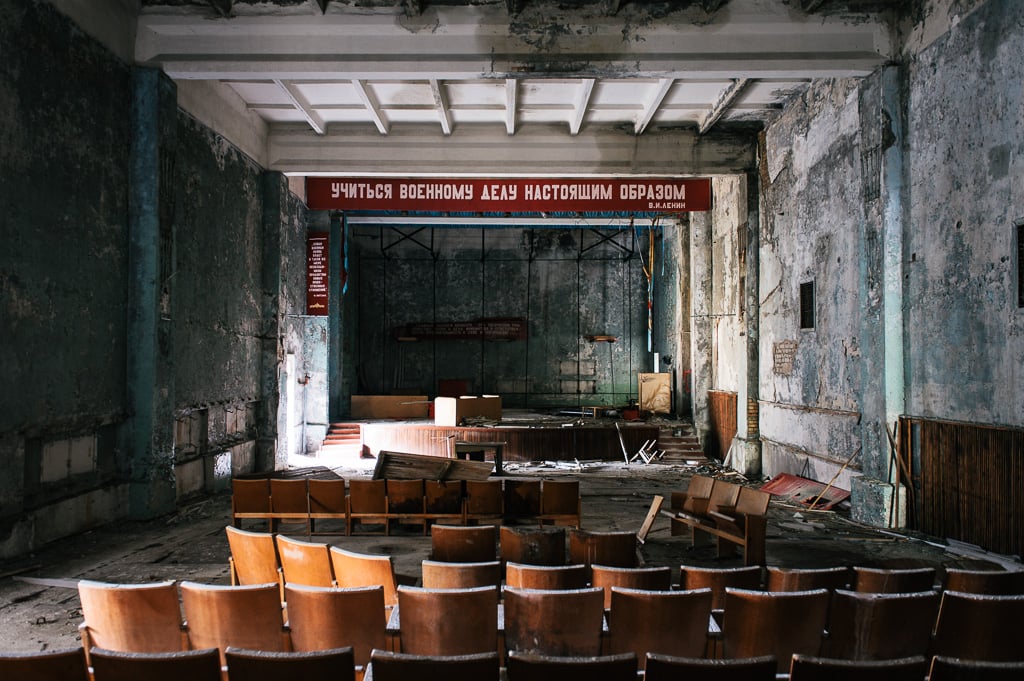
Soviet photographers were among the first to document the aftermath of the 1986 nuclear disaster, but their images disappeared into state archives within hours of being developed. The photos that eventually surfaced (and this took until the fall of the Soviet Union, which tells you something about how bad things really were) showed not just the destroyed reactor, but the chaos in the control room, the confusion among officials, and the primitive equipment being used to measure radiation levels that were off the charts.
The images are like looking through a window into a moment when an entire system realized it was failing in real time. You see faces that know they’re witnessing something unprecedented, people making decisions with incomplete information while wearing inadequate protection.
And the strange, almost mundane details: coffee cups still sitting on desks, clipboards with neat handwriting documenting the impossible, workers in street clothes standing next to what should have been a restricted zone. The photographers kept shooting even as they knew (or should have known) they were exposing themselves to dangerous levels of radiation — because someone understood that this moment needed to be preserved, even if it couldn’t be shared.
Behind the Scenes at Watergate
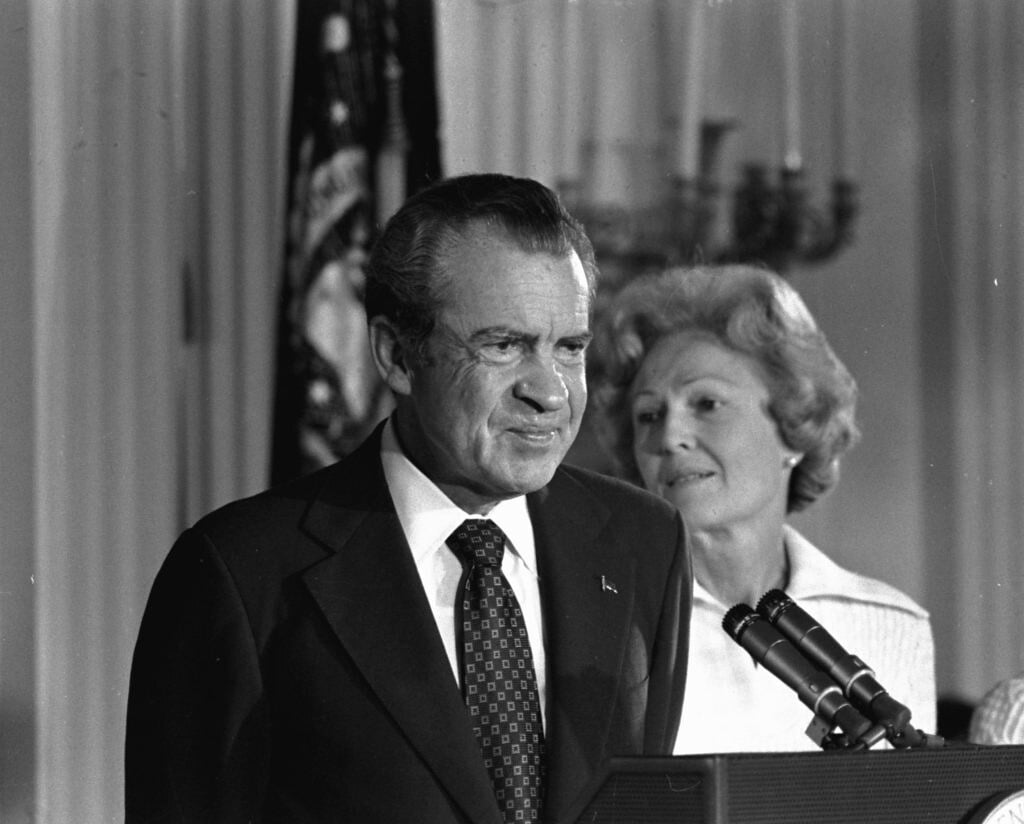
While the break-in itself was documented by police photographers, there was another set of images that remained classified: photos taken inside the White House during the final days of Nixon’s presidency. These showed private moments — advisors arguing in hallways, boxes being moved out of offices, and the president himself looking increasingly isolated.
The photos weren’t released until the 1990s, long after they could have influenced public opinion, but they provided an intimate look at how power crumbles from the inside.
Japanese American Internment Camp Conditions
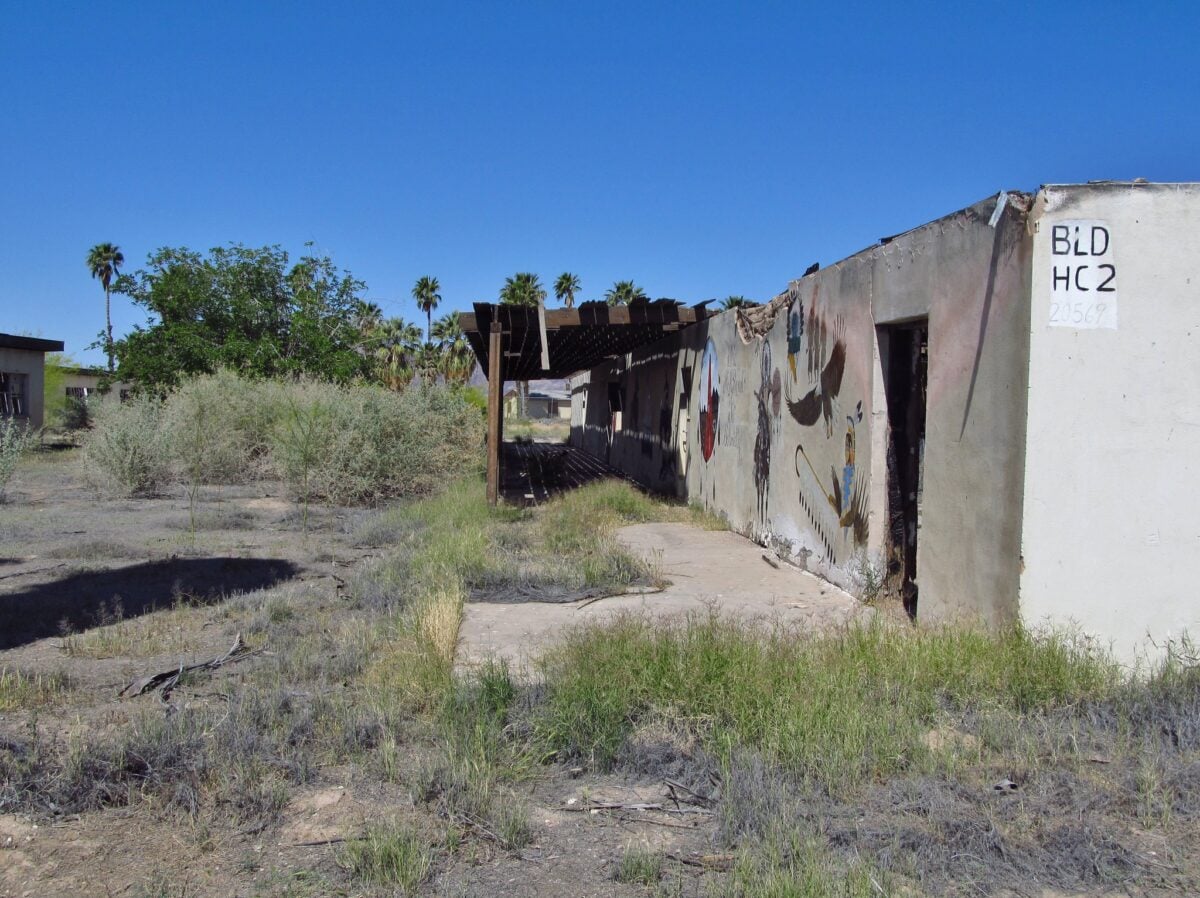
Government photographers documented daily life in the internment camps during World War II, but many of their most revealing images were immediately classified. The suppressed photos showed overcrowded barracks, inadequate medical facilities, and the makeshift schools where children tried to continue their education behind barbed wire.
The War Relocation Authority wanted to control the narrative about the camps, so they released only images that made the conditions look tolerable.
The Real Extent of Agent Orange Damage
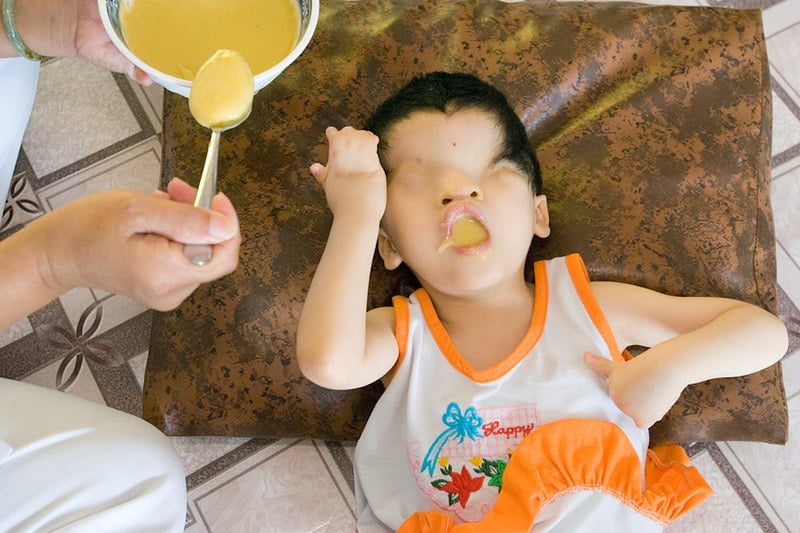
Military photographers in Vietnam took thousands of images showing the effects of chemical defoliants on both jungle landscapes and human populations, but the most damaging photos were classified for decades. These images documented birth defects, environmental destruction on a massive scale, and American soldiers who were unknowingly exposed to the chemicals they were spraying.
The Department of Defense fought the release of these photos well into the 1990s.
Secret Manhattan Project Facilities
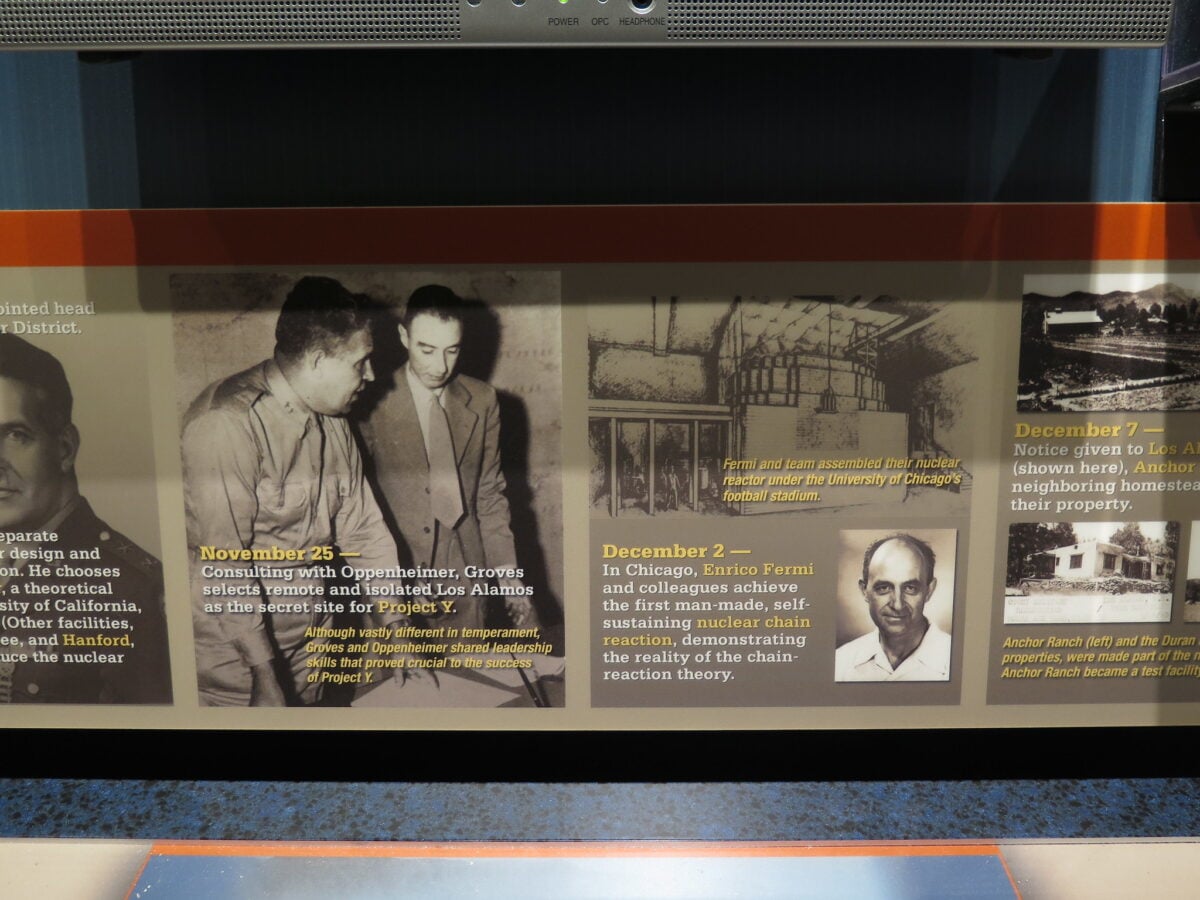
Beyond the famous images of atomic bomb tests, there was extensive photographic documentation of the secret facilities where the weapons were developed — and more importantly, where workers were exposed to radiation without their knowledge. So the photos that remained classified weren’t just about the science (though that was part of it), but about the human cost of secrecy: workers developing mysterious illnesses, safety protocols that were ignored, and waste disposal methods that contaminated entire communities for generations.
But here’s what makes these images particularly unsettling — they were taken by government photographers who knew they were documenting dangerous conditions, yet the photos were immediately locked away rather than used to improve safety. And you can see in some of the images that the photographers themselves didn’t understand what they were capturing; there are shots of workers handling radioactive materials with their bare hands, smiling for the camera, completely unaware they were being slowly poisoned.
The most haunting detail: many of these facilities were built in small towns where photography was generally forbidden, so these government images became the only visual record of what happened to these communities during the war years.
Civil Rights Movement Police Brutality
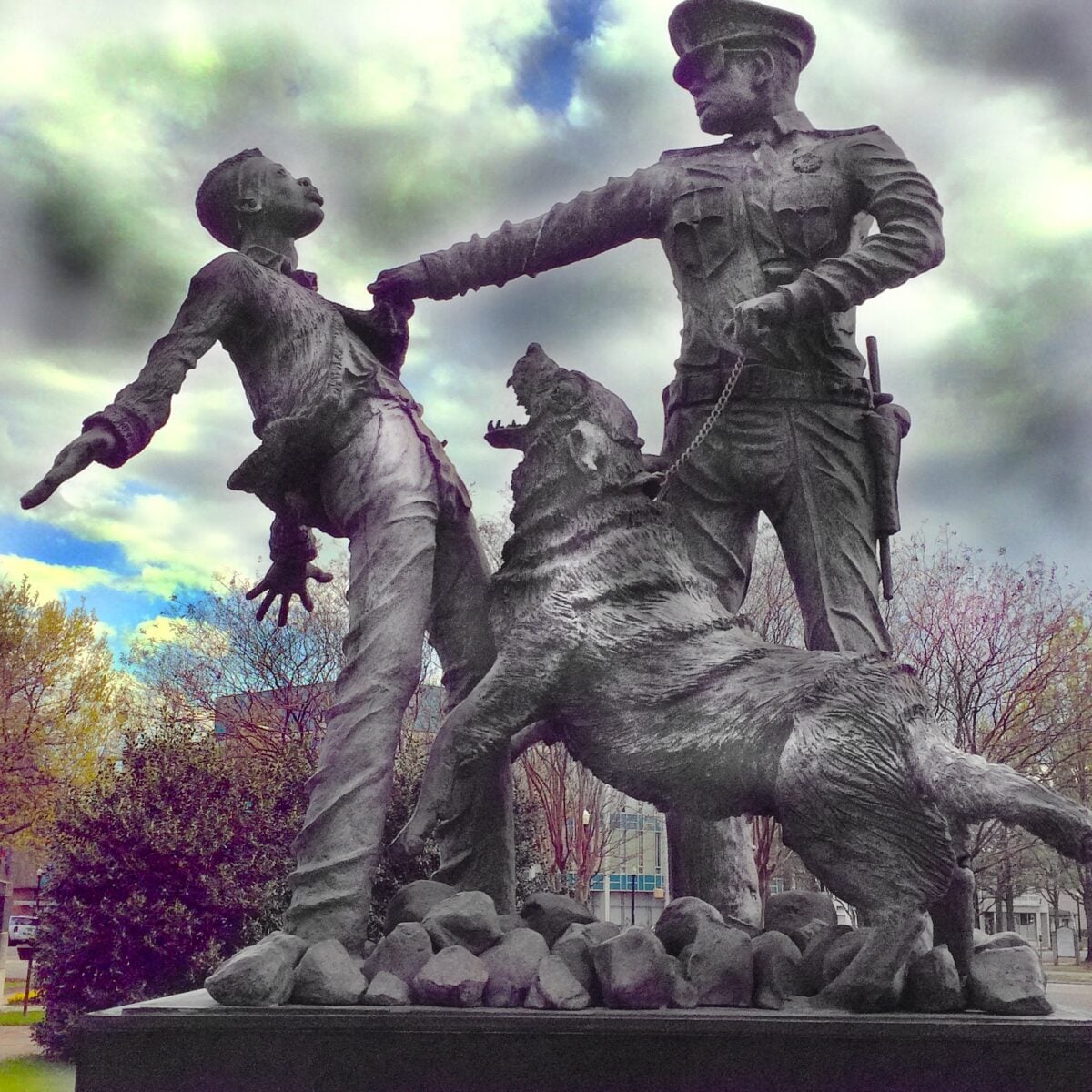
Police departments and FBI agents photographed civil rights demonstrations with the stated purpose of identifying troublemakers, but they also captured extensive evidence of police brutality against peaceful protesters. These photos were considered too sensitive to release during the height of the civil rights movement, as they would have contradicted official statements about maintaining order.
When they finally emerged decades later, they provided crucial documentation for historians studying the systematic violence used to suppress the movement.
The Bay of Pigs Invasion Aftermath
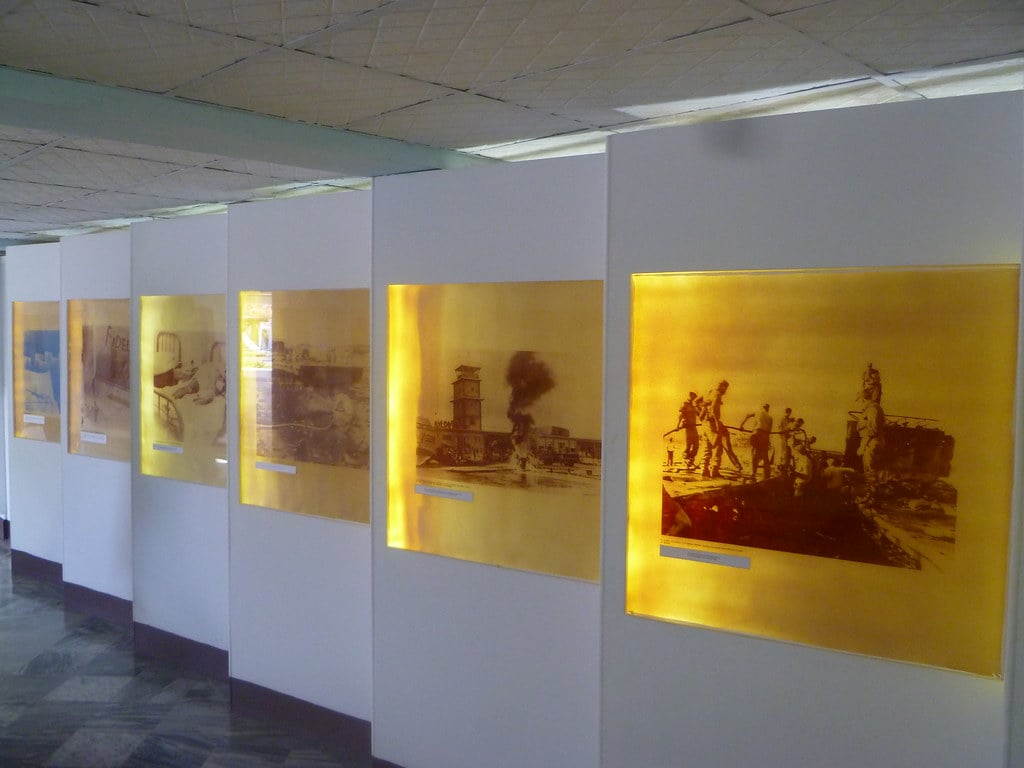
CIA photographers documented not just the failed invasion itself, but the interrogation and treatment of captured American-backed fighters in Cuban prisons. These images showed the brutal reality of what happened to the exile forces after their defeat, contradicting public statements that all fighters had been accounted for.
The photos remained classified until the 1990s, long after they could have influenced public opinion about American involvement in Cuba.
Behind Closed Doors During the Cuban Missile Crisis
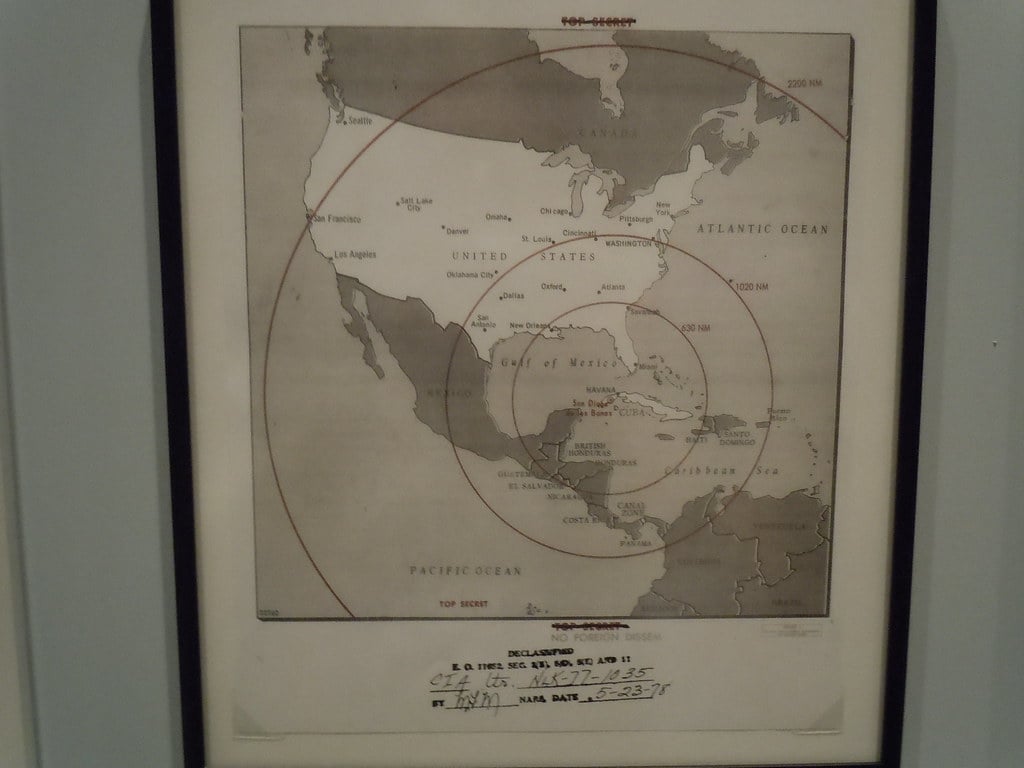
White House photographers captured private moments during the thirteen days that brought the world closest to nuclear war, but many of these images were immediately classified. They showed the exhaustion and fear on the faces of decision-makers, the chaotic atmosphere in the situation room, and the improvised nature of many critical decisions.
The photos reveal a crisis that was far less controlled and calculated than official accounts suggested.
Secret Government Experiments on Citizens
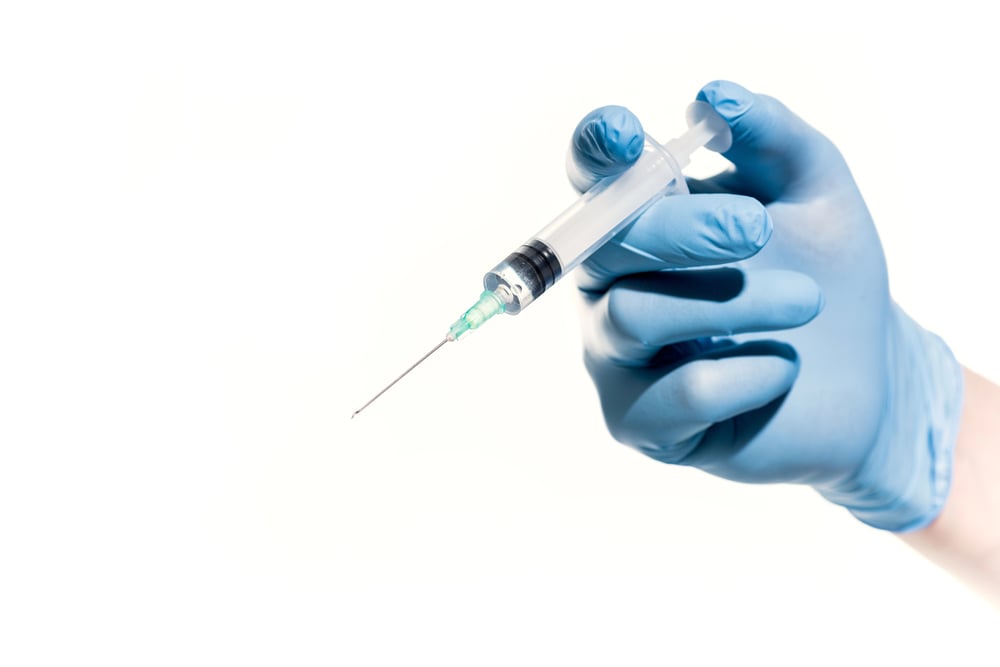
From the 1950s through the 1970s, government agencies conducted psychological and medical experiments on unwitting citizens, and many of these programs were extensively photographed for research purposes. The images show everything from LSD experiments conducted on psychiatric patients to radiation studies performed on prisoners.
These photos were classified not for national security reasons, but to prevent lawsuits and public outrage over unethical research practices.
The Real Conditions in Vietnam War Hospitals
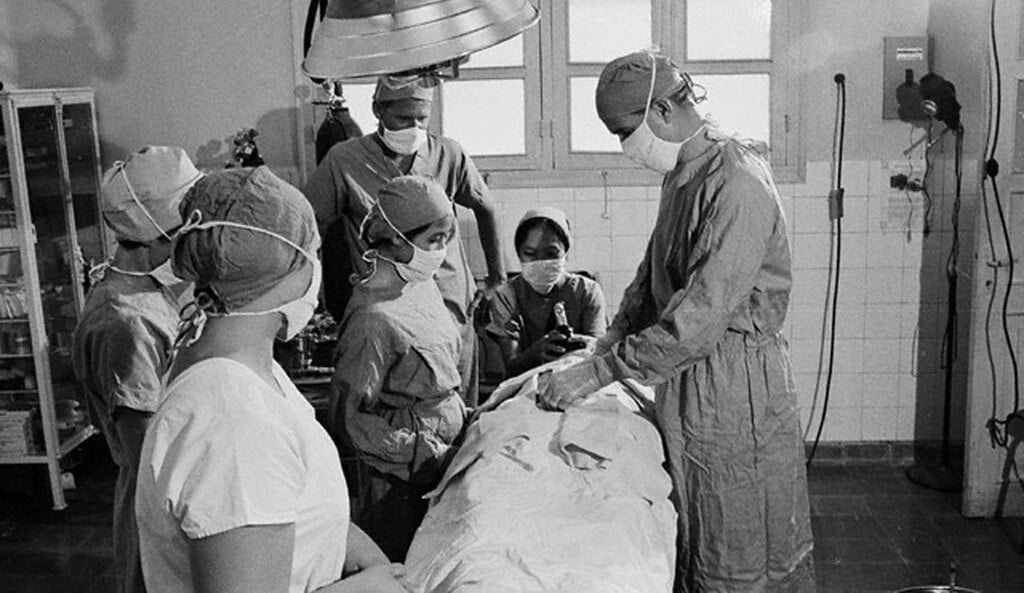
Military photographers documented medical facilities treating both American soldiers and Vietnamese civilians, but images showing inadequate care, overwhelmed medical staff, and the true extent of civilian casualties were immediately classified. There’s a rawness to these hospital photographs that official war imagery never captured: medics working with insufficient supplies, makeshift operating rooms, and the faces of young soldiers realizing their injuries were more severe than anyone had told them.
The photographers moved through these spaces documenting everything — partly for military records, partly because they understood they were witnessing something that needed to be preserved, even if it contradicted the official narrative about how well the war was going. What emerges from these images is a picture of a medical system that was unprepared for the scale and nature of injuries it was treating, and a military leadership that preferred to control information rather than address the problems the photos revealed.
Environmental Damage from Nuclear Weapons Testing
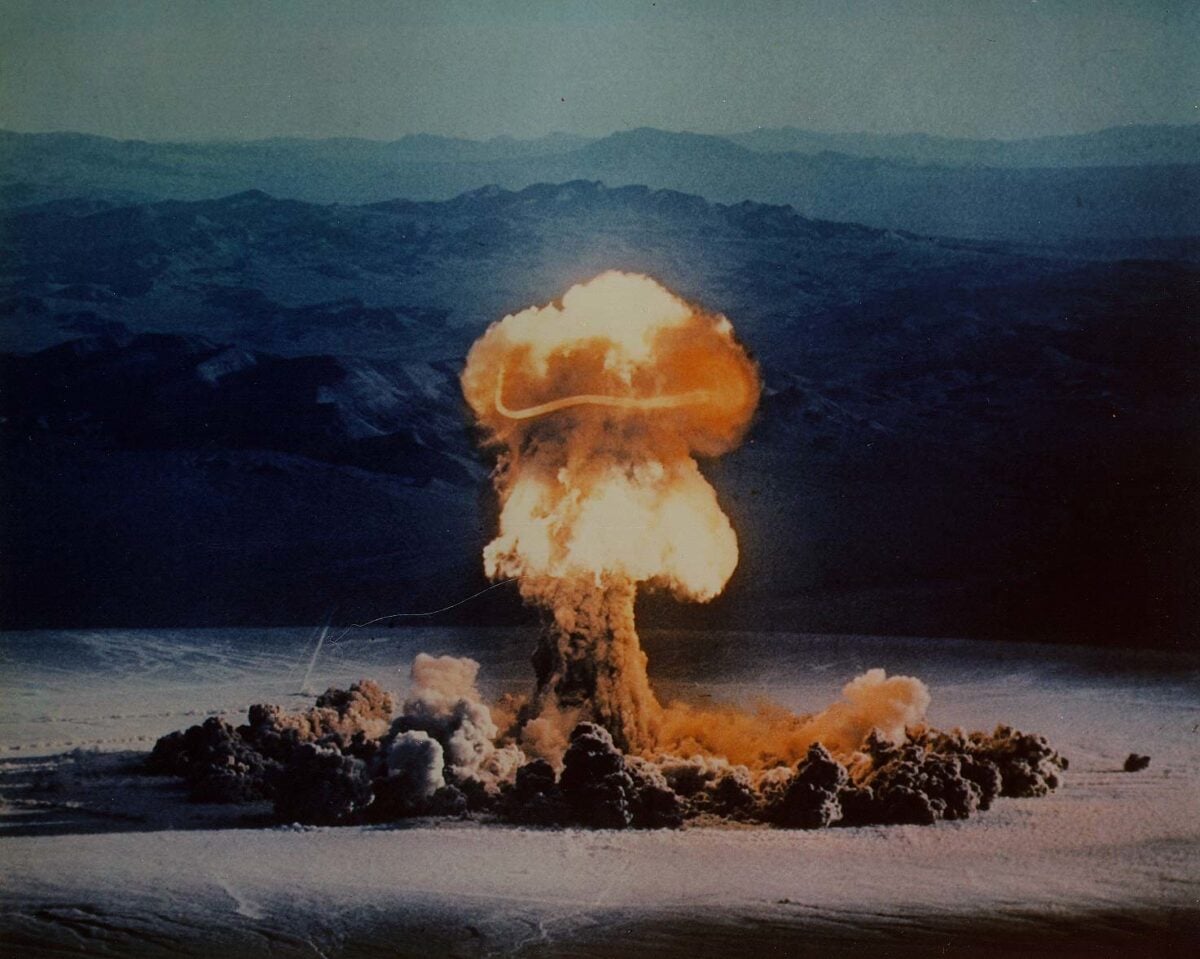
Beyond the immediate effects of atomic tests, government photographers documented long-term environmental damage to testing sites in Nevada, the Pacific, and other locations. These images showed contaminated landscapes, dead wildlife, and the gradual spread of radioactive materials through ecosystems.
The photos were classified to prevent public opposition to continued testing, but they eventually became crucial evidence in environmental lawsuits against the government.
Secret Cold War Spy Operations
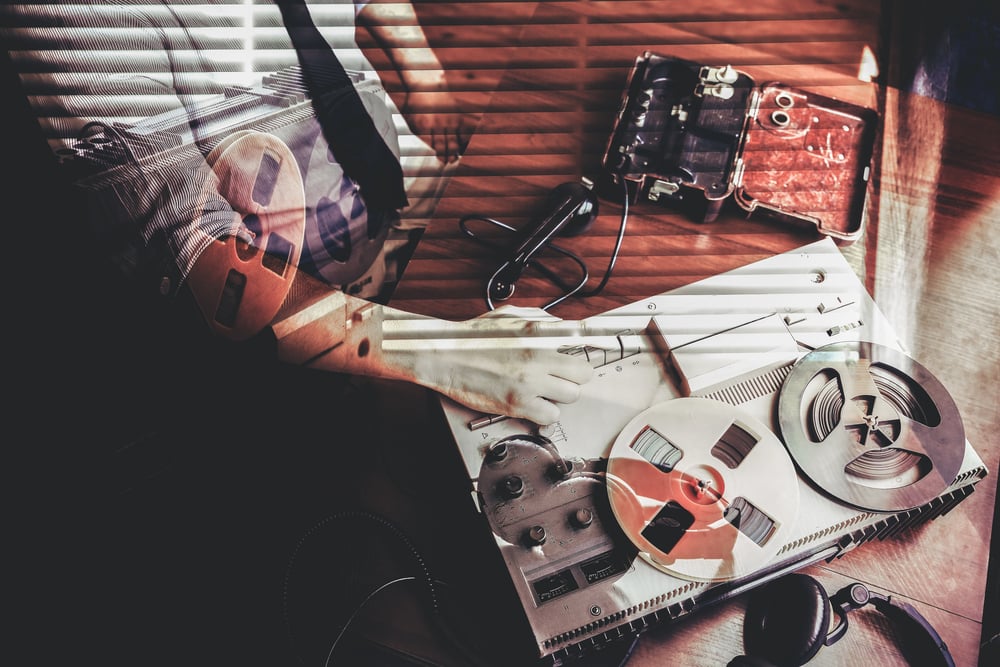
Intelligence agencies photographed their own operations extensively, creating a visual record of everything from dead drops to surveillance techniques to the recruitment of foreign agents. These photos were considered so sensitive that many remained classified until the end of the Cold War and beyond.
They provide an intimate look at the actual mechanics of espionage, far removed from the glamorous image presented in popular culture.
When Secrets Finally Surface
The release of these long-hidden photographs doesn’t just fill in historical gaps — it changes how we understand the relationship between official narratives and documented reality. Each image that emerges from classified archives carries the weight of all the years it was kept hidden, all the conversations that might have been different if people had seen what their governments were actually doing.
These photos remind us that somewhere, in filing cabinets and digital archives around the world, there are still images waiting to be released. Pictures that will reshape our understanding of events we thought we knew completely.
The camera, it turns out, really doesn’t lie — but it can be silenced for a very long time.
More from Go2Tutors!

- The Romanov Crown Jewels and Their Tragic Fate
- 13 Historical Mysteries That Science Still Can’t Solve
- Famous Hoaxes That Fooled the World for Years
- 15 Child Stars with Tragic Adult Lives
- 16 Famous Jewelry Pieces in History
Like Go2Tutors’s content? Follow us on MSN.