15 Commercials from the ’80s That Every Kid Memorized Word for Word
The 1980s were a golden age for television advertising, especially when it came to targeting kids. These weren’t just commercials—they were mini entertainment experiences that burrowed into young minds and set up permanent residence.
Between Saturday morning cartoons and after-school specials, children absorbed these jingles, catchphrases, and product pitches with the dedication of scholars studying ancient texts. What made these ads so memorable wasn’t just repetition (though there was plenty of that).
They combined catchy music, bright colors, and simple messages that spoke directly to the desires and dreams of childhood. Decades later, adults can still recite these commercials with startling accuracy, every beat and inflection intact.
Frosted Flakes
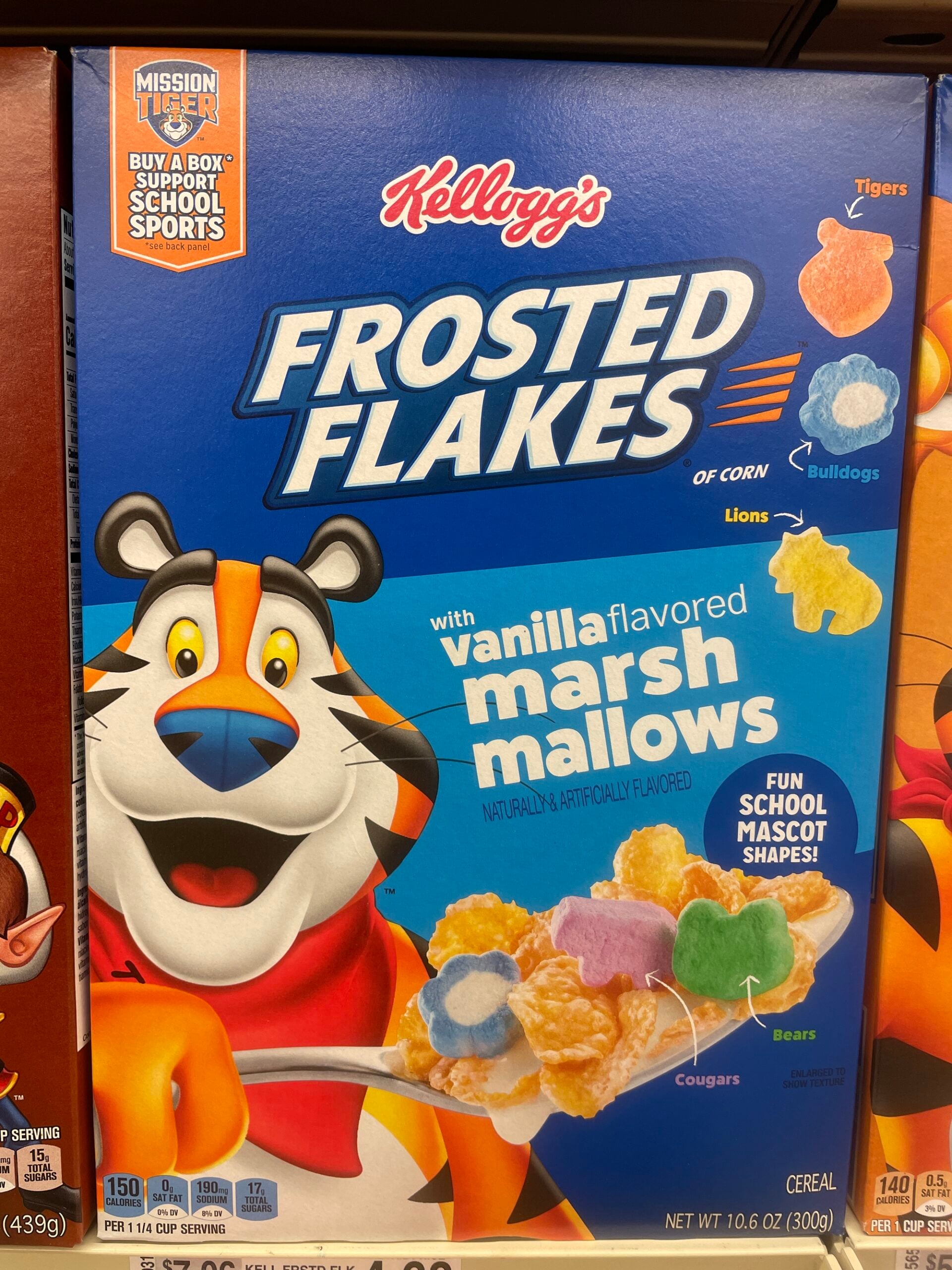
They’re gr-r-reat! Tony the Tiger’s signature roar became the breakfast battle cry of an entire generation.
The animated mascot would burst through walls, leap across cereal bowls, and generally behave like a hyperactive sports announcer who’d discovered the secret to eternal enthusiasm. Kids didn’t just memorize the slogan—they memorized Tony’s inflection, the way he stretched that rolling R sound like he was announcing the winner of the World Series.
The commercial always ended with some kid taking a massive bite of cereal and grinning like they’d just discovered fire.
Lucky Charms
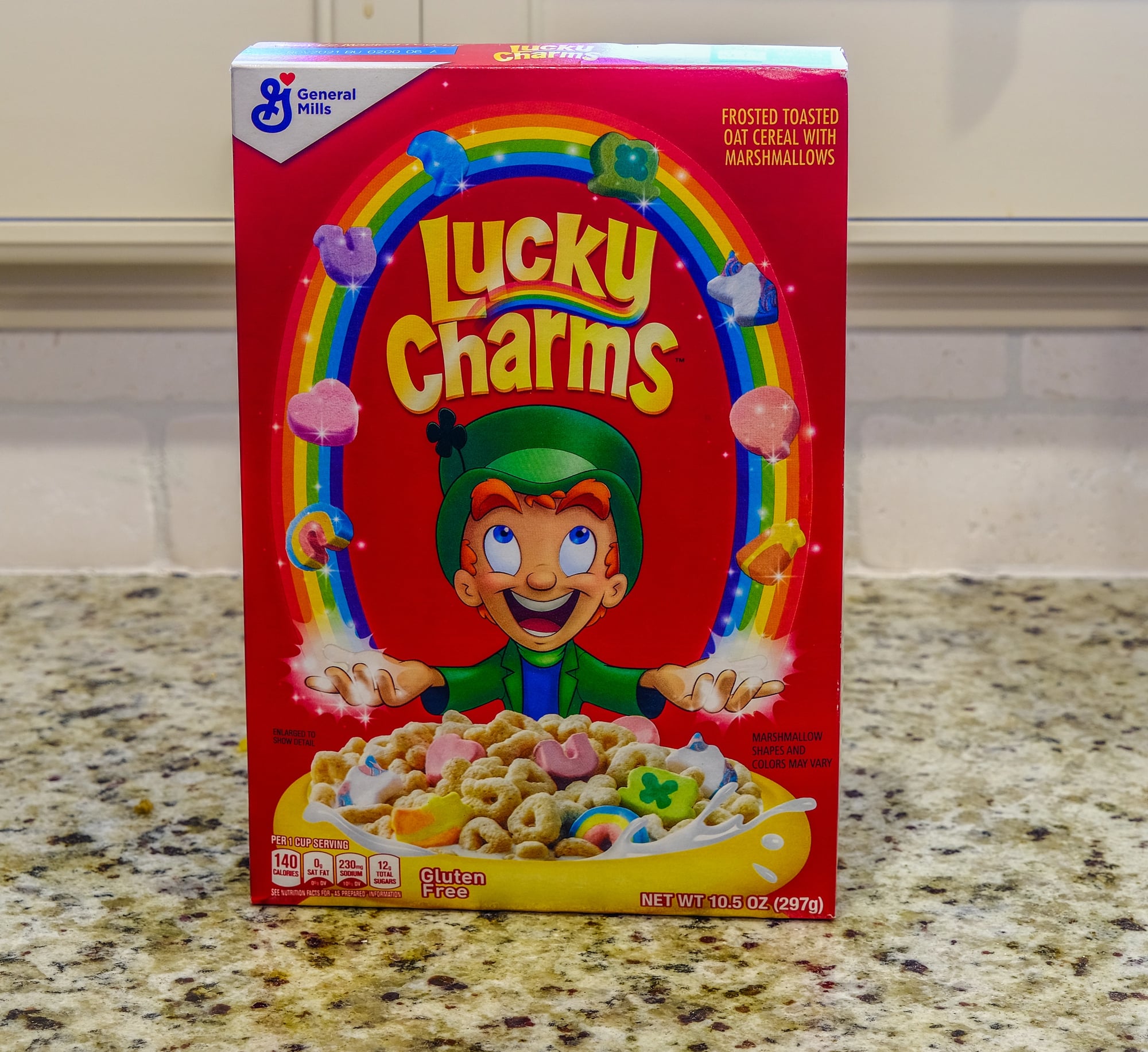
The leprechaun’s desperate attempts to keep his cereal away from persistent children created a narrative tension that rivaled prime-time drama. “They’re after me Lucky Charms!” became both a warning cry and a declaration of war in breakfast rooms across America.
Each marshmallow shape had its own magical property, and kids learned to recite them like ingredients in a spell: pink hearts, yellow moons, orange stars, green clovers. The leprechaun would run, the kids would chase, and somehow everyone ended up eating cereal—which, when you think about it, was exactly the point.
McDonald’s Big Mac
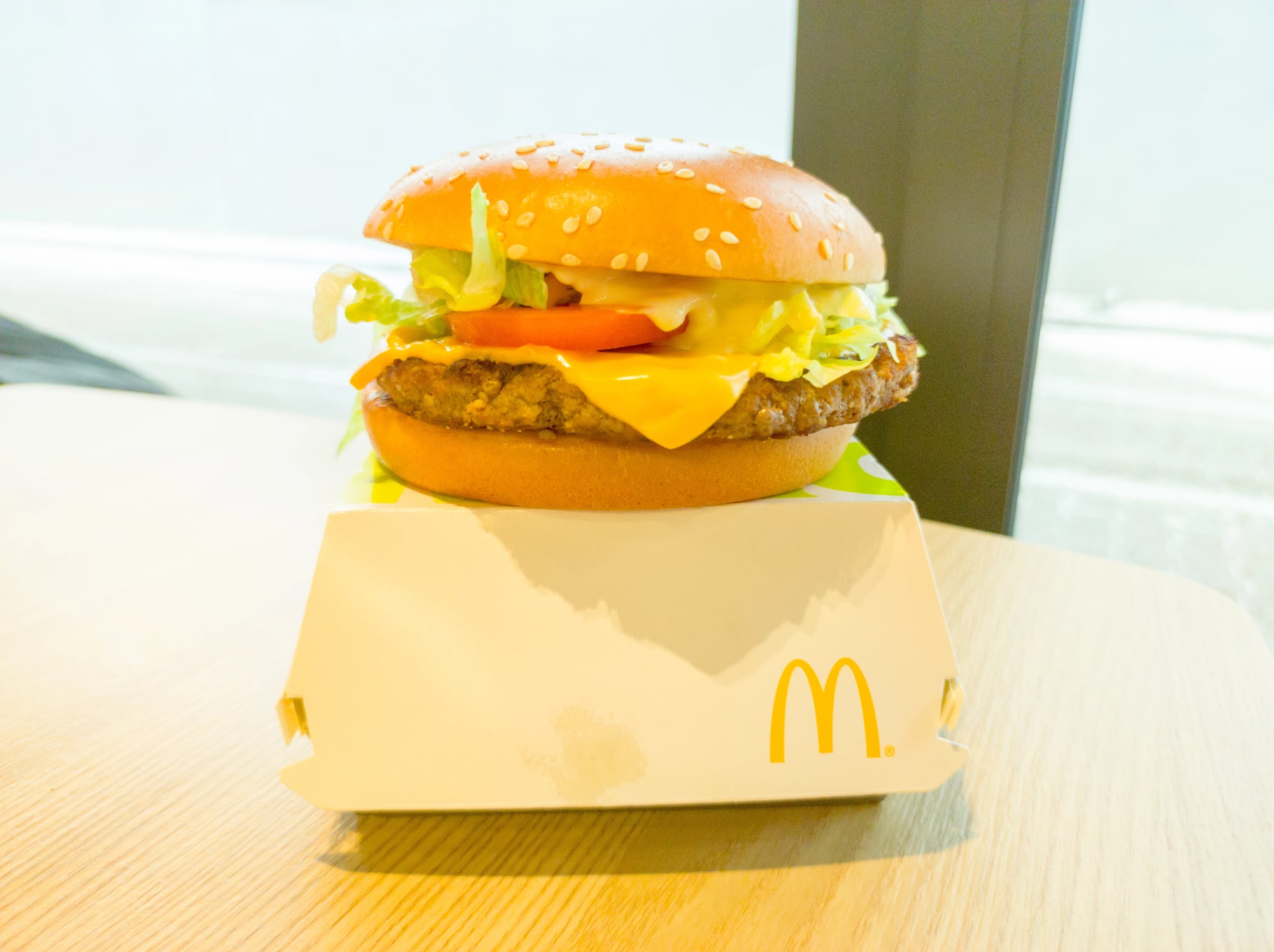
Two all-beef patties, special sauce, lettuce, cheese, pickles, onions on a sesame seed bun. This wasn’t just an ingredient list—it was a speed-talking challenge that turned ordering fast food into a performance art.
The commercial featured people of all ages attempting to recite the ingredients as quickly as possible, stumbling over words and laughing at their mistakes. It was brilliant marketing disguised as a game (or maybe it was a game disguised as brilliant marketing, which amounts to the same thing).
Kids practiced this recitation with the same dedication their parents might have shown memorizing poetry, and for roughly the same reason: because rhythm and repetition create their own kind of satisfaction.
Life Cereal
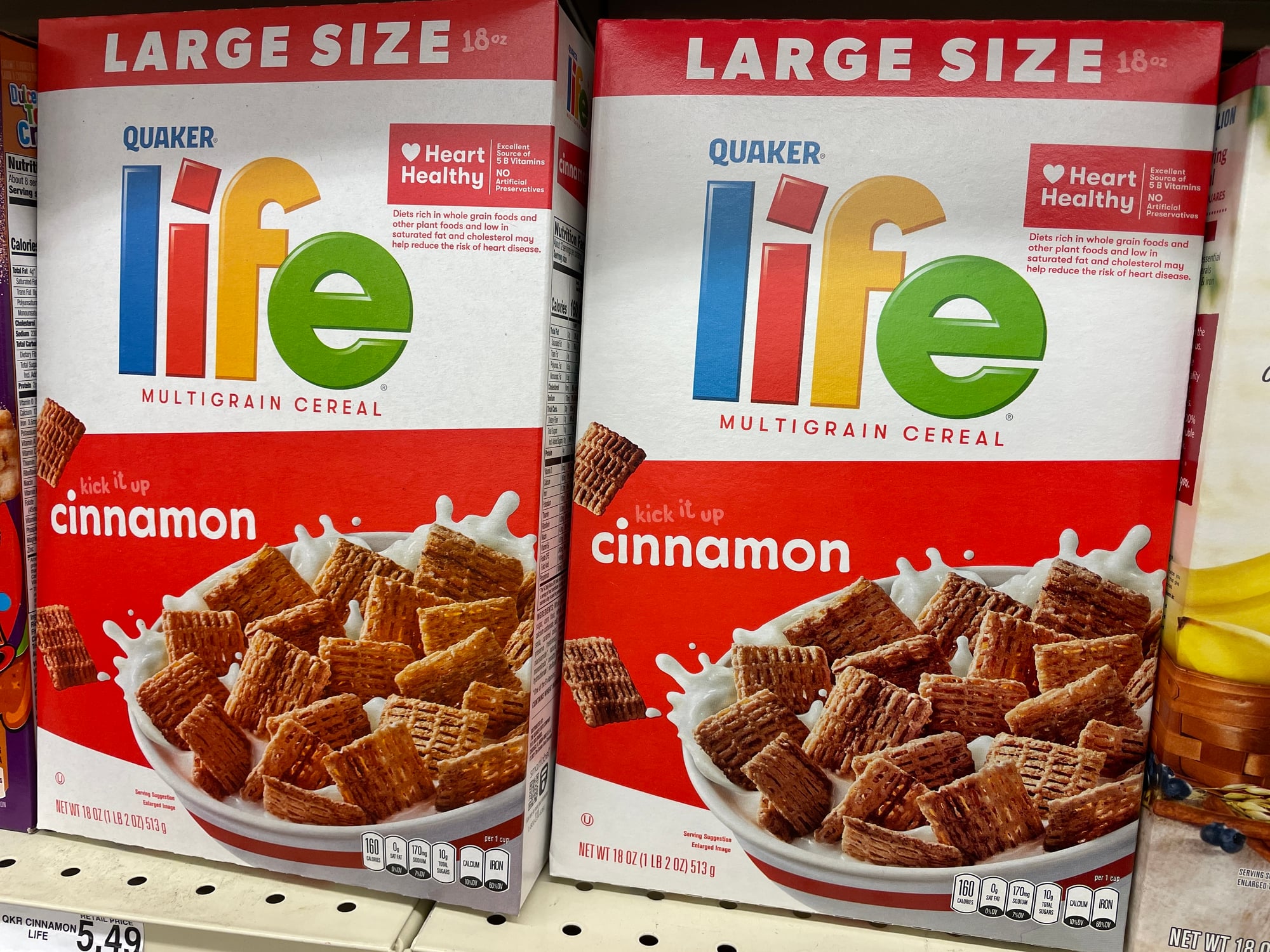
“Let’s get Mikey! He hates everything!” The setup was simple—two older brothers needed someone to test a potentially healthy cereal, so they nominated their pickiest sibling as the guinea pig.
When Mikey actually liked it, the surprise was genuine enough to feel like a small miracle. The commercial worked because it captured something true about sibling dynamics and childhood food preferences.
And the phrase “He likes it! Hey Mikey!” entered the cultural lexicon as shorthand for unexpected approval. The fact that Life cereal was supposedly good for you felt almost incidental—this was really about the drama of watching someone cross over from skepticism to enthusiasm in real time.
Coca-Cola’s “I’d Like To Buy The World A Coke”
Perfect harmony. That’s what the commercial promised, and somehow managed to deliver, at least for the length of a jingle (which, incidentally, was much longer than most conflicts require to resolve themselves, so perhaps the approach had merit after all).
Young people from different countries stood on a hilltop, singing about teaching the world to sing and buying everyone a Coke, and the whole thing should have felt manufactured and manipulative. Instead, it felt like a glimpse of how things could be if everyone just calmed down for a minute and shared something sweet.
The song became a legitimate hit outside the commercial, which says something about how deeply it resonated—or at least, how effectively it soundtracked the optimism people wanted to feel.
Alka-Seltzer

Plop, plop, fizz, fizz, oh what a relief it is! The commercial turned stomach upset into a musical number, complete with backup singers and a melody that stuck in your head longer than whatever was bothering your digestive system.
The onomatopoeia was perfect. Those weren’t just random sounds—they were the exact sounds the tablets made when they hit water.
Kids who had never experienced heartburn could still perform the commercial with complete conviction, dropping imaginary tablets into imaginary glasses and singing about relief they didn’t need yet.
Kit Kat
Break me off a piece of that Kit Kat bar! The jingle was irresistible, and the visual of someone snapping apart the chocolate wafer created its own satisfying rhythm.
The commercial understood something fundamental about anticipation—sometimes the buildup is better than the payoff. Every kid learned to break Kit Kats properly, following the grooves between the wafers with the precision of an engineer.
The snap had to be clean, the sharing had to be fair, and the consumption had to be accompanied by at least a mental replay of that jingle. The candy bar came with its own instruction manual disguised as entertainment.
Oscar Mayer
“My bologna has a first name, it’s O-S-C-A-R.” The fishing commercial featuring a curly-haired kid became the template for how to make processed meat seem appealing to children—which, frankly, was no small marketing challenge.
But the jingle worked because it was genuinely catchy and the kid seemed genuinely happy to be eating his lunch. There was something endearing about his careful spelling, the way he pronounced each letter with the satisfaction of someone who had just figured out how words work.
The song turned lunchtime into a celebration of letters and meat products, which is either genius or deeply weird, depending on how you look at it.
Schoolhouse Rock – “Conjunction Junction”
Conjunction Junction, what’s your function? This wasn’t technically a product commercial, but it sold grammar rules more effectively than most ads sold actual merchandise.
The animated train conductor explained how words connect to other words, and somehow made English class feel like a musical. Kids absorbed lessons about and, but, and or without realizing they were learning.
The songs were so well-crafted that children would request them, singing about adverbs and multiplication tables with the same enthusiasm they showed for actual pop music. Educational television had found its groove, and that groove was surprisingly catchy.
Tootsie Pop
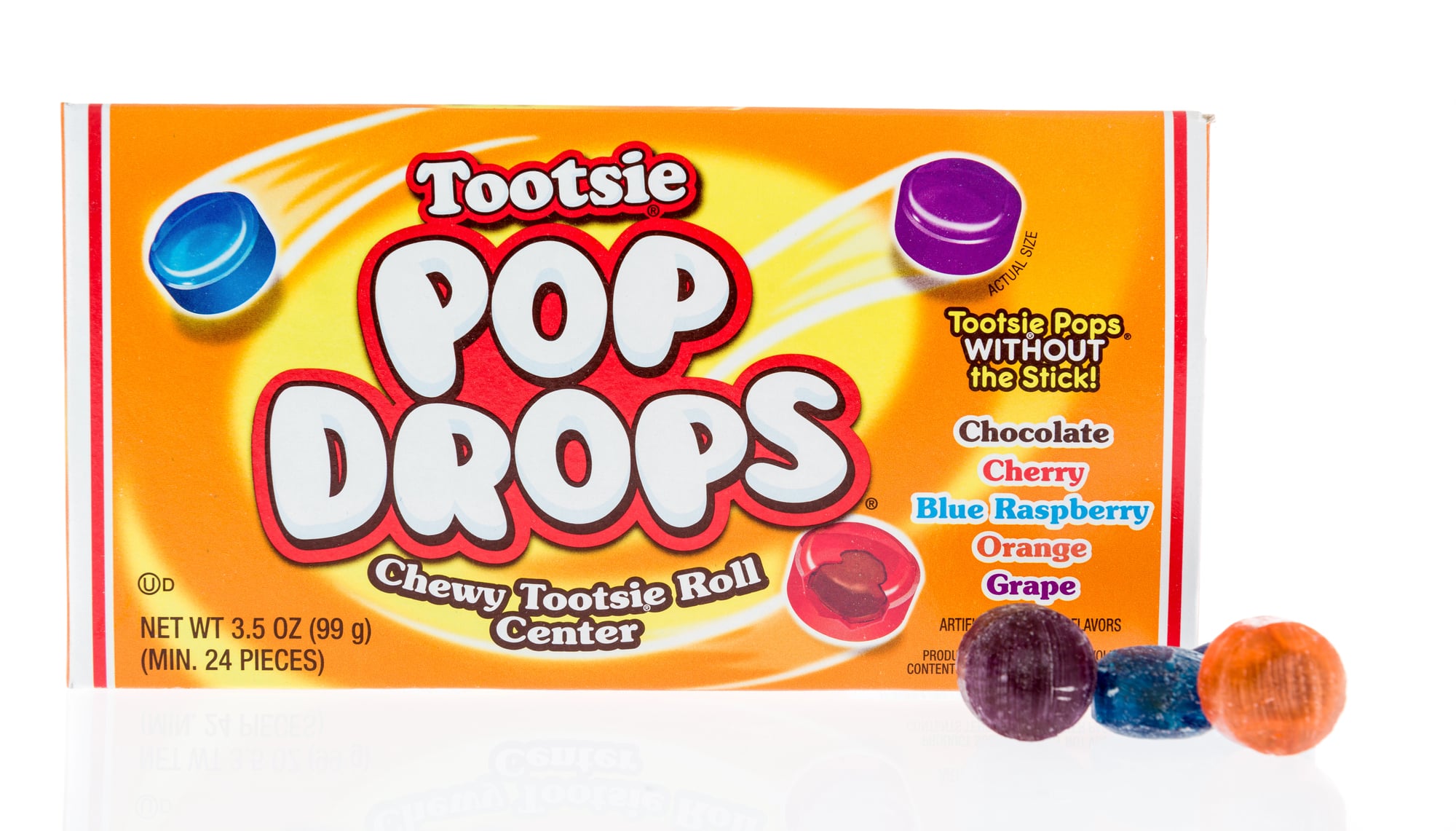
How many licks does it take to get to the center of a Tootsie Pop? The owl’s scientific approach—lick, lick, bite—became the standard methodology for candy consumption research among elementary school students across the nation.
Mr. Owl’s impatience was relatable. Three licks seemed insufficient for a proper experiment, but who had time for more rigorous testing when there was candy involved?
The commercial acknowledged that delayed gratification has its limits, especially when you’re dealing with something that’s designed to be eaten rather than studied.
Wendy’s
“Where’s the beef?” The elderly woman’s indignant question about competitor hamburgers turned fast food criticism into performance art.
Her delivery was perfect—genuinely outraged, completely serious, and somehow hilarious. The phrase transcended advertising and became a way to question anything that seemed lacking in substance.
Politicians used it, comedians quoted it, and kids repeated it whenever they felt shortchanged by life. The commercial worked because it gave voice to a universal frustration: the gap between what you expect and what you actually get.
Mr. Clean
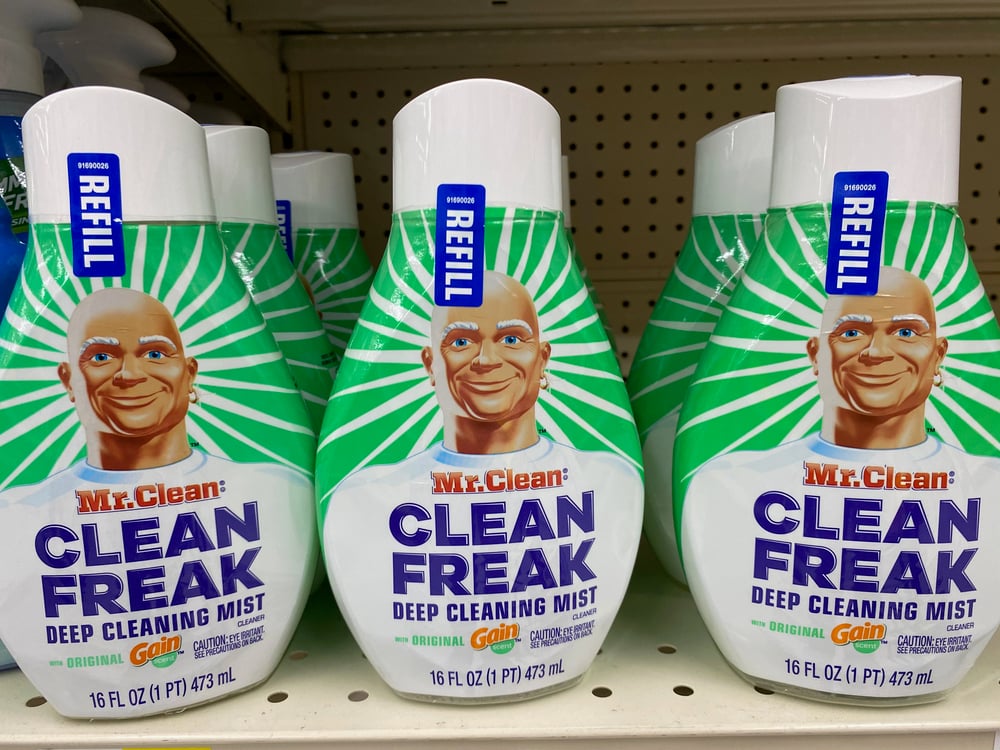
Mr. Clean gets tough on dirt and grime and grease in just a minute! The bald, muscular genie with the earring promised to solve all household cleaning problems with supernatural efficiency.
His confidence was absolute, his smile never wavered, and his cleaning power was apparently limitless. The jingle was martial and upbeat, like a marching song for domestic warriors.
Kids learned it even though they had no intention of cleaning anything, drawn to the rhythm and the promise that someone, somewhere, was winning the war against mess. Mr. Clean represented the adult fantasy of having everything under control, set to a tune children could whistle.
Eggo Waffles
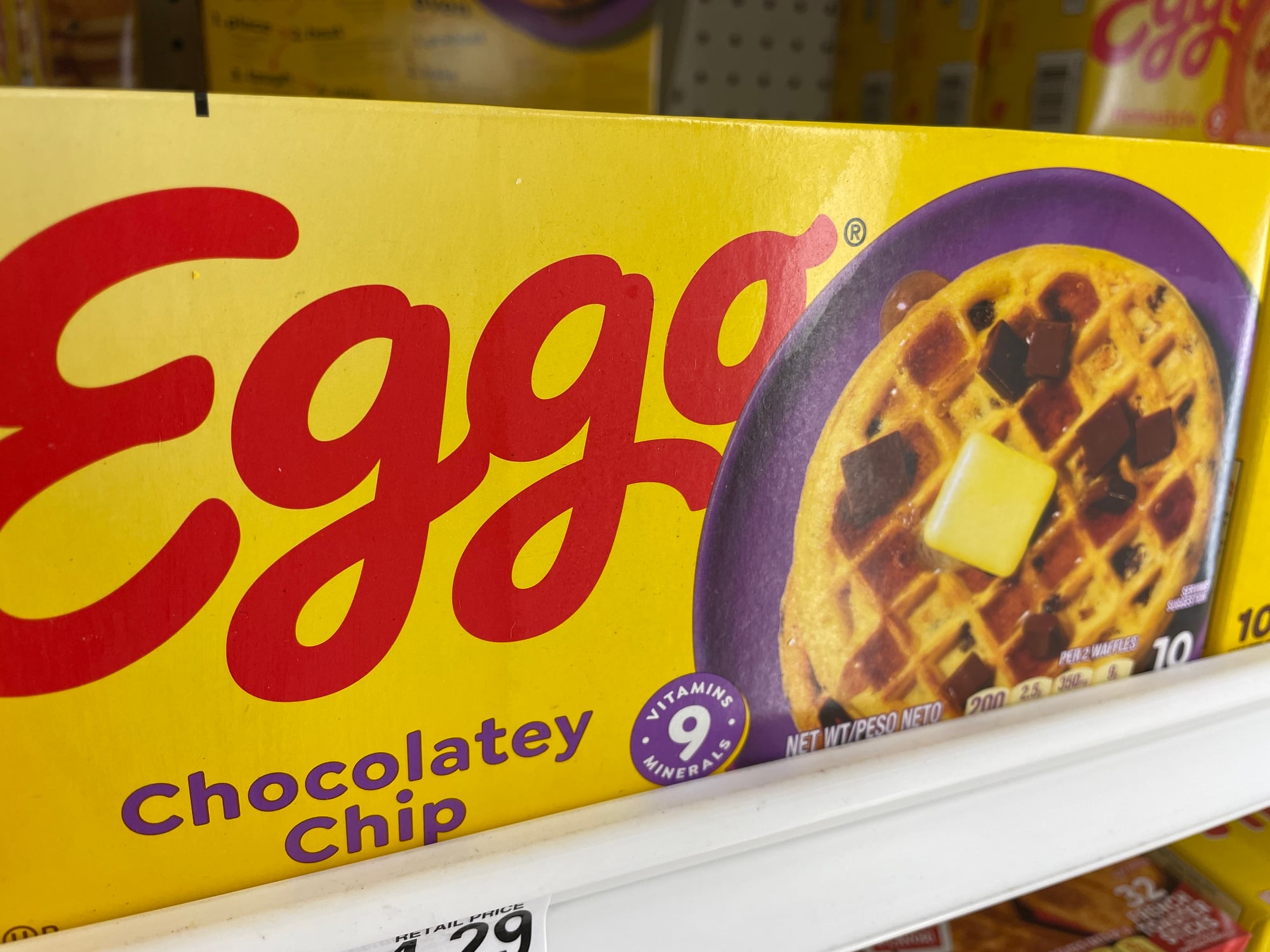
“Leggo my Eggo!” The desperate cry of someone whose frozen breakfast was under threat became the rallying call for waffle ownership rights.
The commercial featured siblings, roommates, and family members engaged in breakfast warfare over those distinctive square waffles. The phrase was perfect—short, rhyming, and unmistakably possessive.
It captured the territorial nature of morning hunger and turned frozen food into something worth defending. Kids used it for everything, not just waffles, because it expressed a fundamental childhood truth: sharing is fine in theory, but not when it comes to your favorite things.
Toys”R”Us
I don’t wanna grow up, I’m a Toys”R”Us kid! The commercial acknowledged what every child already suspected—that adulthood was overrated and toys were the real measure of life’s success.
Kids running through toy store aisles, grabbing everything in sight, represented pure wish fulfillment. The song was an anthem of eternal childhood, a rejection of responsibility in favor of endless play.
It promised that growing up was optional, that wonder could be purchased, and that happiness came in brightly colored packages with assembly required. For kids watching, it felt like a validation of their priorities and a preview of paradise.
Campbell’s Soup
“Mmm mmm good!” The simple exclamation turned soup consumption into an expression of pure satisfaction.
The commercial usually featured someone—often a child—taking a spoonful of soup and delivering that phrase with the conviction of a food critic discovering the meaning of life. The beauty was in its simplicity.
No complex jingles, no dancing mascots, just genuine appreciation for something warm and nourishing. Kids learned to deliver the line with proper emphasis, understanding that the first “mmm” was anticipation, the second was confirmation, and “good” was the final verdict.
It was a complete review process condensed into three syllables.
The Time Capsule We Carry

These commercials live on because they understood something essential about memory and childhood. They didn’t just sell products—they created shared experiences that connected kids across neighborhoods, schools, and family lines.
Everyone knew the words, everyone could perform the jingles, and everyone participated in the same cultural conversation, even if that conversation was mostly about breakfast cereal and fast food. The fact that adults can still recite these commercials word-perfect decades later says something about the power of repetition, rhythm, and the receptive nature of young minds.
But it also says something about the quality of the writing and music—these weren’t just advertisements, they were tiny works of entertainment that happened to mention products along the way.
More from Go2Tutors!

- The Romanov Crown Jewels and Their Tragic Fate
- 13 Historical Mysteries That Science Still Can’t Solve
- Famous Hoaxes That Fooled the World for Years
- 15 Child Stars with Tragic Adult Lives
- 16 Famous Jewelry Pieces in History
Like Go2Tutors’s content? Follow us on MSN.