Rare Vintage Perfumes That Cost a Fortune Today
The scent world has its own version of buried treasure. Somewhere in an attic or estate sale, bottles that once sat on department store shelves now command prices that make collectors weak in the knees.
These aren’t just old perfumes—they’re time capsules of discontinued formulas, banned ingredients, and craftsmanship that doesn’t exist anymore.
The reasons behind their value vary. Sometimes a perfume house reformulated a classic and the original version became sacred.
Other times, certain ingredients got banned or became too expensive to source. And then there are the fragrances that simply stopped production, creating a scarcity that drives prices higher each year.
Guerlain Mitsouko Parfum (Pre-1990s)
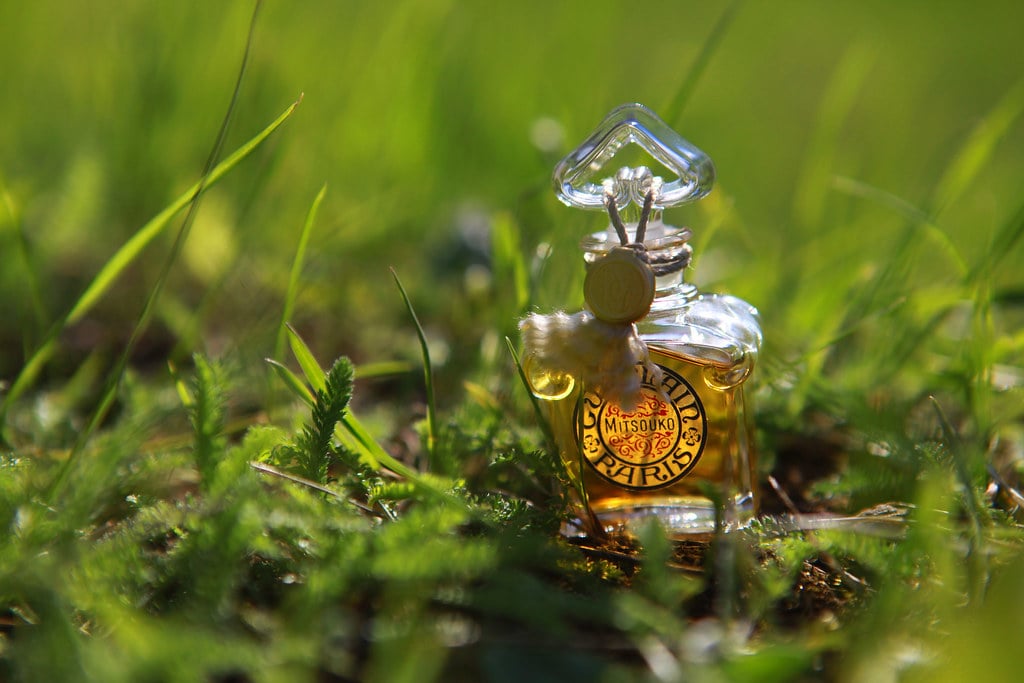
The original Mitsouko formula contained oakmoss at levels that European regulations later restricted. Bottles from before these changes sell for hundreds or even thousands of dollars, depending on their age and condition.
The vintage version has a deeper, more complex character that modern reformulations can’t replicate.
Collectors specifically hunt for bottles with higher fill levels and intact seals. The parfum concentration matters most—the eau de toilette versions don’t command the same prices.
You’ll find these at auction houses or through specialized vintage fragrance dealers, though authentication becomes crucial at these price points.
Chanel No. 5 Parfum (1920s-1950s)
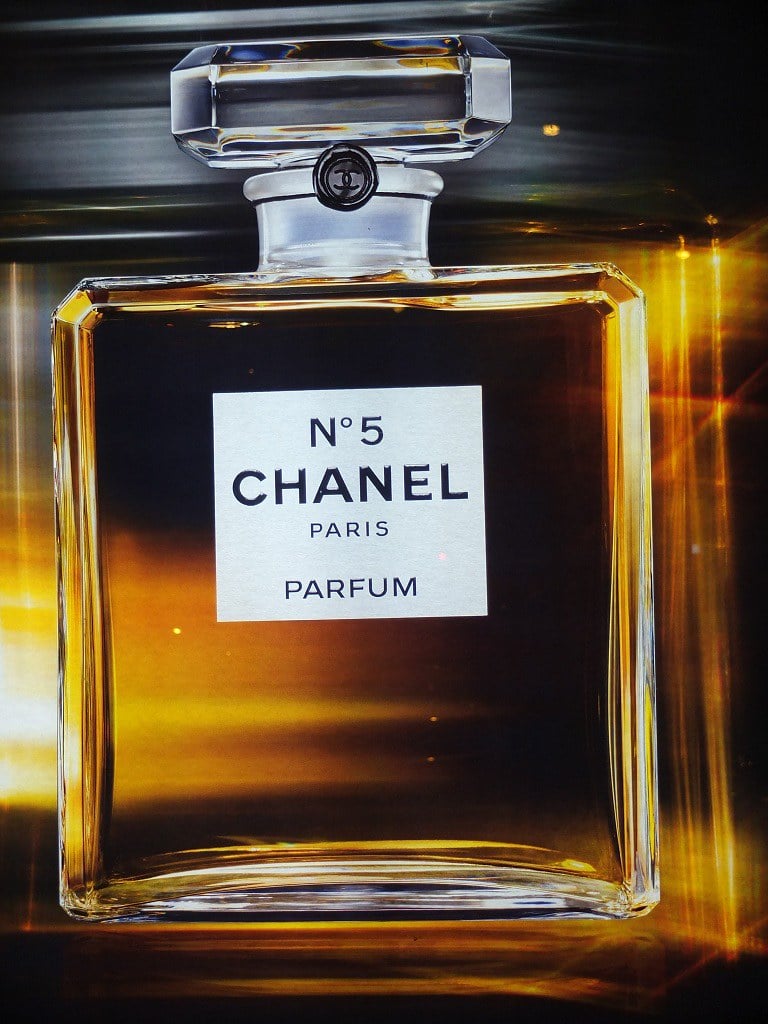
Early bottles of No. 5 in their original packaging can fetch five figures at auction. The formula has changed multiple times over the decades, and perfume historians claim the vintage versions had a richness that’s gone now.
The Baccarat crystal bottles from certain years add another layer of value.
The most sought-after versions come in the rectangular bottle with the faceted stopper. Condition matters enormously—the perfume needs to smell right, the bottle needs its label intact, and the box adds significant value.
Estate sales sometimes yield these finds, though most end up in serious collections.
Caron Tabac Blond Extrait (Vintage)
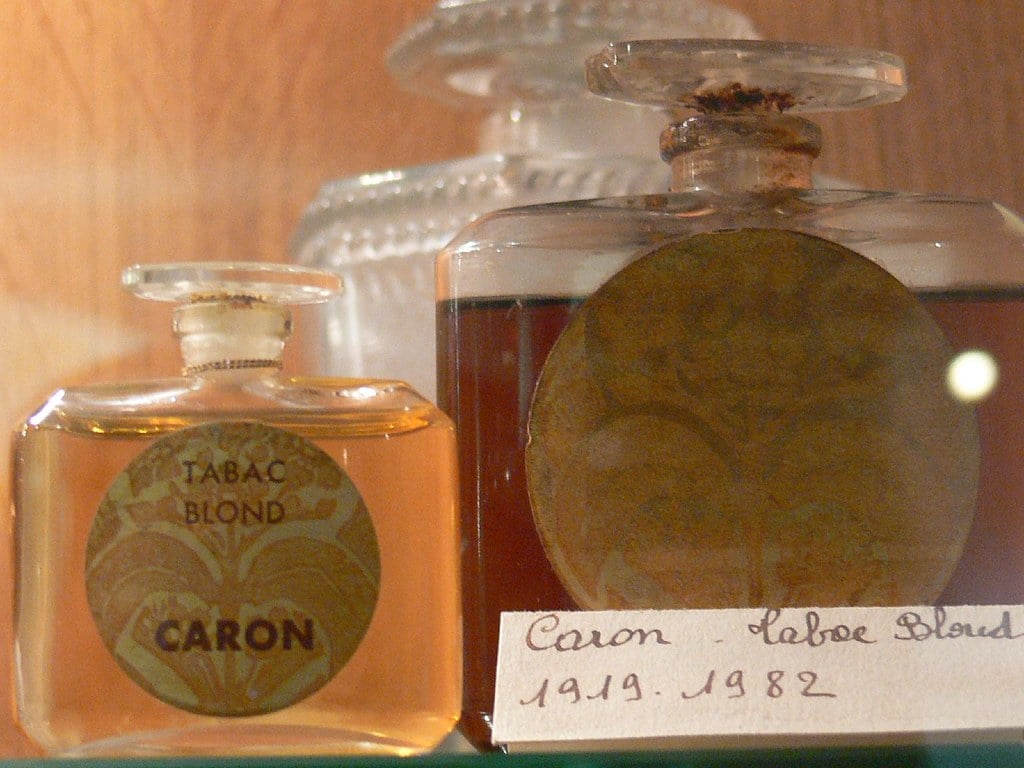
This 1919 creation broke ground by marketing a fragrance with leather and cig notes to women. The vintage extrait in its black Baccarat bottle has become one of the holy grails for collectors.
Prices start in the hundreds and climb quickly for older examples.
The reformulated modern version exists, but vintage fragrance enthusiasts insist it doesn’t capture what made the original so striking. The concentration and quality of ingredients in pre-1980s bottles created something that smells noticeably different.
Finding one in good condition takes patience and usually requires dealing with European sellers who specialize in vintage French perfumes.
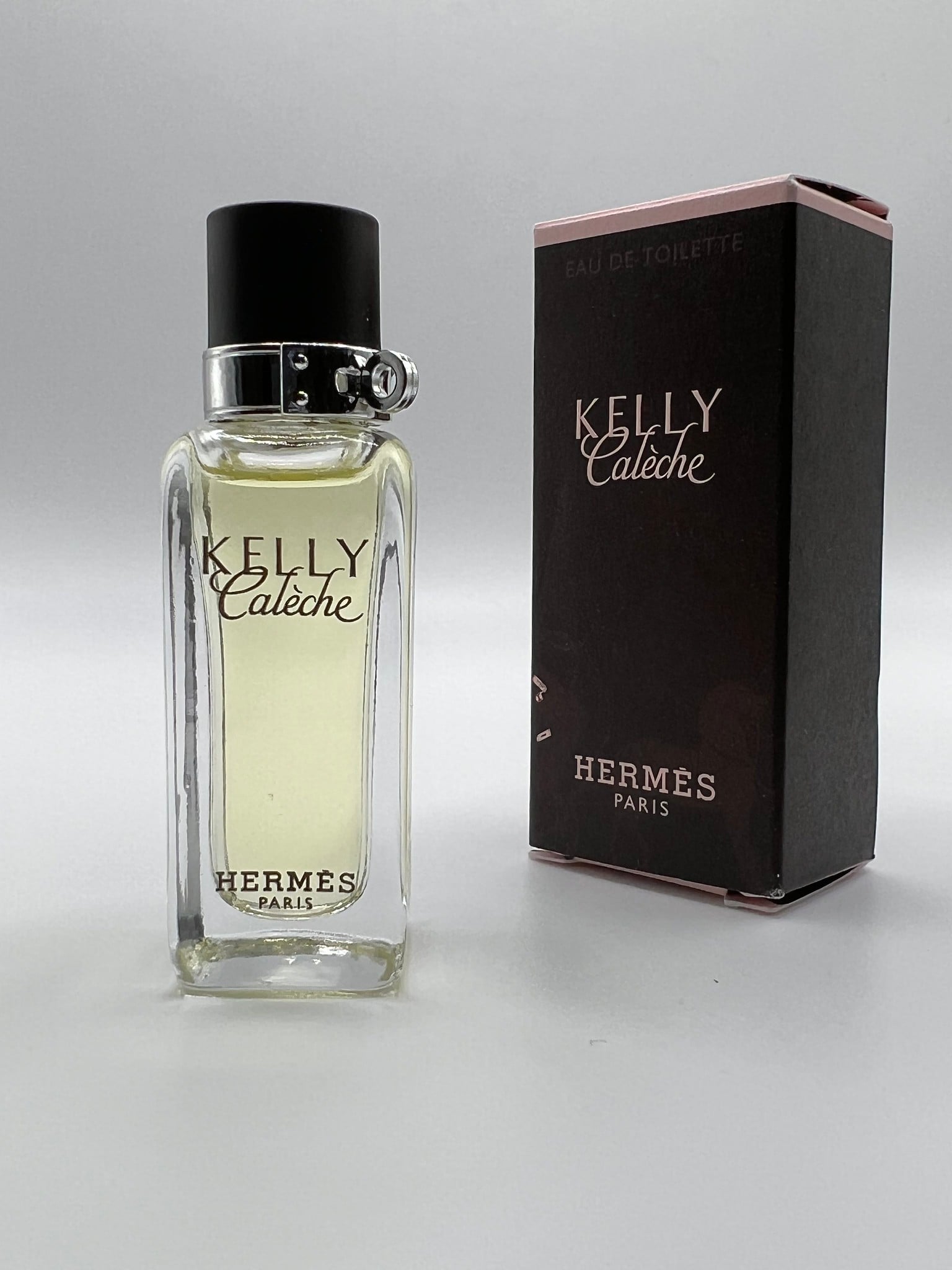
Hermès Calèche Parfum (1960s-1970s)
The original Calèche formula had a sophistication that later versions softened. Vintage bottles, especially in the parfum concentration, sell for several hundred dollars.
The scent captured a particular moment in perfumery when aldehydes and oakmoss created that classic French perfume character.
Collectors look for the bottles with the original labeling and intact boxes. The parfum version matters most—the lighter concentrations don’t hold the same appeal or value.
You’ll occasionally see these at estate sales in France, though online vintage fragrance communities trade them regularly.
Dior Miss Dior Parfum (1947-1990s)

The original Miss Dior formula changed several times before Dior discontinued it entirely and released a completely different fragrance under the same name. Vintage bottles from the 1940s through the 1980s sell based on their age and rarity.
The oldest examples can reach four figures.
The green chypre character of vintage Miss Dior differs dramatically from anything Dior produces today. Collectors prize the bottles with the fabric-wrapped labels and the amphora-shaped flacons.
Authentication matters because counterfeiters have started creating fake vintage Dior bottles.
Rochas Femme Parfum (1940s-1950s)

This Edmond Roudnitska creation in its original formula has become legendary among perfume collectors. The vintage parfum bottles sell for hundreds of dollars, with prices increasing for earlier examples.
The peachy-leathery character in the original formula got muted in later reformulations.
Finding a bottle with perfume that hasn’t turned requires luck and careful purchasing. The fragrance can oxidize over decades, changing the scent entirely.
Serious collectors often buy from established vintage fragrance dealers who guarantee the condition of the juice inside.
Jean Patou Joy Parfum (Pre-1970s)
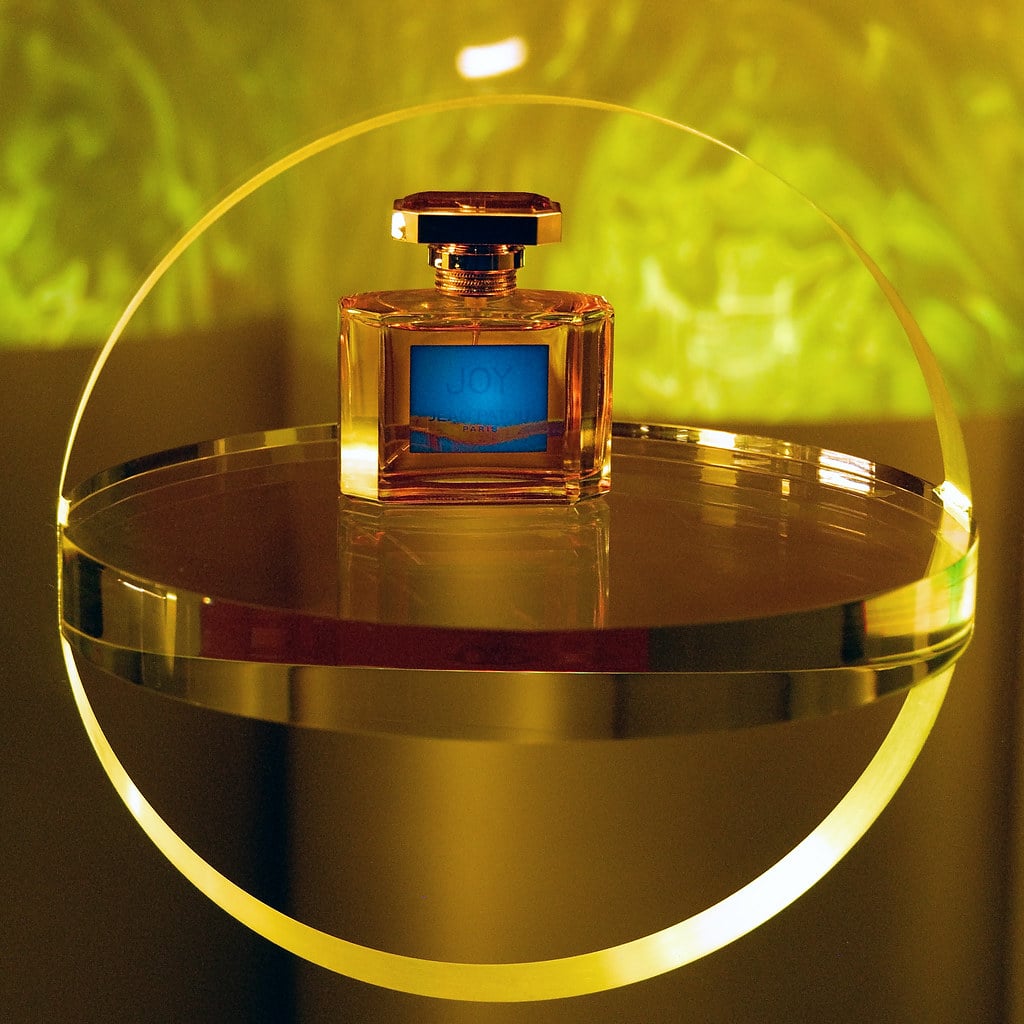
Joy marketed itself as the world’s most expensive perfume when it launched in 1930. Vintage bottles, particularly those in the pure parfum concentration, command high prices today.
The formula used enormous quantities of rose and jasmine, and older bottles supposedly contained even higher concentrations than later versions.
The presentation matters almost as much as the fragrance itself. Joy came in beautiful Baccarat bottles, and collectors want them complete with their boxes and outer packaging.
Auction houses occasionally offer these, though private sales between collectors happen more frequently.
Houbigant Quelques Fleurs Extrait (Vintage)
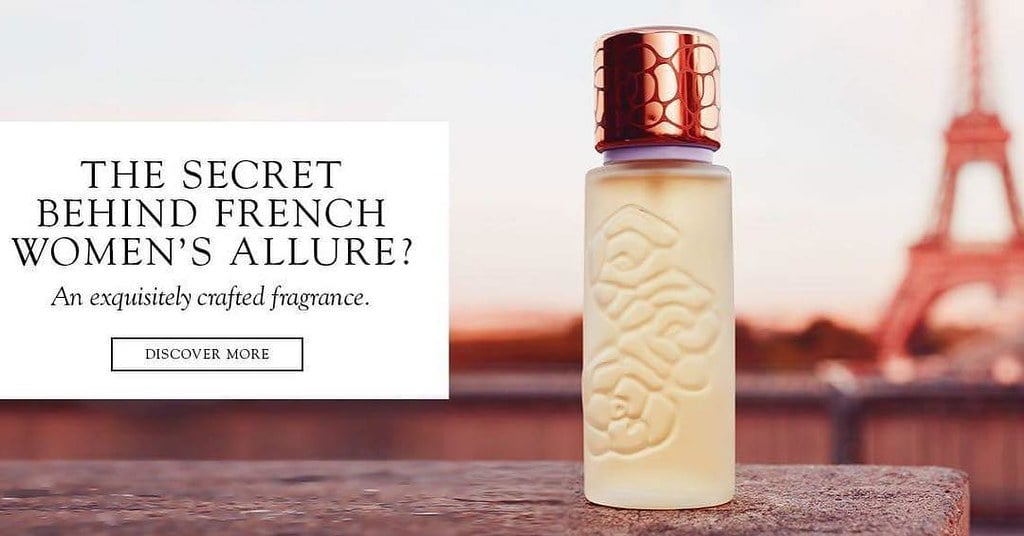
One of the first multi-floral bouquet fragrances, Quelques Fleurs from before the 1980s has qualities that modern versions don’t match. The extrait concentration in its vintage bottle sells for several hundred dollars.
The formula contained natural ingredients at levels that became economically unfeasible to maintain.
The vintage bottles have a particular look—the labels and packaging changed over the years, helping collectors date them. European auction houses sometimes include these in their perfume lots, though specialized online retailers handle most sales.
The condition of the fragrance inside determines much of the value.
Lanvin Arpège Parfum (1920s-1960s)
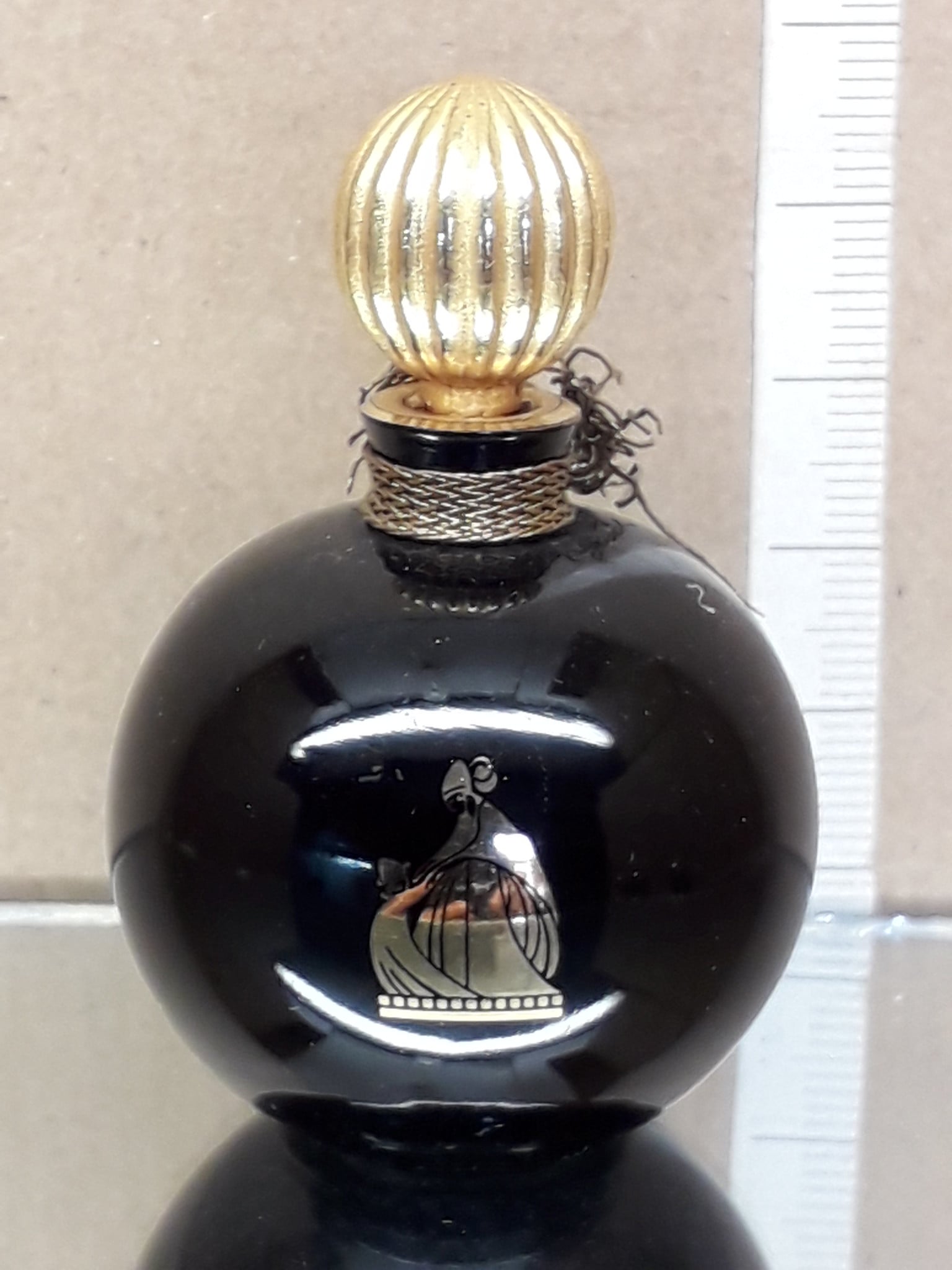
Early bottles of Arpège represent an era of perfumery that prioritized complexity and natural ingredients. The vintage parfum sells for hundreds of dollars, with the oldest bottles commanding premium prices.
The original formula had an aldehydic floral character that reformulations gradually softened.
Collectors hunt for the black spherical bottles with gold lettering, especially those still in their presentation boxes. The fragrance inside needs to remain viable—oxidized perfume loses much of its value.
Authentication becomes important because fake vintage labels appear on modern bottles sometimes.
Worth Je Reviens Parfum (1930s-1950s)

This aldehydic floral created by Maurice Blanchet has vintage bottles that sell for considerable sums. The pre-1960s versions contain natural ingredients that later became restricted or too expensive.
The parfum concentration matters most to collectors, and bottles with high fill levels command the best prices.
The blue bottles with their distinctive stoppers make identification easier, though labels and packaging changed over the decades. Estate sales occasionally produce finds, but most collectors acquire these through specialized dealers or fragrance forums where enthusiasts trade and sell.
Robert Piguet Bandit Parfum (1940s-1950s)

That leather scent by Germaine Cellier? Original formula, now a myth. Old perfume bottles trade for big money – amount depends on how old they are, how well kept.
Back then, oakmoss and more were used freely, before rules clamped down.
That old-school Bandit hits hard, wilder than today’s softer versions. Before the seventies, each bottle carried something raw – something Cellier meant to say.
Hunting one down means knowing people who’ve been around long enough to keep them safe. You won’t stumble on these by chance; they stay tucked away where only insiders look.
Guerlain L’Heure Bleue Parfum Before 1980s

Older versions of L’Heure Bleue once used real anise, a feature later blended toned down or left out entirely. Value climbs with age, especially for bottles made before WWII, some hitting thousands.
What really counts is the perfume strength – weaker forms simply aren’t worth as much.
That scent has to be just as it was, so years of careful keeping matter. Labels still attached, boxes never tossed – this is what collectors look for.
Across Europe, most deals happen, yet now and then a big find shows up at an auction in the US.
When Smell Turns Into Memory

Still, interest climbs for old perfume – folks now see them as more than scent. Not only do they carry forgotten recipes, but also legal shifts killed some blends.
Because materials vanished or prices rose too high. A single container holds time itself, one whiff away from the past – if money isn’t a wall.
Yet reaching back means opening your wallet wide.
One reason people love this chase? It’s woven right into the thrill.
Years slip by while hunters pin down certain bottles, bonding with sellers, picking up tricks to prove each one’s real. Hidden far away, maybe tucked behind old socks or gathering dust in some attic corner, another prize waits quiet and unseen – history poured into glass, just needing eyes that know its worth.
More from Go2Tutors!

- The Romanov Crown Jewels and Their Tragic Fate
- 13 Historical Mysteries That Science Still Can’t Solve
- Famous Hoaxes That Fooled the World for Years
- 15 Child Stars with Tragic Adult Lives
- 16 Famous Jewelry Pieces in History
Like Go2Tutors’s content? Follow us on MSN.