15 Recipes Every Grandmother Made in the ’50s That Have Been Completely Forgotten
There was a time when every kitchen hummed with the sound of something slow-cooking, when recipes passed from mother to daughter like family heirlooms, and when dinner meant more than reheating leftovers. The 1950s represented the last generation where home cooks still relied on techniques their own grandmothers had taught them—before convenience foods swept through American kitchens like a well-marketed revolution.
These weren’t just recipes; they were rituals that required patience, skill, and ingredients that couldn’t be rushed. Many have vanished completely, casualties of our collective sprint toward efficiency.
But underneath the dust of forgotten recipe boxes lies a treasure trove of dishes that once graced every family table, each one carrying the weight of tradition and the satisfaction of something made entirely by hand.
Tomato Aspic
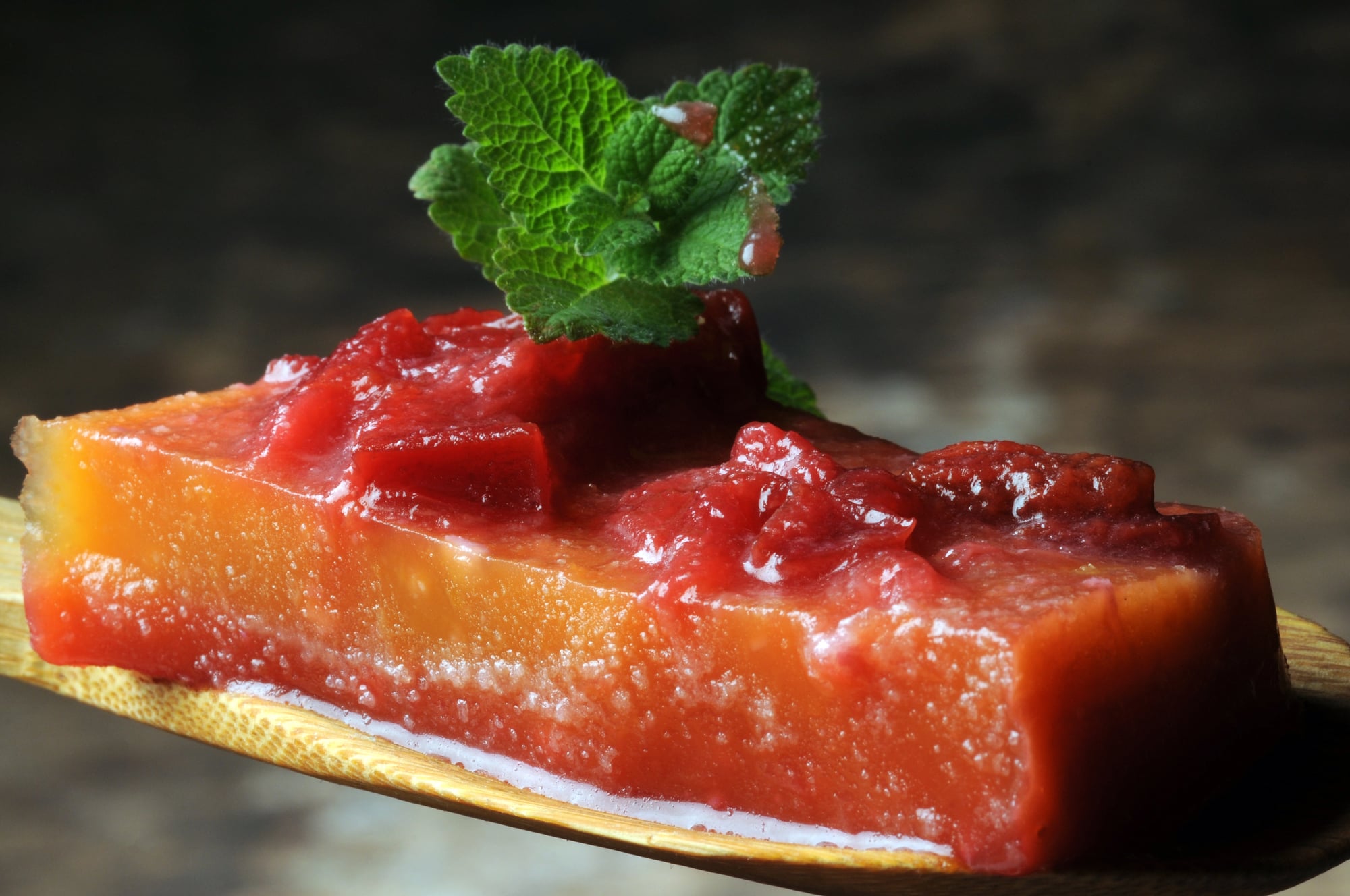
Tomato aspic ruled the 1950s dinner table. Clear, wobbly, and impossibly elegant, this molded salad turned simple tomato juice into something worth photographing.
Every hostess had her secret—a dash of worcestershire, a pinch of celery salt, the perfect balance of gelatin to liquid. It disappeared because nobody wants to wait four hours for their salad to set.
Chicken À La King
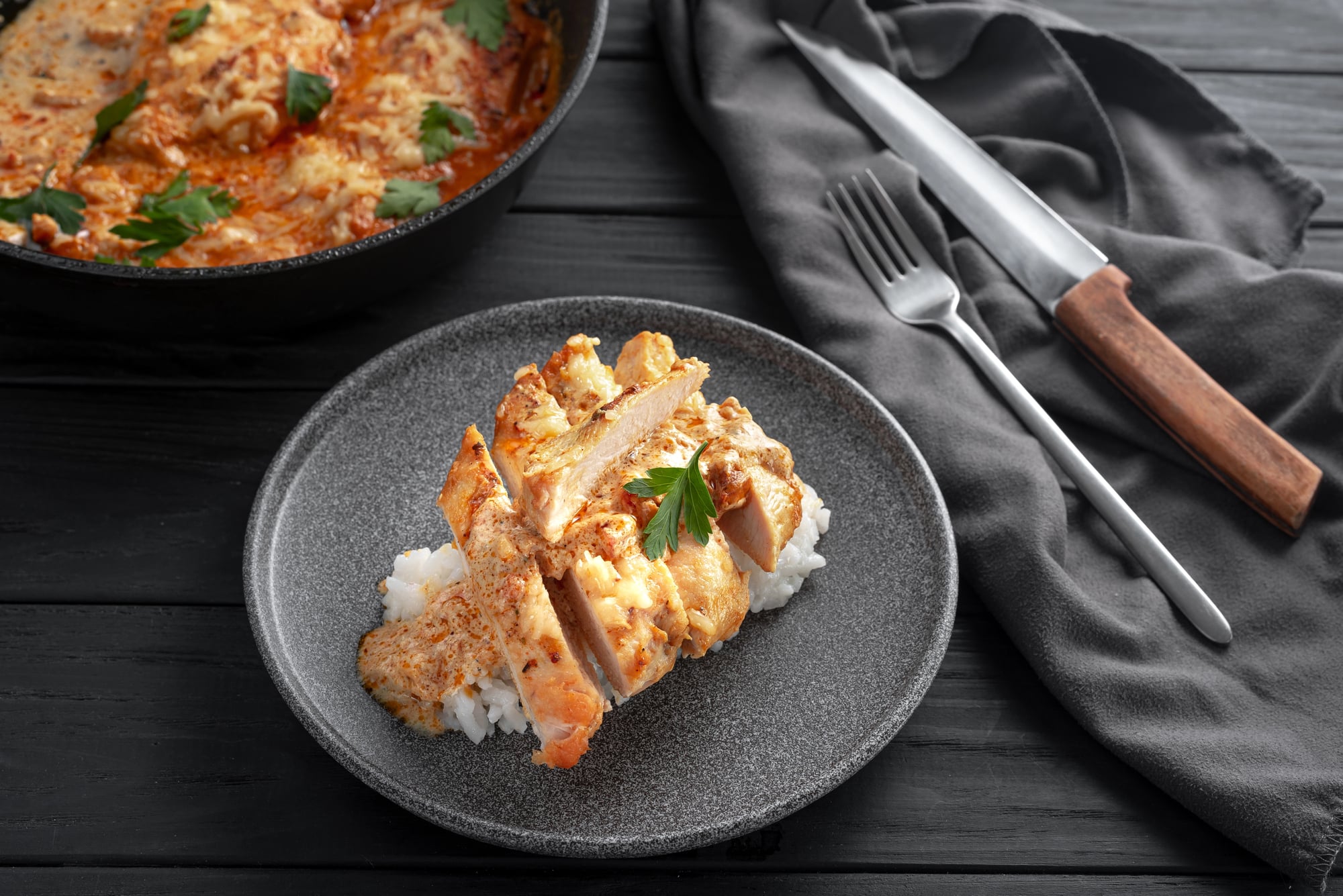
This wasn’t just leftover chicken dressed up for company (though it started that way, back when wasting food felt like a moral failing). Grandmother’s version involved a careful roux, perfectly diced vegetables, and cream that had to be coaxed into cooperation without curdling.
The dish required technique, timing, and a confidence that modern cooks—spoiled by pre-made sauces and microwave shortcuts—rarely develop. And yet, when done properly, chicken à la king possessed an understated richness that made Sunday dinners feel like occasions worth dressing up for, even if you were just eating in the kitchen with flour still dusting your apron.
So where did it go? Somewhere between the invention of cream-of-whatever soup and our collective decision that anything requiring a roux wasn’t worth the effort.
But those grandmothers knew something we’ve forgotten: the difference between food that fills you up and food that actually satisfies.
Pineapple Upside-Down Cake
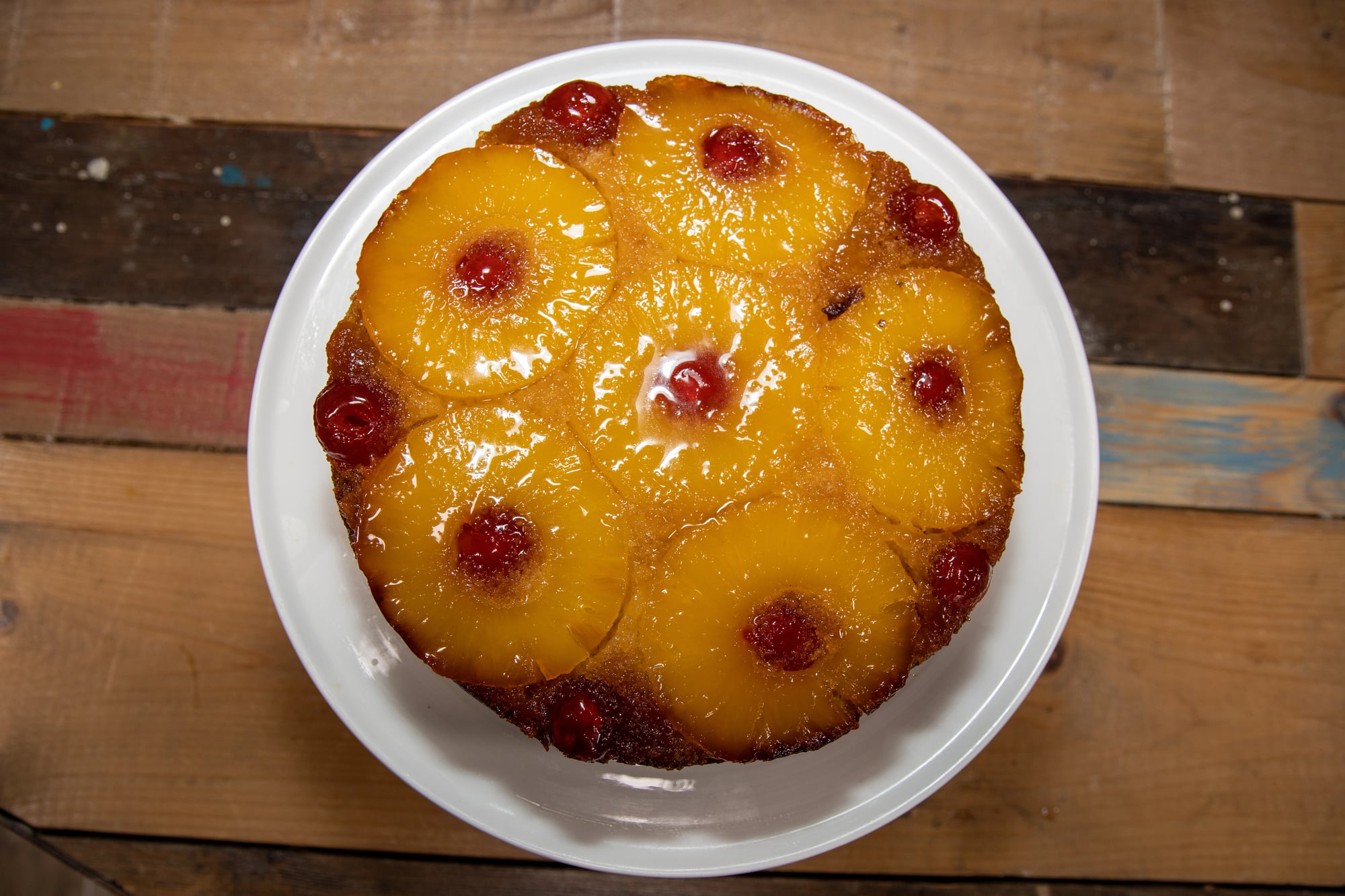
The cake that defied gravity and common sense. Pineapple rings swimming in brown sugar and butter, topped with batter, then flipped like a magic trick.
Every grandmother had her own technique for the flip—some used a serving plate, others trusted their wrist and said a prayer. This cake demanded timing.
Too early and it fell apart. Too late and it stuck to the pan like concrete.
The drama of the reveal made every birthday feel like a small miracle.
Welsh Rarebit
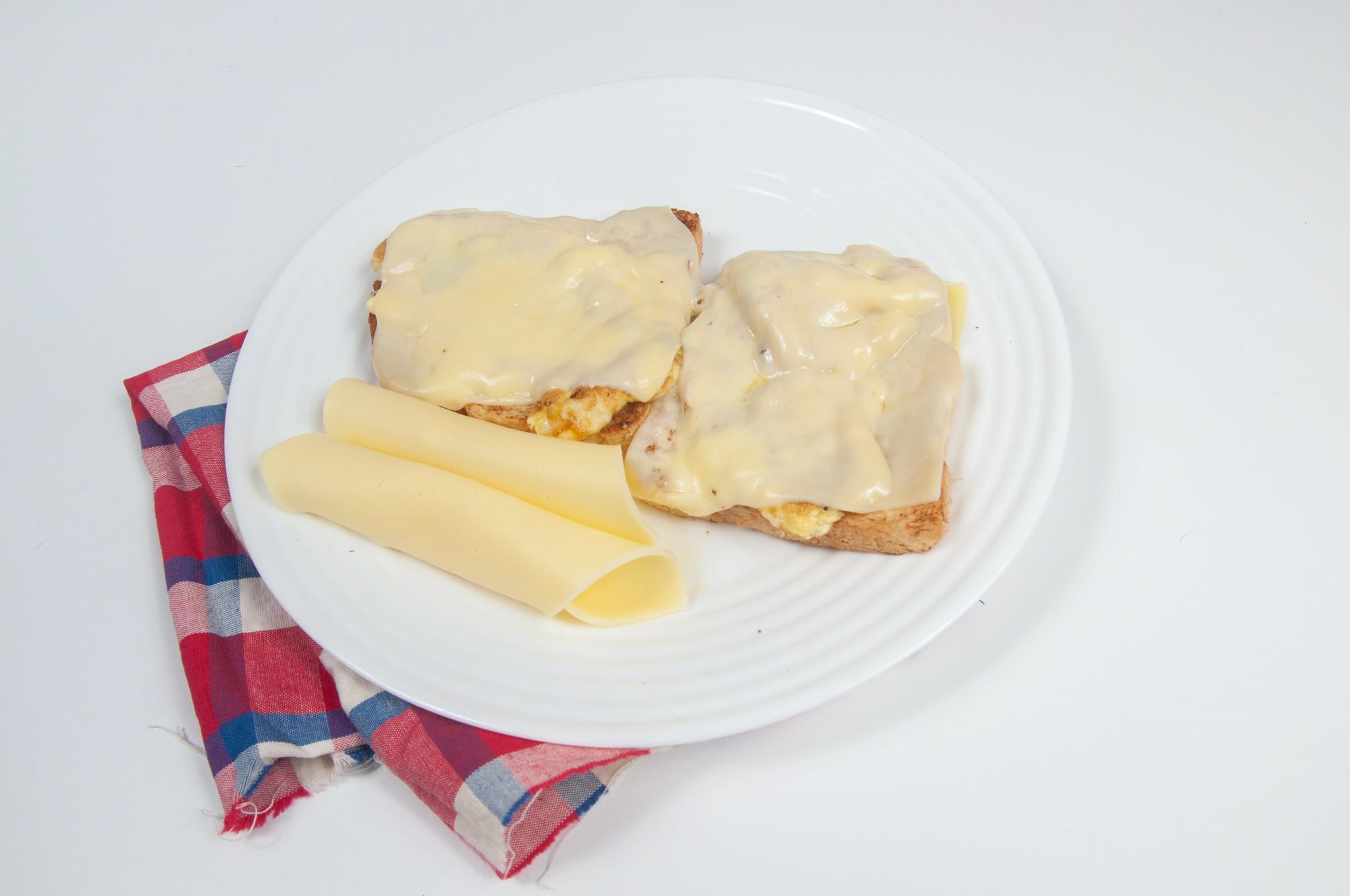
Welsh rarebit was never about the Welsh, and there was definitely no rabbit involved—though explaining that to curious grandchildren became part of the ritual, along with the careful stirring and the precise moment when cheese transformed from solid to silk. The dish demanded attention in a way that modern cooking rarely allows: you couldn’t walk away, couldn’t multitask, couldn’t check your phone while the mixture threatened to break if you so much as breathed wrong.
But there was something almost meditative about standing at the stove, wooden spoon in hand, watching sharp cheddar melt into beer (or milk, depending on your grandmother’s tolerance for scandal) until it achieved that perfect, glossy consistency that would coat the back of a spoon without running off like water. The smell alone—nutty, sharp, faintly yeasty—could summon children from three rooms away.
Liver and Onions
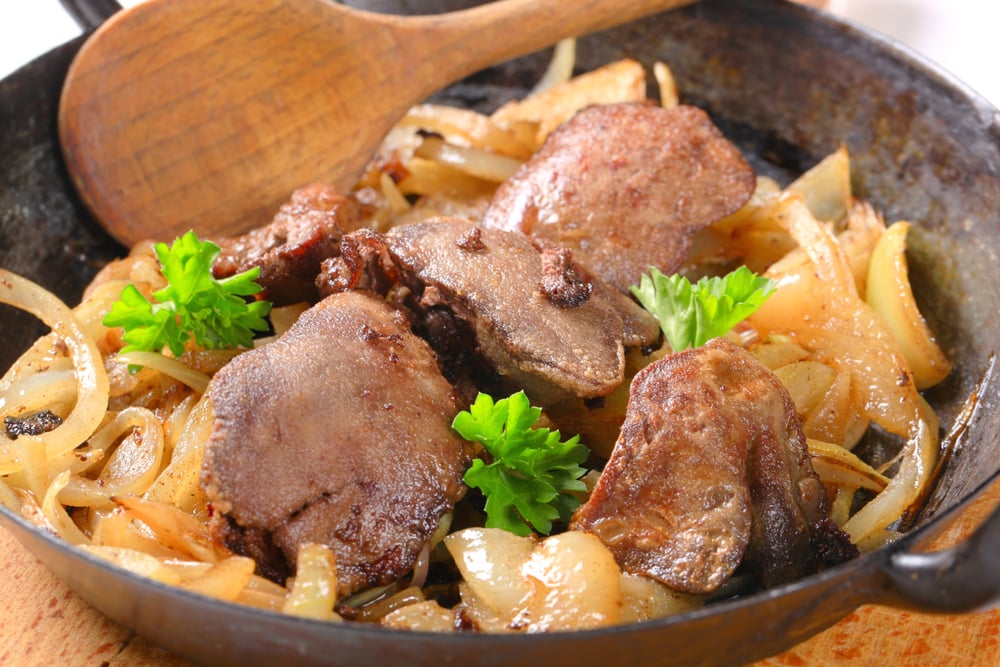
Liver and onions separated the serious cooks from the squeamish. The dish required respect for timing, technique, and the uncomfortable truth that organ meat, when handled properly, could actually taste good.
Most people remember it as punishment food. They never had it done right.
Grandmother knew the secret: don’t overcook it, don’t under-season it, and always serve it with enough onions to make crying seem justified. The dish vanished when we decided food shouldn’t require courage.
Creamed Chipped Beef on Toast
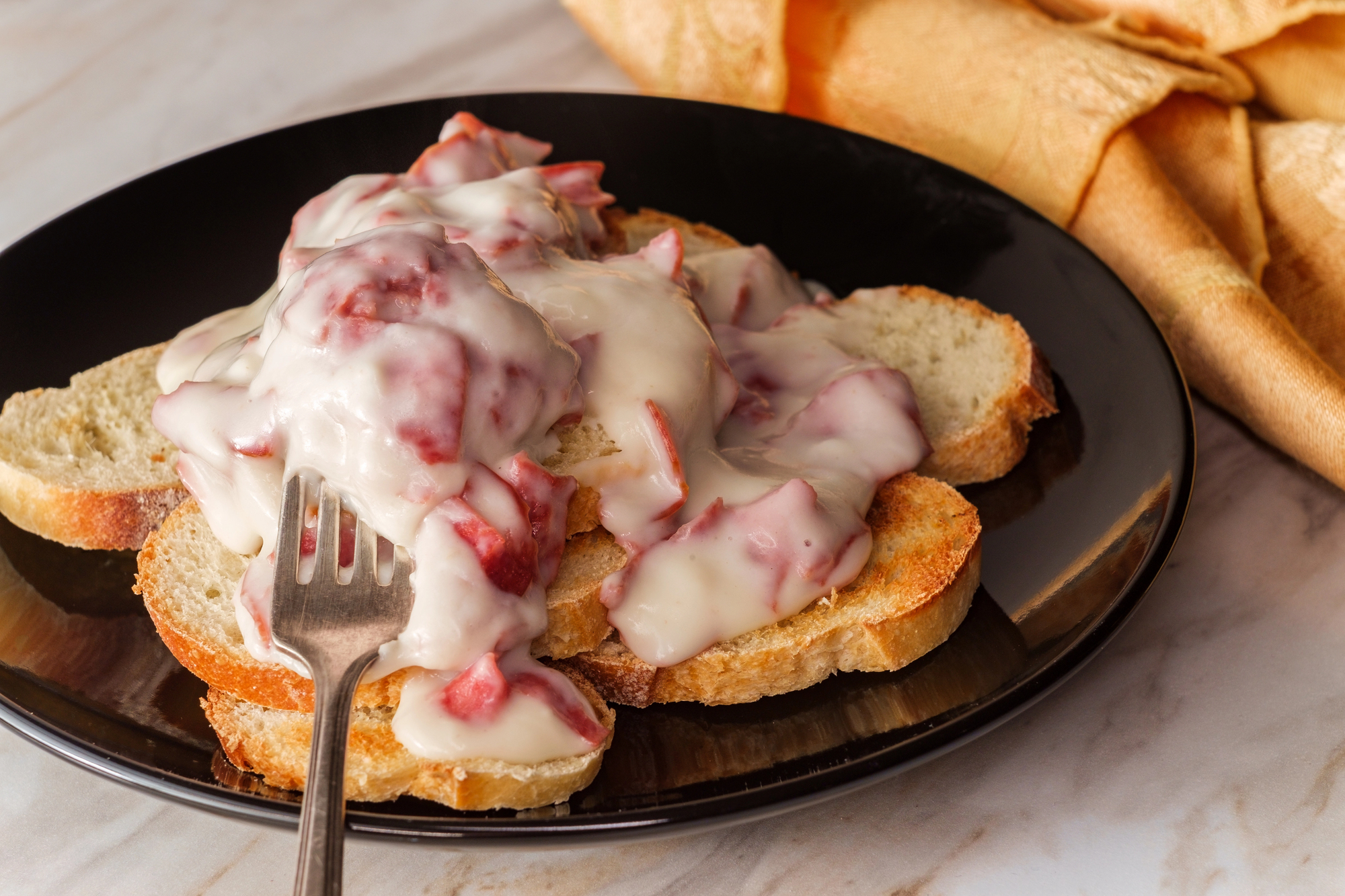
Also known as SOS by anyone who’d spent time in the military, this humble dish transformed dried beef into something approaching comfort food through the alchemy of white sauce and patient stirring. There was an art to getting the sauce right—thick enough to cling, thin enough to pour, seasoned enough to make you forget you were essentially eating preserved meat on bread.
Grandmother’s version always tasted different from the cafeteria version, though the ingredients list looked identical on paper. The dish carried the weight of lean times and practical necessity, when wasting food felt like throwing money directly into the trash.
It required no fresh ingredients, no special equipment, no ingredients that couldn’t survive a few weeks in the pantry. And yet, in the right hands, it became something worth looking forward to—proof that technique could elevate even the most humble ingredients into something that felt like abundance.
Beef Stroganoff
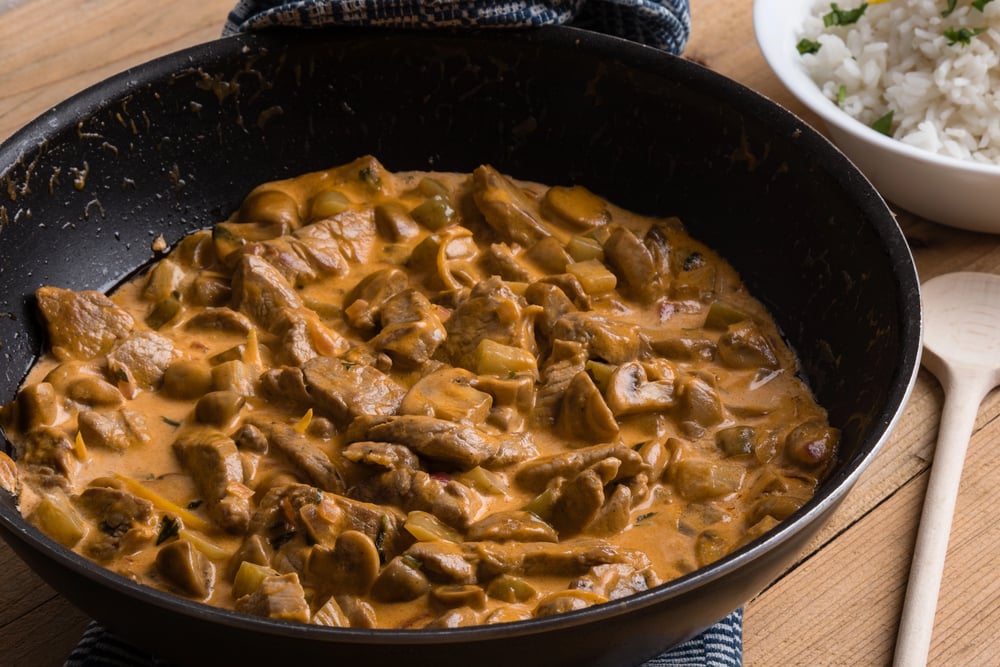
Real beef stroganoff never came from a packet. Thin slices of beef, properly seared, swimming in a sauce that balanced sour cream’s tang with mushrooms’ earthiness.
The timing had to be perfect—overcook the beef and you’d created expensive shoe leather. Rush the sauce and it would break into greasy disappointment.
This dish demanded good ingredients and better technique. No shortcuts, no substitutions, no forgiveness for impatience.
Tuna Noodle Casserole
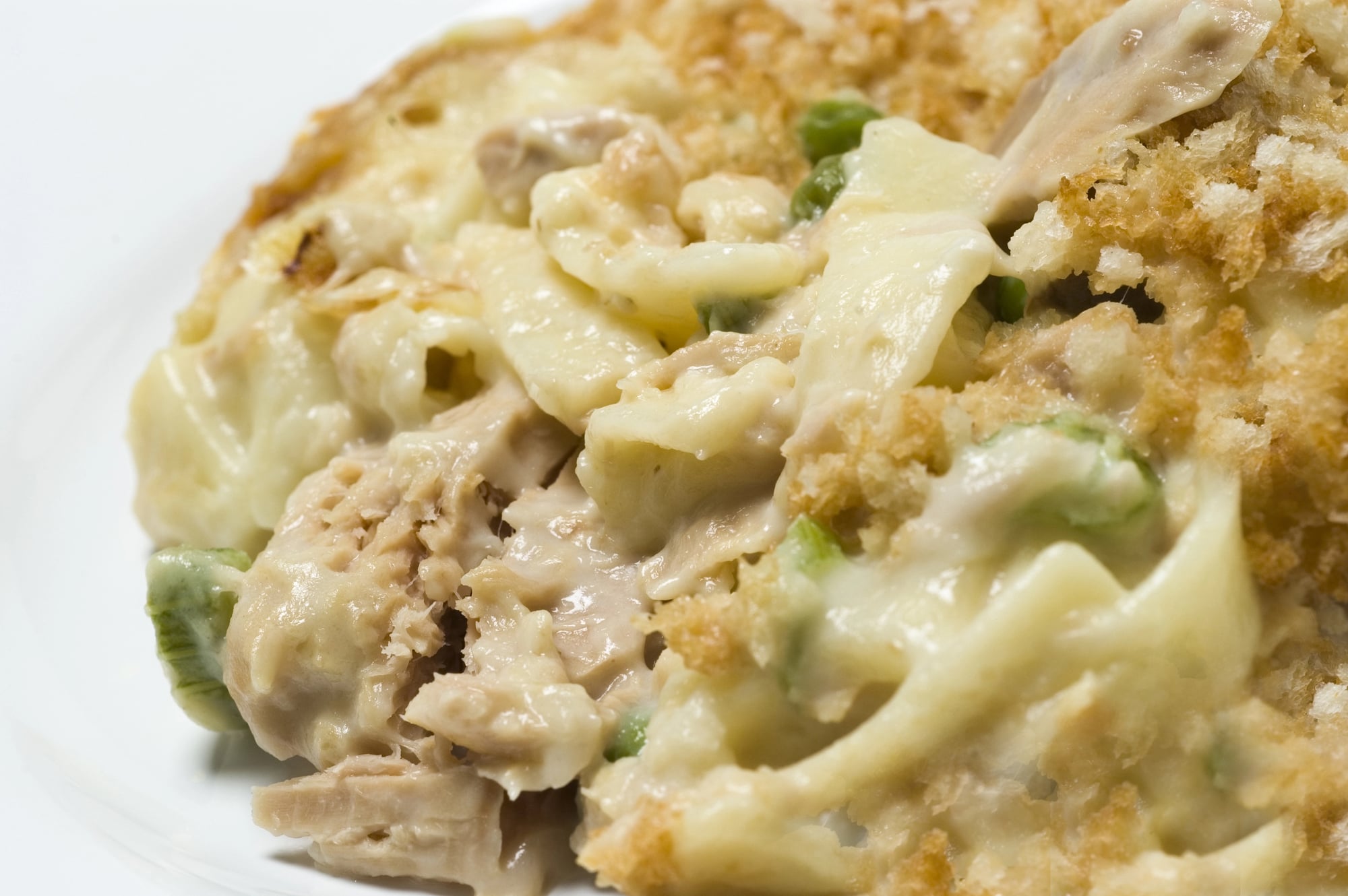
Before it became a punchline, tuna noodle casserole was serious business—the kind of dish that could stretch a can of fish into dinner for six, assuming you knew how to build layers of flavor instead of just dumping ingredients into a pan and hoping for the best. Grandmother’s version bore little resemblance to the cream-of-mushroom-soup-and-crushed-potato-chips version that followed, though both served the same essential purpose: feeding people well on very little money.
The original required a proper white sauce (there was no escaping the roux in those days), good egg noodles that wouldn’t turn to mush under pressure, and enough seasoning to make canned tuna taste like something you’d actually chosen to eat rather than something that had been chosen for you by economic necessity.
Stuffed Bell Peppers
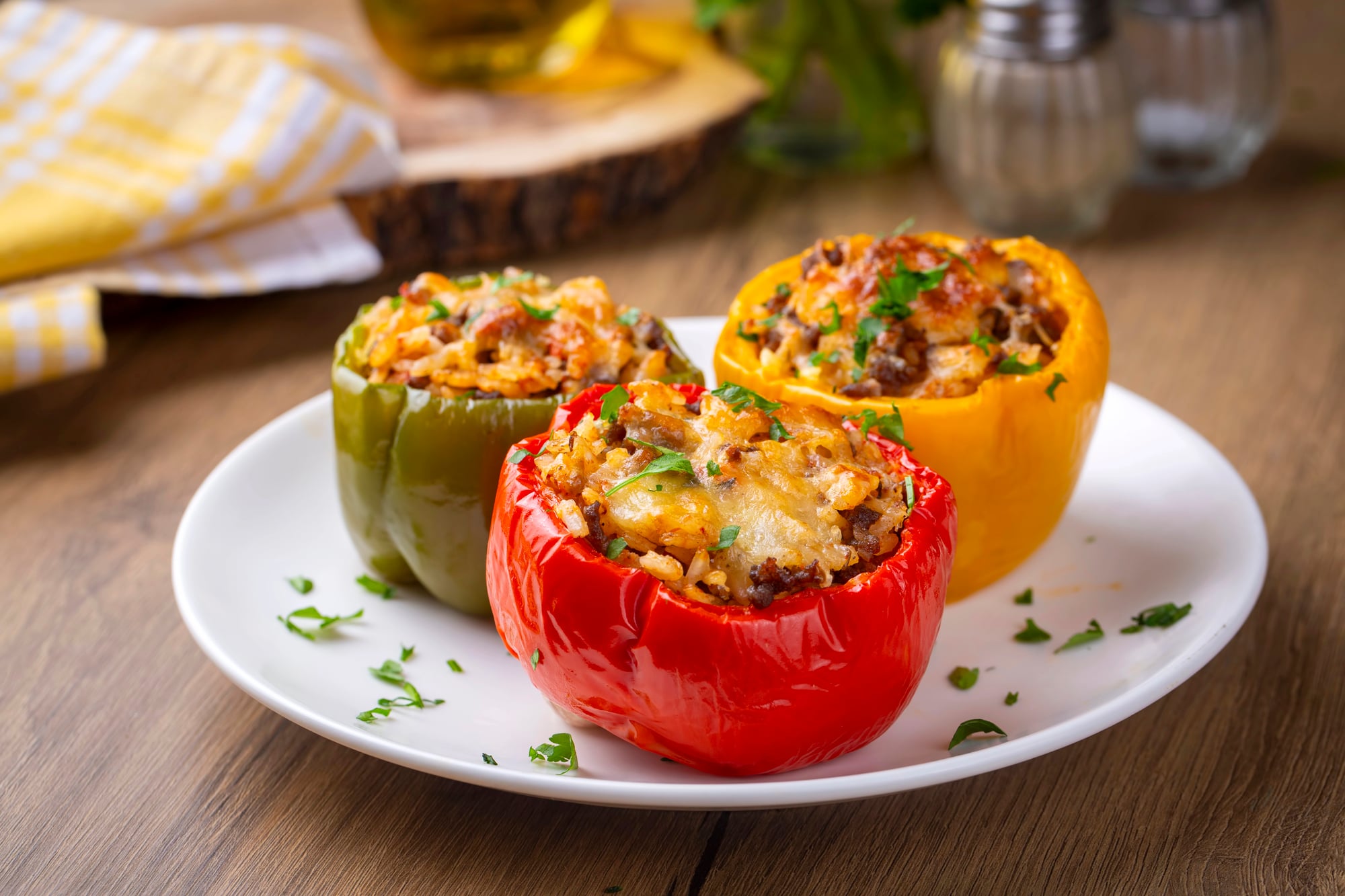
Hollowed-out peppers standing at attention, filled with a mixture of rice, ground beef, and whatever vegetables needed using up. The dish required patience—peppers that held their shape but gave way to a fork, filling that stayed moist without becoming soggy, timing that brought everything together without overcooking any single component.
Each family had their own variation. Some added tomatoes.
Others swore by breadcrumbs. The best versions balanced all the elements so perfectly that you forgot you were eating something that had been invented to use up leftovers.
Divinity Candy
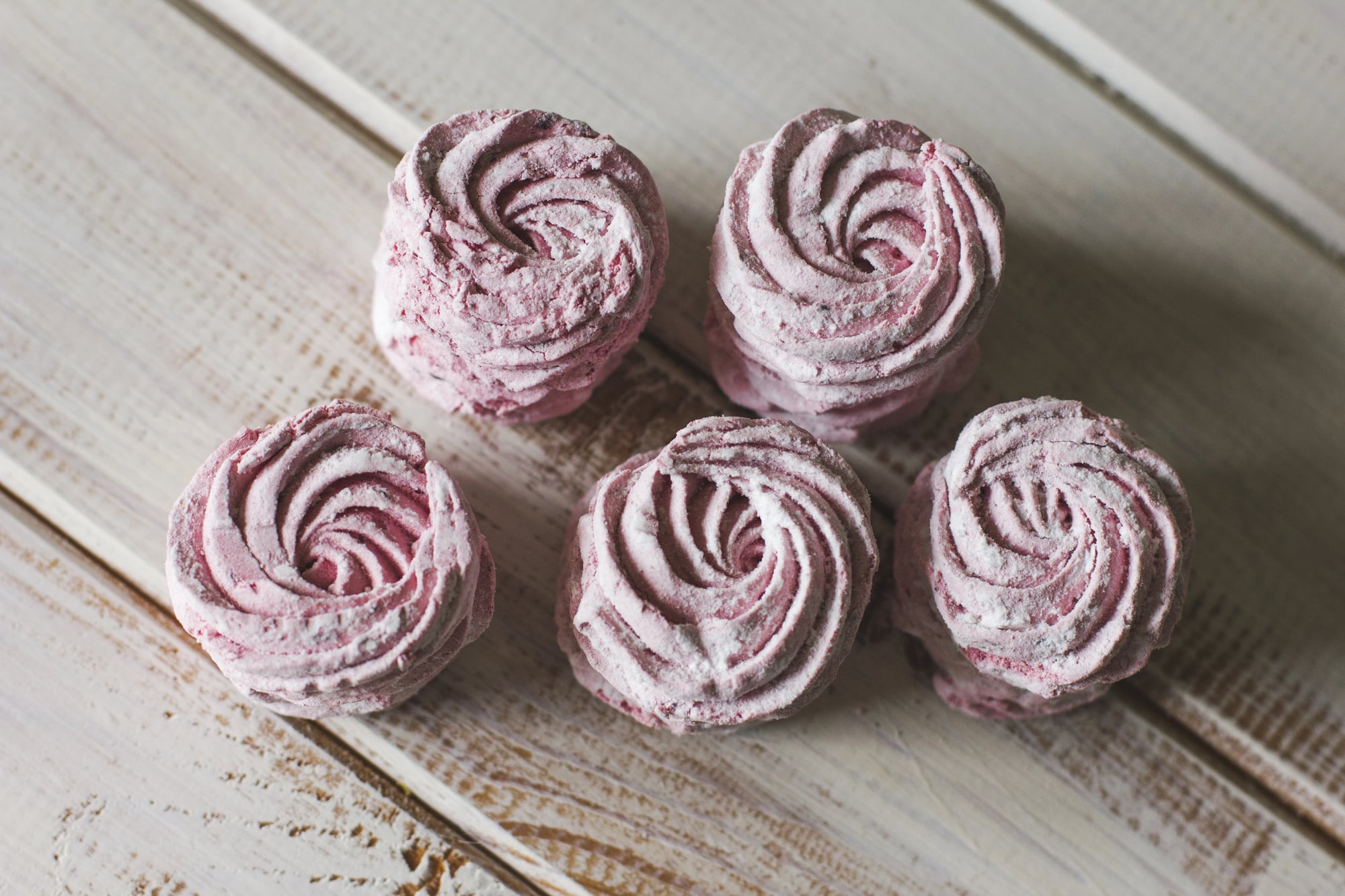
Divinity candy was pure white magic—egg whites whipped to impossible peaks, sugar syrup heated to the precise temperature where it would set without crystallizing, and enough faith to believe that somehow these two elements would come together into something edible rather than disaster. The process demanded respect for chemistry and weather; humid days meant certain failure, and there was no fixing a batch that went wrong.
But when it worked, divinity achieved something close to its name: pillowy, sweet clouds that dissolved on your tongue like flavored air, often studded with pecans or coconut for texture. Making it became a ritual reserved for special occasions and confident cooks, the kind of recipe that got passed down with warnings and stories about the batches that didn’t make it.
So why did it disappear? Because candy became something you bought rather than made, and because few people had the patience to stand over a pot of molten sugar, testing temperatures and watching for signs that nature was about to cooperate with their intentions.
Salmon Patties
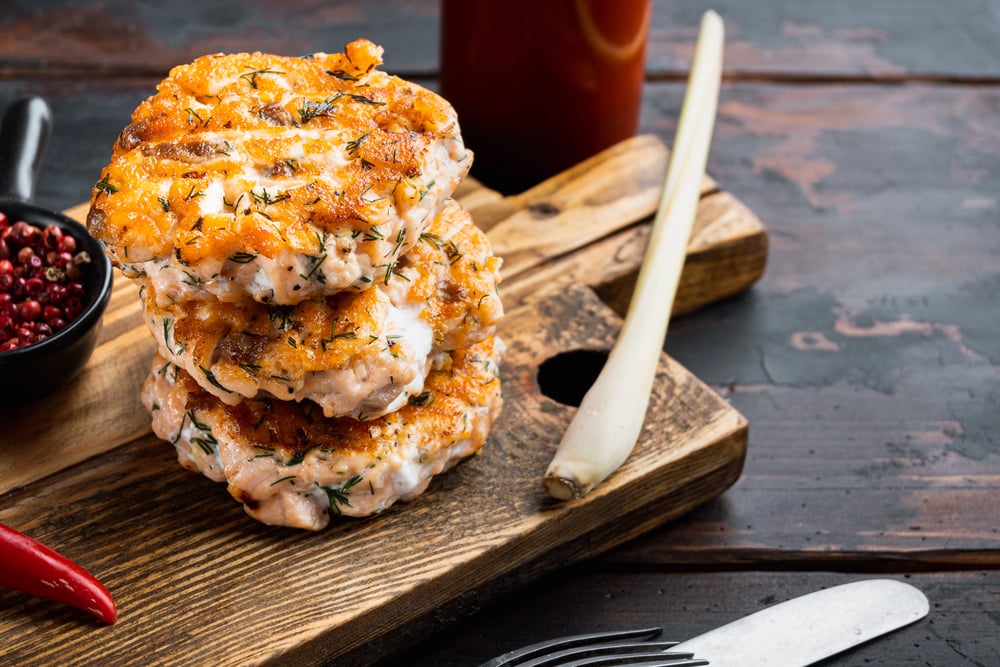
Canned salmon transformed into something worth eating. Bones picked out by hand, skin removed with the patience of someone who understood that shortcuts showed up in the final product.
Mixed with breadcrumbs, egg, and just enough seasoning to mask the fact that this wasn’t fresh fish. The secret was in the pan work—hot enough to create a proper crust, gentle enough that the inside stayed moist.
Served with tartar sauce and the understanding that this was good food, not cheap food.
Red-Eye Gravy
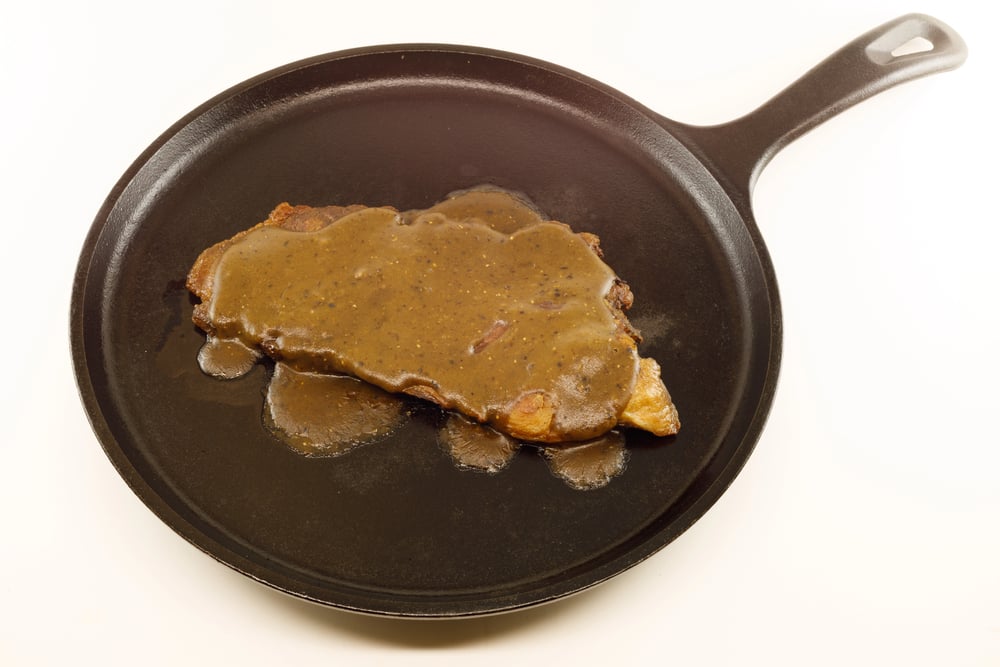
Red-eye gravy made something from nothing—country ham drippings, coffee, and enough technique to turn what looked like a mistake into something worth sopping up with biscuits. The color came from the coffee, the flavor from the ham fat, and the magic from understanding that sometimes the best sauces happen when you stop trying so hard to be fancy.
This wasn’t restaurant food or company food; it was breakfast food for people who understood that flavor mattered more than appearance. The gravy looked wrong—thin, dark, almost translucent—but tasted like the kind of morning that made getting up early feel worthwhile.
It required good country ham (not the sweet, wet stuff that passes for ham now), strong coffee, and the confidence to serve something that looked like it might have been an accident.
Succotash
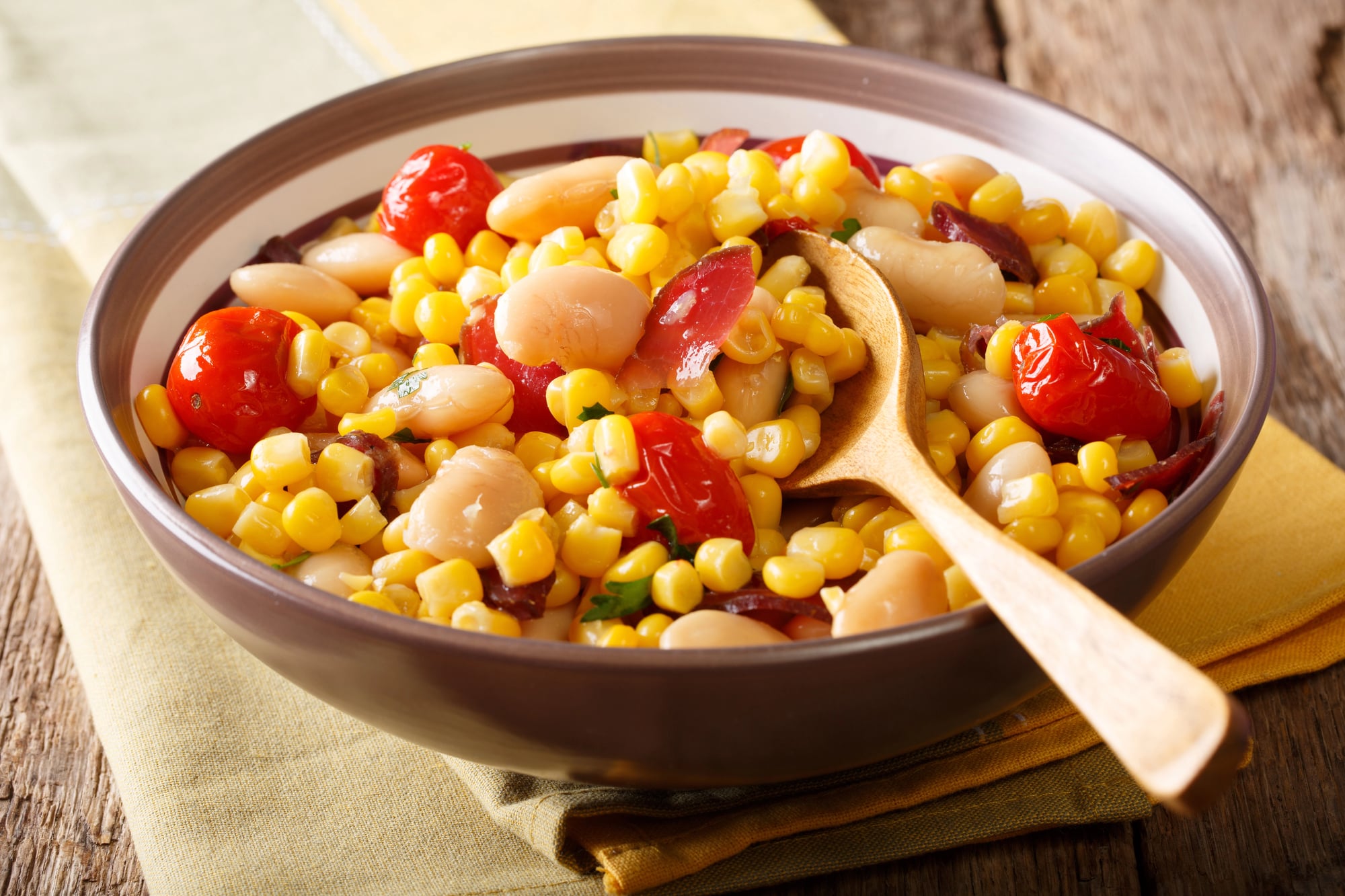
Succotash elevated corn and lima beans beyond their individual limitations through careful timing and the understanding that some combinations improve everything involved. The dish required patience—lima beans that were tender without being mushy, corn that still had some snap, seasoning that enhanced rather than masked the vegetables’ natural sweetness.
Most people remember bad succotash: overcooked vegetables swimming in butter, textures that had given up the fight. Done properly, succotash achieved a balance that made both vegetables better than they could ever be alone.
Crown Roast of Lamb
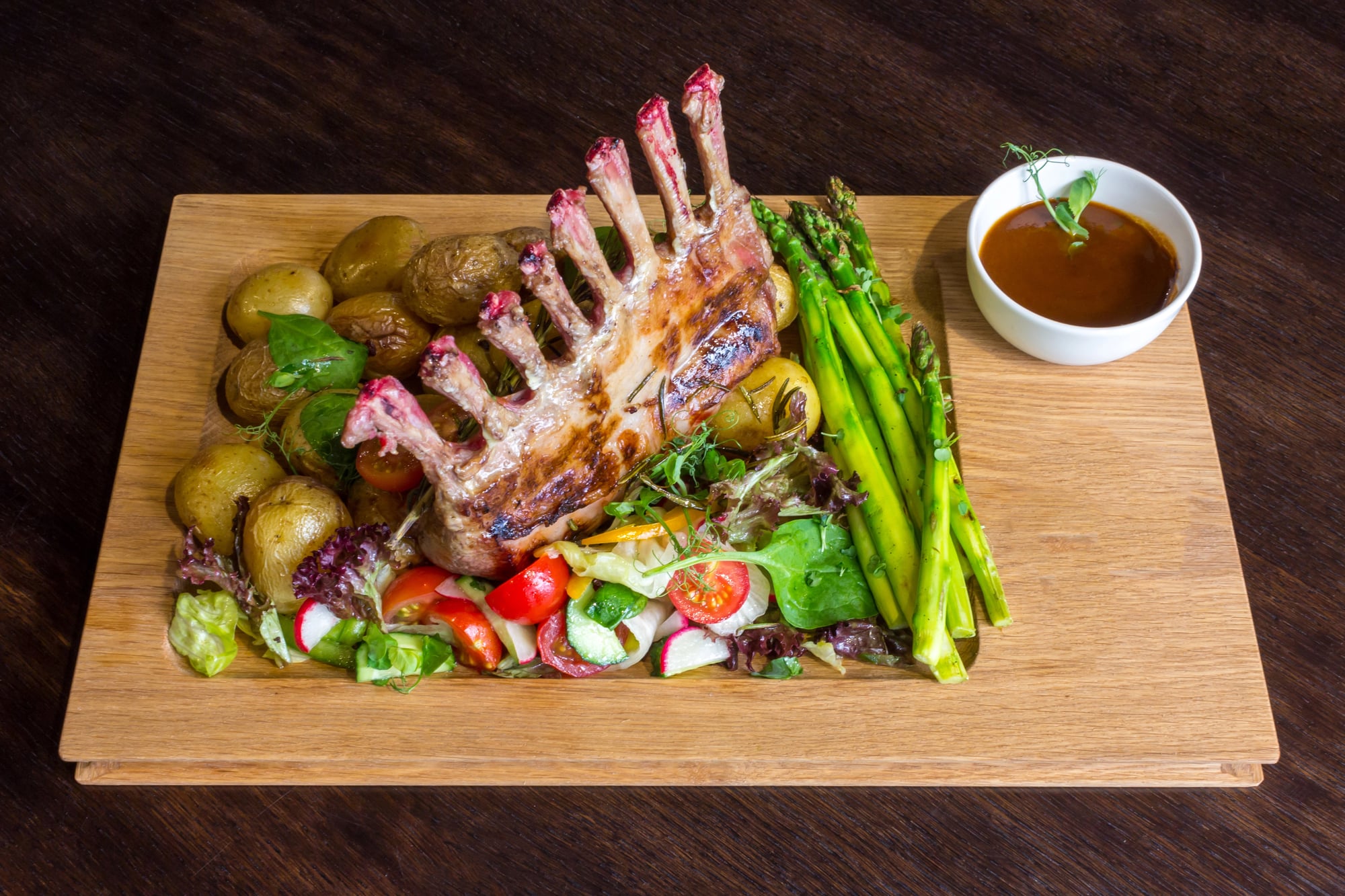
Crown roast of lamb was the show-off dish, the centerpiece that announced special occasions and cooks who weren’t intimidated by butcher requests or complicated carving techniques. The presentation alone—ribs curved into a crown, paper frills adorning each bone, the center cavity filled with stuffing or vegetables—required confidence and planning that extended well beyond simply cooking meat.
But underneath the drama was serious technique: frenching the ribs, tying the roast into its circular shape, timing the cooking so that the meat stayed pink while the outside developed a proper crust. The dish demanded good lamb (expensive even then), sharp knives, and the kind of occasion that justified both the cost and the effort.
And yet, when everything came together—the dramatic presentation, the perfectly cooked meat, the ritual of carving tableside—crown roast created the kind of dinner party moment that guests remembered for years.
Ambrosia Salad
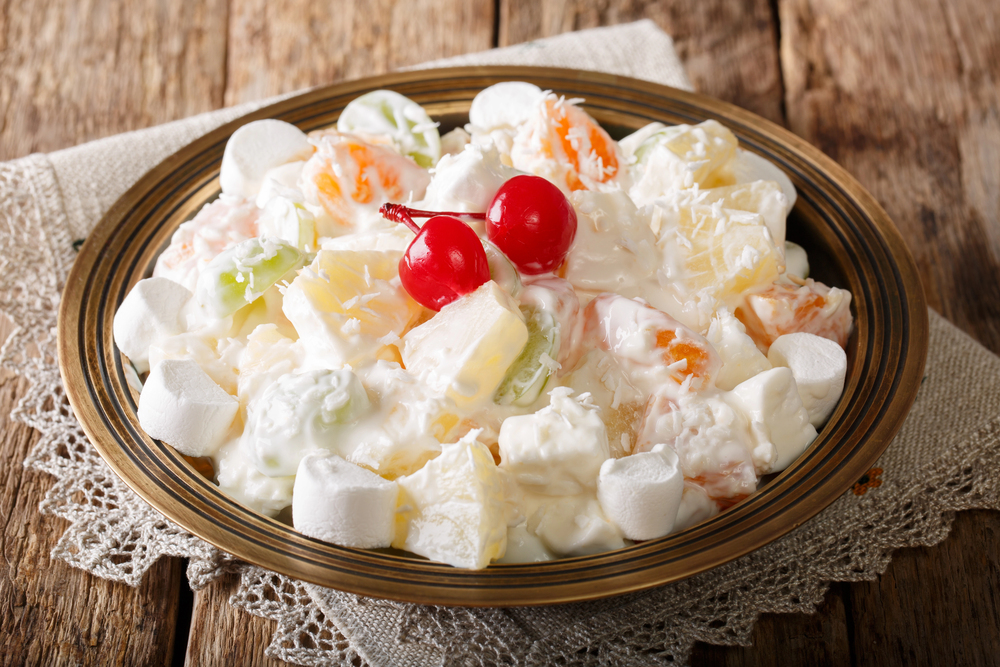
Ambrosia salad belonged to an era when dessert salads made perfect sense and nobody questioned fruit suspended in whipped cream alongside coconut and marshmallows. The name promised food of the gods, and for children navigating dinner tables dominated by unfamiliar vegetables and mysterious casseroles, ambrosia delivered on that promise with reliable sweetness and familiar textures.
The recipe seemed simple enough—oranges, grapes, coconut, marshmallows, whipped cream—but the best versions achieved a balance that kept the fruit from drowning in dairy and the sweetness from overwhelming everything else. Some families added nuts, others included maraschino cherries, and the truly ambitious folded in pineapple or bananas, though timing became crucial once fresh fruit entered the equation.
A Taste of What We’ve Lost
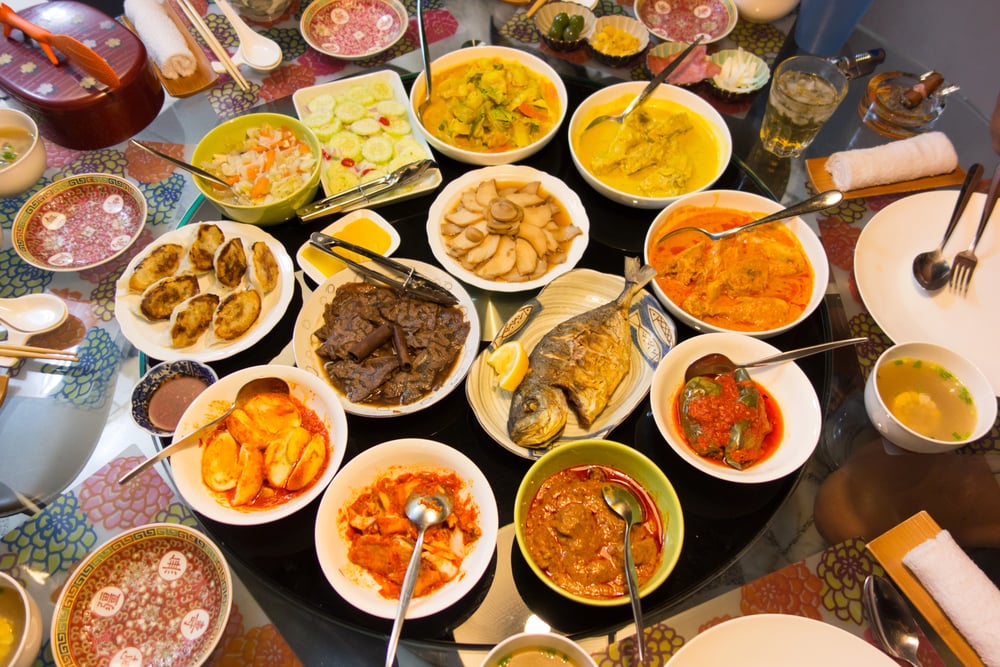
These recipes disappeared not because they weren’t good, but because they demanded something modern cooking has largely abandoned: time, technique, and the understanding that some things can’t be rushed. Each dish carried the weight of tradition, the satisfaction of skills passed down through generations, and the quiet confidence that came from knowing exactly how food should taste.
Perhaps that’s what we’ve really lost—not just the recipes themselves, but the patience to learn them properly, the willingness to fail a few times before getting them right, and the belief that cooking from scratch was worth the effort it required. These grandmothers knew something we’re still trying to remember: the best food isn’t necessarily the fastest food, and some flavors can only be achieved by taking the long way around.
More from Go2Tutors!

- The Romanov Crown Jewels and Their Tragic Fate
- 13 Historical Mysteries That Science Still Can’t Solve
- Famous Hoaxes That Fooled the World for Years
- 15 Child Stars with Tragic Adult Lives
- 16 Famous Jewelry Pieces in History
Like Go2Tutors’s content? Follow us on MSN.