15 Real Locations Behind Famous Fictional Worlds
Every fictional world needs to stand somewhere. Authors and creators don’t conjure landscapes from nothing — they borrow, reimagine, and transform places that already exist. The magic happens when reality becomes the foundation for something entirely new, when a hiking trail in Oregon becomes the path to Mordor or a New Zealand fjord transforms into a dragon’s lair.
These real locations carry the weight of both worlds: the one that tourists visit and the one that lives in our imagination. Sometimes the connection is obvious, announced by film crews and location scouts. Other times it’s buried deeper, hidden in an author’s childhood memories or a single photograph that sparked an entire universe.
New Zealand
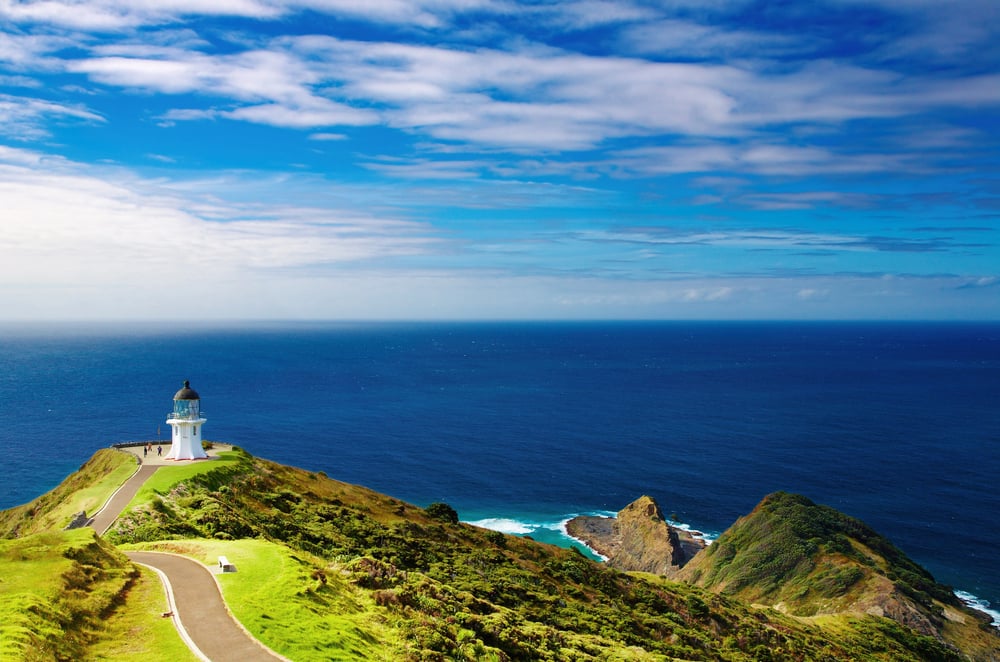
Peter Jackson didn’t accidentally stumble onto Middle-earth. New Zealand’s landscapes do the work that CGI struggles with — they convince you that magic is possible. The rolling hills of Matamata became Hobbiton not because they were convenient, but because they looked like a place where sensible creatures might grow vegetables and avoid adventure.
Jackson’s cameras found something authentic in New Zealand’s terrain (the kind of untouched wilderness that feels older than human civilization), and that authenticity transferred directly to the screen. And yet the country’s tourism board now markets these locations as if they were always meant to be fictional, which says something about how completely the fantasy has overtaken the reality.
Monument Valley, Utah
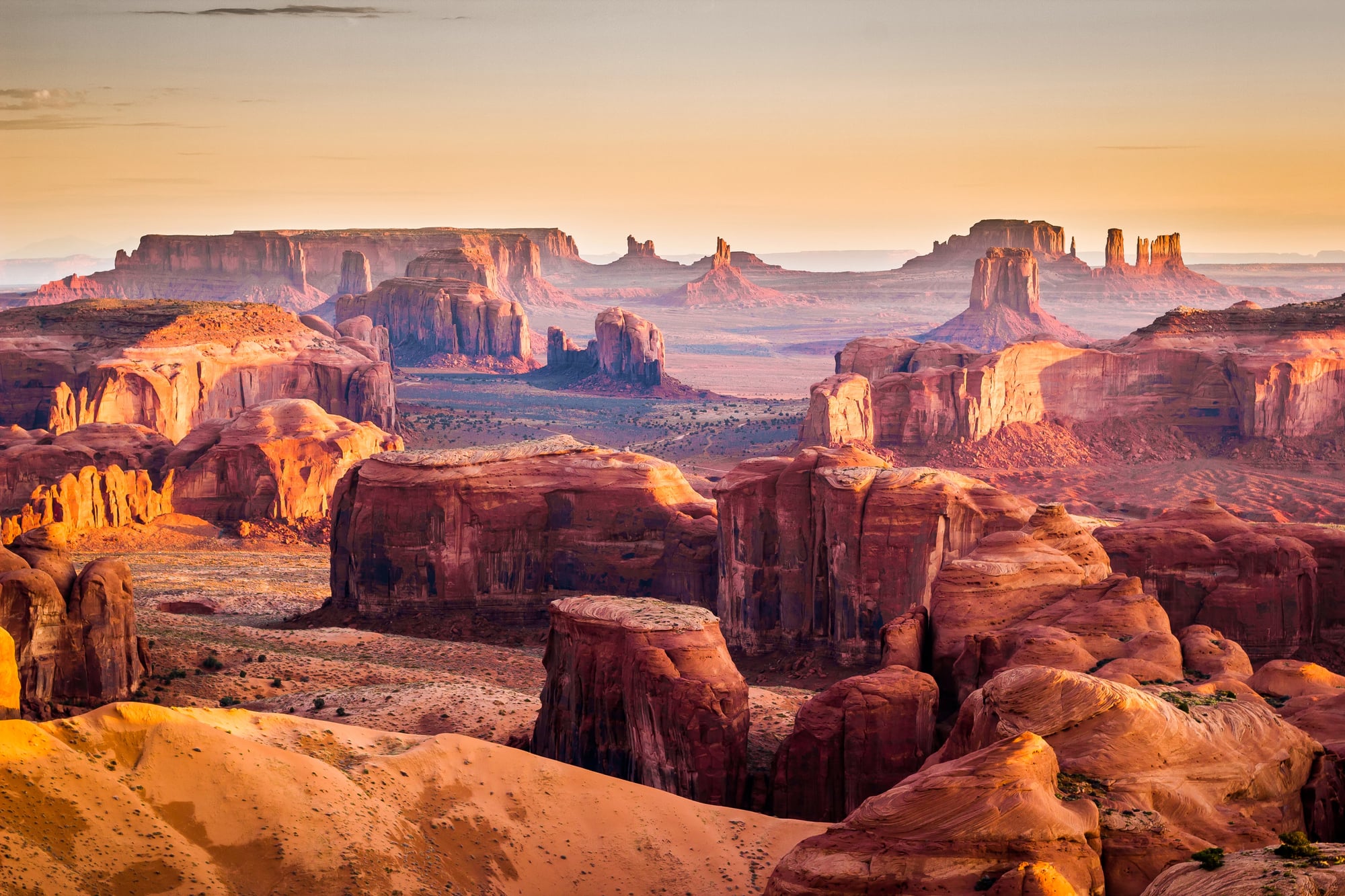
The American West lives in Monument Valley, but not the real one. This is the West that John Ford built in dozens of films, where red rock formations rise from desert floors like ancient cathedrals. Ford’s cameras turned these buttes and mesas into shorthand for frontier mythology, and now it’s impossible to see Monument Valley without hearing the score from “The Searchers.”
What Ford understood was that Monument Valley doesn’t look like any other place on earth — it looks like what the West should look like in your imagination. The Navajo Nation, which governs this land, has watched their home become a symbol for something that never quite existed the way Hollywood portrayed it.
Scottish Highlands
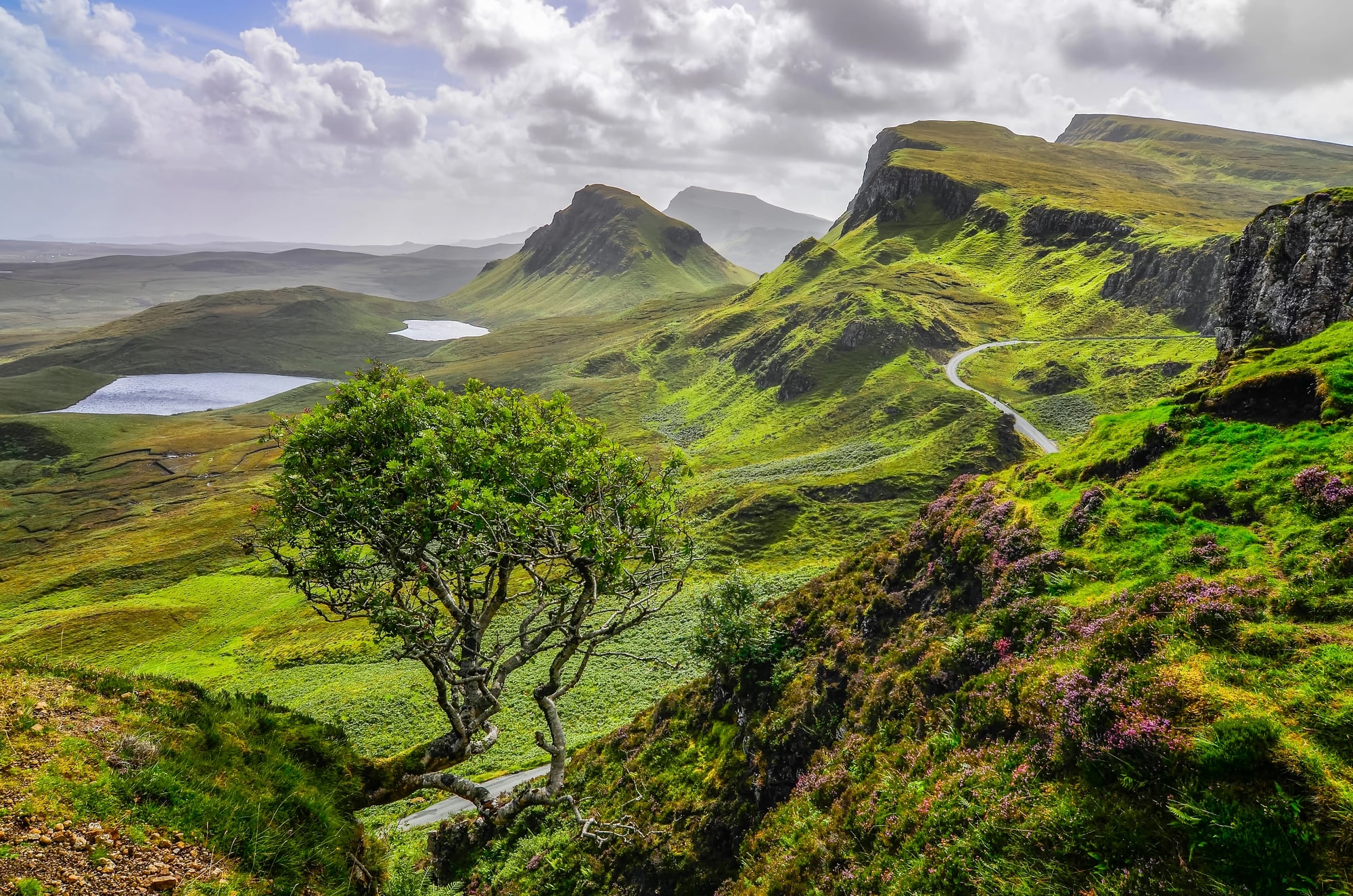
Hogwarts sits in the Scottish Highlands because that’s where castles go to brood properly. The landscape around Glen Coe and Glen Nevis provided the dramatic backdrops for Harry Potter’s world, but these mountains were casting spells long before film crews arrived. There’s something about Highland mist that makes you believe in things you can’t quite see.
The geography does most of the work here — lochs that disappear into fog, peaks that scrape low-hanging clouds, valleys that seem designed for secrets. Tourists now take “Harry Potter tours” through locations that were mysterious centuries before anyone thought to put a boy wizard in them.
Czech Republic (Prague)
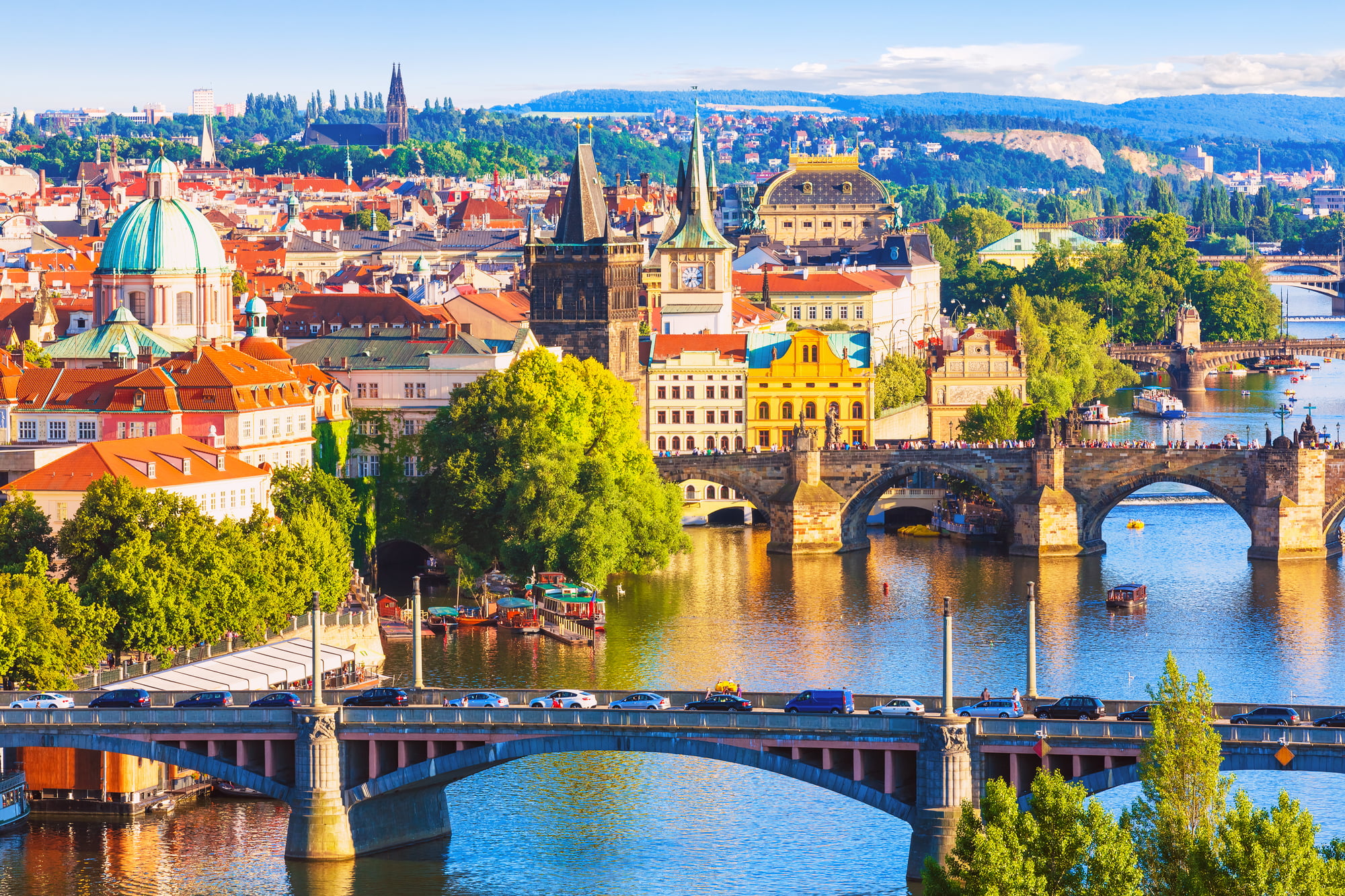
Prague masquerades as other places with suspicious ease. Those Gothic spires and medieval streets have doubled for Paris, London, and Vienna in countless films, but the city’s most convincing performance might be as a place where fairy tales actually happened. The architecture tells stories even when it’s standing empty — the kind of Central European Gothic atmosphere that inspired countless fairy tales across the region, from Germanic folklore to Austro-Hungarian legend.
The architecture tells stories even when it’s standing empty. Cobblestone streets wind past buildings that seem designed for witches and woodcutters, and the whole city maintains the kind of atmosphere where talking animals wouldn’t seem out of place.
Northern California
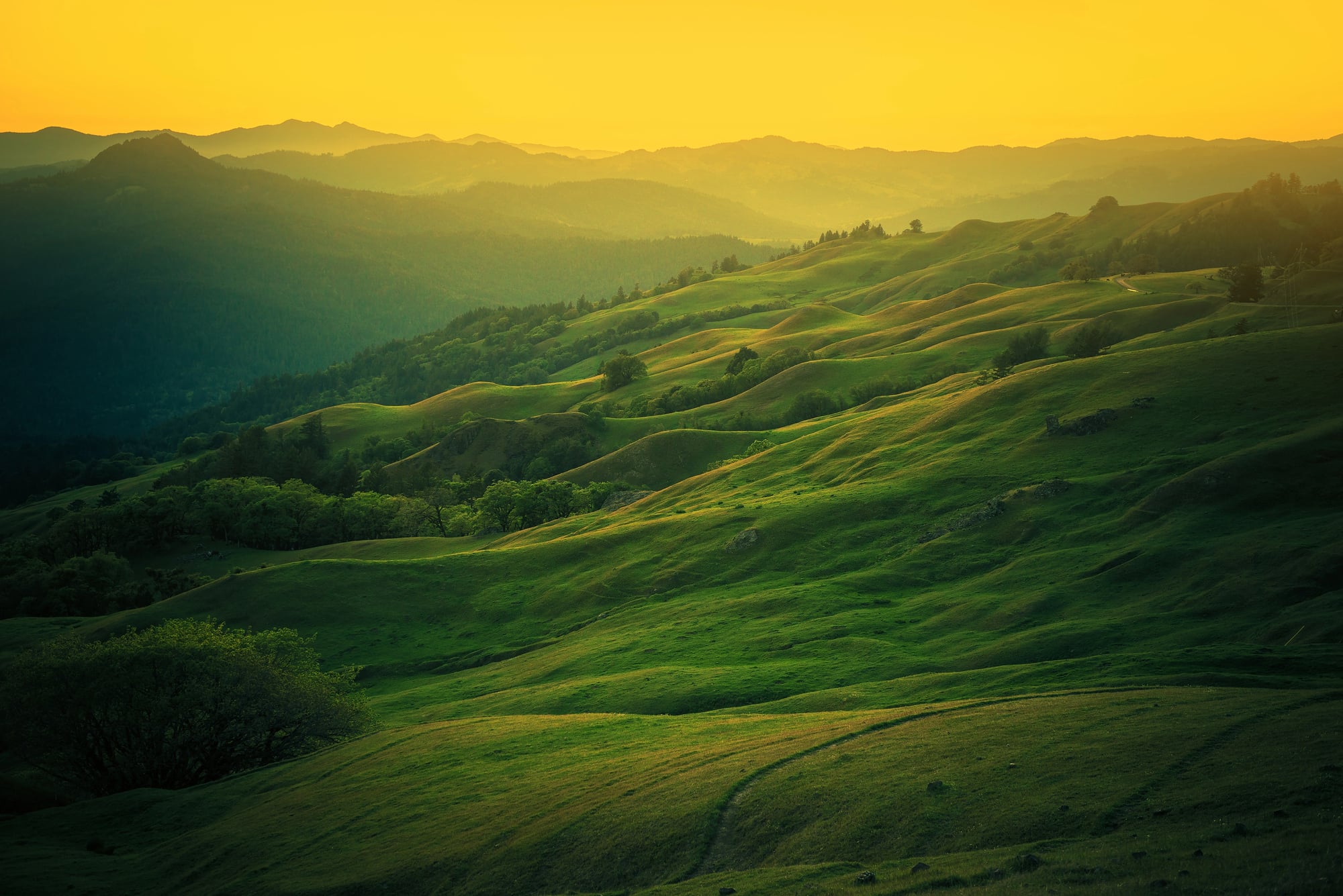
George Lucas found his forest moon of Endor in the redwood groves of Northern California, and the choice makes perfect sense once you’ve stood among trees that tall. These forests don’t feel like they belong to the same planet as strip malls and parking lots — they feel ancient and separate, like places where small furry creatures might reasonably build treehouses and fight an evil empire.
The scale does something to your sense of reality (humans look appropriately small among redwoods that have been growing since before Rome existed), and that shift in perspective is exactly what Lucas needed for his story about rebels hiding in an impossible forest. So the Ewok villages were built in trees that were already thousands of years old, which seems fitting enough.
Ireland
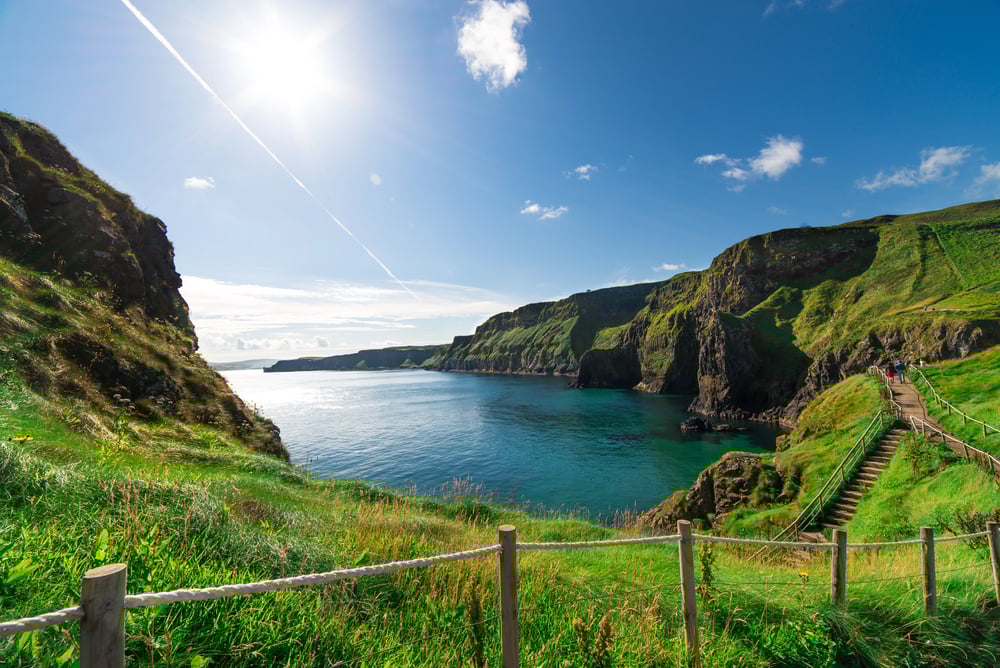
Ireland’s landscapes specialize in looking haunted, which explains why so many fantasy stories end up filming there. The Cliffs of Moher have appeared in everything from “Harry Potter” to “The Princess Bride,” not because they’re convenient but because they look like the edge of the world. Irish countryside comes pre-loaded with the kind of atmosphere that fantasy stories require.
The country’s history seeps into its geography. Ancient stone circles dot the landscape, ruined castles perch on clifftops, and the whole island maintains an relationship with mist and rain that seems designed for dramatic storytelling.
Japanese Forests
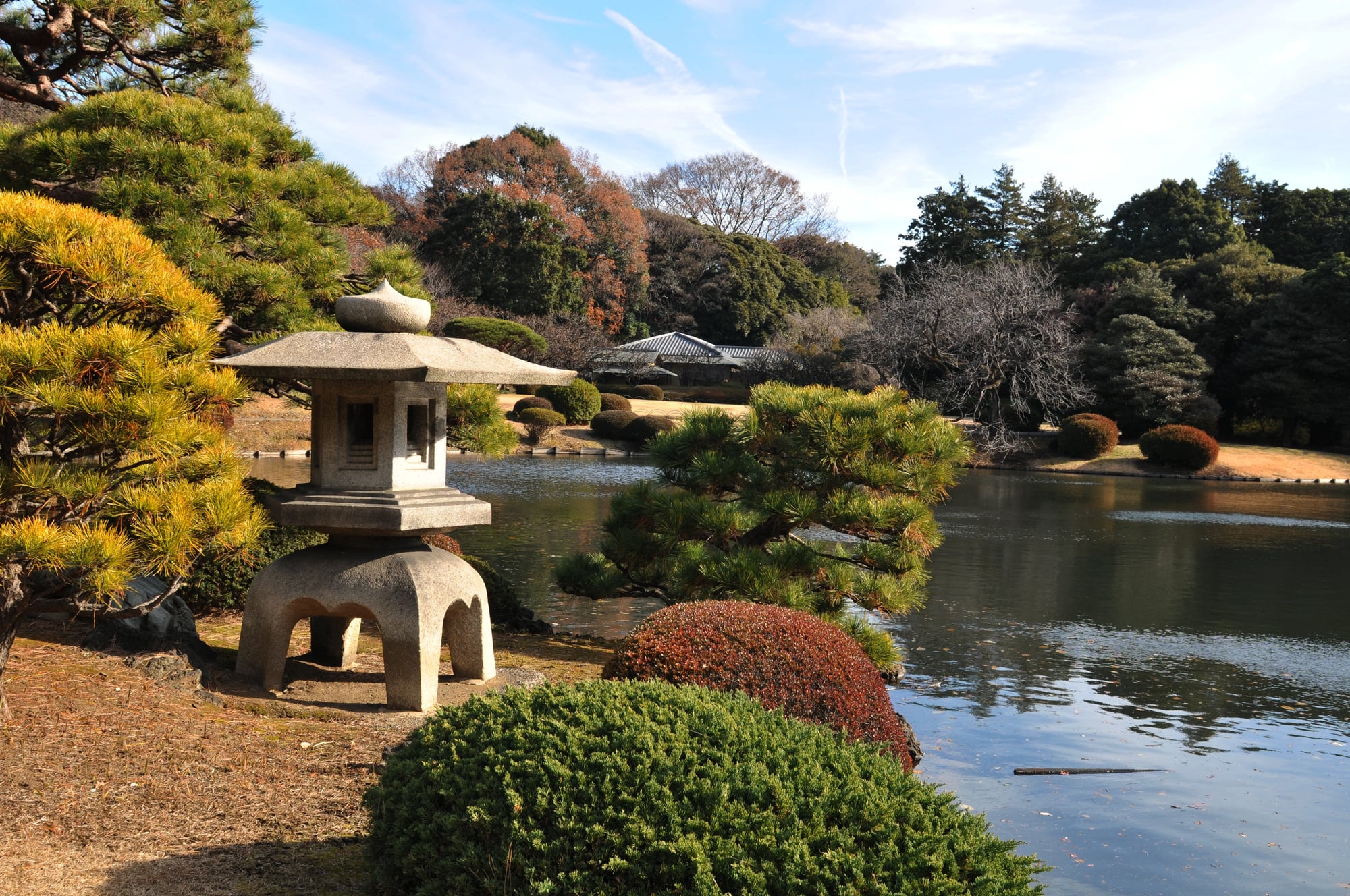
Studio Ghibli’s forests feel more real than most actual forests, and that’s because Miyazaki and his animators spent years studying the specific way light filters through Japanese woodland. The ancient forests around shrines and temples provided the inspiration for everything from “My Neighbor Totoro” to “Princess Mononoke,” places where spirits might actually live among the trees.
These forests carry cultural weight that goes back centuries. They’re not just wilderness — they’re sacred spaces where the boundary between the natural and supernatural has always been negotiable. Ghibli’s films simply made that boundary visible to audiences who had forgotten it existed.
British Columbia
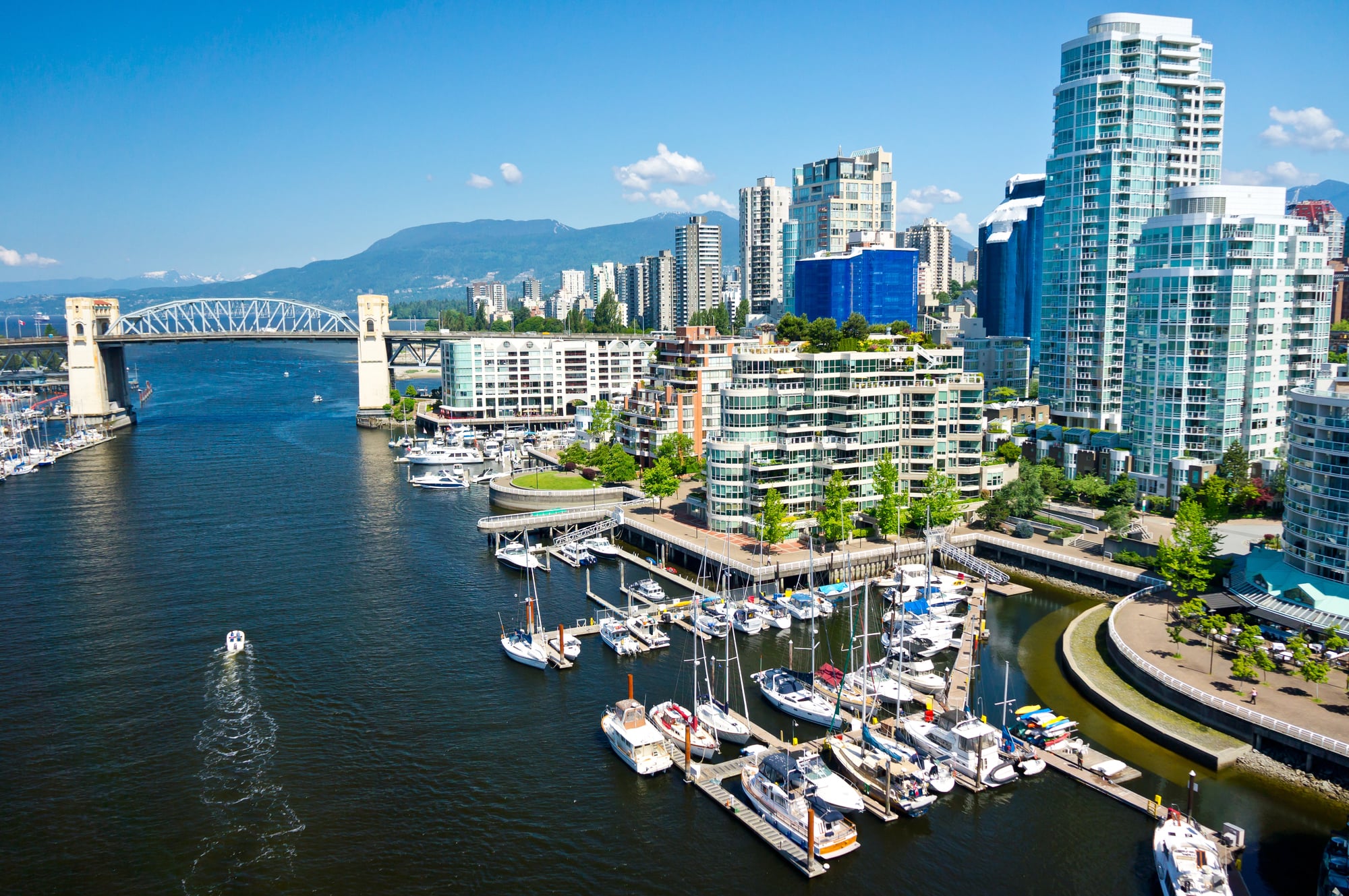
Vancouver’s surrounding wilderness has doubled for alien planets, post-apocalyptic wastelands, and enchanted forests, often in the same week. The province’s landscapes are so cinematically flexible that film crews treat them like a backlot that happens to include mountains, oceans, and temperate rainforests.
But British Columbia’s real talent is looking like anywhere except British Columbia. Those forests have been the Pacific Northwest in “Twin Peaks,” small-town America in countless TV shows, and distant galaxies in science fiction series that needed convincing alien worlds on television budgets.
Rajasthan, India
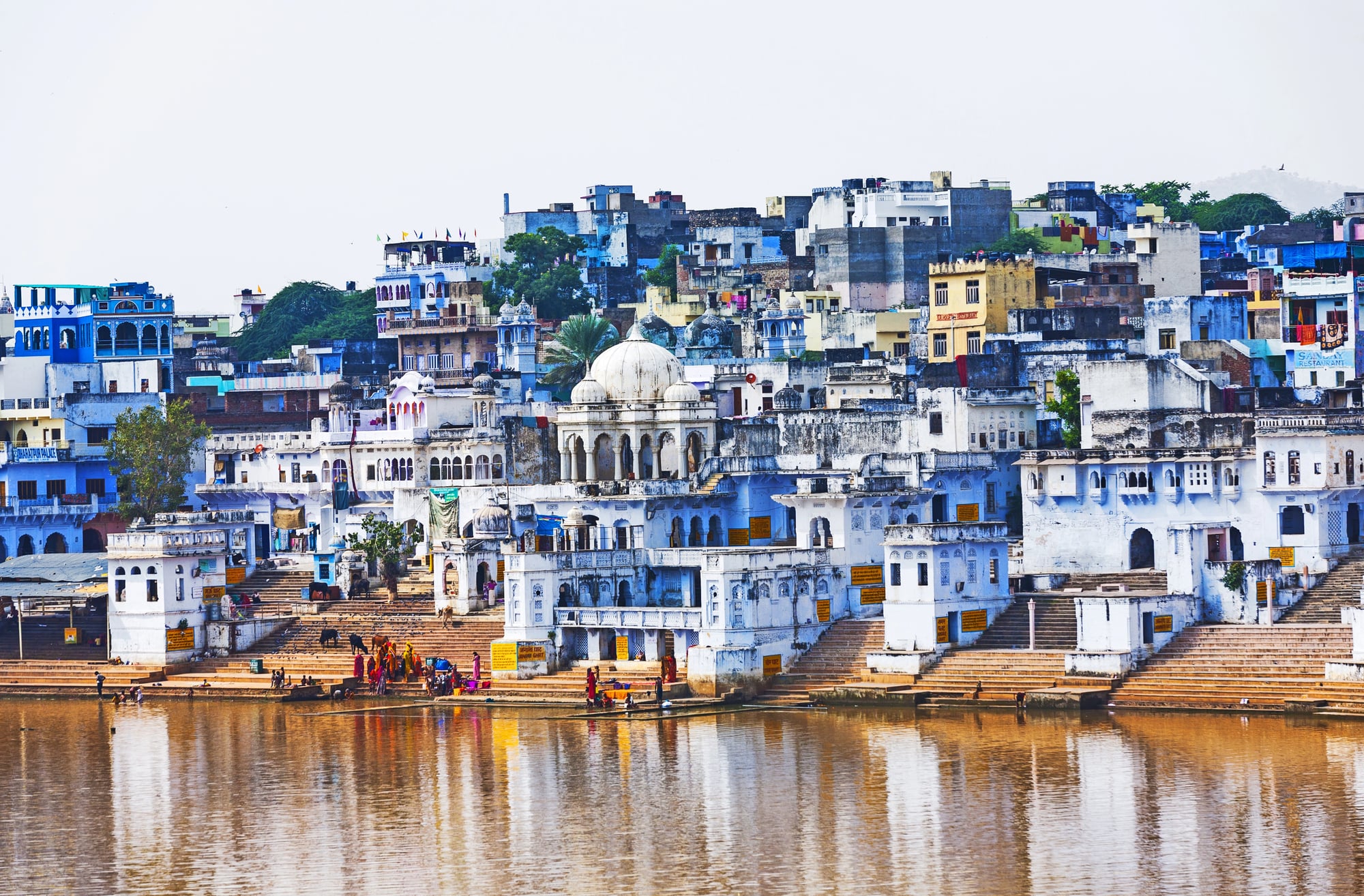
The palaces and desert cities of Rajasthan look like places where magic should happen, which is why they keep showing up in fantasy films and exotic adventure stories. Jaipur’s pink sandstone architecture and Udaipur’s lakeside palaces provide ready-made fairy tale settings that would be impossible to build from scratch.
These cities weren’t designed for film crews, but their builders understood spectacle in ways that translate perfectly to cinema. The architecture reaches for beauty and grandeur with the kind of confidence that makes audiences believe in fictional kingdoms and impossible romances.
Morocco
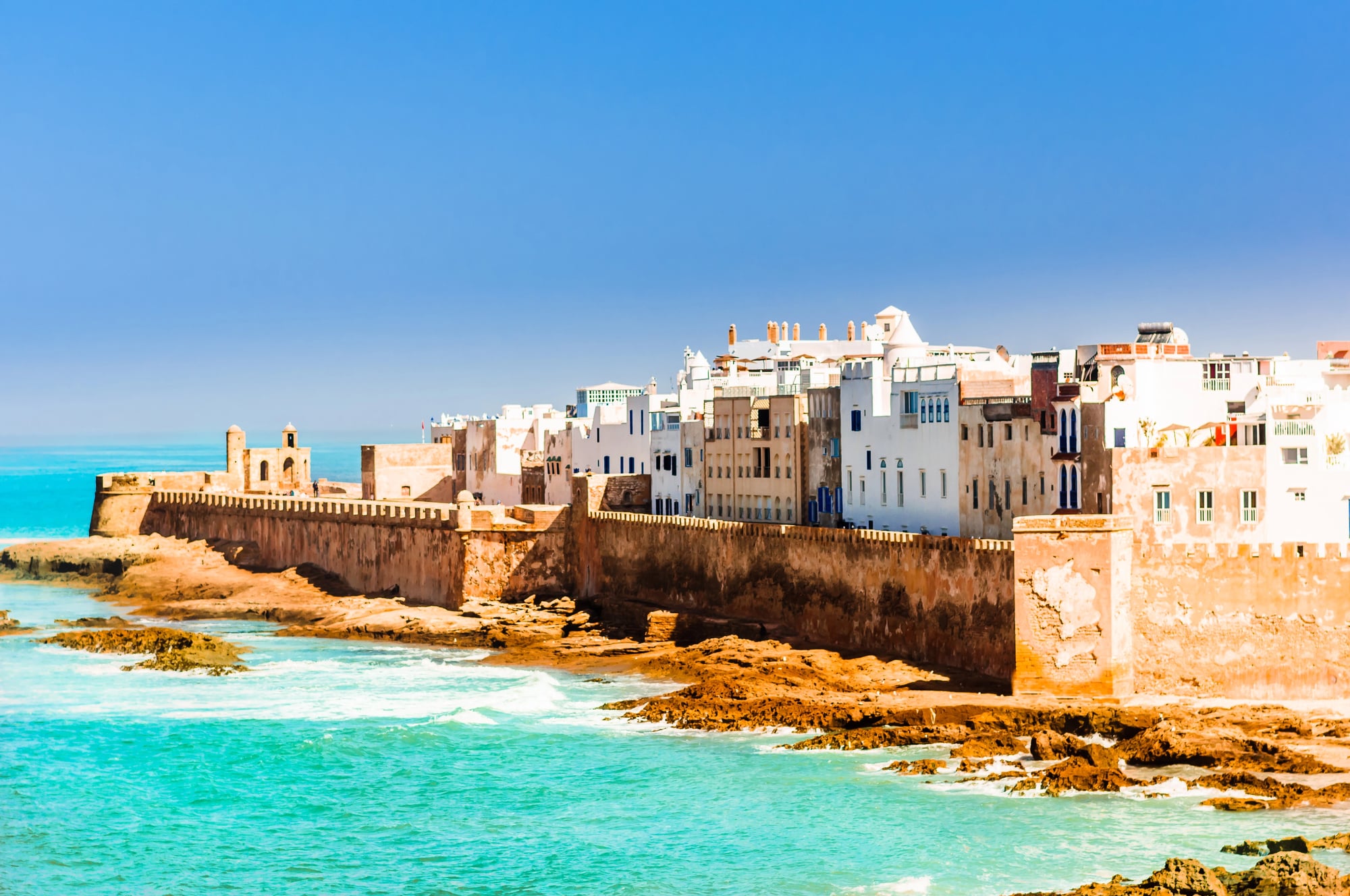
Morocco’s imperial cities — Marrakech, Fez, Meknes — have been standing in for fictional Middle Eastern kingdoms since Hollywood discovered them decades ago. The medinas and kasbahs provide authentic atmosphere for stories that need to feel both ancient and exotic, places where adventure might be waiting around any corner.
The country’s landscapes are equally versatile. Desert scenes, mountain villages, and coastal cities all exist within driving distance of each other, making Morocco a practical choice for productions that need multiple exotic locations without multiple international flights.
Romania

Transylvania’s reputation precedes it, but the region’s Gothic architecture and mountain forests were creating vampire-friendly atmospheres long before Bram Stoker wrote “Dracula.” The medieval towns and hilltop castles look exactly like places where supernatural things should happen, which is probably why supernatural stories keep happening there.
Bran Castle gets most of the tourist attention as “Dracula’s Castle,” but the entire region specializes in the kind of moody, mist-shrouded landscapes that Gothic literature requires. The mountains and forests do their own storytelling, even when no one’s filming.
Pacific Northwest
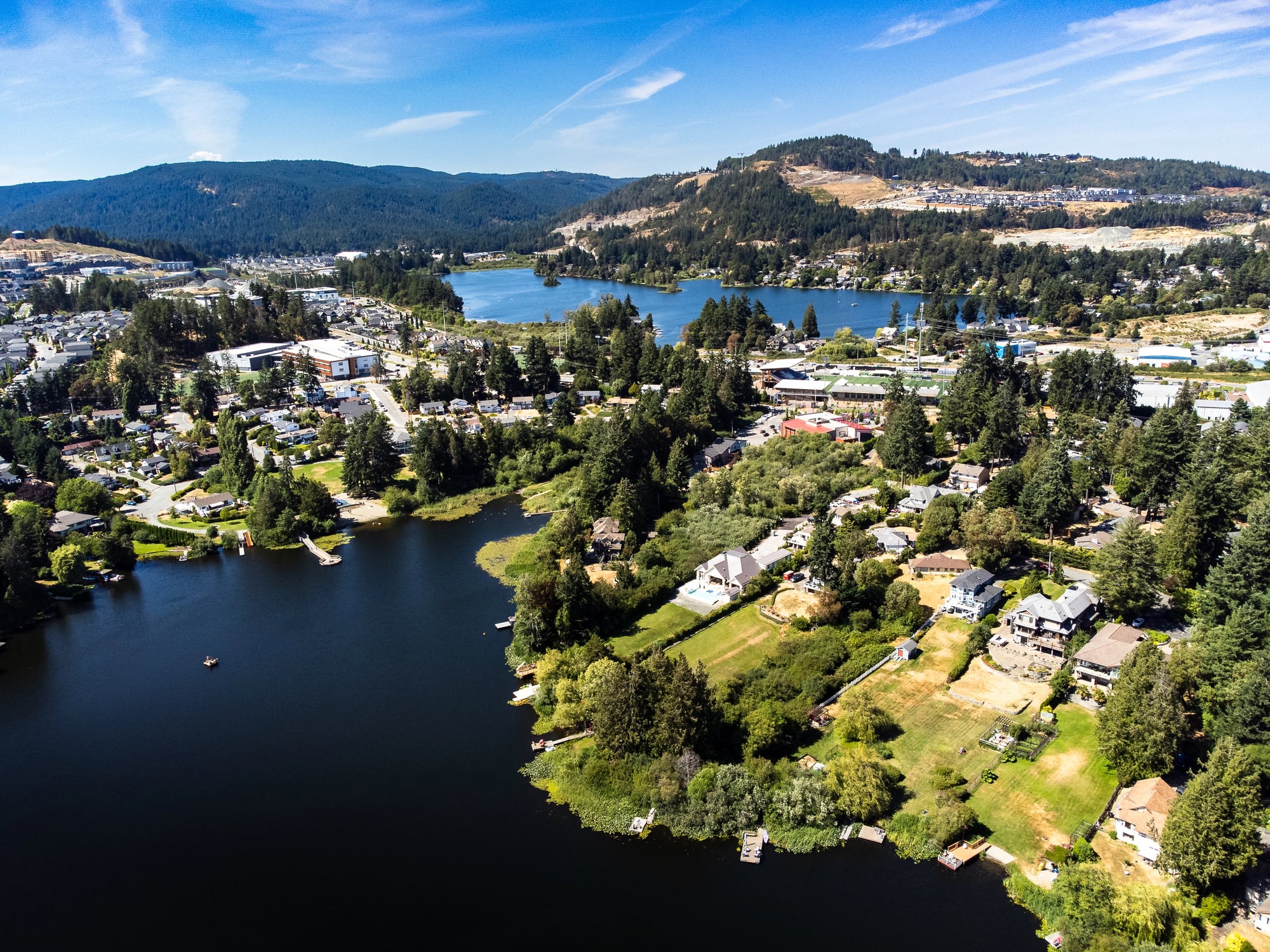
The forests of Washington and Oregon have provided the backbone for countless stories about things hiding in the woods. From “Twin Peaks” to “The Goonies,” these landscapes specialize in looking beautiful and slightly threatening at the same time, which is exactly what you want when your story needs wilderness that feels alive.
The region’s climate helps — constant mist and rain create atmosphere that would cost millions to fake on a sound stage. The forests look ancient and untouched, like places where anything might be possible if you wander far enough from the trail.
Australian Outback
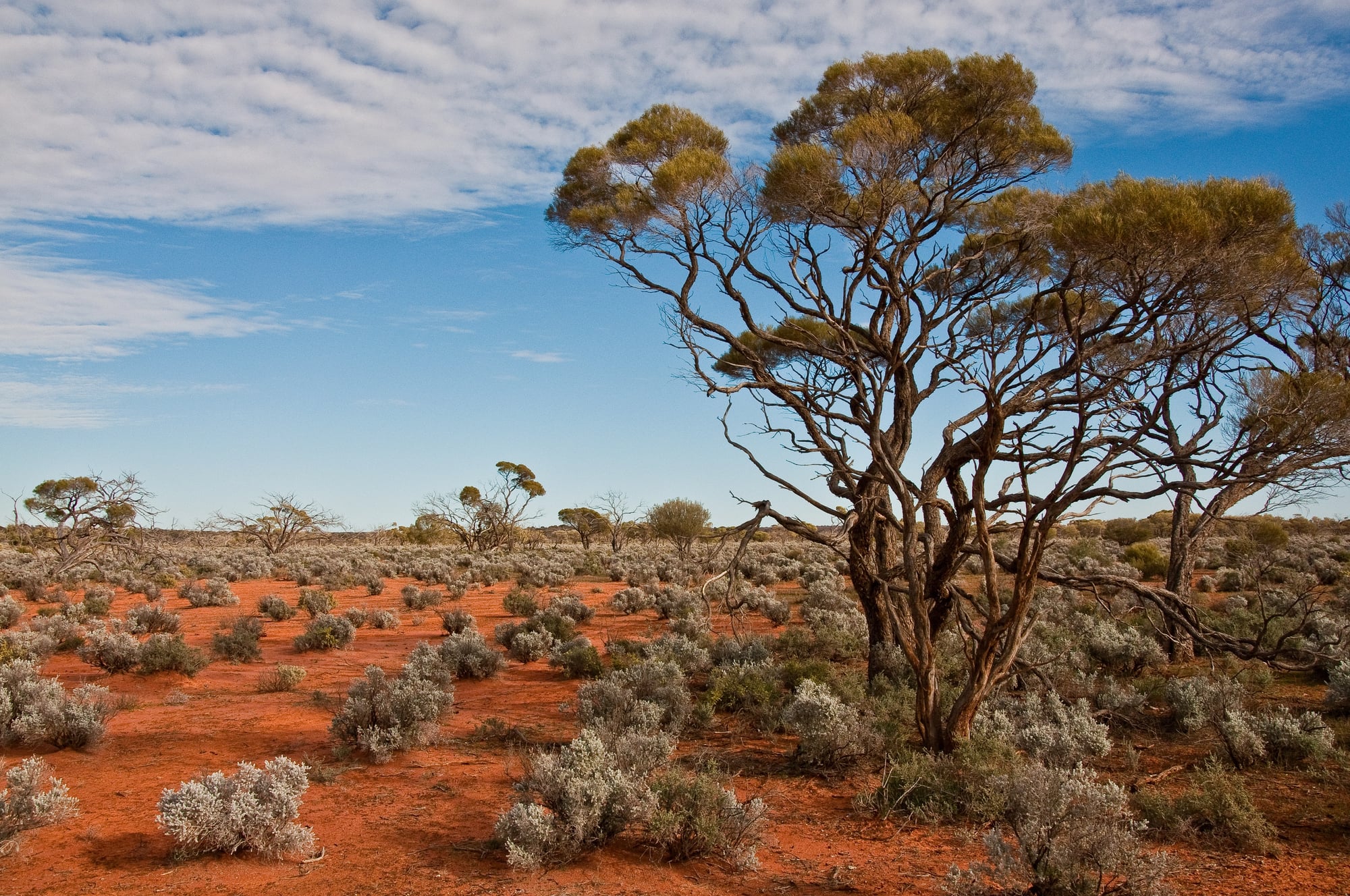
Mad Max’s post-apocalyptic wasteland is just the Australian Outback with better cars and more explosions. George Miller understood that these landscapes already looked like the end of the world — vast, empty, and hostile to human survival — so he simply added characters crazy enough to call it home.
The Outback’s scale and emptiness do most of the storytelling work. This is landscape that makes humans look small and vulnerable, which is perfect for stories about survival at the edges of civilization. The setting suggests that normal rules might not apply out here, which gives filmmakers permission to get creative with their apocalypse.
Norway
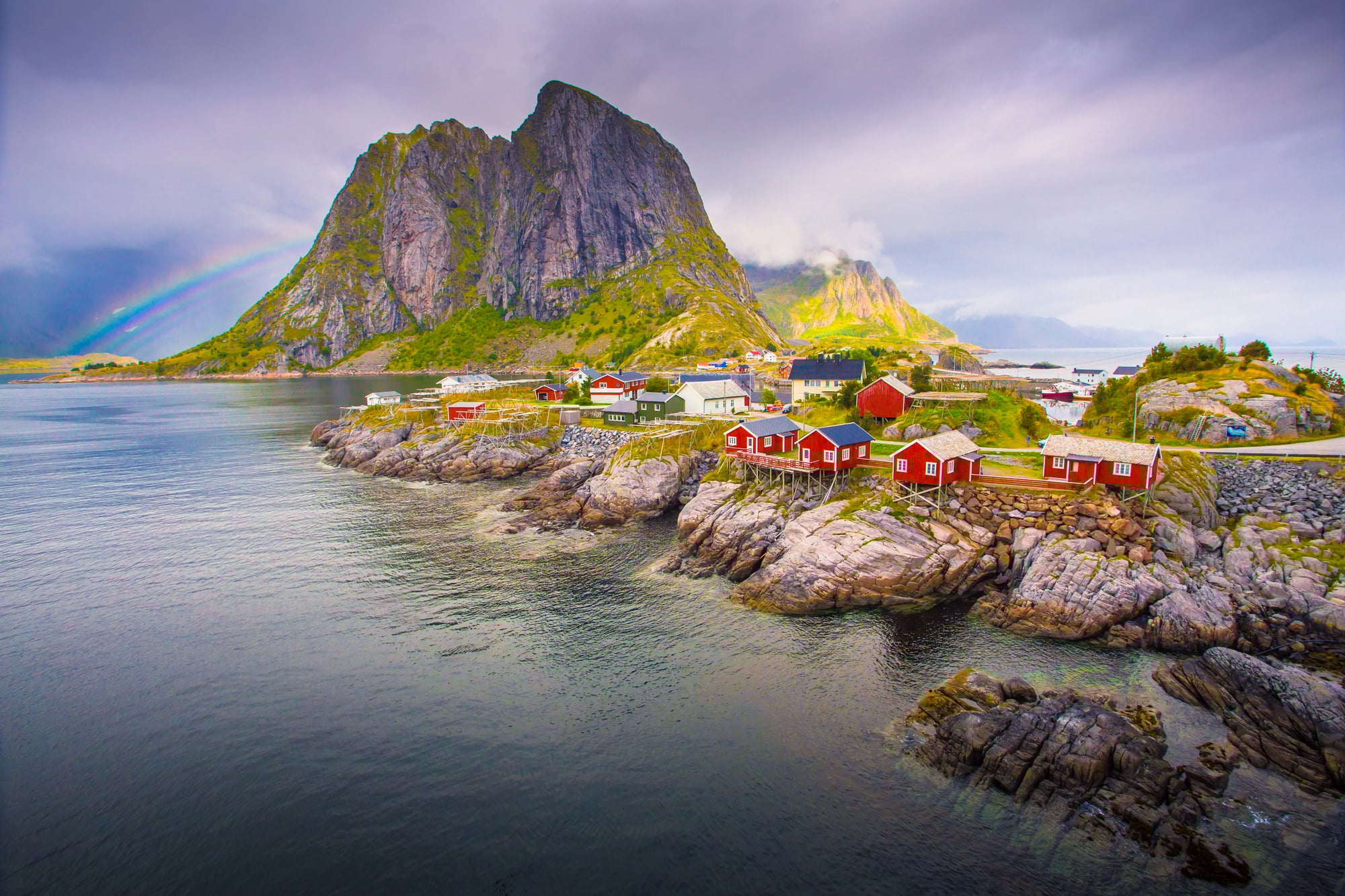
Norway’s fjords and mountains have been doubling for mythical realms since filmmakers discovered them, and the country’s landscapes come with their own built-in mythology. These are the places where Norse gods and frost giants supposedly battled, and the geography still looks like it could host that kind of epic confrontation.
The country’s dramatic coastlines and mountain ranges provide natural drama that works equally well for fantasy epics and superhero films. When Marvel needed Asgard to look convincingly godlike, they pointed their cameras at landscapes that had been inspiring legends for centuries.
Iceland
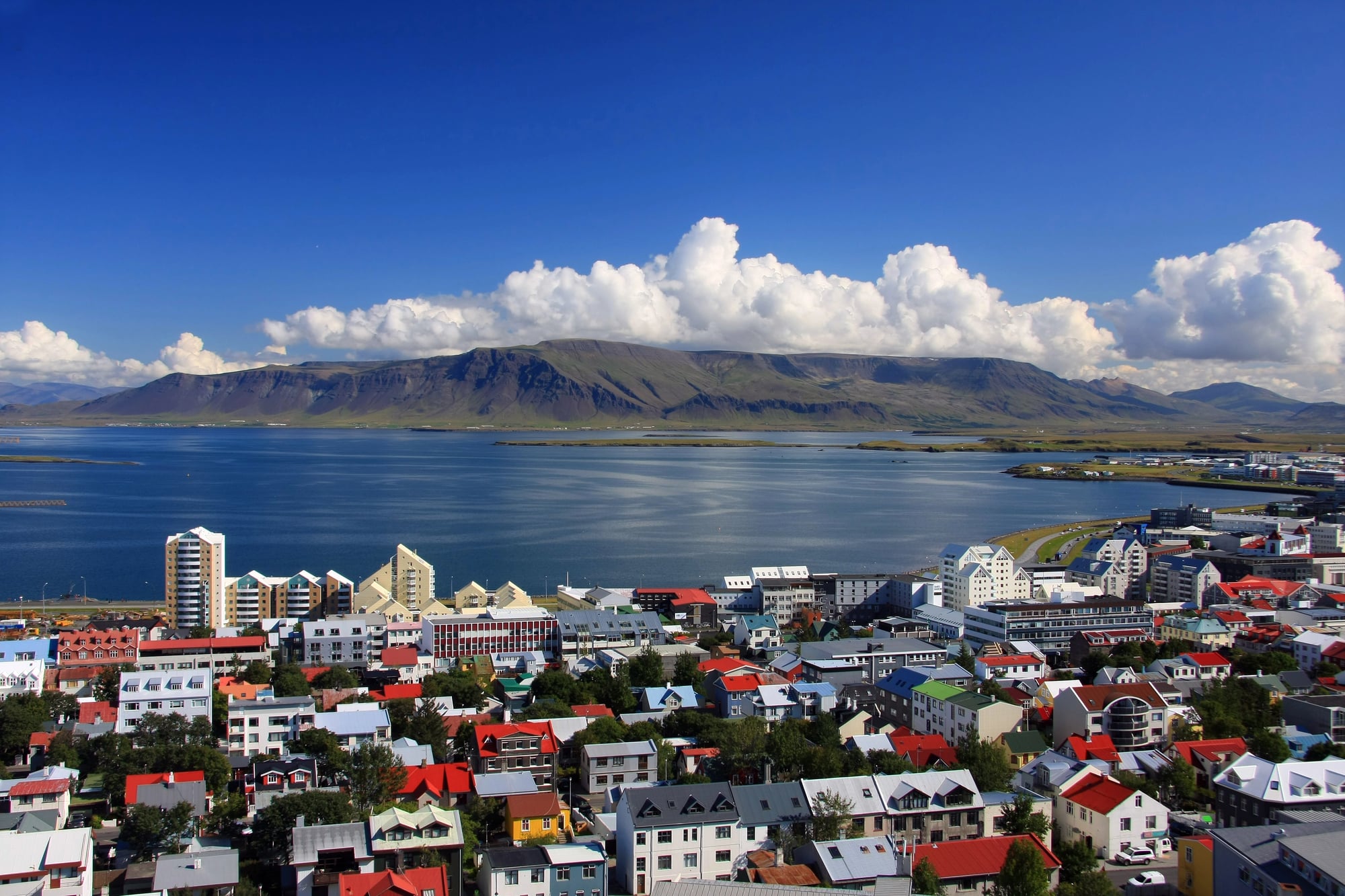
Iceland specializes in looking like other planets, which explains why it keeps appearing in science fiction films and fantasy epics that need convincing alien worlds. The island’s volcanic landscapes, glaciers, and geothermal features create combinations that don’t exist anywhere else on Earth, making it perfect for stories that need to take place somewhere definitely not on Earth.
The country’s geology tells stories about forces bigger than human civilization. When filmmakers need landscapes that suggest epic battles between gods and monsters, Iceland provides terrain that looks like it was shaped by exactly those kinds of conflicts.
Where Reality Becomes Legend
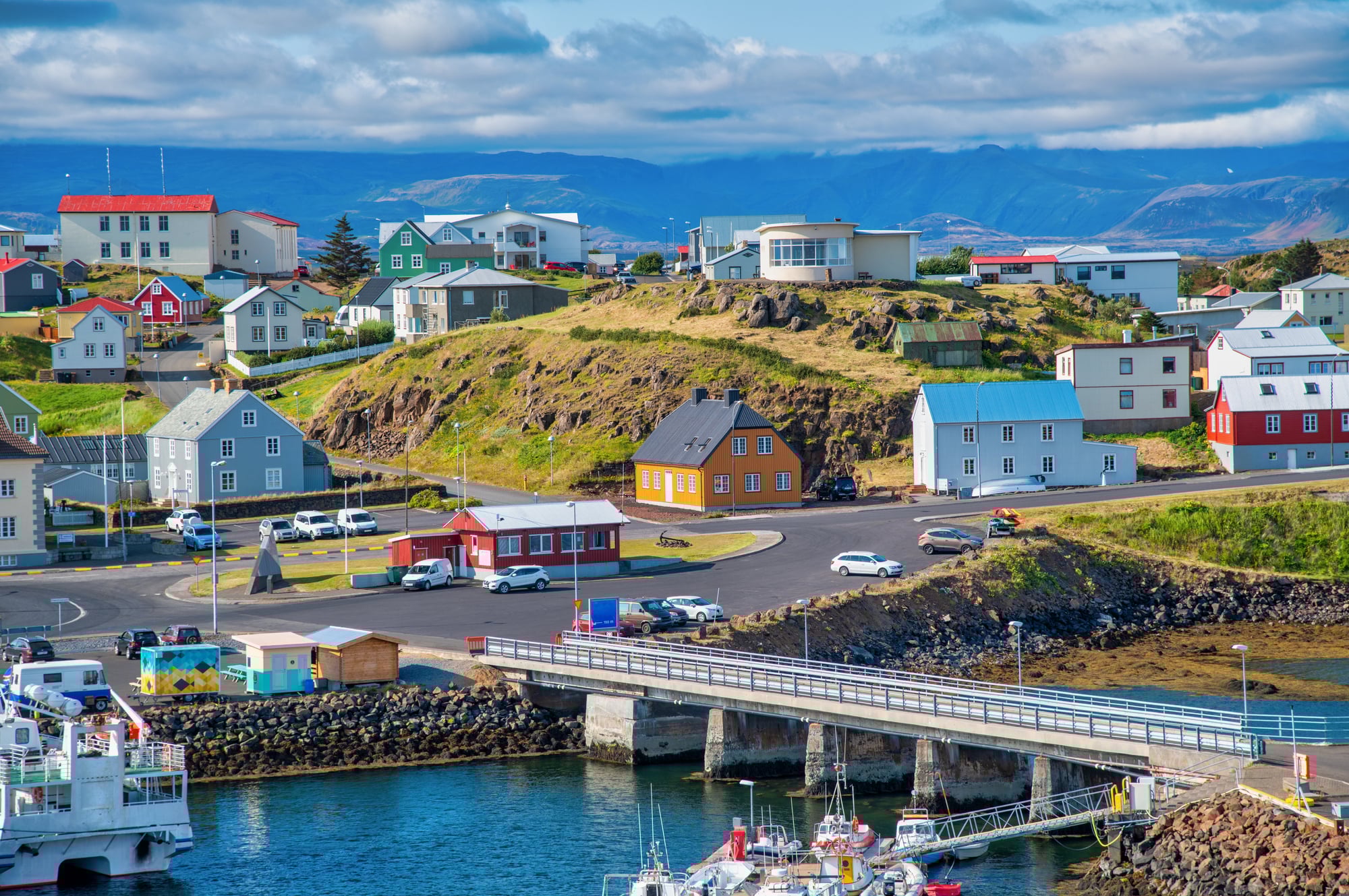
These places remind you that the best fictional worlds aren’t created from nothing — they’re discovered in landscapes that were already telling stories. The magic happens when someone recognizes that a particular hillside or forest or desert already contains the atmosphere their story needs, and then has the sense to point a camera at it.
The locations become part of the story’s DNA, inseparable from the characters and plots that made them famous. Monument Valley will always be John Ford’s American West. New Zealand will always be Middle-earth. And somewhere in the Scottish Highlands, Hogwarts will always be hidden behind the next hill, waiting for the mist to clear.
More from Go2Tutors!

- The Romanov Crown Jewels and Their Tragic Fate
- 13 Historical Mysteries That Science Still Can’t Solve
- Famous Hoaxes That Fooled the World for Years
- 15 Child Stars with Tragic Adult Lives
- 16 Famous Jewelry Pieces in History
Like Go2Tutors’s content? Follow us on MSN.