12 Local Festivals That Preserved Ancient Calendars
Communities across the globe still gather for festivals that have quietly kept ancient calendar systems alive for millennia. Most of the world runs on the Gregorian calendar, yet these remarkable celebrations continue marking time through lunar cycles, agricultural seasons, and astronomical events that once guided our ancestors.
These aren’t just colorful traditions—they’re living time capsules connecting us directly to how humans once understood the passage of time. Here is a list of 12 local festivals that have preserved ancient calendars through generations of celebration.
Chinese New Year
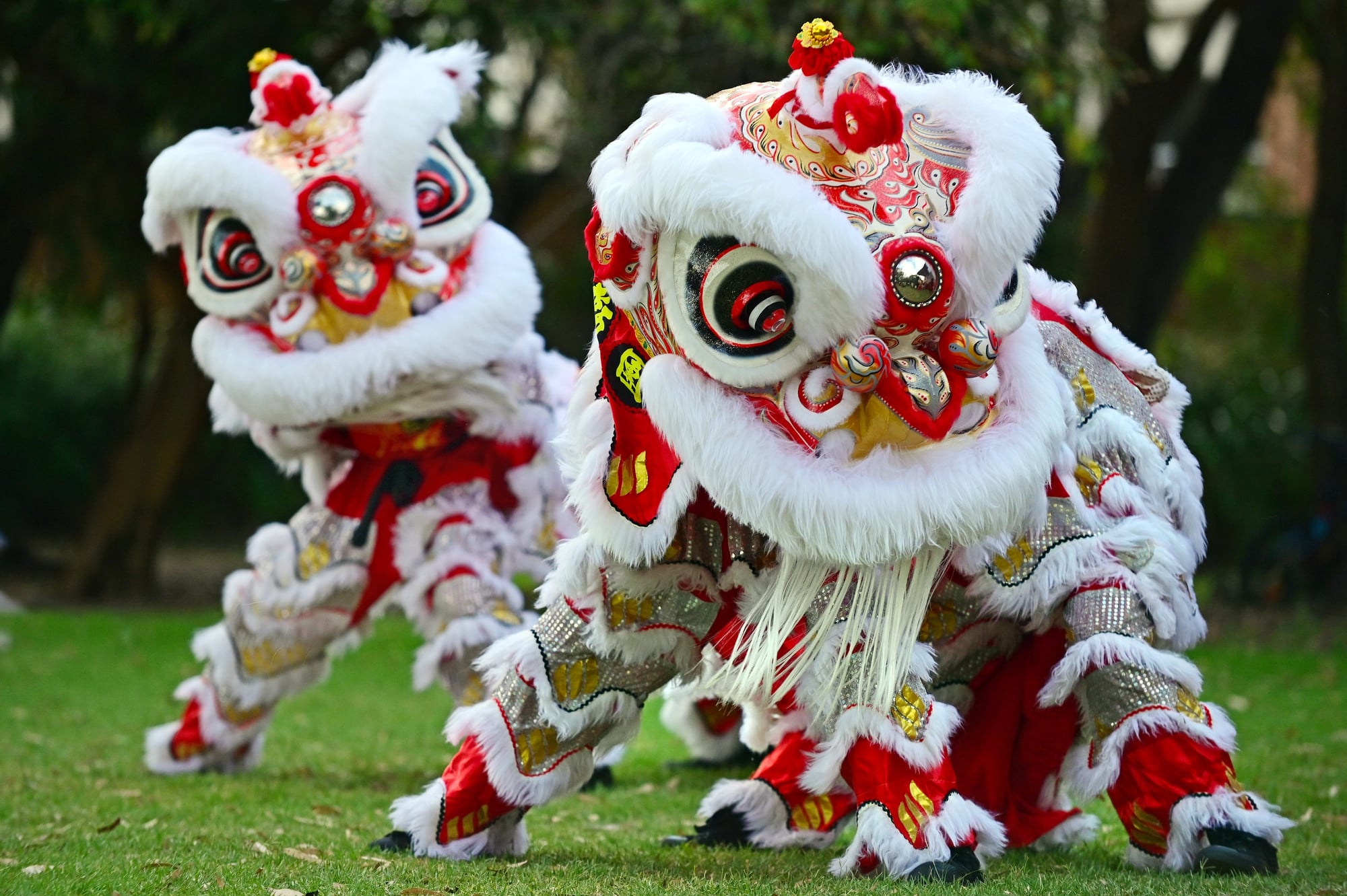
Chinese New Year operates on an ancient lunisolar calendar that’s guided Chinese culture for over 4,000 years. The festival doesn’t fall on January 1st since it marks the new moon appearing between January 21st and February 20th—demonstrating how lunar observations once determined when years began.
Communities worldwide still prepare special foods, clean homes, and exchange red envelopes according to this timing system that considers both moon phases and solar seasons.
Diwali
Diwali follows the Hindu lunar calendar, typically falling in October or November when the new moon appears in Kartik month. This five-day Festival of Lights showcases how ancient Indian astronomers tracked time using a complex system—one that divided years into lunar months while adjusting for seasonal drift.
Families light oil lamps and create rangoli patterns during this period, maintaining a tradition that’s marked this specific lunar timing for over 2,500 years.
Like Go2Tutors’s content? Follow us on MSN.
Rosh Hashanah
The Jewish New Year follows the Hebrew calendar—a lunisolar system calculating time since ancient Babylon influenced Jewish timekeeping around 500 BCE. Rosh Hashanah typically occurs in September or October, determined by the new moon’s appearance in Tishrei rather than following January 1st.
This festival preserves the ancient practice of using both lunar months and solar years to create a calendar system staying aligned with agricultural seasons.
Nowruz
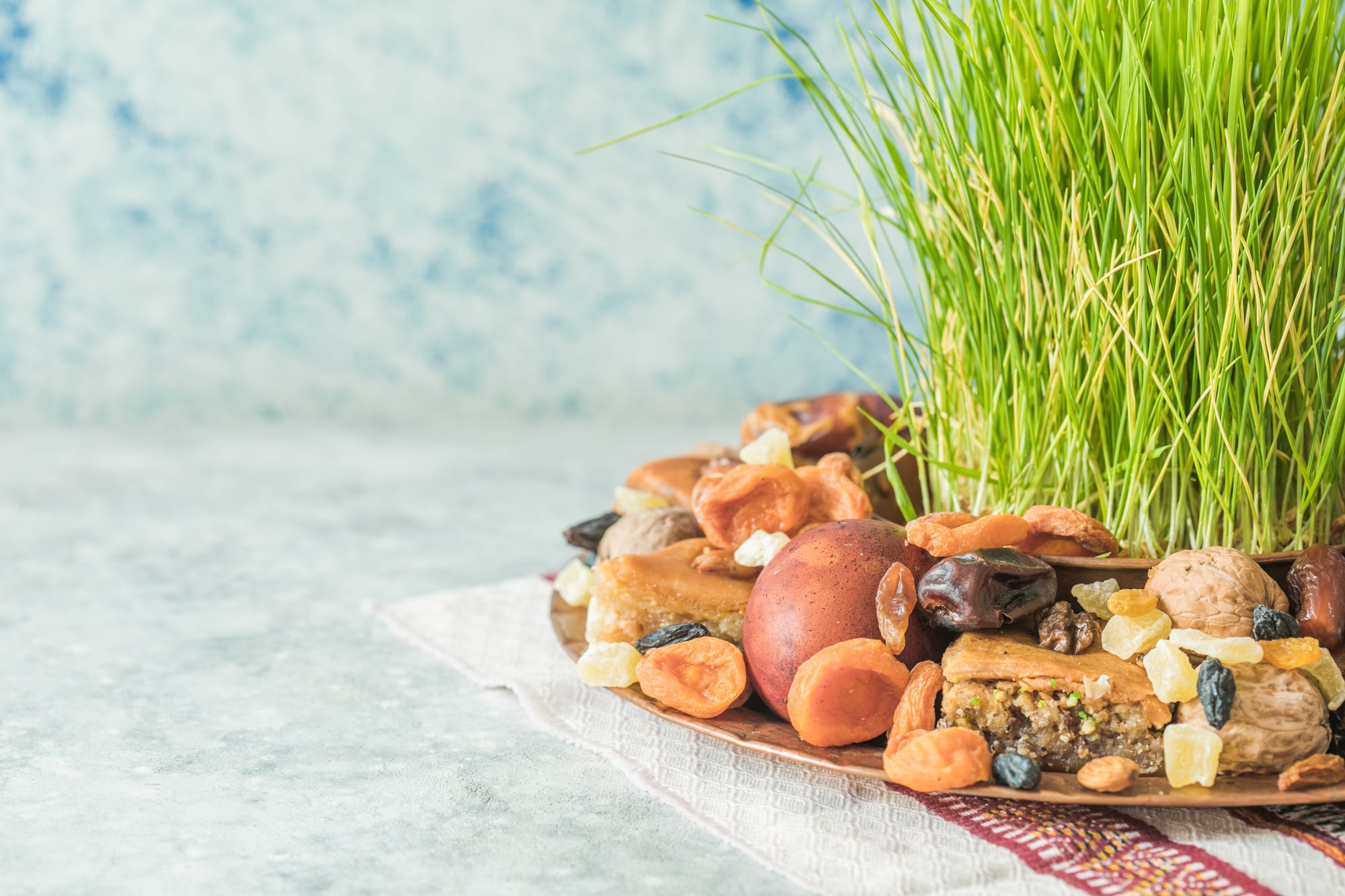
Nowruz marks the Persian New Year at the exact moment of spring equinox—preserving a Zoroastrian calendar tradition dating back over 3,000 years. This celebration shows how ancient Persians used astronomical observations to determine their year’s start, rather than arbitrary dates chosen by rulers.
Families gather around Haft-sin tables and jump over fires during this festival, maintaining customs that’ve marked the equinox for millennia across Iran, Afghanistan, and Central Asia.
Songkran
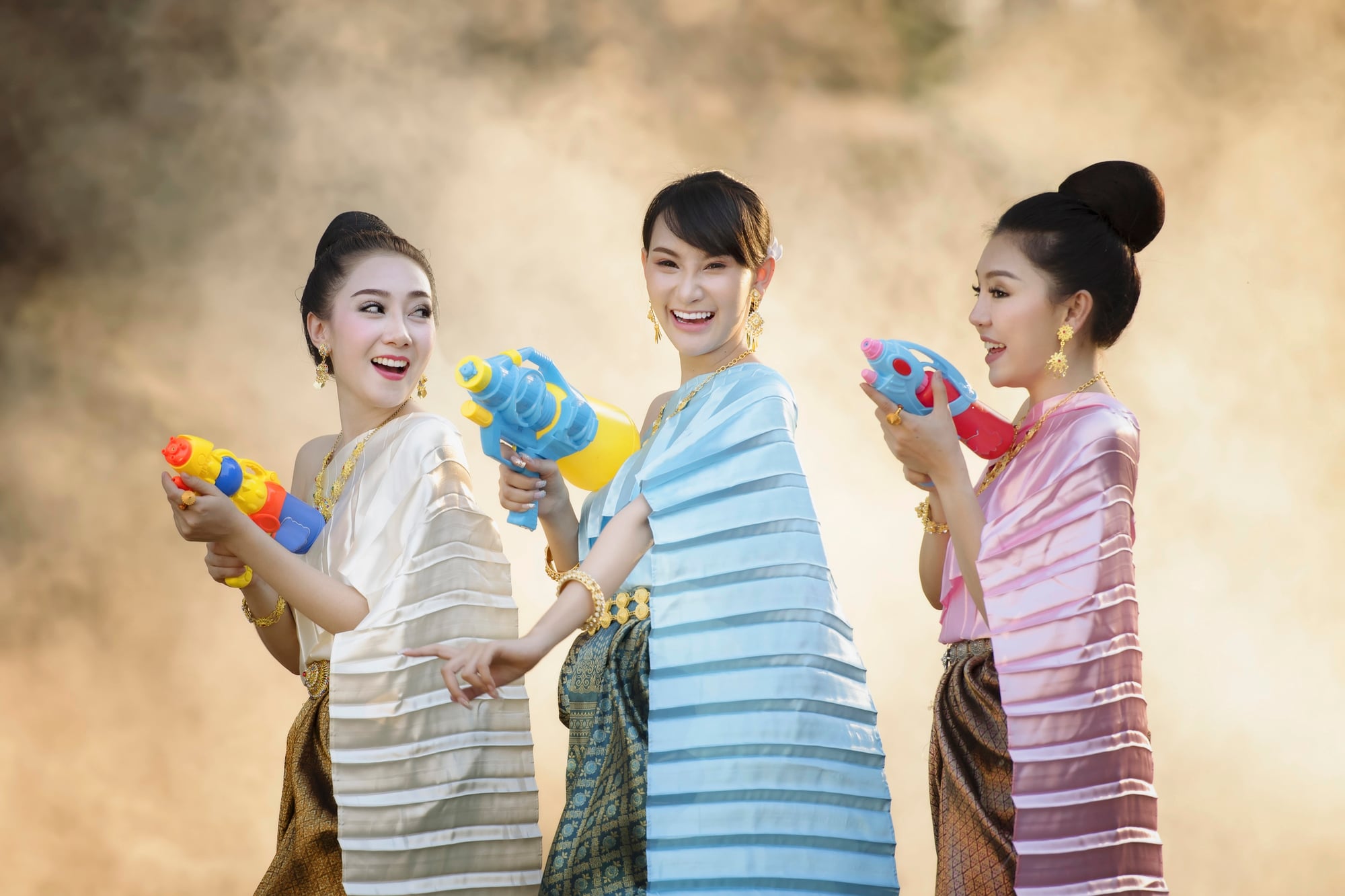
Thailand’s Songkran festival follows the traditional Thai solar calendar—celebrating New Year in April when the sun moves into Aries according to ancient astrological calculations. This water festival preserves Southeast Asian practices of marking years based on solar movements rather than Roman-derived calendar systems.
Communities engage in ritual water throwing and visit temples during this period, continuing a celebration that’s marked this astronomical timing for over 700 years.
Like Go2Tutors’s content? Follow us on MSN.
Inti Raymi
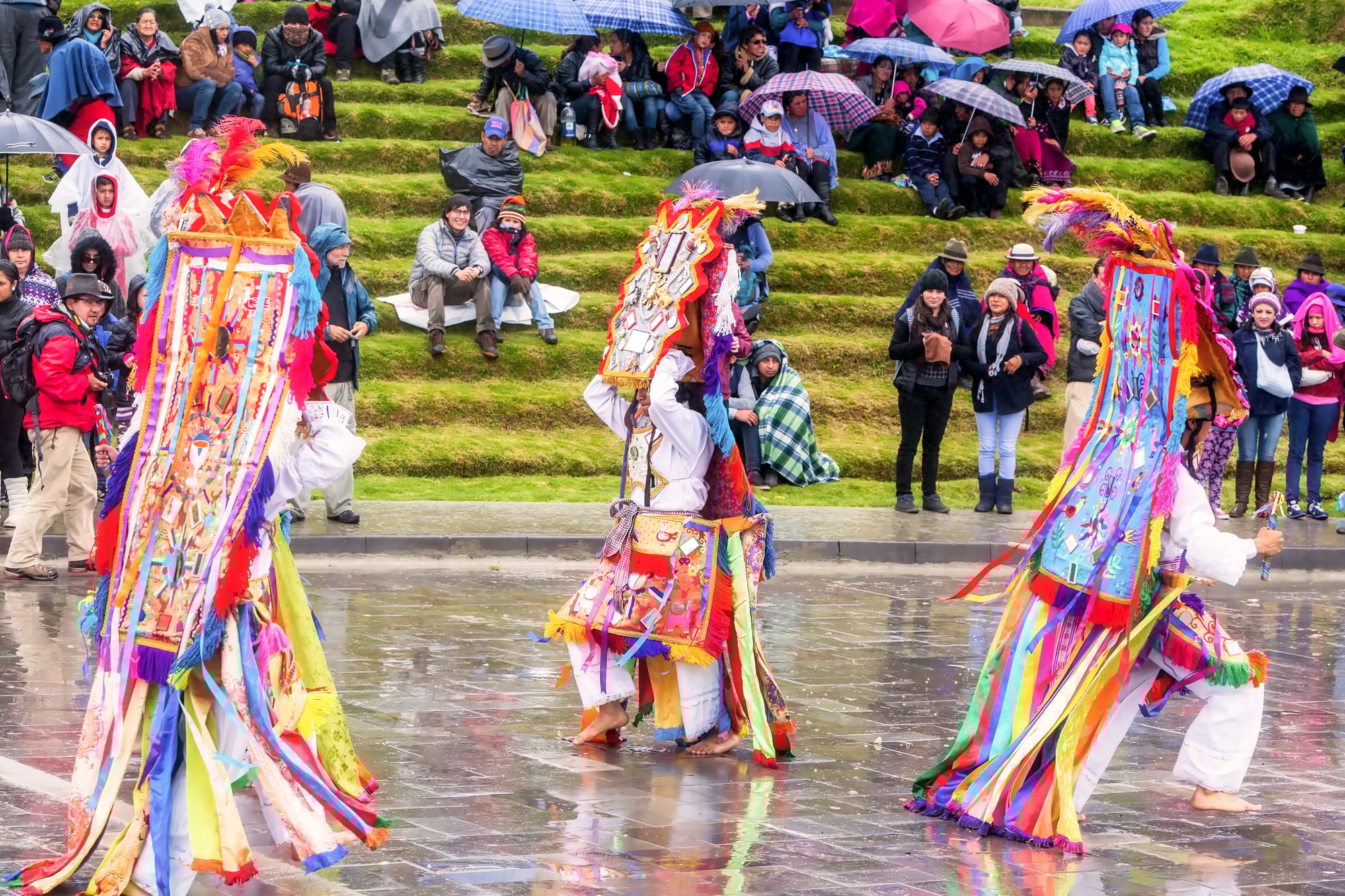
Peru’s Inti Raymi festival celebrates the winter solstice in June—preserving the Inca calendar system that divided years based on solar observations from the Southern Hemisphere. This Festival of the Sun demonstrates how the ancient Inca civilization tracked time using celestial body movements as observed from Cusco.
Thousands gather at Sacsayhuamán fortress during this celebration, reenacting ceremonies that marked the shortest day in the Inca calendar for over 500 years.
Vesak

Vesak follows the Buddhist lunar calendar, typically falling in May during Vesakha month’s full moon. This celebration preserves ancient Indian practices of using lunar months to determine religious observances—a system that predates the Gregorian calendar by over 1,000 years.
Buddhist communities across Asia light lanterns and make offerings during this festival, maintaining traditions that’ve marked this specific lunar timing since the 6th century BCE.
Day of the Dead
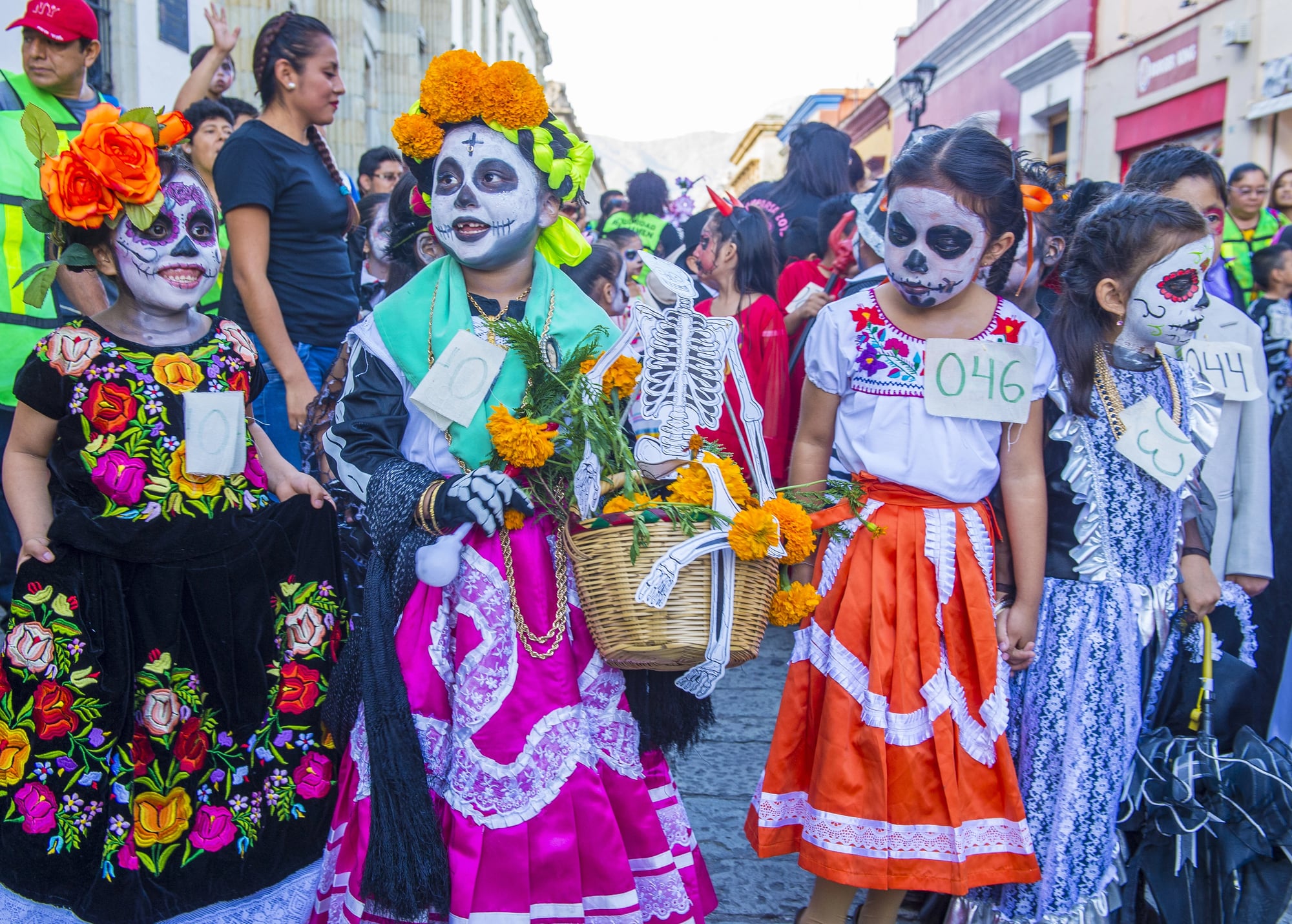
Mexico’s Día de los Muertos follows the ancient Aztec calendar system—occurring when the veil between worlds was believed thinnest according to Mesoamerican astronomical calculations. This celebration typically spans early November, preserving timing that Aztec civilization determined through complex observations of stellar and planetary movements.
Families create elaborate altars and visit cemeteries during this festival, maintaining traditions honoring ancestors according to this ancient calendar for over 1,500 years.
Like Go2Tutors’s content? Follow us on MSN.
Chuseok
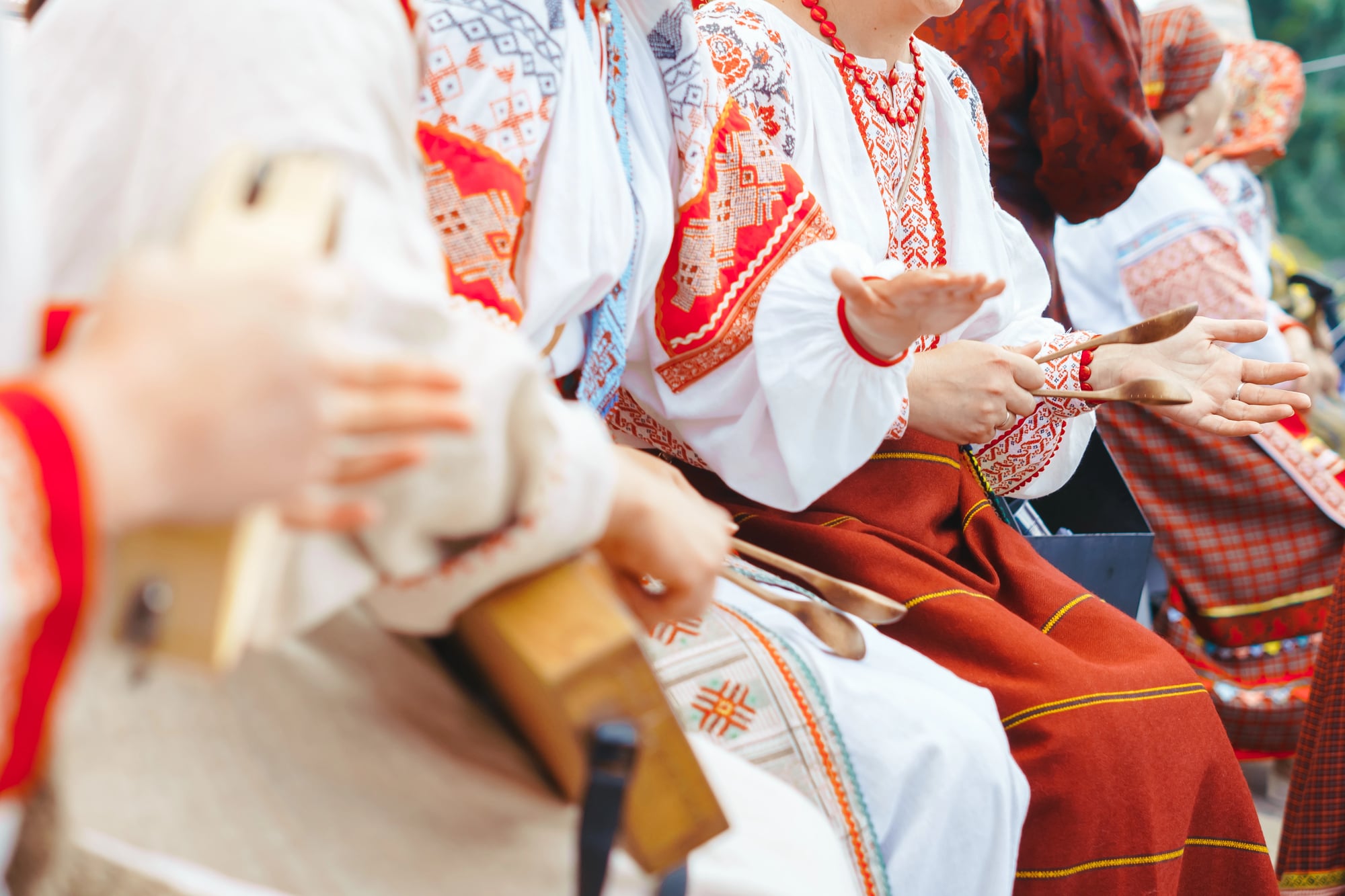
South Korea’s Chuseok festival occurs during the eighth lunar month’s full moon, preserving the ancient Korean calendar system that combined Chinese lunisolar calculations with local seasonal observations. This harvest celebration typically falls in September or October, showing how Korean communities maintained their timing system while adapting Chinese astronomical knowledge.
Families return to ancestral homes and perform ritual ceremonies during this festival, continuing traditions that have marked this lunar timing for over 2,000 years.
Timkat
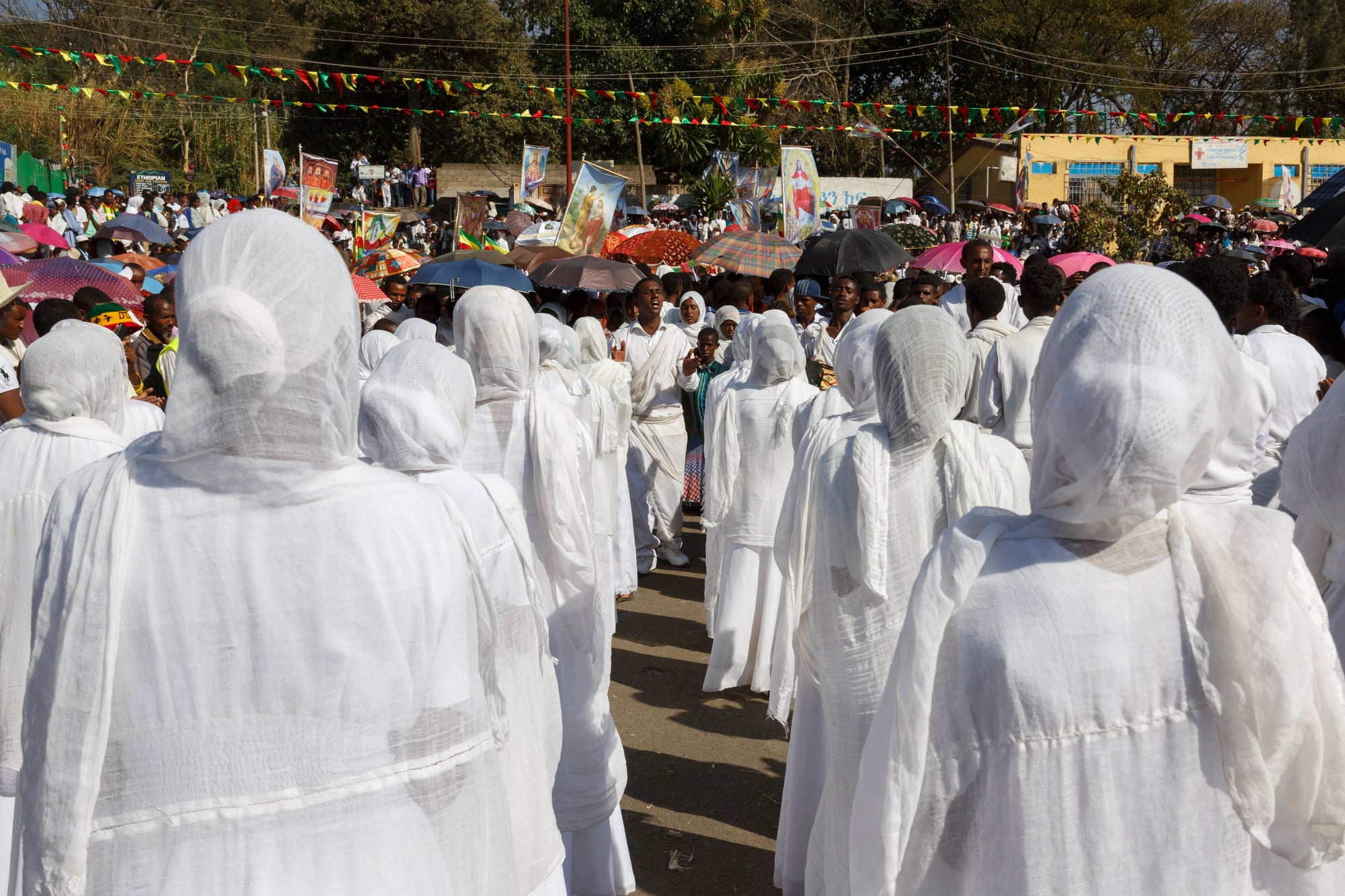
Ethiopia’s Timkat festival follows the ancient Ethiopian calendar, which calculates years differently from the Gregorian system and celebrates Epiphany in January according to Julian calendar calculations. This celebration preserves Ethiopian Orthodox practices of maintaining their own calendar system that includes 13 months and calculates Christ’s birth differently than Western Christianity.
Communities gather for elaborate water ceremonies during this festival, maintaining traditions that have followed this distinct calendar system for over 1,600 years.
Holi
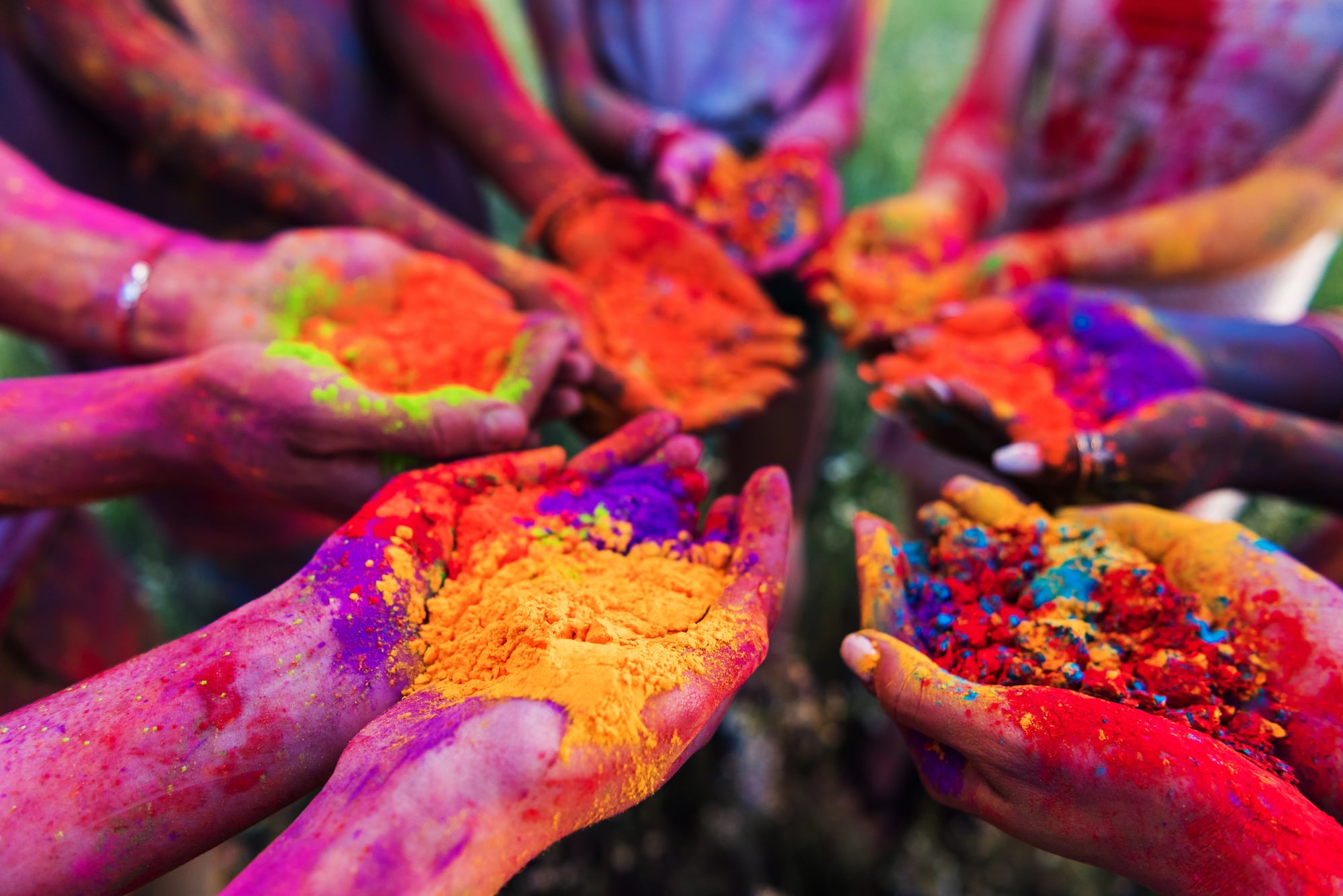
India’s Holi festival follows the Hindu lunar calendar, occurring on Phalguna month’s full moon day in late February or early March. This Festival of Colors preserves ancient Indian astronomical knowledge that determined auspicious timing through careful observation of lunar phases and seasonal transitions.
Communities throw colored powders and light bonfires during this celebration, continuing customs that have marked this specific lunar timing for over 1,500 years.
Like Go2Tutors’s content? Follow us on MSN.
Samhain
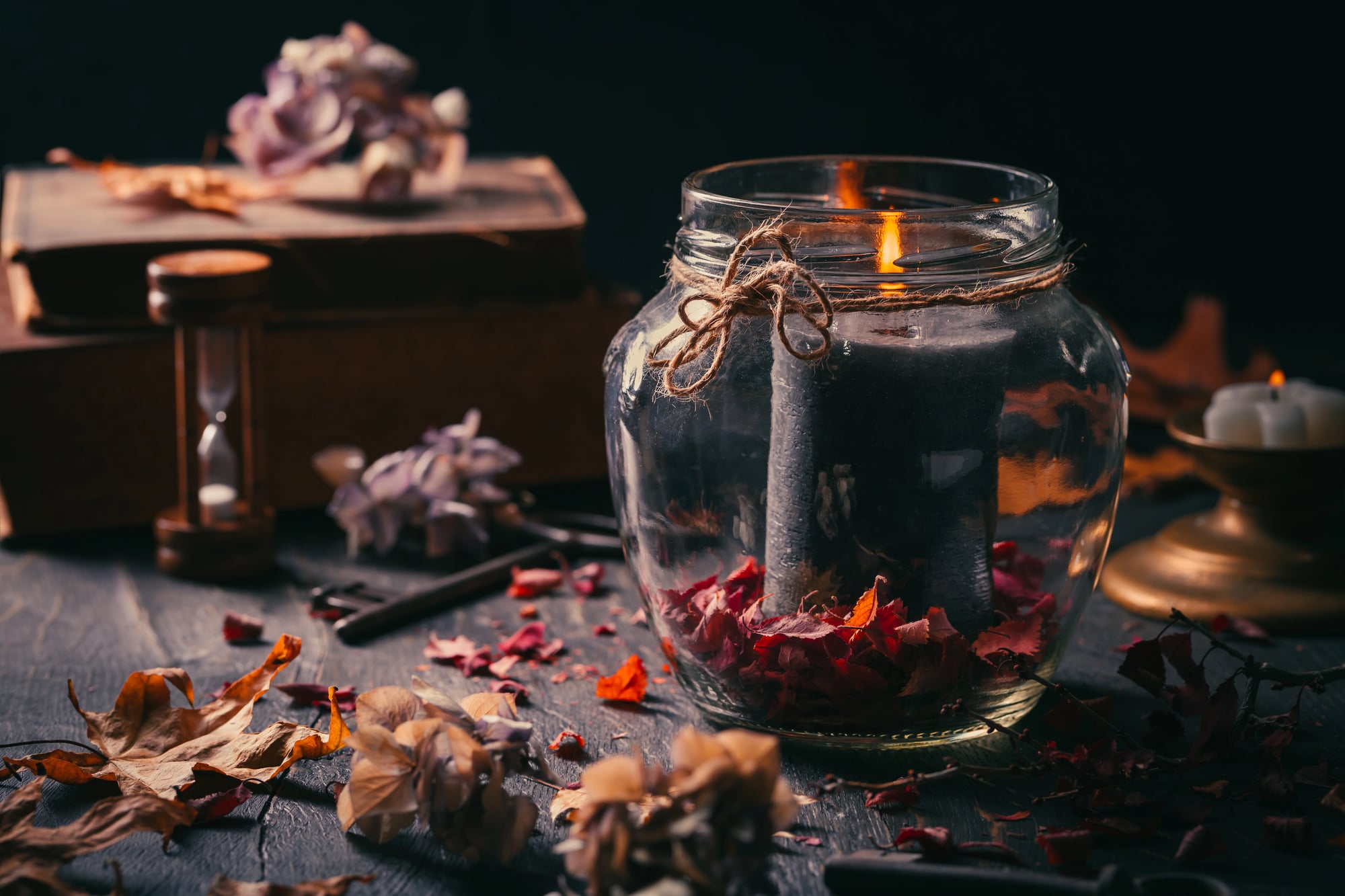
Celtic Samhain celebrations mark October 31st according to the ancient Celtic calendar that divided years into light and dark halves based on agricultural cycles and solar observations. This festival preserves Celtic practices of marking harvest season’s end and winter’s beginning through natural timing rather than arbitrary dates.
Modern communities still light bonfires and tell stories during this celebration, maintaining traditions that marked this seasonal transition for over 2,000 years.
Ancient Rhythms in Modern Times

These festivals prove that ancient wisdom about time hasn’t vanished but has simply transformed into celebration. Communities worldwide continue gathering according to lunar phases, solar positions, and seasonal cycles that guided human civilization long before mechanical clocks existed.
Each festival represents thousands of years of astronomical knowledge passed down through food, music, and ritual rather than textbooks. In our digital age of precise timekeeping, these celebrations remind us that humans once lived in harmony with celestial rhythms, though in many places, they still do.
More from Go2Tutors!

- 16 Historical Figures Who Were Nothing Like You Think
- 12 Things Sold in the 80s That Are Now Illegal
- 15 VHS Tapes That Could Be Worth Thousands
- 17 Historical “What Ifs” That Would Have Changed Everything
- 18 TV Shows That Vanished Without a Finale
Like Go2Tutors’s content? Follow us on MSN.