Tech Startups That Became Huge Successes in the 2020s
The decade that started with a global pandemic wasn’t supposed to be the one where scrappy startups turned into household names. Yet while established companies stumbled through lockdowns and supply chain chaos, a new generation of founders found their moment.
Some rode the wave of remote work, others capitalized on digital transformation, and a few just had the right idea at exactly the right time. These aren’t the unicorns that took decades to find their footing.
These are the companies that went from garage operations to billion-dollar valuations in what felt like the blink of an eye. Their stories reveal how quickly the business landscape can shift when technology meets genuine human need.
Canva

Canva cracked the design problem that most people didn’t even know they had. Before 2020, graphic design belonged to professionals with expensive software and years of training.
Everyone else made do with PowerPoint. Then remote work hit.
Suddenly, everyone needed to create presentations, social media posts, and marketing materials from their kitchen table. Canva’s drag-and-drop interface turned design into something as simple as filling out a form.
The company’s valuation jumped from $6 billion in 2020 to $40 billion by 2021.
Discord

Gaming platforms don’t usually become essential business infrastructure, but Discord managed exactly that transformation. What started as a way for gamers to chat during raids became the unofficial headquarters for remote teams, online communities, and virtual events.
The pivot happened almost by accident (Discord never officially repositioned itself as a business tool), but users made the choice themselves: when Slack felt too corporate and Zoom felt too formal, Discord offered something that actually felt like hanging out. By 2021, the platform had grown from 56 million monthly users to over 150 million, and Microsoft came calling with a $12 billion offer that Discord ultimately turned down.
Notion

Productivity software had been stuck in the same patterns for years — you had your word processor, your spreadsheet program, your note-taking app, and somehow none of them talked to each other. Notion arrived with a simple premise: what if one tool could do everything? The timing was perfect.
Remote workers needed a way to organize projects that didn’t require jumping between six different applications. Students working from home wanted something more flexible than traditional notebooks.
Small businesses needed database functionality without the enterprise price tag. Notion’s block-based approach let users build exactly what they needed, nothing more, nothing less.
The company went from a $2 billion valuation in 2020 to $10 billion in 2021.
Clubhouse

Social audio was supposed to be the next big thing, and for about six months, Clubhouse owned that future completely. The app launched in 2020 as an invite-only platform where people could join voice conversations on any topic imaginable.
The exclusivity worked. Tech executives, celebrities, and venture capitalists flocked to the platform, creating a sense that important conversations were happening behind closed doors.
At its peak in early 2021, Clubhouse was valued at $4 billion and had spawned dozens of copycats. The magic didn’t last — Twitter Spaces and other competitors arrived quickly — but Clubhouse proved there was genuine appetite for something beyond text and video.
Figma
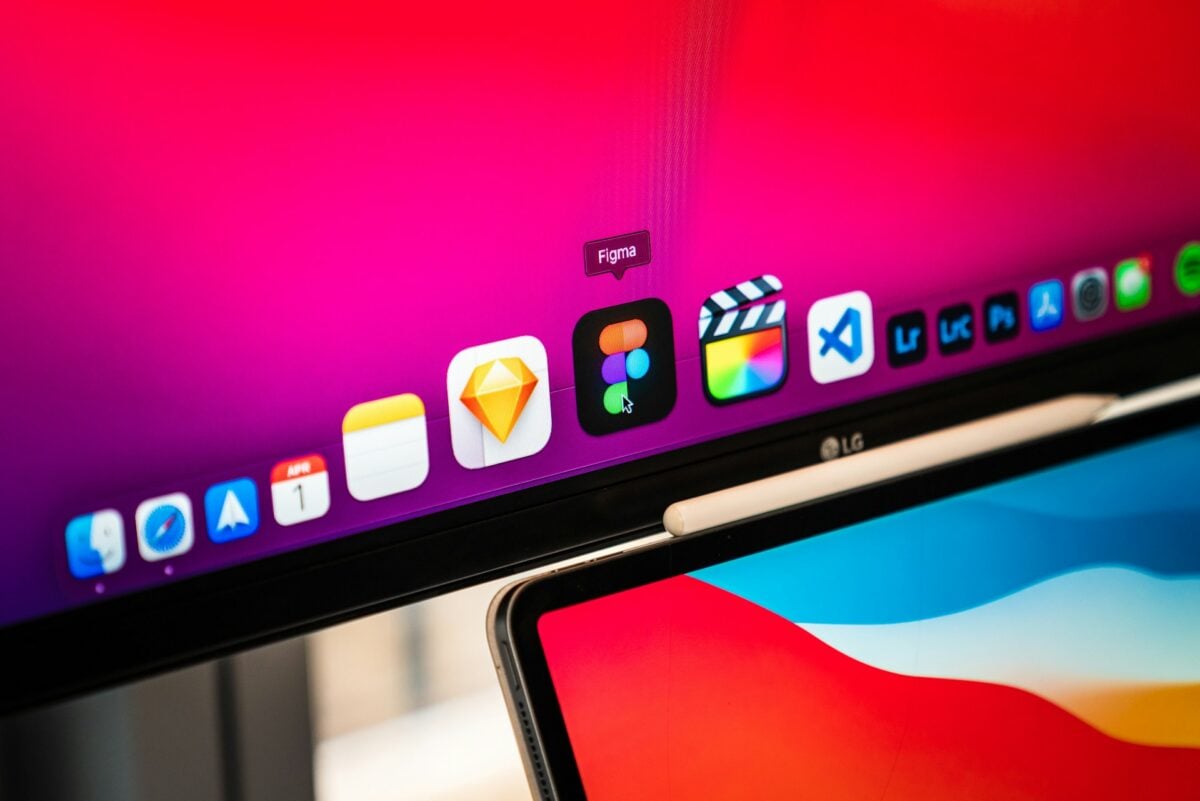
Design collaboration used to mean emailing files back and forth, hoping someone didn’t accidentally work on an old version. Figma made design work feel more like Google Docs: everyone could see changes in real time, leave comments, and contribute without stepping on each other’s work.
The web-based approach seemed risky at first — serious designers used desktop software, not browser tools. But Figma’s performance matched traditional applications while adding collaboration features that felt genuinely useful rather than gimmicky.
Adobe clearly agreed: they acquired Figma for $20 billion in 2022, recognizing that the future of design work would be collaborative by default.
Stripe

Payment processing sounds boring until you’ve tried to set it up yourself. For years, accepting online payments meant dealing with banks, compliance paperwork, and integration headaches that could take months to resolve.
Stripe reduced the entire process to a few lines of code. Developers could add payment functionality to their apps in minutes rather than months.
As e-commerce exploded during the pandemic, Stripe became the invisible infrastructure powering everything from small online stores to major platforms. The company reached a $95 billion valuation in 2021, making it one of the most valuable private companies in the world.
Zoom

Zoom wasn’t exactly new in 2020, but the pandemic turned it from a useful business tool into essential infrastructure for human connection. While competitors like Skype and WebEx stumbled under the sudden load, Zoom’s platform handled the surge smoothly.
The user experience made the difference. Zoom meetings actually worked — the audio was clear, the video didn’t freeze, and joining a call didn’t require a computer science degree.
The company’s stock price increased by over 400% in 2020 as monthly participants grew from 10 million to 300 million almost overnight.
TikTok

Short-form video existed before TikTok, but the app perfected the formula in a way that made every other social platform scramble to catch up. The algorithm felt almost psychic — it seemed to know what users wanted to watch before they knew it themselves.
TikTok’s success forced Instagram, YouTube, and Snapchat to completely rethink their strategies. The app reached 1 billion monthly users faster than any social platform in history, proving that there was still room for disruption in what seemed like a settled market.
ByteDance’s valuation topped $400 billion largely on TikTok’s success.
Shopify

E-commerce infrastructure used to require serious technical expertise or expensive custom development. Shopify made it possible for anyone to launch a professional online store without writing a single line of code.
The pandemic accelerated everything. Small businesses that had never sold online suddenly needed digital storefronts immediately.
Shopify’s template system and integrated payment processing meant entrepreneurs could go from idea to live store in a matter of hours. The company’s stock price increased by over 180% in 2020 as millions of new businesses came online.
Peloton

Home fitness equipment usually gathered dust in the corner, but Peloton turned exercise bikes into entertainment systems with live classes, leaderboards, and community features that made solo workouts feel social. The timing was extraordinary.
Just as gyms closed worldwide, Peloton offered an experience that felt more engaging than most in-person fitness classes. The company’s connected fitness model proved that people would pay premium prices for equipment that delivered ongoing value through software and content.
Peloton’s stock peaked at over $170 per share in early 2021.
Robinhood

Stock trading used to require calling a broker and paying hefty fees for each transaction. Robinhood eliminated both friction points with commission-free trades and a mobile-first interface that made investing feel as simple as using any other app.
The democratization of trading attracted millions of new investors, particularly younger users who had been priced out of traditional brokerages. While the company faced controversy around the GameStop trading frenzy, Robinhood’s impact on the industry was undeniable — every major brokerage was forced to eliminate trading fees to compete.
Snowflake

Cloud data warehousing sounds like the kind of enterprise software that grows slowly and quietly, but Snowflake’s 2020 IPO was anything but quiet. The company went public at the height of the pandemic and immediately became the largest software IPO in history.
Snowflake’s architecture solved real problems for companies drowning in data from multiple sources. The platform made it possible to analyze information without the traditional headaches of data migration and warehouse management.
As businesses accelerated their digital transformation efforts, Snowflake became essential infrastructure for data-driven decision making.
Affirm

Buy-now-pay-later financing existed before Affirm, but the company made the process transparent and user-friendly in a way that traditional credit options weren’t. Instead of hidden fees and revolving credit, Affirm offered fixed payment plans with clear terms.
The model resonated particularly with younger consumers who wanted alternatives to credit cards. Major retailers started integrating Affirm’s payment options directly into their checkout processes, recognizing that flexible payment terms could increase conversion rates and average order values.
The company went public in early 2021 and quickly reached a market cap of over $30 billion.
Looking back at a transformative decade

These companies succeeded not because they had better technology or more funding than their competitors, but because they understood something fundamental about how people actually wanted to work, shop, and connect. They built tools that felt intuitive rather than impressive, solving everyday problems in ways that made users wonder how they had ever managed without them.
The 2020s proved that disruption doesn’t always come from where you expect. Some of the decade’s biggest winners weren’t trying to revolutionize entire industries — they just wanted to make specific tasks less annoying.
Turns out that was revolutionary enough.
More from Go2Tutors!

- The Romanov Crown Jewels and Their Tragic Fate
- 13 Historical Mysteries That Science Still Can’t Solve
- Famous Hoaxes That Fooled the World for Years
- 15 Child Stars with Tragic Adult Lives
- 16 Famous Jewelry Pieces in History
Like Go2Tutors’s content? Follow us on MSN.