15 Historic Bridges You Can Walk Across in the US
There’s something about crossing a bridge on foot that changes everything. The rhythm slows down, the view opens up, and suddenly you’re not just getting from one side to the other — you’re occupying a space suspended between places, between moments.
Historic bridges carry this feeling even deeper, holding decades or centuries of footsteps in their stones and steel. America’s historic bridges tell stories that highways and tunnels never could.
Brooklyn Bridge
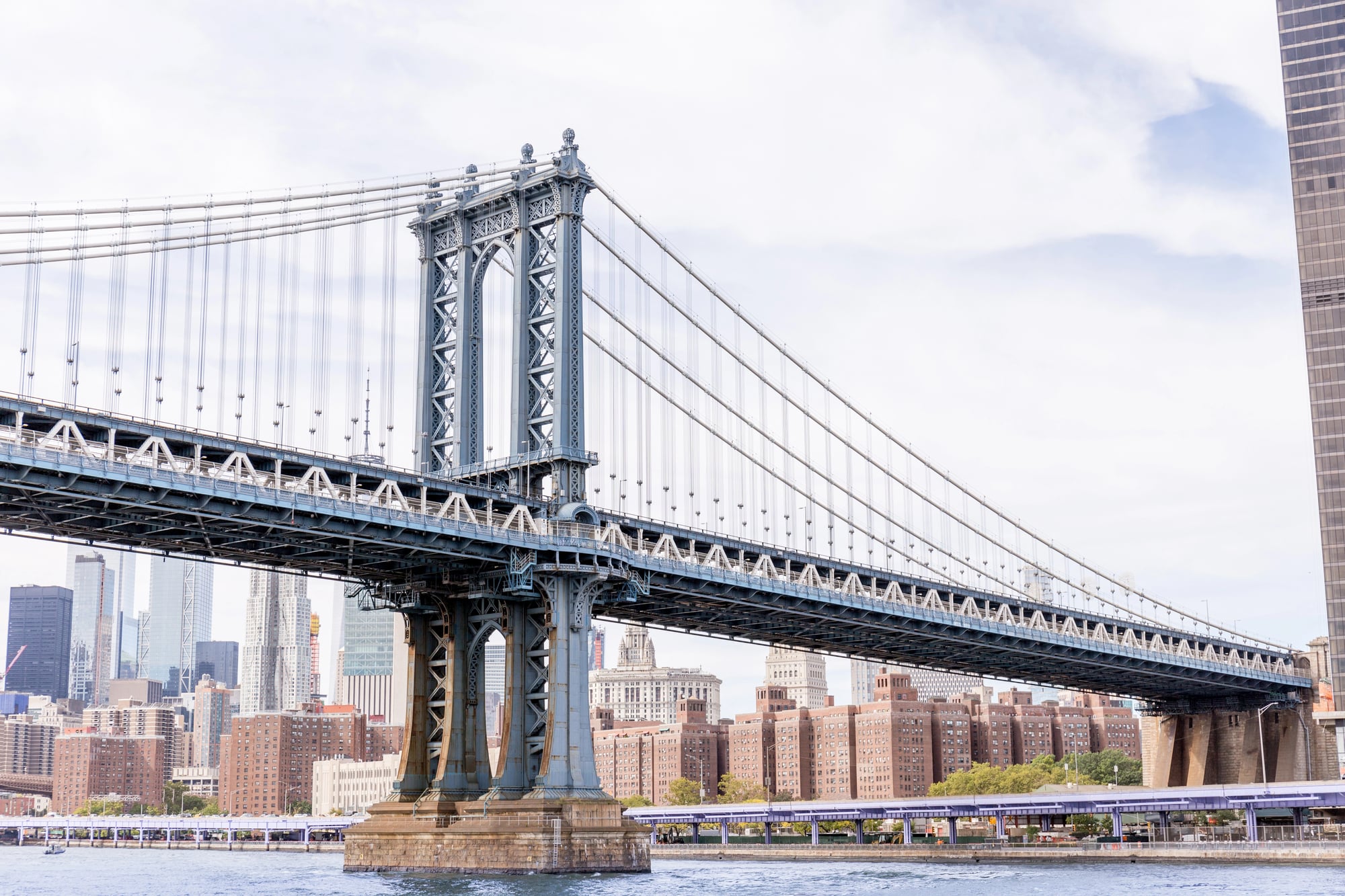
The Brooklyn Bridge doesn’t care about your schedule. Built in 1883, it forces you to slow down whether you want to or not — the wooden promenade elevated above the traffic demands a different pace entirely.
The Gothic Revival towers rise like cathedral spires, which isn’t accidental. John Roebling designed them that way, understanding that a bridge this ambitious needed to feel like something sacred.
Walking between those stone arches, with the East River flowing beneath and Manhattan’s skyline spreading out ahead, proves he got it right.
Golden Gate Bridge
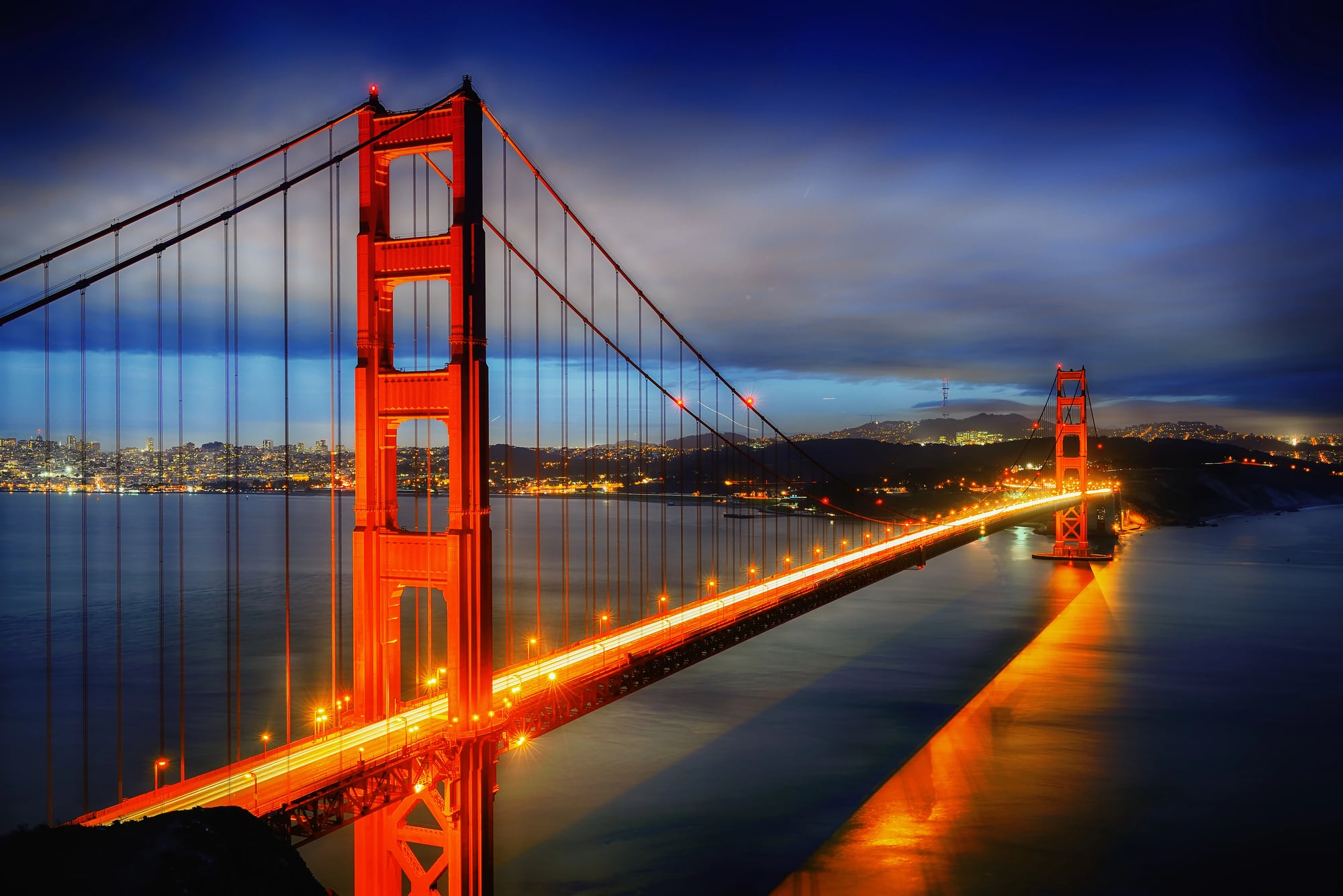
Walking the Golden Gate Bridge is like being inside a postcard that keeps changing every few steps. (And it changes constantly — the fog rolls in and out with a mind of its own, transforming the bridge from icon to ghost and back again.)
The span stretches 1.7 miles, which sounds reasonable until you’re halfway across and the wind is reminding you that you’re 220 feet above the San Francisco Bay, suspended on nothing but steel cables and engineering faith. But here’s the thing about the Golden Gate: it’s stubborn in the best possible way.
The bridge opened in 1937, and it refuses to look a day older — that International Orange paint job gets touched up constantly, so the bridge stays perpetually fresh while everything around it ages. So you walk across something that’s both historic and timeless, which is a rare combination.
And the views — Alcatraz floating in the bay, the Marin Headlands rolling green and gold, San Francisco spreading out like someone scattered white dice across impossible hills — justify every step.
Mackinac Bridge
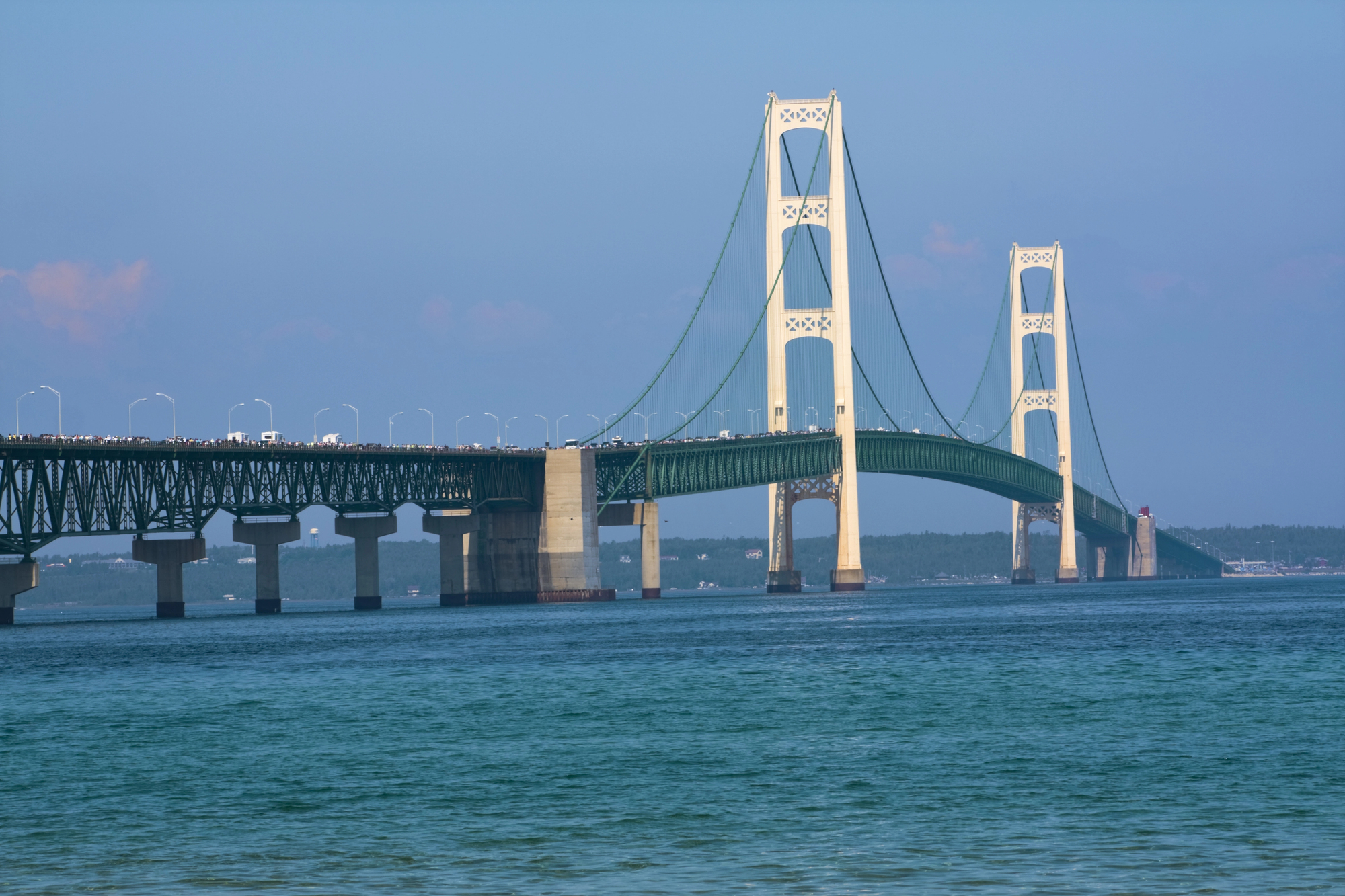
The Mackinac Bridge is proof that Michigan takes its geography seriously. Five miles of suspension bridge connecting the Upper and Lower Peninsulas, because apparently a ferry wasn’t ambitious enough.
Most days, cars do the crossing. But twice a year — during the annual Bridge Walk on Labor Day — pedestrians take over completely.
Walking those five miles gives you time to appreciate what “Mighty Mac” really means. The bridge sways slightly in the wind, which is perfectly normal and mildly terrifying.
Below, the Straits of Mackinac stretch out in both directions, and you understand why this crossing mattered enough to build something this enormous.
Stone Arch Bridge
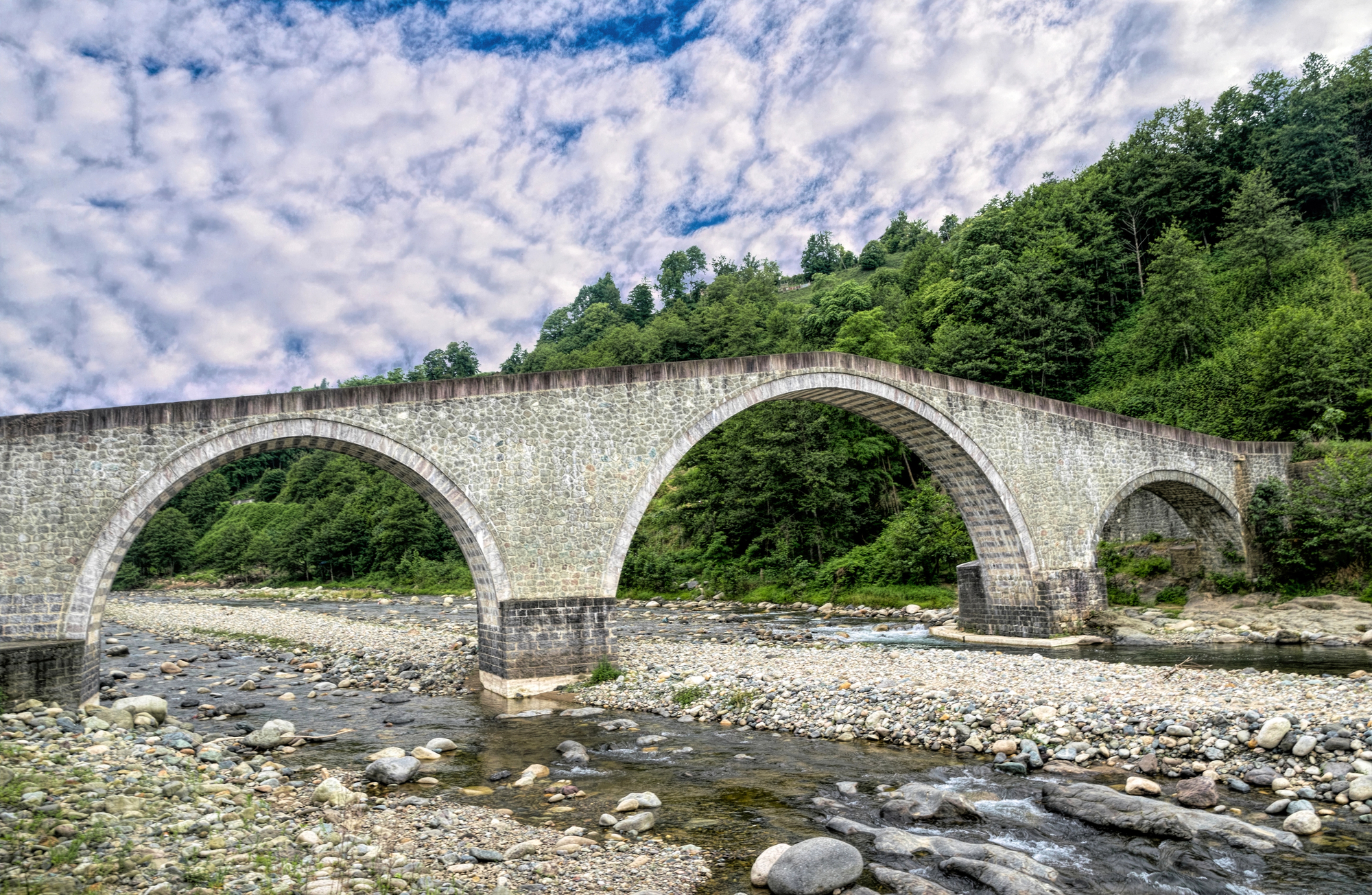
The Stone Arch Bridge in Minneapolis carries the weight of the city’s industrial past in its twenty-three limestone arches. Built in 1883 to carry trains across the Mississippi River, it now carries something more valuable: people who want to walk above Saint Anthony Falls and watch the river that built this city.
Stone bridges are stubborn creatures — they settle into their foundations and refuse to budge, weathering decades of Minnesota winters with the patience of something that knows it’s built to last. Walking across those arches, you can feel the Mississippi pulling beneath you, the same current that powered the flour mills that made Minneapolis matter.
The city skyline rises on both sides, but the bridge itself belongs to an earlier era, when engineers built things to outlast their great-grandchildren. And it’s working — more than 140 years later, the stone arches look like they could handle another century without breaking a sweat.
Walkway Over the Hudson
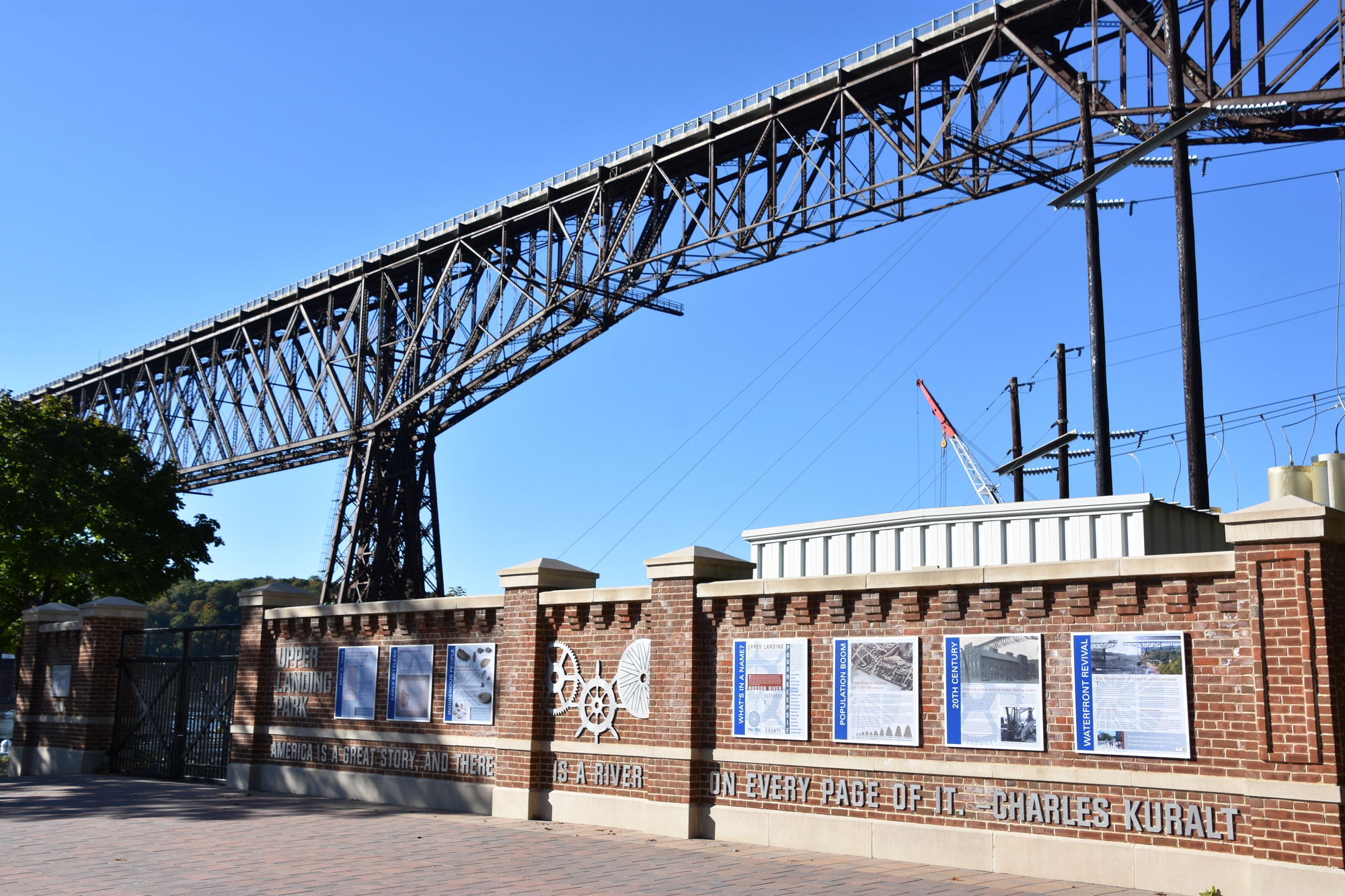
The best repurposing projects feel inevitable once they’re finished. The Walkway Over the Hudson was a railway bridge for a century — trains crossed the Hudson River here from 1889 until 1974, when the last freight car made the journey and the bridge sat empty for decades.
Then someone had the obvious idea: turn it into a pedestrian bridge. The transformation opened in 2009, and now it’s hard to imagine it any other way.
At 212 feet above the Hudson River and stretching 1.28 miles from Poughkeepsie to Highland, the walkway offers views that trains never bothered to appreciate. The Catskill Mountains rise to the west, the Hudson Valley spreads out in both directions, and you’re walking on a piece of industrial history that found a second life.
Sunshine Skyway Bridge
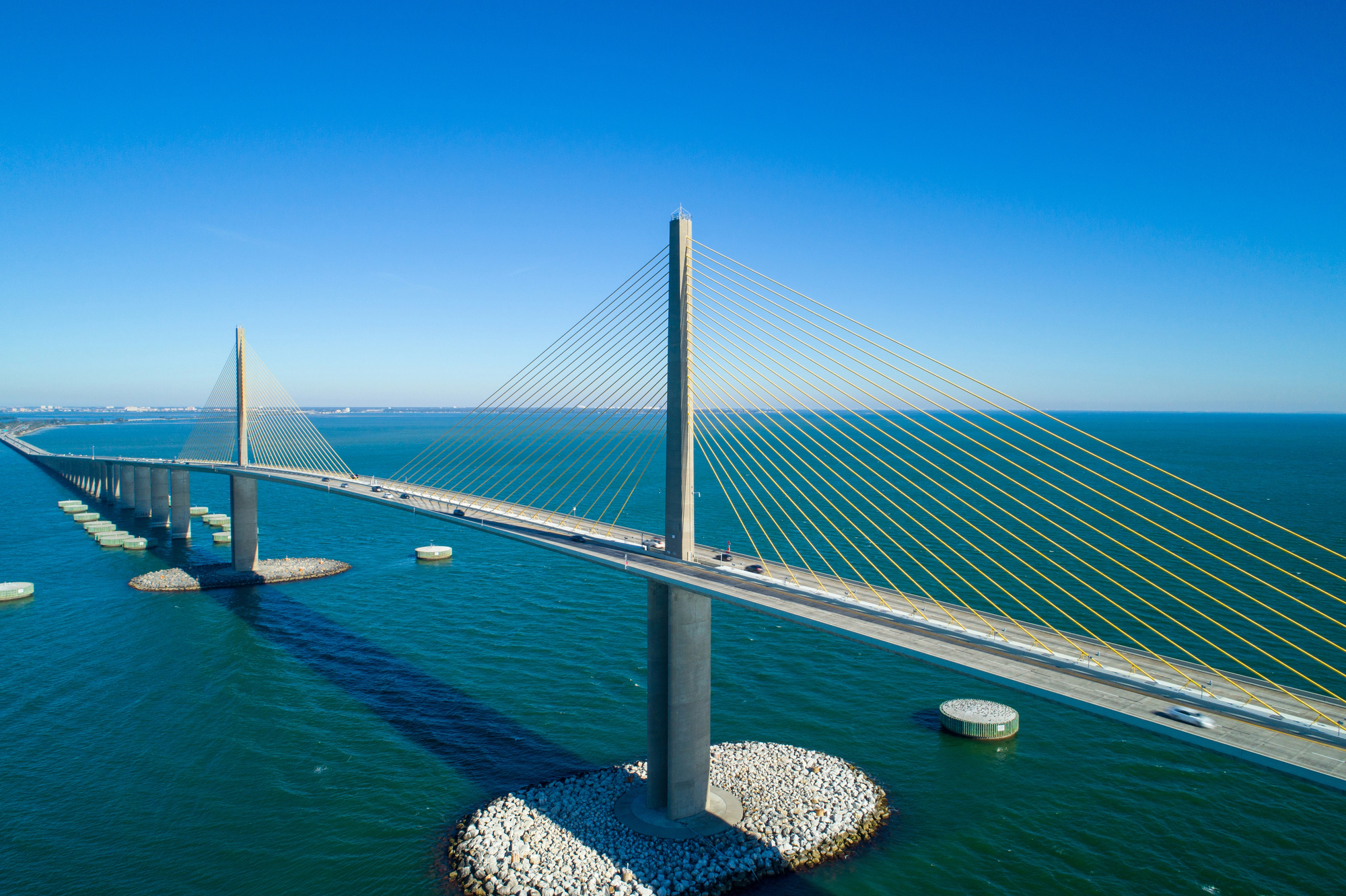
The current Sunshine Skyway Bridge is gorgeous and modern, but it sits next to something more haunting: the remaining spans of the old bridge, now converted into fishing piers. These remnant sections, built in 1954, carry their own story — including the tragedy that led to the new bridge’s construction in 1987.
Walking out on the old spans feels like occupying a memory. The bridge ends abruptly where the center span was removed, leaving you suspended over Tampa Bay with nothing but water ahead.
Ships pass beneath, pelicans dive for fish, and the new bridge rises in elegant curves beside you.
It’s a rare chance to walk on infrastructure that’s both historic and deliberately incomplete — a bridge that leads nowhere except into reflection.
Pont de Rennes
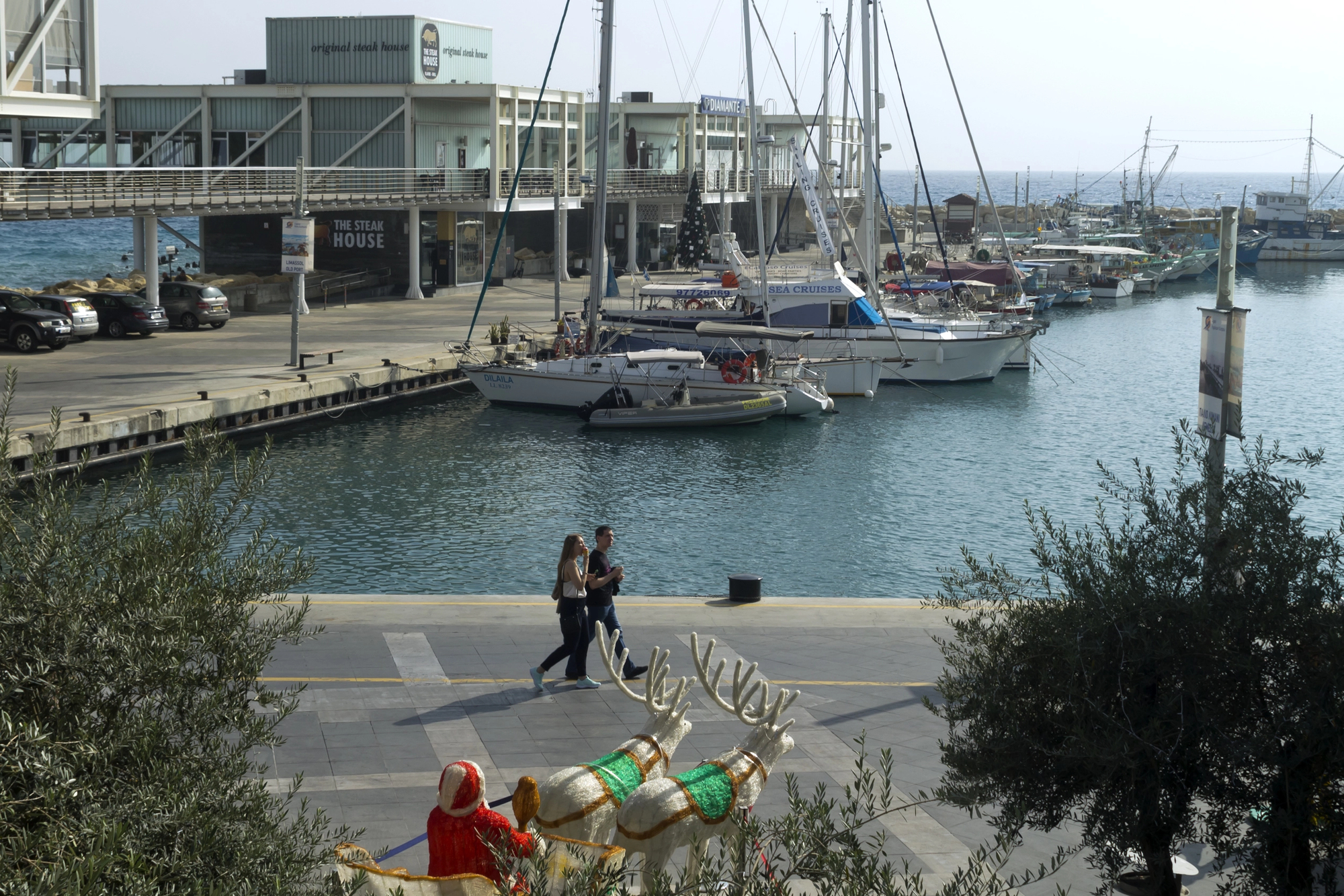
Historic bridges have a way of outlasting the reasons they were built, then finding new purposes that seem more important than the original. The Pont de Rennes, spanning a gentle waterway, started as a practical necessity — communities on both sides needed connection, and this was the obvious place to build it.
Now it serves as something more valuable: a reminder that crossing water changes your perspective in ways that driving through a tunnel never could. Walking across means watching the water flow beneath your feet, seeing both shorelines at once, occupying the space between destinations.
The bridge has weathered decades of seasonal floods, summer droughts, and the steady passage of people who needed to get from here to there. It’s still doing that job, but now it does something extra — it slows people down just enough to notice where they are.
Roebling Suspension Bridge
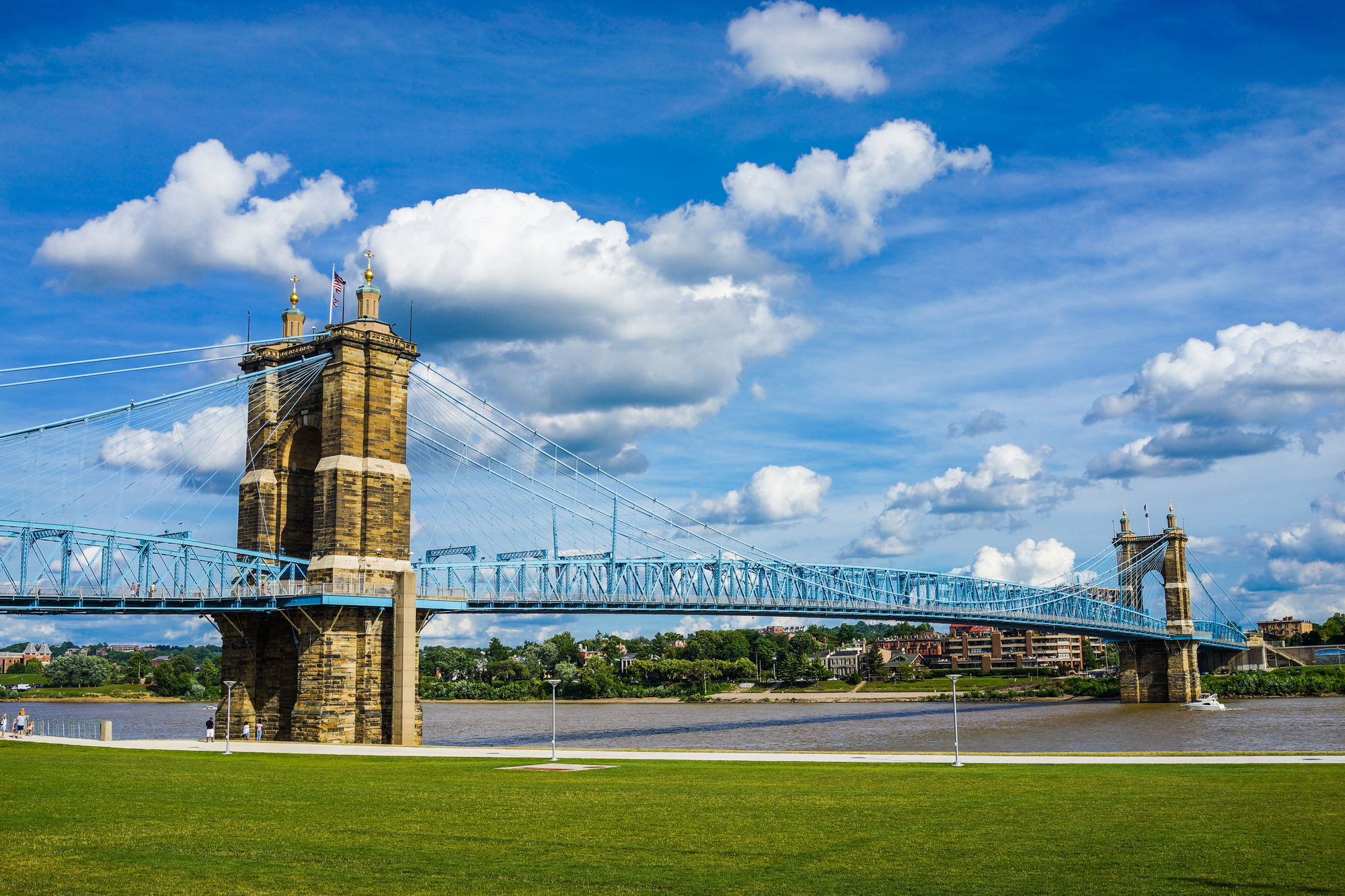
The Roebling Suspension Bridge connecting Cincinnati and Covington was the longest suspension bridge in the world when it opened in 1867. John Roebling built it as a prototype for his later Brooklyn Bridge, testing ideas about wire cables and tower design on a slightly smaller scale.
Walking across reveals why Roebling’s approach worked so well. The bridge feels both delicate and indestructible — those wire cables look almost fragile until you remember they’ve been holding up traffic for more than 150 years.
The Ohio River flows beneath, Cincinnati’s skyline rises on one side, and you’re crossing on a piece of engineering history that helped prove suspension bridges could work at scale.
High Level Bridge
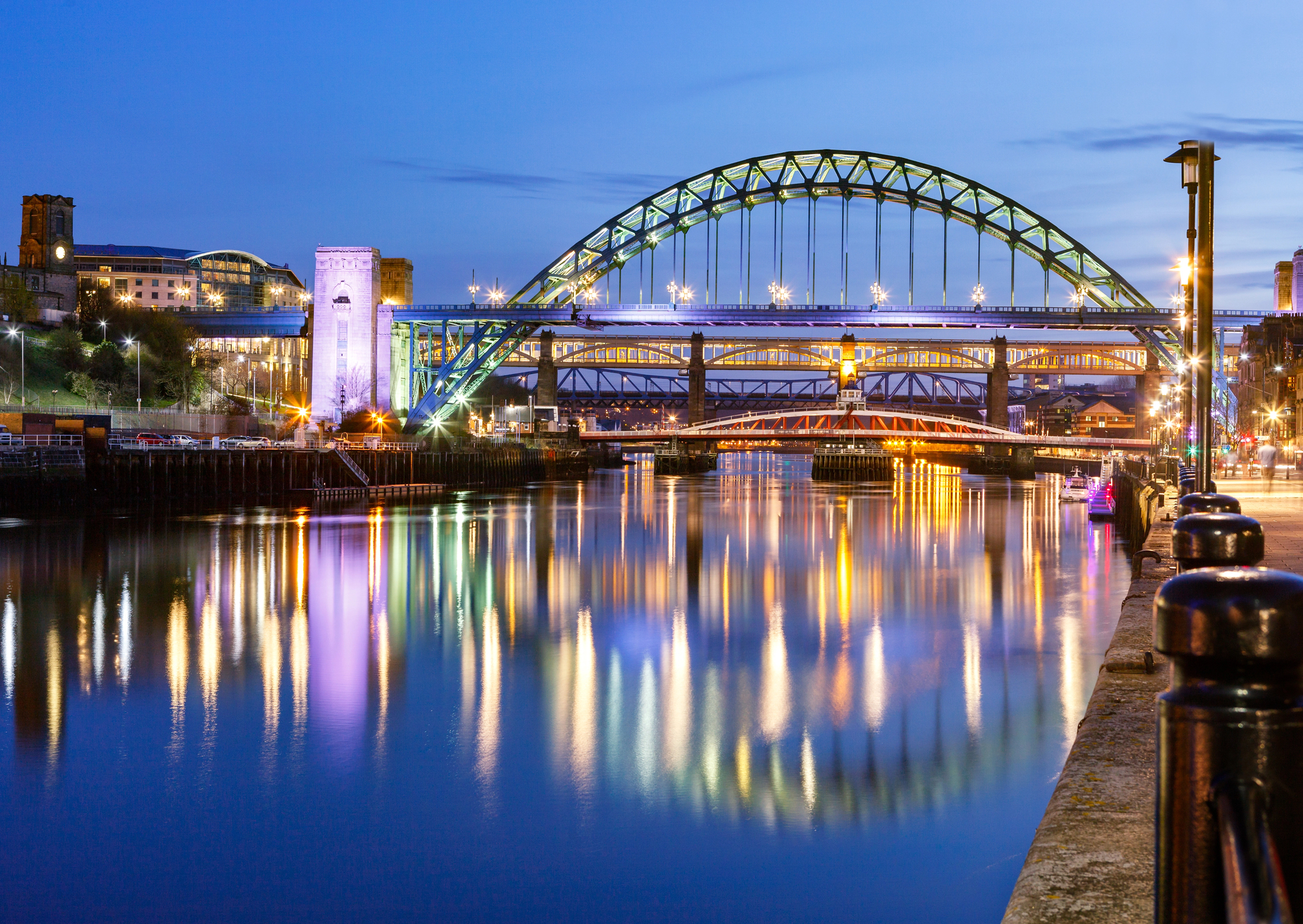
Some bridges announce themselves with grandeur; others surprise you with their quiet competence. The High Level Bridge — and there are several worthy of the name across the country — represents the second category, doing its job so well for so long that it becomes part of the landscape’s natural order.
Walking across means experiencing something that cars miss entirely: the gradual rise to the center span, the moment when both shores become visible at once. The bridge’s rhythm matches your footsteps.
These bridges weren’t built for scenic walks, but they’ve aged into that role beautifully, becoming linear parks that happen to cross water. The best ones feel like they’ve always been there, as if the landscape required completion and the bridge provided exactly what was missing.
Peace Bridge
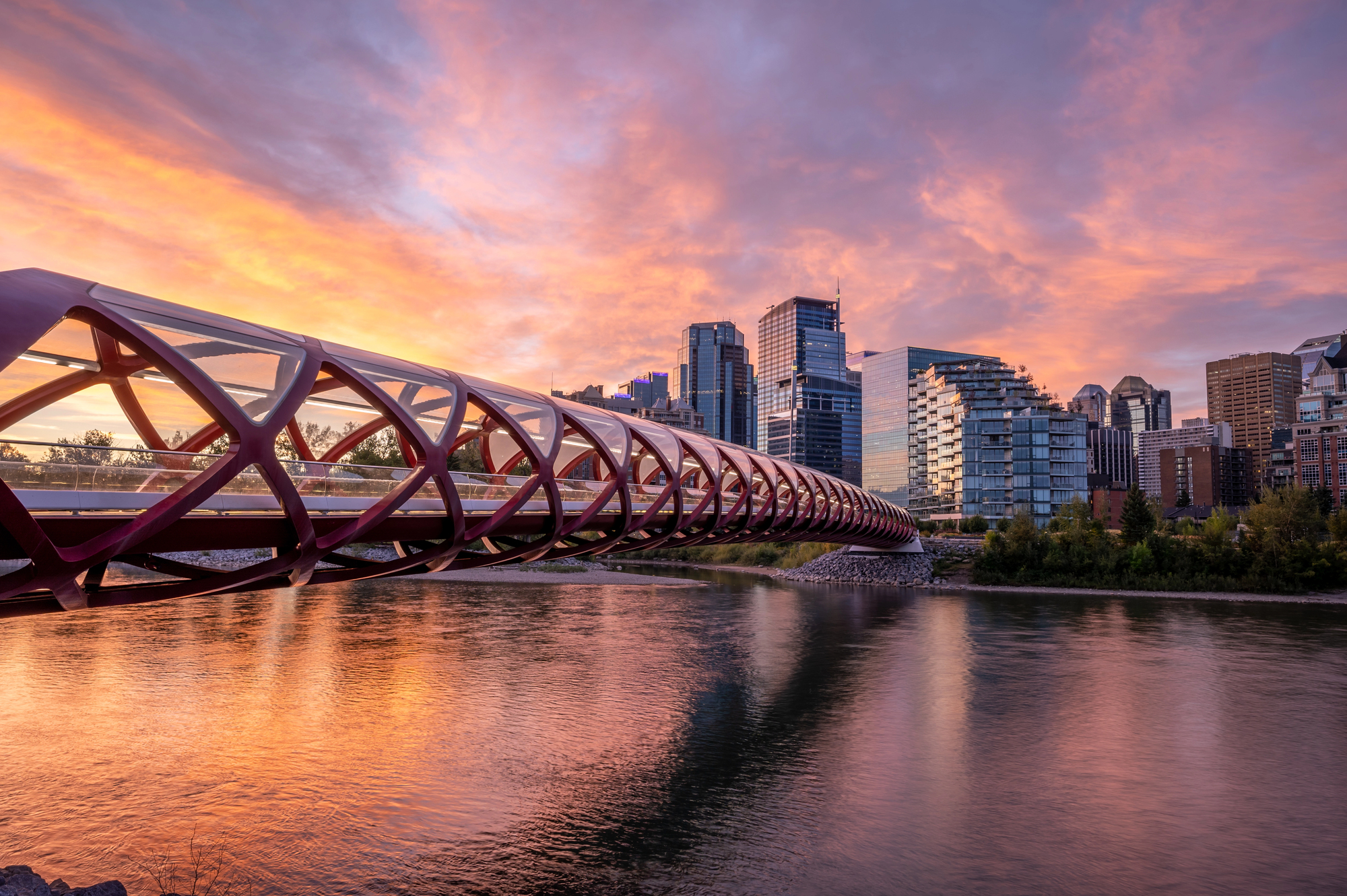
The Peace Bridge spanning the Niagara River between Buffalo and Fort Erie was built in 1927 to commemorate a century of peace between the United States and Canada. Walking across means crossing not just water, but the longest undefended border in the world.
The bridge’s five steel arches carry both symbolic and literal weight. Below, the Niagara River flows toward its famous falls downstream.
Above, you’re walking between two countries that figured out how to be neighbors without building walls. The pedestrian walkway offers views of both shorelines and the satisfaction of an international stroll that requires nothing more complicated than putting one foot in front of the other.
Kinzua Bridge
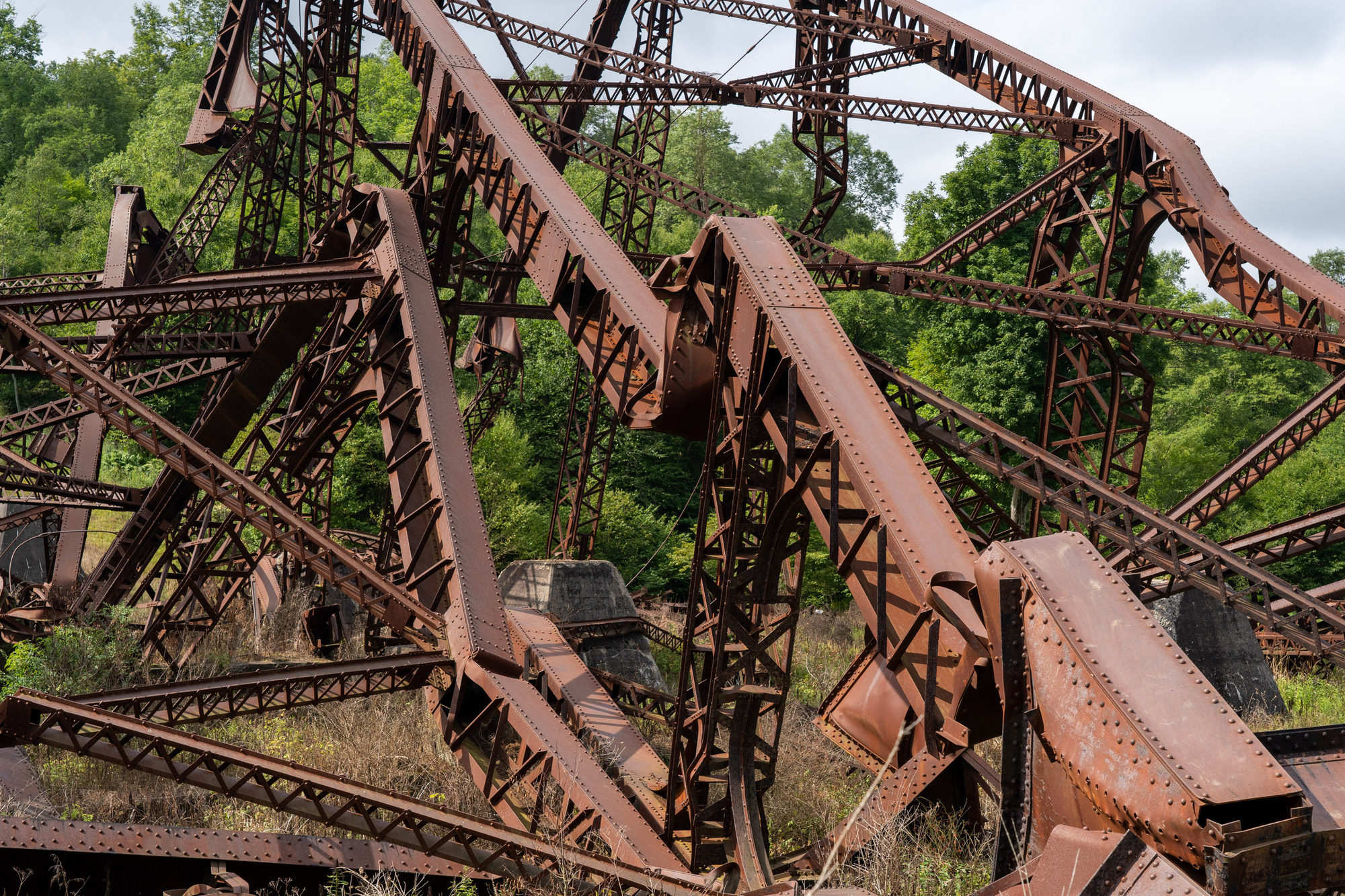
The Kinzua Bridge tells a story about ambition, disaster, and creative adaptation that unfolds as you walk along what remains. Originally built in 1882 as a railroad viaduct, the bridge stretched 2,053 feet across Pennsylvania’s Kinzua Creek valley, rising 301 feet above the ground.
A tornado destroyed much of the structure in 2003, leaving behind a partial span that now serves as a skywalk extending 600 feet out over the valley. Walking to the end means approaching the place where the bridge simply stops, offering views down into the valley where twisted steel still lies among the trees.
It’s become something more powerful than the original — a monument to both engineering ambition and nature’s ability to reclaim what humans build. The remaining section includes a glass observation area at the end, so your walk concludes with a view straight down through the floor to the valley below.
Carquinez Bridge
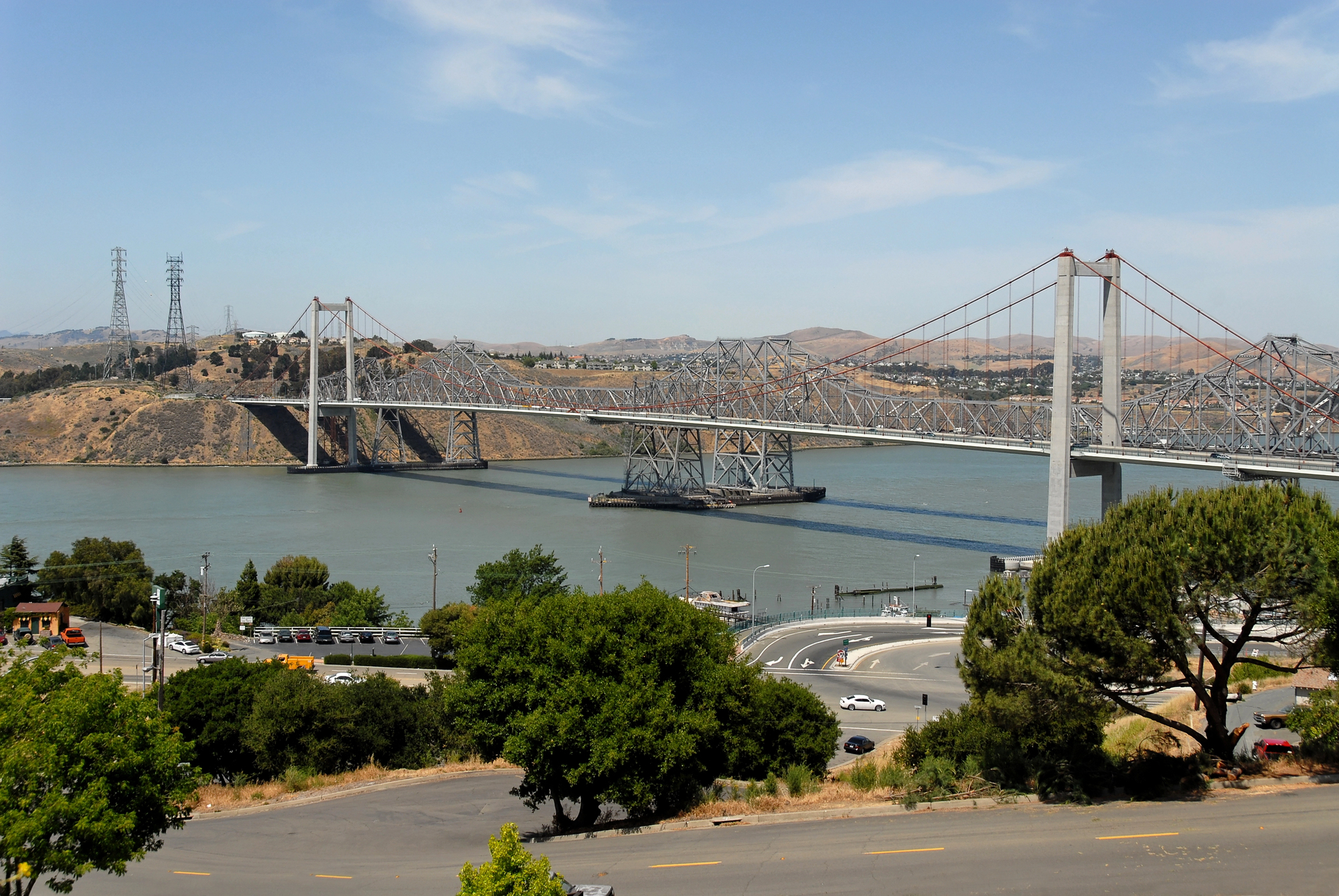
There’s something honest about bridges that don’t try to be beautiful but end up that way through pure function and the passage of time. The original Carquinez Bridge, opened in 1927 to span the Carquinez Strait in California, belongs in this category — a straightforward steel cantilever structure that’s grown more graceful with age.
Walking across offers views of the strait connecting San Pablo and Suisun bays, with the Napa River flowing into the mix. The bridge sits in an industrial landscape that doesn’t apologize for itself — refineries and shipping facilities line the shores, ships pass beneath carrying cargo to and from the Central Valley.
And yet there’s beauty in the honest functionality of it all, the way the bridge serves its purpose without ornament or pretension. The newer parallel bridge handles most of the traffic now, leaving the 1927 structure to age gracefully into its role as a historic crossing.
Chain of Rocks Bridge
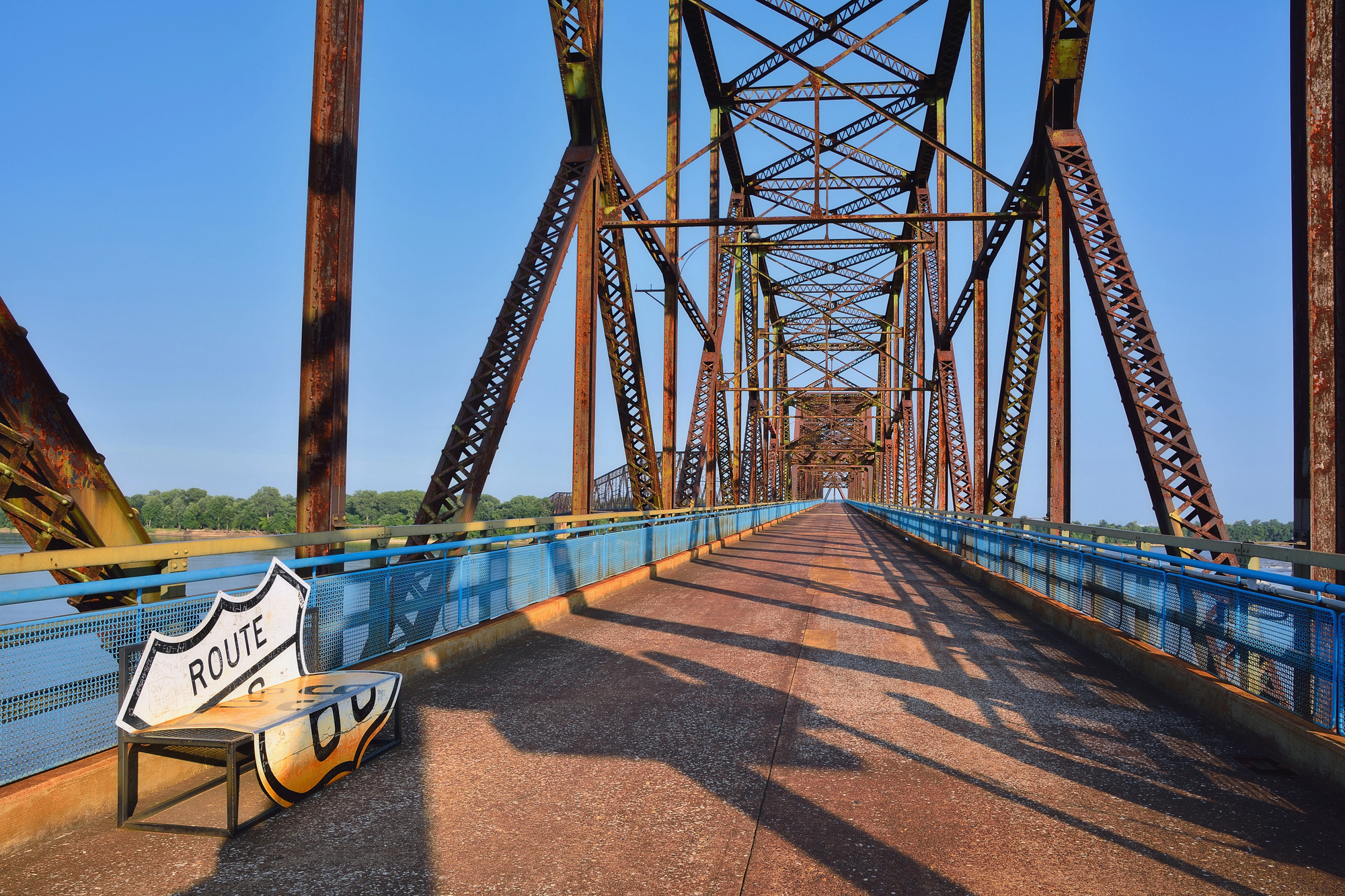
The Chain of Rocks Bridge across the Mississippi River north of St. Louis has a 22-degree bend in the middle that forces you to pay attention. Built in 1929, the bridge carried Route 66 traffic for decades until a newer bridge took over in 1967.
Now it’s a pedestrian and bicycle bridge, and that bend becomes an advantage rather than a hazard. Walking across means following the curve and watching the Mississippi change direction beneath you.
The river looks different from every angle, and the St. Louis skyline appears and disappears as you follow the bridge’s unusual geometry. The bend was originally built to align with shipping channels, but it turned the bridge into something more interesting — a crossing that refuses to be straight and simple.
Hell Gate Bridge
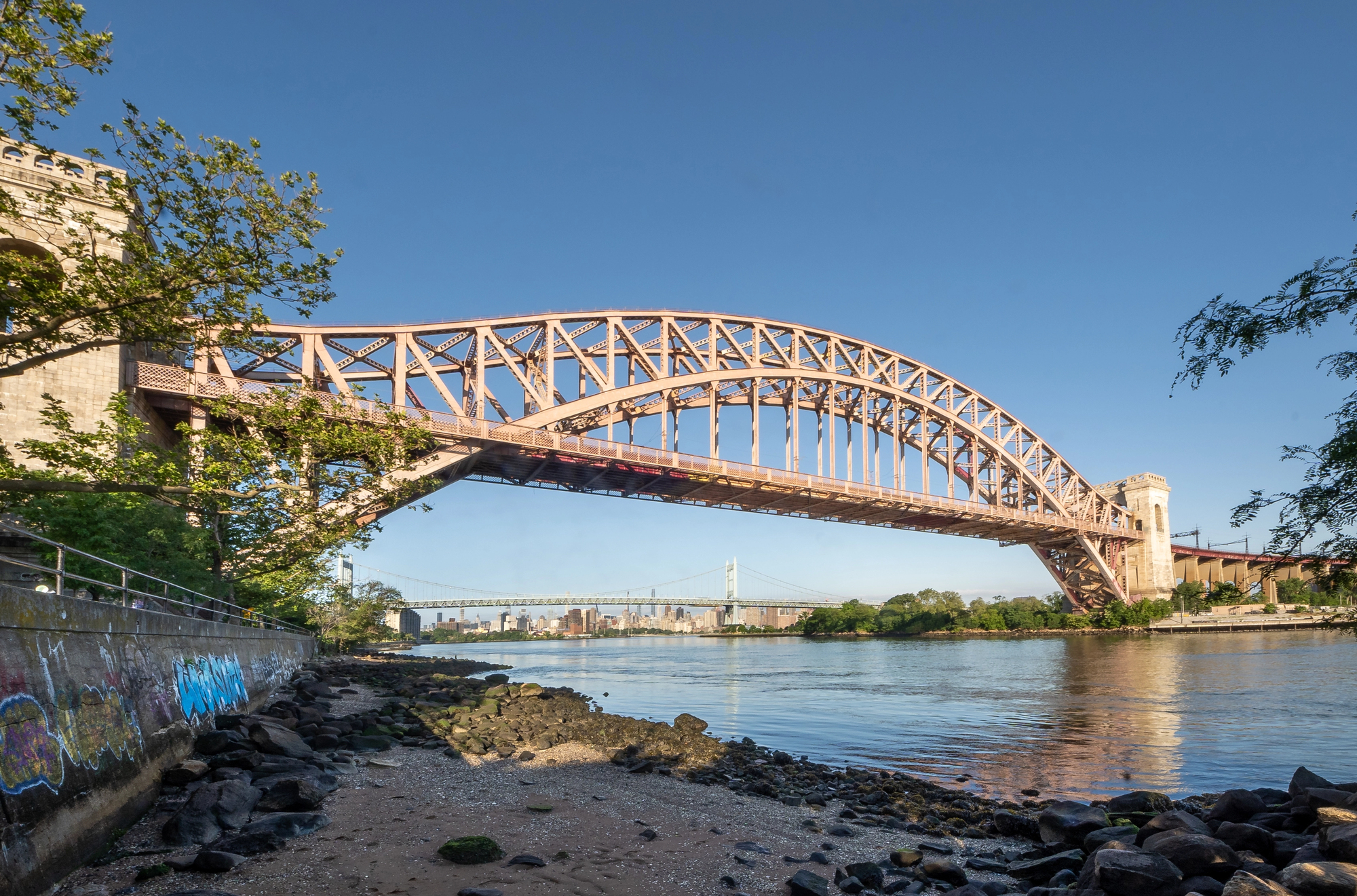
The Hell Gate Bridge in New York carries the weight of its dramatic name with impressive steel arches that have spanned the East River since 1916. Despite the ominous title, walking across offers some of the best views of the junction where the East River, Harlem River, and Long Island Sound meet.
The bridge connects Astoria in Queens with Randall’s Island, and the pedestrian walkway runs alongside the active railroad tracks that still carry Amtrak trains between New York and Boston. Trains thunder past as you walk, offering a reminder of the bridge’s primary purpose while you enjoy the secondary benefit of spectacular views.
The Hell Gate — the narrow, turbulent waterway that gave the bridge its name — churns beneath, and Manhattan’s skyline rises across the water like a promise.
Veterans Memorial Bridge
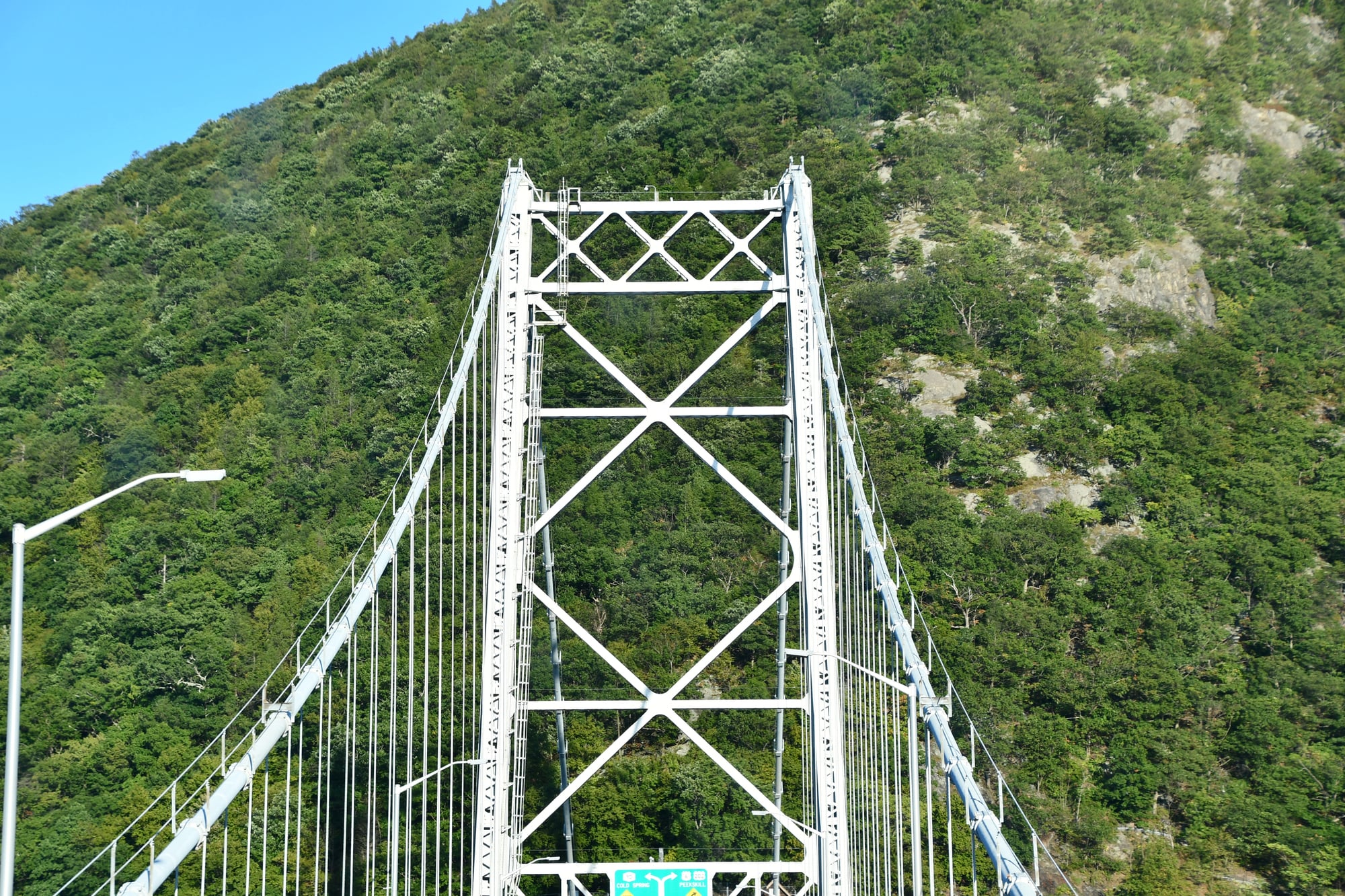
Walking across any bridge dedicated to veterans carries emotional weight beyond the physical structure, but some manage to embody that memorial purpose in their very design and setting. The Veterans Memorial Bridge — and several bridges across the country carry this name — serves as both functional crossing and commemorative space.
The best of these bridges understand that memorials work most powerfully when they’re woven into daily life rather than set apart from it. Walking across means participating in the memorial while simply getting from one side to the other.
Views from the span often include other historic sites or significant landscapes, connecting the bridge’s commemorative purpose to the larger story of the place it serves. These crossings remind you that bridges themselves are acts of hope — someone believed enough in the future to build a permanent way across the water, expecting that others would follow.
Where Footsteps Echo Forward
Every historic bridge you walk across becomes part of your own history, but more than that — your footsteps become part of its continuing story. These structures weren’t built as museums or monuments; they were built as working pieces of infrastructure that have simply aged into their historic status while continuing to serve.
The best part about walking these bridges isn’t the views or the engineering marvels, though both matter. It’s the realization that you’re participating in something larger — joining the ongoing conversation between past and present that every historic structure facilitates.
Your walk across becomes one more layer in the bridge’s accumulating story, proof that these crossings still matter, still serve their essential purpose of getting people from here to there while offering something extra along the way.
More from Go2Tutors!

- The Romanov Crown Jewels and Their Tragic Fate
- 13 Historical Mysteries That Science Still Can’t Solve
- Famous Hoaxes That Fooled the World for Years
- 15 Child Stars with Tragic Adult Lives
- 16 Famous Jewelry Pieces in History
Like Go2Tutors’s content? Follow us on MSN.