Practical Tips for Caring for Your Plants
There’s something quietly satisfying about keeping a plant alive. Not thriving, necessarily — just breathing, growing, doing what plants do when they’re content.
Anyone who’s ever watched a drooping leaf perk up after watering knows that small surge of accomplishment that comes from meeting something’s basic needs. Plant care isn’t complicated, but it does require attention.
The kind of attention that notices when soil feels different or when a plant seems slightly off. These tips will help you develop that awareness and give your plants what they actually need, not what you think they need.
Watering frequency matters more than amount
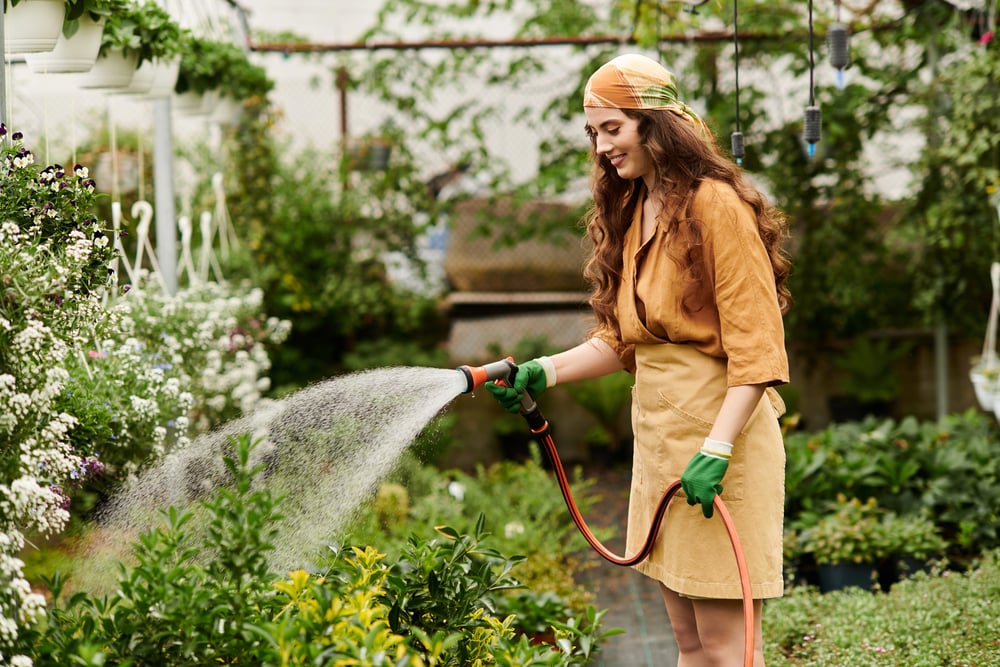
Most plants die from too much water, not too little. Check the soil before watering.
Stick your finger down about an inch — if it’s dry, water. If it’s damp, wait. Plants aren’t on your schedule. They’re on theirs.
Light requirements are non-negotiable
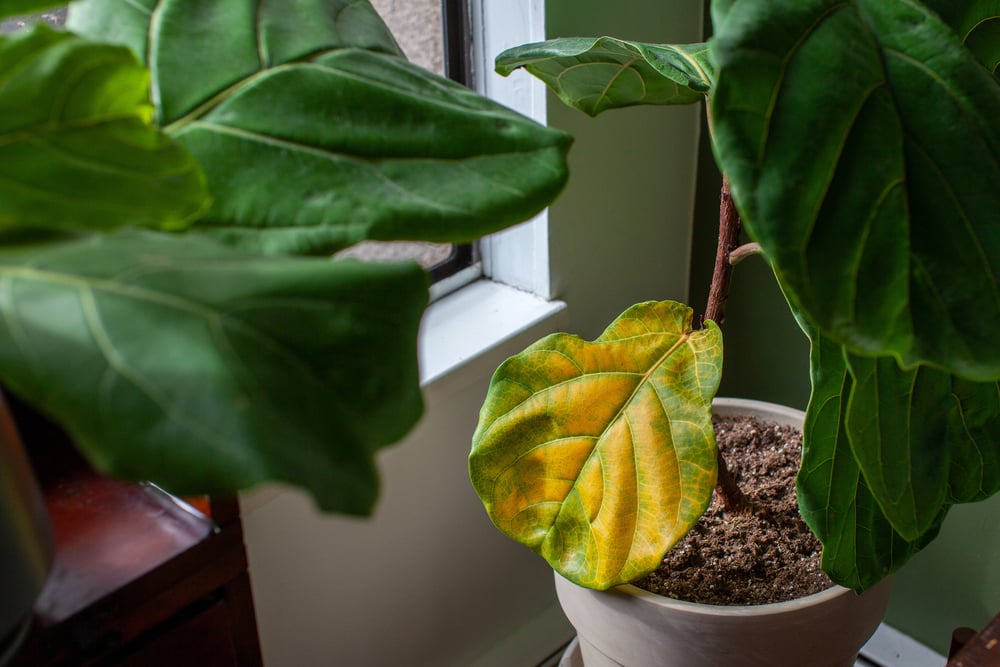
Every plant has light preferences, and pretending otherwise leads to disappointment. That fiddle leaf fig won’t forgive you for sticking it in a dark corner because it looks good there (though you might not realize the slow decline is even happening until months later, when the leaves start dropping one by one and you’re left wondering what went wrong).
And that snake plant you bought because someone told you it thrives in low light? It does — but it won’t thrive in no light, which is what most people’s “low light” rooms actually offer. So before you fall in love with a plant, figure out where it’s going to live.
Take a good look at your space throughout the day and notice how the light moves and changes. That spot near the north-facing window gets gentle, consistent light but never direct sun — perfect for plants that burn easily.
The south-facing window floods everything nearby with intense afternoon light that will scorch delicate leaves but makes succulents practically glow with health. But here’s what most people miss: plants can be moved.
If your living room doesn’t get enough light for that monstera, and your bedroom gets too much for your pothos, you don’t have to choose between the plant you want and the room where you want it. You just have to accept that plant care sometimes means rearranging your life around what’s actually growing.
Proper drainage prevents root rot
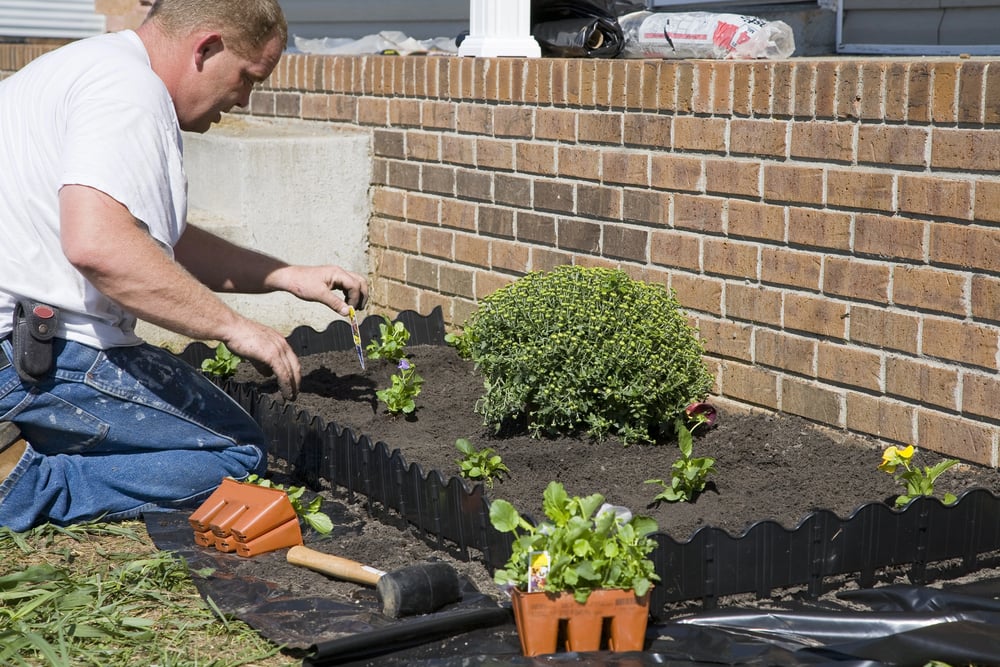
Holes in the bottom of pots aren’t suggestions. Water needs somewhere to go when the soil can’t absorb any more.
That decorative pot without drainage might look perfect, but it’s a death trap. Use it as a cover pot instead — plant goes in a pot with holes, a pretty pot holds the functional pot.
Soil quality affects everything
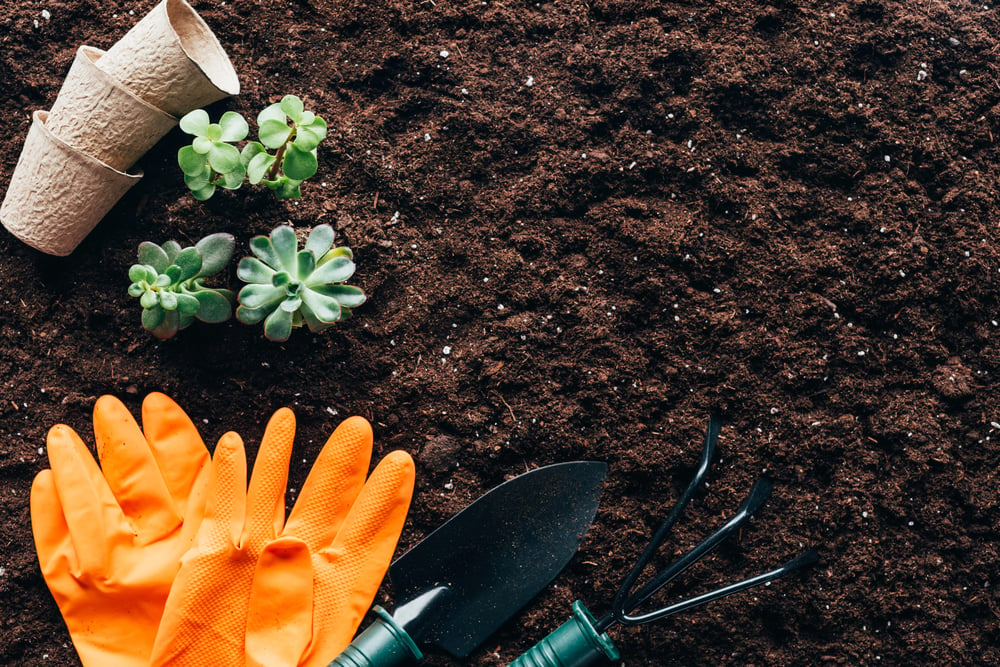
Think of soil as a plant’s entire world compressed into a few inches. It’s where roots anchor, where nutrients live, where water flows or stagnates, where air moves or doesn’t.
When that world becomes compacted or depleted or waterlogged, everything else starts failing in ways that look mysterious but really aren’t. Most potting soil isn’t actually that good.
The cheap stuff turns into a dense, water-repelling brick after a few months. The expensive stuff sometimes works, but not always. What works reliably is mixing your own — basic potting soil with perlite for drainage and a handful of compost for nutrients.
It sounds fussy, but it’s the difference between plants that struggle and plants that actually want to grow. And soil doesn’t last forever.
Even good soil breaks down, gets compacted, loses its ability to drain properly. If a plant has been in the same pot for two years, it’s probably time to refresh the soil even if the pot still fits.
Fertilizer is food, not medicine
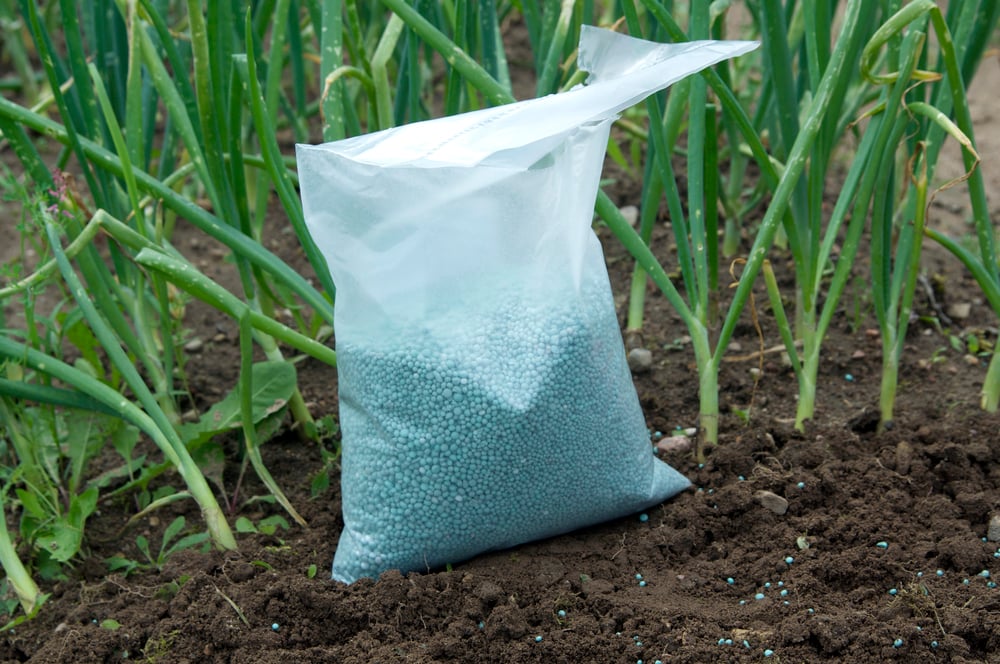
Plants that are dying don’t need fertilizer — they need their actual problems solved. Fertilizer helps healthy plants grow better. It doesn’t resurrect struggling ones.
During the growing season, a diluted liquid fertilizer every few weeks is plenty. In winter, most plants slow down and don’t need extra food. More isn’t better here.
Temperature consistency beats perfection

Plants adapt to steady conditions better than perfect conditions that keep changing. That spot near the heating vent might be the right temperature on average, but the constant fluctuation will stress most plants more than a room that’s consistently a few degrees cooler than ideal.
Drafts are worse than cold. A plant can handle being a little chilly, but it can’t handle its leaves being constantly blown around by air from a vent or a frequently opened door.
Humidity creates microclimates
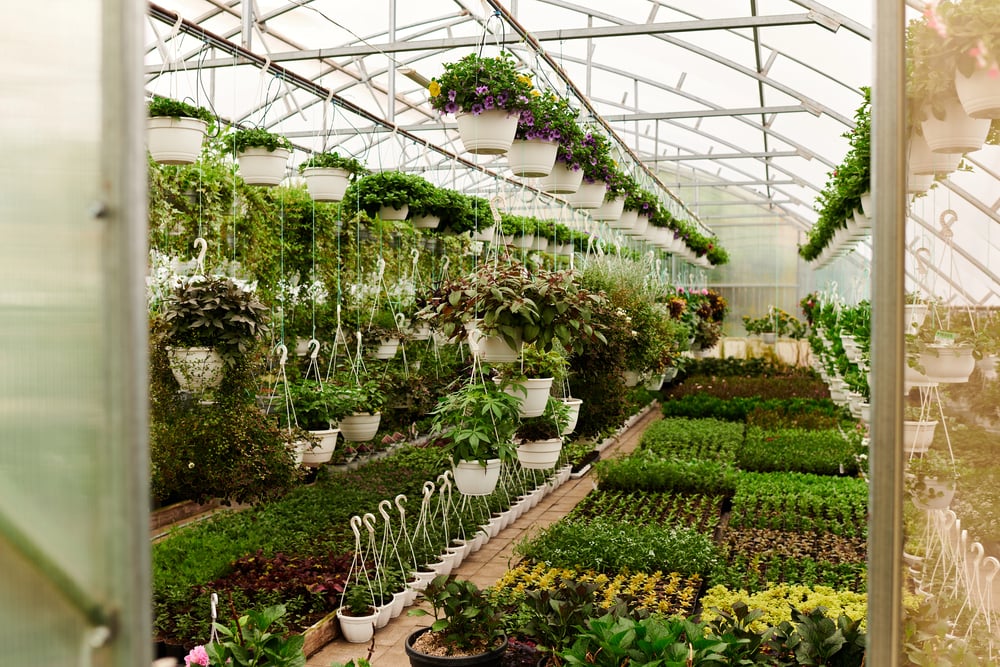
Most homes are drier than most plants prefer, especially in winter when heating systems strip moisture from the air. But humidity doesn’t have to be a house-wide project — it can be plant-specific.
Grouping plants together raises humidity in their immediate area. The moisture one plant releases benefits the others nearby, creating a small pocket of more comfortable air.
It’s not dramatic, but it’s often enough to make a difference in how leaves look and feel. Pebble trays work too — shallow dishes filled with water and stones, with the pot sitting on the stones above the water line.
As water evaporates, it raises humidity right around the plant. Just don’t let the pot sit directly in water.
Pruning encourages growth
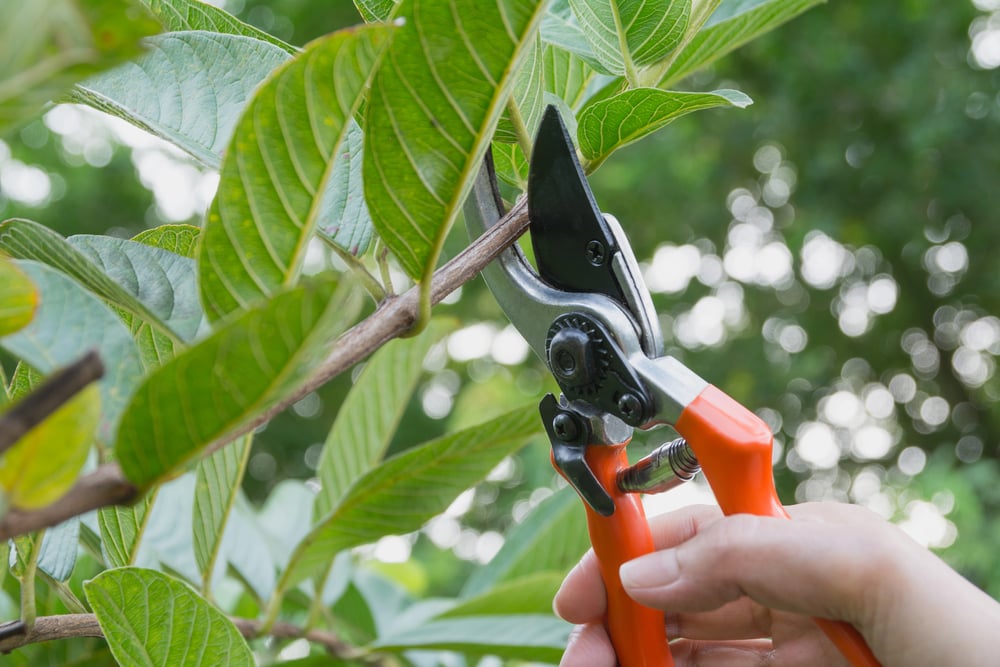
Dead leaves and stems aren’t just unsightly — they’re energy drains. When a plant puts effort into maintaining damaged parts, it has less energy for new growth.
Cut dead stuff off as soon as you notice it. Clean cuts with sharp scissors or pruning shears heal better than torn edges.
And don’t be afraid to cut more than seems necessary — plants are surprisingly resilient and often respond to aggressive pruning by growing back fuller than before.
Repotting timing depends on the plant
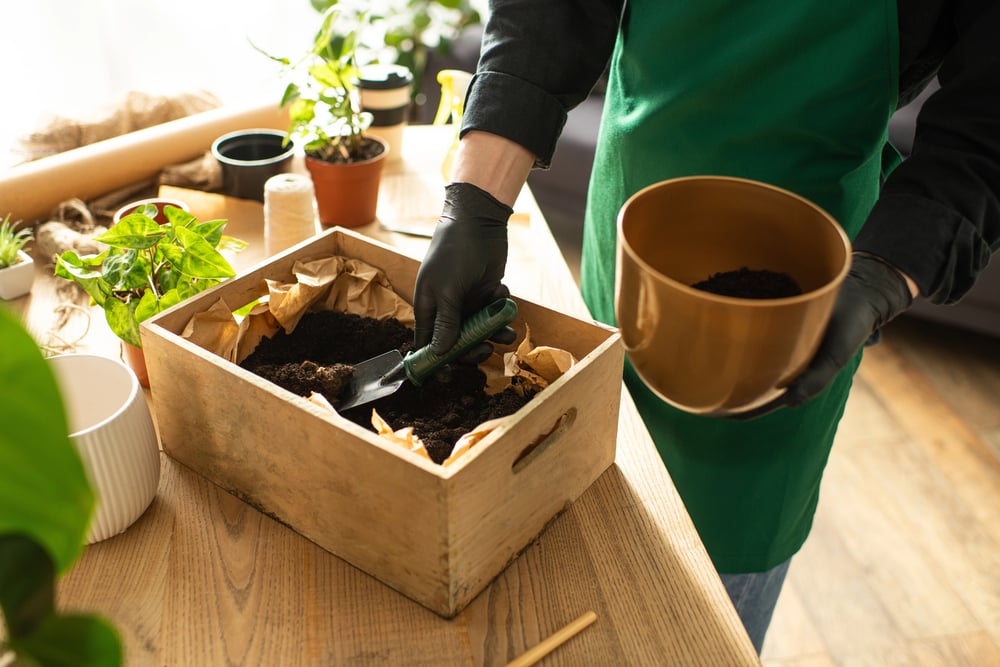
Roots growing out of drainage holes mean it’s definitely time to repot. But waiting until then means the plant was probably root-bound for months before you noticed.
A better indicator is growth that suddenly slows down during the growing season, or water that runs straight through the pot without the soil absorbing much. Both suggest the roots have taken over most of the available space.
Spring is usually the best time to re-pot, when plants are gearing up for active growth and can recover quickly from the disruption.
Pests require immediate attention
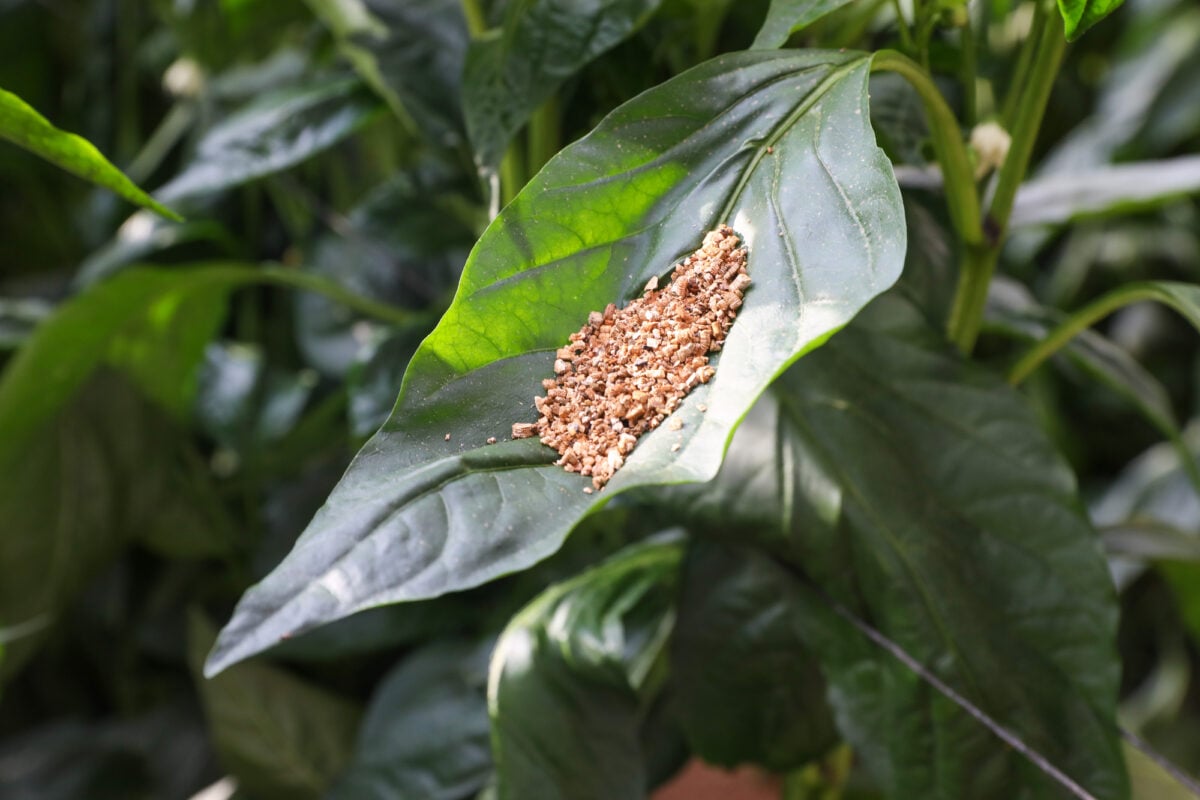
Spider mites, aphids, and scale insects don’t announce themselves with dramatic symptoms. They start small and build slowly until suddenly your plant looks terrible and you can’t figure out why.
Check your plants regularly — really look at them, not just a glance while walking by. Turn leaves over occasionally.
Look for tiny webs, sticky residue, or small bumps that weren’t there before. Early intervention is everything with pests.
A few aphids can be wiped off with a damp cloth. A full infestation requires serious measures and often quarantine.
Cleaning leaves improves photosynthesis
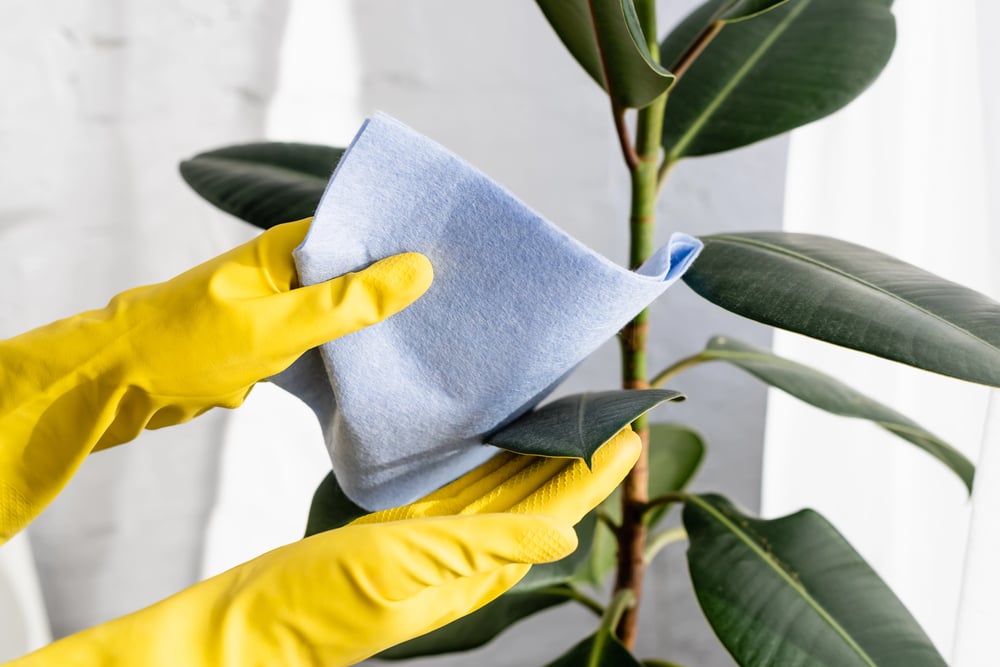
Dust doesn’t just make plants look dull — it actually blocks light from reaching the leaf surface where photosynthesis happens. Over time, this can weaken a plant significantly (though so gradually that the decline feels mysterious rather than obvious, like watching someone lose their energy so slowly that you don’t notice until they’re exhausted).
A damp cloth works for most plants with smooth leaves. For fuzzy plants like African violets, a soft brush removes dust without damaging the delicate surface.
And if you’re dealing with particularly stubborn grime, a very mild soap solution followed by a clean water rinse will usually handle it — though it’s worth testing on one leaf first to make sure the plant doesn’t react badly. But here’s something most people don’t consider: plants collect dust at different rates depending on where they live in your home.
That plant near the front door gets dustier faster than the one in a back bedroom. The one above the kitchen sink gets greasy dust that’s harder to remove.
So cleaning frequency should match the environment, not a rigid schedule.
Seasonal changes affect care routines
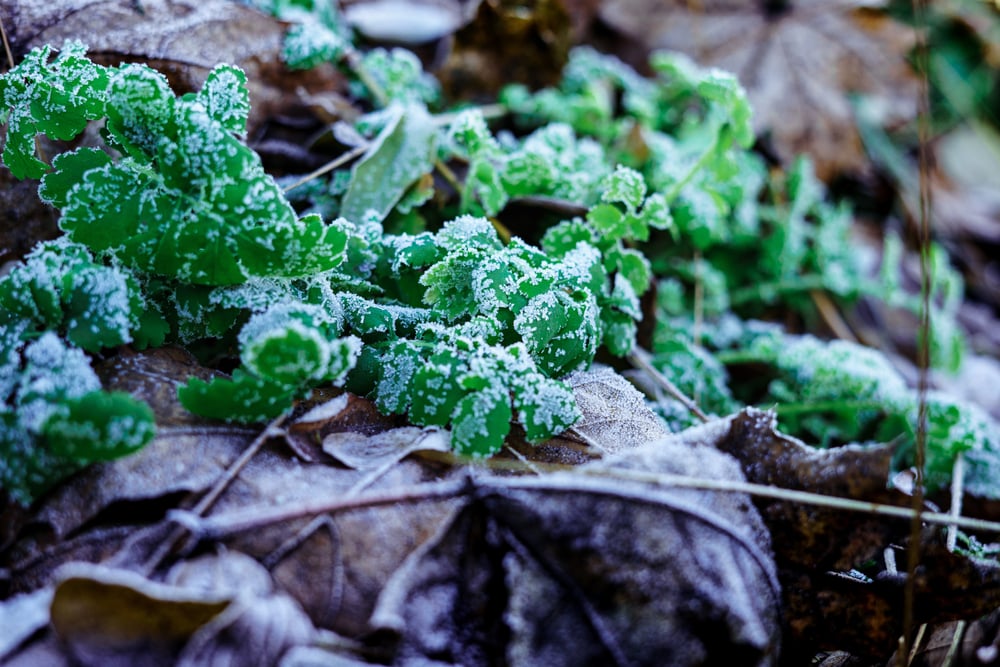
Plants aren’t the same year-round, and care routines shouldn’t be either. Winter light is weaker and days are shorter, so growth slows dramatically.
Less growth means less water needed, less fertilizer, less frequent repotting. Many people kill their plants in winter by continuing summer care routines.
That weekly watering schedule that worked perfectly in July will drown most plants in January.
Observation beats rigid schedules
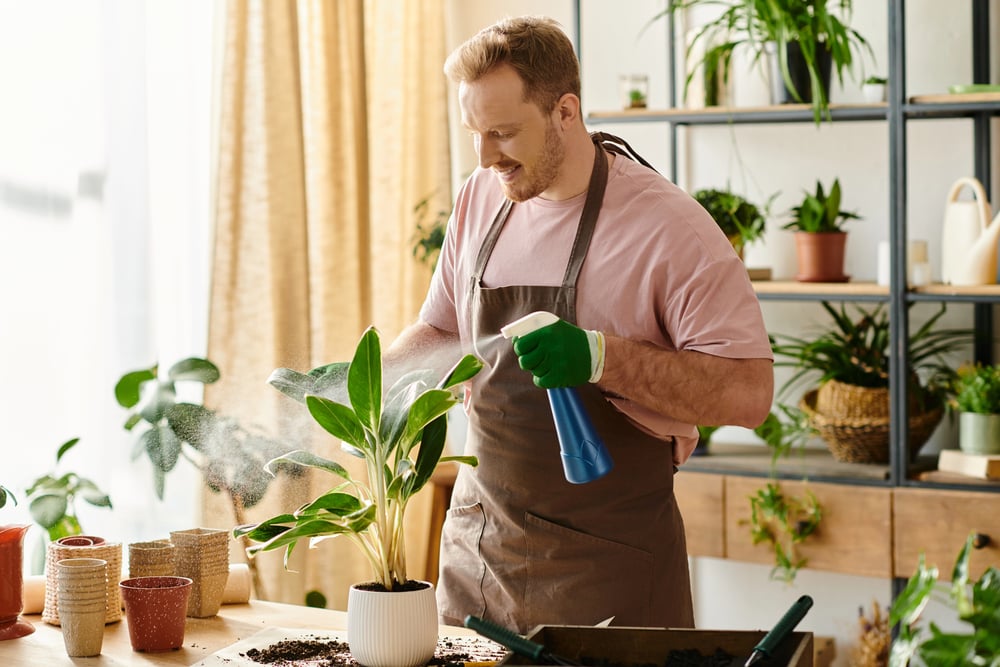
Plant care advice often sounds like a recipe, but plants aren’t recipes. They’re living things responding to constantly changing conditions in your specific home.
The best plant parents aren’t the ones who follow rules perfectly — they’re the ones who notice when something changes and adjust accordingly.
Location scouting before plant shopping
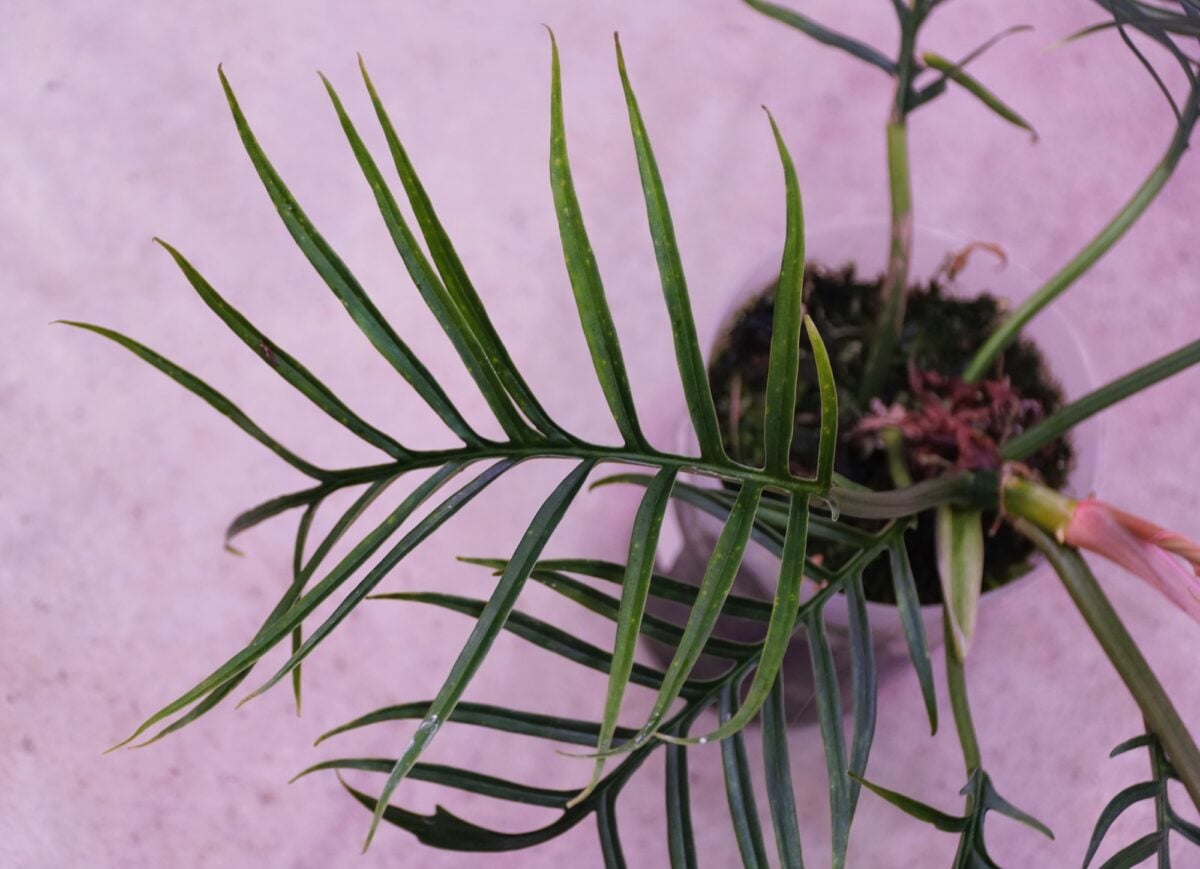
The biggest plant care mistakes happen at the store, not at home. Falling in love with a plant before knowing where it will live is like buying furniture before measuring the room.
Walk through your space first. Notice light, temperature, humidity.
Then shop for plants that want those conditions, not plants that look appealing in the store.
Seasonal dormancy is normal
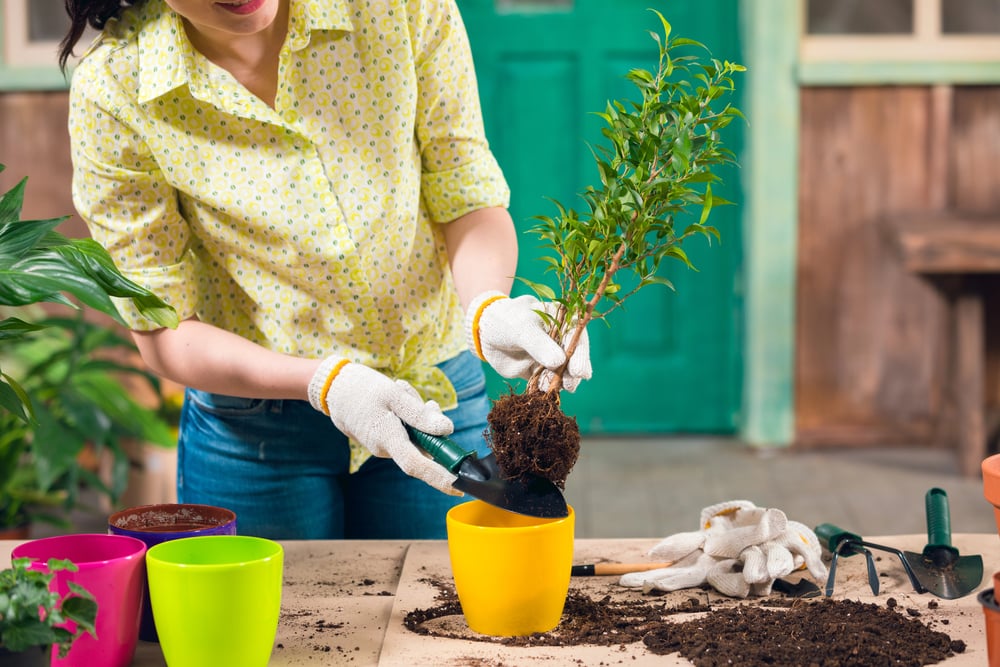
Many plants slow down or stop growing entirely during winter months, and this isn’t a problem to solve — it’s a natural cycle to respect. That fiddle leaf fig that pushes out new leaves every few weeks during summer might not grow at all between November and March, and that’s perfectly healthy.
Fighting dormancy with extra fertilizer or more frequent watering usually backfires. Plants in dormancy don’t need more care; they need different care.
Less water, no fertilizer, stable temperatures, and patience.
Group similar plants together
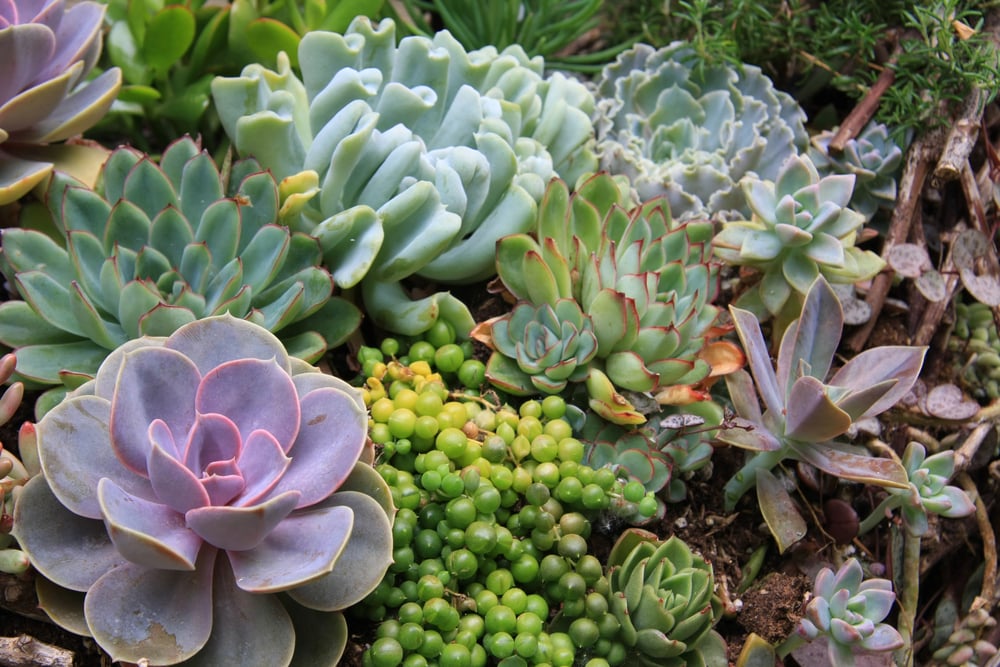
Plants from the same family or region often have similar care requirements, so grouping them makes routine maintenance simpler. All your succulents can be watered at the same time, all your tropical plants can share a humidifier, all your low-light plants can live happily in the same dim corner.
This isn’t just practical — it’s better for the plants too. Similar humidity and watering needs mean less chance of accidentally overwatering some while underwatering others.
Emergency plant care works
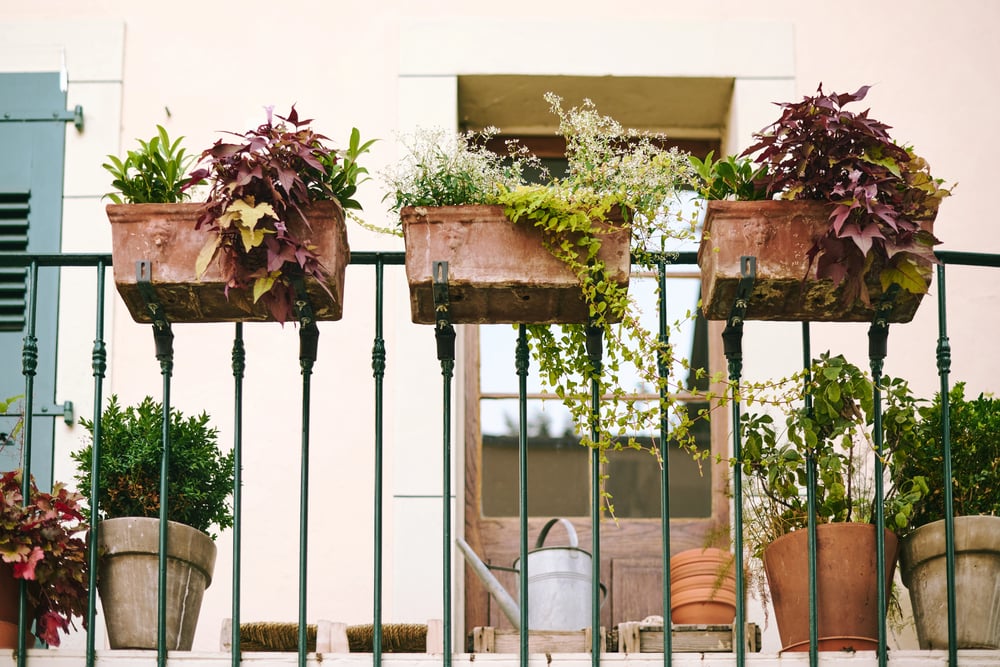
Sometimes plants get neglected — travel, busy periods, life getting in the way. A severely dehydrated plant isn’t necessarily dead, and a plant with crispy leaves isn’t always beyond saving.
Bottom watering can revive plants with very dry soil that regular watering just runs off of. Cutting back severely damaged growth often encourages healthy new shoots.
And quarantining a struggling plant prevents problems from spreading to healthy ones while giving you space to focus recovery efforts.
The art of paying attention

Plant care is really about developing a relationship with living things that communicate entirely through physical changes. A slight droop in the leaves, a change in color, new growth appearing in an unexpected place — these are all messages, and learning to read them is what separates people who keep plants alive from people whose plants merely survive.
This kind of attention can’t be scheduled or systematized completely. It develops over time, through daily interactions and small observations that eventually add up to intuition.
The more plants you care for, the better you get at sensing when something needs adjustment before it becomes a problem.
More from Go2Tutors!

- The Romanov Crown Jewels and Their Tragic Fate
- 13 Historical Mysteries That Science Still Can’t Solve
- Famous Hoaxes That Fooled the World for Years
- 15 Child Stars with Tragic Adult Lives
- 16 Famous Jewelry Pieces in History
Like Go2Tutors’s content? Follow us on MSN.