Historical Protests That Were Violently Silenced Then Proven Right
History has a way of correcting itself, though rarely quickly enough for those who needed justice most. Throughout the centuries, protesters have taken to the streets demanding change, only to face brutal suppression from the very systems they sought to reform.
Police batons, military force, and government crackdowns became the standard response to dissent. Yet time and again, these silenced voices eventually echoed through history as prophetic warnings that society should have heeded.
The pattern repeats with disturbing regularity: passionate advocates identify serious problems, authorities respond with violence instead of dialogue, and decades later we recognize these protesters as champions of causes we now consider morally obvious. Their courage cost them dearly in the moment, but their persistence planted seeds that would eventually grow into the rights and protections we take for granted today.
The Suffragettes
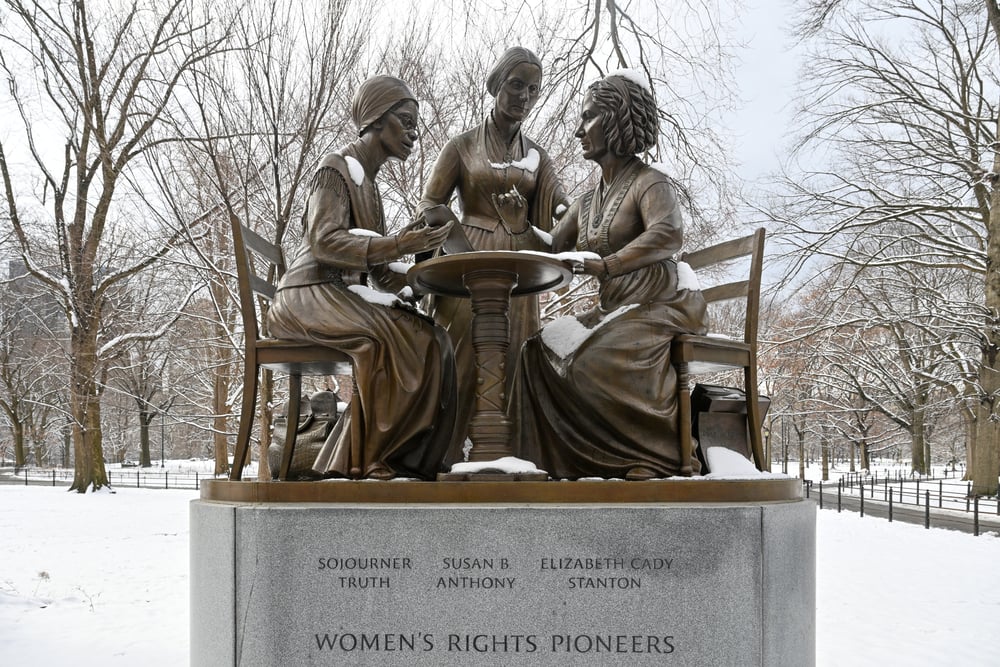
Women chaining themselves to government buildings weren’t exactly welcomed with open arms. Police dragged them away by force, judges sentenced them to prison, and fellow citizens mocked their “radical” demand for voting rights.
The Iron Jawed Angels faced brutal force-feeding during hunger strikes. Government officials preferred broken windows over broken traditions.
The Labor Movement of the 1930s
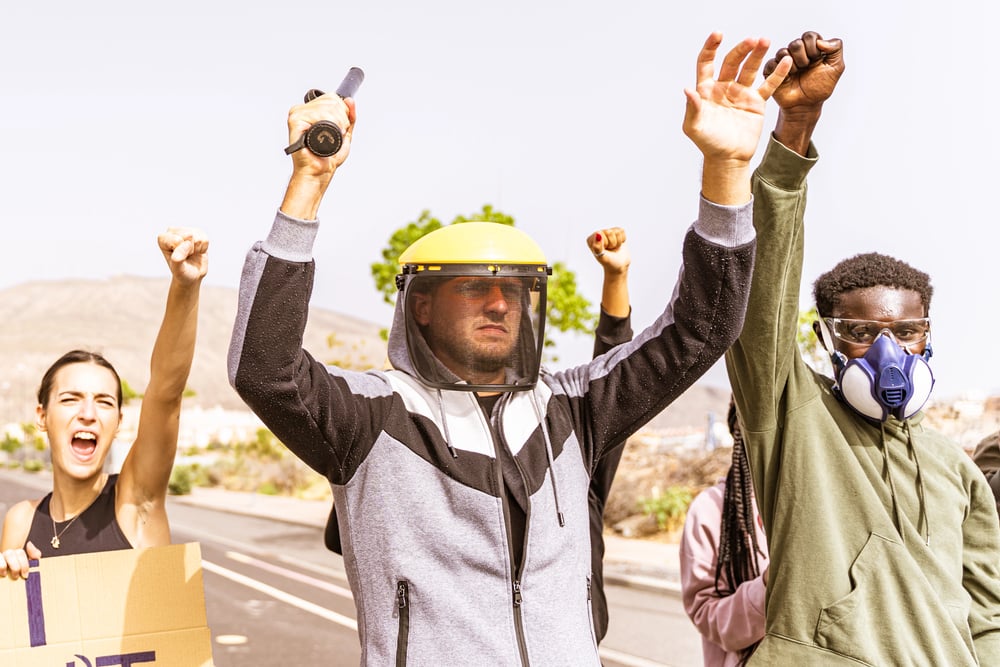
Factory workers demanding basic safety protections got tear gas instead of negotiations. Company security forces and local police worked together to break up strikes with clubs and bullets.
The idea that workers deserved weekends, eight-hour days, and safe working conditions struck business owners as dangerously subversive. Protesters were labeled communist agitators for suggesting that children shouldn’t work in mines.
Civil Rights Activists
The mathematics of moral progress never quite adds up the way you expect it to—which is to say, it rarely arrives through calm discussion over afternoon tea, and more often emerges from the wreckage of what seemed, at the time, like small and stubborn acts of defiance that authorities found absolutely intolerable. When Rosa Parks refused to give up her bus seat, she wasn’t making a grand historical gesture (though it became one); she was simply tired of a system that treated her as less than human, and sometimes being tired is enough to change everything.
And yet the response was swift and brutal: arrests, economic retaliation, death threats. But the quiet dignity of people walking to work rather than riding segregated buses—month after month, wearing out shoe leather rather than their principles—that corrected something broken in the American soul.
Anti-War Protesters During Vietnam
Students protesting the Vietnam War got beaten by police and labeled as traitors. The National Guard opened fire at Kent State, killing four unarmed protesters.
Critics called them unpatriotic for questioning a war that would eventually be recognized as a tragic mistake. Draft resisters faced prison time for refusing to participate in what they correctly identified as an unwinnable conflict built on false premises.
The Bonus Army
World War I veterans who marched on Washington in 1932 wanted their promised bonuses paid early during the Great Depression. Instead, they got tanks and tear gas when General MacArthur’s troops forcibly removed them from their makeshift camps.
These men had served their country in the trenches, only to be treated like enemies when they asked for help during the worst economic crisis in American history. You’d think gratitude might have factored into the government’s response, but apparently economic policy trumped military service.
The veterans were eventually proven right—the bonuses were paid, just not in time to help when help was actually needed. Turns out asking for money you’re owed isn’t really revolutionary behavior.
Striking Textile Workers in Lawrence, Massachusetts
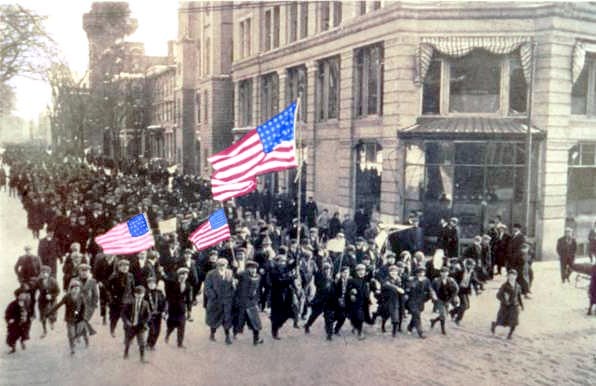
The 1912 Bread and Roses strike began when textile workers—mostly immigrant women—walked off the job after their wages were cut. Mill owners called in police and militia who attacked protesters with clubs and bayonets.
Children of strikers were beaten when authorities tried to prevent them from leaving the city for safety. The workers wanted basic dignity: living wages and humane working conditions.
Like water wearing down stone, the persistence of these women eventually carved out protections that seem obvious now: the right to organize, workplace safety standards, and wages that allow families to survive. The clubs and bayonets couldn’t stop an idea whose time had come, though they certainly tried.
Even today, the phrase “bread and roses” captures something essential about human dignity—the need for both survival and beauty, sustenance and hope.
McCarthyism’s Targets
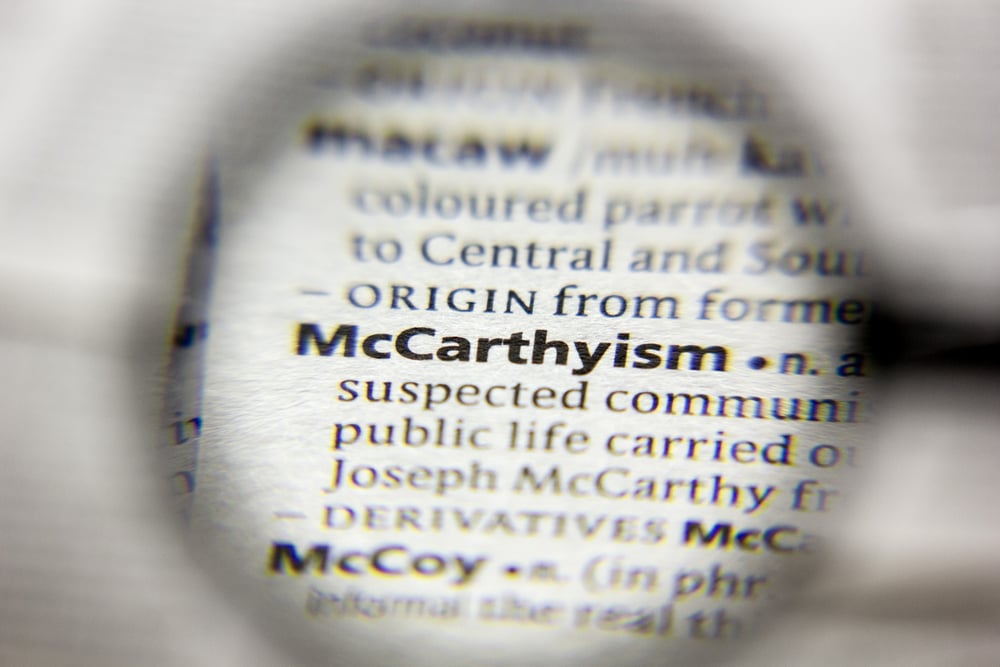
Teachers, actors, writers, and government employees who refused to name names during the Red Scare faced job loss and social exile. The House Un-American Activities Committee destroyed careers based on association rather than action.
People lost everything for attending the wrong meetings or reading the wrong books. Many of those blacklisted were later recognized as defenders of constitutional rights rather than threats to national security.
Environmental Activists of the 1960s
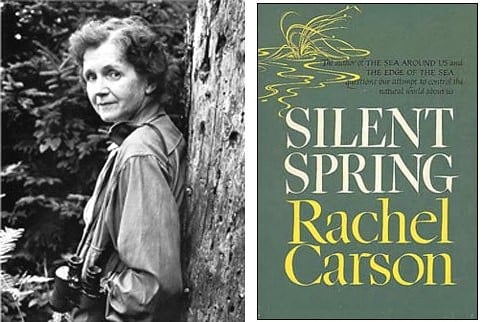
Early environmentalists warning about pollution and chemical contamination were dismissed as alarmists. When Rachel Carson published “Silent Spring,” chemical companies launched aggressive campaigns to discredit her.
Protesters trying to stop DDT spraying faced arrest and ridicule. The idea that pesticides could harm wildlife or that industrial pollution posed health risks seemed radical to many Americans.
Companies spent millions trying to silence voices that threatened their profits, but they couldn’t silence the evidence forever. Bald eagles started disappearing, rivers caught fire, and suddenly those “alarmist” warnings looked like prophecies.
Carson’s predictions about environmental destruction proved accurate down to the last detail—she just had the misfortune of being right before anyone wanted to listen.
Indigenous Rights Activists
Native American protesters at Wounded Knee in 1973 faced federal agents with military-grade weapons. The American Indian Movement’s demands for treaty rights and sovereignty were met with a 71-day armed siege.
FBI snipers surrounded protesters who wanted nothing more radical than the government honoring agreements it had already signed. Similar patterns repeated whenever tribes asserted rights to their ancestral lands.
The occupation at Standing Rock decades later would follow an eerily similar script: peaceful protesters defending sacred land and water rights, met with police in riot gear and private security contractors with attack dogs. Each time, the protesters’ concerns about environmental damage and treaty violations would later prove justified, but only after the damage was done and the profits secured.
Anti-Apartheid Protesters in the United States
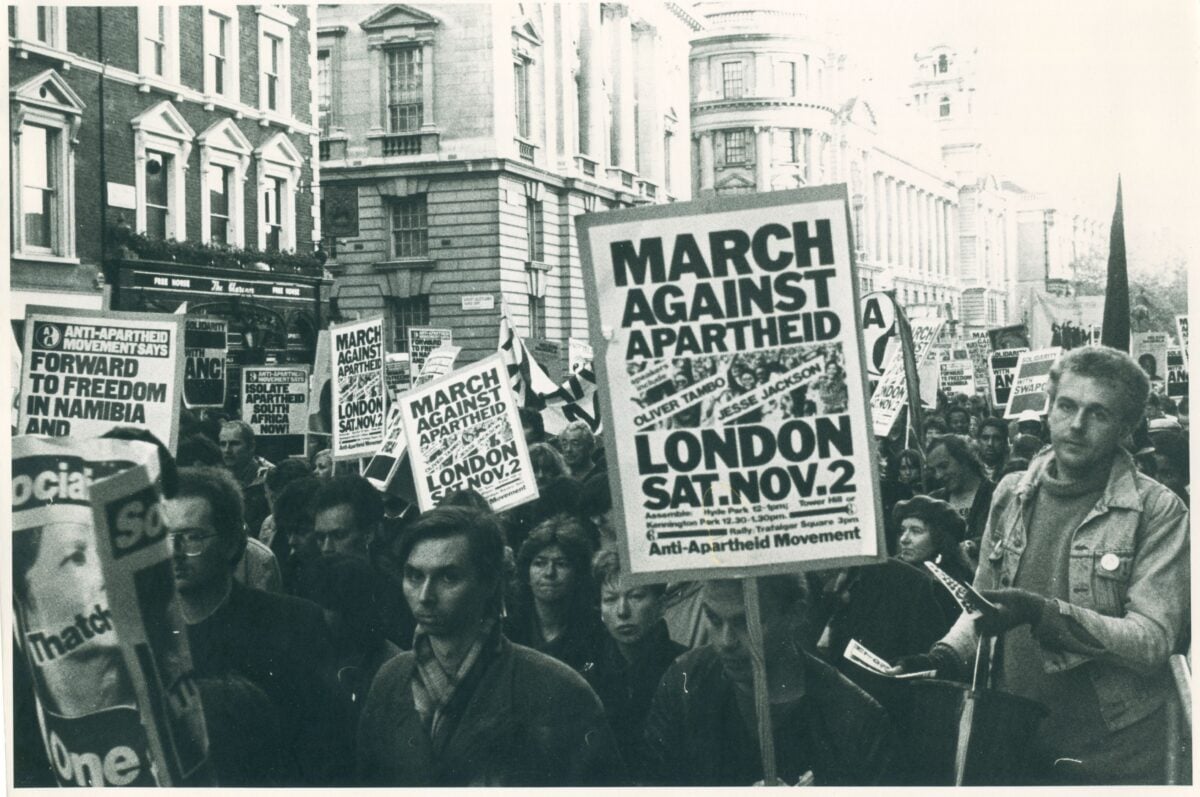
Students demanding that universities divest from South Africa during apartheid faced suspension and arrest. Police cleared protest camps with force, and administrators labeled divestment activists as disruptive radicals.
The idea that American institutions shouldn’t profit from a racist regime struck many as extreme political activism rather than basic moral clarity. Protesters were told to stick to their studies and leave foreign policy to the experts.
Campus administrators preferred order over justice, which meant accepting money tainted by oppression rather than dealing with inconvenient protests. But the students understood something their elders didn’t: there’s no such thing as neutral ground when it comes to systematic human rights violations.
Eventually, the divestment movement helped pressure South Africa to end apartheid, proving those “disruptive radicals” had been on the right side of history all along.
Early AIDS Activists

ACT UP protests demanding government action on the AIDS crisis faced arrest and public scorn during the 1980s. Police dragged away activists who interrupted government meetings and staged die-ins at federal buildings.
The idea that pharmaceutical companies should make lifesaving drugs affordable, or that the government had an obligation to fund medical research for a stigmatized disease, was treated as unreasonable disruption. Critics accused protesters of promoting immoral behavior rather than public health.
The Memphis Sanitation Strike
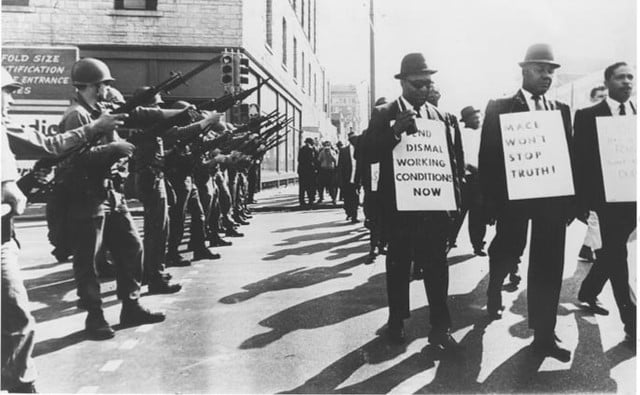
In 1968, sanitation workers in Memphis carried signs reading “I Am a Man” while demanding basic recognition of their humanity. Police responded with clubs, tear gas, and mass arrests. The striking workers faced economic hardship and threats of violence for asserting that they deserved living wages and safe working conditions. City officials preferred to let garbage pile up in the streets rather than negotiate with workers they considered easily replaceable.
The strike revealed an uncomfortable truth about American priorities: society depended on these workers but refused to treat them with dignity. When Martin Luther King Jr. came to support the strikers, he was assassinated, turning a labor dispute into a defining moment in the civil rights movement.
The sanitation workers eventually won their demands, but only after proving they were willing to risk everything for recognition that should have been automatic.
Anti-Nuclear Protesters
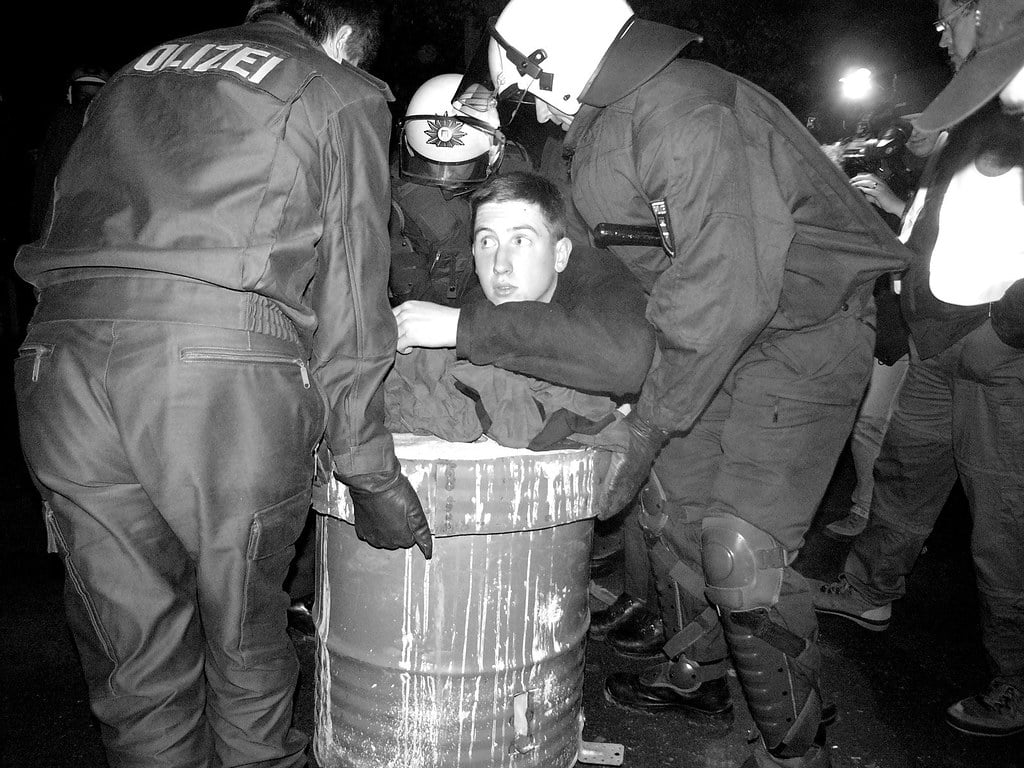
Activists demonstrating against nuclear power plants in the 1970s and 1980s faced mass arrests and aggressive police tactics. The Clamshell Alliance protesters at Seabrook Station were hauled away in buses after staging nonviolent sit-ins.
Critics dismissed their safety concerns as anti-progress hysteria from people who didn’t understand modern technology. The nuclear industry portrayed protesters as irrational fearmongers standing in the way of clean energy.
Three Mile Island and Chernobyl would eventually validate many of the protesters’ warnings about the risks of nuclear power, though vindication came at a terrible cost. Turns out questioning whether massive radioactive installations might pose safety risks wasn’t actually irrational fear—it was reasonable caution that authorities chose to ignore until accidents made the dangers undeniable.
Freedom Riders
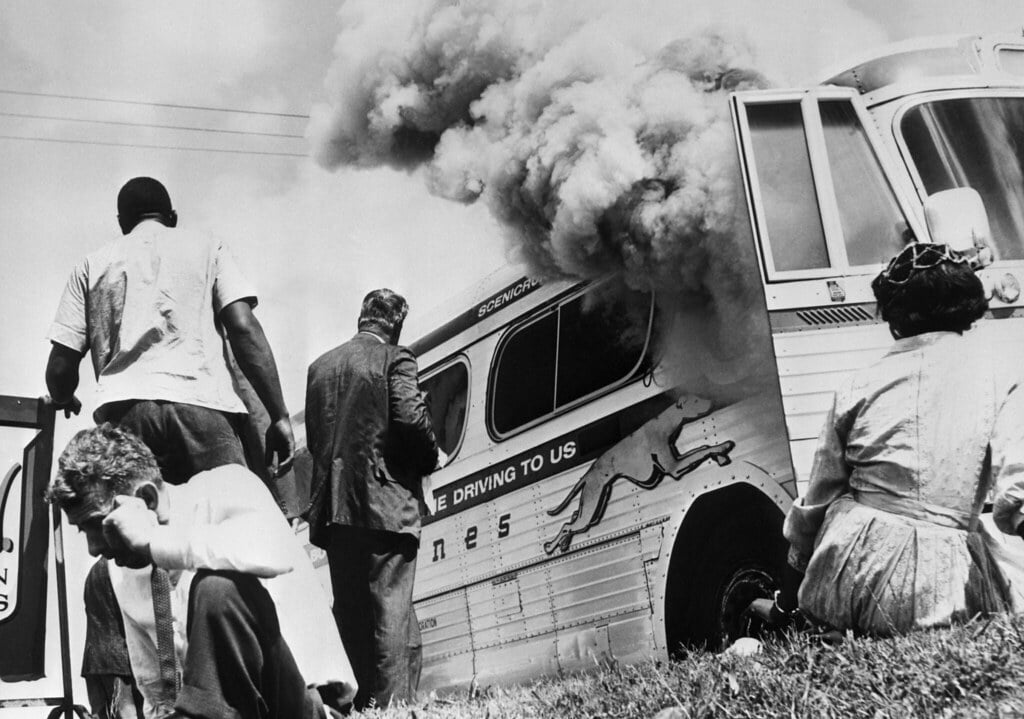
Young civil rights activists testing desegregation on interstate buses faced violent mobs and police who refused to protect them. In Alabama, protesters were beaten with clubs, chains, and iron pipes while law enforcement stood by.
The Freedom Riders were arrested for violating local segregation laws that federal courts had already declared unconstitutional. Local authorities preferred maintaining Jim Crow over enforcing federal civil rights protections.
The buses kept rolling despite the violence, carrying integrated groups into the heart of Southern resistance. Each beating, each arrest, each burned bus revealed the gap between American ideals and American reality.
The riders understood that real change required more than court decisions—it demanded people willing to put their bodies on the line to make constitutional rights actually mean something.
Farmworker Organizers
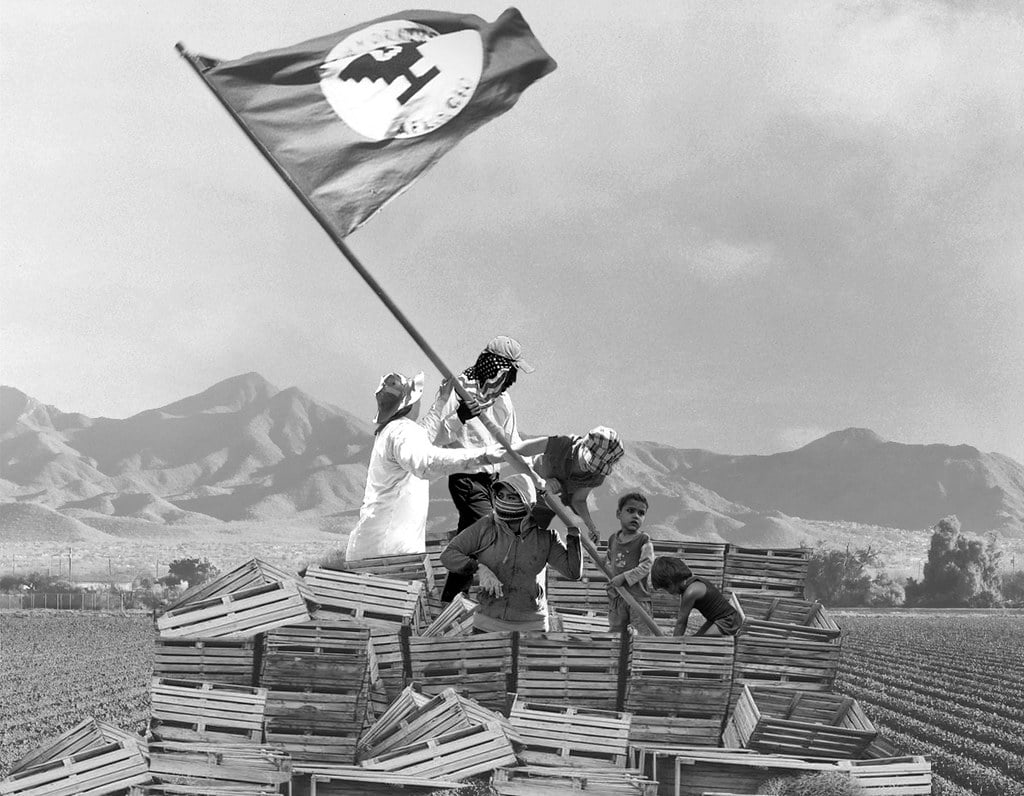
César Chávez and the United Farm Workers faced violence from growers and law enforcement during strikes in California’s Central Valley. Police arrested protesters for trespassing when they tried to organize on farmland.
The idea that agricultural workers deserved the same labor protections as factory workers was treated as a threat to the entire food system. Growers used strikebreakers and private security to intimidate union organizers.
The grape boycott eventually forced the agricultural industry to accept collective bargaining, but only after years of struggle revealed how America’s food system depended on exploiting the very people who made it possible. Turns out asking for clean drinking water, bathroom breaks, and protection from dangerous pesticides wasn’t unreasonable—it was basic human dignity that should never have required a fight.
When the Dust Settles

These stories share a common thread that runs deeper than mere historical coincidence. Each time, established power structures chose violence over dialogue, suppression over reform, and short-term stability over long-term justice.
The protesters weren’t asking for the world—just the basic recognition that systems could be improved and that human dignity mattered more than institutional convenience. History vindicated their courage, though it came too late for many who paid the price for being right before their time.
More from Go2Tutors!

- The Romanov Crown Jewels and Their Tragic Fate
- 13 Historical Mysteries That Science Still Can’t Solve
- Famous Hoaxes That Fooled the World for Years
- 15 Child Stars with Tragic Adult Lives
- 16 Famous Jewelry Pieces in History
Like Go2Tutors’s content? Follow us on MSN.