Viking Warriors’ Bizarre Grooming Habits
The popular image of Vikings as wild, unkempt raiders doesn’t match the historical reality. These warriors spent a surprising amount of time on their appearance.
Archaeological finds tell a different story than Hollywood does—one filled with grooming tools, beauty routines, and vanity that would make modern influencers nod in approval.
Saturday Was Bath Day

Vikings bathed once a week, every Saturday. This ritual had a name: laugardagr, which literally means “washing day.”
For a medieval society, weekly bathing was exceptional. Most Europeans at the time considered frequent bathing dangerous to health.
The Saturday bath wasn’t just about cleanliness. Vikings heated water in large wooden tubs and added herbs for fragrance.
Families bathed together, and the warmest spot in the house became the bathing area. This routine became so ingrained in their culture that Saturday still carries the name “washing day” in some Scandinavian languages.
Hair Bleaching Was Standard Practice

Viking men bleached their hair and beards blonde. They used a special soap made from lye—a caustic substance extracted from wood ash mixed with animal fat.
This soap stripped natural oils and lightened hair color over time. Why blonde?
Lighter hair distinguished them from the darker-haired enemies they encountered during raids. It became a mark of identity.
Warriors who naturally had dark hair would spend hours treating their locks with lye soap to achieve that prized golden color. The process was harsh.
Lye burns skin and damages hair, making it brittle. But vanity won over comfort.
Vikings wrapped their bleached hair in cloth soaked in more lye solution and sat in the sun to speed the process.
Combs Were Treasured Possessions
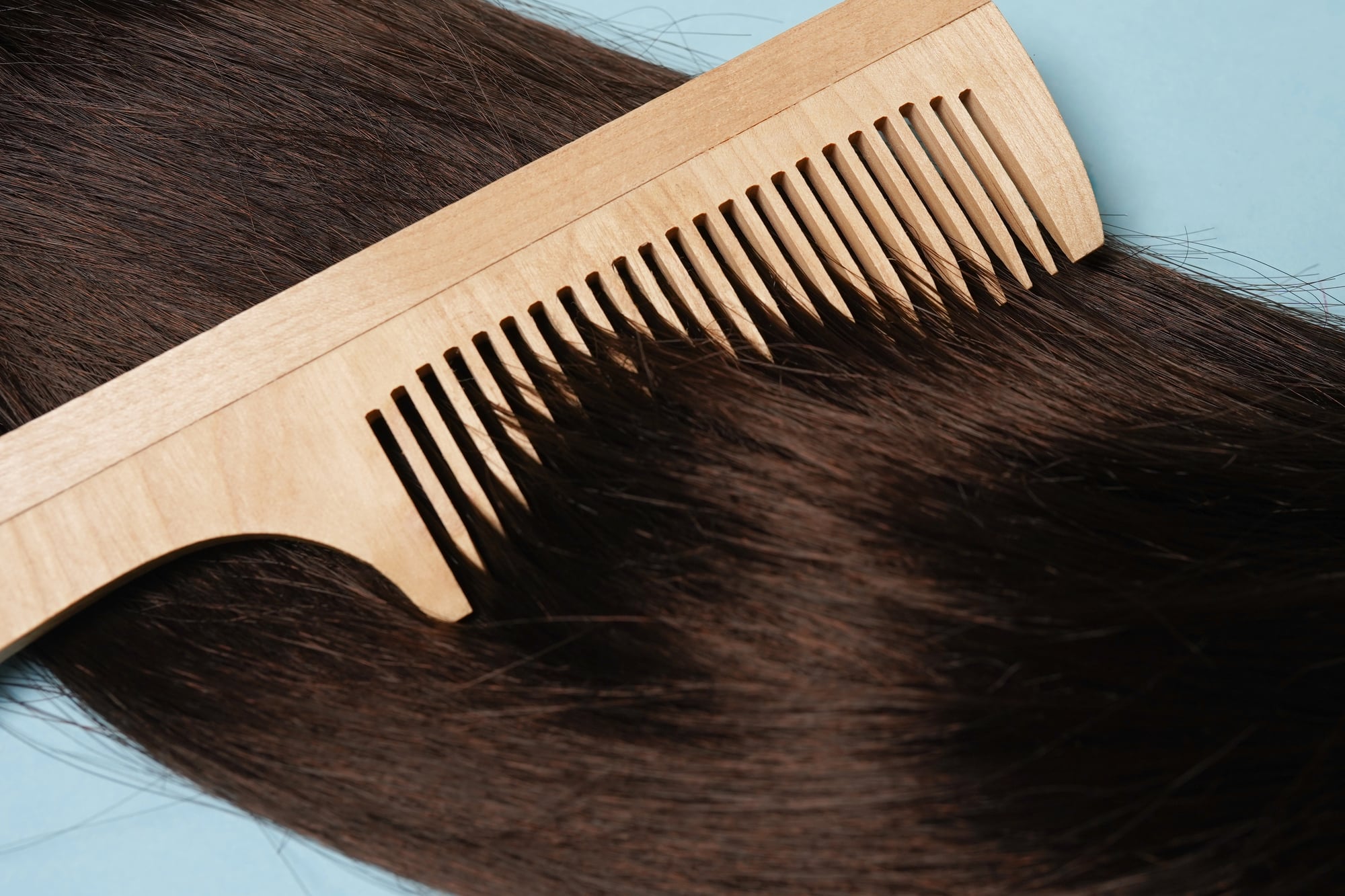
Every Viking owned at least one comb, and many owned several. These weren’t simple tools.
Craftsmen carved elaborate designs into bone, antler, or wood to create combs that doubled as status symbols. Vikings carried their combs everywhere.
Archaeologists find them in graves, ships, and settlements across Scandinavia. Some combs show signs of decades of use, worn smooth by constant handling.
Others appear brand new, suggesting they were made specifically for burial. The double-sided design was practical.
Wide teeth on one side detangled hair, while fine teeth on the other removed lice and debris. Grooming happens multiple times per day, not just once.
Beards Got Special Attention

Facial hair received meticulous care. Vikings braided their beards, decorated them with beads, and shaped them into specific styles.
A well-maintained beard signaled status, masculinity, and self-respect. Some warriors split their beards into multiple braids.
Others shaped them into forks. The most elaborate styles involved metal rings threaded through the braids, creating a rattling sound when the warrior moved.
Beard maintenance tools included small scissors, razors, and specialized combs. Men spent considerable time each morning arranging their facial hair.
A sloppy beard meant a sloppy warrior.
Tweezers for Unwanted Hair

Vikings plucked body hair with tweezers made from bronze or iron. These tools appear in almost every archaeological site from the Viking Age.
Both men and women used them, though for different purposes. Men focused on removing stray hairs from their faces to keep beard lines clean.
Some plucked their eyebrows into shape. The practice was so common that tweezers became standard burial goods, deemed essential for the afterlife.
The tweezers were surprisingly sophisticated. Blacksmiths forged them with precision tips that could grasp individual hairs.
Some featured decorative patterns or inlays of precious metal.
Ear Cleaning Was Ritualistic

Vikings carried ear spoons—small scoops designed to remove earwax. These tools often came attached to their comb cases or hung from their belts on chains.
Clean ears mattered. The ear spoons weren’t crude.
Craftsmen shaped them from bone, metal, or ivory, adding decorative elements that matched their combs and tweezers. Some featured animal heads or intricate patterns along the handle.
This focus on ear hygiene seems odd to modern eyes. But in a society where oral tradition mattered and hearing well could mean survival in battle, clean ears had practical value.
Nail Care Wasn’t Neglected

Vikings trimmed and cleaned their fingernails and toenails regularly. Small knives or specialized nail cleaners appear in grave goods alongside other grooming tools.
Dirty or overgrown nails were considered disgraceful. Some sagas mention nail care explicitly.
One text describes how neglecting your nails brought shame upon your family. Another warns that the ship Naglfar, which carries the dead in Norse mythology, is built from the untrimmed nails of corpses.
This mythological warning reinforced practical hygiene. Vikings believed that keeping your nails trimmed prevented demons from using them after death.
Superstition and vanity worked together.
Perfumes and Scents Were Popular

Vikings made their own perfumes from local plants and imported ingredients. They mixed crushed herbs, flowers, and resins into animal fat to create scented ointments.
These weren’t delicate fragrances—they were strong, musky, and meant to mask body odor. Traders brought exotic ingredients from distant lands.
Amber resin from the Baltic, frankincense from Arabia, and various spices found their way into Viking grooming kits. The wealthy could afford elaborate scents.
Everyone else made do with what grew nearby. Men and women both wore these scents.
Before important meetings, battles, or festivals, warriors applied ointments liberally. The goal was to smell memorable, not necessarily pleasant by modern standards.
Eye Makeup Was Battle Gear
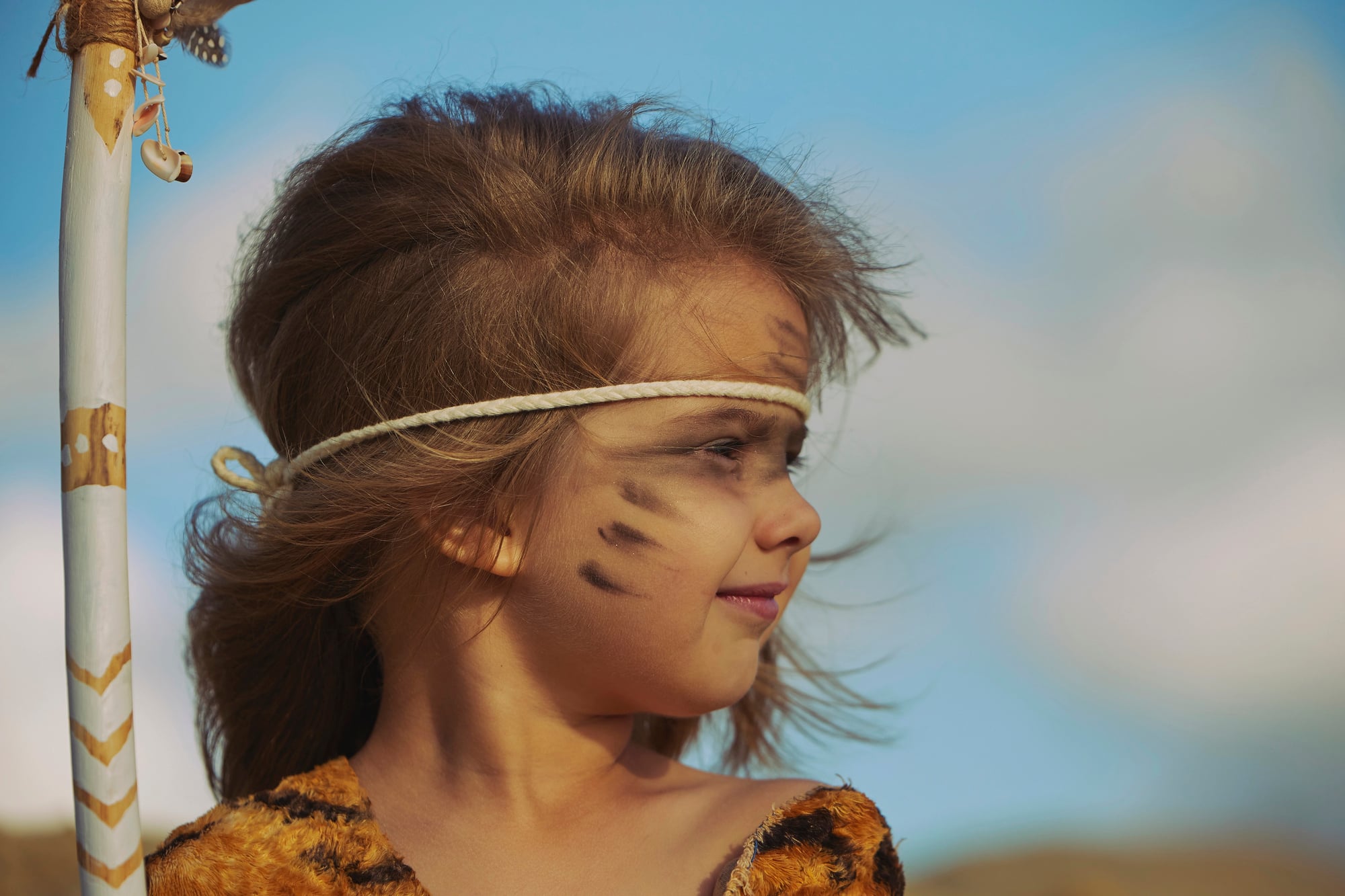
Viking warriors wore eye makeup—specifically, dark liner made from crushed minerals mixed with fat or oil. This wasn’t purely cosmetic.
The dark lines reduced sun glare and made the eyes appear more intimidating. The practice came from contact with Middle Eastern cultures during raids and trade.
Vikings adopted and adapted the technique, making it their own. Warriors applied thick lines around their eyes before battle, creating a fierce appearance.
Arab travelers who met Vikings commented on this habit in their writings. One famous account describes Norsemen who “painted their eyes” with a black substance.
The writer seemed both fascinated and disturbed by the practice.
Teeth Cleaning Involved Grit

Vikings cleaned their teeth with small sticks frayed at one end, creating primitive toothbrushes. They also used rough cloth or even sand to scrub their teeth clean.
The abrasive methods wore down enamel over time. Some Vikings filed horizontal grooves into their front teeth and filled the grooves with colored resin—red being the most common.
This painful modification served no practical purpose. It was pure decoration, a permanent mark of warrior status.
The filing had to hurt. Vikings performed the procedure without anesthesia, carving precise parallel lines across their incisors.
Not every warrior did this, but enough did that archaeologists find the modification across different sites and time periods.
Hairstyles Signaled Status

Different hairstyles indicated social rank, marital status, and age. Unmarried women wore their hair long and loose.
Married women covered their hair or braided it. Men’s styles varied by region and personal choice, but length always mattered.
Warriors often shaved the sides of their heads, leaving a strip of long hair down the middle. Others kept the back and sides short while growing the top long enough to braid.
The undercut wasn’t invented in hipster Brooklyn—Vikings wore it a thousand years earlier. Elaborate braiding patterns distinguished the wealthy from the poor.
Simple braids required time. Complex patterns with multiple braids woven together required help, servants, and leisure time to sit for grooming.
Razors Were Common Tools

Vikings shaved their faces to achieve specific beard styles. Small razors made from iron or steel appear in graves and settlements.
These weren’t safety razors—they were sharp, dangerous tools that required skill to use without injury. The razors had curved blades and simple handles.
Vikings stropped them on leather to maintain the edge. Shaving happened frequently, as stubble ruins a carefully maintained beard line.
Some men shaved everything, preferring a clean face. Others shaved only their necks and cheeks, creating defined beard shapes.
The choice was personal, but the tools were universal.
Clothing Stayed Remarkably Clean

Vikings washed their clothes regularly and mended them with care. Dirty, torn clothing brought shame.
Warriors traveling abroad carried extra clothing and washing materials. Clean appearance mattered more than we typically assume.
They used the same lye soap for clothes that they used for hair bleaching. The harsh chemical cleaned fabric effectively but weakened fibers over time.
Garments needed frequent repair, and sewing was a skill everyone learned. Stains received special treatment.
Vikings scrubbed them with specific plants that had bleaching or cleaning properties. They knew which herbs removed grease, which tackled blood, and which freshened fabric.
This knowledge passed down through generations.
The Weight of Looking Right

All this grooming took time—hours each week spent on appearance. In a society where reputation mattered more than almost anything else, looking the part wasn’t optional.
A dirty, unkempt Viking wasn’t feared or respected. He was pitied or mocked.
The archaeological evidence paints a picture far removed from the savage brute stereotype. These warriors cared deeply about how they looked and how others perceived them.
Their grooming habits weren’t bizarre for their time—they were sophisticated, intentional, and central to their identity. The comb you carried, the beard you braided, and the scent you wore all told a story about who you were and who you wanted to be.
More from Go2Tutors!

- The Romanov Crown Jewels and Their Tragic Fate
- 13 Historical Mysteries That Science Still Can’t Solve
- Famous Hoaxes That Fooled the World for Years
- 15 Child Stars with Tragic Adult Lives
- 16 Famous Jewelry Pieces in History
Like Go2Tutors’s content? Follow us on MSN.



