Places Where It Has Not Rained for Years
In most parts of the world, rain seems inevitable. Even if it takes several months, you anticipate that it will eventually appear.
However, some locations on Earth have entirely different regulations. In these places, there may not be a single drop of precipitation for years, decades, or even centuries.
The sky doesn’t cooperate, the ground is always dry, and life adapts in ways that don’t seem possible anywhere else. These aren’t merely arid areas.
In these landscapes, rain is no longer a memory but rather a myth.
The Atacama Desert, Chile

The Atacama holds the record as the driest place on Earth. Some weather stations in this desert have never recorded rainfall in their entire operational history.
The driest sites receive fewer than 5 mm (about 0.2 inches) of precipitation per year, while slightly less arid parts of the desert see around 15 mm (about 0.6 inches) annually. The desert stretches along Chile’s coast, trapped between the Andes Mountains and the Pacific Ocean.
Cold ocean currents and high-altitude pressure systems create a perfect storm of aridity that prevents clouds from forming. NASA uses this desert to test Mars rovers because the landscape resembles the red planet more closely than almost anywhere else on Earth.
McMurdo Dry Valleys, Antarctica

Antarctica gets plenty of snow, but the McMurdo Dry Valleys represent one of the driest places on the continent. These valleys receive extremely minimal precipitation—some valley bottoms record only about 30 to 50 mm of water-equivalent annually, mostly as snow.
Katabatic winds blow down from the surrounding mountains at speeds reaching 200 miles per hour, evaporating much of the moisture before it can accumulate. The valleys cover about 1,900 square miles of exposed rock and soil, making them one of the largest ice-free areas on the continent.
Scientists study these valleys because they represent one of the most Mars-like environments on Earth. The combination of extreme cold, minimal precipitation, and sterile soil creates conditions unlike anywhere else on the planet.
Arica, Chile
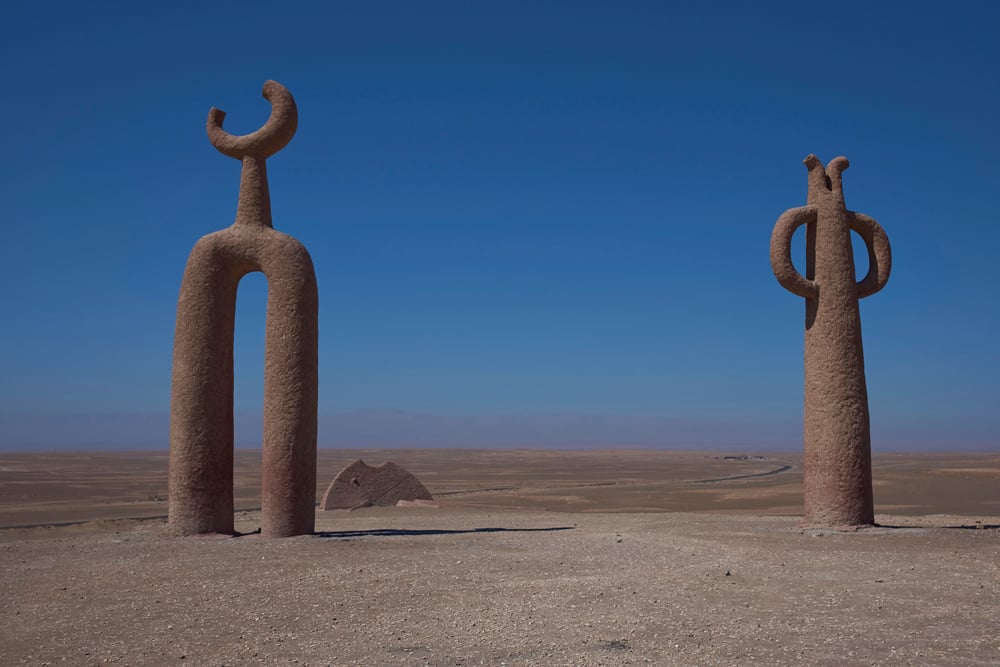
Arica sits at the northern edge of the Atacama Desert and experienced one of the longest documented dry periods in a populated area. According to historical records, the city went 173 months—over 14 years—without a single measurable raindrop between October 1903 and January 1918.
Even outside that extreme period, Arica receives extremely minimal rainfall, with some years recording no precipitation at all. People live and work in this city despite the scarcity of local water sources.
The city pipes in water from the Andes Mountains, and residents have adapted to life in a place where rain remains a rare spectacle rather than a routine occurrence.
Iquique, Chile
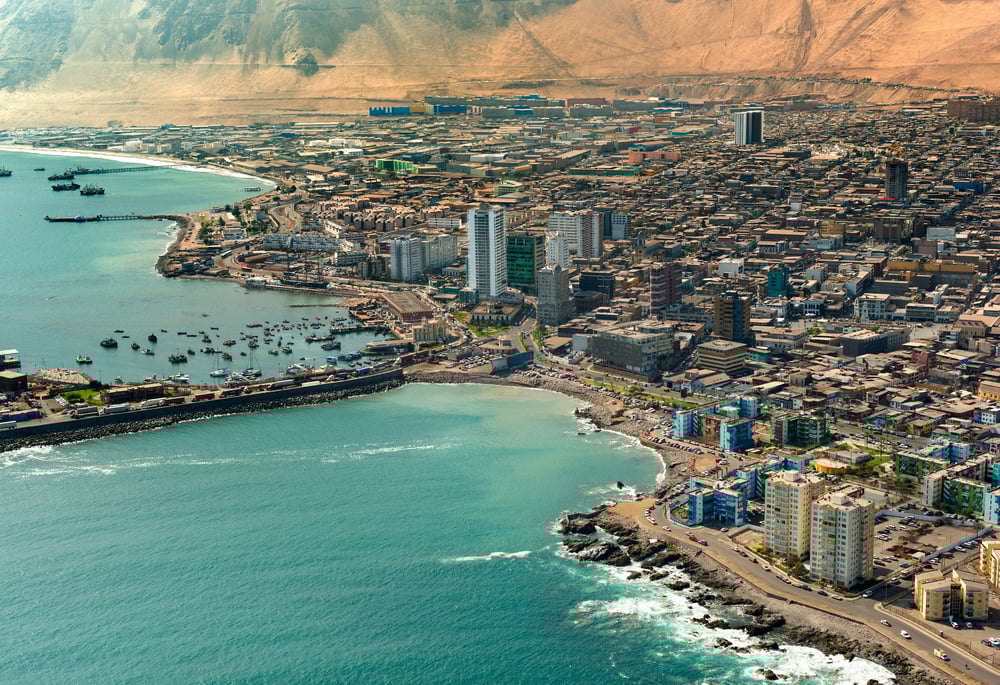
Chile dominates the list of driest places, and Iquique adds another example. This coastal city experiences extremely infrequent rainfall, with some years recording no precipitation at all.
When it does rain, the precipitation totals barely register on measurement equipment. The surrounding desert landscape reinforces the aridity.
Residents rely entirely on imported water, and the local economy adapted centuries ago to function without any dependence on local precipitation.
Al-Kufrah, Libya

The Sahara Desert dominates North Africa, and Al-Kufrah represents one of its driest points. This oasis town in southeastern Libya receives extremely minimal rainfall, with extended periods between precipitation events.
The town survives because of underground aquifers that provide water from ancient reserves. These aquifers hold water that fell as rain thousands of years ago, when the Sahara was much wetter.
Today’s residents tap into this fossil water supply while the sky above remains stubbornly clear.
Aswan, Egypt
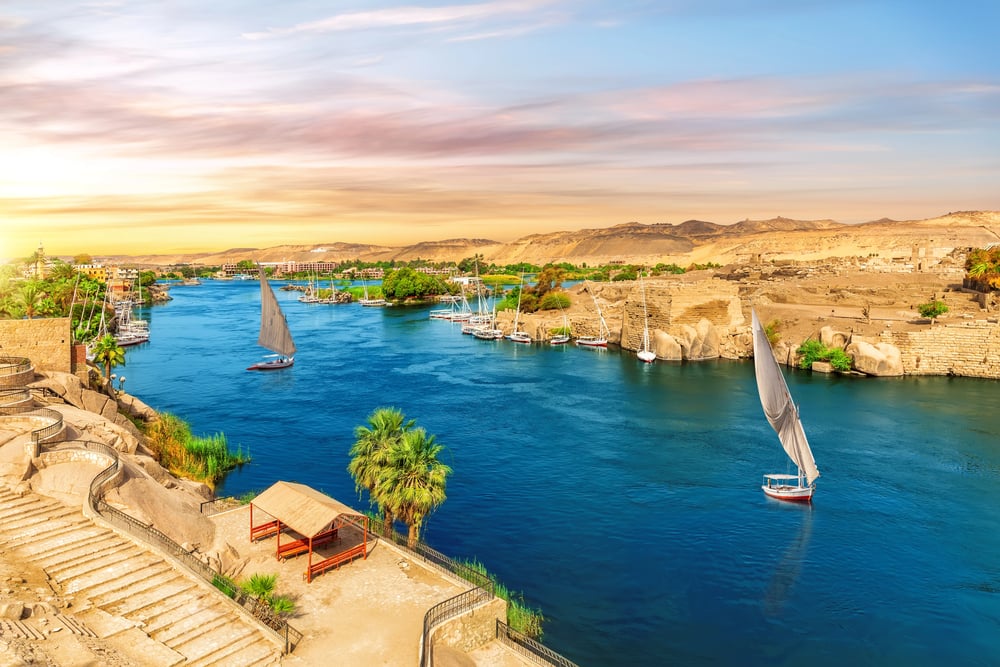
Aswan sits along the Nile River in southern Egypt, but the river provides the only water source. The city itself receives almost no rain.
Aswan averages about 0.02 inches of precipitation annually, with some years bringing nothing at all. The city has recorded stretches of five to ten years without a single rainstorm.
Ancient Egyptians chose this location partly because of the predictable dry weather, which made it ideal for quarrying stone and building monuments. Modern residents continue living in this hyper-arid environment, completely dependent on the Nile for water rather than any local rainfall.
Luxor, Egypt

Luxor mirrors Aswan’s extreme aridity. The city sits in one of the driest regions on Earth, recording rainfall so infrequently that meteorologists struggle to establish meaningful averages.
Some years bring a brief shower that lasts minutes. Other years bring nothing.
The total annual precipitation averages around 0.03 inches, but multi-year dry spells are common. The Valley of the Kings, located near Luxor, owes its remarkable preservation partly to this lack of rainfall.
Ancient tombs and artifacts survive because water damage never occurs. The dry air preserves everything with minimal deterioration.
Wadi Halfa, Sudan

Wadi Halfa sits in northern Sudan near the Egyptian border, positioned in one of the Sahara’s driest zones. The town records rainfall so rarely that residents treat it as a noteworthy event when it happens.
Annual precipitation averages less than 0.1 inches, and years-long gaps between rain events are standard. The town depends entirely on the Nile River for water, just like its neighbors to the north.
The surrounding desert extends in every direction, reinforcing the complete absence of moisture in the atmosphere. Local vegetation consists of hardy desert plants that survive on occasional groundwater seepage rather than any rainfall.
Pelican Point, Namibia

Namibia’s coast experiences some of the strangest weather patterns in Africa. Pelican Point, located on the Skeleton Coast, receives virtually no rainfall despite sitting right next to the Atlantic Ocean.
The cold Benguela Current prevents moisture from evaporating and forming rain clouds. Fog rolls in regularly, providing the only source of atmospheric moisture, but actual rain remains nearly nonexistent.
The peninsula can go years without measurable precipitation. The average annual rainfall measures around 0.3 inches, but most years bring nothing.
Desert-adapted plants survive by collecting moisture from fog rather than waiting for rain that never comes.
Faya-Largeau, Chad

Central Sahara locations compete for the title of driest inhabited place, and Faya-Largeau ranks among the most extreme. This oasis town in northern Chad records average annual rainfall of about 0.06 inches, with many years bringing zero precipitation.
The town survives because of underground water sources that date back to wetter climate periods thousands of years ago. Residents have no memory of consistent rainfall.
The concept exists only in historical records and folklore passed down through generations. Modern life in Faya-Largeau operates with the assumption that rain will not arrive, and planning around that absence defines everything from agriculture to architecture.
Ica, Peru

Peru’s southern coast experiences extreme aridity that rivals even the Atacama Desert. Ica sits in a region where rain becomes so rare that locals consider it a bad omen when it does occur.
The city averages less than 0.1 inches of rain per year, and multi-year dry periods are standard. The Ica Desert surrounding the city shows no signs of surface water or vegetation except along artificially irrigated areas.
Ancient civilizations in this region developed sophisticated irrigation systems because they couldn’t rely on rainfall. Modern residents continue that tradition, piping water from distant mountain sources to maintain agriculture and daily life.
Keetmanshoop, Namibia
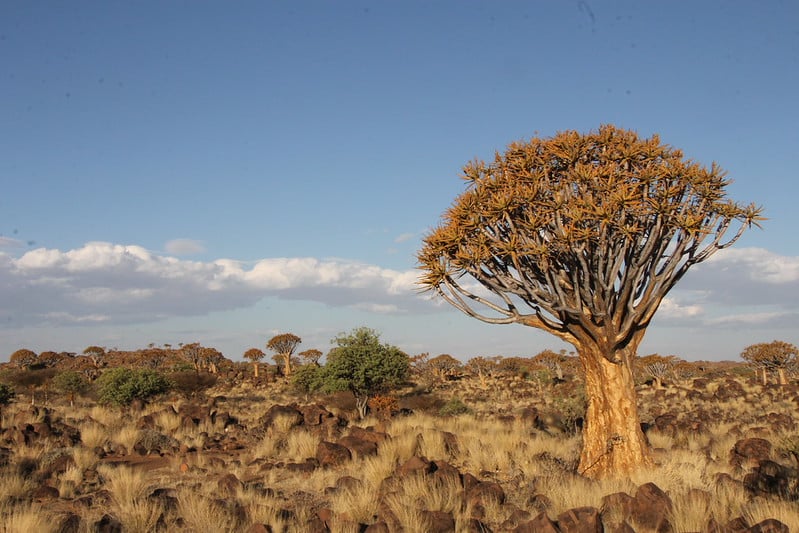
Southern Namibia combines extreme heat with minimal precipitation, creating one of Africa’s most inhospitable climates. Keetmanshoop records average annual rainfall of about 0.6 inches, but the distribution pattern means years can pass without any measurable precipitation.
The town sits in the transition zone between the Namib Desert and the Kalahari Desert, inheriting the worst characteristics of both. Summer temperatures regularly exceed 100°F, and the lack of cloud cover means no relief comes from above.
Residents adapted long ago to life without reliable rainfall, developing water conservation methods that treat every drop as precious.
Dallol, Ethiopia

Dallol holds the record as the hottest inhabited place on Earth, and it combines that heat with nearly zero rainfall. The area sits below sea level in the Danakil Depression, one of the most extreme environments humans have ever settled.
Annual precipitation measures around 0.4 inches, but years can pass without any rainfall at all. The temperature averages over 94°F year-round, with no cool season to provide relief.
The combination of extreme heat and total aridity creates conditions that push the limits of human survival. Workers at the local potash mine endure these conditions while waiting for rain that rarely arrives.
Yuma, Arizona

The United States contributes one entry to this list. Yuma sits in southwestern Arizona and holds the record as the driest city in North America.
The city averages about 3 inches of rain per year, but that average masks the reality of long dry periods between storms. Yuma can easily go six to eight months without measurable precipitation, and some years have seen streaks lasting over a year.
The city receives more than 4,000 hours of sunshine annually—the most of any city in the world. Residents joke that they need to relearn how to drive whenever rain does finally arrive because the roads become unfamiliar territory.
Where Water Becomes a Story

These locations make you reconsider fundamental beliefs about climate and weather. When rain finally falls, it ceases to be a common annoyance and becomes something worth recording.
Generations go by without regular rainfall, and children grow up without storms. Because of the peculiar combination of geography, ocean currents, and atmospheric pressure that keeps these areas permanently dry, the sky remains clear.
In spite of this, life manages to endure by adjusting to circumstances that would seem unattainable in other places. Everything is shaped by the lack of rain, including daily routines, architecture, agriculture, and culture.
In ways that are difficult for outsiders to understand, this fundamental change in how people relate to their surroundings is brought about by human effort rather than natural cycles.
More from Go2Tutors!

- The Romanov Crown Jewels and Their Tragic Fate
- 13 Historical Mysteries That Science Still Can’t Solve
- Famous Hoaxes That Fooled the World for Years
- 15 Child Stars with Tragic Adult Lives
- 16 Famous Jewelry Pieces in History
Like Go2Tutors’s content? Follow us on MSN.