American Towns That Were Deliberately Erased from the Map
The American landscape holds secrets that most maps will never reveal. Scattered across the country are places where entire communities once thrived — complete with schools, churches, main streets, and generations of families who called them home.
These weren’t ghost towns abandoned due to economic hardship or natural disaster. They were deliberately erased, their residents forced to leave, their buildings demolished, and their very existence wiped from official records.
The reasons varied: government land acquisition for military bases, the construction of massive dams and reservoirs, urban renewal projects, and even the creation of national parks. What remained constant was the human cost — thousands of people uprooted from places their families had inhabited for decades, sometimes centuries.
The stories of these lost communities reveal a different side of American progress, one where the march toward modernization came at the expense of entire ways of life.
Enrico
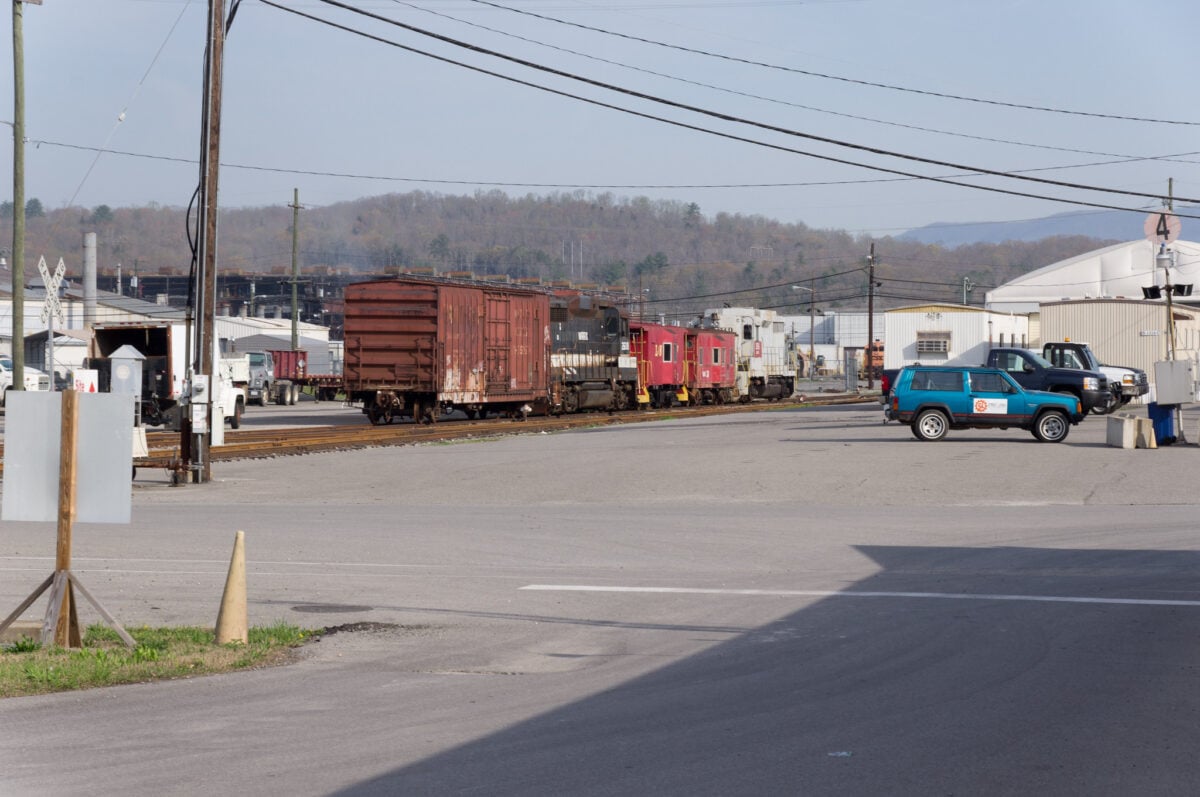
The Manhattan Project needed space. Lots of it. Enrico, Tennessee vanished overnight.
The government showed up in 1942 with condemnation notices and cash. Residents had weeks to pack up lives that had been rooted there for generations.
The town became part of Oak Ridge, where scientists would build the atomic bomb.
Alvira
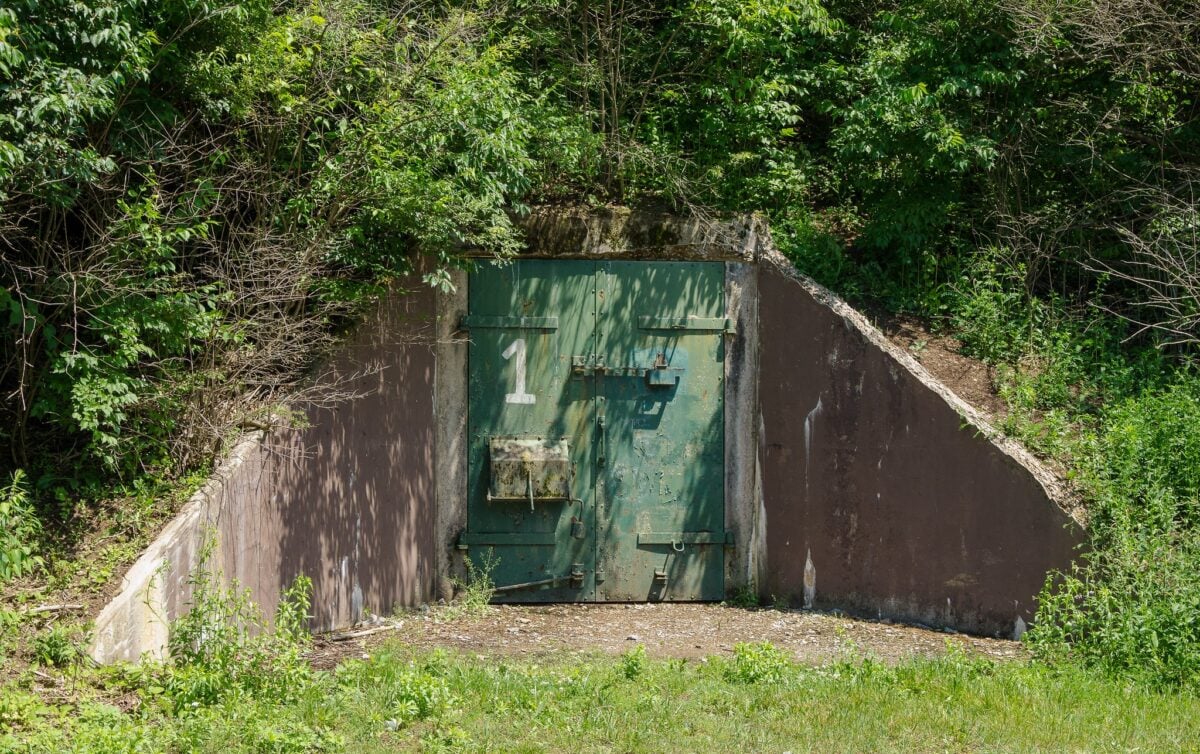
Pennsylvania’s Alvira learned about eminent domain the hard way. The War Department wanted the land for a TNT plant in 1942.
The entire population — roughly 100 families — received eviction notices. Houses, barns, the general store, the church where people had been married and buried their dead for decades.
All of it bulldozed within months. The TNT plant operated for three years, then shut down.
The land sat empty for decades afterward, which is the kind of irony that doesn’t help anyone who lost their home.
Dodgeville
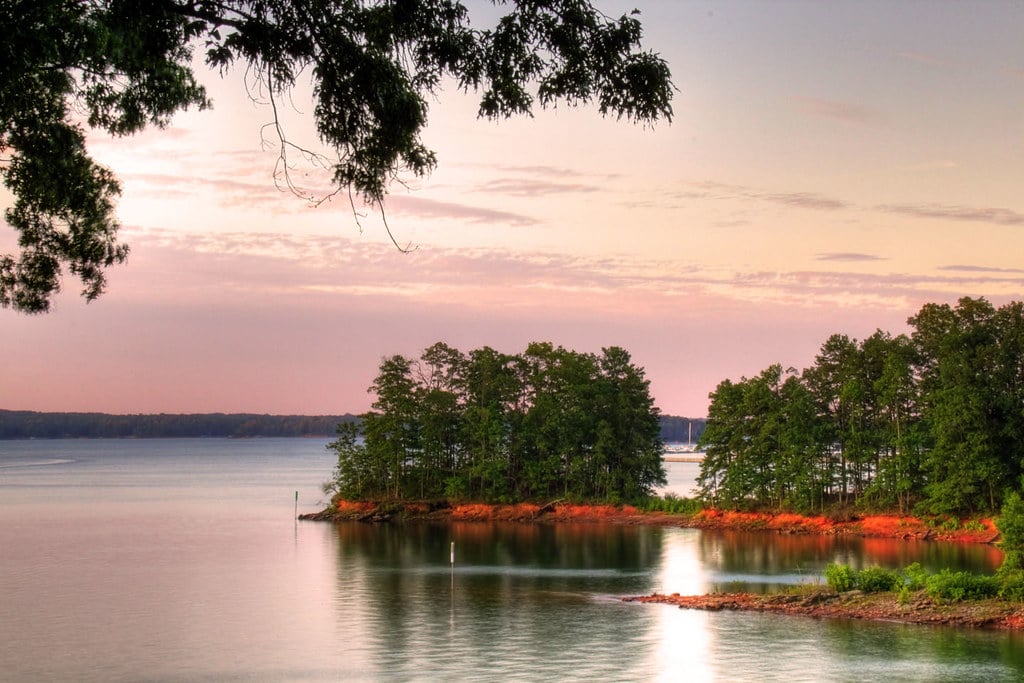
Before there was Lake Lanier in Georgia, there was Dodgeville. And Oscarville.
And several other small communities that got swallowed when the Army Corps of Engineers decided to build Buford Dam. The lake created one of Georgia’s most popular recreational destinations.
Underneath all that water lie the foundations of homes, the remnants of a mill that had operated since the 1800s, and a cemetery they relocated bone by bone. People water ski over what used to be someone’s front yard.
Morrison
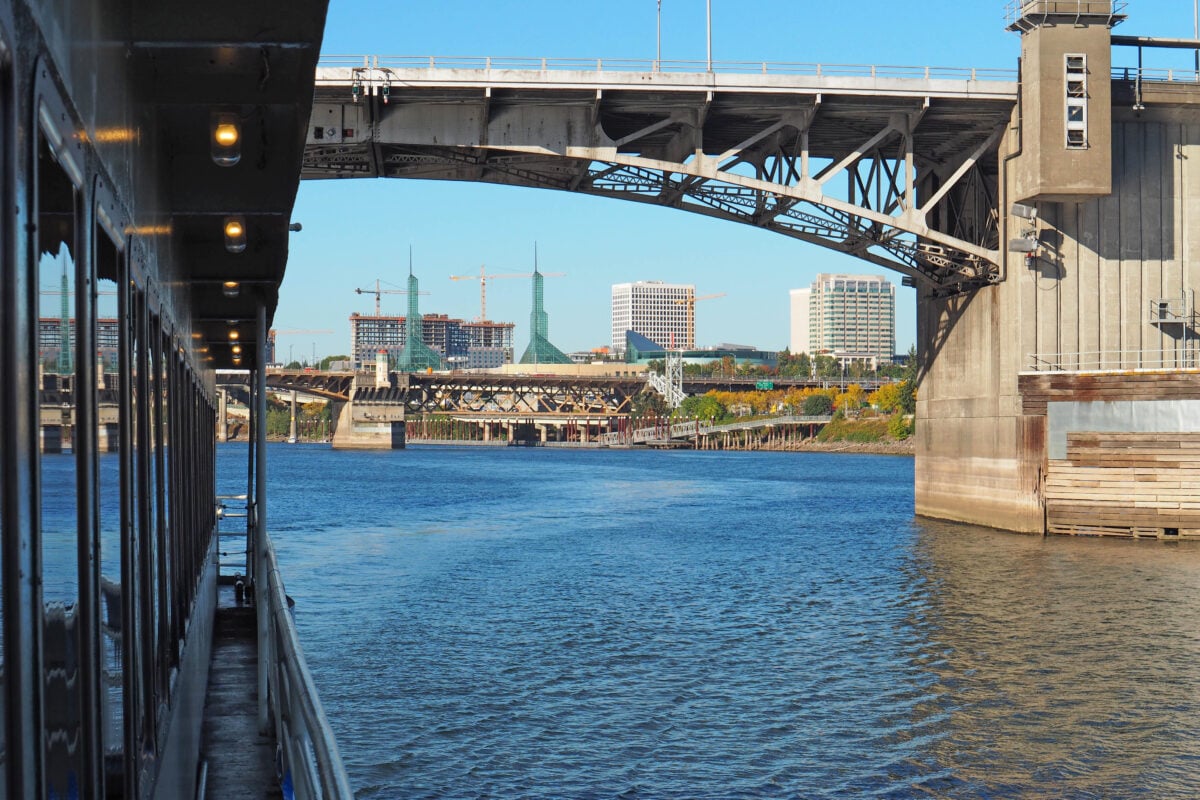
Sometimes progress arrives wearing the uniform of urban renewal, and that’s how Morrison — a thriving African American neighborhood in Portland, Oregon — met its end in the 1960s. The community had weathered decades of racial restrictions that prevented Black families from buying homes in other parts of the city, so they built something of their own: a tight-knit area with businesses, churches, and jazz clubs that drew musicians from across the country.
But urban planners had different ideas, and Morrison became the target of a massive redevelopment project that promised to eliminate “blight” (which turned out to be code for eliminating the people who lived there). The bulldozers arrived in waves, taking down not just buildings but an entire cultural ecosystem that had developed over generations.
And while the planners talked about creating something better, what they actually created was a medical complex and parking lots — a trade that somehow always seems to work out better for the institutions than for the families who get displaced. The jazz clubs never came back.
Celilo Village
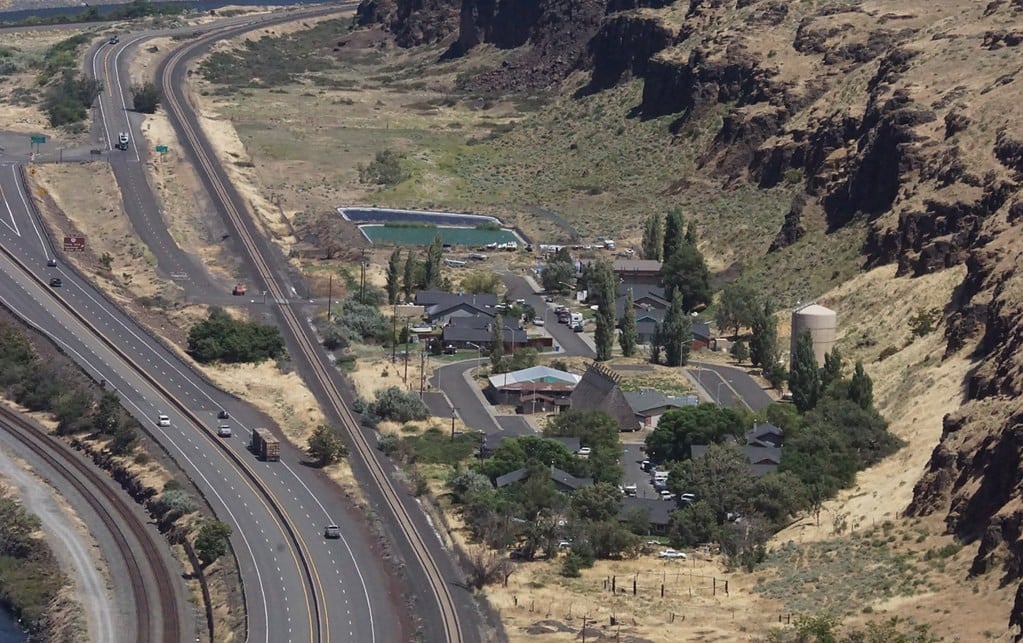
The Columbia River carried more than water through Celilo Village — it carried 10,000 years of fishing tradition that ended on a single day in 1957. The village sat beside Celilo Falls, where Native American families had gathered for millennia to catch salmon on wooden platforms that hung over the rushing water like something between art and engineering.
When the Army Corps of Engineers finished the Dalles Dam, the falls disappeared under 40 feet of reservoir water, taking the village with it. The government called it progress: more electricity, better navigation for barges, flood control for downstream communities.
The Yakama, Warm Springs, and other tribes called it something else entirely. You can still visit the site, though there’s not much to see beyond a historical marker and the quiet water that covers everything that came before.
Neversink
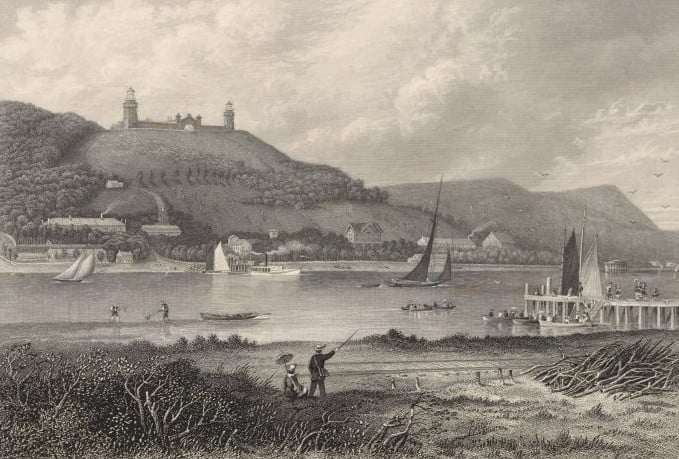
The name turned out to be darkly prophetic. Neversink, New York sank anyway — beneath the Neversink Reservoir when New York City needed more water in the 1950s.
The town had been there since the 1700s. Families with roots going back generations, a main street with the usual collection of stores and gathering places, farms that had been passed down through multiple hands.
Then the city’s engineers arrived with surveys and legal documents, explaining how the greater good required this particular sacrifice.
Palisades
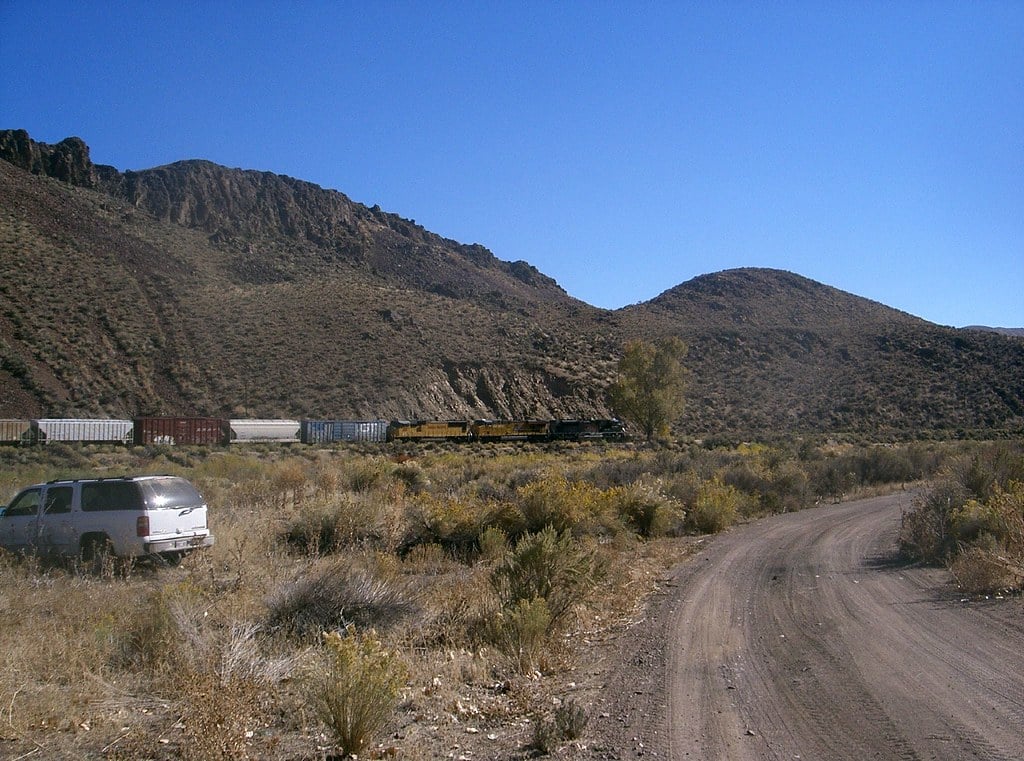
Nevada’s Palisades had the misfortune of sitting exactly where the government wanted to test nuclear weapons. The town vanished in the 1950s when the Atomic Energy Commission expanded the Nevada Test Site.
Residents got relocation money and explanations about national security. The buildings came down, the roads got gated off, and Palisades became part of a restricted zone where mushroom clouds would bloom for the next several decades.
The irony cuts a little deeper here: a town called Palisades — meaning a line of cliffs that protects — couldn’t protect itself from becoming a crater.
Seneca Village
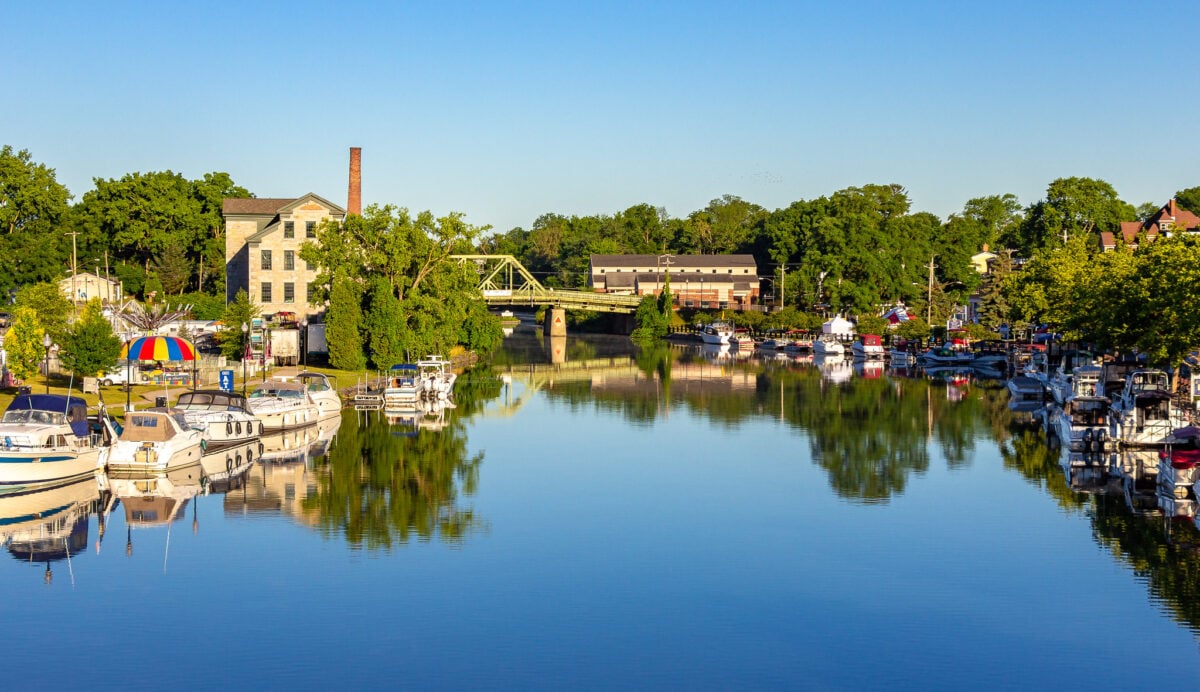
Central Park’s carefully designed meadows and walking paths sit on top of Seneca Village, a thriving predominantly African American community that New York City condemned in 1857 through eminent domain. The village had existed for roughly 30 years, long enough for families to establish roots, build churches, and create the kind of neighborhood fabric that doesn’t appear overnight.
What made Seneca Village particularly remarkable (and particularly threatening to city officials) was its success: Black families owned property there, voted in elections, and had built three churches and a school that served the community’s children. So when park planners decided they needed that specific stretch of Manhattan for their grand public space, they framed the seizure as slum clearance — a convenient lie that stuck in the historical record for over a century.
But the truth has a way of surfacing eventually, and archaeological digs in recent decades have revealed the foundations of a community that was far more prosperous and stable than city officials wanted to admit. The park is beautiful, to be fair, but it’s worth remembering that someone’s home lies beneath every carefully planted tree.
Raystown
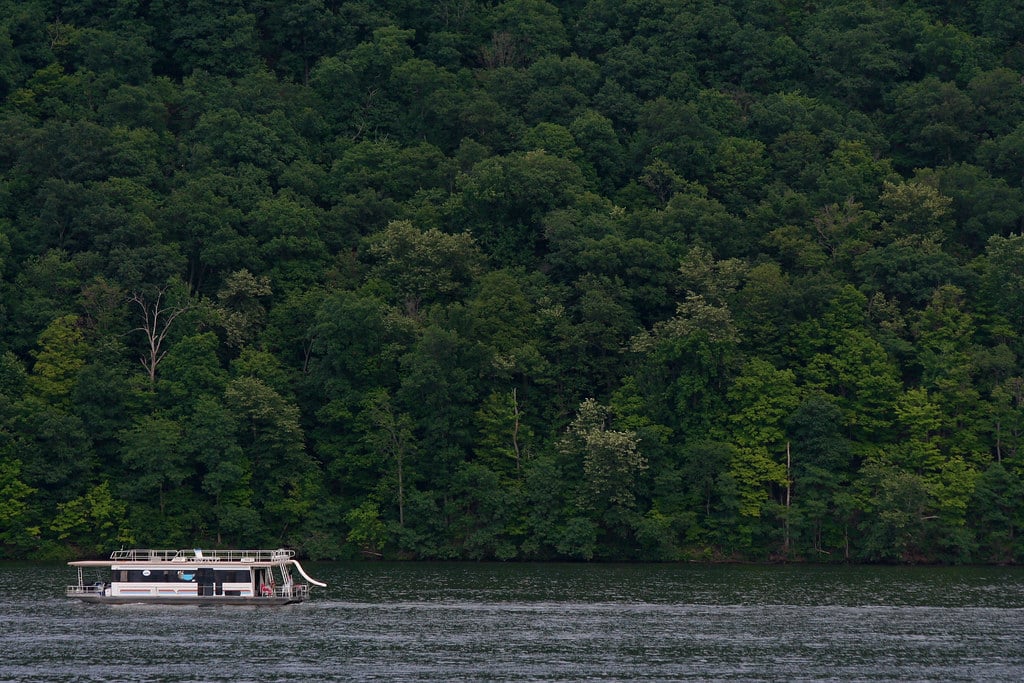
Pennsylvania’s Raystown disappeared when the Army Corps of Engineers built Raystown Dam in the 1970s. The lake that resulted became a popular recreational area, which seems to be the consolation prize most of these drowned communities get.
The town had been there since the 1760s. Seven generations of some families.
A main street, churches, the cemetery where those seven generations were buried. They relocated the graves before flooding the valley, which is something, though it doesn’t quite compensate for erasing everything else.
Valley Green
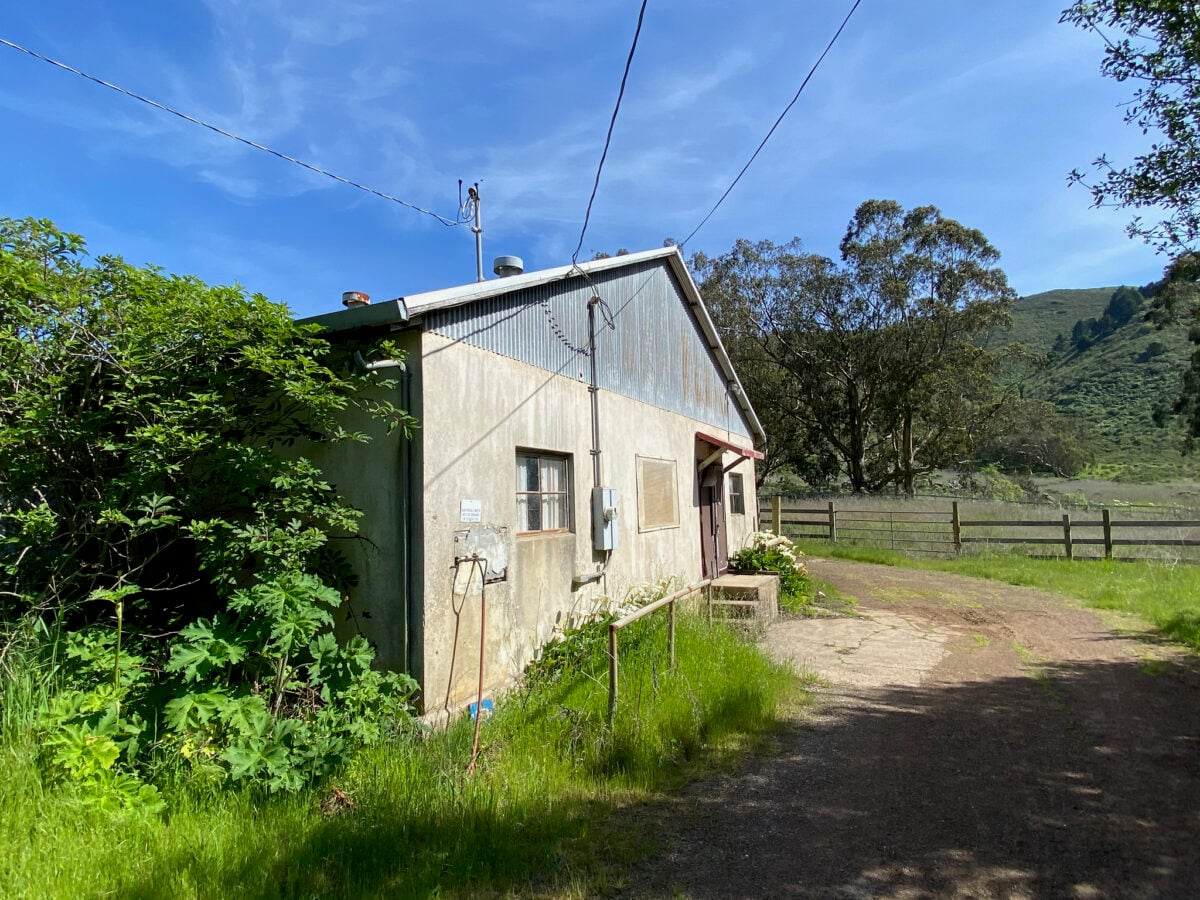
The Tennessee Valley Authority cut a wide path through the South in the 1930s, bringing electricity and flood control — and erasing communities that happened to be in the way. Valley Green, Tennessee was one of many small towns that got swallowed by TVA reservoirs.
The residents understood the logic: cheap electricity would transform the region, lift communities out of poverty, and power the industries that would create jobs for their children. Still, understanding the logic doesn’t make it easier to watch your childhood home disappear under 50 feet of water.
The TVA paid fair market value for the properties they condemned, which was probably fair by the standards of Depression-era land prices but felt less fair to families who’d been living there since before Tennessee was a state.
Elbowoods
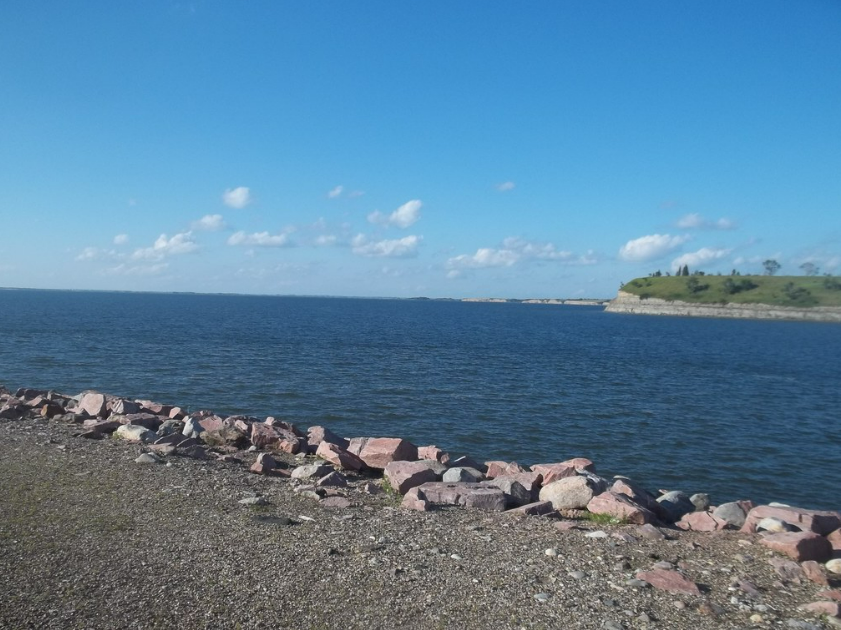
When the Army Corps of Engineers built the Garrison Dam on the Missouri River in the 1950s, they created Lake Sakakawea — and drowned Elbowoods, the largest town on the Fort Berthold Indian Reservation in North Dakota. Unlike many of the other communities on this list, Elbowoods wasn’t just a town; it was the cultural and economic heart of the Three Affiliated Tribes (Mandan, Hidatsa, and Arikara).
The flooding didn’t just displace residents — it submerged the most fertile agricultural land on the reservation, along with sacred sites, burial grounds, and the geographic center of a culture that had existed in that river valley for centuries. The government promised that the dam would bring prosperity to the region through electricity and flood control, and while those benefits certainly materialized for downstream communities, the Three Affiliated Tribes mostly got the costs.
The new town they built to replace Elbowoods never quite recaptured what was lost beneath the water, partly because some things — like the relationship between a people and a particular place — can’t be rebuilt somewhere else.
Loyalton
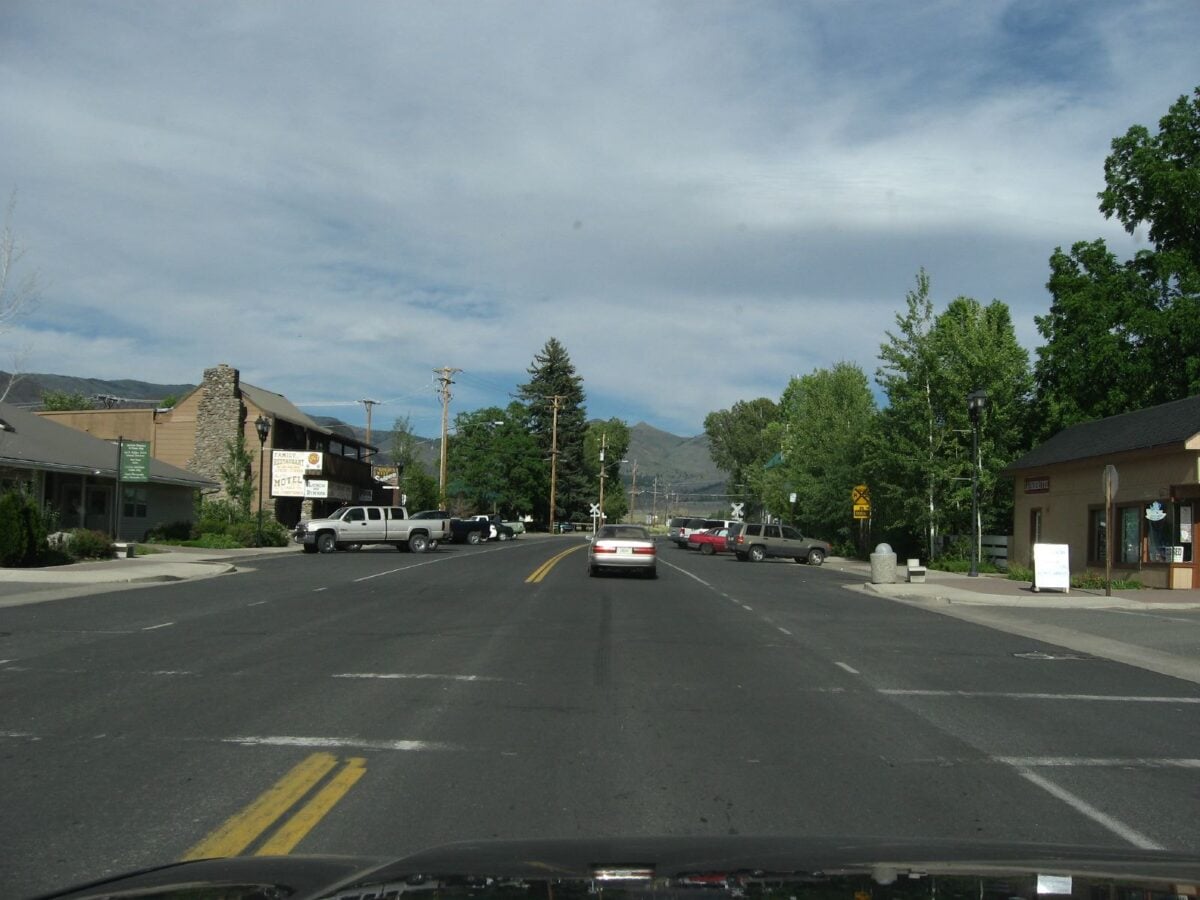
California’s Loyalton had the bad luck to sit in the path of Camp Pendleton’s expansion during World War II. The Marine Corps needed more space for training, and Loyalton’s 100 residents needed to find somewhere else to live.
The town had been established in the 1880s by African American families, making it one of the few all-Black communities in Southern California at the time. Residents had built farms, a school, and a tight-knit community that thrived despite the racial restrictions that limited where Black families could live elsewhere in the region.
When the Marines arrived with condemnation notices in 1942, residents scattered to Los Angeles and other cities, carrying with them the memory of a place that had offered something increasingly rare: genuine self-determination.
Watauga
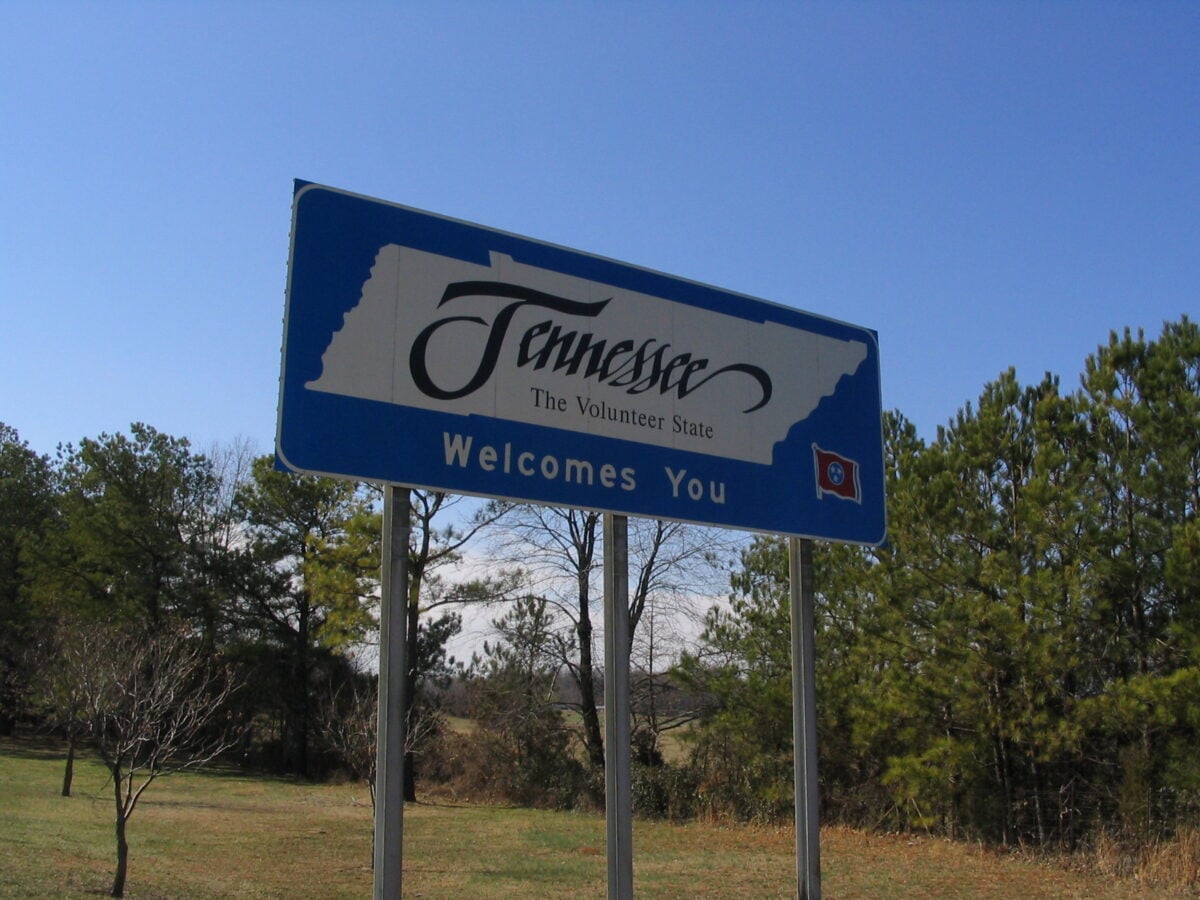
East Tennessee’s Watauga met its end when the TVA built Watauga Dam in the 1940s. The town sat in a valley that engineers had determined would make an excellent reservoir.
Watauga had been there since the early 1800s, long enough for the kind of deep community roots that don’t transplant easily. The main street, the mills along the river, the churches where multiple generations of the same families had worshiped — all of it disappeared beneath the lake that bears the town’s name.
The TVA offered job training programs to help displaced residents find work in the new industries that cheap electricity would bring to the region. Some families stayed in the area and built new lives. Others scattered to cities where the work was steadier but the sense of place never quite recovered.
Festival
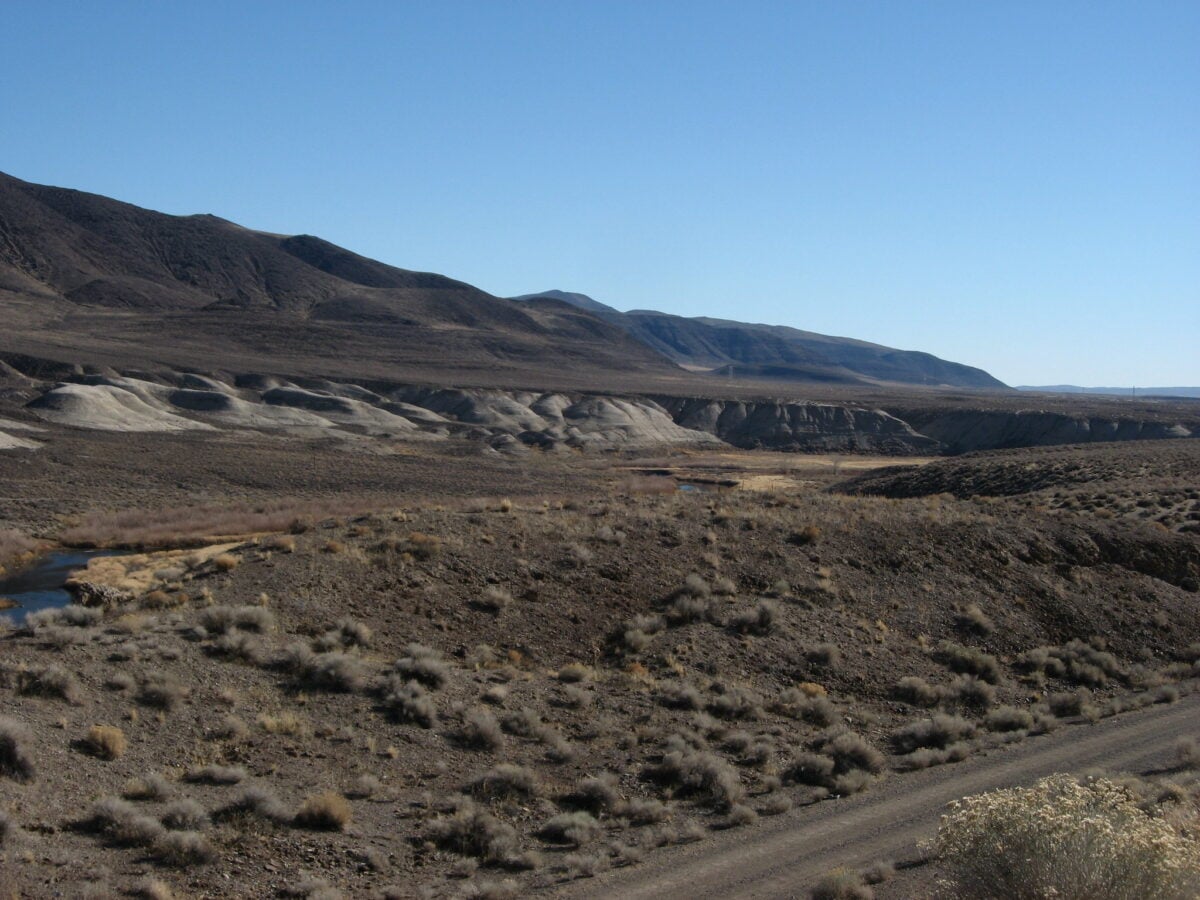
The government named it the Nevada Test Site, but locals had called it home for decades. The tiny community of Festival, Nevada vanished when the Atomic Energy Commission needed space for nuclear testing in the 1950s.
The festival was never much more than a few dozen residents, a general store, and the kind of wide-open spaces that looked perfect for atomic experiments to government scientists. Residents got relocated, buildings got demolished, and the area got fenced off for the next several decades of mushroom clouds and fallout studies.
The tests ended eventually, but the Festival never came back.
Forgotten Foundations
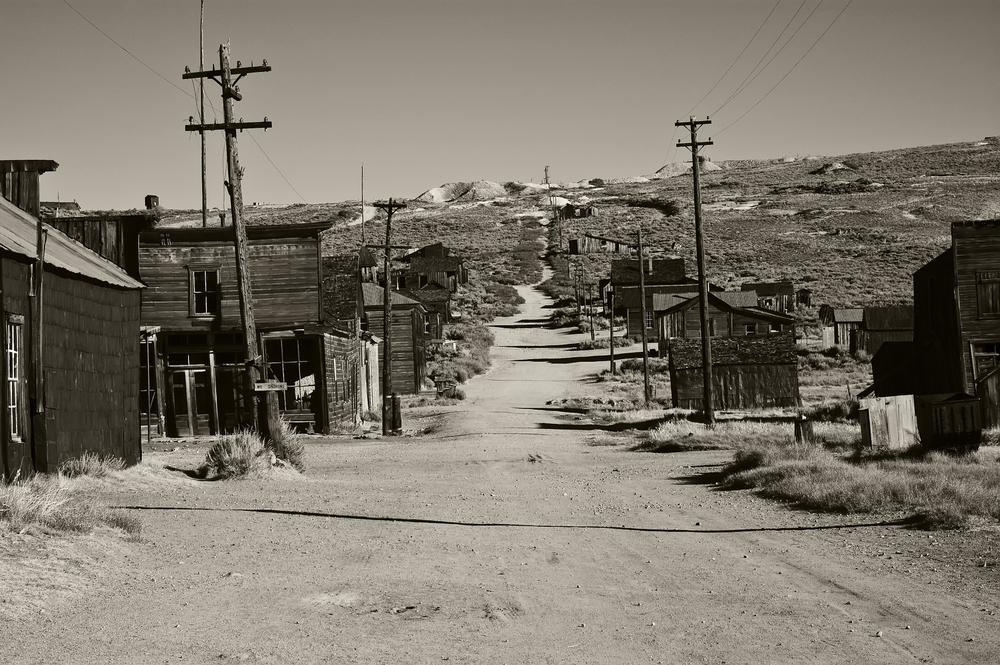
These towns share a common thread: they were sacrificed for projects that promised to serve the greater good. Dams brought electricity and flood control.
Military bases provided national defense. Urban renewal cleared “slums” to make way for modern development.
Nuclear testing advanced scientific knowledge and military capabilities. The mathematics of these decisions probably worked out on paper — fewer people displaced than people served, individual sacrifice justified by collective benefit.
But mathematics has trouble accounting for what gets lost when you erase a place where generations of families have built their lives. The corner store where everyone gathered for news and gossip.
The church that held the community together through hard times. The cemetery where ancestors rested in ground that their descendants had expected to tend forever.
Some of these places exist now only in the memories of elderly residents who still remember main streets that lie beneath reservoir water or military training grounds. Their children grew up elsewhere, in cities and suburbs that offered better opportunities but never quite felt like home.
The grandchildren have no memory of these lost places at all, which might be the most complete erasure of all.
More from Go2Tutors!

- The Romanov Crown Jewels and Their Tragic Fate
- 13 Historical Mysteries That Science Still Can’t Solve
- Famous Hoaxes That Fooled the World for Years
- 15 Child Stars with Tragic Adult Lives
- 16 Famous Jewelry Pieces in History
Like Go2Tutors’s content? Follow us on MSN.