United States Trivia And Facts
Out of nowhere, America seems huge – like everyone already knows everything. Still, it pops up so much – in films, headlines, chats – you’d think mystery had vanished.
Yet underneath, tiny oddities linger. Hidden patterns survive from long ago.
Bits of history slip through the cracks. These pieces hardly ever come up when people talk at dinner or online.
What seems hidden often isn’t hidden at all – it just blends in too well. Shaped by trade-offs, land shapes, or moments that passed without notice, these details slipped into routine.
Seen as a whole, they show the quiet mechanics behind familiar national images.
A peek behind the curtain of America reveals odd bits most people miss. Because history leaves traces, even small things carry weight today.
Some quirks started by accident, yet stuck around without anyone really noticing. From hidden laws to strange traditions, each has roots deeper than it first seems.
Though overlooked, these fragments shape parts of life in quiet ways. Their presence isn’t random – each survived because something kept it alive.
The Country Has No Official Language
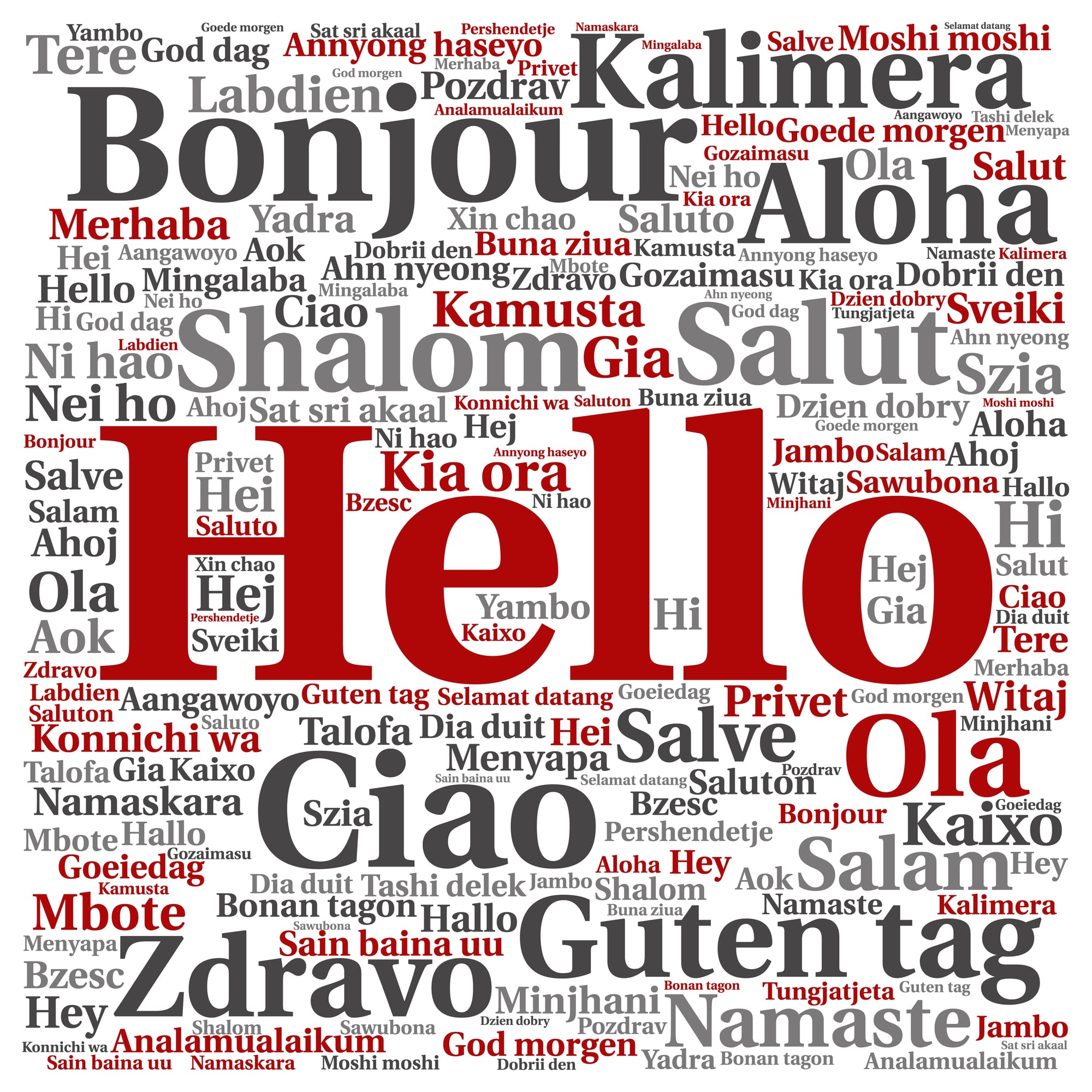
Not everyone realizes this, yet the U.S. lacks a federally recognized official language. Even so, English shapes daily interactions, runs institutions, fills news outlets.
Still, no constitutional clause or national statute ever made it official.Out here, roots stretch back to scattered colonies, each clinging to its own way of speaking.
To keep things fair, officials never picked one official tongue.So people just started using words however they fit, not how rules said they should.
Culture grew around doing what works, not following fixed forms.
Washington, D.C. Is Not A State By Design
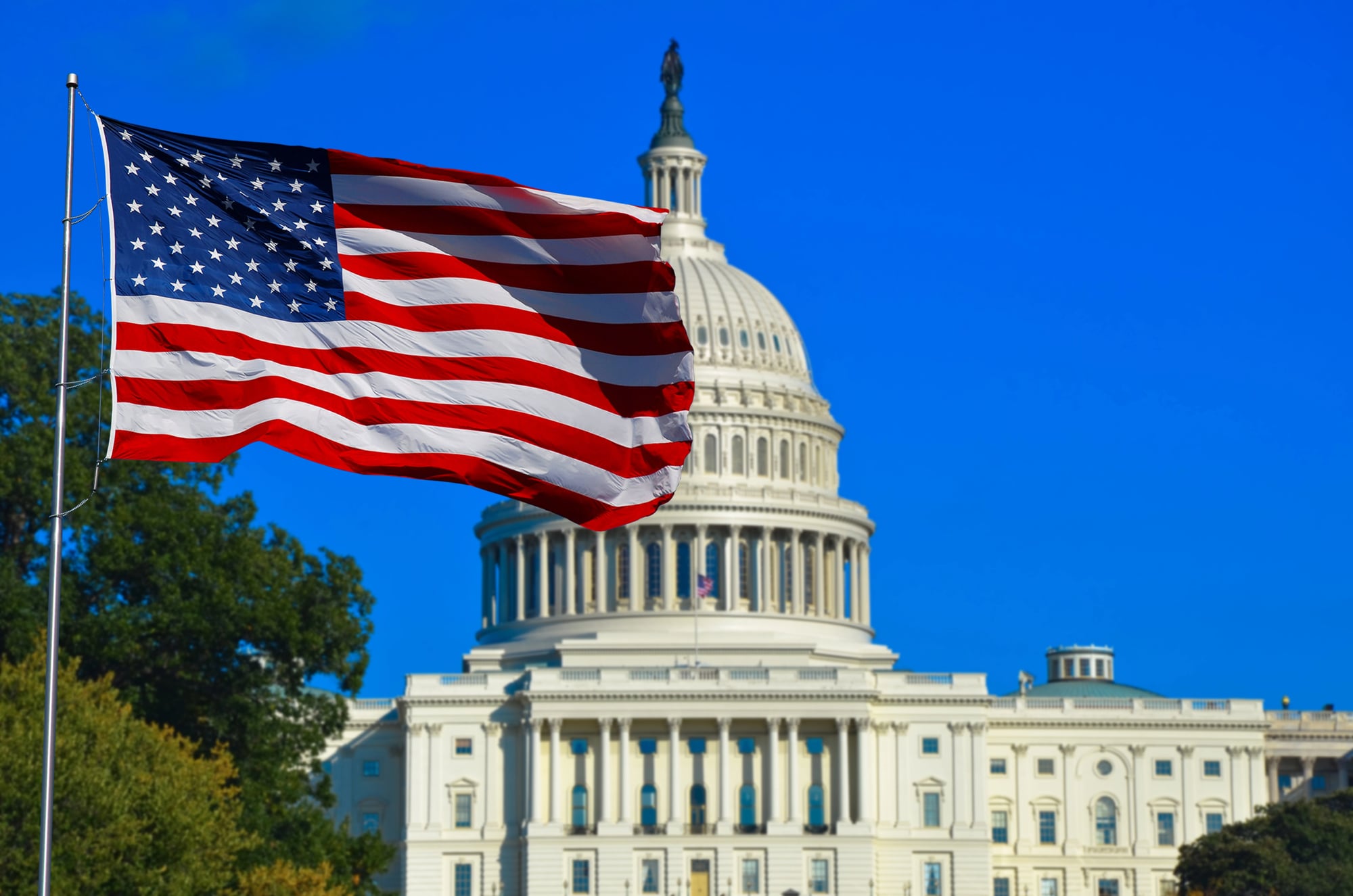
Washington, D.C. was created as a separate federal district to prevent any single state from holding outsized power over the national government. Its location was chosen through political compromise, balancing interests between northern and southern states.
Residents live under federal authority rather than state governance, which affects representation and local autonomy. This structure was intentional, even if it remains controversial.
The district’s unique status is a reminder that many American systems were built to manage tension rather than eliminate it.
The Constitution Is Surprisingly Short
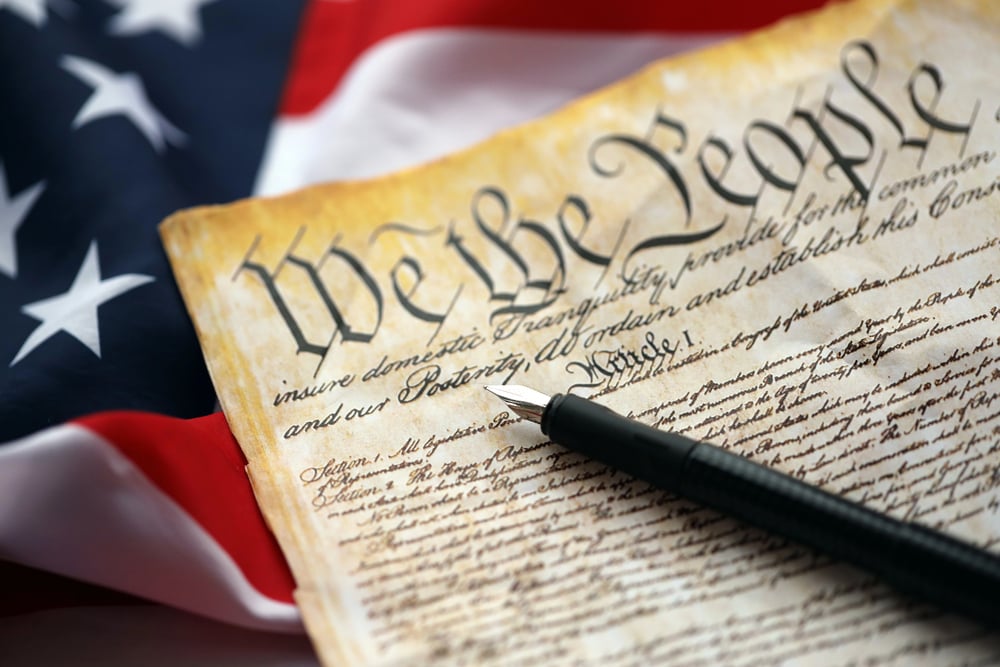
The U.S. Constitution is one of the shortest governing documents in the world. Its original text contains fewer than 8,000 words, even including the amendments.
That brevity was deliberate.
Rather than outlining every scenario, the document established broad principles and flexible frameworks. This allowed interpretation to evolve through courts and legislation.
The tradeoff is ongoing debate over meaning, but the payoff is longevity in a changing society.
There Are More Than 300 Million Miles Of Public Roads

The United States has an enormous road network, stretching well beyond what most people imagine. Combined, public roads extend for over 4 million miles, enough to circle the planet many times over.
This scale reflects the country’s reliance on personal transportation and long-distance travel. It also explains why infrastructure maintenance is such a persistent challenge.
Roads are not just pathways, but connective tissue holding together vast and varied regions.
Alaska Changes The Map More Than Expected
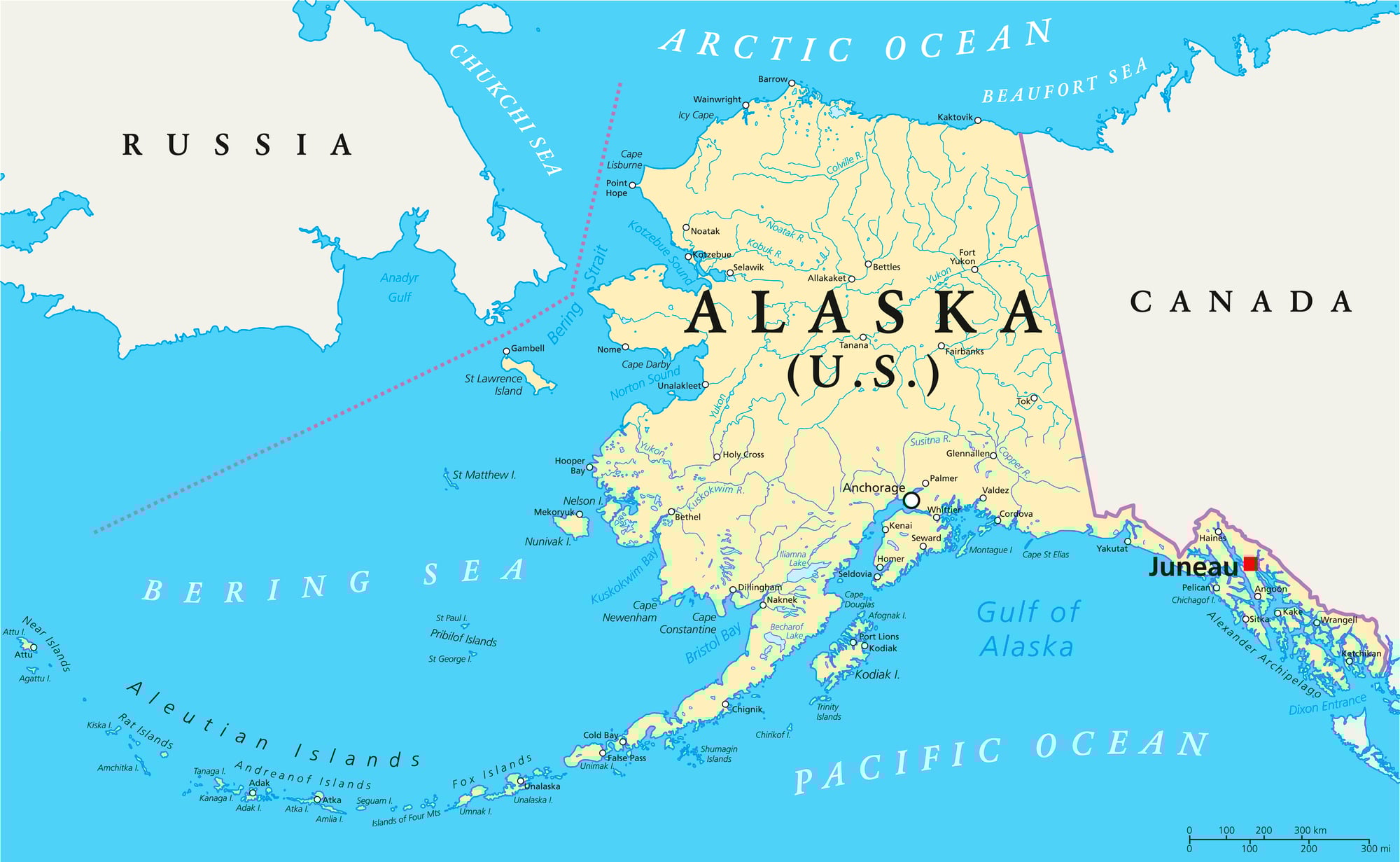
Alaska’s size dramatically alters common perceptions of the United States. It is larger than the next three largest states combined, yet is often visually minimized on maps for convenience.
In reality, Alaska stretches so far west that it crosses the 180th meridian, placing part of it technically in the Eastern Hemisphere. This geographic oddity rarely comes up, but it underscores how simplified representations can distort understanding.
The National Anthem Has An Unexpected Origin

‘The Star-Spangled Banner’ was written during the War of 1812, inspired by the sight of an American flag still flying after a night of bombardment. The lyrics were set to the tune of a popular British song, a detail that often surprises people.
At the time, using familiar melodies was common practice. The anthem’s origins reflect a young nation borrowing freely while defining its own identity.
It did not become the official national anthem until 1931, long after it was widely known.
Many State Borders Are The Result Of Negotiation, Not Nature
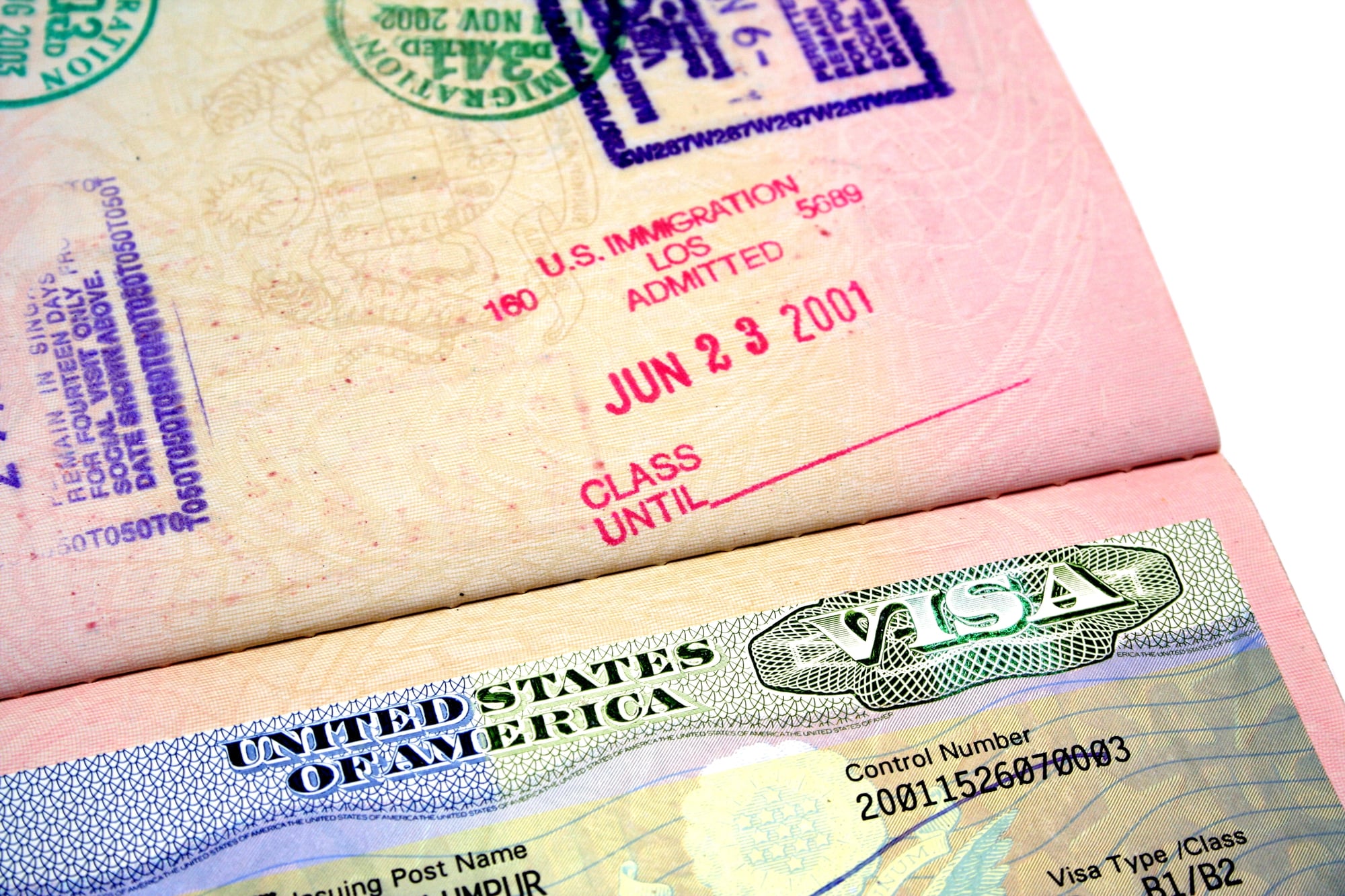
While some state borders follow rivers or mountain ranges, many are the product of political compromise. Straight lines drawn on maps often reflect agreements rather than geography.
These artificial boundaries shaped economies, cultures, and even accents. Over time, people adapted to them as natural divisions, even though they began as solutions to administrative problems rather than reflections of the land itself.
The Postal System Predates The Country

The United States Postal Service traces its roots to colonial times, when mail routes were established to connect distant settlements. It became a formal institution before the Constitution was written.
Reliable mail was considered essential to democracy, commerce, and national cohesion. That early emphasis explains why postal service remains a core public function, even as communication technology evolves.
The White House Has Been Rebuilt More Than Once
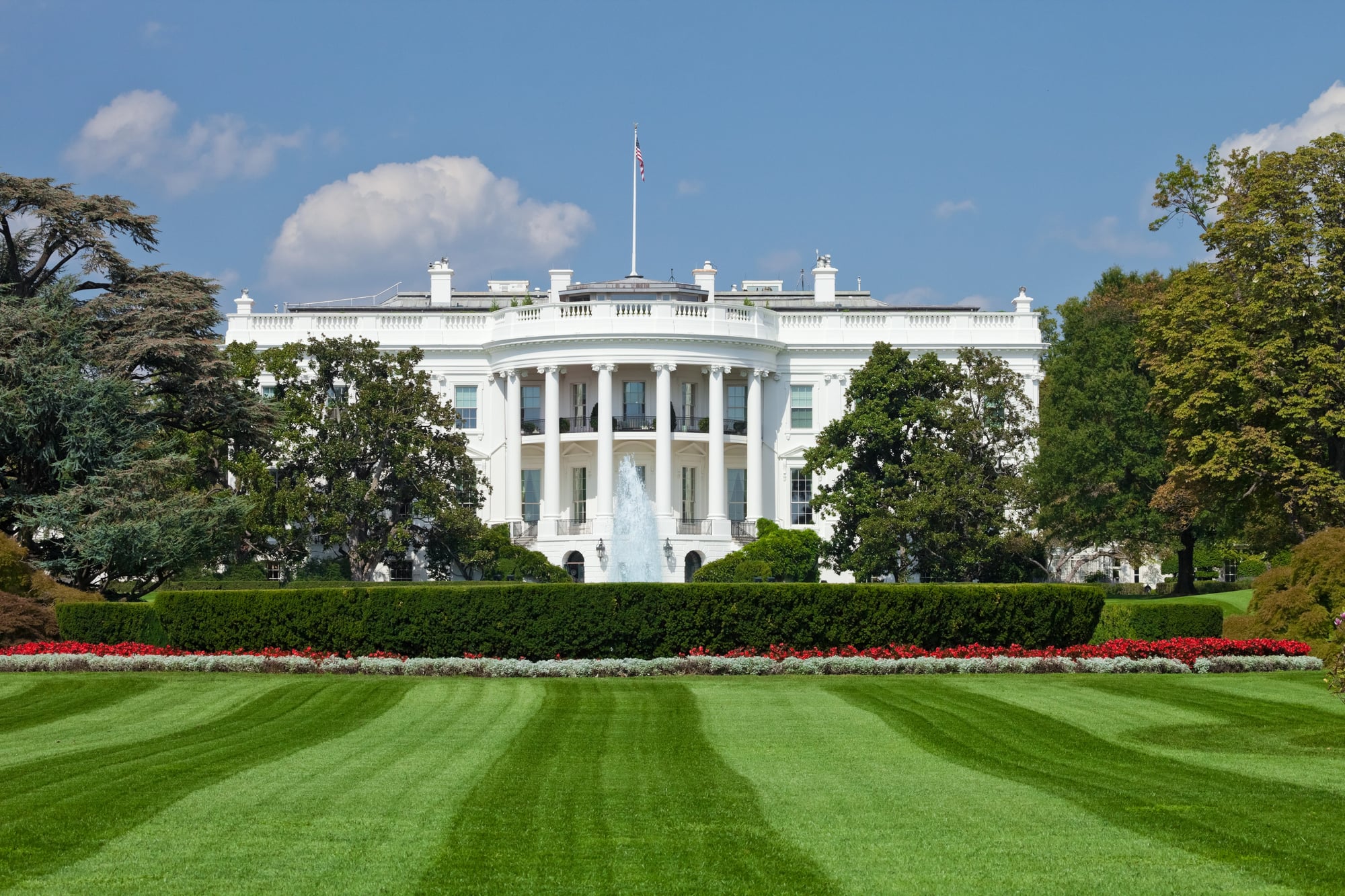
The White House most people recognize today is not the original structure in full. It was burned during the War of 1812 and later rebuilt, with additional renovations over the centuries.
Each restoration reflected the priorities of its time, from structural reinforcement to modern utilities. The building’s continuity is symbolic rather than literal, shaped by repair and adaptation rather than permanence.
Time Zones Were Created For Trains
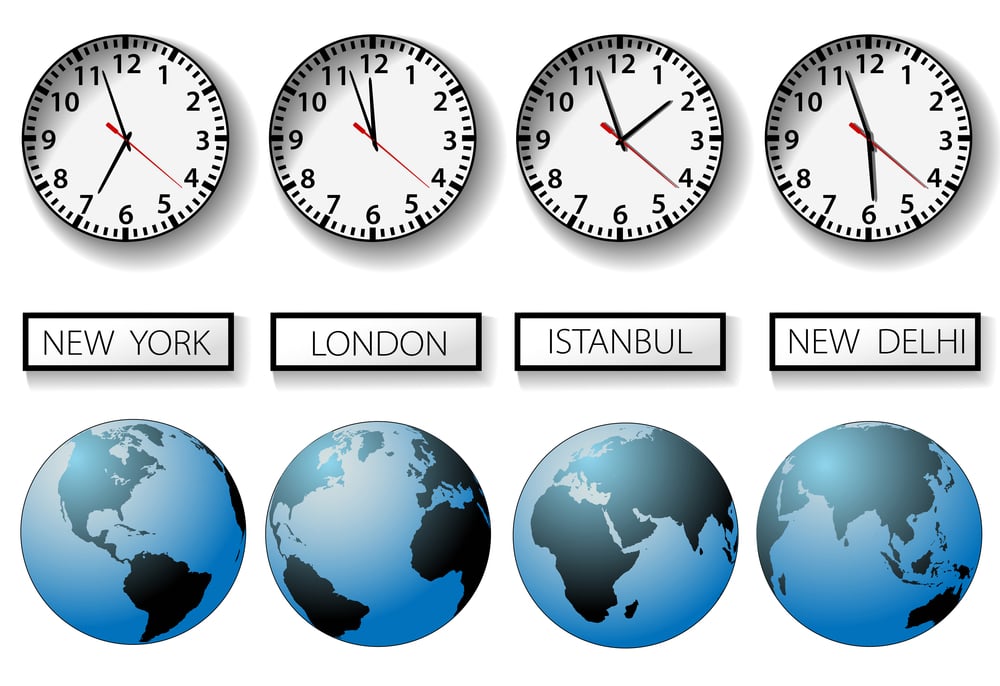
Before standardized time zones, cities kept local time based on the sun. This worked until railroads connected distant places on fixed schedules.
The resulting confusion made coordination difficult and dangerous.
Time zones were introduced to impose order on expanding networks. They were later adopted by law, turning a logistical solution into a daily reality for millions.
This shift shows how infrastructure can quietly reshape how people experience time itself.
The Supreme Court Has No Fixed Size In The Constitution
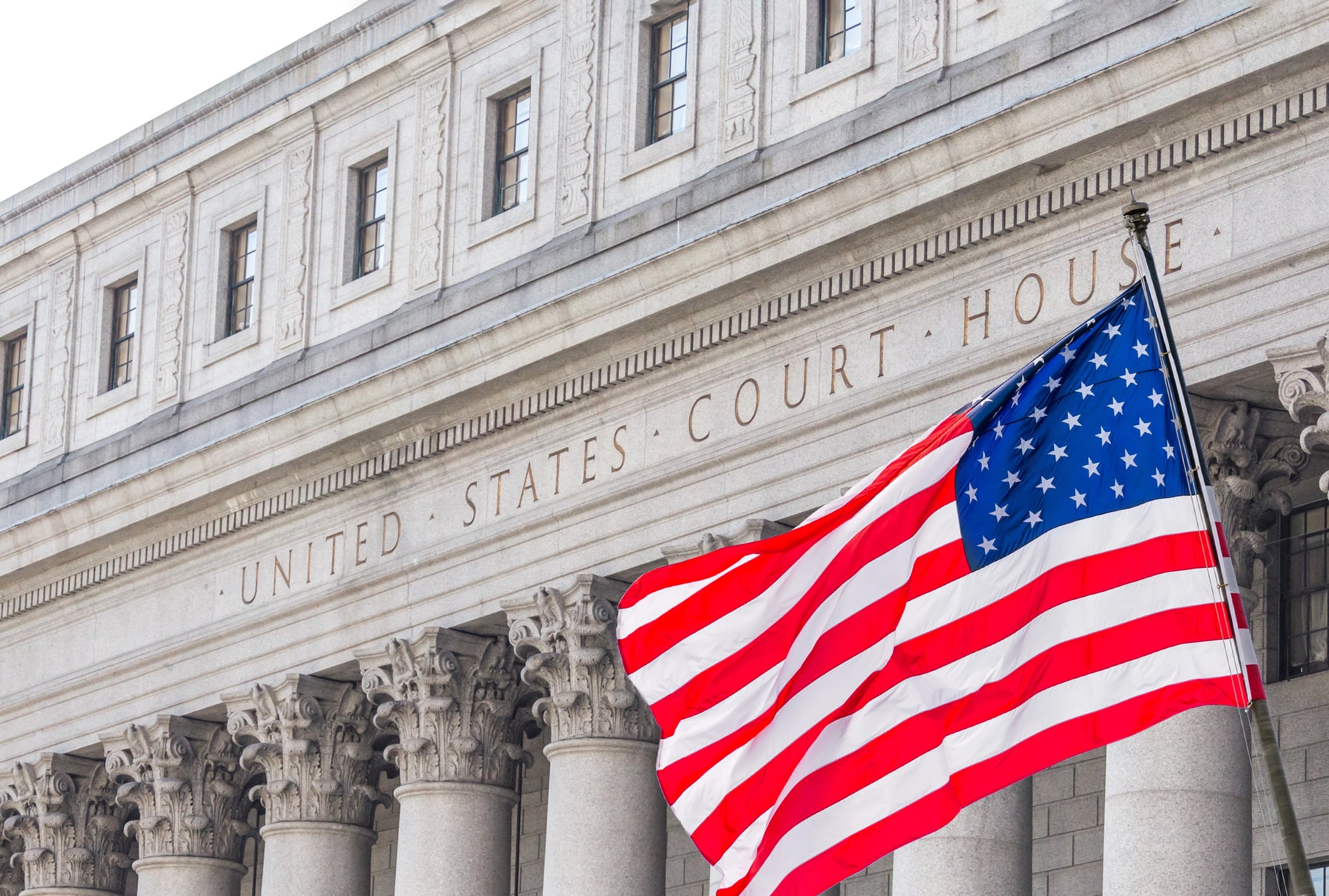
The Constitution establishes the Supreme Court but does not specify how many justices it should have. Congress determines the number, which has changed several times in the nation’s history.
The current total of nine justices has remained stable for over a century, but that stability comes from precedent, not requirement. This flexibility reflects the broader theme of adaptability built into the system.
National Parks Were A Radical Idea

When the United States established its first national parks, the idea of preserving land for public enjoyment rather than private development was unusual. These parks were set aside as shared spaces, accessible to everyone.
The concept spread globally, influencing conservation efforts worldwide. National parks represent an early recognition that natural spaces carry value beyond immediate economic use, a principle that continues to shape environmental policy.
Federal Holidays Reveal Shifting Priorities

The list of federal holidays has changed over time, reflecting evolving values and historical reassessment. Some observances were added to recognize previously overlooked contributions or moments.
These changes show how public memory is not fixed. Holidays act as official signals of what a society chooses to honor, and their evolution mirrors broader cultural shifts.
The Census Affects More Than Population Counts

The U.S. census is conducted every ten years, as required by the Constitution. While it is often framed as a population count, its impact extends much further.
Census data influences political representation, federal funding, and planning decisions. The process shapes power distribution in subtle but significant ways, turning data collection into a cornerstone of governance.
The Country Uses A Mix Of Measurement Systems

The United States officially recognizes the metric system, yet daily life remains dominated by customary units like miles and pounds. This duality can feel inconsistent, but it reflects historical momentum.
Efforts to fully convert have stalled repeatedly, largely due to cost and habit. The result is a hybrid system that persists through practicality rather than policy.
Why These Facts Add Up
Odd bits of knowledge matter most when they expose hidden rhythms instead of standing alone. These pieces sketch a nation formed by give and take, constant tweaks, not bold master plans.
Plenty of everyday traits stick around less due to brilliant blueprints more because they didn’t fail badly. Noticing these subtle truths deepens stories often told too simply.
The U.S. shifts from hollow icons to something breathing, molded by quiet choices just like thunderous turning points.
More from Go2Tutors!

- The Romanov Crown Jewels and Their Tragic Fate
- 13 Historical Mysteries That Science Still Can’t Solve
- Famous Hoaxes That Fooled the World for Years
- 15 Child Stars with Tragic Adult Lives
- 16 Famous Jewelry Pieces in History
Like Go2Tutors’s content? Follow us on MSN.



