15 Lost Cities That Were Rediscovered by Complete Accident
Sometimes the greatest discoveries happen when you’re looking for something else entirely. A farmer plowing his field stumbles across ancient pottery shards.
A pilot on a routine flight notices strange geometric patterns in the jungle below. A child playing near a cave entrance finds carved stone where there should only be dirt and weeds.
These accidental rediscoveries have reshaped our understanding of human history, revealing civilizations that had vanished so completely that even local legends forgot they existed. The cities on this list weren’t found by determined archaeologists with careful excavation plans and government funding.
They were found by people who just happened to be in the right place at the wrong time — or maybe it was the right time after all.
Troy
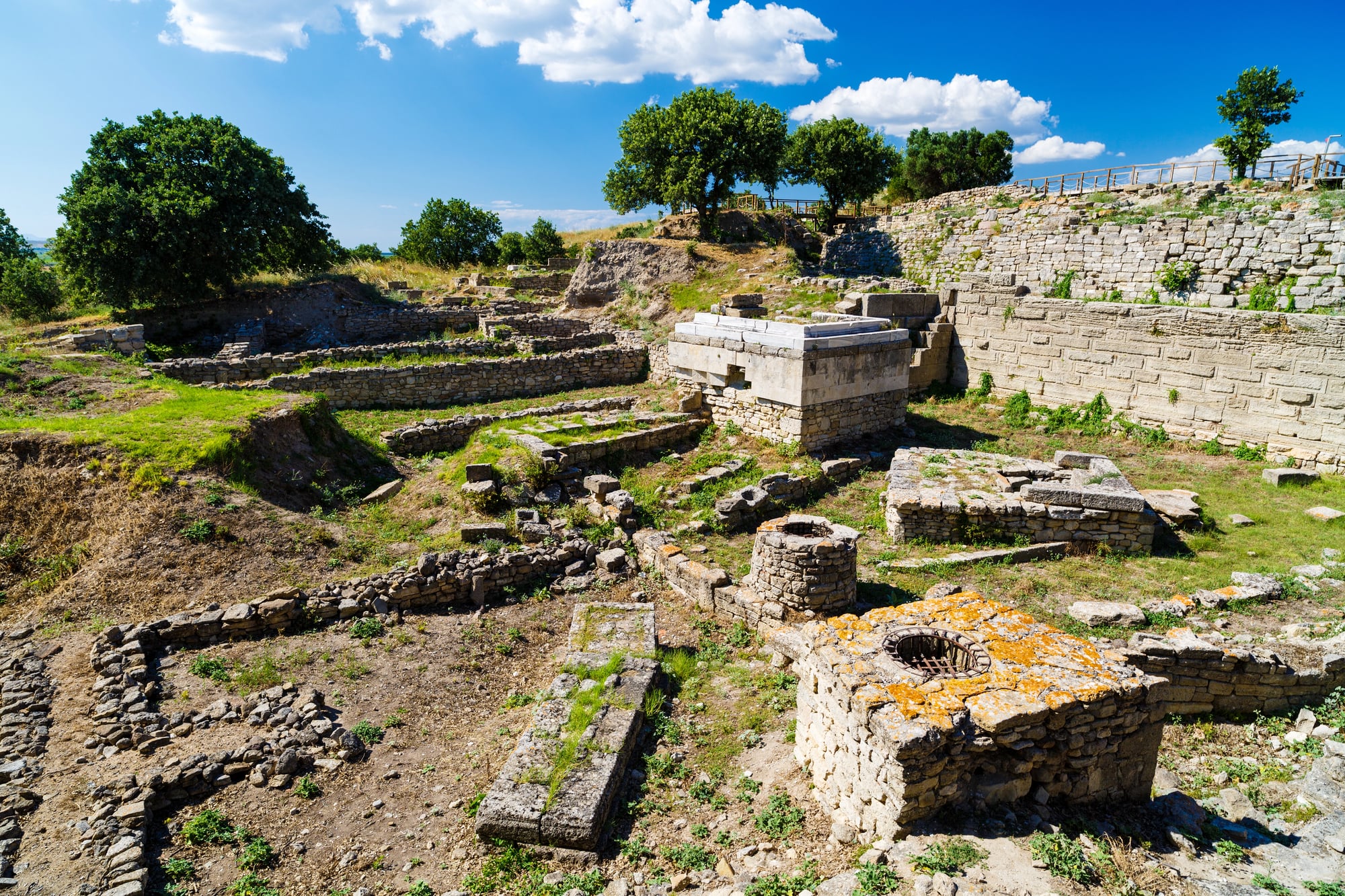
Heinrich Schliemann wasn’t the first person to look for Troy, but he was stubborn enough to actually find it. The German businessman turned amateur archaeologist became obsessed with Homer’s Iliad and decided the city had to be real, despite scholarly consensus suggesting otherwise (which, to be fair, is exactly the kind of contrarian position that sometimes pays off in spectacular fashion).
In 1870, while excavating a hill called Hissarlik in northwestern Turkey, Schliemann uncovered not one ancient city, but nine distinct layers of settlement spanning thousands of years. Troy wasn’t just real — it had been rebuilt repeatedly on the same spot, like some ancient urban renewal project that kept getting interrupted by war and conquest.
Machu Picchu
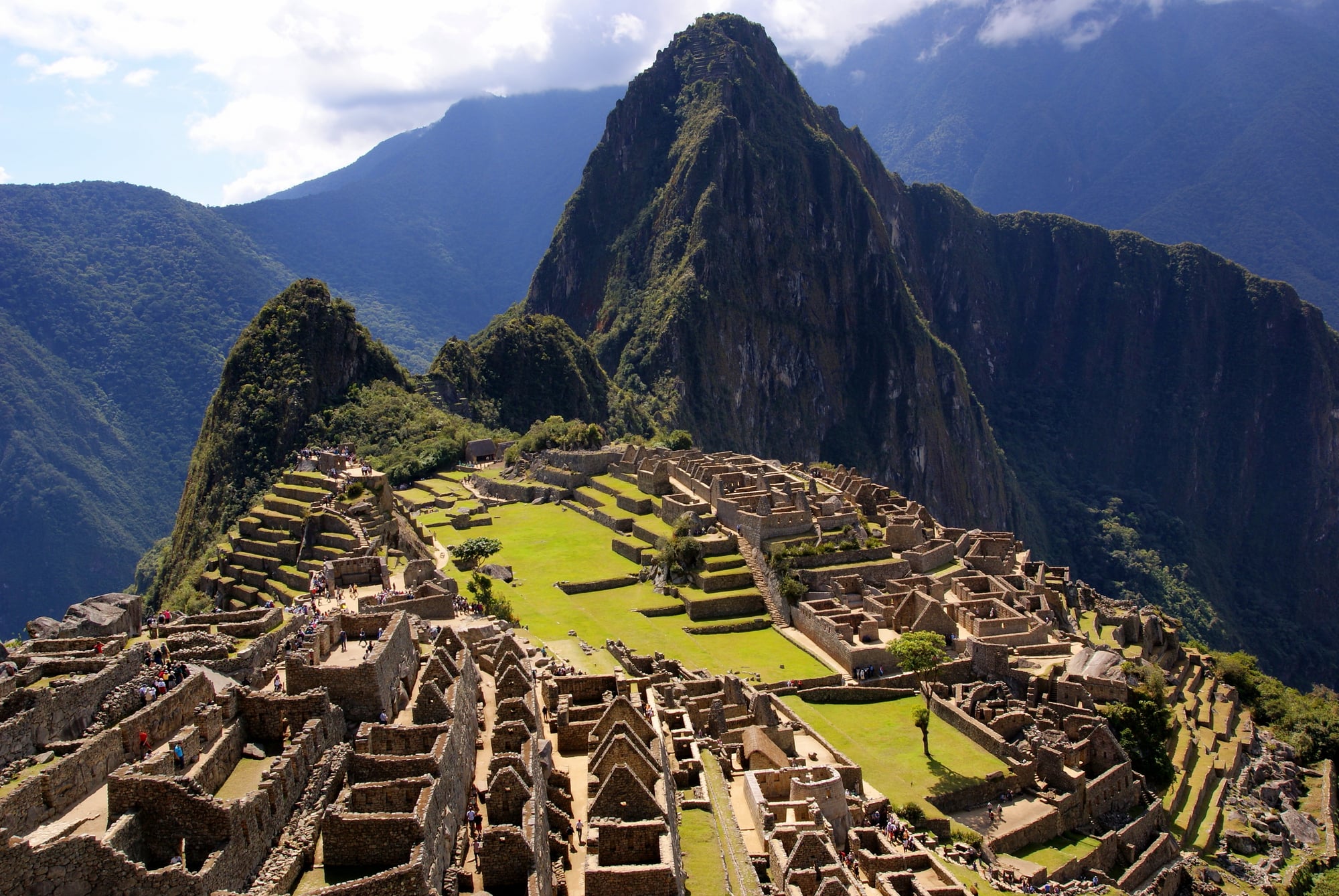
Hiram Bingham III was hunting for Vilcabamba, the legendary “lost city of the Incas,” when he climbed a steep mountain ridge in Peru in 1911. What he found instead was something arguably more spectacular: a perfectly preserved Inca citadel perched impossibly on a mountain peak, its terraced gardens and stone buildings still intact after centuries of abandonment.
The irony wasn’t lost on anyone — while searching for one lost city, he had stumbled across another that would become far more famous. Local indigenous people had known about the site all along (as they often do in these stories), but Bingham’s “discovery” brought Machu Picchu to international attention and launched a thousand travel brochures.
Pompeii
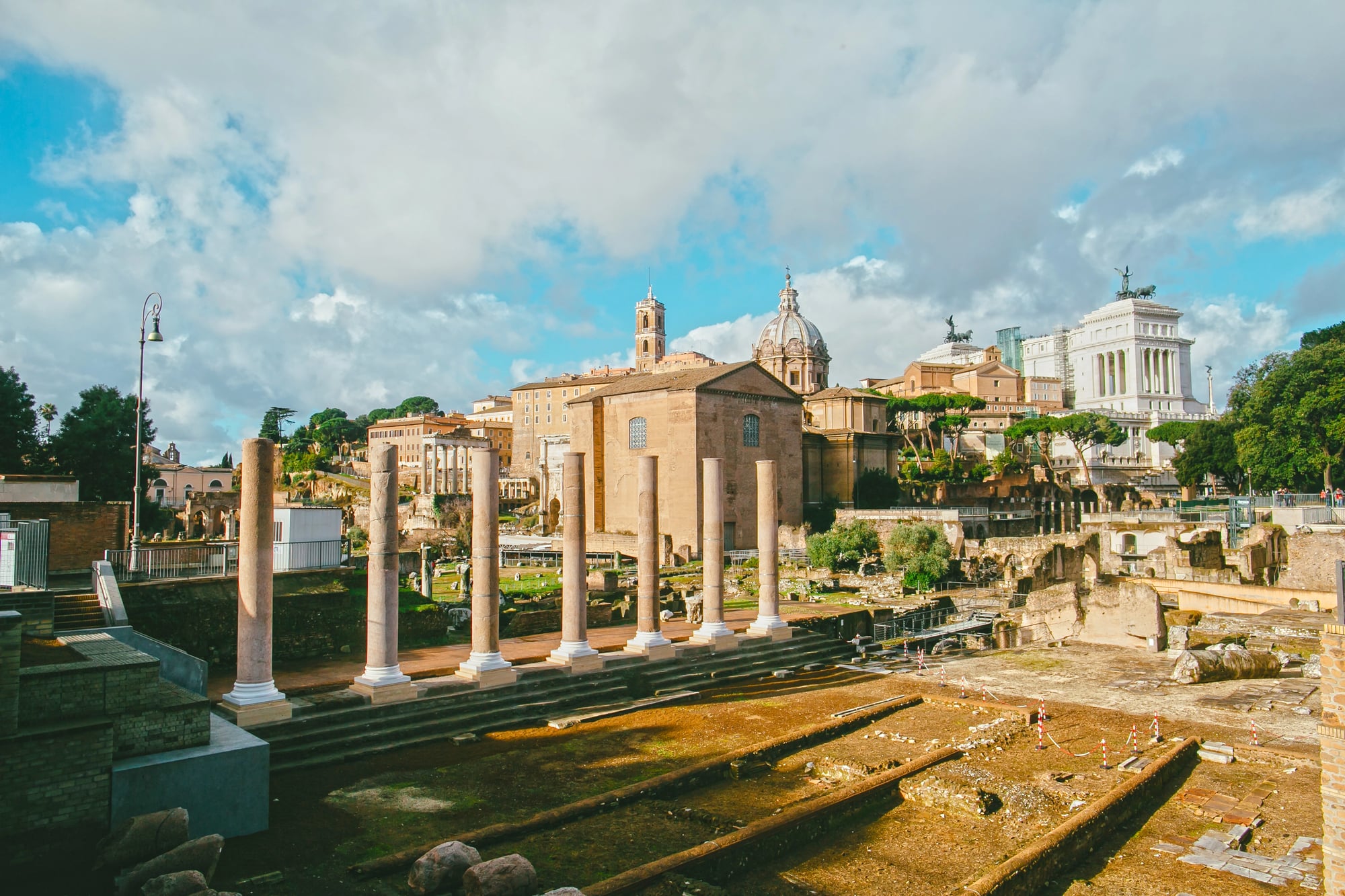
You’d think a city buried under volcanic ash would stay buried, but sometimes nature decides to give up its secrets. In 1748, workers digging a well in the Italian countryside kept hitting what they assumed were unusual rock formations — until someone realized the “rocks” were actually walls, streets, and buildings.
What they had found was Pompeii, frozen in time by Mount Vesuvius in 79 AD. The volcanic ash that had killed the city had also preserved it in extraordinary detail, creating a time capsule of Roman daily life that would have made archaeologists weep with joy if archaeology had been invented yet (it hadn’t).
Angkor Wat

French explorer Henri Mouhot was collecting butterflies in Cambodia in 1860 when local guides led him through what he thought was dense, uninhabited jungle. Instead, he found himself standing before massive stone temples covered in intricate carvings, their towers rising like ancient skyscrapers above the forest canopy.
Angkor Wat and the surrounding temple complex had been gradually reclaimed by the jungle over centuries, but the structures themselves remained largely intact — a hidden city of stone that had once been the heart of the powerful Khmer Empire. Mouhot’s journal descriptions would later introduce the Western world to one of Southeast Asia’s most magnificent archaeological sites.
Mesa Verde
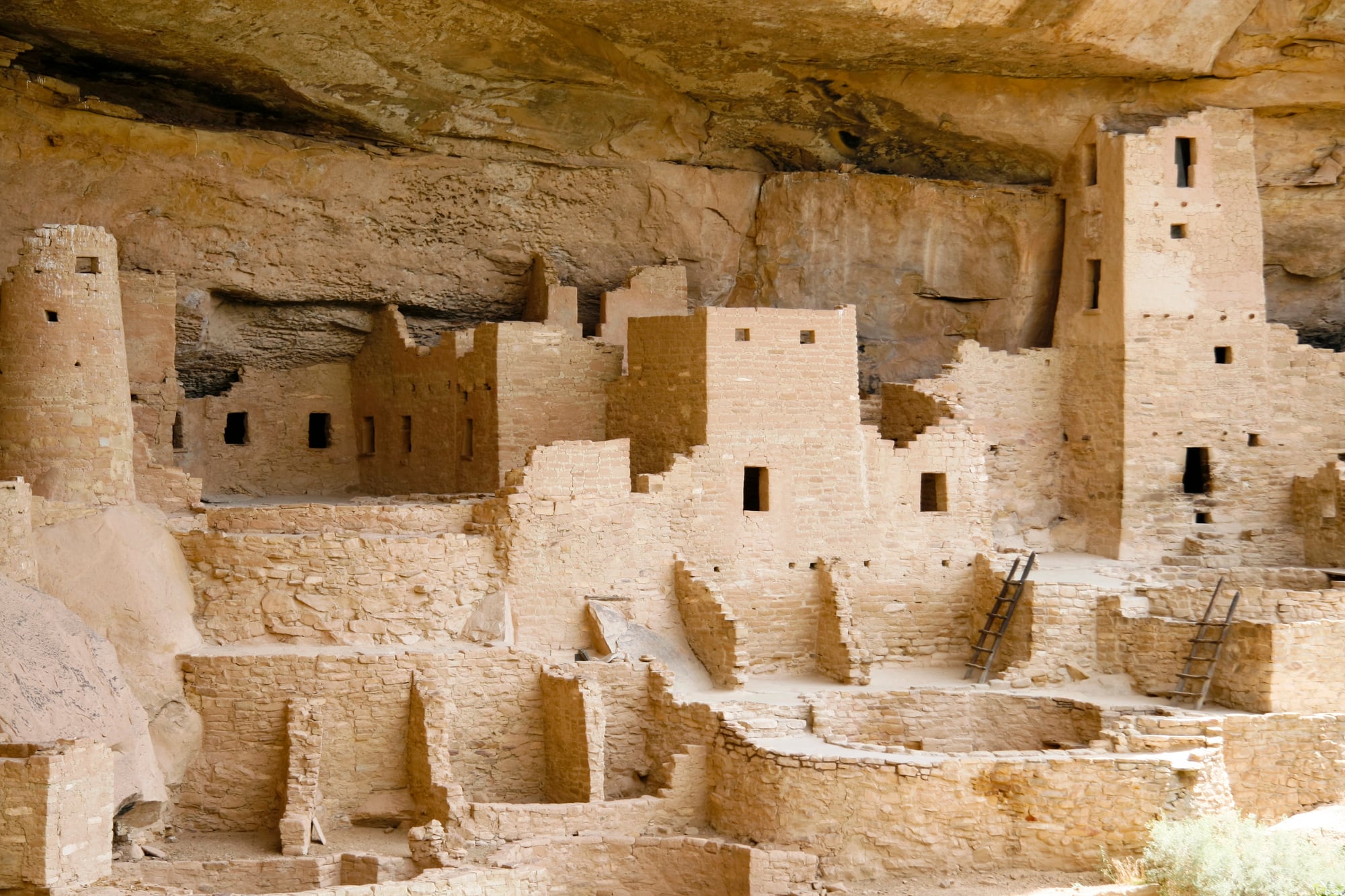
Sometimes the past reveals itself in the most unexpected moments, like catching a glimpse of something that shouldn’t be there out of the corner of your eye. In 1888, two cowboys named Richard Wetherill and Charlie Mason were tracking stray cattle across the snowy mesas of southwestern Colorado when they noticed something peculiar across a canyon — what appeared to be buildings tucked into the cliff face.
When they investigated, they discovered an entire village of stone and adobe structures built directly into natural cave formations, perfectly preserved after being abandoned by the Ancestral Puebloans hundreds of years earlier. The cliff dwellings had been hidden in plain sight, their earth-toned walls blending seamlessly with the canyon rock until the right light and the right angle revealed their geometric precision.
Akrotiri
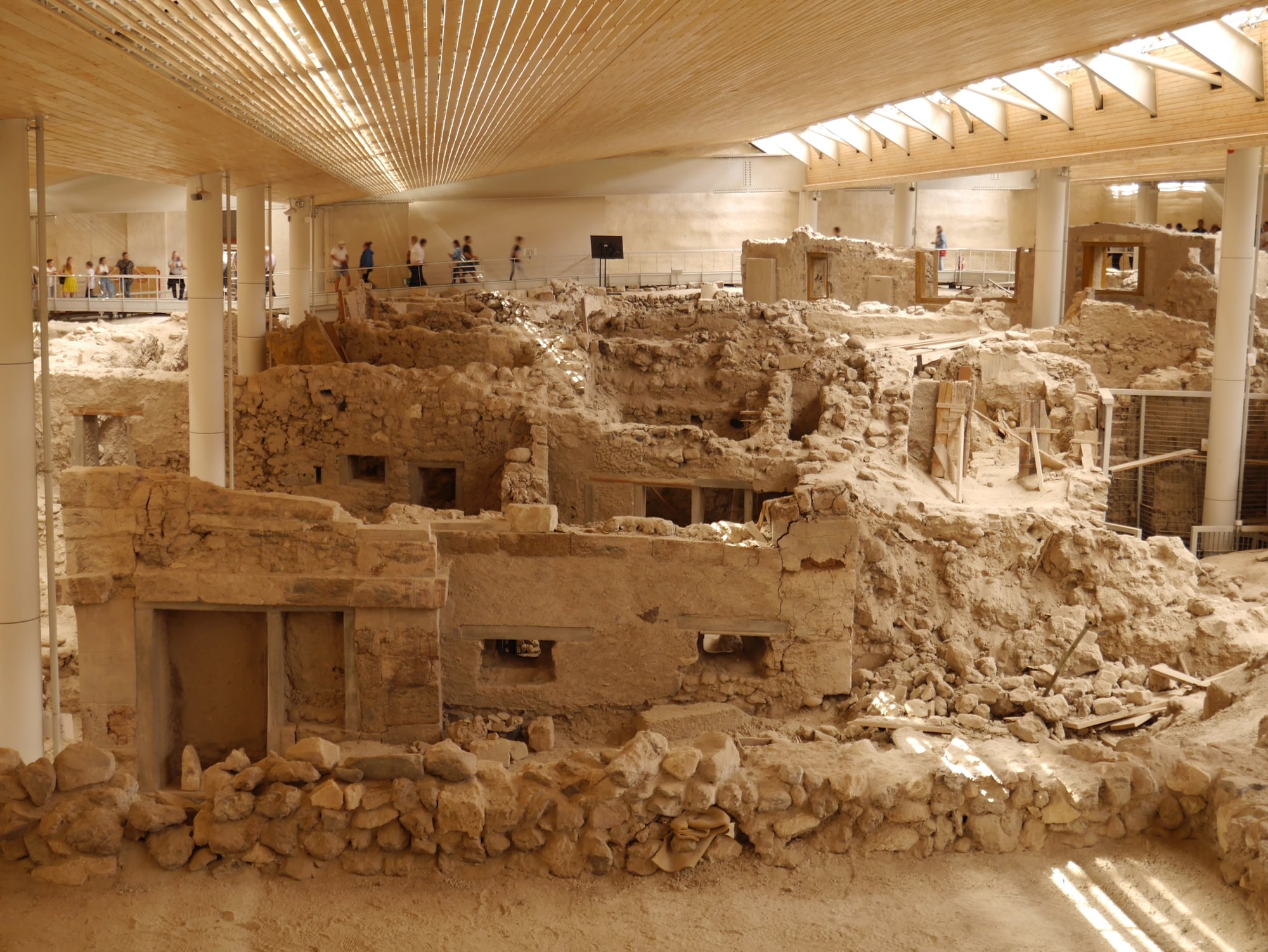
Volcanic eruptions destroy civilizations, but they also preserve them in ways that almost feel deliberate. In 1967, archaeologist Spyridon Marinatos was excavating on the Greek island of Santorini, searching for evidence of Minoan culture, when his team uncovered something unexpected beneath layers of volcanic ash: an entire Bronze Age city, complete with multi-story buildings, sophisticated plumbing, and elaborate frescoes that had been protected by the same volcanic material that buried them.
Akrotiri had been frozen in time around 1600 BC, when the volcanic island of Thera essentially exploded, creating what many believe inspired Plato’s legend of Atlantis.
Petra
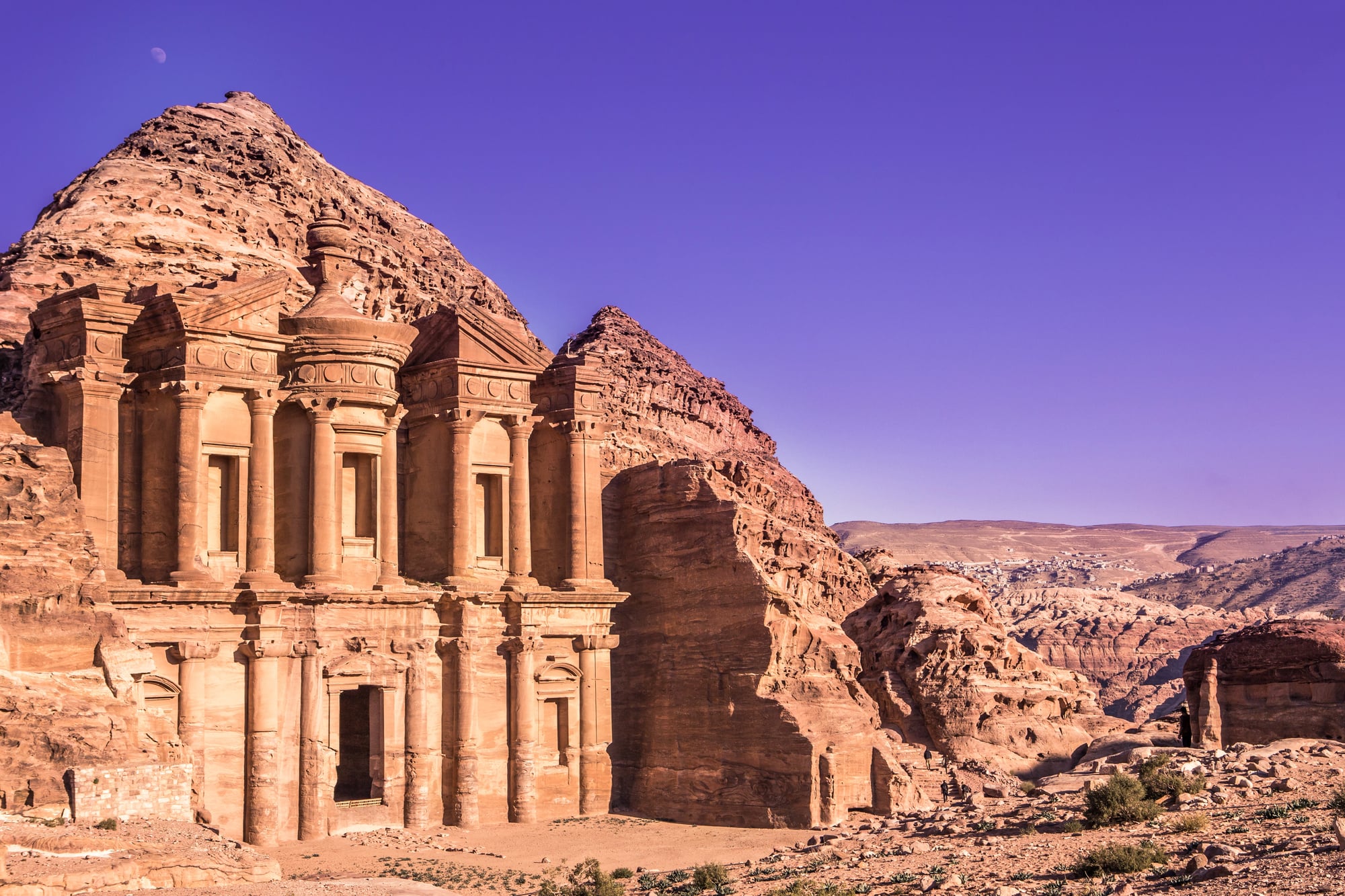
The “Rose City” managed to stay hidden for over a thousand years, which is impressive for a place carved directly into towering sandstone cliffs. In 1812, Swiss explorer Johann Ludwig Burckhardt was traveling through Jordan disguised as an Arab trader when local Bedouins mentioned ruins hidden in the mountains.
What Burckhardt found was Petra, the spectacular capital of the Nabataean Kingdom, its elaborate facades and tomb entrances carved with impossible precision into living rock. The city had been abandoned gradually after trade routes shifted and earthquakes damaged its infrastructure, leaving behind a monument to human ambition that seemed too grand to be real.
Çatalhöyük
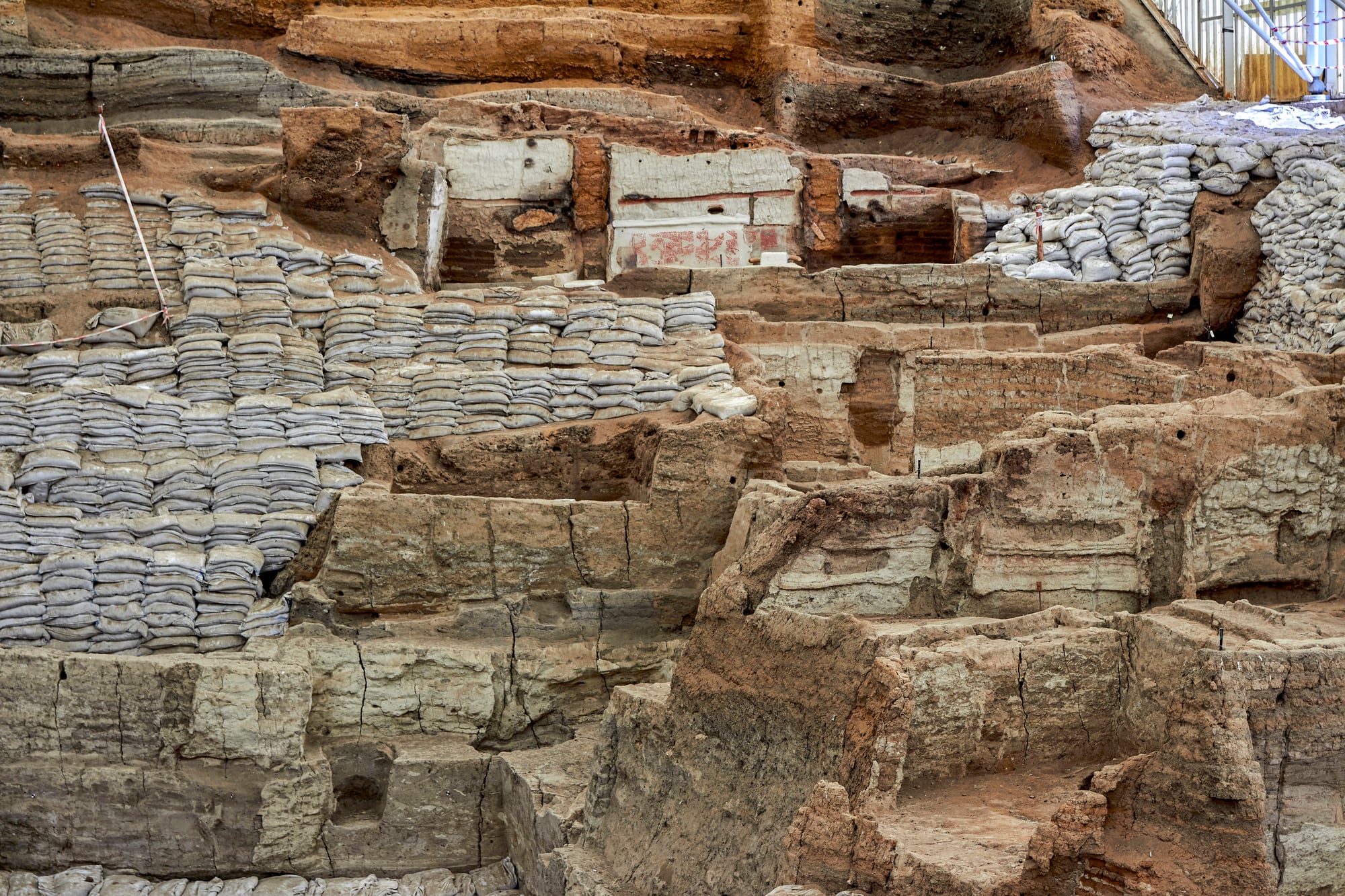
In 1958, British archaeologist James Mellaart was surveying central Turkey when he noticed pottery fragments scattered across a large mound near the town of Çumra. The mound turned out to be hiding one of the world’s earliest urban settlements, a Neolithic city dating back over 9,000 years.
But Çatalhöyük wasn’t just old — it was weird. The houses were built so closely together that residents entered through gaps in their roofs, like some ancient apartment complex designed by someone who had never heard of doors.
The walls were covered with elaborate murals featuring bulls, leopards, and human figures, suggesting a complex religious and social life that predated written history by thousands of years.
Caral
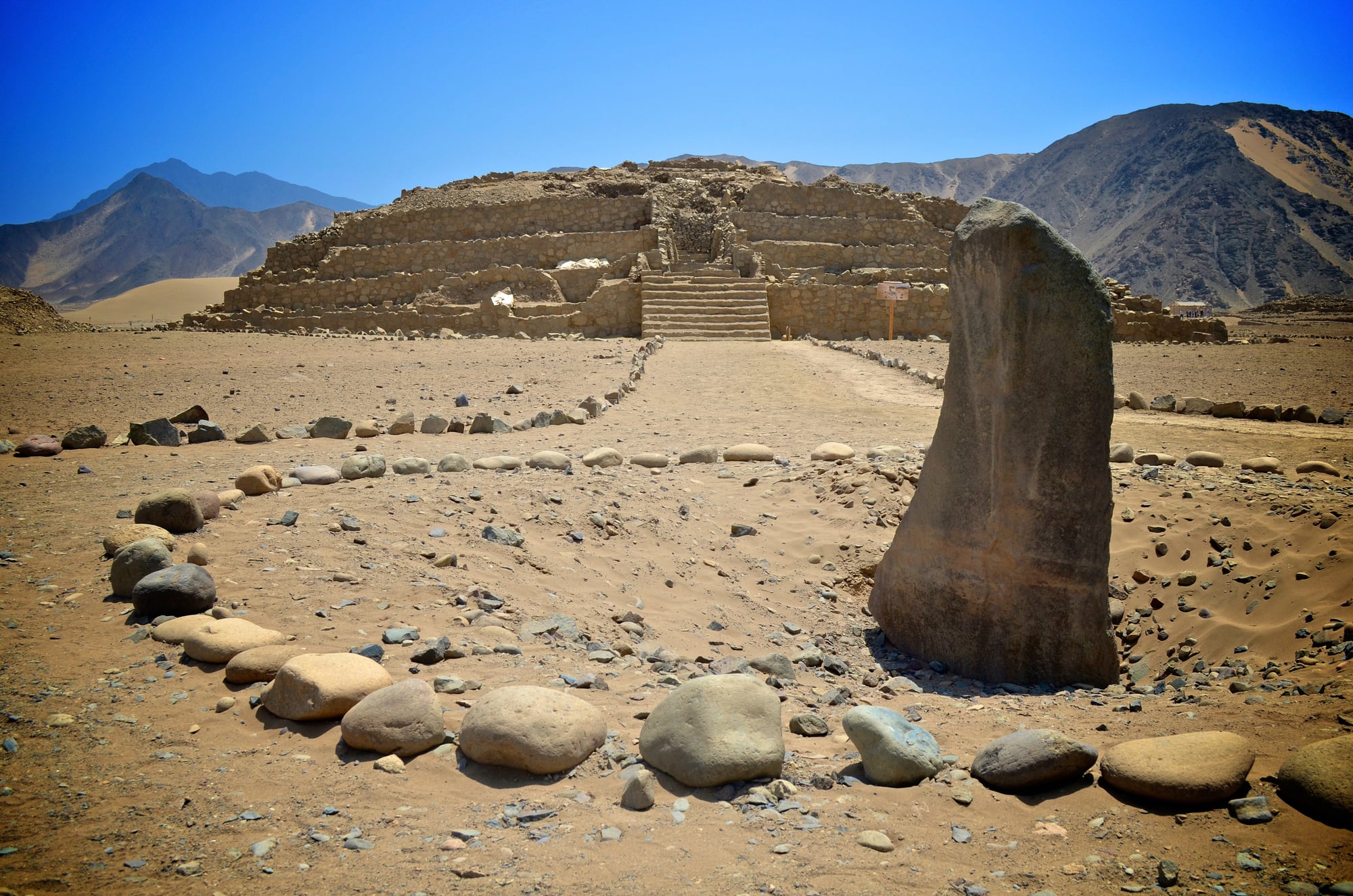
Sometimes the most important discoveries look like nothing special at first glance. In 1905, Peruvian archaeologist Max Uhle noticed some unusual mounds in the Supe Valley, about 120 miles north of Lima, but dismissed them as natural formations.
It wasn’t until the 1990s that archaeologist Ruth Shady Solís took a closer look and realized the mounds were actually the remains of pyramids and ceremonial plazas — the oldest city in the Americas, built around 2600 BC. Caral had been thriving while the Egyptian pyramids were still just engineering dreams, complete with amphitheaters, residential complexes, and an irrigation system that sustained a population of thousands in one of the world’s most arid deserts.
Hamoukar
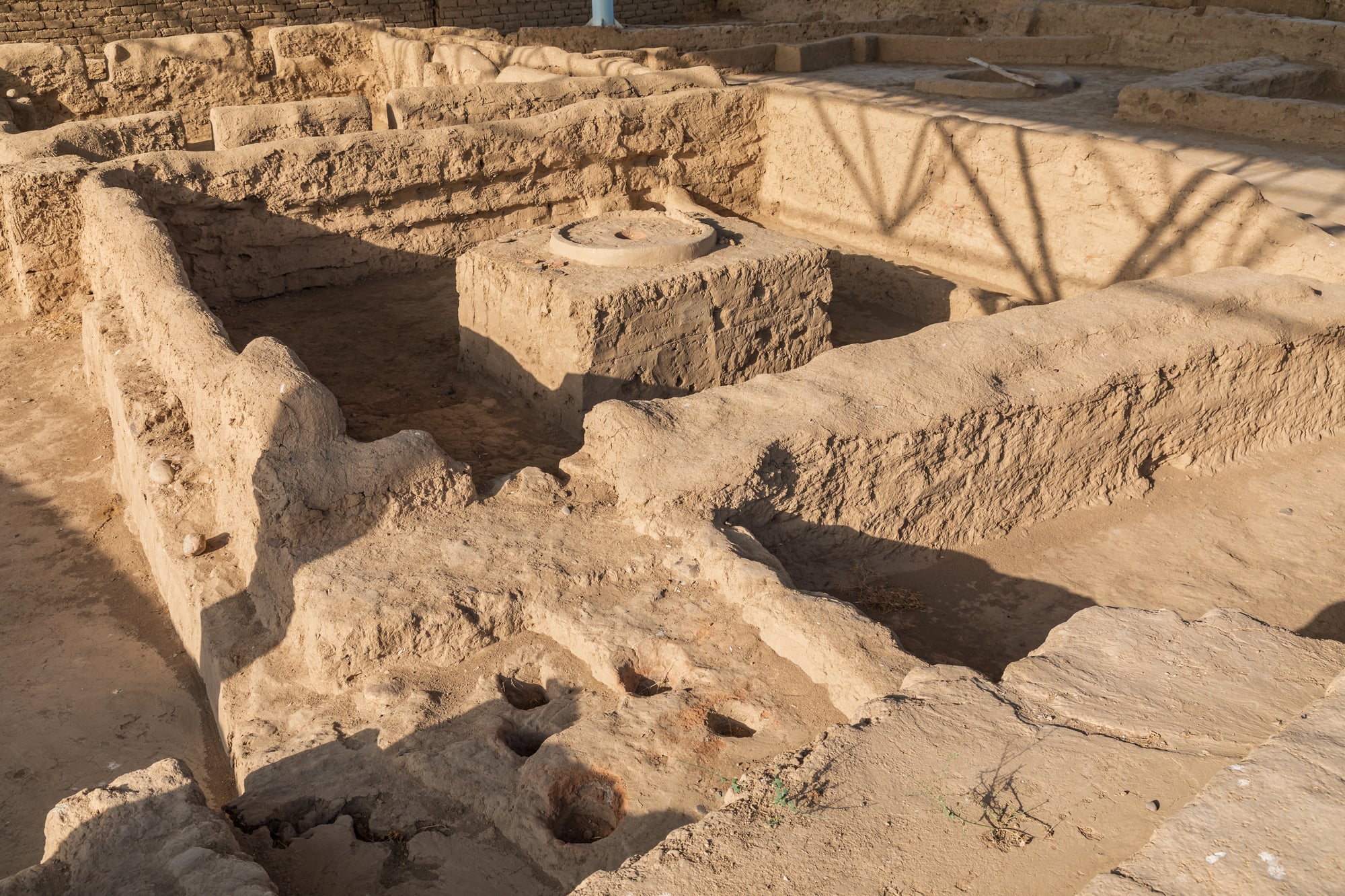
You don’t expect to find a 5,500-year-old city while conducting a routine archaeological survey, but that’s exactly what happened in northeastern Syria in 1999. Archaeologist Clemens Reichel was documenting known sites in the region when he noticed unusual pottery fragments at a place called Tell Hamoukar.
Excavation revealed not just any ancient settlement, but one of the world’s earliest known cities — and one that had met a particularly violent end, its walls shattered by what appeared to be the world’s first recorded urban warfare. The discovery pushed back the timeline of complex urban civilization and suggested that cities were developing simultaneously in multiple regions, competing and sometimes destroying each other in ways that feel uncomfortably familiar.
Cahokia
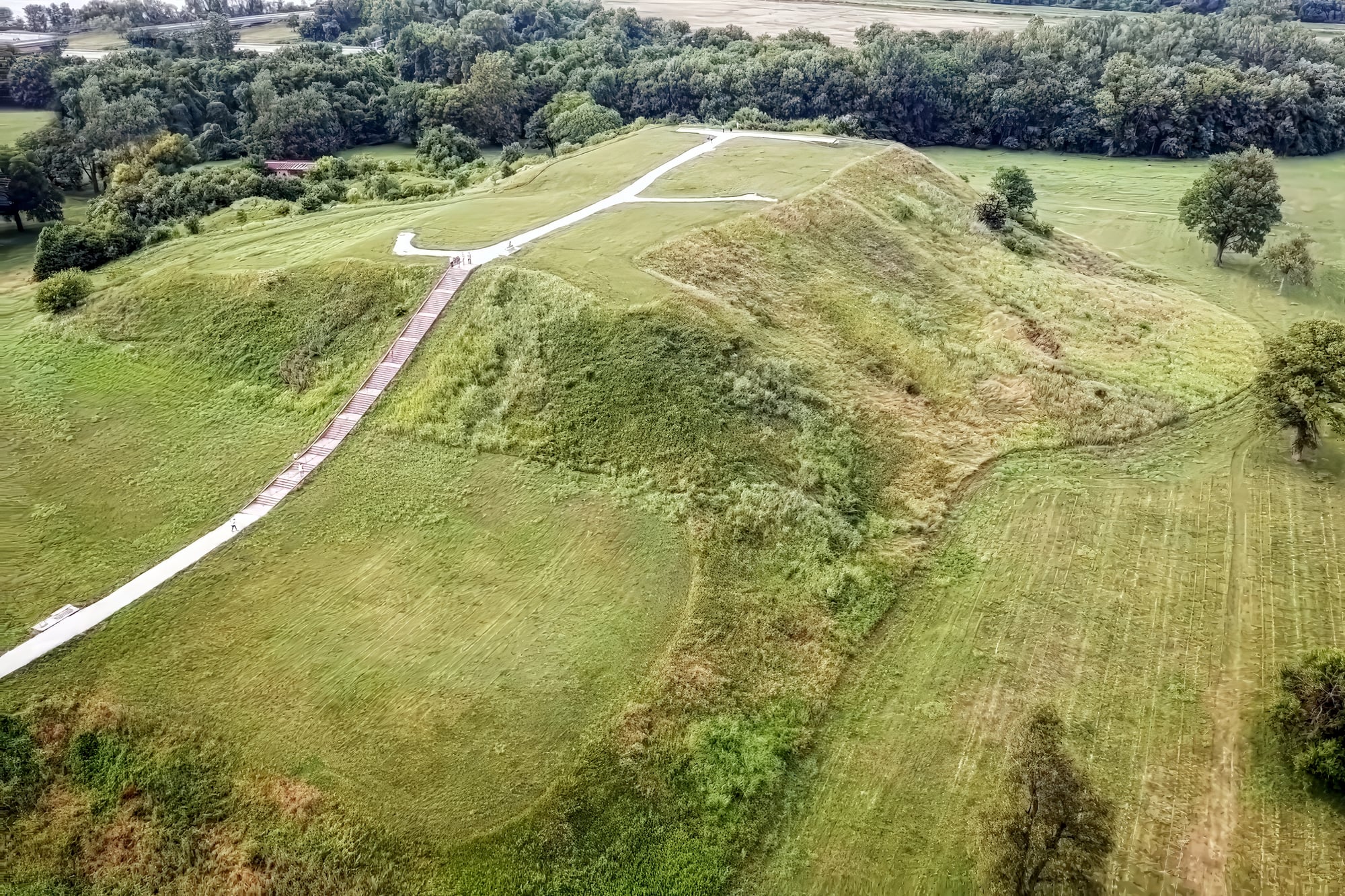
The largest city in North America before European contact was hiding in plain sight across the Mississippi River from present-day St. Louis. French explorers in the 1600s had noticed the massive earthen mounds scattered across the Illinois floodplain but assumed they were natural hills.
It wasn’t until the 19th century that anyone bothered to investigate them properly, revealing the remains of a sophisticated urban center that had housed perhaps 20,000 people at its peak around 1050 AD. Cahokia’s residents had built massive pyramids, elaborate plazas, and a complex astronomical observatory, all without written language, metal tools, or pack animals — then abandoned it all for reasons that remain mysteriously unclear.
Skara Brae
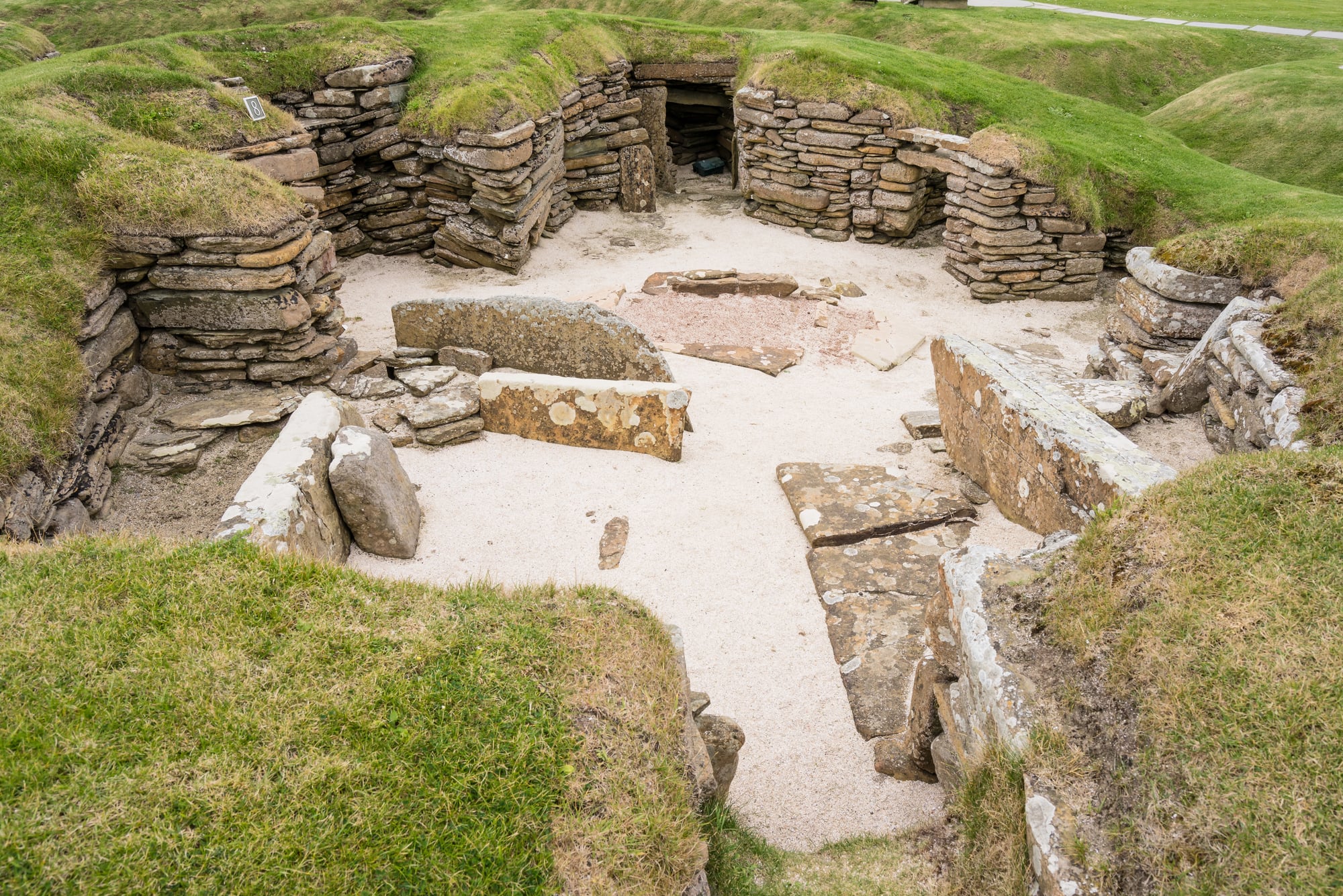
Storm damage usually destroys archaeological sites rather than revealing them, but the Orkney Islands apparently play by different rules. In 1850, a massive storm stripped away sand dunes on the Bay of Skaill in Scotland, exposing what local residents initially thought were the remains of a relatively recent settlement.
Instead, they had uncovered Skara Brae, a remarkably well-preserved Neolithic village that predated Stonehenge by several centuries. The houses were still furnished with stone beds, dressers, and storage boxes, their walls covered with intricate carvings that suggested a sophisticated culture thriving in one of Europe’s most remote locations around 3200 BC.
Sutton Hoo
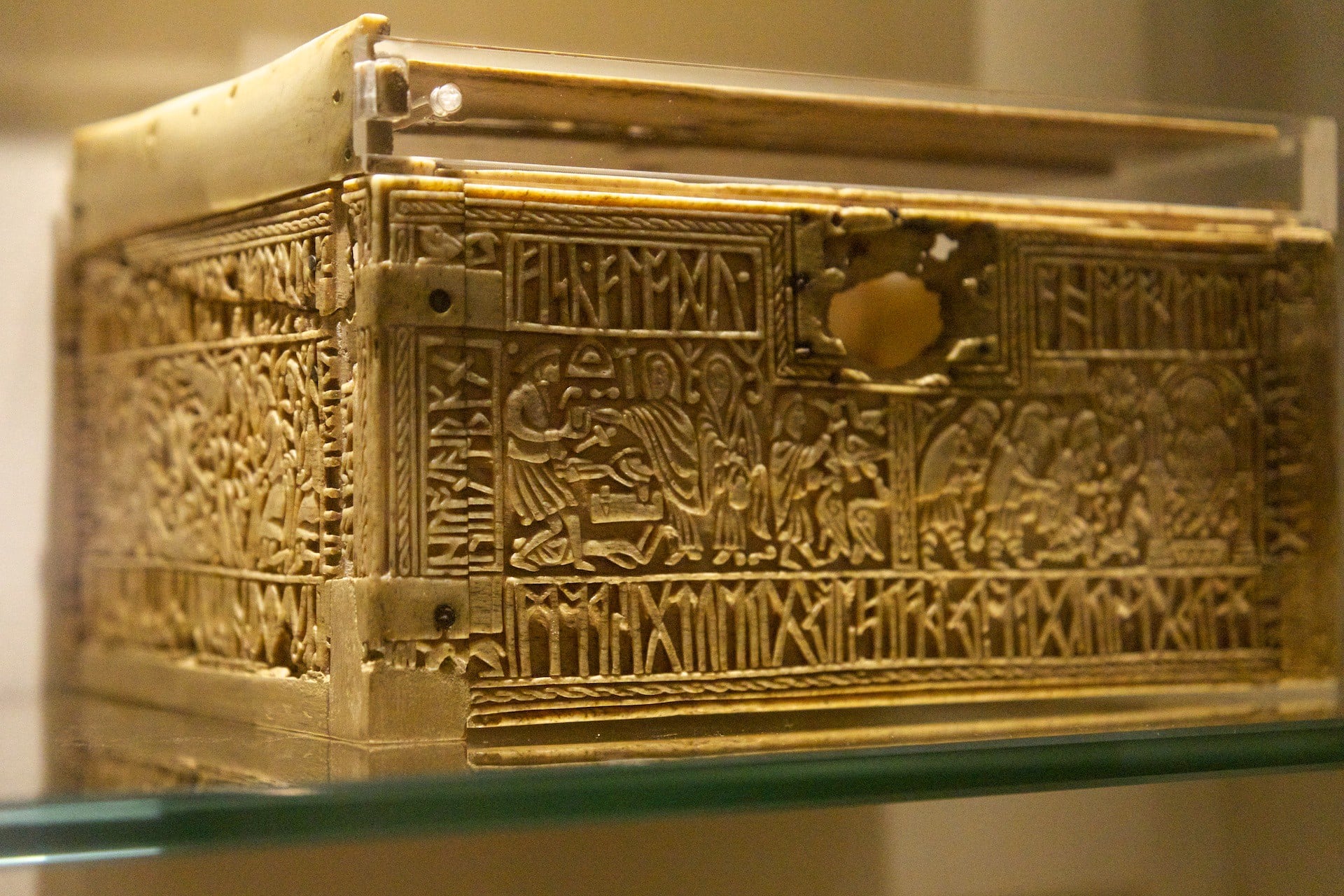
Sometimes treasure hunters accidentally become archaeologists, though it doesn’t usually work out as well as it did at Sutton Hoo. In 1939, landowner Edith Pretty convinced archaeologist Basil Brown to investigate some mysterious mounds on her property in Suffolk, England.
What they found was the burial site of an Anglo-Saxon king, complete with a 90-foot ship burial containing gold jewelry, weapons, and artifacts that revolutionized understanding of early medieval England. The discovery proved that the so-called Dark Ages weren’t nearly as dark as historians had assumed — at least not for the people wealthy enough to be buried with their own boats and enough gold to fund a small war.
L’Anse Aux Meadows
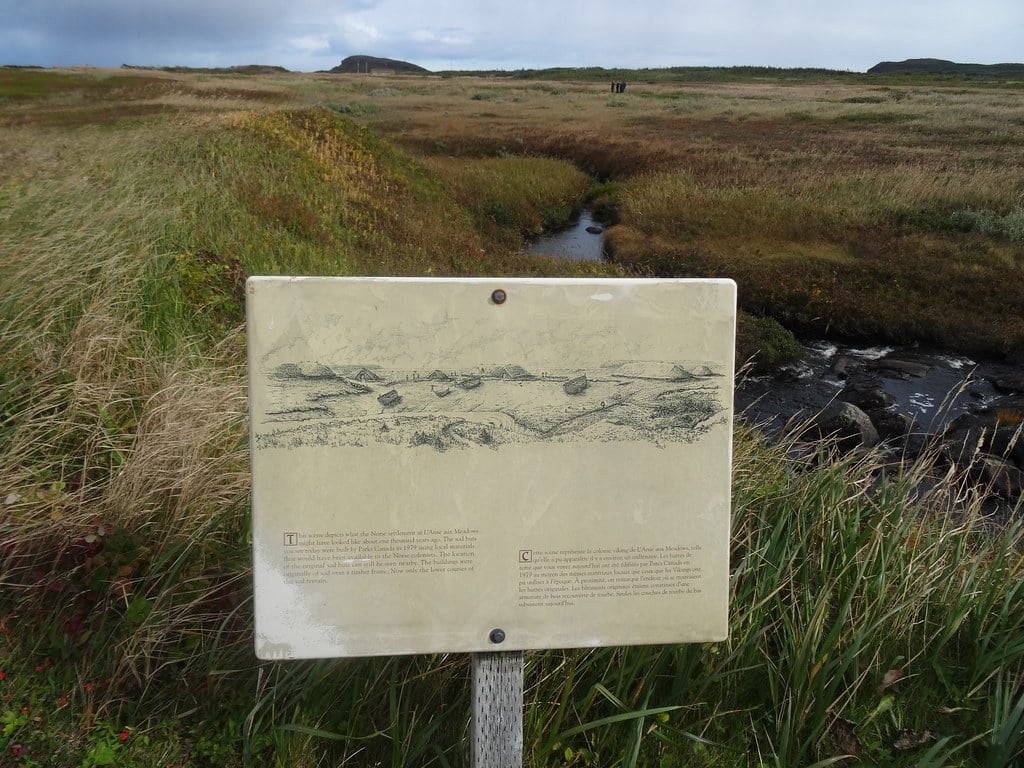
When Norwegian explorer Helge Ingstad and archaeologist Anne Stine Ingstad arrived in northern Newfoundland in 1960, they were looking for evidence that Vikings had reached North America centuries before Columbus. Local residents directed them to some unusual ridges and depressions near the fishing village of L’Anse aux Meadows, which most people assumed were just natural formations or maybe the remains of old fishing camps.
Excavation revealed the foundations of Norse buildings dating to around 1000 AD, complete with iron nails, a bronze pin, and evidence of metalworking — proving that Leif Erikson’s sagas weren’t just colorful folklore but actual historical records of the first European settlement in North America.
Heracleion
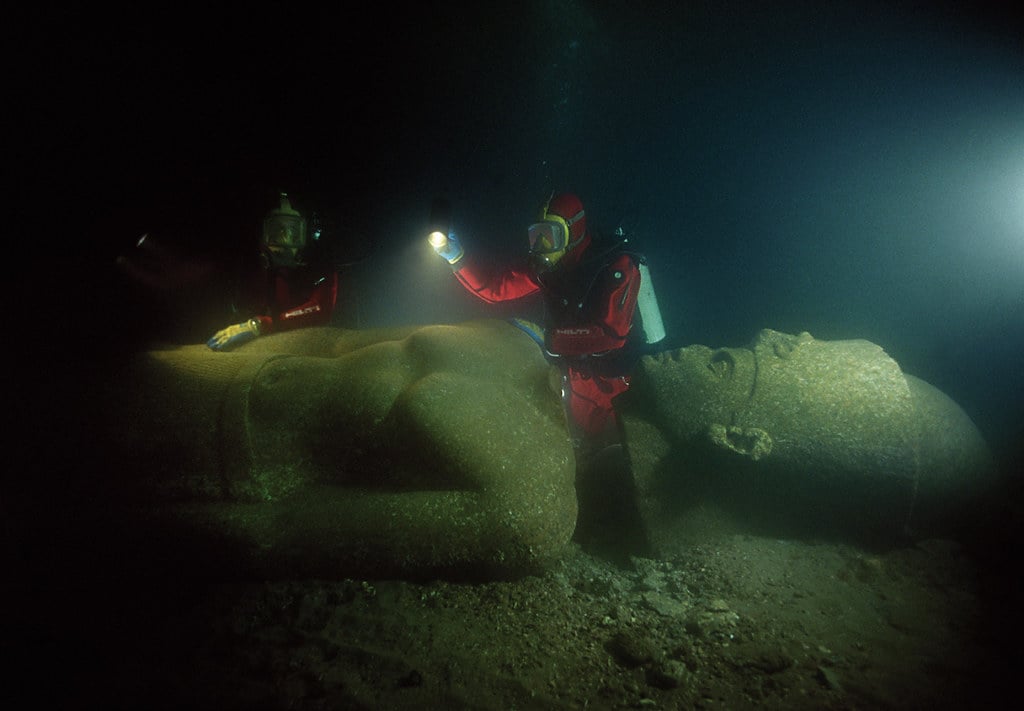
Cities that sink beneath the ocean tend to stay hidden until marine archaeologists get serious about underwater exploration. In 2000, French underwater archaeologist Franck Goddio was searching for Napoleon’s fleet in Aboukir Bay, off the Egyptian coast, when his team’s instruments detected something unexpected on the seafloor: massive stone blocks, statues, and building foundations.
What they had found was Heracleion, a major Egyptian port city that had been Egypt’s main gateway to the Mediterranean for centuries before Alexandria was built. The city had gradually sunk due to earthquakes and soil liquefaction, taking with it temples, harbors, and artifacts that provided new insights into Egypt’s relationship with the ancient Greek world.
When The Earth Gives Up Its Secrets
The cities on this list share something beyond their accidental discovery — they remind us how much of human history remains hidden, waiting for the right storm, the right farmer, or the right wrong turn to bring it back to light. Each rediscovery changes our understanding of what came before, adding new chapters to a story we thought we already knew.
And somewhere out there, covered by jungle growth or buried under centuries of soil, more lost cities are waiting for their own moment of accidental fame.
More from Go2Tutors!

- The Romanov Crown Jewels and Their Tragic Fate
- 13 Historical Mysteries That Science Still Can’t Solve
- Famous Hoaxes That Fooled the World for Years
- 15 Child Stars with Tragic Adult Lives
- 16 Famous Jewelry Pieces in History
Like Go2Tutors’s content? Follow us on MSN.