Forgotten Sports You’ve Never Heard Of
Most people can rattle off the major sports without thinking twice. But throughout history, humans have created thousands of competitive activities that never made it to prime time.
Some faded because they were too dangerous, others because they were too weird, and a few just got unlucky with timing. These forgotten games tell you something about the people who played them and the times they lived in.
Pedestrianism
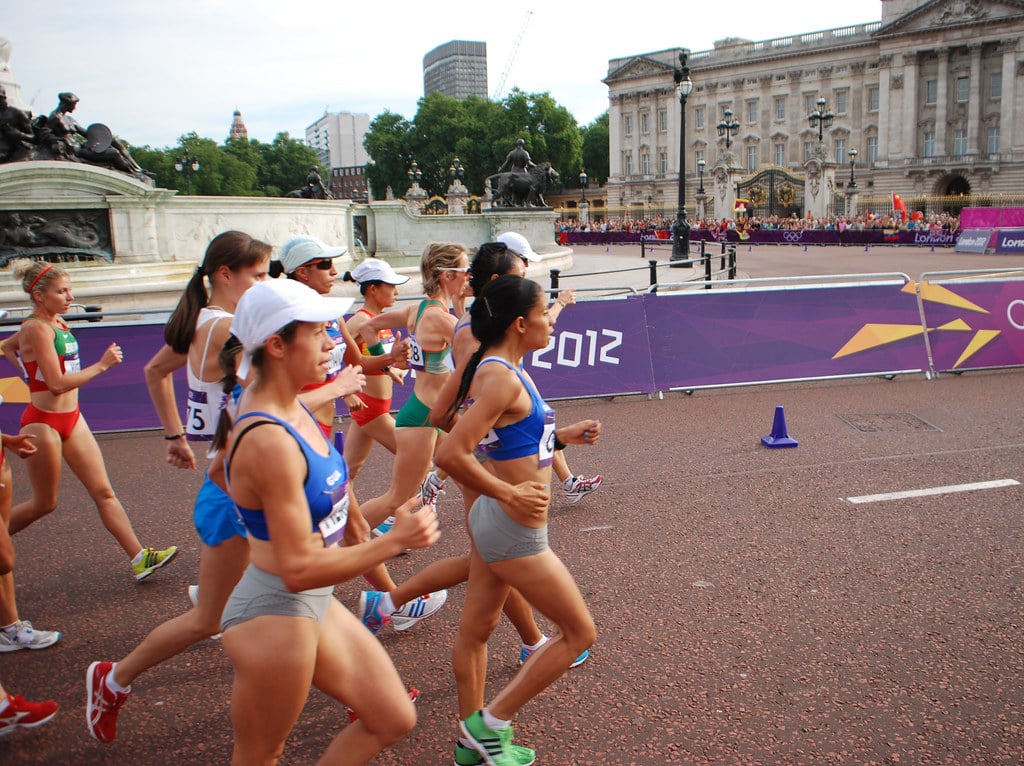
Before anyone called it “race walking,” there was pedestrianism. In the 1800s, this was one of the most popular spectator sports in America and Britain.
Competitors would walk for six straight days, circling indoor tracks while massive crowds cheered and placed bets. Edward Payson Weston walked from Portland, Maine to Chicago—over 1,000 miles—just to prove he could.
The money was real. Top pedestrians earned what would be hundreds of thousands of dollars today.
They had fans, managers, and training regimens. Then it all collapsed in the early 1900s when people decided watching someone walk in circles for days on end might not be that exciting after all.
Pitz
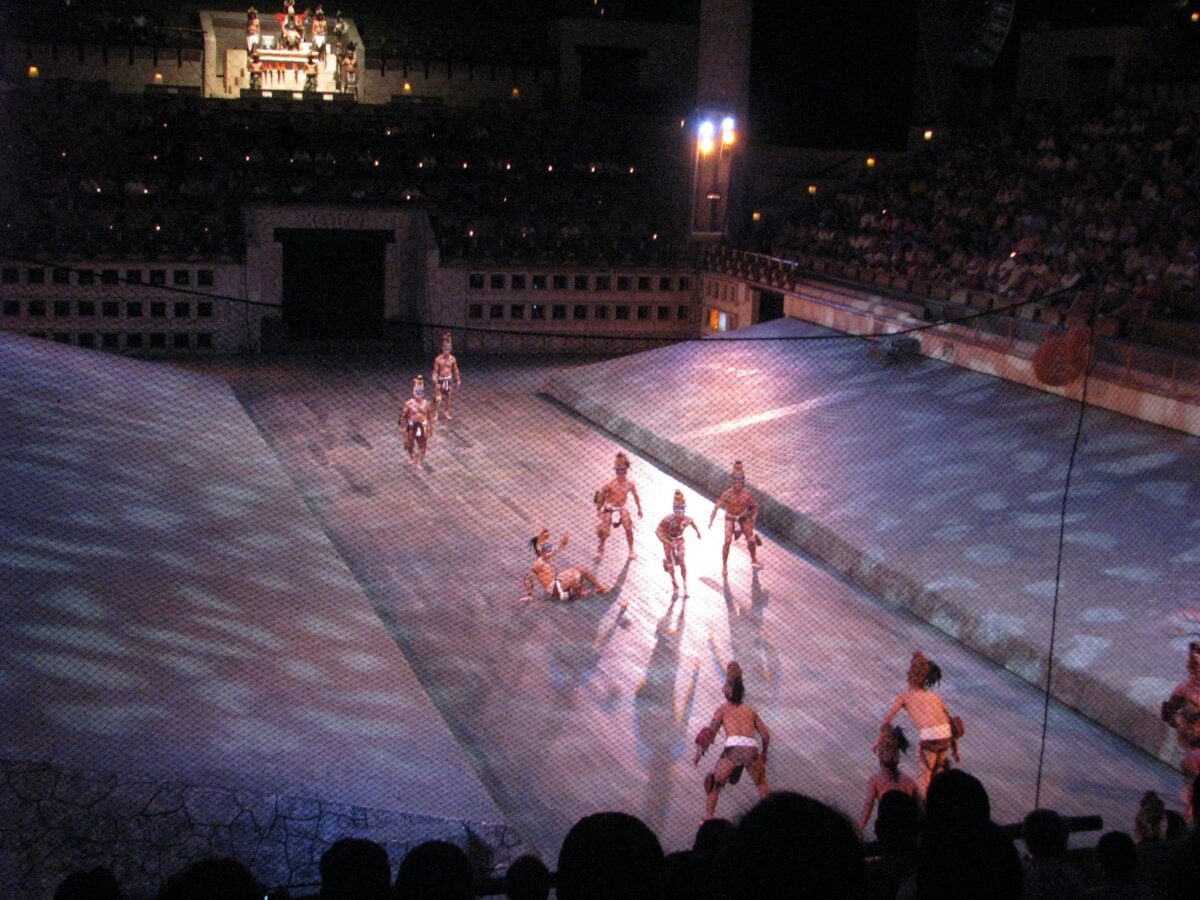
The Mayans played a version of this game over 3,000 years ago. Players couldn’t use their hands or feet—only hips, elbows, and knees to keep a rubber sphere in motion.
The court had stone rings mounted high on the walls, and getting it through was nearly impossible but worth serious points.
Here’s where it gets dark: some versions of the game ended with human sacrifice. Whether it was the winners or losers who got killed depends on which historical account you believe.
Either way, that’s one sport that probably deserves to stay forgotten.
Tug of War (Olympic Edition)

You might think you know tug of war from summer camp, but this was a legitimate Olympic event from 1900 to 1920. National teams competed, and it was serious business. Britain dominated, which makes sense given they were pulling ropes on ships for centuries.
The event died when the Olympics started cutting down on team sports to focus on individual athletics. Tug of war tried to make a comeback several times but never regained its spot.
Now it lives on mainly at company picnics and elementary school field days.
Fox Tossing

European nobility in the 17th and 18th centuries had strange ideas about entertainment. Fox tossing involved teams of two holding either end of a sling.
When a fox or other small animal ran across it, they’d yank up hard and launch the creature into the air. Height competitions were common, with some foxes reportedly reaching 20 feet.
Augustus II the Strong of Poland once hosted a fox tossing event with 414 foxes, 281 hares, 34 badgers, and 21 wildcats. You can imagine how that ended for the animals.
The practice died out as people slowly realized it was both cruel and stupid.
Unicycle Polo
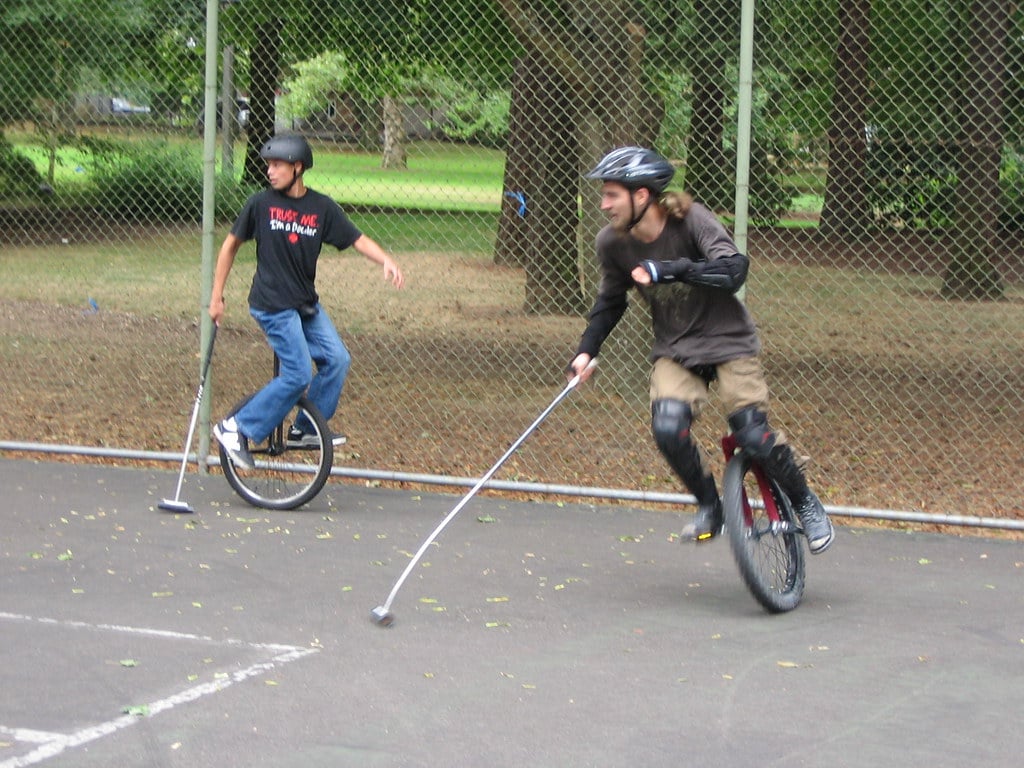
Take the strategy of polo, remove the horses, add unicycles, and you’ve got this sport that briefly flourished in the 1960s. It required incredible balance and coordination since you’re juggling riding a one-wheeled vehicle while swinging a mallet at a small object.
A few dedicated communities still play it, but it never grew beyond niche status. The learning curve was too steep.
Most people can barely ride a unicycle in a straight line, let alone while competing against others and trying to score goals.
Plunge for Distance

This Olympic event appeared only once, at the 1904 St. Louis Games. The concept was simple but bizarre: dive into a pool and see how far you can glide underwater without moving.
You couldn’t swim or use your arms and legs—just float and hope momentum carried you. American William Dickey won with a distance of 62 feet 6 inches.
The event was so boring to watch that they never brought it back. Turns out people floating motionless underwater doesn’t make for compelling television, even if there had been television in 1904.
Elephant Polo
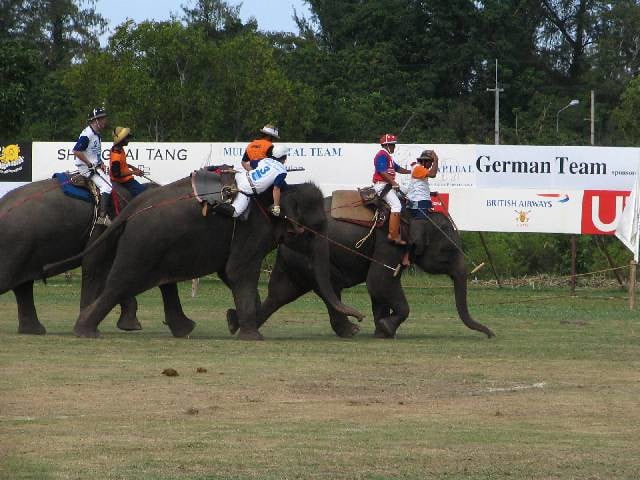
This one started in India and spread to other parts of Asia in the 1980s. Teams rode elephants instead of horses and used longer mallets to compensate for the height.
The sport had a brief surge of international interest, with tournaments in Nepal, Thailand, and Sri Lanka. Animal welfare concerns eventually killed most organized elephant polo.
The physical strain on the elephants and ethical questions about using them for human entertainment led to most tournaments shutting down by the 2010s. A few exhibitions still happen, but the organized sport is effectively dead.
Shin Kicking
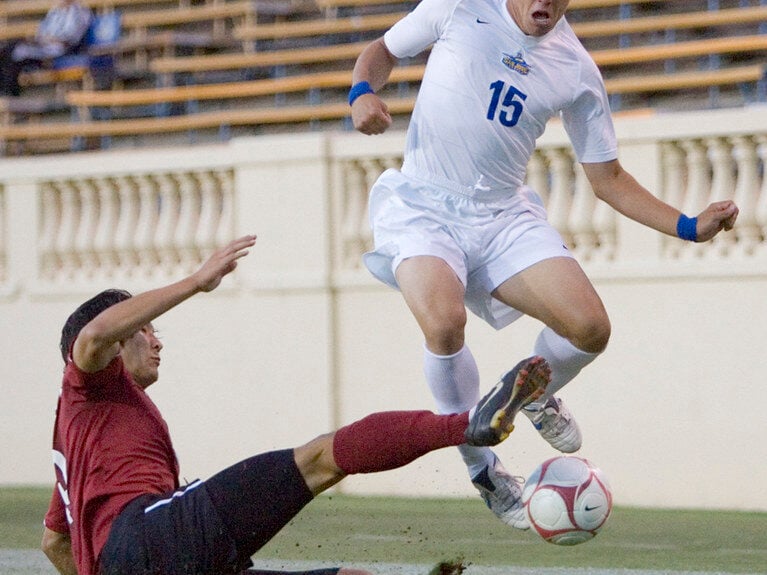
This British sport is exactly what it sounds like. Two competitors grab each other by the shoulders and kick each other’s shins until someone gives up. It originated in the Cotswolds in the 1600s and was part of a larger event called the Cotswold Games.
Participants used to wear steel-toed boots and stuff their pants with straw for protection. The modern version, which still exists at the annual Cotswold Olimpicks, uses softer footwear and more rules.
But the basic premise remains: kick someone’s shins until they can’t take it anymore.
Jeu de Paume

This French game is the ancestor of modern tennis, but it looked completely different. Players used their bare hands to hit an orb over a net or against a wall.
Eventually they added gloves, then paddles, then strung rackets. But in its pure form, it was all about hand-eye coordination and palm strength.
The game peaked in popularity in the 16th century when France had thousands of courts. Then tennis evolved into something more refined, and jeu de paume became obsolete.
A handful of courts still exist in France where traditionalists keep the original version alive.
Buzkashi

Afghanistan’s national sport involves riders on horseback fighting over a headless goat carcass. Teams try to grab it and carry it to a scoring area while everyone else tries to steal it away.
The games can involve dozens of riders and last for hours or even days. It’s not exactly forgotten in Central Asia, where it’s still played.
But the rest of the world never adopted it, probably because it requires horses, wide open spaces, and a cultural comfort level with grabbing animal carcasses that most modern societies don’t have.
Cornish Hurling
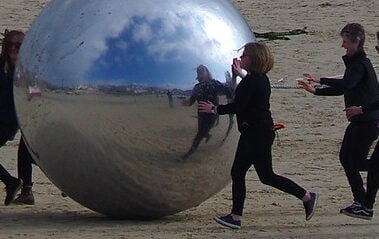
Not to be confused with Irish hurling, this Cornish version involved entire towns competing to move a silver-coated wooden device to specific goals. Sometimes hundreds of people participated at once.
There were few rules, and injuries were common. The game survives in a few Cornish towns where they play it on special occasions, but organized leagues and regular competition died out generations ago.
Most of the world has never heard of it, which seems fair given how chaotic and dangerous it was.
Pankration

Ancient Greeks didn’t mess around with their combat sports. Pankration combined boxing and wrestling with almost no rules. You could punch, kick, grapple, and submit your opponent however you wanted.
The only prohibitions were biting and eye gouging, though even those rules got broken. Fighters competed unclothed and sometimes died in the arena.
The sport was huge in ancient Greece but disappeared when the Roman Empire fell and the Olympic Games ended. Modern mixed martial arts borrowed some ideas from it, but nobody’s calling for a return to the no-holds-barred ancient version.
Mob Football
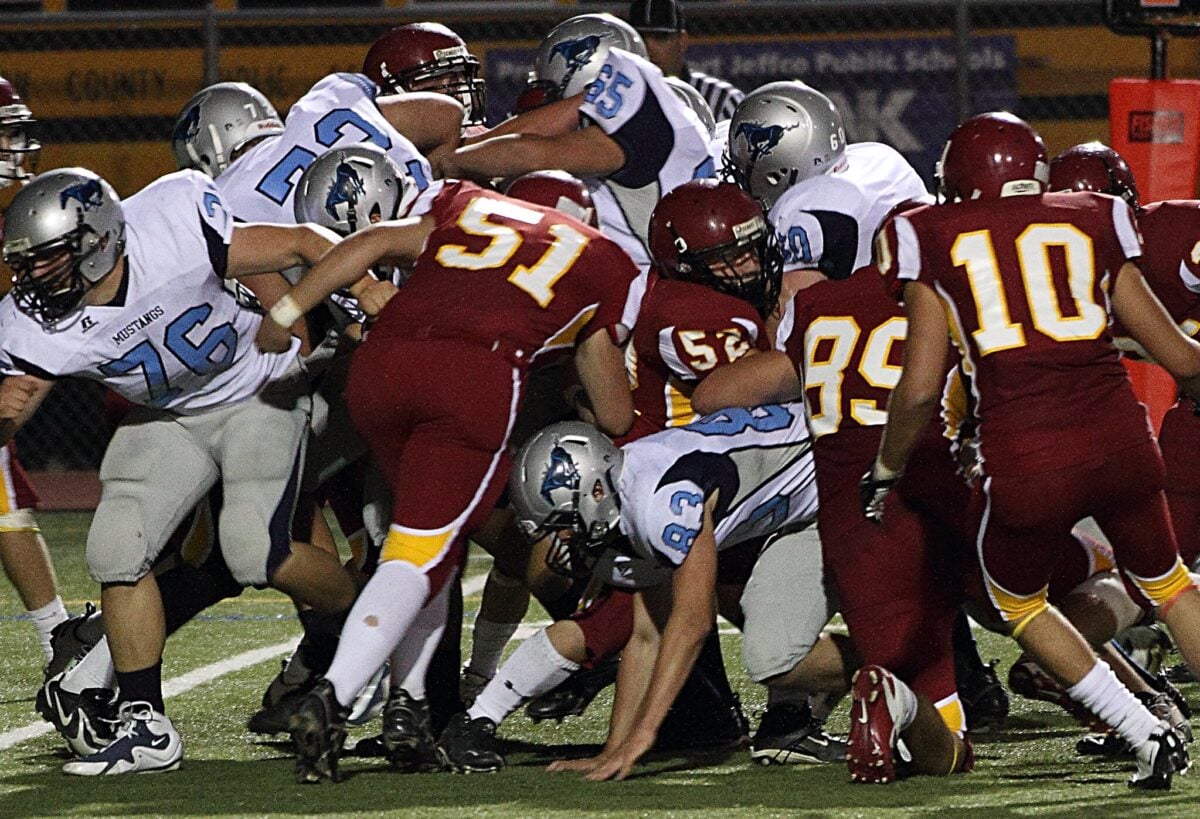
Medieval villages across England played versions of this game where the entire town would participate. The goal was to get a leather-covered bladder from one end of town to the other, by any means necessary.
Games could last all day, and property damage was expected. These matches were so violent and disruptive that kings repeatedly tried to ban them.
Eventually, they evolved into organized football and rugby with actual rules and boundaries. A few English towns still play traditional mob football on holidays, but it’s more historical reenactment than serious sport.
The Weight That Sports Carry
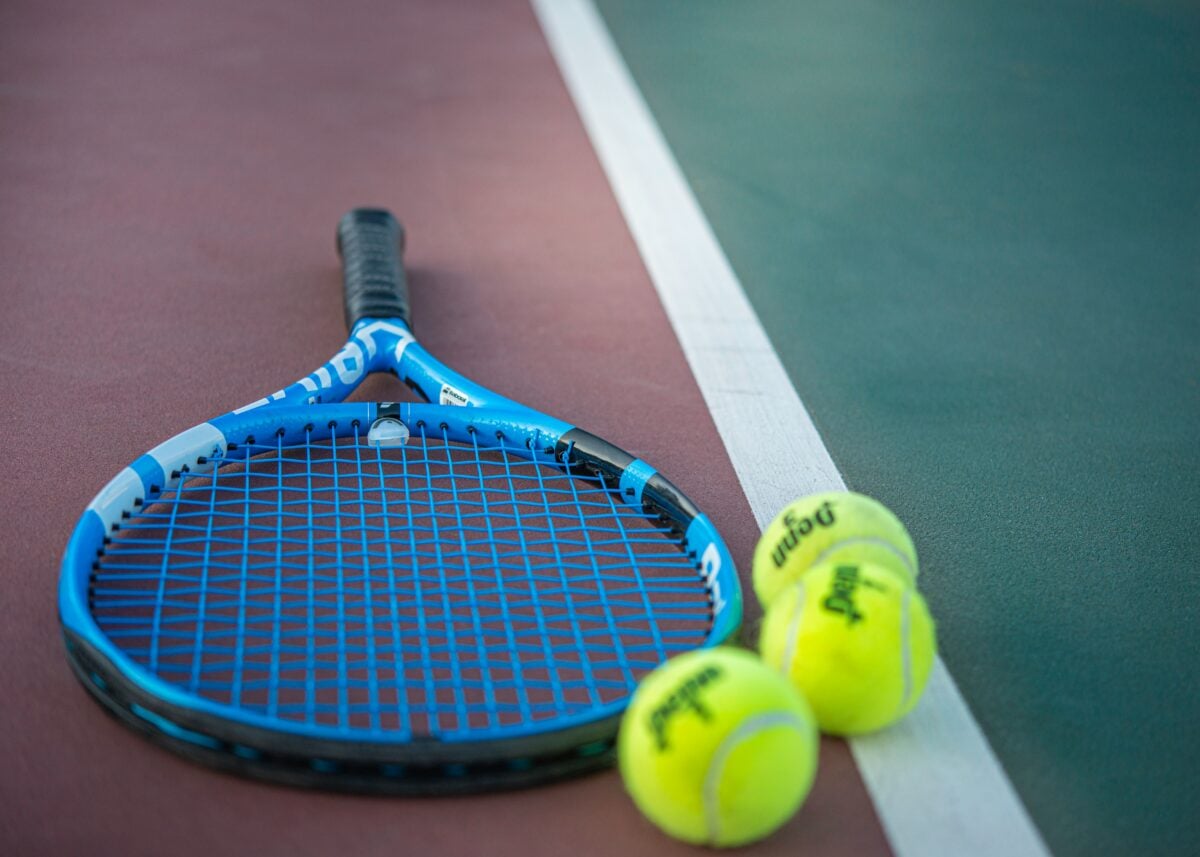
Each lost game began when somebody found joy in it – or saw value. These activities met demands: rivalry, laughs, belonging, even killing time midweek.
Just ’cause nearly all faded out doesn’t prove they lacked worth. Only shows how society shifts focus.
What feels ordinary now – like gawking at folks whacking an orb around with rods, or checking out racers hurling themselves downhill on ice via mini sleds – could strike folks later as totally odd. Games shift along with the cultures cooking them up.
The bizarre ones simply highlight how random every sport actually is.
More from Go2Tutors!

- The Romanov Crown Jewels and Their Tragic Fate
- 13 Historical Mysteries That Science Still Can’t Solve
- Famous Hoaxes That Fooled the World for Years
- 15 Child Stars with Tragic Adult Lives
- 16 Famous Jewelry Pieces in History
Like Go2Tutors’s content? Follow us on MSN.