Things Movies and TV Always Get Completely Wrong About Famous Us Cities
Movies and television have painted such vivid pictures of America’s most famous cities that stepping off a plane or train often feels like walking into a funhouse mirror version of reality. The gap between what screens promise and what streets deliver isn’t just about budget constraints or dramatic license — it’s about how stories need cities to behave in ways that real cities simply don’t.
These aren’t small details either. The misconceptions run so deep that they’ve shaped how people plan vacations, choose where to live, and understand entire regions of the country.
Hollywood’s version of urban America has become more familiar than the actual places themselves.
New York City
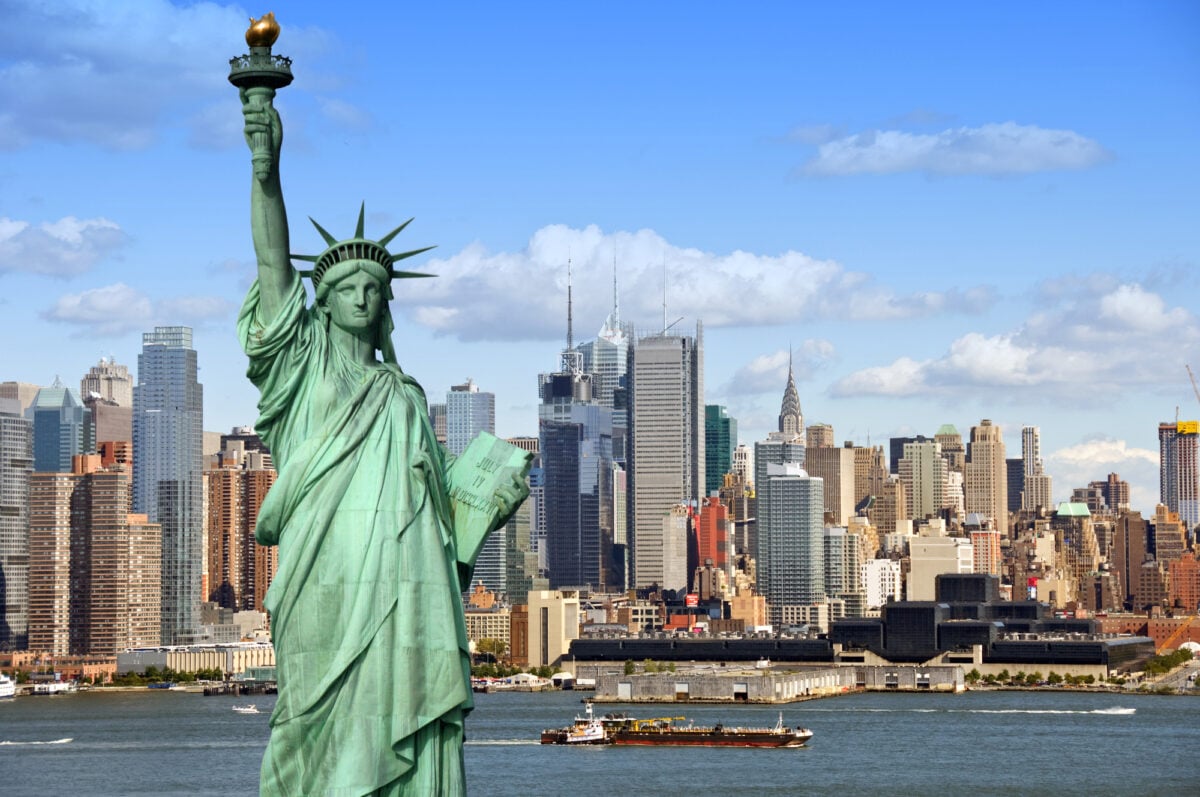
The subway runs perfectly. Characters hop on trains that arrive exactly when needed, never delayed, never crowded beyond reason.
Every car has available seats and clean windows. Real subway riders know better.
The system that actually moves eight million people daily doesn’t care about your schedule or your meeting uptown.
Los Angeles
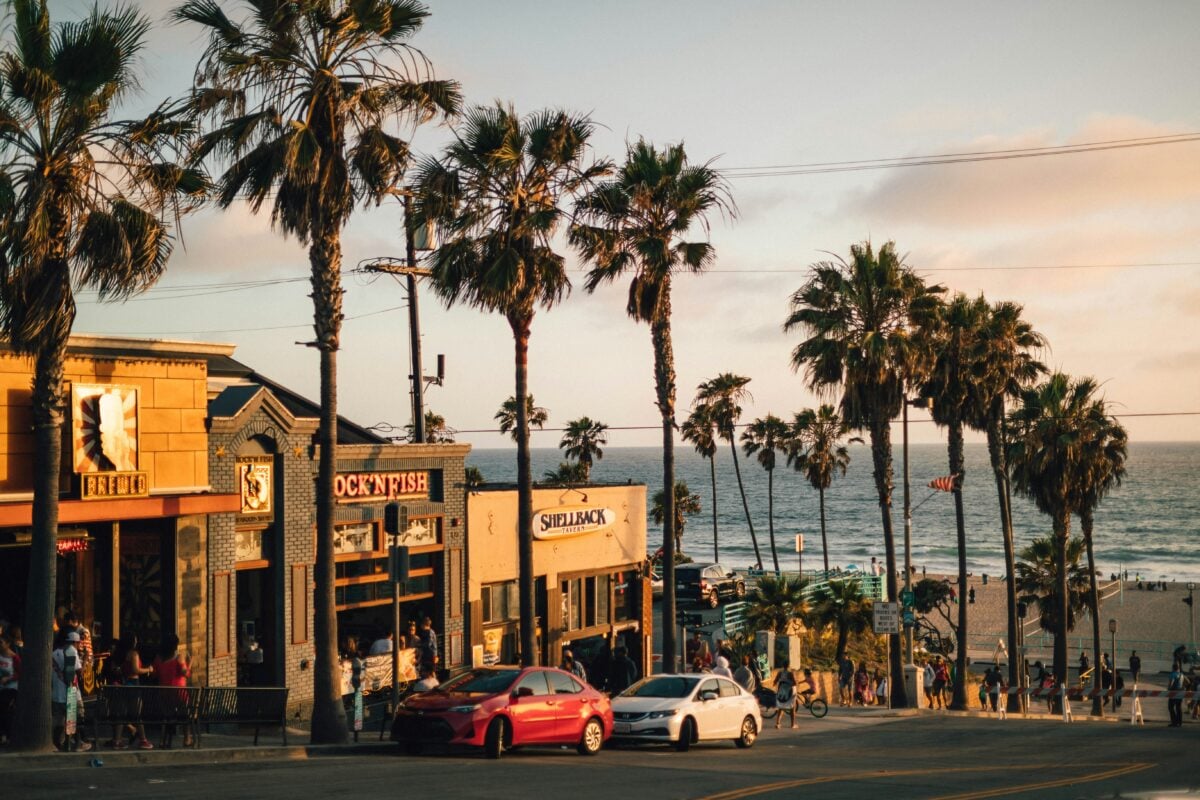
Everyone drives convertibles and the sun never stops shining. Rain doesn’t exist in Hollywood’s version of LA, and traffic jams are just brief inconveniences where characters have meaningful conversations before arriving at their destinations looking perfectly styled.
The real Los Angeles gets actual weather — including the kind of winter rain that turns freeways into parking lots for hours at a time. And that famous sunshine? It often comes with a side of smog that movies consistently forget to include in their sweeping skyline shots.
San Francisco
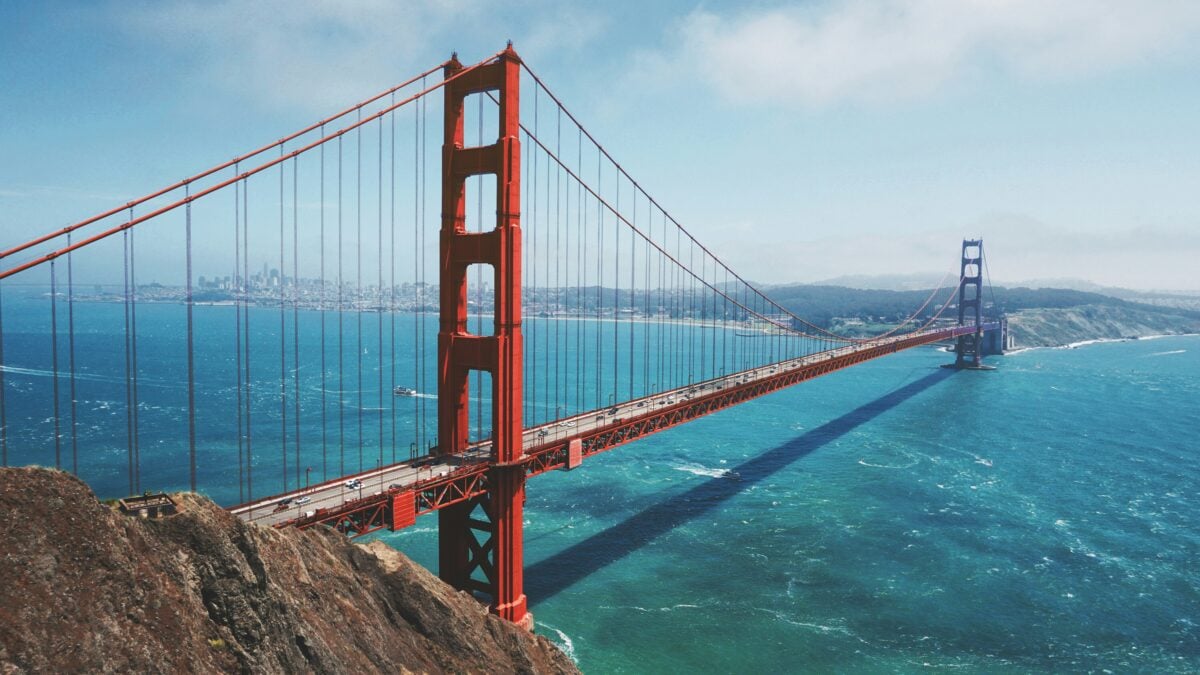
Here’s where the hills become characters themselves, but only the picturesque ones (and there’s always a gratuitous shot of someone’s car going airborne after cresting one at unreasonable speed). What screens never capture is how these same hills turn simple tasks like carrying groceries or walking in heels into legitimate athletic events.
The fog that defines so much of San Francisco’s personality gets reduced to atmospheric mood lighting rather than the thick, bone-chilling presence that can make July feel like November — and the way it rolls in isn’t poetic, it’s meteorological, which means it follows patterns that have nothing to do with dramatic timing. So when movies show characters in light sweaters enjoying perfect visibility from Twin Peaks at sunset, locals know immediately that this particular San Francisco exists only in a studio somewhere far from the real thing.
Chicago
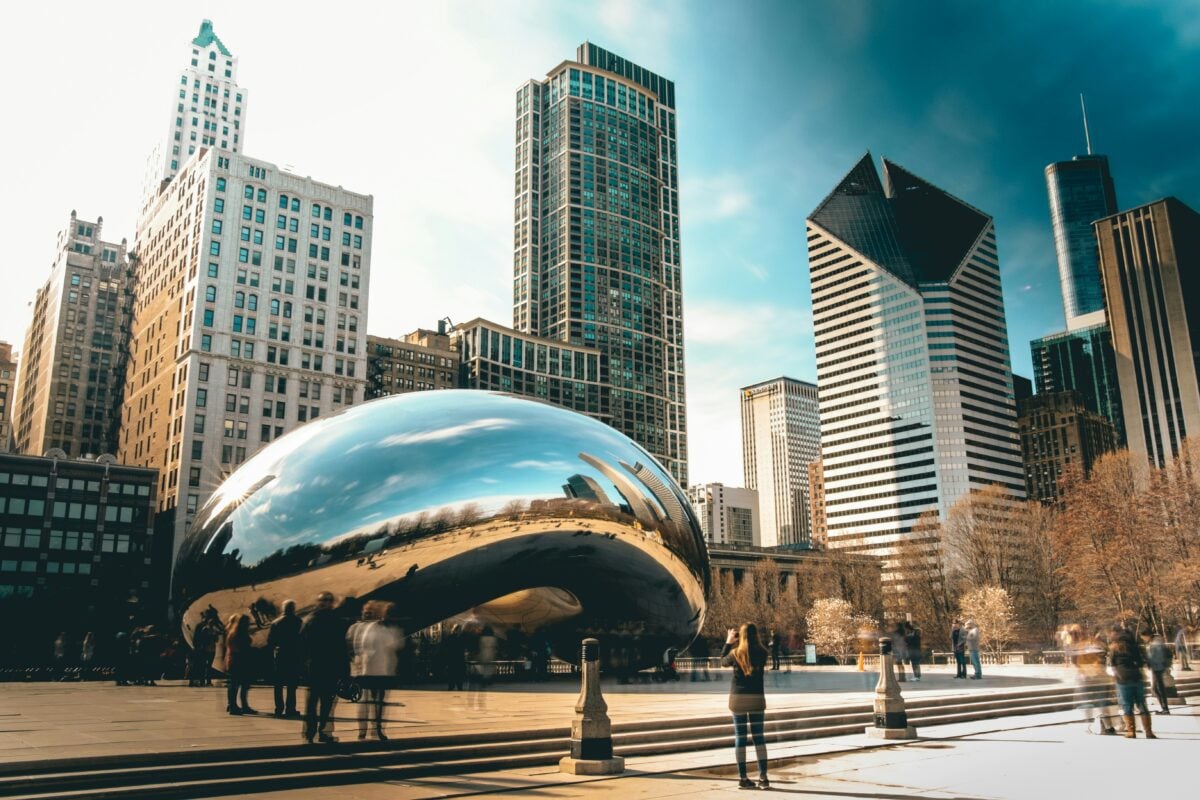
Winter lasts exactly one scene. Movies acknowledge that Chicago gets cold, then immediately move indoors or fast-forward to spring.
The kind of cold that makes your face hurt and turns city life into a series of underground tunnels and skybridge connections never makes it into the story. Chicago’s winter isn’t just cold weather — it’s a complete reorganization of how the city functions.
Screenwriters seem to think it’s just New York with different architecture.
Miami
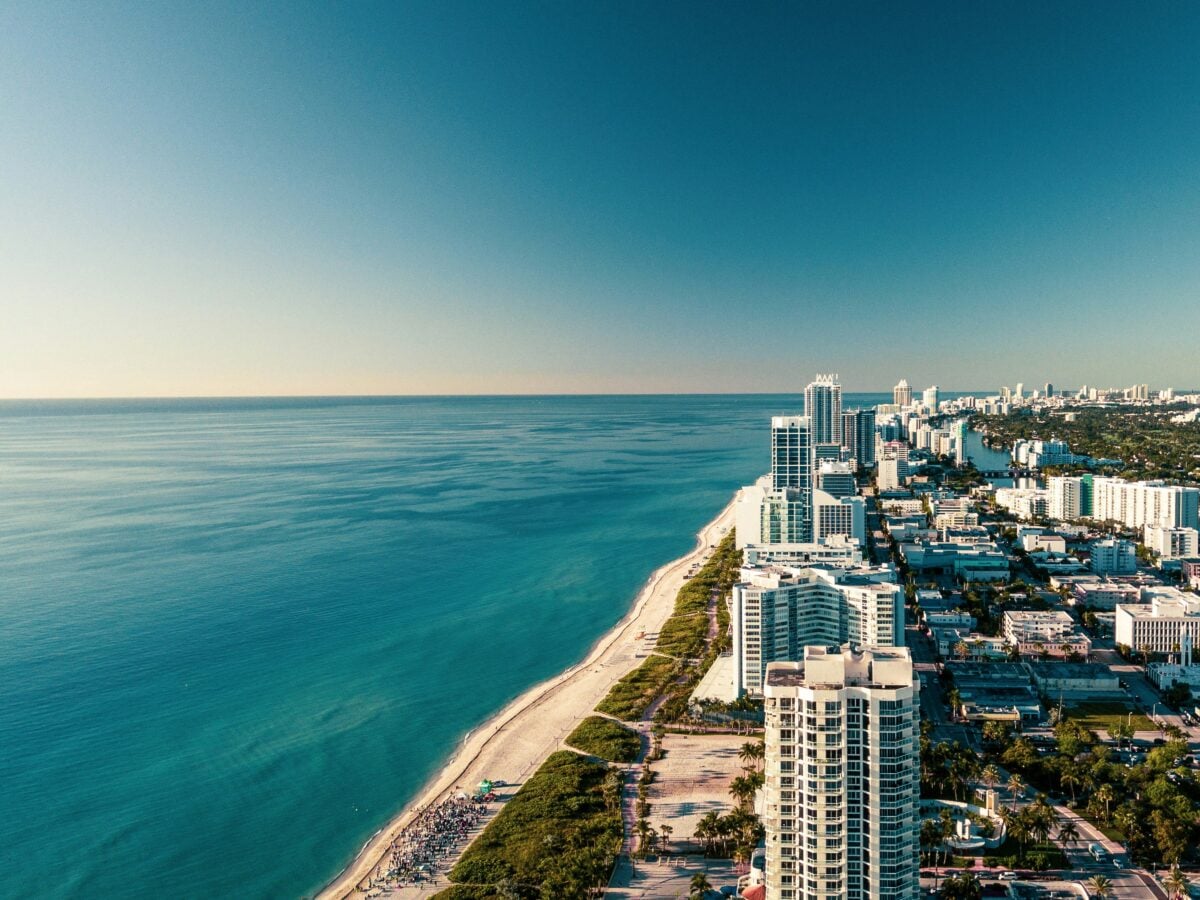
Think of Miami in movies and the same images surface: art deco buildings, endless beaches, and perpetual golden hour lighting. It’s always cocktail weather, always stylish, always just a little dangerous in appealing ways.
But Miami — the one where people actually live — deals with humidity that makes stepping outside feel like walking into a wet blanket, and summer storms that don’t arrive at dramatically convenient moments. The real Miami has strip malls and traffic and perfectly ordinary neighborhoods that look nothing like South Beach, but you’d never know it from watching television.
Hurricane season isn’t a backdrop for action sequences; it’s months of genuine anxiety about whether your roof will still be attached to your house come morning.
Las Vegas
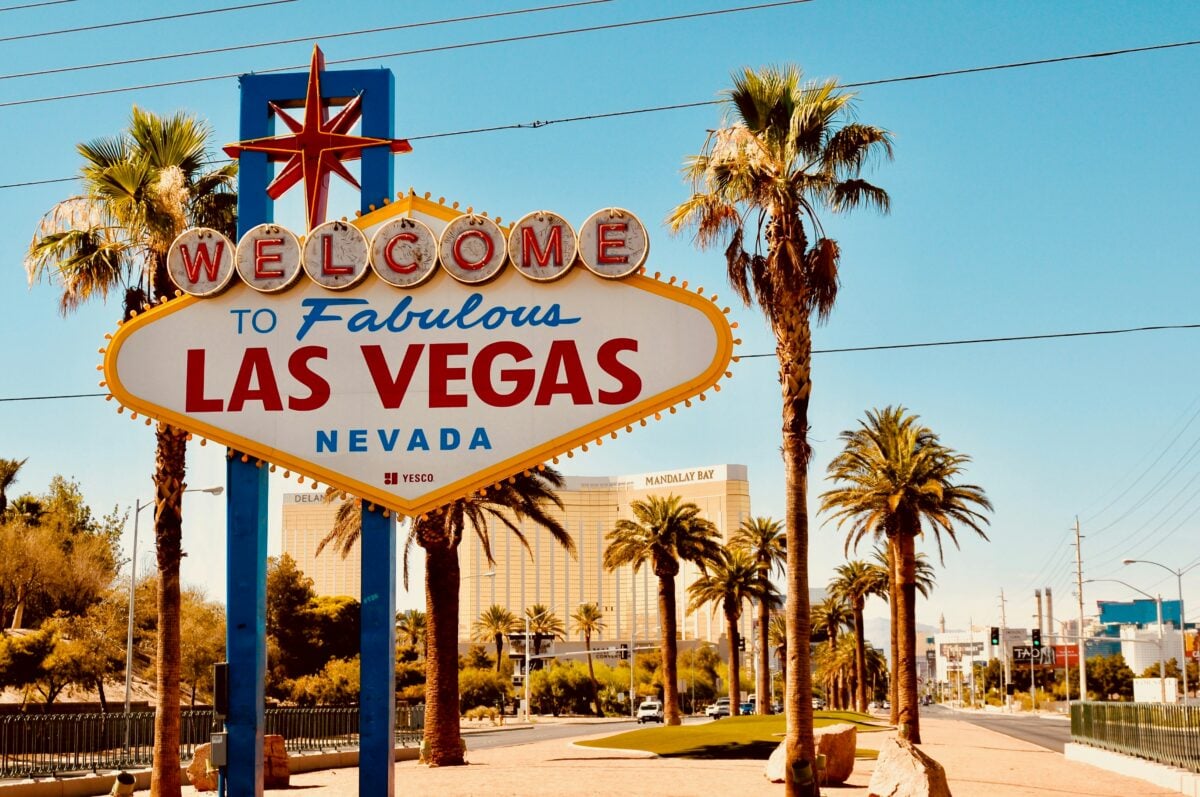
Vegas exists only as the Strip in Hollywood’s imagination. The neon wonderland where anything can happen and every night ends with either spectacular winnings or profound life revelations represents maybe two percent of the actual city.
The other 98 percent — where people live normal lives, raise families, and work jobs that have nothing to do with casinos — might as well not exist. Movies treat Vegas like it’s all a tourist destination and no actual place.
Boston
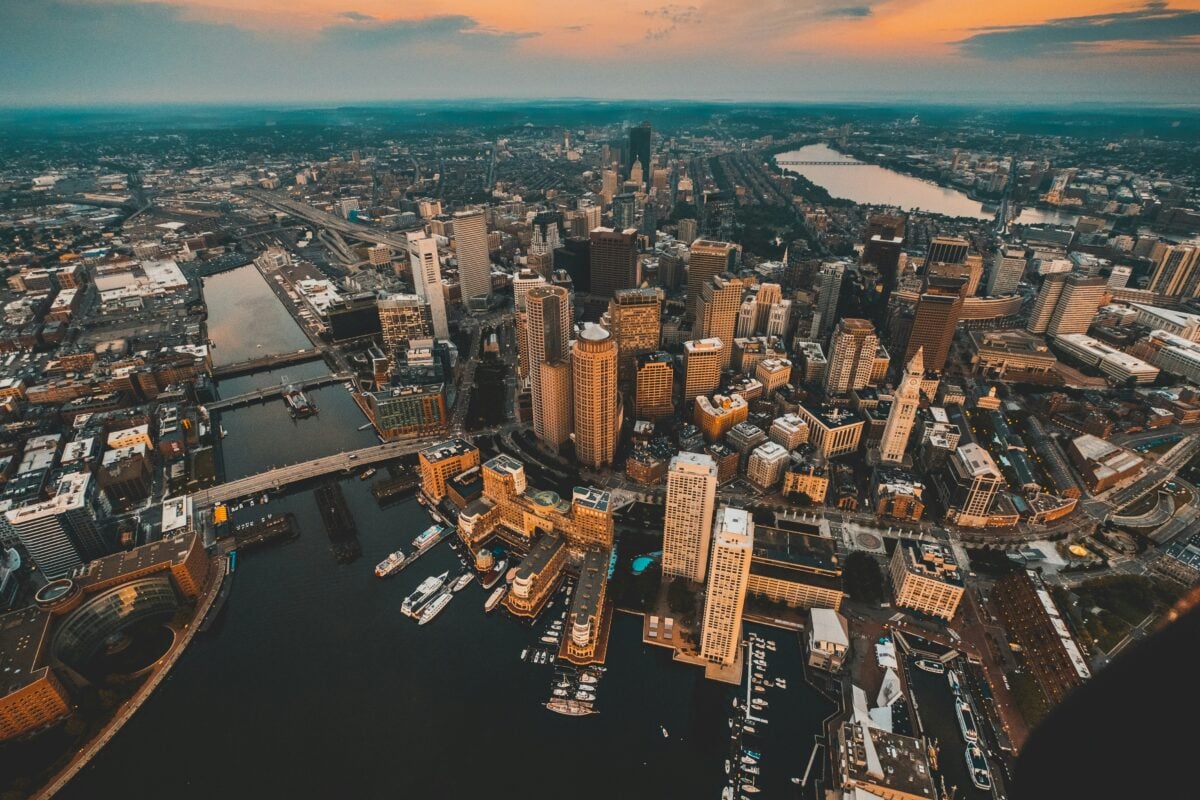
Everyone sounds like they’re auditioning for “Good Will Hunting.” The accent gets cranked up to caricature levels, and the city becomes a collection of Irish pubs and Harvard shots with nothing in between.
Real Boston contains multitudes of people who don’t sound like Matt Damon and neighborhoods that exist for reasons other than providing authentic backdrops for crime dramas.
Seattle
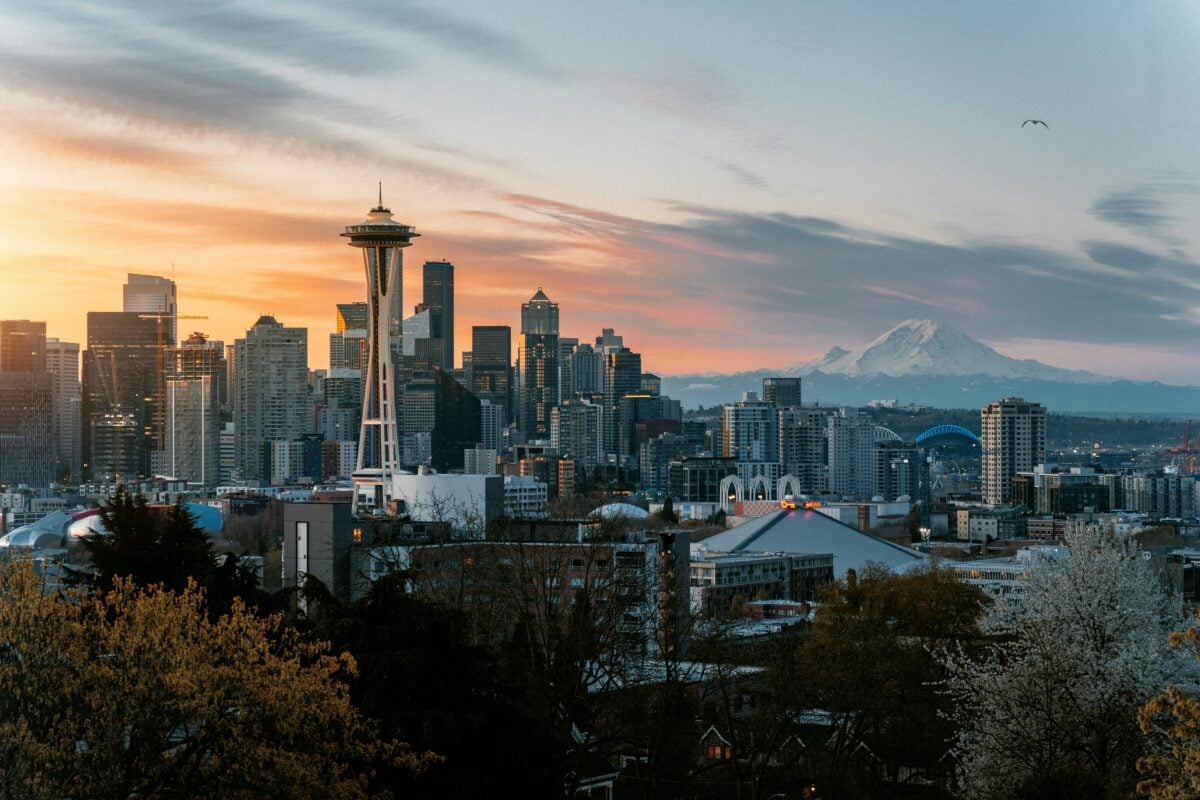
Coffee shops and rain — that’s the extent of Seattle’s screen personality. Characters nurse lattes while having deep conversations against a backdrop of perpetual drizzle, as if the entire city exists in a state of caffeinated contemplation.
The tech boom, the traffic, the housing costs that have transformed entire neighborhoods into something unrecognizable — none of that fits the cozy, introspective Seattle that movies prefer to show.
New Orleans
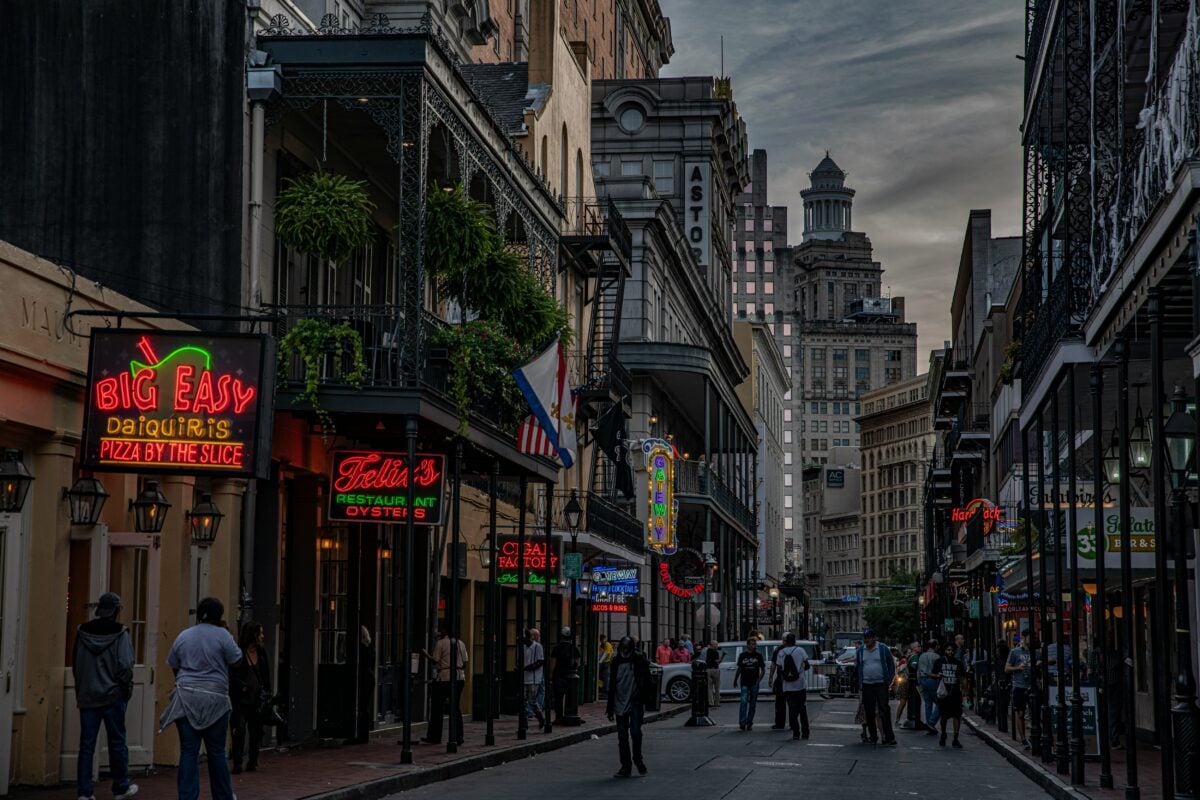
Mardi Gras happens year-round in New Orleans, where every street features jazz musicians and every building drips with a gothic atmosphere (and the food is always perfect gumbo served by characters who speak in spiritual riddles). The actual New Orleans deals with the same urban challenges as any major American city — infrastructure, education, economic development — but these realities don’t match the mystical party town that Hollywood finds so convenient for supernatural storylines and redemption arcs.
So what you get instead is a theme park version of a complex place, where every neighborhood looks like the French Quarter and every resident seems to exist primarily to provide wisdom or local color to visiting protagonists.
Washington D.C.
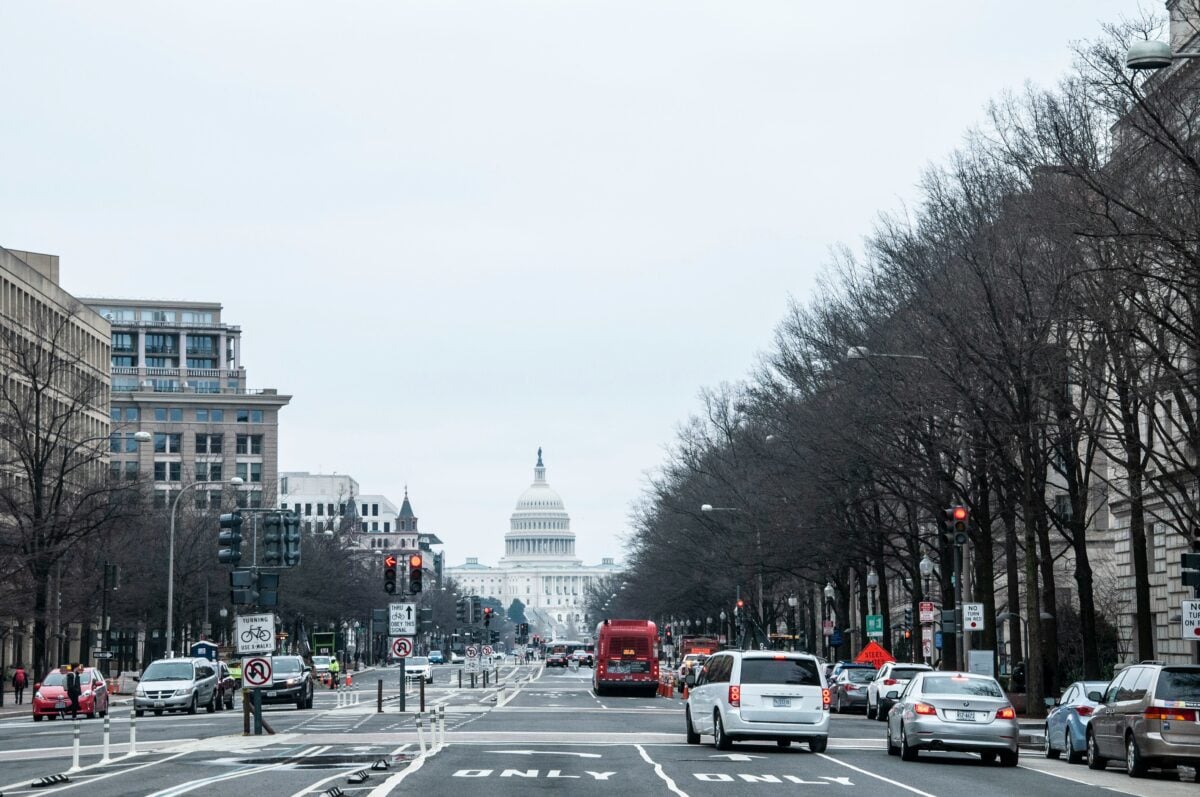
The Capitol dome appears in every other shot. Directors can’t resist showing monuments whenever possible, as if government workers spend their days surrounded by tourist attractions instead of office buildings.
D.C. is a working city full of people who rarely see the Lincoln Memorial except when relatives visit. But movies need the visual shorthand, so everyone’s commute apparently takes them past the White House.
Phoenix
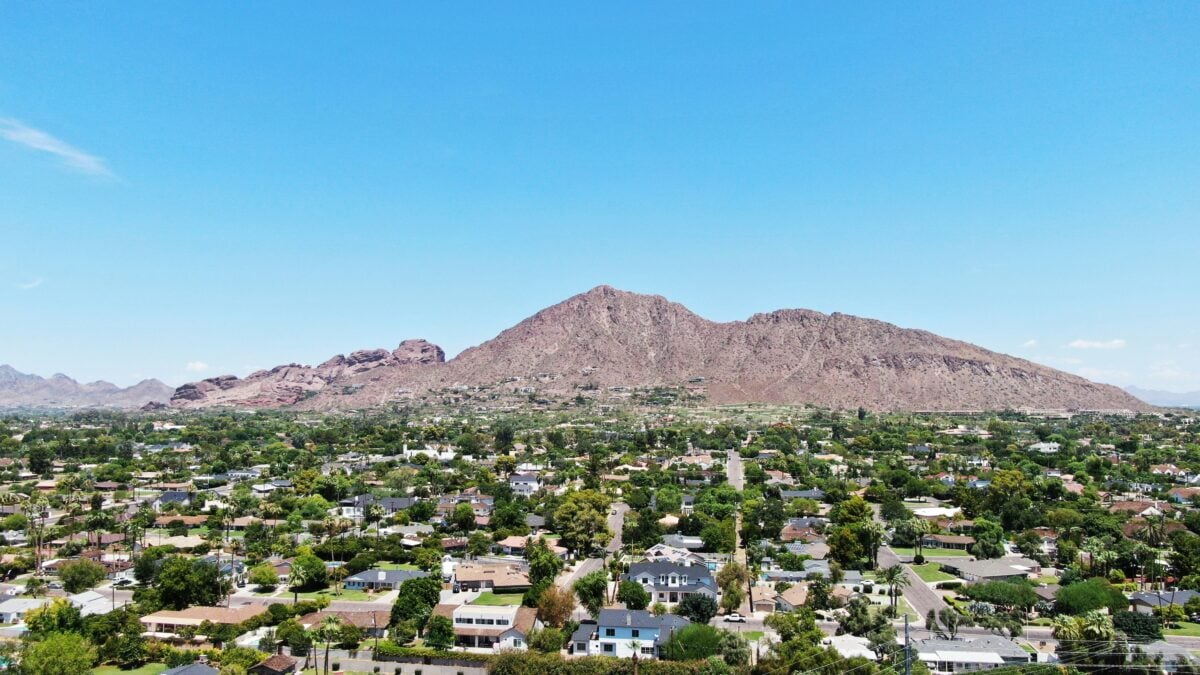
Desert and more desert. Phoenix gets reduced to a landscape of cacti and scorching heat, populated entirely by retirees and people escaping complicated pasts.
The fourth-largest city in America has actual culture, industries, and young people, but none of that registers when you need a place that looks like the middle of nowhere for your story.
Atlanta
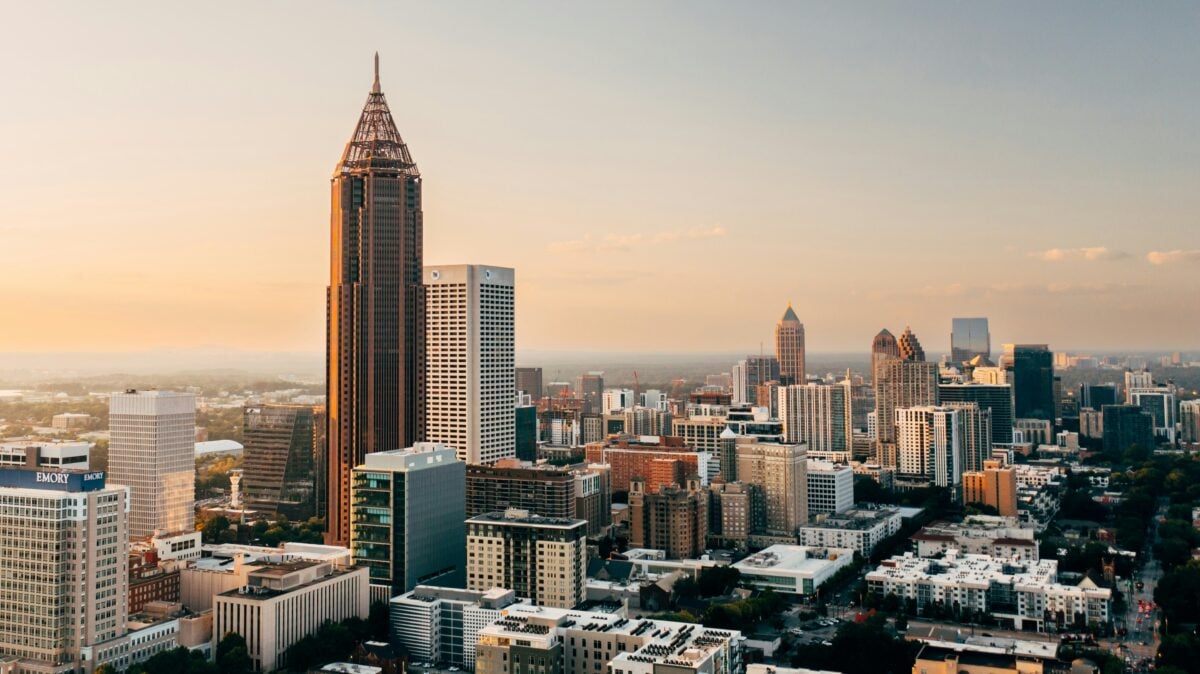
The South gets compressed into a single generic accent and a handful of visual clichés about genteel decay or modern excess. Atlanta’s actual identity as a major business center and cultural hub disappears behind stereotypes that would be equally wrong if applied to Birmingham or Charleston.
Modern Atlanta has more in common with other major American cities than with the Spanish moss version that keeps showing up in movies.
Denver
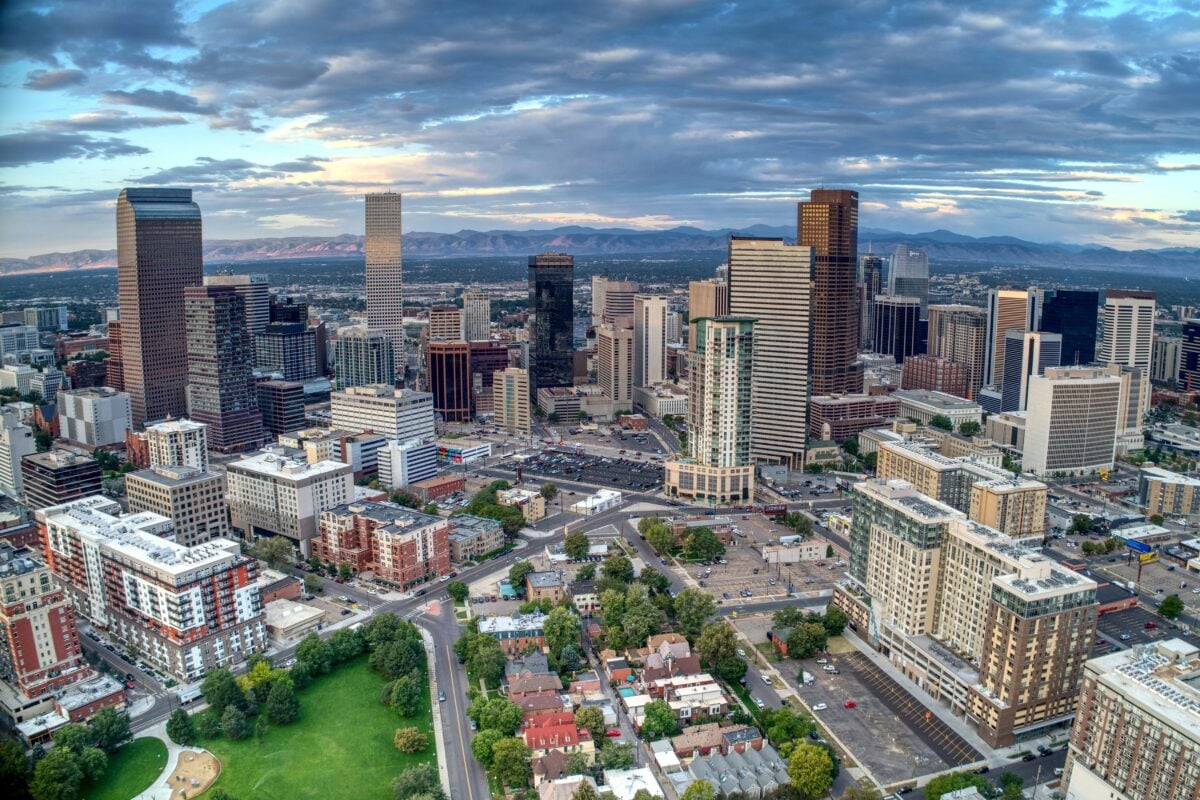
Mountains hover impossibly close to downtown, as if the Rockies relocated themselves for better camera angles. Real Denver sits on flat plains with mountains visible in the distance — beautiful, but not the towering backdrop that movies insist on showing.
The altitude affects everything from cooking to breathing, but characters never seem to notice they’re living a mile above sea level.
Portland
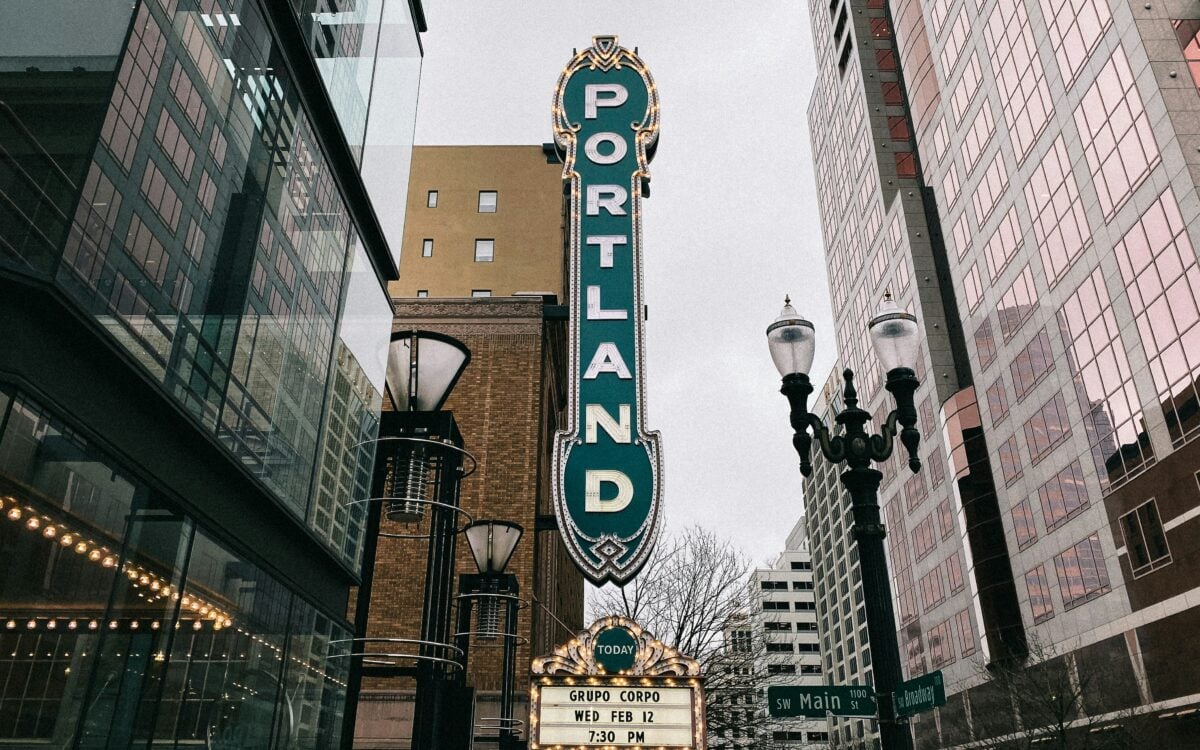
Quirky coffee shops and vintage stores line every street, populated by characters who turned eccentricity into a lifestyle choice. Food trucks appear at convenient narrative moments, and everyone rides bikes regardless of weather or practical considerations.
Actual Portland contains plenty of people who drink regular coffee and drive regular cars to regular jobs, but that version doesn’t serve the story that movies want to tell about Pacific Northwest creativity.
The Truth Behind the Fiction

These misconceptions aren’t accidents — they’re choices made by people who need cities to serve stories rather than exist as complex, contradictory places where actual humans live their lives. The gap between screen cities and real ones says more about the limitations of storytelling than the failures of American urban planning.
Real places resist being reduced to symbols, but symbols are what movies need to work their magic in two hours or less.
More from Go2Tutors!

- The Romanov Crown Jewels and Their Tragic Fate
- 13 Historical Mysteries That Science Still Can’t Solve
- Famous Hoaxes That Fooled the World for Years
- 15 Child Stars with Tragic Adult Lives
- 16 Famous Jewelry Pieces in History
Like Go2Tutors’s content? Follow us on MSN.



