Old Postcards Hiding in Drawers That Might Actually Be Worth Something
Most people discover them by accident — tucked between old tax documents or pressed inside books that haven’t been opened in years. A stack of postcards, corners soft with age, images faded but still recognizable.
The instinct is usually to toss them or stuff them back where they came from. But sometimes, what looks like sentimental clutter from a long-dead relative’s vacation turns out to be worth more than the rest of the drawer’s contents combined.
The postcard market has quietly exploded over the past decade, with collectors paying thousands for the right piece of cardboard that happened to survive someone’s spring cleaning.
Real Photo Postcards from Small Towns
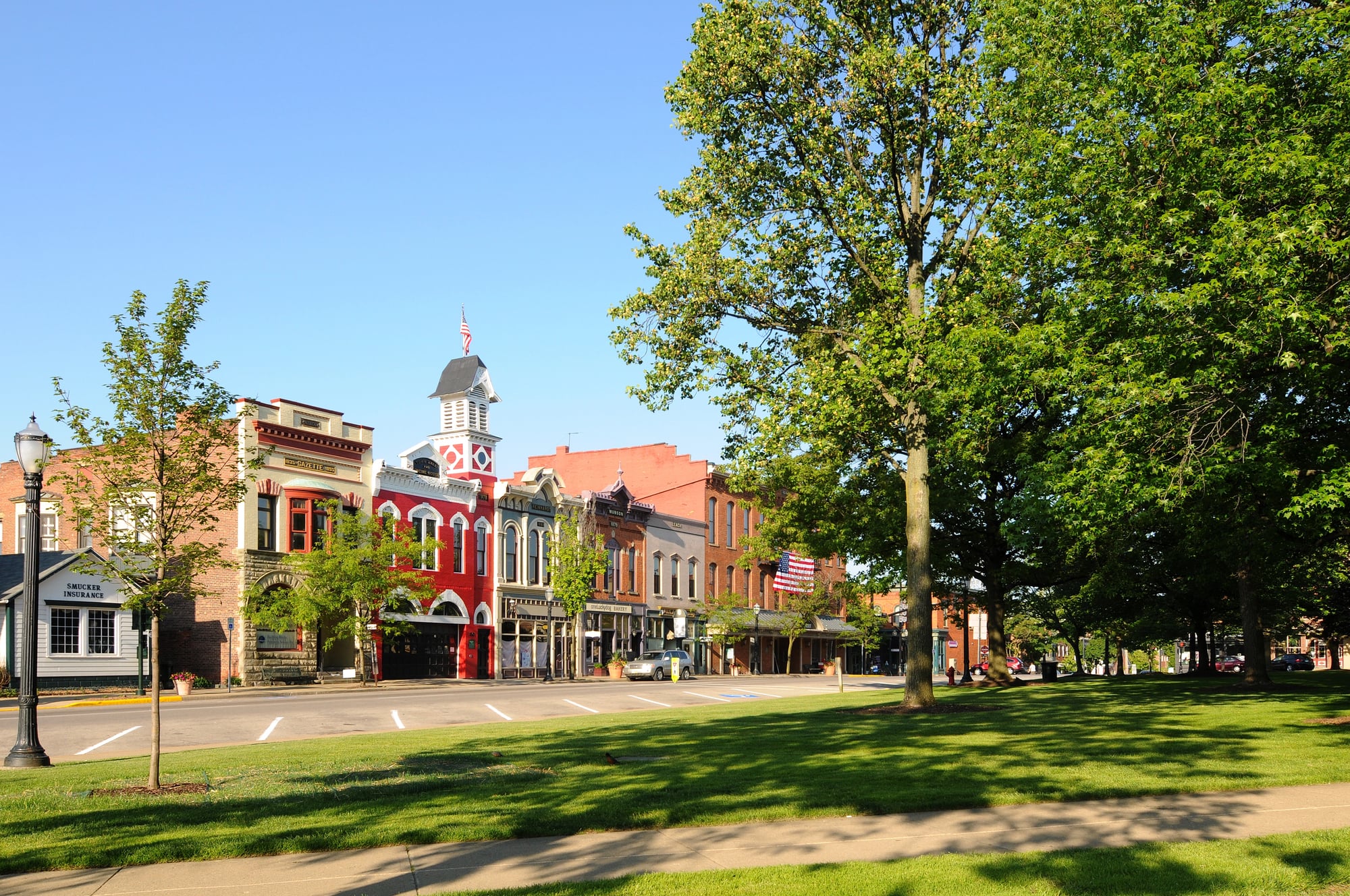
Small towns produced postcards too. Local photographers captured main streets, railroad stations, and community events, then printed them as postcards for residents to send to relatives.
These weren’t mass-produced tourist items — they were genuine documentation of places that barely exist anymore. The smaller the town, the rarer the postcard.
A real photo postcard from a Nebraska farming community that got swallowed up by corporate agriculture can fetch $200 to $500. Find one showing a building that’s since been demolished, and the price doubles.
Hand-Colored European Views
Before color photography became standard, postcard publishers hired artists to hand-paint black and white photographs with watercolors (a painstaking process that took hours per card, and one that couldn’t compete with mass production once printing technology caught up). So these cards represent a brief window in printing history when craftsmanship still mattered more than efficiency.
And yet they were still just postcards — meant to be mailed, written on, and forgotten. The irony is thick: cards that were designed to be disposable communication now command serious money precisely because most people disposed of them.
European scenes were particularly popular, especially Alpine villages and Mediterranean coastlines, but finding one in decent condition means locating something that survived a century of being exactly what it was never meant to be — permanent.
Advertising Cards from Long-Gone Businesses

Every business wanted postcards once. Hotels, restaurants, department stores, even funeral homes commissioned postcards to advertise their services.
Most of these businesses are gone now, which makes their postcards accidental historical artifacts. The value here isn’t always obvious.
A postcard from a famous hotel chain might seem valuable, but it’s the small-town drugstore or the family-owned restaurant that collectors really want. These represent vanished pieces of American commerce, and there weren’t many printed to begin with.
Pioneer Aviation Postcards

Early aviation was spectacle before it was transportation. When pilots brought their planes to county fairs and local airstrips, photographers captured the crowds and sold postcards as souvenirs.
These cards document the exact moment flying stopped being impossible and started being merely dangerous. Postcards showing specific aircraft models, named pilots, or early airfields are worth serious money.
The 1903-1920 period is particularly valuable, especially if the postcard shows a plane that crashed or a pilot who died young. Morbid, but true.
Baseball Stadium Views
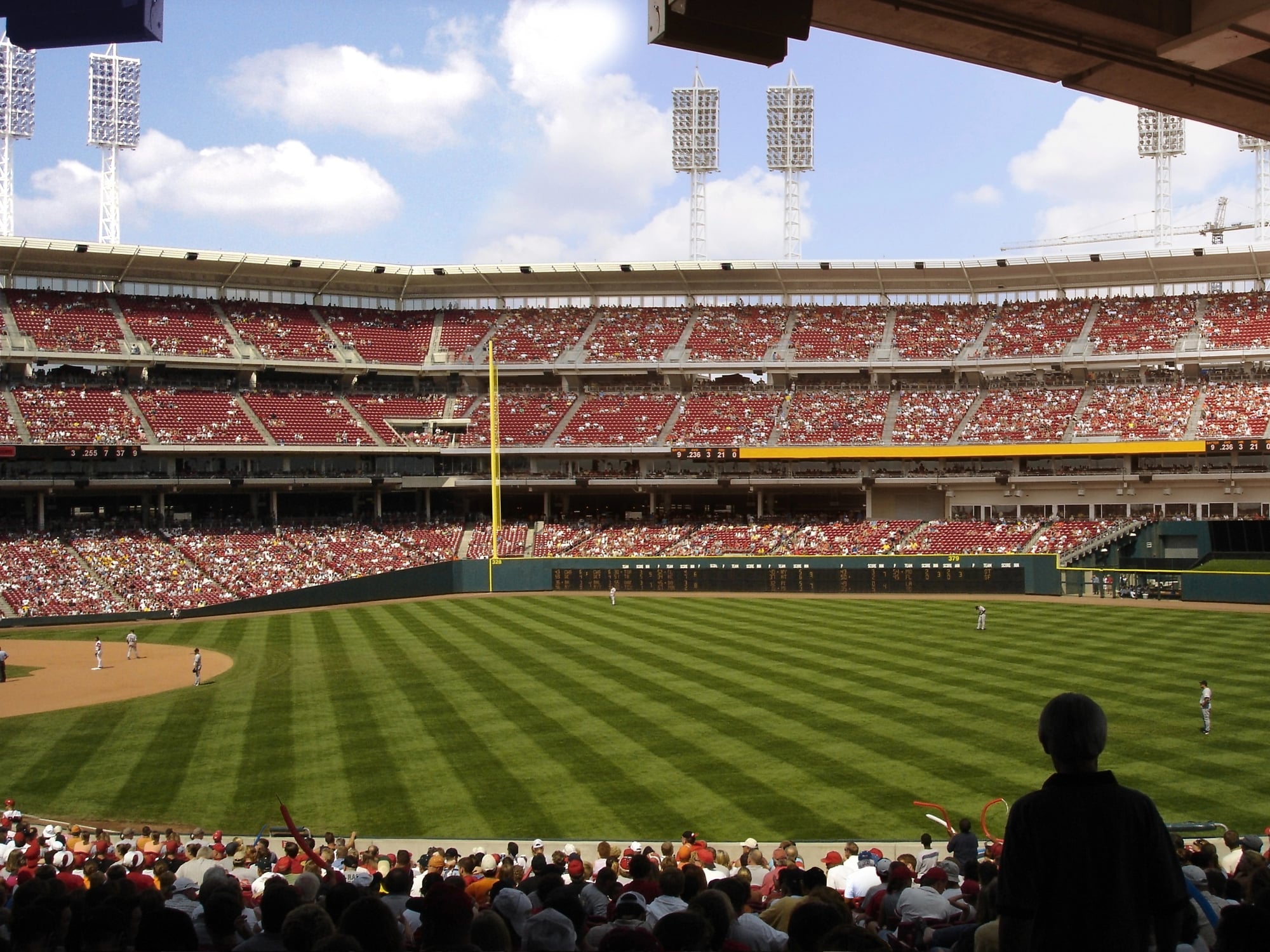
Baseball stadiums come and go, but postcards last longer than concrete and steel. Old stadium postcards capture ballparks in their original configurations, before renovations changed the character or demolition erased them entirely.
Cards showing stadiums that no longer exist — like the original Yankee Stadium or Ebbets Field — can sell for thousands. Even lesser-known stadiums command good prices if the image is clear and the condition is decent.
World’s Fair Exhibits
World’s fairs were postcard goldmines (and anyone who attended seemingly bought dozens to send home, which explains why boxes of fair postcards still surface regularly in estate sales). But here’s what most people miss: the valuable cards aren’t the official fair postcards with generic aerial views — they’re the cards showing specific exhibits, pavilions, or demonstrations that were only available for a few months.
The 1904 St. Louis World’s Fair and the 1939 New York World’s Fair produced particularly valuable postcards, especially ones showing technology demonstrations or cultural exhibits. So did smaller regional fairs, though finding those requires knowing what to look for.
And yet the real treasure isn’t always the most famous fair — sometimes it’s the regional exposition that nobody remembers but somebody documented.
Native American Trading Posts

Trading posts scattered across the American West sold postcards to tourists heading home from their frontier adventures. These cards typically showed Native American life, local landscapes, or the trading posts themselves.
What makes them valuable today isn’t just their age — it’s their role as documentation of places and cultures that were already disappearing when the cards were printed. Cards from specific trading posts, especially ones that included the trader’s name or the exact location, command higher prices.
Collectors want the story, not just the image. A generic “Indian Village” postcard might be worth $20; one from “Smith’s Trading Post, Chinle, Arizona” could bring $200.
Hotel Interior Views

Postcards showing hotel lobbies, dining rooms, or guest rooms are worth more than you’d expect. Hotels constantly renovate, which means these cards become the only surviving record of how these spaces originally looked.
Grand hotels in major cities produced thousands of these cards, but the valuable ones come from smaller establishments in resort towns or remote locations. A postcard showing the dining room of a defunct mountain lodge or the lobby of a demolished beach hotel can sell for hundreds of dollars.
Transportation Terminals

Train stations, bus terminals, and early airports commissioned postcards to promote their services. Most of these buildings have been demolished or significantly altered, making their postcards valuable historical documents.
The key is specificity. A generic “Union Station” postcard isn’t worth much, but one showing the waiting room of the Baltimore & Ohio terminal in a particular city, with clear interior details and period furniture visible, can bring serious money from both railroad collectors and local history enthusiasts.
Disaster and Tragedy Cards
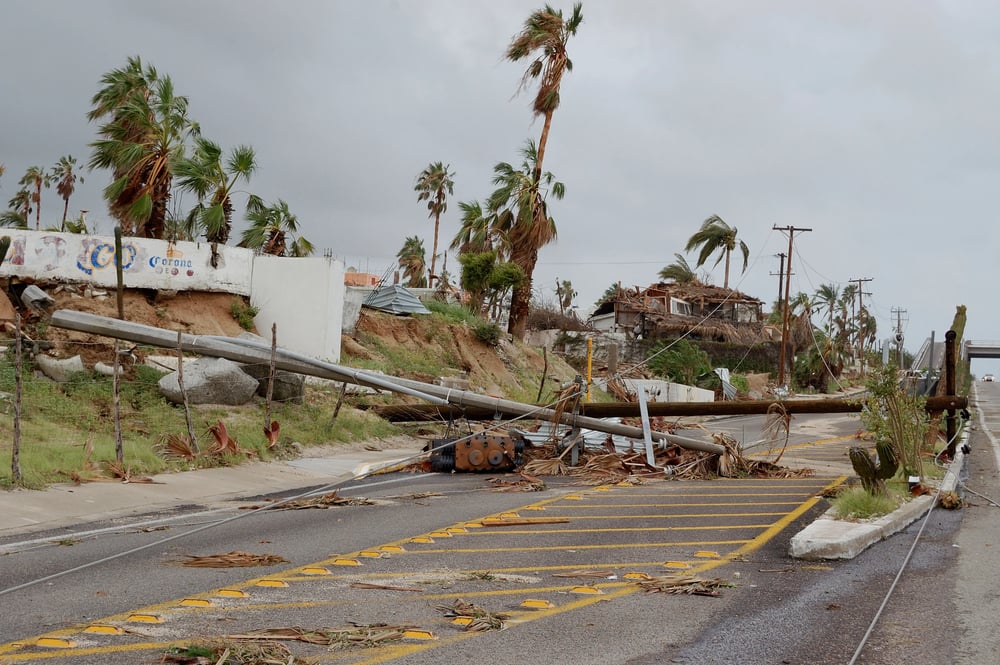
This feels ghoulish, but postcards documenting floods, fires, earthquakes, and other disasters are highly collectible. Photographers rushed to disaster sites and quickly produced postcards for people to send to relatives, proving they’d survived whatever had just happened.
The San Francisco earthquake, major floods, and industrial accidents all generated postcards. These weren’t official commemoratives — they were rushed-to-market documentation of human catastrophe.
Which is exactly why they’re valuable: they capture raw, unfiltered moments when communities were dealing with genuine crisis.
Military Base Views
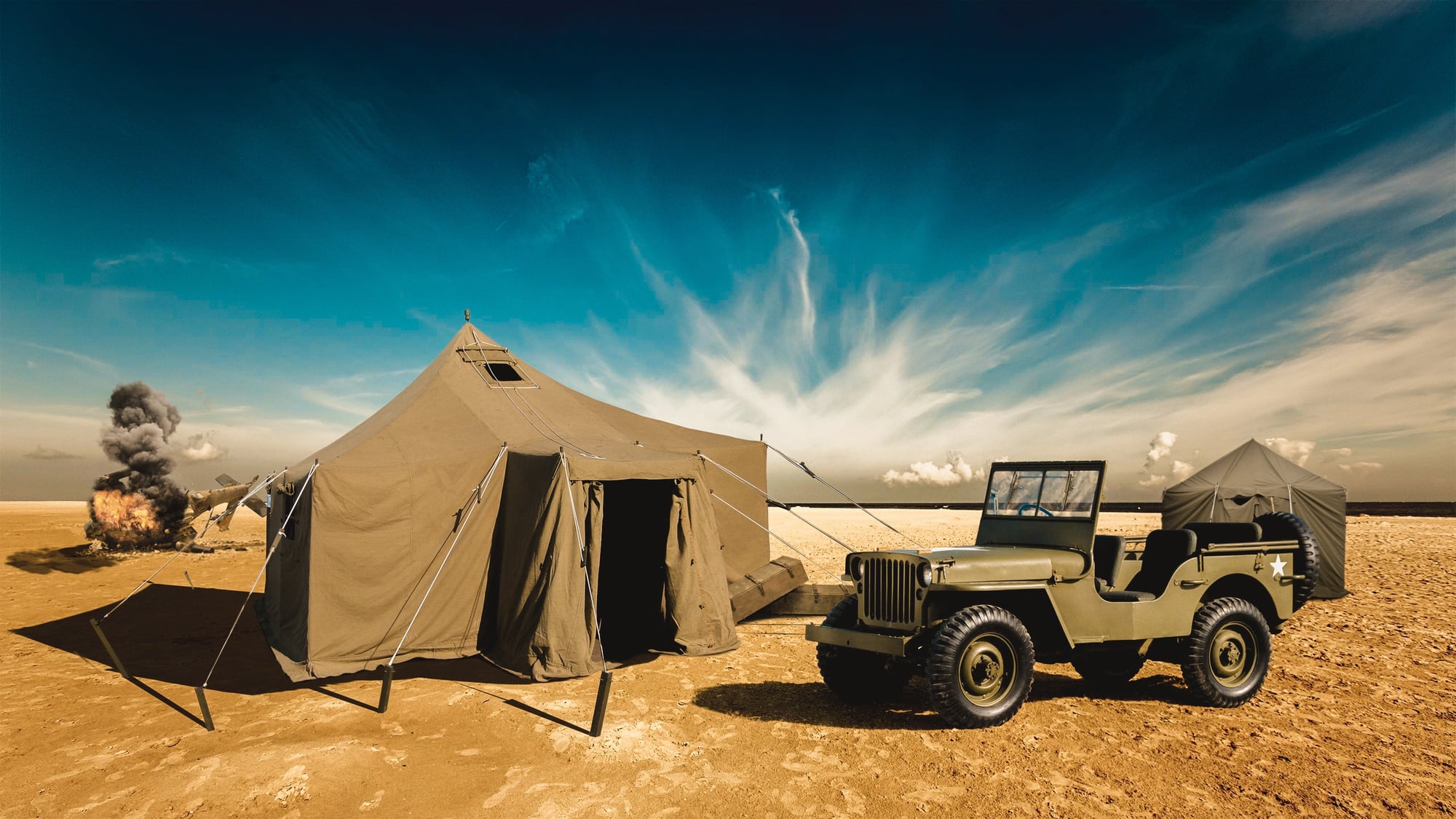
Military bases produced postcards for soldiers to send home, showing barracks, training facilities, and base life. Most of these bases have been closed or significantly changed, making their postcards the only visual record of what military life looked like during specific periods.
World War I and World War II era cards are particularly valuable, especially if they show specific units, aircraft, or equipment. But don’t overlook cards from smaller, lesser-known bases — sometimes those bring higher prices because fewer were produced.
Retail Store Interiors

Department stores, five-and-dimes, and specialty shops commissioned postcards showing their sales floors and merchandise displays. These cards were meant to impress out-of-town customers and demonstrate the store’s size and sophistication.
Most of these stores are gone, victims of changing retail patterns and urban development. Their postcards now serve as documentation of how Americans shopped before malls, before suburbs, before everything changed.
A postcard showing the interior of a major department store in its heyday can sell for $100 to $300.
County Fair Grounds

Local and county fairs produced postcards showing their grounds, exhibits, and attractions. These weren’t major commercial operations — they were community events that lasted a few days each year and generated just enough postcards to satisfy local demand.
Fair postcards capture a specific type of American social life that’s largely disappeared. The images show how communities gathered, what they considered entertainment, and how they celebrated rural life.
Cards showing specific fair buildings, midway attractions, or agricultural exhibits can bring $50 to $200.
Early Automobile Scenes

When cars were still novelties, postcards documented them. Early automobile postcards show the first car dealerships, the first gas stations, and the first traffic jams.
They capture the moment when transportation was changing forever, but nobody quite understood what that meant yet. Postcards showing specific car models, named dealerships, or early automotive events are particularly valuable.
The 1900-1920 period is prime territory, especially if the cars and locations are clearly identifiable.
Manufacturing and Industrial Plants
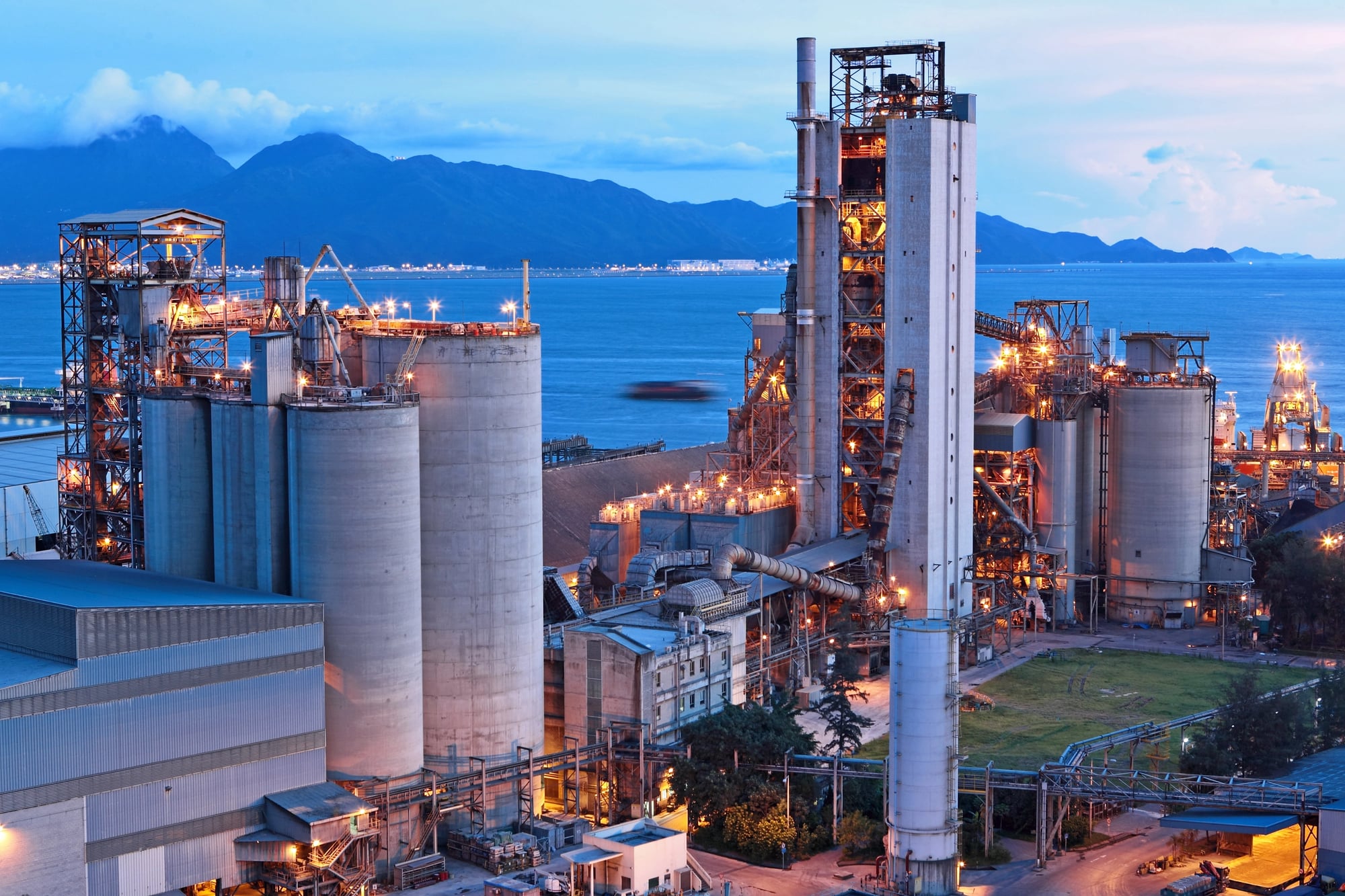
Factories and industrial facilities commissioned postcards to showcase their operations. These weren’t internal company documents — they were public relations tools meant to demonstrate the company’s size, modernity, and importance to the local economy.
Most of these facilities have been demolished or moved overseas, making their postcards the only surviving record of American industrial capacity. Cards showing steel mills, textile factories, or manufacturing plants can sell for hundreds of dollars, especially if the company name and location are clearly visible.
Resort and Vacation Camp Views

Before Disney World, Americans vacationed at family resorts, fishing camps, and mountain lodges. These establishments produced postcards showing their facilities, activities, and natural surroundings.
Most of these places have closed or been developed into something else entirely. The value depends on location and specificity.
A generic “Mountain Resort” card won’t bring much, but one showing “Camp Wildwood, Lake George, New York” with clear views of the buildings and grounds can sell for $100 to $400, especially if the resort had a reputation or catered to a specific clientele.
What Makes Them Valuable

Rarity matters more than beauty. The postcard that looks rough around the edges might be worth more than the pristine one if it’s the only surviving example of something that’s gone forever.
Condition affects price, but scarcity trumps everything else. Collectors want specificity — names, dates, locations, anything that pins the card to a particular place and time.
A vague “Main Street” image is worth less than one clearly labeled “Main Street, Millfield, Ohio, 1912.” The story sells the card.
Treasure Hidden in Plain Sight
The valuable postcards aren’t hiding in obvious places. They’re mixed in with birthday cards from 1987 and grocery lists, dismissed as old junk that needs to be cleared out.
The next time those drawers get opened for spring cleaning, it might be worth taking a longer look at what’s been sitting there all along. Sometimes the most valuable things are the ones nobody thought to value in the first place.
More from Go2Tutors!

- The Romanov Crown Jewels and Their Tragic Fate
- 13 Historical Mysteries That Science Still Can’t Solve
- Famous Hoaxes That Fooled the World for Years
- 15 Child Stars with Tragic Adult Lives
- 16 Famous Jewelry Pieces in History
Like Go2Tutors’s content? Follow us on MSN.