Mysterious Shipwrecks Still Puzzling the Modern World
The ocean keeps its secrets well. Beneath miles of dark water lie vessels that vanished without explanation, their crews and cargo swallowed by circumstances that continue to baffle maritime experts decades or even centuries later.
These aren’t simply ships that sank in storms or battles — their stories are stranger than that. Some disappeared in perfect weather, others were found abandoned with no trace of their crews, and a few defied the very laws of physics in how they met their end.
Each wreck raises more questions than it answers, turning the seafloor into a graveyard of unsolved mysteries.
Mary Celeste
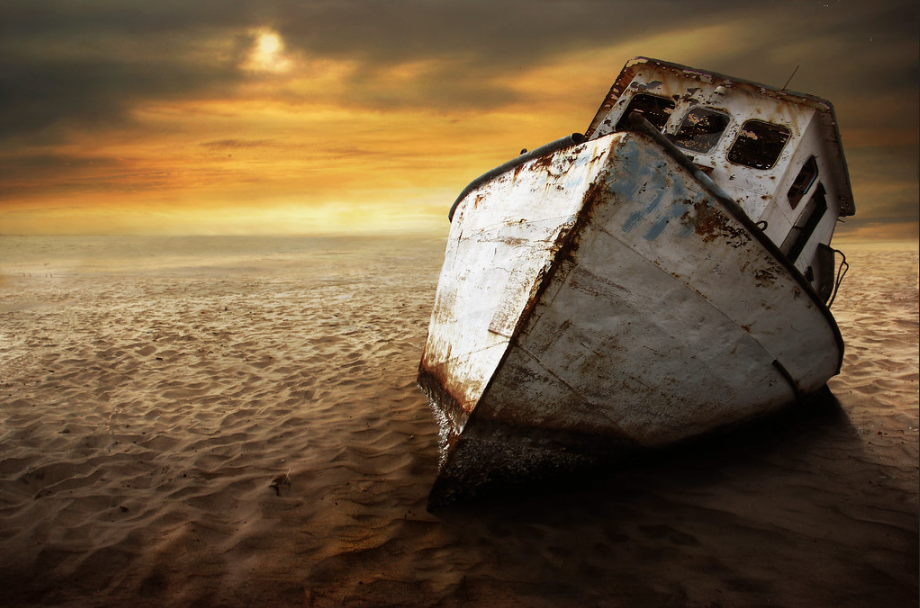
The Mary Celeste didn’t sink — which makes her mystery even stranger. Found drifting between Spain and Portugal in 1872, the merchant ship was in perfect condition.
Her cargo remained untouched, personal belongings were undisturbed, and there was even hot food still on the table. Ten people had simply vanished.
What makes this case particularly unsettling is how normal everything appeared. The ship’s papers were missing, but that’s the only thing out of place.
No signs of struggle, no damage from pirates or weather, no indication that anyone left in a hurry. The lifeboat was gone, suggesting the crew abandoned ship voluntarily — but why would they leave a perfectly seaworthy vessel in calm seas? And yet, despite countless theories involving everything from mutiny to sea monsters, nobody has ever provided a satisfactory explanation for what could make an entire crew disappear from a ship that was sailing itself just fine without them.
Ourang Medan
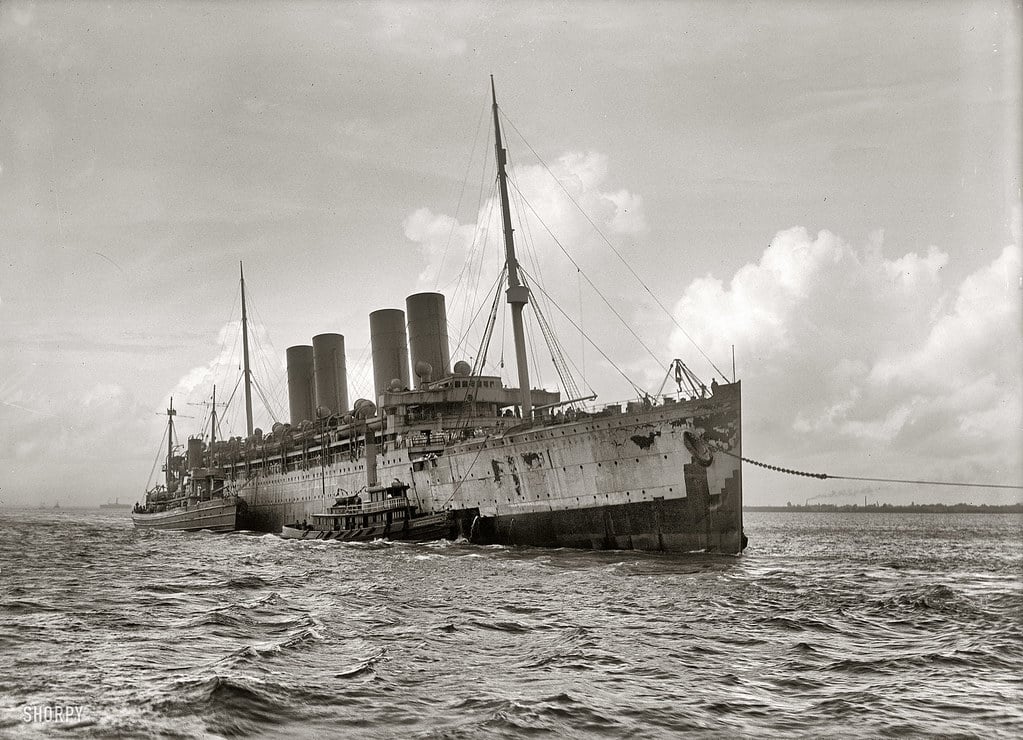
This ghost ship’s story reads like maritime horror fiction, except multiple witnesses swore it happened. In 1947, distress calls crackled across radio frequencies in the Strait of Malacca: “All officers including captain are dead lying in chartroom and bridge. Possibly whole crew dead.”
Then, chillingly: “I die.” When rescue ships reached the Ourang Medan, they found exactly what the final transmission promised.
Every crew member was dead, their faces frozen in expressions of pure terror. No injuries, no signs of violence — just corpses with their eyes wide open, staring at something that apparently scared them to death.
The rescue team barely had time to process what they were seeing before the ship exploded and sank, taking any evidence with it. Some researchers claim the vessel was secretly transporting chemical weapons that leaked, but official records of the Ourang Medan’s existence remain suspiciously thin.
Baychimo
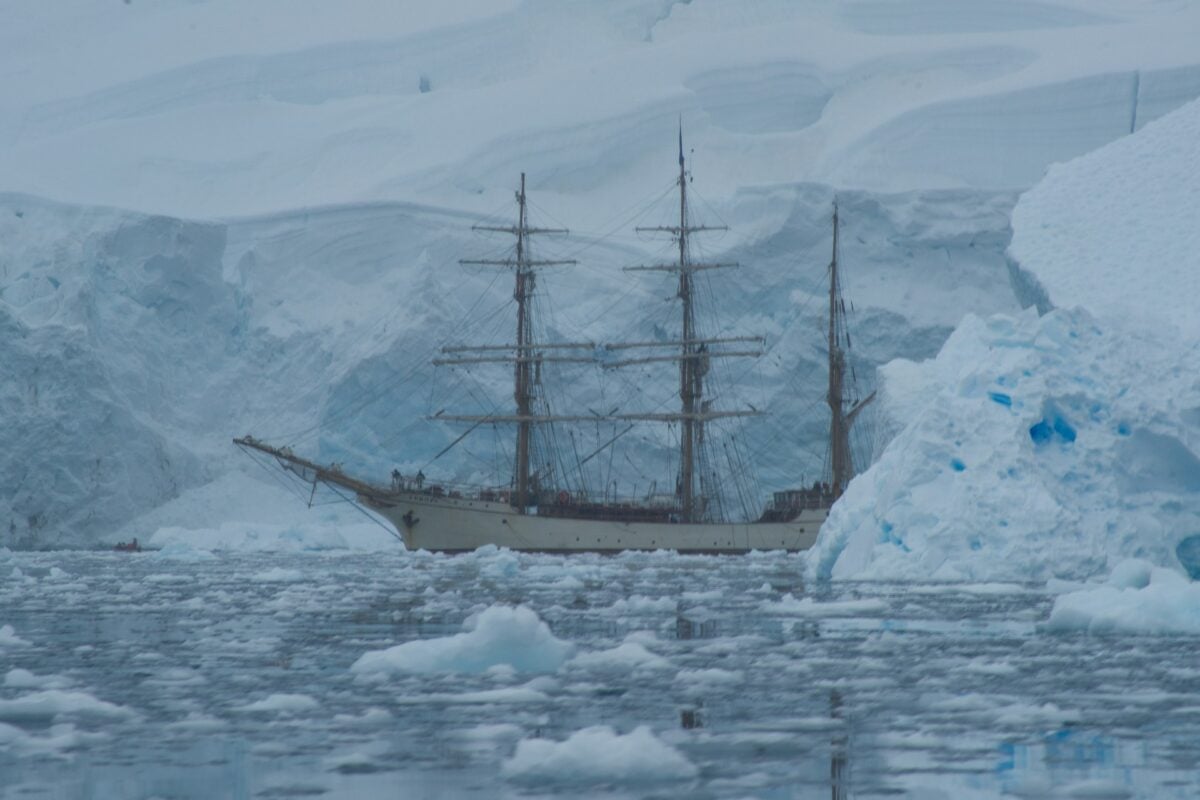
Picture a ship that became a wandering ghost, and you’ll understand the Baychimo. This cargo steamer was abandoned in Arctic ice in 1931, and then something remarkable happened: she refused to stay put.
For decades, the unmanned vessel drifted through the Northwest Passage like a maritime phantom, spotted by surprised crews who couldn’t quite believe what they were seeing. Last confirmed sighting was in 1969, though unverified reports continued for years after.
The ship developed a reputation among Arctic sailors — part legend, part genuine navigation hazard. Some tried to board her, others attempted to claim salvage rights, but the Baychimo had her own agenda.
She would appear suddenly in shipping lanes, then vanish again into the ice flows. Last confirmed sighting was in 1969, though unverified reports continued for years after.
Somewhere in those frozen waters, she might still be drifting, a ship that learned to sail herself.
SS Waratah
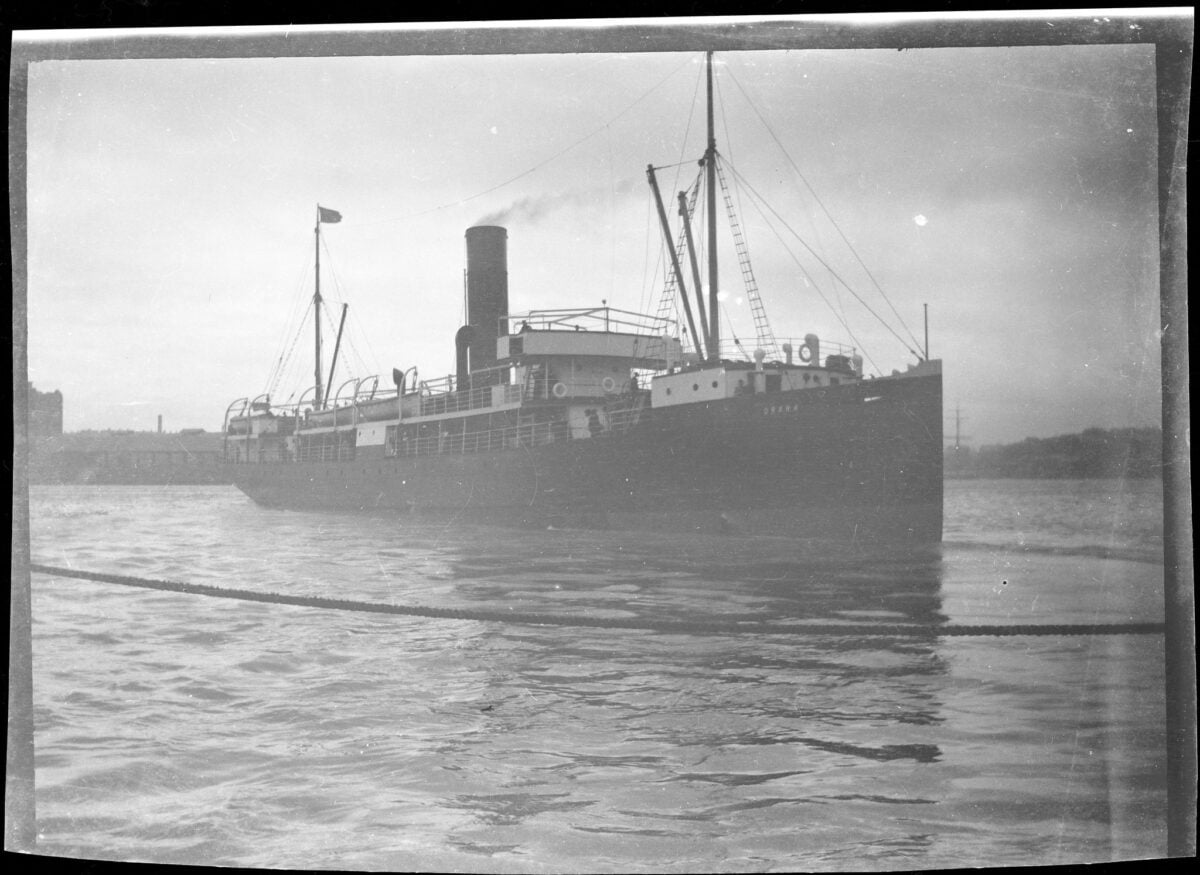
The SS Waratah earned the nickname “Africa’s Titanic” for good reason — she vanished completely with 211 passengers and crew, leaving behind one of maritime history’s most persistent puzzles. The ship departed Durban, South Africa, in July 1909, bound for Cape Town, and simply never arrived.
No distress signal, no wreckage, no survivors. She disappeared as thoroughly as if she’d sailed off the edge of the world.
What makes the Waratah particularly maddening (and this is saying something in a field full of vanishing ships) is how many people almost found her. Search efforts have been ongoing for over a century, with sonar contacts, debris fields, and wreckage that always turns out to be something else.
The ship has become a sort of maritime white whale for researchers, always tantalizingly close to discovery but never quite revealing herself. To be fair, the Indian Ocean is a large place to lose something — but 211 people and a 500-foot steamship should leave more of a trace than this.
MV Joyita
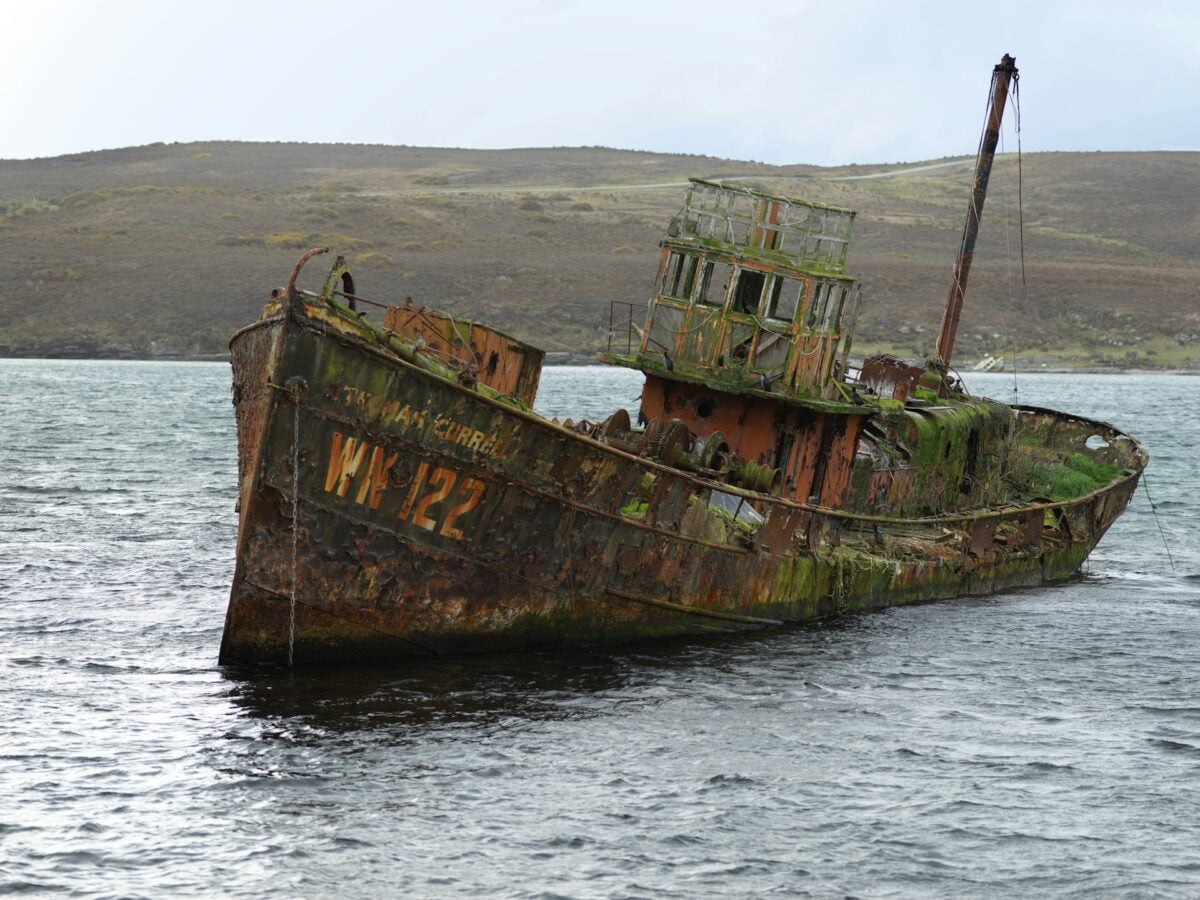
Here’s what salvage crews found when they located the MV Joyita five weeks after she disappeared in 1955: half a ship. The merchant vessel had been carrying 25 passengers and crew between islands in the Pacific when she vanished without a trace.
When searchers finally spotted her partially submerged hull drifting 600 miles from her planned route, everyone aboard was gone. The condition of the ship told a story, but not one that made much sense.
The Joyita was designed to be virtually unsinkable — her hull was lined with cork, and even flooded, she should have stayed afloat indefinitely. Which is exactly what happened, except for the minor detail that her passengers and crew had all disappeared.
Logbooks were missing, lifeboats were gone, and the ship had clearly been abandoned in a hurry. But abandoned for what? The weather had been perfect, there were no distress calls, and the ship was demonstrably seaworthy enough to drift for over a month on her own.
Kaz II
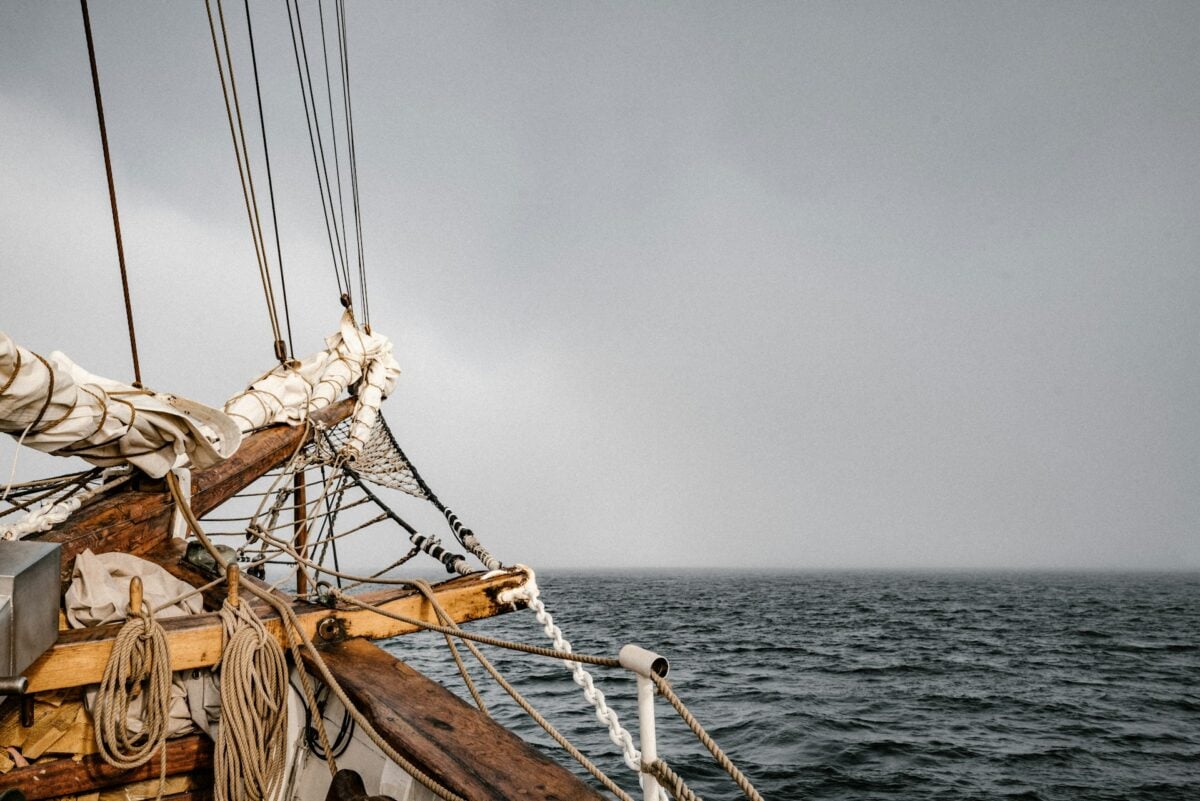
Some ghost ships are old enough that their mysteries have acquired a certain romantic patina of age. The Kaz II is not one of those ships.
This catamaran was found drifting off the Australian coast in 2007 with all the immediacy of a crime scene. Three experienced sailors had simply vanished, leaving behind a vessel that was not only seaworthy but still had its engine running.
The scene was perfectly preserved, like walking into someone’s house mid-conversation. Laptop computers were open and running, fishing lines were still in the water, and the emergency equipment remained unused.
The life raft was still strapped to the deck. Whatever caused three grown men to abandon their boat, it happened fast enough that they didn’t bother turning off the engine or securing a single piece of equipment.
And yet there were no signs of struggle, no indication of mechanical failure, and no reason anyone could identify for leaving a perfectly functional vessel in calm seas.
Carroll Deering
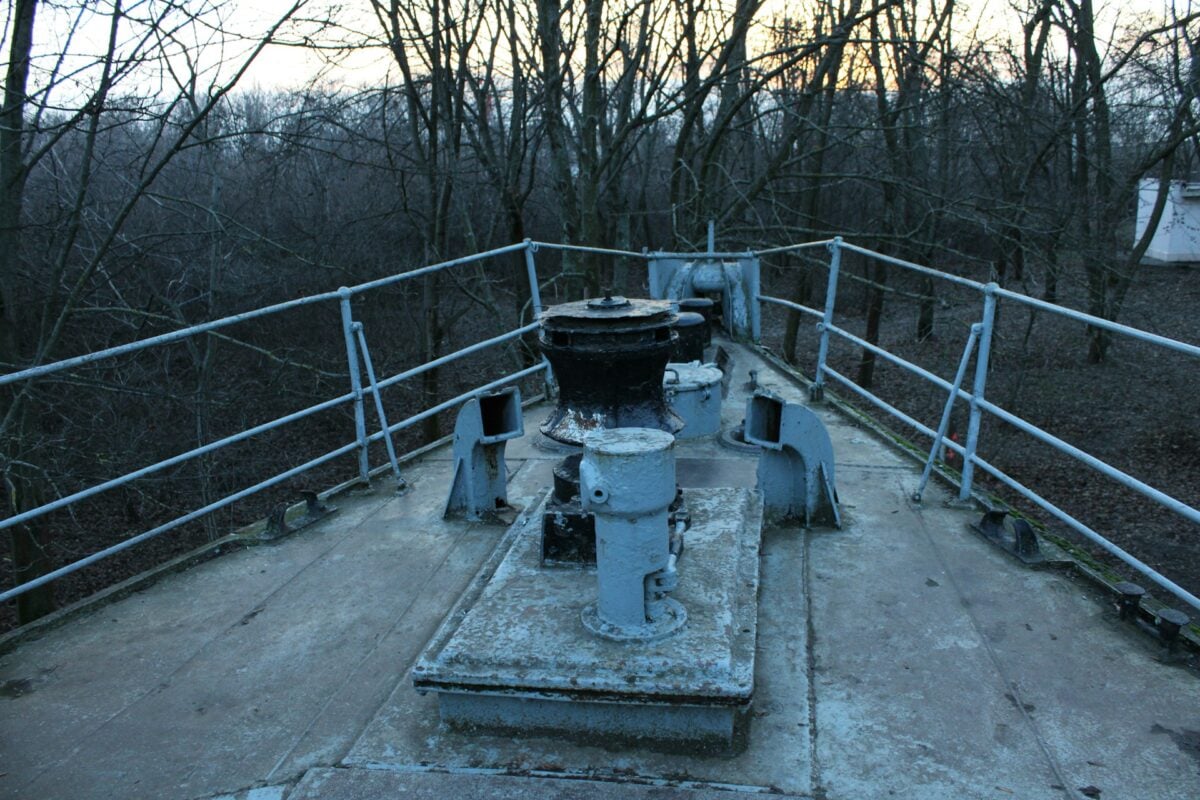
The Carroll Deering presents a mystery wrapped inside a conspiracy theory, with a healthy dose of maritime impossibility thrown in for good measure. This five-masted schooner was found aground off Cape Hatteras in 1921, abandoned but seaworthy, with her crew of 11 vanished completely.
But (and there’s always a but with these stories) the circumstances surrounding her discovery were so strange that government agencies spent years investigating without reaching any satisfying conclusions. The ship’s navigation equipment was missing, her logbooks had disappeared, and both lifeboats were gone — suggesting the crew left voluntarily.
But here’s where things get weird: witnesses reported seeing the vessel sailing erratically days before she was found, with someone on deck who didn’t match the description of her captain. The official investigation considered everything from mutiny to pirates to Soviet agents, which tells you something about how baffling the whole situation was.
So it sticks, decades later, as one of those cases where the evidence points in six different directions simultaneously, and none of them lead anywhere useful.
MV Salem
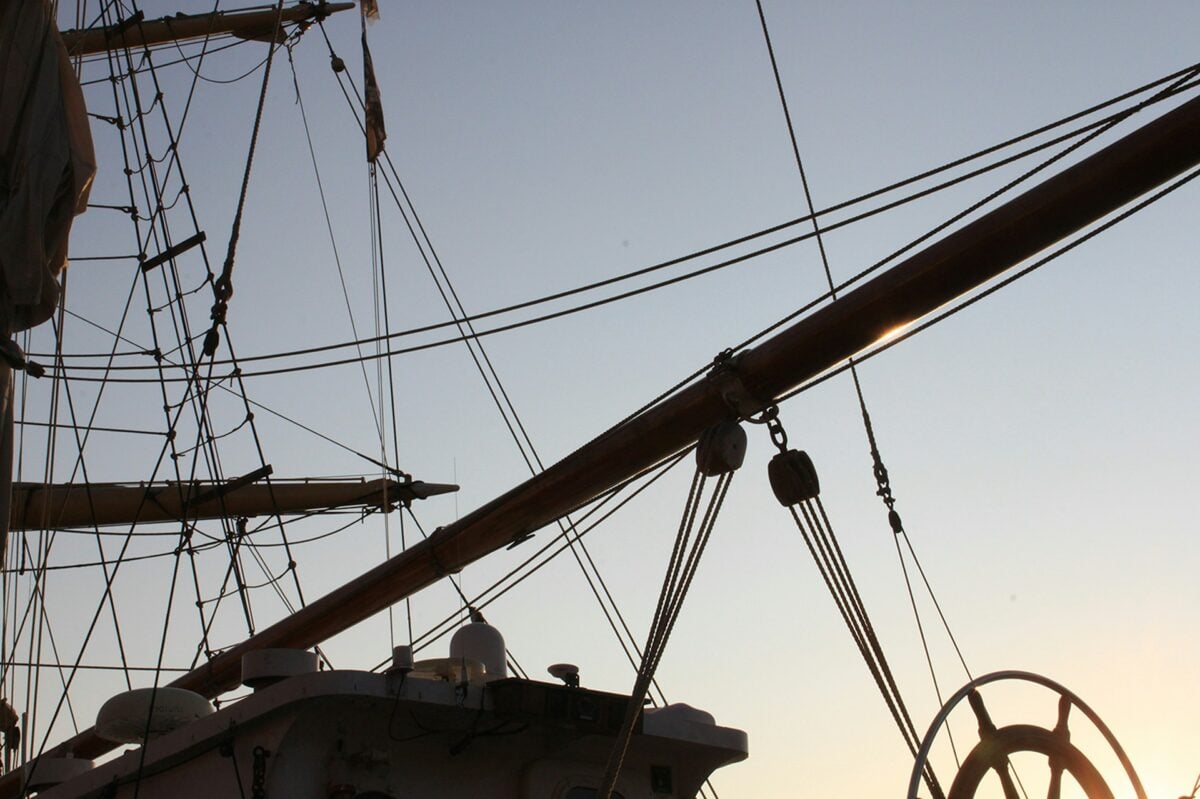
The MV Salem might hold the record for most inexplicable disappearance per ton of cargo. This massive freighter vanished in the South Atlantic in 1980 while carrying a full load of ore — 13,500 tons of metal that should have made the ship relatively easy to locate once it hit the ocean floor.
Instead, both ship and cargo disappeared so completely that maritime investigators began to wonder if they’d been looking in the wrong ocean entirely. What makes the Salem case particularly frustrating is how routine everything seemed right up until it wasn’t.
The ship maintained regular radio contact, weather conditions were normal, and there were no mechanical problems reported. Then the radio went silent, and that was that.
Search efforts covered thousands of square miles of ocean without finding so much as a life preserver. Theories range from structural failure to rogue waves, but none explain how something that large and heavy could vanish so thoroughly.
The ocean floor in that area isn’t exactly uncharted territory — other wrecks have been found and mapped. The Salem just isn’t there.
Zebrina
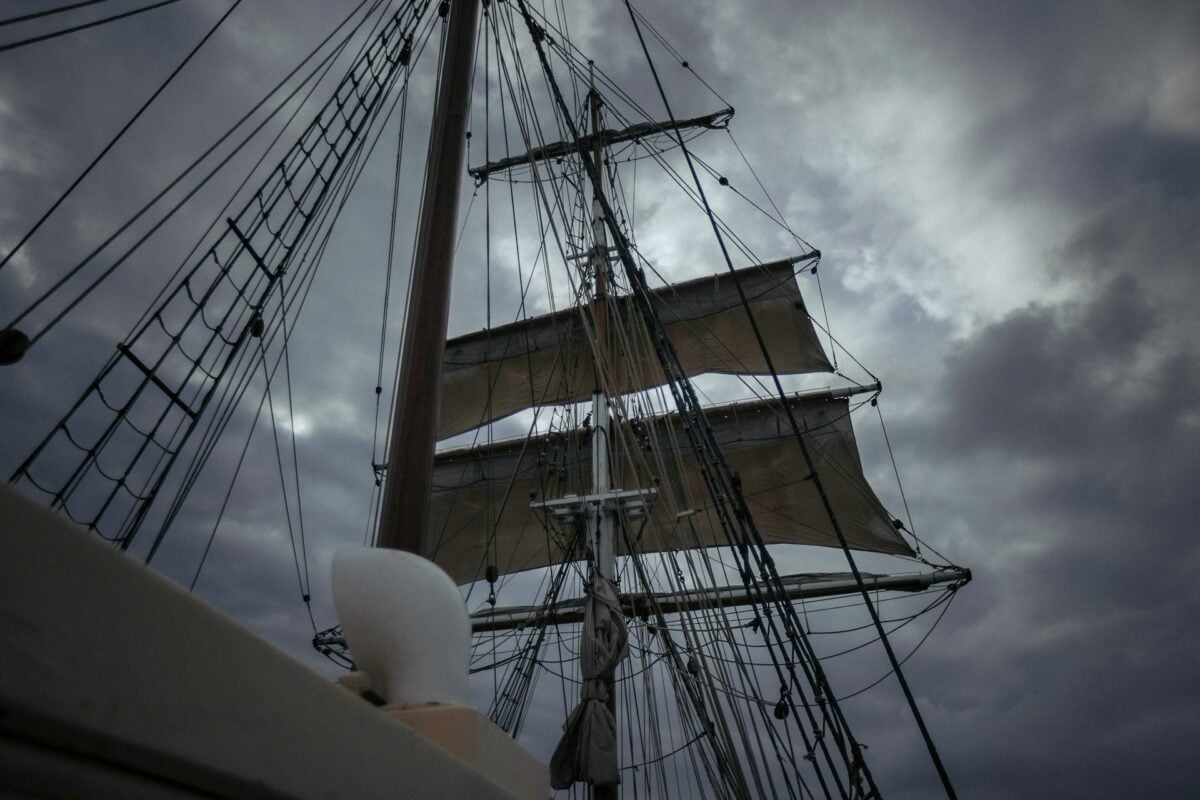
World War I created plenty of maritime casualties, but the Zebrina’s fate stands out for its sheer impossibility. This sailing barge was found run aground on the French coast in 1917, perfectly intact and carrying her full cargo of coal.
Her five-man crew had vanished without explanation, despite the fact that the ship showed no signs of damage from enemy action, storms, or mechanical failure. The Zebrina was essentially a floating coal truck — not the kind of vessel that typically attracts much attention from submarines or warships.
She was found with her sails properly set and her cargo undisturbed, as if the crew had simply decided to step off for a coffee break and never came back. Even during wartime, when ships disappeared regularly for obvious reasons, the Zebrina’s abandonment struck investigators as genuinely bizarre.
The English Channel in 1917 was a dangerous place, but dangerous in predictable ways — torpedoes, mines, and aircraft left evidence behind. Whatever happened to the Zebrina’s crew didn’t.
Stellar Dawn
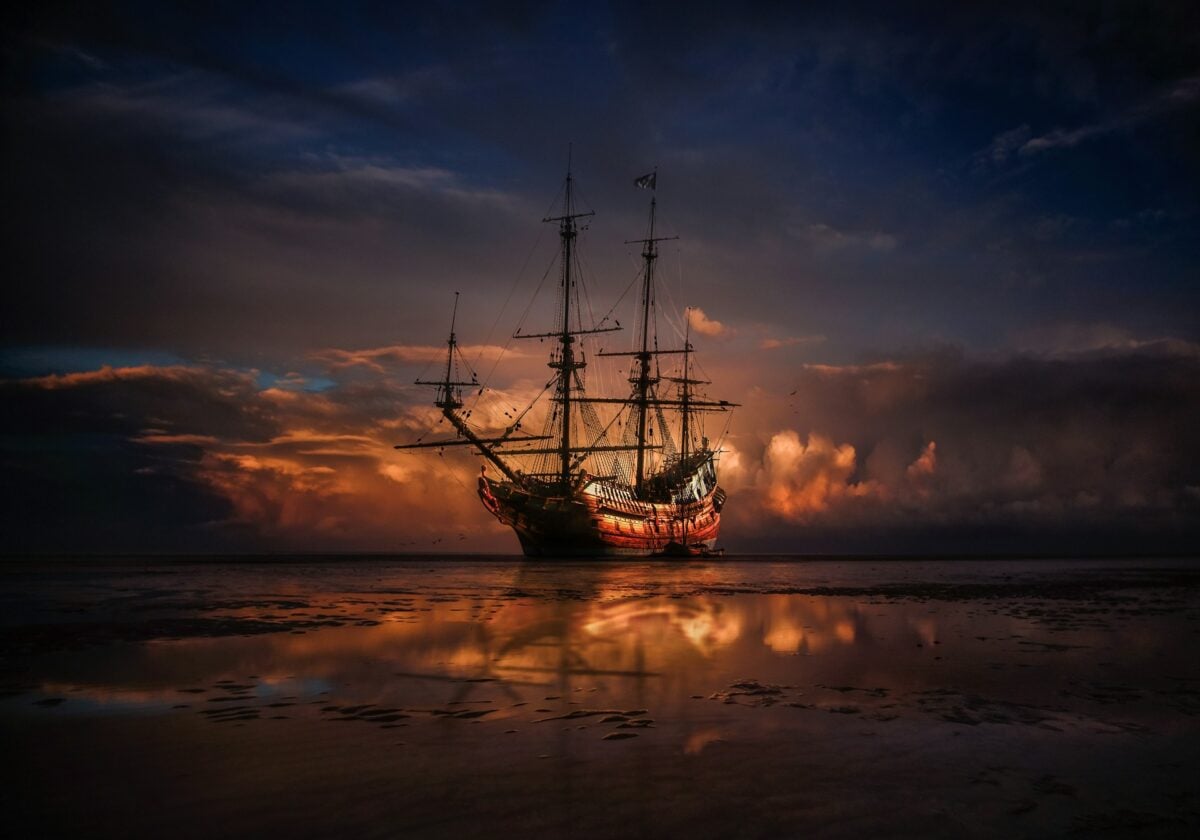
The Stellar Dawn disappeared in 1956 while carrying a cargo that makes her loss particularly ironic: lifeboats. This merchant vessel was transporting emergency equipment between ports when she became an emergency herself, vanishing in the North Atlantic without sending a distress signal or leaving any trace of her 43 crew members.
What’s especially puzzling about the Stellar Dawn is that she disappeared during an era when maritime communication and tracking had become fairly sophisticated. Ships didn’t just vanish the way they had in previous centuries — there were radio schedules to maintain, shipping lanes to follow, and search procedures that had been refined through decades of experience.
And yet the Stellar Dawn managed to disappear as completely as any ghost ship from the age of sail. Search efforts found nothing, and theories about her fate remain pure speculation.
The irony of a ship carrying lifesaving equipment becoming unsaveable itself wasn’t lost on maritime investigators, but it didn’t help them locate the wreck.
Hewitt
Sometimes a ship disappears because it was never supposed to exist in the first place. The Hewitt was a phantom vessel that appeared on shipping reports throughout the 1930s, supposedly carrying various cargoes between American ports.
The problem is that maritime authorities could never quite pin down which ship the Hewitt actually was — her registration numbers didn’t match any known vessel, and her reported routes kept changing in ways that defied basic geography. The Hewitt represents a different kind of maritime mystery — not a ship that vanished, but a ship that may never have existed at all.
Yet cargo manifests, port authorities, and shipping companies all have records of her movements. Either someone created an elaborate paper trail for a nonexistent vessel (but why?), or the Hewitt was operating under false documentation for reasons that remain unclear.
The ship’s “final voyage” supposedly ended when she disappeared somewhere in the Caribbean, but investigators were never certain there was anything to disappear.
SS Poet
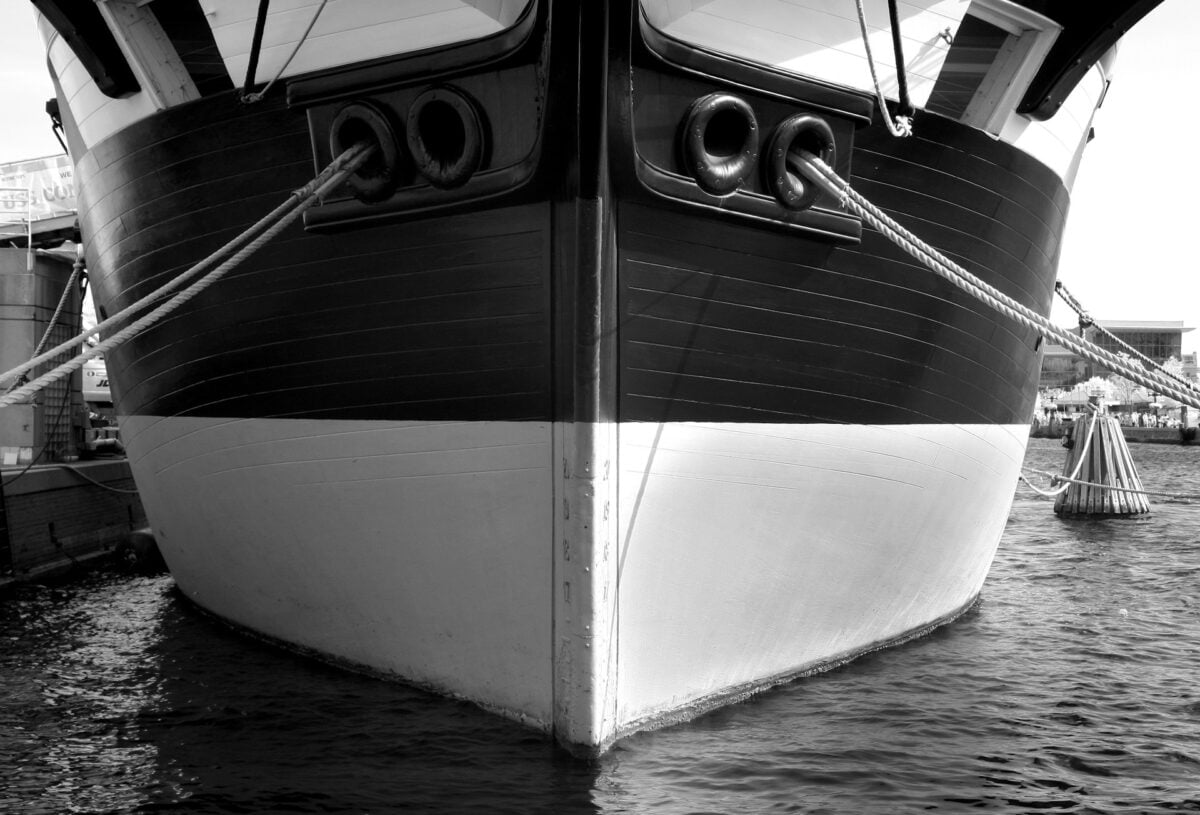
The SS Poet vanished in the North Atlantic in 1980, taking her crew of 34 with her. What makes this disappearance particularly unsettling is how modern the ship was — equipped with all the safety equipment and communication technology that was supposed to prevent vessels from simply vanishing without a trace.
The Poet sent no distress signal, left no debris field, and disappeared so completely that search efforts never found anything larger than a few life preservers. The ship was carrying a cargo of corn, which shouldn’t have presented any unusual hazards, and weather conditions were challenging but not catastrophic.
Grain cargoes can shift and cause stability problems, but experienced crews know how to handle those situations. The Poet’s officers were veterans, and the ship herself was well-maintained.
Yet something went wrong quickly enough that nobody had time to send a radio message or deploy emergency equipment. The official investigation blamed the loss on cargo shifting, but that conclusion satisfied exactly nobody — cargo shifts cause problems, not complete disappearances.
Princess Augusta
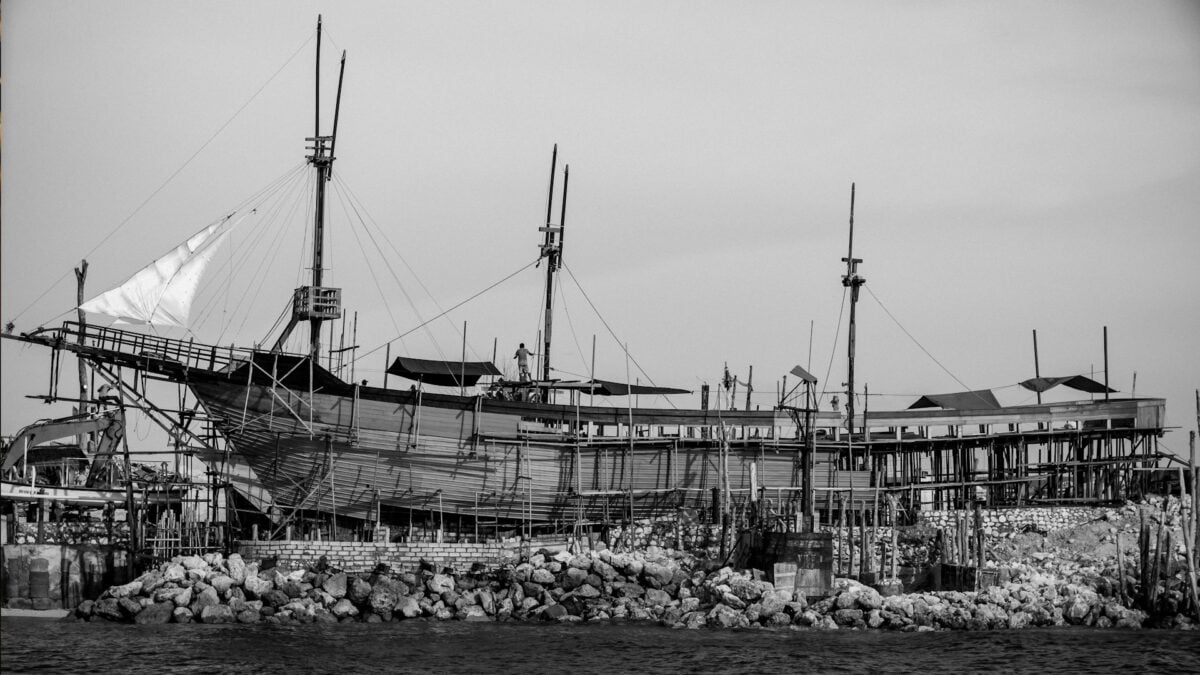
The Princess Augusta deserves recognition as perhaps the most persistently spooky shipwreck in American waters. This colonial-era vessel was carrying German immigrants when she ran aground off Block Island in 1738, but her story didn’t end with the wreck.
According to local accounts that have persisted for nearly three centuries, the ship still appears in the waters around the island, sailing through storms with phantom passengers visible on her deck. What makes the Princess Augusta unique among ghost ship stories is the consistency of the sightings.
Generation after generation of fishermen and Coast Guard personnel have reported seeing the same apparition — a ship that appears during rough weather, sails against the wind, and vanishes when approached. Skeptics point out that Block Island’s waters are notoriously tricky and that optical illusions are common in stormy conditions.
But the descriptions remain remarkably consistent across centuries of witnesses, which is either a testament to the power of local folklore or evidence that some shipwrecks refuse to stay wrecked.
The Water’s Memory
These mysteries share something more unsettling than their individual puzzles — they remind us how little we actually control the vast spaces we attempt to cross. Ships vanish, crews disappear, and the ocean keeps its explanations to itself, indifferent to our need for closure.
Each wreck represents not just a maritime tragedy, but a humbling reminder that for all our technology and experience, the sea still holds dominion over human ambition. The mysteries endure because they have to — some questions are larger than the answers we’re capable of providing.
More from Go2Tutors!

- The Romanov Crown Jewels and Their Tragic Fate
- 13 Historical Mysteries That Science Still Can’t Solve
- Famous Hoaxes That Fooled the World for Years
- 15 Child Stars with Tragic Adult Lives
- 16 Famous Jewelry Pieces in History
Like Go2Tutors’s content? Follow us on MSN.