15 World-Changing Events That Happened Because Someone Forgot to Do Something
Throughout history, some of the most consequential moments have occurred not because of deliberate action, but due to oversight, negligence, or simple forgetfulness. These instances of human error have altered the course of nations, sparked technological revolutions, and sometimes changed our world in surprisingly positive ways.
The butterfly effect of these forgotten tasks demonstrates how the smallest moments of inattention can cascade into history-altering events. Here is a list of 15 world-changing events that happened because someone forgot to do something, revealing how oversight can sometimes be the unexpected catalyst for transformation.
The Sinking of the Titanic
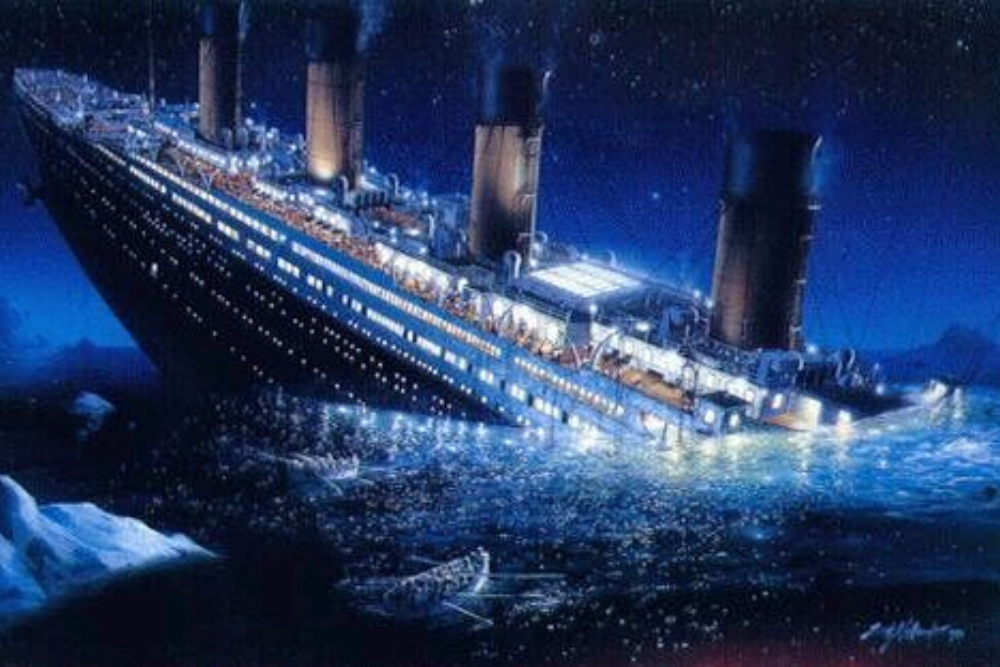
The Titanic’s tragic fate was sealed partly because a lookout crew forgot their binoculars. Second Officer David Blair was replaced before the voyage and inadvertently took the key to the locker containing the ship’s binoculars with him.
Without this critical equipment, lookouts Frederick Fleet and Reginald Lee spotted the iceberg too late to avoid collision. Fleet later testified at the inquiry that with binoculars, they would have seen the iceberg in time to prevent the disaster that claimed over 1,500 lives and transformed maritime safety regulations forever.
Penicillin’s Accidental Discovery
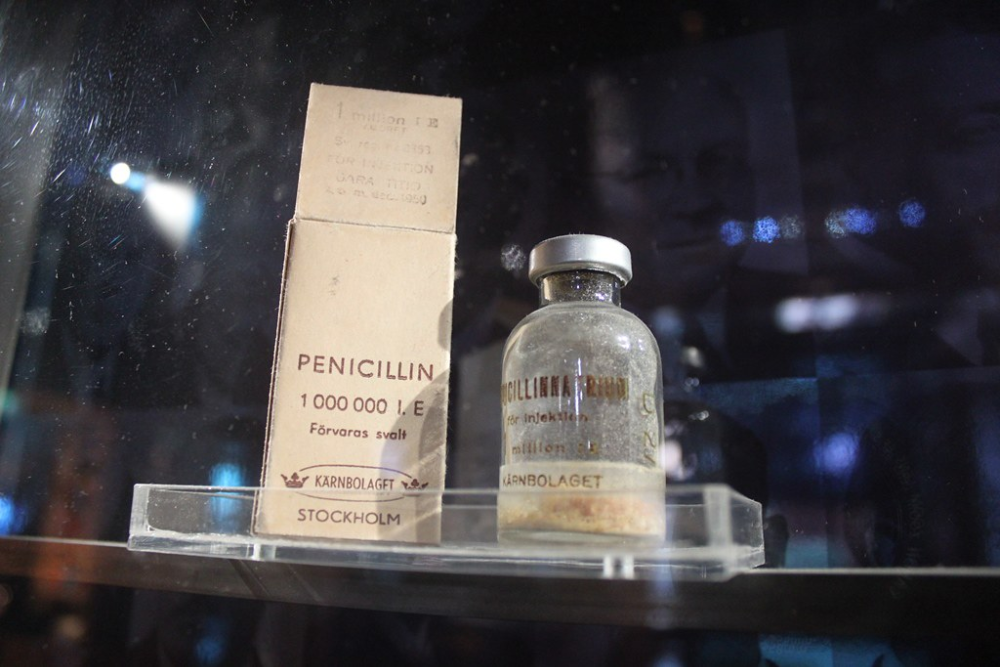
Alexander Fleming’s world-changing discovery of penicillin happened because he forgot to clean up his laboratory before going on vacation in 1928. Upon returning, Fleming noticed a mold (Penicillium notatum) had contaminated one of his petri dishes containing Staphylococcus bacteria.
The area around the mold was clear of bacteria, indicating the mold’s bacteria-killing properties. This fortuitous oversight led to the development of antibiotics, which have saved countless lives and fundamentally altered modern medicine’s approach to treating bacterial infections.
The Miracle on the Hudson
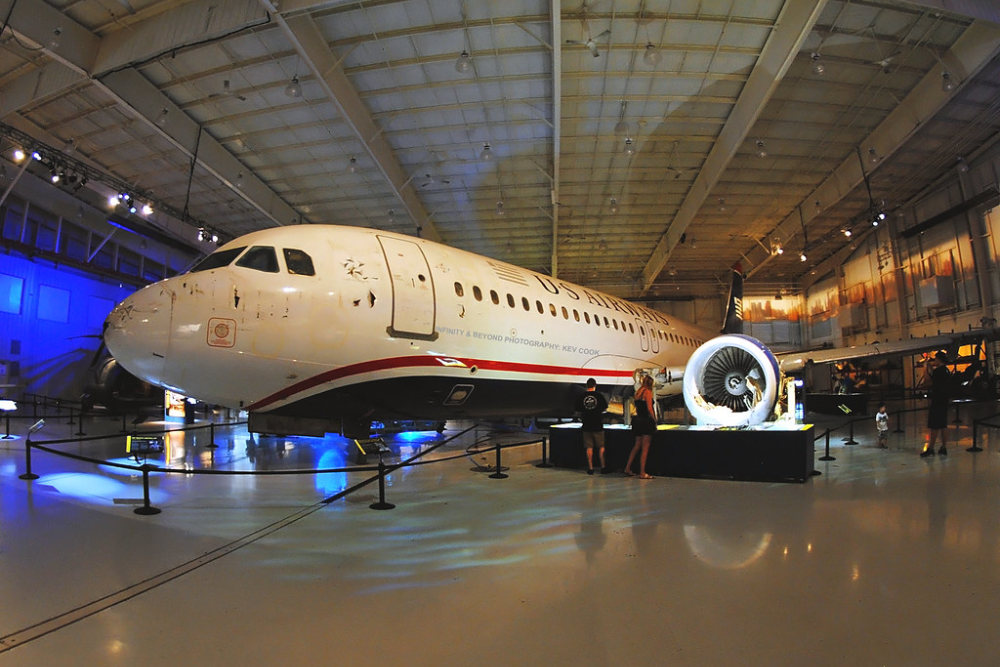
When US Airways Flight 1549 struck a flock of geese in 2009, the resulting emergency landing on the Hudson River became legendary, but few realize it stemmed from an oversight in wildlife management. Airport authorities had forgotten to implement effective bird deterrent systems around LaGuardia, despite previous incidents.
The Canada geese that disabled both engines of the Airbus A320 were descendants of introduced birds that wildlife managers had forgotten to monitor properly. Captain Chesley Sullenberger’s miraculous landing prompted nationwide improvements in airport wildlife management and aircraft emergency protocols.
The Fall of the Berlin Wall
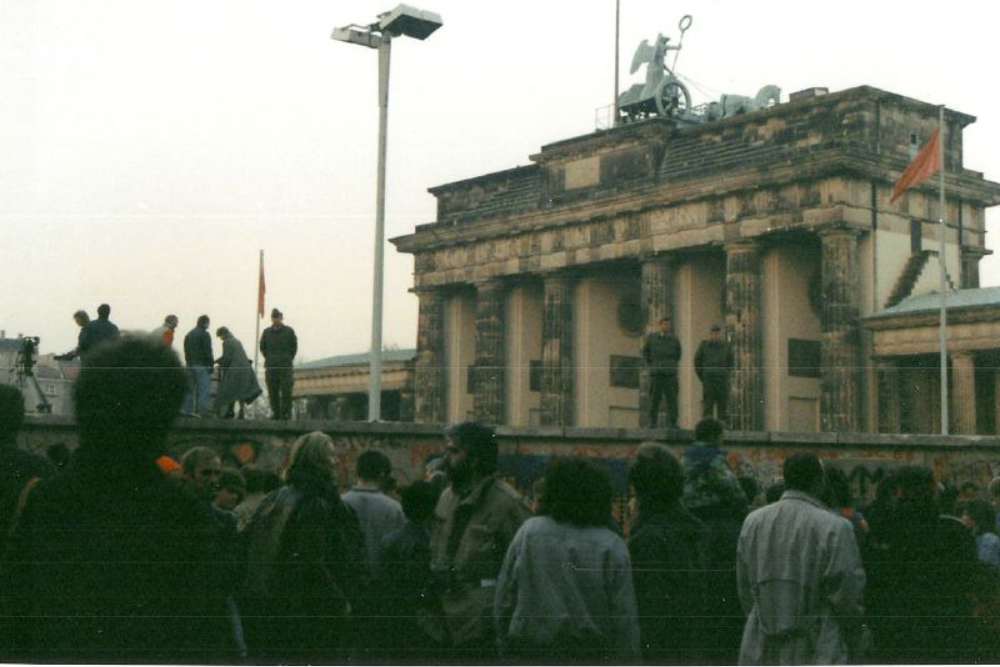
The fall of the Berlin Wall in 1989 was accelerated because an East German official forgot to review the details of a news conference announcement. During a press conference on November 9, government spokesman Günter Schabowski announced new regulations allowing East Germans to cross the border, but he hadn’t read the entire directive.
When asked when these changes would take effect, he mistakenly said ‘immediately’ instead of the planned gradual implementation. Thousands of East Berliners rushed to the wall, overwhelming unprepared border guards who eventually opened the gates, leading to German reunification and ending the Cold War division of Europe.
Hawaii’s False Missile Alert
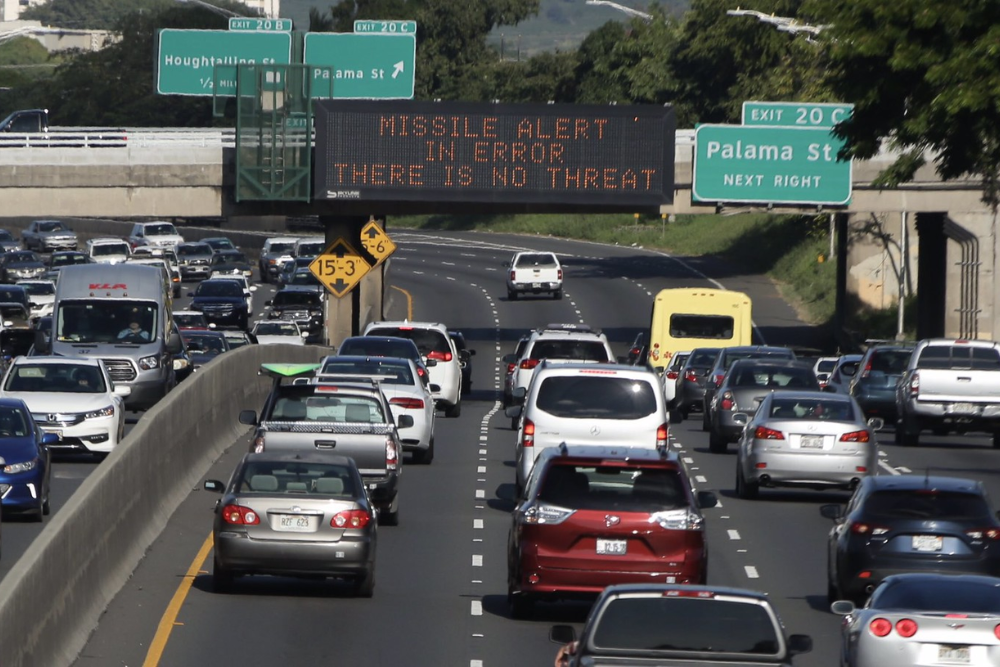
In January 2018, an emergency management employee in Hawaii forgot to distinguish between a drill and a real alert, sending a mistaken missile warning to the entire state. The worker clicked the wrong option during a shift change procedure, triggering an alert that read: ‘BALLISTIC MISSILE THREAT INBOUND TO HAWAII. SEEK IMMEDIATE SHELTER. THIS IS NOT A DRILL.’
The false alarm caused widespread panic, exposed critical flaws in emergency alert systems, and prompted a nationwide overhaul of warning protocols and fail-safe measures to prevent similar incidents.
Photographic Revolution
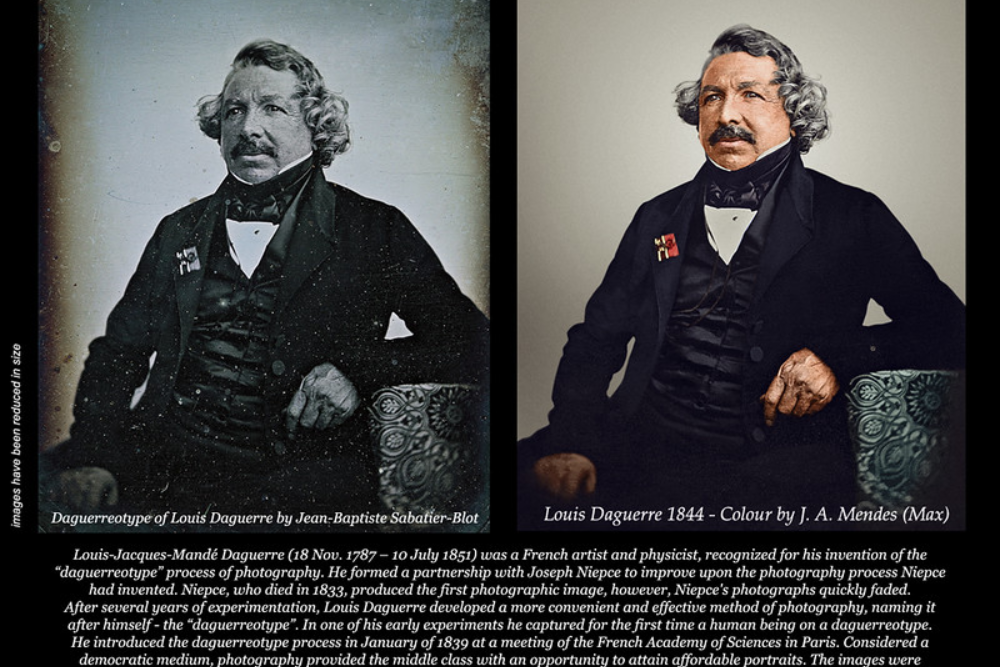
The invention of photography accelerated because Louis Daguerre forgot to put away a chemically treated plate. After unsuccessfully trying to develop images, Daguerre stored mercury-treated silver plates in a cabinet containing various chemicals. He later discovered one plate had developed a perfect image overnight, likely because mercury vapor from a broken thermometer had reacted with the silver iodide.
This accidental discovery led to the development of the daguerreotype process in 1839, the first commercially viable photographic method, democratizing image creation and fundamentally changing how we document our world.
NASA’s Mars Climate Orbiter Crash
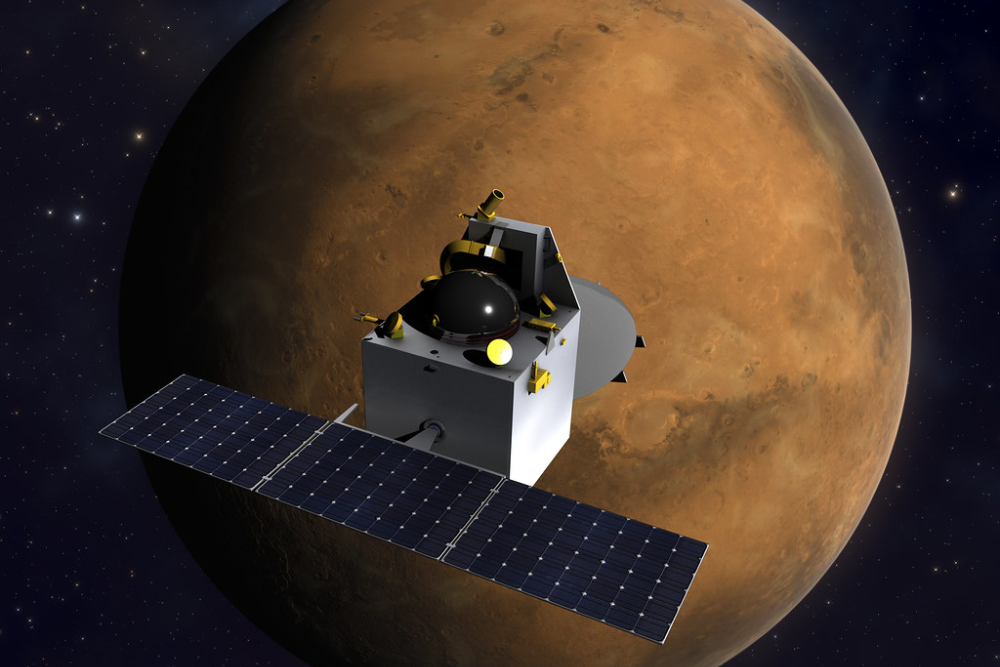
In 1999, NASA’s $125 million Mars Climate Orbiter disintegrated in the Martian atmosphere because engineers forgot to convert between imperial and metric units. One team used Newton-seconds while another used pound-seconds, causing the spacecraft to approach Mars at the wrong angle.
This costly oversight led to the implementation of rigorous unit-checking procedures across scientific collaborations worldwide. The incident highlighted the critical importance of standardized measurement systems in international projects and transformed how global scientific teams communicate technical specifications.
The 1908 London Olympics
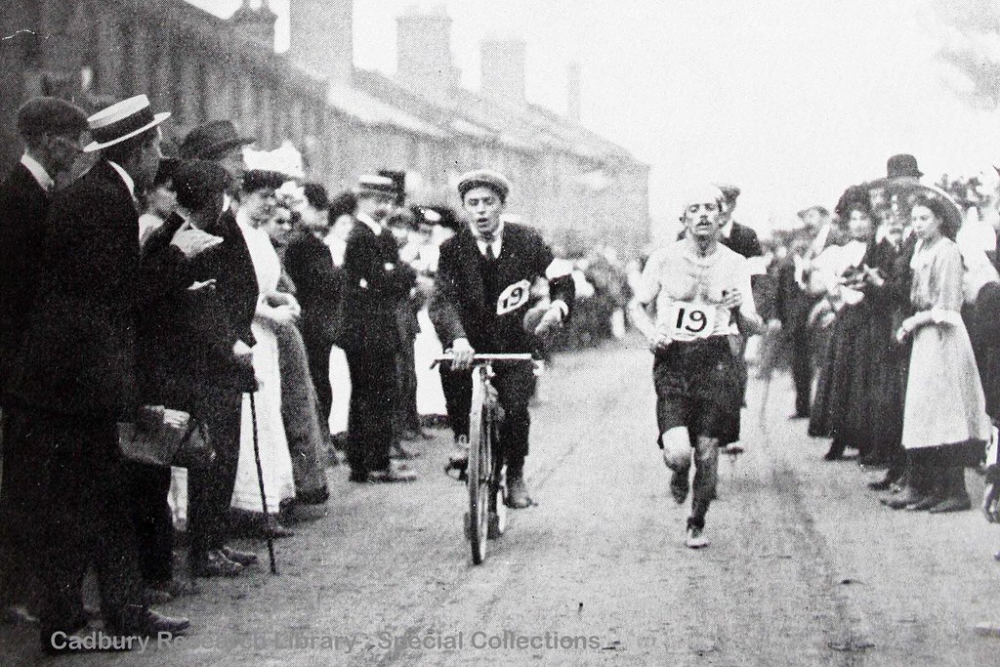
The 1908 Olympic marathon distance was unintentionally standardized at 26.2 miles because organizers forgot to account for royal viewing preferences. The original course measured exactly 26 miles from Windsor Castle to London’s Olympic Stadium, but organizers extended it by 385 yards so the race would finish in front of the royal box.
This last-minute change to accommodate King Edward VII and Queen Alexandra became the official marathon distance adopted worldwide in 1921, impacting millions of runners over the following century.
The Start of World War I
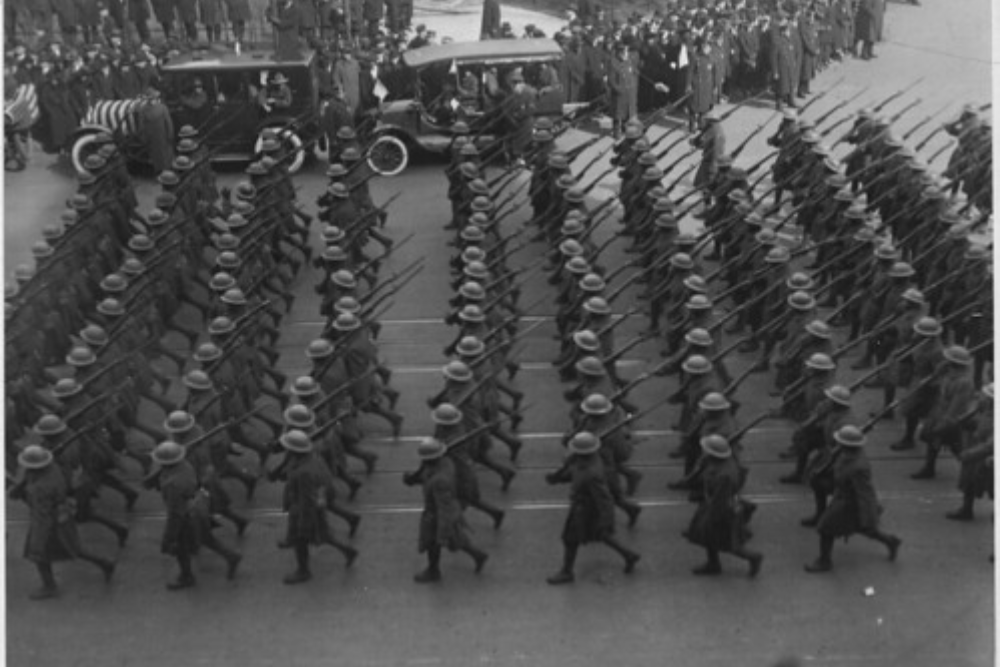
The assassination that triggered World War I succeeded because a driver forgot his route. After an initial failed assassination attempt against Archduke Franz Ferdinand in Sarajevo, his driver took a wrong turn while trying to go to the hospital to visit those injured in the first attempt.
When the driver stopped to reverse, the vehicle stalled directly in front of the assassin Gavrilo Princip, who had given up and was getting a sandwich. This chance encounter provided Princip the opportunity to shoot the Archduke at point-blank range, setting in motion a chain of events that led to a conflict claiming over 20 million lives.
The Introduction of Coca-Cola
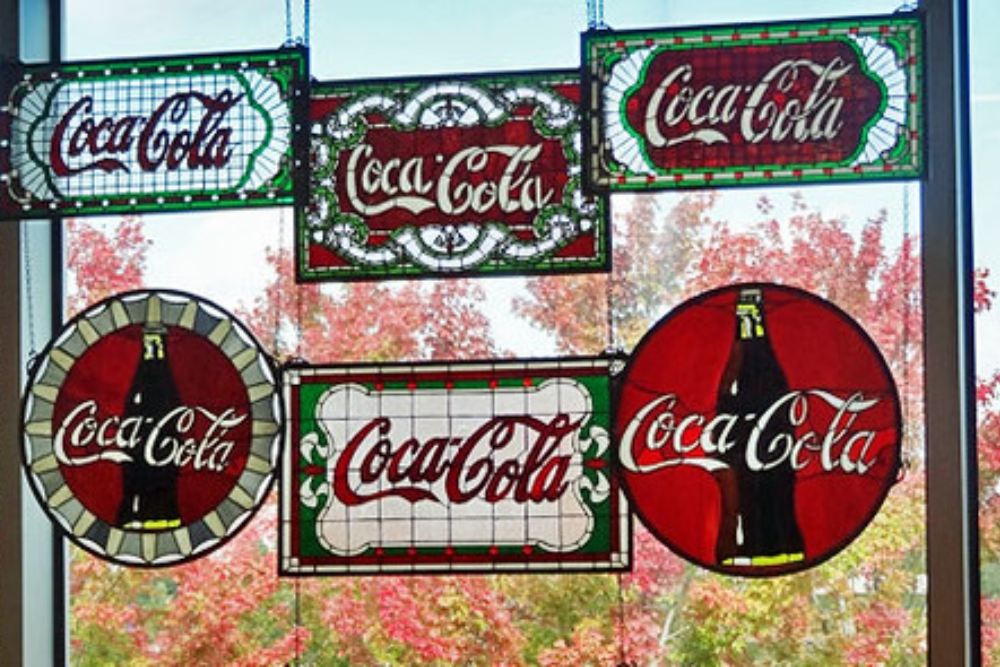
Coca-Cola’s unique flavor emerged because pharmacist John Pemberton forgot to label his ingredients properly. In 1886, while working on medicinal formulas, Pemberton accidentally mixed carbonated water with his experimental syrup instead of plain water.
Customers found the resulting beverage delicious, leading Pemberton to market it as a refreshing drink rather than medicine. This oversight created one of the world’s most recognized brands and transformed the soft drink industry, making carbonated beverages a global phenomenon consumed by billions.
The Creation of the Microwave Oven
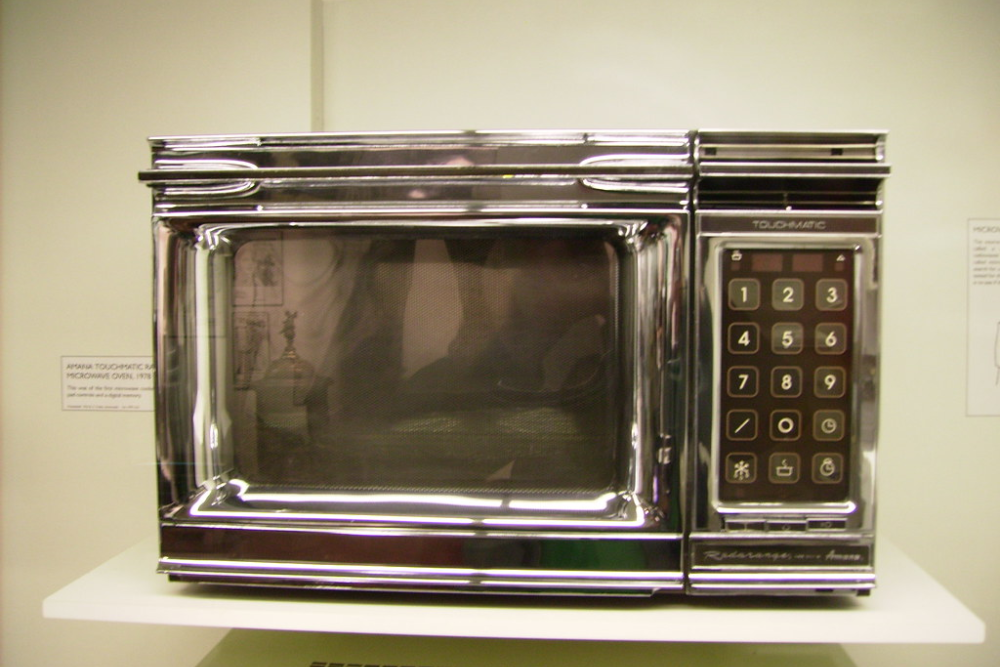
The microwave oven exists because engineer Percy Spencer forgot to empty his pockets while testing radar equipment. In 1945, while working with an active radar set, Spencer noticed a chocolate bar in his pocket had melted.
Intrigued rather than dismissive of this observation, he experimented by placing popcorn kernels near the magnetron tube and watching them pop. Spencer’s curiosity about this oversight led to the development of the first microwave cooking appliances, revolutionizing food preparation for households worldwide.
The Cuban Missile Crisis Escalation
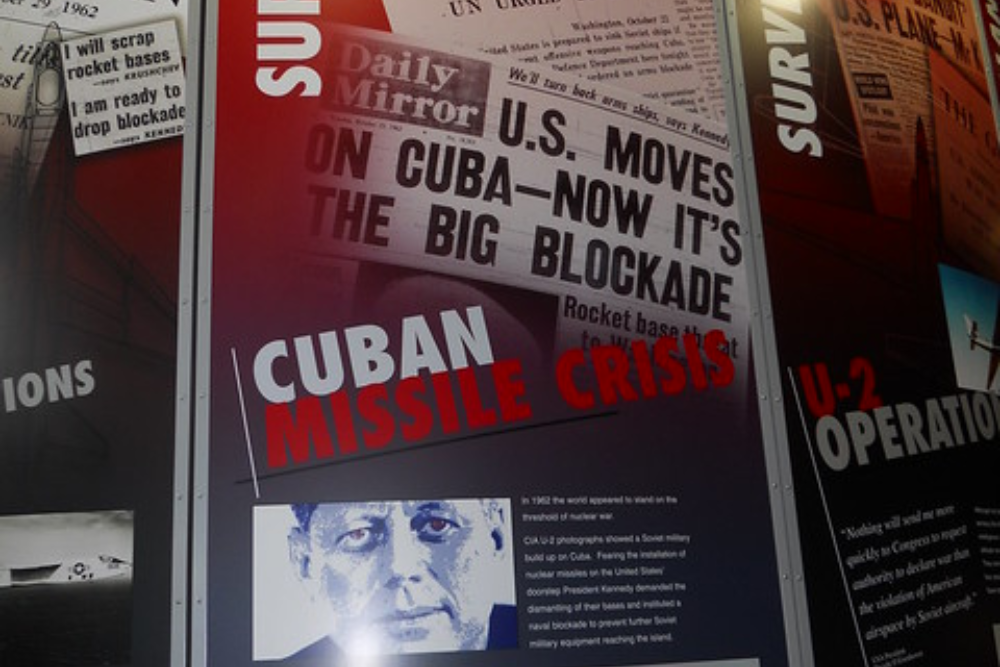
A crucial moment in the Cuban Missile Crisis occurred because a U-2 pilot forgot to reset his navigation equipment. On October 27, 1962, pilot Charles Maultsby accidentally strayed into Soviet airspace on an air sampling mission near the North Pole.
Soviet fighters scrambled to intercept the American plane, and U.S. fighters armed with nuclear air-to-air missiles were sent to protect it. This dangerous escalation during the tensest nuclear standoff in history could have triggered catastrophic conflict.
The incident led directly to the installation of improved navigation systems and the Moscow-Washington hotline to prevent future misunderstandings.
The Discovery of X-Rays
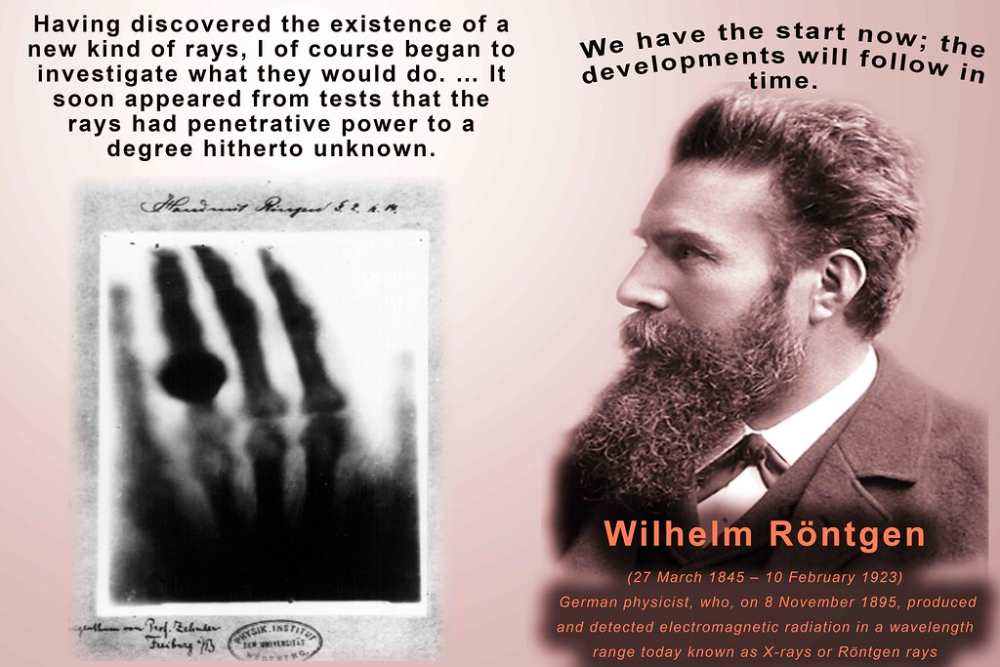
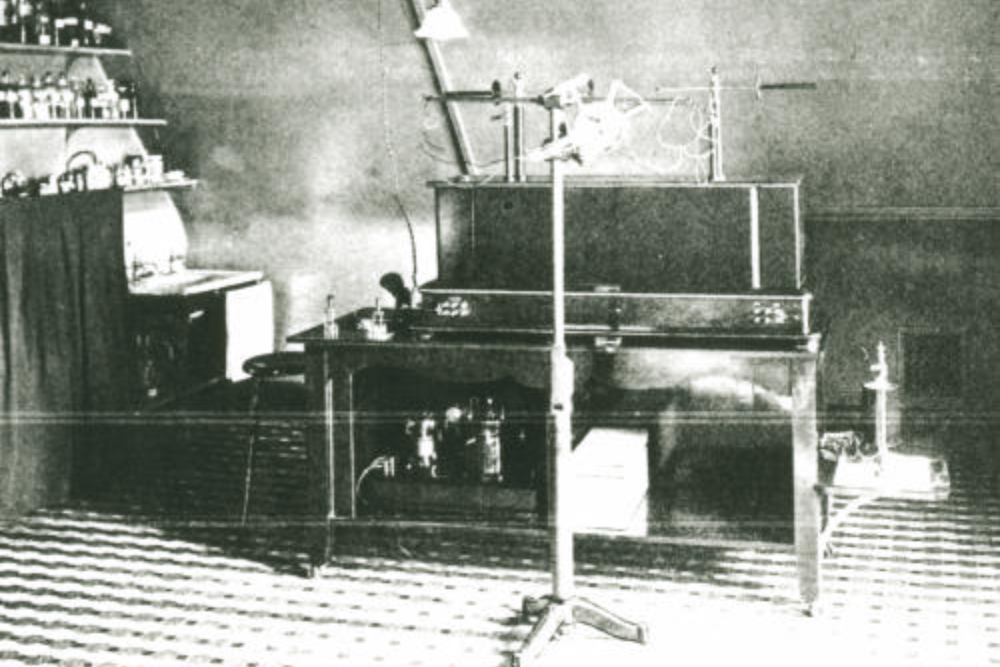
Wilhelm Röntgen discovered X-rays in 1895 because he forgot to clear his workspace fully. While experimenting with cathode rays, Röntgen noticed a barium platinocyanide screen glowing unexpectedly across the room, despite the tube being covered.
He realized unknown rays were passing through the cardboard shield he had forgotten to remove entirely. His subsequent experiments, including the famous image of his wife’s hand showing her bones and wedding ring, launched the field of radiography.
This oversight revolutionized medicine, enabling doctors to see inside the human body without surgery for the first time.
The Treaty of Versailles Reparations Error
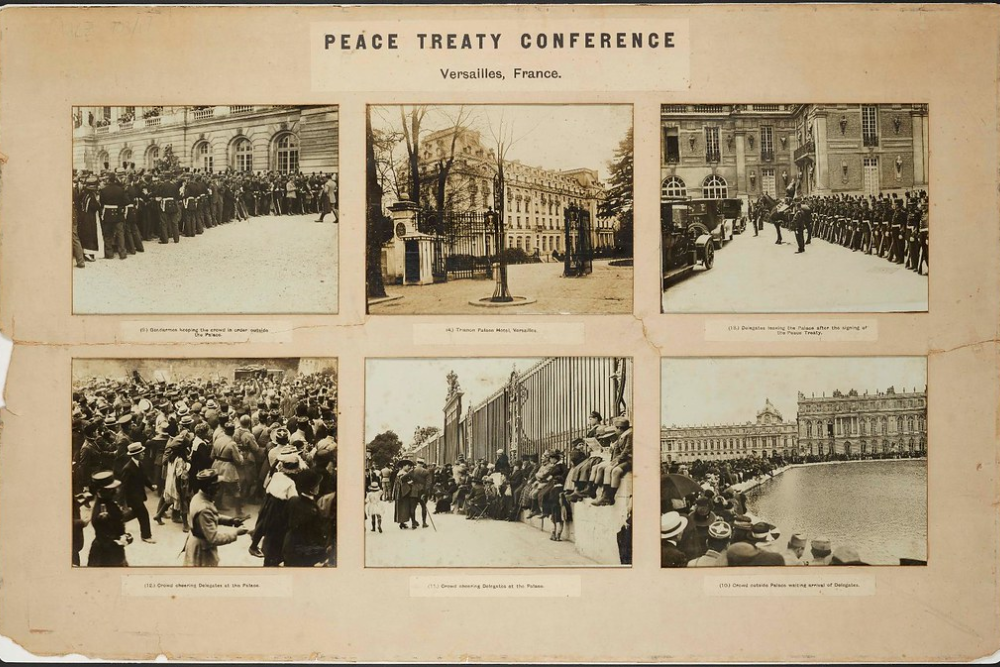
The harsh economic penalties imposed on Germany after World War I were accidentally inflated because someone forgot to check a decimal point. During negotiations for the Treaty of Versailles, an economic advisor miscalculated the reparation amount, effectively multiplying it several times beyond the intended figure.
This mathematical error contributed to Germany’s financial collapse, hyperinflation, and the economic desperation that facilitated Hitler’s rise to power. The oversight’s consequences extended to foreign policy, with future leaders becoming wary of excessive punitive measures after witnessing how the treaty’s harshness contributed to World War II.
Post-it Notes Creation
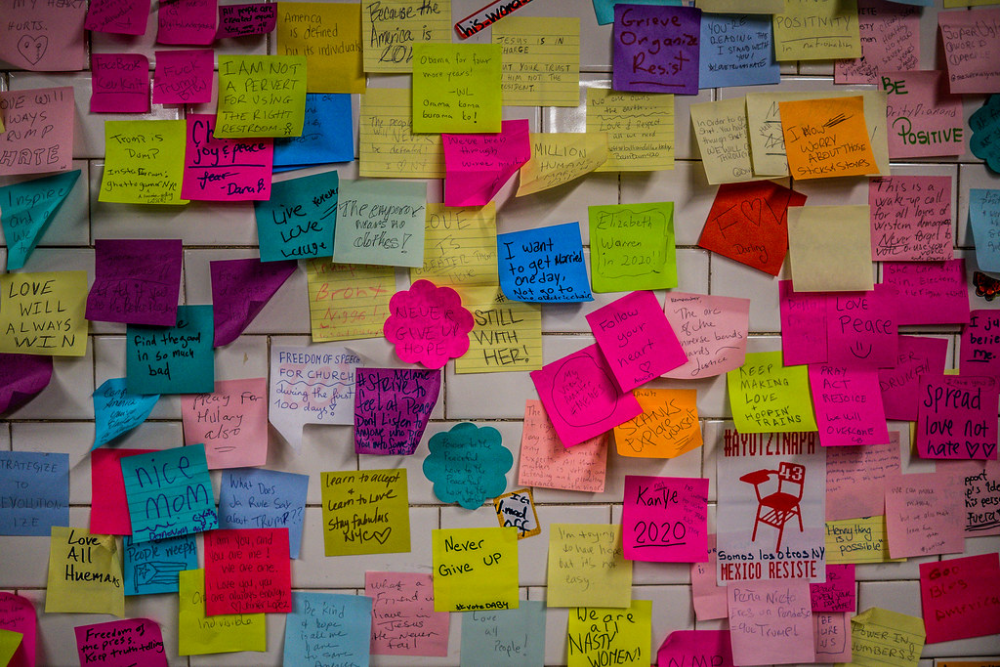
The ubiquitous Post-it Note exists because chemist Spencer Silver forgot about his ‘failed’ adhesive experiment. In 1968, Silver was attempting to create a super-strong adhesive for 3M but instead created a weak, pressure-sensitive adhesive that didn’t interest his colleagues.
Years later, another 3M scientist, Arthur Fry, remembered Silver’s forgotten creation when he needed a non-damaging way to mark pages in his hymnal. The resulting product revolutionized office culture worldwide, creating an entirely new category of stationery and changing how people communicate in workplaces globally.
The Overlooked Catalysts of Change
History’s course often hinges on what someone forgot to do rather than what they remembered. These moments of human error and oversight remind us that world-changing events don’t always stem from careful planning or brilliant foresight.
Sometimes the most consequential chains of events begin with a missed detail, a forgotten task, or an unnoticed mistake. Whether resulting in tragedy or triumph, these instances of forgetfulness demonstrate the unpredictable nature of progress and the outsized impact that small human errors can have on our collective journey.
Perhaps there’s comfort in knowing that imperfection, not perfection, has been the hidden catalyst behind many pivotal moments in our shared history.
More from Go2Tutors!

- The Romanov Crown Jewels and Their Tragic Fate
- 13 Historical Mysteries That Science Still Can’t Solve
- Famous Hoaxes That Fooled the World for Years
- 15 Child Stars with Tragic Adult Lives
- 16 Famous Jewelry Pieces in History
Like Go2Tutors’s content? Follow us on MSN.



