26 Department Store Experiences from the ’80s That Made Shopping Feel Special
Walking into a department store in the 1980s felt like entering a world designed specifically to enchant you. The lighting was softer, the music was carefully chosen, and everything from the escalators to the gift wrap counter seemed to whisper that this wasn’t just shopping — this was an experience.
These weren’t the hurried, fluorescent-lit retail spaces of today. They were destinations where families spent entire Saturday afternoons, where teenagers saved allowance money for months to afford something special, and where the simple act of buying a sweater could feel like a celebration.
Piano Players in the Store

Department stores hired actual piano players to perform in their main lobbies. The music wasn’t piped in through speakers — someone sat at a baby grand piano and played Broadway standards while shoppers browsed.
It was live entertainment, right there next to the handbags and jewelry counters.
Personal Shopping Services

You could request a personal shopper who would pull items for you and create outfits. This wasn’t reserved for celebrities or the wealthy.
Regular customers could make an appointment and get professional styling advice. The service was often free if you purchased a certain amount.
Restaurant Dining Rooms
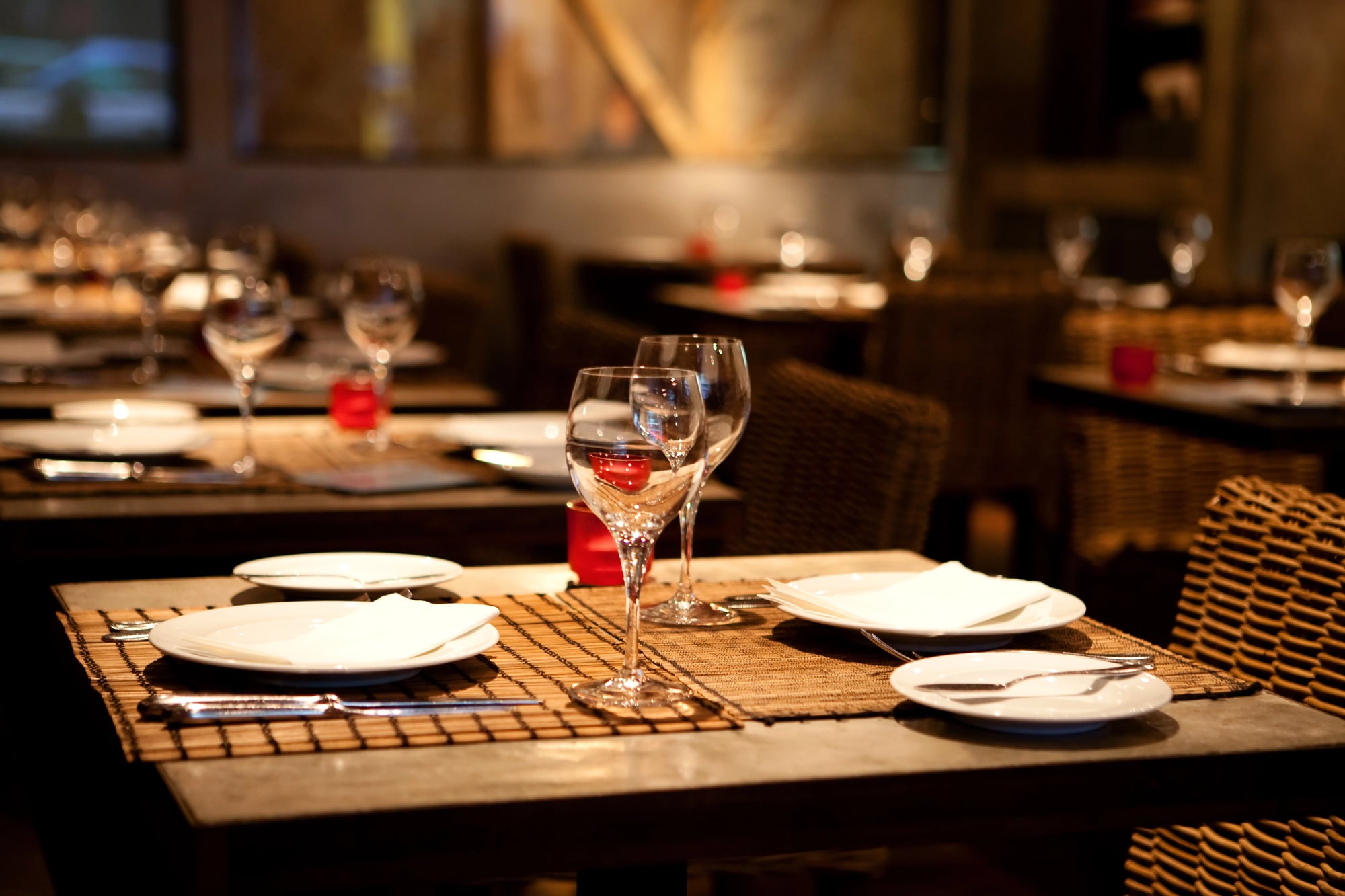
Every major department store had a proper restaurant (not a food court, but an actual dining room with tablecloths and waitresses who knew the menu by heart). The tea room at Marshall Field’s, the dining room at Neiman Marcus — these places served real meals on real china, and lunch there was considered a social event rather than a quick refuel between shopping stops.
Gift Wrapping as Theater
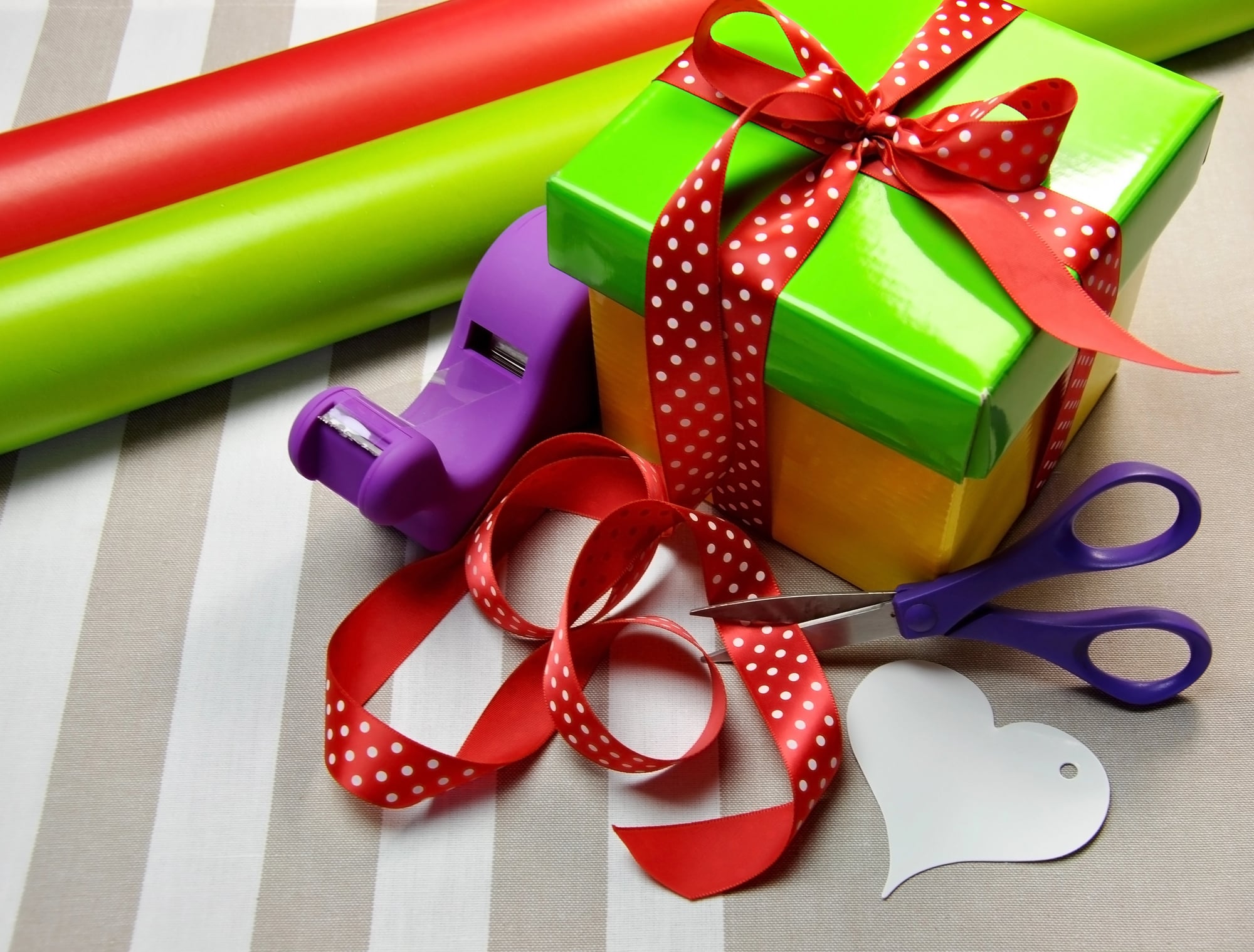
The gift wrap counters were elaborate operations with dozens of paper choices, ribbon selections, and decorative elements that turned package wrapping into performance art. You’d stand there for twenty minutes watching someone create what amounted to a small sculpture around your purchase, complete with hand-tied bows and decorative flourishes that made opening the gift almost as exciting as what was inside.
Escalator Etiquette and Rituals
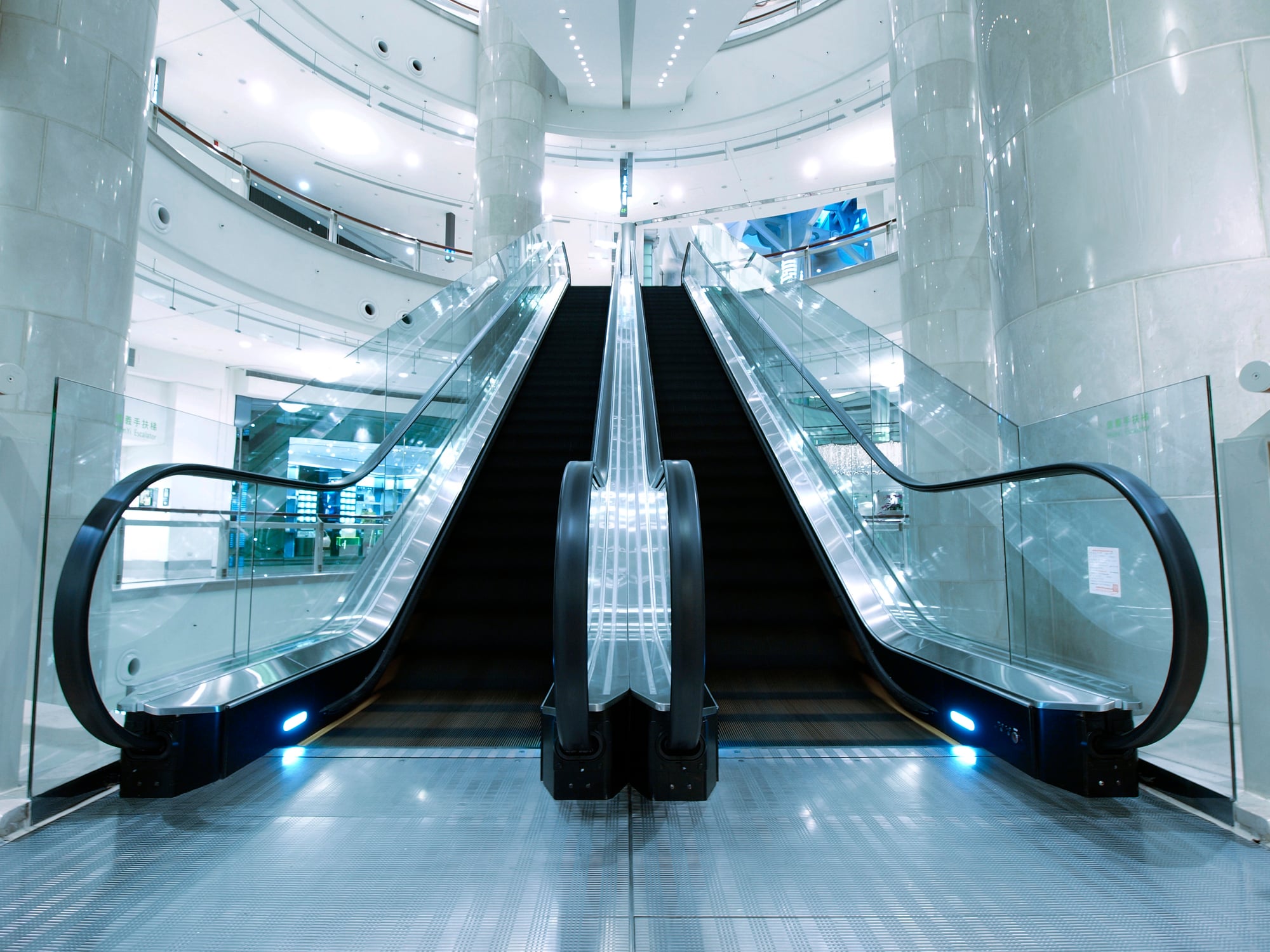
Escalators in department stores weren’t just transportation — they were part of the experience, with their own unspoken rules and social dynamics that made riding them feel like participating in some kind of elegant urban ballet. People dressed up to ride department store escalators, and there was an understood pace and courtesy that made even the simple act of moving between floors feel ceremonial.
The escalators themselves were often works of art, with brass railings and carpeted steps that announced you were somewhere special rather than just getting from point A to point B.
White Glove Treatment
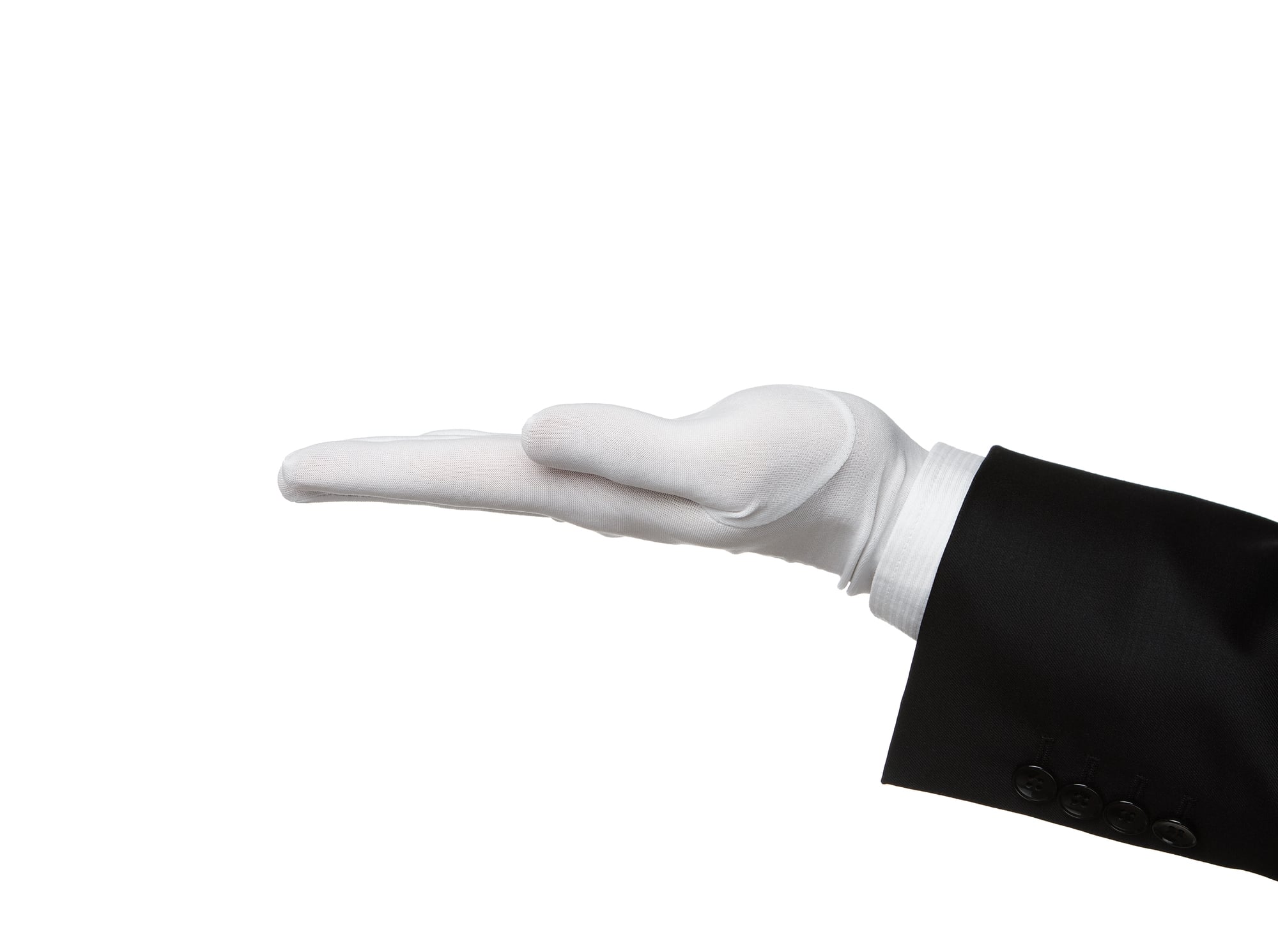
Salespeople wore white gloves when handling expensive merchandise. Watches, jewelry, and luxury items were presented with the kind of reverence usually reserved for museum pieces.
The gloves weren’t just for show — they signaled that what you were considering was valuable enough to deserve special care.
Seasonal Window Displays
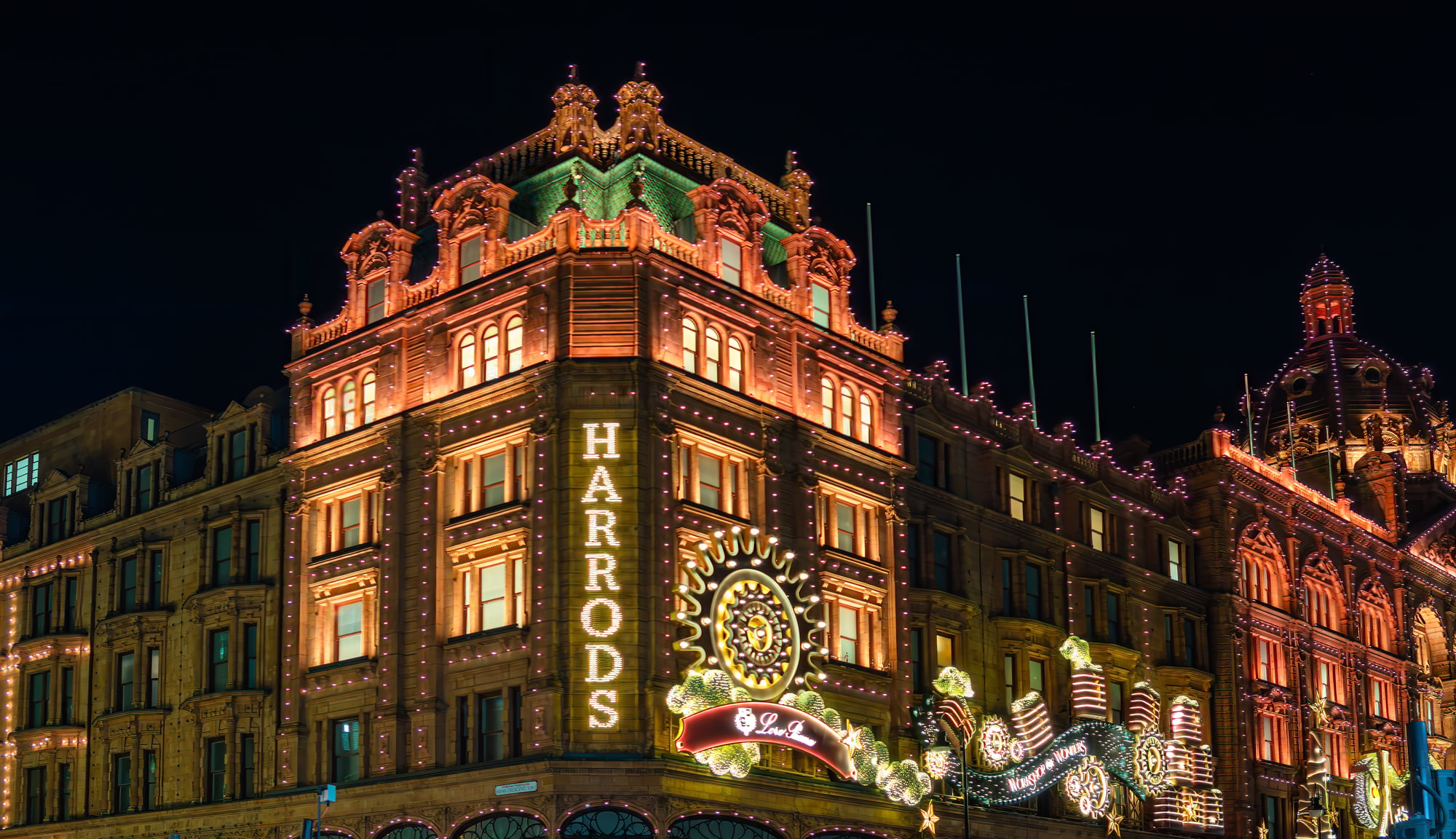
The window displays changed with every season and holiday, featuring elaborate scenes with moving parts, detailed backgrounds, and themes that drew crowds of people who would stand outside just to look. Christmas windows were legendary productions that took months to plan and build.
Families made special trips downtown just to see the displays.
Perfume Sample Ladies

Women in elegant uniforms would approach shoppers with small bottles of perfume, offering to spray a sample on your wrist. They knew everything about each fragrance — the notes, the occasion it was designed for, which celebrities wore it.
Getting sprayed was part of the ritual of walking through the cosmetics department.
Layaway Plans That Felt Special
Putting something on layaway wasn’t a desperate financial move — it was a way to savor anticipation and build excitement for a purchase that felt meaningful rather than impulsive, which is exactly what the experience was designed to do. The layaway counter had its own ceremony: they’d wrap your item carefully, write your name on a tag, and place it in a special area where it waited for you like a promise you’d made to yourself.
Coming in to make payments felt like visiting something precious that belonged to you but wasn’t quite yours yet.
And the final payment? That was a celebration. So you’d leave with your purchase feeling like you’d earned it rather than just bought it.
Fur Storage Services

Department stores offered fur storage during summer months. They had climate-controlled vaults where they would store, clean, and maintain fur coats for a fee.
This was a standard service that regular customers used every year, and picking up your coat in the fall was a ritual that marked the change of seasons.
Live Fashion Shows
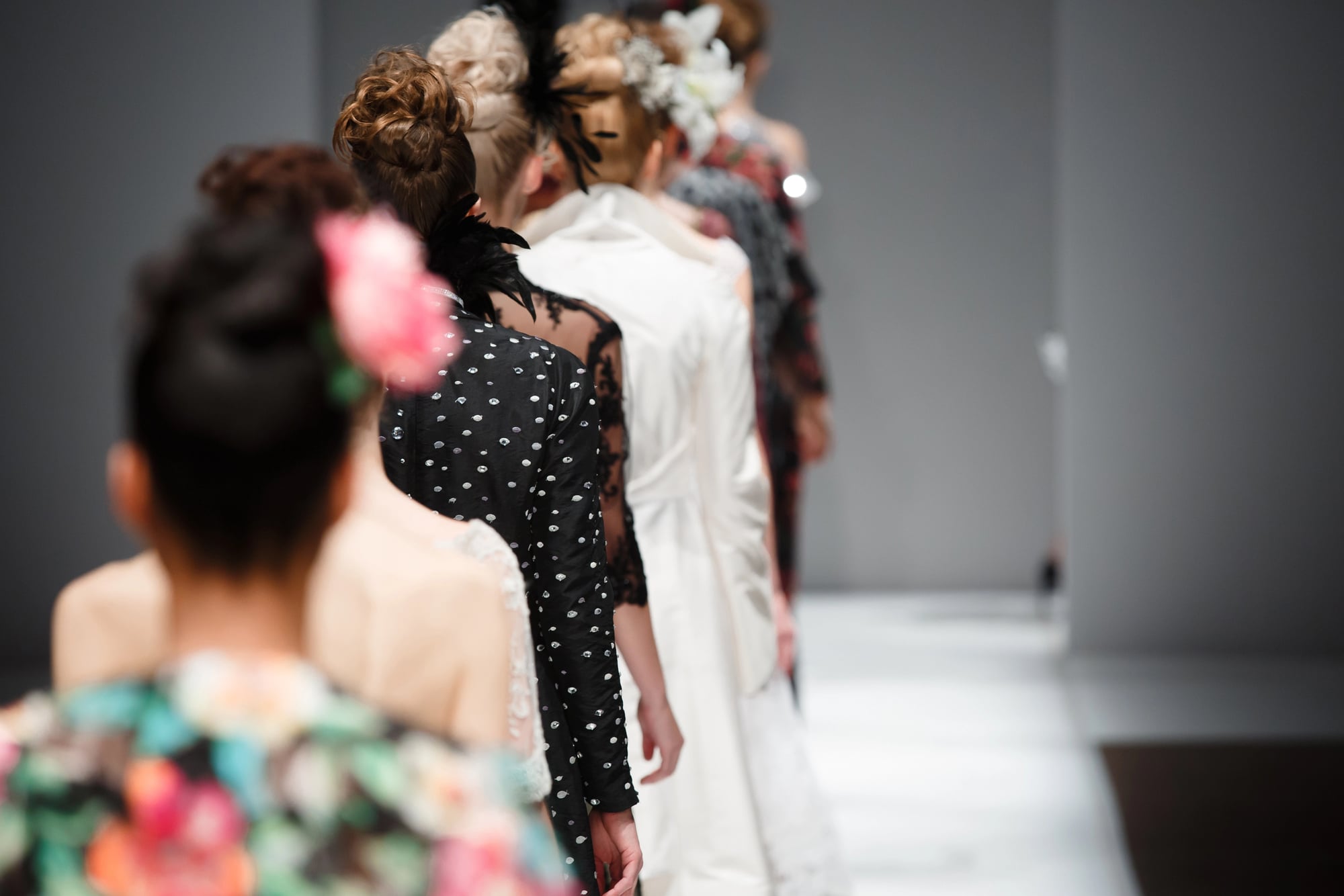
Stores regularly held fashion shows in their main aisles or special event spaces. Models would walk through the store wearing the latest arrivals while an announcer described each outfit and its price.
These weren’t exclusive events — any shopper could stop and watch. The clothes being modeled were available for purchase immediately after the show.
Charge Account Prestige
Having a store charge account came with actual privileges. Account holders received advance notice of sales, invitations to special events, and priority access to new merchandise.
The charge plates were small metal rectangles with your account number embossed on them, and presenting one felt like showing membership to an exclusive club.
Pneumatic Tube Systems
Many stores still used pneumatic tubes to send payments and receipts between floors. You’d watch your cash or check disappear into a cylinder that whooshed through clear tubes overhead, then wait for it to return with your change and receipt.
The system made even routine transactions feel like minor adventures in engineering.
Department Store Tea Time
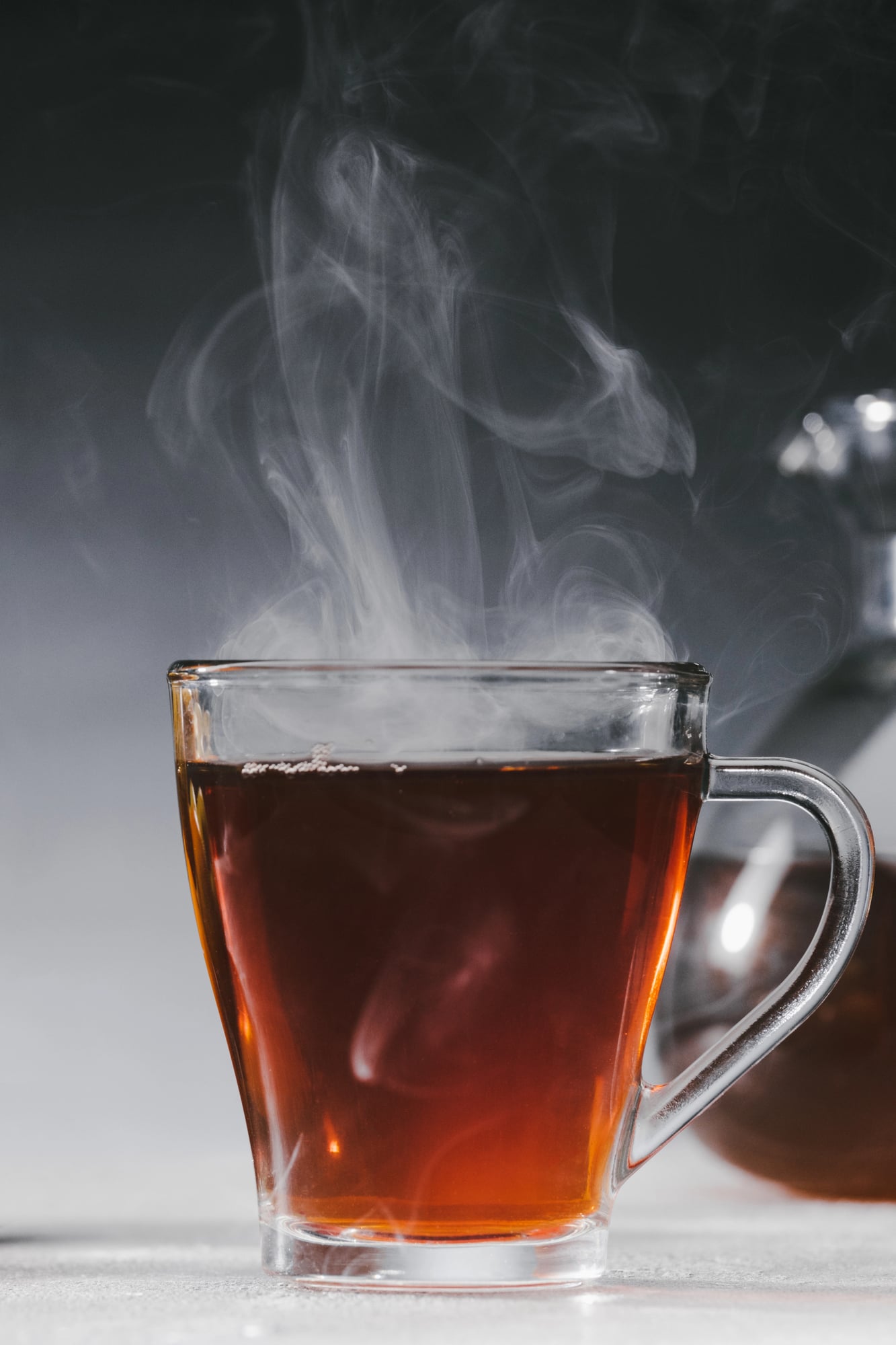
Stores served proper afternoon tea with finger sandwiches, scones, and multi-tiered serving trays that transformed shopping into an occasion elegant enough to require your best behavior and quietest voice. The tea service wasn’t fast food dressed up as something fancier — it was the real thing, served on bone china with cloth napkins and silver spoons that caught the light just right.
You had to make reservations, and canceling was considered poor form.
The ritual mattered as much as the tea itself: the careful pouring, the precise placement of sugar cubes, the way conversation naturally lowered to match the setting.
Catalog Ordering Desks

Before online shopping, department stores had catalog desks where customers could order items not carried in the store. You’d sit with a clerk who would help you navigate thick catalogs, place special orders, and arrange delivery.
The process took time and felt personal — someone was helping you find exactly what you wanted, even if the store didn’t stock it.
Escalator Operators

Some of the fancier stores had uniformed operators who stood at the bottom of escalators to assist customers, answer questions, and direct traffic. They knew every department in the store and could tell you exactly where to find anything you were looking for.
Having someone there just to help people onto moving stairs seems absurd now, but it worked.
Bridal Registries as Social Events
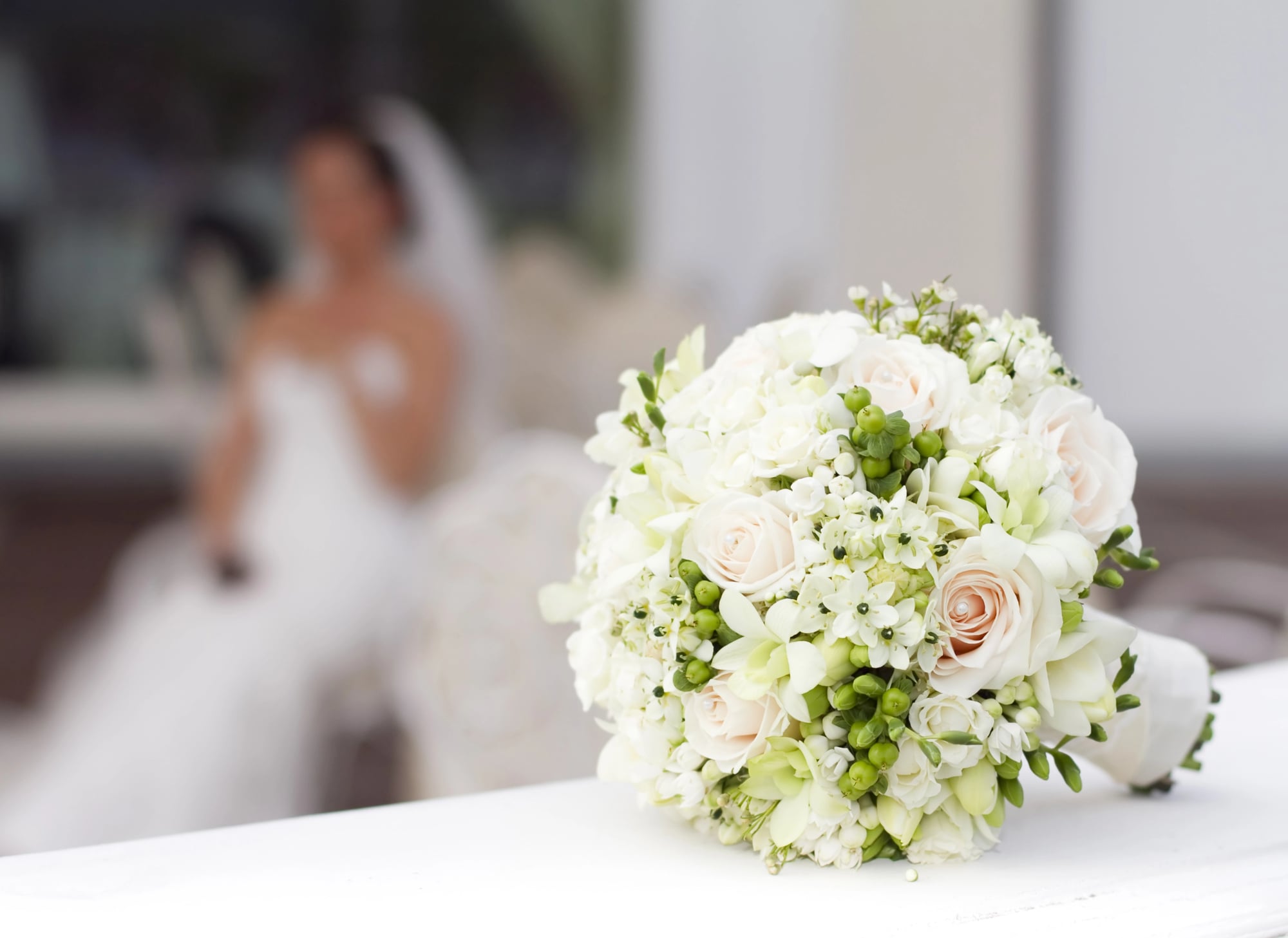
Creating a bridal registry was a formal process that involved appointments, consultations, and tours of different departments with a dedicated staff member who would help couples select everything from china patterns to towel colors. Friends and family were often invited to participate, making registry creation a social event rather than a private task that took weeks to complete properly.
Christmas Layaway Clubs

Starting in August, stores would promote Christmas layaway clubs where customers could put gifts aside with small weekly payments. By December, everything was paid for and ready to pick up.
The clubs had their own special sections of the store, and making your weekly payment became a ritual that built anticipation for the holidays.
Department Store Charge Cards
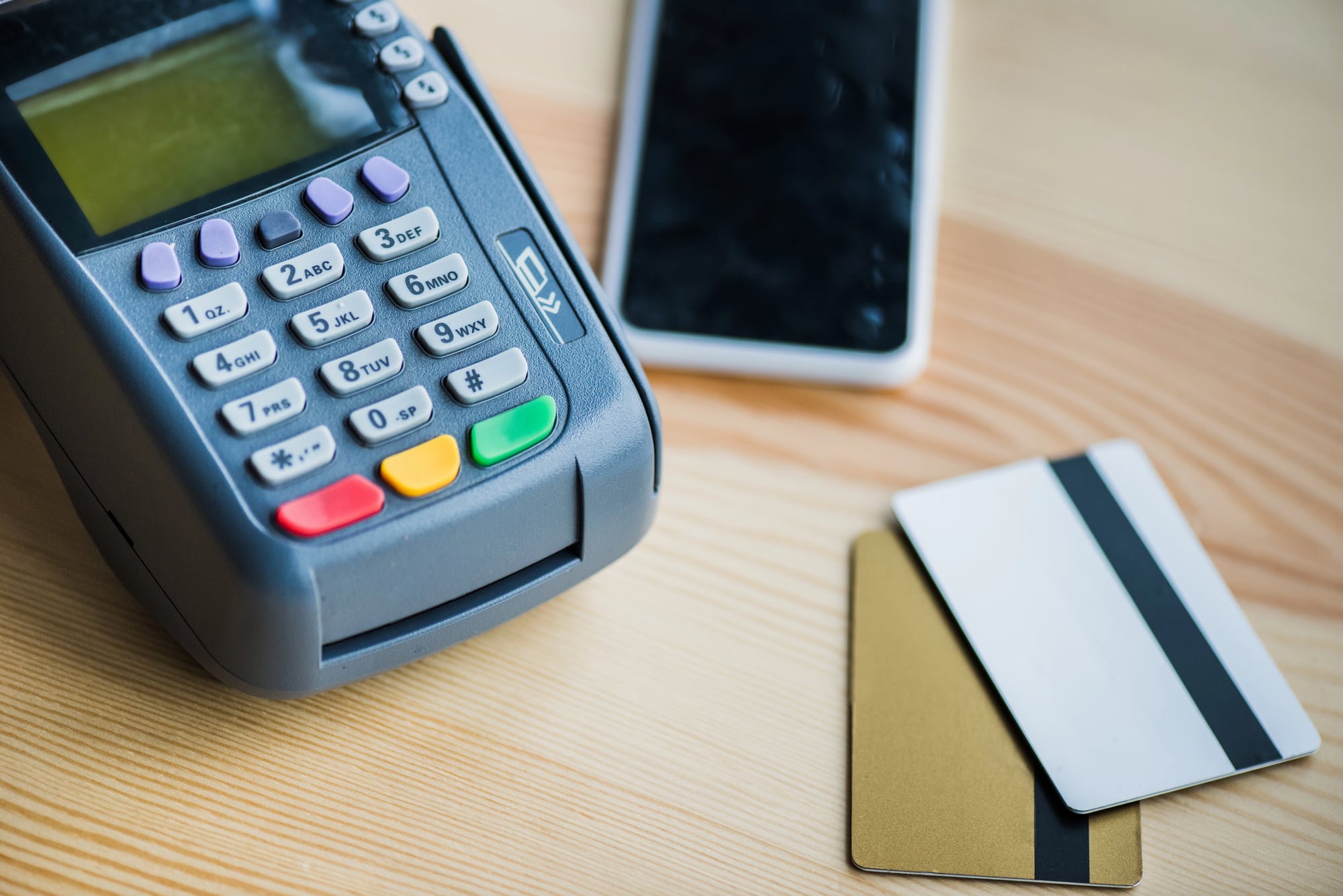
Store credit cards came with newsletters, special sales announcements, and birthday discounts. Cardholders received thick mailers featuring upcoming collections and exclusive shopping events.
The cards themselves were status symbols — carrying a Bloomingdale’s or Saks card said something about where and how you shopped.
Alterations as Standard Service
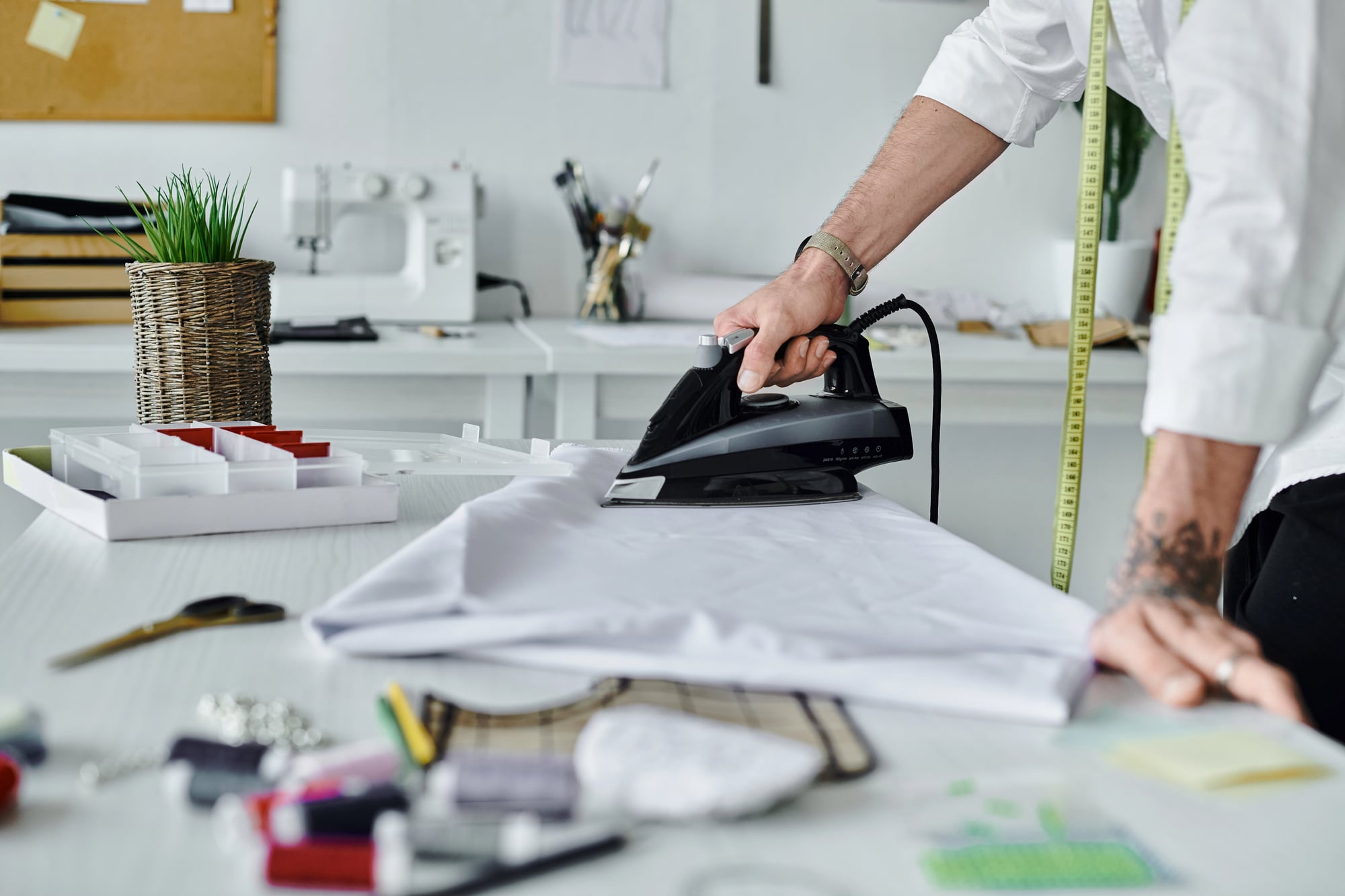
Every department store had a full alterations department with skilled tailors and seamstresses who could modify almost any garment. Getting something altered wasn’t an extra expense — it was part of buying clothes that actually fit properly.
The alterations staff knew regular customers and their preferences, making adjustments based on previous work.
Cosmetics Makeovers

The cosmetics counter offered full makeovers using the store’s products. These weren’t quick touch-ups but complete transformations that could take an hour or more.
The makeup artists were trained professionals who would teach you techniques while they worked. Getting a makeover was a special occasion that women would plan for and dress up for.
Personal Shoppers for Children

Stores employed staff specifically trained to help children shop for school clothes or special occasion outfits. These personal shoppers understood how to work with shy or particular kids, making clothing shopping a positive experience rather than a battle of wills between parents and children over what looked good and what felt comfortable.
Holiday Gift Suggestion Services
During the holidays, stores provided gift suggestion services where trained staff would interview you about the person you were shopping for and create a list of appropriate gifts within your budget. This wasn’t just pointing you toward sale items — it was thoughtful consultation that often resulted in perfect gifts you never would have considered on your own.
Store Detective Theater
Store detectives weren’t hidden security guards — they were well-dressed individuals who walked the floors as both loss prevention and customer service representatives. Regular shoppers often knew who they were and would ask them questions about merchandise or directions to different departments.
Their presence made the store feel safer and more supervised without being intimidating.
Charge-and-Send Services
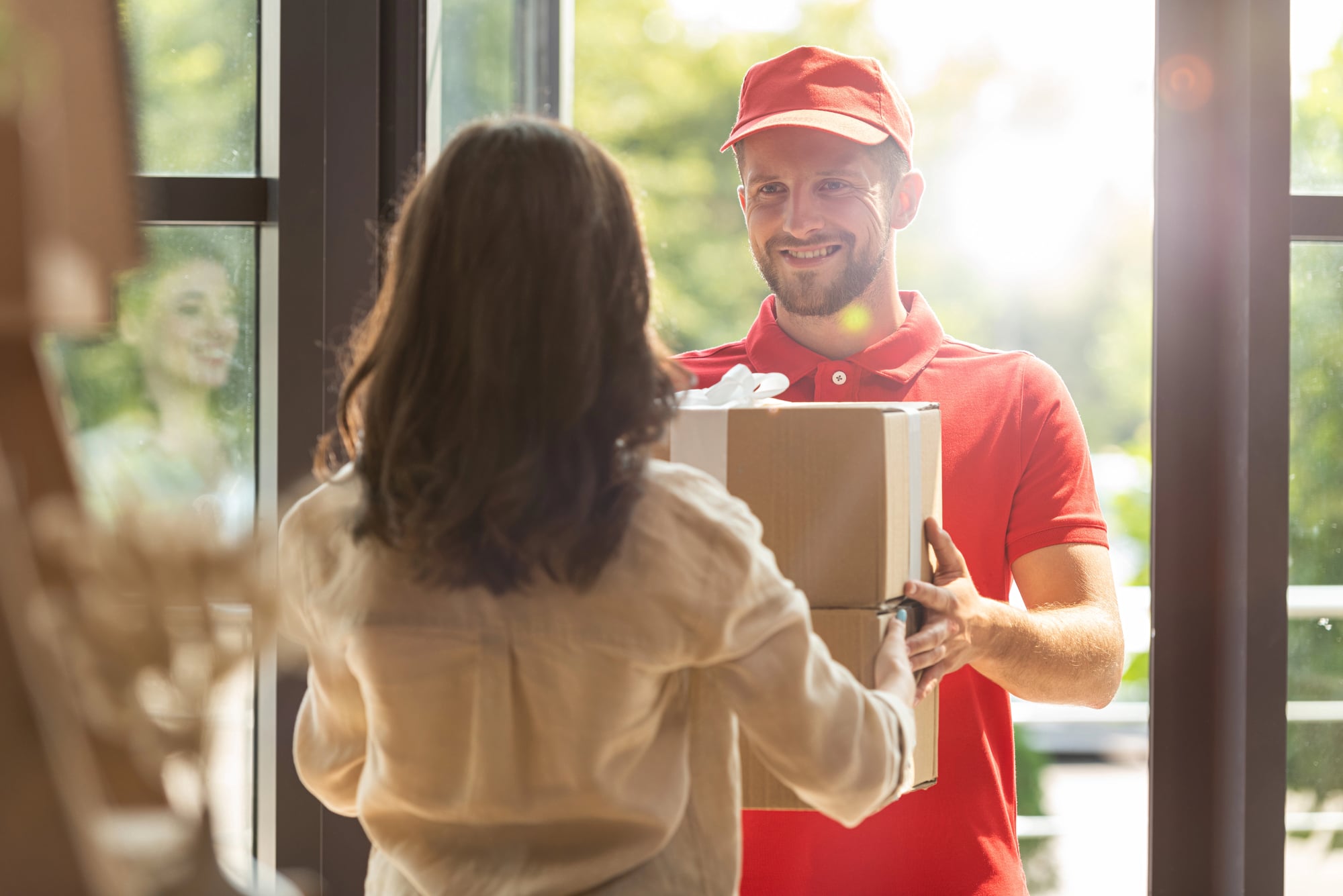
Customers could purchase items and have them charged to their account and sent directly to recipients as gifts. The store would handle everything — gift wrapping, delivery, and even including a card with your message.
This service turned department stores into full-service gift coordination centers rather than just retail spaces.
Trunk Shows with Designers
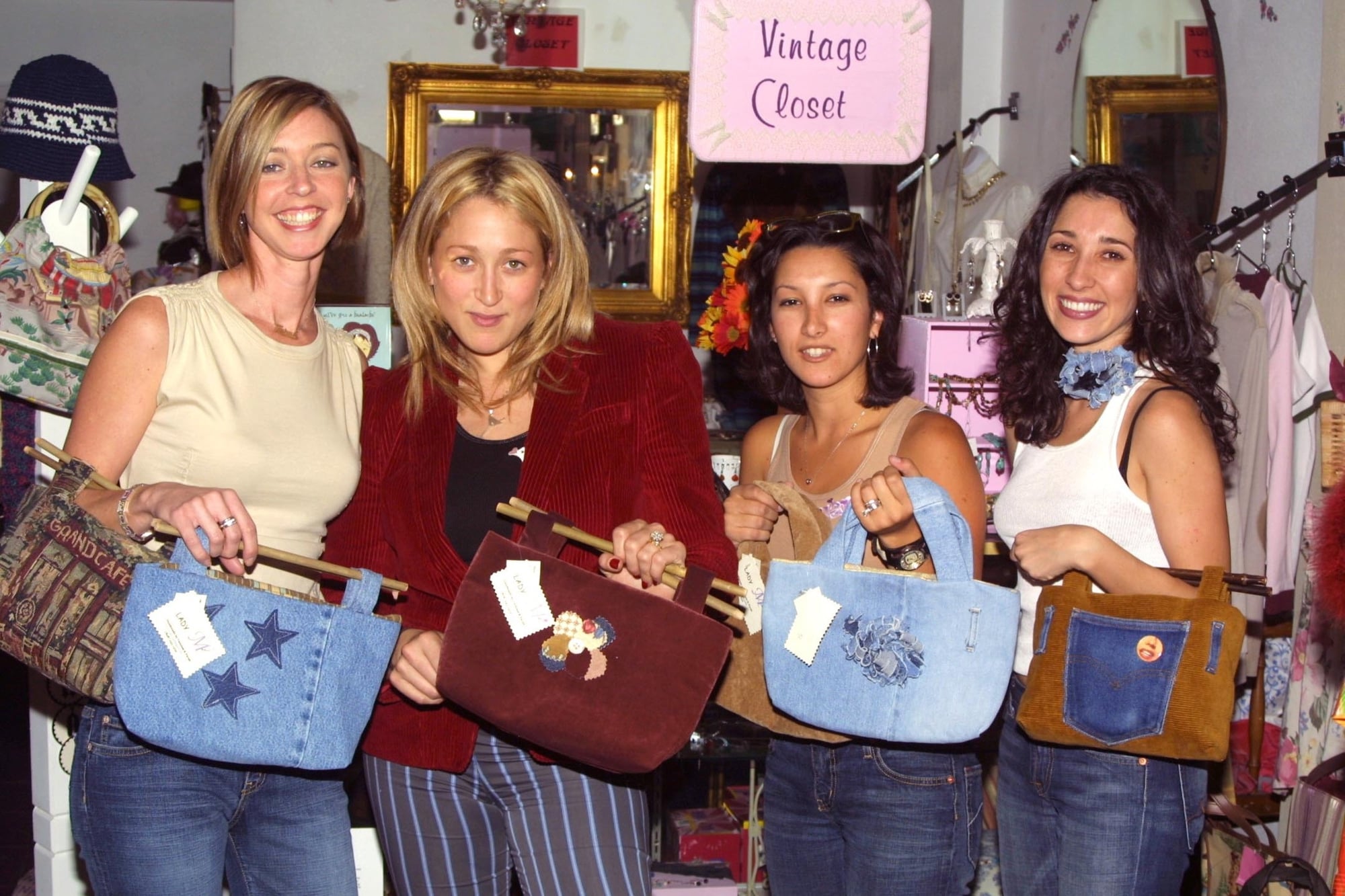
Stores regularly hosted trunk shows where fashion designers would bring their complete collections for preview before they hit the sales floor. These events included personal appearances by the designers themselves, who would discuss their inspiration and help customers select pieces.
Attending a trunk show felt like getting access to fashion before the rest of the world saw it.
When Shopping Was Ceremony

Department stores in the 1980s understood something that seems to have been lost in our rush toward convenience and efficiency: shopping wasn’t just about acquiring things, but about the ritual of choosing them. Every element — from the piano music to the white gloves to the pneumatic tubes — was designed to make customers feel that their time and money were being honored rather than simply extracted.
These weren’t just stores, but stages where ordinary people could feel sophisticated and valued for a few hours on a weekend afternoon.
More from Go2Tutors!

- The Romanov Crown Jewels and Their Tragic Fate
- 13 Historical Mysteries That Science Still Can’t Solve
- Famous Hoaxes That Fooled the World for Years
- 15 Child Stars with Tragic Adult Lives
- 16 Famous Jewelry Pieces in History
Like Go2Tutors’s content? Follow us on MSN.



