Viral Videos That We All Forgot About
The internet moves fast. A video can dominate every conversation for weeks, spawn countless remixes and parodies, and then vanish completely from collective memory.
These weren’t just popular videos—they were cultural moments that defined early internet humor and sharing culture. Everyone you knew had seen them.
People quoted them at parties. Then social media algorithms changed, new platforms emerged, and these videos got buried under the endless content stream.
Most of them still exist somewhere on YouTube with millions of views, frozen in time like digital fossils. But nobody talks about them anymore.
Numa Numa Guy Danced Alone
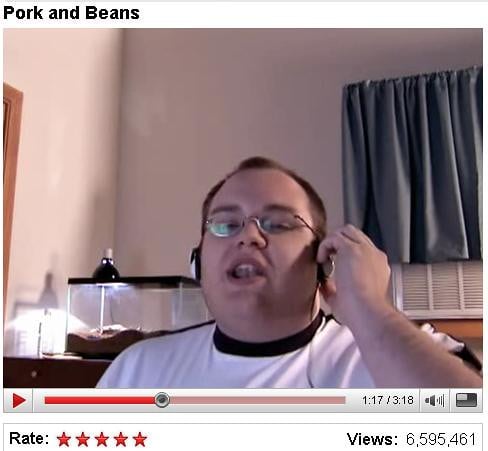
Gary Brolsma sat at his webcam in 2004 and lip-synced to “Dragostea Din Tei” by O-Zone, a Romanian pop song. He bounced in his chair, made exaggerated facial expressions, and threw his hands around with complete commitment to the bit.
The video was called “Numa Numa” after the song’s most recognizable lyrics. It spread through email forwards and early video sharing sites before YouTube even existed.
The video captured something pure about early internet culture—people doing silly things alone in their rooms and sharing them with the world. No production value, no editing, just genuine enthusiasm for a catchy foreign pop song.
Brolsma became briefly famous, appearing on news programs and talk shows. He tried to capitalize on his viral moment with follow-up videos, but you can’t force lightning to strike twice.
The original video has over 700 million views across various uploads, but when was the last time anyone mentioned it?
Chocolate Rain Had a Deeper Message

Tay Zonday posted “Chocolate Rain” in 2007. His unexpectedly deep voice coming from his slight frame created an immediate contrast that grabbed attention.
The song itself was weird—a simple keyboard melody with lyrics about institutional racism hidden behind a metaphor about chocolate rain. Zonday’s performance style, where he moved away from the microphone to breathe, became instantly memeable.
The video exploded across the internet. Parodies flooded YouTube.
John Mayer recorded a version. Zonday appeared on talk shows and performed the song live. For months, you couldn’t escape “Chocolate Rain.”
Then it disappeared almost as quickly as it arrived. Zonday continued making music and content, but nothing else came close to that viral peak.
The video sits at over 139 million views, a monument to a specific moment in YouTube history that nobody revisits.
Keyboard Cat Played Off Everyone
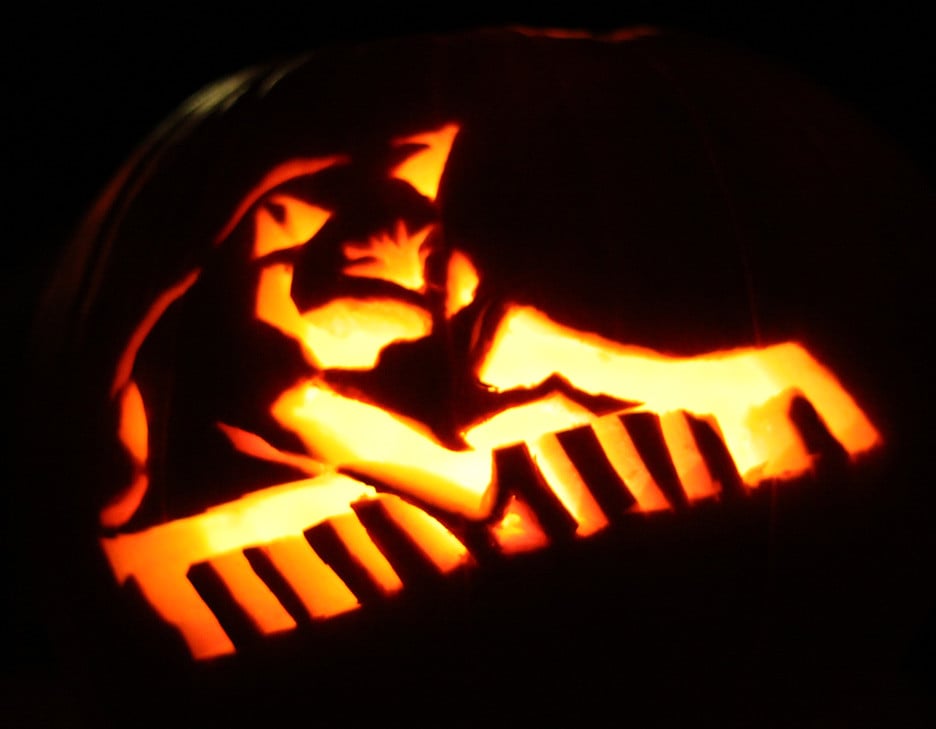
Someone uploaded a video in 2007 of a cat named Fatso wearing a blue shirt and appearing to play a keyboard. The original footage was from 1984, filmed by Charlie Schmidt.
The internet latched onto it and created the “play him off, Keyboard Cat” meme—editing the clip onto the end of videos showing people failing or doing something embarrassing. The cat would start playing as if providing exit music for their humiliation.
The format spread everywhere. Thousands of videos used the Keyboard Cat outro.
The meme had flexibility—you could attach it to almost any kind of failure. Fatso had died years before the video went viral, but the footage gave him posthumous internet fame.
Schmidt capitalized on the meme while it lasted, but like most memes, it burned bright and fast. People moved on to new ways of mocking failure.
Keyboard Cat still exists in YouTube’s archives, but the meme format feels as dated as the 1984 footage itself.
Double Rainbow Made a Man Cry

Paul “Bear” Vasquez recorded himself reacting to a double rainbow in Yosemite in 2010. His emotional response escalated throughout the video.
He started with excitement, moved to awe, and ended up sobbing about the beauty of the double rainbow. “What does it mean?” he asked through tears.
The raw emotion combined with the mundane subject matter created an absurd contrast that the internet loved. Jimmy Kimmel tweeted the video, which accelerated its spread.
Everyone shared it. People quoted Vasquez’s exclamations. Auto-Tune the News made a song remix.
The video accumulated over 48 million views. Vasquez briefly became an internet celebrity, appearing in commercials and interviews.
But the meme cycle moves fast. Within a year, something else had replaced the double rainbow guy in the viral video ecosystem.
Vasquez passed away in 2020, and the video became a memorial to early YouTube’s capacity for finding joy in genuine human reactions.
Antoine Dodson Warned Everyone

A news report about a home invasion in Huntsville, Alabama became viral gold in 2010 when Antoine Dodson gave an incredibly animated interview. “Hide yo kids, hide yo wife” became instantly quotable.
His anger, protective instincts, and expressive delivery made for compelling television that translated perfectly to internet sharing. The Gregory Brothers auto-tuned the interview into a song called “Bed Intruder Song.”
It topped iTunes charts. Dodson appeared on talk shows and at the BET Awards. The song raised money for his family to move to a safer neighborhood.
For months, you heard the auto-tuned version everywhere—parties, radio stations, random YouTube videos. Then the internet found someone new to auto-tune and remix.
Dodson tried to maintain his platform but never recaptured that viral energy. The video marked a specific era when local news interviews could become a nationwide phenomenon overnight.
Charlie Bit My Finger Hurt

Harry Davies-Carr put his finger in his baby brother Charlie’s mouth in 2007. Charlie bit down. Harry’s pained but bemused “Charlie bit me” became one of the most viewed videos on YouTube.
The simple, authentic moment of sibling interaction resonated with millions of people. Parents saw their own kids in the video. The British accent added charm.
The video accumulated over 885 million views, making it one of the most-watched YouTube videos ever. The family monetized their viral fame, appearing in advertisements and interviews.
In 2021, they sold the video as an NFT and removed it from YouTube, ending an era. For over a decade, “Charlie bit my finger” existed as YouTube royalty. Now it’s gone from the platform, and most people under 20 have never seen it. The internet moves on.
Leave Britney Alone Defended a Pop Star
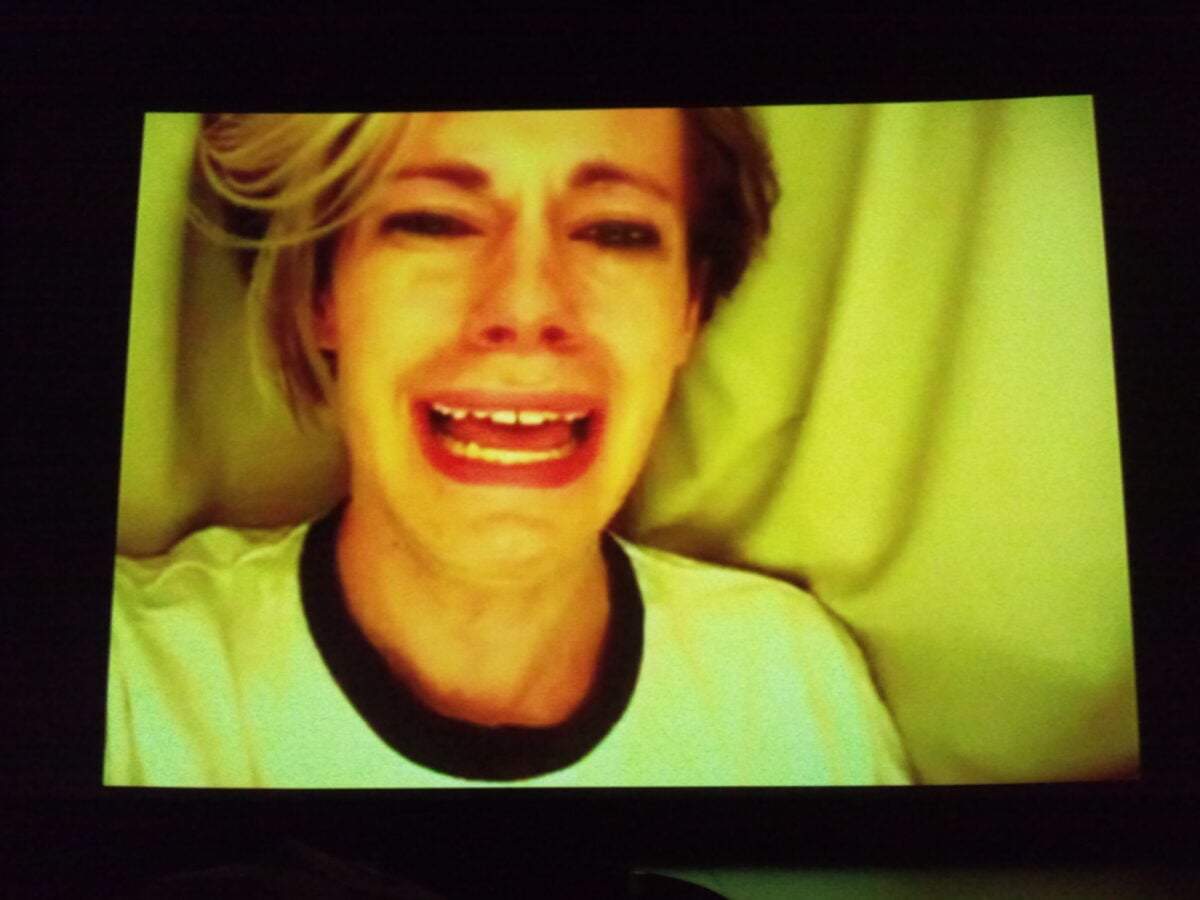
Chris Crocker posted an emotional defense of Britney Spears in 2007, recorded in their parents’ home with a sheet draped behind them. The tear-filled plea for people to “leave Britney alone” after her troubled performance at the VMAs became instantly viral. The raw emotion and theatrical delivery made the video compelling and mockable simultaneously.
Crocker became the target of ridicule and harassment. The video exemplified how early internet culture often punished vulnerability and difference.
But the video also proved prescient—years later, as conversations about celebrity mental health and media treatment of Britney Spears evolved, Crocker’s emotional defense looked more justified. The video has over 50 million views, but people rarely reference it now.
Crocker transitioned and continued creating content, but nothing matched the cultural impact of that tearful Britney defense.
Dramatic Chipmunk Lasted Five Seconds
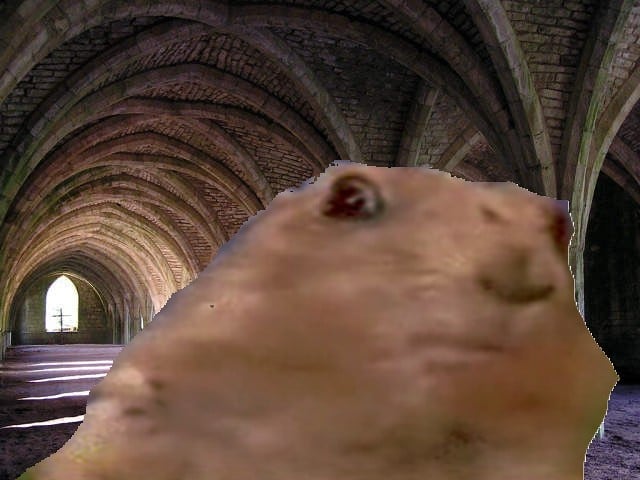
A prairie dog turning dramatically toward the camera with suspenseful music became a universal reaction video. The clip lasted five seconds.
People edited it into longer videos to punctuate dramatic moments. The format was simple and flexible, making it perfect meme material.
The animal’s expression and timing were accidentally perfect. The original footage came from a Japanese show.
Someone added the dramatic music and uploaded it to YouTube in 2007. It spread rapidly, hitting 50 million views faster than almost anything else at the time.
But five-second memes have short lifespans. Newer, more complex formats replaced it.
The prairie dog still turns dramatically in YouTube’s archive, but nobody uses the clip anymore. GIFs and TikTok sounds provide modern equivalents that feel more current.
David After Dentist Questioned Reality

David DeVore’s father filmed him after dental surgery in 2009. Still groggy from anesthesia, young David asked existential questions.
“Is this real life?” became the video’s most quoted line. His drugged confusion, combined with childlike wonder about simple experiences, created comedy that felt innocent rather than cruel.
The family licensed the video for commercials and appeared on talk shows. They used the revenue for David’s college fund.
The video accumulated over 140 million views. It spawned countless parodies and remixes.
Then it faded from relevance as newer “kids say funny things” content flooded the internet. David grew up with his viral moment frozen in time, a permanent record of childhood confusion that millions of strangers watched and shared.
Shoes Demanded Fashion

Kelly’s “Shoes” music video dropped in 2006 with aggressive lyrics about footwear. The intentionally bad production, absurd premise, and commitment to the bit made it quotable.
“Shoes” became shorthand for wanting material things with irrational intensity. The video mixed absurdist humor with early YouTube’s DIY aesthetic perfectly.
Kelly (Liam Kyle Sullivan in character) performed as a stereotypical demanding personality who would do anything for shoes. The video got referenced in conversations about shopping and materialism.
Kelly released other character videos, but none reached “Shoes” levels of virality. The video exemplified early YouTube comedy—weird, specific, and produced for almost nothing.
As production values increased across YouTube, videos like “Shoes” started feeling dated. It remains a time capsule of mid-2000s internet humor that valued commitment over polish.
Sneezing Panda Made Everyone Jump

A baby panda sneezed and its mother reacted with surprise. That’s the entire video. It lasted seven seconds and got millions of views in 2006.
The simplicity was the appeal—just animals being animals, with perfect comedic timing that no human could script. The mother panda’s exaggerated reaction sold the moment.
People shared it endlessly. It showed up in email forwards before social media sharing became dominant.
The video proved that you didn’t need complex content to go viral. A short, funny moment captured at the right time was enough.
But seven seconds of content can’t sustain long-term relevance. The novelty wore off.
Newer animal videos with better quality and more dramatic moments replaced it. The sneezing panda still exists, but feels like a relic from when the bar for viral content was lower.
Star Wars Kid Suffered From Fame
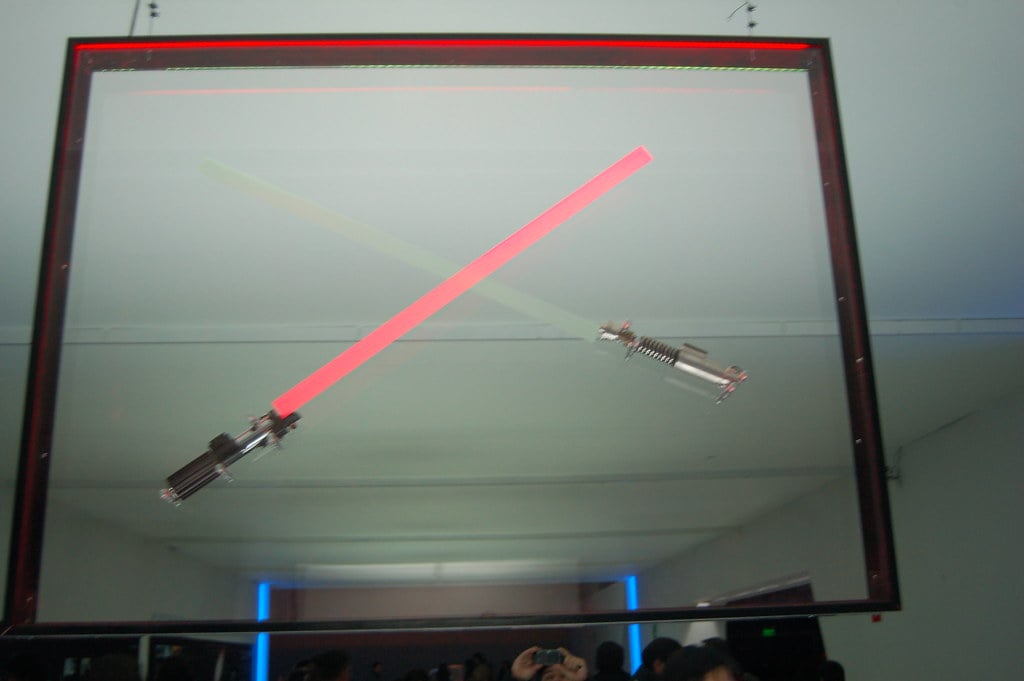
Ghyslain Raza filmed himself in 2002 swinging a golf retriever like a lightsaber. The footage was private, meant for no one else.
Classmates found it and uploaded it online in 2003 without his permission. It became one of the first massive viral videos, spawning edited versions with sound effects and Star Wars music.
The video was shared millions of times across early internet platforms. Raza faced severe bullying.
The video caused him real harm, making it one of the first examples of how viral fame could destroy rather than enhance someone’s life. His family sued the classmates who uploaded it.
Years later, Raza spoke about the experience and how he recovered. The video represents a darker side of early viral culture—people sharing content without considering the human consequences.
It’s mostly forgotten now, partly because the ethics of sharing it have become questionable. The Star Wars Kid represents what viral videos could do before anyone understood their potential impact.
Evolution of Dance Covered Decades

Judson Laipply performed a six-minute routine in 2006 showing the evolution of popular dances from the 1950s through the 2000s. The video was simple—one man, one stage, lots of energy.
He cycled through dance crazes chronologically, from Elvis hip swings to Hammer Time. The concept was straightforward but the execution and humor worked. The video became YouTube’s most-watched video for a period, accumulating over 300 million views.
Laipply toured performing the routine and released updated versions. But novelty acts have expiration dates.
Once you’ve seen someone do the evolution of dance, watching it again provides diminishing returns. Newer dance videos with better production and more impressive choreography made Laipply’s routine seem basic.
The video was hugely important to early YouTube but hasn’t aged into a classic that people revisit.
Potter Puppet Pals Performed Mysteriously
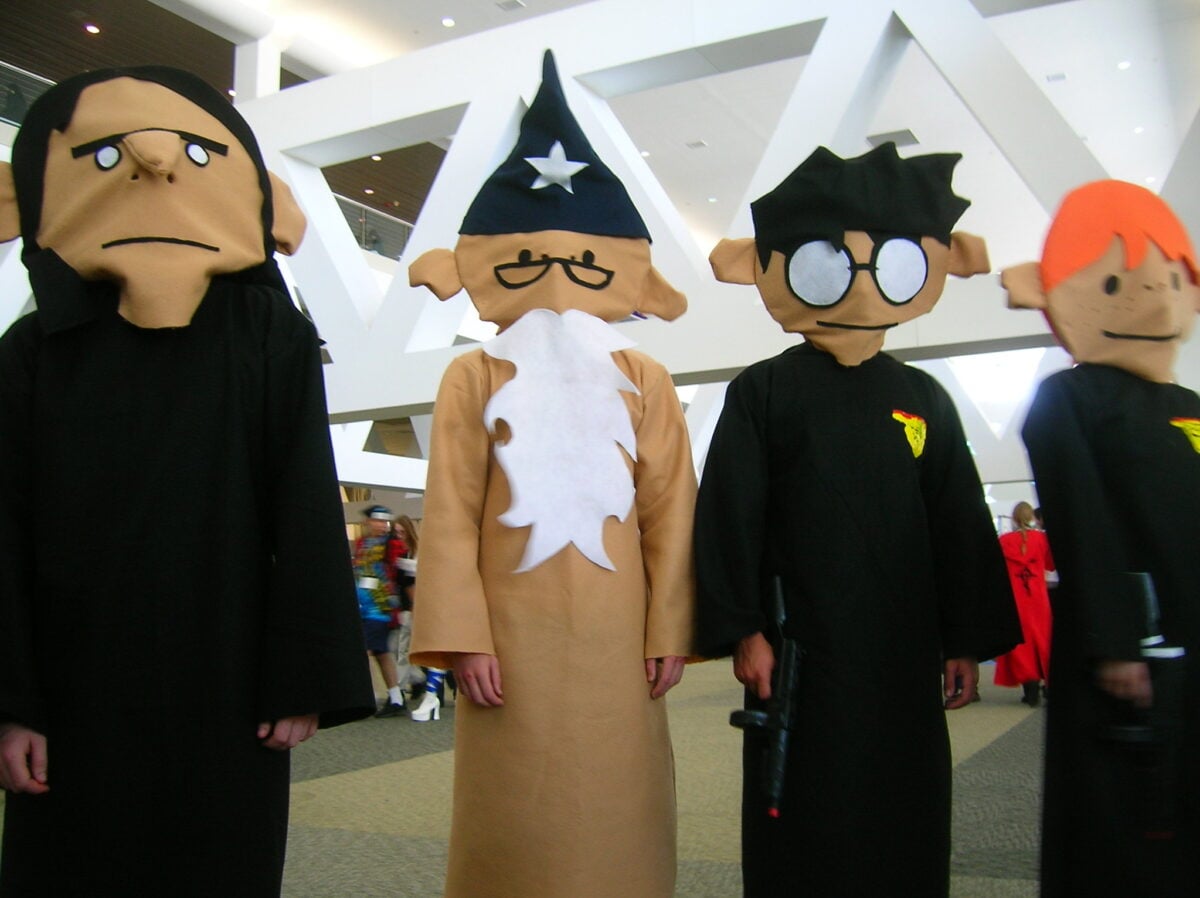
A bizarre Harry Potter puppet show set to bouncy music asked “What is the mysterious ticking noise?” repeatedly. The 2007 video was weird, catchy, and completely nonsensical.
It built tension as characters noticed the ticking, then broke into a song about Snape before everything exploded. The random humor and earworm song made it shareable.
Neil Cicierega created it, and the video hit 195 million views. People quoted it. The song got stuck in their heads for days.
Cicierega continued creating internet content and music, achieving cult status in certain circles. But “Mysterious Ticking Noise” exists primarily as a memory for people who were deep into YouTube culture in the late 2000s.
Harry Potter content has been replaced by newer franchises and creators, and puppet shows don’t hit the same way they did when YouTube was younger and weirder.
End of Ze World Explained Armageddon

An animated flash video from 2003 showed a heavily accented narrator explaining how the world might end in nuclear war. “Hokay, so here’s the Earth” became the iconic opening line.
The video mixed crude animation with absurdist humor about geopolitics. It portrayed countries as caricatures nuking each other before the survivors celebrated survival.
The video spread through forums and file sharing before YouTube existed. People memorized entire sections of the narration.
It captured early 2000s internet humor—random, slightly offensive, and unconcerned with polish. The flash animation style dates it immediately.
As geopolitical situations changed and internet humor evolved, “End of Ze World” became a time capsule. It’s occasionally rediscovered by people nostalgic for early internet culture, but it doesn’t translate well to modern audiences who expect different things from viral content.
When Virality Meant Something Different

These videos existed in a different internet ecosystem. YouTube was new.
Social media was emerging. Going viral meant everyone actually saw the same things and talked about them together.
There were no algorithms filtering content into personalized feeds. A viral video reached almost everyone online because there were fewer places to look.
The videos were simpler. Lower production values. More genuine reactions and fewer calculated attempts to engineer virality.
People made content without understanding it could make them famous or ruin their lives. The innocence created authenticity that’s harder to find now when everyone understands the mechanics of internet fame.
Most of these videos still exist. You can find them with a quick search.
The view counts remain impressive. But cultural relevance can’t be measured in views alone. These videos stopped being part of active conversations.
They became references that only people of certain ages understand, like inside jokes from a party that happened years ago. The internet archived them perfectly while simultaneously moving past them completely.
What Replaced Remembering

Fast shifts push TikTok fads out fast. Not even halfway shared, many YouTube clips already fade.
Overflowing streams drown each moment quickly. Lost hits once rose in calmer online waters.
Still buzzing around the lunchroom talk, videos held on simply by being passed hand to hand. Fewer clips fought for space, so they lasted longer in daily chatter.
Instead of fading fast under algorithm noise, most stuck around just because people kept showing them. Back then, those clips didn’t outshine today’s trending videos.
Instead, they stuck around thanks to timing and rarity. Value often hides in how hard something is to find.
With fewer viral moments floating by, each felt like an event. These days, waves of new hits flood every week – most gone before the next round arrives.
The old ones linger simply because there wasn’t much else competing. Fewer options meant deeper impressions.
Still, they did what they needed to do. Laughter followed them, random people found common ground because of a moment captured online.
A single clip could lift an unknown person into the spotlight, even if just for days. What started back then shaped how videos spread today.
Creators caught on. Platforms adjusted.
Each short clip now floating by carries traces of those early oddities – the cat tapping keys, the man marveling at colors in the sky. Time moves forward, yet echoes stay put.
More from Go2Tutors!

- The Romanov Crown Jewels and Their Tragic Fate
- 13 Historical Mysteries That Science Still Can’t Solve
- Famous Hoaxes That Fooled the World for Years
- 15 Child Stars with Tragic Adult Lives
- 16 Famous Jewelry Pieces in History
Like Go2Tutors’s content? Follow us on MSN.



